Tower
White Tower (Lefkos Pyrgos)
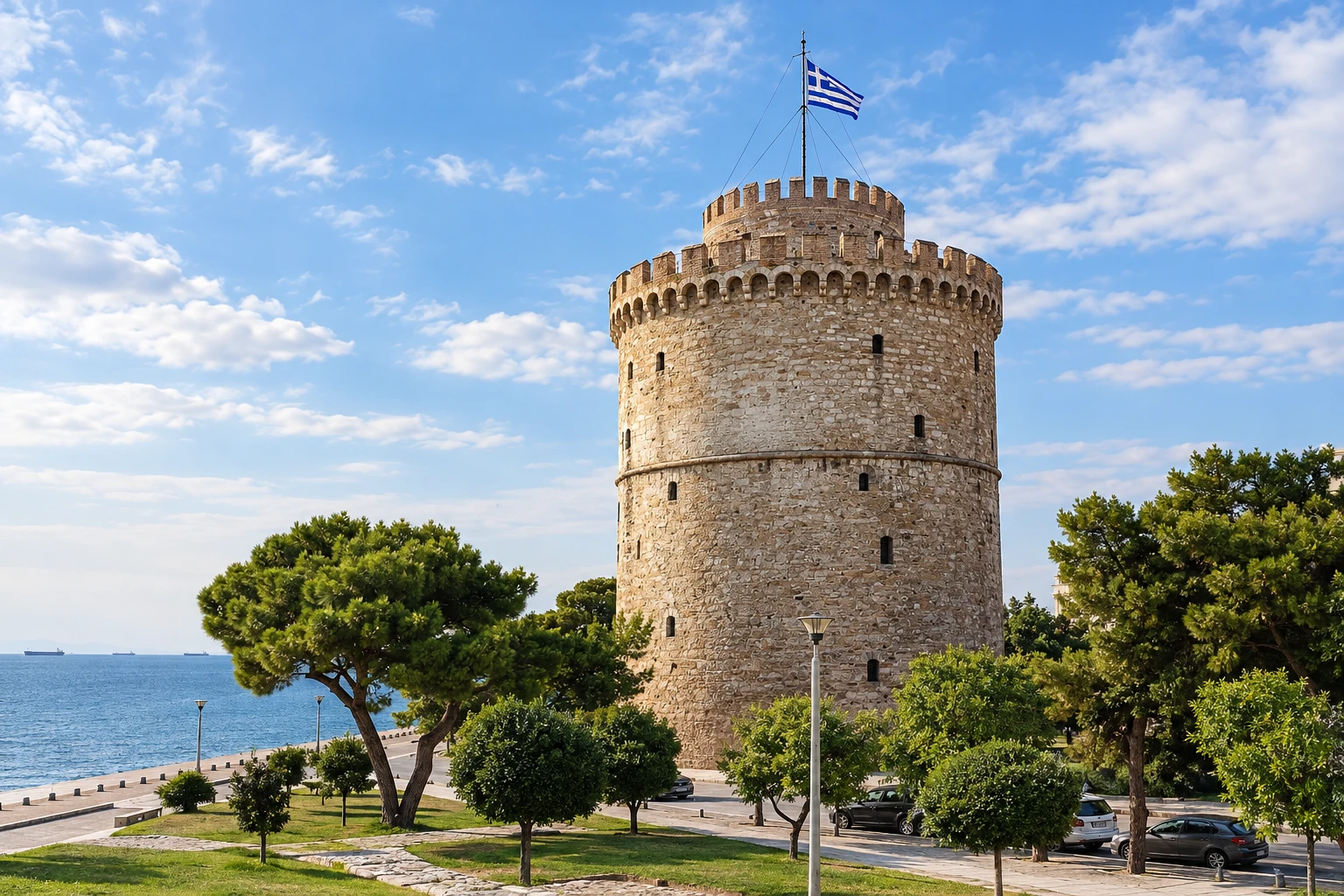
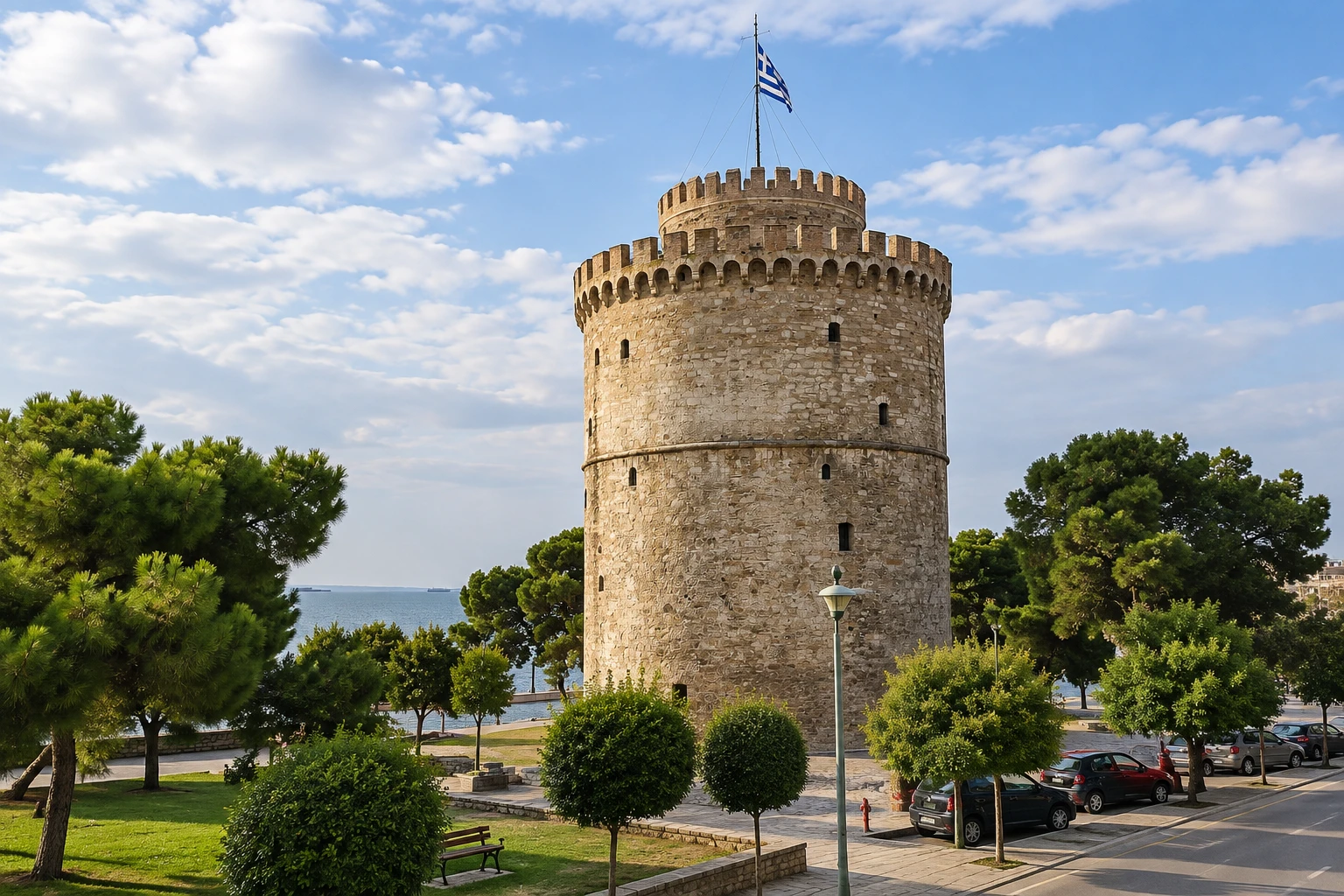
Torre Branca, symbol of Tessalônica, is a 15th-century Ottoman tower by the sea, with six floors of exhibits on the city's history and a terrace overlooking the bay.

 Search
 Brazil
 Antarctica
 Argentina
 Bolivia
 Chile
 Colombia
 Ecuador
 Falkland Islands (Malvinas)
 French Guiana
 Guyana
 Paraguay
 Peru
 Suriname
 Uruguay
 Venezuela
 Austria
 Belgium
 Croatia
 Denmark
 Finland
 France
 GermanyGreece
 Hungary
 Iceland
 Ireland
 Italy
 Luxembourg
 Norway
 Poland
 Portugal
 Slovakia
 Slovenia
 Spain
 Sweden
 Switzerland
 the Czech Republic
 the Netherlands
 the United Kingdom
 Turkey
 Bermuda
 Canada
 Greenland
 Mexico
 Saint Pierre and Miquelon
 the United States
 the Dominican Republic
 JapanTurkey
 Egypt
 South Africa
 Australia
 Fiji
 New Zealand
 Papua New Guinea
Central Macedonia
20 places to visit Thessaloniki (Greece), chosen by the Cidade Turismo guide.
Illustrative images. The pictures in this guide are illustrations based on the real place, not photographs, and may differ from it.
To start
One by one
Torre Branca, symbol of Tessalônica, is a 15th-century Ottoman tower by the sea, with six floors of exhibits on the city's history and a terrace overlooking the bay.
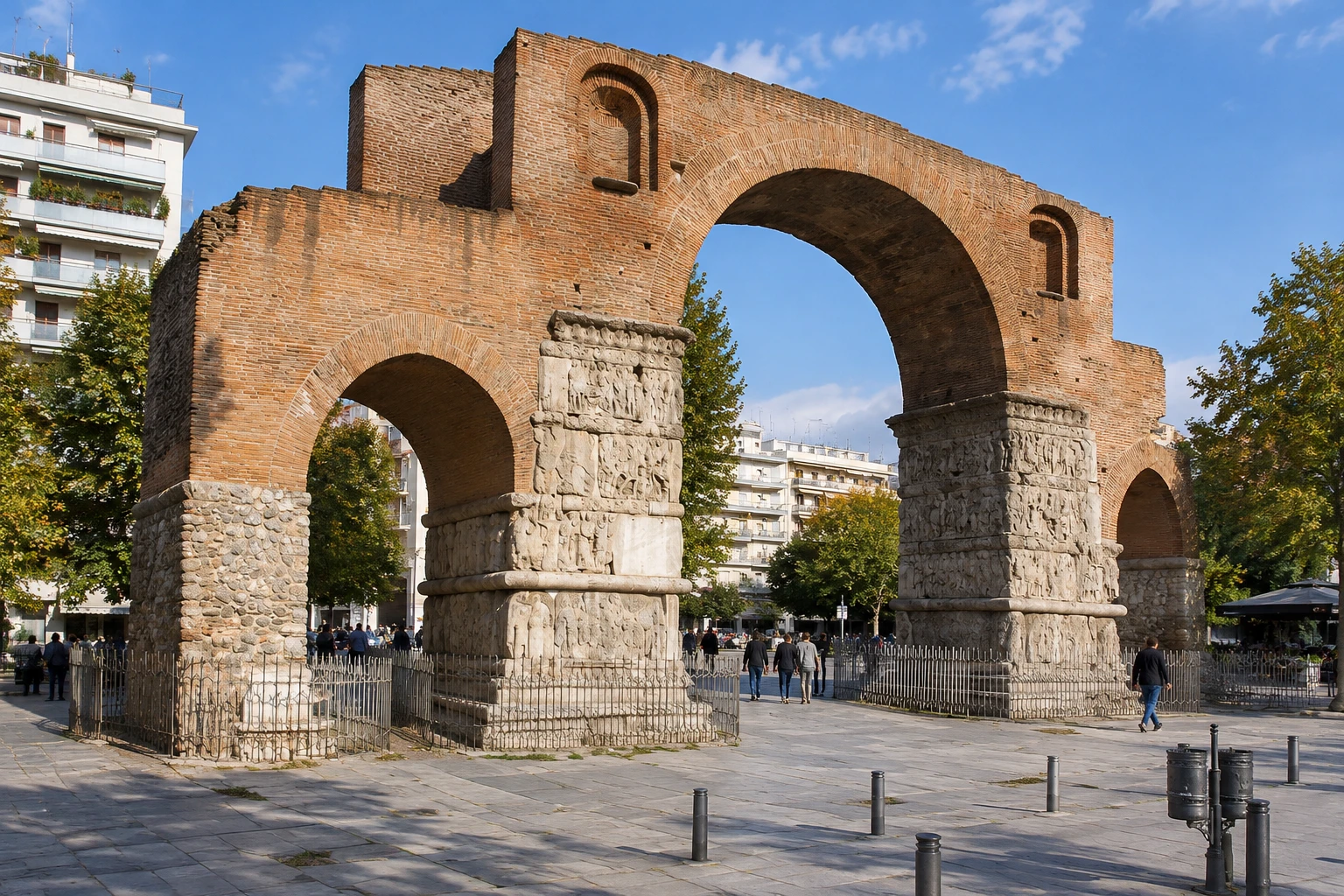
The Arco de Galério, called Kamara by locals, is an early 4th-century Roman arch with reliefs of the emperor's campaigns against the Persians, standing in the middle of avenida Egnatia.
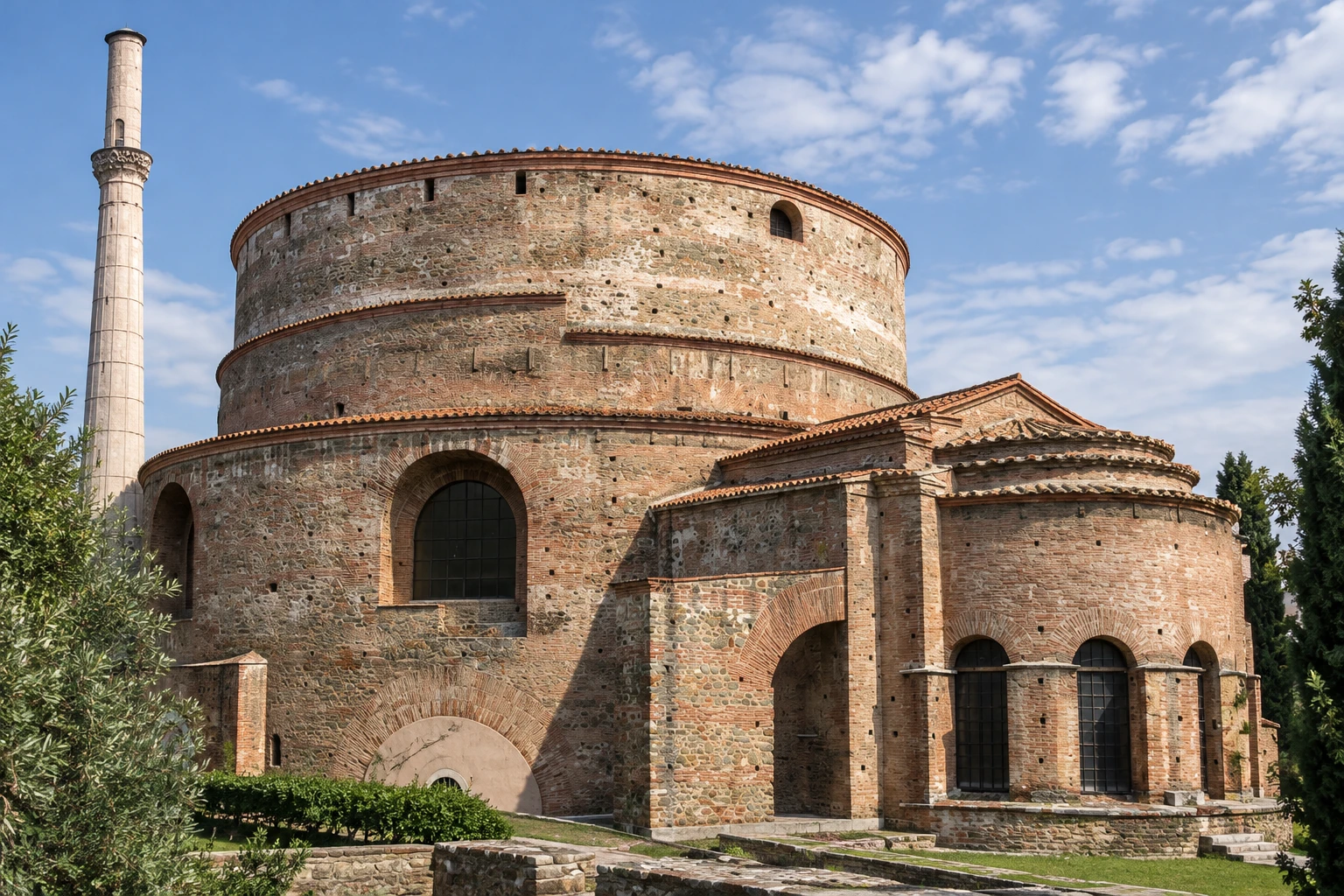
4th-century circular Rotunda, built by Galério, which was a church, a mosque and then a church again. It houses early-Christian mosaics in the dome and is part of the UNESCO World Heritage.
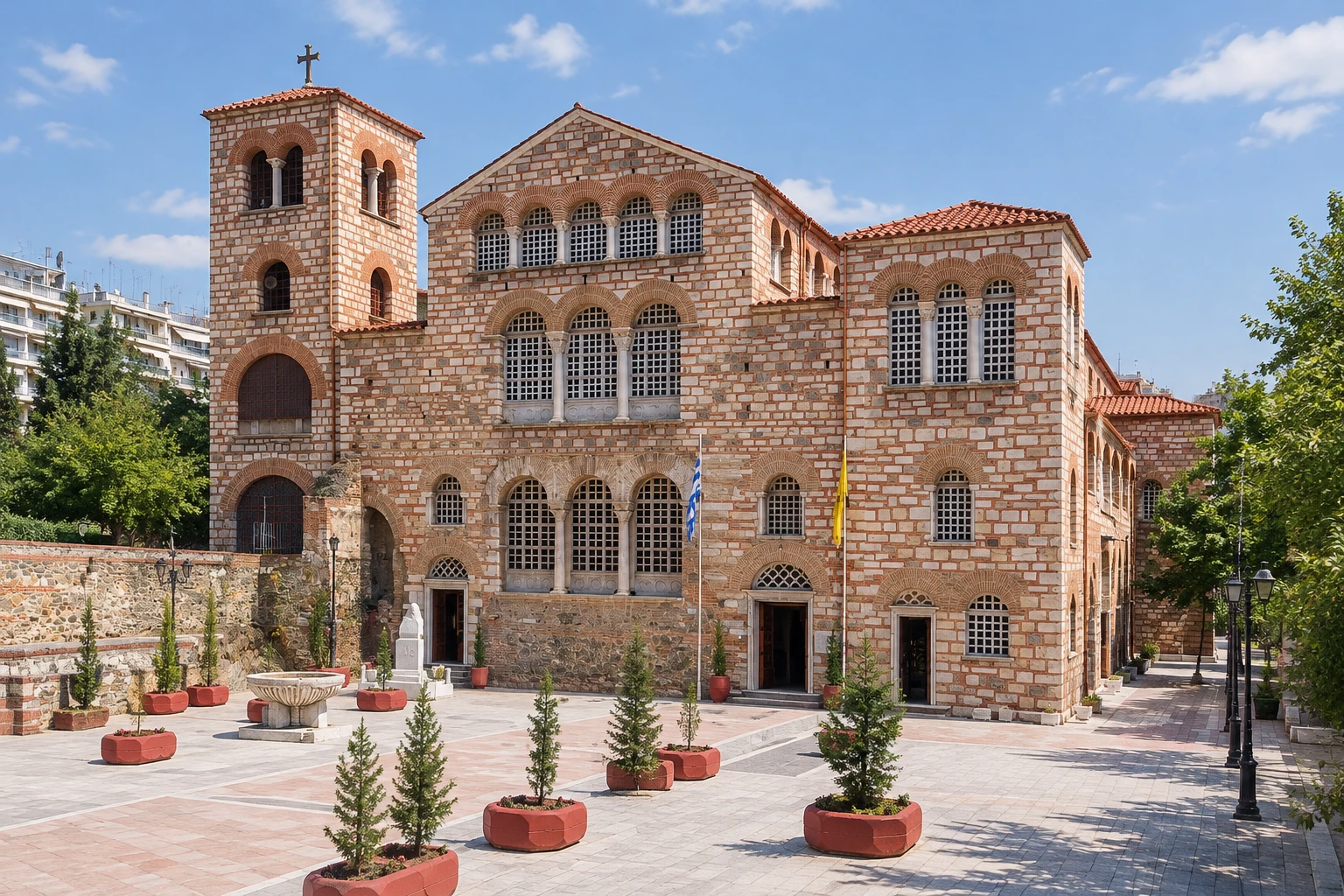
A five-nave basilica dedicated to the patron saint of Tessalônica, rebuilt after the 1917 fire, with 7th-century mosaics and a crypt that was part of a Roman bath, now an exhibition space.
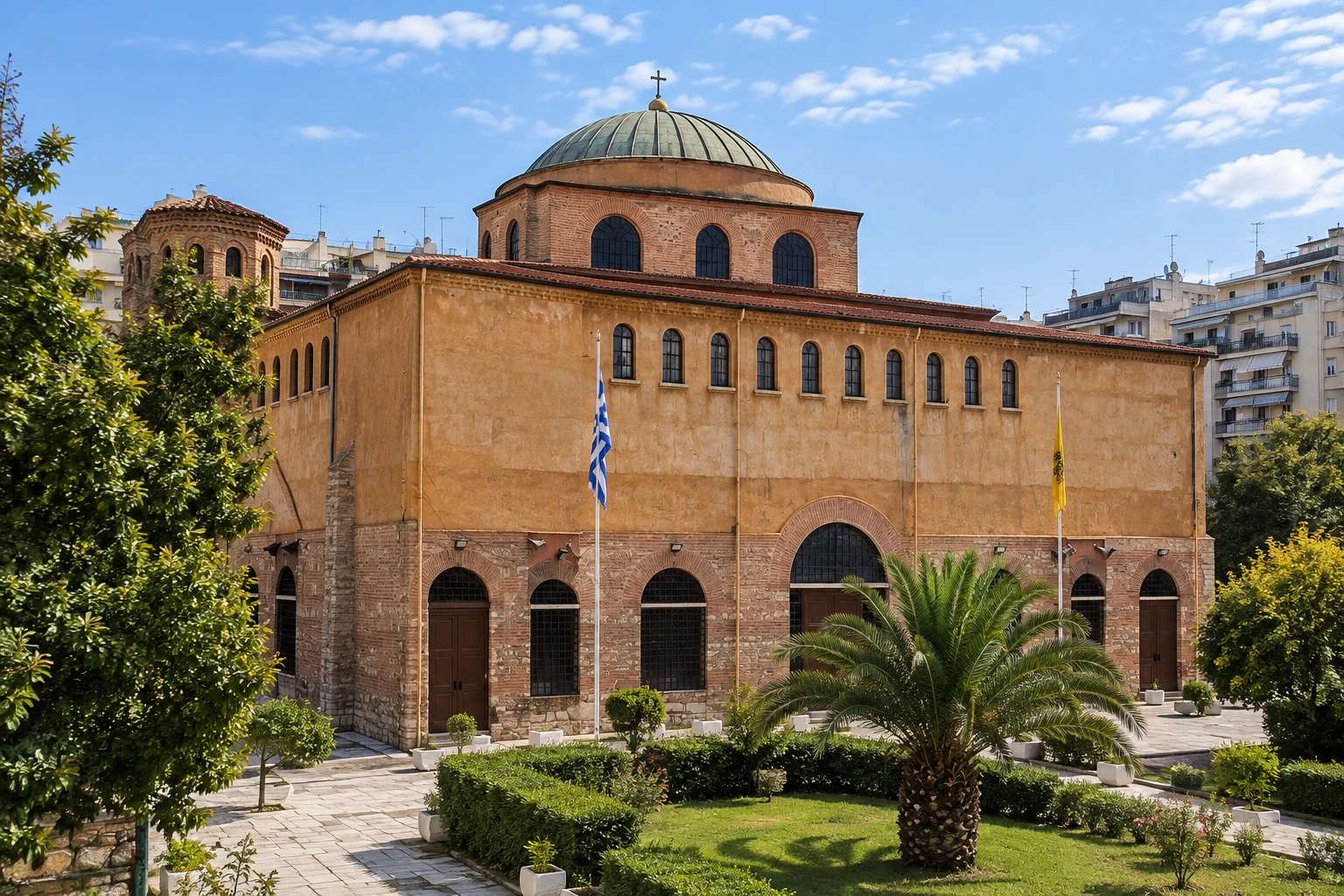
7th-century church in the form of a cross with a dome, featuring the Ascension mosaic in the dome and the Virgin in the apse. It was a mosque for nearly five centuries and is part of the UNESCO World Heritage.
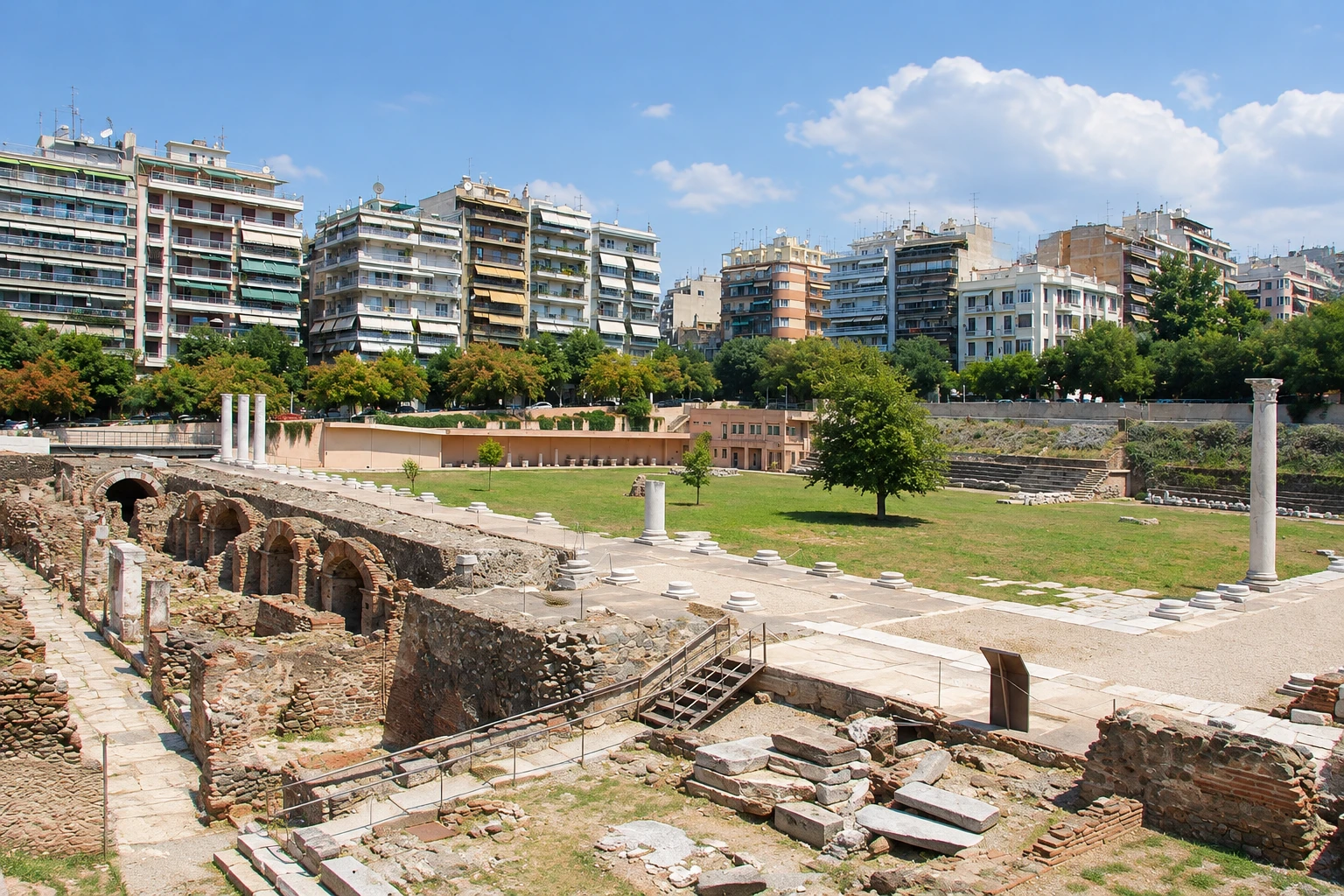
The fórum romano of Tessalônica, discovered by chance in the 1960s above the praça Aristotelous: a plaza with porticoes, an odeon, a cryptoporticus and a small underground museum.
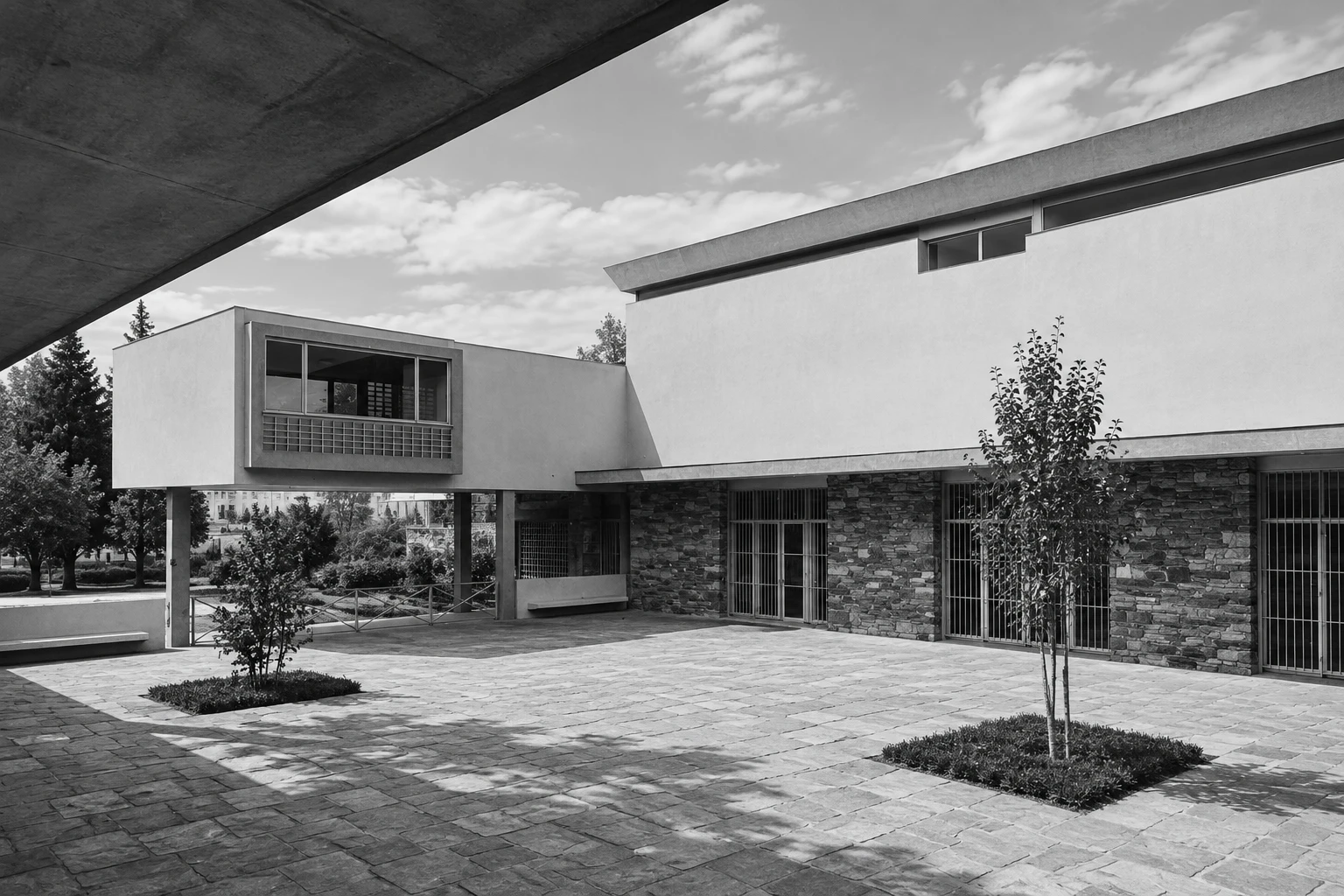
The Museu Arqueológico de Tessalônica brings together the gold of ancient Macedônia, the Derveni krater, the oldest papyrus in Europe and Roman sculptures, in a modernist building from 1962.
Explore Archaeological Museum of Thessaloniki (Archaiologiko Mouseio Thessalonikis)
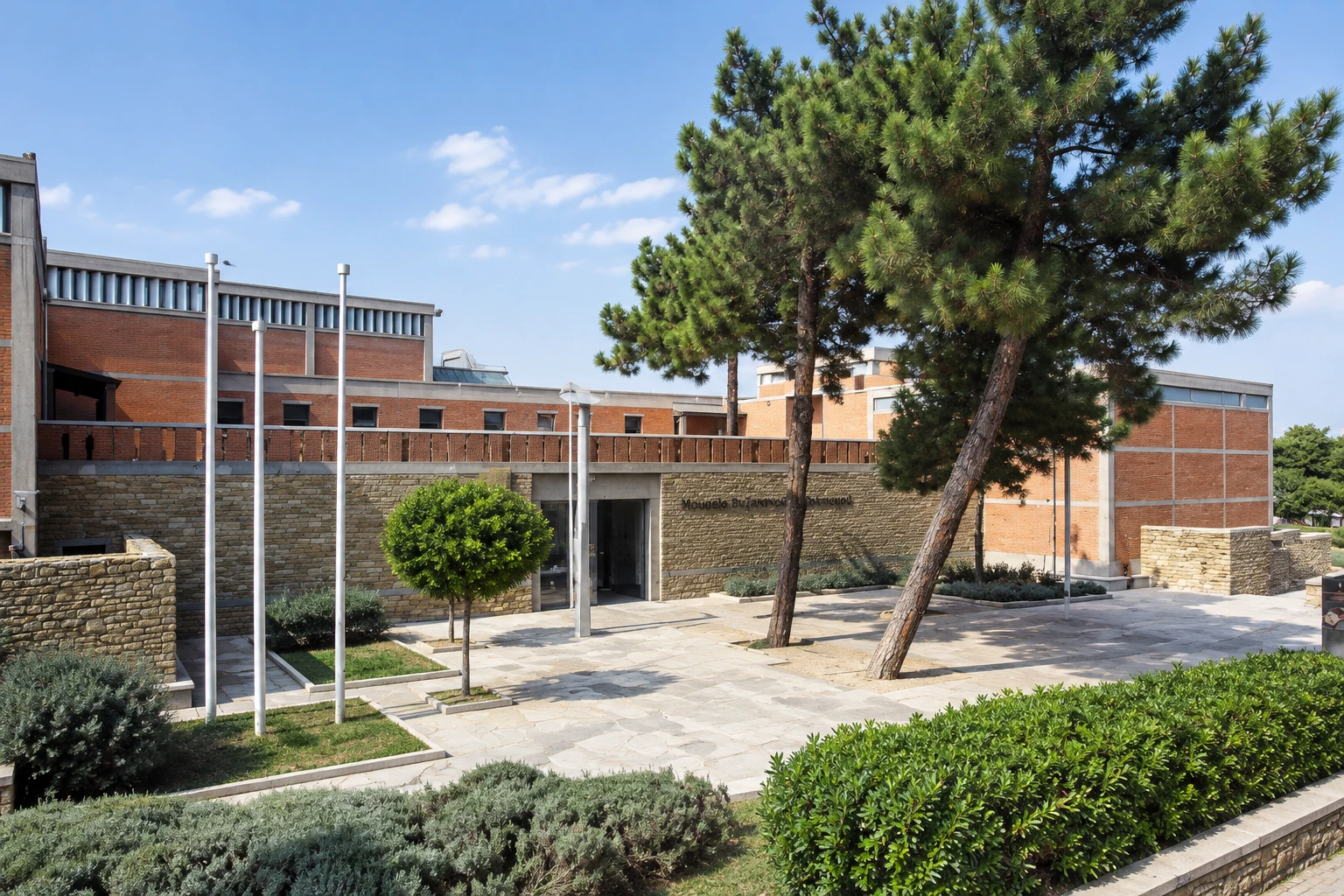
Museu da Cultura Bizantina, with eleven rooms about daily life, art and religion in Tessalônica from the 4th to the 15th century: mosaics, icons, painted tombs and church treasures.
Explore Museum of Byzantine Culture (Mouseio Vyzantinou Politismou)
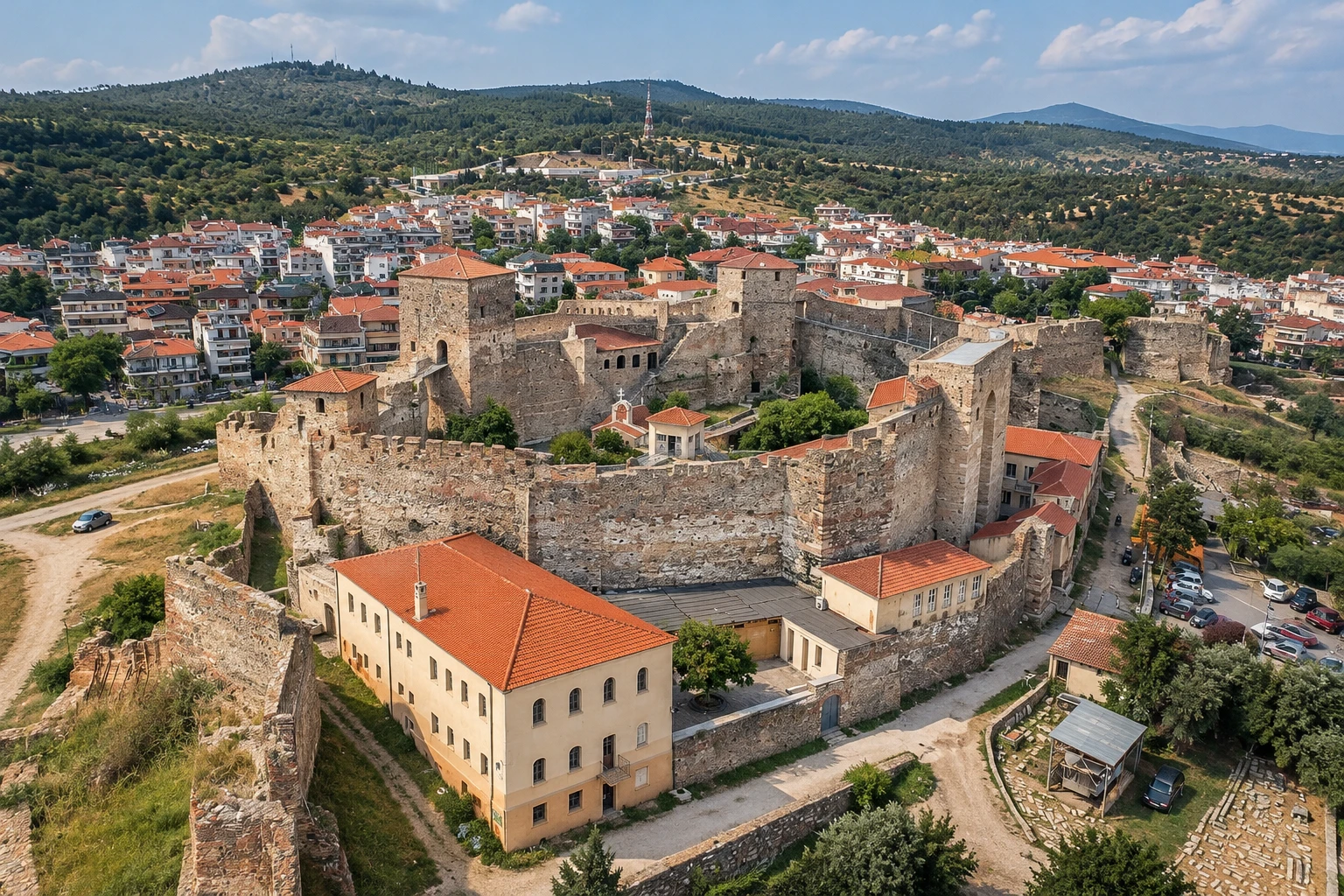
The fortress of the seven towers, high on Ano Poli, with Byzantine and Ottoman walls, a prison that operated until 1989 and the best view of the city and the bay. Around it lie the upper town and the ramparts.
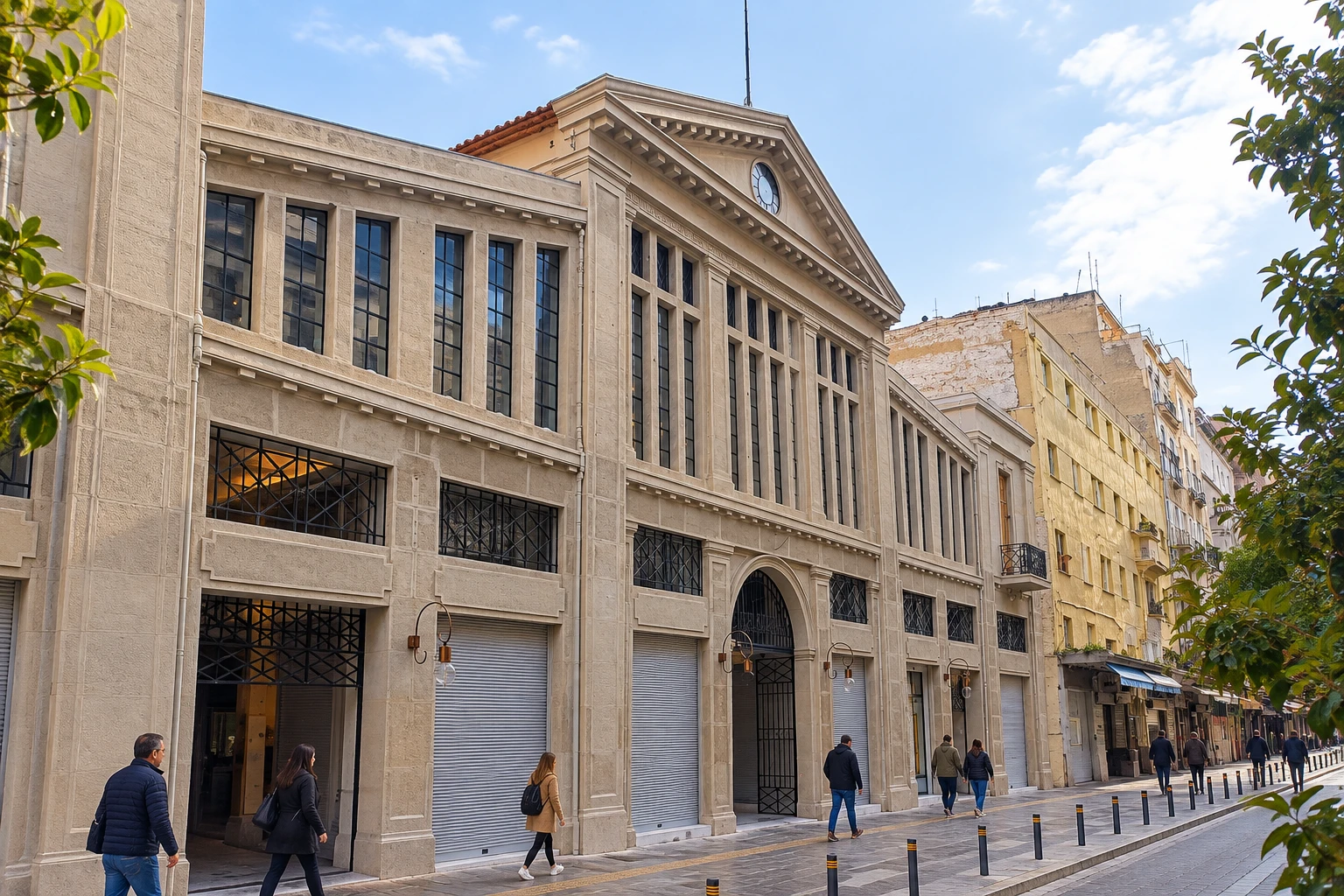
The covered market from 1930, restored, with fish, meat, olive and cheese stalls and taverns in the central corridor. Beside it, the Kapani market, more popular and noisy.
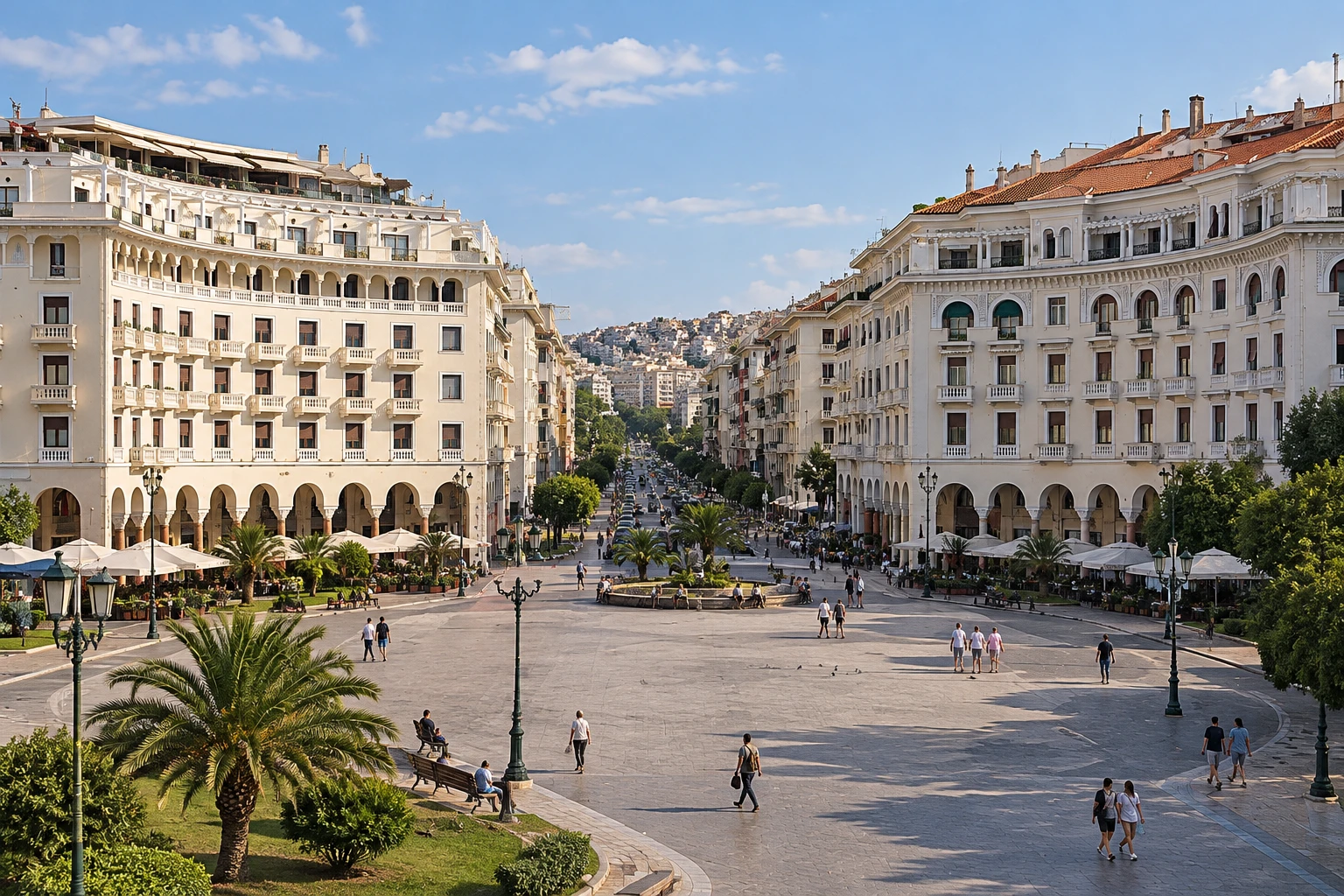
Tessalônica's main plaza, designed in 1918 by Ernest Hébrard, opening onto the bay, with arcades, cafés, the Olympion cinema and the start of the promenade that leads to the Torre Branca.
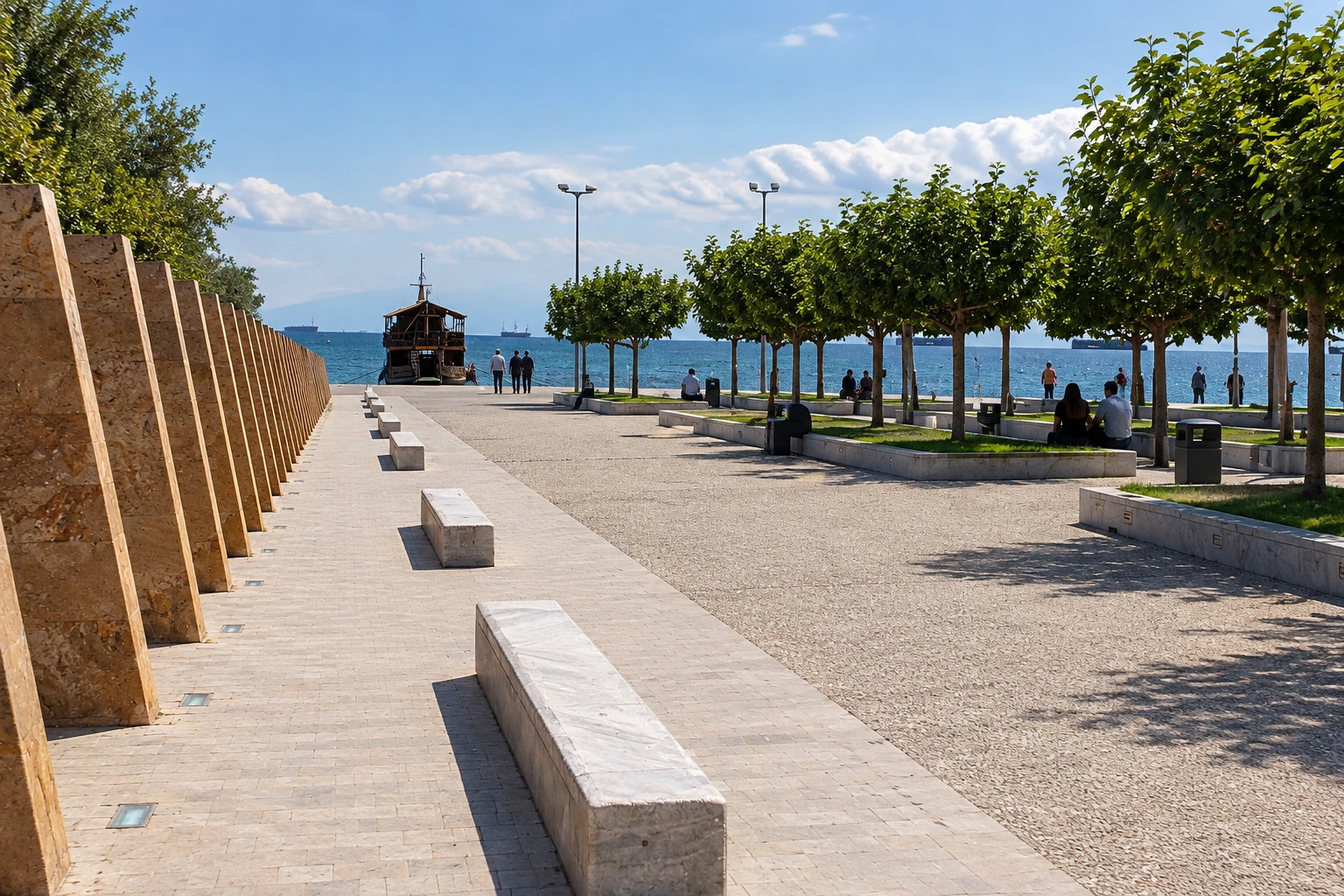
The new waterfront of Tessalônica: about 5 km of promenade and themed gardens from the Torre Branca to the concert hall, with the Guarda-chuvas sculpture by Zongolopoulos and the statue of Alexandre.
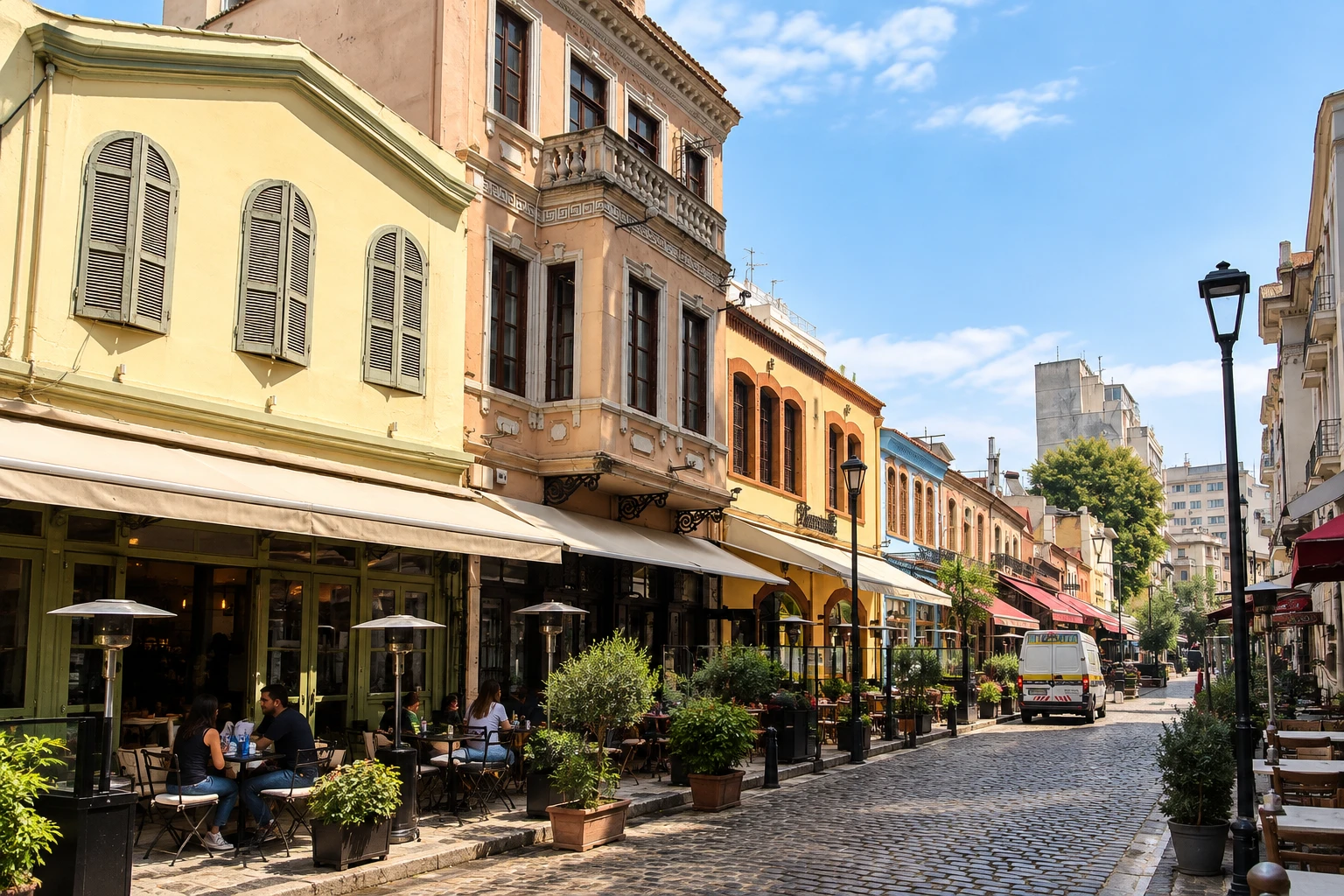
The old district of oil warehouses by the port, listed in 1985, today Tessalônica's area of tavernas, bars and live music, with 19th-century buildings and pedestrian streets.
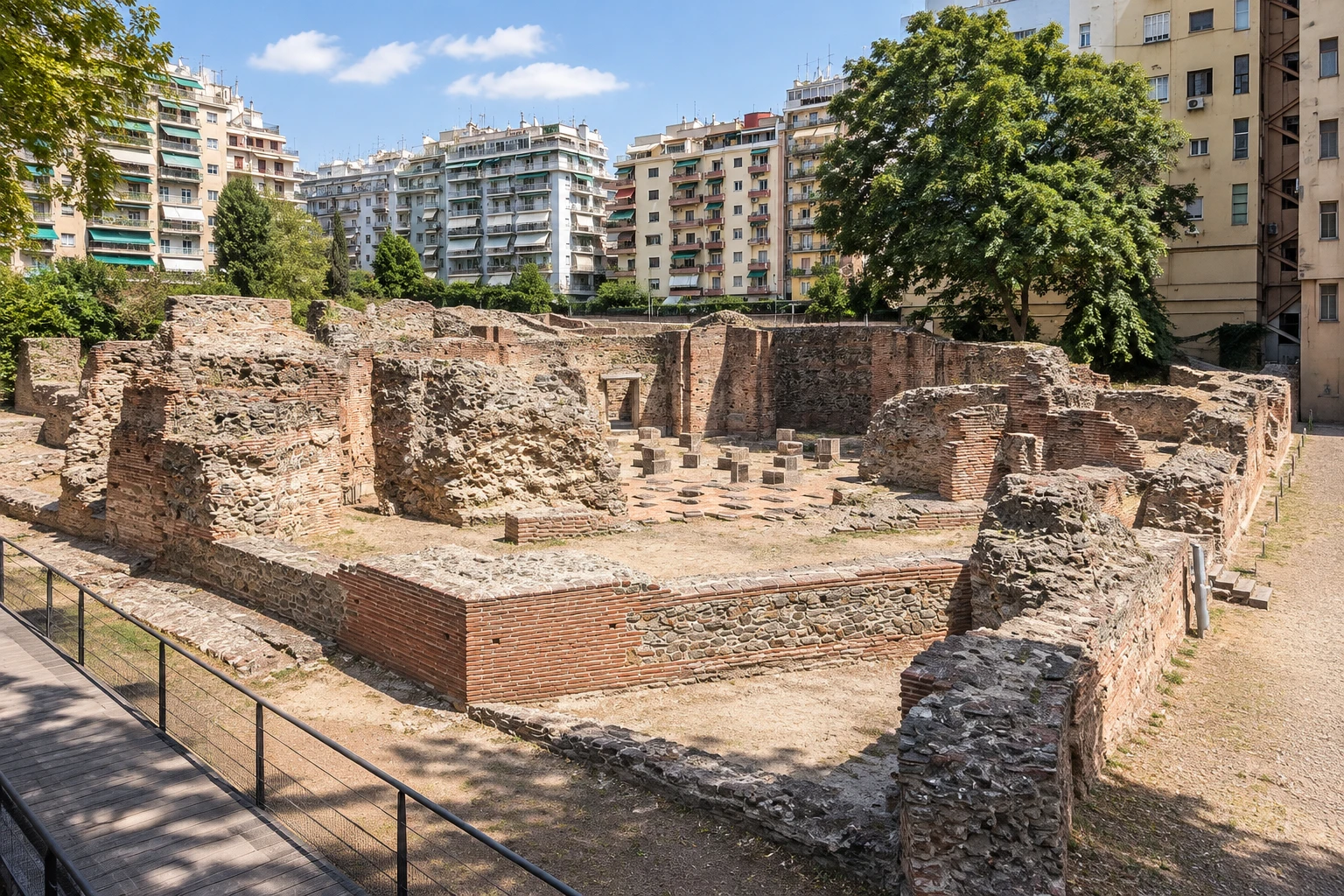
The ruins of Emperor Galerius's palace at praça Navarinou: the Octagon, the basilica, the columned courtyard and the baths, open to the sky in the middle of the modern center.
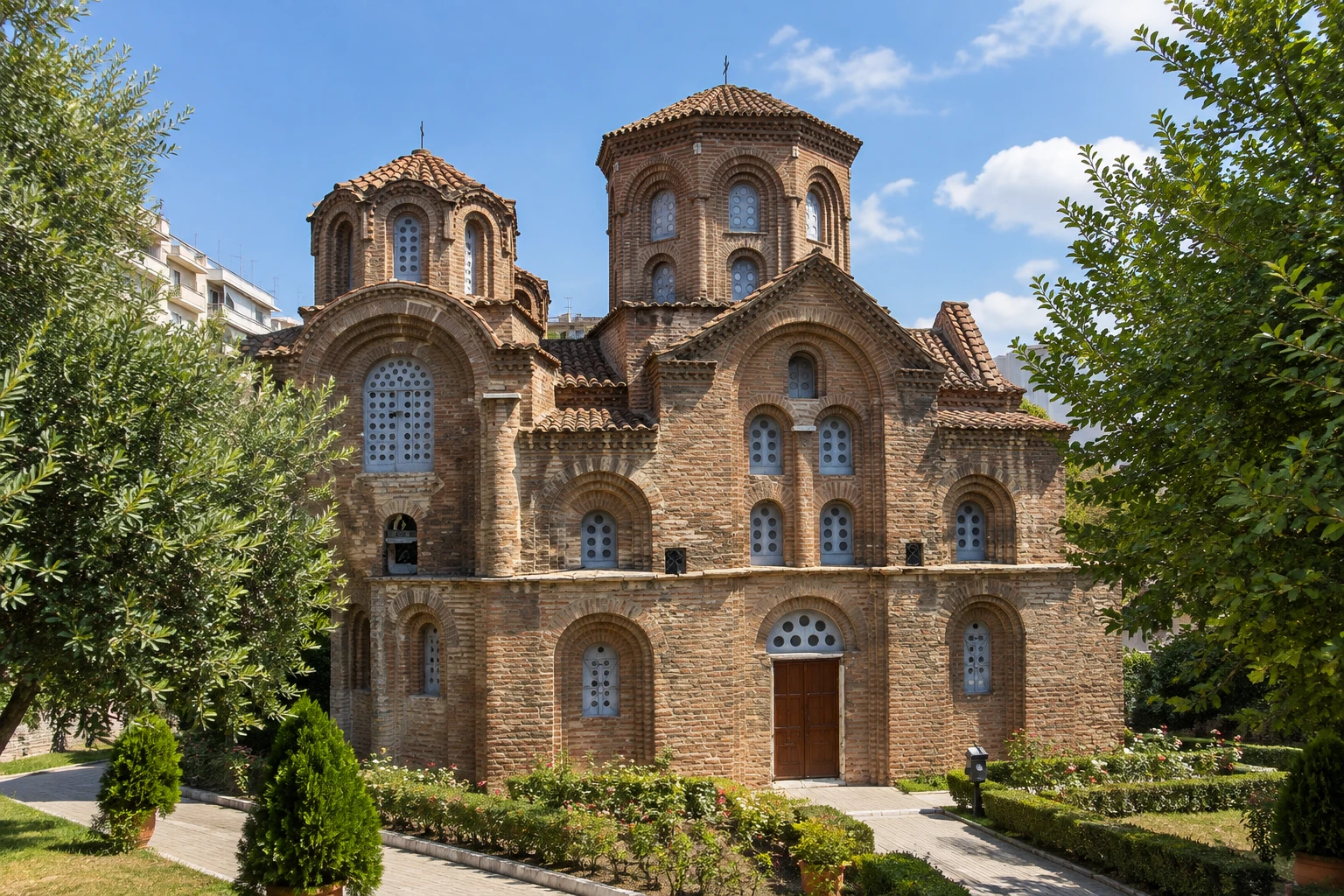
The red church of the coppersmiths, from 1028, built entirely of brick, with three domes and Byzantine frescoes, in a depressed square near the Ágora Romana. UNESCO World Heritage site.
The Jewish Museum tells the story of the Sephardic community that made Tessalônica the “mother of Israel” for four centuries, with tombstones from the destroyed cemetery, ritual objects and the memory of the Holocaust.
Explore Jewish Museum of Thessaloniki (Evraiko Mouseio Thessalonikis)
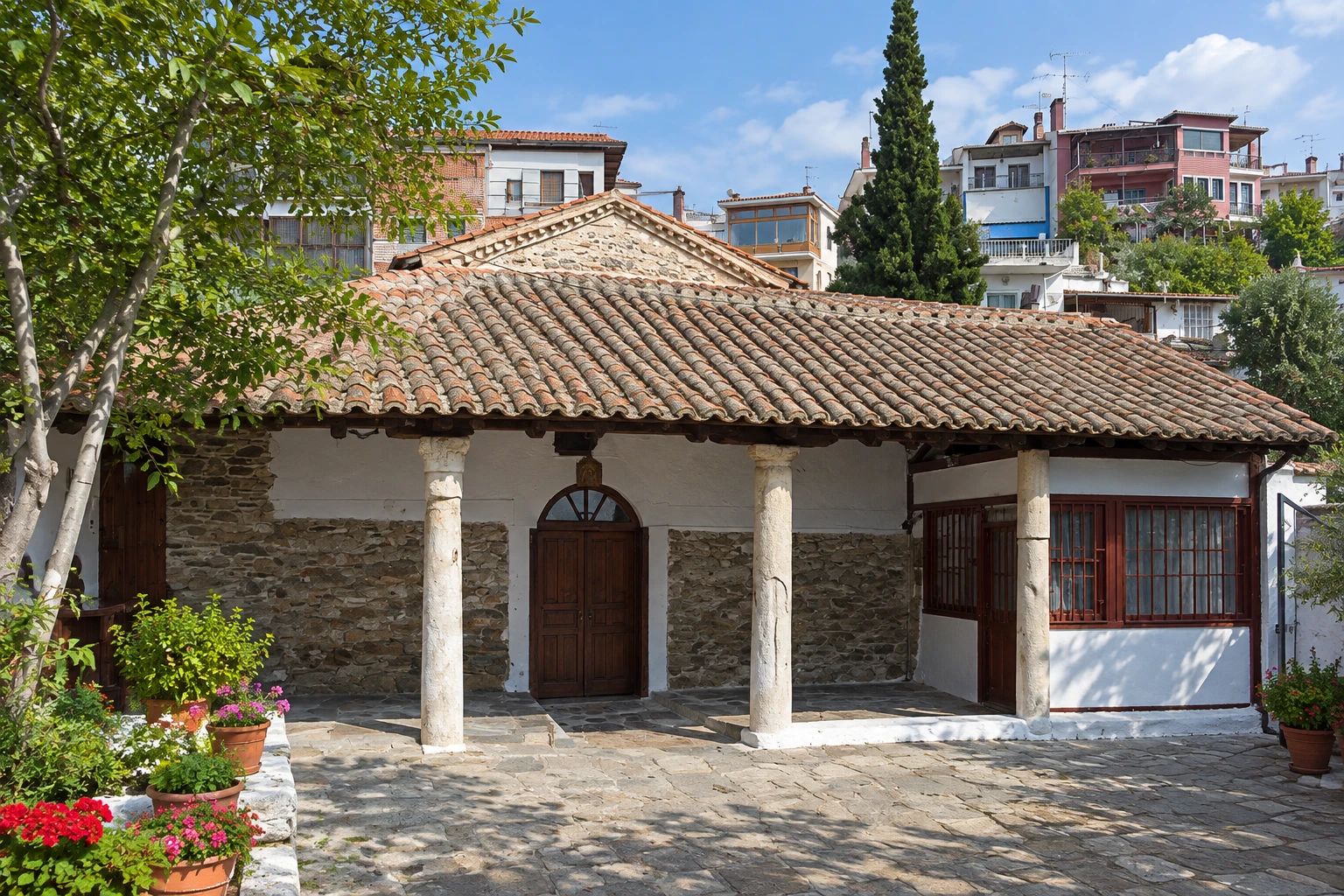
Small 5th‑century church in Ano Poli, the former seat of the Latomou monastery, with a rare mosaic of Ezekiel's vision in the apse and 12th‑century frescoes. UNESCO World Heritage Site.
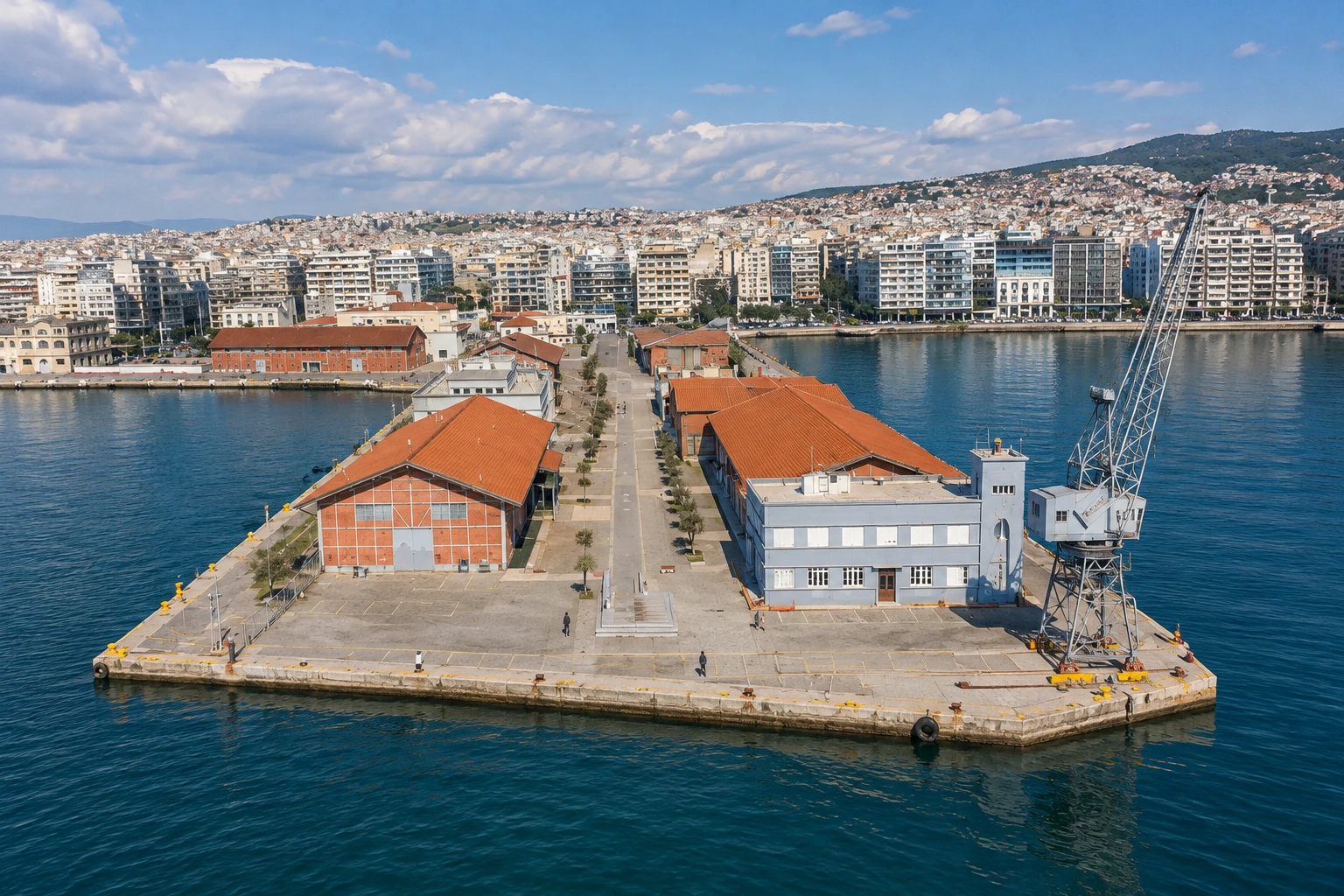
Pier A of the port, with early‑20th‑century warehouses that house the MOMus Museu de Fotografia, the Museu do Cinema and screening rooms for the Film Festival, as well as cafés facing the bay.
Vergina, ancient Aigai, the first capital of Macedonia: the underground museum with the tomb of Philip II and the golden larnax, the main museum and the palace where Alexander was acclaimed king. 75 km from Tessalônica.
Explore Vergina: Polycentric Museum of Aigai (Polykentriko Mouseio Aigon)
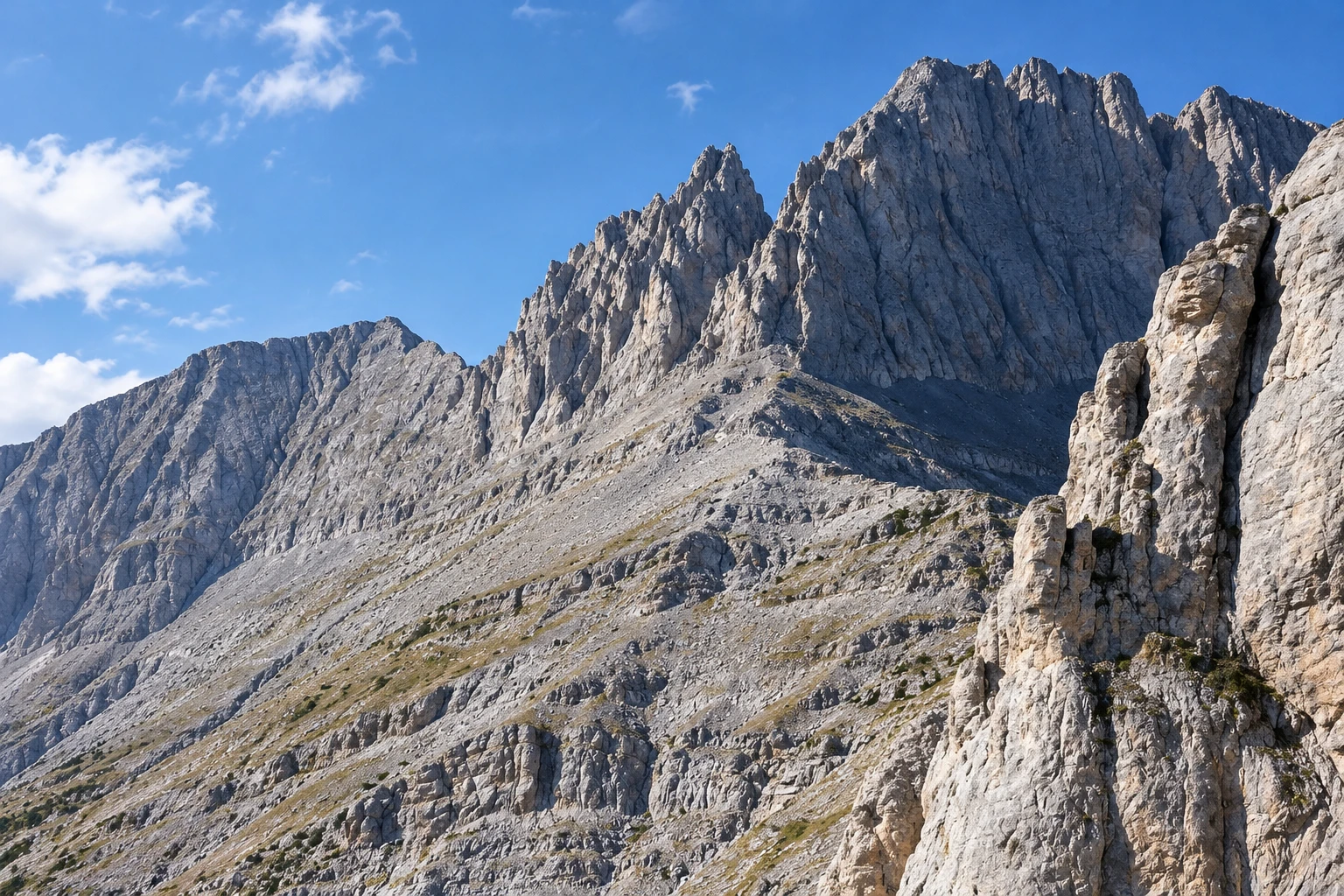
The village at the foot of Monte Olimpo, 90 km from Tessalônica, from where the trails into the Enipeas gorge and the climbs to the mountain refuges start. Nearby is the archaeological site of Dion.
To plan