

 Brazil
 Argentina
 Chile
Chile Colombia
 Peru
Peru Uruguay
 Germany
 Belgium
 Spain
Spain France
 Greece
 the Netherlands
 Ireland
 Portugal
 the United Kingdom
 Switzerland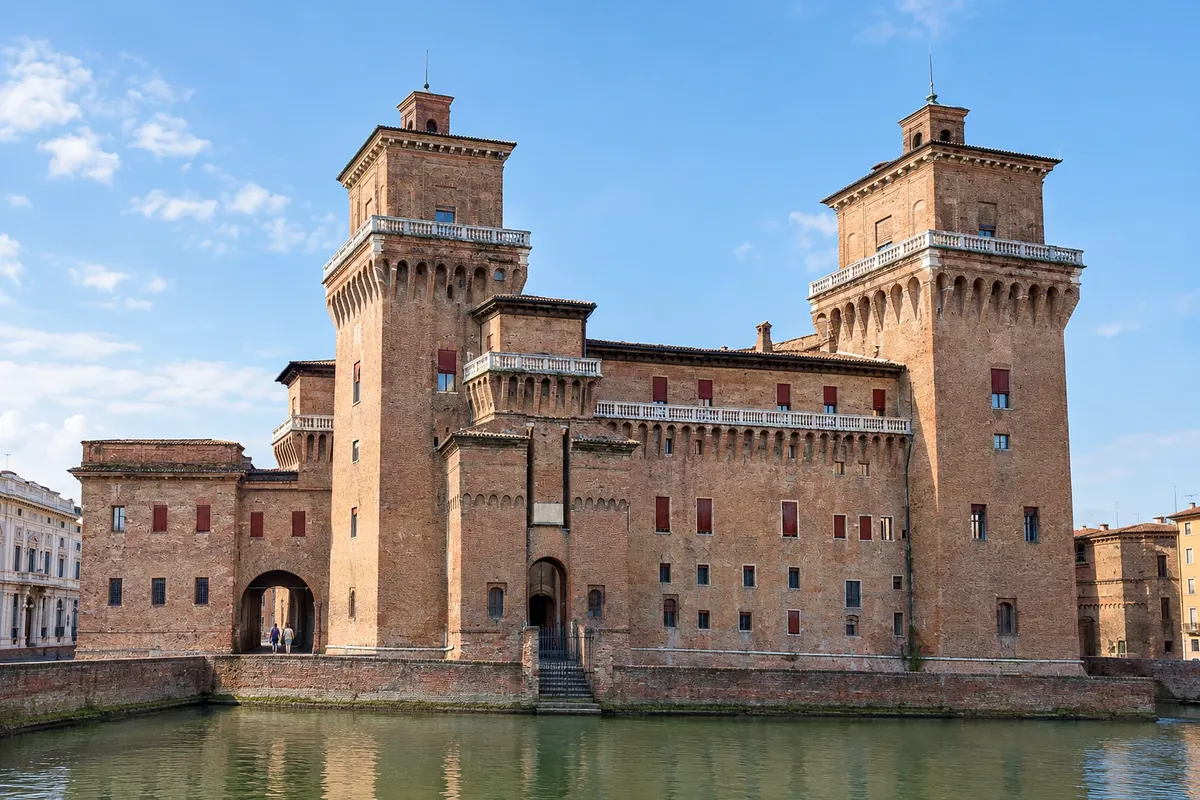
4 cities
Region · North
Illustrative images. The pictures in this guide are illustrations based on the real place, not photographs, and may differ from it.

Destinations
Cities
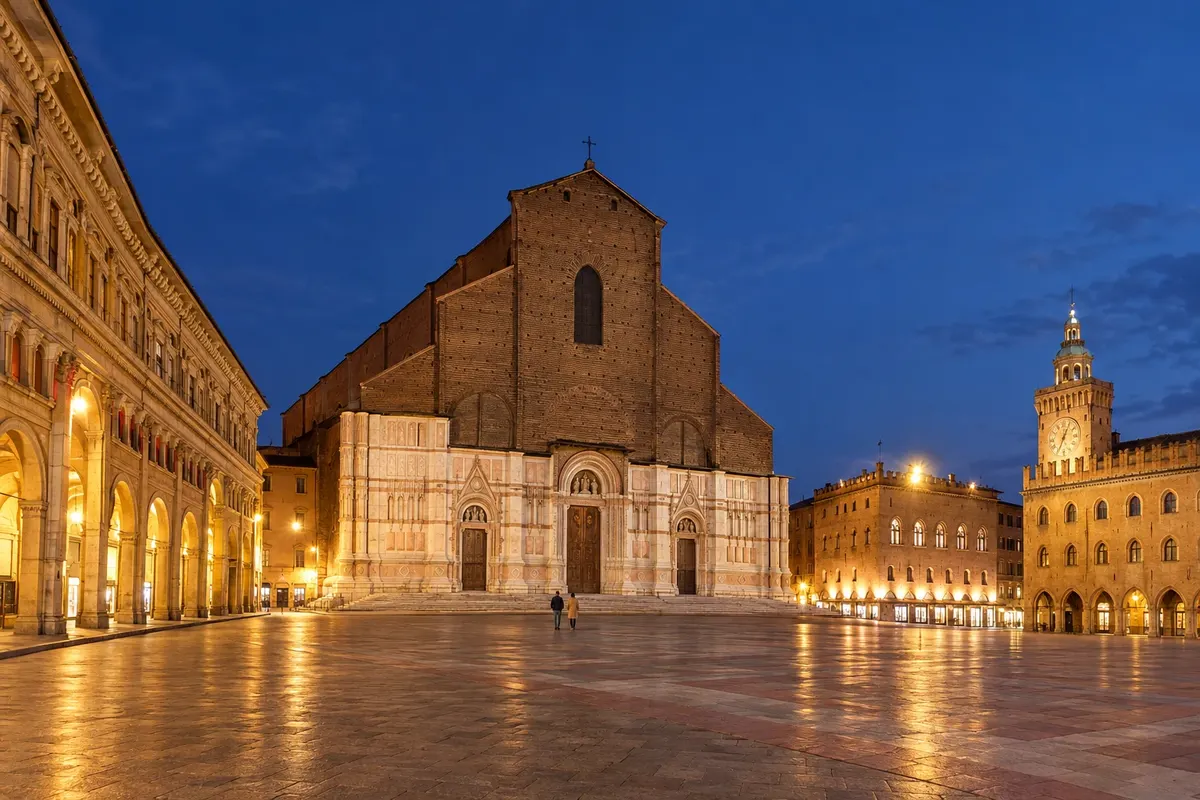
As the capital of Emília-Romanha, Bolonha has a red-brick historic centre cut through by porticoes. Around the Piazza Maggiore are the Basilica di San Petronio, the Palazzo d'Accursio and the Archiginnasio, the old university seat. A few minutes away are the Basilica di Santo Stefano, the Basilica di San Domenico and the Pinacoteca Nazionale. On the hill, the Santuario della Madonna di San Luca is reached via the city's longest portico.
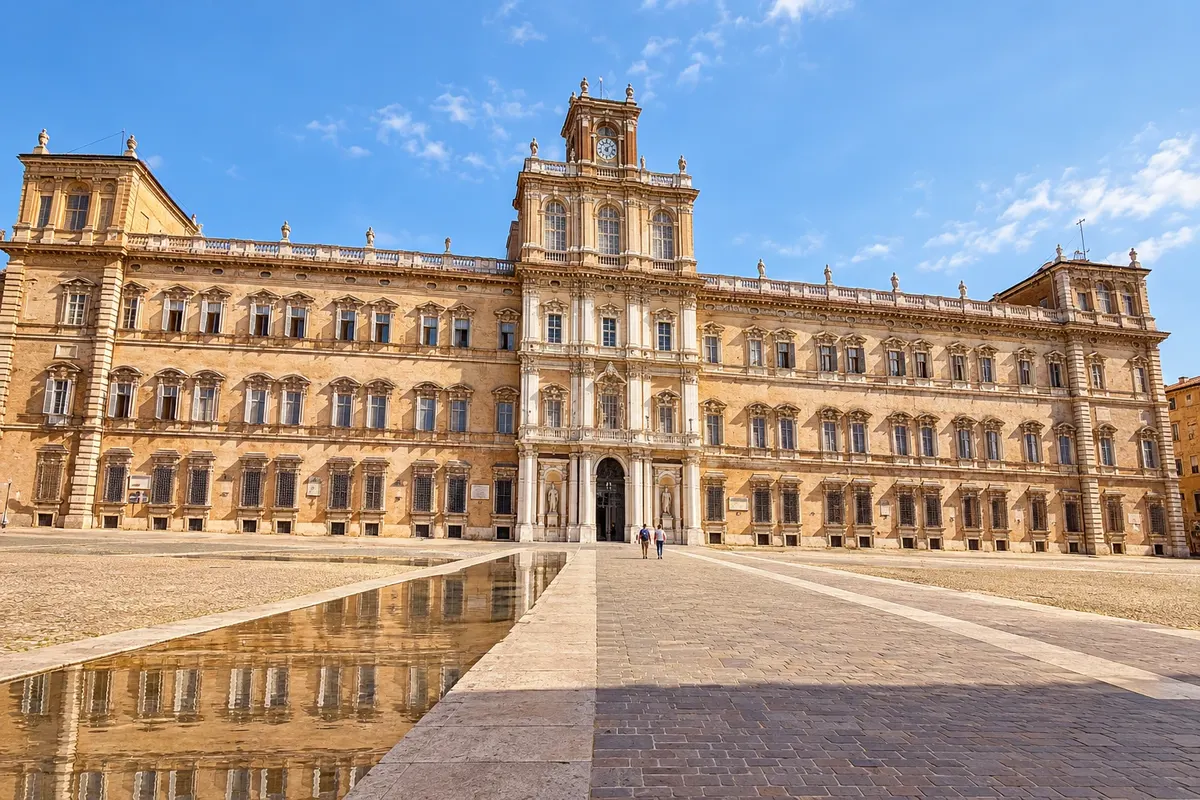
City of the dukes d'Este, Módena lies on the Via Emília, west of Bolonha. The Duomo di Modena, a masterpiece of Romanesque architecture, the Torre Ghirlandina and the Piazza Grande form a UNESCO World Heritage ensemble. Nearby are the Palazzo Ducale, the Mercato Albinelli and the Galleria Estense. The city is the home of aceto balsamico tradizionale and of Enzo Ferrari, remembered at the Museo Enzo Ferrari, and in Maranello is the Museo Ferrari.
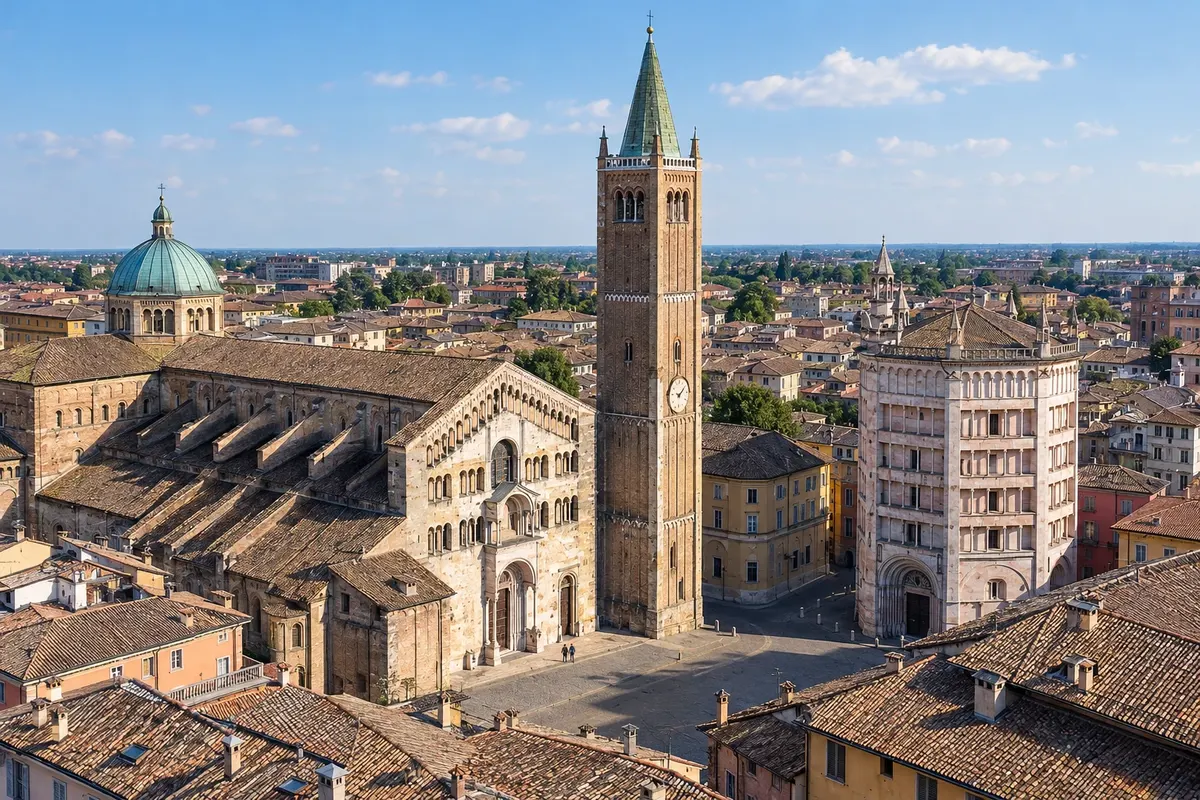
Former capital of the Duchy of the Farnese and later of Maria Luisa of Austria, Parma brings together art and food. On the Piazza Duomo are the cathedral, with the dome painted by Correggio, and the Battistero of pink marble by Benedetto Antelami. The Complesso della Pilotta houses the Galleria Nazionale and the wooden Teatro Farnese. The visit is completed by the Teatro Regio, the Basilica di Santa Maria della Steccata and the Parco Ducale. It is the land of prosciutto di Parma and parmigiano reggiano.
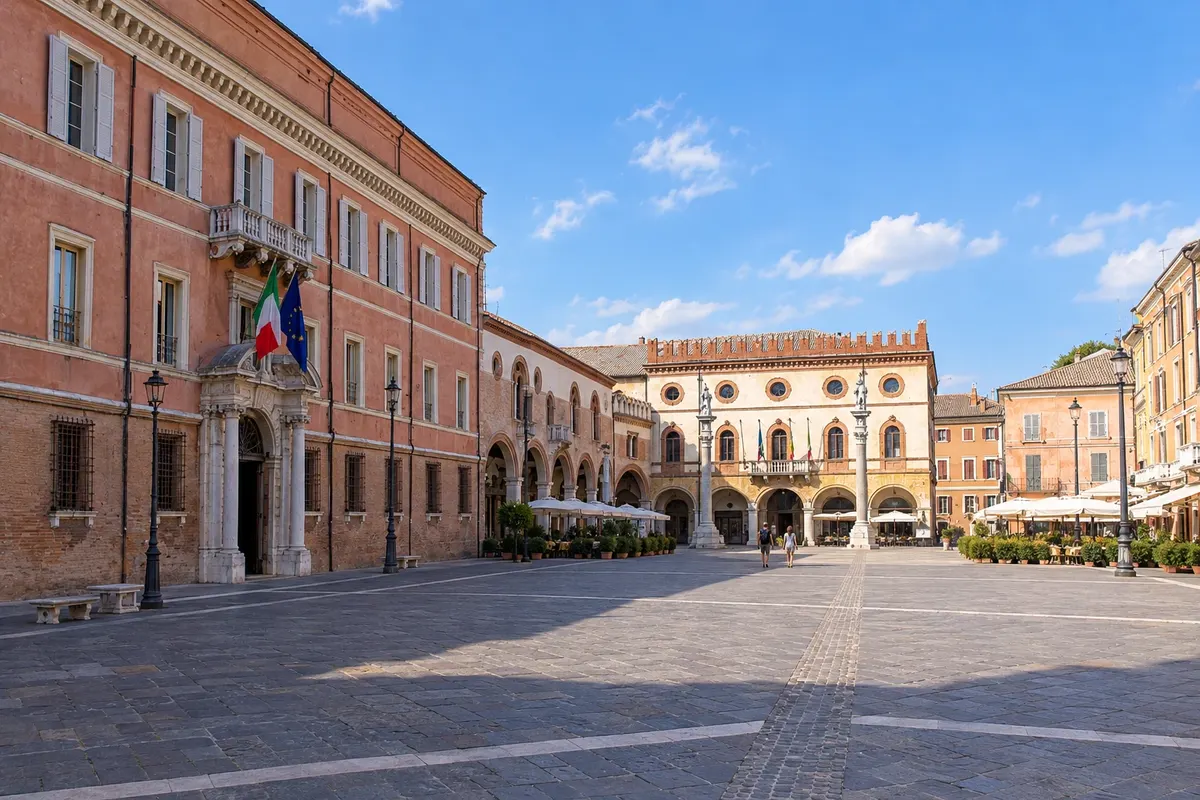
Ravenna was the capital of the Western Roman Empire, the Ostrogothic kingdom and Byzantine Italy, and preserves eight monuments from the 5th and 6th centuries, a UNESCO World Heritage Site. In the center are the Basilica di San Vitale, the Mausoleo di Galla Placidia, the Basilica di Sant'Apollinare Nuovo, the Battistero Neoniano, the Battistero degli Ariani and the Museo Arcivescovile. A little farther out are the Mausoleo di Teodorico and the Basilica di Sant'Apollinare in Classe. Dante is buried in the Tomba di Dante.