

 Brazil
 Argentina
 Chile
Chile Colombia
 Peru
Peru Uruguay
 Germany
 Belgium
 Spain
Spain France
 Greece
 the Netherlands
 Ireland
 Portugal
 the United Kingdom
 Switzerland
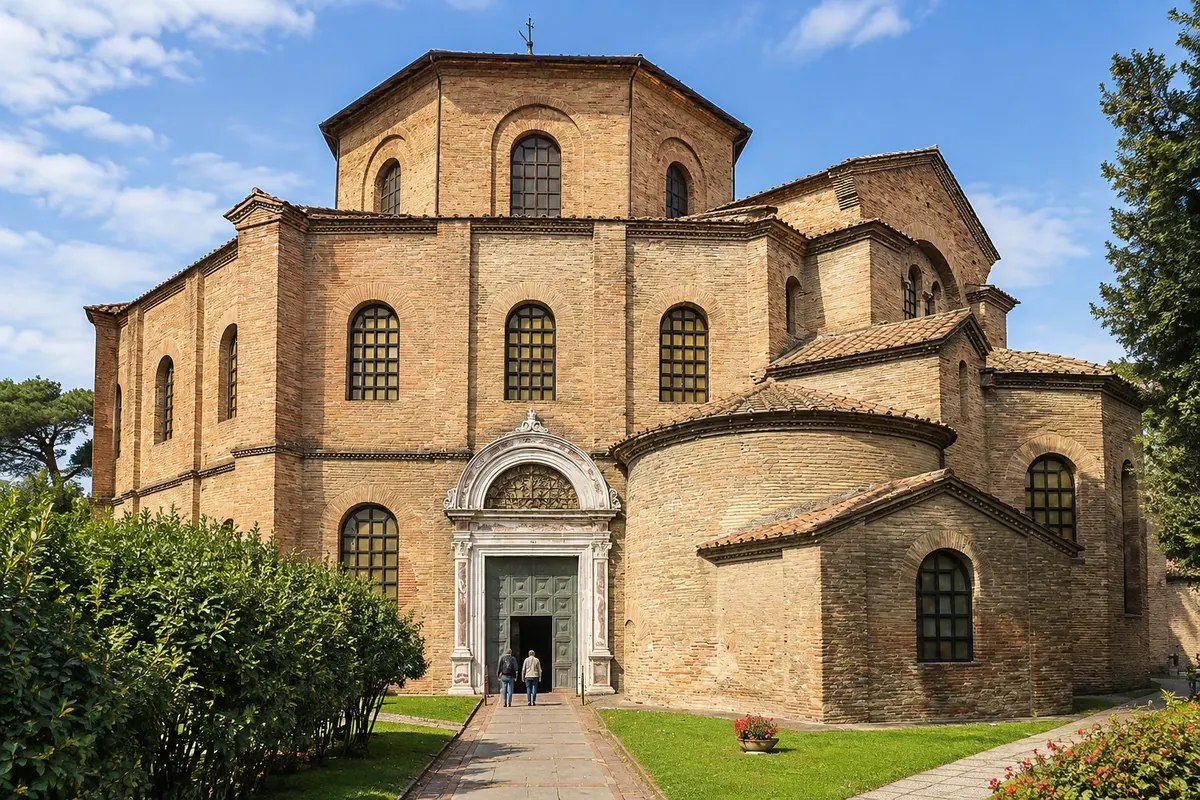
Church
Basilica di San Vitale
Octagonal basilica consecrated in 547, covered in Byzantine mosaics. The panels of Emperor Justinian and Empress Theodora with their courts are among the most famous mosaics in the world.
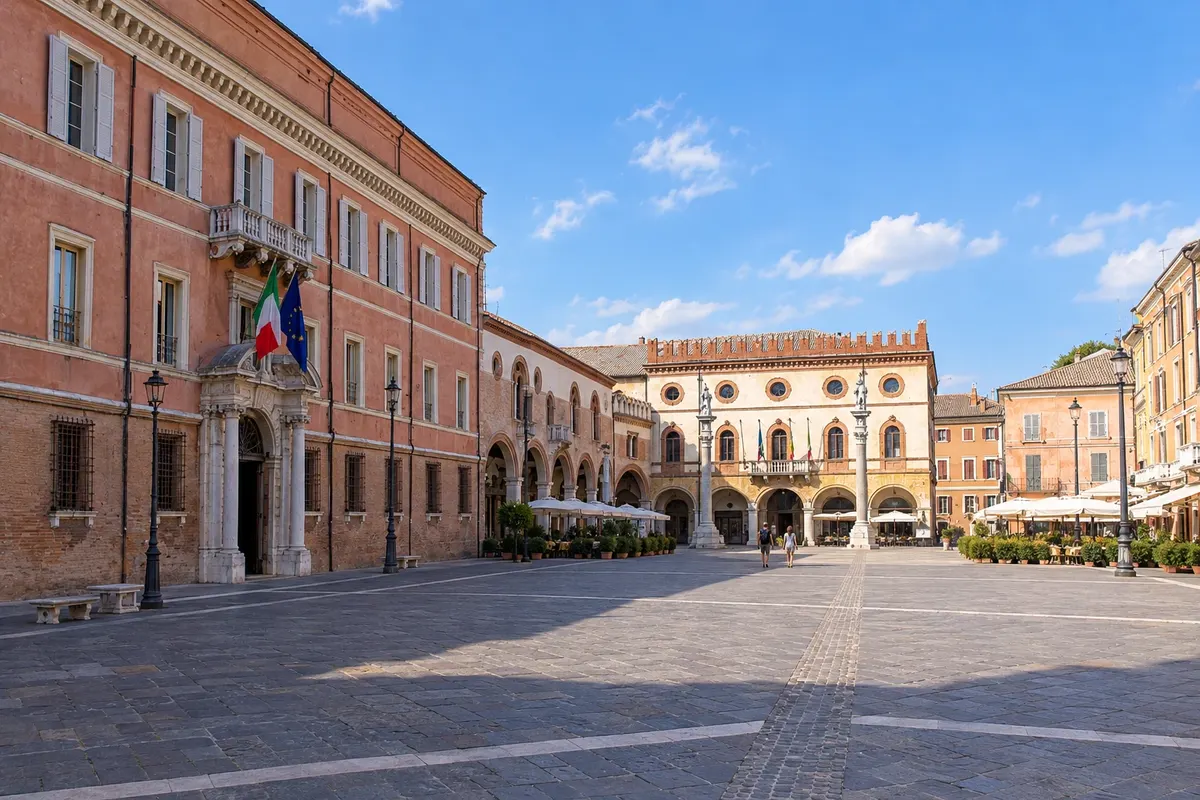
Emília-Romanha · Italy
In the destination Bolonha e Emília-Romanha.
In the photo: Piazza del Popolo, Ravena
Illustrative images. The pictures in this guide are illustrations based on the real place, not photographs, and may differ from it.
The city
Ravenna was the capital of the Western Roman Empire, the Ostrogothic kingdom and Byzantine Italy, and preserves eight monuments from the 5th and 6th centuries, a UNESCO World Heritage Site. In the center are the Basilica di San Vitale, the Mausoleo di Galla Placidia, the Basilica di Sant'Apollinare Nuovo, the Battistero Neoniano, the Battistero degli Ariani and the Museo Arcivescovile. A little farther out are the Mausoleo di Teodorico and the Basilica di Sant'Apollinare in Classe. Dante is buried in the Tomba di Dante.
There's no accommodation in the guide yet in Ravena.
There are no restaurants in the guide yet in Ravena.
Know a good one? Recommend it to ushow to get there · how many days · itinerary · questions
The local experience
Octagonal basilica consecrated in 547, covered in Byzantine mosaics. The panels of Emperor Justinian and Empress Theodora with their courts are among the most famous mosaics in the world.
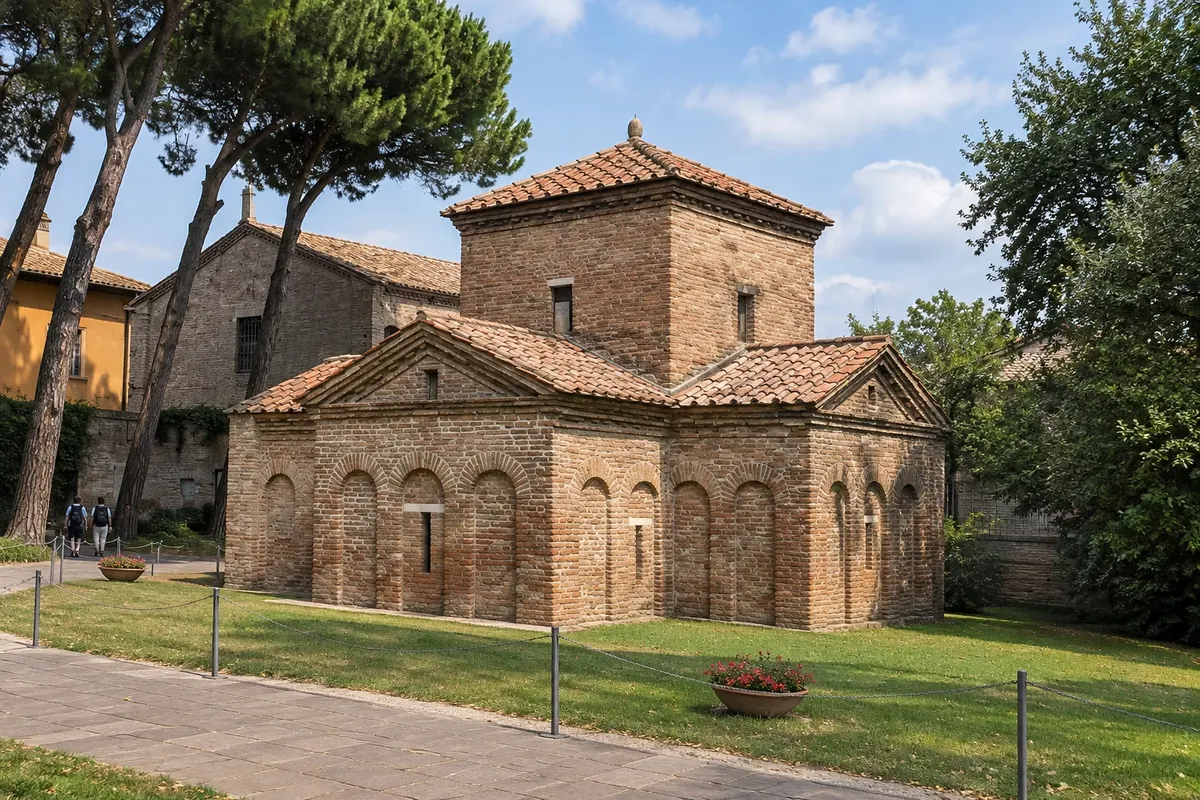
Small 5th-century cruciform building in the garden of San Vitale. The cobalt-blue dome with golden stars and the lunette of the Good Shepherd are among Ravenna's oldest mosaics.
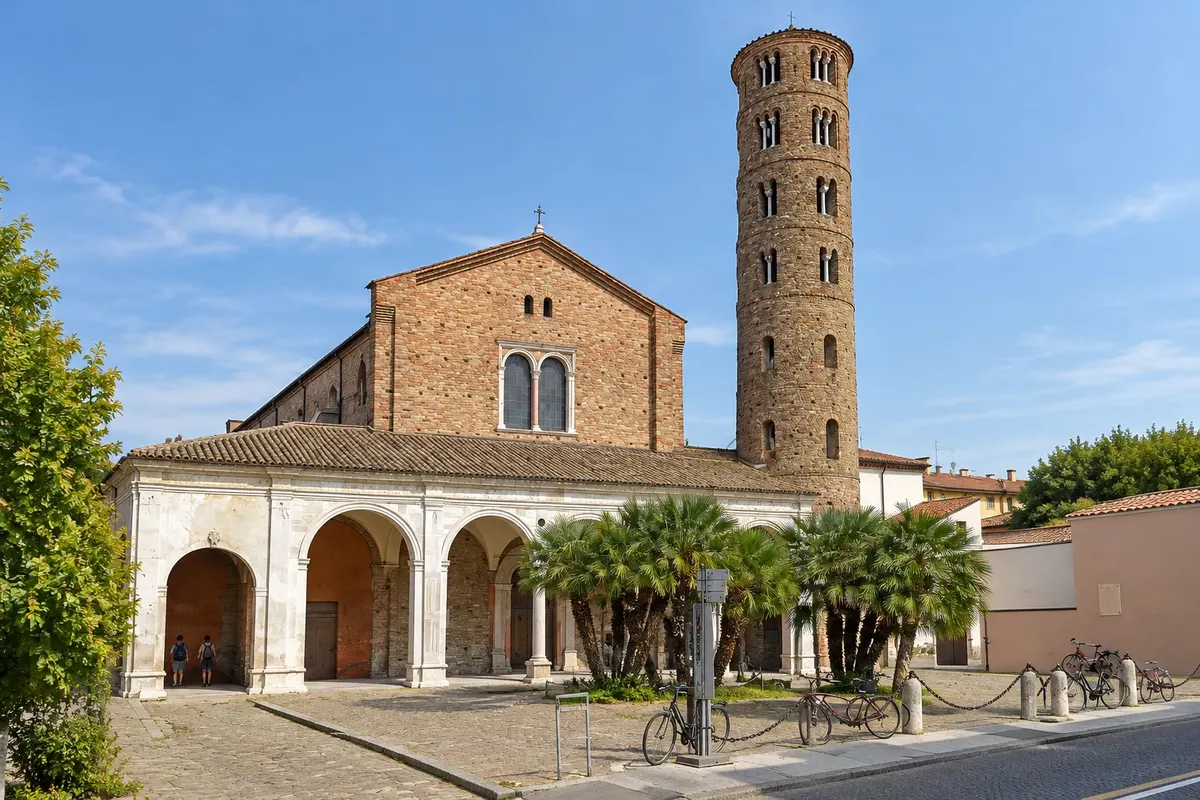
Basilica erected by Theodoric in the early 6th century. The nave walls display long processions of martyrs and virgins on a golden background, as well as Theodoric's palace and the port of Classe.
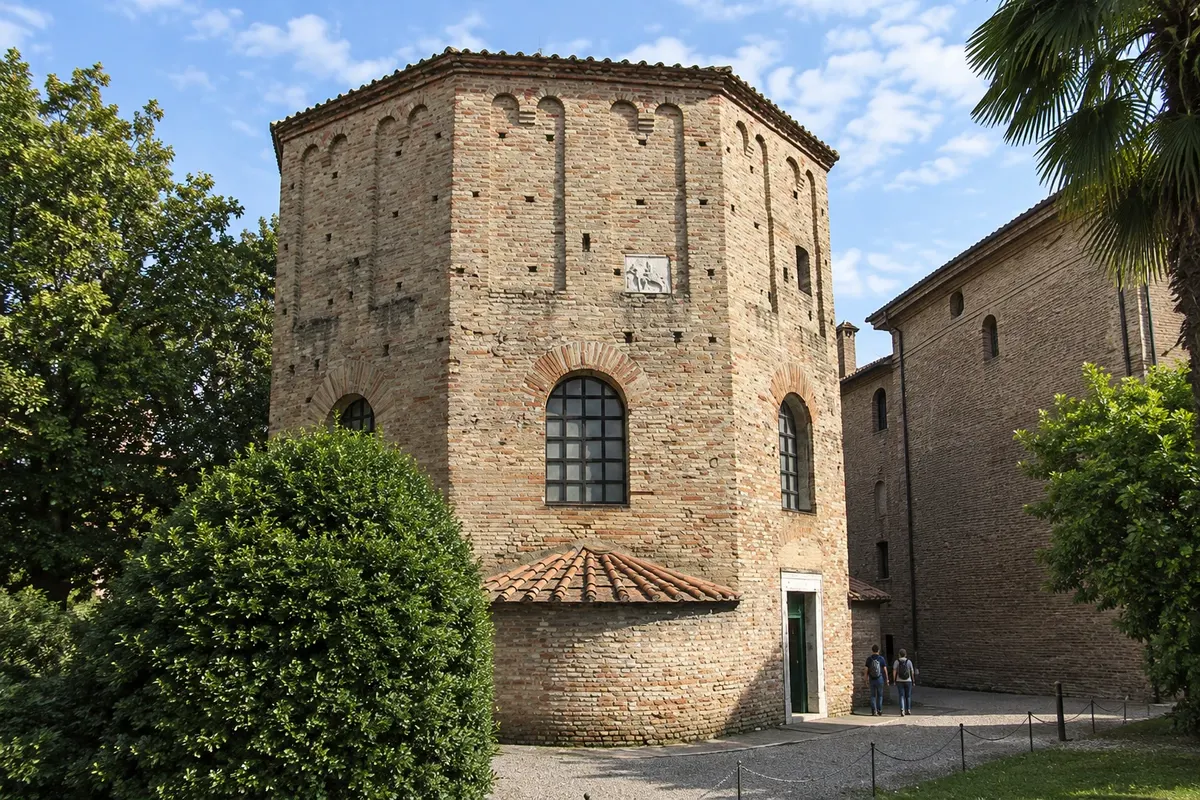
5th-century octagonal baptistery next to the cathedral, also called Battistero degli Ortodossi. In the dome, the baptism of Christ is surrounded by the procession of the twelve apostles.
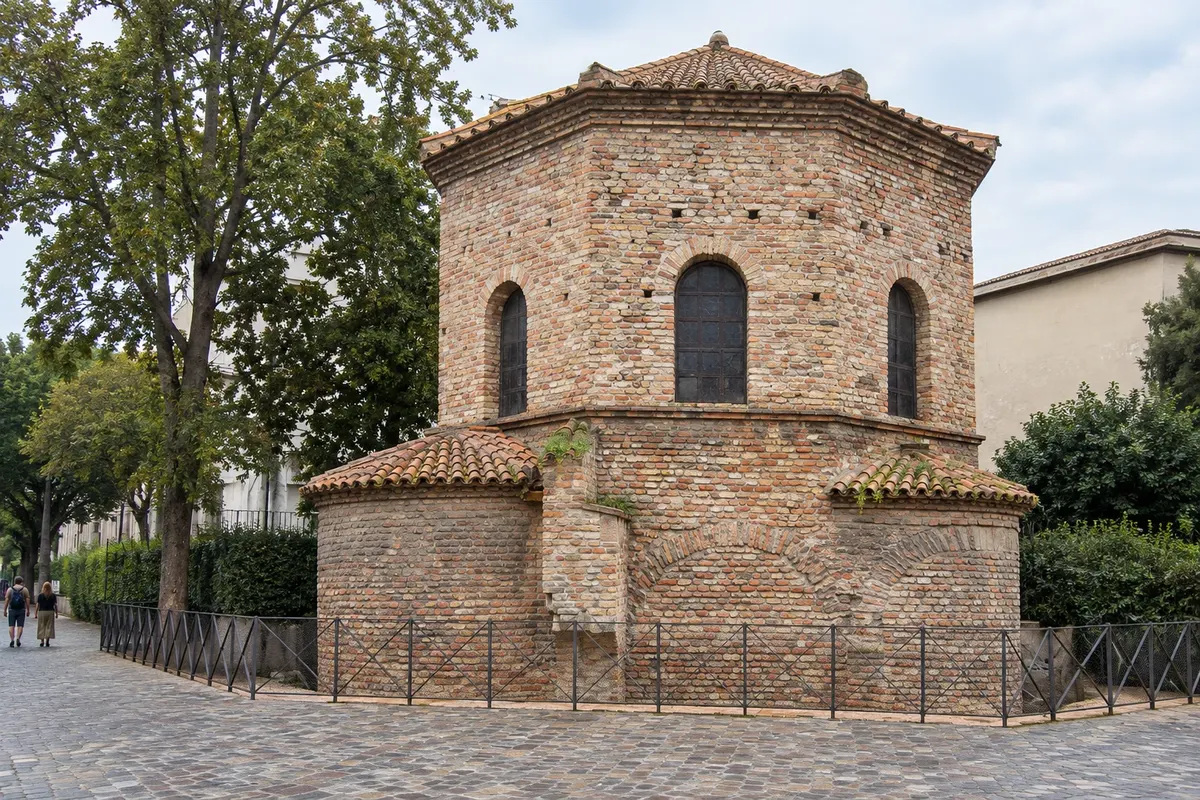
Small baptistery built in the time of Theodoric, between the late 5th and early 6th century. The dome shows the baptism of Christ and the twelve apostles on a golden background.
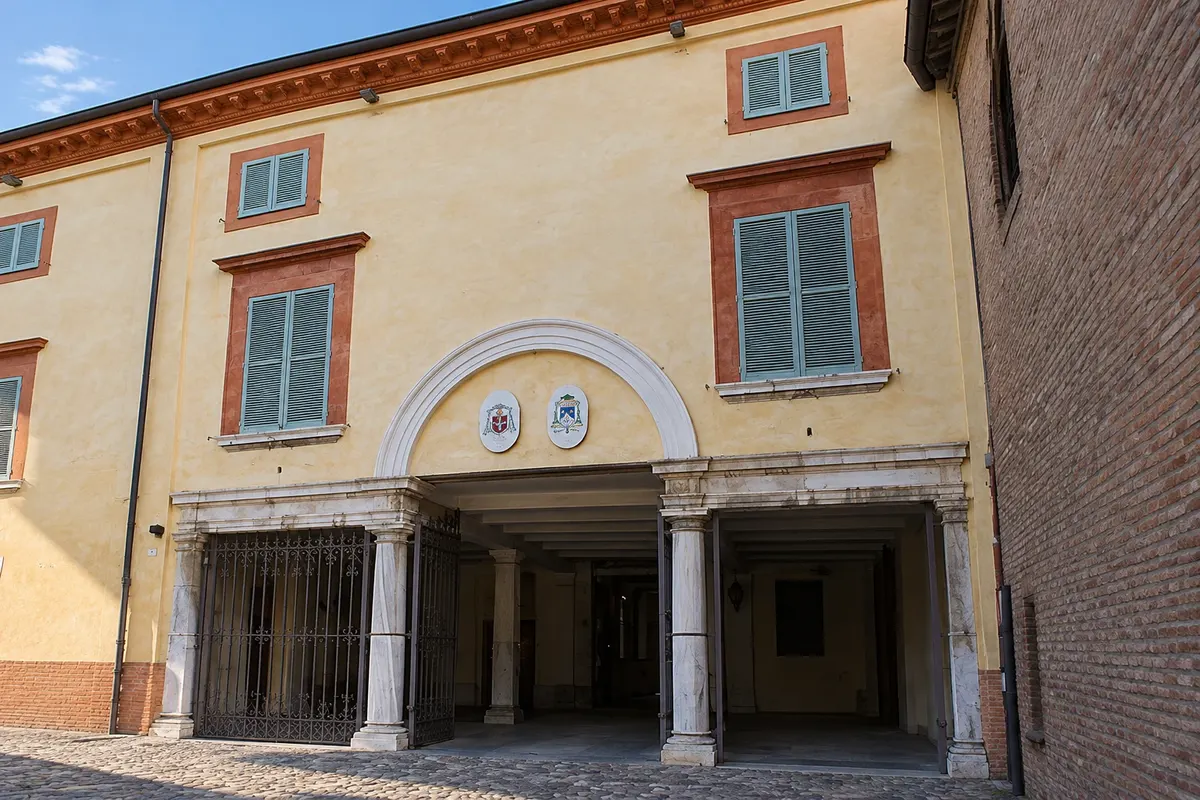
Archbishopric museum with the Cappella di Sant'Andrea, a mosaic chapel from the late 5th century, and the Cátedra de Maximiano, a 6th-century ivory episcopal throne.
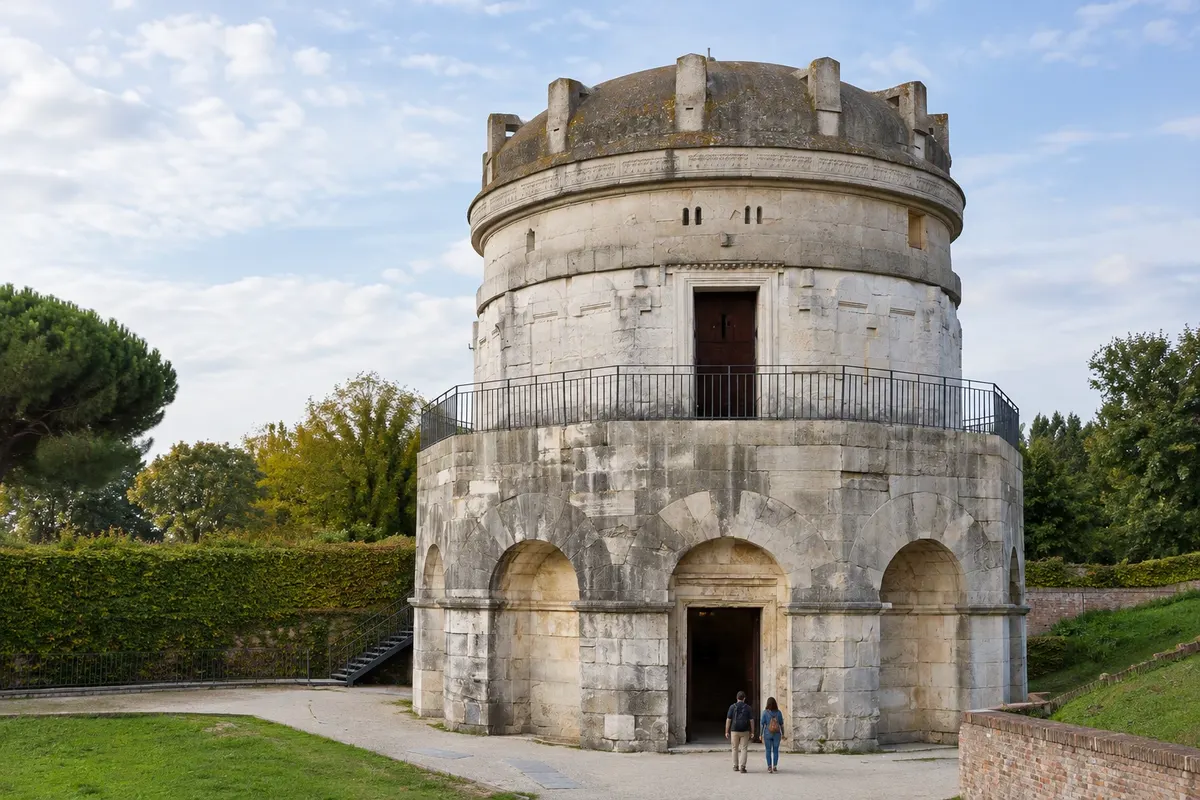
Stone tomb of the Ostrogoth king Teodorico, from the early 6th century. It is covered by a single block of stone nearly 11 meters in diameter and about 230 tonnes.
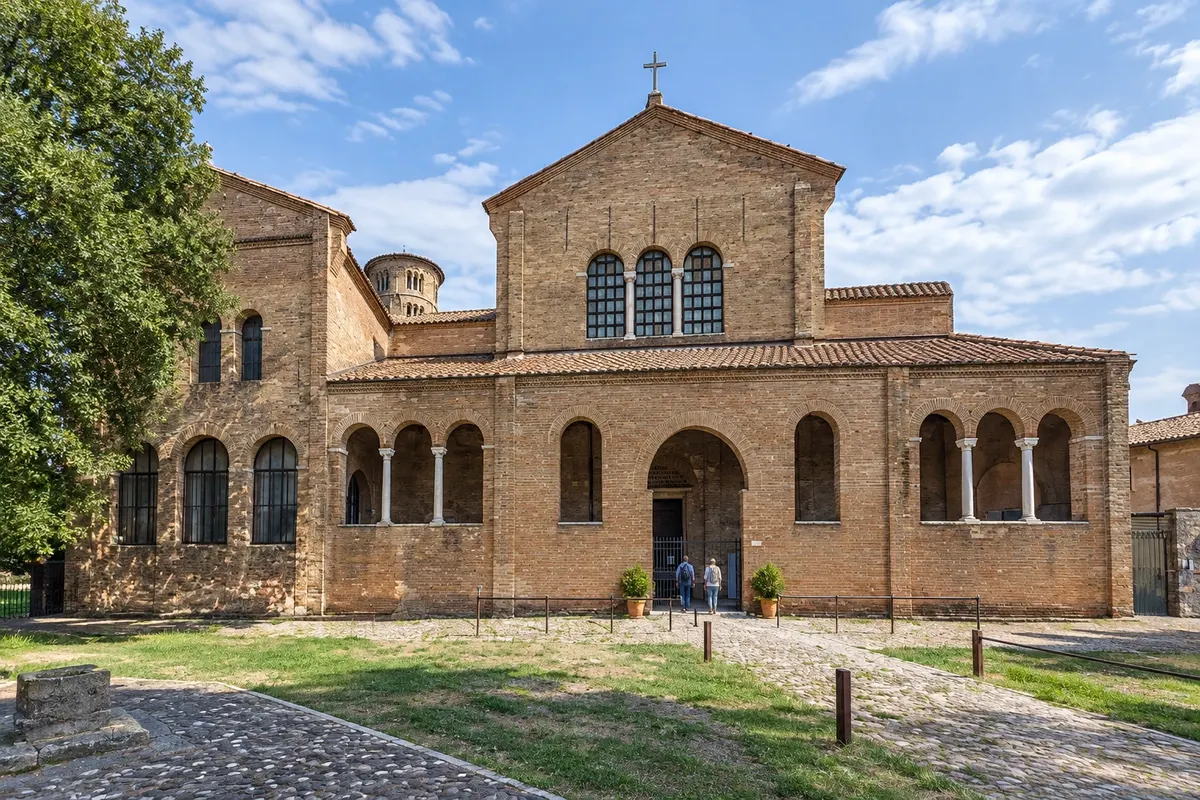
Basilica consecrated in 549 in the ancient Roman port of Classe, about 5 km from Ravena. The apse mosaic shows Santo Apolinario in a green field with sheep, beneath a large cross.
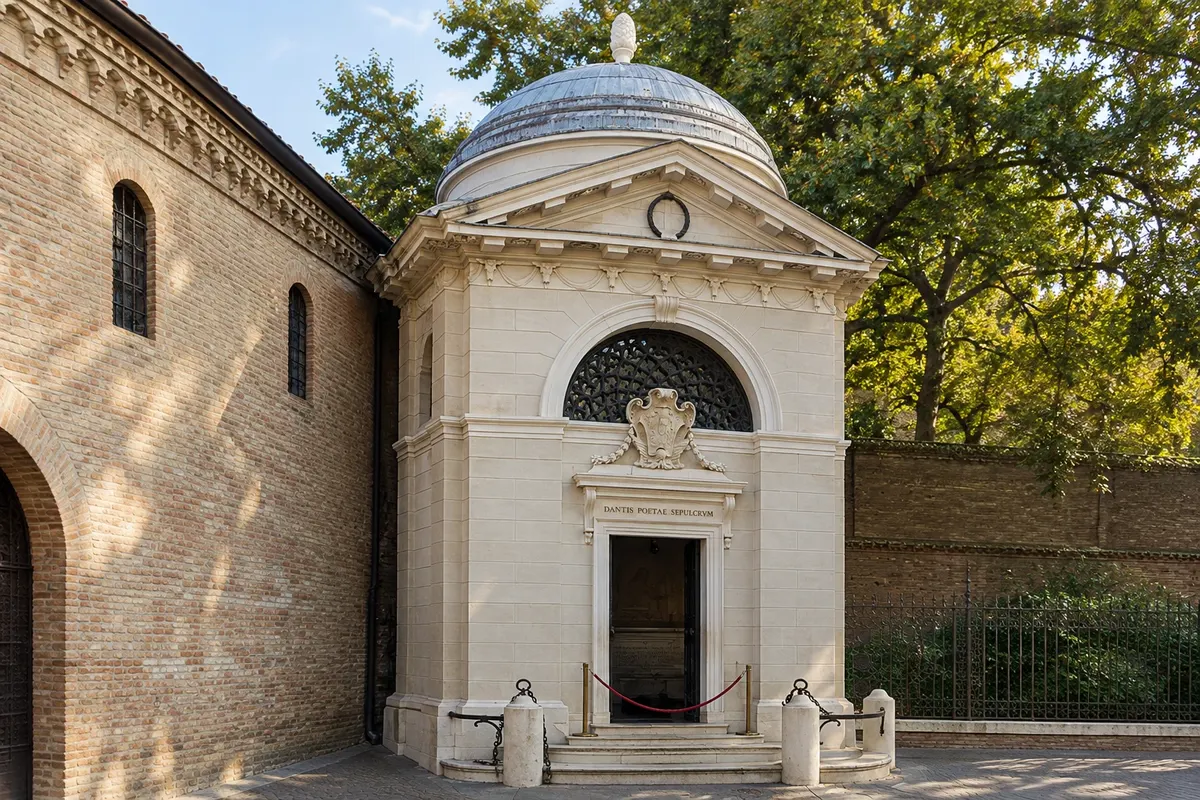
Neoclassical tomb of Dante Alighieri, who died in Ravena in 1321. A votive lamp fueled with oil from Tuscany, offered by Florence, remains lit inside.