Bolonha e Emília-Romanha

Emília-Romanha · Italy

Bolonha e Emília-Romanha

Porticoes and medieval squares in Bolonha, the Romanesque Duomo of Módena, Correggio's dome in Parma and the Byzantine mosaics of Ravena, linked by short train journeys.

North

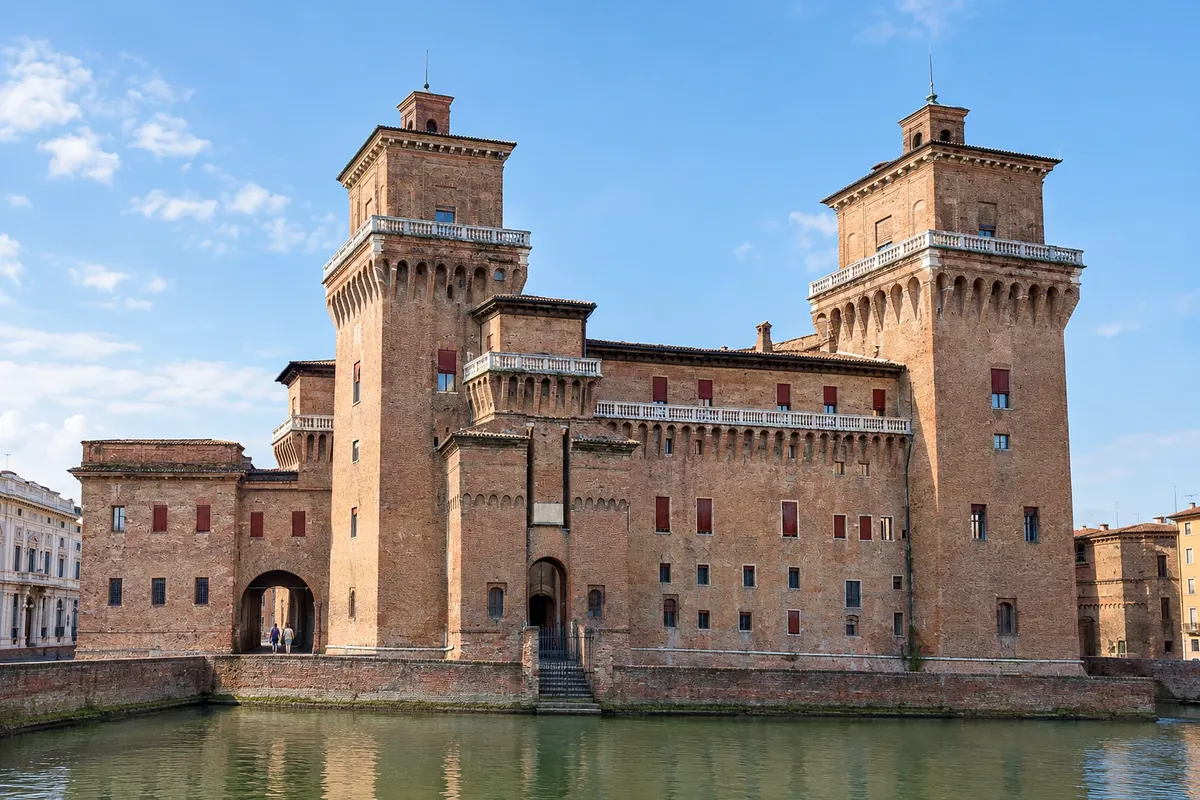
In the photo: Castello Estense, Ferrara

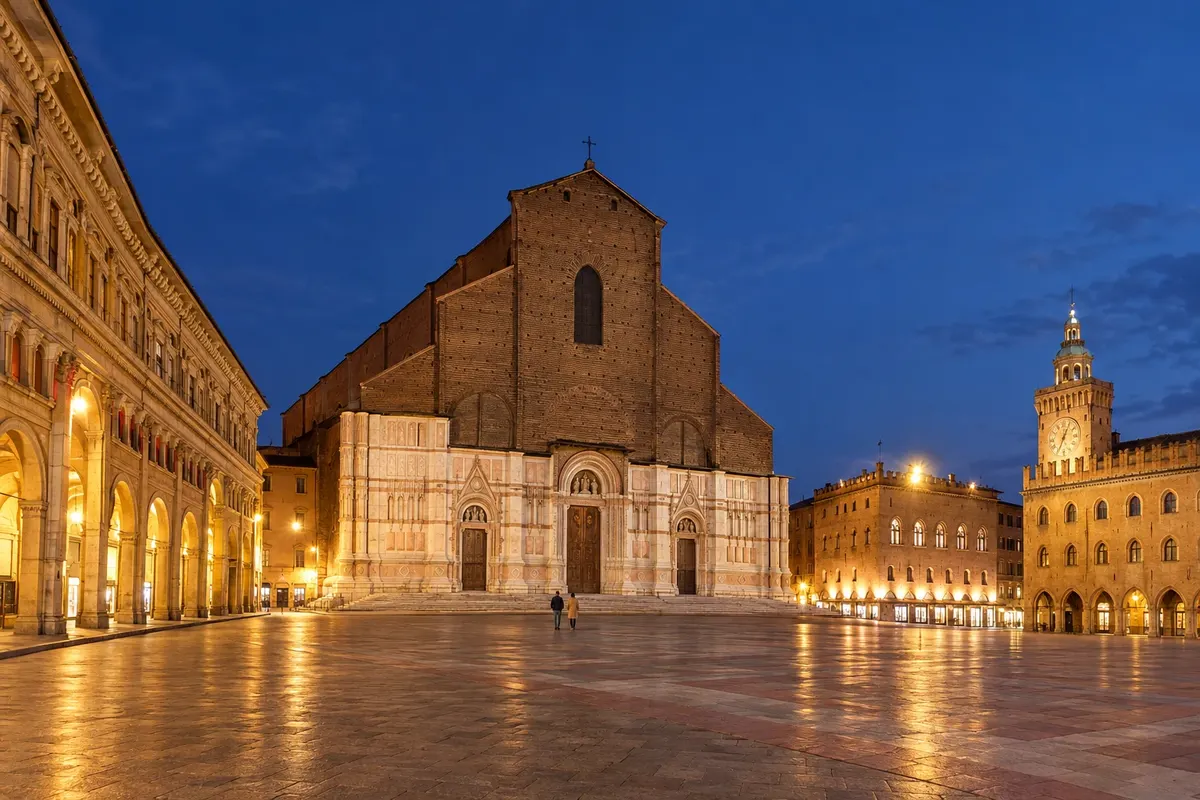
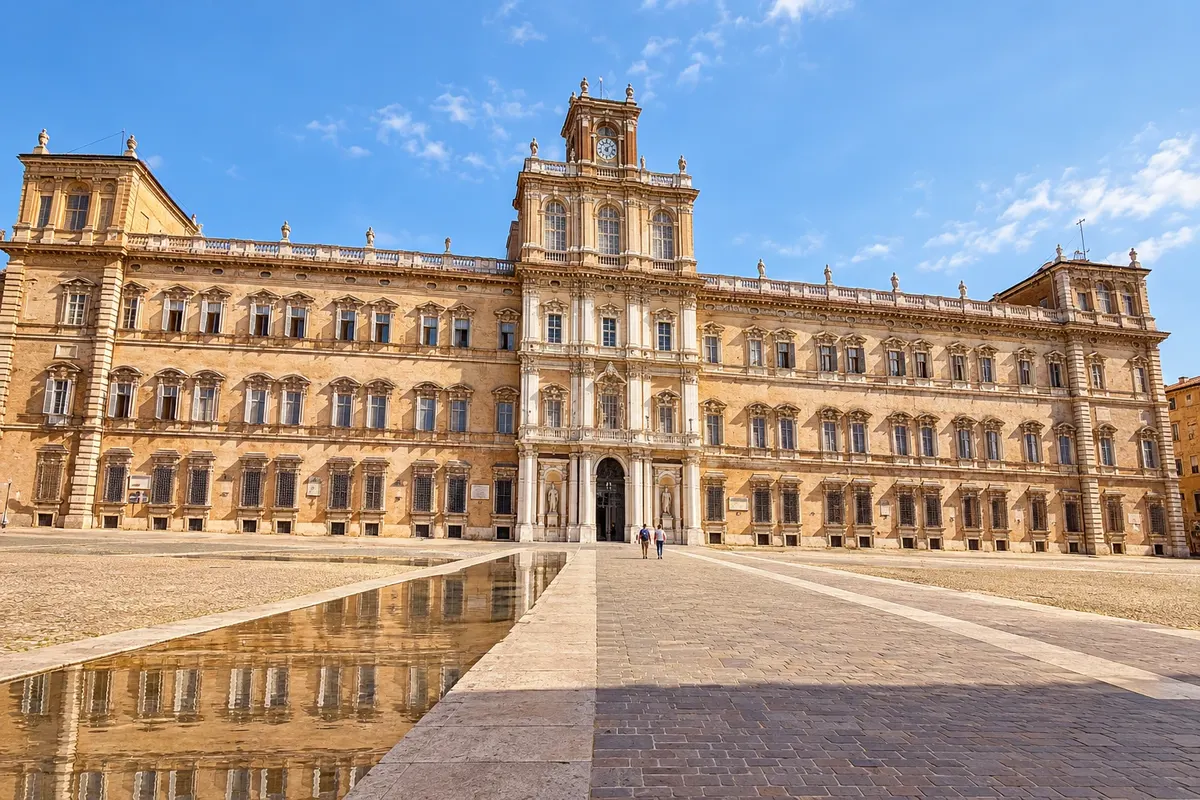
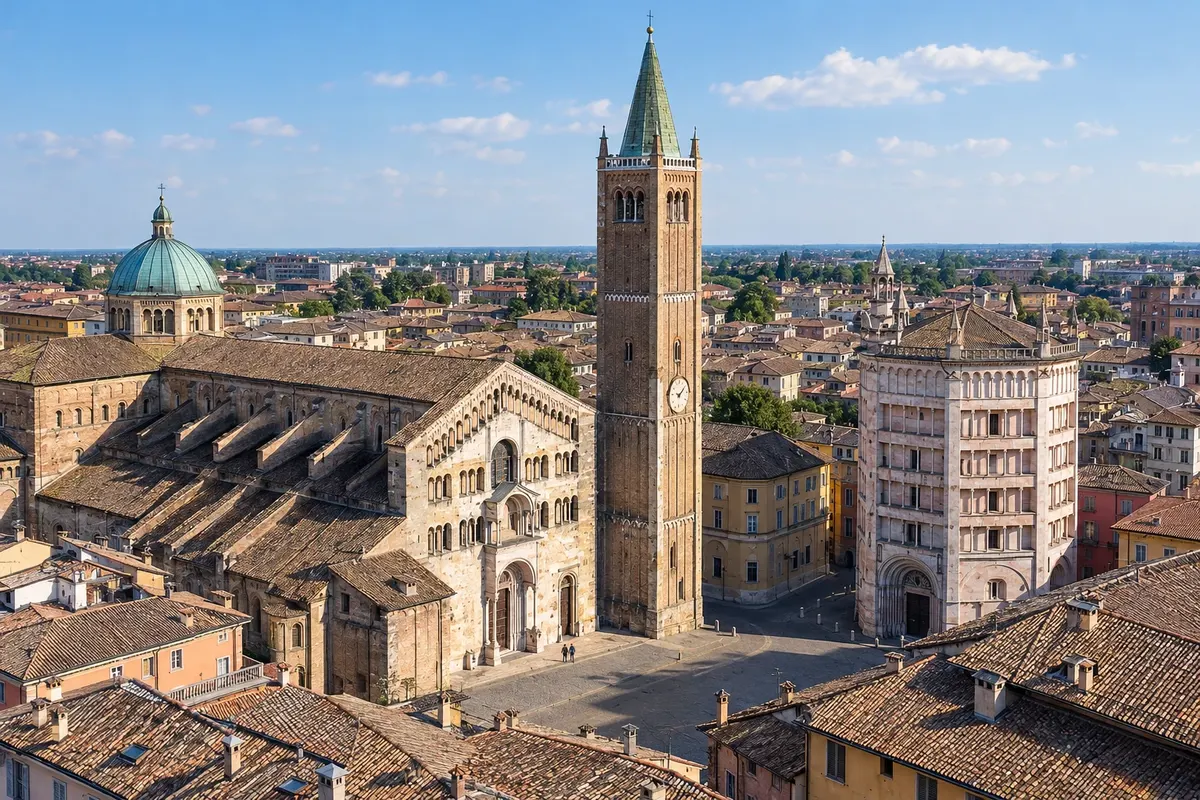
Illustrative images. The pictures in this guide are illustrations based on the real place, not photographs, and may differ from it.

Get it on Google Play Send your photos

Get to know the place

A region to enjoy
at your own pace.

Emília-Romanha occupies the Po river plain, between the Apennines and the Adriatic Sea, in northern Italy. The ancient Via Emília, a Roman road that cuts the region in a straight line, still links the main cities: Parma, Módena and Bolonha lie along it, and Ravena is to the east, near the coast.

Bolonha (Bologna, in Italian) is the regional capital and the most practical starting point. It has the university considered the oldest in the West, dating to 1088 according to tradition, a red-brick historic center and kilometres of porticoes, the covered galleries that protect sidewalks from rain and sun. A portion of those porticoes is a UNESCO World Heritage site.

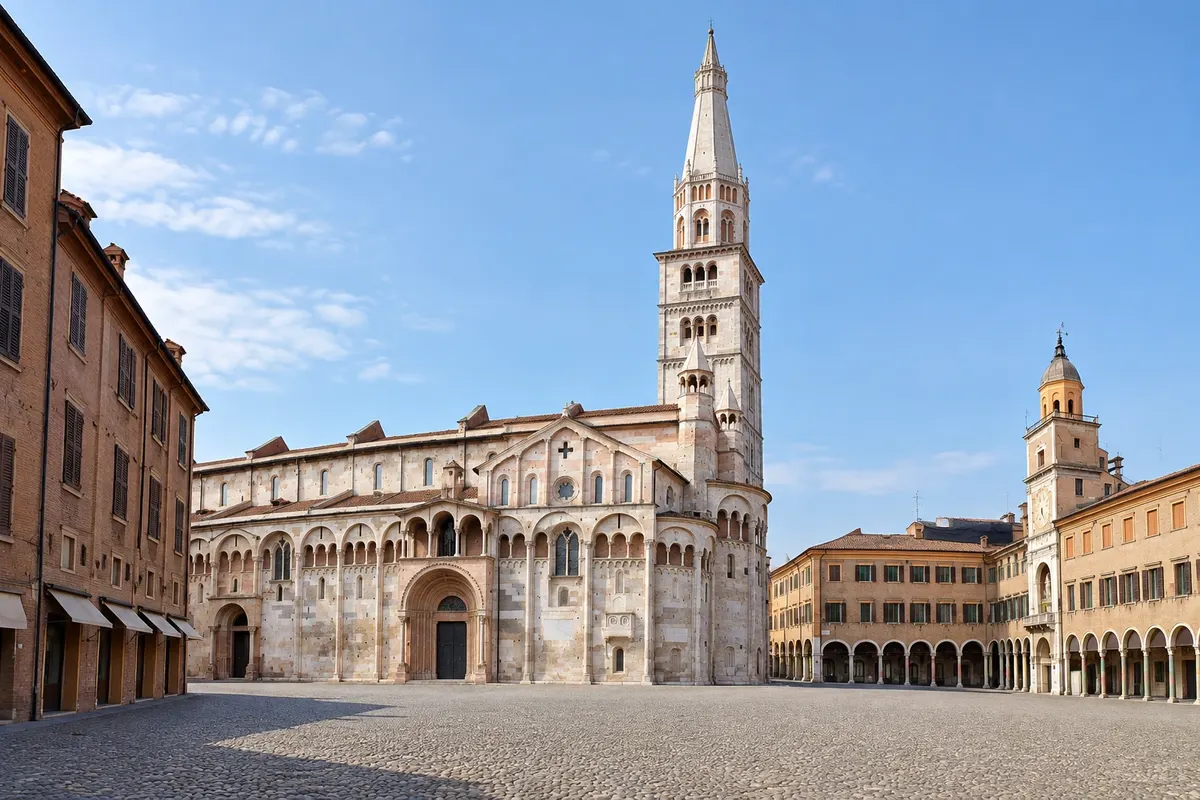
Módena preserves a Romanesque cathedral, the Ghirlandina tower and the Piazza Grande, a group also listed by UNESCO, as well as two museums dedicated to Ferrari, one in the city and another in Maranello. Parma has the dome painted by Correggio in the cathedral, the pink marble baptistery by Benedetto Antelami and the Teatro Farnese, all wood, inside the Palazzo della Pilotta.

Ravena was capital of the Western Roman Empire, of Theodoric's Ostrogothic kingdom and of Byzantine Italy. From that period remain eight fifth- and sixth-century monuments covered in mosaics, which together form a single UNESCO site. Dante Alighieri died in the city and is buried there.

Food is part of the local culture: mortadella and tortellini from Bolonha, aceto balsamico tradizionale from Módena, prosciutto di Parma and parmigiano reggiano, a cheese produced on the plain between Parma, Reggio Emilia, Módena and Bolonha.

This destination brings together 4 cities: Bolonha, Módena, Parma, Ravena.

Share: WhatsApp
Traveler, share your experiences through photos Up to 5 photos of each place you visited.

One destination, many paths

The cities on this trip

Start with one city or combine several in your itinerary.

Where Bolonha e Emília-Romanha is
BolonhaMódenaParmaRavena

Contornos: ISTAT, limites administrativos 2026, CC BY 4.0. Adaptação do Cidade Turismo.

How to get there: Bolonha e Emília-Romanha

✈ Aeroporto di Bologna Guglielmo Marconi (BLQ) · 8 km to Bolonha

Check before buying. Bolonha's airport receives European flights. From Milan, Florence, Rome or Venice the high-speed train reaches Bologna Centrale; from there, regional trains continue to Módena, Parma and Ravena.

Suggested arrival point: Bolonha

Bolonha
Emília-Romanha · Bolonha e Emília-Romanha Capital Suggested arrival point

Bolonha

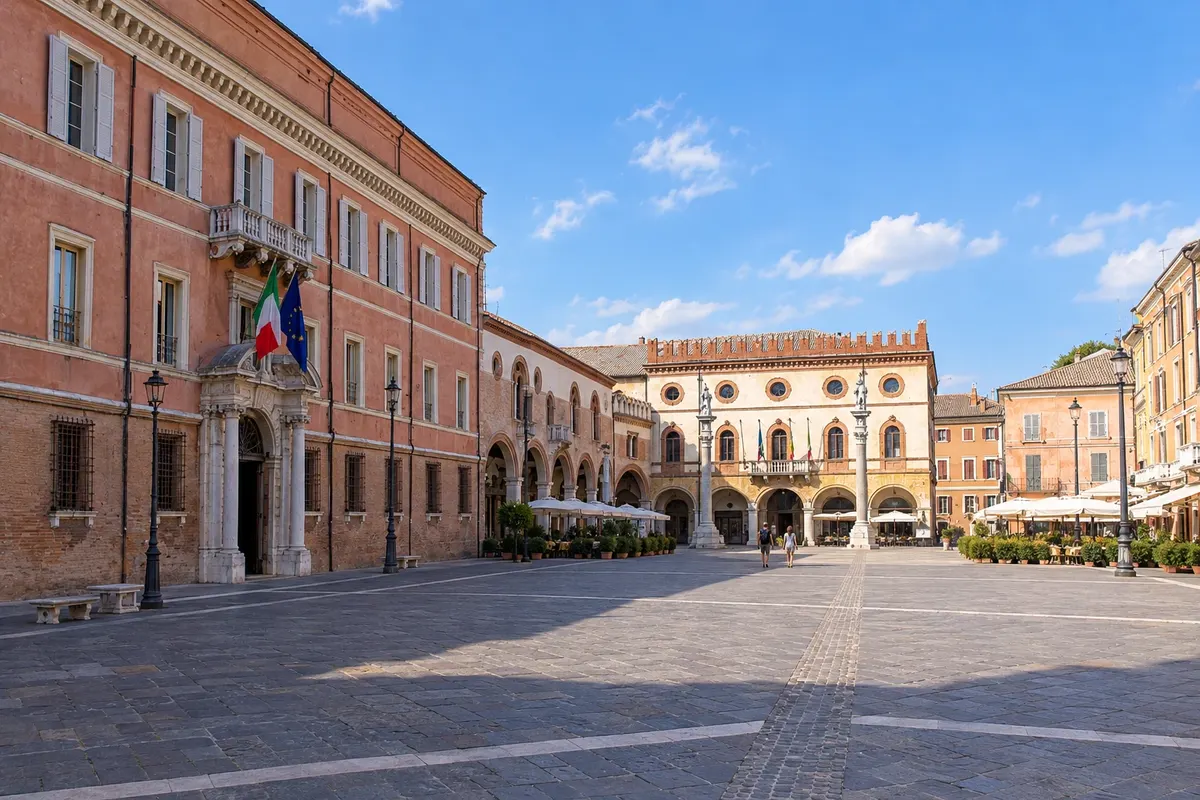
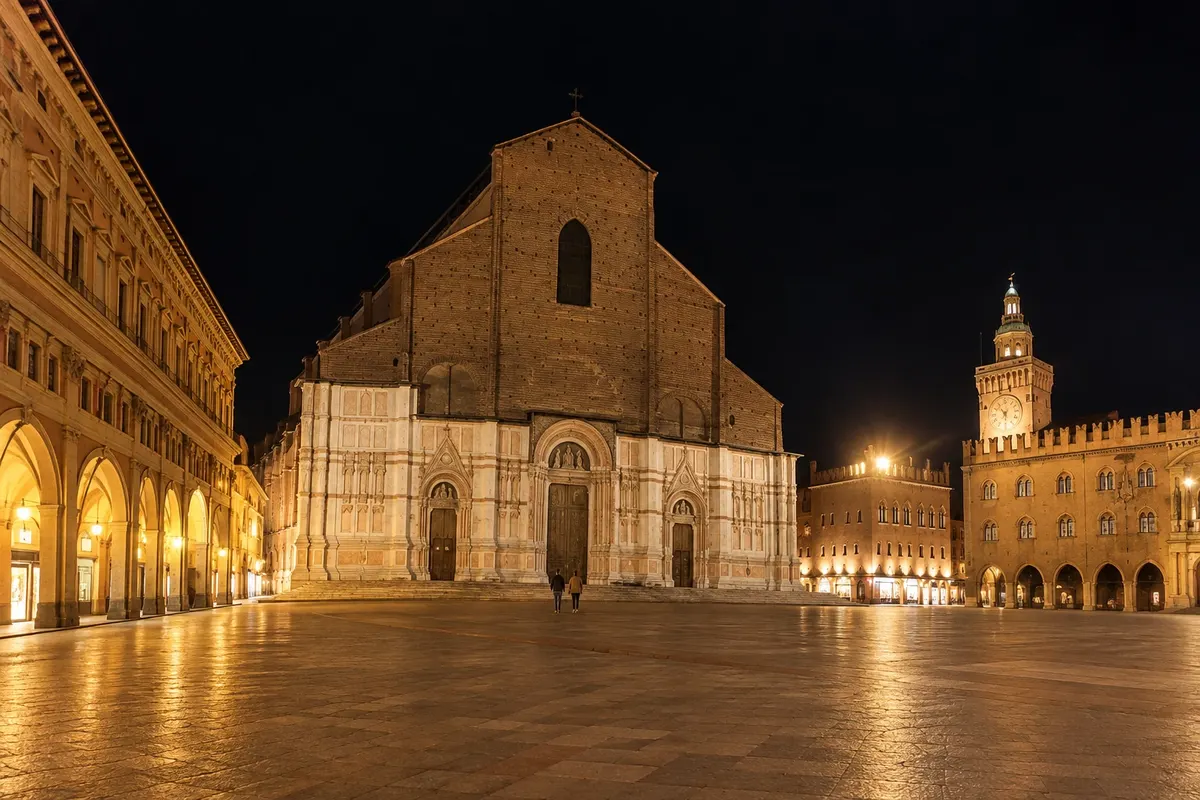
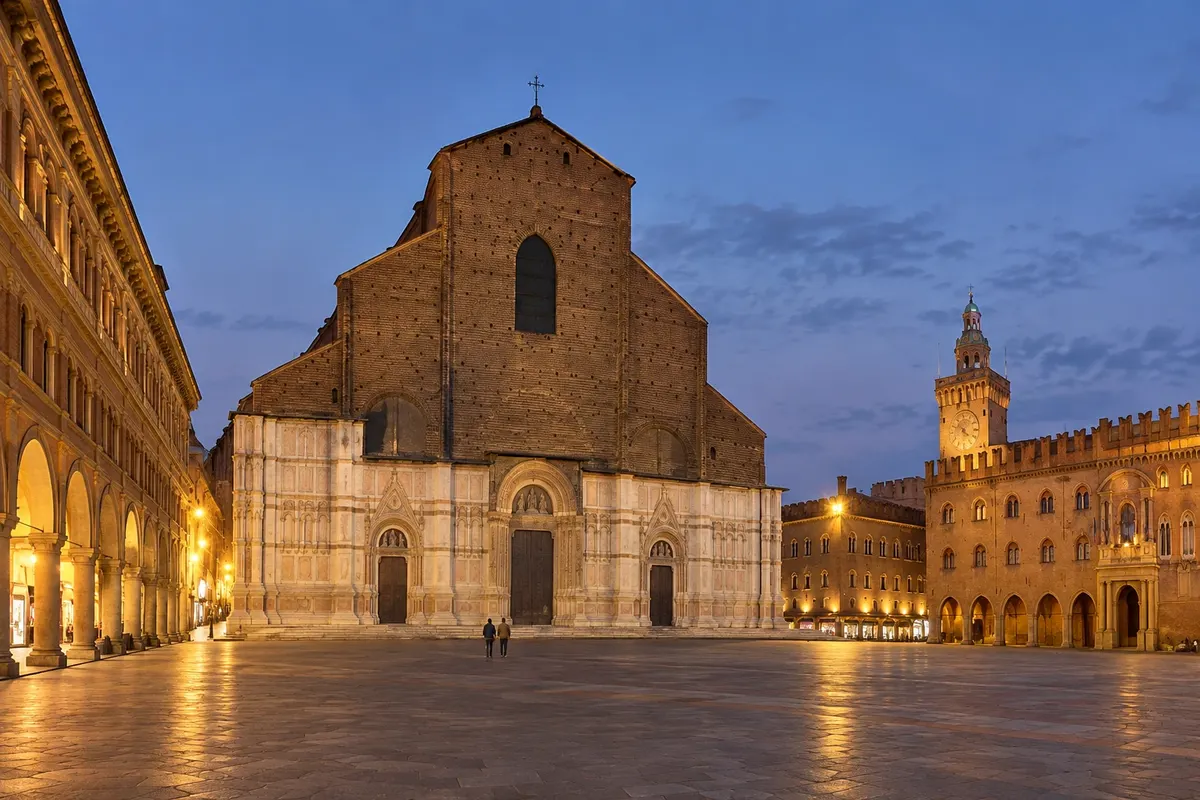
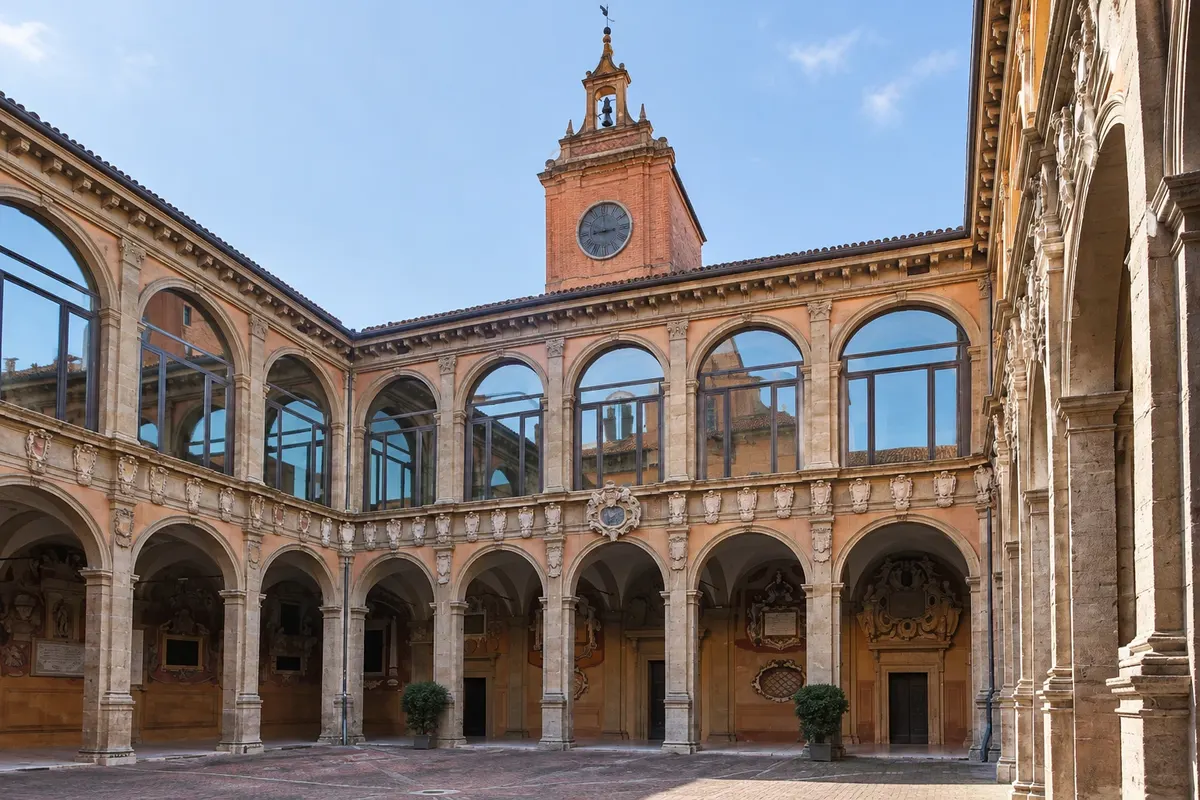
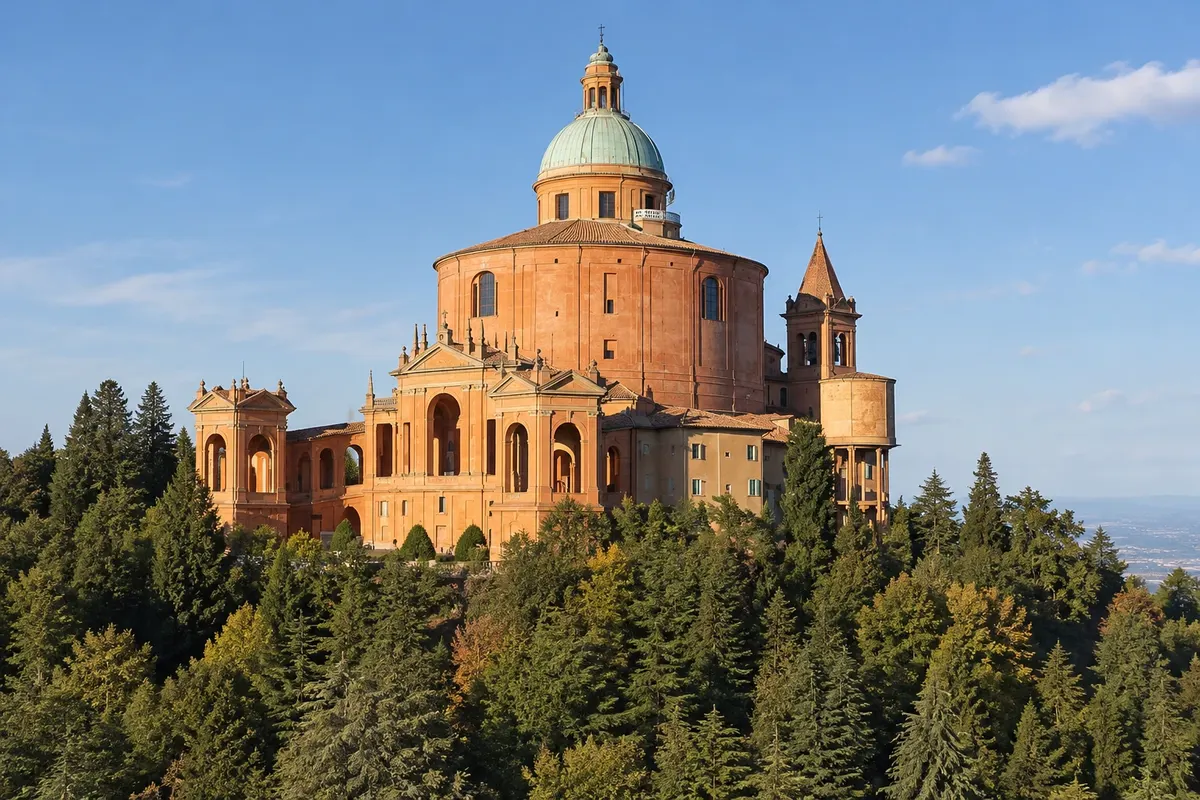
As the capital of Emília-Romanha, Bolonha has a red-brick historic centre cut through by porticoes. Around the Piazza Maggiore are the Basilica di San Petronio, the Palazzo d'Accursio and the Archiginnasio, the old university seat. A few minutes away are the Basilica di Santo Stefano, the Basilica di San Domenico and the Pinacoteca Nazionale. On the hill, the Santuario della Madonna di San Luca is reached via the city's longest portico.

Módena
Emília-Romanha · Bolonha e Emília-Romanha

Módena

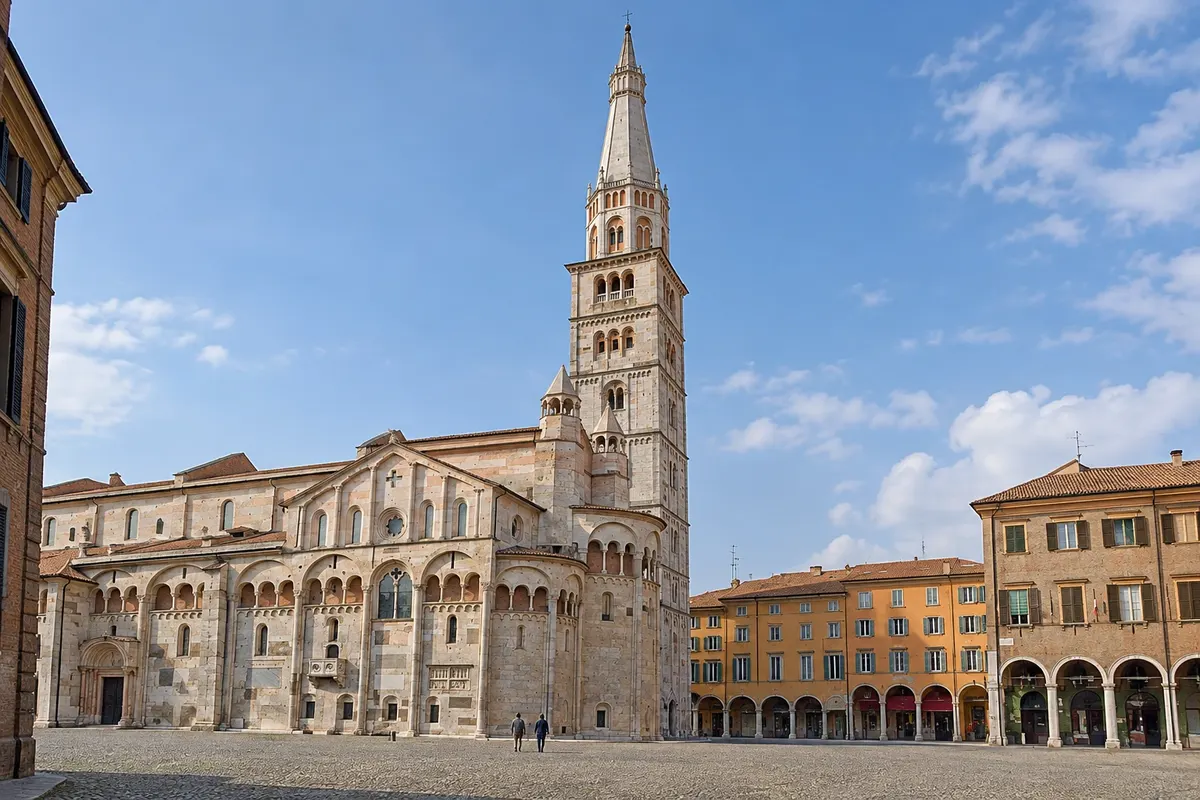
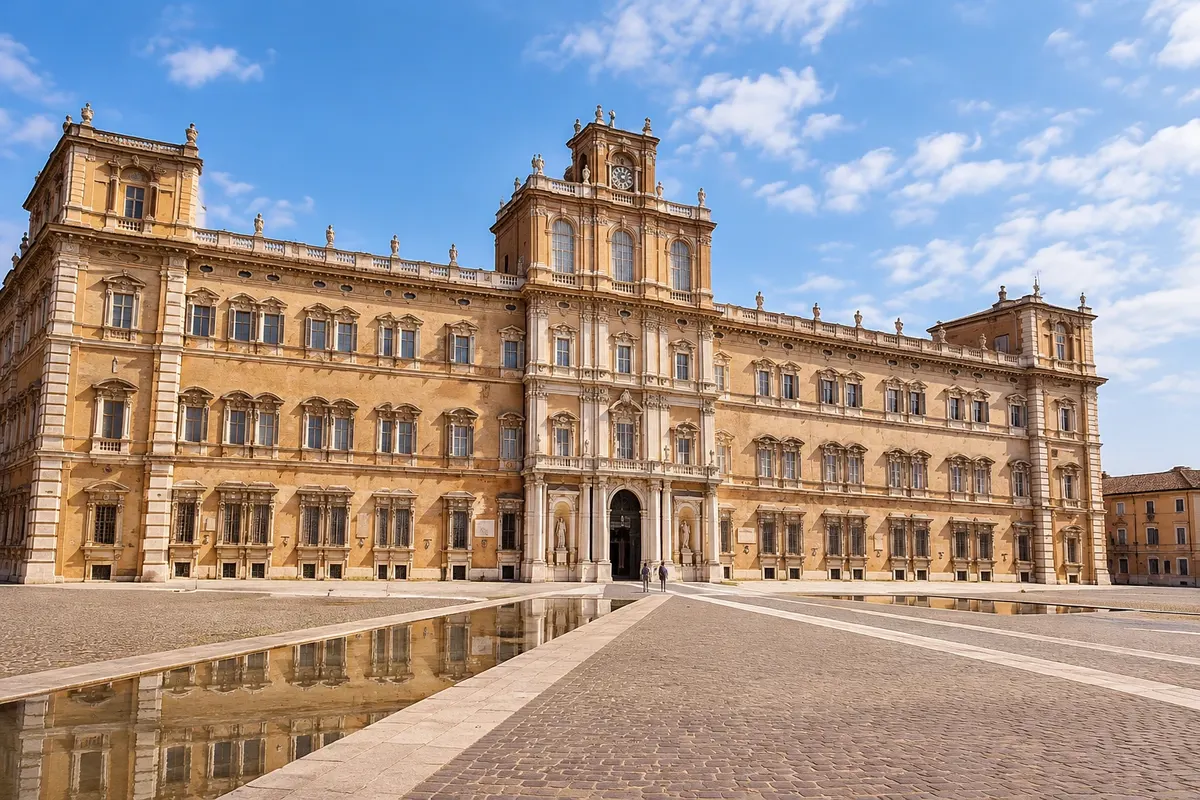
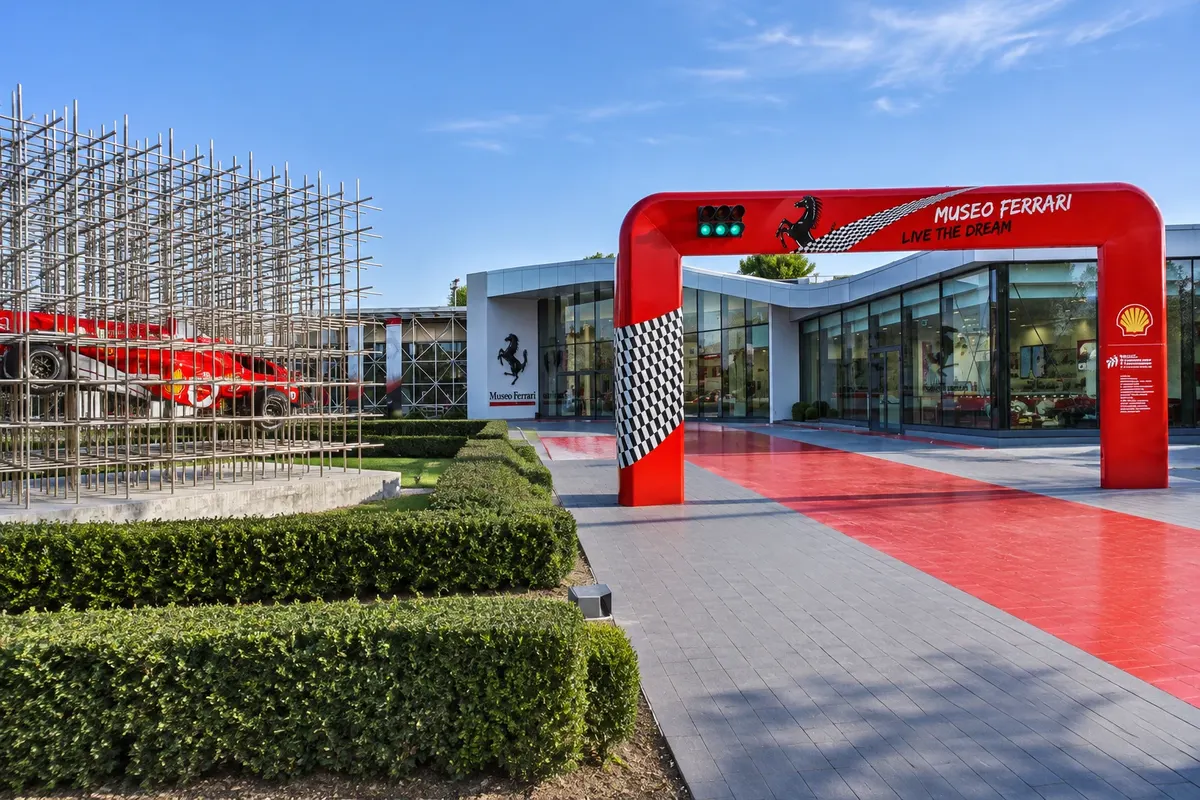
City of the dukes d'Este, Módena lies on the Via Emília, west of Bolonha. The Duomo di Modena, a masterpiece of Romanesque architecture, the Torre Ghirlandina and the Piazza Grande form a UNESCO World Heritage ensemble. Nearby are the Palazzo Ducale, the Mercato Albinelli and the Galleria Estense. The city is the home of aceto balsamico tradizionale and of Enzo Ferrari, remembered at the Museo Enzo Ferrari, and in Maranello is the Museo Ferrari.

Parma
Emília-Romanha · Bolonha e Emília-Romanha

Parma

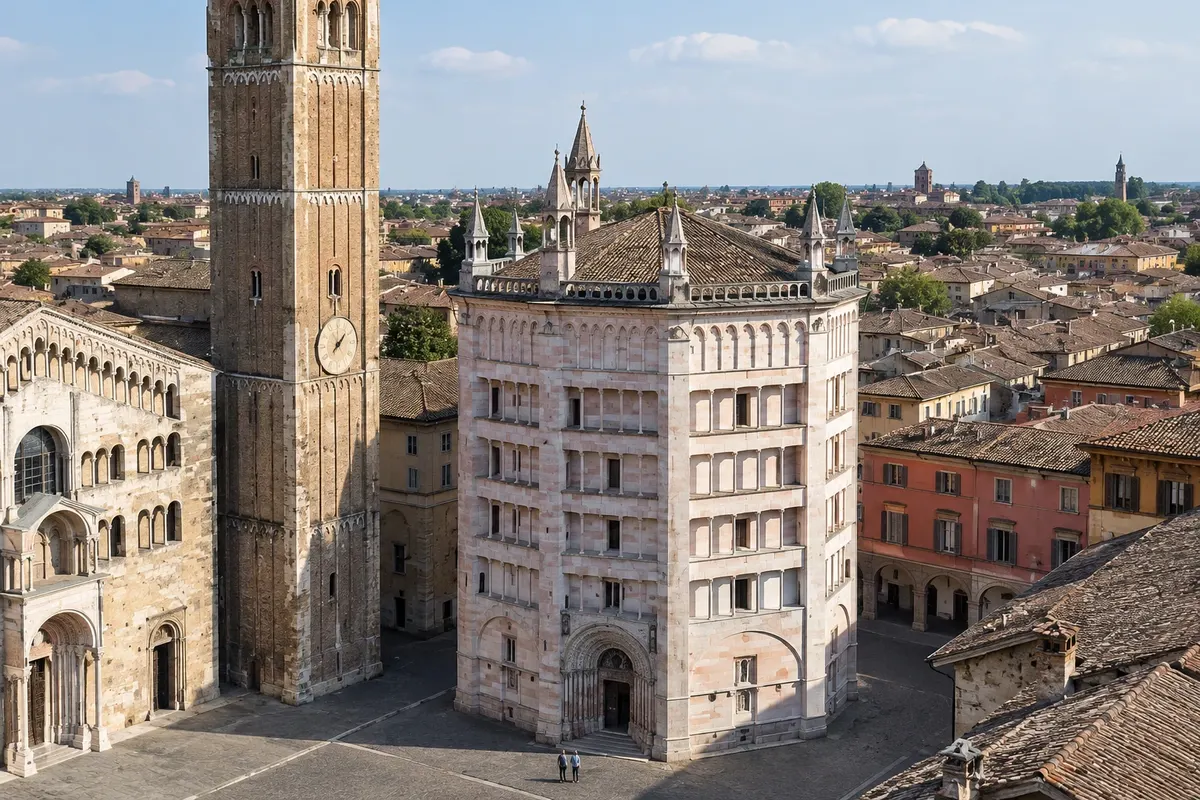
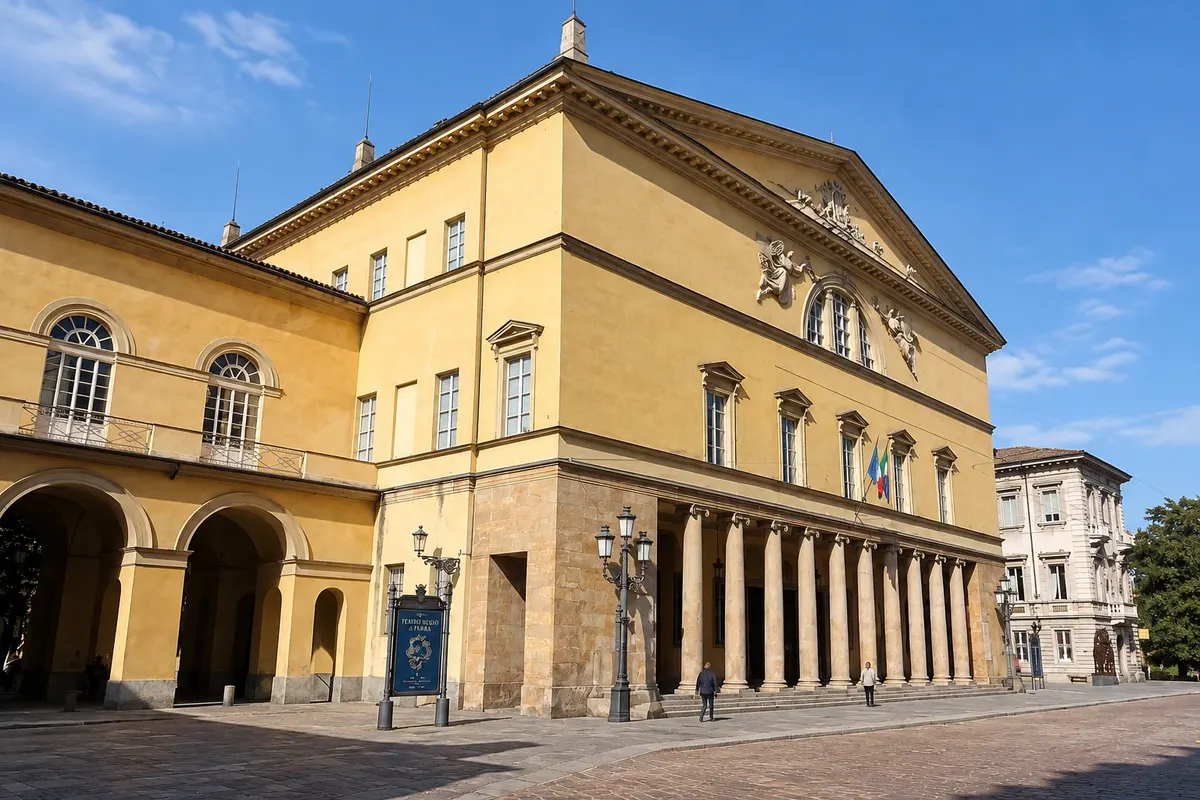
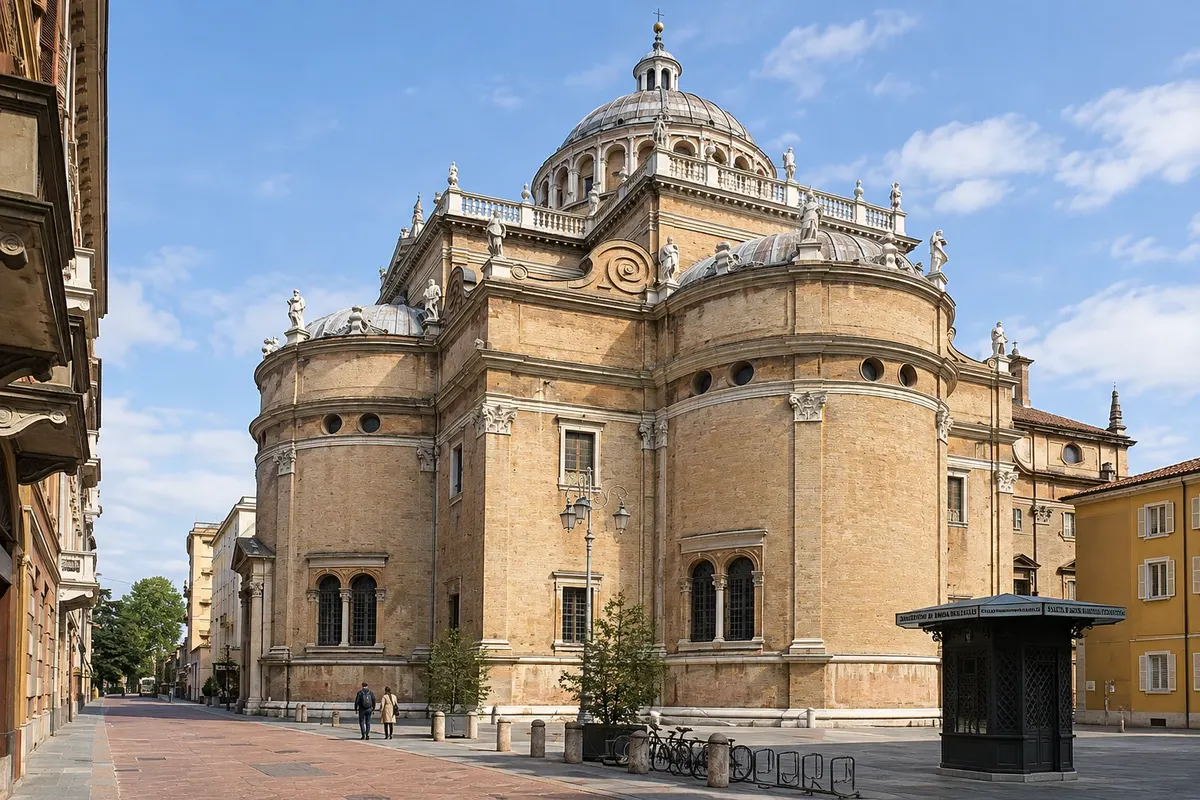
Former capital of the Duchy of the Farnese and later of Maria Luisa of Austria, Parma brings together art and food. On the Piazza Duomo are the cathedral, with the dome painted by Correggio, and the Battistero of pink marble by Benedetto Antelami. The Complesso della Pilotta houses the Galleria Nazionale and the wooden Teatro Farnese. The visit is completed by the Teatro Regio, the Basilica di Santa Maria della Steccata and the Parco Ducale. It is the land of prosciutto di Parma and parmigiano reggiano.
Ravena
Emília-Romanha · Bolonha e Emília-Romanha

Ravena

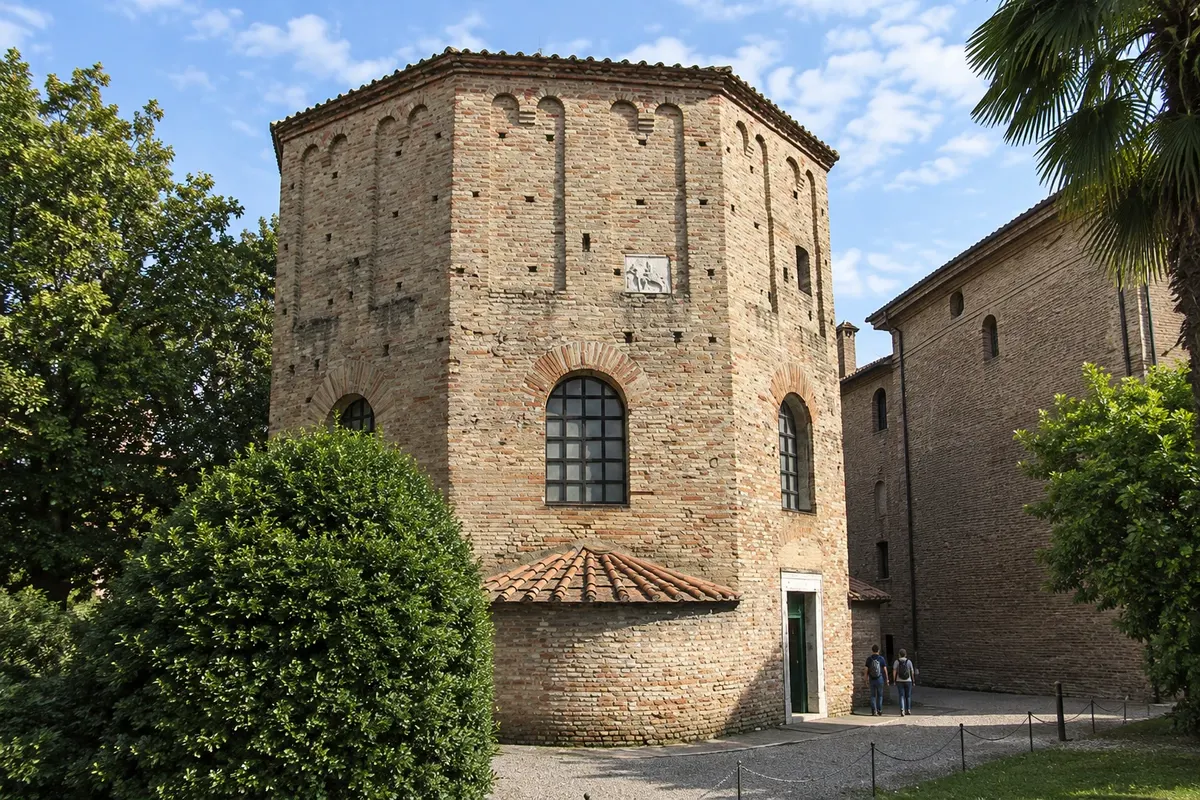
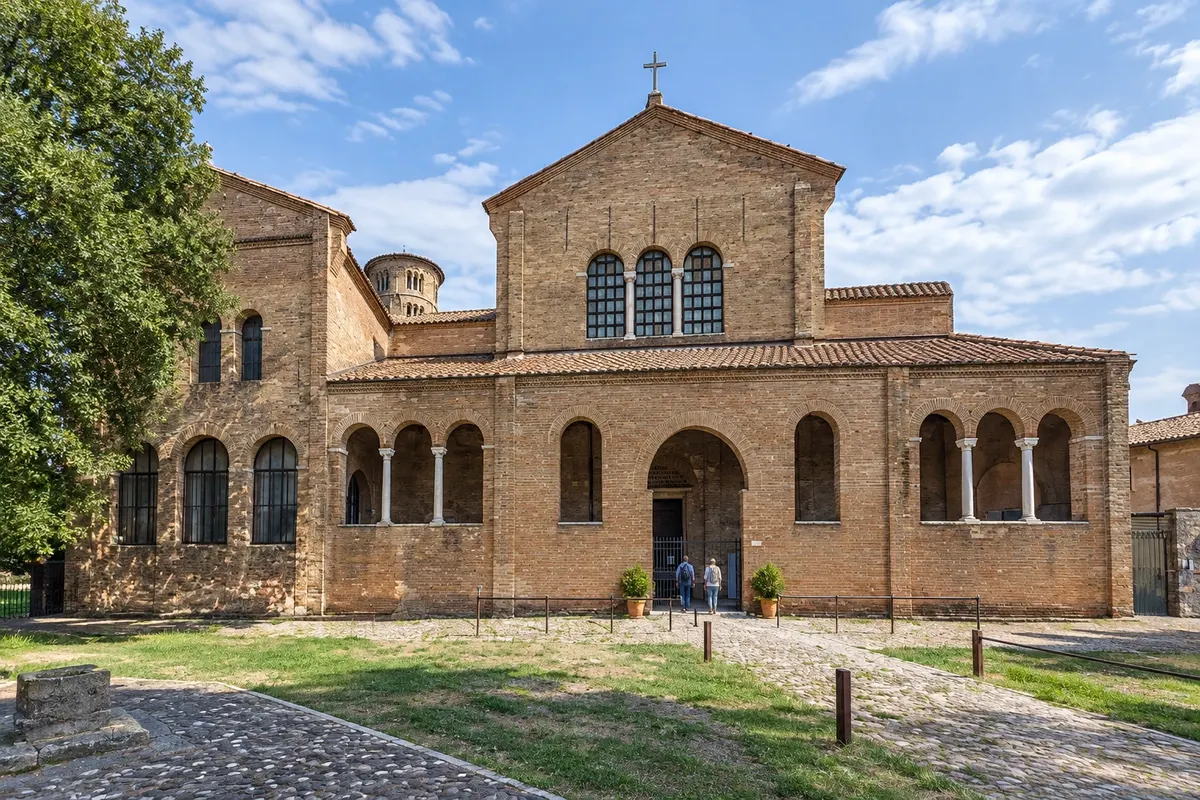
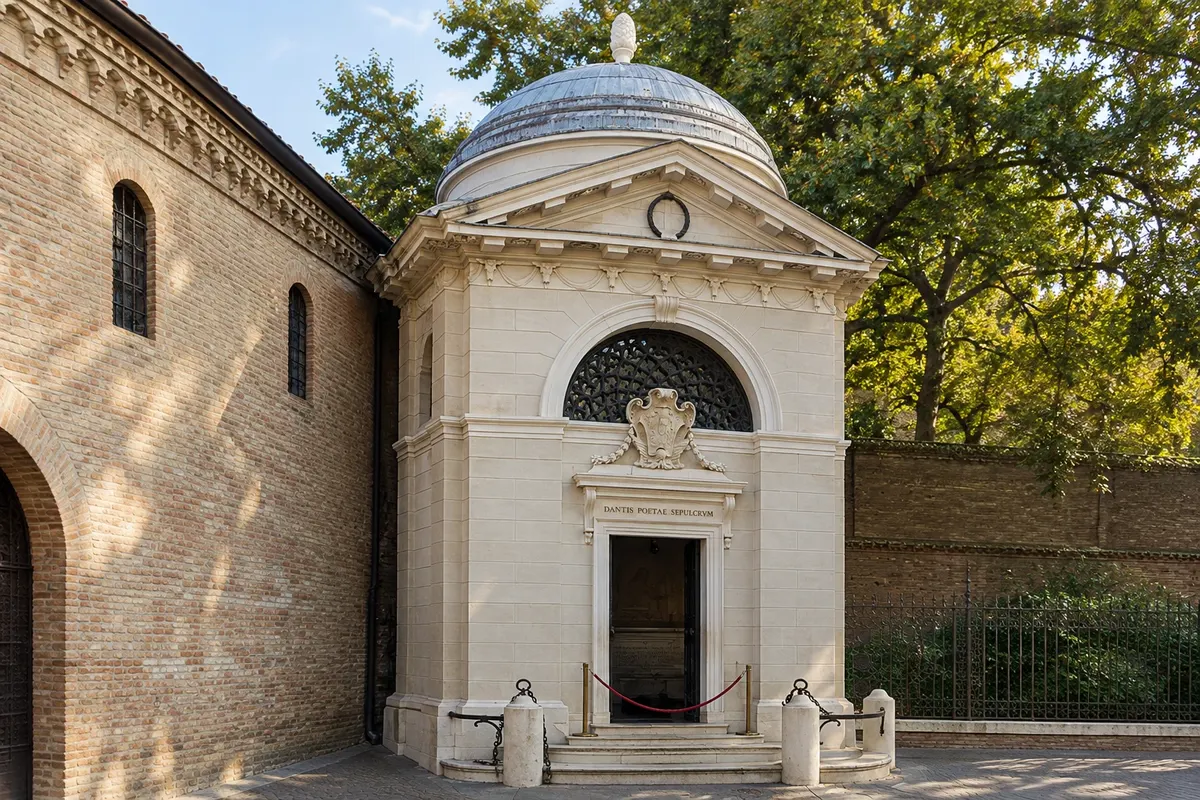
Ravenna was the capital of the Western Roman Empire, the Ostrogothic kingdom and Byzantine Italy, and preserves eight monuments from the 5th and 6th centuries, a UNESCO World Heritage Site. In the center are the Basilica di San Vitale, the Mausoleo di Galla Placidia, the Basilica di Sant'Apollinare Nuovo, the Battistero Neoniano, the Battistero degli Ariani and the Museo Arcivescovile. A little farther out are the Mausoleo di Teodorico and the Basilica di Sant'Apollinare in Classe. Dante is buried in the Tomba di Dante.

The local experience

Things to do in Bolonha e Emília-Romanha

Basilica di San Vitale
Ravena · Emília-Romanha · Church

Basilica di San Vitale

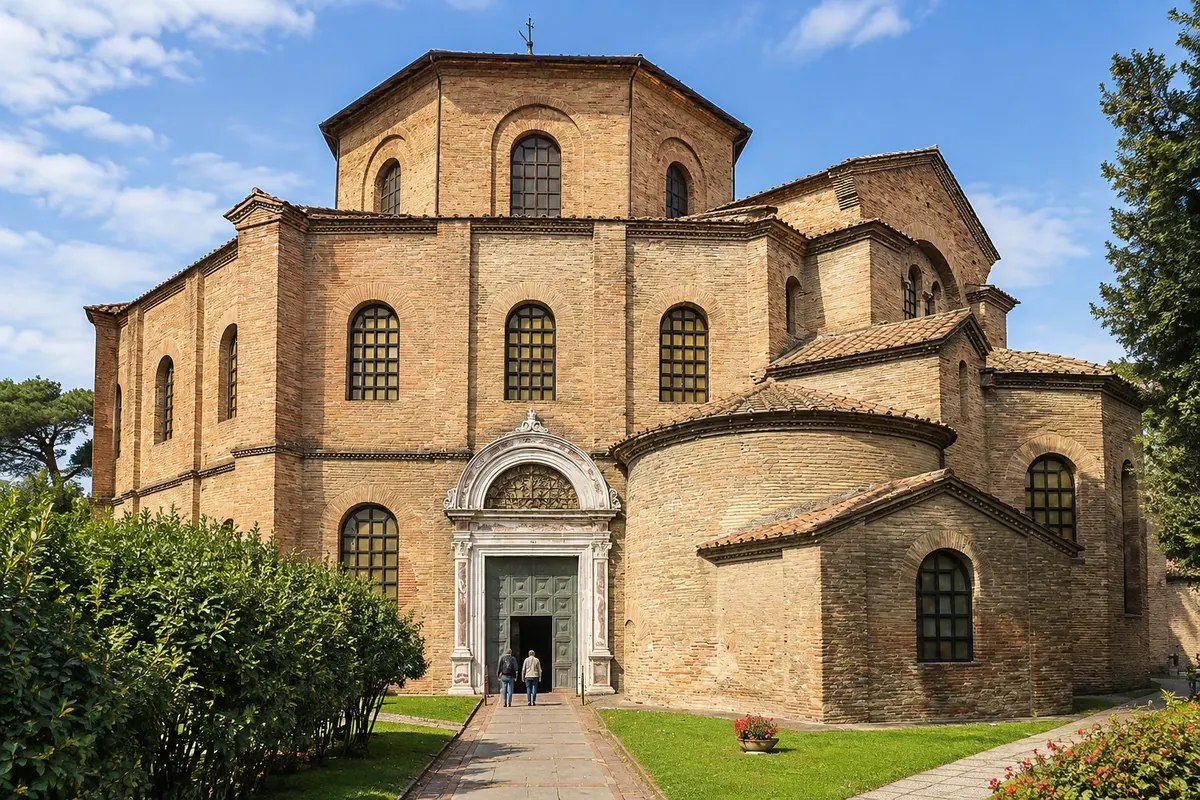
Octagonal basilica consecrated in 547, covered in Byzantine mosaics. The panels of Emperor Justinian and Empress Theodora with their courts are among the most famous mosaics in the world.

Cattedrale di Parma
Parma · Emília-Romanha · Cathedral

Cattedrale di Parma

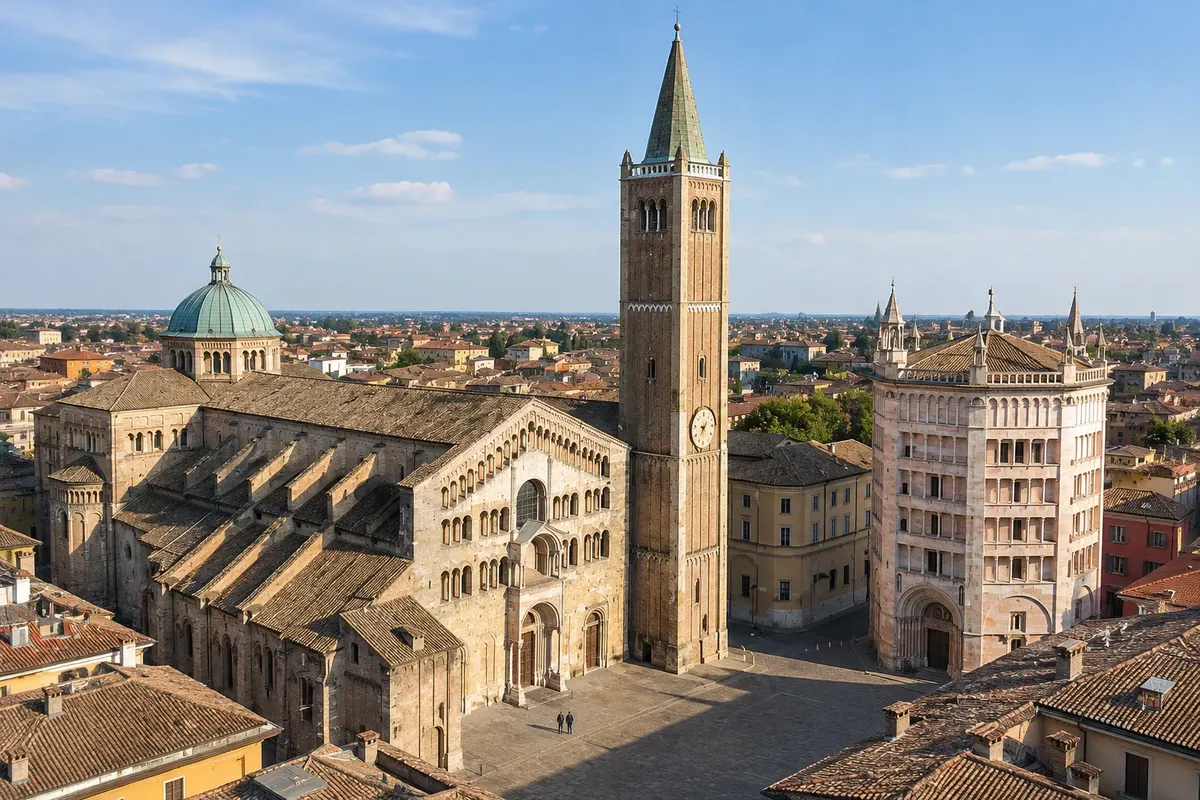
Romanesque cathedral consecrated in 1106. The dome is covered by the Assumption of the Virgin painted by Correggio, and the transept houses the Deposition sculpted by Benedetto Antelami in 1178.

Duomo di Modena
Módena · Emília-Romanha · Cathedral

Duomo di Modena

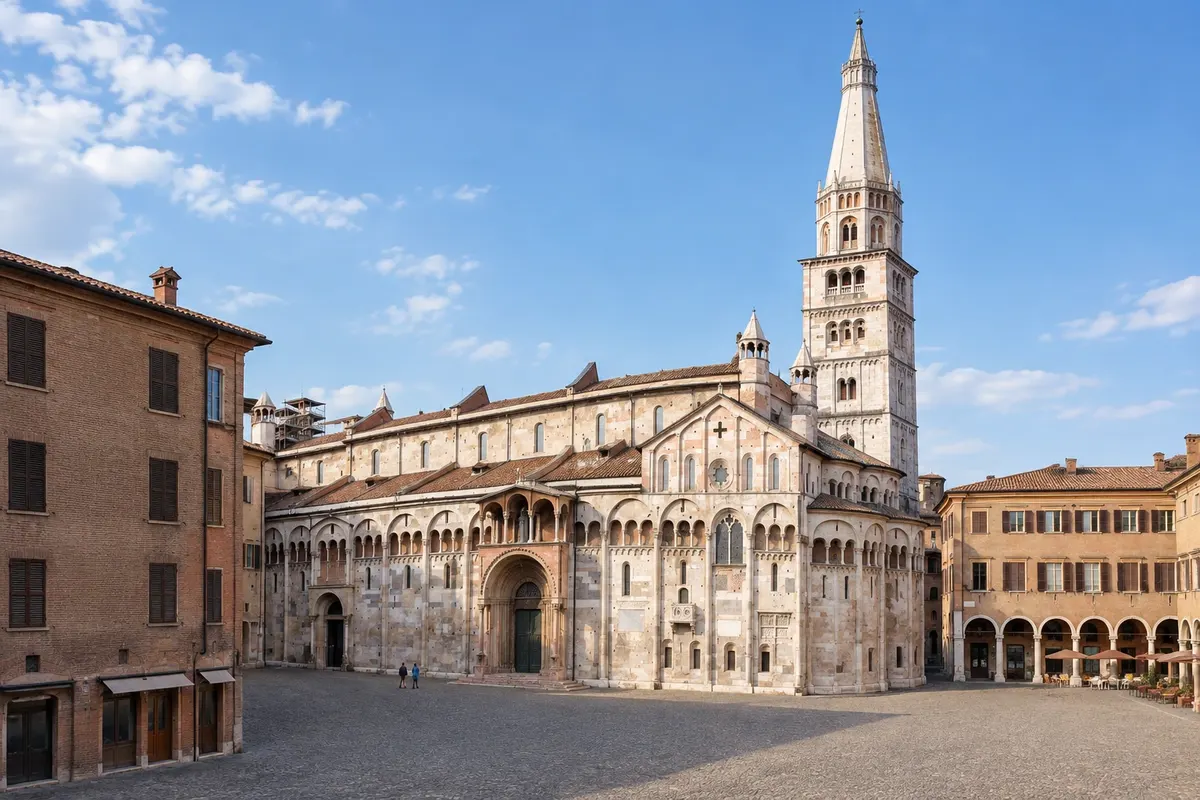
Romanesque cathedral begun in 1099 by the architect Lanfranco, with reliefs by the sculptor Wiligelmo on the façade. In the crypt are the relics of San Geminiano, the city's patron saint.

Piazza Maggiore
Bolonha · Emília-Romanha · Square

Piazza Maggiore

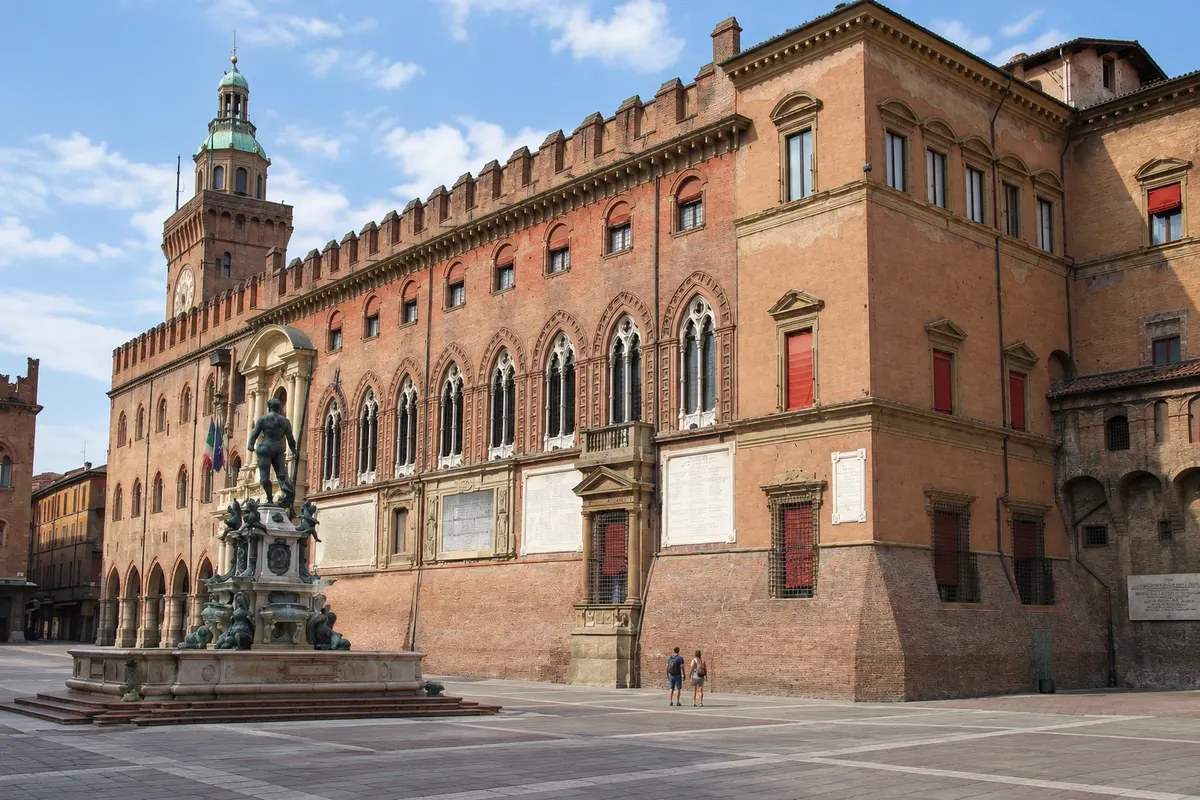
The main square of Bolonha, surrounded by the Basilica di San Petronio, the Palazzo d'Accursio and the Palazzo del Podestà. Beside it is the Fontana del Nettuno by Giambologna.

See 27 more places in Bolonha e Emília-Romanha
Basilica di San Petronio
Bolonha · Emília-Romanha · Church

Basilica di San Petronio

The largest church in Bologna, built of brick with an unfinished façade facing the Piazza Maggiore. Running across the floor is the meridian by Giovanni Domenico Cassini, from 1655.

Battistero di Parma
Parma · Emília-Romanha · Monument

Battistero di Parma

Octagonal baptistery of pink Verona marble, begun in 1196 by Benedetto Antelami. Sculptures of the months and seasons and 13th-century frescoes cover the interior.

Mausoleo di Galla Placidia
Ravena · Emília-Romanha · Monument

Mausoleo di Galla Placidia

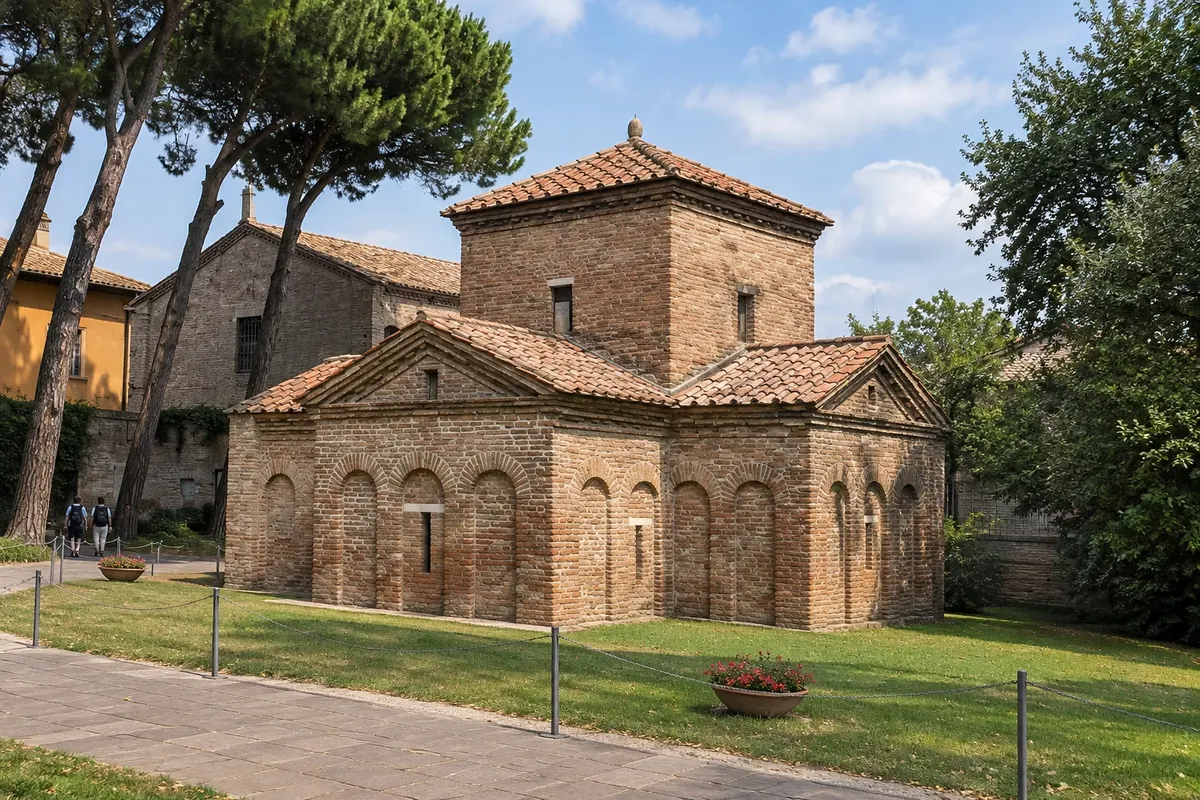
Small 5th-century cruciform building in the garden of San Vitale. The cobalt-blue dome with golden stars and the lunette of the Good Shepherd are among Ravenna's oldest mosaics.

Torre Ghirlandina
Módena · Emília-Romanha · Monument

Torre Ghirlandina

The Duomo's bell tower, at 86 metres, a symbol of Módena. The visit, by scheduled time, climbs about 200 steps up to the Sala dei Torresani.

Basilica di Sant'Apollinare Nuovo
Ravena · Emília-Romanha · Church

Basilica di Sant'Apollinare Nuovo

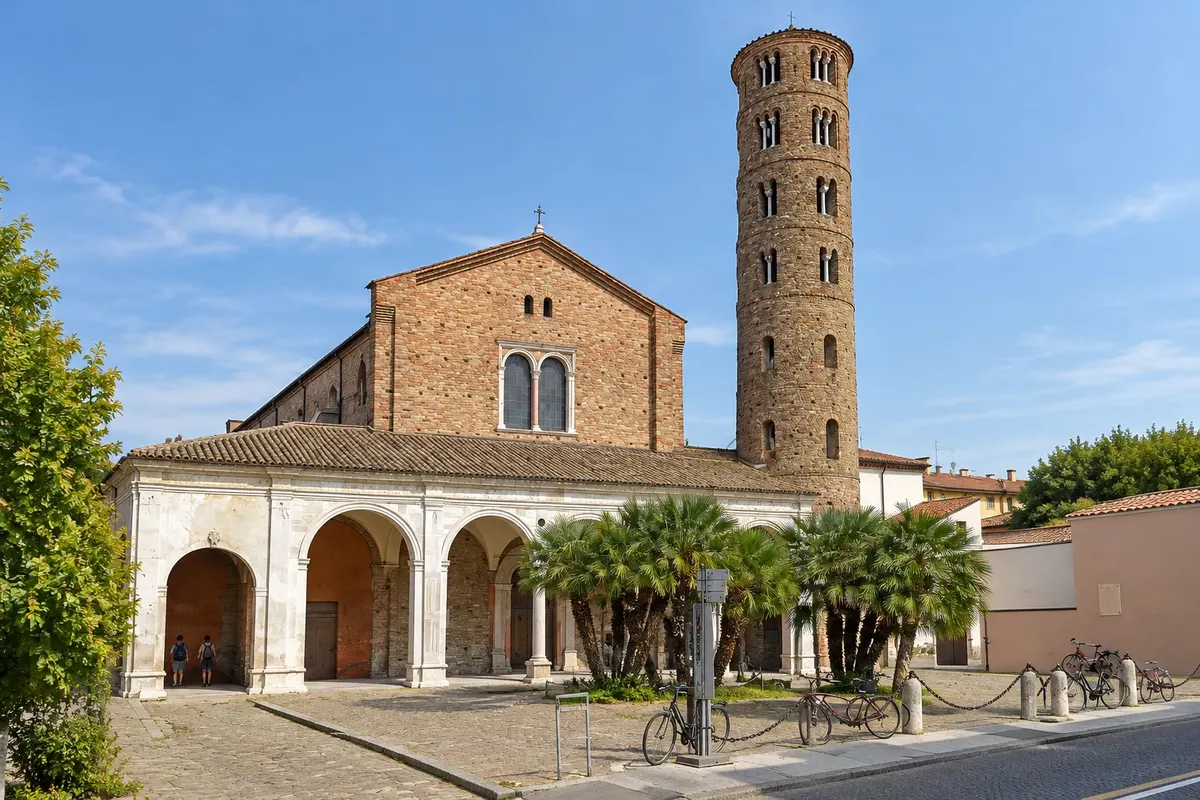
Basilica erected by Theodoric in the early 6th century. The nave walls display long processions of martyrs and virgins on a golden background, as well as Theodoric's palace and the port of Classe.

Complesso Monumentale della Pilotta
Parma · Emília-Romanha · Museum

Complesso Monumentale della Pilotta

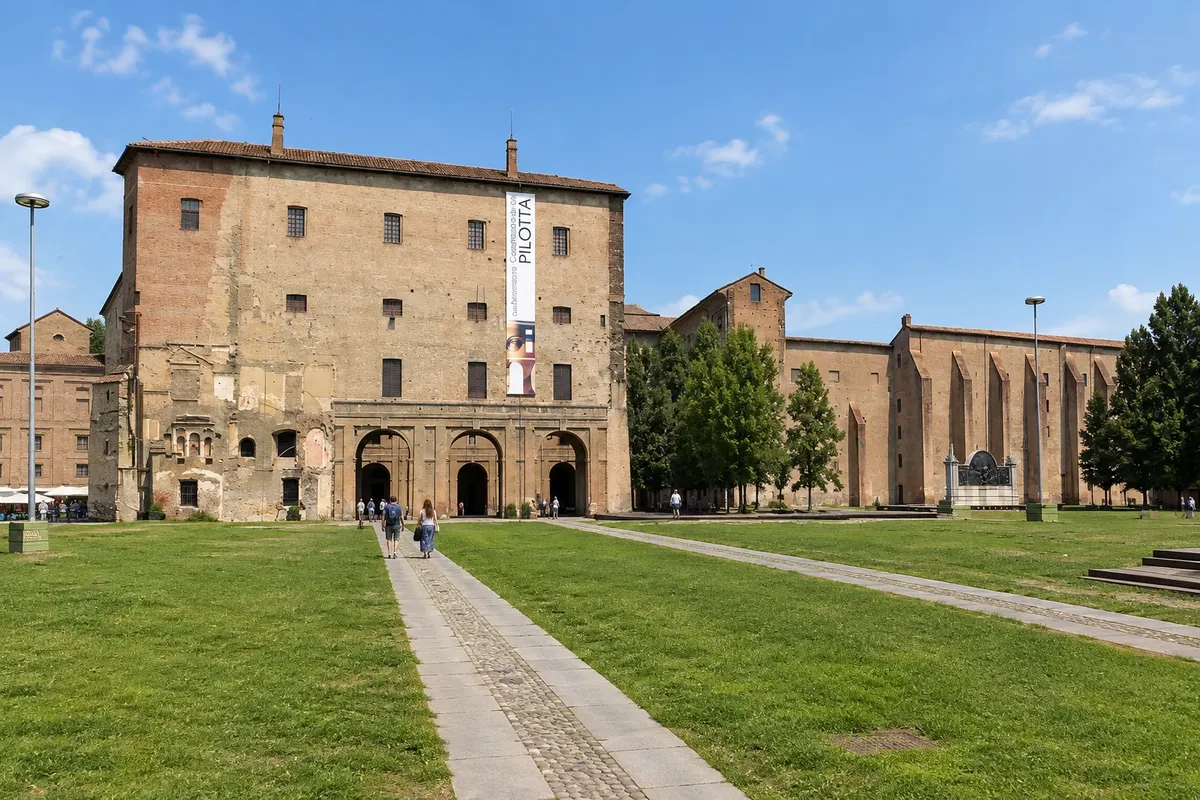
Large palace of the Farnese that houses the Teatro Farnese, made of wood, the Galleria Nazionale with works by Correggio, Parmigianino and Leonardo, the Biblioteca Palatina and the Museo Bodoni.

Palazzo d'Accursio
Bolonha · Emília-Romanha · Palace

Palazzo d'Accursio

The seat of Bologna's town hall since the Middle Ages, on the Piazza Maggiore. It houses the Collezioni Comunali d'Arte and the Torre dell'Orologio, which can be climbed by reservation.

Piazza Grande
Módena · Emília-Romanha · Square

Piazza Grande

Módena's main square, between the Duomo and the Palazzo Comunale. It is part of the UNESCO World Heritage ensemble together with the cathedral and the Ghirlandina.

Archiginnasio di Bologna
Bolonha · Emília-Romanha · Palace

Archiginnasio di Bologna

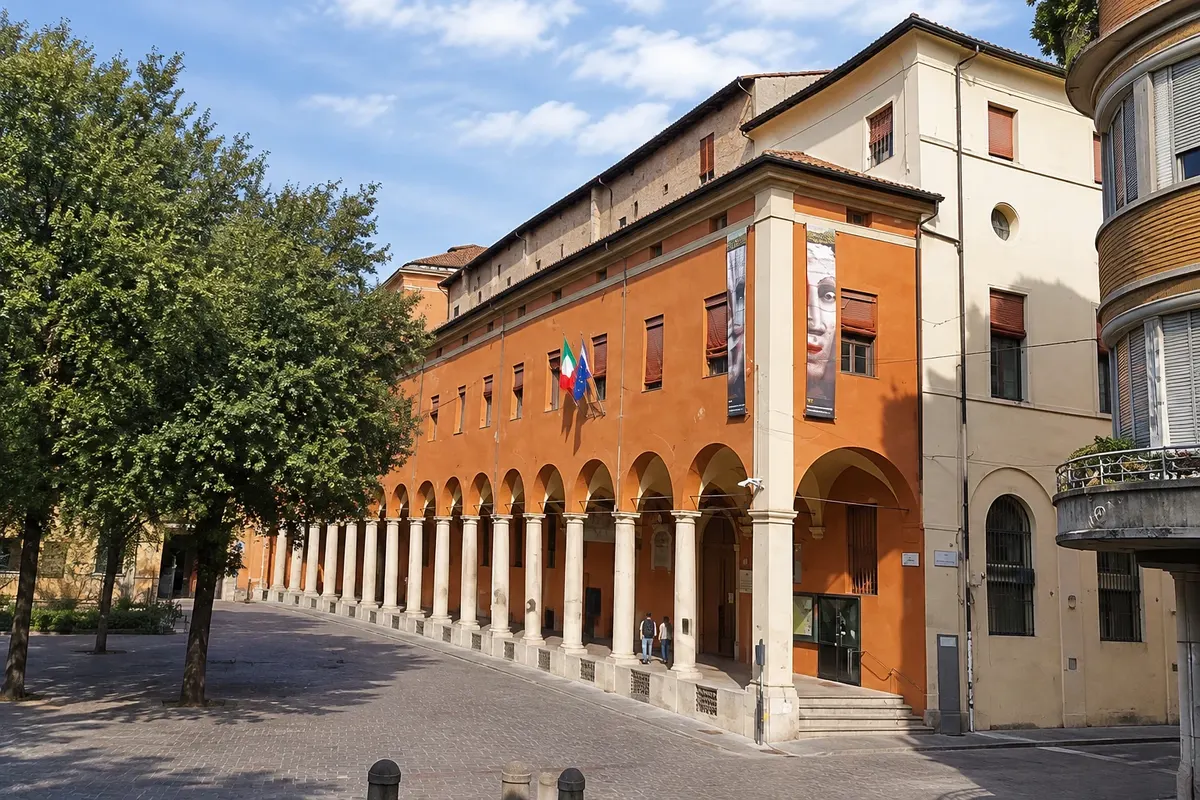
16th-century palace that was the seat of the former university. It has thousands of students' coats of arms on the walls and the Teatro Anatomico, a wooden hall used for anatomy lessons.

Battistero Neoniano
Ravena · Emília-Romanha · Monument

Battistero Neoniano

5th-century octagonal baptistery next to the cathedral, also called Battistero degli Ortodossi. In the dome, the baptism of Christ is surrounded by the procession of the twelve apostles.

Palazzo Ducale di Modena
Módena · Emília-Romanha · Palace

Palazzo Ducale di Modena

Baroque palace that was the residence of the dukes d'Este for more than two centuries. Today it houses the Accademia Militare and can only be visited on guided tours on Saturdays and Sundays.

Teatro Regio di Parma
Parma · Emília-Romanha · Architecture

Teatro Regio di Parma

Opera house inaugurated in 1829 by Duchess Maria Luisa of Austria, linked to the tradition of Giuseppe Verdi. Guided tours of about 30 minutes to the auditorium and foyer are offered.

Basilica di Santa Maria della Steccata
Parma · Emília-Romanha · Church

Basilica di Santa Maria della Steccata

Renaissance church with a Greek cross plan, built between 1521 and 1539, with frescoes by Parmigianino on the arch of the presbytery and tombs of the Farnese and the Bourbon in the crypt.

Basilica di Santo Stefano
Bolonha · Emília-Romanha · Church

Basilica di Santo Stefano

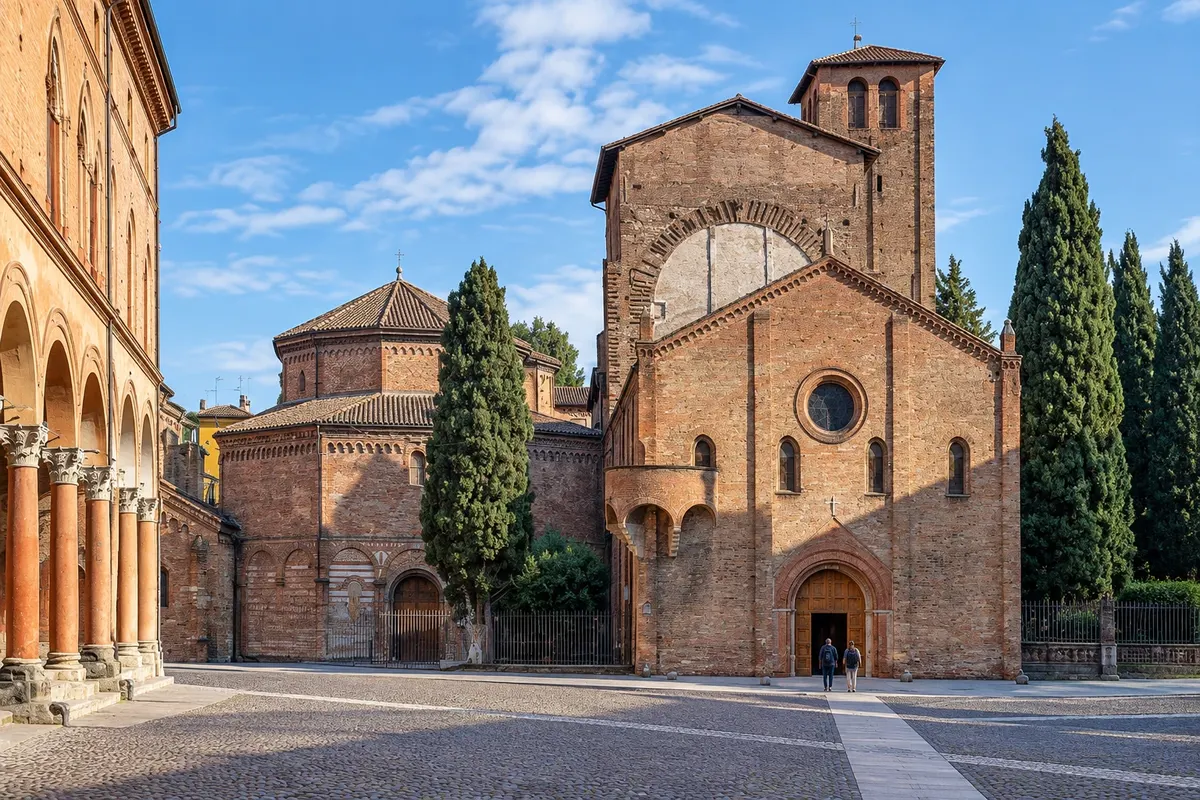
Group of churches, courtyards and cloister linked together, known as the Sette Chiese. It includes the church of the Santo Sepolcro, inspired by the one in Jerusalem, and the Cortile di Pilato.

Battistero degli Ariani
Ravena · Emília-Romanha · Monument

Battistero degli Ariani

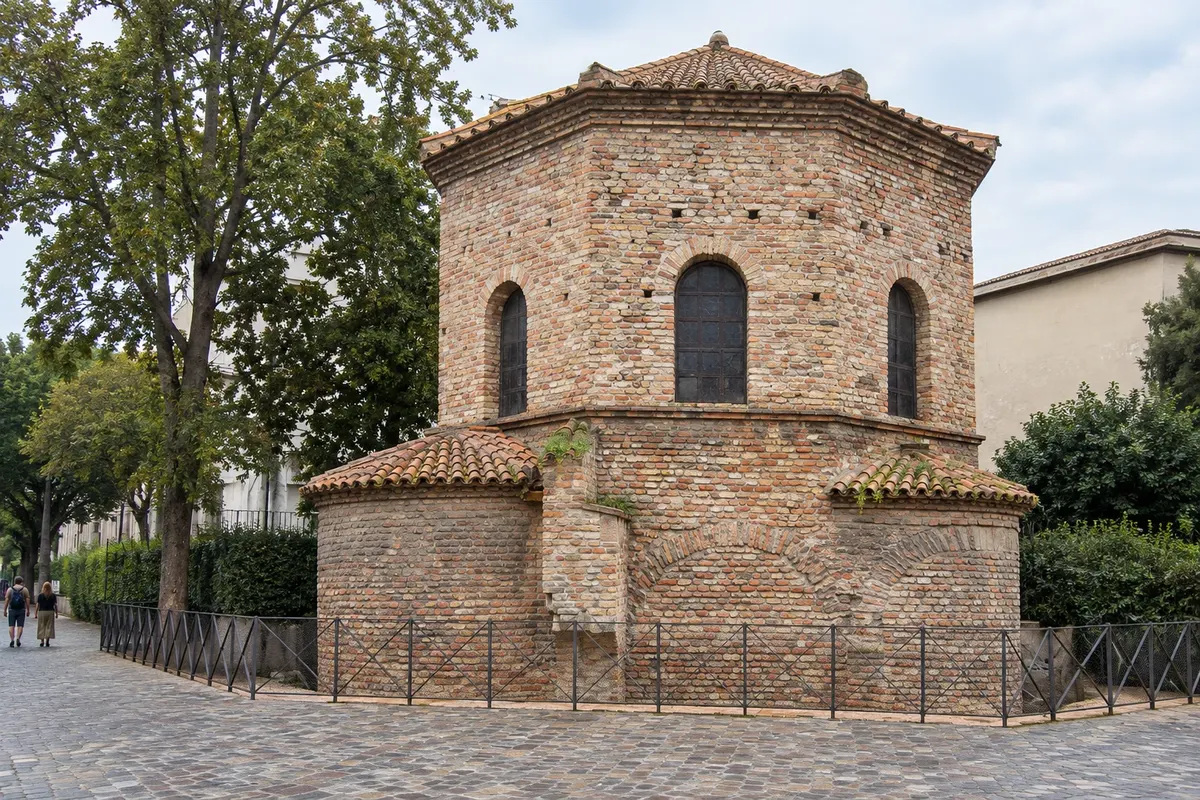
Small baptistery built in the time of Theodoric, between the late 5th and early 6th century. The dome shows the baptism of Christ and the twelve apostles on a golden background.

Galleria Estense
Módena · Emília-Romanha · Museum

Galleria Estense

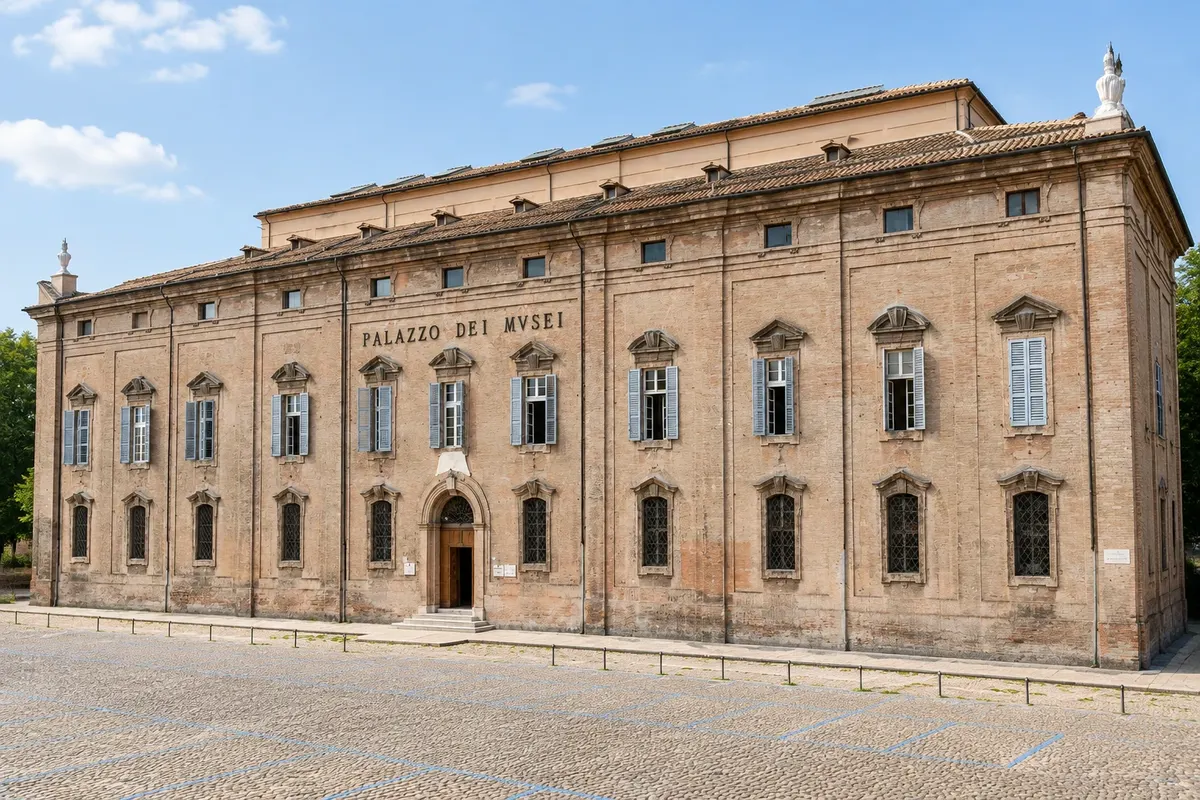
Art collection of the dukes d'Este in the Palazzo dei Musei, featuring the portrait of Francesco I d'Este by Velázquez, the bust of the same duke by Bernini, and the Tríptico de Módena by El Greco.

Basilica di San Domenico
Bolonha · Emília-Romanha · Church

Basilica di San Domenico

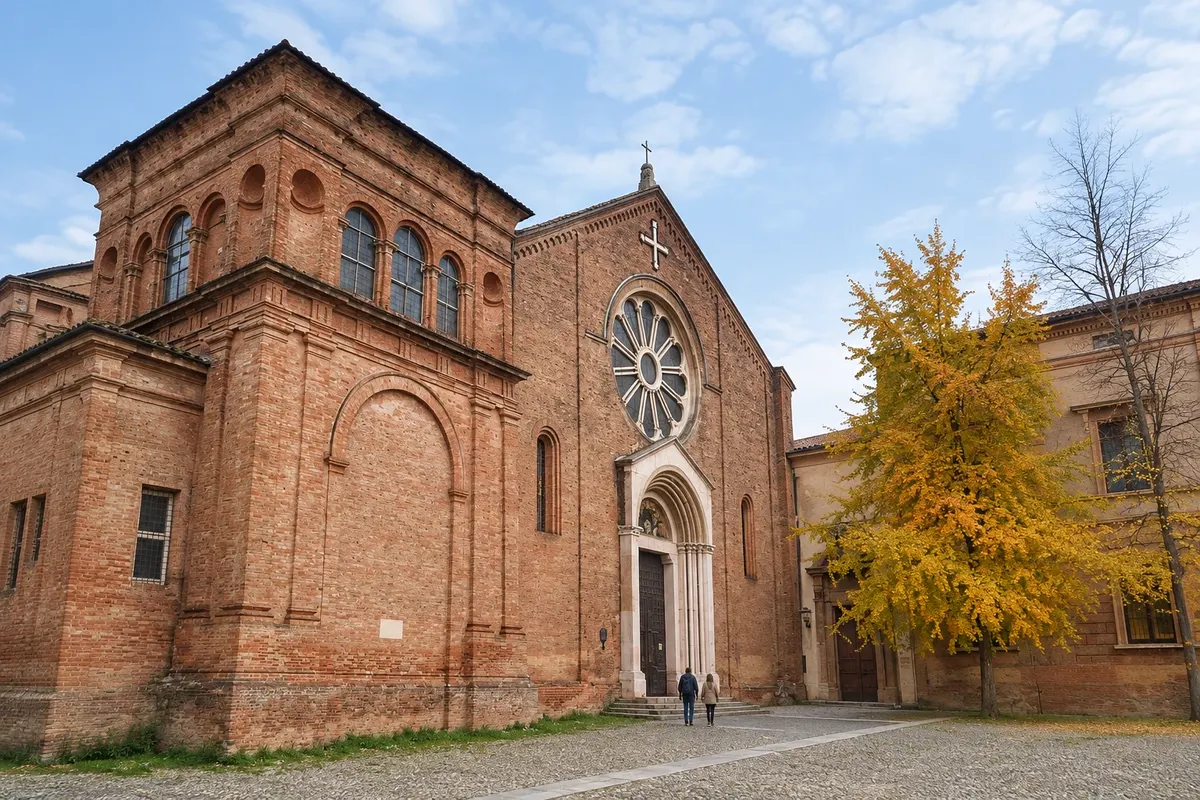
Church where São Domingos is buried, founder of the Dominican order. The Arca di San Domenico brings together works by Nicola Pisano, Niccolò dell'Arca and three statues by the young Michelangelo.

Mercato Albinelli
Módena · Emília-Romanha · Market

Mercato Albinelli

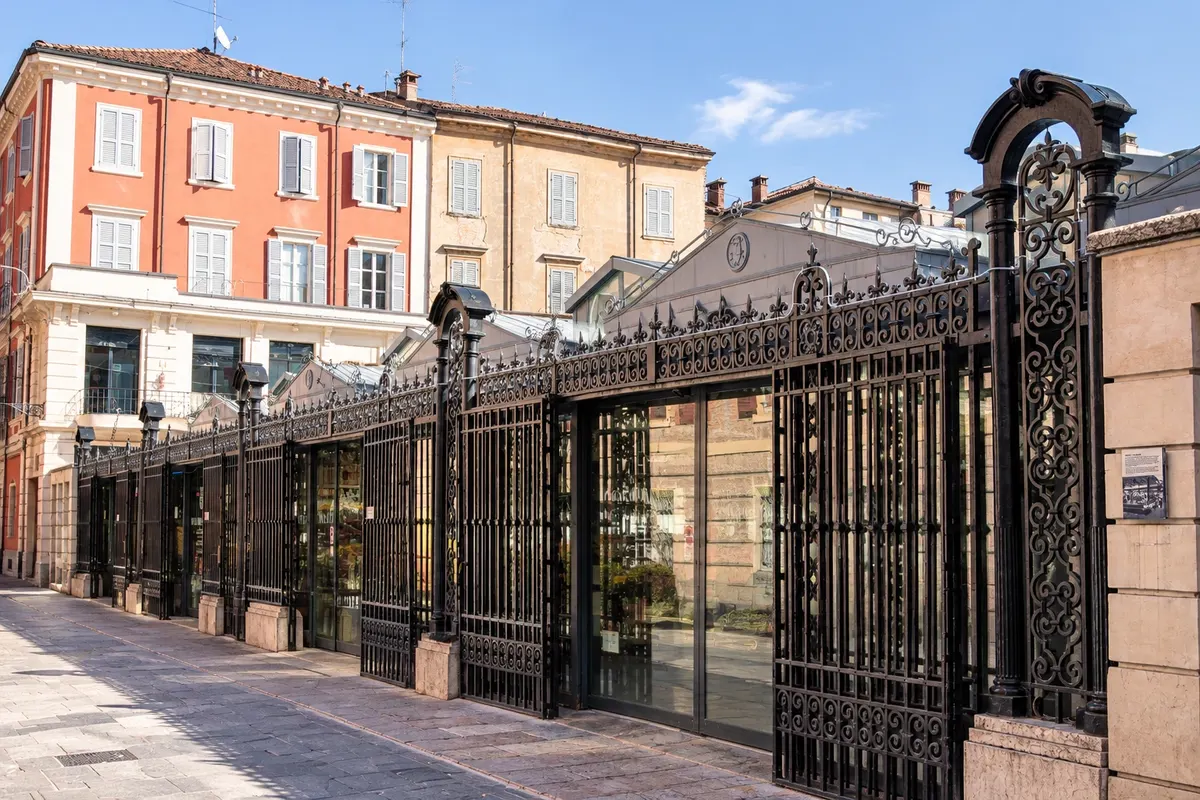
The covered market in Módena's center, with stalls selling fruit, cold cuts, cheeses, fresh pasta and aceto balsamico, under an iron-and-glass structure.

Museo Arcivescovile e Cappella di Sant'Andrea
Ravena · Emília-Romanha · Museum

Museo Arcivescovile e Cappella di Sant'Andrea

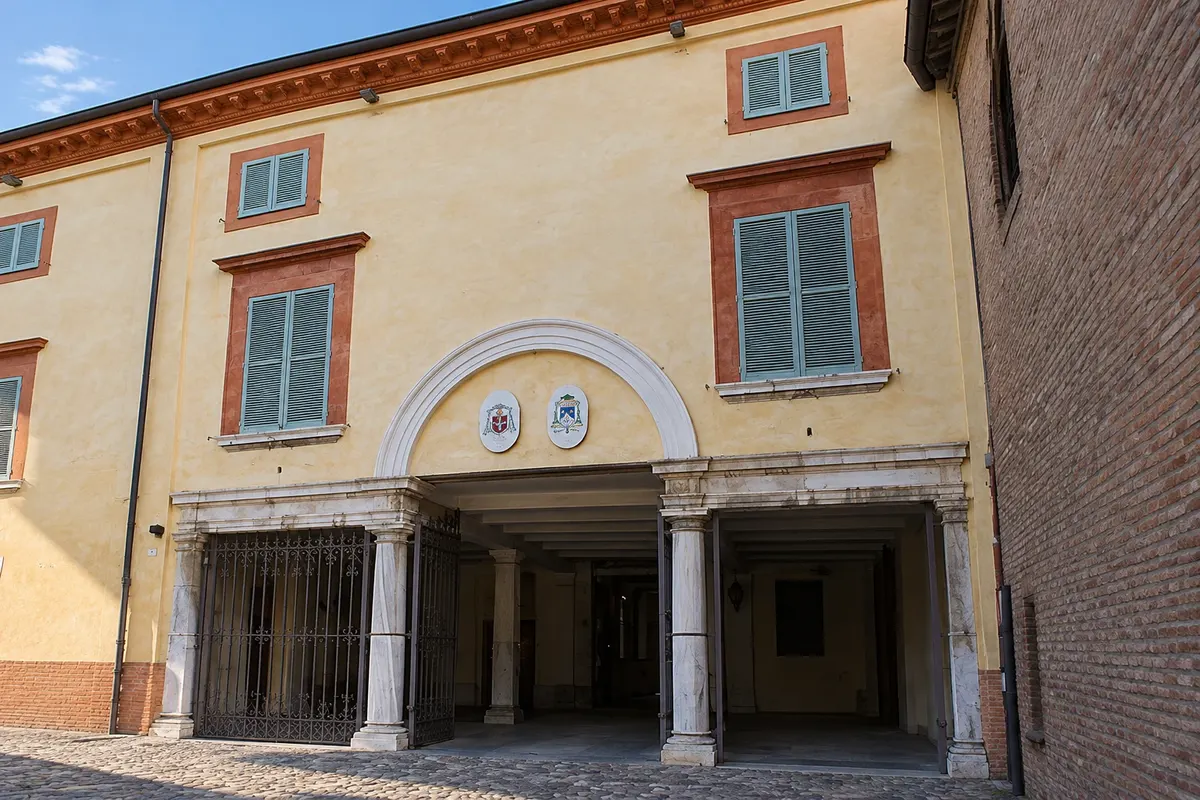
Archbishopric museum with the Cappella di Sant'Andrea, a mosaic chapel from the late 5th century, and the Cátedra de Maximiano, a 6th-century ivory episcopal throne.

Parco Ducale
Parma · Emília-Romanha · Park

Parco Ducale

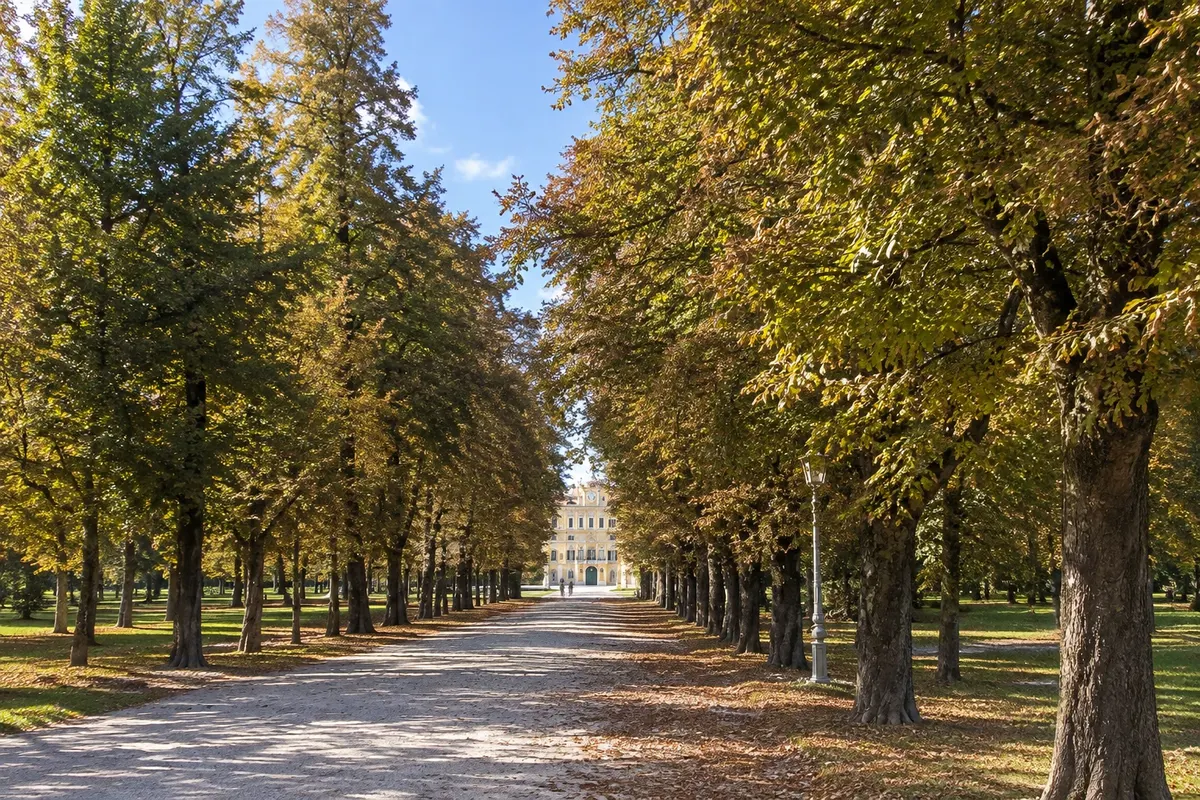
Historic park of about 20 hectares created by the Farnese in the 16th century, on the opposite side of the river Parma. It has tree‑lined avenues, a lake with an island and the Palazzo Ducale del Giardino.

Mausoleo di Teodorico
Ravena · Emília-Romanha · Monument

Mausoleo di Teodorico

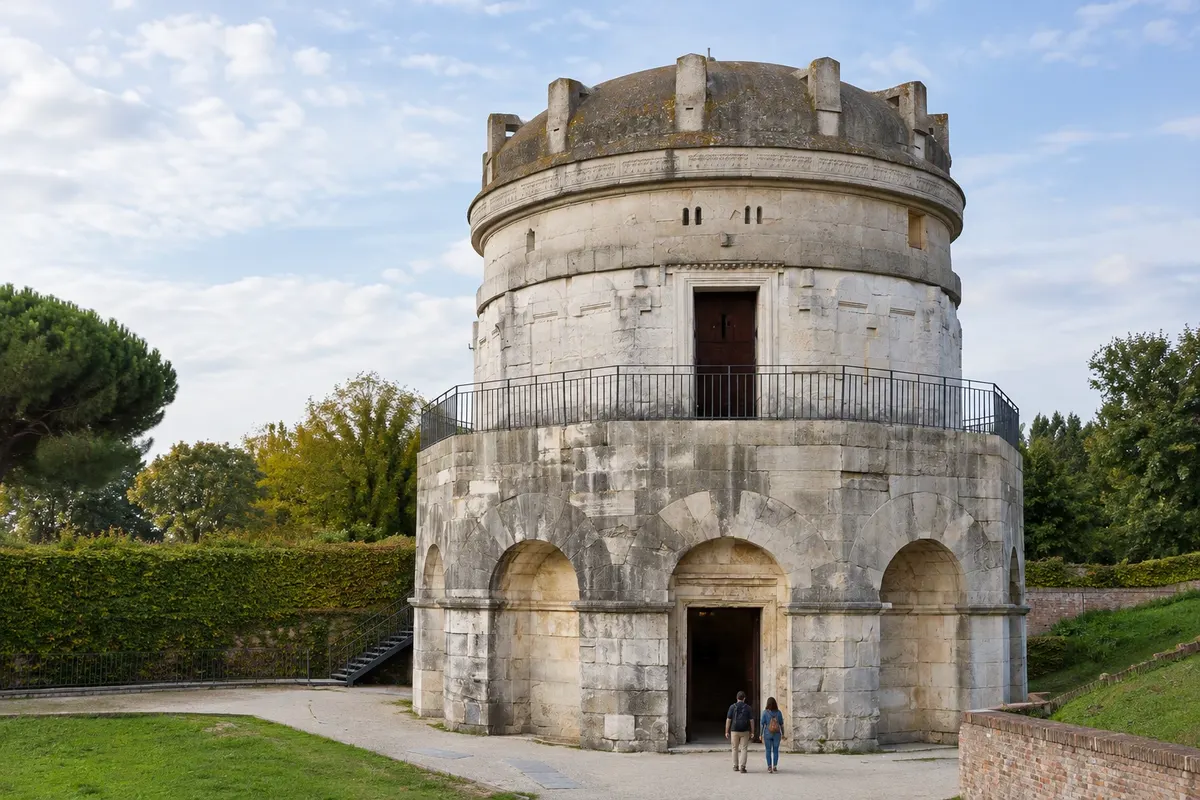
Stone tomb of the Ostrogoth king Teodorico, from the early 6th century. It is covered by a single block of stone nearly 11 meters in diameter and about 230 tonnes.

Museo Enzo Ferrari
Módena · Emília-Romanha · Museum

Museo Enzo Ferrari

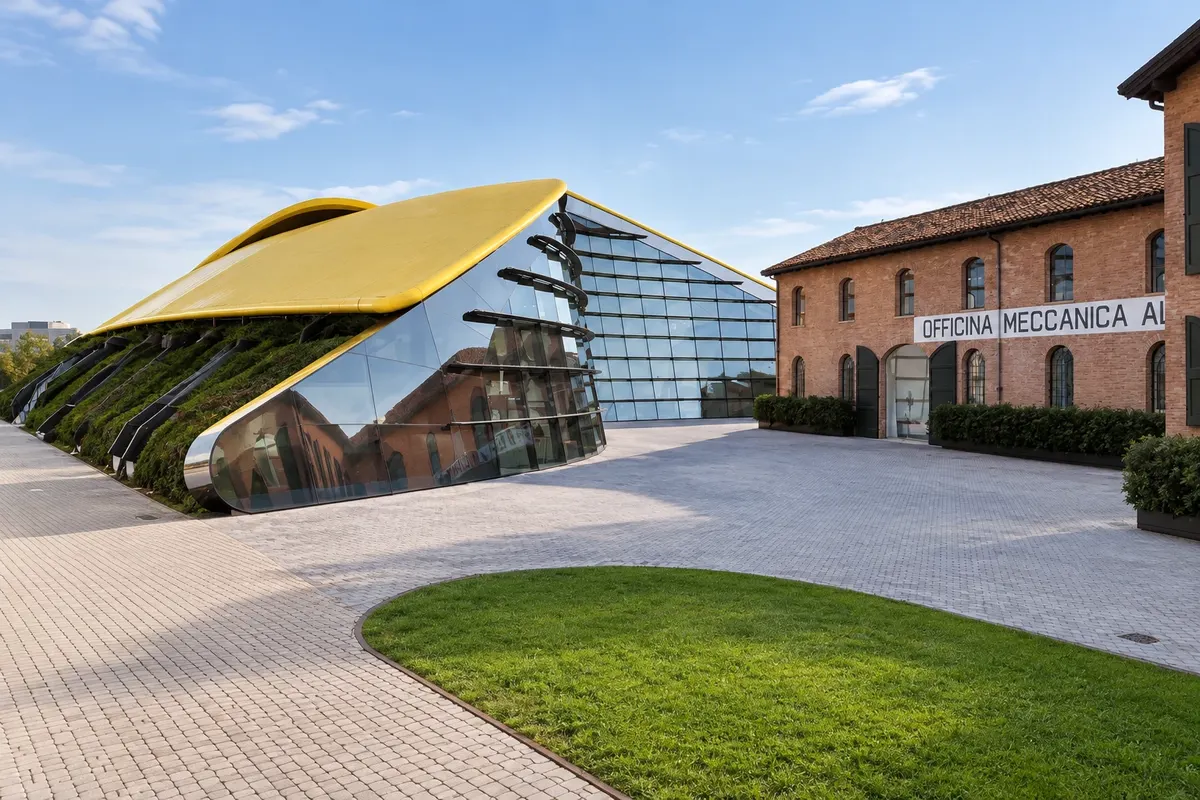
Museum in the house-workshop where Enzo Ferrari was born in 1898, next to a modern pavilion with a yellow hood-shaped roof. It displays cars and the history of Módena's motorsport.

Pinacoteca Nazionale di Bologna
Bolonha · Emília-Romanha · Museum

Pinacoteca Nazionale di Bologna

The city's main painting museum, with Emilian painting from the 13th to the 18th century. Highlights: the Ecstasy of Saint Cecilia by Rafael, and works by the Carracci and Guido Reni.

Basilica di Sant'Apollinare in Classe
Ravena · Emília-Romanha · Church

Basilica di Sant'Apollinare in Classe

Basilica consecrated in 549 in the ancient Roman port of Classe, about 5 km from Ravena. The apse mosaic shows Santo Apolinario in a green field with sheep, beneath a large cross.

Museo Ferrari
Módena · Emília-Romanha · Museum

Museo Ferrari

The Ferrari brand museum in Maranello, about 300 meters from the factory, with road cars, Formula 1 single-seaters and trophies.

Santuario della Madonna di San Luca
Bolonha · Emília-Romanha · Church

Santuario della Madonna di San Luca

Baroque sanctuary atop the Colle della Guardia, connected to the city by a portico of 3,796 metres and roughly 660 arches—the longest in the world.

Tomba di Dante
Ravena · Emília-Romanha · Memorial

Tomba di Dante

Neoclassical tomb of Dante Alighieri, who died in Ravena in 1321. A votive lamp fueled with oil from Tuscany, offered by Florence, remains lit inside.

Before you go

Practical information

A little planning leaves more time to enjoy the journey.

When to go

April, May, September and October usually have pleasant temperatures for walking. From June to August the plain is hot and humid. From December to February it is cold and foggy.

The seasons shown are the most usual ones; nature doesn't always follow the calendar.

How many days to stay

With three days you can see Bolonha at a relaxed pace and make a day trip to Módena or Ravena. Four or five days allow you to visit the four cities, using Bolonha as a base and travelling by train. Those who also want to visit the Ferrari museums or dairies and aceto producers should add a day.

Which city to stay in

In Bolonha, the historic centre between the Piazza Maggiore and the Via dell'Indipendenza puts almost everything within walking distance and is full of restaurants. The area near Bologna Centrale station is convenient for those making day trips by train. Visitors who prefer to stay outside the capital can find accommodation in the centres of Parma, Módena and Ravena, all easy to explore on foot. A tourist tax is charged at accommodation.

Respect the place

Take your trash with you, follow the signs and support local businesses. In natural areas, follow the visiting guidelines.

Get your questions answered

Frequently asked questions about Bolonha e Emília-Romanha

How many days should I allow for the region?

To see Bolonha and two more cities, three to four days. For the four main cities — Bolonha, Módena, Parma and Ravena — plan on five days. Each of the three smaller cities merits a full day of visiting.

Do you need a car to explore Emília-Romanha?

Not for the cities. Bolonha, Módena, Parma and Ravena are linked by frequent regional trains, and the historic centres are walked on foot. Those centres have ZTL, a limited-traffic zone closed to unauthorized cars. A car only helps for visiting dairies and producers in the countryside; Maranello, where the Museo Ferrari is located, has buses from Módena.

Can you make day trips from Bolonha?

Yes. Módena is about a half hour by regional train, Ravena a little over 1 hour and Parma about 1 hour. Trains depart from Bologna Centrale station. Regional paper tickets must be validated in the machine before boarding. Florence is also nearby: the high-speed train takes less than 40 minutes.

What typical foods to try?

In Bolonha: tortellini in broth, tagliatelle al ragù and mortadella. In Módena: aceto balsamico tradizionale and the sparkling wine Lambrusco. In Parma: prosciutto di Parma and parmigiano reggiano. In Ravena and the Romagna: piadina, a flatbread served filled. Lunch is typically between 12:30 and 14:30, roughly, and dinner from about 19:30.

Explore other destinations Search by state and city
Back