

 Brazil
 Argentina
 Chile
Chile Colombia
 Peru
Peru Uruguay
 Germany
 Belgium
 Spain
Spain France
 Greece
 the Netherlands
 Ireland
 Portugal
 the United Kingdom
 Switzerland
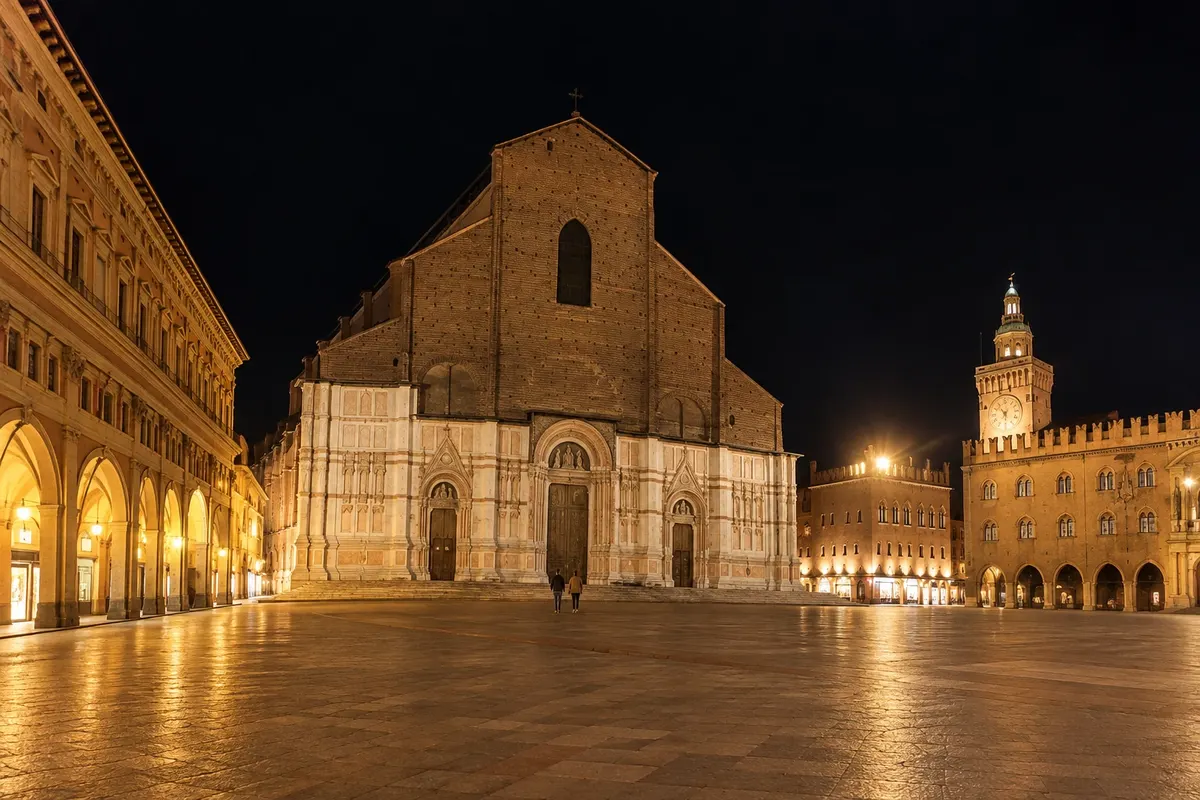
Square
Piazza Maggiore
The main square of Bolonha, surrounded by the Basilica di San Petronio, the Palazzo d'Accursio and the Palazzo del Podestà. Beside it is the Fontana del Nettuno by Giambologna.
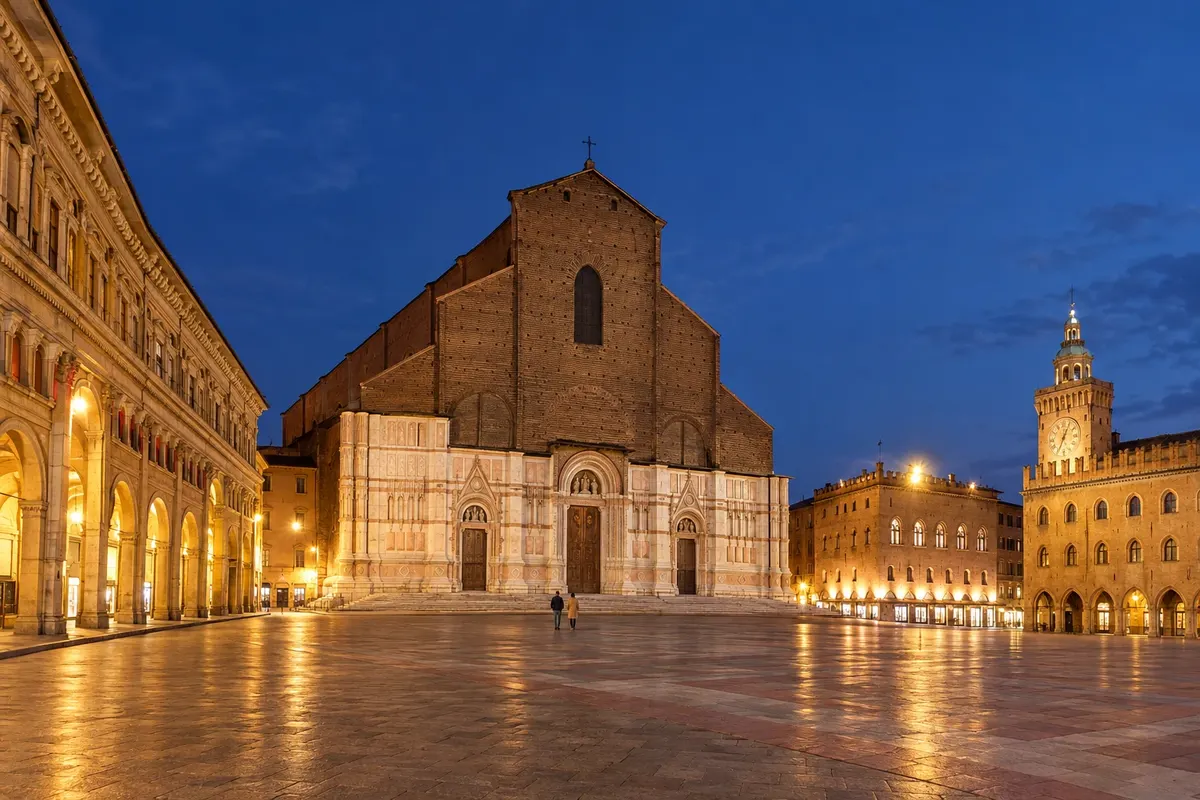
Emília-Romanha · Italy Capital
In the destination Bolonha e Emília-Romanha.
In the photo: Piazza Maggiore, Bolonha
Illustrative images. The pictures in this guide are illustrations based on the real place, not photographs, and may differ from it.
The city
As the capital of Emília-Romanha, Bolonha has a red-brick historic centre cut through by porticoes. Around the Piazza Maggiore are the Basilica di San Petronio, the Palazzo d'Accursio and the Archiginnasio, the old university seat. A few minutes away are the Basilica di Santo Stefano, the Basilica di San Domenico and the Pinacoteca Nazionale. On the hill, the Santuario della Madonna di San Luca is reached via the city's longest portico.
There's no accommodation in the guide yet in Bolonha.
There are no restaurants in the guide yet in Bolonha.
Know a good one? Recommend it to ushow to get there · how many days · itinerary · questions
The local experience
The main square of Bolonha, surrounded by the Basilica di San Petronio, the Palazzo d'Accursio and the Palazzo del Podestà. Beside it is the Fontana del Nettuno by Giambologna.
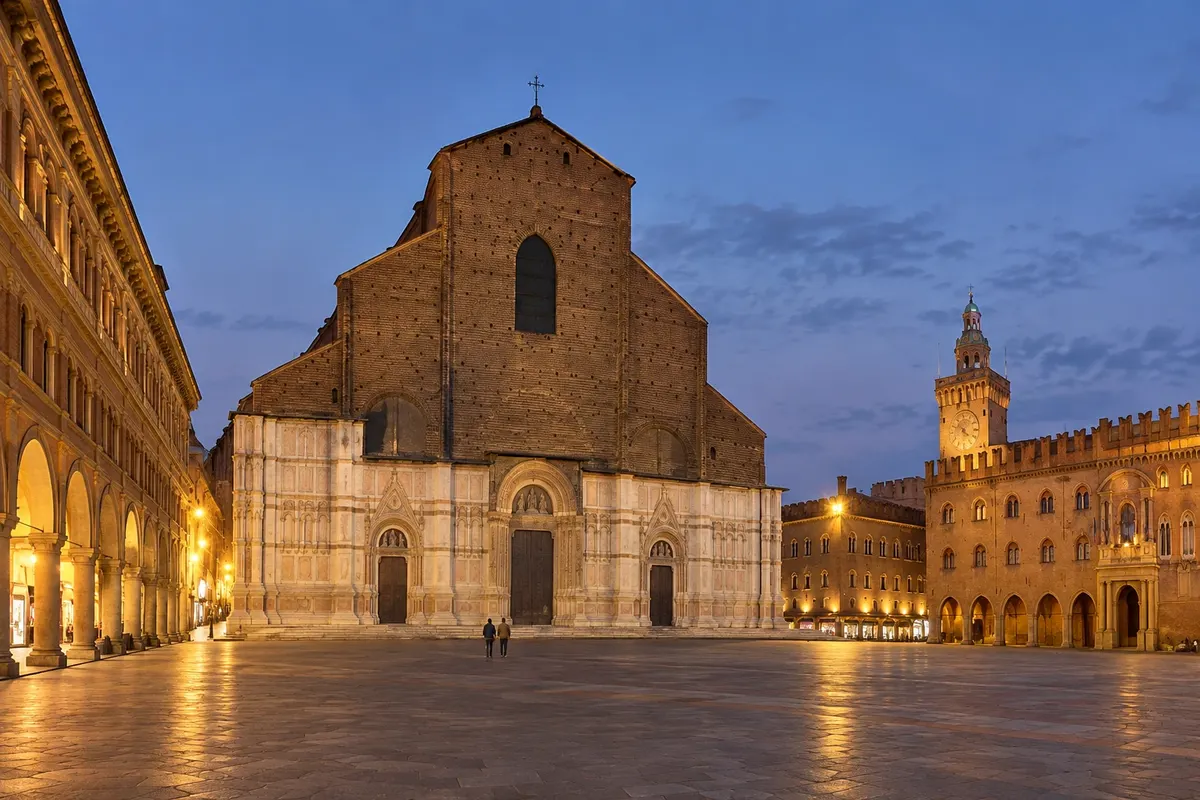
The largest church in Bologna, built of brick with an unfinished façade facing the Piazza Maggiore. Running across the floor is the meridian by Giovanni Domenico Cassini, from 1655.
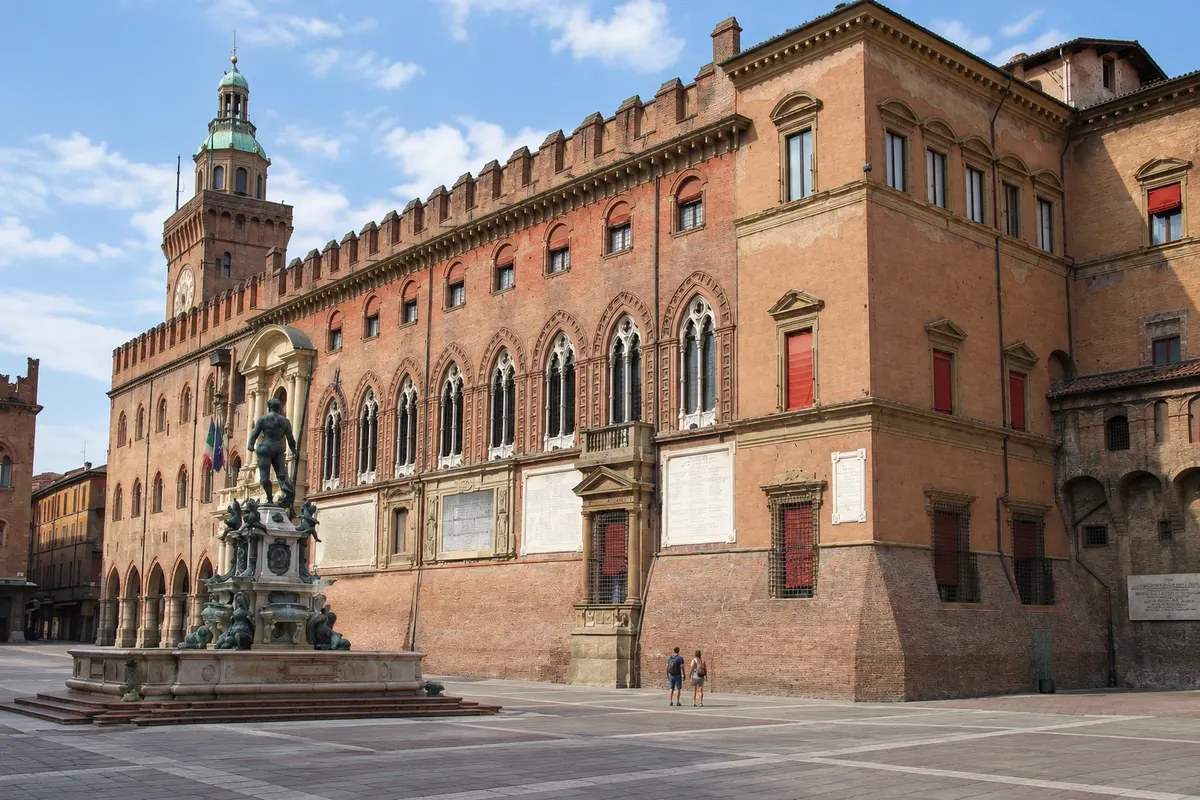
The seat of Bologna's town hall since the Middle Ages, on the Piazza Maggiore. It houses the Collezioni Comunali d'Arte and the Torre dell'Orologio, which can be climbed by reservation.
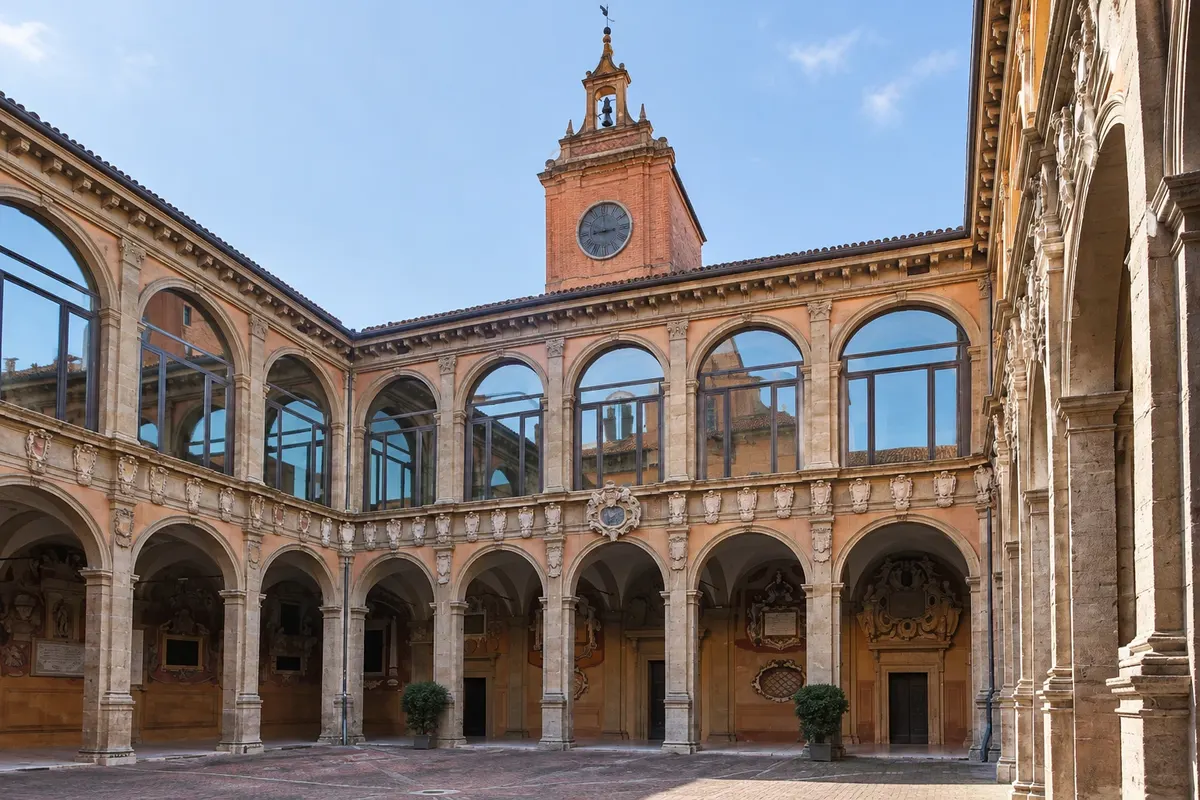
16th-century palace that was the seat of the former university. It has thousands of students' coats of arms on the walls and the Teatro Anatomico, a wooden hall used for anatomy lessons.
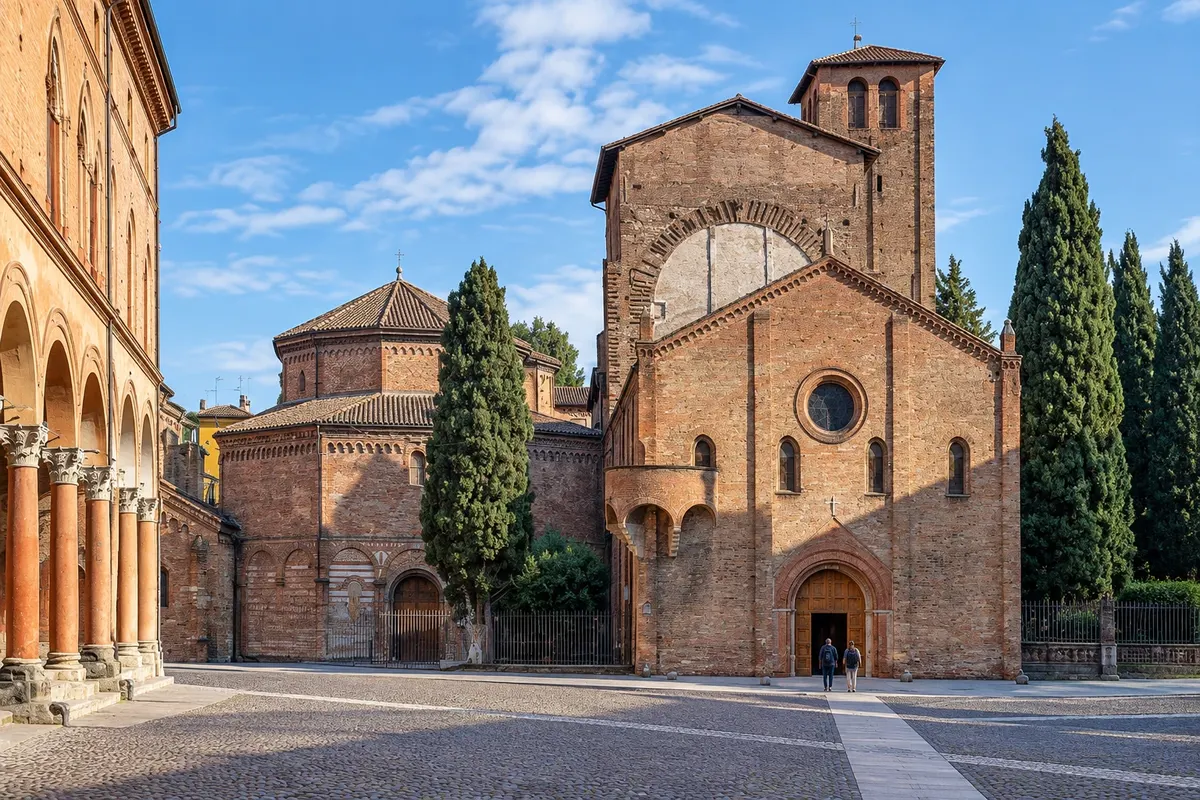
Group of churches, courtyards and cloister linked together, known as the Sette Chiese. It includes the church of the Santo Sepolcro, inspired by the one in Jerusalem, and the Cortile di Pilato.
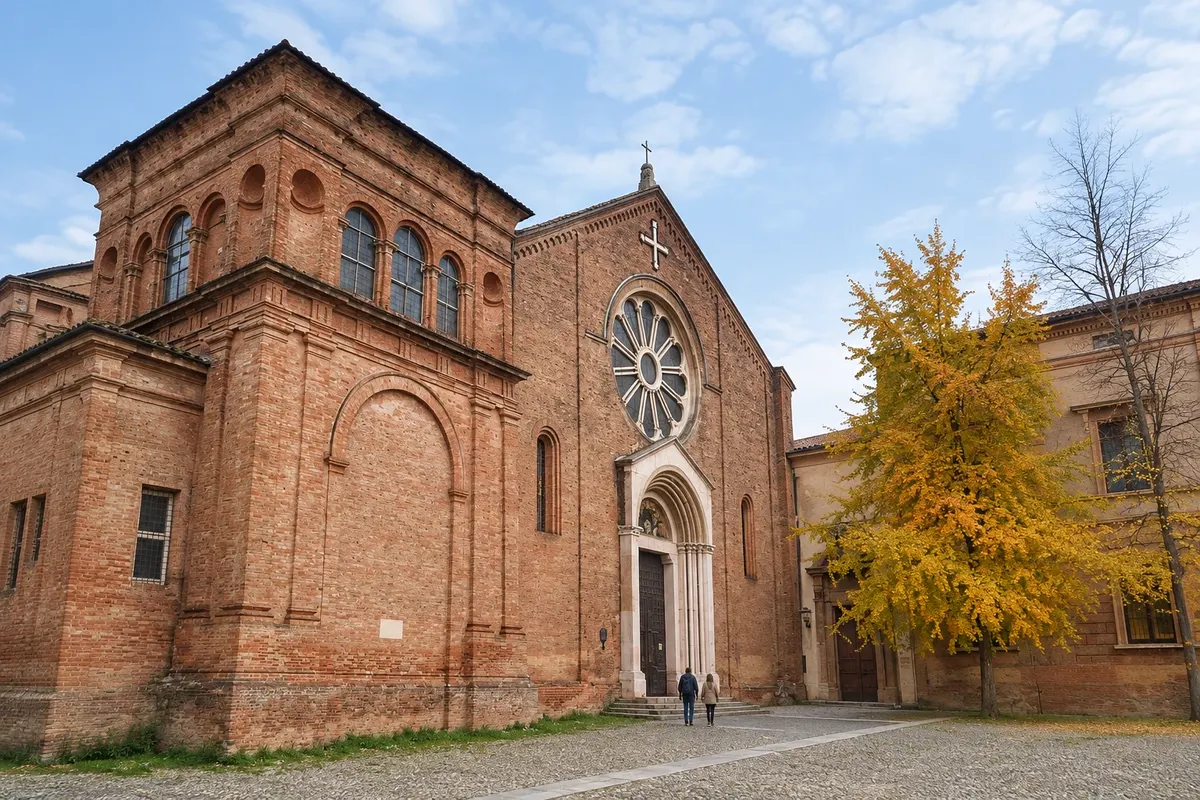
Church where São Domingos is buried, founder of the Dominican order. The Arca di San Domenico brings together works by Nicola Pisano, Niccolò dell'Arca and three statues by the young Michelangelo.
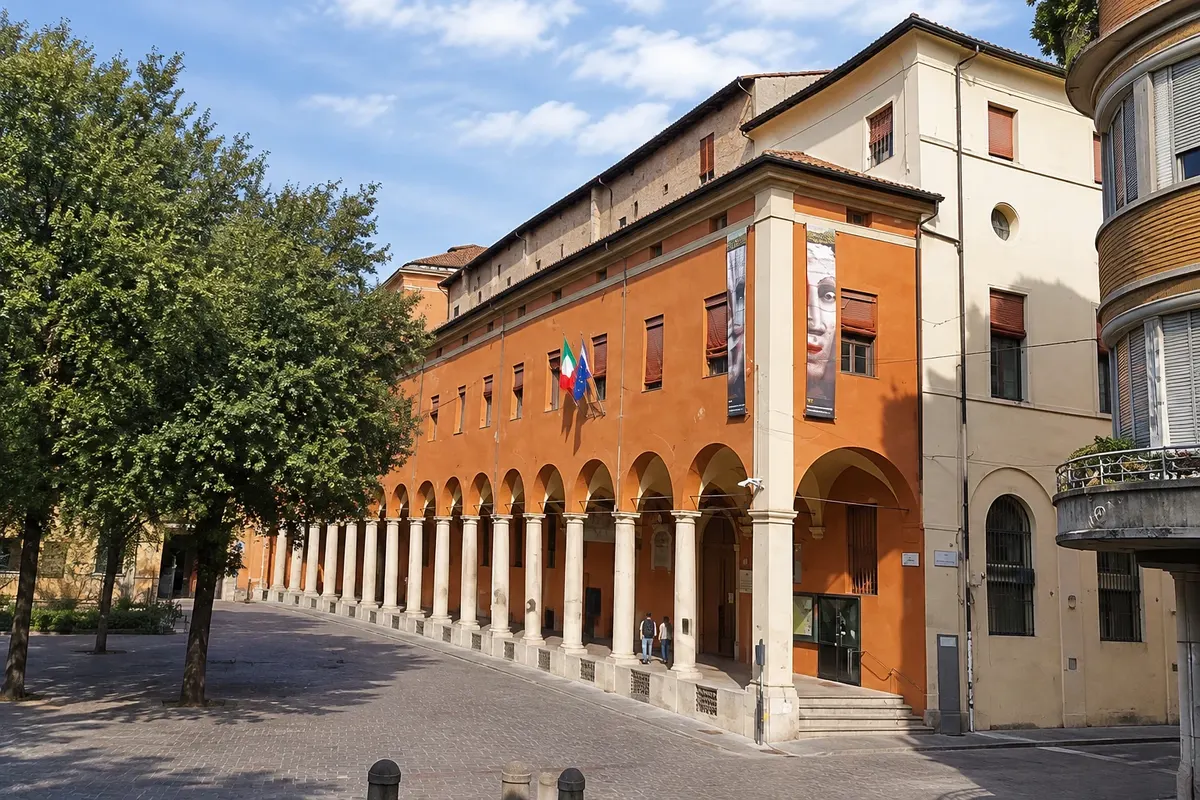
The city's main painting museum, with Emilian painting from the 13th to the 18th century. Highlights: the Ecstasy of Saint Cecilia by Rafael, and works by the Carracci and Guido Reni.
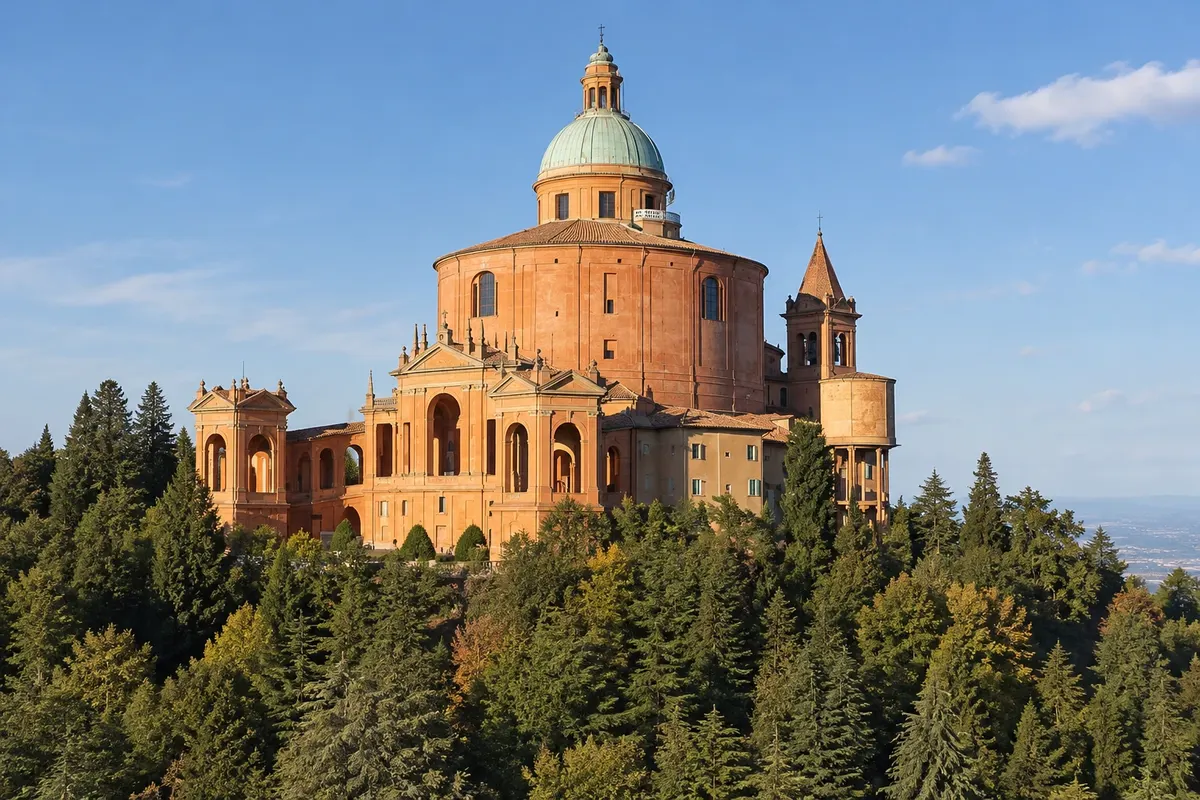
Baroque sanctuary atop the Colle della Guardia, connected to the city by a portico of 3,796 metres and roughly 660 arches—the longest in the world.