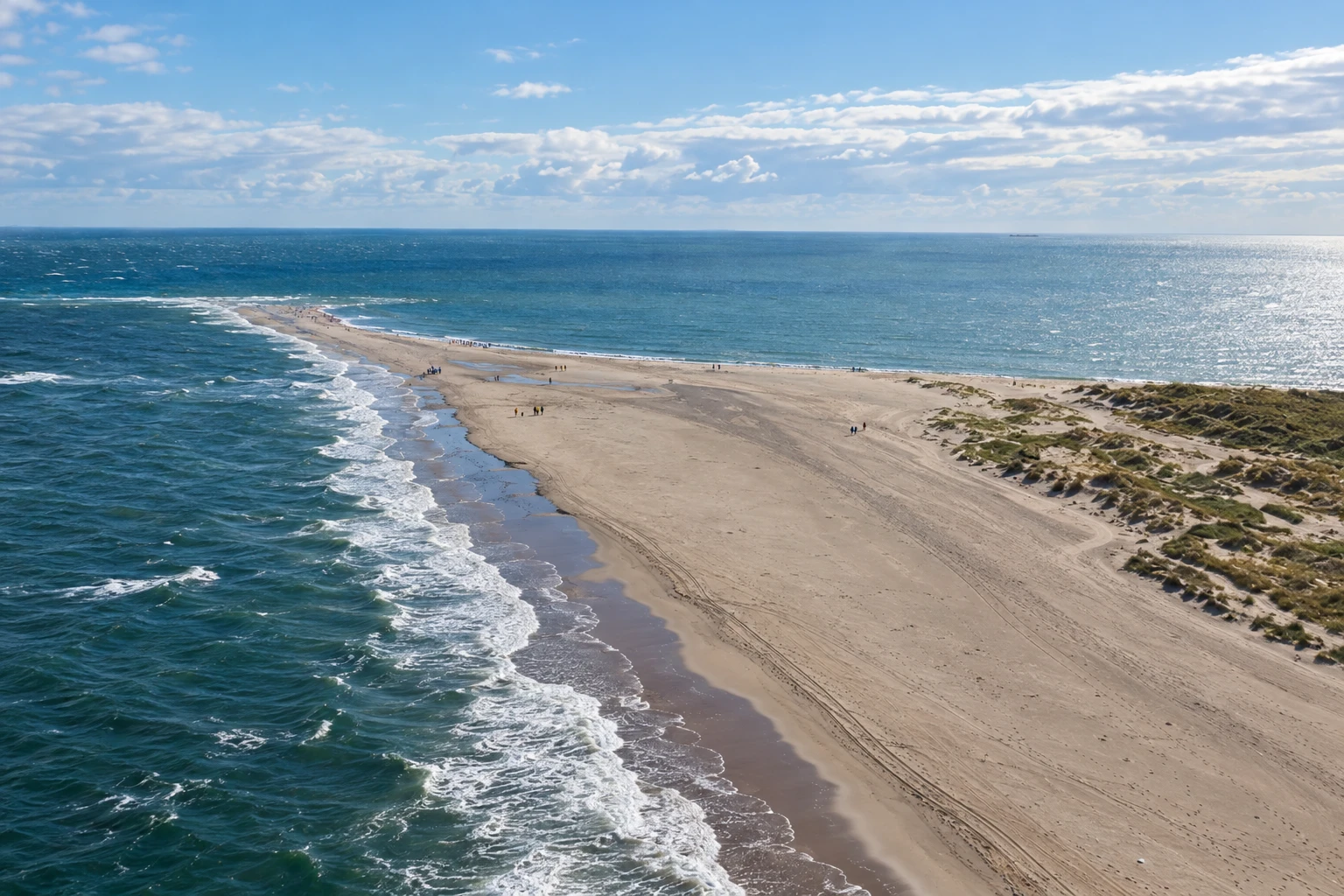
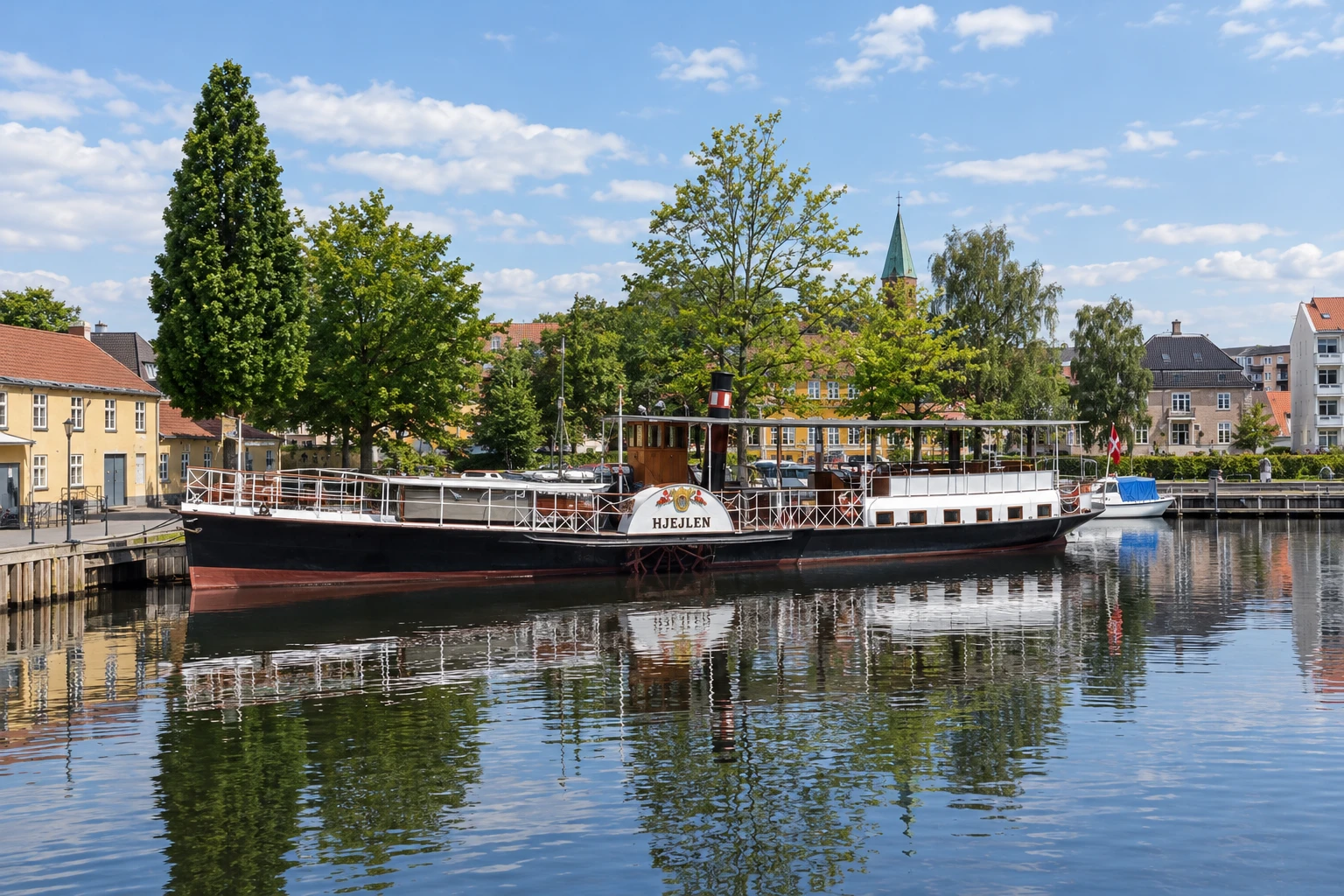
Aalborg and Skagen
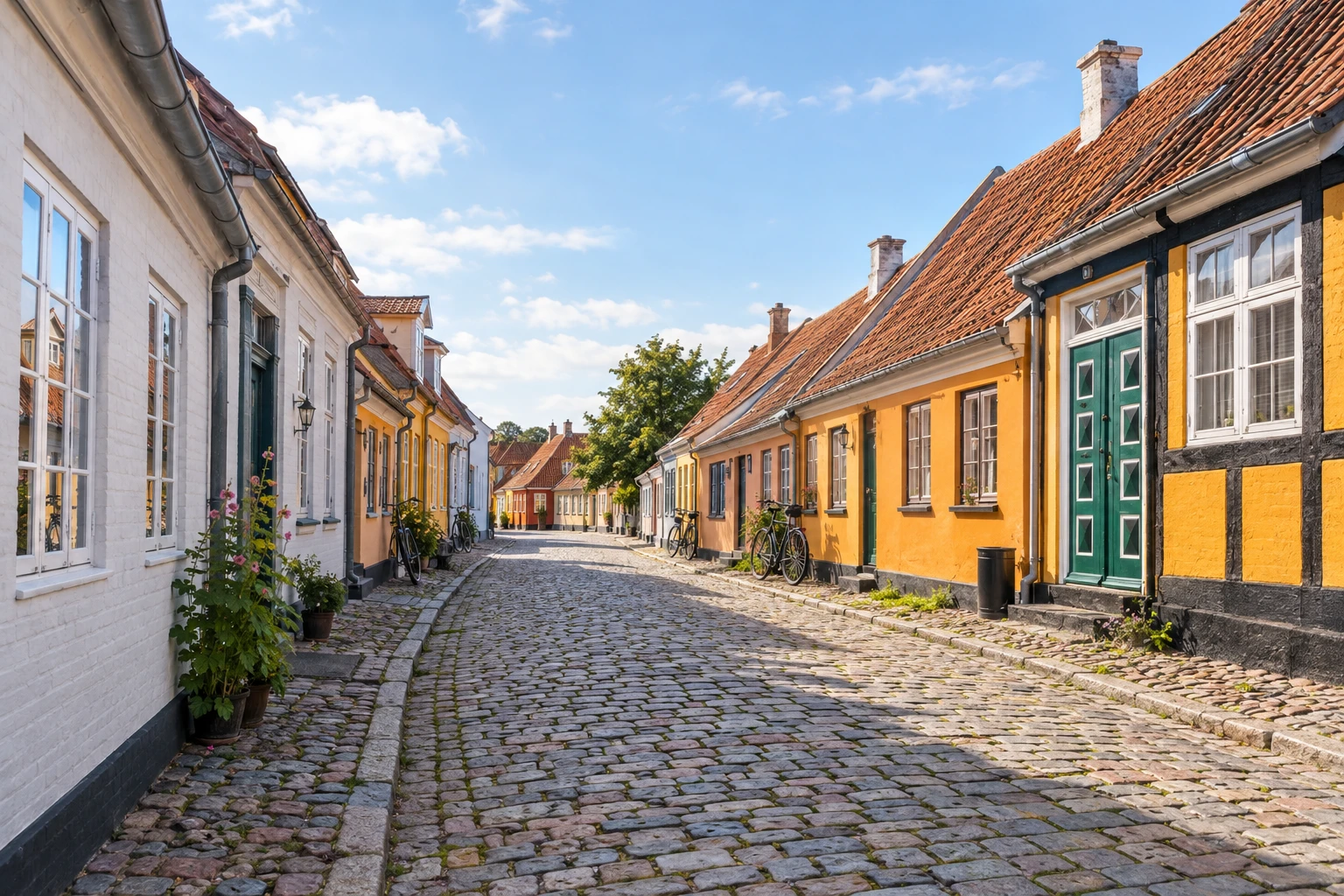
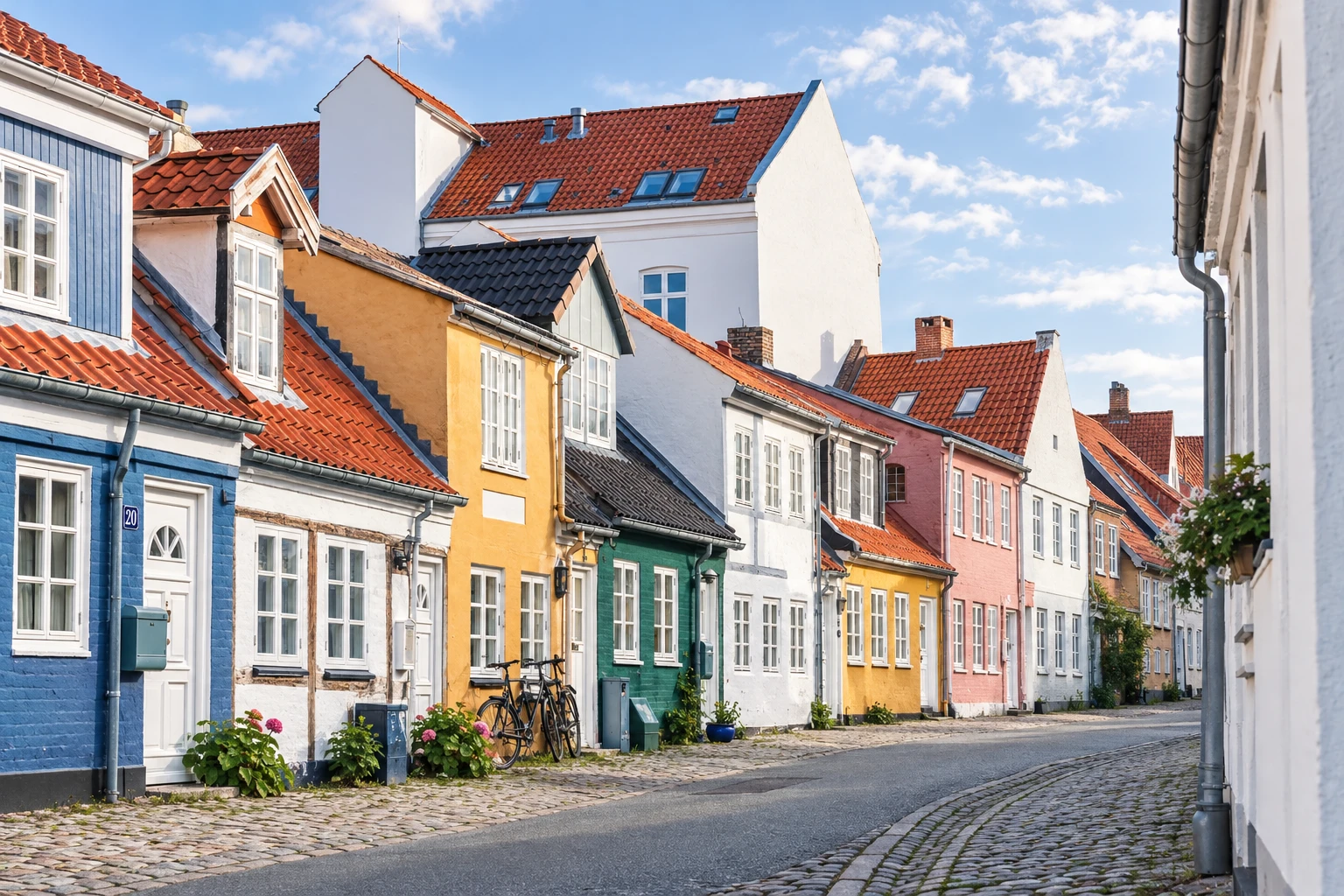
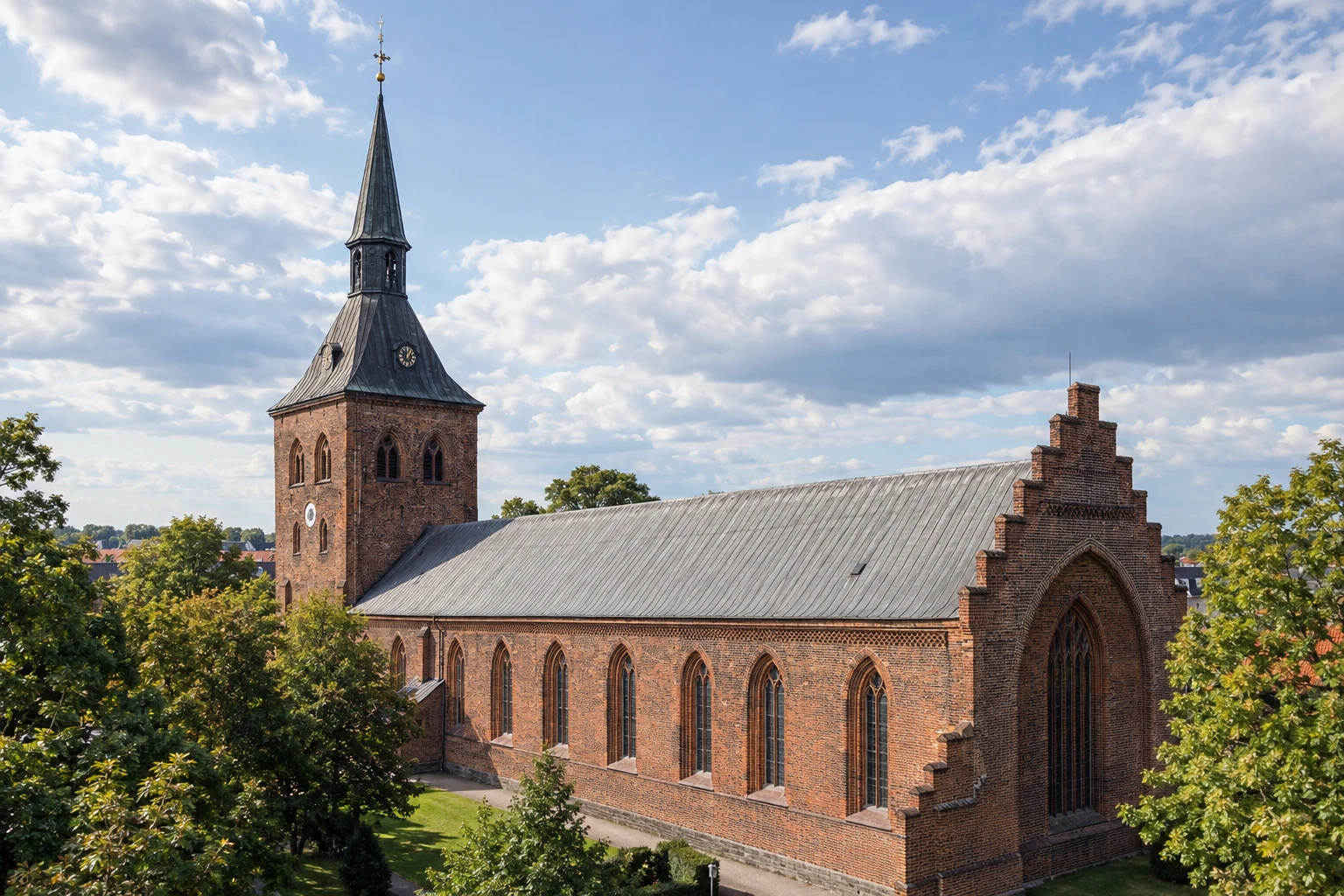
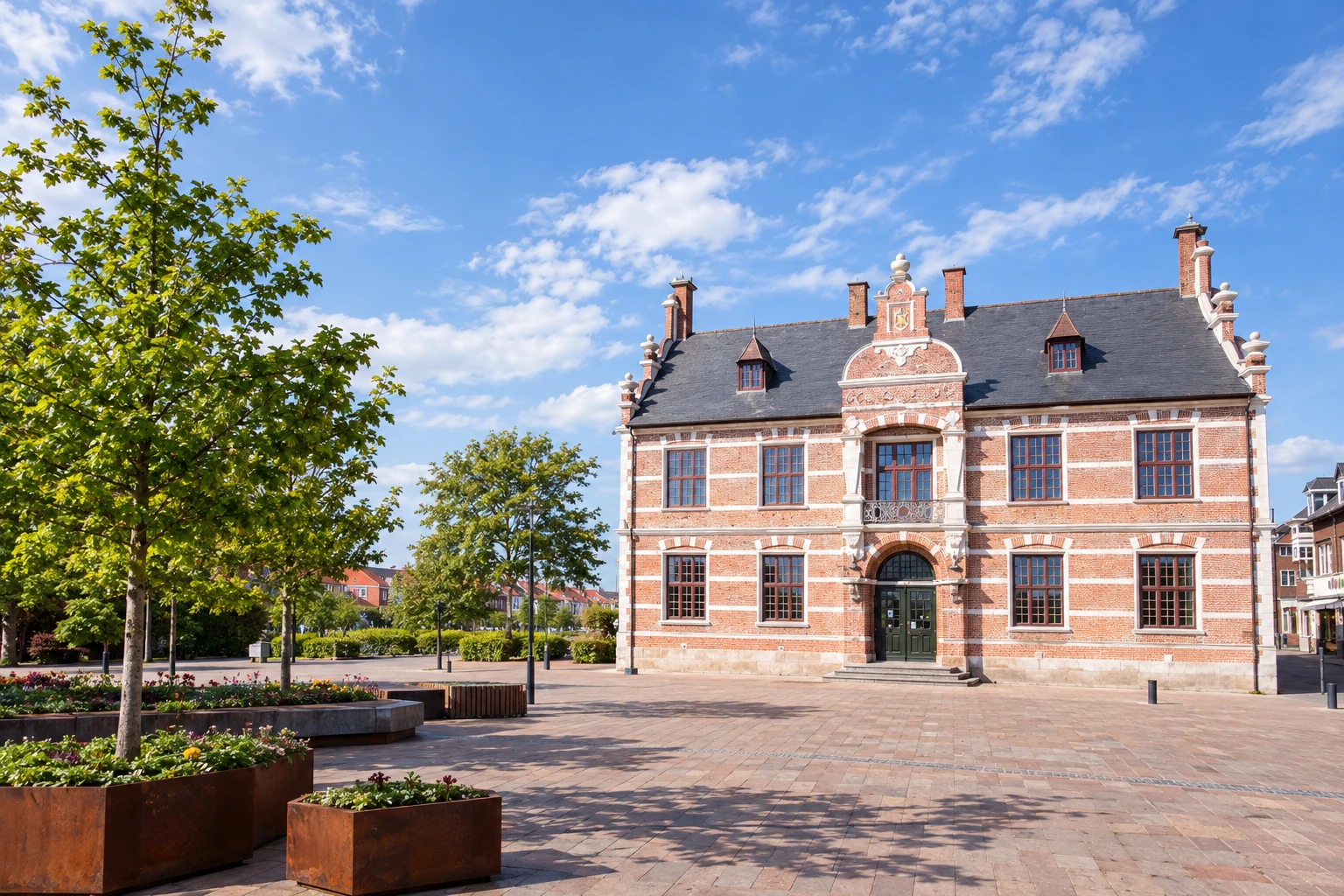
The North of Jutland: Aalborg, on the shores of the Limfjord, with the Utzon Center and the Viking cemetery Lindholm Høje, and Skagen, at the tip of the country where the Skagerrak meets the Kattegat.
Antarctica
Denmark travel guide
What to do, when to go and how to get there, destination by destination.
15 destinations · 23 citiesin Denmark
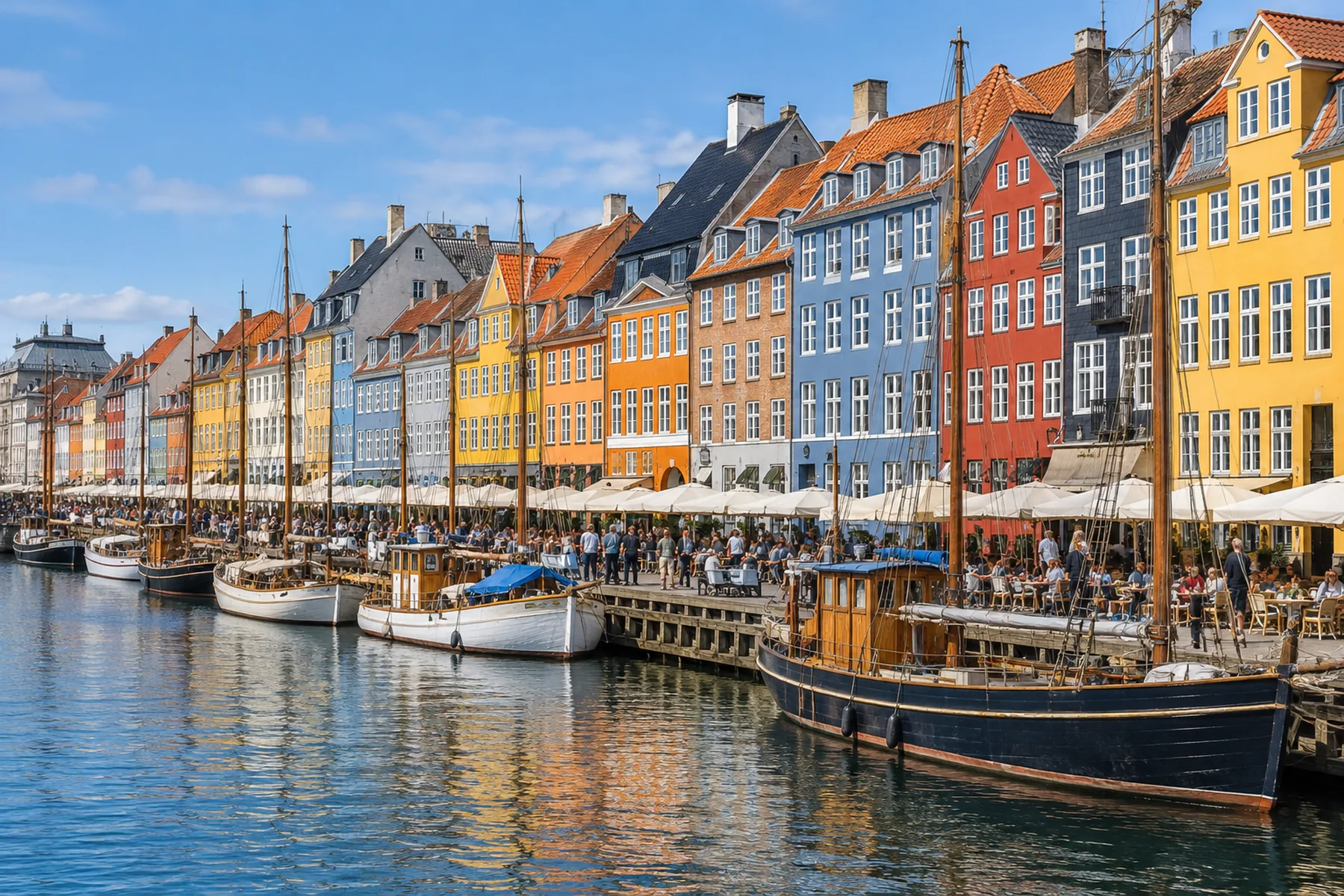
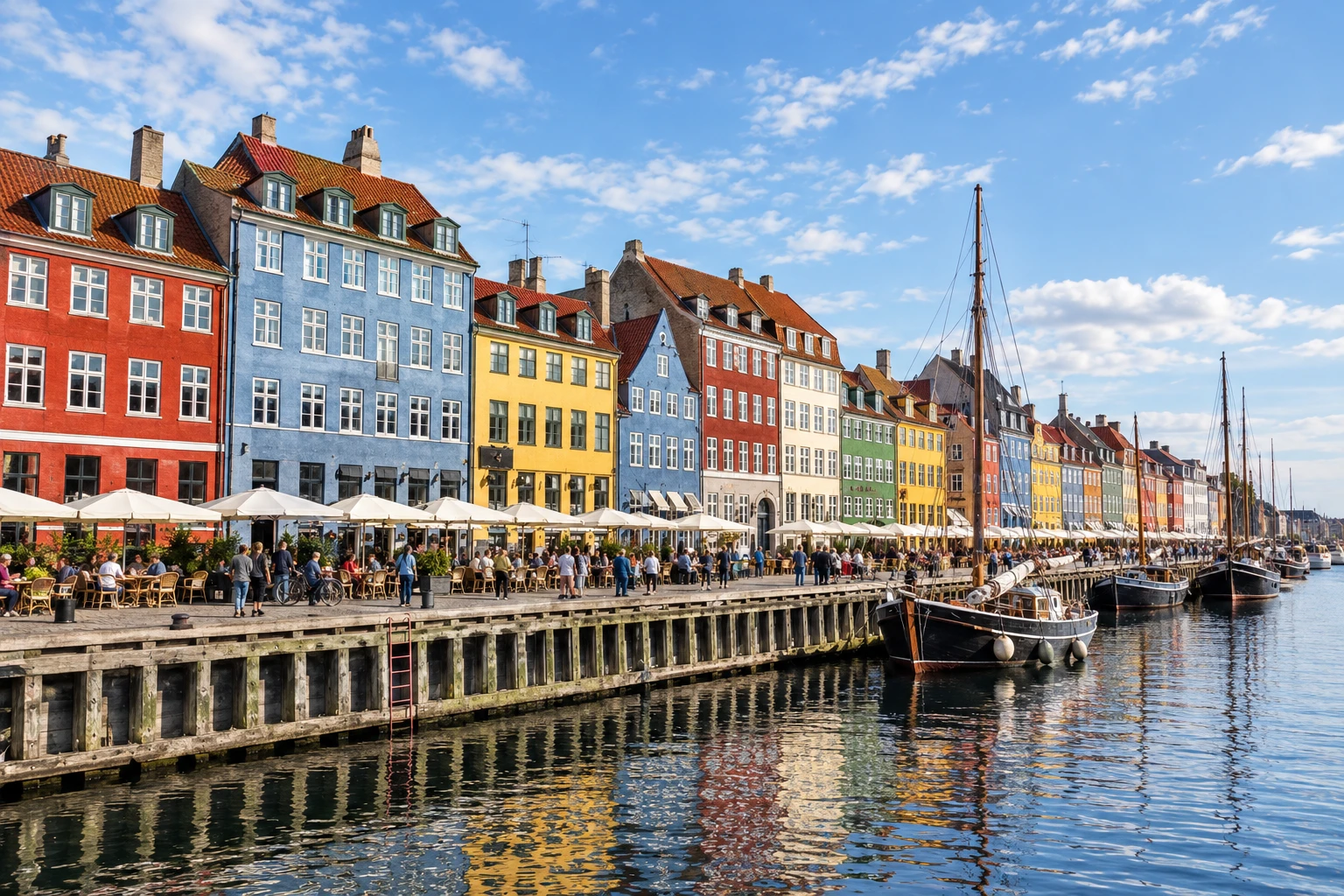
In the photo: Nyhavn — Copenhagen
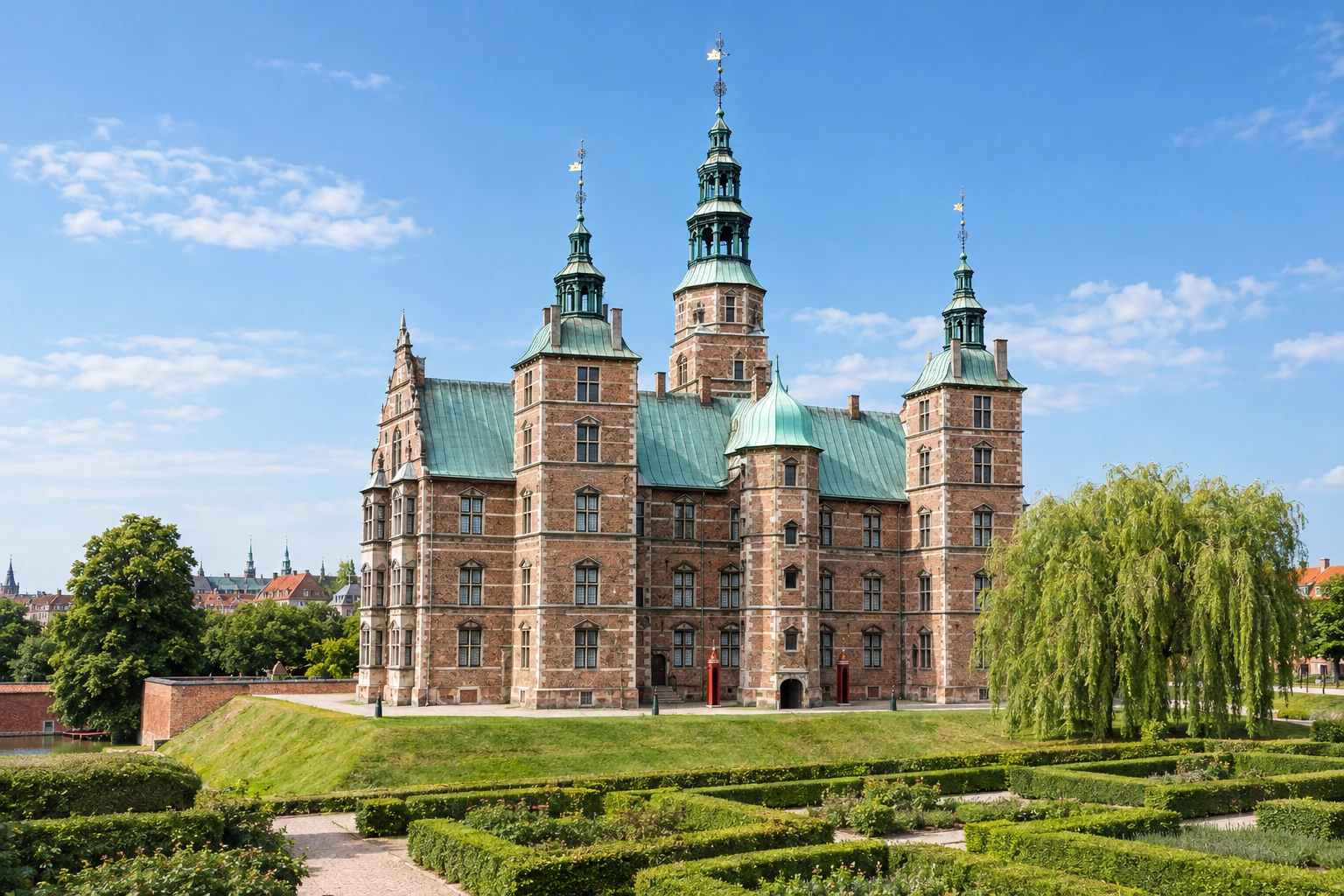
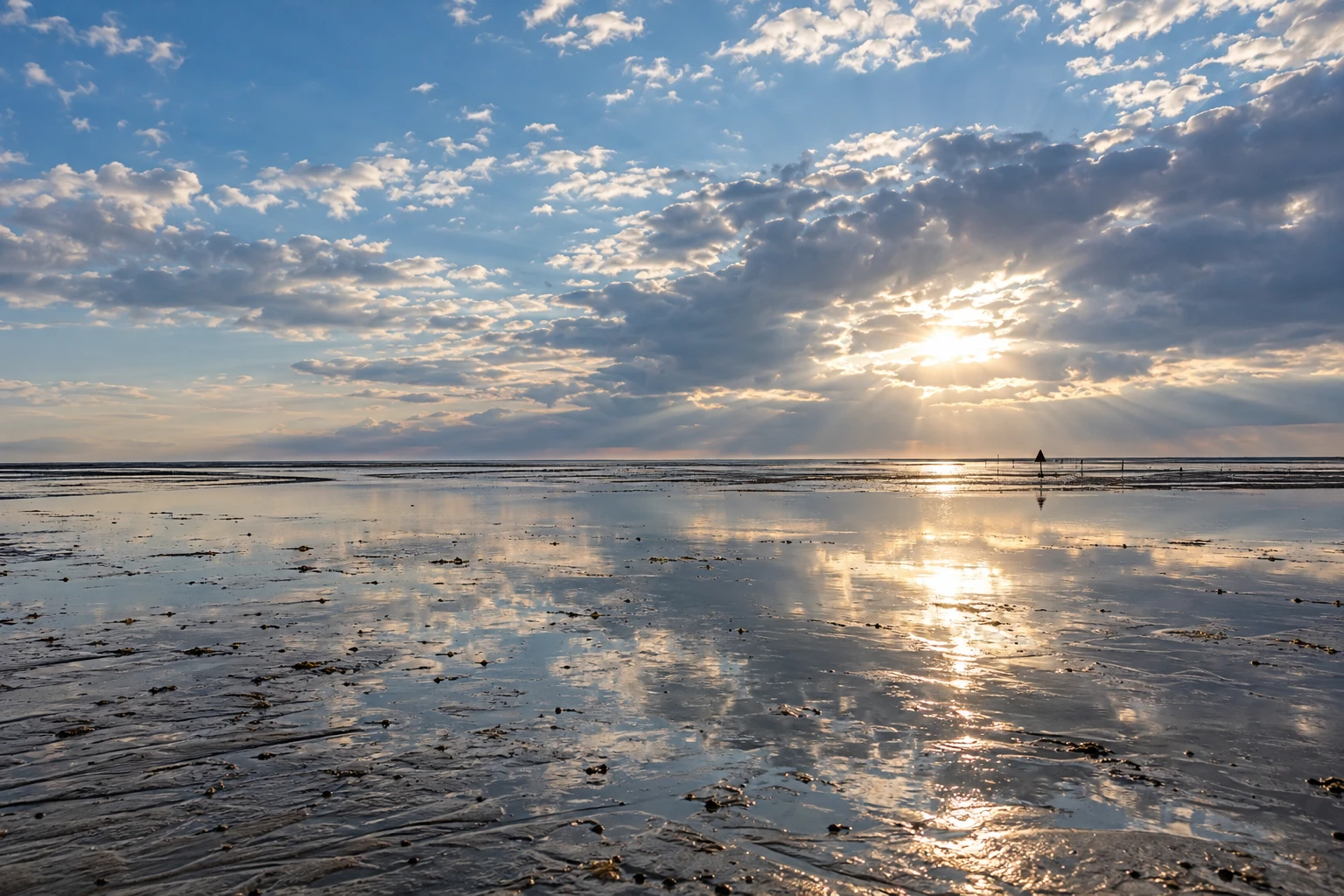
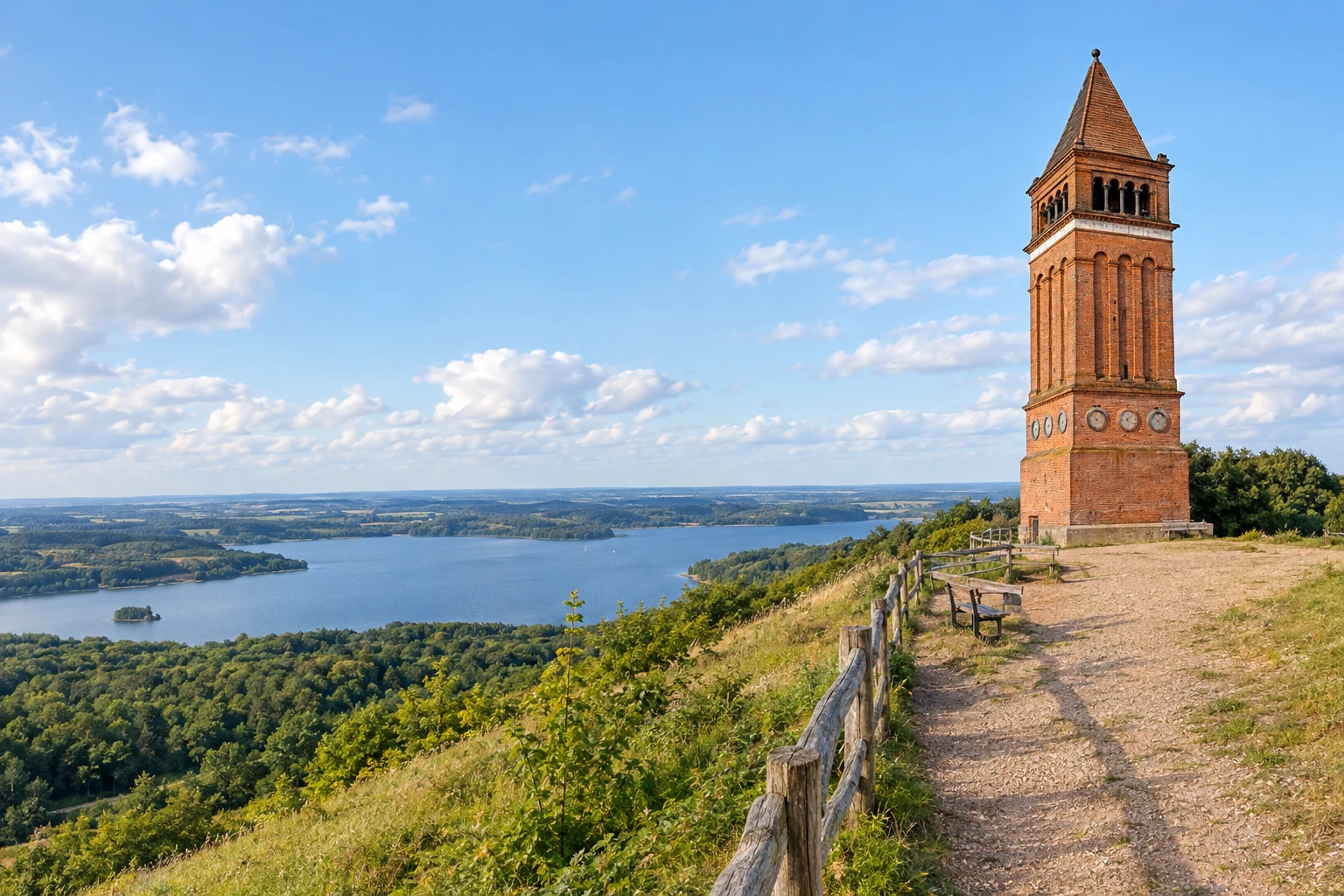
Illustrative images. The pictures in this guide are illustrations based on the real place, not photographs, and may differ from it.
A destination is a region you visit as a single trip: it can bring together several cities or be a large city with everything it offers. Each destination has the tours, the itineraries, the best time to go month by month and how to get there.
The guide currently has 15 destinations, with 23 cities in 5 regions.
Today's highlights
A destination is more than a city: it's everything you can experience there.
The North of Jutland: Aalborg, on the shores of the Limfjord, with the Utzon Center and the Viking cemetery Lindholm Høje, and Skagen, at the tip of the country where the Skagerrak meets the Kattegat.
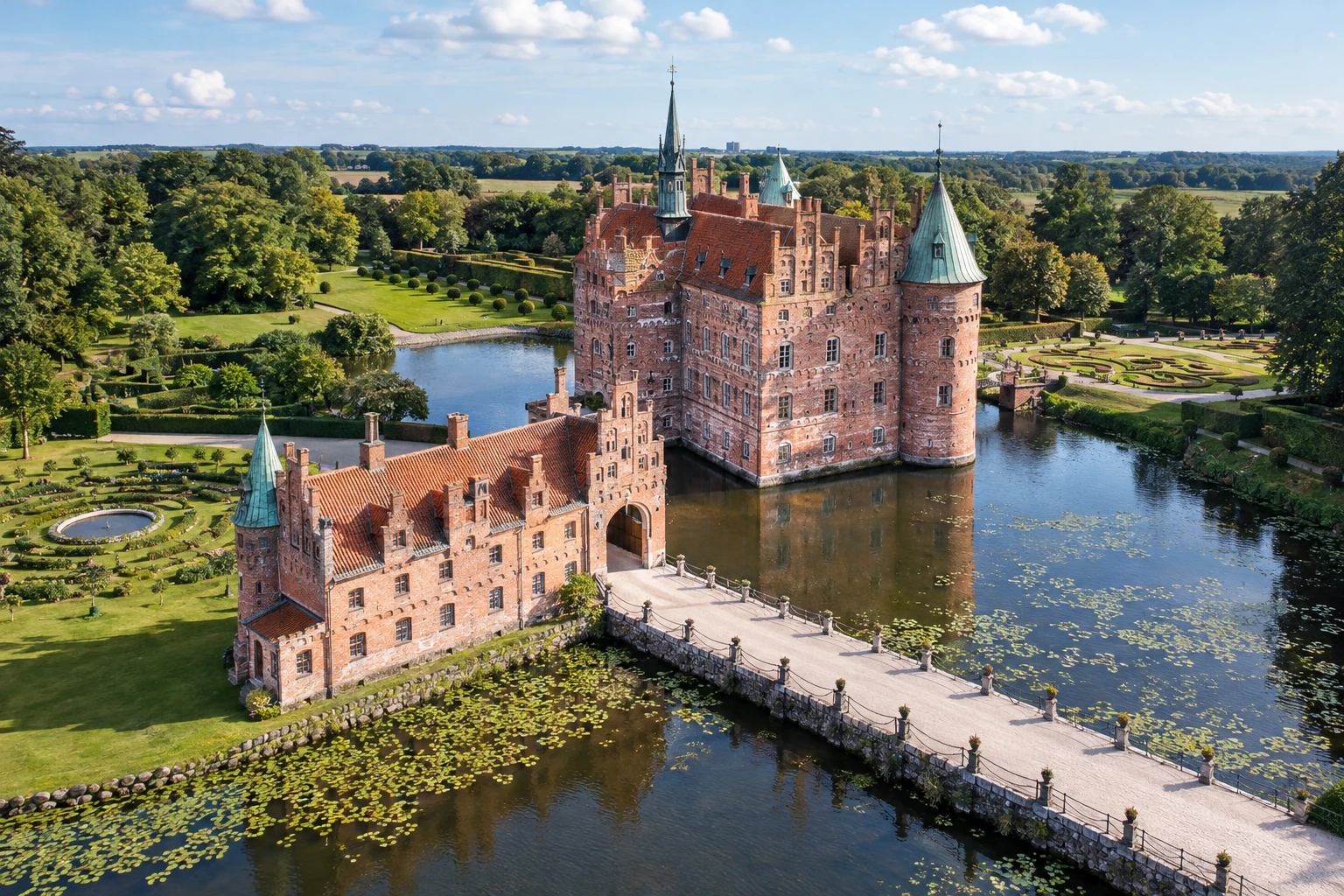
The island of Funen, between Zelândia and Jutlândia: Odense, the birthplace of H. C. Andersen, the Castelo de Egeskov on a lake and, to the south, Svendborg and the archipelago of islands and seafaring villages.
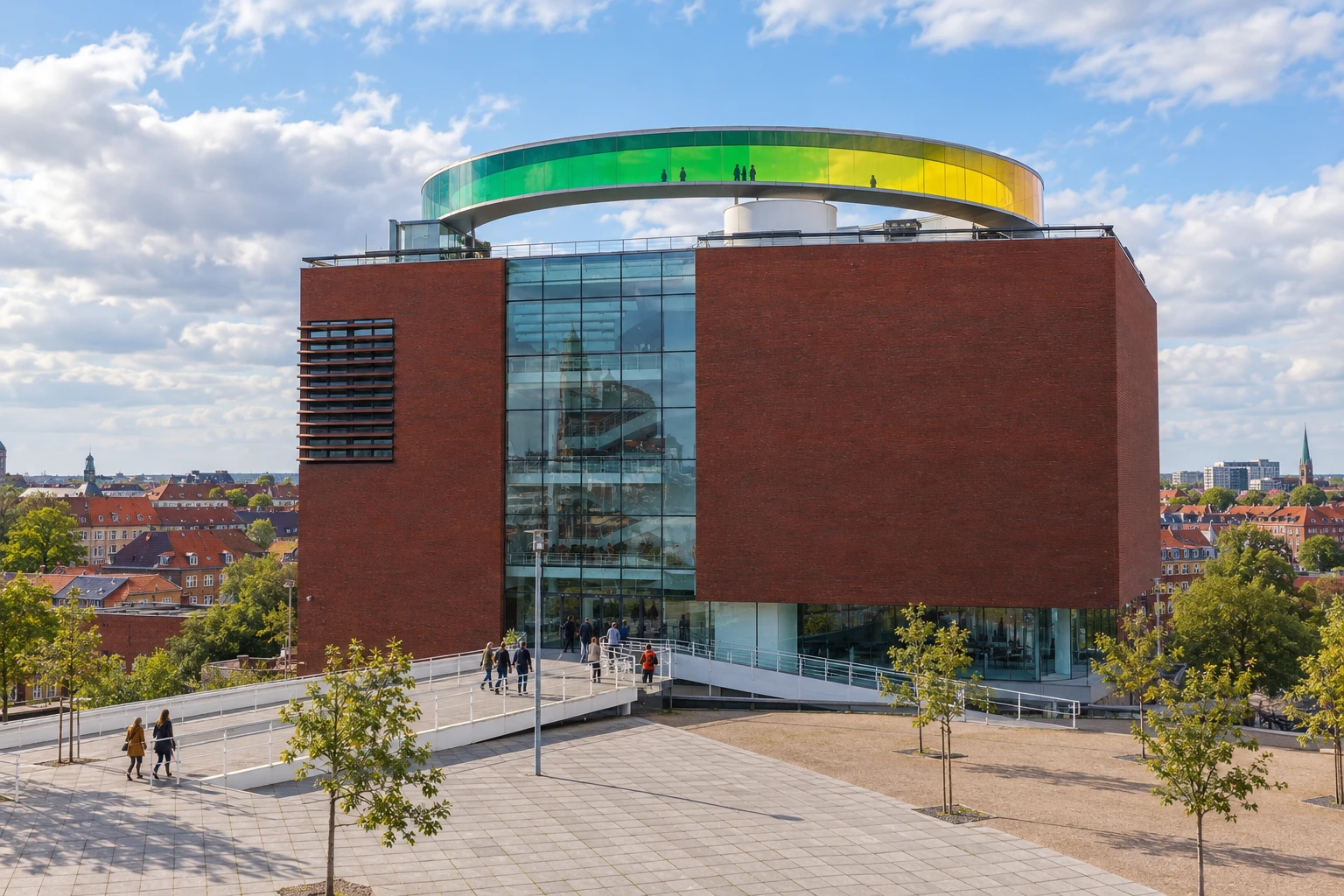
Denmark's second city, on the east coast of Jutland: the ARoS rainbow over the rooftops, the open‑air museum Den Gamle By, Moesgaard and the Latin Quarter.
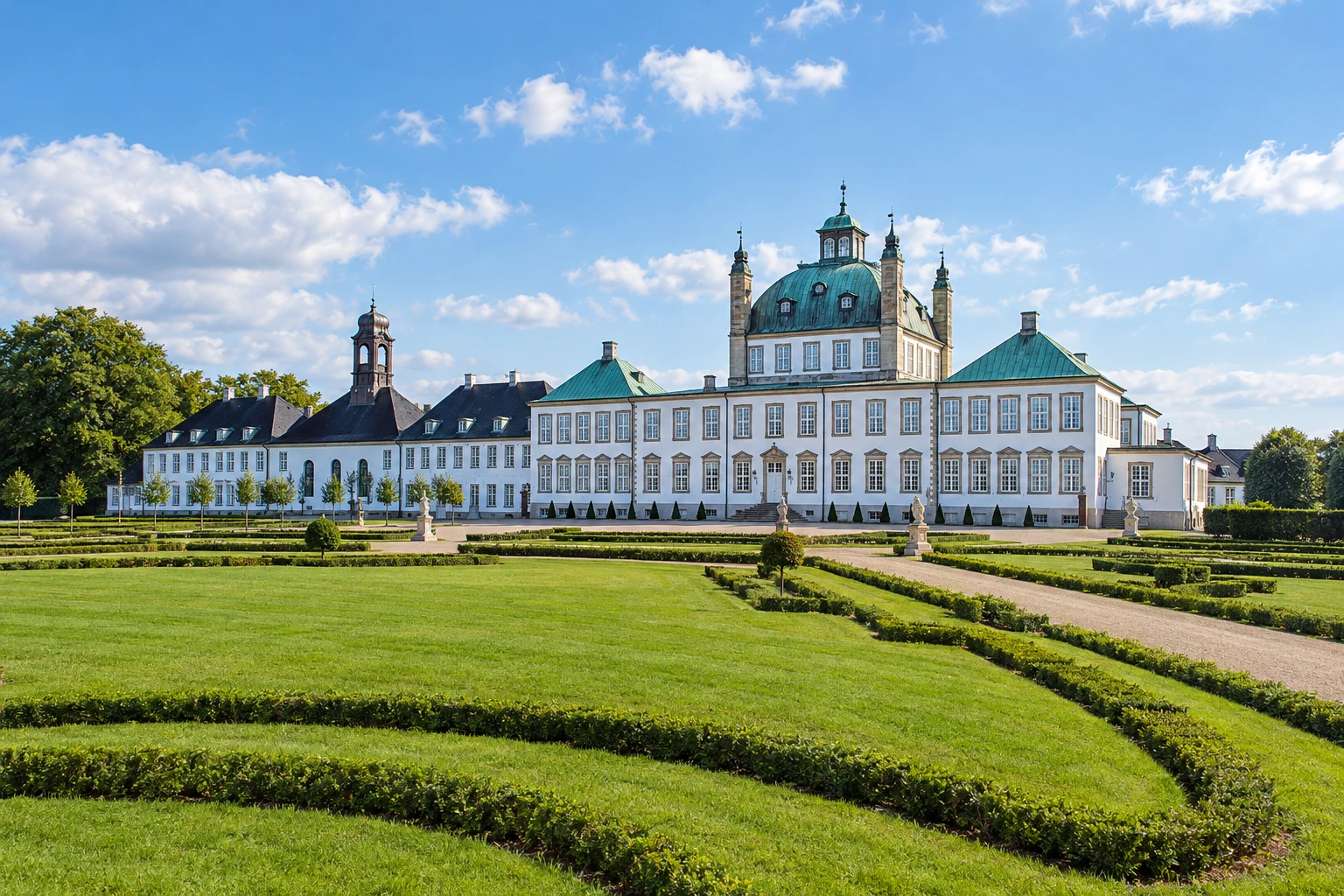
The castles of northern Zealand: Kronborg, Hamlet's castle overlooking the Øresund Strait in Helsingør, and Frederiksborg, the Renaissance palace on a lake in Hillerød.
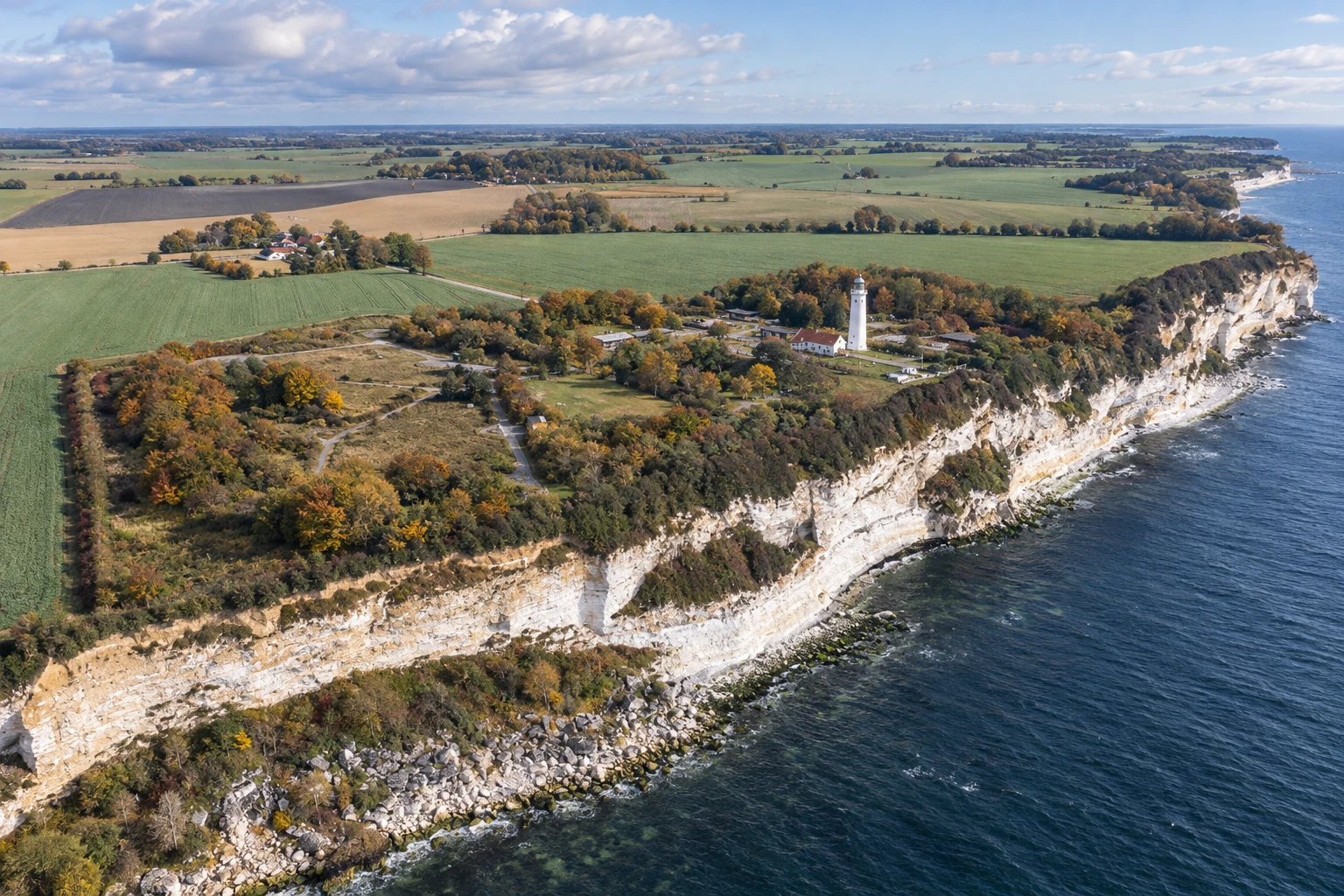
Stevns Klint brings together chalk and limestone cliffs, a church on the Baltic shore and an interpretation centre in the former Boesdal quarry.
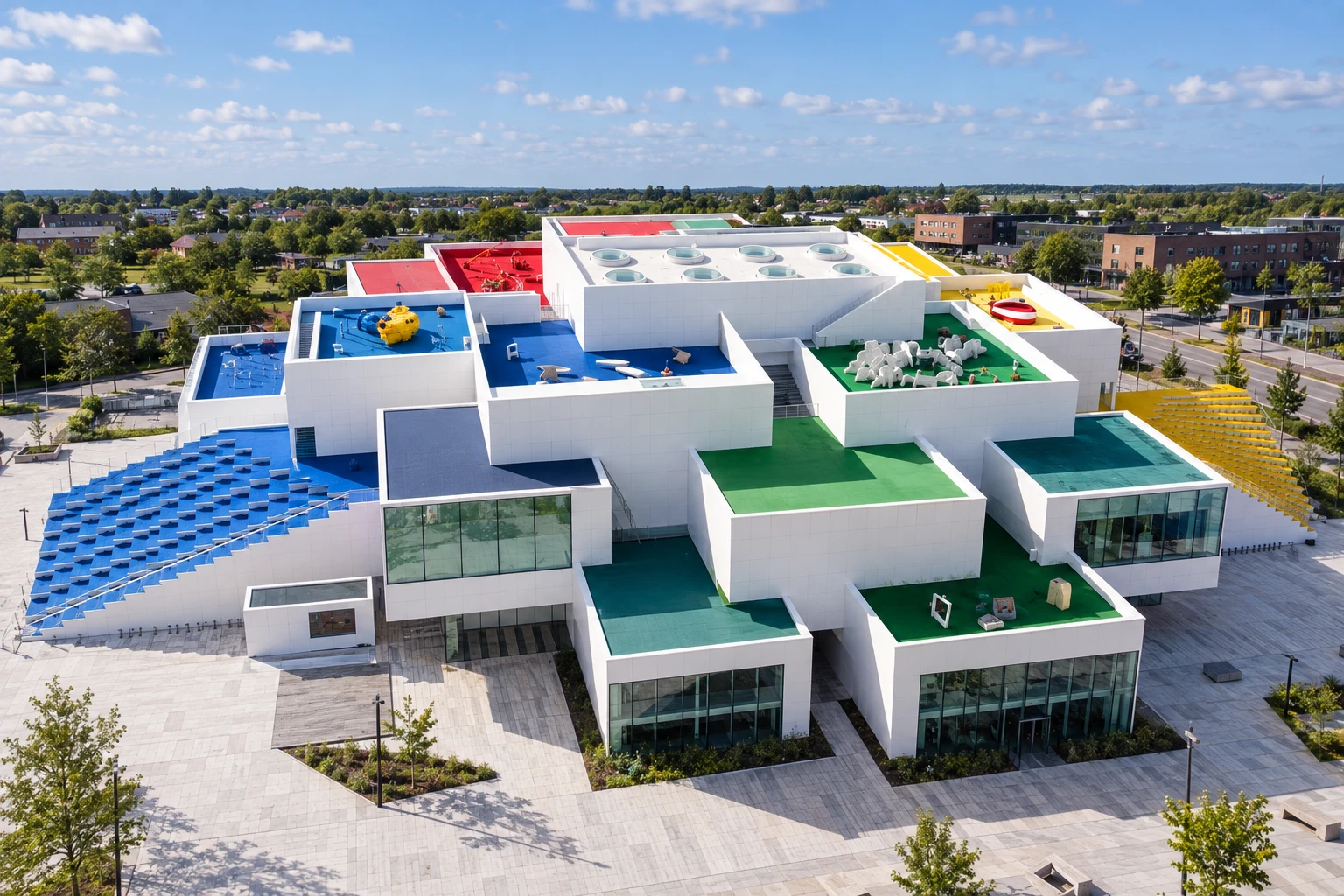
The inland city in Jutlândia where the building block was born: Legoland, opened in 1968, the Lego House, with the Tree of Creativity, and, 30 km away, the rune stones of Jelling, a UNESCO World Heritage site.
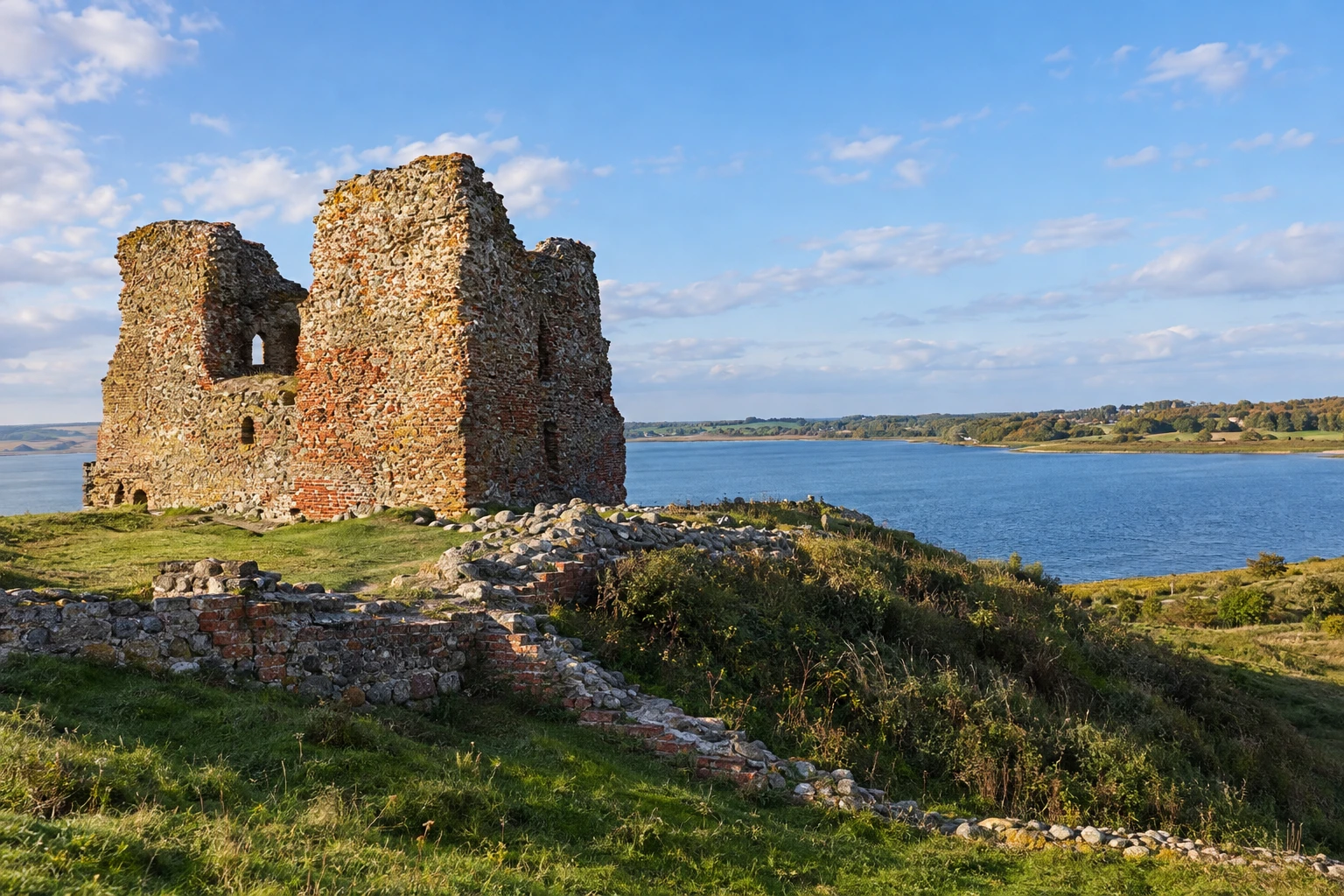
Historic streets, a frigate in dry dock and glass art make up the urban part of a trip that continues to the hills of Mols Bjerge and the ruins of Kalø.
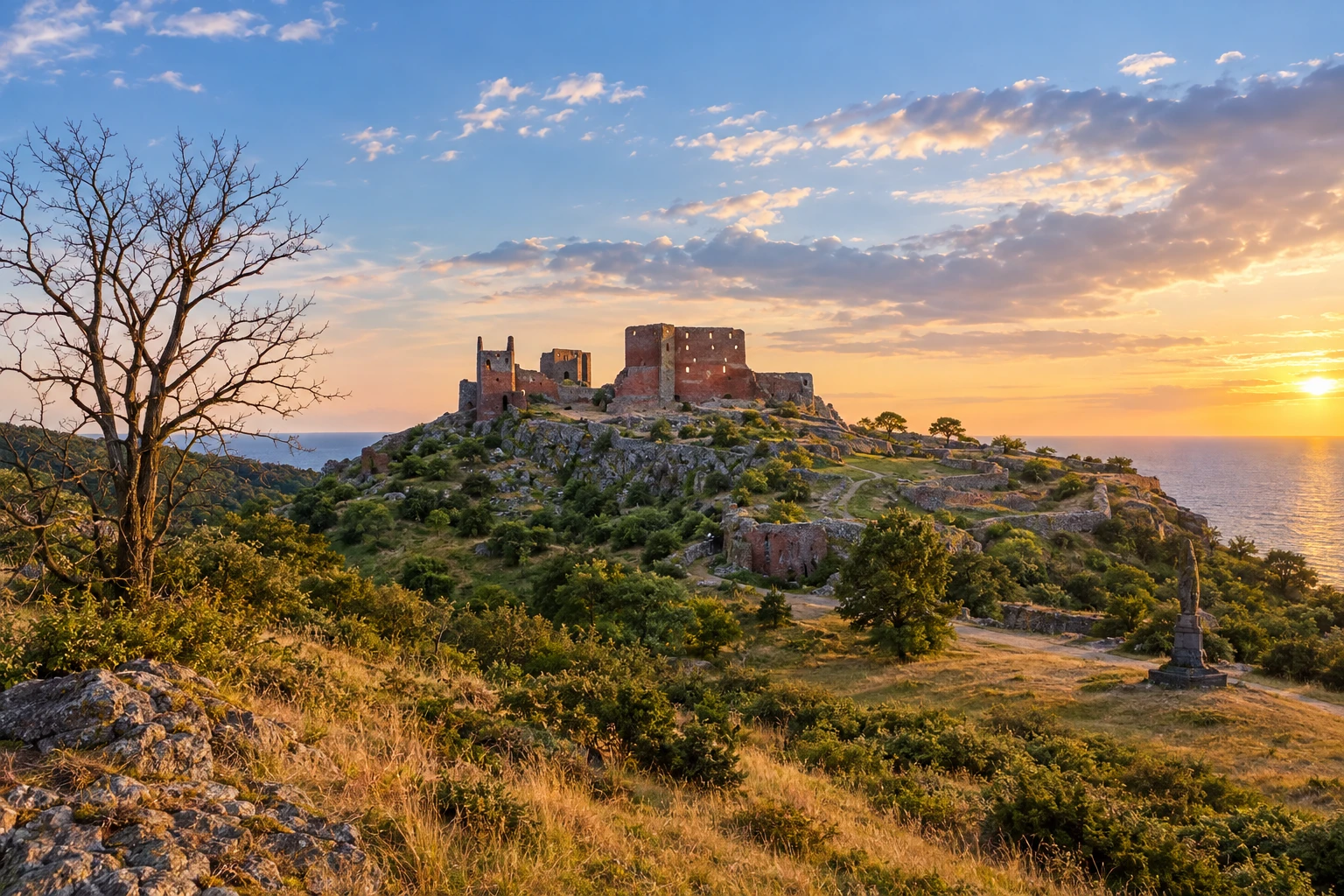
The granite island in the Baltic, east of Copenhague: cliffs on the north coast, the ruins of Hammershus, the round churches, villages with herring smokehouses and the sand of Dueodde.
The old royal town at the head of the Roskilde fjord: the Catedral de Roskilde, where the Danish kings are buried, a UNESCO World Heritage Site, and the Museu dos Navios Vikings, 25 minutes by train from Copenhague.
The Danish capital on the shores of the Øresund: the Nyhavn canal, the Tivoli, the royal palaces, art and design museums, the Pequena Sereia and a city best explored by bicycle.
The oldest town in Denmark, with streets of timber-framed houses around the cathedral, 8th-century Vikings and, a few kilometers away, the Mar de Wadden, a national park and UNESCO World Heritage Site.
Lakes, forests and museums meet in Silkeborg, a base for boating in the Søhøjlandet region and hiking on Himmelbjerget.
Cities to start with
Each city has a page with what to do there.

Copenhague is the capital of Denmark, on the east coast of Zealand, facing Sweden. The old center is explored on foot and by bicycle: Strøget, Nyhavn, the palaces of Rosenborg, Amalienborg and Christiansborg, the Round Tower and the canals of Christianshavn. It has museums of art, history and design, the Tivoli in the center and fast trains to Helsingør, Hillerød, Roskilde and the Louisiana.

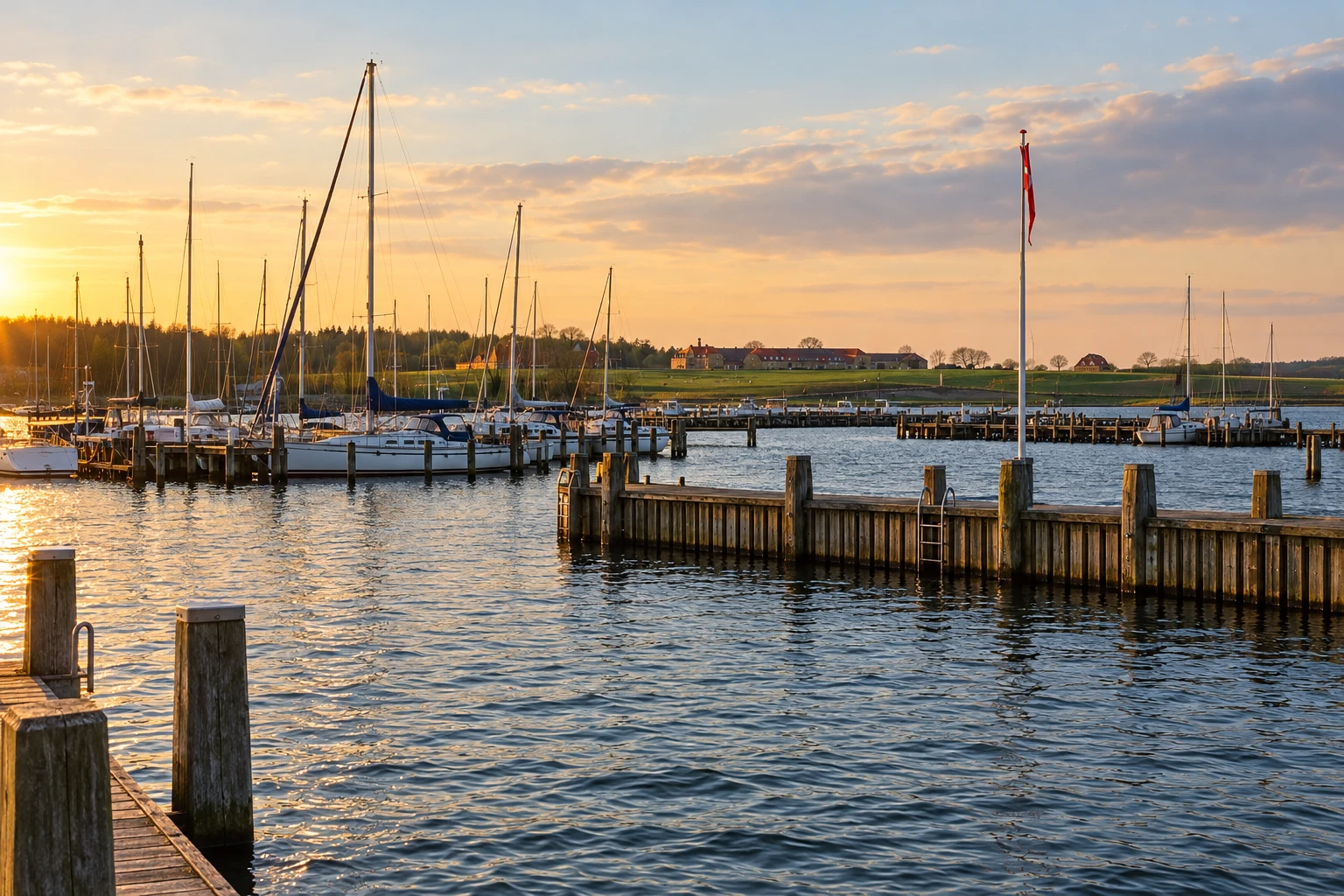
Ærøskøbing is a harbor base on the island of Ærø, reached by ferry from Svendborg. Its historic houses and streets are close to the port. The Vesterstrand bathing huts are in the urban area; Voderup Klint requires an inland walk across the island.

Aalborg is Denmark’s fourth city and the seat of North Jutland, on the banks of the Limfjord. It has a renovated waterfront with the Utzon Center, the Kunsten museum by Alvar Aalto, an old town with a cathedral, the timber-framed Aalborghus castle and the bar street Jomfru Ane Gade. On the other side of the fjord lies the Viking cemetery Lindholm Høje. It is the gateway to Skagen.

Odense is the largest city on Funen and the third in Denmark, about 1h15 by train from Copenhagen. The birthplace of H. C. Andersen, it has the writer's museum, his childhood home, the Catedral de São Canuto and an old cobbled quarter. To the south are the open-air museum Den Fynske Landsby and, 30 km away, the Castelo de Egeskov.

Thisted lies on the shore of the Limfjord and serves as a service base for the Thy region. The North Sea coast is a separate journey from the town. Walks link dunes and park trails with the fishing houses of Stenbjerg, the Lodbjerg lighthouse and Klitmøller.

Silkeborg is in Central Jutland, among lakes, forests and the river Gudenå. The town combines the collections of Museum Jorn and Museum Silkeborg with boat excursions. Himmelbjerget is a regional outing, accessible by road or seasonal boat services.
The map
Tap a region to see the names. Use two fingers to zoom in.
Outlines: Web Vectors Map, via geoBoundaries (CC BY 4.0). Adapted by Cidade Turismo.
Denmark
Another way into the same trip
Choose the region and the city to find your place in the guide.
Beyond the guide