Roskilde

Zealand

Roskilde

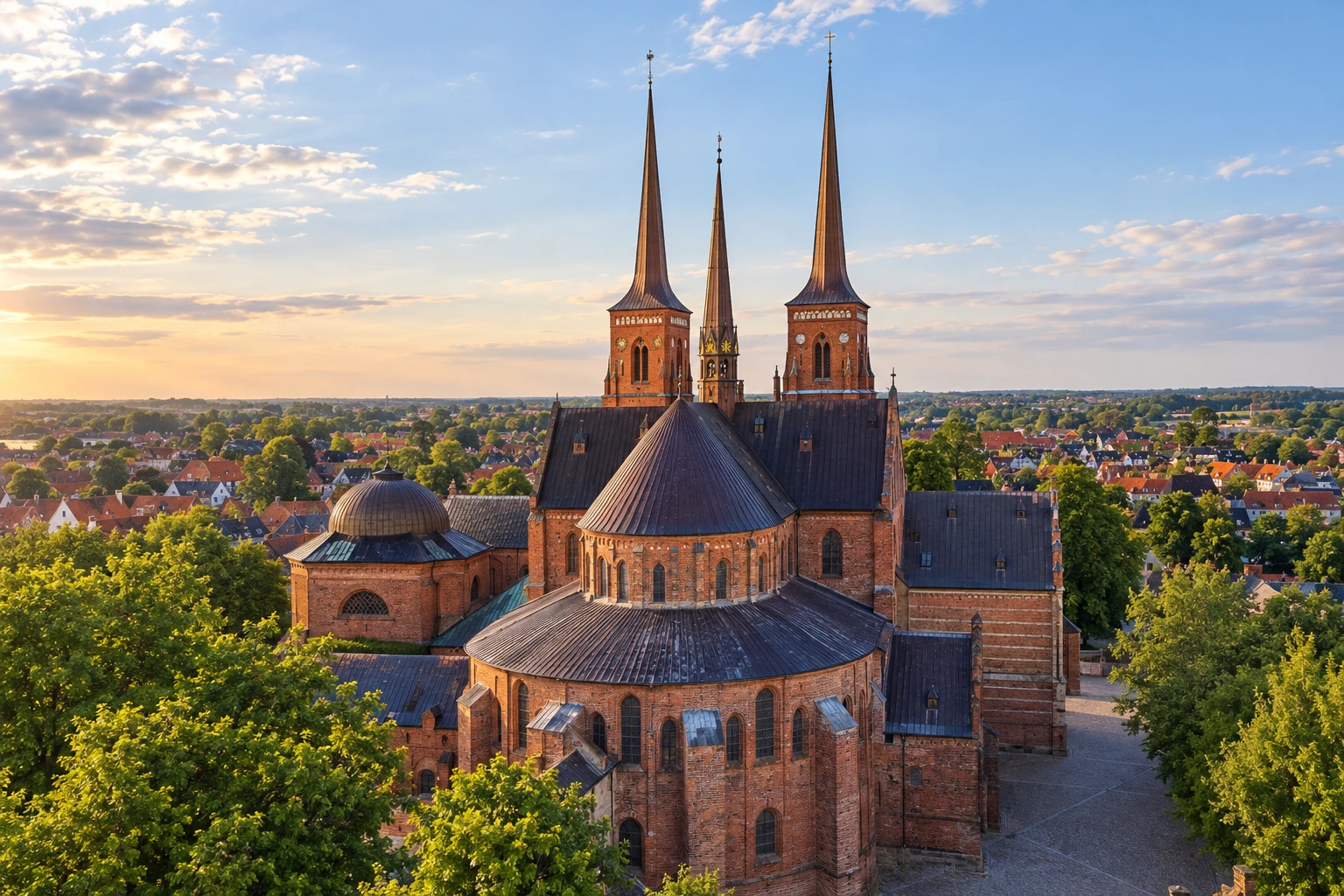
The old royal town at the head of the Roskilde fjord: the Catedral de Roskilde, where the Danish kings are buried, a UNESCO World Heritage Site, and the Museu dos Navios Vikings, 25 minutes by train from Copenhague.

Copenhagen and Zealand

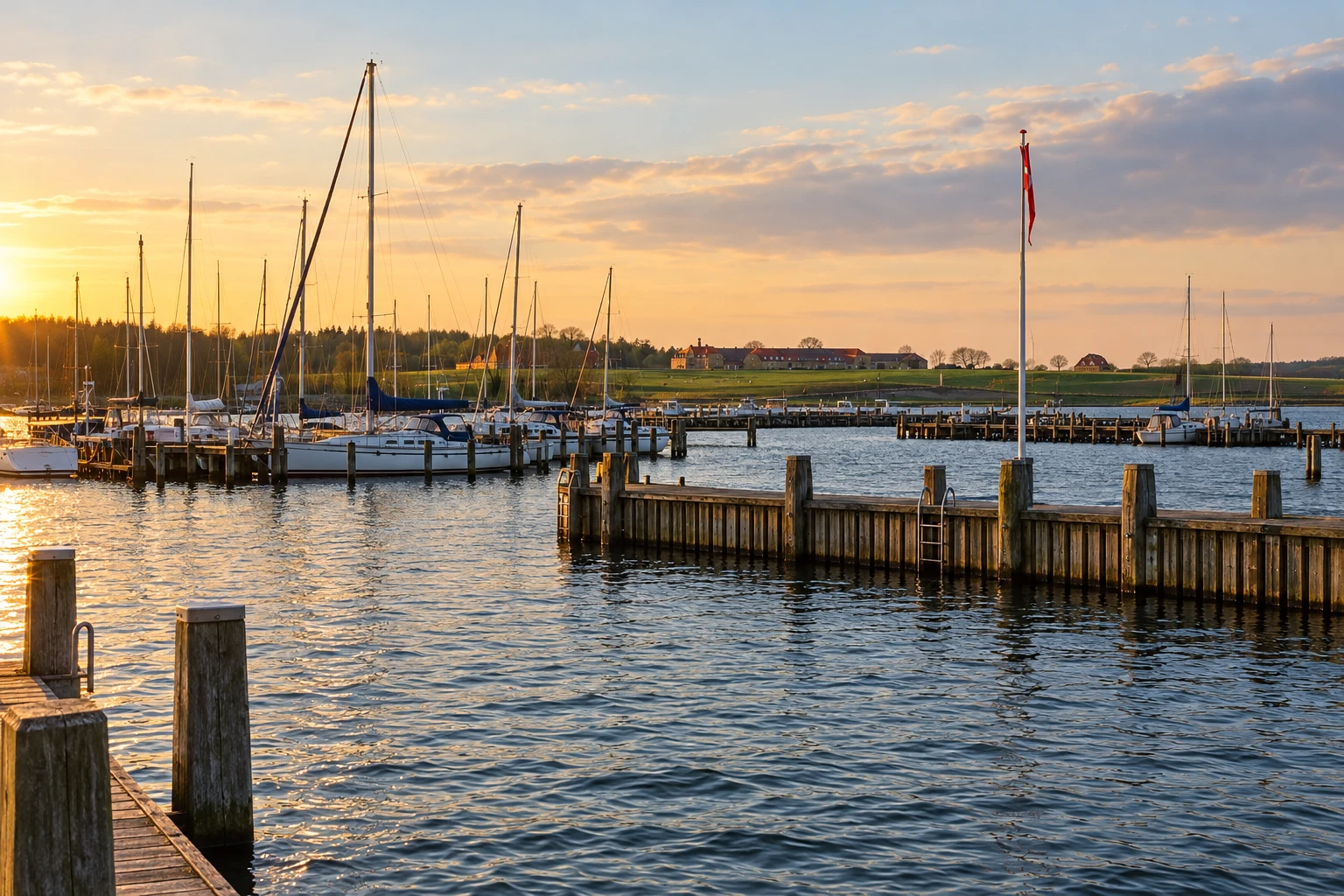
In the photo: Porto de Roskilde

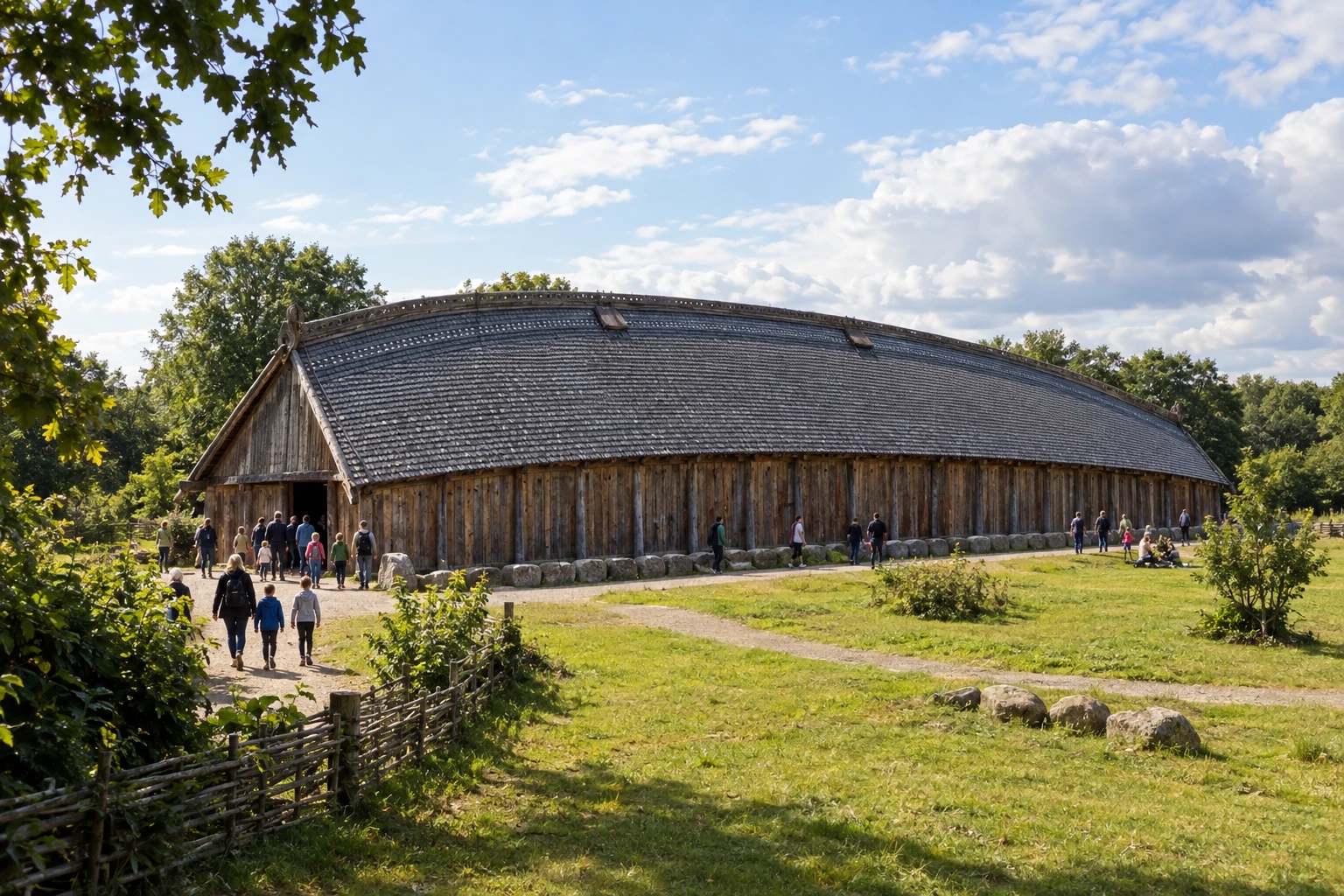
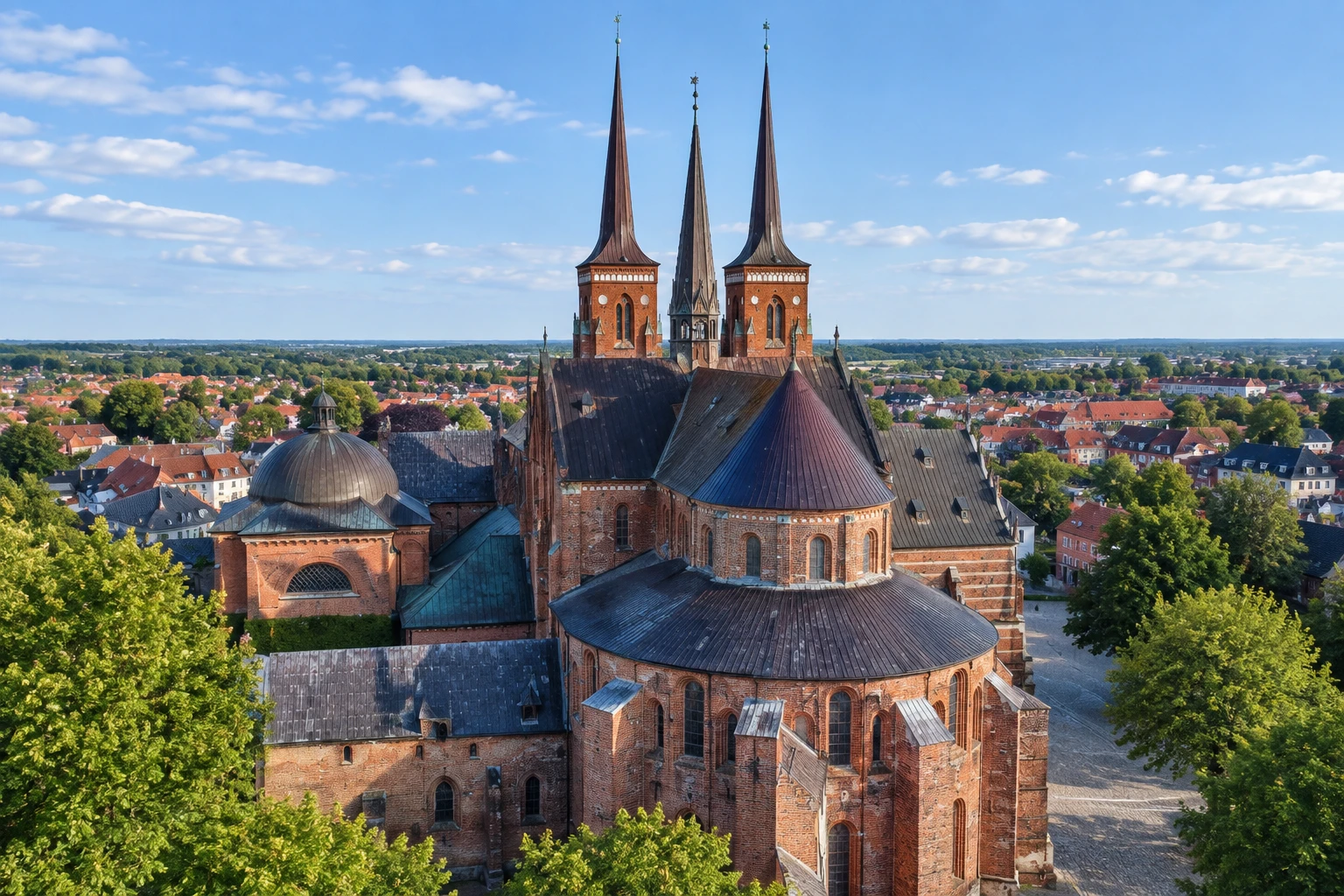
Illustrative images. The pictures in this guide are illustrations based on the real place, not photographs, and may differ from it.

Get it on Google Play

Get to know the place

A region to enjoy
at your own pace.

Roskilde sits at the head of the Roskilde fjord, on the island of Zelândia, 30 km west of Copenhague. According to medieval chronicles, it was founded by King Haroldo Dente-Azul in the year 980, and was the seat of the kings and bishops of Denmark until the 15th century, when the court moved to Copenhague. The town preserves from that period the cathedral and a main pedestrian street that descends from the market square to the harbour.

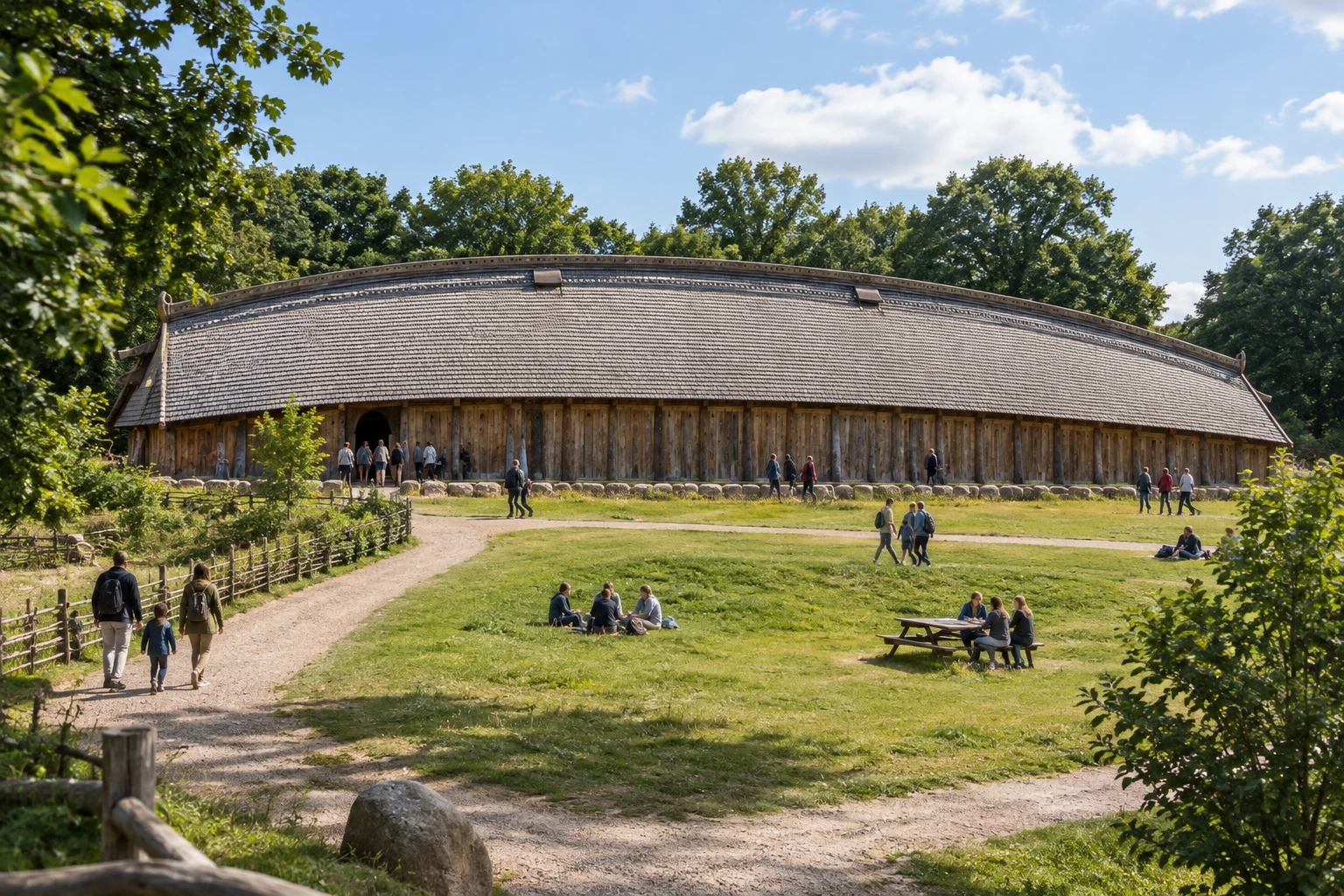
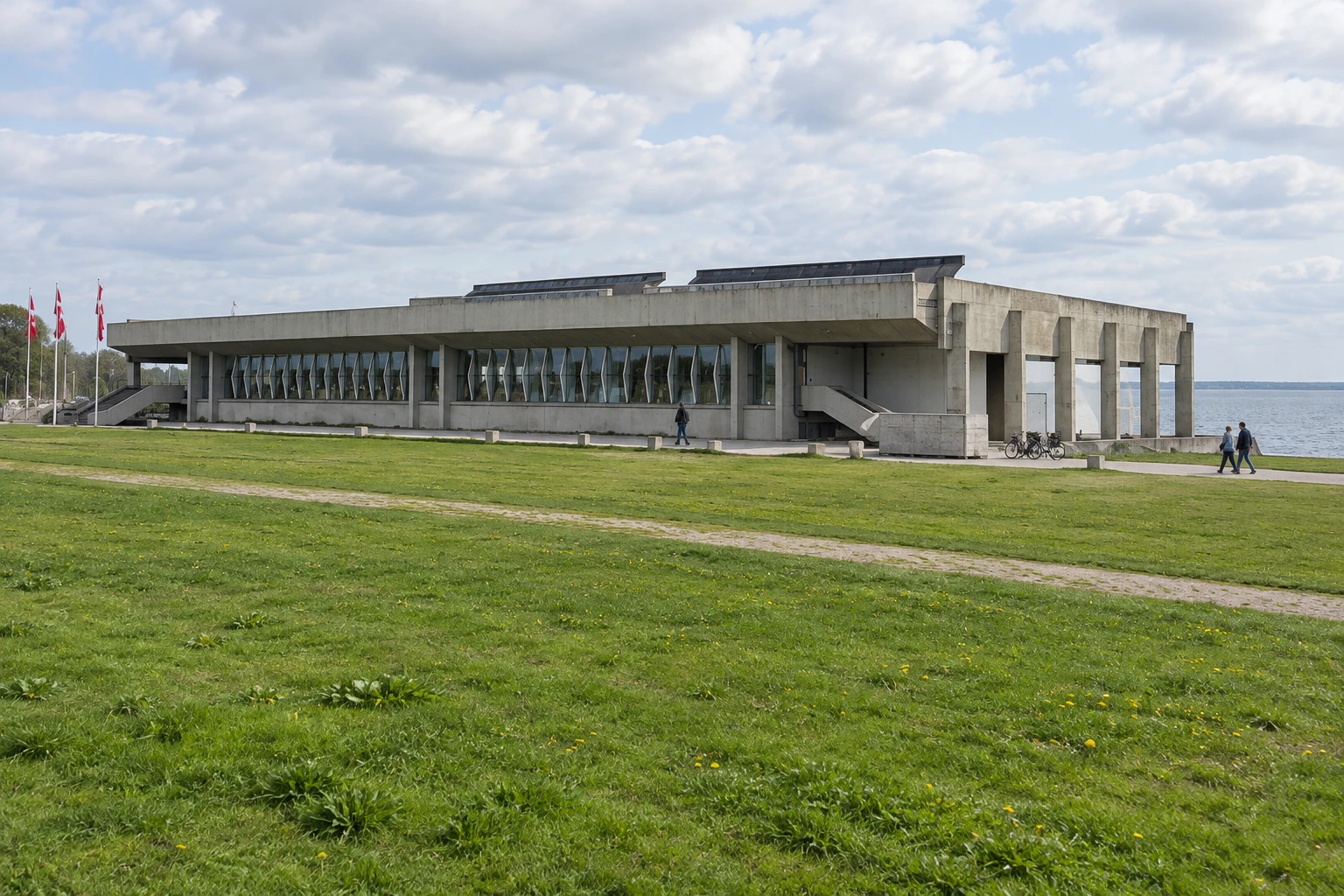
On the shore of the fjord, the Museu dos Navios Vikings displays the five ships sunk around 1070 to close the entrance channel and protect the town from sea attacks, recovered in 1962. In the museum's shipyard, carpenters build replicas using period techniques, and in summer visitors can sail on the fjord in Viking-type boats. In the old industrial district of Musicon is the Ragnarock, a museum of rock and youth culture.

For Brazilians, Roskilde is an easy day trip from Copenhague, with frequent trains. The town is also known for the Roskilde Festival, one of the largest music festivals in Europe, which usually takes place in late June and early July; that week, trains and hotels fill up.

This destination brings together 2 cities: Roskilde, Lejre.

Share: WhatsApp
Traveler, share your experiences through photos Up to 5 photos of each place you visited.

One destination, many paths

The cities on this trip

Start with one city or combine several in your itinerary.

Where Roskilde is The star marks the nearest capital, Hillerød.
HillerødRoskildeLejre

Outlines: Web Vectors Map, via geoBoundaries (CC BY 4.0). Adapted by Cidade Turismo.

How to get there: Roskilde

Aeroporto de Copenhague (Københavns Lufthavn, Kastrup) (CPH), in Kastrup · 40 km to Roskilde

Flights from Brazil usually connect through another city. Check before booking. From Copenhague central station, the train reaches Roskilde in about 25 minutes, with several departures per hour. From Kastrup airport there are direct trains in about 40 minutes. By car it's about 35 km on the motorway.

Suggested arrival point: Roskilde

The local experience

Things to do in Roskilde

Roskilde · Zealand · Museum

RAGNAROCK

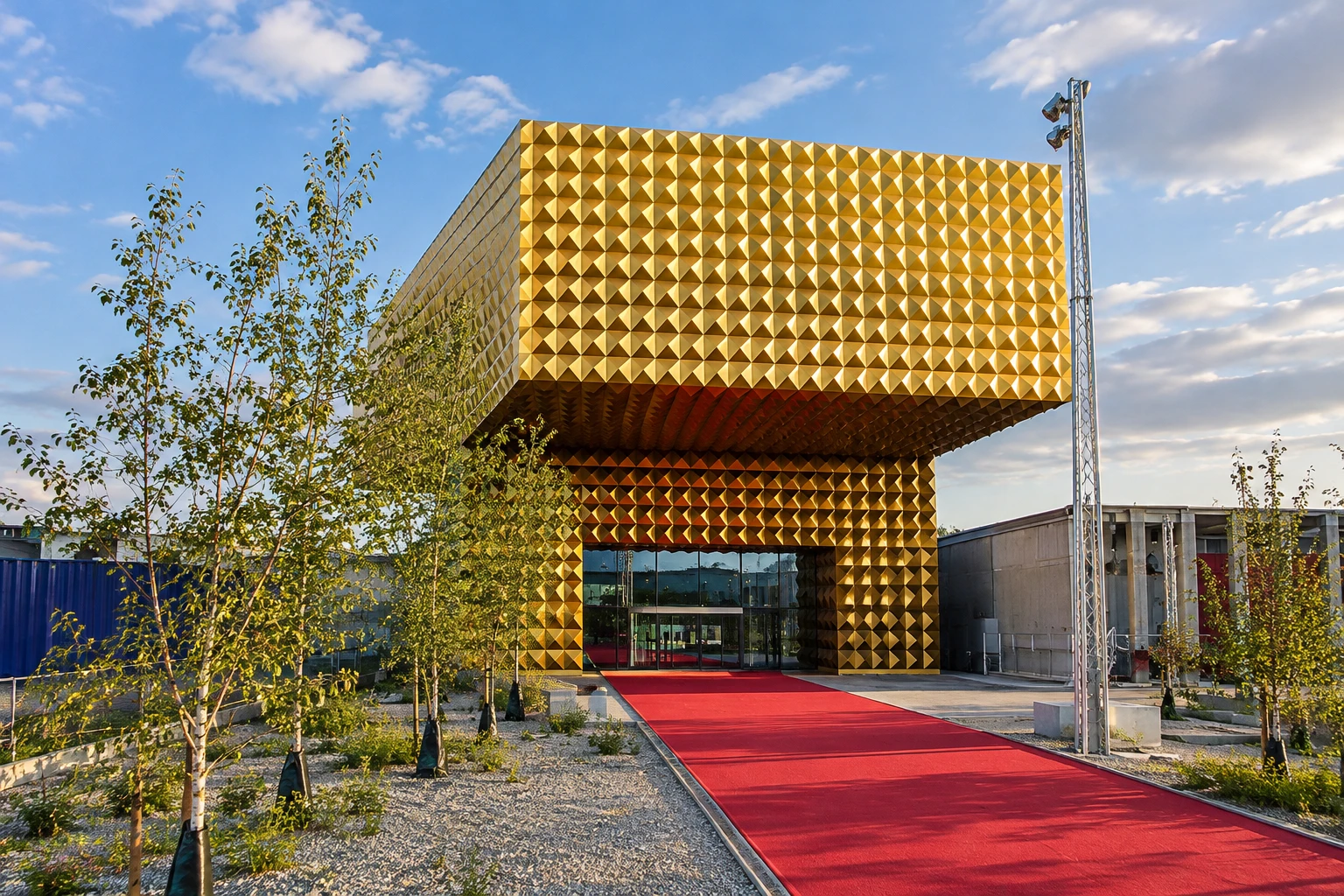
The museum of rock, pop and youth culture in the Musicon district, housed in a golden building opened in 2016, with interactive rooms, instruments, costumes and the history of Danish music since the 1950s.

Explore RAGNAROCK

To choose before you go

Tours in Roskilde

Where each tour starts, how long it takes, how it is done, what is included and the price range.

Cathedral and Viking seafaring

From Roskilde On foot, with transport to the starting point when necessary Half a day or a day, depending on the stops during the day

Start at the cathedral and head to the fjord area. At the Viking Ship Museum, allow time for the preserved boats and the context of ancient seafaring. on-water activities and workshops depend on season and schedule, and do not replace visiting the collection.

Stops: Roskilde Domkirke, Vikingeskibsmuseet.

Experimental archaeology in Lejre

From Roskilde On foot, with transport to the starting point when necessary Half a day or a day, depending on the stops during the day

Use the train to Lejre and check the final connection to the experimental archaeology center. Walk among reconstructions and workshops according to the schedule. Allow several hours plus travel time back; do not confuse reconstructed buildings with original ruined remains.

Stops: Sagnlandet Lejre.

Day by day

1, 2 and 3-day itinerary in Roskilde

Suggestions to plan the trip. Change the order of the days according to the weather and tour availability.

1 day · Roskilde in 1 day

For For those who want to spread visits and travel from a base. · Based in Roskilde
  1. Day 1 · Day 1: Roskilde Cathedral

    Roskilde Cathedral and the Viking Ship Museum, with a walk between the town center and the fjord.

2 days · Roskilde in 2 days
For For those who want to spread visits and travel from a base. · Based in Roskilde
  1. Day 1 · Day 1: Roskilde Cathedral

    Roskilde Cathedral and the Viking Ship Museum, with a walk between the town center and the fjord.

  2. Day 2 · Day 2: Viking ships on the fjord

    Ragnarock and more time in the town center or at the harbour, depending on your interest in music and history.

3 days · Roskilde in 3 days
For For those who want to spread visits and travel from a base. · Based in Roskilde
  1. Day 1 · Day 1: Roskilde Cathedral

    Roskilde Cathedral and the Viking Ship Museum, with a walk between the town center and the fjord.

  2. Day 2 · Day 2: Viking ships on the fjord

    Ragnarock and more time in the town center or at the harbour, depending on your interest in music and history.

  3. Day 3 · Day 3: Lejre reconstructions

    Sagnlandet Lejre during the season, with train and local connection planned before departure.

Best time to go

When to go: Roskilde month by month

From May to September the days are usually long and the Viking museum offers boat trips on the fjord, which generally run between June and August. The week of the Roskilde Festival, in late June and early July, fills the town. From November to March it is usually cold and gets dark early, but the cathedral and the museum are open year-round; check opening times.

The seasons shown are the most usual ones; nature doesn't always follow the calendar.

January Some rain

winter

For a trip to Roskilde, winter usually brings persistent cold and few hours of daylight, unlike Brazilian summer. Include reconstructions at Lejre when planning visits in Roskilde. As a national reference for 1991–2020, the averages of the lows and highs are -0.7 °C and 3.6 °C; monthly precipitation is 65.3 mm.

February Some rain

winter

For a trip to Roskilde, February is still usually cold with short days; the trip calls for more indoor activities. Include Roskilde Cathedral when planning visits in Roskilde. As a national reference for 1991–2020, the averages of the lows and highs are -0.9 °C and 3.7 °C; monthly precipitation is 50.3 mm.

March Some rain

spring

For a trip to Roskilde, spring starts in March, but the cold often continues and daylight increases gradually. Include Viking ships in the fjord when planning visits in Roskilde. As a national reference for 1991–2020, the averages of the lows and highs are 0.3 °C and 6.4 °C; monthly precipitation is 46.4 mm.

April Some rain

spring

For a trip to Roskilde, April usually alternates between cool air and rain, with more daylight for walking. Include reconstructions at Lejre when planning visits in Roskilde. As a national reference for 1991–2020, the averages of the lows and highs are 3.4 °C and 11.2 °C; monthly precipitation is 38.5 mm.

May Some rain

spring

For a trip to Roskilde, May usually brings a milder spring and long days, in a season opposite to Brazil. Include Roskilde Cathedral when planning visits in Roskilde. As a national reference for 1991–2020, the averages of the lows and highs are 7.1 °C and 15.6 °C; monthly precipitation is 47.3 mm.

June Some rain

summer

For a trip to Roskilde, June usually brings a mild summer and very long days; the wind may still require an extra layer of clothing. Include Viking ships in the fjord when planning visits in Roskilde. As a national reference for 1991–2020, the averages of the lows and highs are 10.4 °C and 18.5 °C; monthly precipitation is 64.3 mm.

July Some rain

summer

For a trip to Roskilde, July is usually among the mildest months, with lots of daylight and possible rain during outings. Include reconstructions at Lejre when planning visits in Roskilde. As a national reference for 1991–2020, the averages of the lows and highs are 12.7 °C and 21.2 °C; monthly precipitation is 65.8 mm.

August Some rain

summer

For a trip to Roskilde, August usually maintains mild, long days, although daylight duration has already started to decrease. Include Roskilde Cathedral when planning visits in Roskilde. As a national reference for 1991–2020, the averages of the lows and highs are 12.8 °C and 21.2 °C; monthly precipitation is 82.1 mm.

September Some rain

autumn

For a trip to Roskilde, September usually marks the transition to autumn, with cool air and shortening days. Include Viking ships in the fjord when planning visits in Roskilde. As a national reference for 1991–2020, the averages of the lows and highs are 10.1 °C and 17.2 °C; monthly precipitation is 74.7 mm.

October Some rain

autumn

For a trip to Roskilde, October typically has a colder, wetter autumn; schedule outdoor routes during daylight. Include the Lejre reconstructions when planning visits in Roskilde. As a national reference for 1991–2020, the mean lows and highs are 6.4 °C and 12.3 °C; monthly precipitation is 83.2 mm.

November Some rain

autumn

For a trip to Roskilde, November is usually cold and with little daylight; the long winter already affects travel. Include Roskilde Cathedral when planning visits in Roskilde. As a national reference for 1991–2020, the mean lows and highs are 3.1 °C and 7.6 °C; monthly precipitation is 70.3 mm.

December Some rain

winter

For a trip to Roskilde, December is usually cold with very short days, in contrast to summer in Brazil. Include Viking ships in the fjord when planning visits in Roskilde. As a national reference for 1991–2020, the averages of the lows and highs are 0.4 °C and 4.7 °C; monthly precipitation is 70.9 mm.


Plan the journey

How to get there: Roskilde

From Brazil to the region

Flights to and from Brazil are usually via a connection in another city. Confirm before you buy. From Copenhagen, take the rail link to Roskilde and continue on foot or by bus to the town center and the harbor.

Getting around from Roskilde

The cathedral is in the historic core and the Viking Ship Museum is by the fjord. Lejre has its own station and Sagnlandet requires a local connection, especially in season.

Before you go

Practical information

A little planning leaves more time to enjoy the journey.

When to go

From May to September the days are usually long and the Viking museum offers boat trips on the fjord, which generally run between June and August. The week of the Roskilde Festival, in late June and early July, fills the town. From November to March it is usually cold and gets dark early, but the cathedral and the museum are open year-round; check opening times.

The seasons shown are the most usual ones; nature doesn't always follow the calendar.

How many days to stay

A full day is enough for the cathedral, the Viking museum and a walk through the centre and the harbour. Music fans can add the Ragnarock the same afternoon or stay overnight to see the fjord at sunset.

Which city to stay in

Most people do Roskilde as a day trip from Copenhague. Those who stay overnight will find hotels in the centre, between the station and the cathedral, and some near the harbour and the fjord. In the festival week accommodation sells out months in advance.

Respect the place

Take your trash with you, follow the signs and support local businesses. In natural areas, follow the visiting guidelines.

Beyond the guide

Your questions

Frequently asked questions about Roskilde

Can Roskilde be done as a day trip from Copenhague?

Yes. The train takes about 25 minutes, and the cathedral and museum fit into one day.

How many kings are buried in the Catedral de Roskilde?

About 40 kings and queens, from the 15th century onward, in tombs and chapels from various periods.

Can you sail on a Viking ship?

In summer, the museum usually offers trips on the fjord in replicas of Viking ships, in which visitors help to row. Check the days and conditions.

When is the Roskilde Festival?

It usually takes place in late June and early July, south of the centre. That week, trains and hotels are packed.

Do I need a car?

No. The station is in the centre, the cathedral is a 5-minute walk and the Viking museum about 20 minutes, down to the fjord.

Explore other destinations Search by state and city