Odense and Funen

Southern Denmark

Odense and Funen

The island of Funen, between Zelândia and Jutlândia: Odense, the birthplace of H. C. Andersen, the Castelo de Egeskov on a lake and, to the south, Svendborg and the archipelago of islands and seafaring villages.

Funen and the South

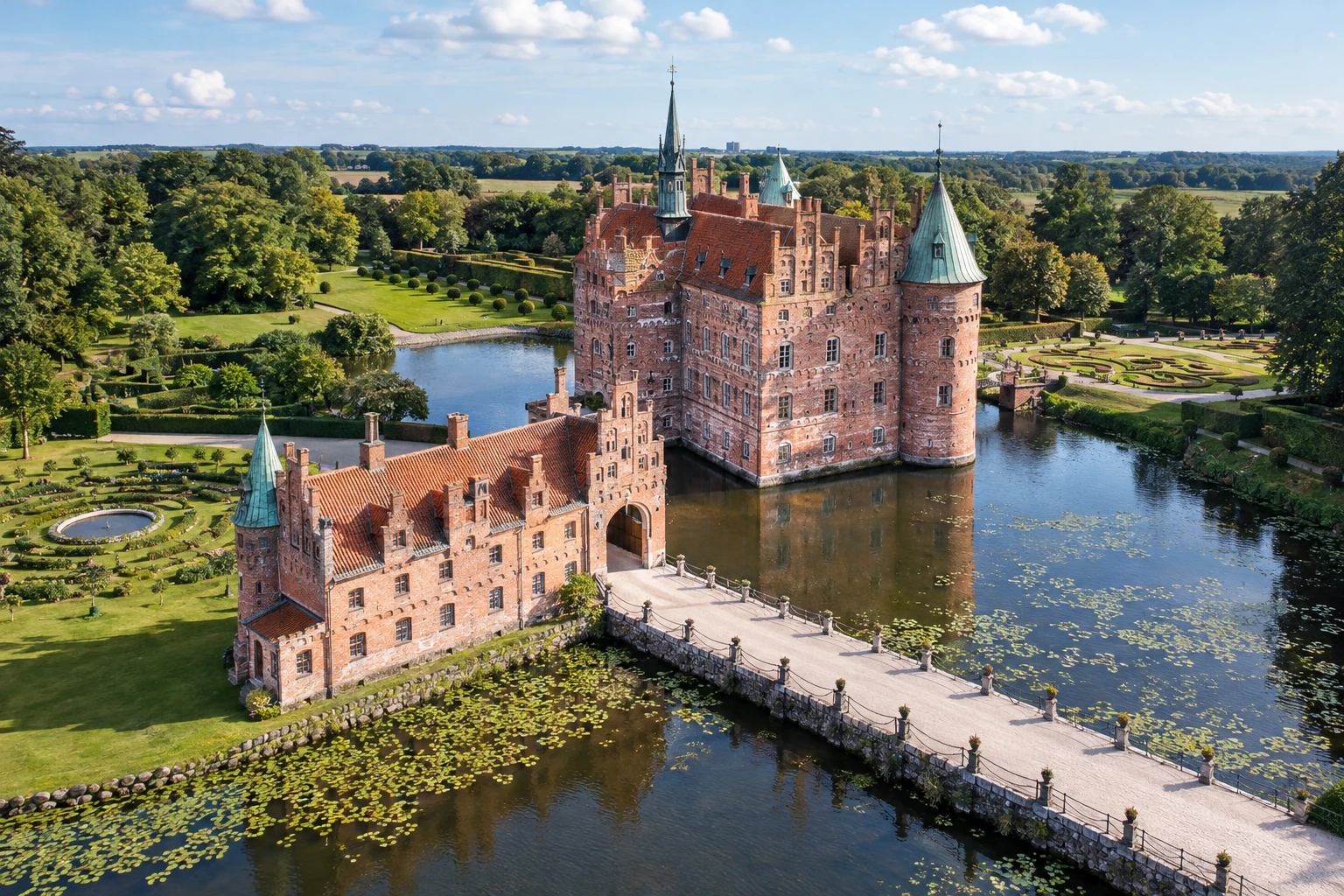
In the photo: Castelo de Egeskov

Illustrative images. The pictures in this guide are illustrations based on the real place, not photographs, and may differ from it.

Get it on Google Play

Get to know the place

A region to enjoy
at your own pace.

Funen (Fyn, in Danish) is the middle island of Denmark, connected to Zelândia by the Great Belt Bridge and to Jutlândia by two bridges over the Little Belt. Danes call it the "garden of Denmark" for its farms, orchards and manor houses scattered across the countryside. Odense, the island's capital and the country's third-largest city, lies in the centre, about 1h15 by train from Copenhagen.

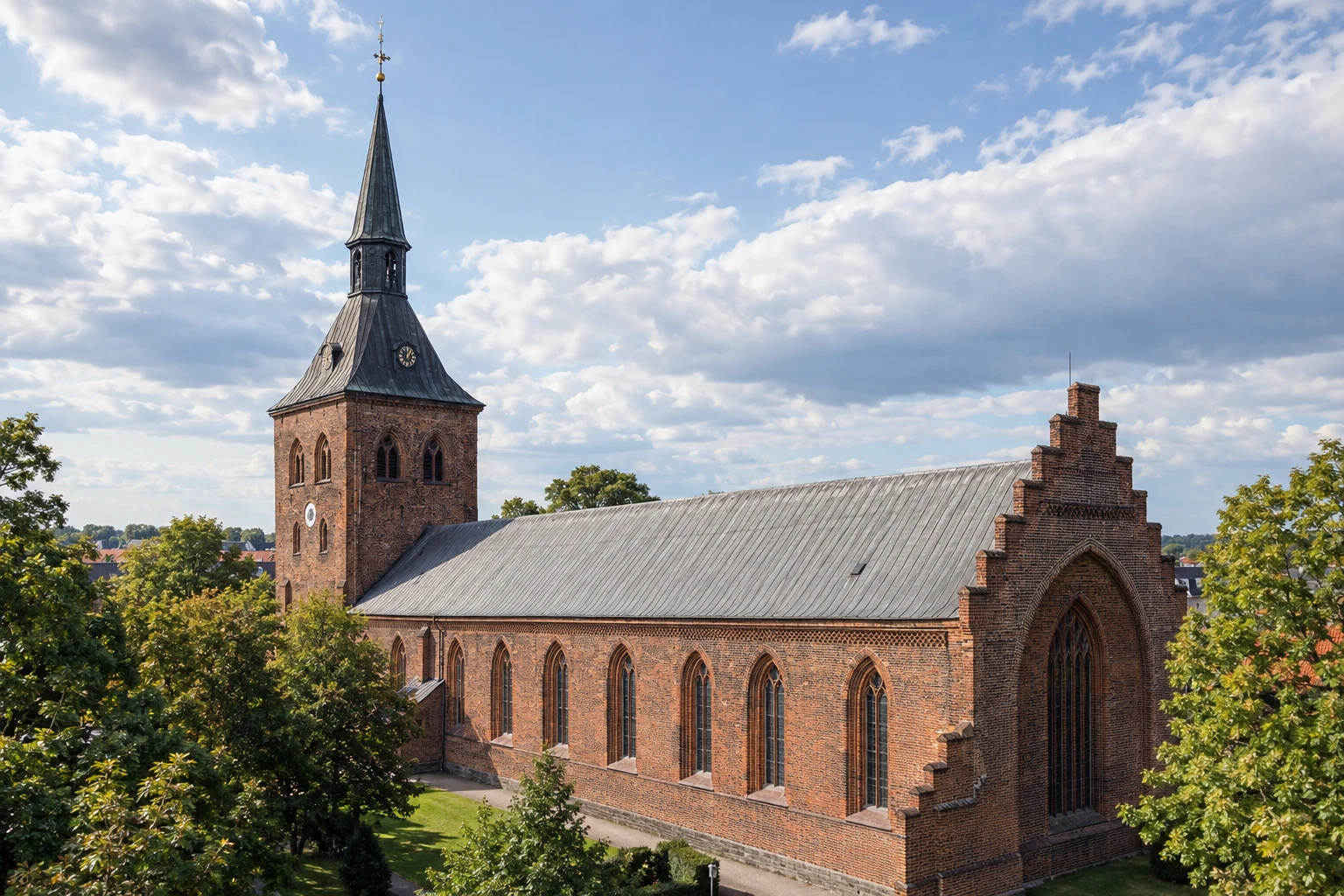
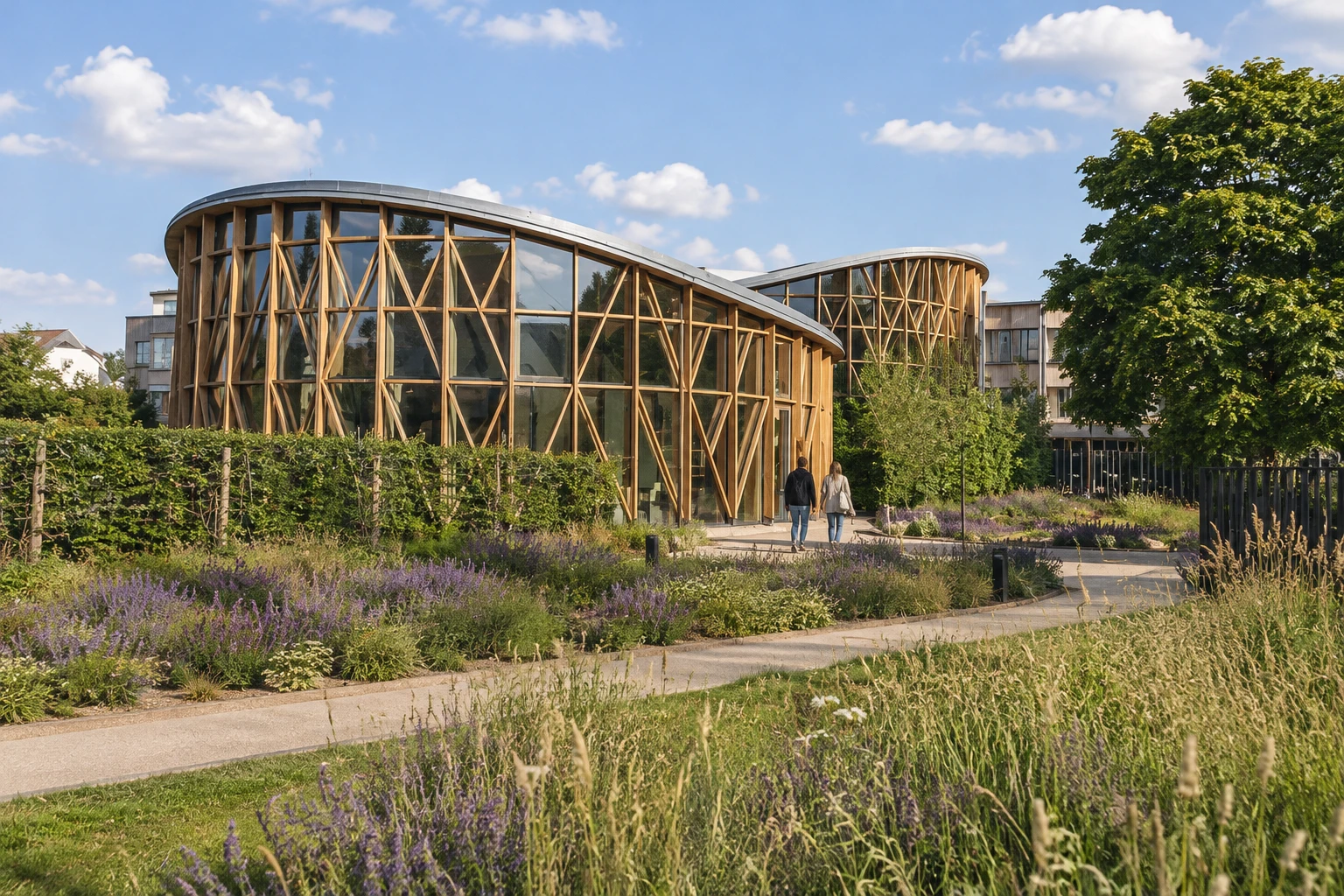
Odense is the birthplace of Hans Christian Andersen, born there in 1805. The H. C. Andersens Hus, a museum opened in 2021 designed by the Japanese architect Kengo Kuma, tells the life and tales of the writer in a largely underground building surrounded by gardens; nearby are his childhood home and the old cobbled-street quarter. The Catedral de São Canuto houses the remains of King Canute IV and a gilded 16th-century altarpiece, and the open-air museum Den Fynske Landsby recreates a Funen village from Andersen's time.

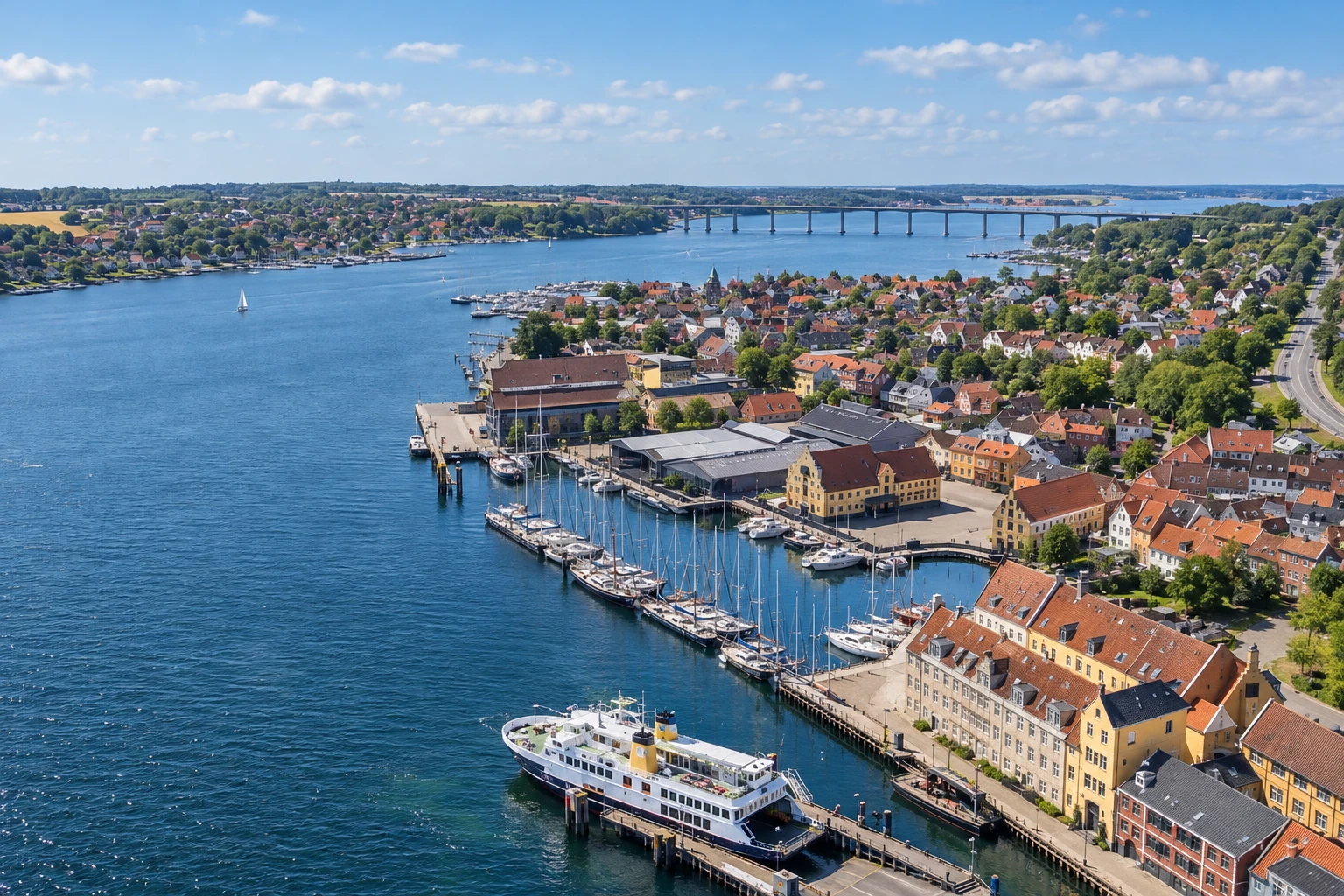
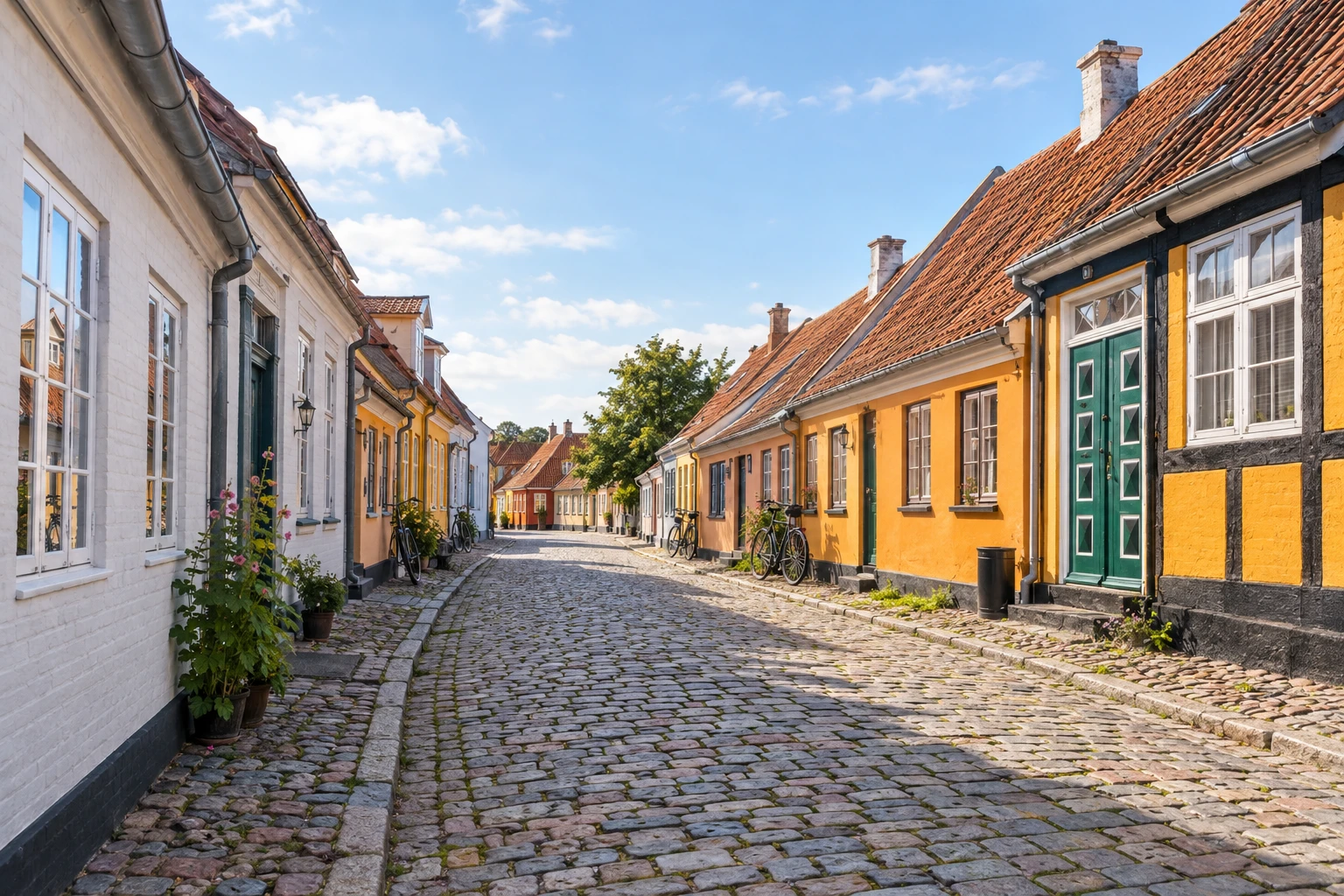
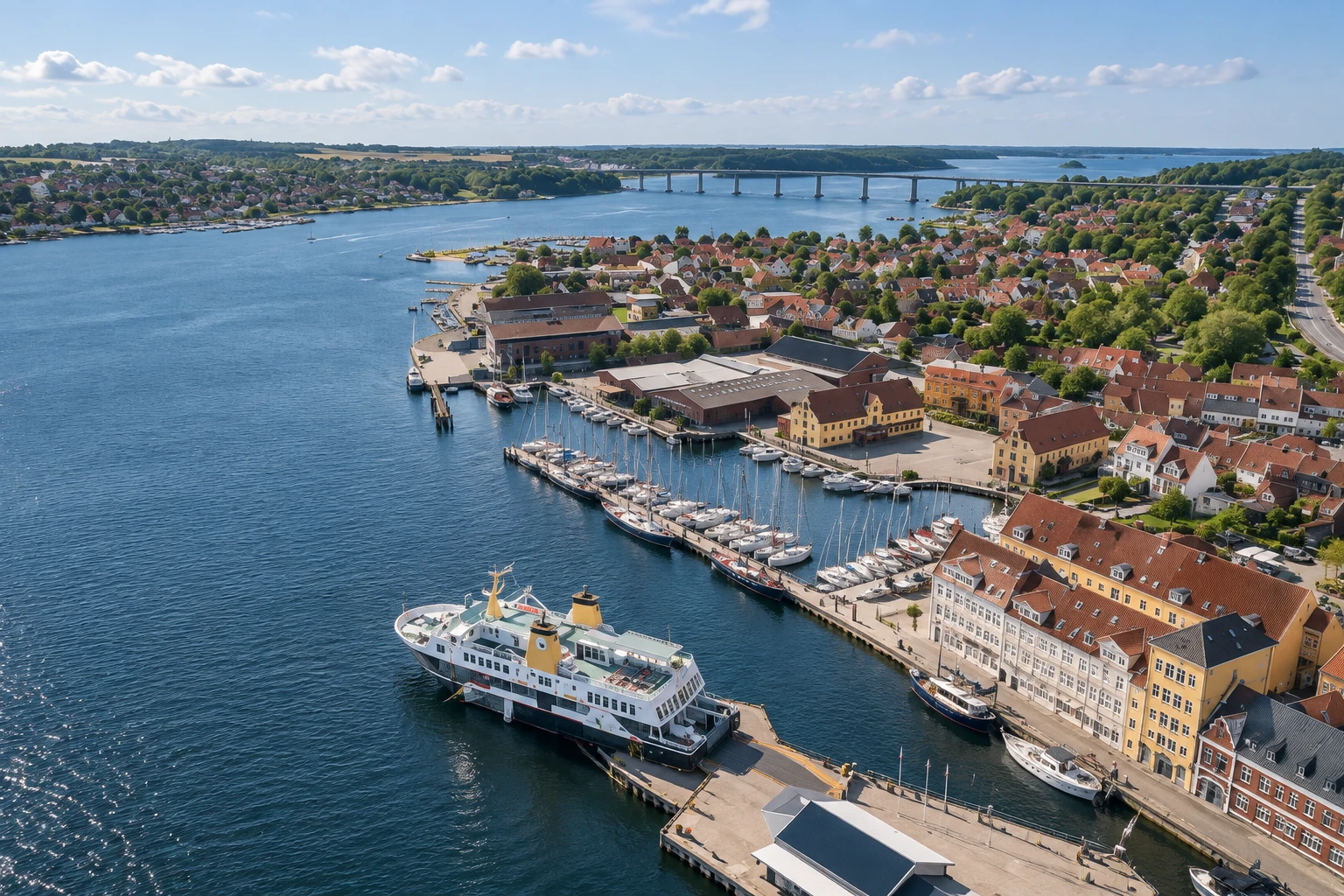
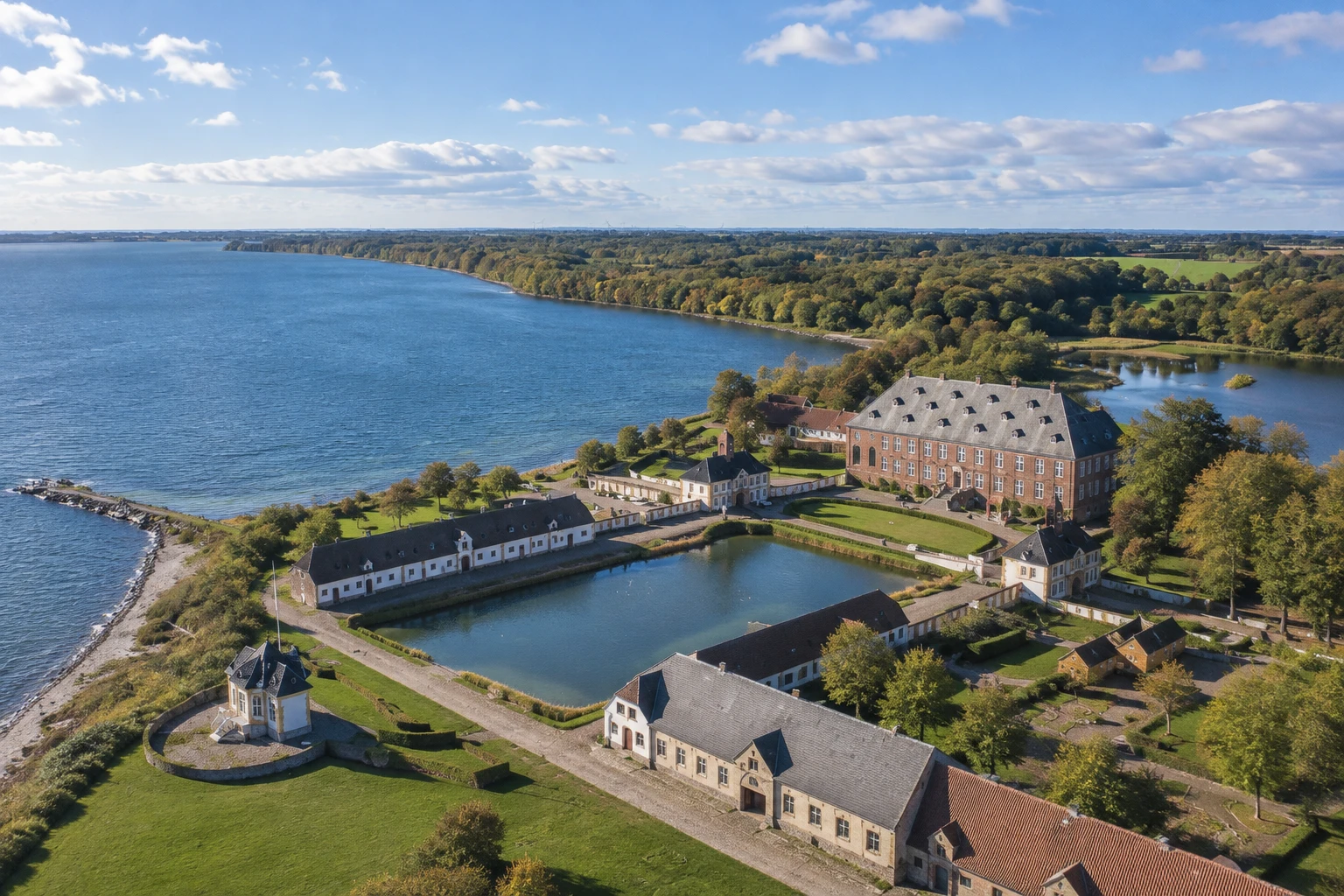
About 30 km to the south, the Castelo de Egeskov, dating from 1554, stands on oak piles in a lake and has gardens, mazes and museums. On the south coast, Svendborg is the gateway to Funen's southern archipelago: ferries run to the island of Ærø, with the village of Ærøskøbing and 18th-century half-timbered houses, and a bridge leads to Tåsinge, with the Castelo de Valdemar and the seafaring village of Troense.

For Brazilians, Funen works well as a stop between Copenhagen and Jutlândia by train. Odense is walkable and served by light rail; for Egeskov and the archipelago a car helps, but trains, buses and ferries reach most places. The island is flat and has signposted cycle routes.

This destination brings together 3 cities: Odense, Svendborg, Ærøskøbing.

Share: WhatsApp
Traveler, share your experiences through photos Up to 5 photos of each place you visited.

One destination, many paths

The cities on this trip

Start with one city or combine several in your itinerary.

Where Odense and Funen is The star marks the nearest capital, Hillerød.
HillerødOdenseSvendborgÆrøskøbing

Outlines: Web Vectors Map, via geoBoundaries (CC BY 4.0). Adapted by Cidade Turismo.

How to get there: Odense and Funen

Aeroporto de Copenhague (Københavns Lufthavn, Kastrup) (CPH), in Kastrup · 170 km to Odense

Connections from Brazil are usually via another city. Check before you buy. From Copenhagen the train reaches Odense in about 1h15, crossing the Great Belt Bridge; from Aarhus in about 1h30. From Odense the local train goes to Svendborg in roughly one hour. From Svendborg ferries sail to Ærø, and a bridge leads to Tåsinge.

Suggested arrival point: Odense

The local experience

Things to do in Odense and Funen

Odense · Southern Denmark · Museum

H.C. Andersen’s House

The Hans Christian Andersen museum opened in 2021, designed by Kengo Kuma, largely underground and surrounded by gardens. It includes the house believed to be the writer's birthplace and, a few streets away, his childhood home.

Explore H.C. Andersen’s House

Svendborg · Southern Denmark · Castle

Valdemar's Castle (Valdemars Slot)

The baroque manor house built from 1639 to 1644 by Christian IV for his son Valdemar Christian, on the island of Tåsinge at the edge of the Svendborgsund strait. Later given to Admiral Niels Juel, it contains reception rooms, a toy museum and a hunting collection.

Explore Valdemar's Castle (Valdemars Slot)

See 6 more places in Odense and Funen

To choose before you go

Tours in Odense and Funen

Where each tour starts, how long it takes, how it is done, what is included and the price range.

Andersen stories and the city of Odense

From Odense and Funen On foot, with transport to the start when needed Half a day or a full day, depending on stops during the day

Spend time at H. C. Andersens Hus and also time exploring the central streets and St. Canute’s Cathedral. The museum visit has its own pace and may require booking. Den Fynske Landsby adds another setting, depending on the season, and requires travel outside the center.

Stops: H. C. Andersens Hus, Sankt Knuds Kirke.

Castle and gardens at Egeskov

From Odense and Funen On foot, with transport to the start when needed Half a day or a full day, depending on stops during the day

Go to the Kværndrup area to visit Egeskov and its gardens. Arrange transport to the castle address; it is not in central Odense. Allocate time between the building and the outdoor areas according to the ticket and the season.

Stops: Egeskov Slot.

Crossing to Ærø

From Odense and Funen On foot, with transport to the start when needed Half a day or a full day, depending on stops during the day

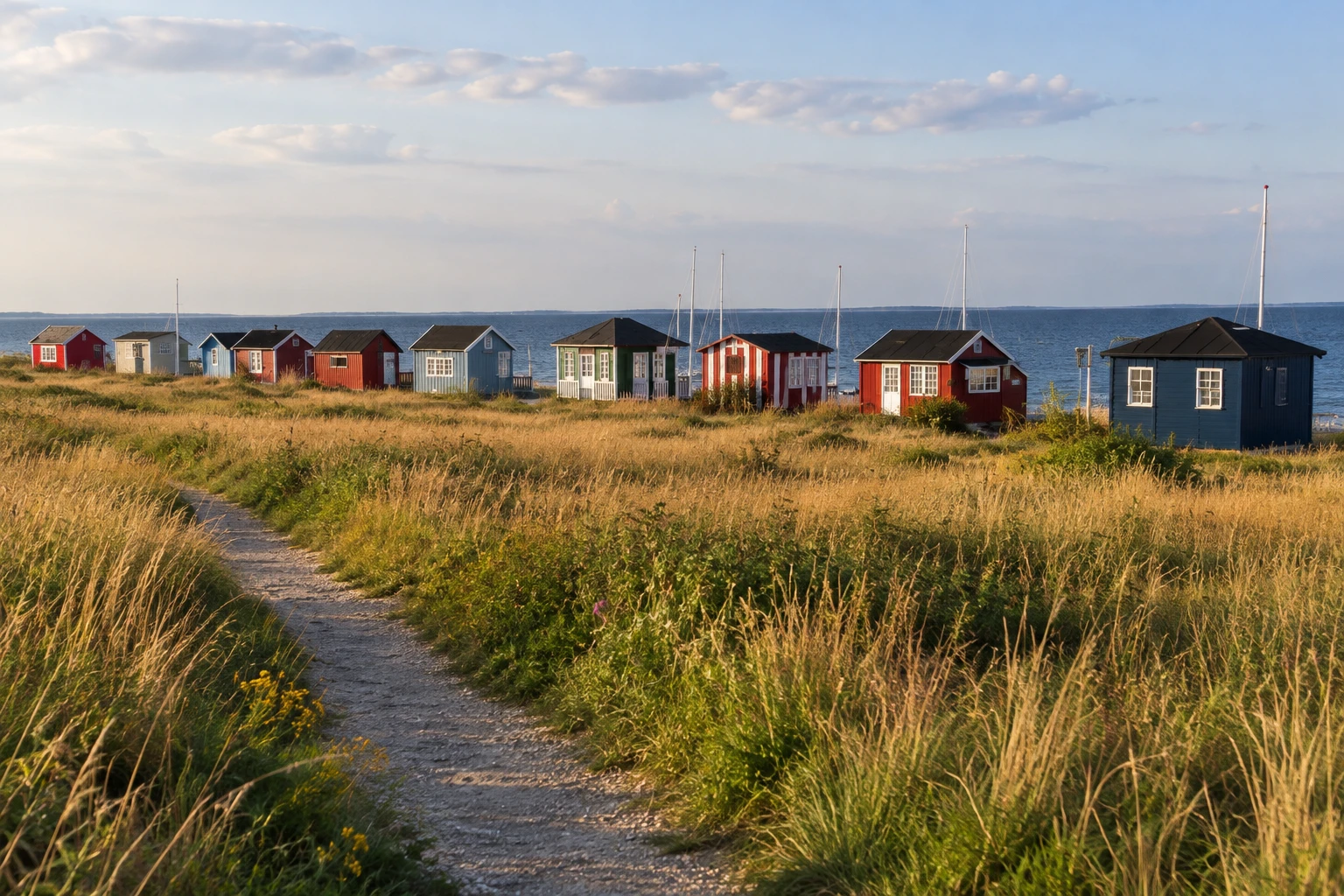
Board at Svendborg for Ærøskøbing and walk the streets near the harbor. Vesterstrand lets you view the bathing houses by the beach. Voderup Klint is on another part of the island; include it only if transport and ferry return are compatible, or with an overnight stay.

Stops: Ærøskøbing, Vesterstrand, Voderup Klint.

Day by day

1, 2 and 3-day itinerary in Odense and Funen

Suggestions to plan the trip. Change the order of the days according to the weather and tour availability.

1 day · Odense and Funen in 1 day

For For those who want to spread out visits and travel from a base. · Based in Odense and Funen
  1. Day 1 · Day 1: Andersen Museum

    Odense: H. C. Andersen's House, the cathedral, and the streets of the historic center.

2 days · Odense and Funen in 2 days
For For those who want to spread out visits and travel from a base. · Based in Odense and Funen
  1. Day 1 · Day 1: Andersen Museum

    Odense: H. C. Andersen's House, the cathedral, and the streets of the historic center.

  2. Day 2 · Day 2: Egeskov Gardens

    Egeskov and touring the island of Funen, reserving part of the day for the gardens.

3 days · Odense and Funen in 3 days
For For those who want to spread out visits and travel from a base. · Based in Odense and Funen
  1. Day 1 · Day 1: Andersen Museum

    Odense: H. C. Andersen's House, the cathedral, and the streets of the historic center.

  2. Day 2 · Day 2: Egeskov Gardens

    Egeskov and touring the island of Funen, reserving part of the day for the gardens.

  3. Day 3 · Day 3: Crossings and Ærø coast

    Svendborg and crossing to Ærøskøbing, with a choice of urban walk or Vesterstrand depending on the ferry schedules.

Best time to go

When to go: Odense and Funen month by month

From May to September days are usually long and it's the season for Egeskov, Den Fynske Landsby and the archipelago boats, with more departures. In August Odense usually hosts the H. C. Andersen festival. April and October are cool and quieter. In winter, from November to March, it's cold, ferries run less often and several countryside attractions close; check before you go.

The seasons shown are the most usual ones; nature doesn't always follow the calendar.

January Some rain

winter

For a trip to Odense and Funen, winter usually brings persistent cold and few hours of daylight, unlike Brazilian summer. In Odense and Funen, plan the day around the Andersen museum. As a national reference for 1991–2020, the averages of the lows and highs are -0.7 °C and 3.6 °C; monthly precipitation is 65.3 mm.

February Some rain

winter

For a trip to Odense and Funen, February is still cold with short days; the trip calls for more indoor activities. In Odense and Funen, plan the day around the Egeskov gardens. As a national reference for 1991–2020, the averages of the lows and highs are -0.9 °C and 3.7 °C; monthly precipitation is 50.3 mm.

March Some rain

spring

For a trip to Odense and Funen, spring begins in March, but cold often continues and daylight increases gradually. In Odense and Funen, plan the day around crossings and the Ærø coast. As a national reference for 1991–2020, the averages of the lows and highs are 0.3 °C and 6.4 °C; monthly precipitation is 46.4 mm.

April Some rain

spring

For a trip to Odense and Funen, April often alternates cool air and rain, with more daylight hours for walking. In Odense and Funen, plan the day around the Andersen museum. As a national reference for 1991–2020, the averages of the lows and highs are 3.4 °C and 11.2 °C; monthly precipitation is 38.5 mm.

May Some rain

spring

For a trip to Odense and Funen, May usually brings milder spring weather and long days, in a season inverted compared with Brazil. In Odense and Funen, plan the day around the Egeskov gardens. As a national reference for 1991–2020, the averages of the lows and highs are 7.1 °C and 15.6 °C; monthly precipitation is 47.3 mm.

June Some rain

summer

For a trip to Odense and Funen, June usually brings mild summer weather and very long days; wind may still require an extra layer of clothing. In Odense and Funen, plan the day around crossings and the Ærø coast. As a national reference for 1991–2020, the averages of the lows and highs are 10.4 °C and 18.5 °C; monthly precipitation is 64.3 mm.

July Some rain

summer

For a trip to Odense and Funen, July is usually among the mildest months, with lots of daylight and possible rain during outings. In Odense and Funen, plan your day around the Andersen museum. As a national reference for 1991–2020, the averages of the lows and highs are 12.7 °C and 21.2 °C; monthly precipitation is 65.8 mm.

August Some rain

summer

For a trip to Odense and Funen, August usually keeps days mild and long, although daylight duration already starts to shorten. In Odense and Funen, plan your day around the Egeskov gardens. As a national reference for 1991–2020, the averages of the lows and highs are 12.8 °C and 21.2 °C; monthly precipitation is 82.1 mm.

September Some rain

autumn

For a trip to Odense and Funen, September usually marks the transition to autumn, with cool air and shortening days. In Odense and Funen, plan your day around crossings and the coast of Ærø. As a national reference for 1991–2020, the averages of the lows and highs are 10.1 °C and 17.2 °C; monthly precipitation is 74.7 mm.

October Some rain

autumn

For a trip to Odense and Funen, October usually has a cooler, wetter autumn; spread outdoor routes into the daylight hours. In Odense and Funen, plan the day around the Andersen museum. As a national reference for 1991–2020, the averages of the lows and highs are 6.4 °C and 12.3 °C; monthly precipitation is 83.2 mm.

November Some rain

autumn

For a trip to Odense and Funen, November is typically cold and dim; the long winter already affects travel. In Odense and Funen, plan the day around the Egeskov gardens. As a national reference for 1991–2020, the averages of the lows and highs are 3.1 °C and 7.6 °C; monthly precipitation is 70.3 mm.

December Some rain

winter

For a trip to Odense and Funen, December usually brings cold winter conditions and very short days, in contrast with summer in Brazil. In Odense and Funen, plan the day around crossings and the Ærø coast. As a national reference for 1991–2020, the averages of the lows and highs are 0.4 °C and 4.7 °C; monthly precipitation is 70.9 mm.


Plan the journey

How to get there: Odense and Funen

From Brazil to the region

Connections with Brazil usually involve a layover in another city. Confirm before booking. From Copenhagen, continue by train to Odense. Svendborg has a rail connection on the island of Funen; for Ærøskøbing, continue by ferry from Svendborg.

Getting around from Odense and Funen

Odense and Svendborg allow urban routes on foot. Egeskov is outside Odense, in the Kværndrup area. Ærø requires a crossing and local transport to Voderup.

Before you go

Practical information

A little planning leaves more time to enjoy the journey.

When to go

From May to September days are usually long and it's the season for Egeskov, Den Fynske Landsby and the archipelago boats, with more departures. In August Odense usually hosts the H. C. Andersen festival. April and October are cool and quieter. In winter, from November to March, it's cold, ferries run less often and several countryside attractions close; check before you go.

The seasons shown are the most usual ones; nature doesn't always follow the calendar.

How many days to stay

Two days are enough for Odense, including the H. C. Andersen museum, the cathedral and Den Fynske Landsby, plus an afternoon at Egeskov. With three or four days you can stay in Svendborg and visit Tåsinge, Troense and take the ferry to Ærøskøbing.

Which city to stay in

In Odense, the centre between the station and the cathedral makes the H. C. Andersen museum and the old quarter walkable. In Svendborg hotels are near the harbour and station, with ferries to the islands. In Ærøskøbing there are guesthouses in old houses for those who want to stay on the island. In the countryside manor houses and farms host guests.

Respect the place

Take your trash with you, follow the signs and support local businesses. In natural areas, follow the visiting guidelines.

Beyond the guide

Your questions

Frequently asked questions about Odense and Funen

Is Odense worth a stop between Copenhagen and Aarhus?

Yes. It's halfway, about 1h15 by train from Copenhagen, and the H. C. Andersen museum and the old centre fit into one day.

How to get to Castelo de Egeskov without a car?

By train from Odense to Kværndrup on the line to Svendborg, and from there about a 2 km walk or a taxi. Check the timetables.

How many days to allow for Funen?

Two for Odense and Egeskov; three or four including Svendborg, Tåsinge and the island of Ærø.

Do you need a car in Funen?

Not for Odense and Svendborg. A car makes visiting Egeskov, manor houses and rural villages easier, but train, bus and ferry reach the main places.

Can you visit Ærø in a day?

Yes, the ferry from Svendborg takes about 1h15 to Ærøskøbing. Spending a night on the island makes the trip more relaxed.

Explore other destinations Search by state and city