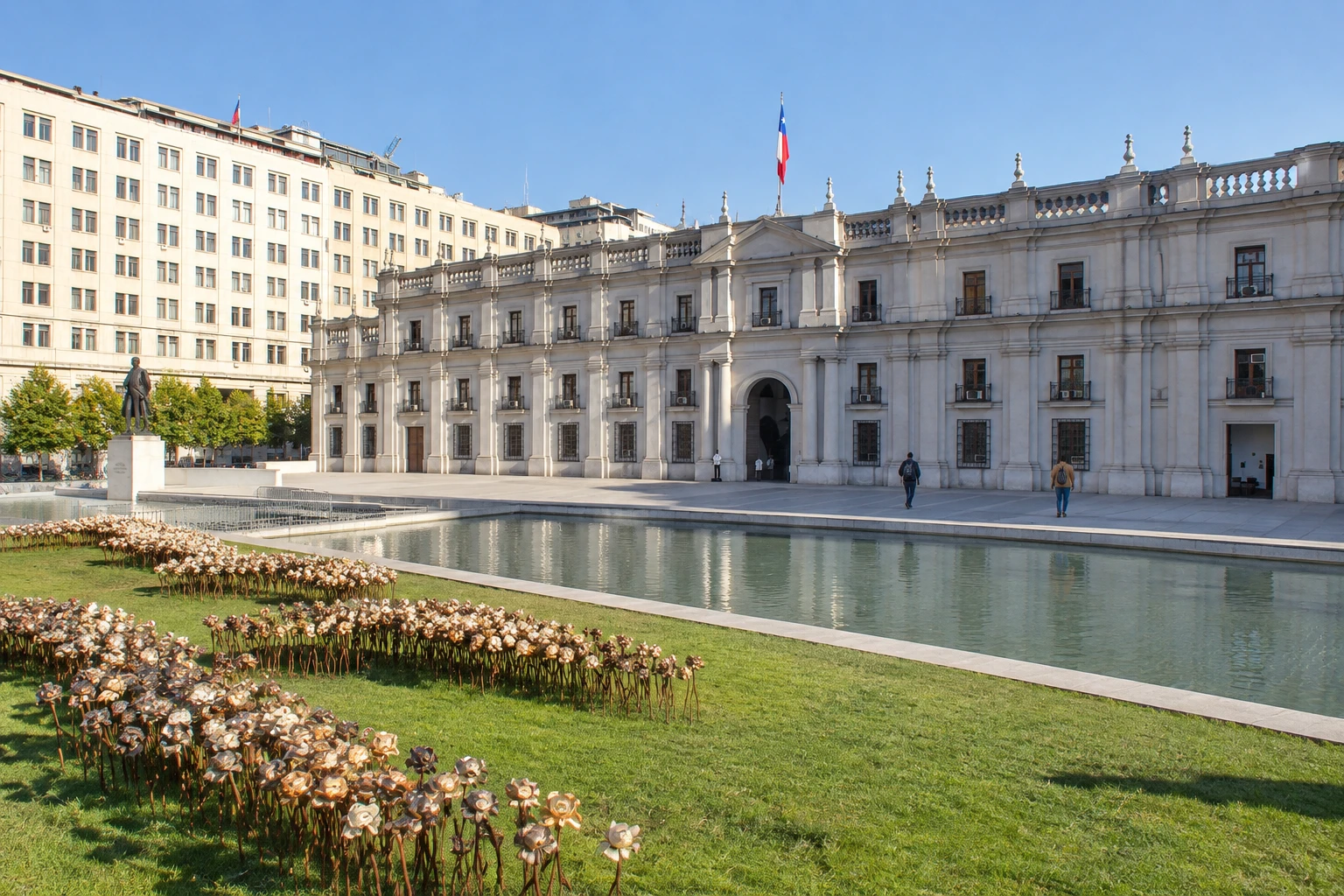
La Moneda PalaceSeat of the Presidency of Chile, in neoclassical style, designed by Joaquín Toesca to serve as the colonial mint.
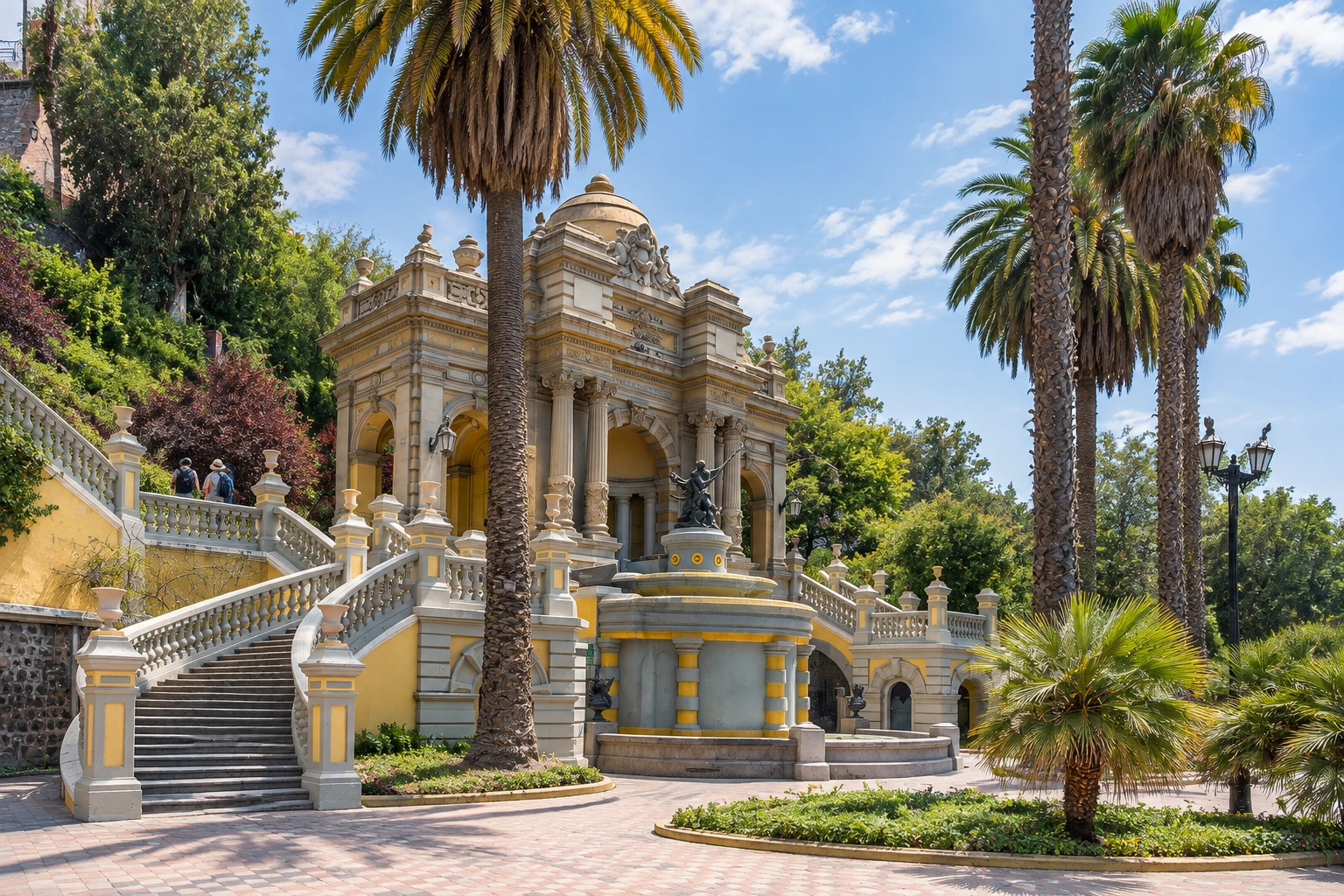
Santa Lucía HillHill in the middle of the city center, where Santiago was founded.
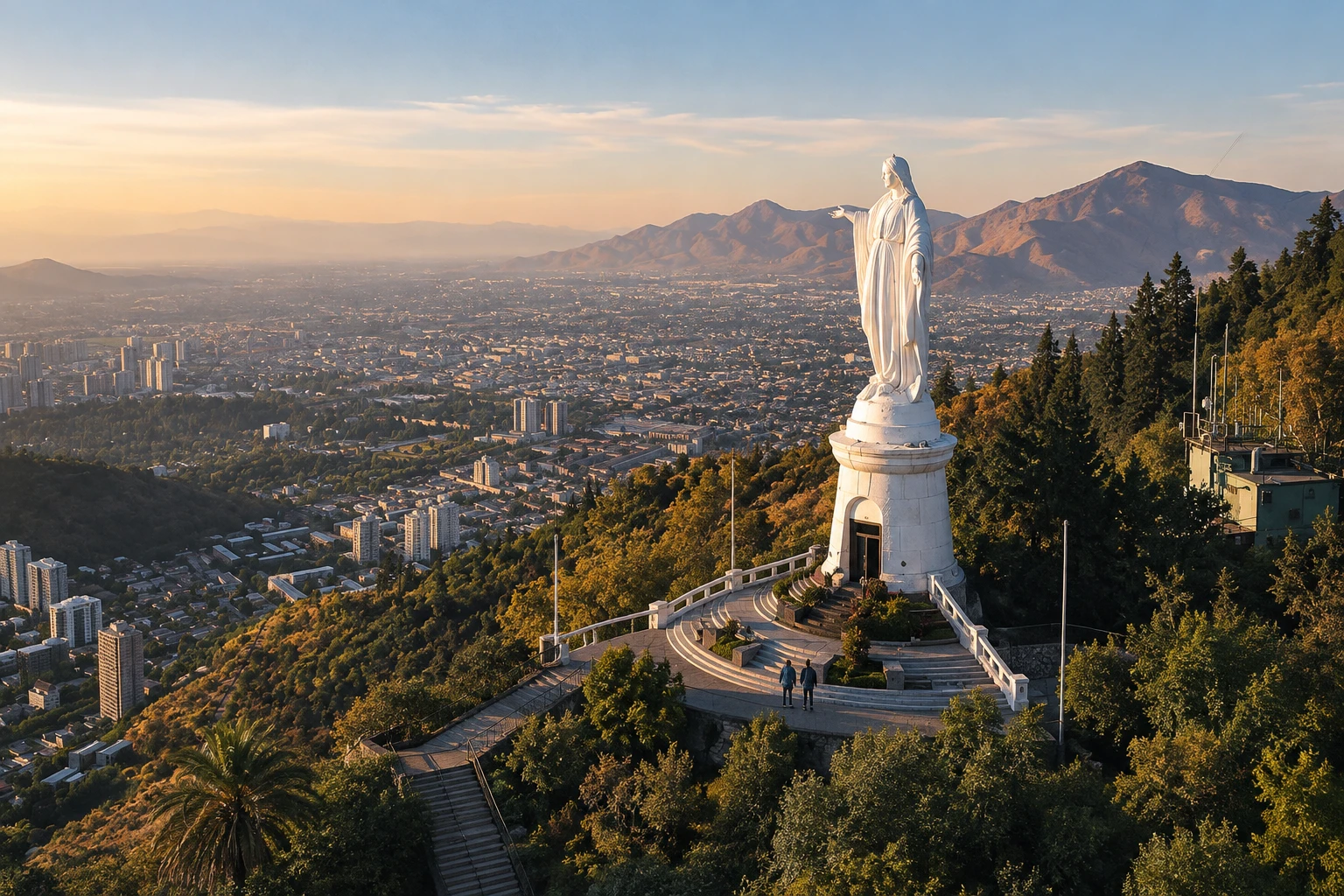
San Cristóbal HillThe large green hill of Santiago, the heart of the Parque Metropolitano.
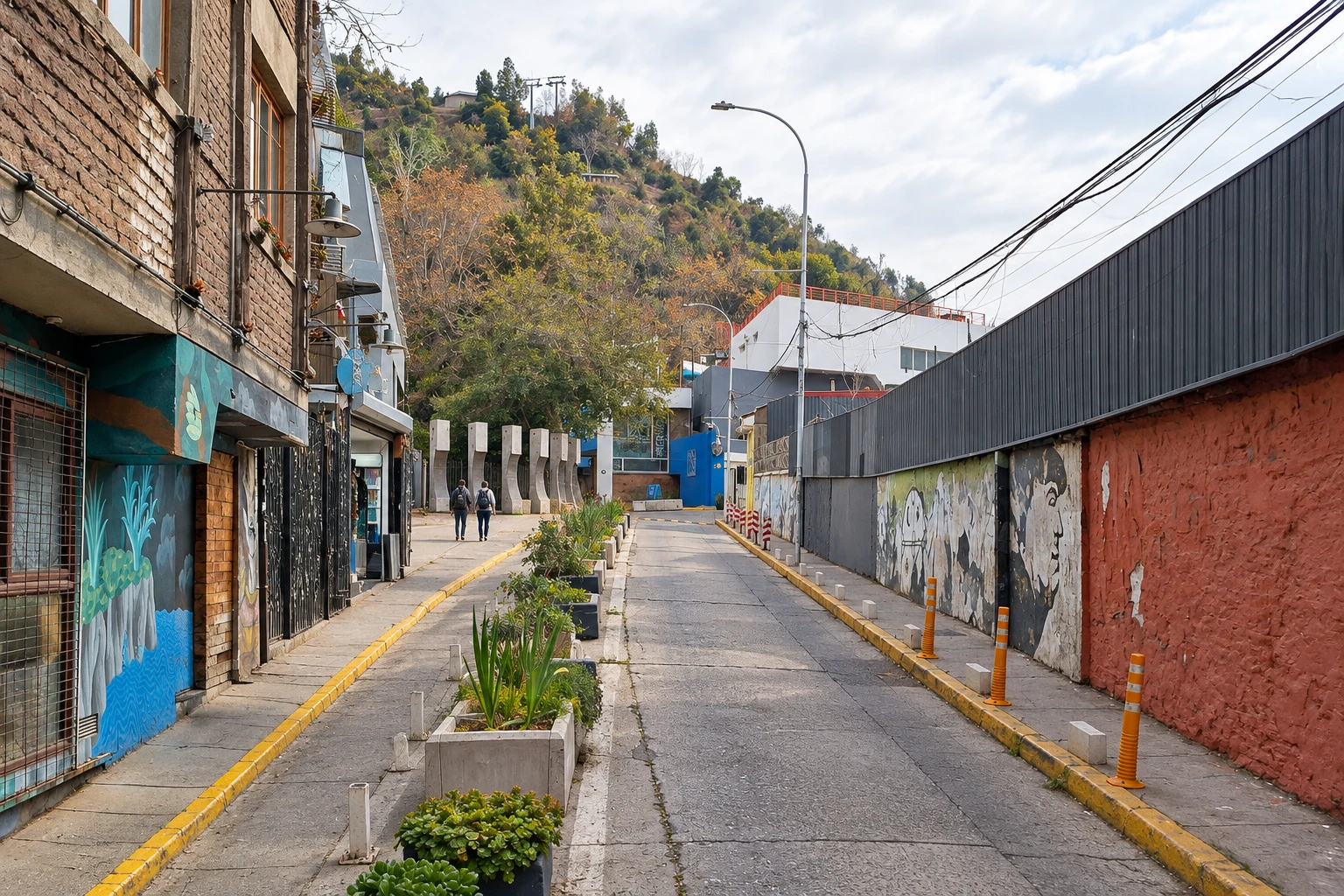
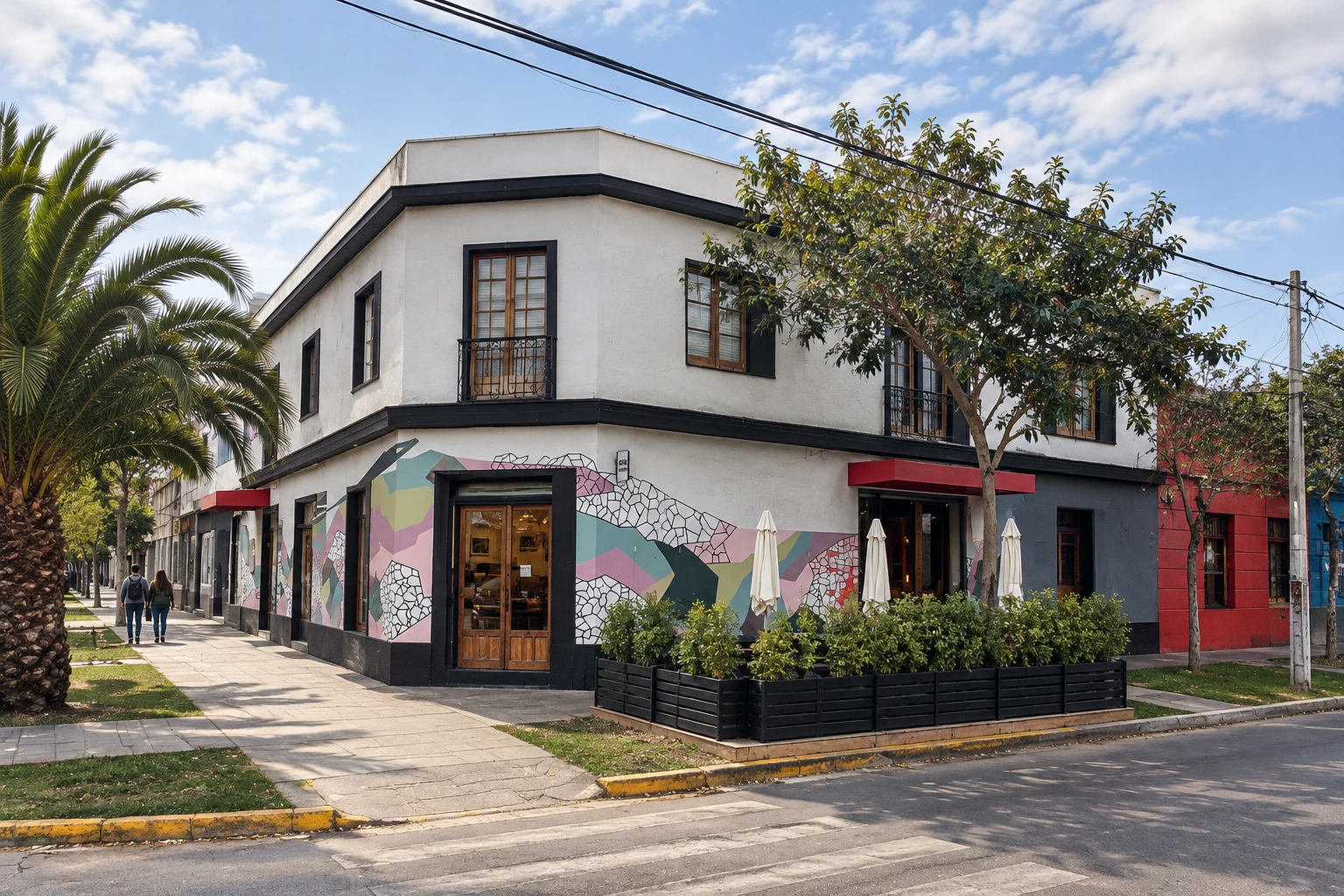
Barrio BellavistaNeighborhood of colorful houses between the Mapocho River and Cerro San Cristóbal, with graffiti-covered walls, studios, theaters, bars and restaurants.
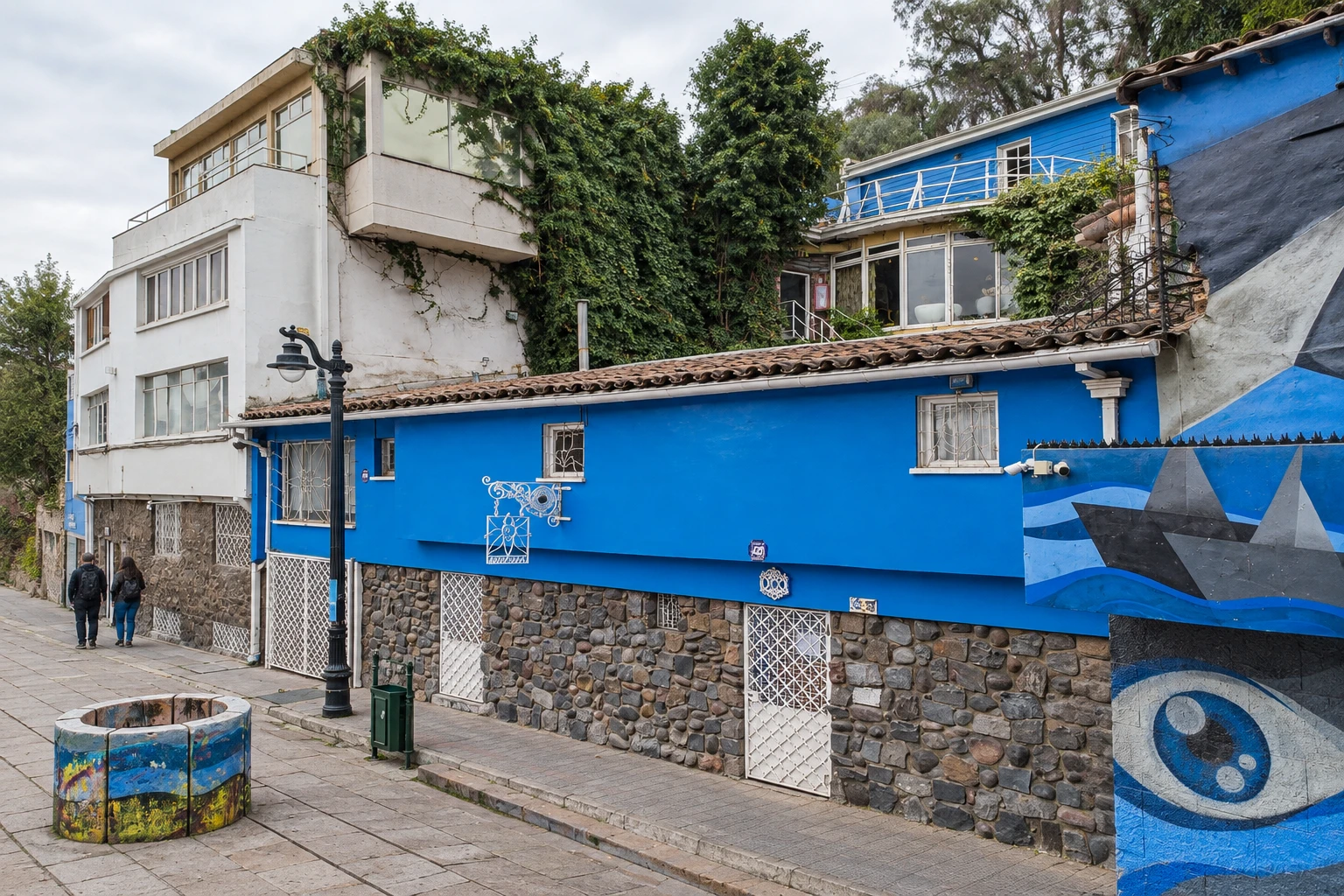
La ChasconaPablo Neruda's house in Bellavista, built in terraces on the slope of Cerro San Cristóbal.
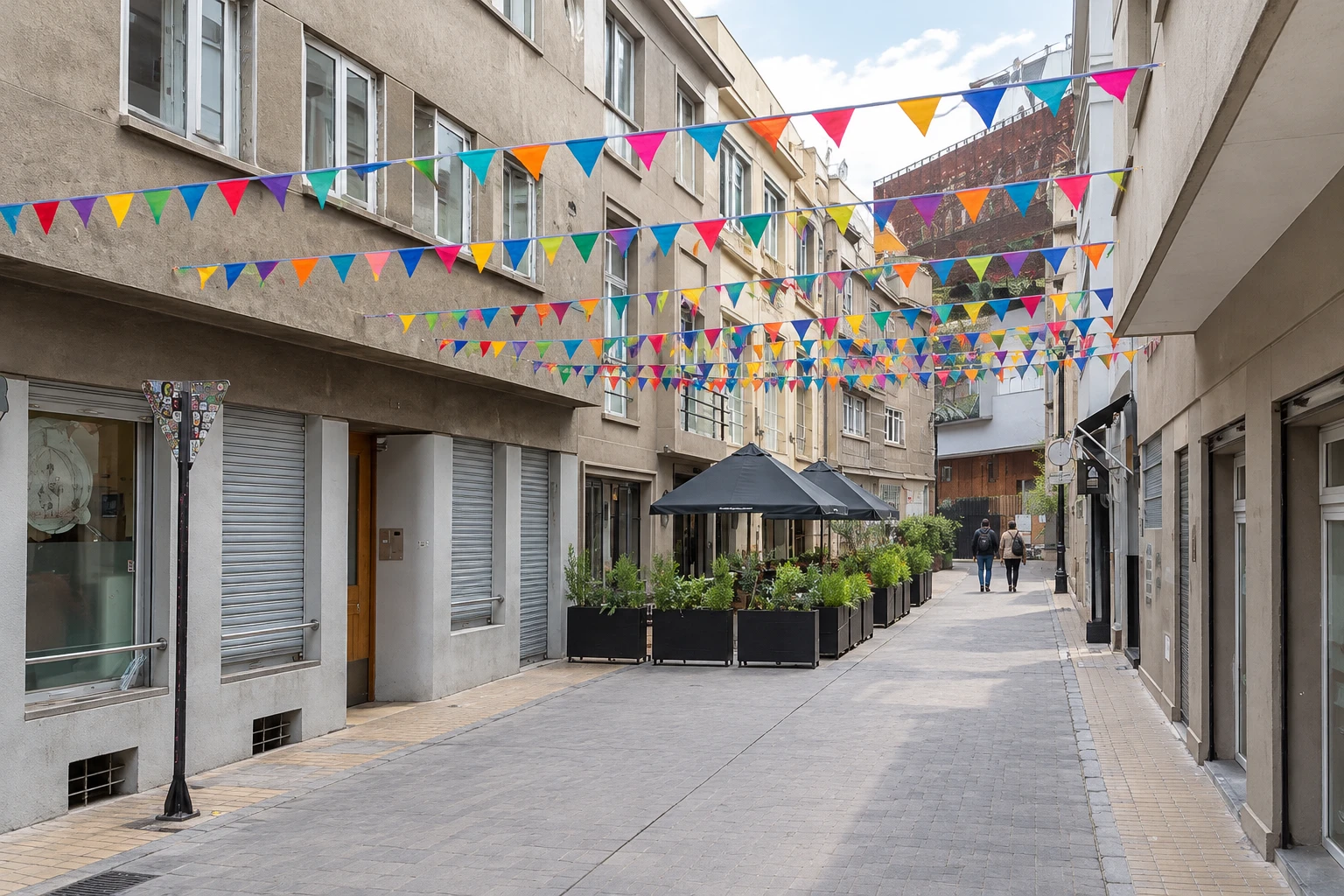
Barrio LastarriaBlocks of old houses and cobblestone streets between Cerro Santa Lucía and Parque Forestal, with bookstores, cafés, cinemas, galleries and the Centro Cultural Gabriela Mistral.
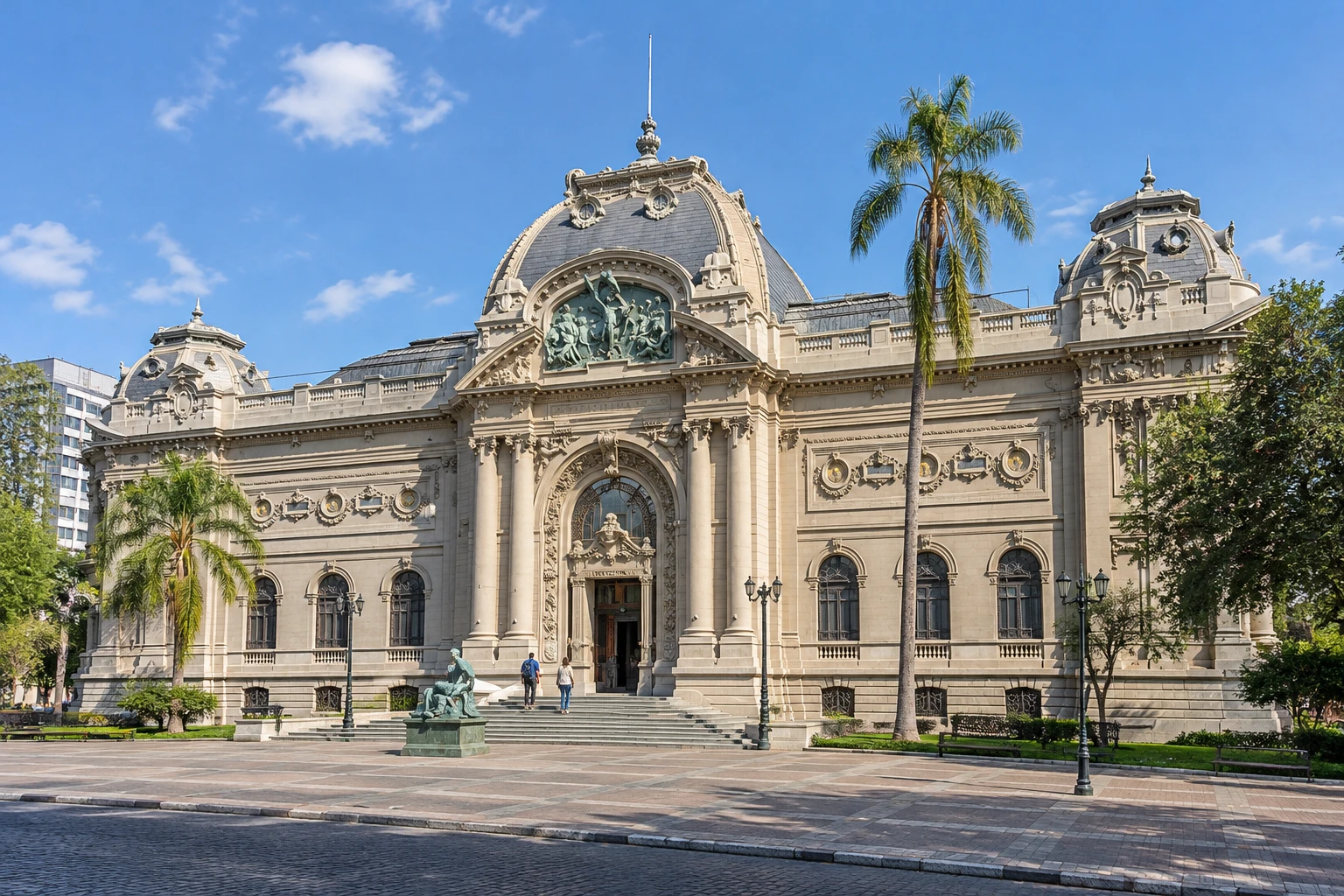
Chilean National Museum of Fine ArtsThe first art museum in South America, founded in 1880, housed in a 1910 palace with a glass dome, inside Parque Forestal.
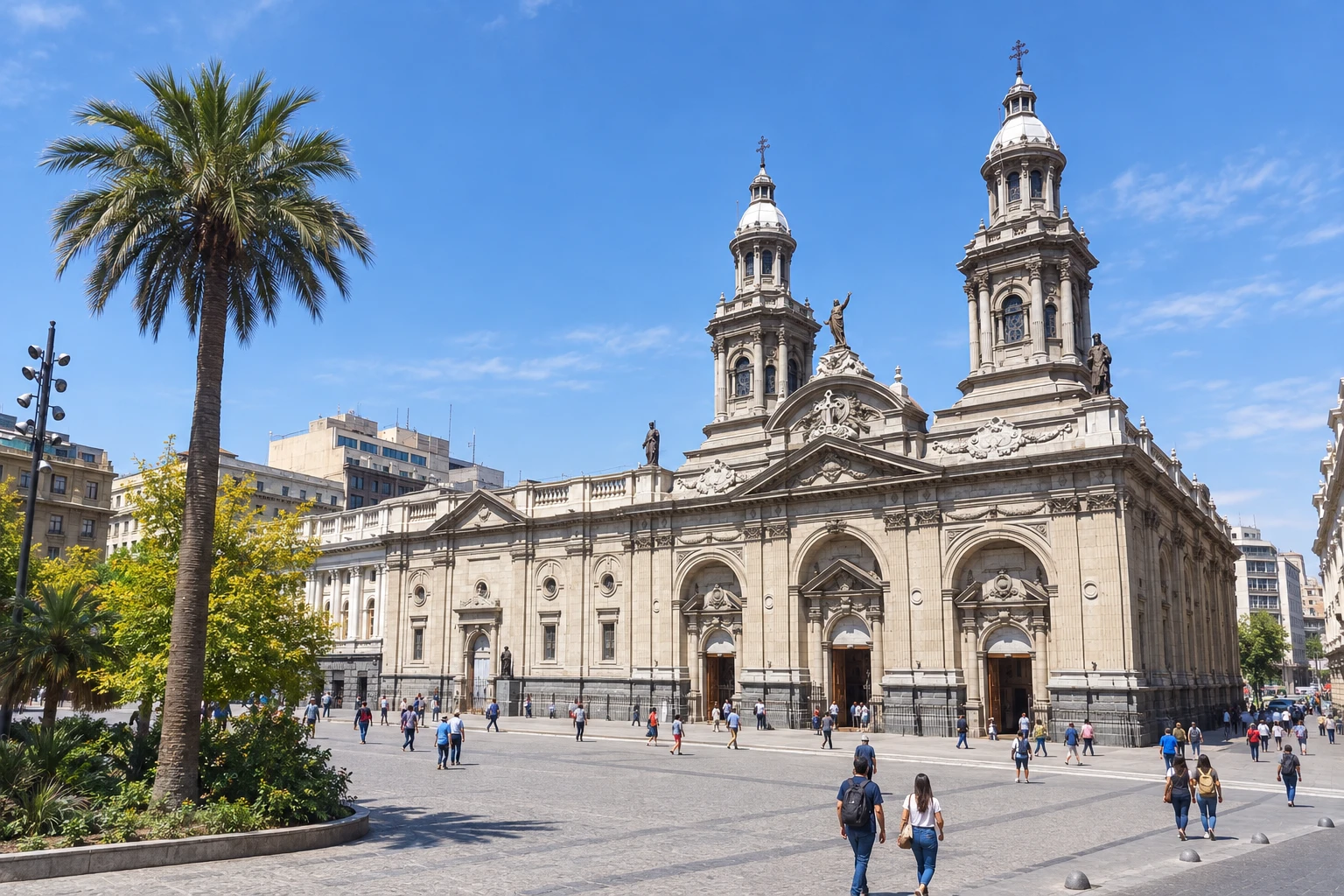
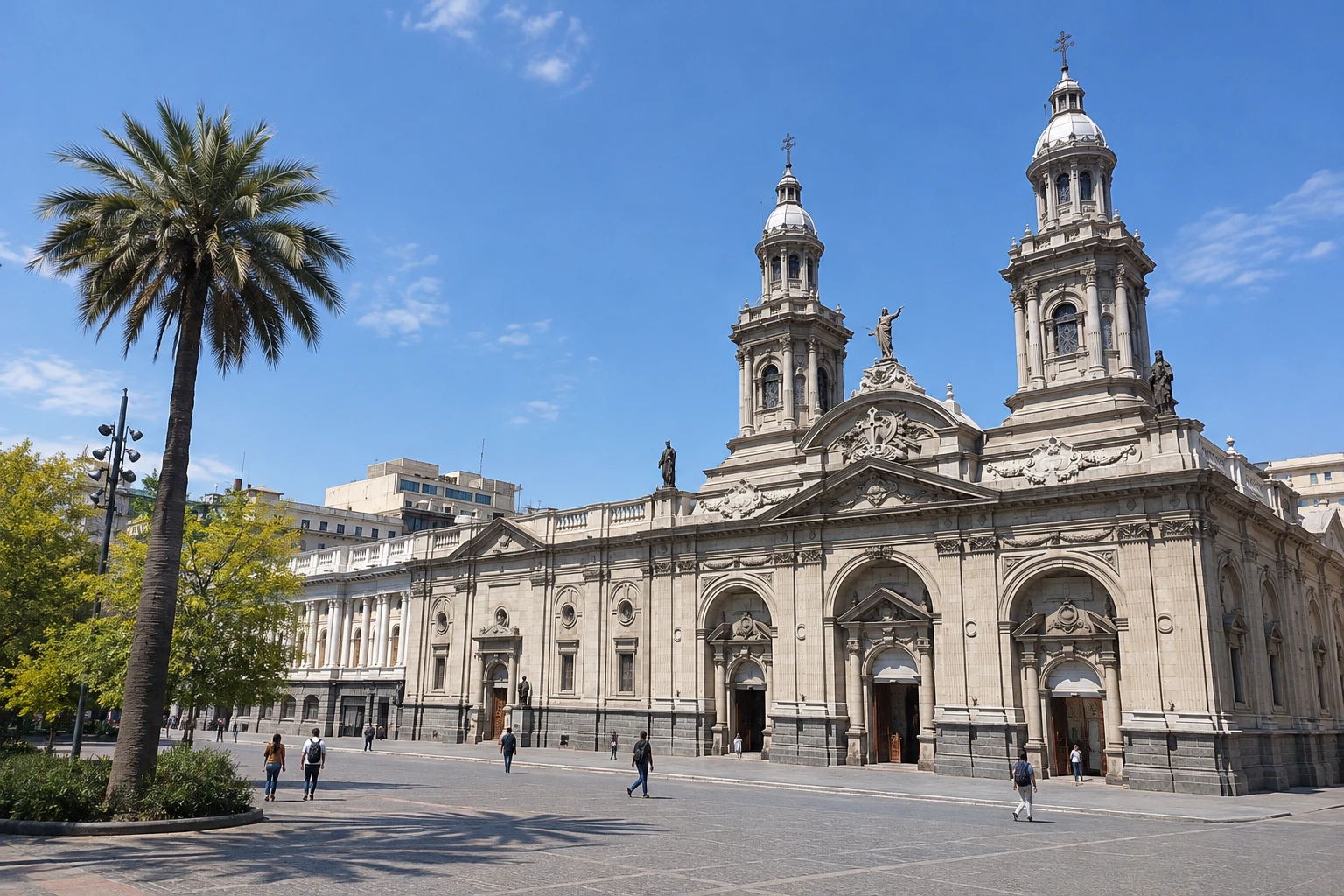
Santiago's zero point, laid out in 1541. Around it are the Catedral Metropolitana, the Correo Central and the municipal headquarters; in the middle, palm trees, benches, street painters and chess players.
Seat of the Presidency of Chile, in neoclassical style, designed by Joaquín Toesca to serve as the colonial mint. Under the southern plaza is the Centro Cultural La Moneda, with art and history exhibitions.
Hill in the middle of the city center, where Santiago was founded. Stairways, fountains, terraces and the Castillo Hidalgo lead up to the summit viewpoint, with views over the city and the mountain range.
The large green hill of Santiago, the heart of the Parque Metropolitano. A funicular and cable cars climb to the sanctuary of the Virgin, with wide views of the city and the mountain range; along the way are swimming pools, gardens and trails.
Neighborhood of colorful houses between the Mapocho River and Cerro San Cristóbal, with graffiti-covered walls, studios, theaters, bars and restaurants. It is the starting point of the funicular and the location of La Chascona.
Pablo Neruda's house in Bellavista, built in terraces on the slope of Cerro San Cristóbal. It preserves the poet's collections, furniture and objects related to the sea, as well as a portrait of Matilde Urrutia painted by Diego Rivera.
Blocks of old houses and cobblestone streets between Cerro Santa Lucía and Parque Forestal, with bookstores, cafés, cinemas, galleries and the Centro Cultural Gabriela Mistral.
The first art museum in South America, founded in 1880, housed in a 1910 palace with a glass dome, inside Parque Forestal. It brings together Chilean painting and sculpture from the colonial period to the 20th century.
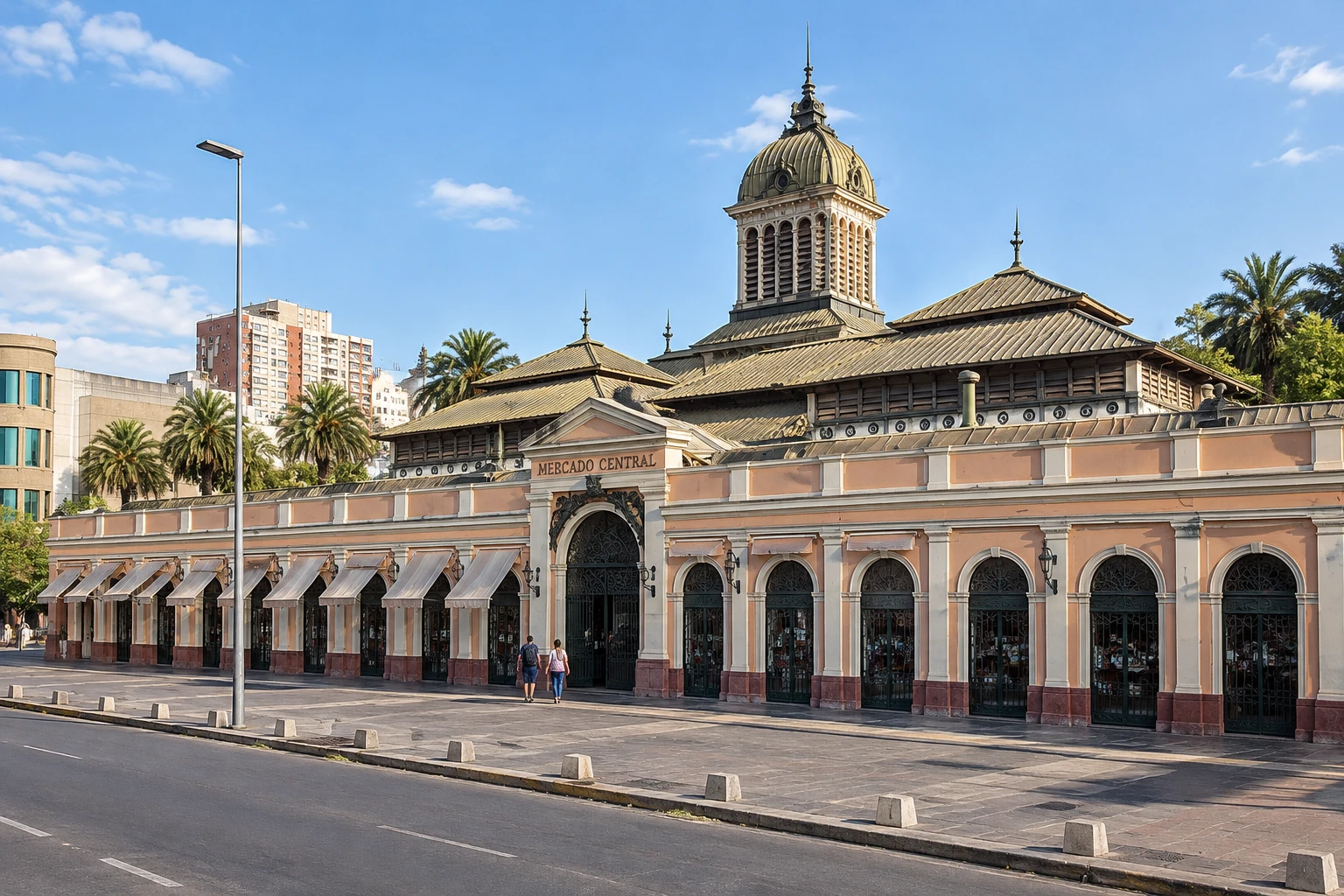
Market from 1872 with a cast-iron structure brought from Scotland. Fish and seafood stalls share the space with restaurants that serve caldillo de congrio, paila marina and machas a la parmesana.
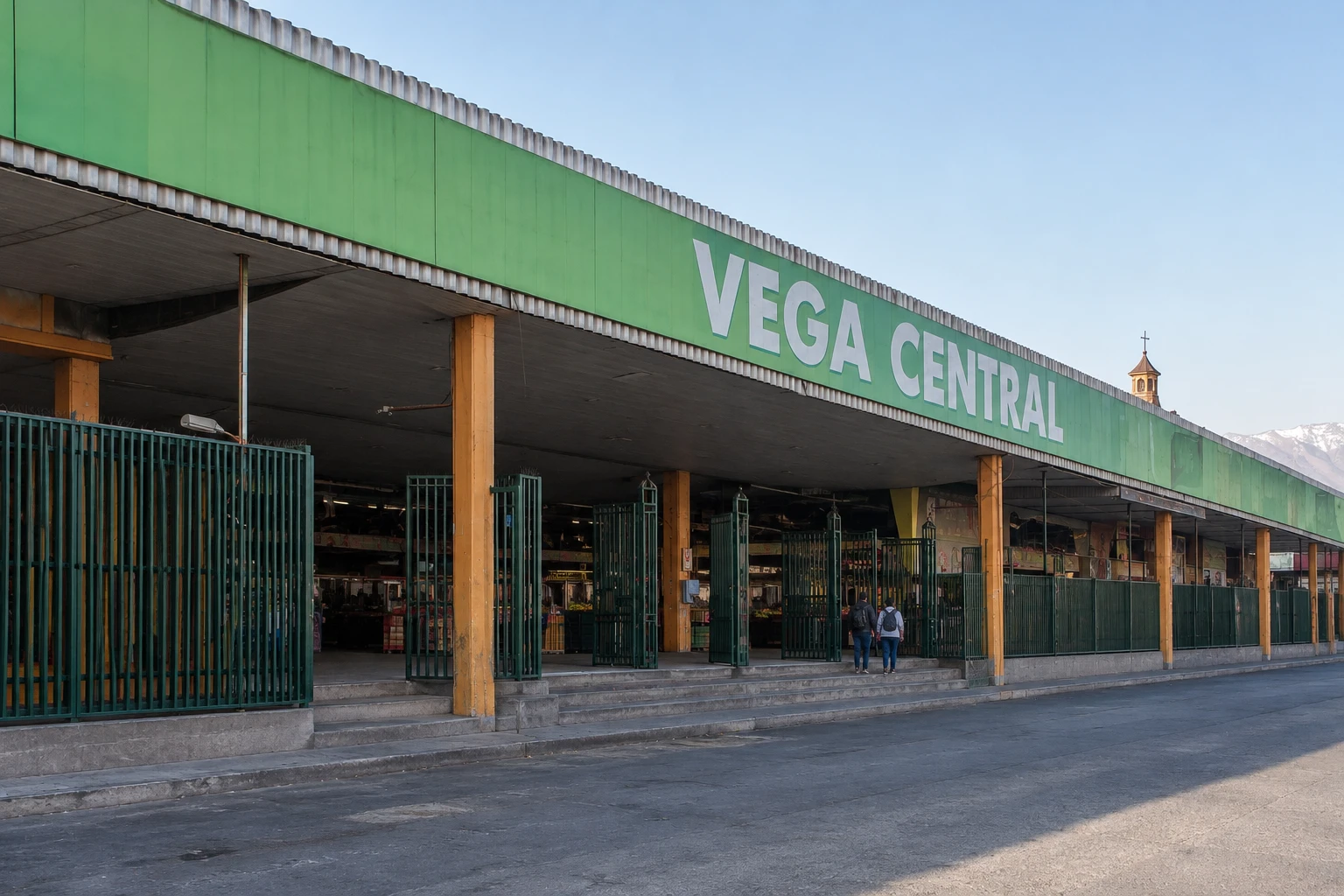
Large popular market on the north bank of the Mapocho, in Recoleta. Fruits, vegetables, grains, spices and cocinerías serving home-style food show the city's daily supply.
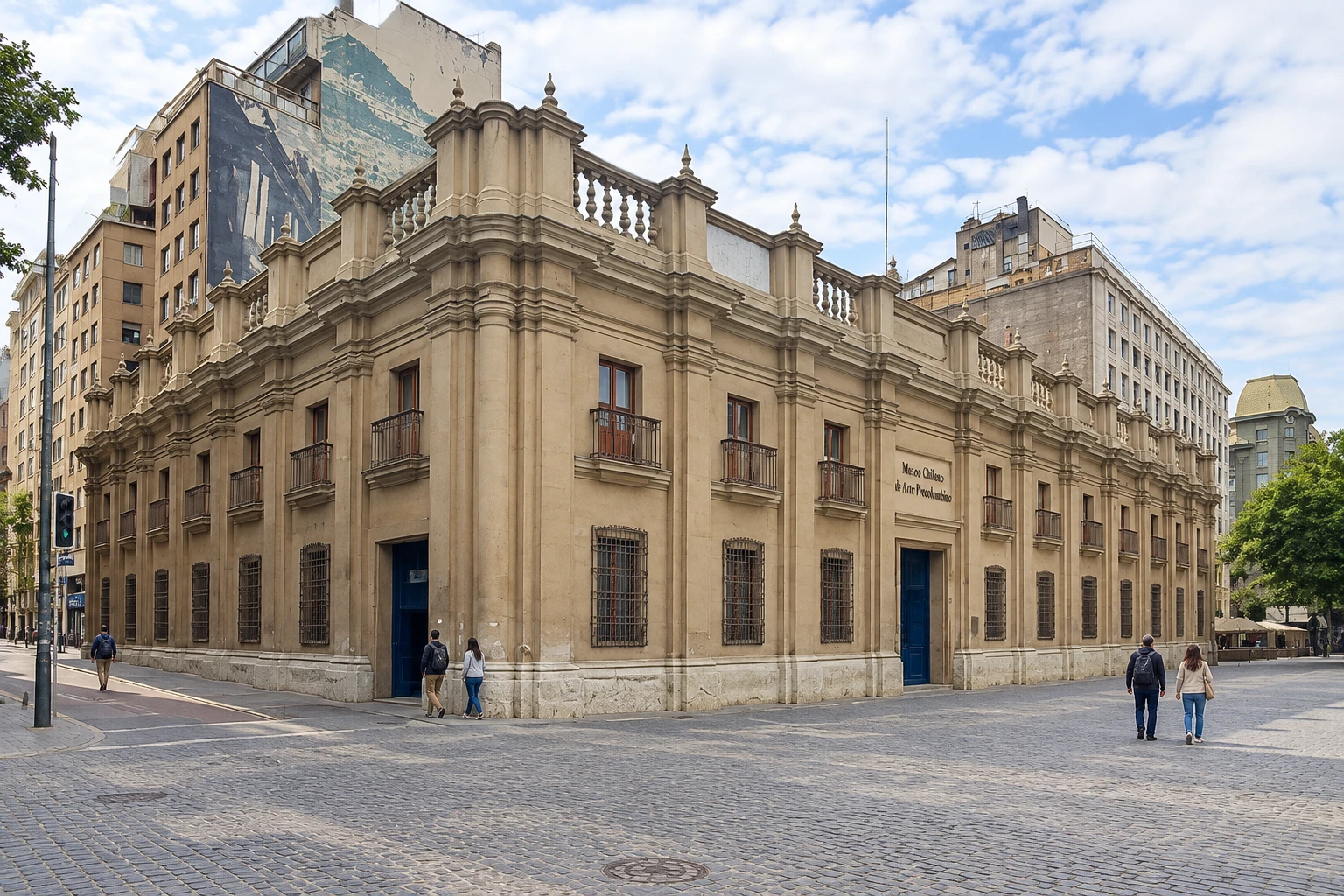
Collection of art from the Indigenous peoples of the Americas in the former Palacio de la Real Aduana, one block from the Plaza de Armas. The Chile antes de Chile room, in the basement, explores the cultures of the Chilean territory.
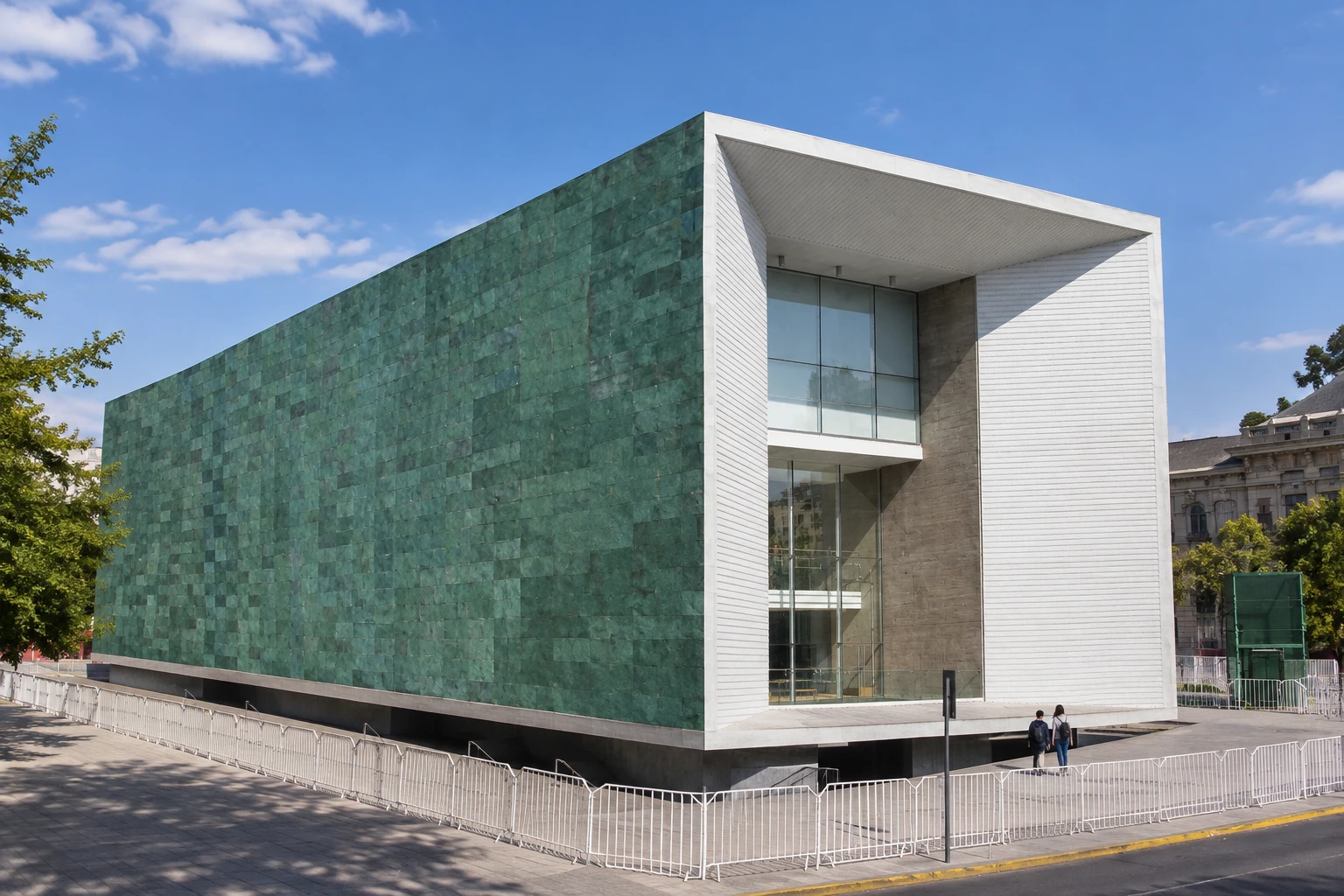
Museum dedicated to the human rights violations committed by the Chilean State between 1973 and 1990. Documents, letters, objects and testimonies tell the story of Augusto Pinochet's dictatorship.
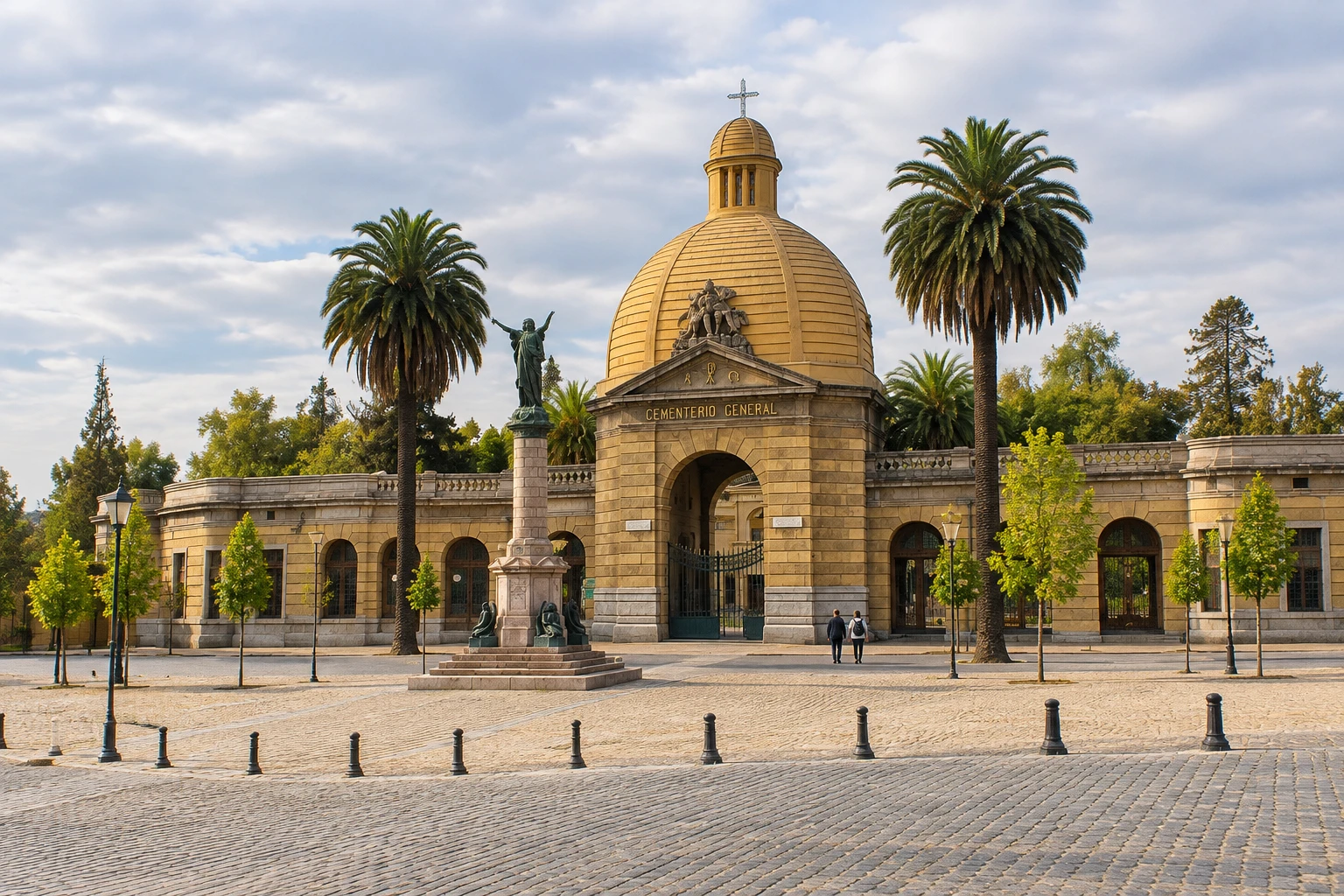
A cemetery from 1821 in Recoleta, with 85 hectares of mausoleums, sculptures and tree-lined avenues. It is the resting place of presidents, poets and artists, such as Salvador Allende, Violeta Parra and Víctor Jara, and includes a memorial to the disappeared.
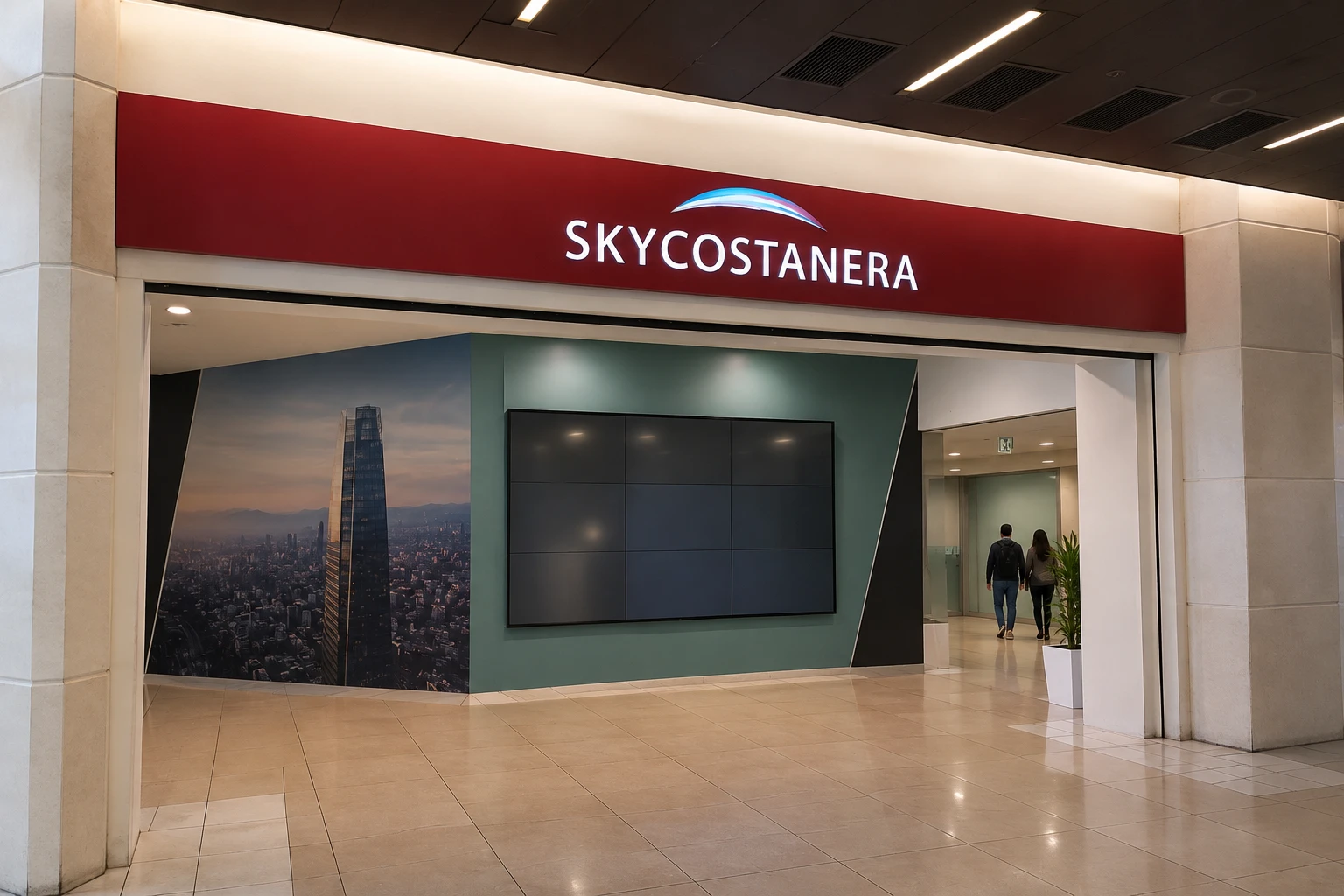
Observation deck on floors 61 and 62 of the Gran Torre Santiago, 300 meters high, in the Costanera Center complex in Providencia. The 360-degree view covers the entire city and the Andes mountain range.
Neighborhood of low houses in Providencia and Ñuñoa along Avenida Italia, with antique shops, design stores, galleries in old mansions, cafés and restaurants offering a variety of cuisines.
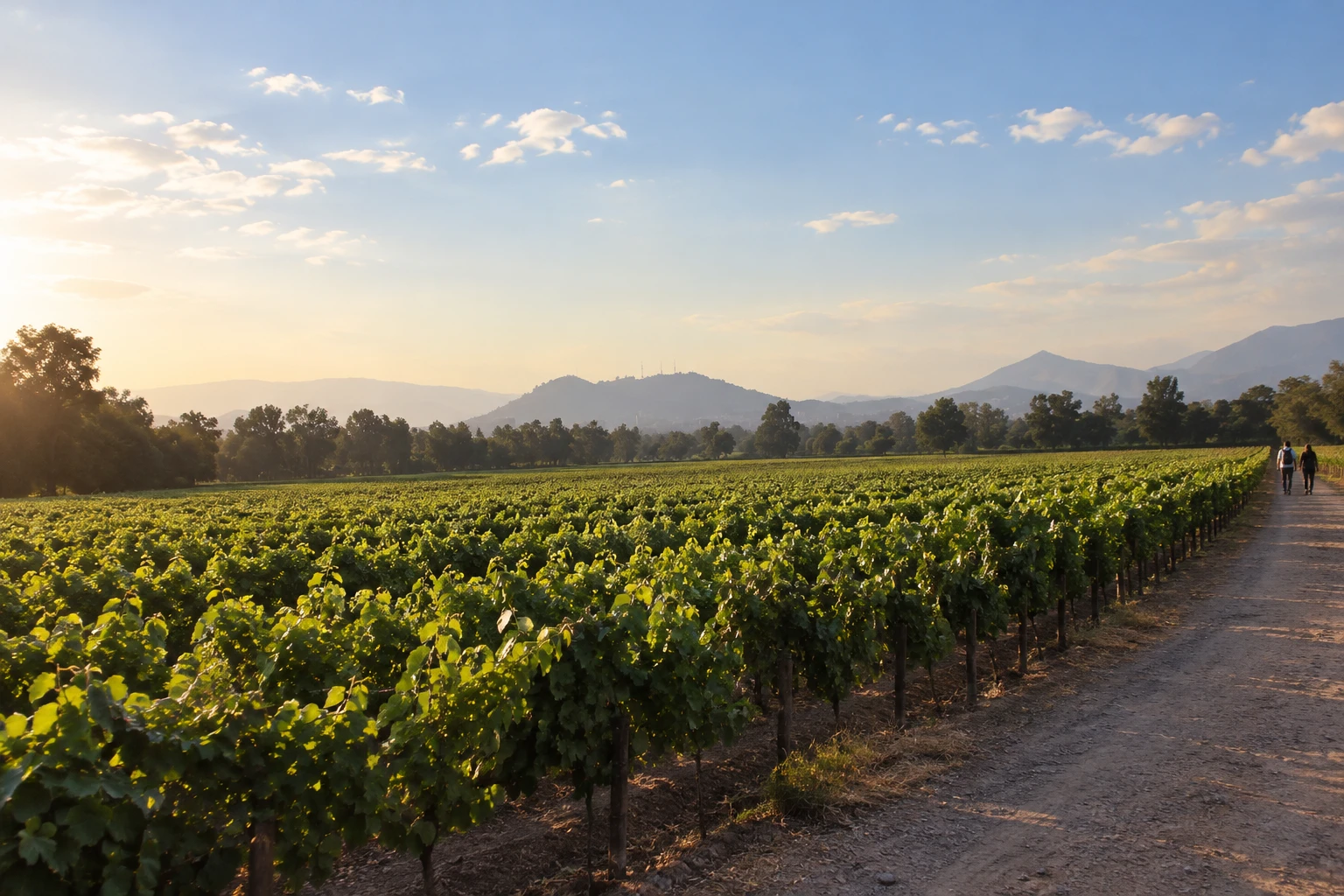
Winery founded in 1883 in Pirque, south of Santiago in the Maipo Valley. The visit goes through the park of the founder's house, the vineyards and the Casillero del Diablo cellar, with a tasting.
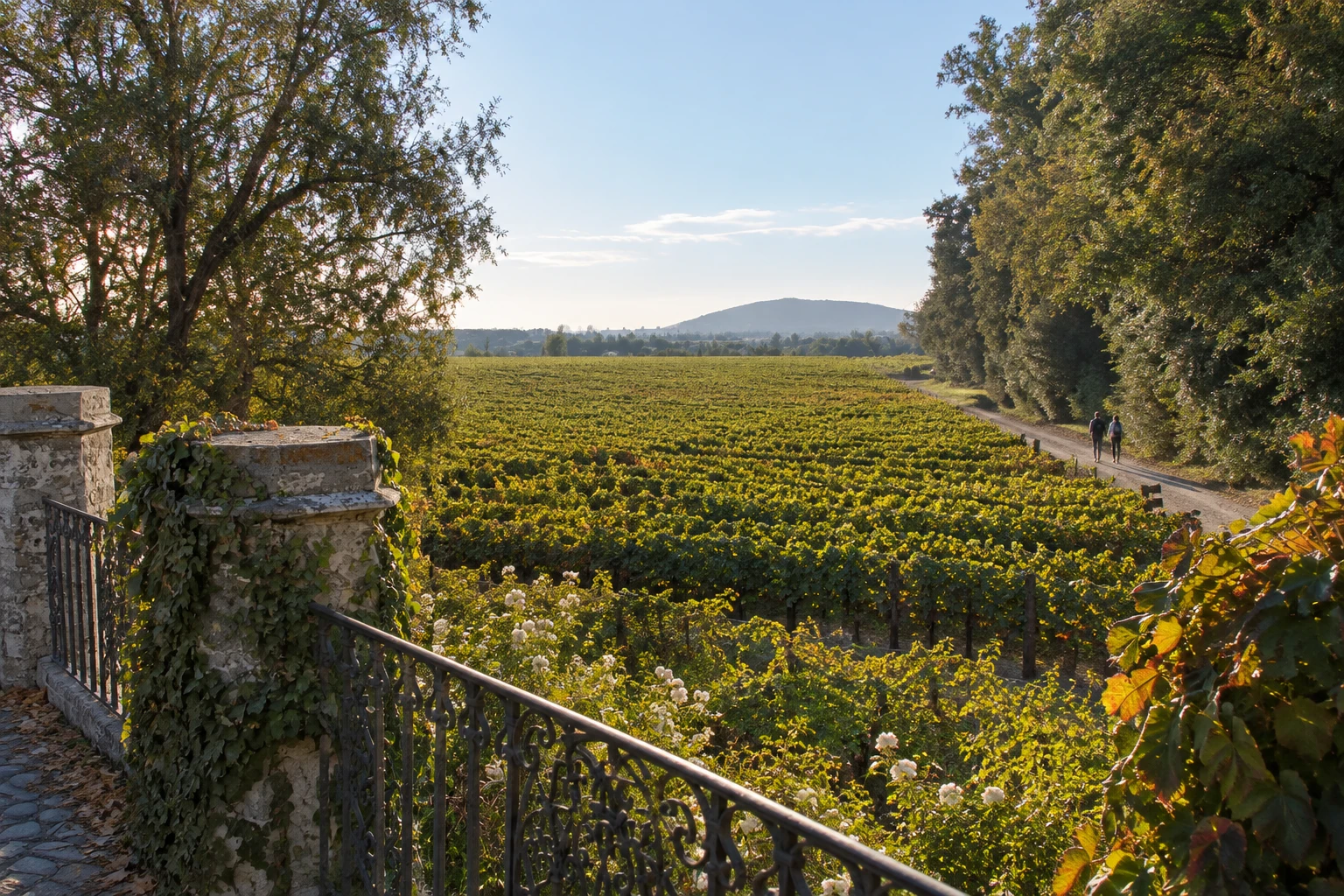
Winery from 1856 within the urban area of Santiago, in Peñalolén, still in the hands of the founding family. The visit shows the 19th-century cellar, the vineyards at the foothills of the mountains and ends with a tasting.
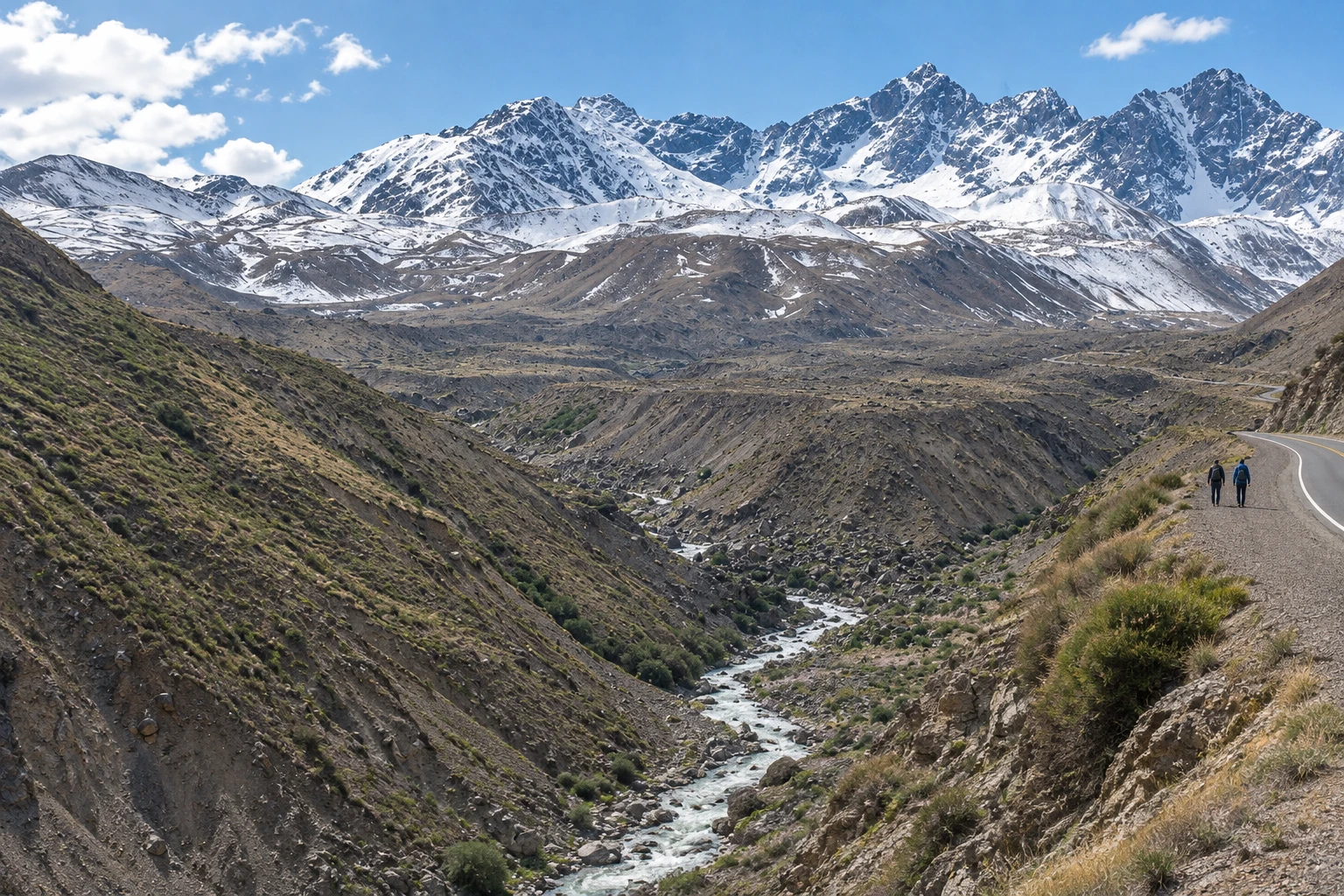
Valley of the Maipo River that cuts into the Andes southeast of Santiago. The village of San José de Maipo is the gateway to waterfalls, hot springs, rafting, horseback riding and the road up to Embalse El Yeso.
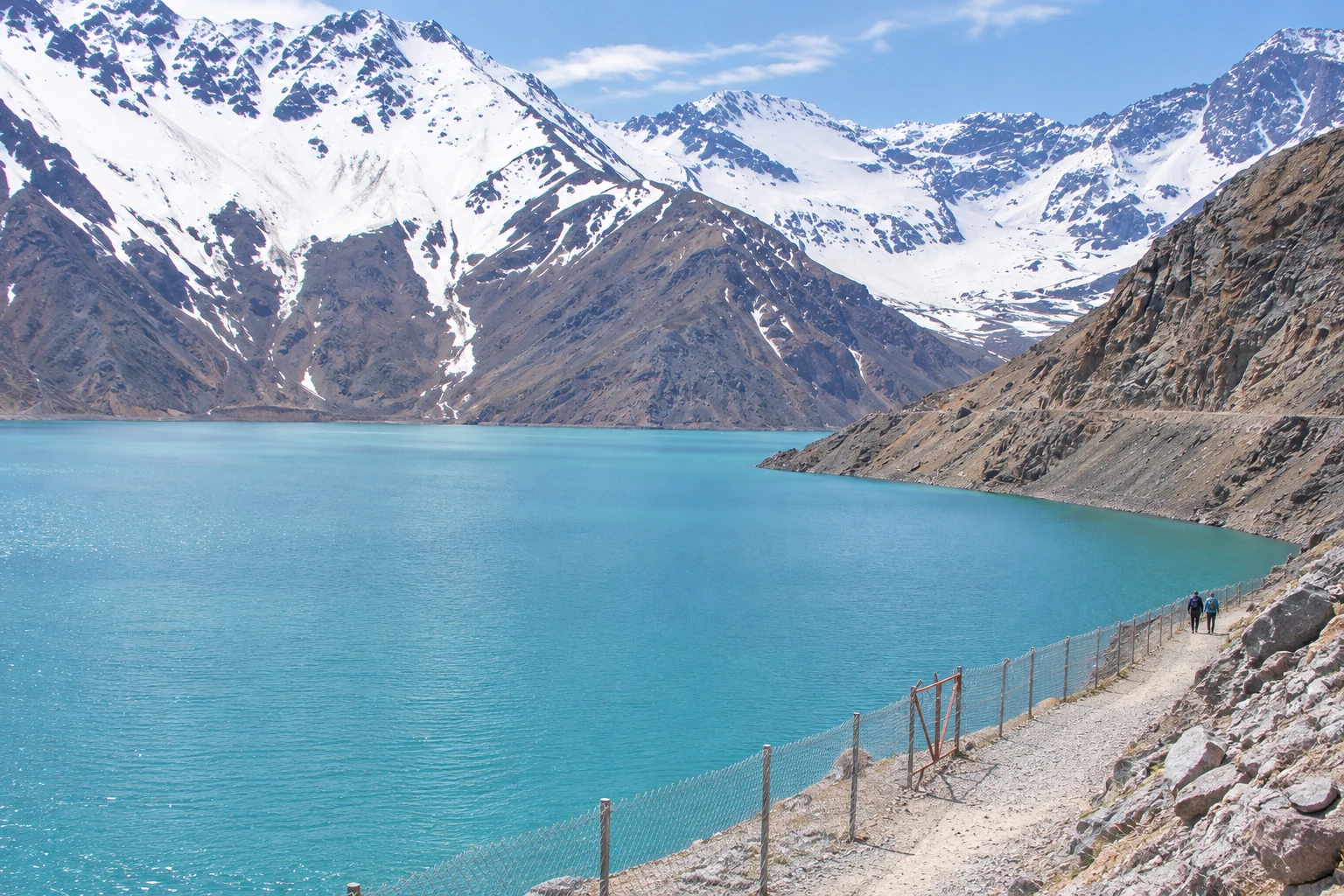
Green-turquoise water reservoir at about 2,500 meters altitude, high in the Cajón del Maipo, surrounded by mountains that often have snow much of the year. It supplies Santiago with drinking water.
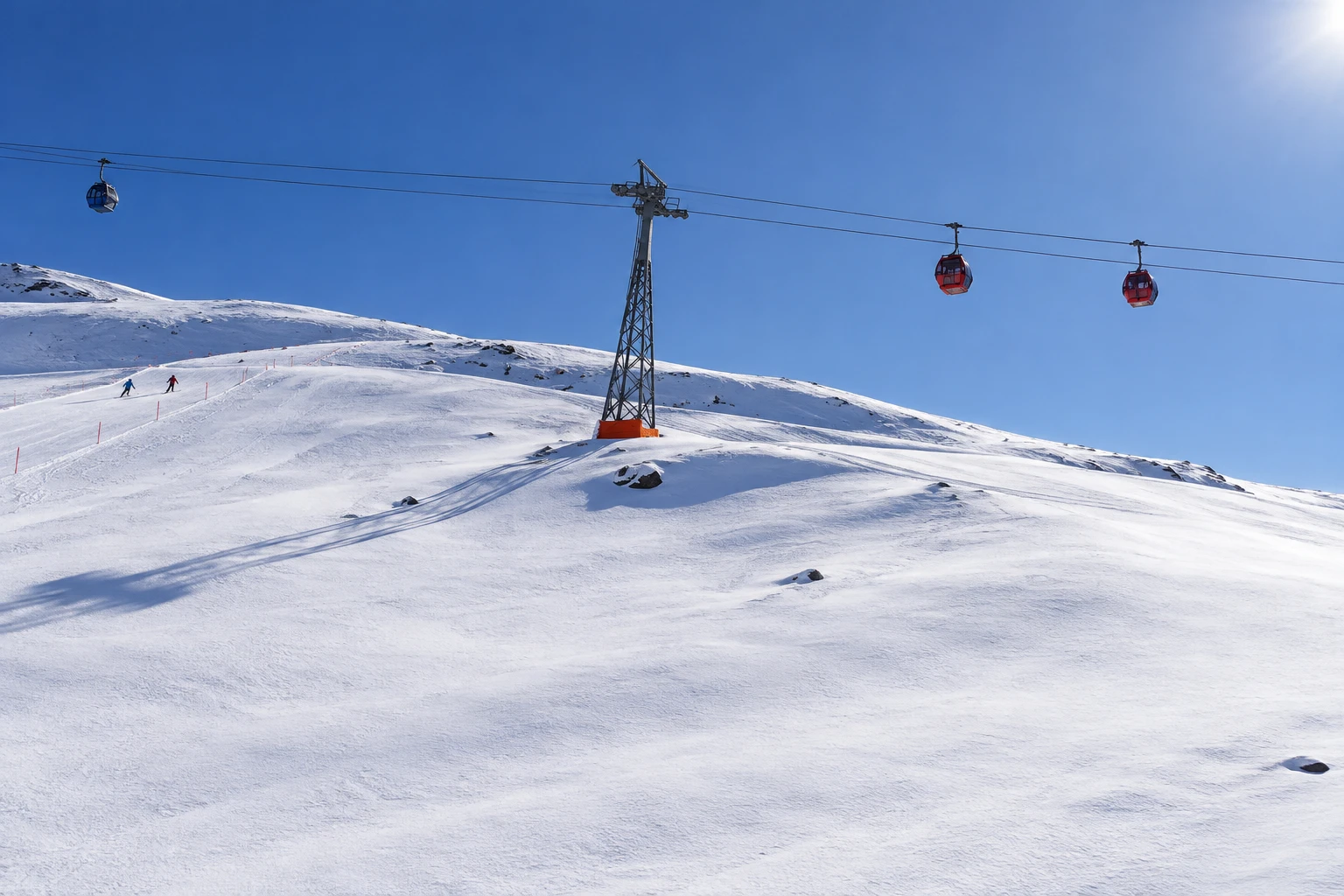
Ski resort at about 3,000 meters altitude, roughly 46 km from Santiago, in the commune of Lo Barnechea. It has slopes for all levels, a ski school and a village with lodging and restaurants.
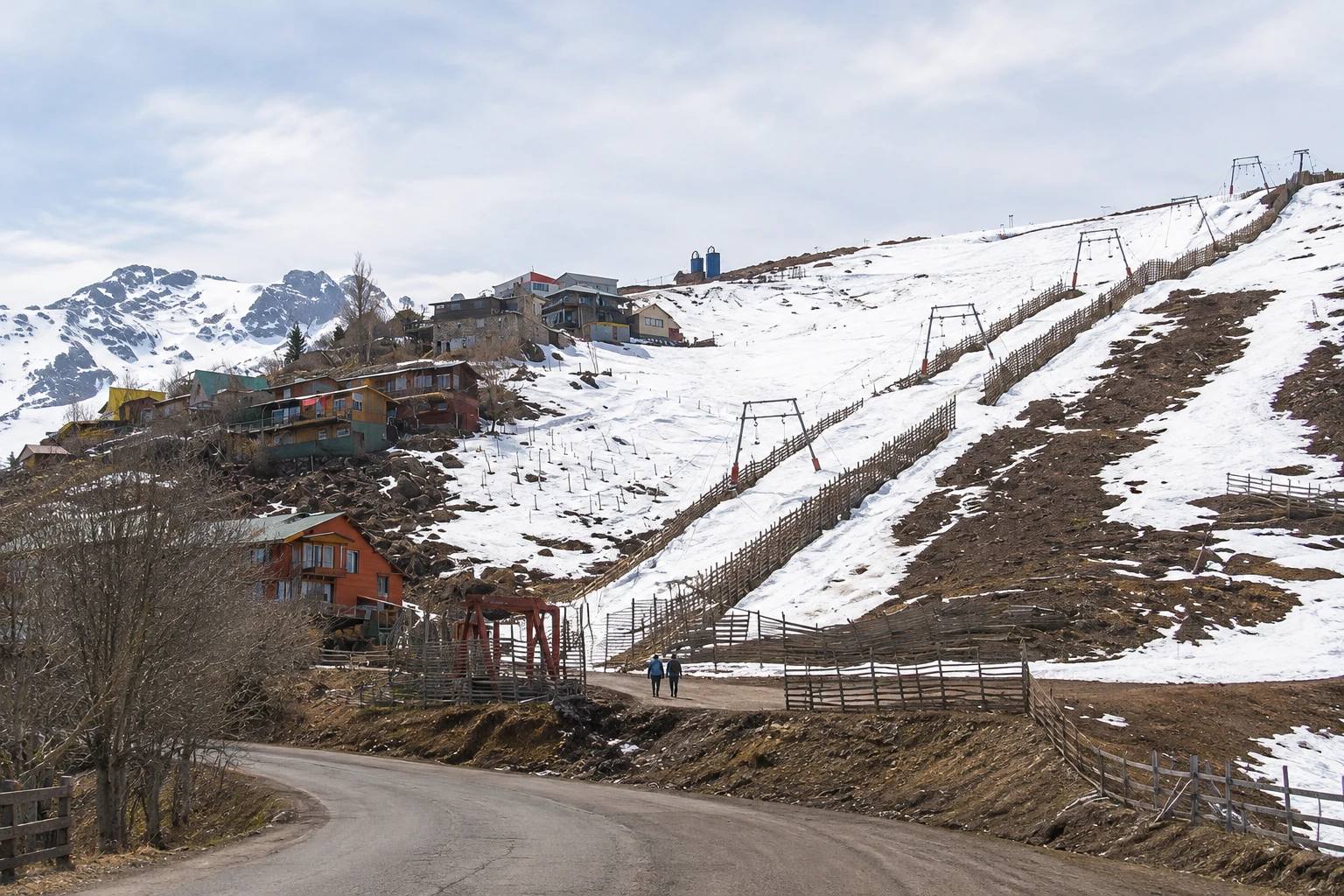
Mountain village at about 2,400 meters, 36 km from Santiago, and the starting point for the El Colorado and La Parva resorts. In winter it has slopes and snow activities; in summer, trails.
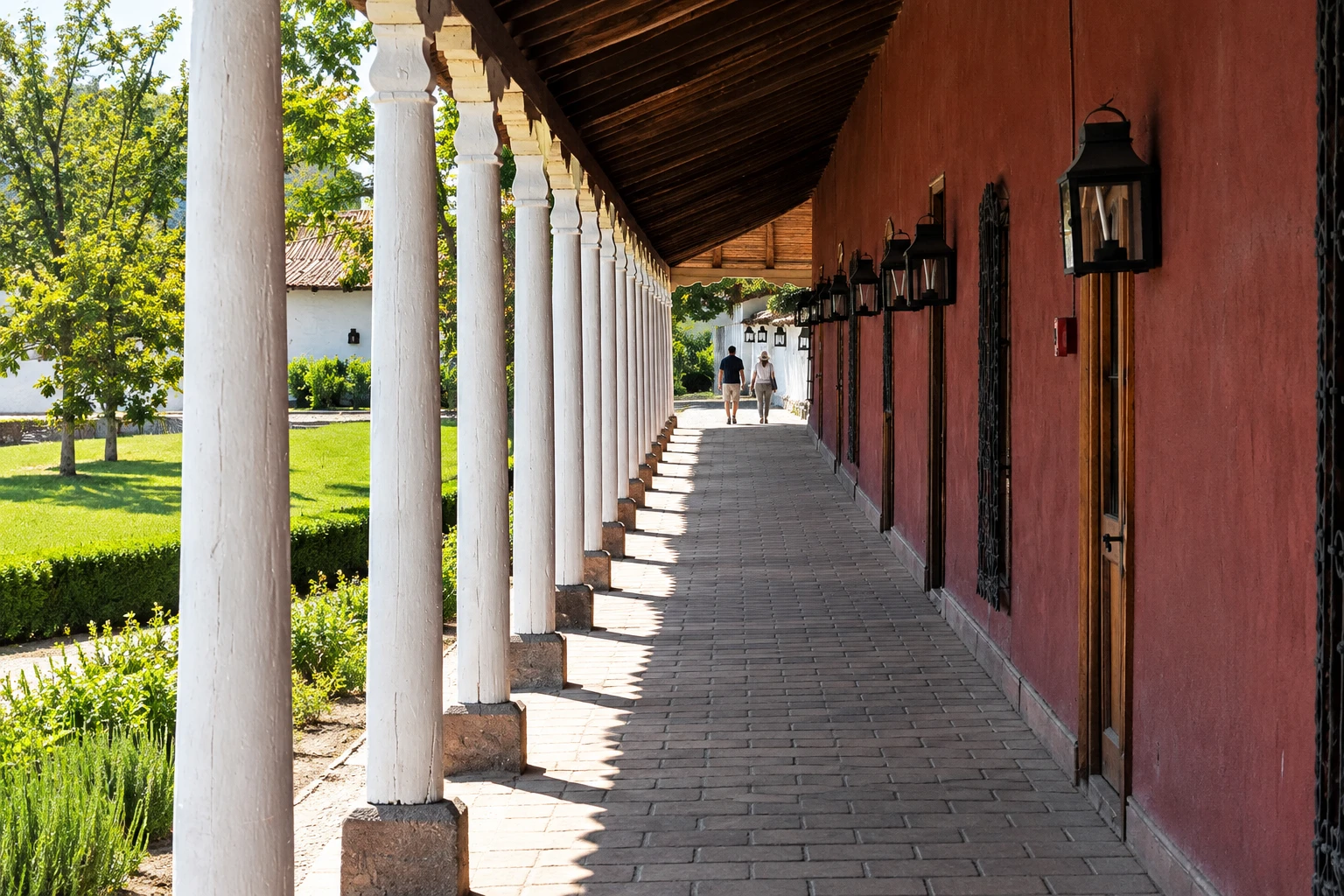
Winery dating from 1880 in Alto Jahuel, Buin, about 40 km from Santiago. It has cellars tied to the independence period, a century-old park with a neo-Gothic chapel, listed as a Historical Monument, and the Museo Andino, with pre-Columbian art.


 Brazil
 Antarctica
 Argentina
 Bolivia
 Colombia
 Ecuador
 Falkland Islands (Malvinas)
 French Guiana
 Guyana
 Paraguay
 Peru
 Suriname
 Uruguay
 Venezuela
 Albania
 Austria
 Belgium
 Croatia
 Denmark
 Finland
 France
 Germany
 Greece
 Hungary
 Iceland
 Ireland
 Italy
 Luxembourg
 Norway
 Poland
 Portugal
 Slovakia
 Slovenia
 Spain
 Sweden
 Switzerland
 the Czech Republic
 the Netherlands
 the United Kingdom
 Turkey
 Bermuda
 Canada
 Greenland
 Mexico
 Saint Pierre and Miquelon
 the United States
 the Dominican Republic
 Japan
 Egypt
 South Africa
 Australia
 Fiji
 New Zealand
 Papua New Guinea