Cidre de glace du Québec
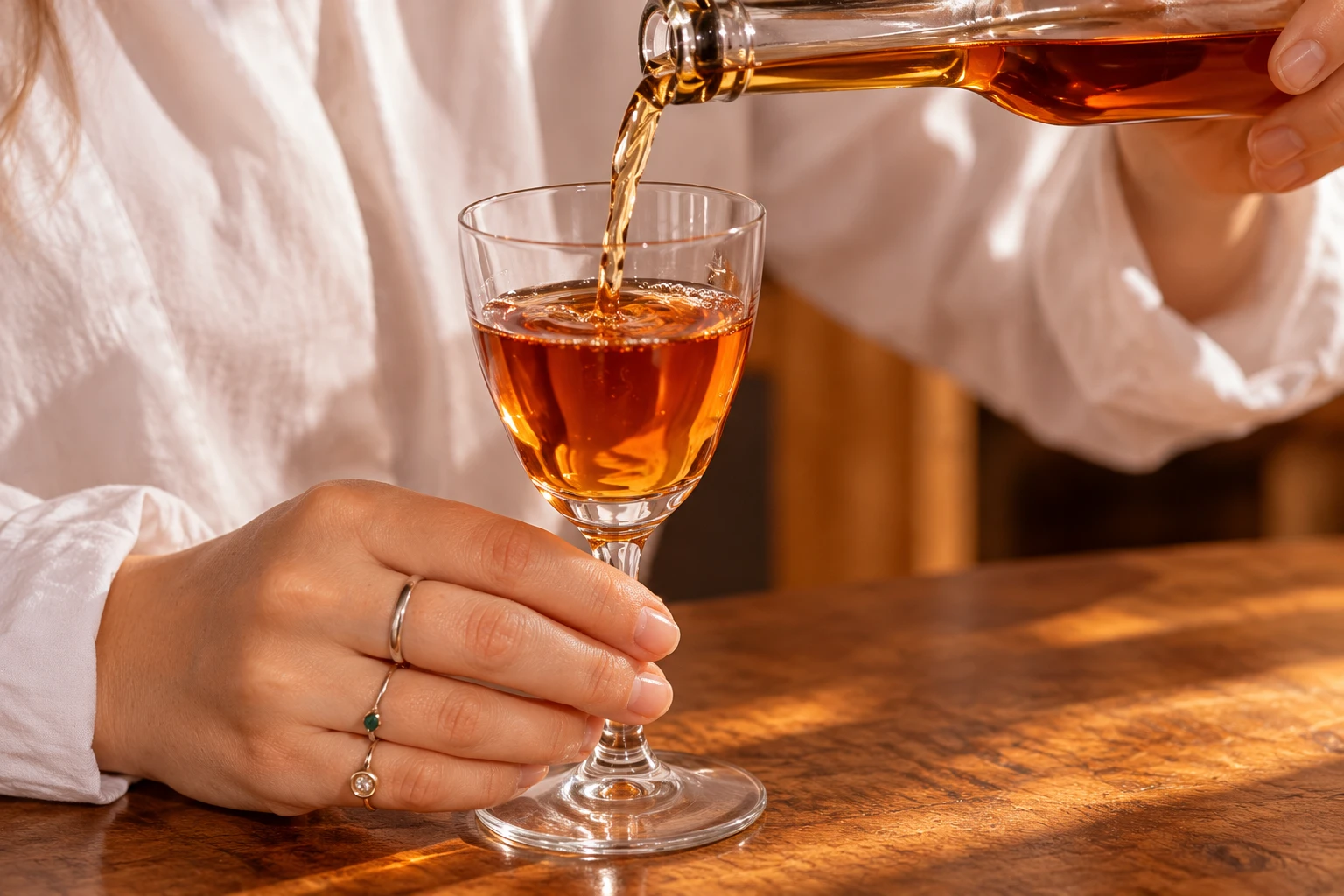
Sweet cider distilled only from Quebec apples, whose sugar is concentrated by the natural cold of winter. Protected as a geographical indication, it has aromas of fresh and baked apple, honey and dried fruit.
Antarctica
Province · Quebec
The French-speaking province of Canada: Montreal, the historic city of Quebec, the Saint Lawrence River, the whales of Tadoussac and the Laurentian Mountains.
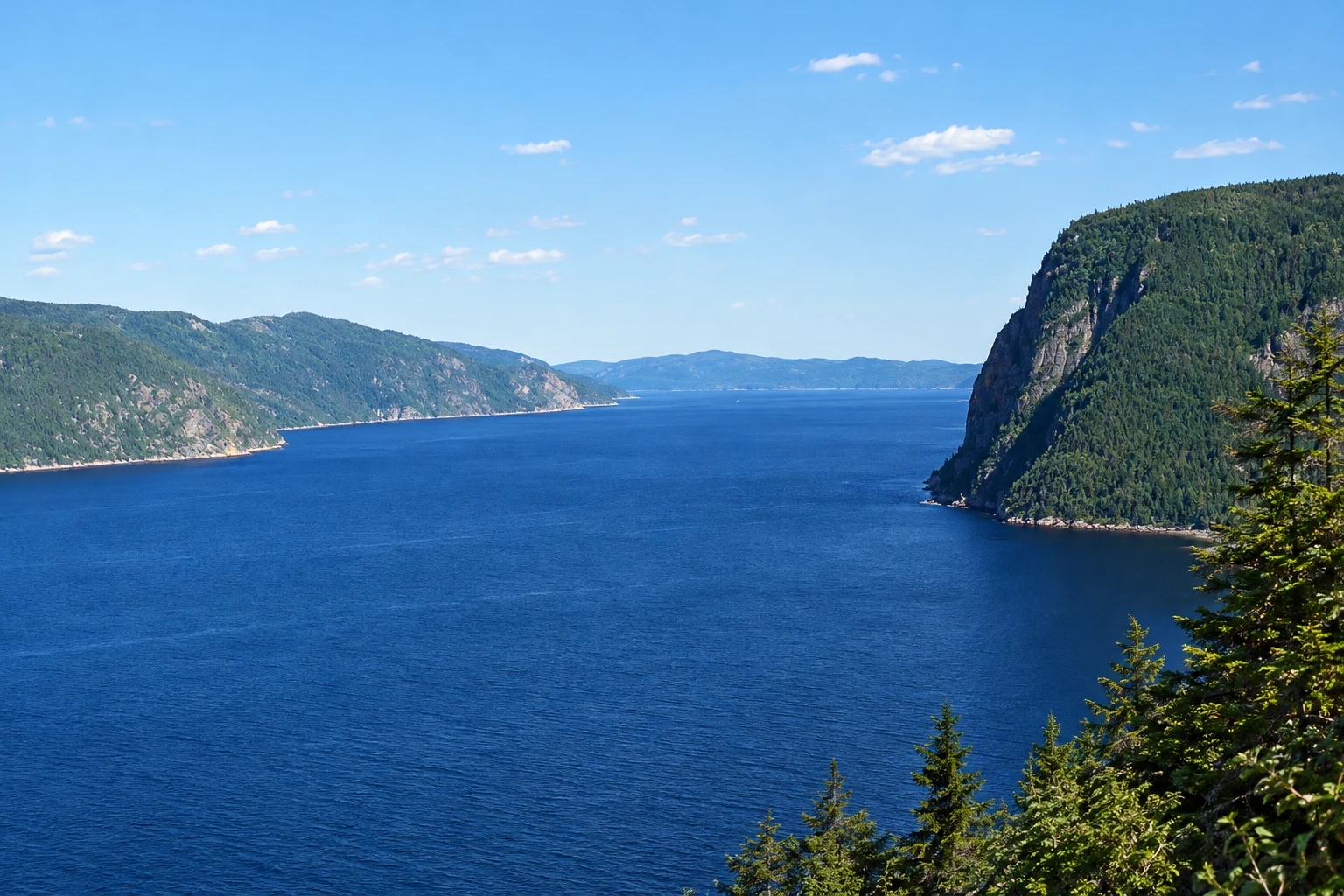
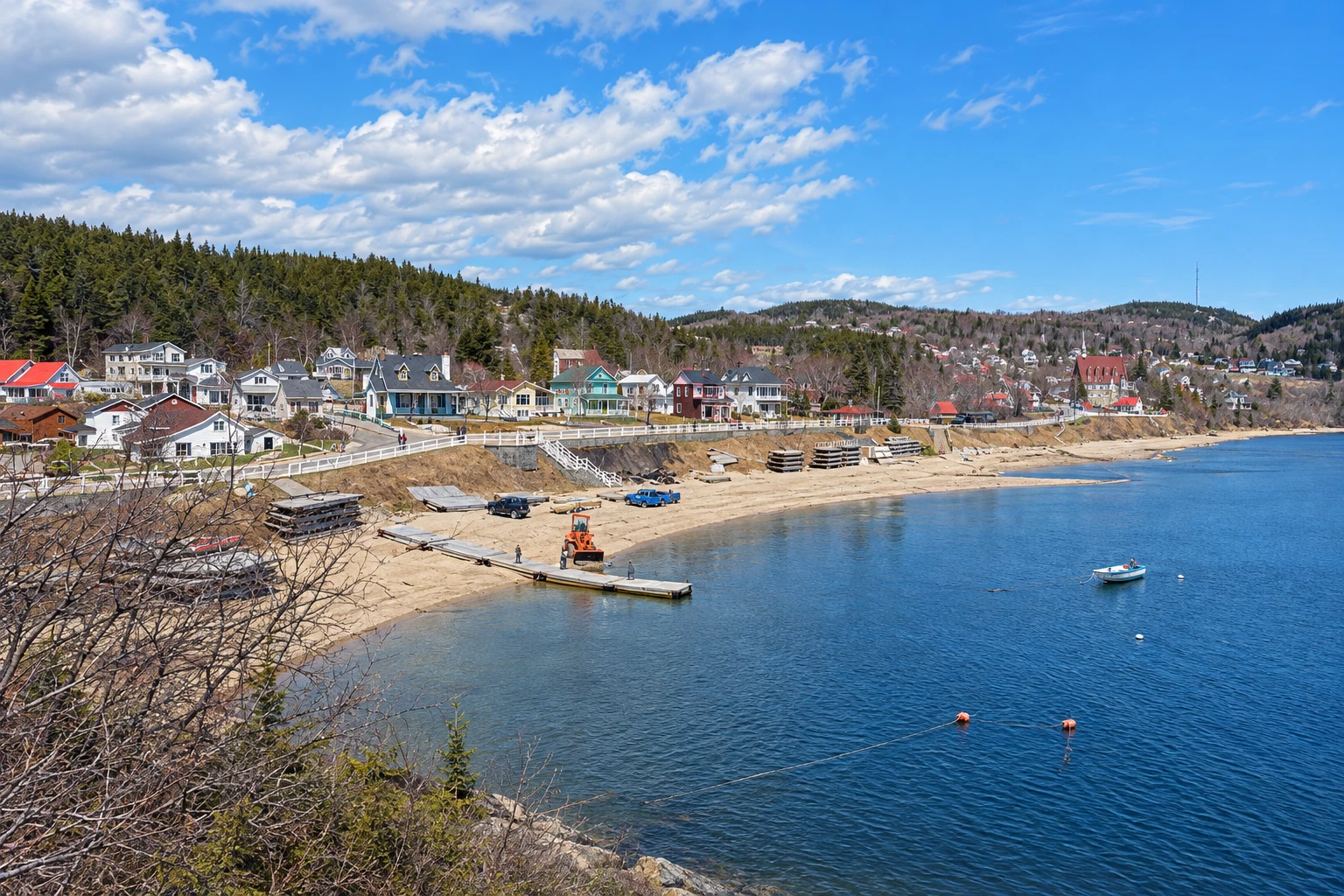
In the photo: Saguenay Fjord, Quebec
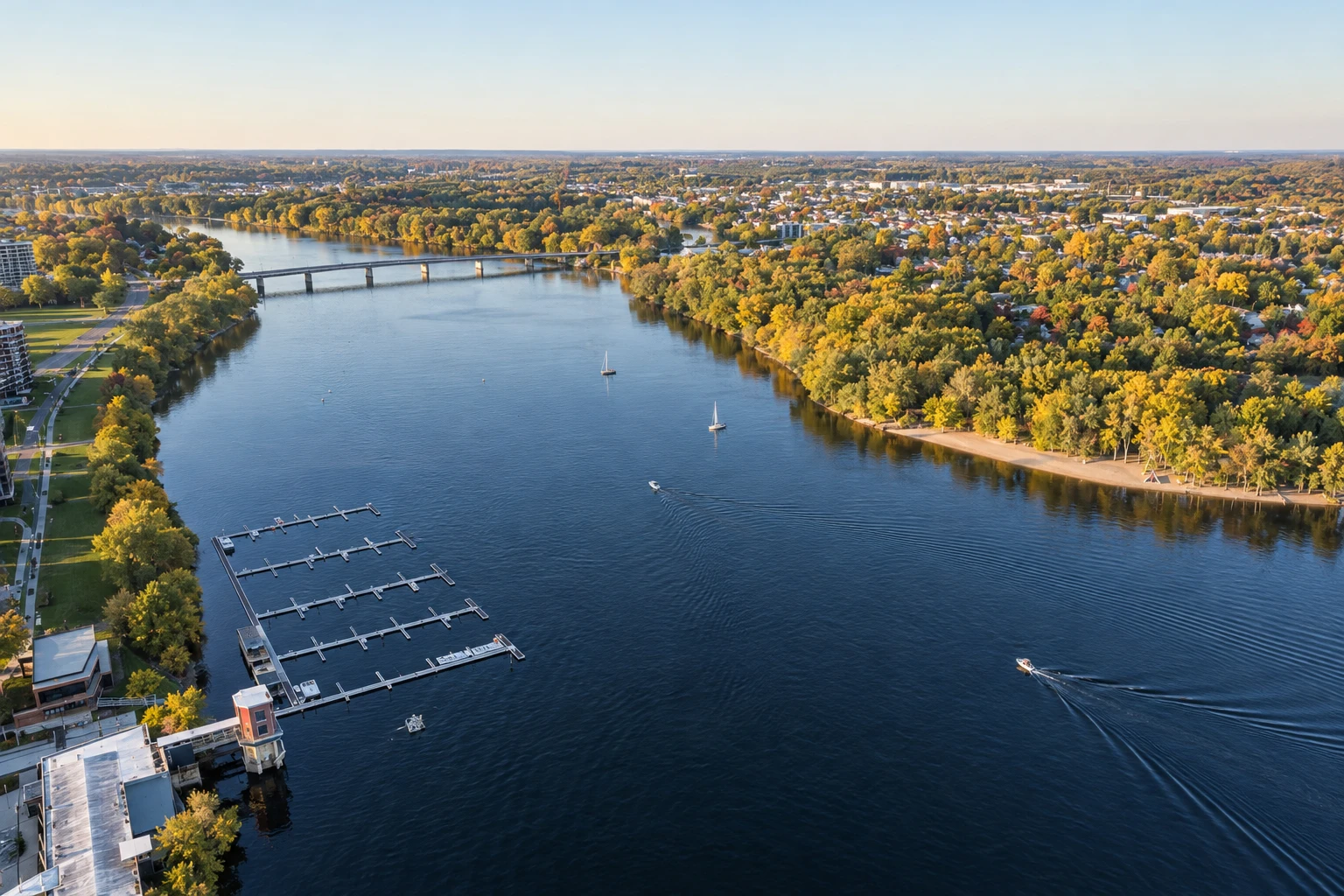
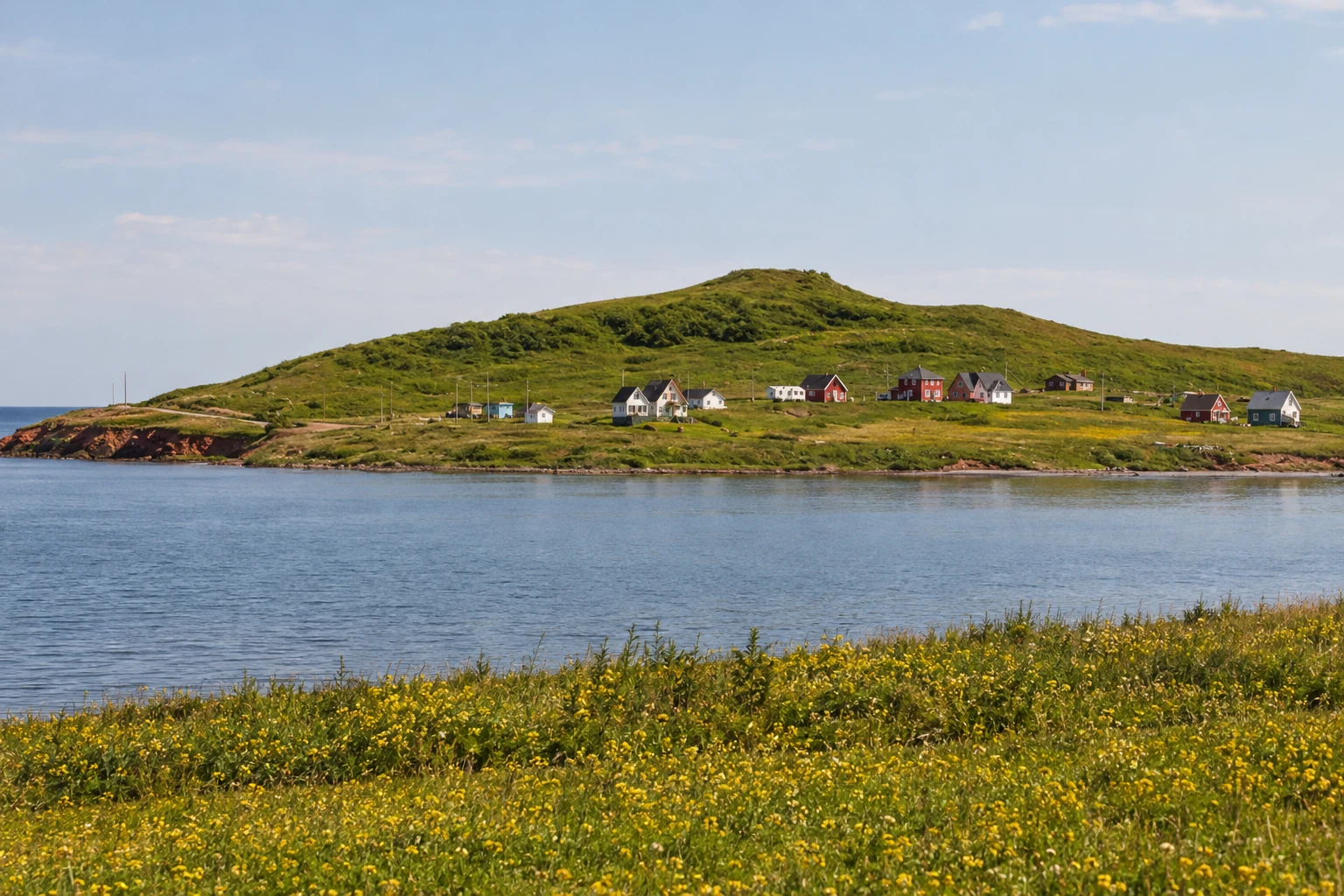
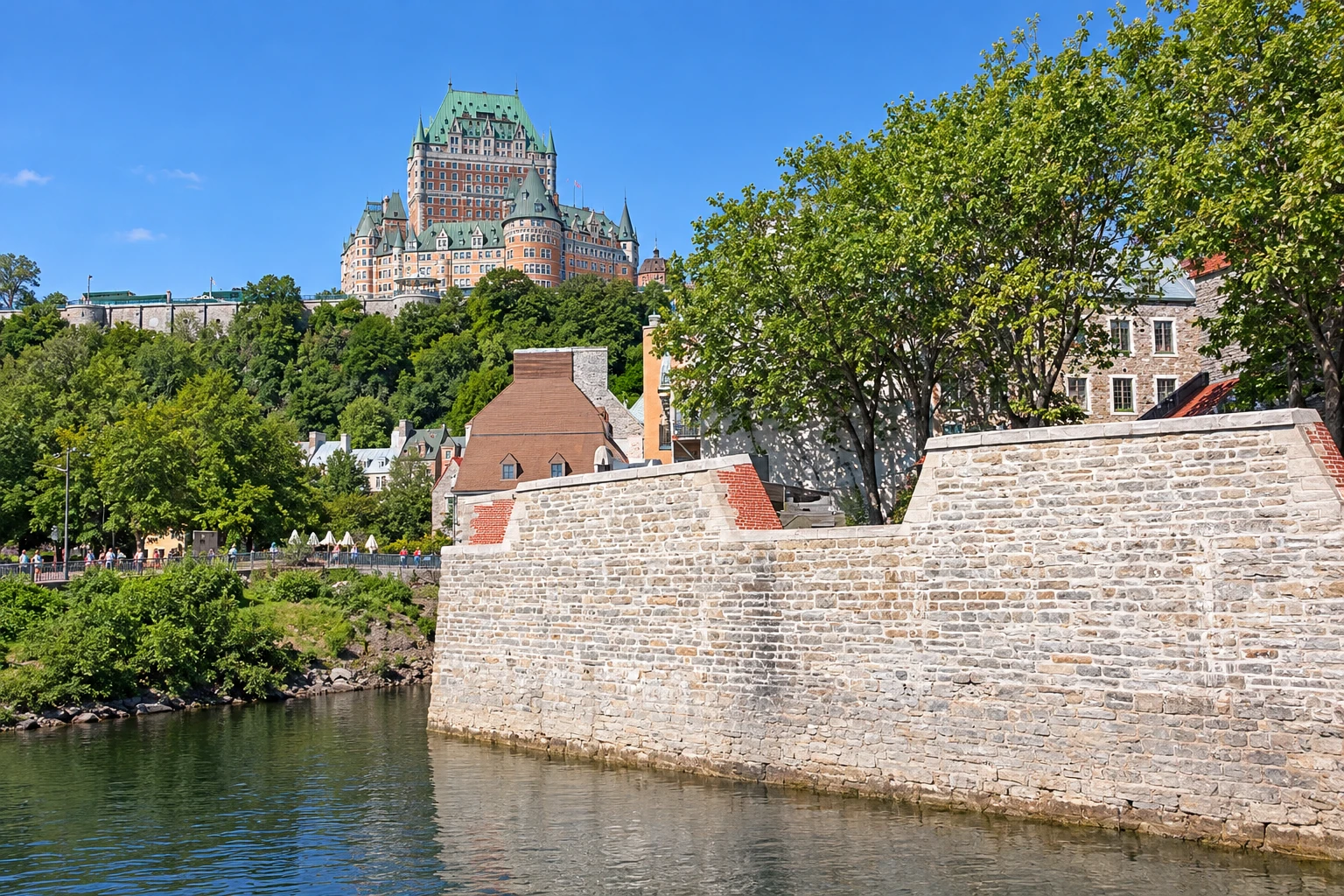
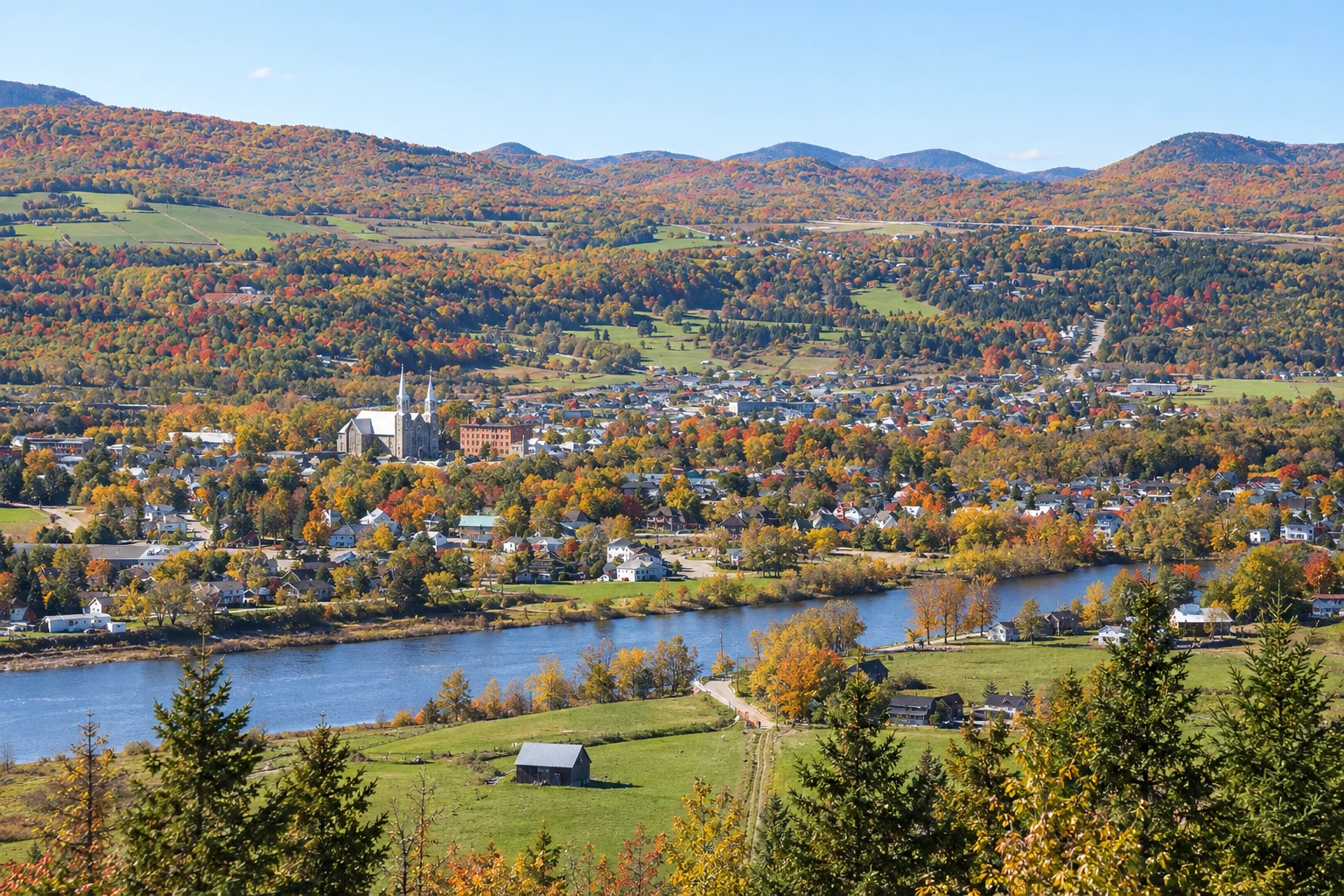
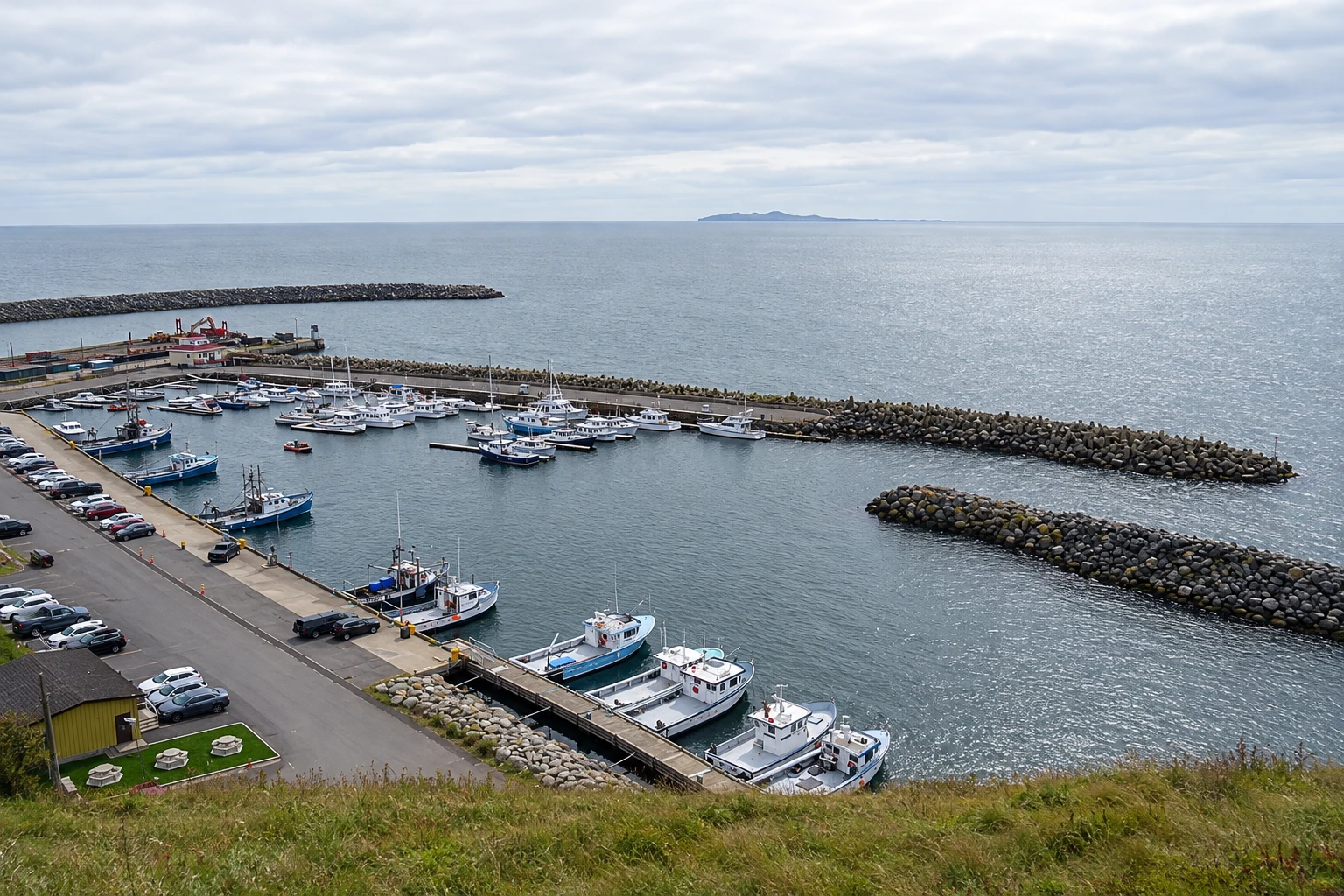
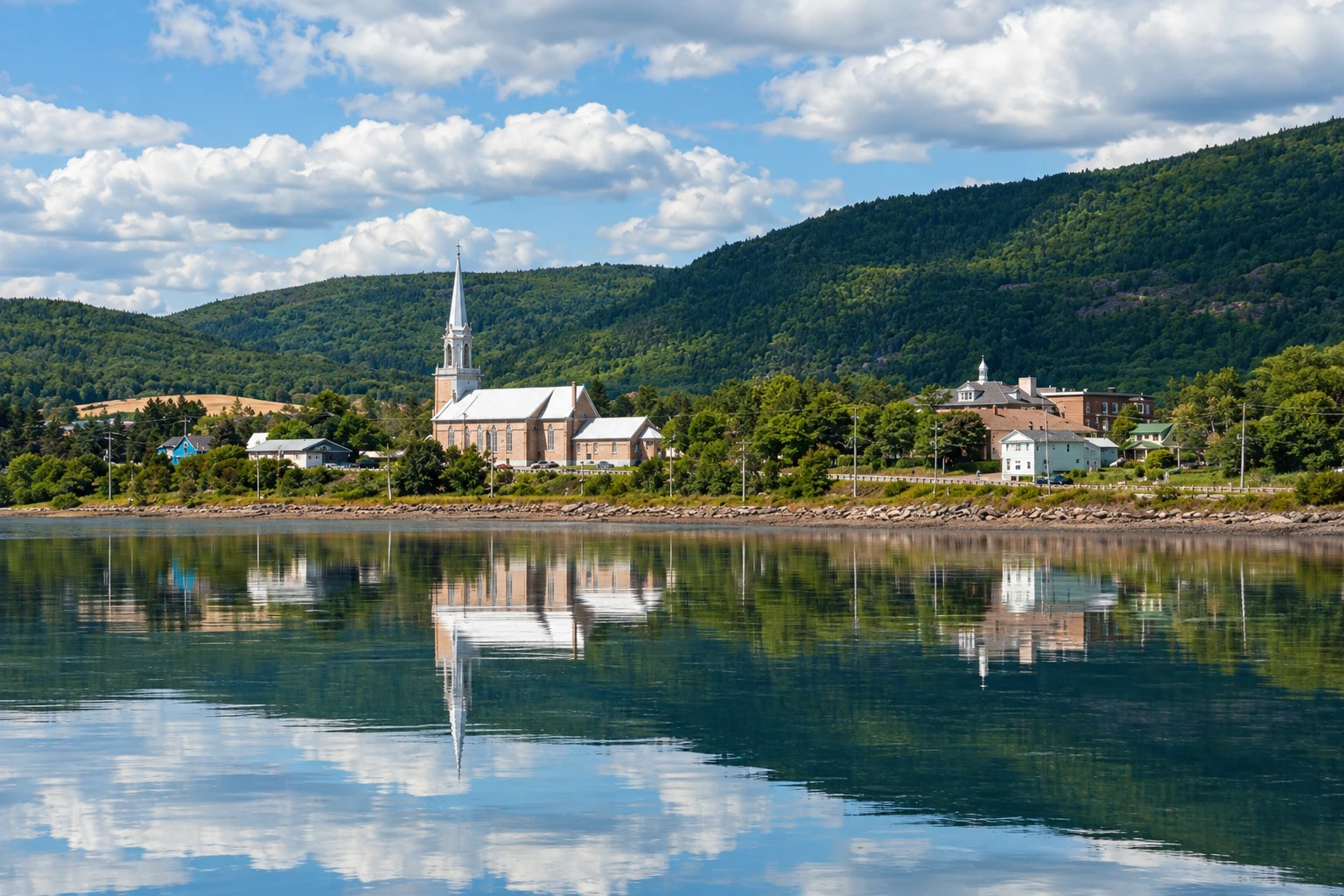
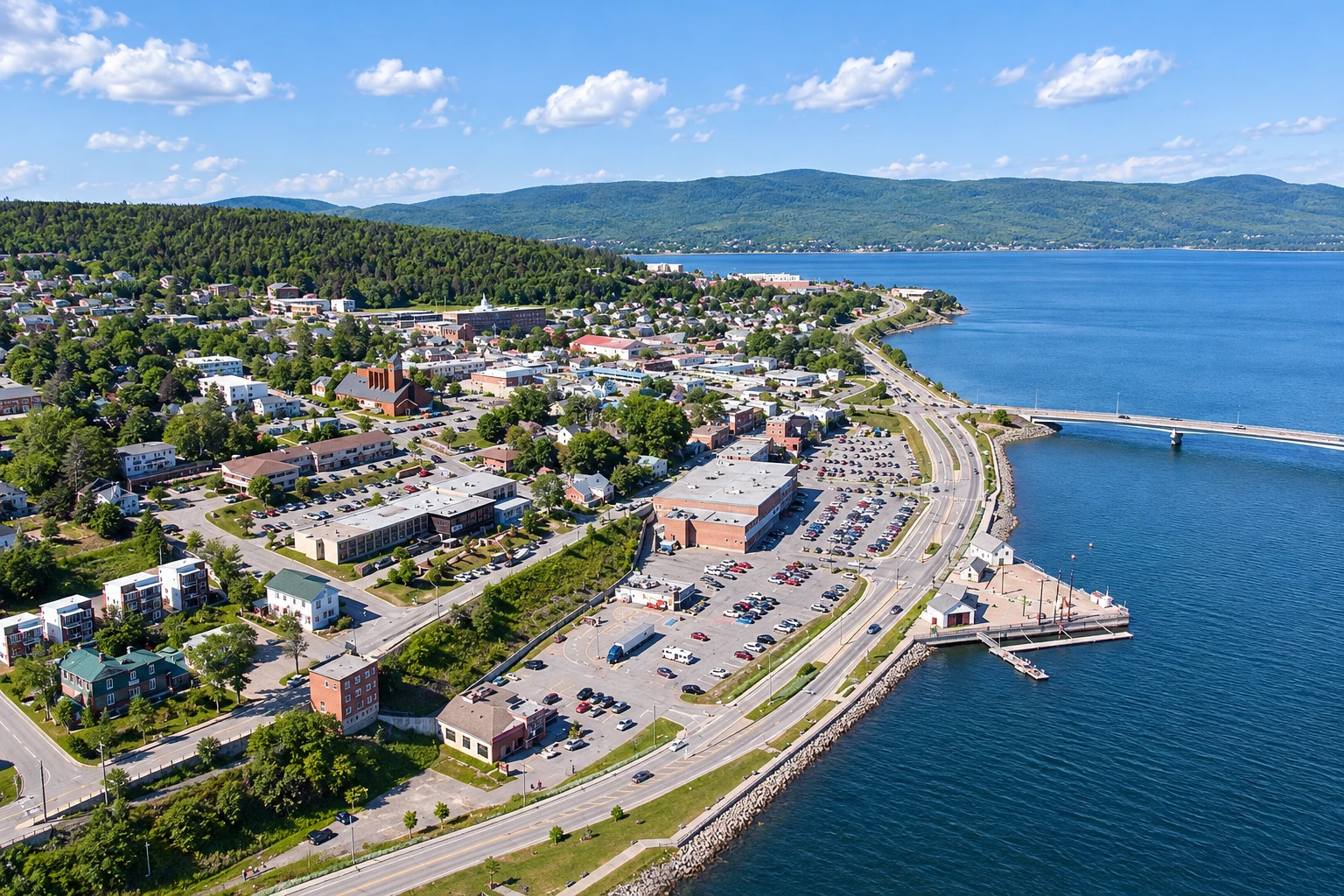
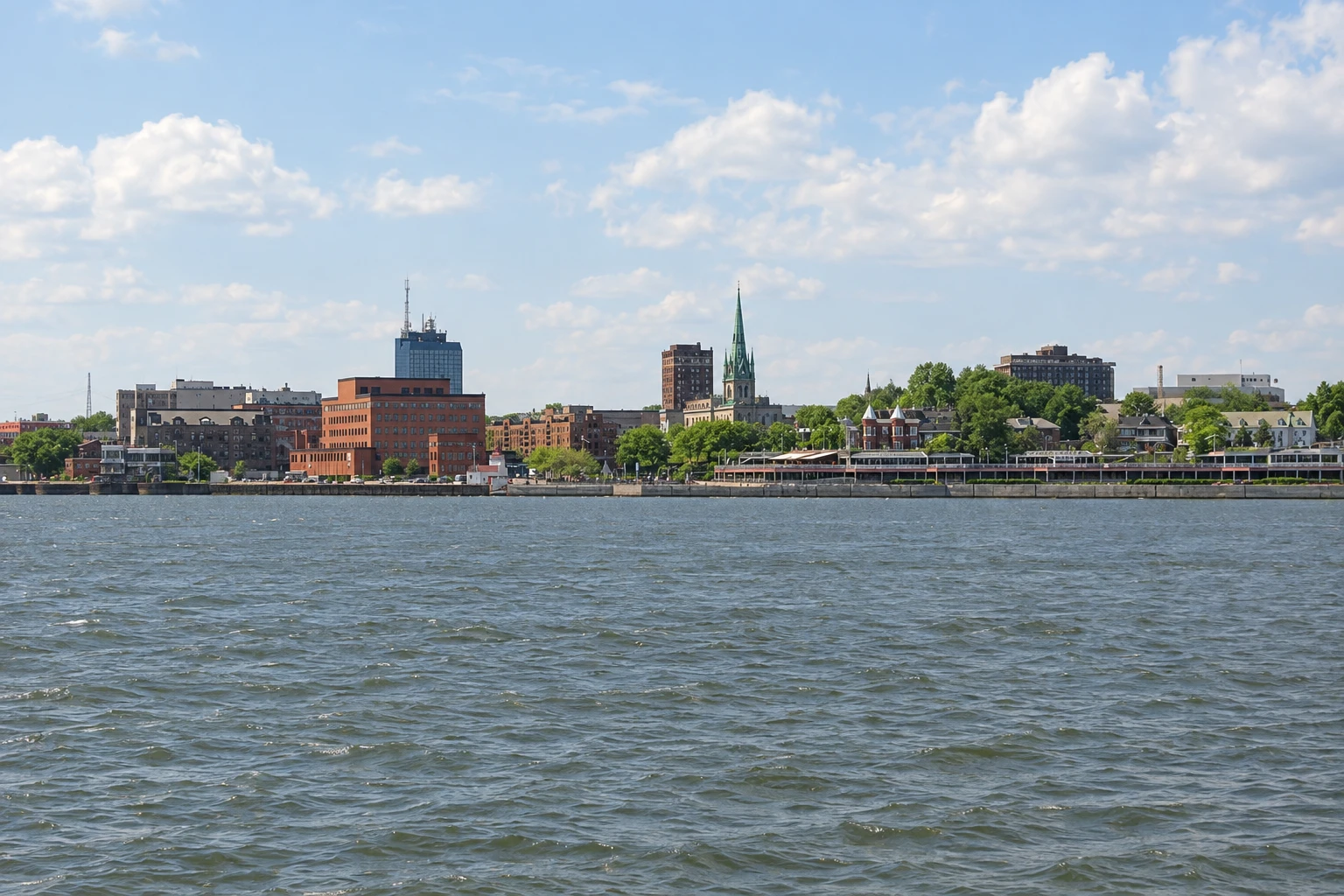
Illustrative images. The pictures in this guide are illustrations based on the real place, not photographs, and may differ from it.
Province
Quebec is the largest province in Canada by area and the only one with French as its official language. It stretches from the Saint Lawrence River valley in the south to Ungava Bay in the far north. Most of the population lives along the river between Montreal and the city of Quebec, the capital.
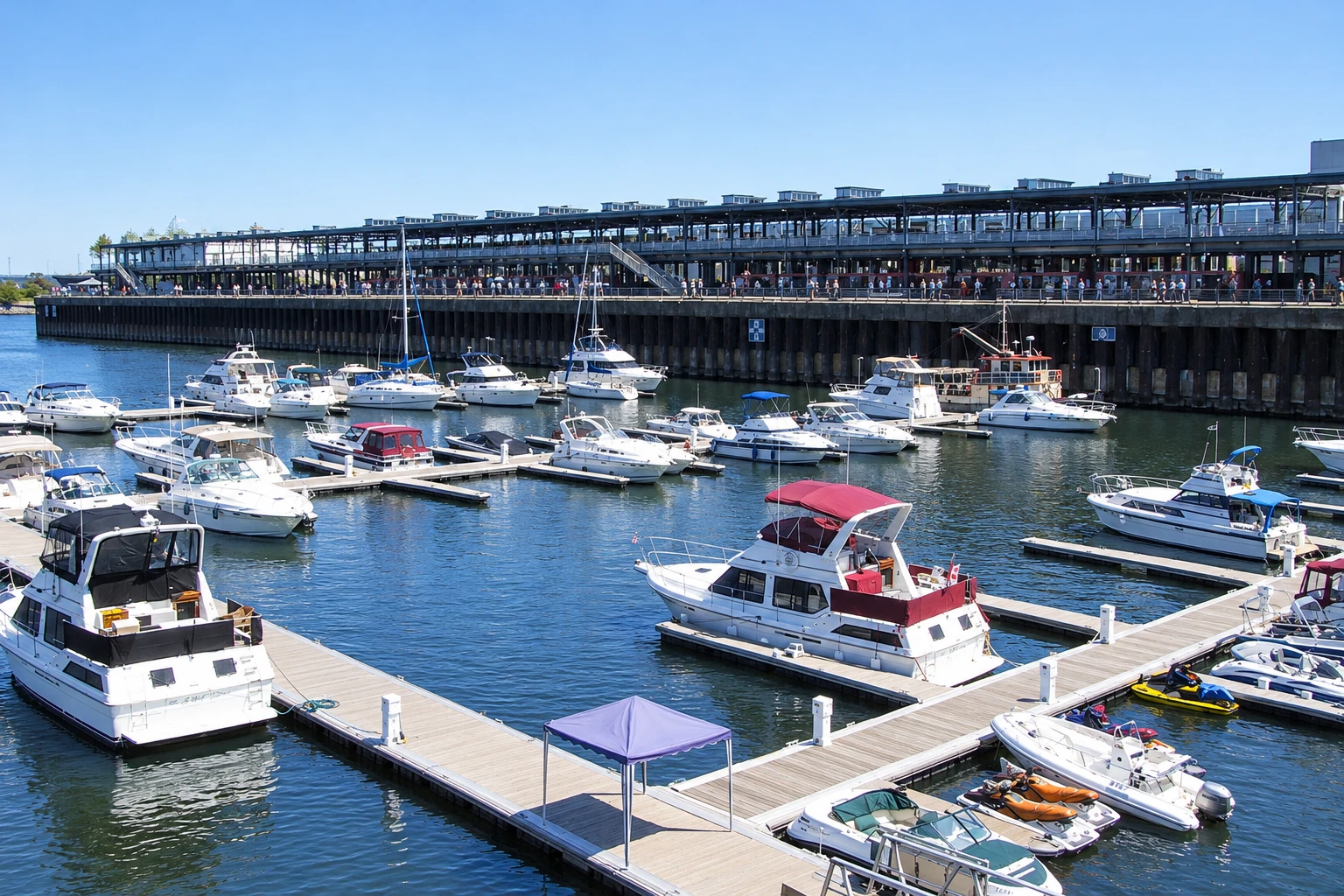
Montreal, on an island in the Saint Lawrence, is the province’s largest city. Old Montreal, with the Notre-Dame Basilica and cobblestone streets by the Old Port, Mount Royal, the Jean-Talon and Atwater markets, and a full festival calendar—such as the International Jazz Festival in summer—are all part of a visit.
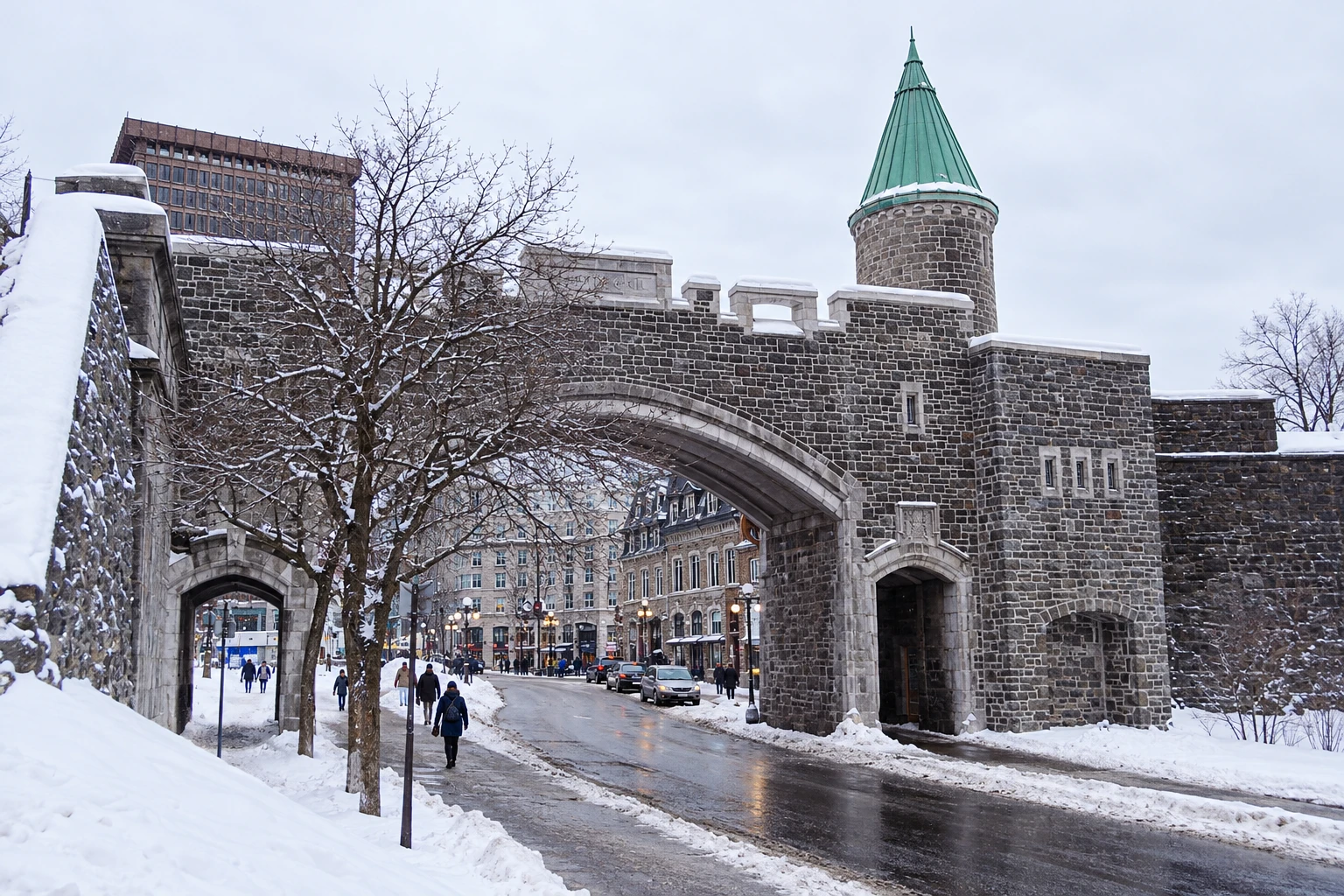
The city of Quebec was founded in 1608 by Samuel de Champlain. The historic district, enclosed by walls, is a UNESCO World Heritage site and is dominated by the Château Frontenac. Nearby are Montmorency Falls and Île d’Orléans, with farms, vineyards and producers of cider and maple syrup.
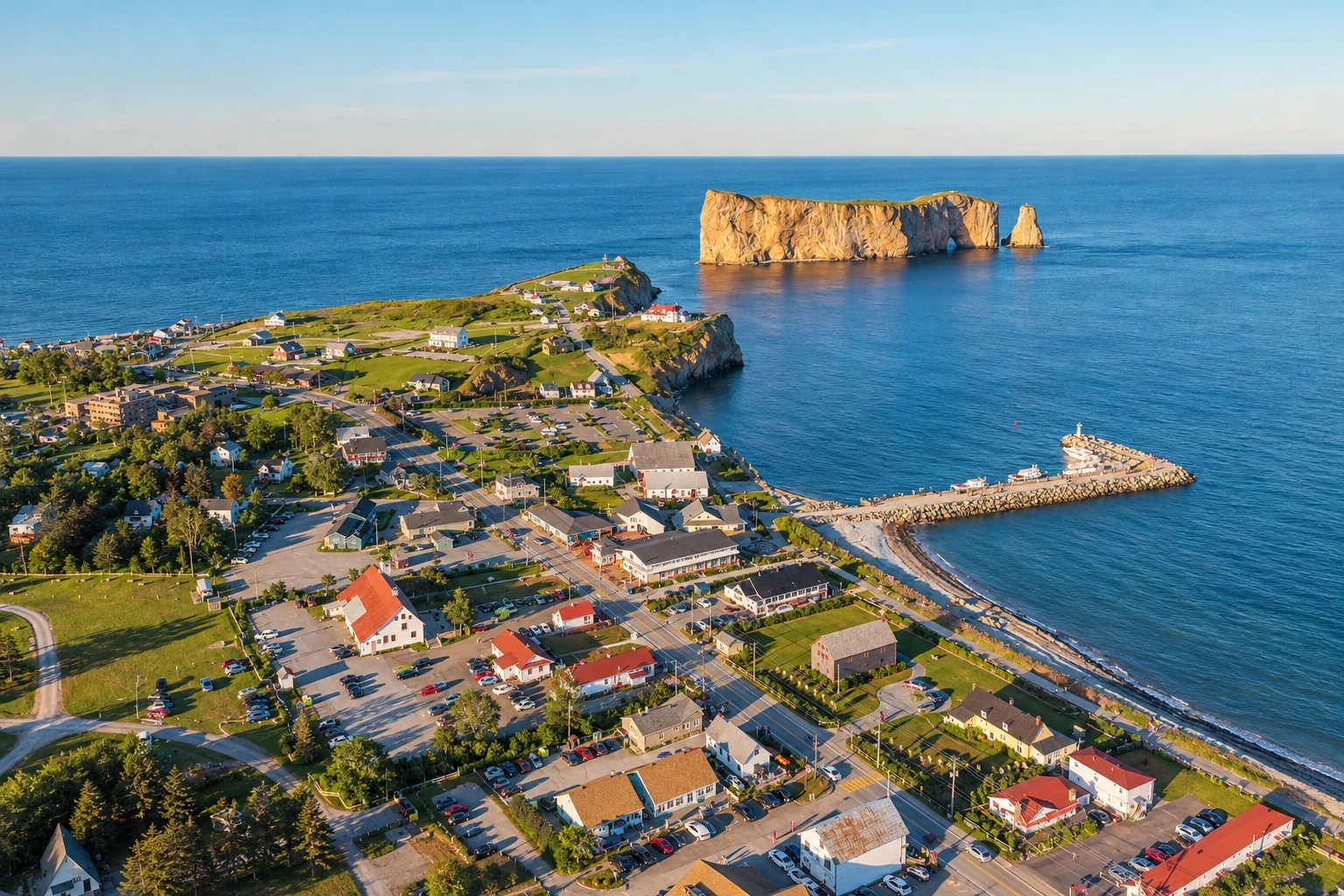
Downriver, the Saint Lawrence widens until it becomes like a sea. Charlevoix has villages such as Baie-Saint-Paul and La Malbaie between mountains and the river. In Tadoussac, at the mouth of the Saguenay fjord, whales often feed in the estuary from June to October. Further east, the Gaspé Peninsula reaches Percé Rock and Forillon National Park.
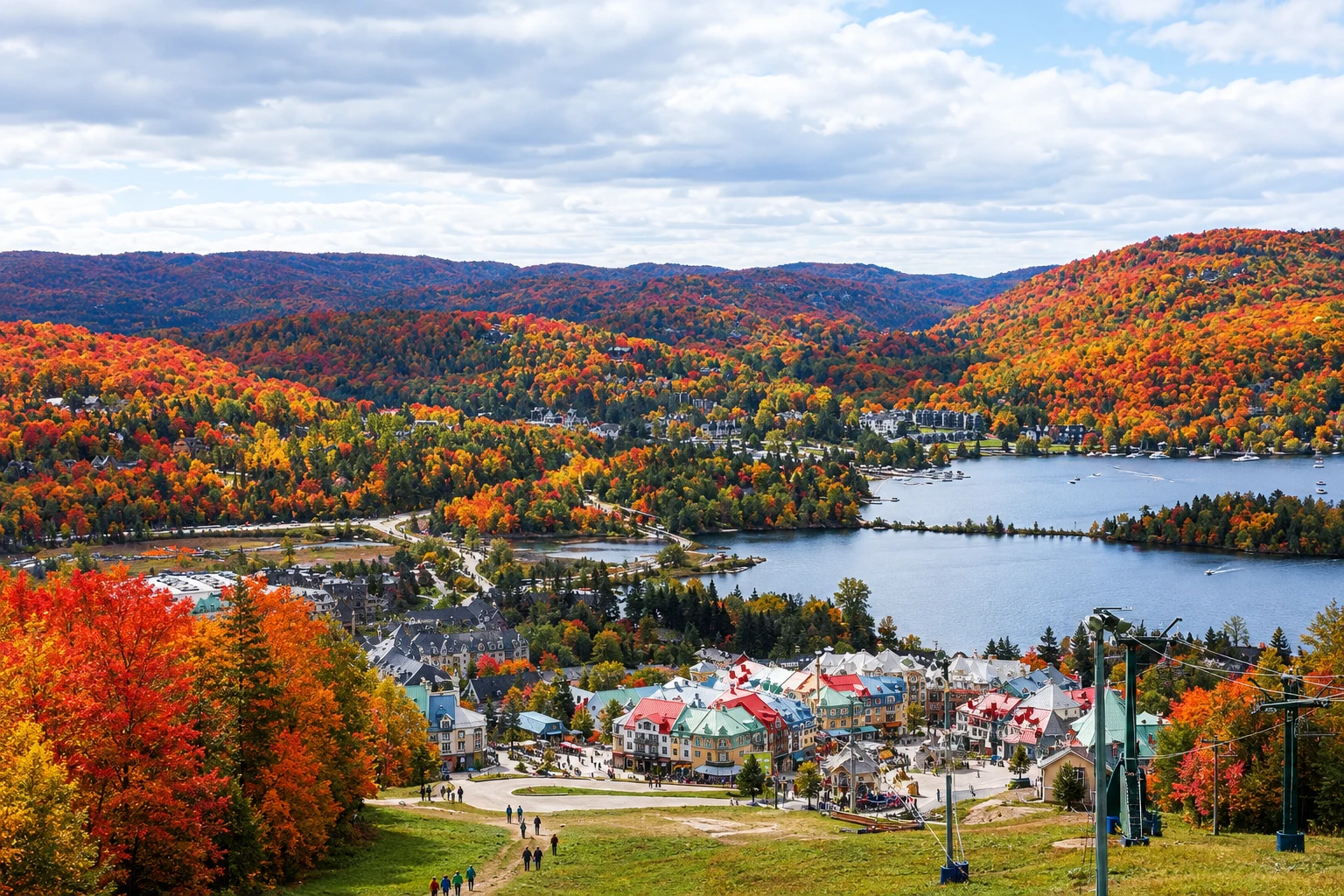
North of Montreal, the Laurentians gather lakes and the Mont-Tremblant resort; to the southeast, the Eastern Townships offer lakes, wineries and rolling hills. Maple syrup, produced at the end of winter in cabanes à sucre, and poutine—French fries topped with fresh curds and gravy—are hallmarks of the local table.

Flavors of Canada

Sweet cider distilled only from Quebec apples, whose sugar is concentrated by the natural cold of winter. Protected as a geographical indication, it has aromas of fresh and baked apple, honey and dried fruit.

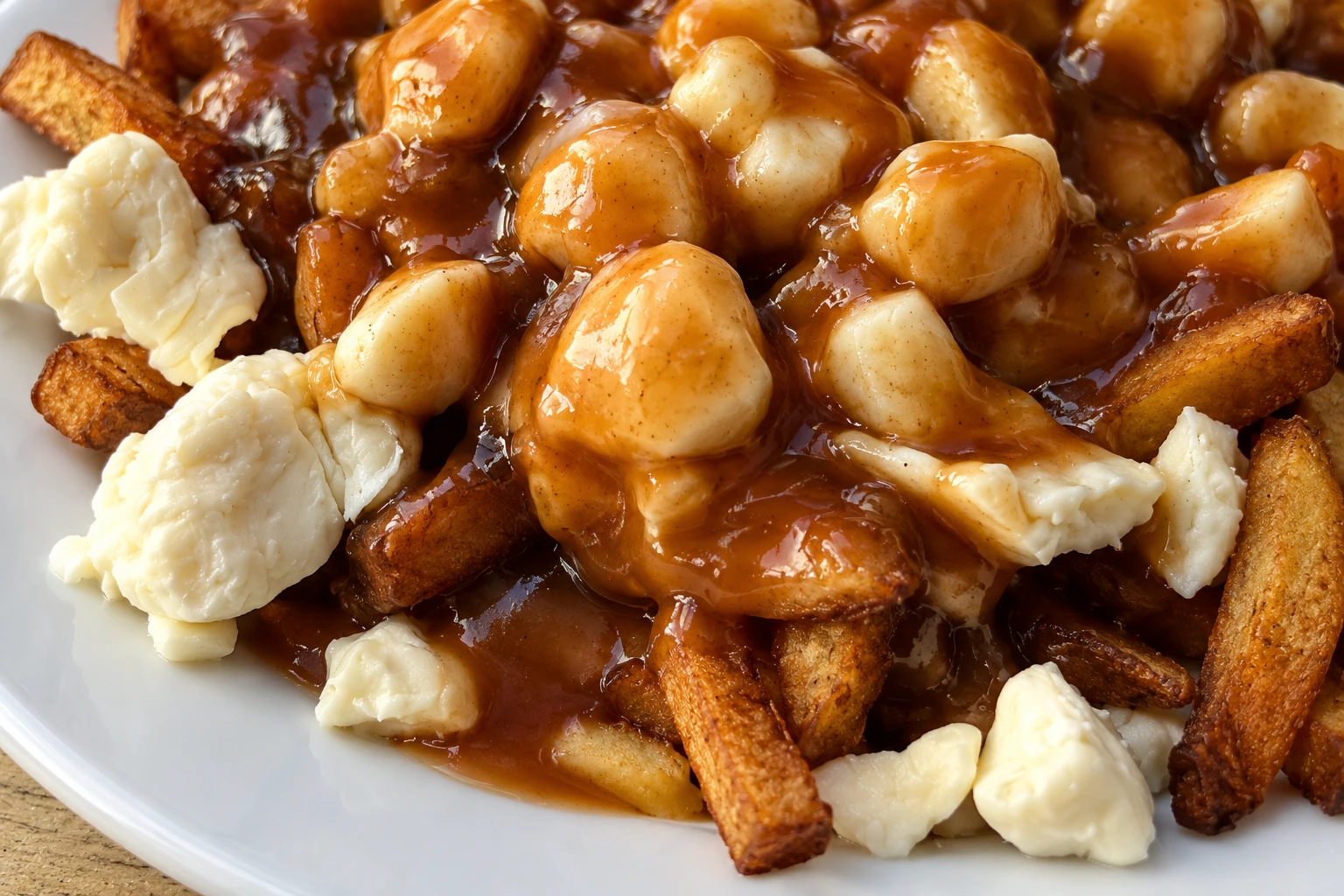
French fries topped with fresh cheese curds that squeak between your teeth, and a hot gravy. It originated in roadside eateries in rural Quebec in the late 1950s and became one of the province’s culinary symbols.
Destinations


Cities

Capital of the province of Quebec, on the shore of the Saint Lawrence River, with a walled historic center recognized by UNESCO. On the heights are Terrasse Dufferin, the Citadelle and the gates of the wall; below are Place Royale and Quartier Petit-Champlain. The Plains of Abraham, the Parliament and the Museum of Civilization round out the visit, and Montmorency Falls and Île d’Orléans are nearby.

Village in the valley of the Gouffre River, where it meets the Saint Lawrence, surrounded by mountains. Saint-Jean-Baptiste Street concentrates art galleries, studios and restaurants, and the village is the birthplace of Cirque du Soleil. Nearby are Grands-Jardins National Park, Le Massif mountain and the ferry to Isle-aux-Coudres.

Main hub of the archipelago, where the ferry from Prince Edward Island arrives, with a port, shops and services. It is close to the red cliffs of Belle-Anse, in L’Étang-du-Nord, and to Route 199, which links the islands along the dunes to Grande Échouerie beach in the east.

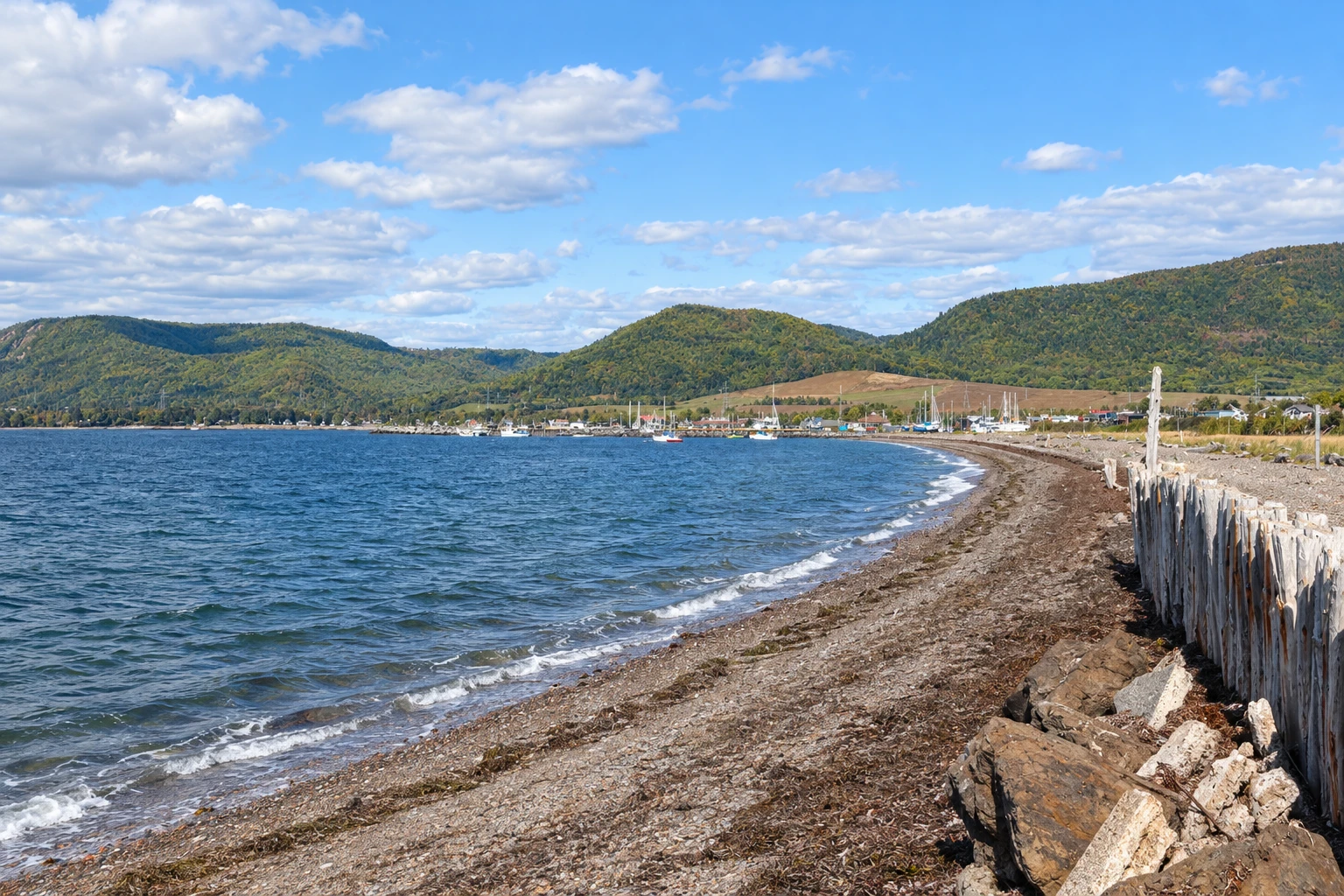
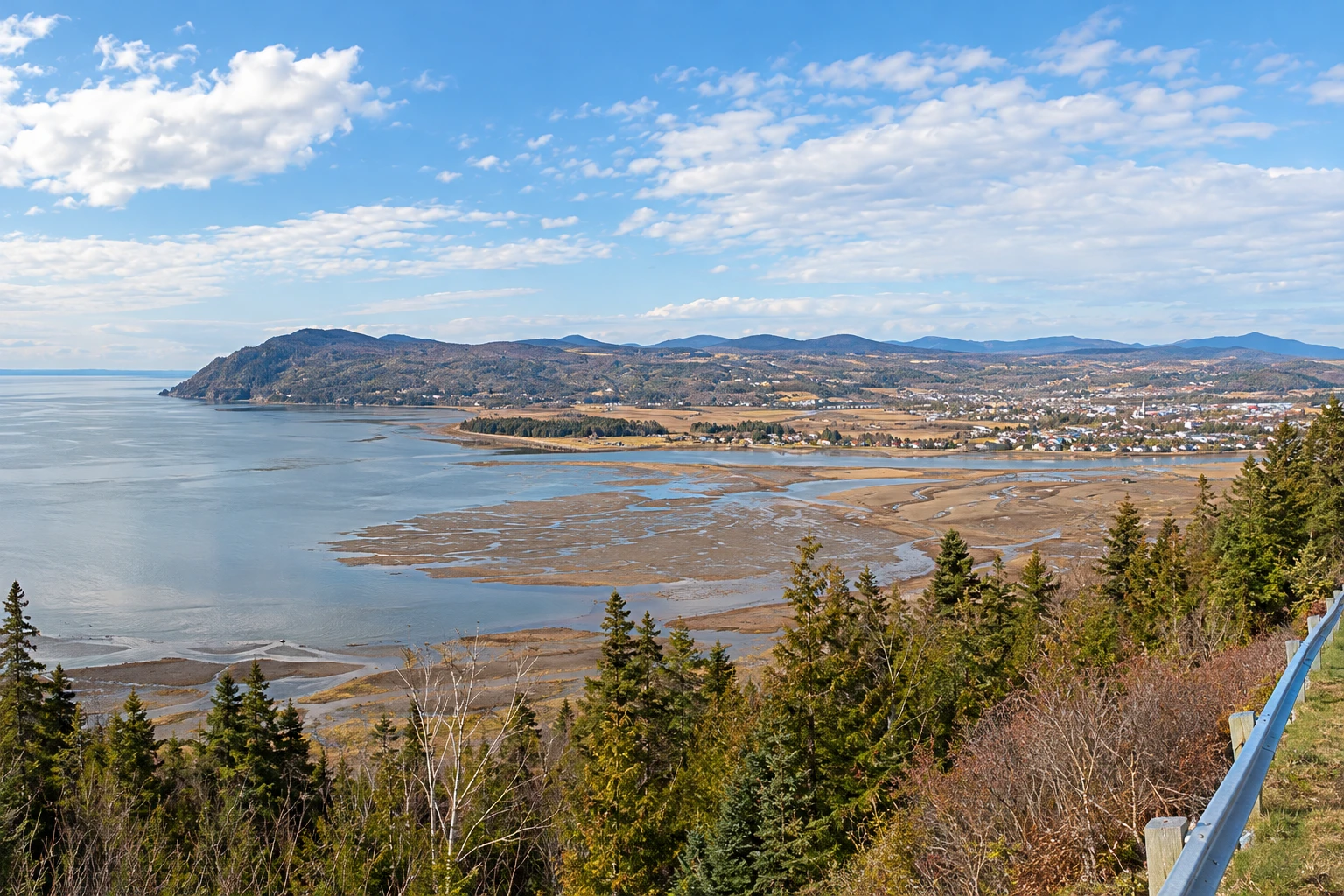
A seaside resort town on the southern coast of the Gaspésie, facing Baie des Chaleurs, with a lagoon, a sandy beach with a swimming area and trail, and Mont Saint-Joseph in the background, topped by an oratory. Miguasha fossil park is about 20 km away.

Town at the head of Gaspé Bay where Jacques Cartier landed in 1534 and erected a cross in the name of the King of France. It has the Musée de la Gaspésie, with the Cartier monument, and is the gateway to Forillon National Park at the peninsula’s tip, where the Appalachian chain ends.

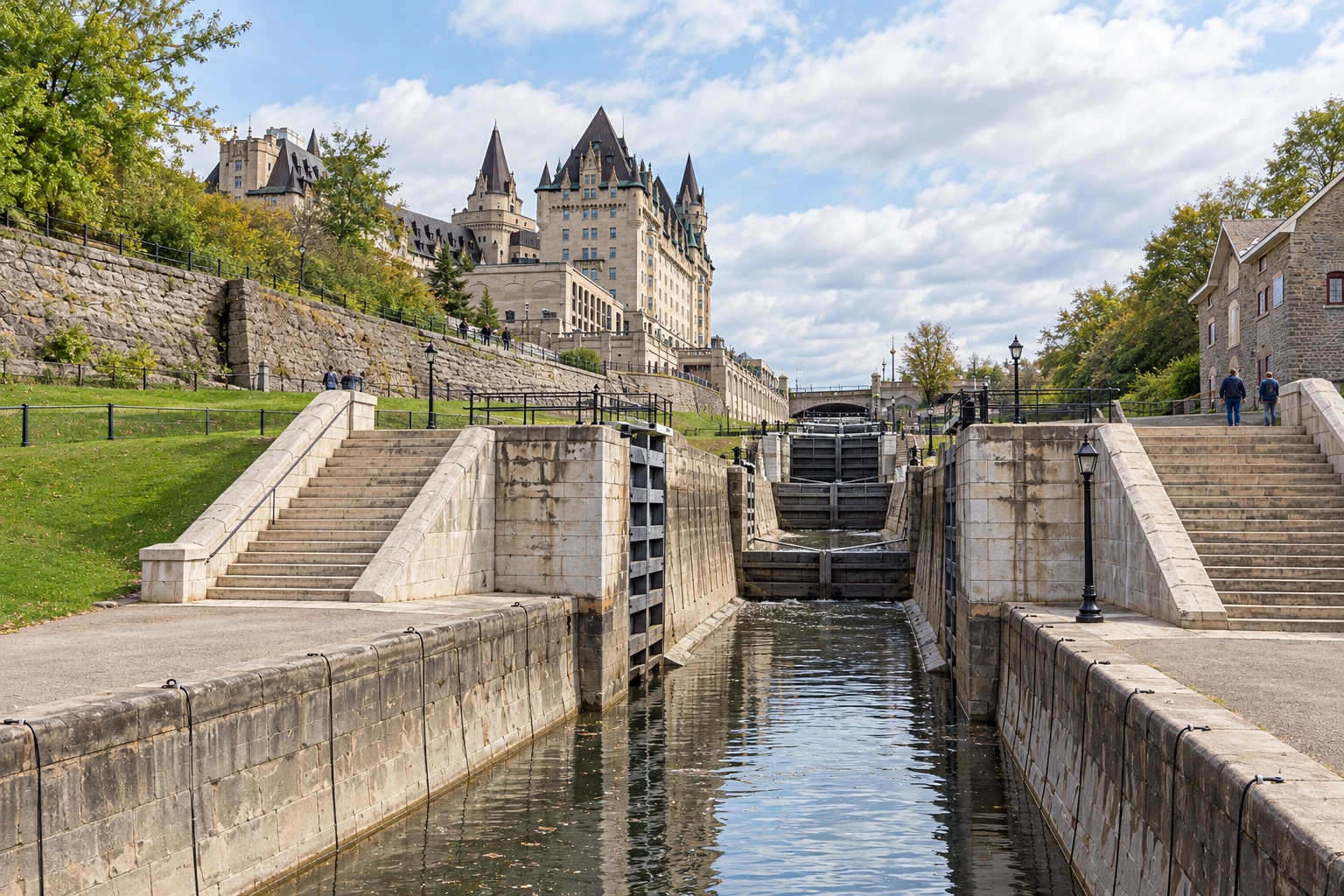
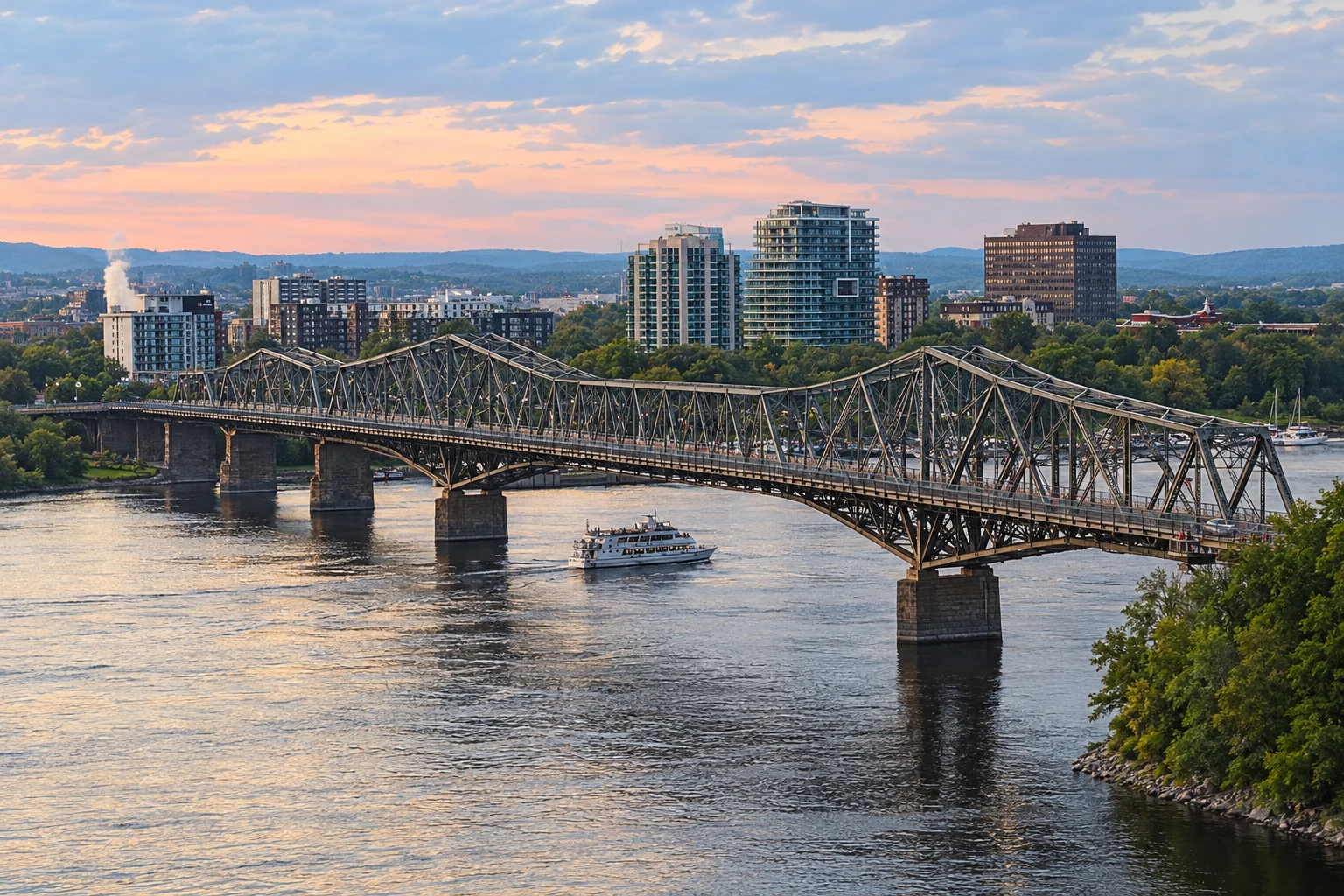
A French-speaking city on the Quebec bank of the Ottawa River, opposite Canada’s Parliament. It has the Canadian Museum of History, which faces Parliament Hill, and is the gateway to Gatineau Park, with lakes, forests and viewpoints a few kilometers from downtown.

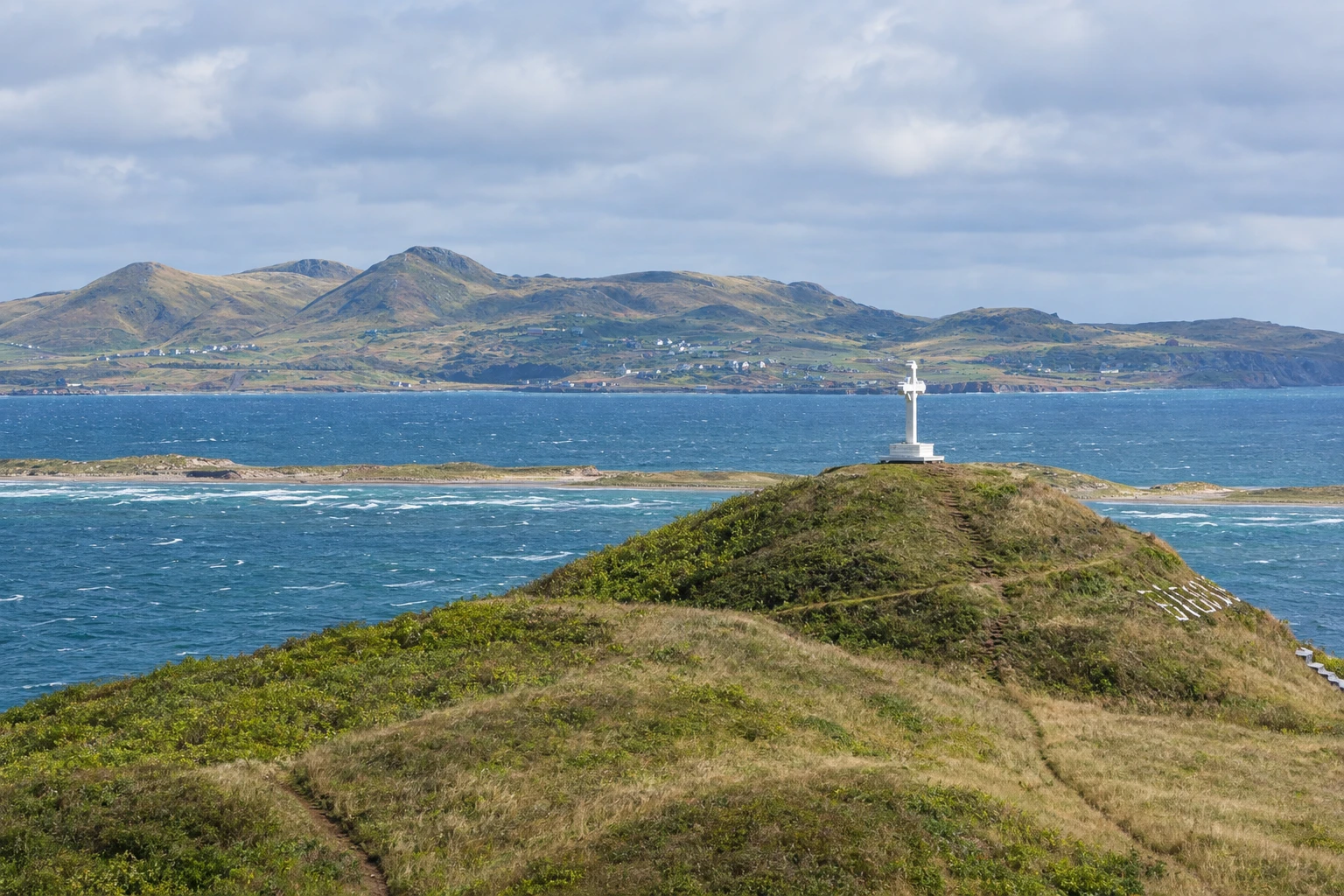
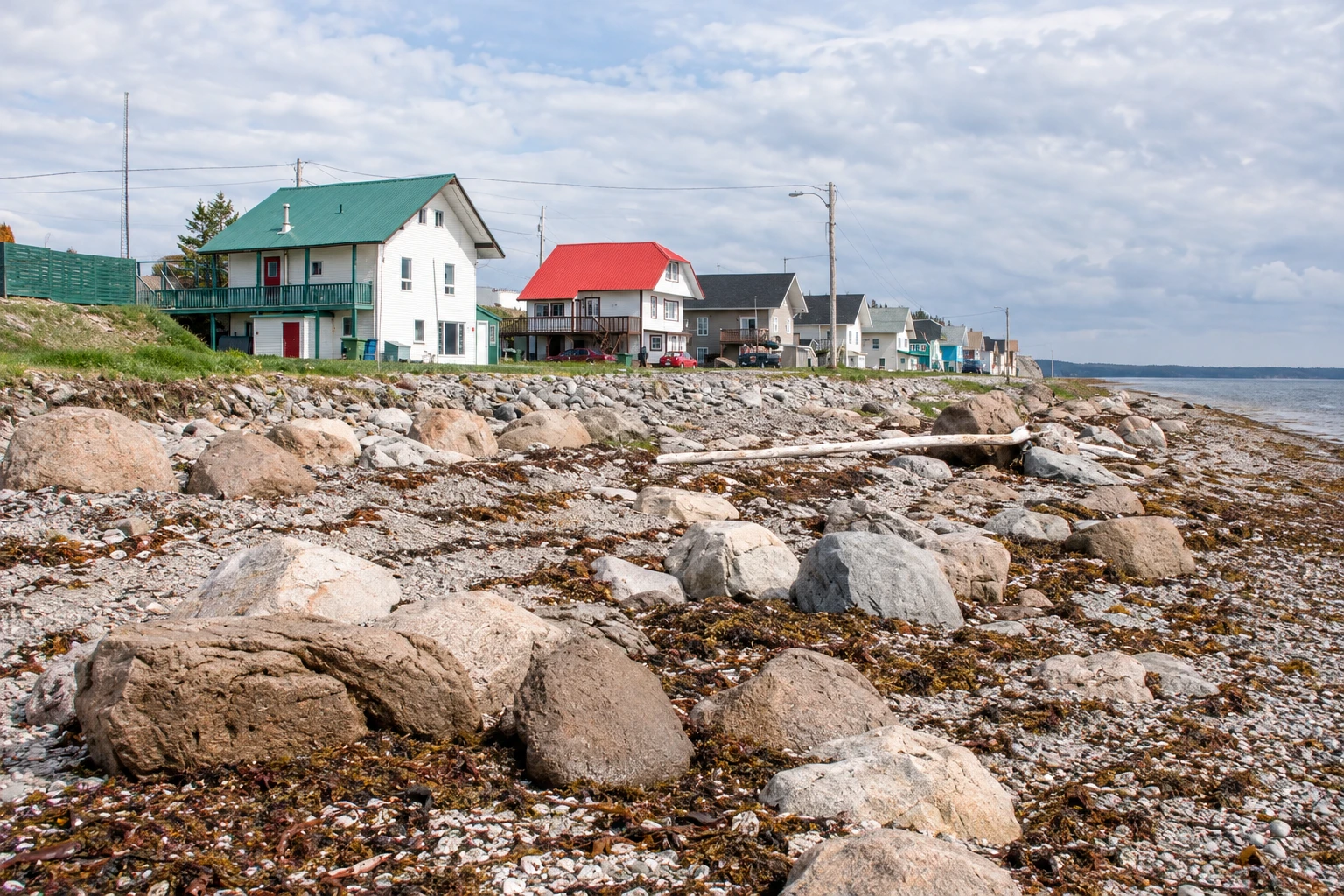
Village on the southernmost island of the archipelago, where the first Acadian settlers lived. The La Grave site brings together old fishing buildings by a pebble beach, and Sandy Hook Beach stretches for kilometers as a band of dunes.

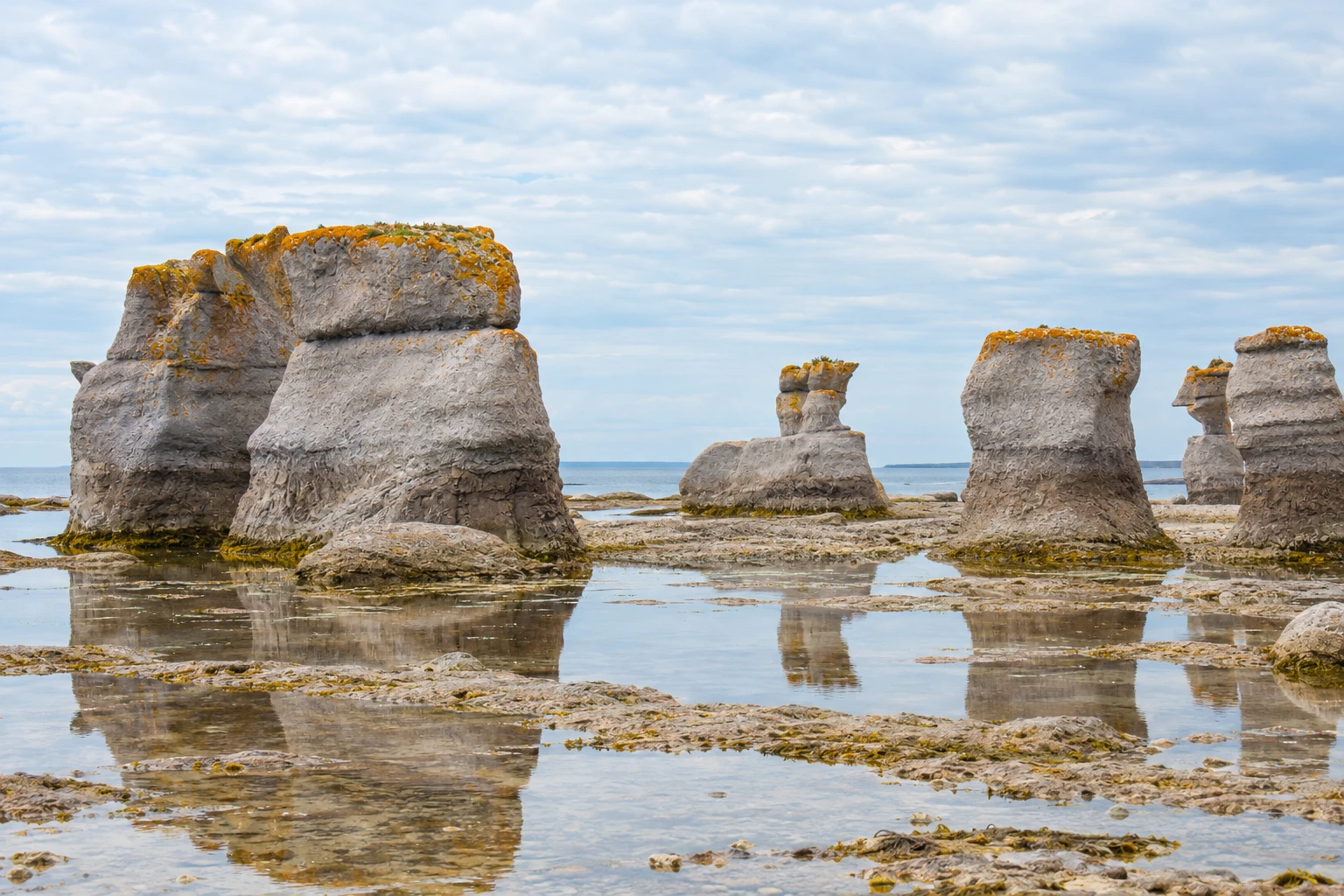
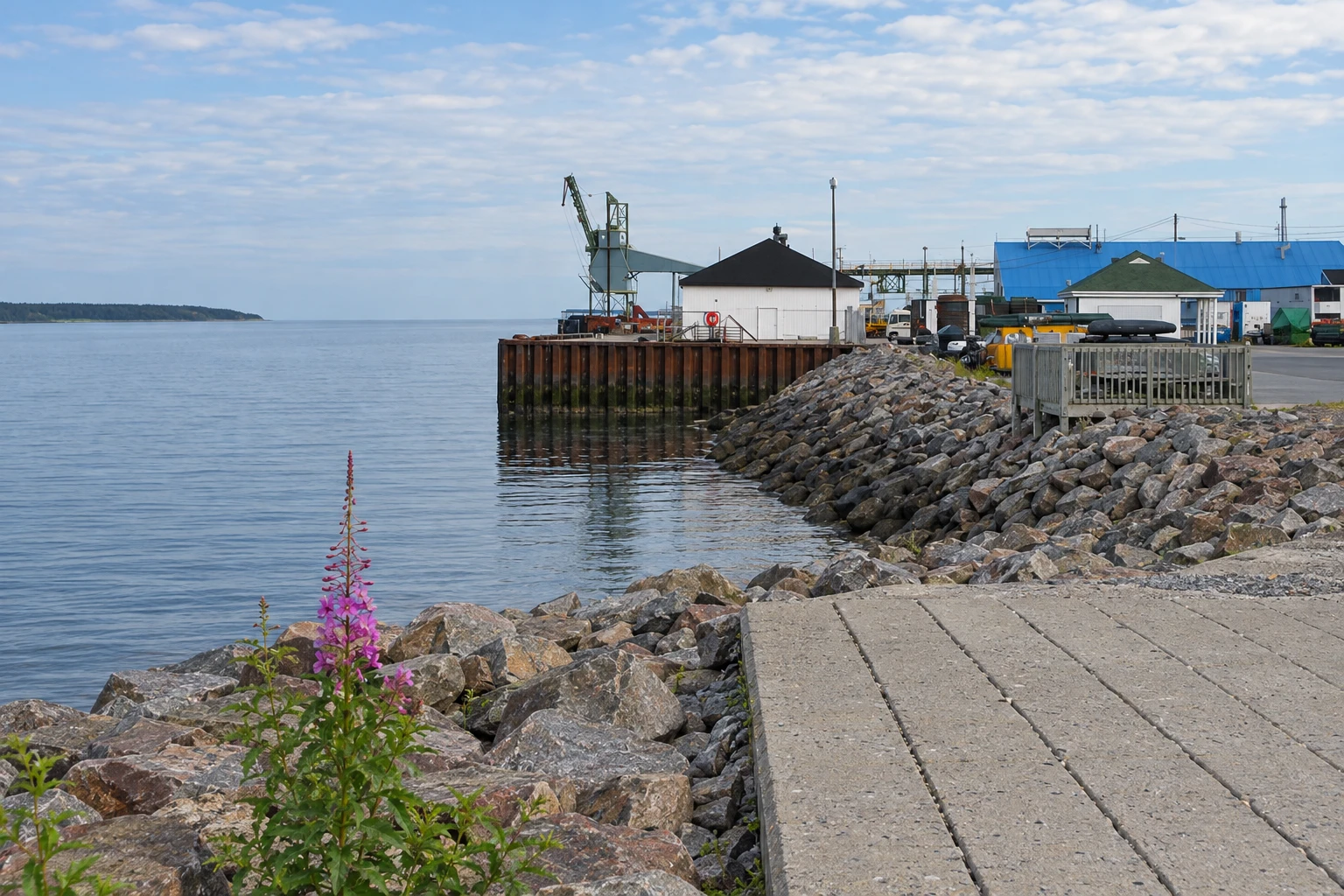
A coastal town on Côte-Nord, founded by Acadian families from the Îles-de-la-Madeleine in the 19th century. It is the main gateway to the Mingan Archipelago National Park Reserve, with boats to the monolith islands, and has flights to Anticosti.

Town at the mouth of the Malbaie River on the Saint Lawrence that includes Pointe-au-Pic, a 19th-century summer resort with mansions and the Charlevoix Museum. It is the base for Hautes-Gorges-de-la-Rivière-Malbaie National Park and for the village of Port-au-Persil, on the road that continues to Tadoussac.

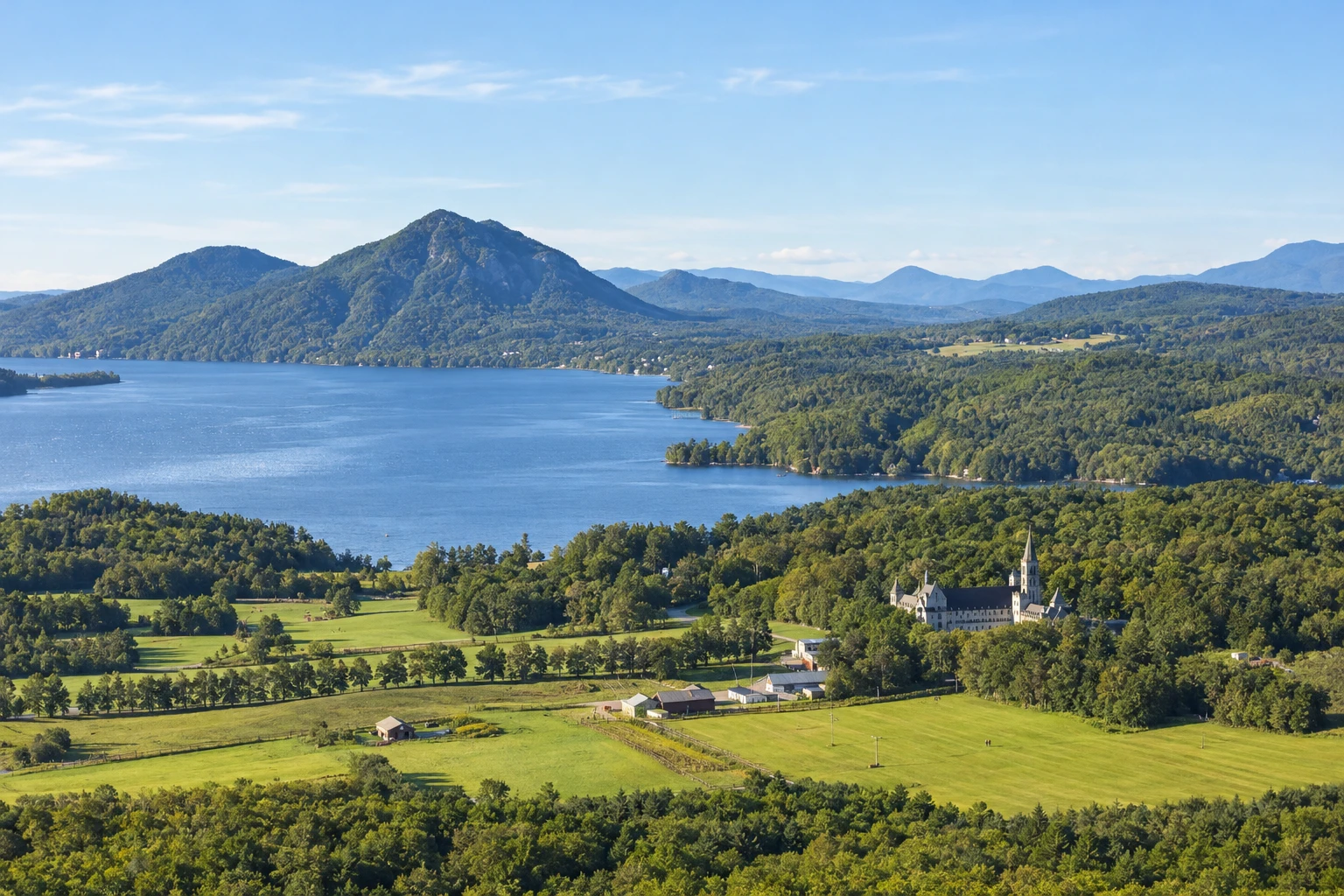
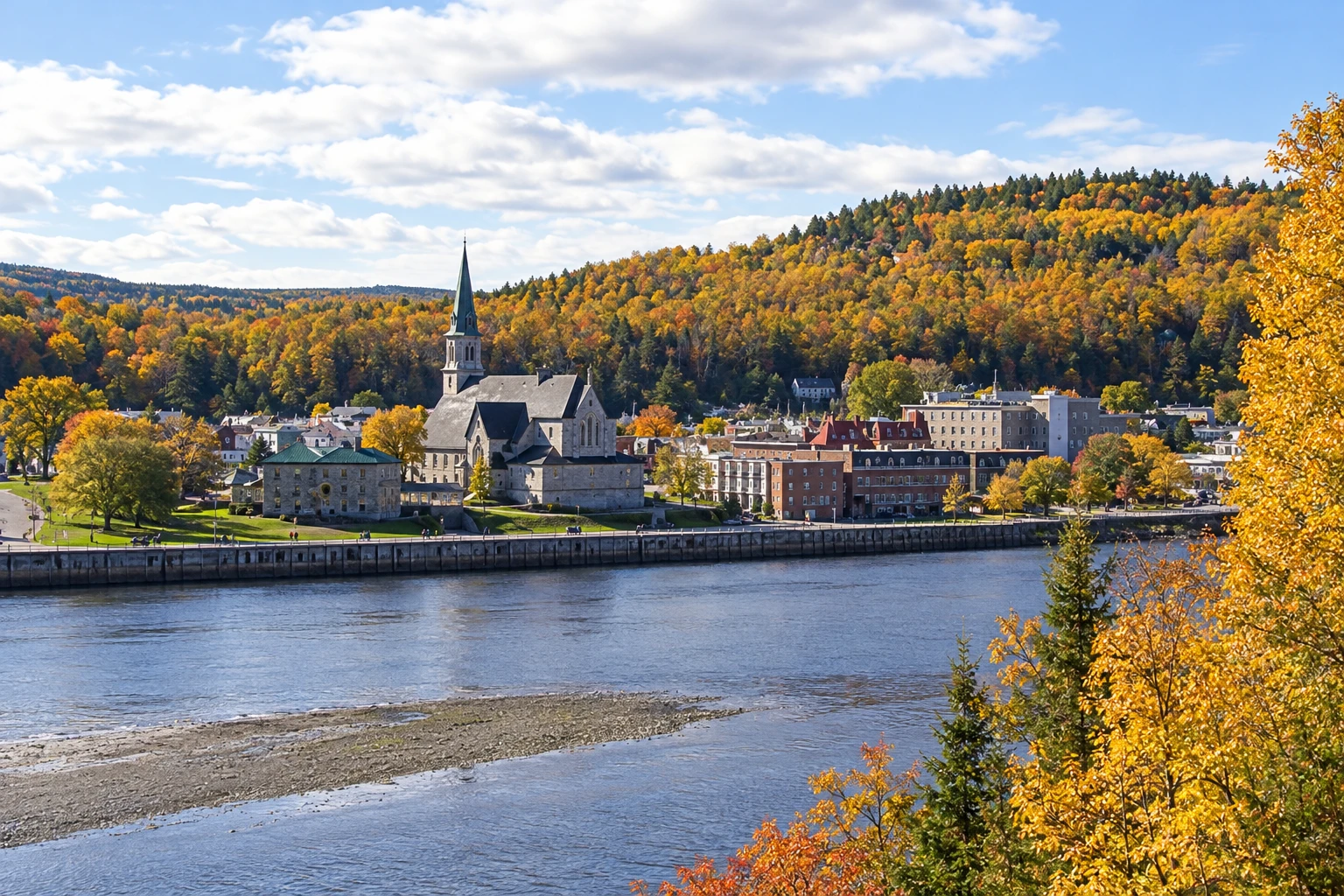
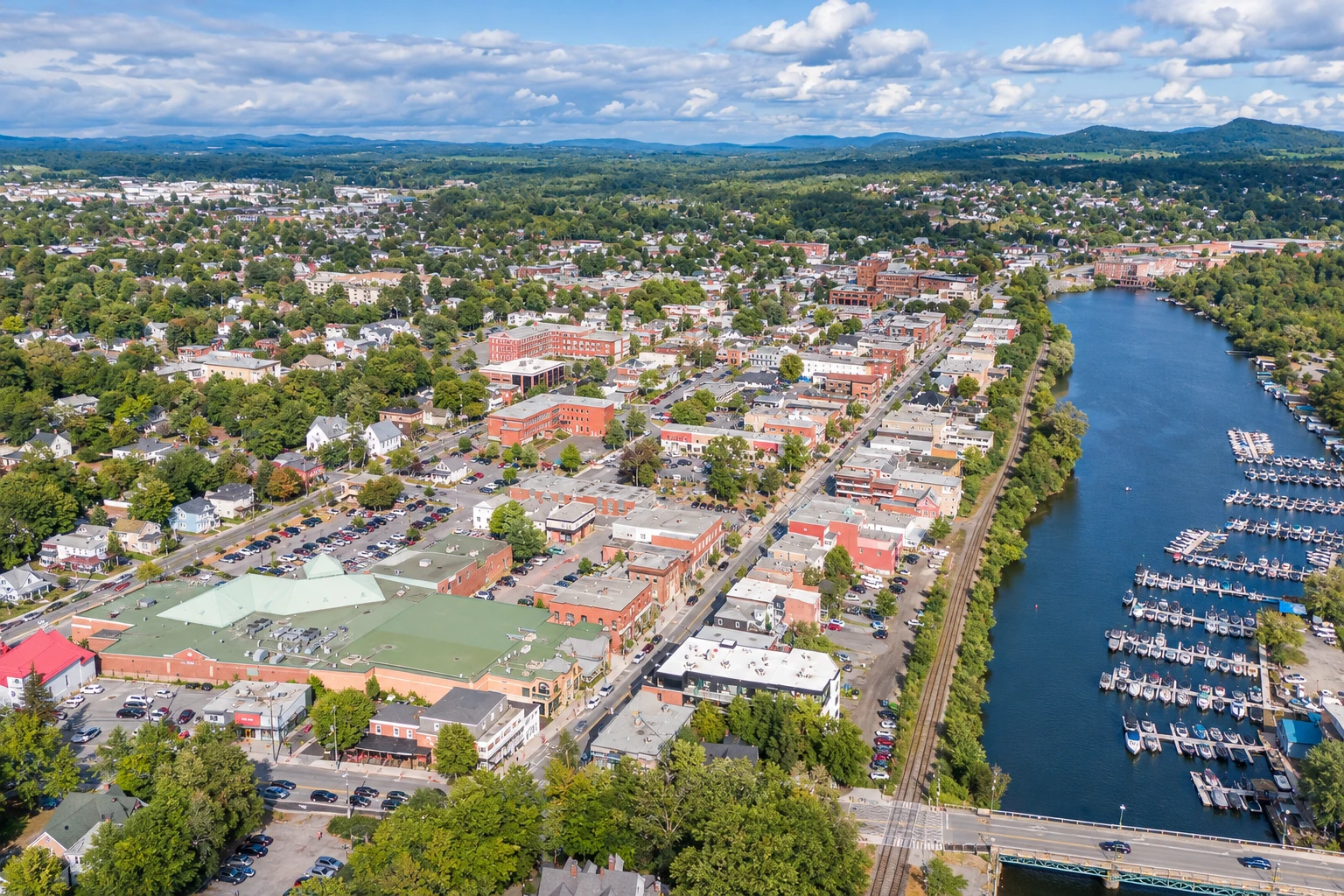
Town at the northern tip of Lake Memphrémagog, with a lakeside promenade and beaches, at the foot of Mont-Orford. It is the base for Mont-Orford National Park, the Abbey of Saint-Benoît-du-Lac and the villages and wineries around the lake.

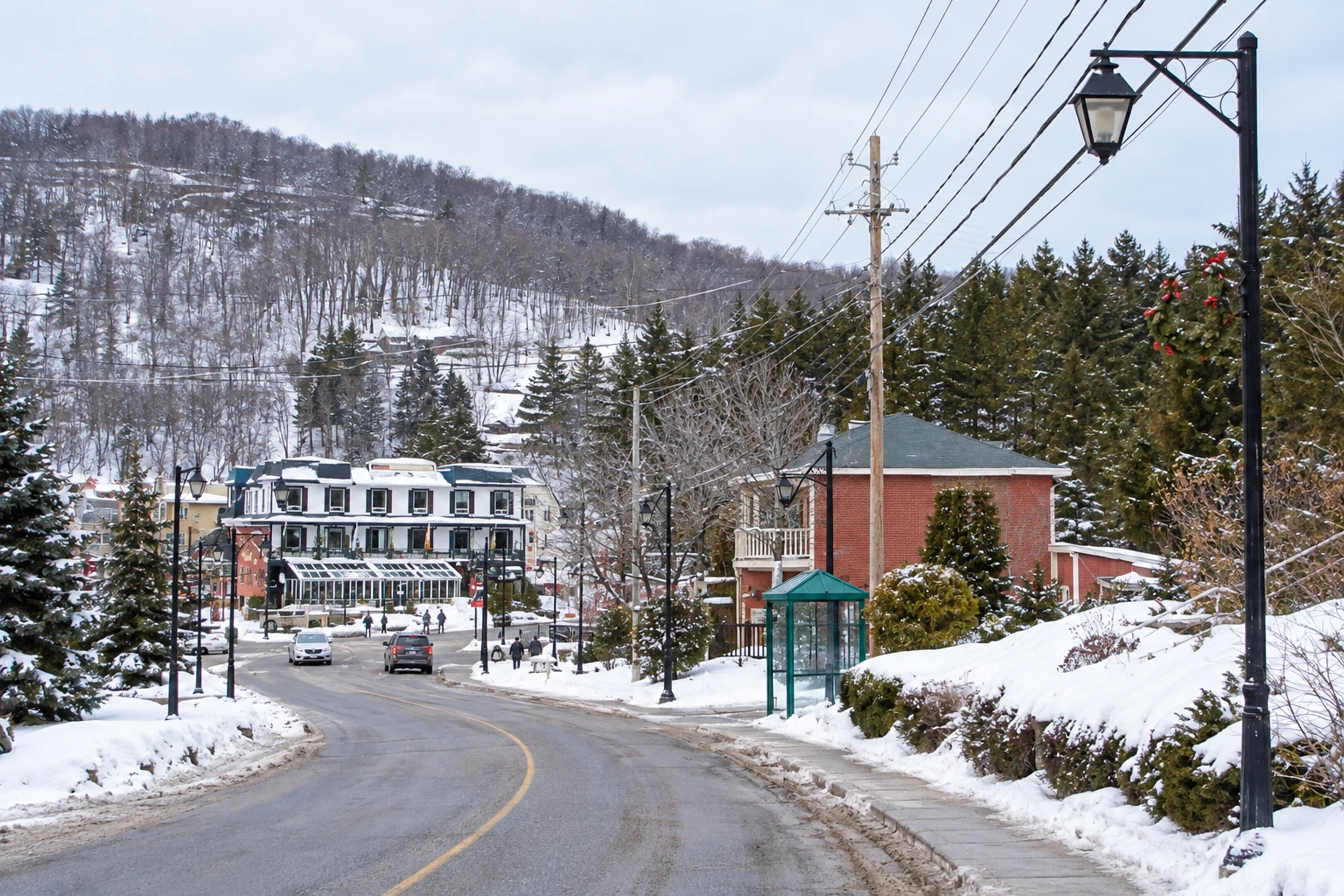
Laurentians town at the foot of Mount Tremblant that includes the Saint-Jovite center, the old village on the shore of Lake Mercier and the mountain resort, with a pedestrian village and gondola. About 25 km away is Mont-Tremblant National Park, and the P'tit Train du Nord cycling trail crosses the town.

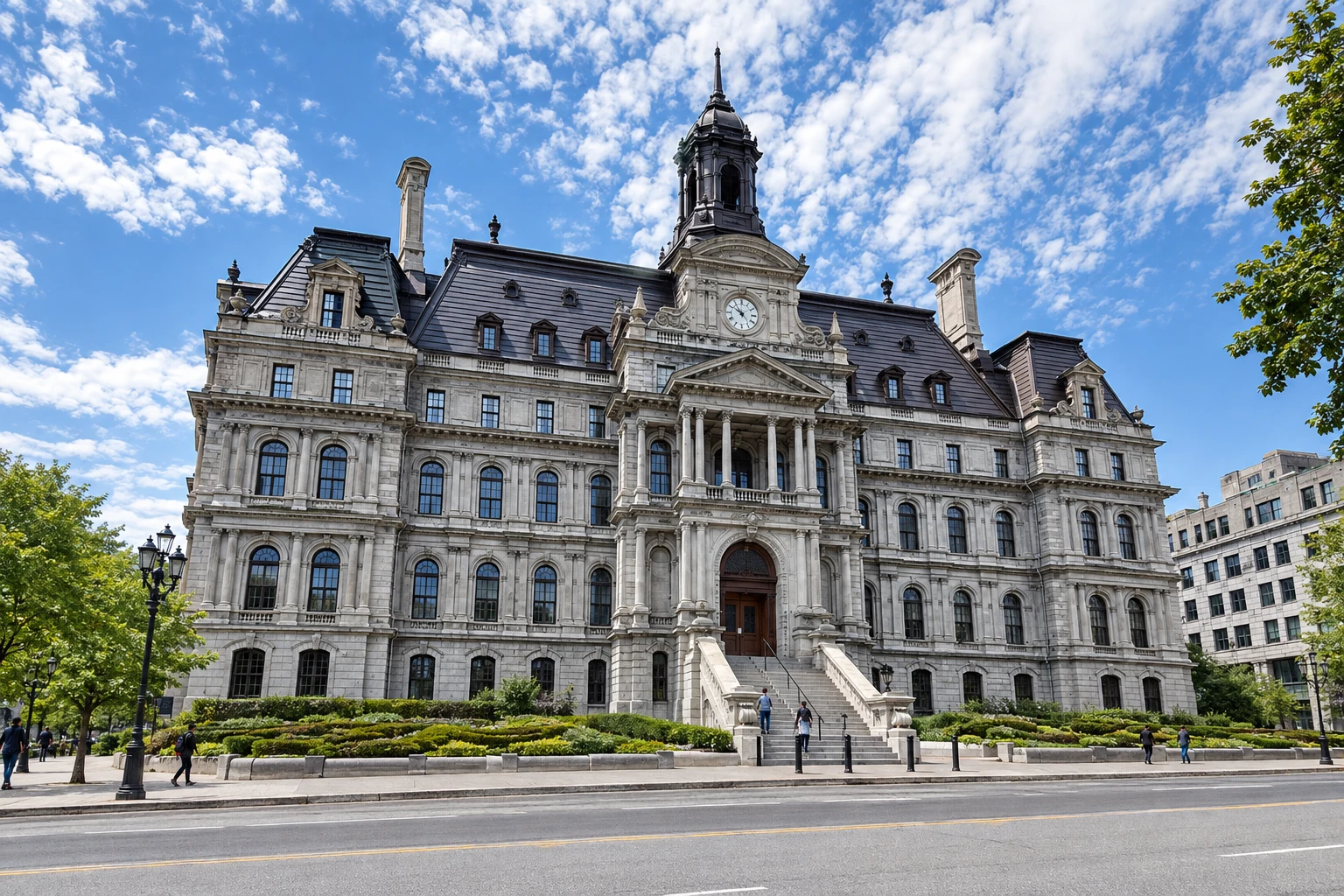
The largest city in the province of Quebec, on an island in the Saint Lawrence River. Old Montreal has cobblestone streets, the Notre-Dame Basilica and the Pointe-à-Callière Museum by the Vieux-Port. Mount Royal, in the middle of the island, is a park with viewpoints. Visits also include Saint Joseph’s Oratory, the Museum of Fine Arts, the Botanical Garden and Jean-Talon Market.

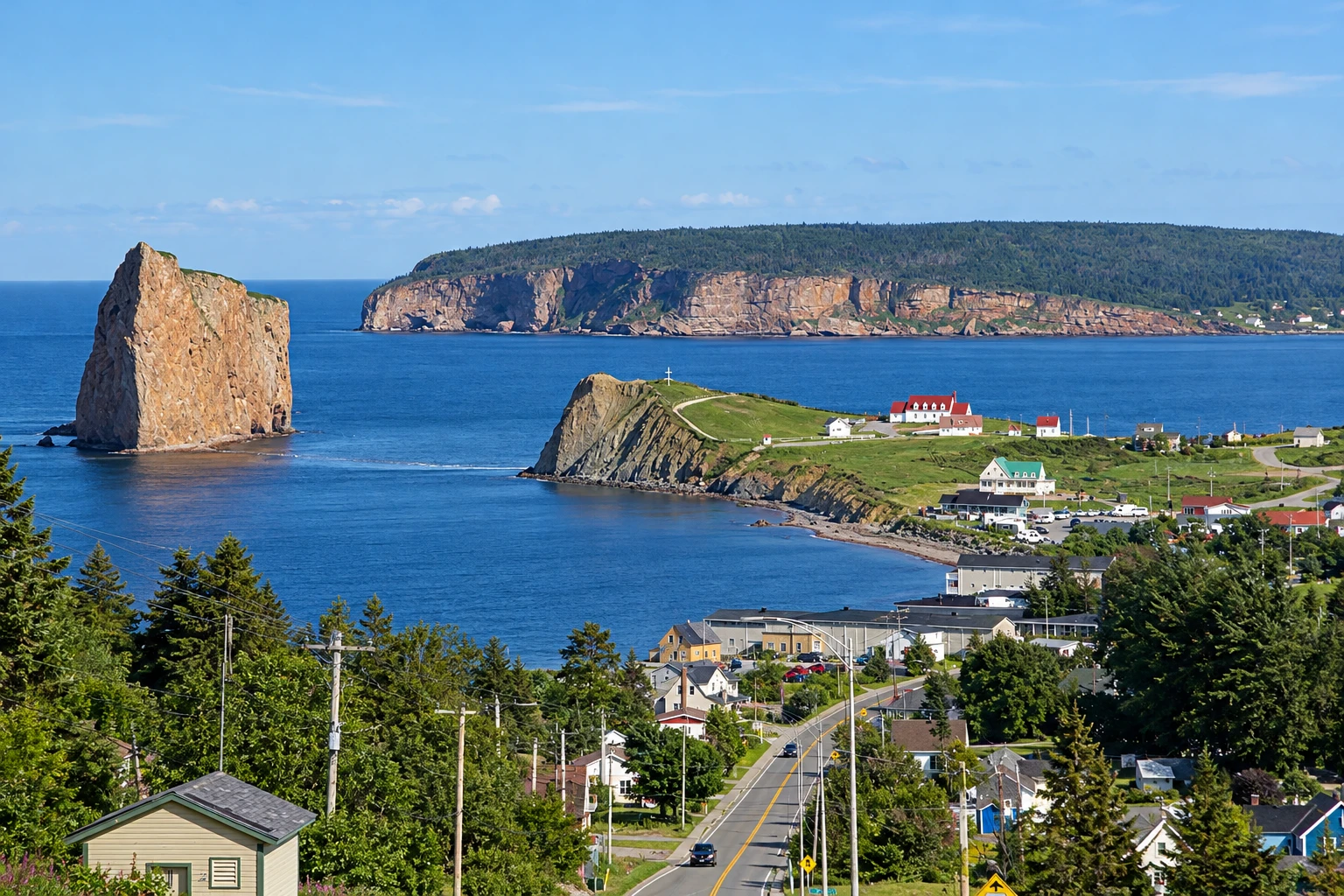
Fishermen’s village on the tip of the Gaspésie, facing the Rocher Percé and Bonaventure Island, which together form a Quebec national park. Boats leave from the pier to circle the rock and disembark on the island. On the summit of mont Sainte-Anne, the geopark has a glass platform overlooking the village and the sea.

The only village on Anticosti Island, at the western tip, with about 200 residents, a port, an airport and the island’s services. It was founded by chocolatier Henri Menier in the late 19th century. Deer wander the streets, and dirt roads lead to the canyons, waterfalls and beaches of the national park.

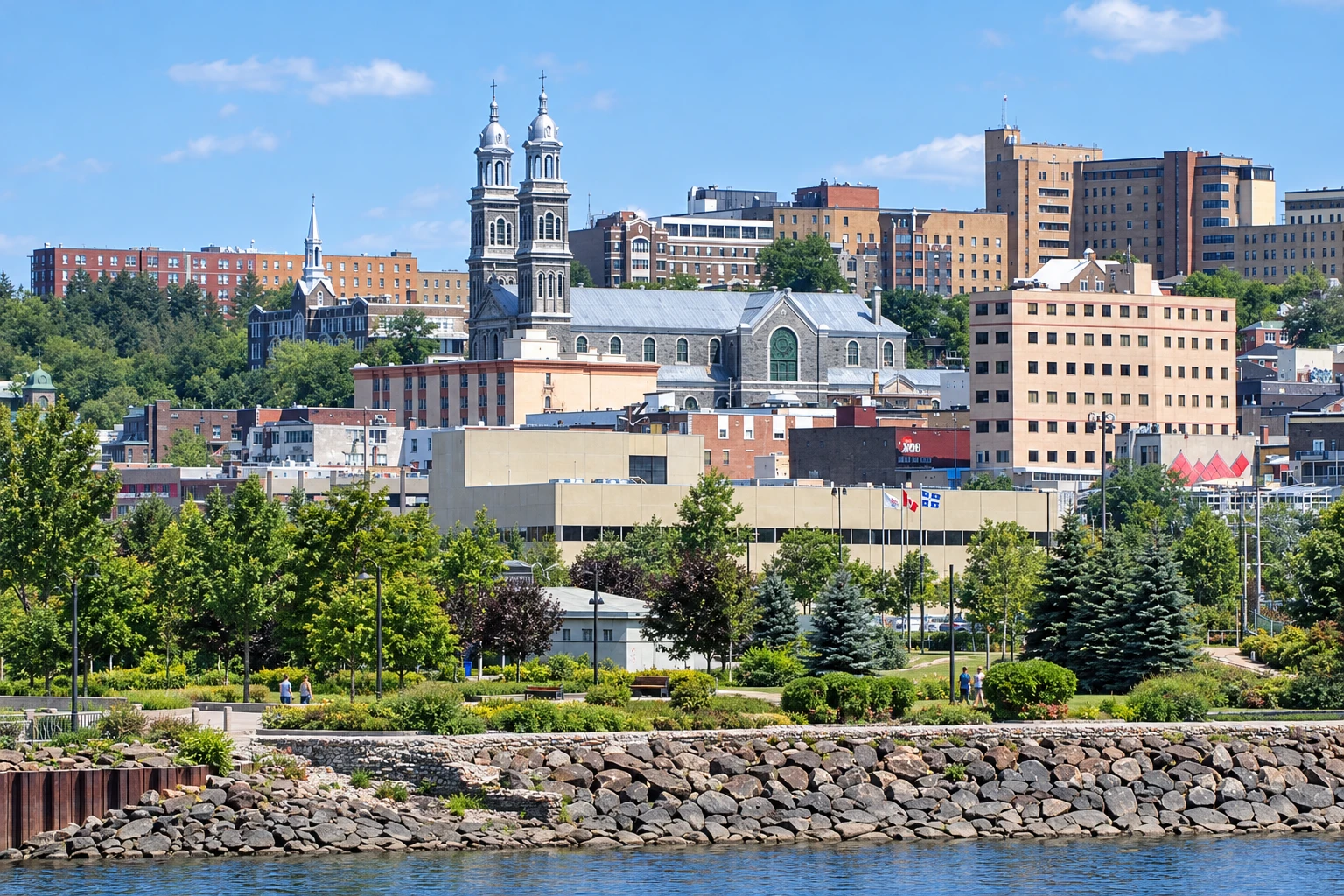
City at the end of the Saguenay fjord that includes Chicoutimi, Jonquière and La Baie. In Chicoutimi, the old pulp mill was turned into La Pulperie museum, and the small white house that survived the 1996 flood is a local symbol. Downriver is the Baie‑Éternité sector, with Cap Trinité and the statue of Notre‑Dame‑du‑Saguenay.

Largest city in the Eastern Townships, at the meeting of the Magog and Saint-François rivers, with a university and a downtown decorated with murals painted on building façades. It has the Lac des Nations, with a promenade, and is the base for the Coaticook Gorge and the Mont-Mégantic observatory.

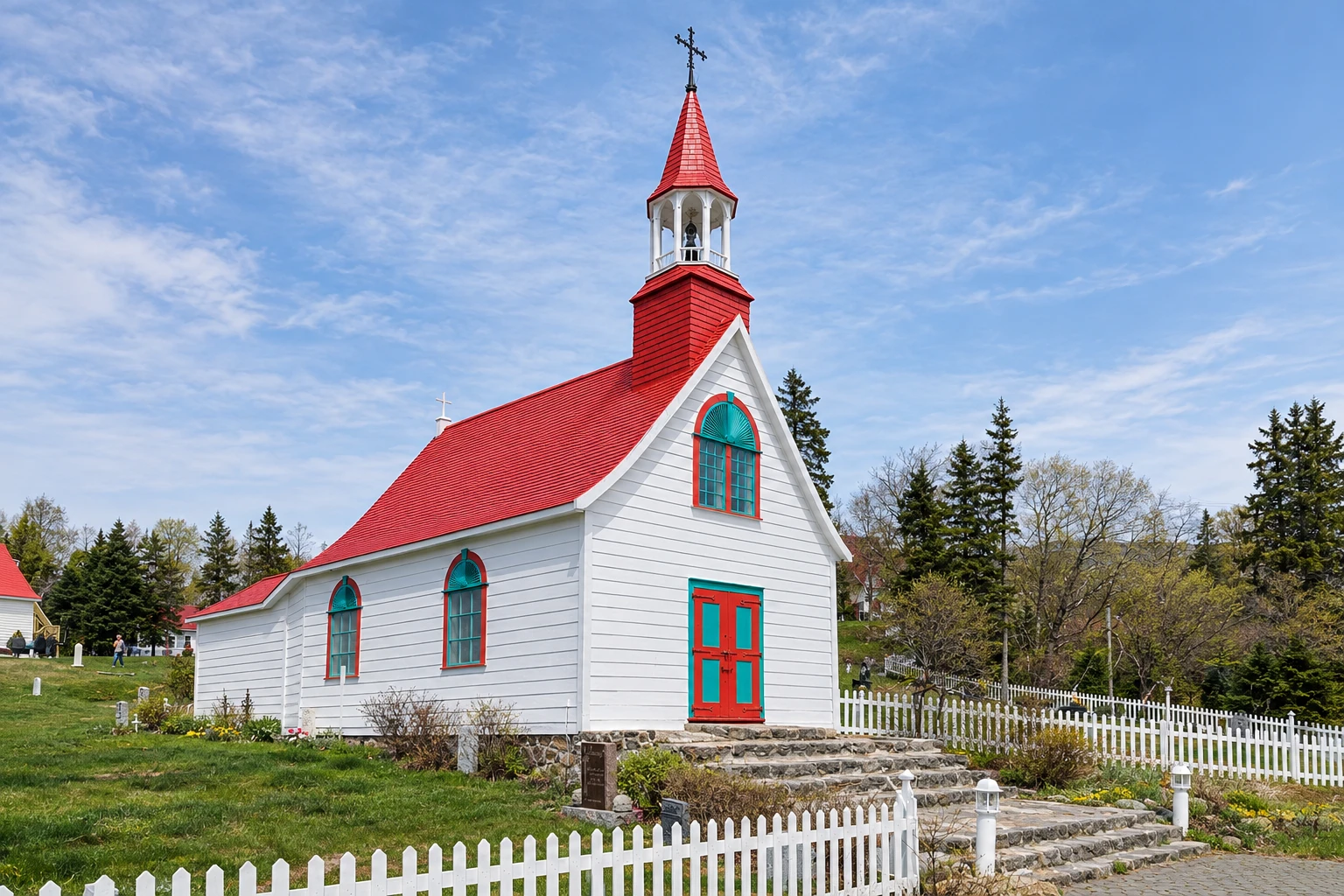
Village at the mouth of the Saguenay, in a bay surrounded by hills and dunes, a fur-trading post since 1600. It is the main base for whale watching in the St. Lawrence, with boats and kayaks leaving from the quay, the marine mammals interpretation centre, the Pointe de l'Islet trail and the sand dunes overlooking the river.

City from 1634 on the north shore of the Saint Lawrence, at the mouth of the Saint-Maurice River. The historic center has the Ursuline convent, streets of old houses and a riverside boardwalk. The former prison, the Boréalis paper museum and the Notre-Dame-du-Cap shrine complete the visit.
Summer, from June to August, is warm, with festivals in Montreal and the city of Quebec, and coincides with the whale season, which typically runs from June to October. From late September to mid-October, forests usually turn red and yellow. Winter is long, from December to March, with snow, subzero temperatures, skiing and the Quebec Winter Carnival between late January and February. March and April are the months for maple syrup.
Montréal–Trudeau International Airport (YUL) is the main arrival point, with flights to Europe, the Americas and other provinces; the city of Quebec has Jean-Lesage Airport (YQB). Long-distance trains connect Montreal with the city of Quebec, Ottawa and Toronto. By road, highways follow both banks of the Saint Lawrence, and the border with the United States is about an hour’s drive from Montreal.
Beyond the guide
Your questions
No, it’s not mandatory. In Montreal and tourist areas of the city of Quebec, many people speak English, but French predominates in rural areas. Signs, menus and notices are in French, and simple words like bonjour and merci help in everyday situations.
About five days: three in Montreal and two in the city of Quebec, roughly a three-hour drive or train ride apart. With an extra day you can include Montmorency Falls and Île d’Orléans, or head to Charlevoix.
Whale-watching boats usually operate from June to October. Minke whales, humpbacks and fin whales enter the estuary to feed, and St. Lawrence belugas live in the region year-round. The presence of each species varies through the season.
It’s the cabin where maple syrup is produced from tree sap collected at the end of winter, generally in March and April. At that time many open for traditional meals featuring dishes drenched in syrup and tire, the hot syrup that hardens on snow and is rolled onto a stick.