Museo de ColoniaMunicipal museum spread across historic houses in the Barrio Histórico, with a single ticket: Espacio Rebuffo, Espacio Portugués, Vivienda Portuguesa (Casa de Nacarello), Espaci...
Real de San Carlos BullringFormer bullring in Moorish style, inaugurated in 1910 and closed shortly afterwards with the ban on bullfighting.
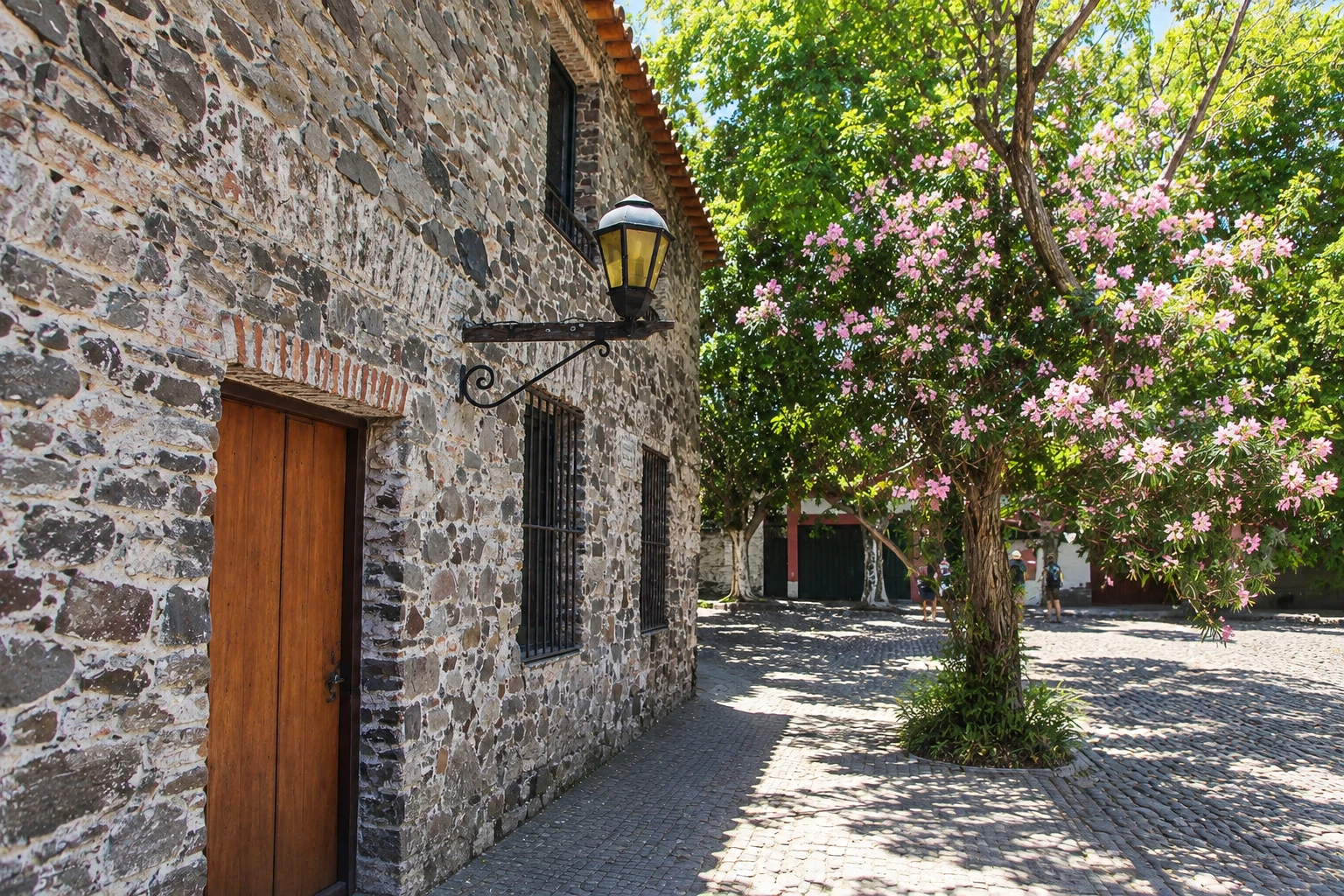
The core founded by the Portuguese in 1680, a UNESCO World Heritage Site since 1995. Cobblestone streets, single‑story houses, the Plaza Mayor 25 de Mayo, the Faro, the Basílica and the museums are concentrated within a few blocks at the tip of the peninsula.
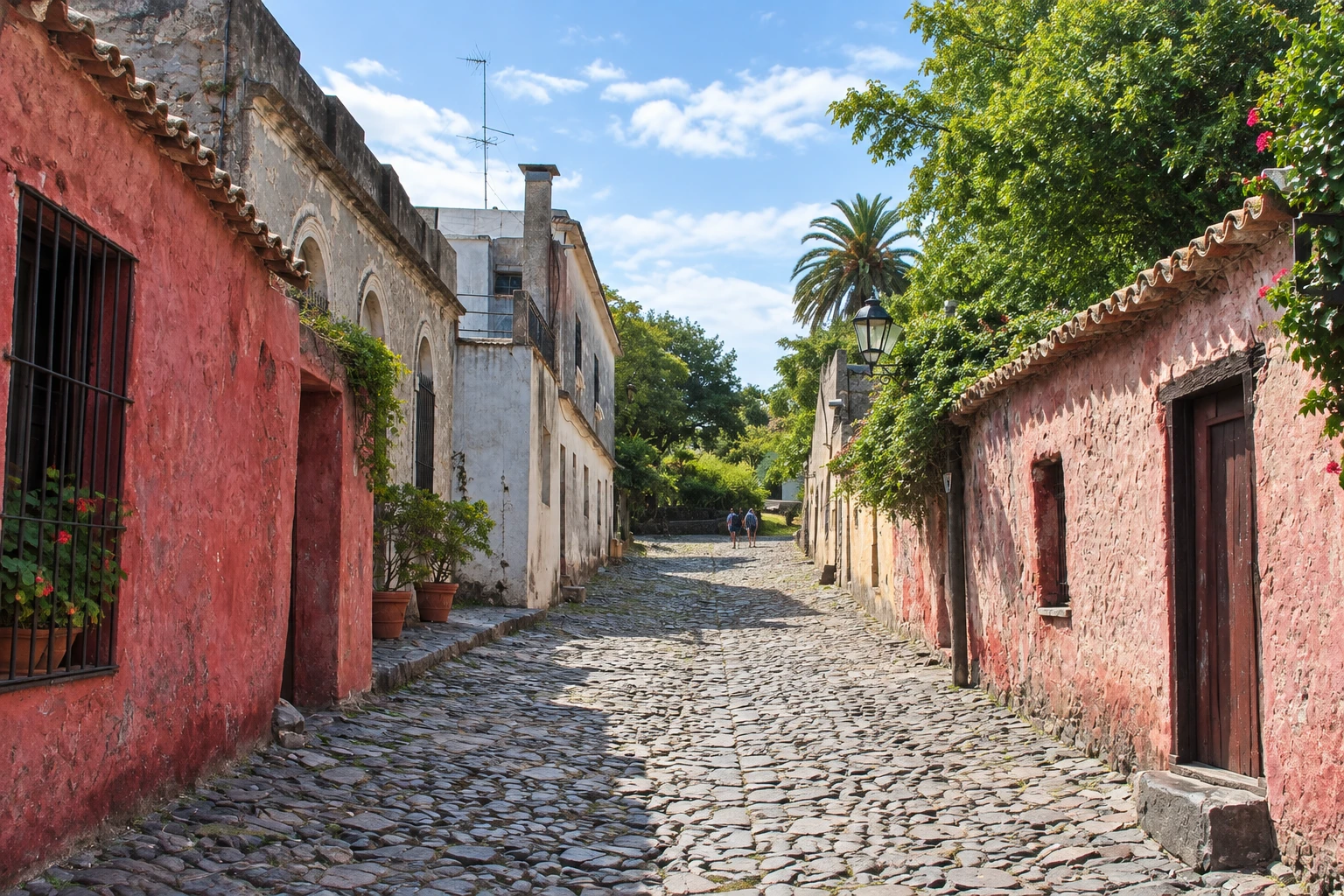
One of the most typical streets in the Barrio Histórico: uneven stone paving, low colonial houses and the river in the background. It begins beside the Plaza Mayor and slopes down toward the riverbank.
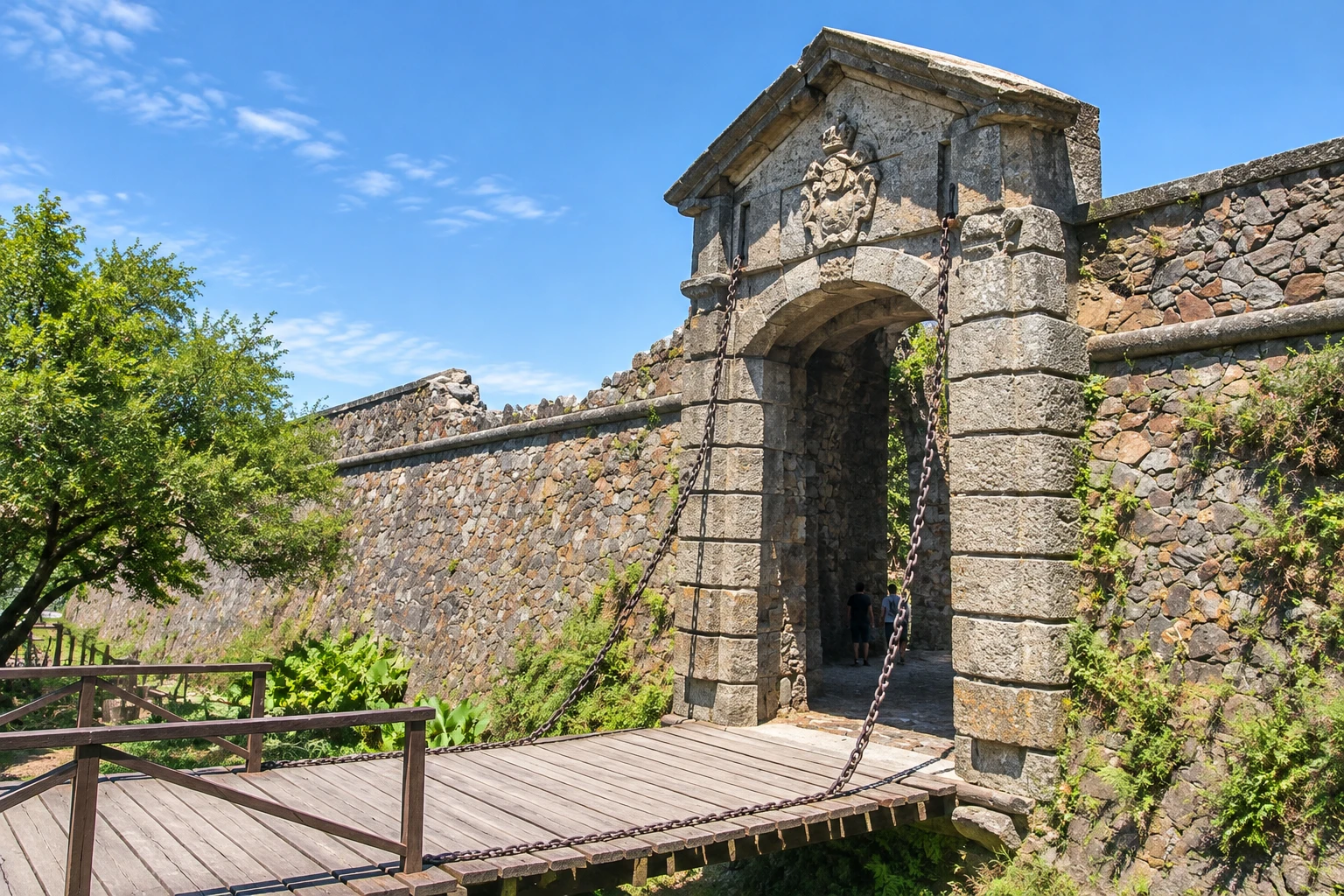
The entrance gate of the old Portuguese citadel, from 1745, with a wooden drawbridge and sections of the wall. It is the traditional access to the Barrio Histórico coming from the center.
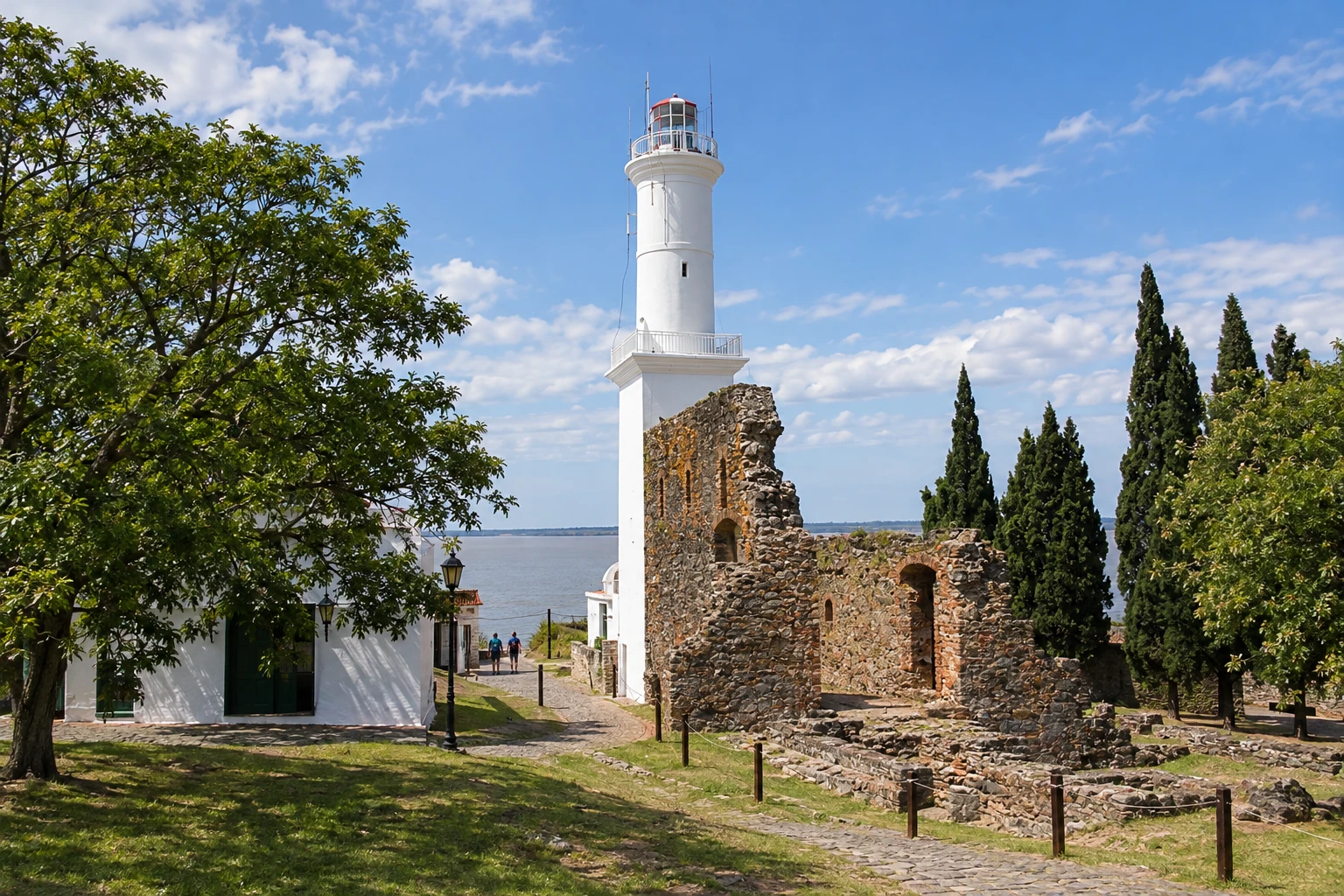
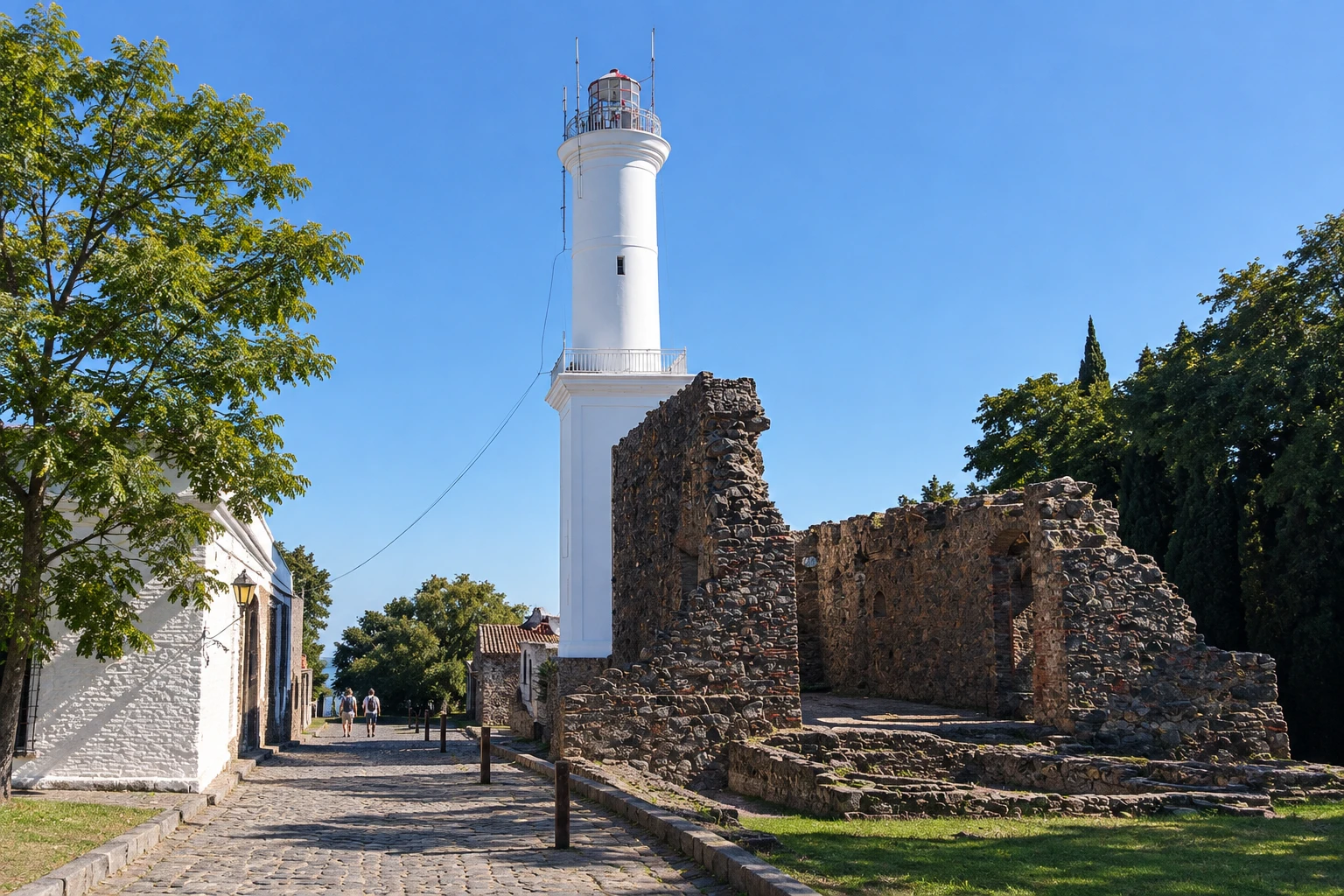
1857 lighthouse built on the ruins of the Convento de San Francisco. Still in operation, it can be climbed via a spiral staircase to a viewpoint over the Barrio Histórico and the Rio de la Plata.
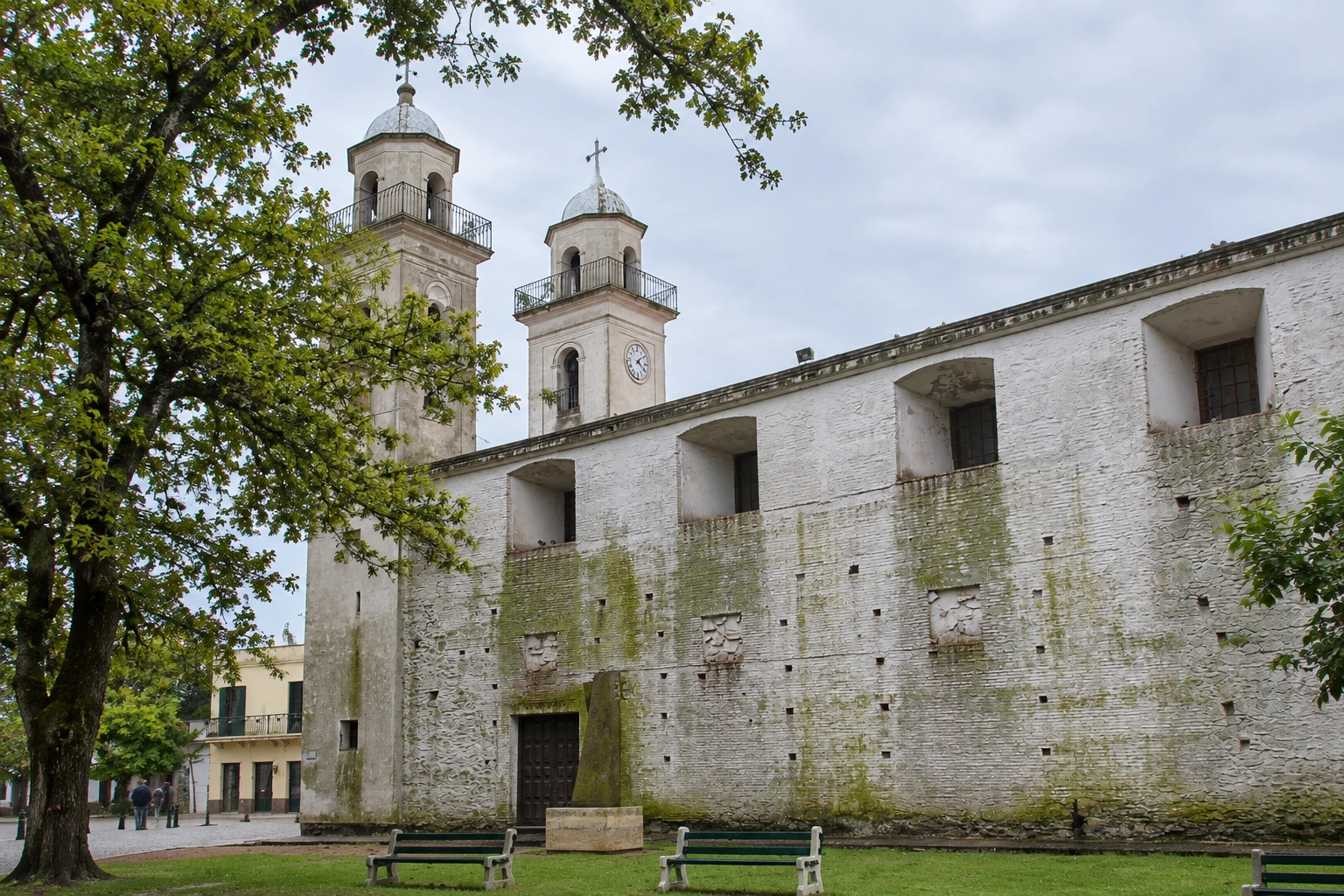
Considered the oldest church in Uruguay, with the parish established in 1680. The current temple dates from the early 19th century and was rebuilt after a lightning strike caused gunpowder stored in the sacristy to explode in 1823.
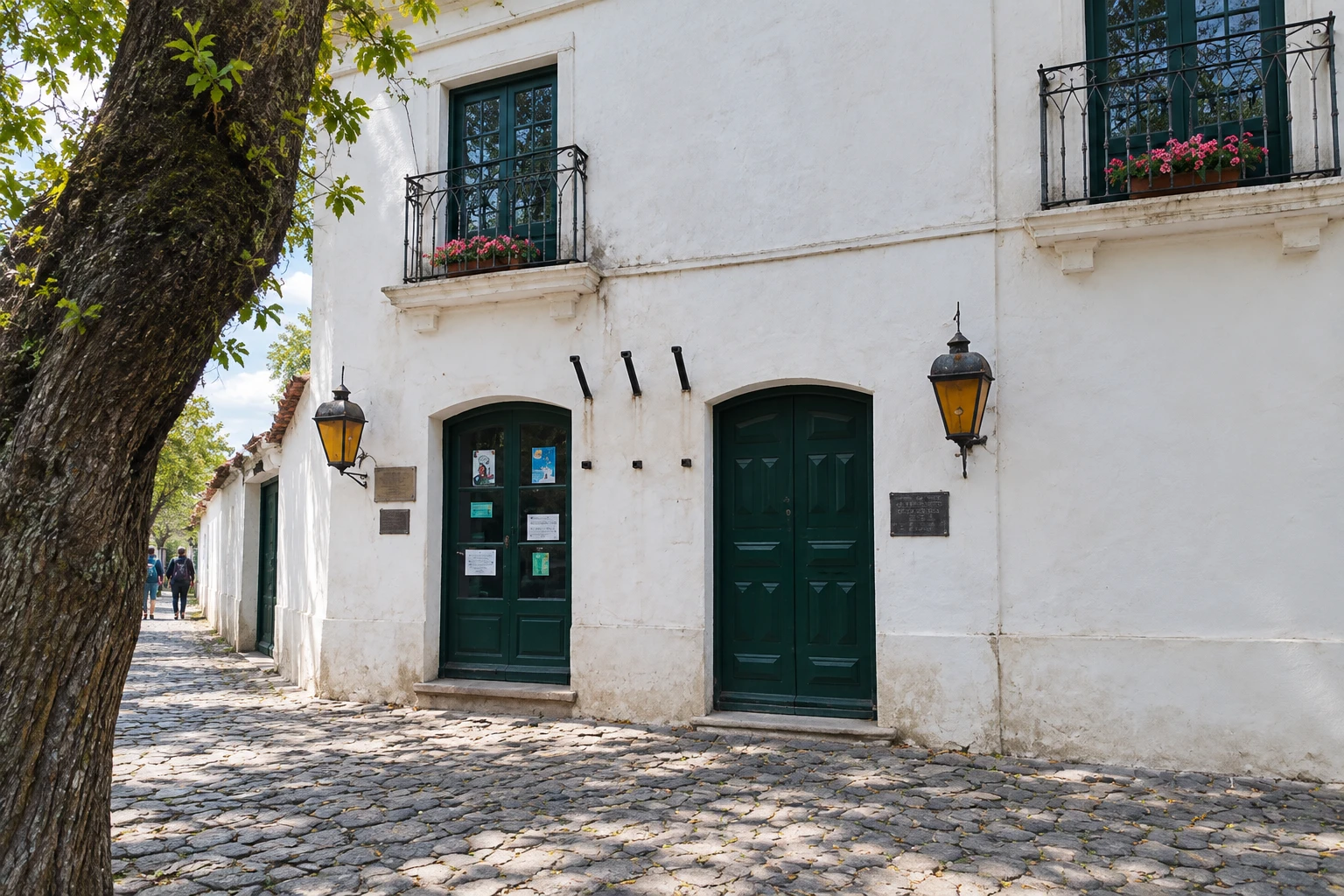
Municipal museum spread across historic houses in the Barrio Histórico, with a single ticket: Espacio Rebuffo, Espacio Portugués, Vivienda Portuguesa (Casa de Nacarello), Espacio Español, Espacio Indígena and Archivo Regional.
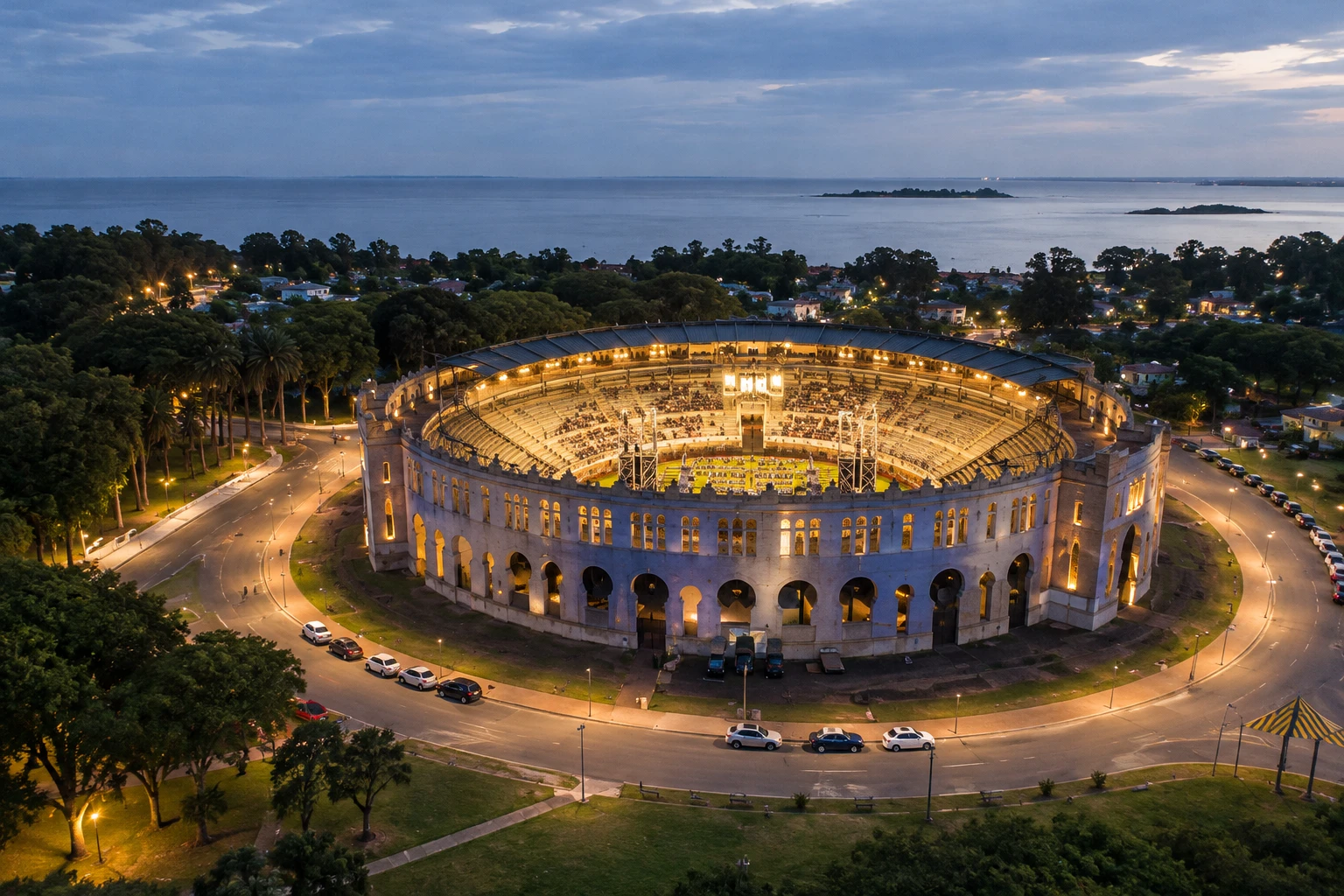
Former bullring in Moorish style, inaugurated in 1910 and closed shortly afterwards with the ban on bullfighting. Restored, it now functions as a cultural center and houses a museum about its history.


 Brazil
 Antarctica
 Argentina
 Bolivia
 Chile
 Colombia
 Ecuador
 Falkland Islands (Malvinas)
 French Guiana
 Guyana
 Paraguay
 Peru
 Suriname
 Venezuela
 Albania
 Austria
 Belgium
 Croatia
 Denmark
 Finland
 France
 Germany
 Greece
 Hungary
 Iceland
 Ireland
 Italy
 Luxembourg
 Norway
 Poland
 Portugal
 Slovakia
 Slovenia
 Spain
 Sweden
 Switzerland
 the Czech Republic
 the Netherlands
 the United Kingdom
 Turkey
 Bermuda
 Canada
 Greenland
 Mexico
 Saint Pierre and Miquelon
 the United States
 the Dominican Republic
 Japan
 Egypt
 South Africa
 Australia
 Fiji
 New Zealand
 Papua New Guinea