37 places to visit and 18 tours, chosen by the Cidade Turismo guide.
Updated
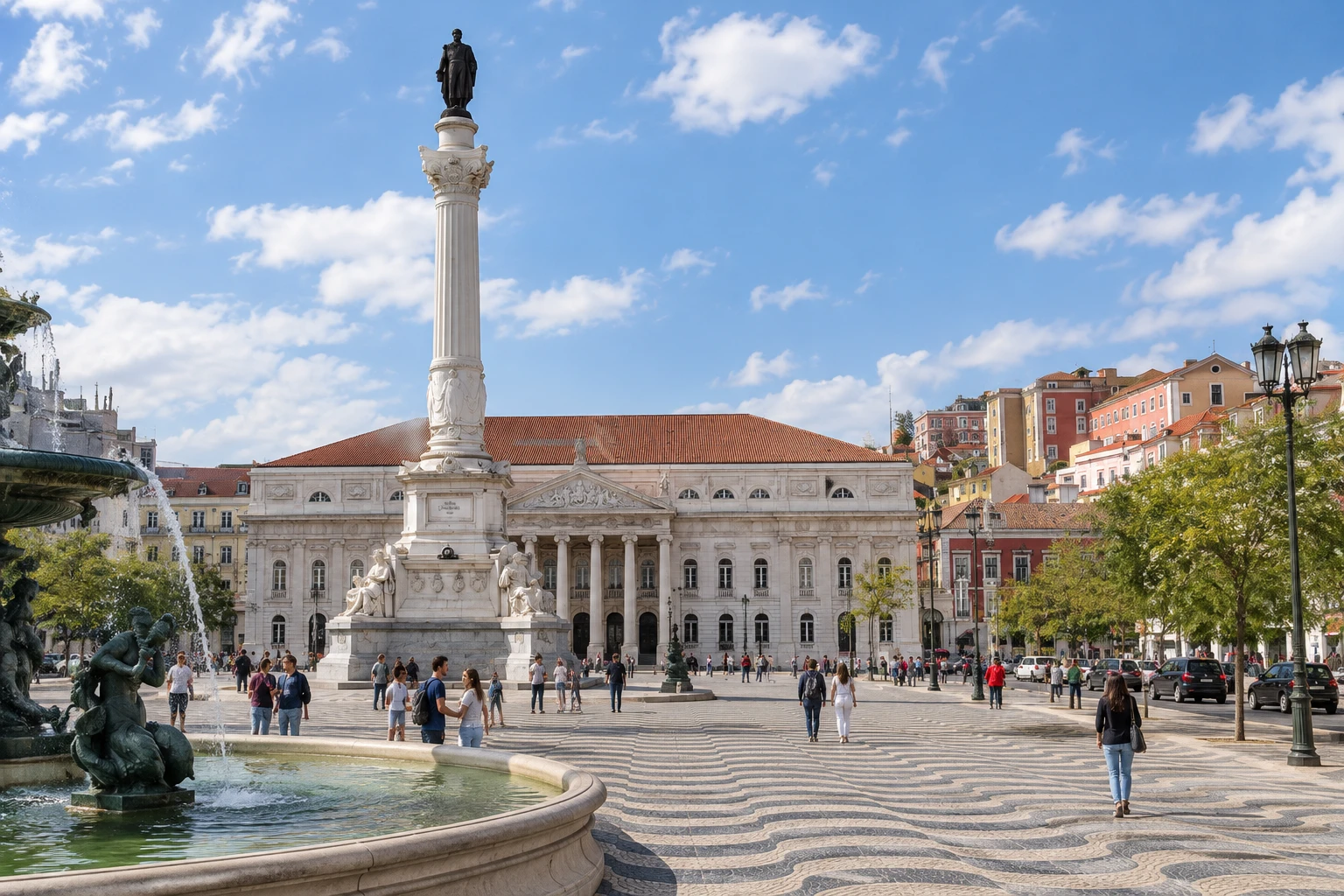
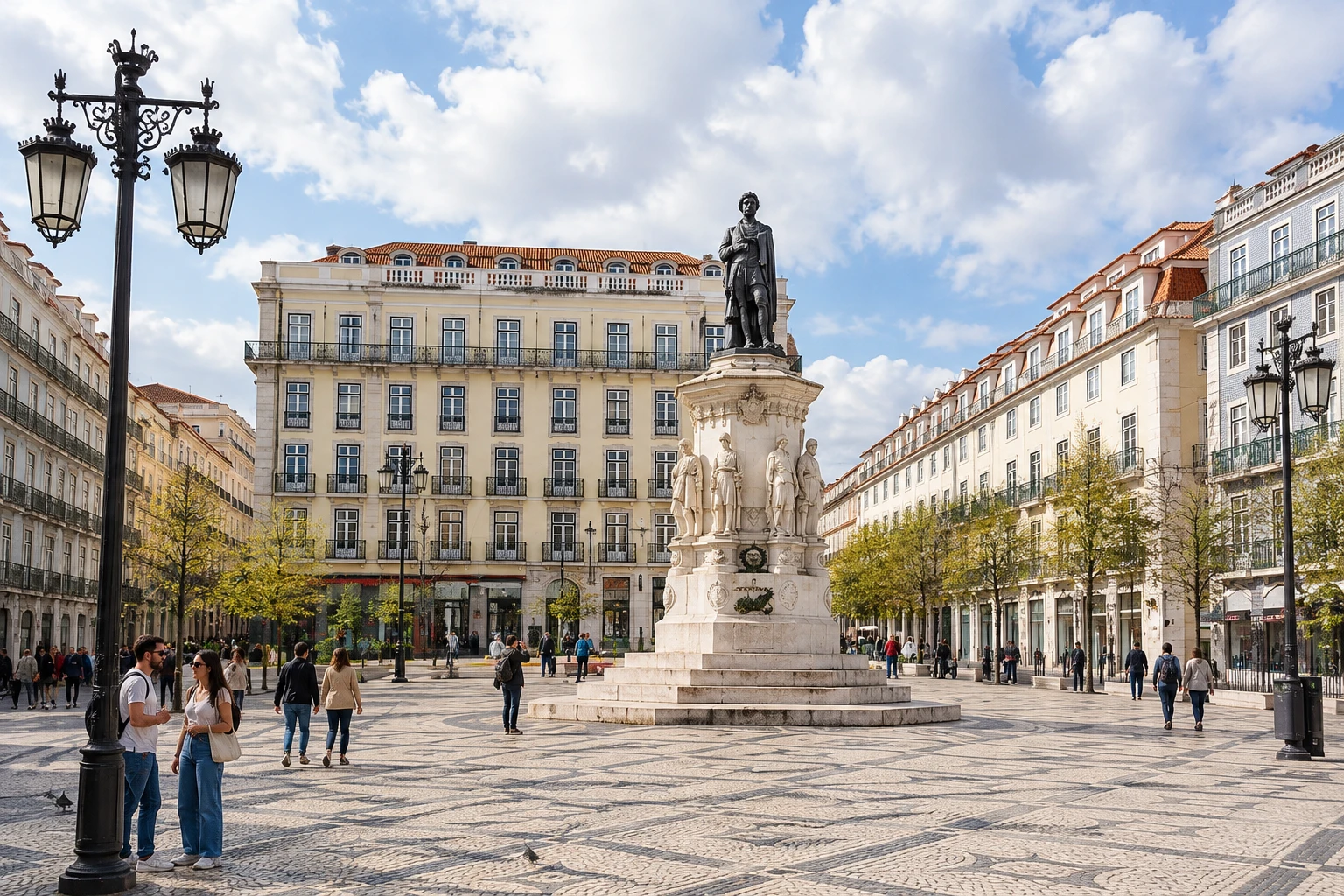
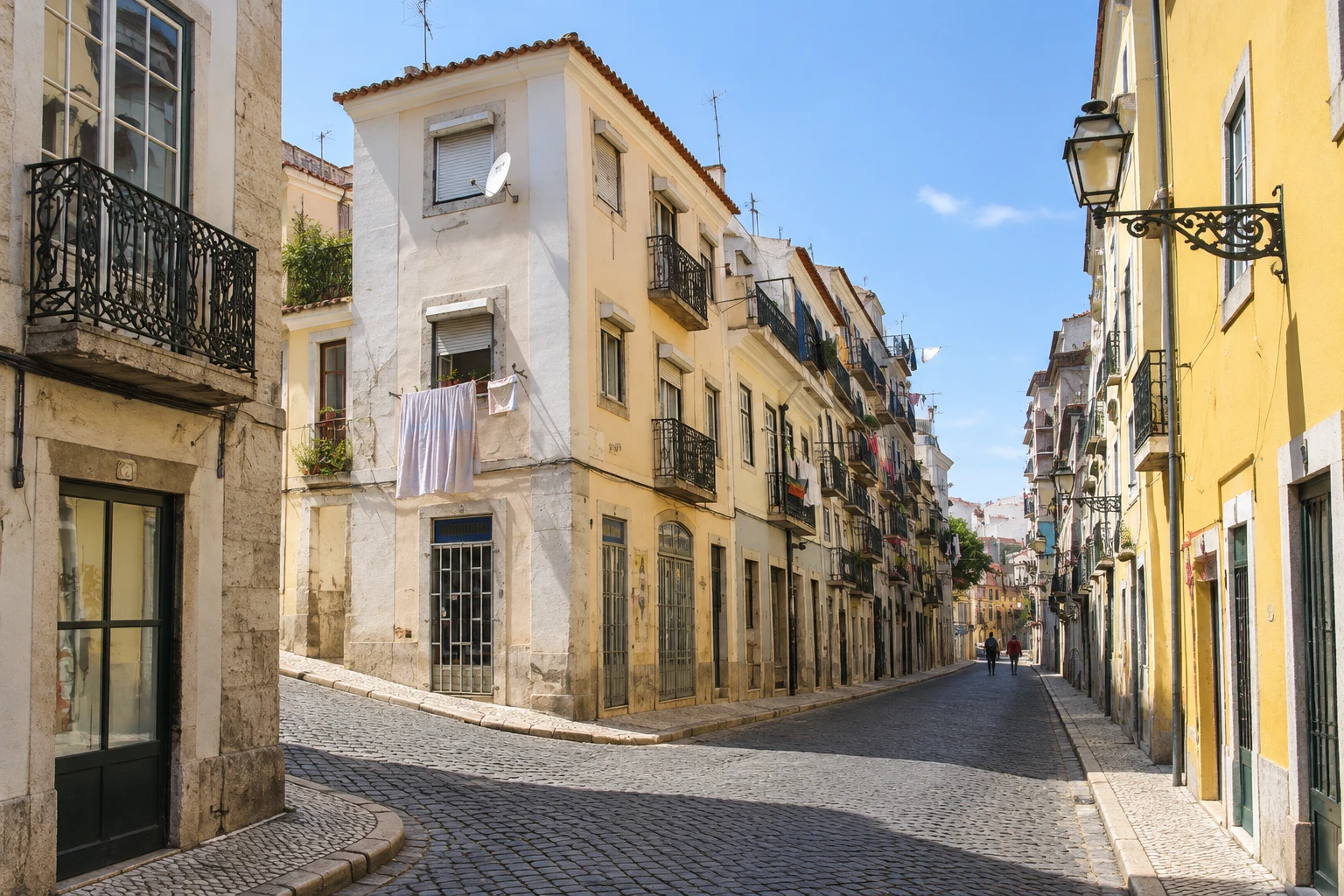
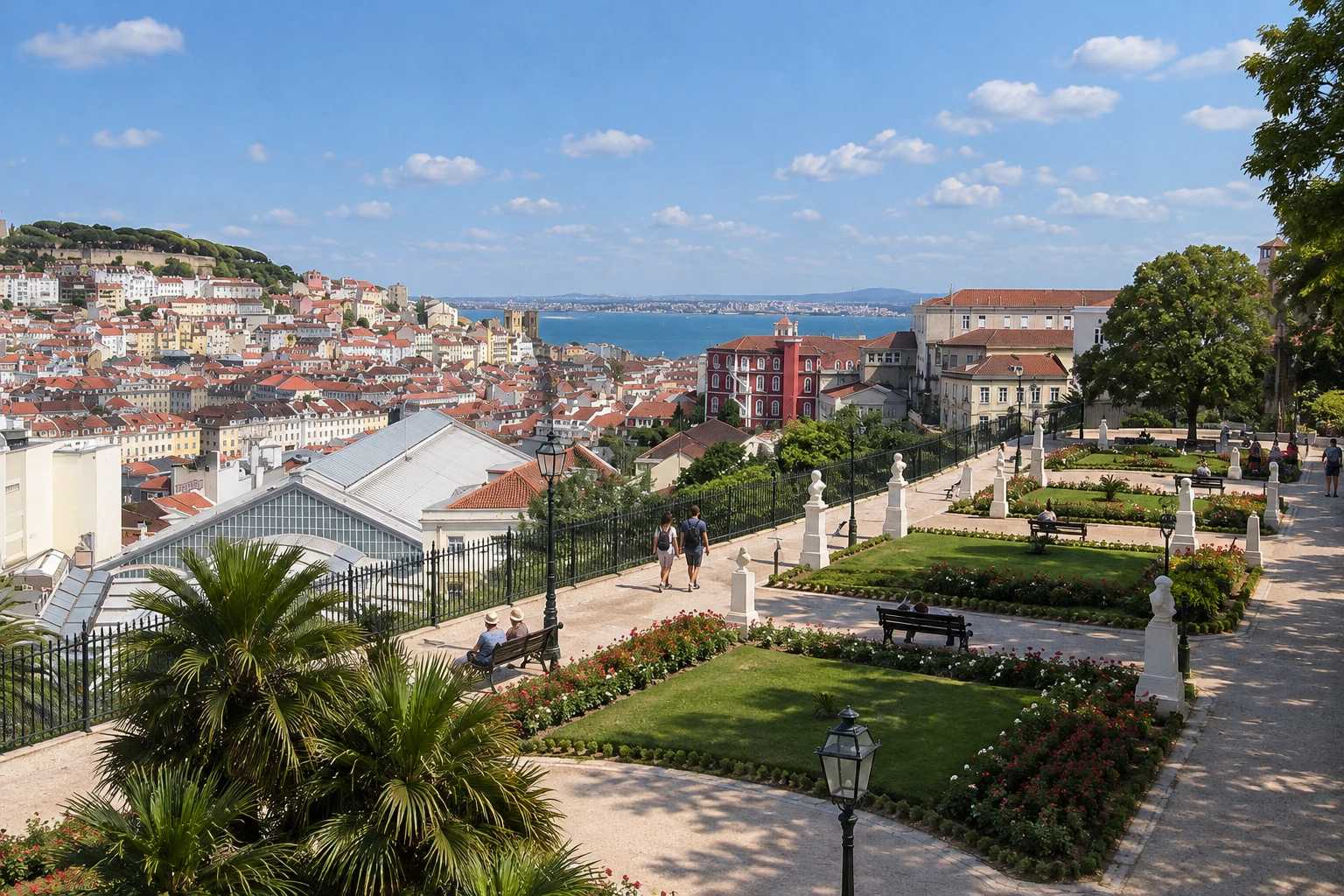
Illustrative images. The pictures in this guide are illustrations based on the real place, not photographs, and may differ from it.
To start
The 10 main places Lisbon
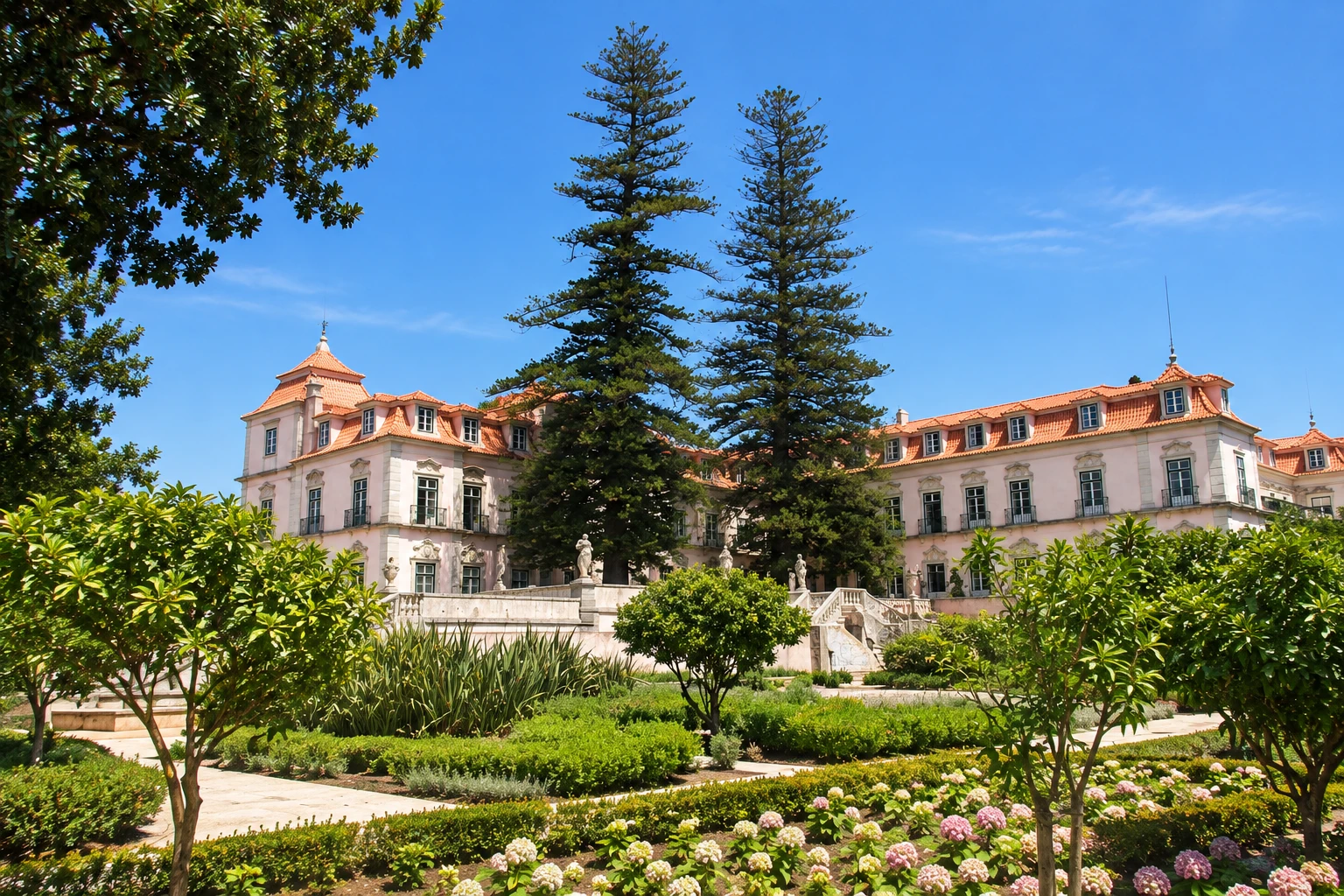
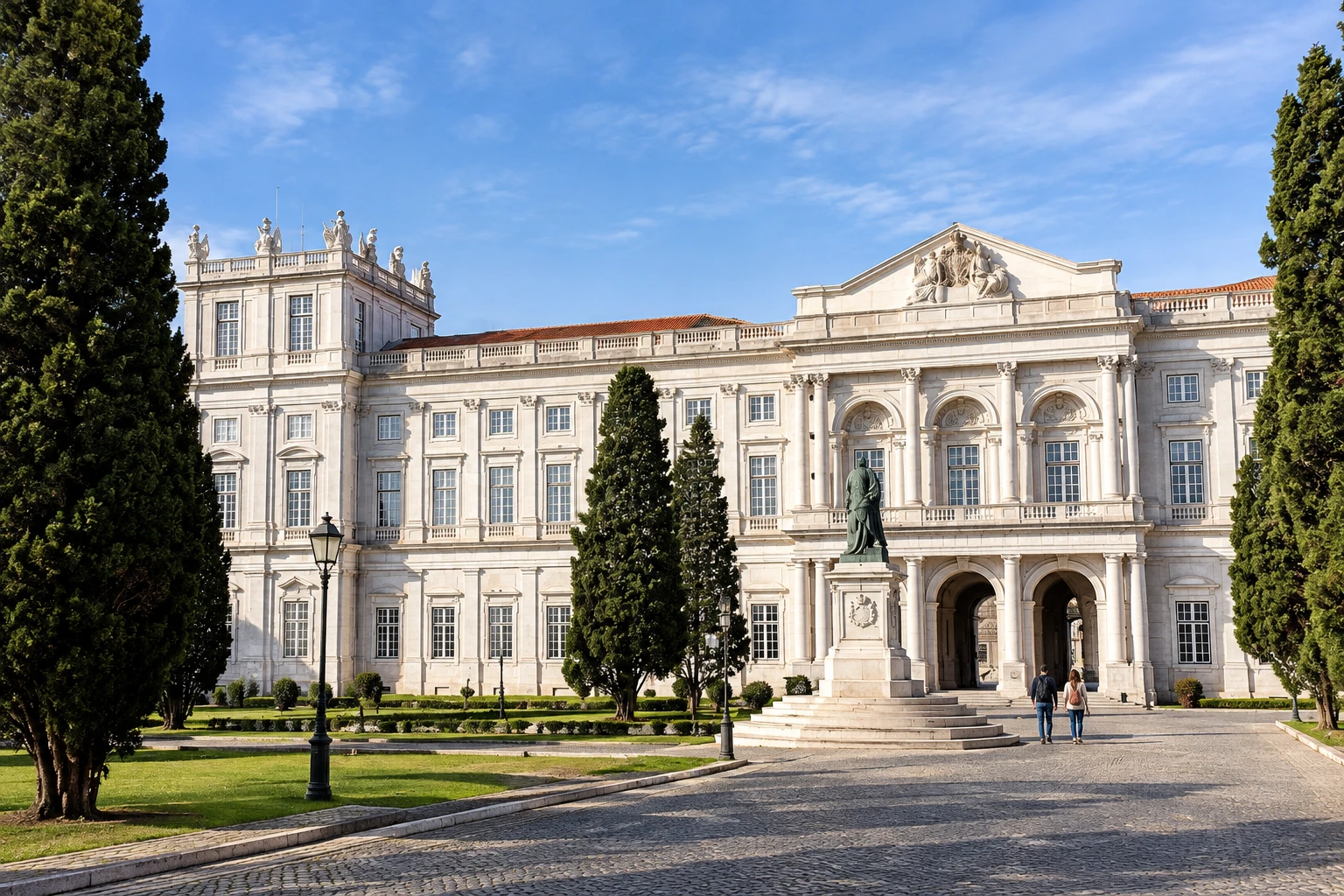
Palace of the Marquis of Pombal · Oeiras18th‑century palace in Oeiras’s historic center, the country residence of Sebastião José de Carvalho e Melo, the Marquis of Pombal.
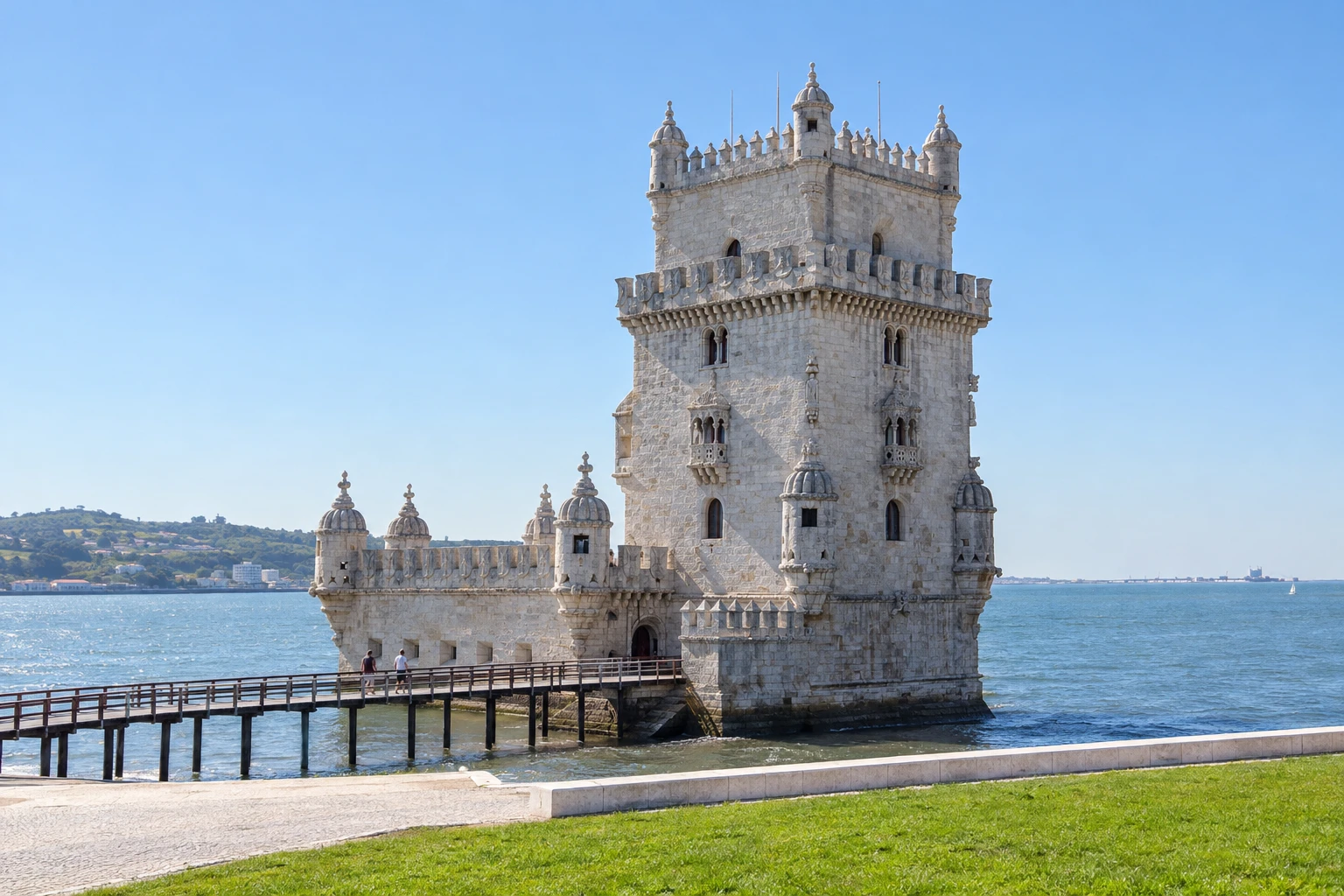
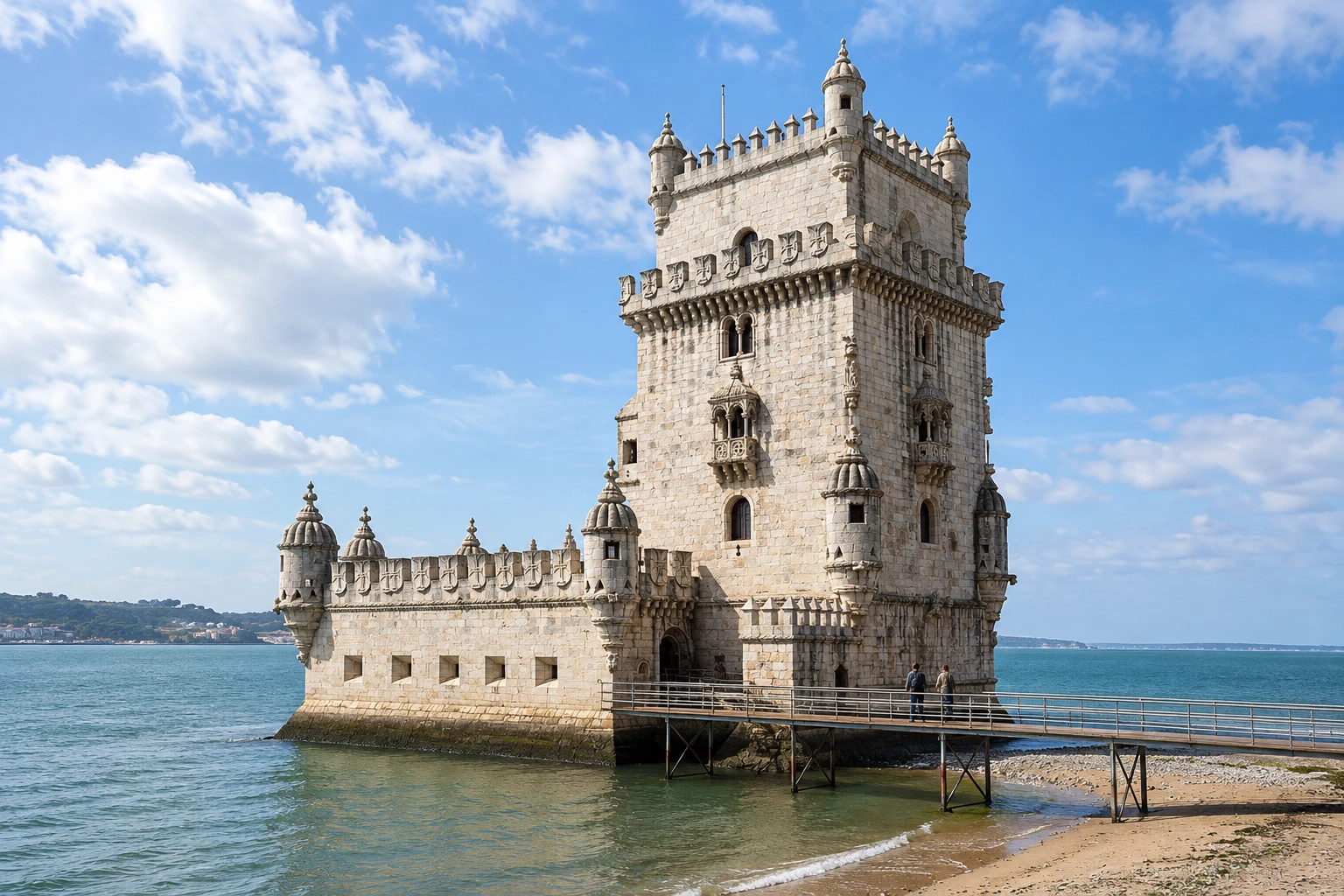
Belém Tower · LisbonDefensive tower from the early 16th century on the banks of the Tejo, a masterpiece of the Manueline style and a UNESCO World Heritage site since 1983 along with the Mosteiro do...
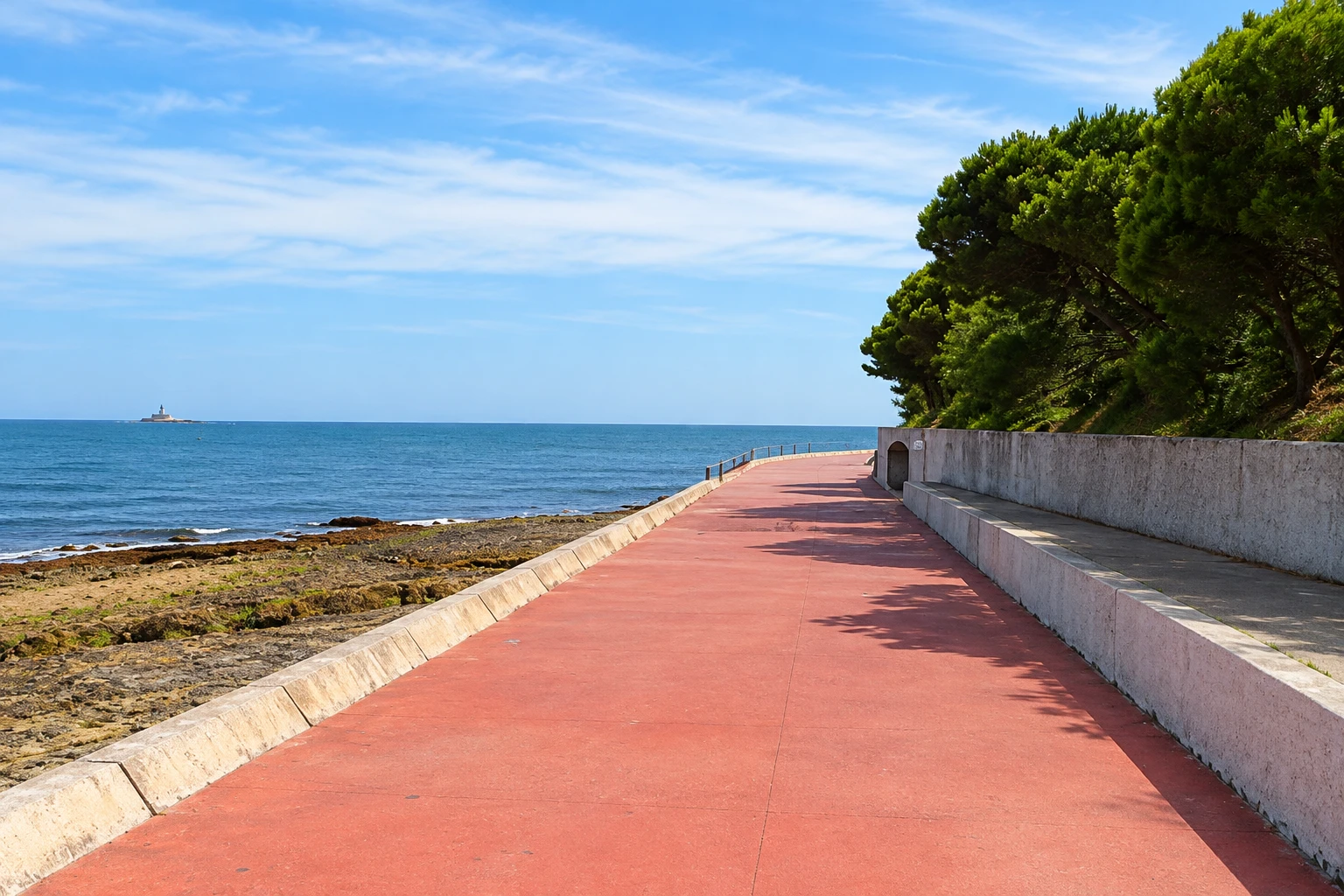
Oeiras Waterfront Promenade · OeirasSeaside promenade between Praia da Torre and Paço de Arcos, called the paredão by locals.
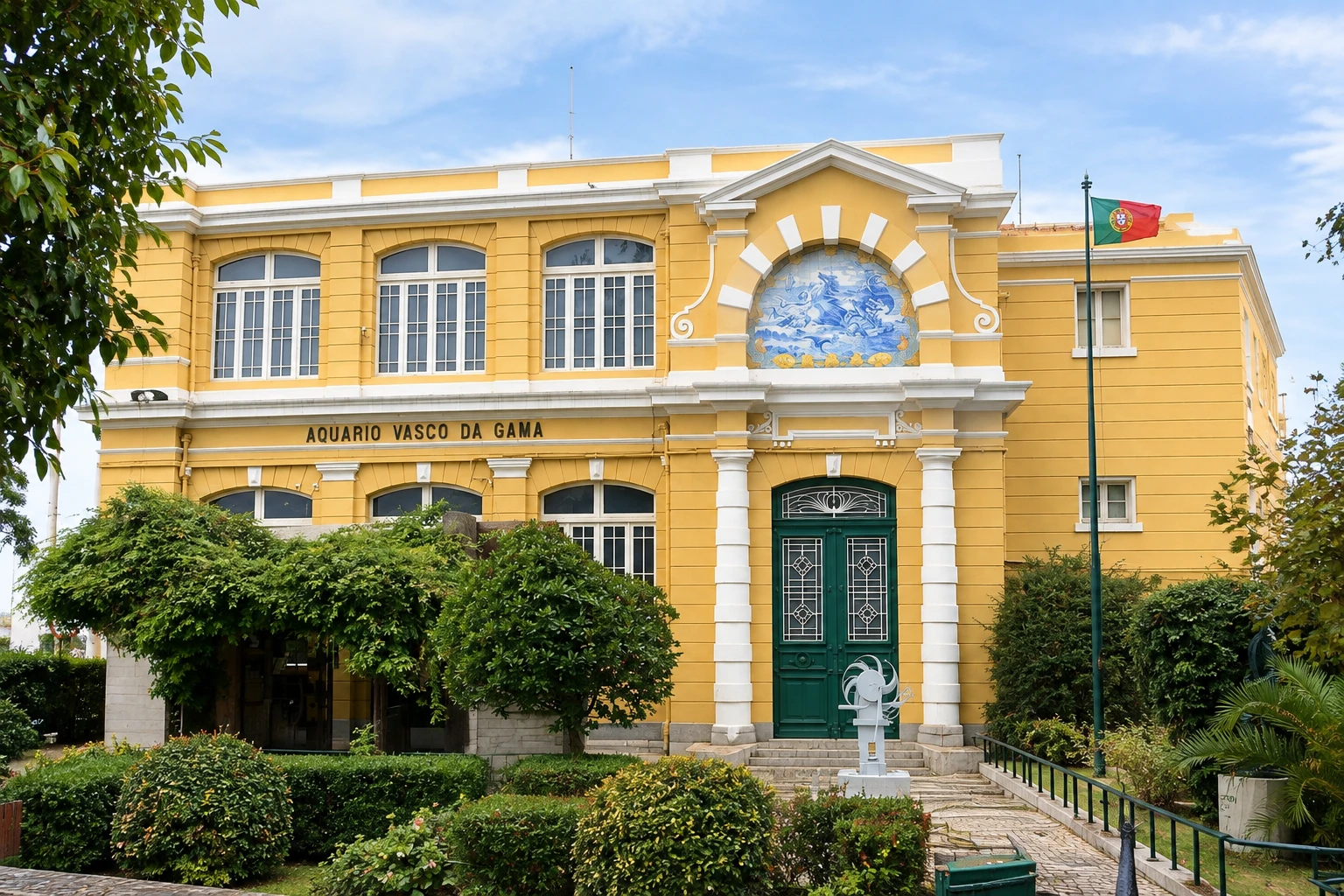
Vasco da Gama Aquarium · OeirasAquarium and museum opened in 1898 in Dafundo, Algés — one of the oldest functioning aquariums in the world.
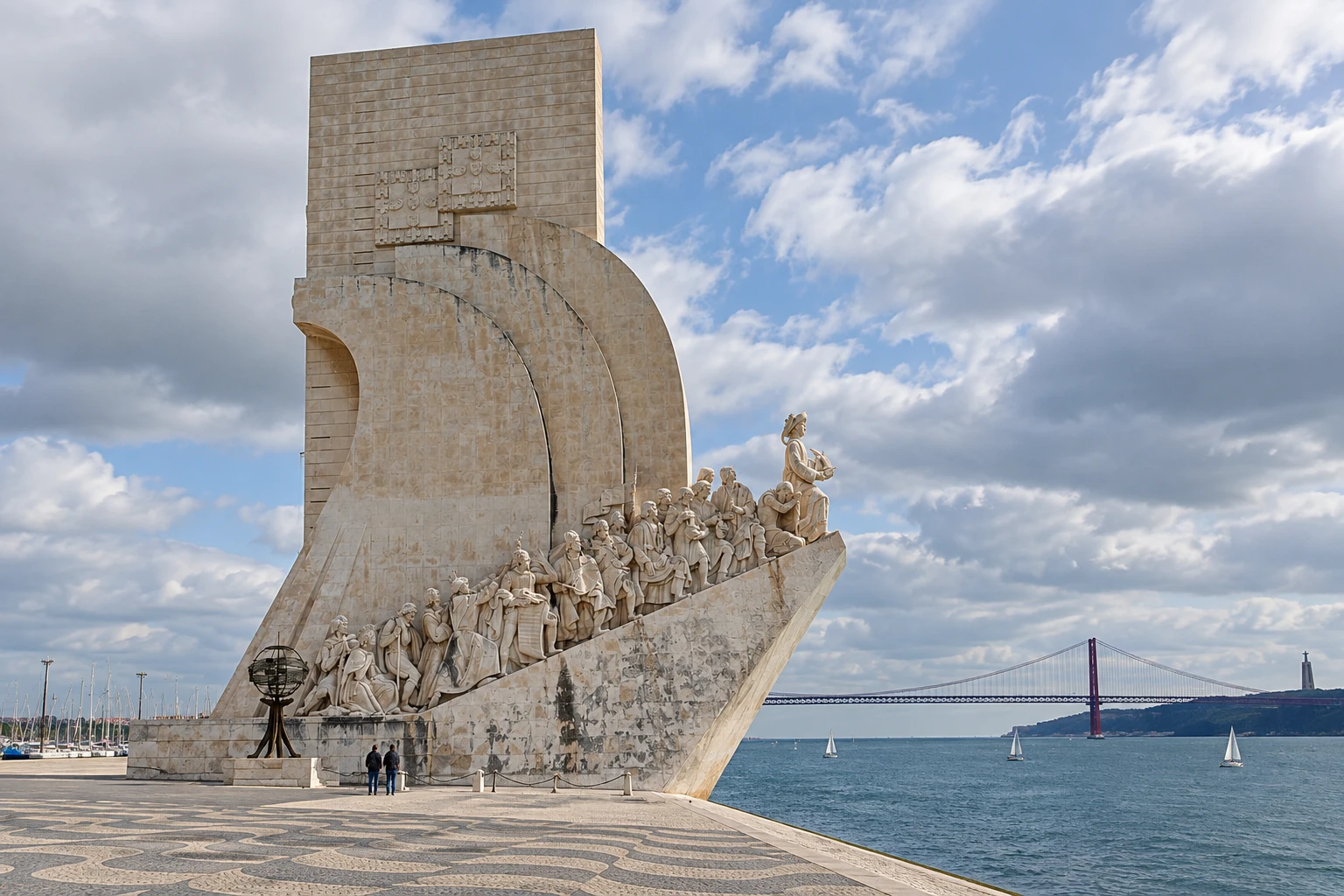
Monument to the Discoveries · LisbonMonument shaped like the bow of a caravel on the banks of the Tagus, with Infante D.
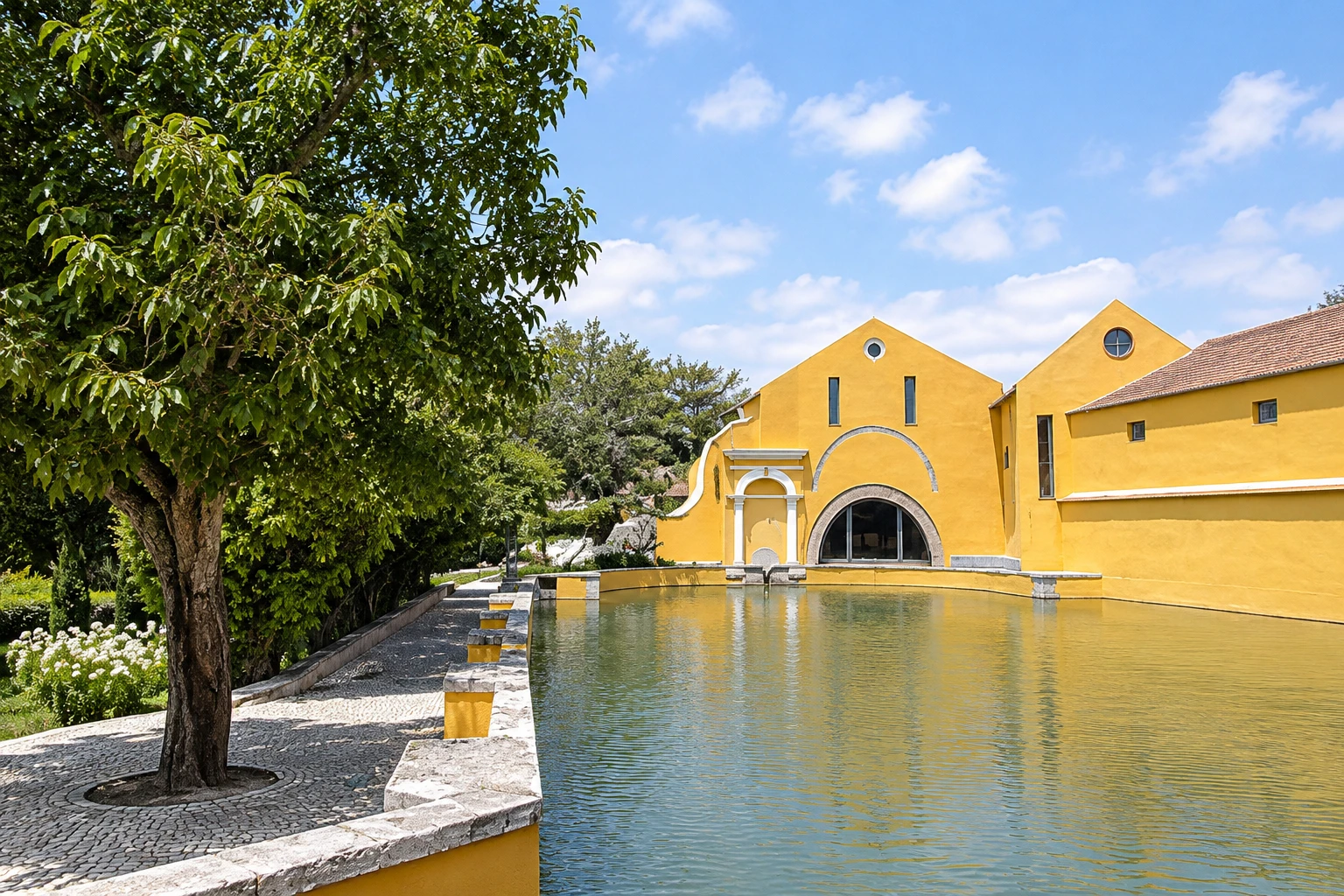
Barcarena Gunpowder Factory · OeirasFormer gunpowder factory in the valley of the Barcarena stream, active for more than four centuries and now the municipality’s cultural center.
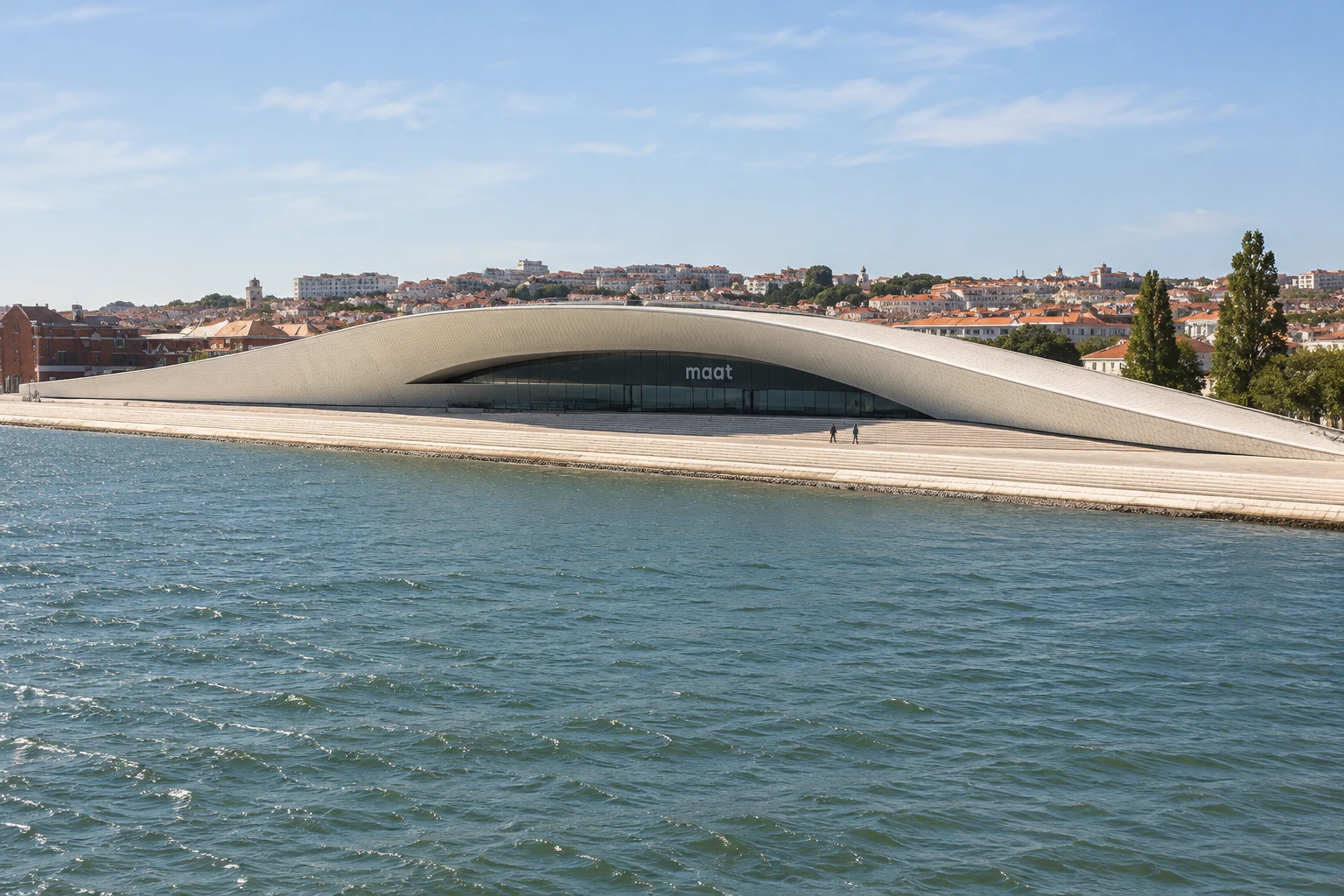
MAAT – Museum of Art, Architecture and Technology · LisbonMuseu da Fundação EDP on the banks of the Tagus in Belém, composed of the former Central Tejo—a brick power plant—and a curved 2016 building whose roof can be walked.
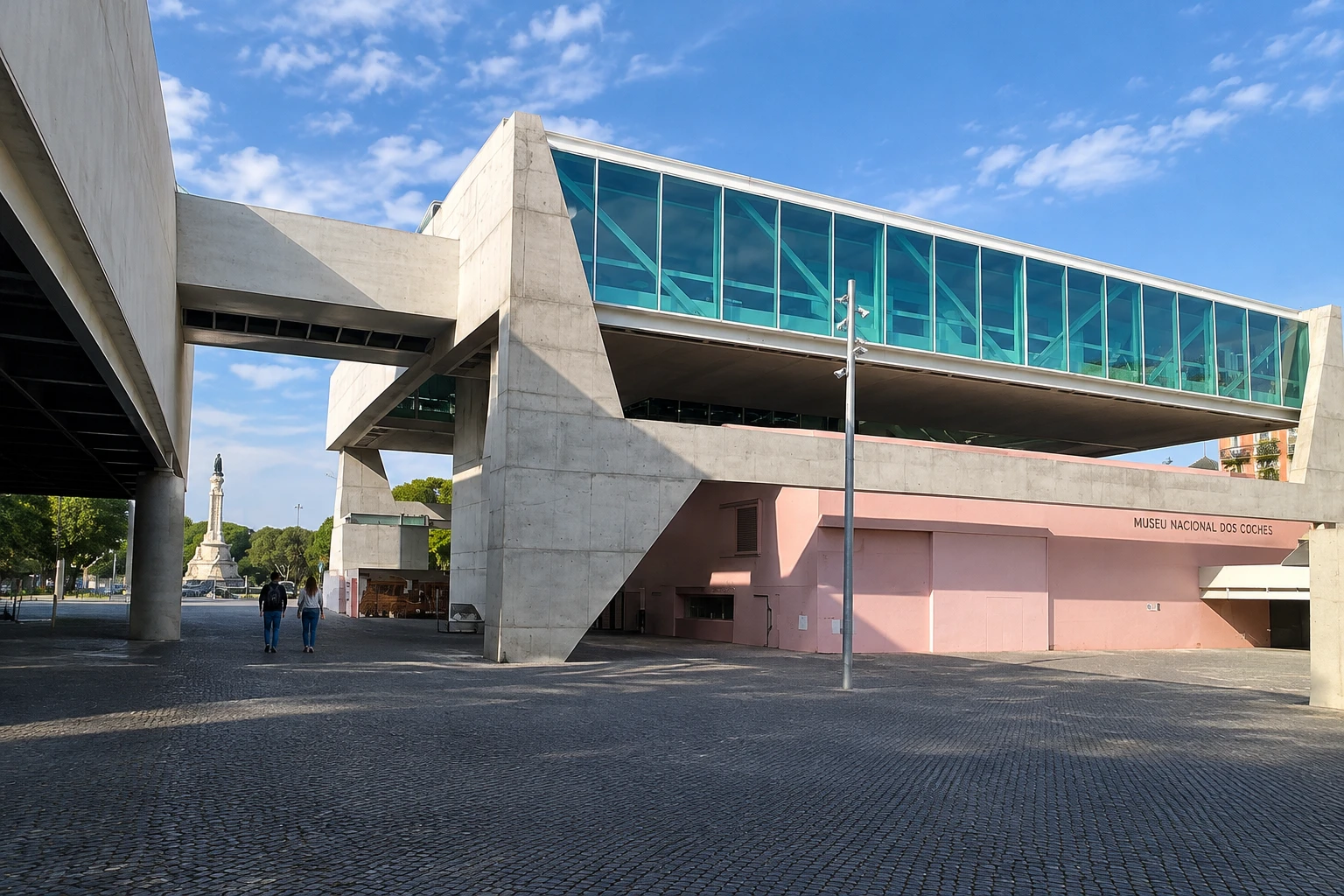
National Coach Museum · LisbonMuseum created in 1905 with coaches and carriages from the Portuguese Royal Household, from the 16th to the 19th centuries.
18th‑century palace in Oeiras’s historic center, the country residence of Sebastião José de Carvalho e Melo, the Marquis of Pombal. The French‑influenced gardens include the Cascade of the Poets, the Casa da Pesca and tile‑clad terraces. Classified as a National Monument since 1940.
Defensive tower from the early 16th century on the banks of the Tejo, a masterpiece of the Manueline style and a UNESCO World Heritage site since 1983 along with the Mosteiro dos Jerónimos. It has four visitable floors and a terrace at the top.
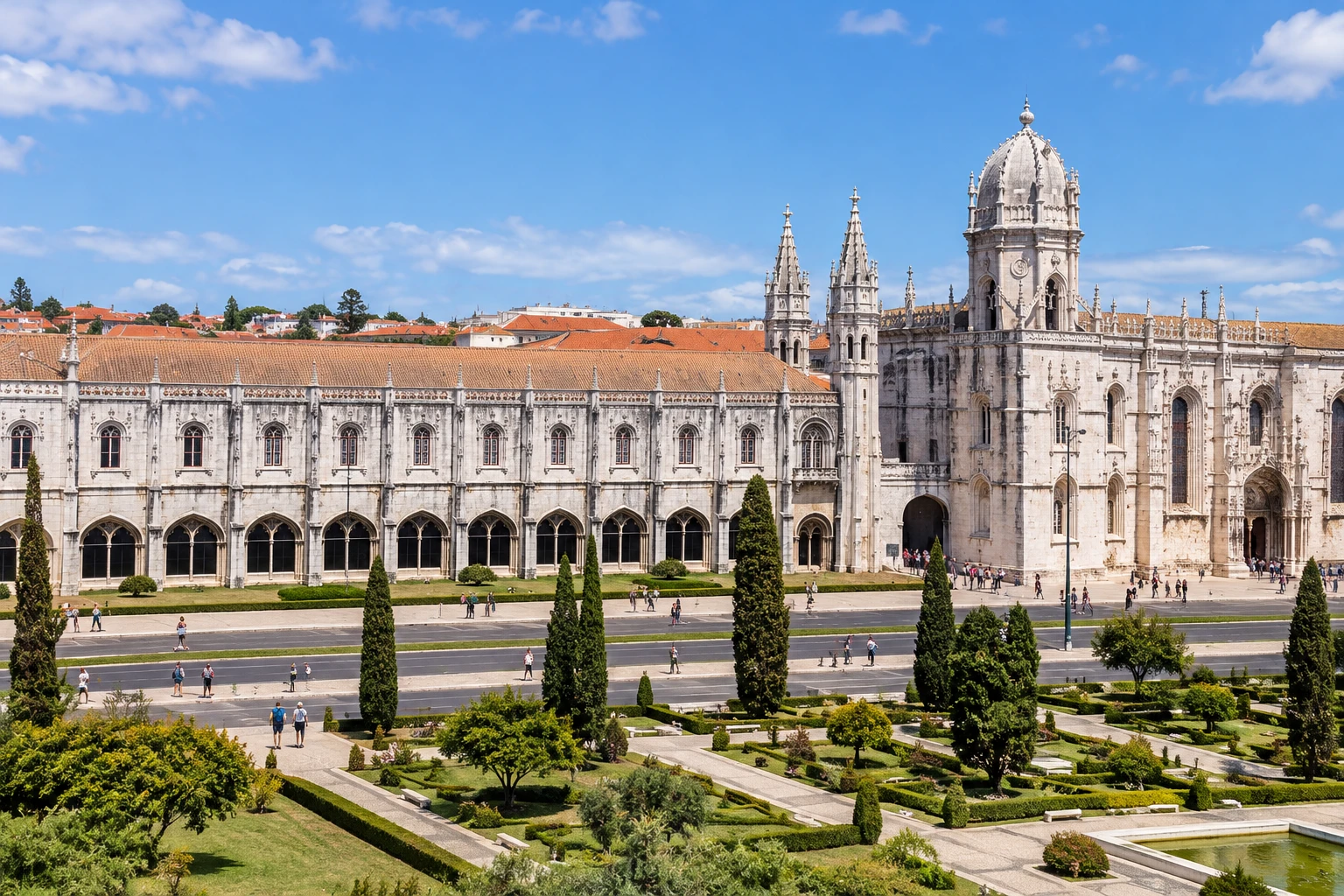
Manueline monastery commissioned by D. Manuel I from 1501, featuring the church of Santa Maria de Belém and the intricately carved cloister. It houses the tombs of Vasco da Gama and Luís de Camões and has been a World Heritage site since 1983.
Seaside promenade between Praia da Torre and Paço de Arcos, called the paredão by locals. It passes the marina, the ocean pool, the beaches of Santo Amaro and da Laje and old forts, with Forte de São Julião da Barra at one end.
Aquarium and museum opened in 1898 in Dafundo, Algés — one of the oldest functioning aquariums in the world. It belongs to the Portuguese Navy and houses live aquatic fauna and King D. Carlos I’s oceanographic collection.
Monument shaped like the bow of a caravel on the banks of the Tagus, with Infante D. Henrique at the front of figures from the Age of Discoveries. It has an observation deck at the top and, on the ground in front, a large compass rose with a world map.
Former gunpowder factory in the valley of the Barcarena stream, active for more than four centuries and now the municipality’s cultural center. It has gardens, workshops and old warehouses and houses the Black Gunpowder Museum.
Museu da Fundação EDP on the banks of the Tagus in Belém, composed of the former Central Tejo—a brick power plant—and a curved 2016 building whose roof can be walked.
Museum created in 1905 with coaches and carriages from the Portuguese Royal Household, from the 16th to the 19th centuries. Most of the collection is housed in a 2015 building designed by the Brazilian Paulo Mendes da Rocha.
Neoclassical palace atop Ajuda, residence of King D. Luís I in the 19th century, with furnished state rooms and the Tesouro Real, where the Portuguese Crown jewels are displayed.
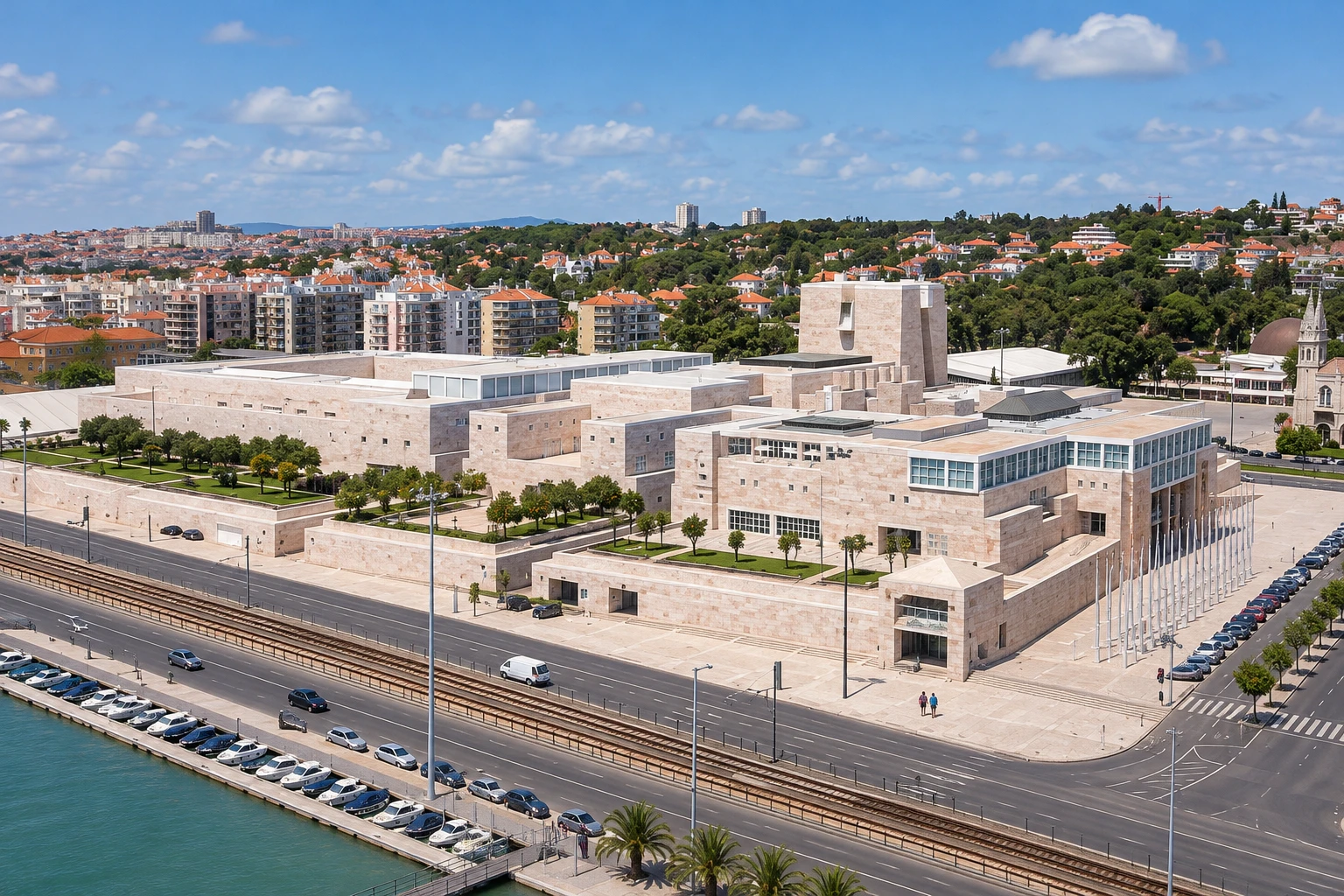
Large light-stone cultural center opposite the Jerónimos, with a theatre, concert halls and the MAC/CCB, a museum of modern and contemporary art. The terraces and gardens have views over the river.
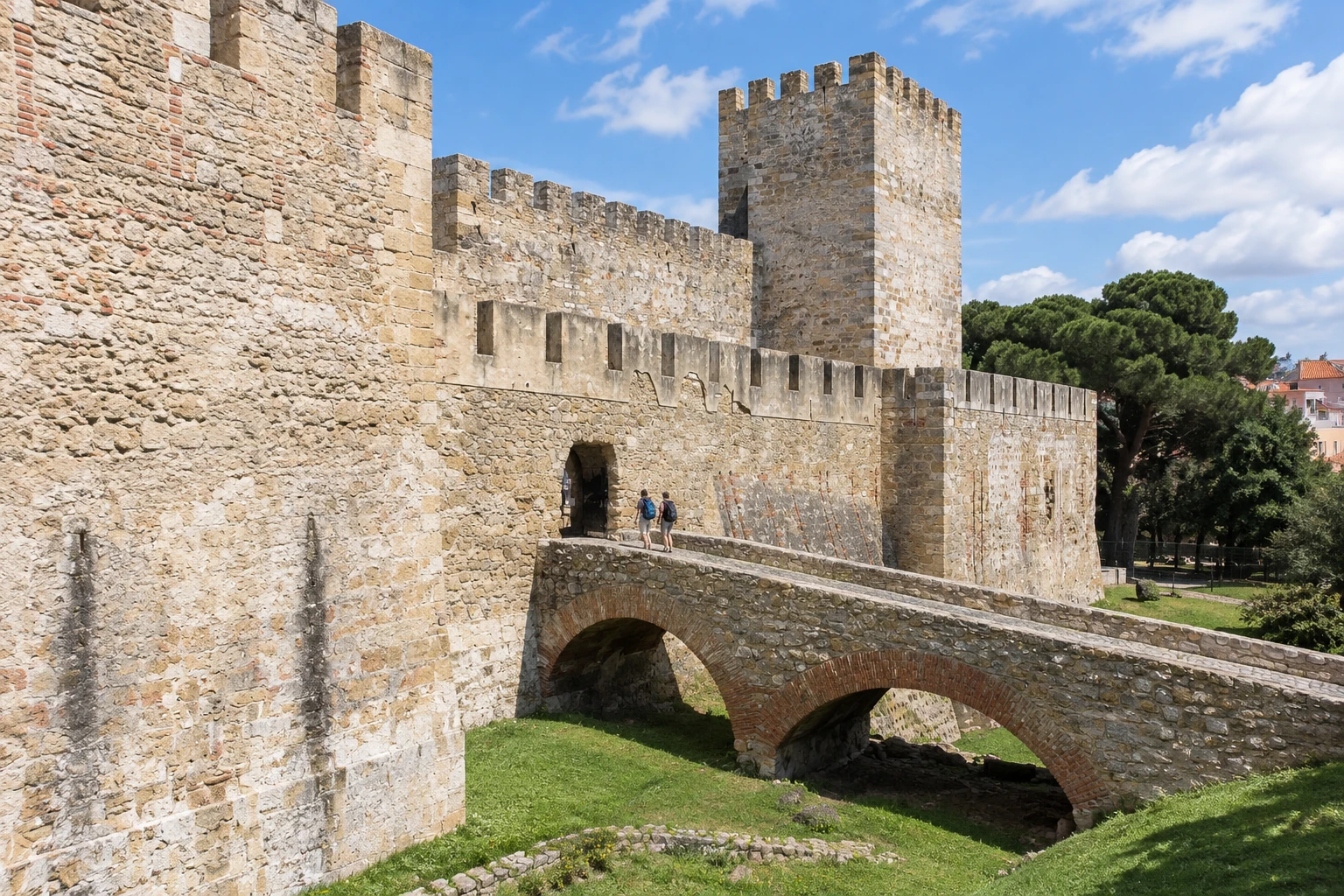
Castle atop the highest hill in Lisbon's city centre, with walls, towers and gardens offering views of the city and the Tejo. It was a royal residence until the 16th century and has been a National Monument since 1910.
Lisbon's oldest neighborhood, of alleys, stairways and lanes between the Castelo and the Tejo. It's the fado neighborhood, with fado houses, laundry in the windows and, in June, the festas de Santo Antônio.
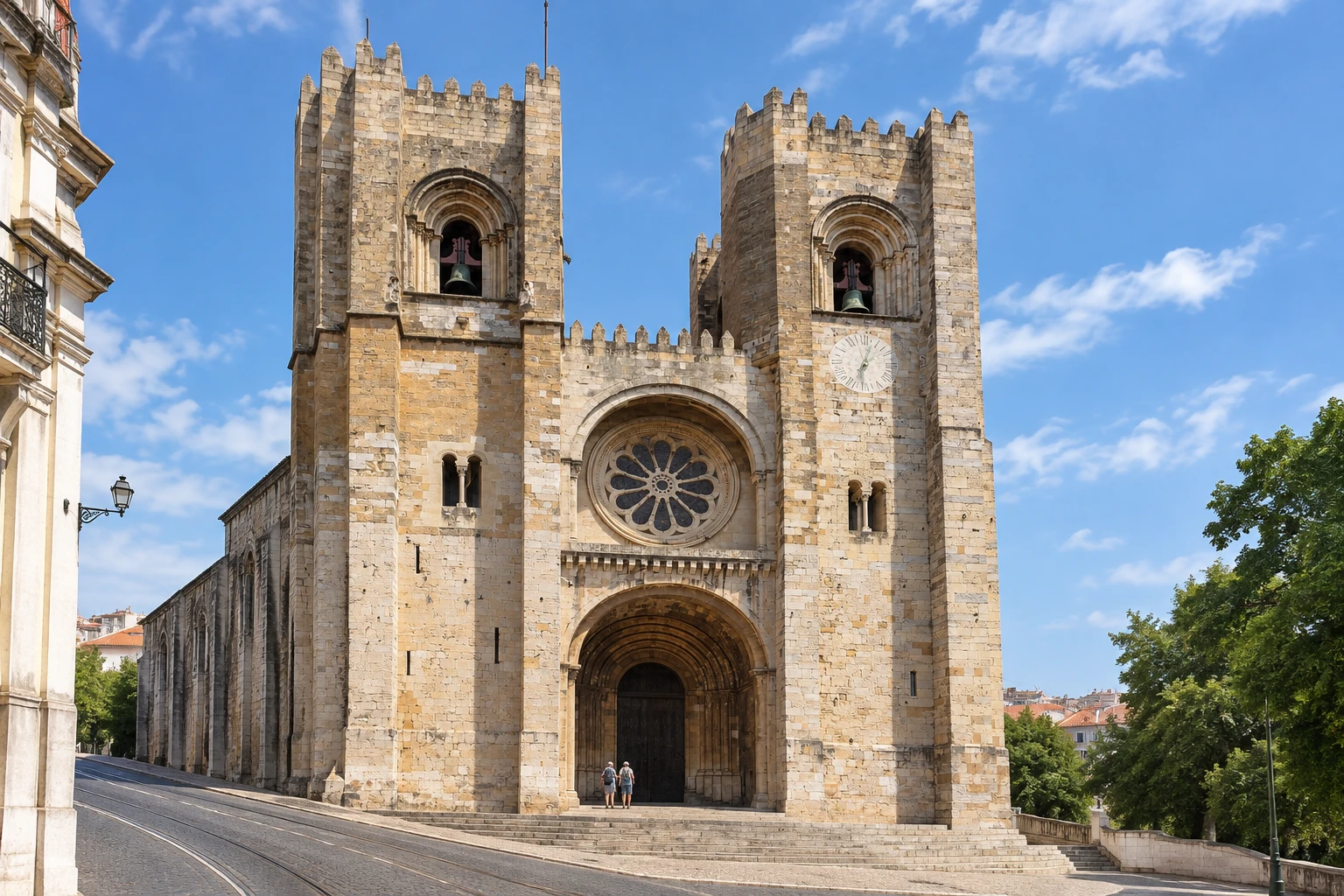
Romanesque cathedral from the 12th century, with a two-tower façade that resembles a fortress. It is the city's oldest church and has a Gothic cloister with archaeological excavations from several periods.
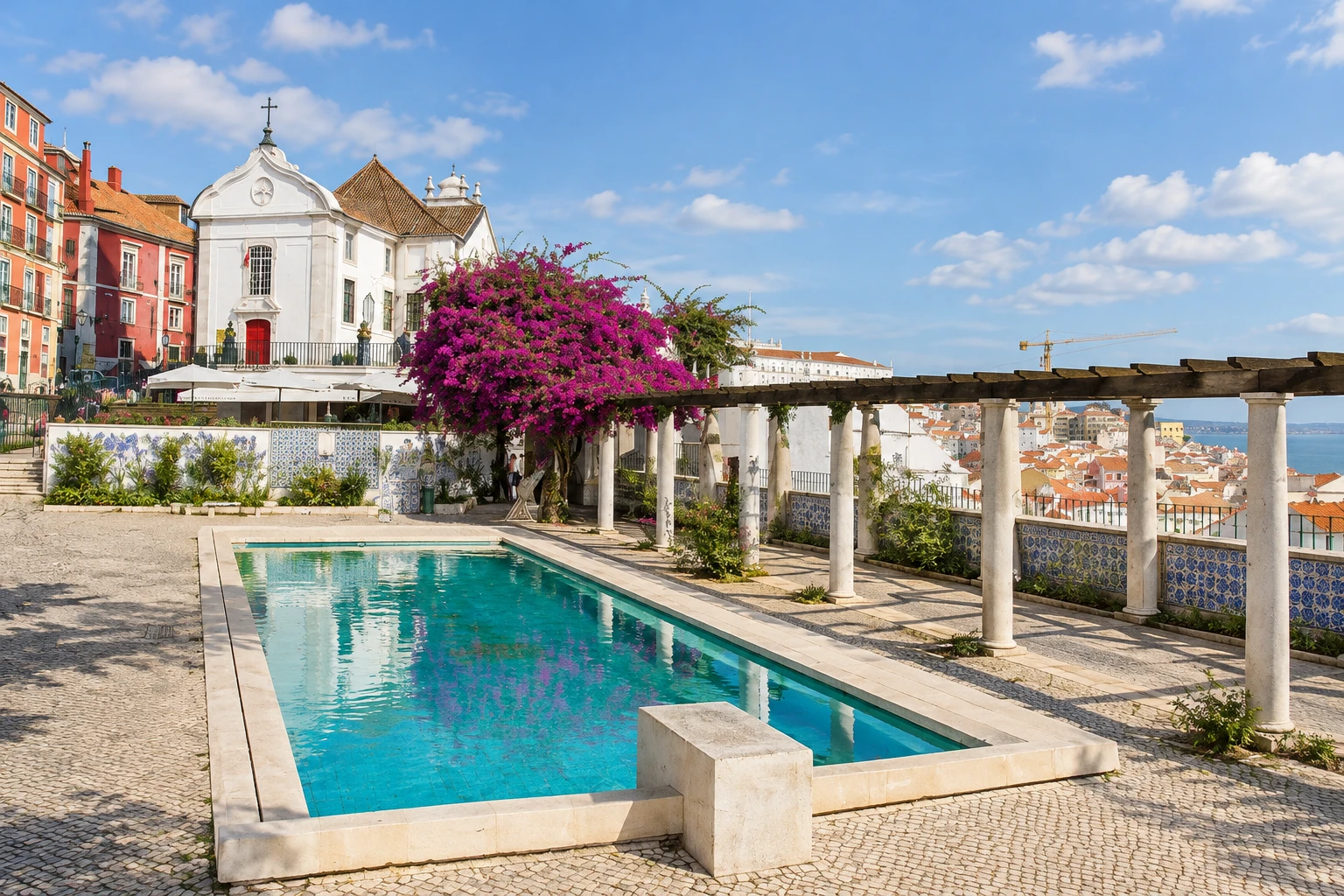
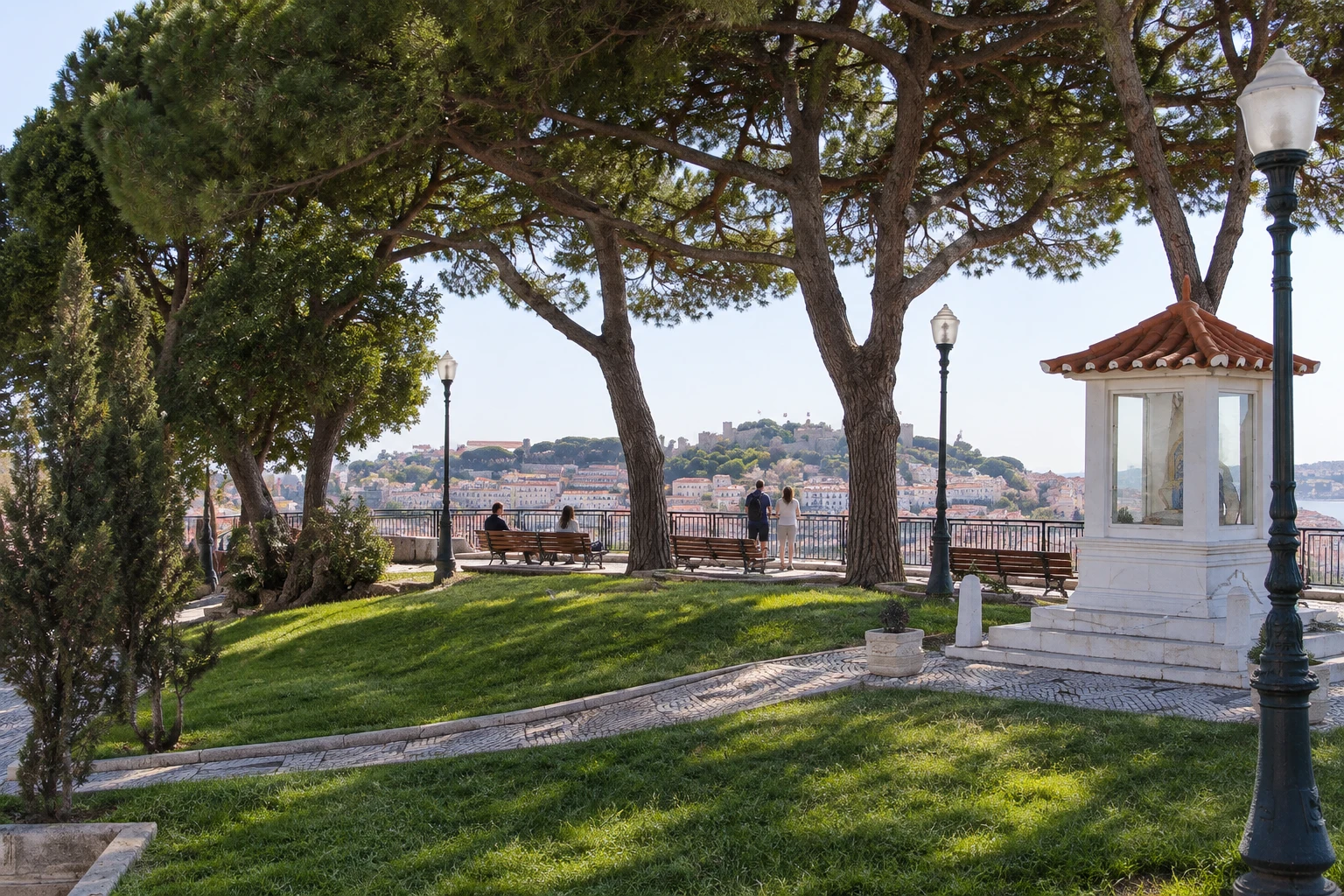
Lookout with a pergola, bougainvillea and azulejo panels on the path to the Castelo, overlooking the roofs of Alfama and the Tejo. Next to it, the Largo das Portas do Sol opens up an even wider view.
One of the highest miradouros in Lisboa, in the Graça neighborhood, with views of the Castelo, the Baixa, the Tejo and the Ponte 25 de Abril. Nearby, the Miradouro da Graça has a café terrace shaded by pine trees.
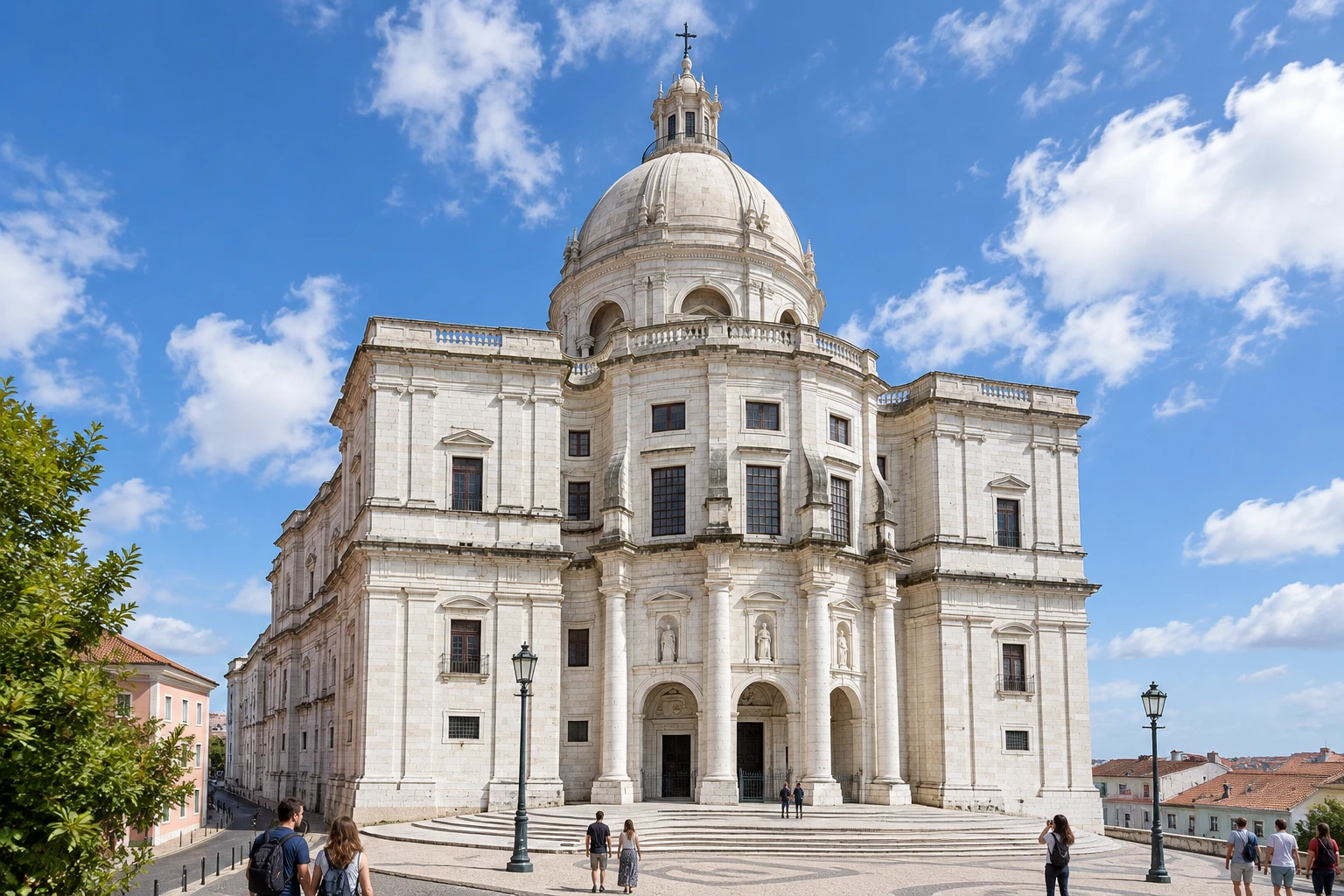
Former Igreja de Santa Engrácia, with a white dome, whose construction took almost three centuries. It houses tombs and tributes to figures such as Amália Rodrigues and Eusébio, and has a terrace with views over the Tejo.
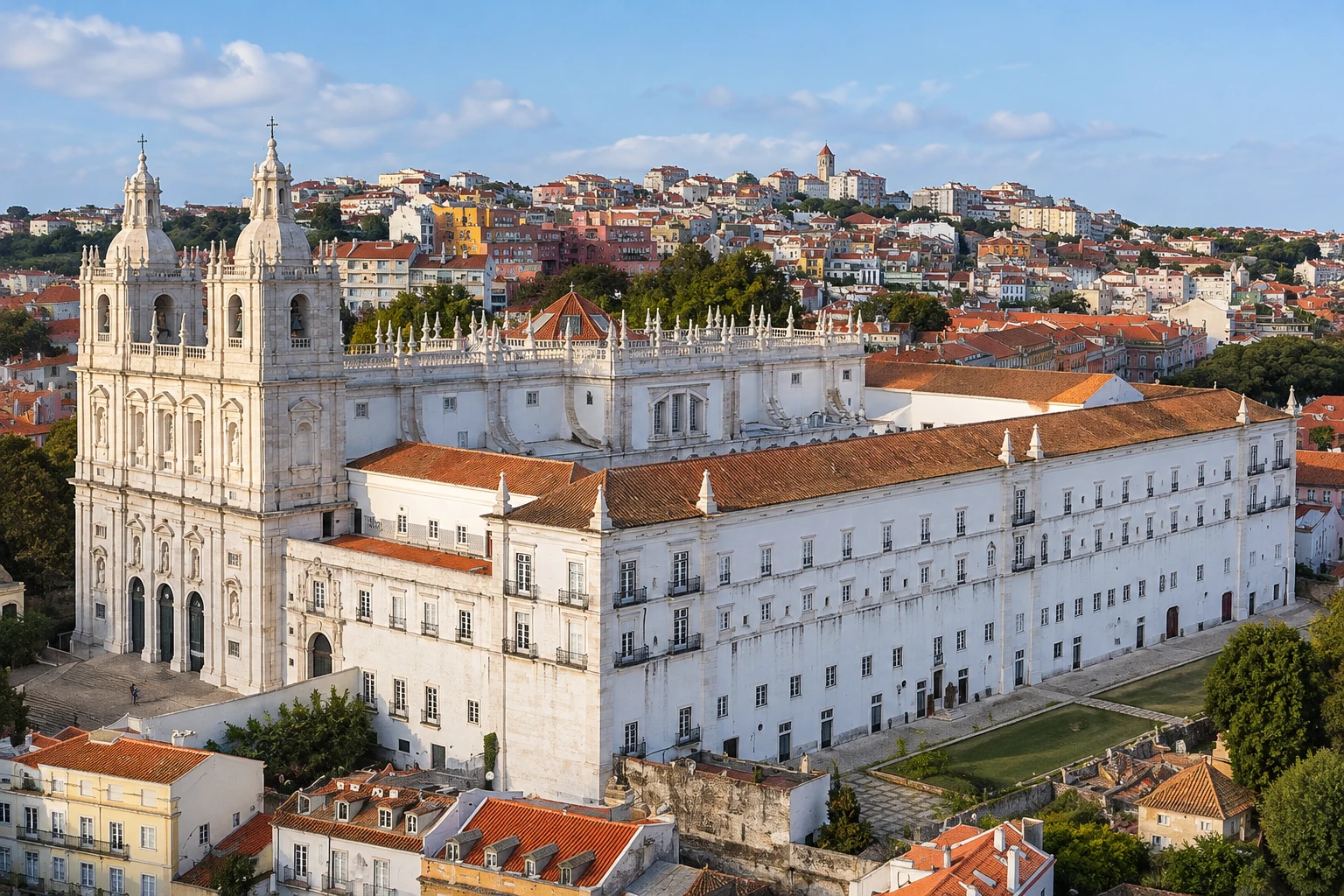
Late 16th-century monastery on the heights of São Vicente, with cloisters covered in azulejos, the Bragança dynasty pantheon and a terrace overlooking Alfama and the river.
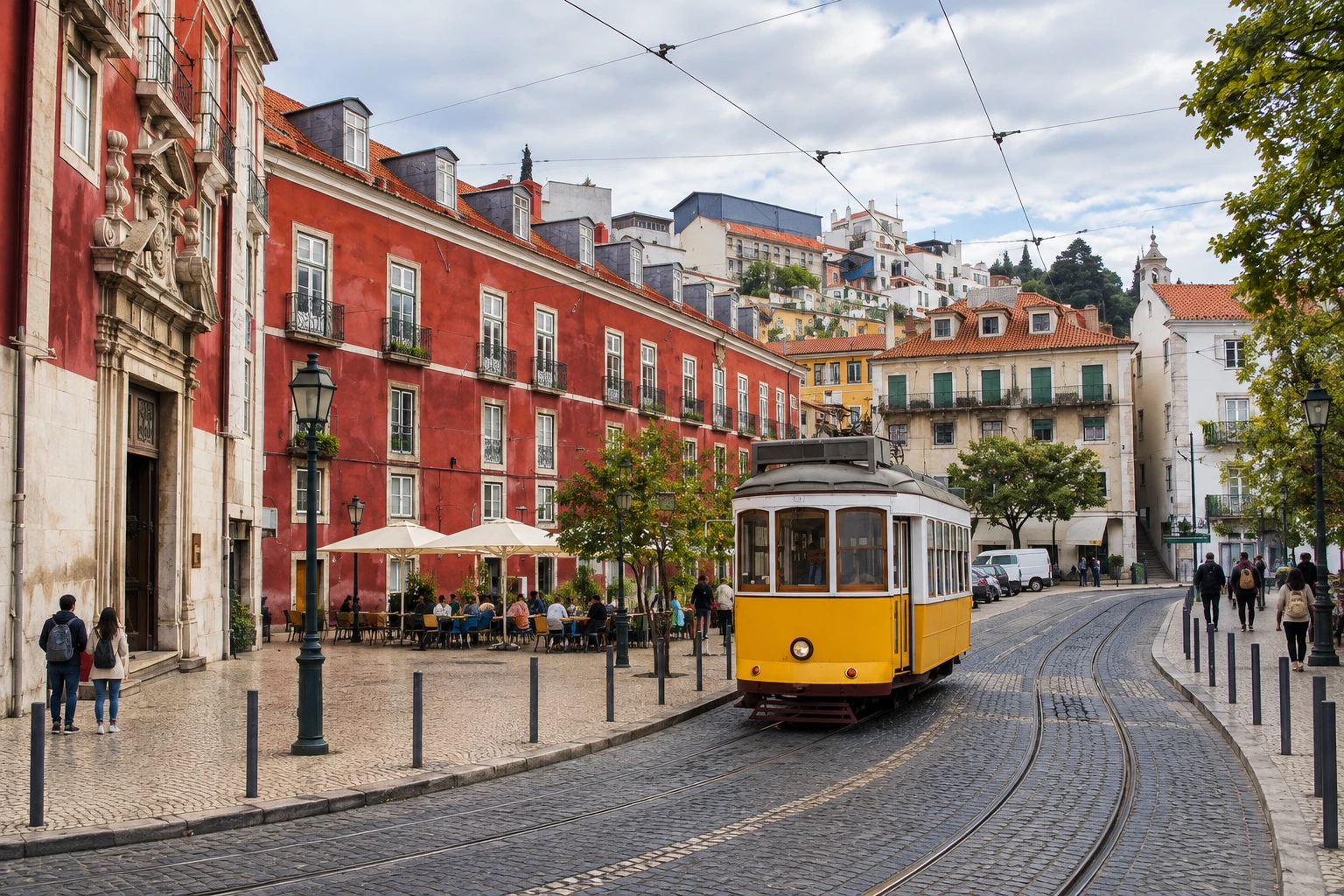
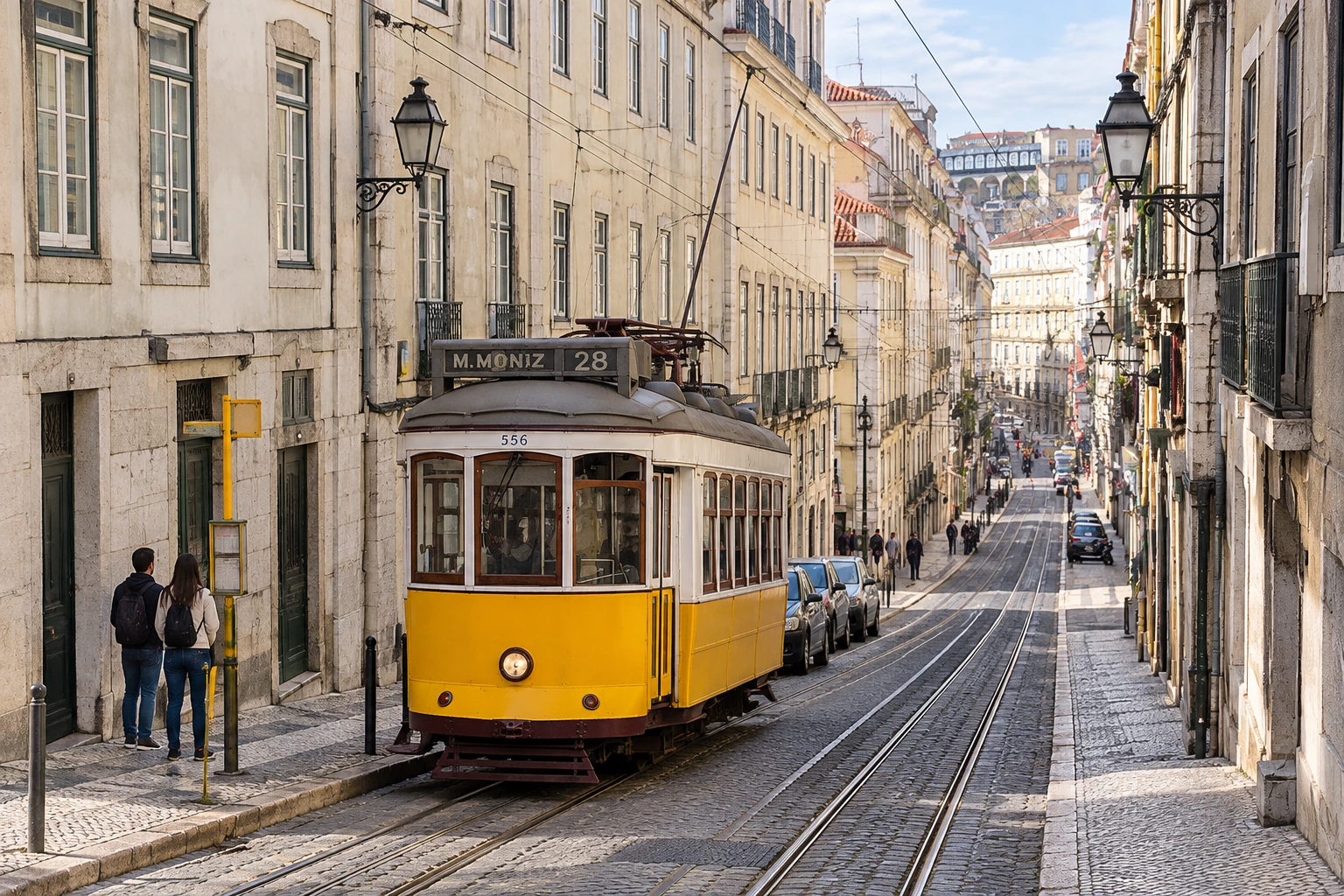
Lisbon’s best-known tram line, with the old yellow cars that climb and descend the hills between Martim Moniz and Campo de Ourique, passing through Graça, Alfama, Baixa, Chiado and Estrela.
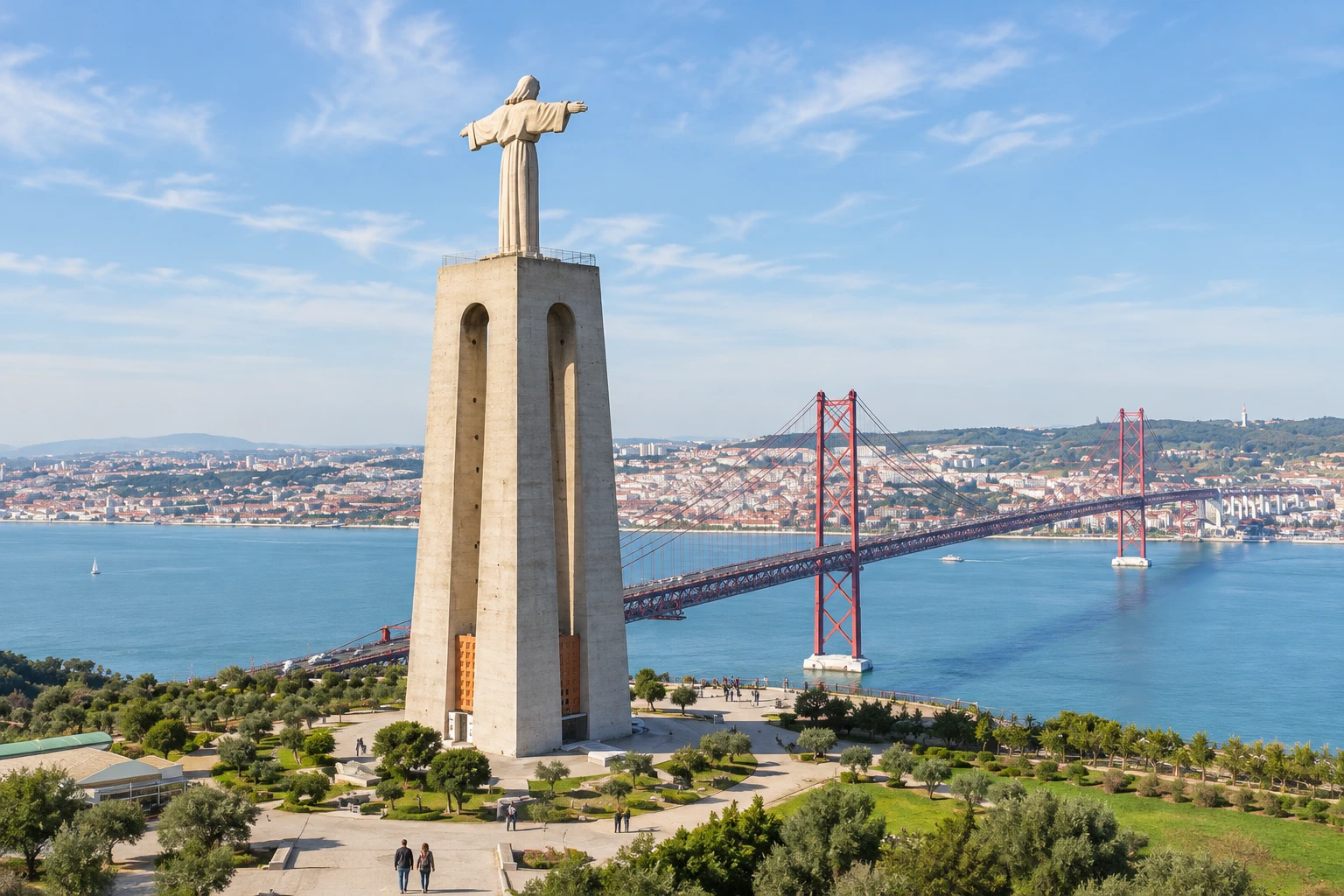
Statue of Christ with outstretched arms atop an 82-metre pedestal in Almada, on the south bank of the Tejo, inaugurated in 1959. An elevator takes you up to the viewpoint, with views over Lisbon and the Ponte 25 de Abril.
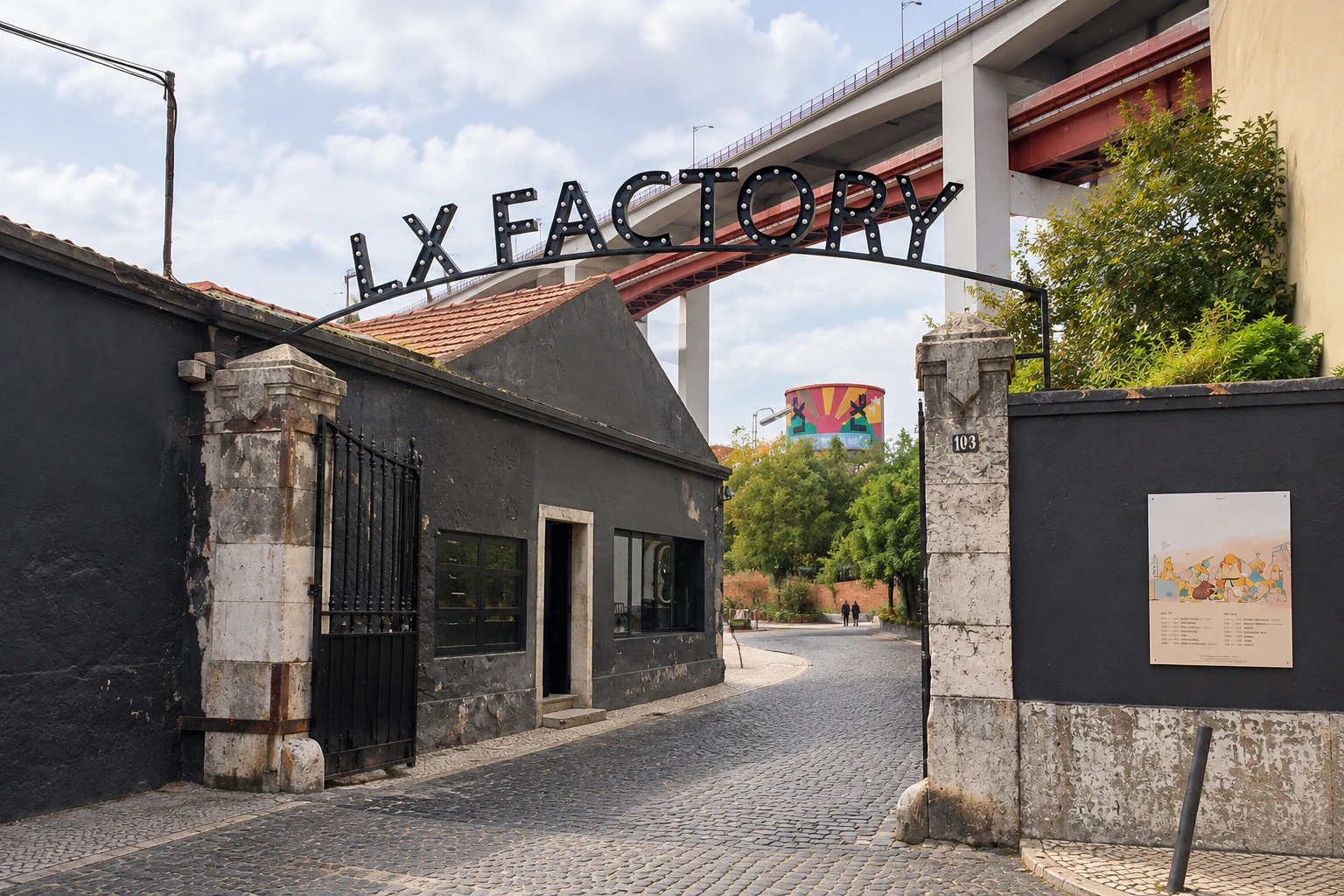
Former factory complex from 1846 in Alcântara, under the Ponte 25 de Abril, converted into a space of shops, restaurants, studios and the Ler Devagar bookstore, set among old machines.
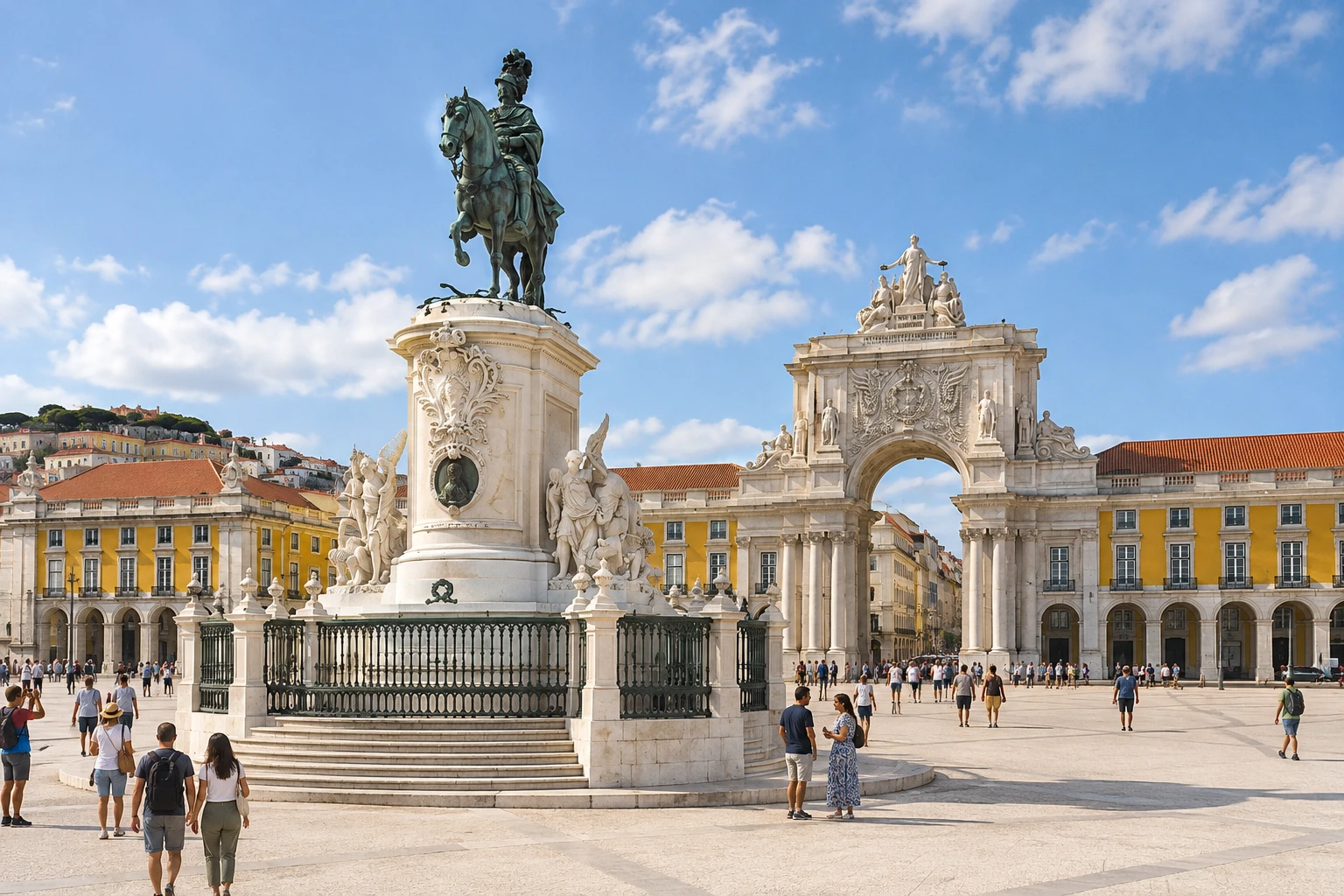
The large square of the Baixa opening onto the Tejo, the former Terreiro do Paço, with the equestrian statue of D. José I, the Arco da Rua Augusta and the Cais das Colunas. The top of the arch has a viewpoint.
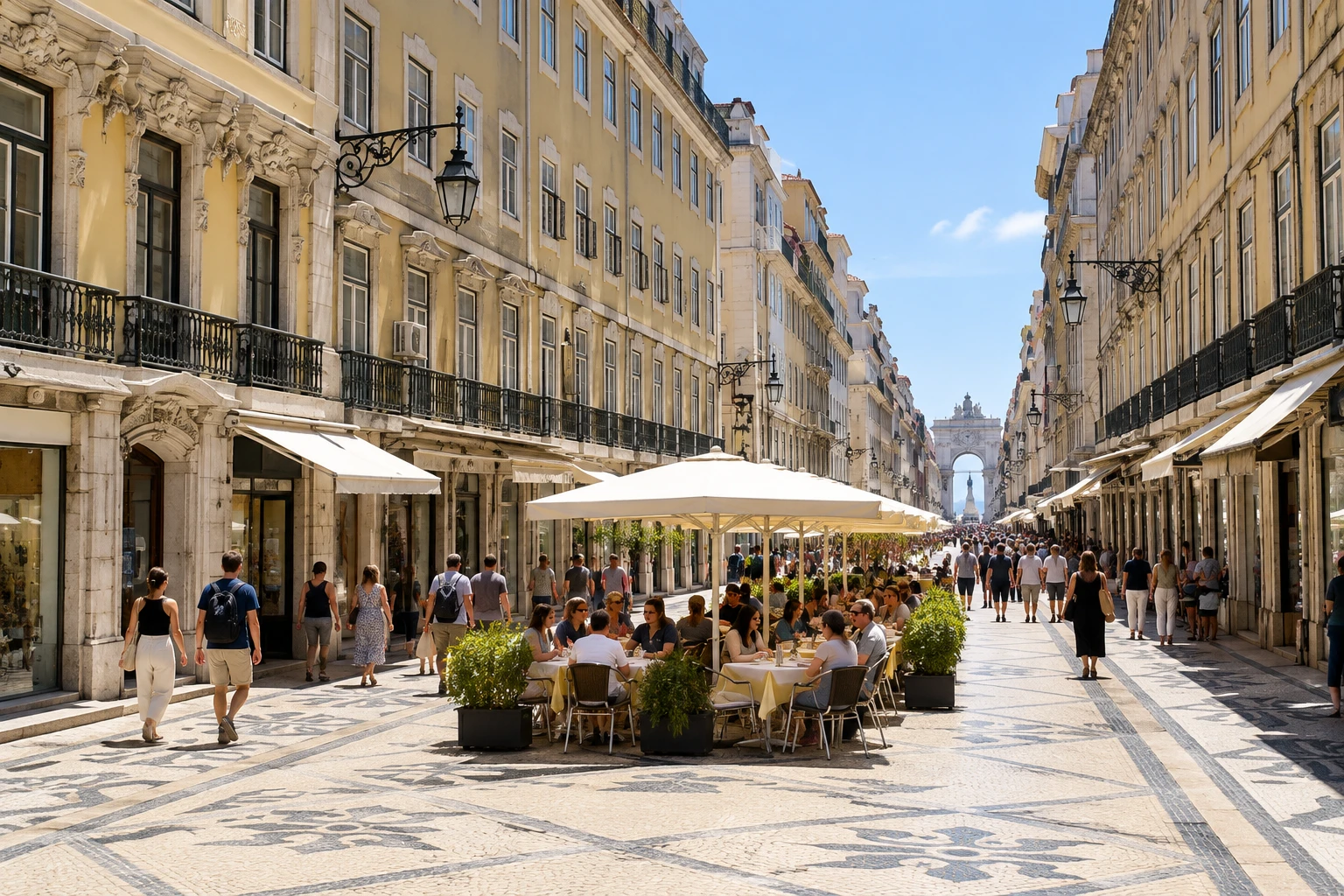
The center of Lisbon rebuilt after the 1755 earthquake, with straight streets between the Rossio and Praça do Comércio. Rua Augusta, a pedestrian street, is the neighborhood's main axis.
Lisbon's central square since the Middle Ages, officially Praça de D. Pedro IV, with a wavy pavement, two fountains, the Teatro Nacional D. Maria II and the neomanueline Rossio station beside it.
Elegant neighborhood between the Baixa and the Bairro Alto, with Café A Brasileira and the statue of Fernando Pessoa, Livraria Bertrand, opened in 1732, theaters and traditional shops.
16th-century neighborhood on the top of the western hill, with narrow grid-like streets, residential by day and filling with bars, restaurants and fado houses at night.
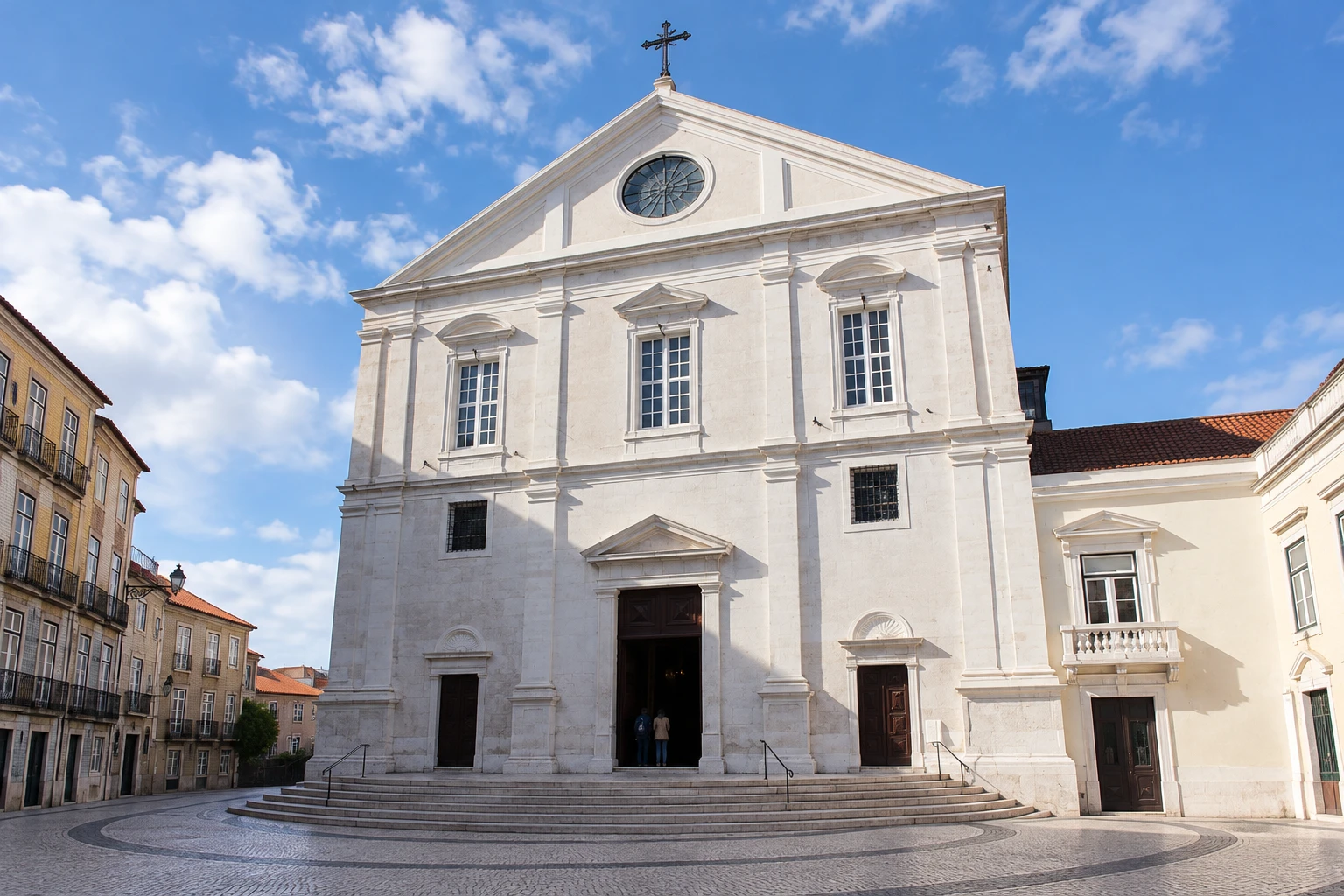
16th-century Jesuit church in Bairro Alto, with a simple façade and a gilded carved interior. It houses the Capela de São João Batista, made in Rome with precious stones and mosaics and assembled in Lisbon.
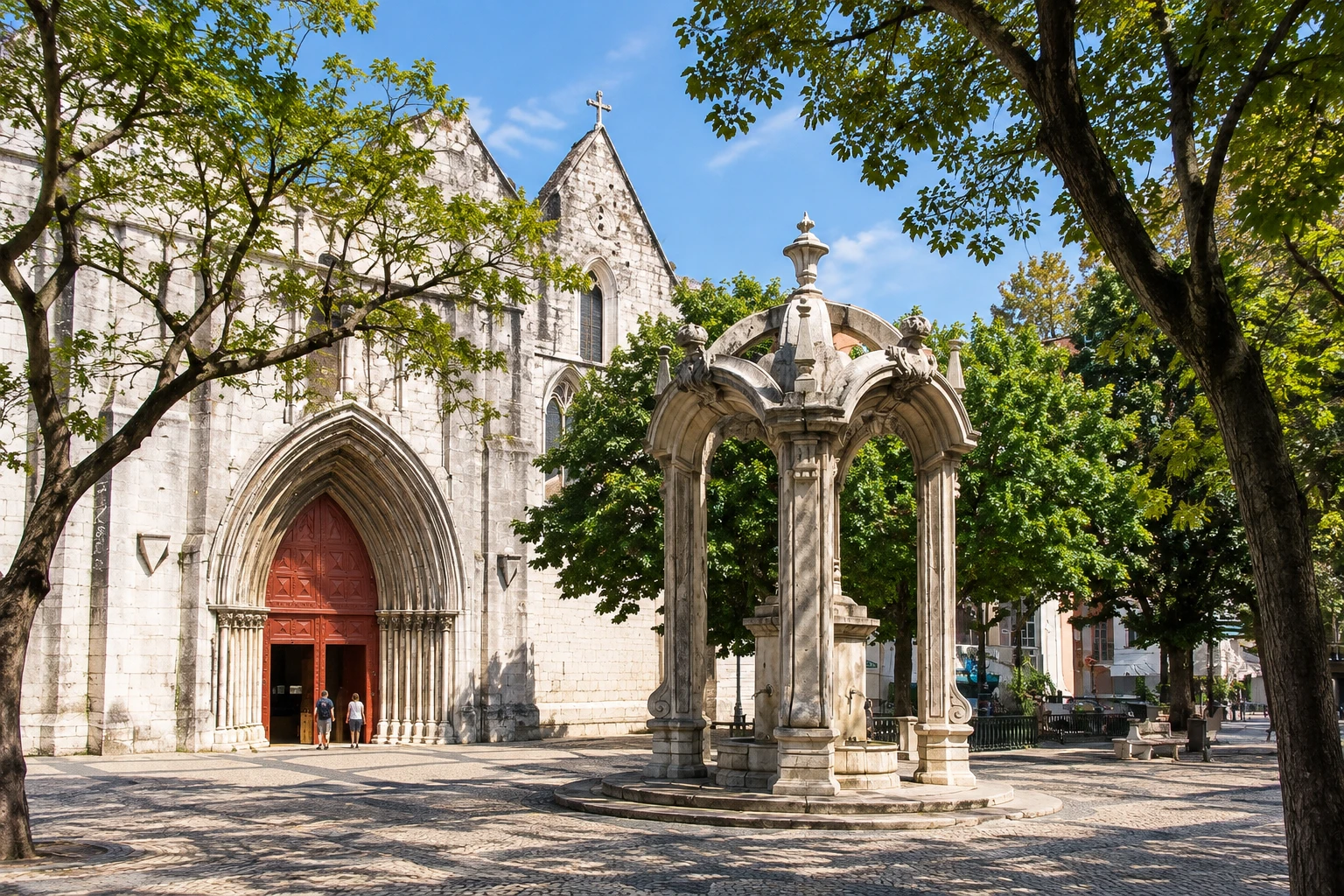
Ruins of the Gothic church of the Convento do Carmo, founded in 1389, which lost its roof in the 1755 earthquake. The arches open to the sky house the Museu Arqueológico do Carmo.
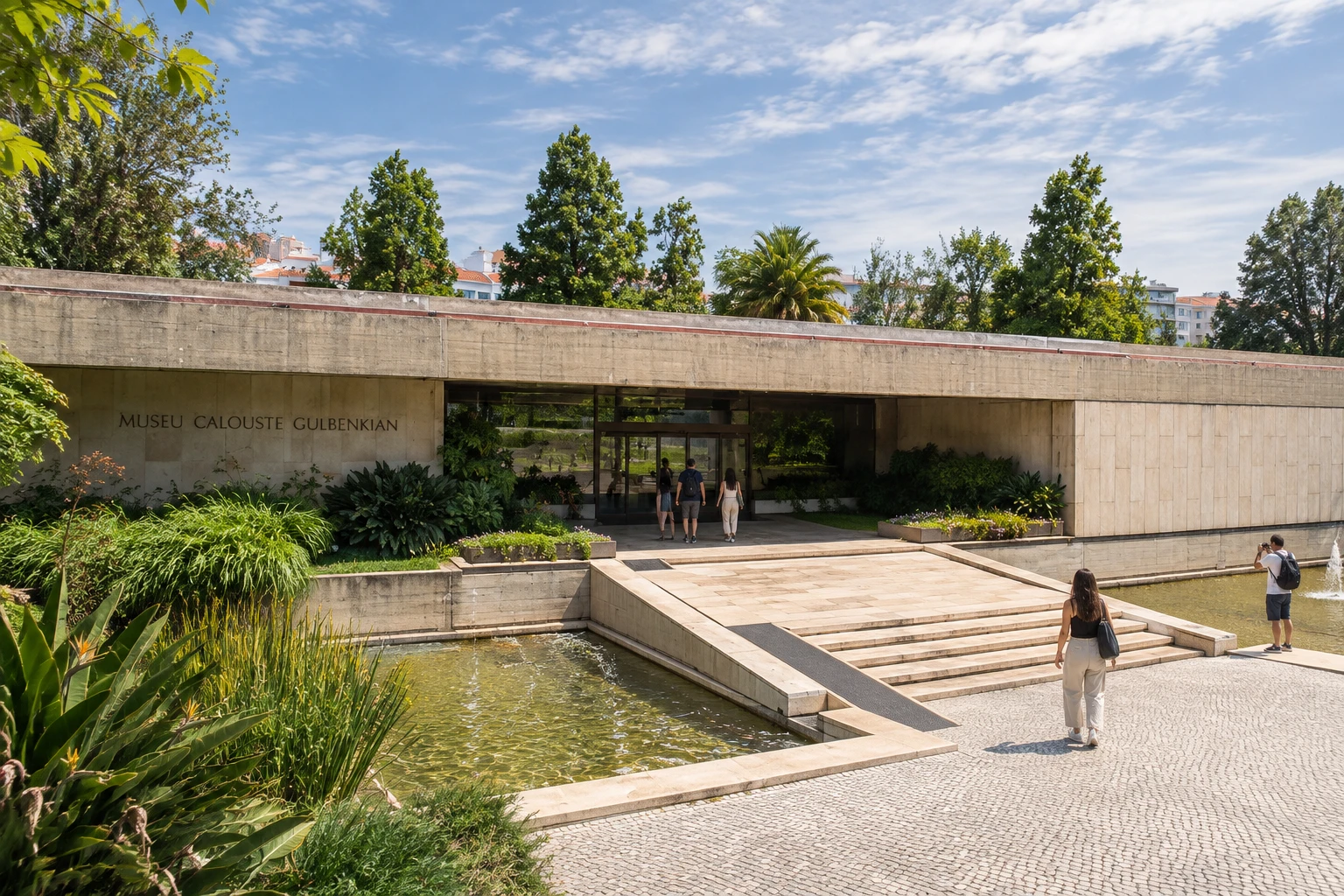
Museum of the foundation created by the collector Calouste Gulbenkian, with art from Ancient Egypt to 20th‑century Europe, René Lalique jewelry and a modernist garden. Next door is the Centro de Arte Moderna.
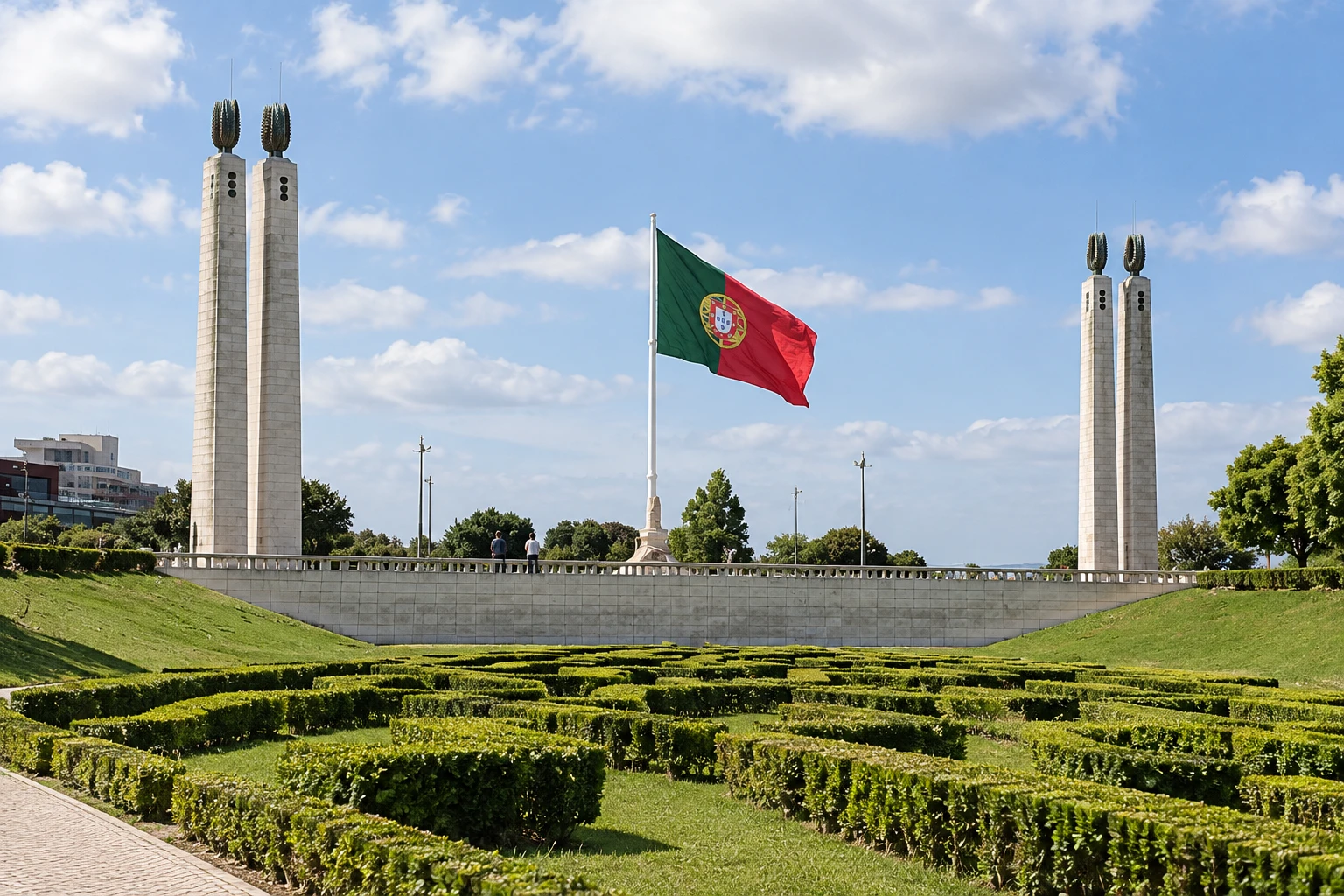
The largest park in central Lisbon, with sloping lawns and trimmed hedges that descend to Praça Marquês de Pombal and Avenida da Liberdade, with views over the Tejo.
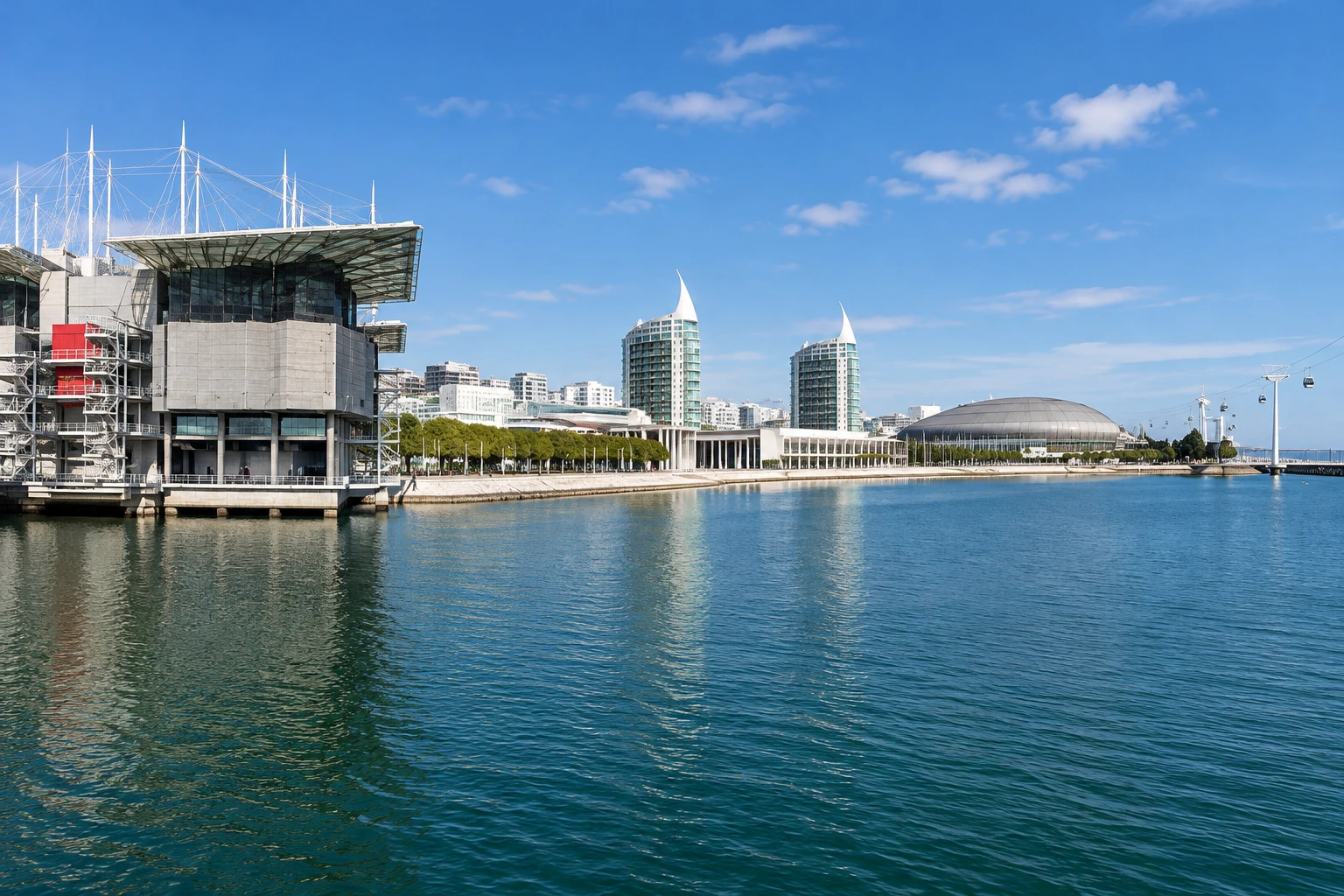
Modern neighborhood on the banks of the Tejo built for Expo 98, with Gare do Oriente, the Oceanário, the Pavilhão de Portugal, the Torre Vasco da Gama and a long riverside promenade.
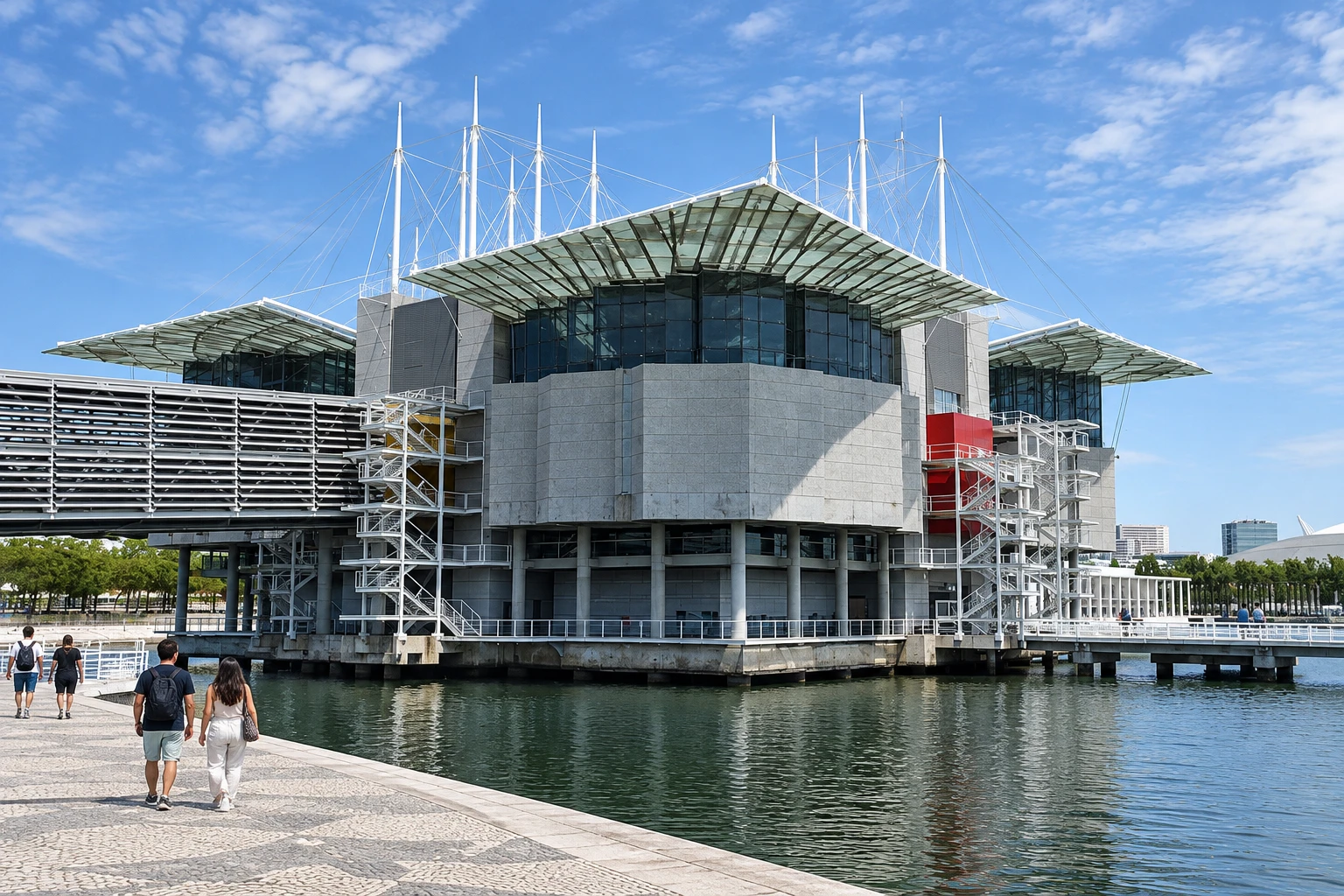
One of the largest aquariums in Europe, built for Expo 98, with a central tank that recreates the open ocean and four areas showcasing the ecosystems of the Atlantic, Pacific, Indian and Antarctic oceans.
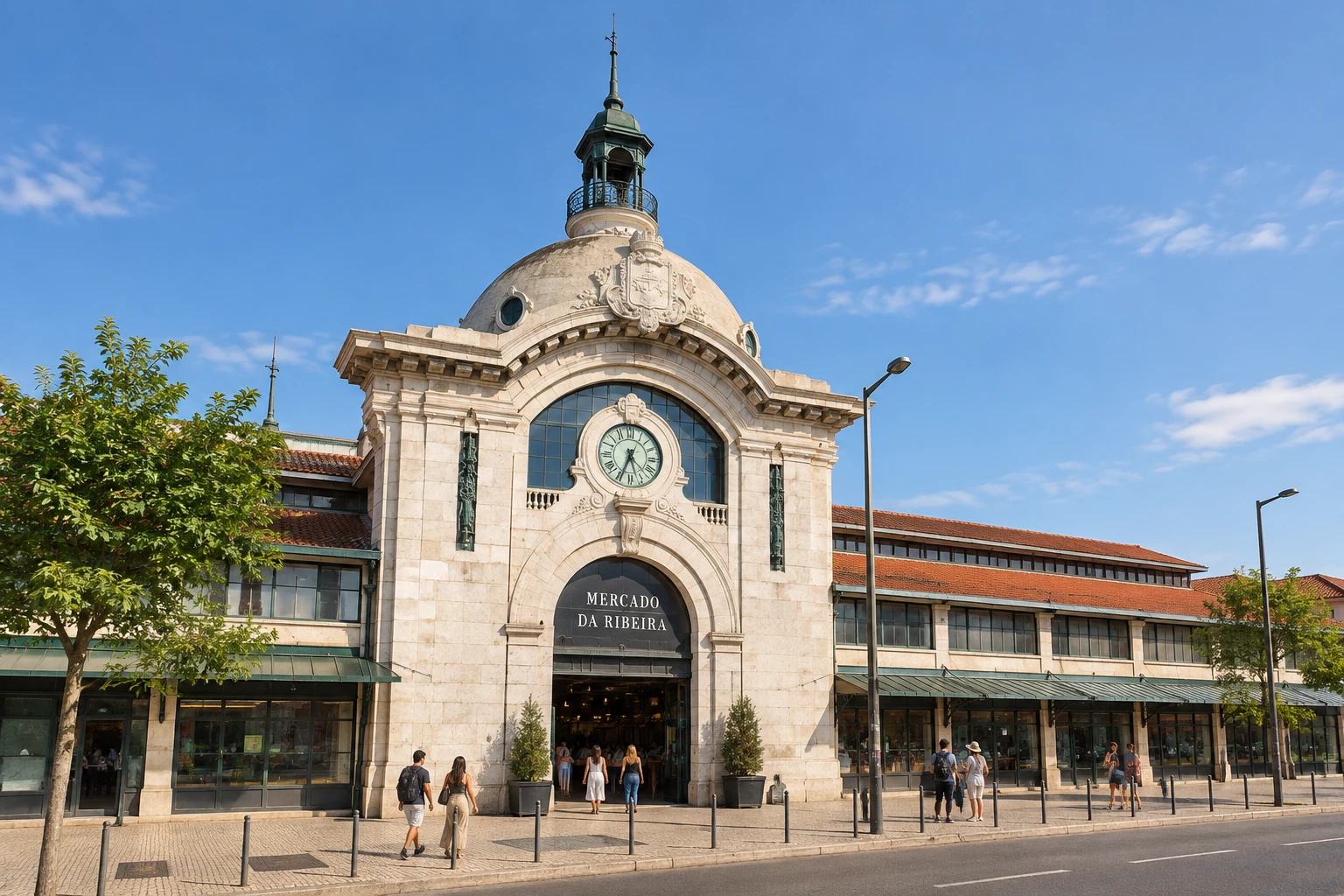
Food court inside Mercado da Ribeira, in Cais do Sodré, with stalls by chefs and well-known Lisbon restaurants. Next door, the traditional market still sells fish, fruit and flowers in the morning.
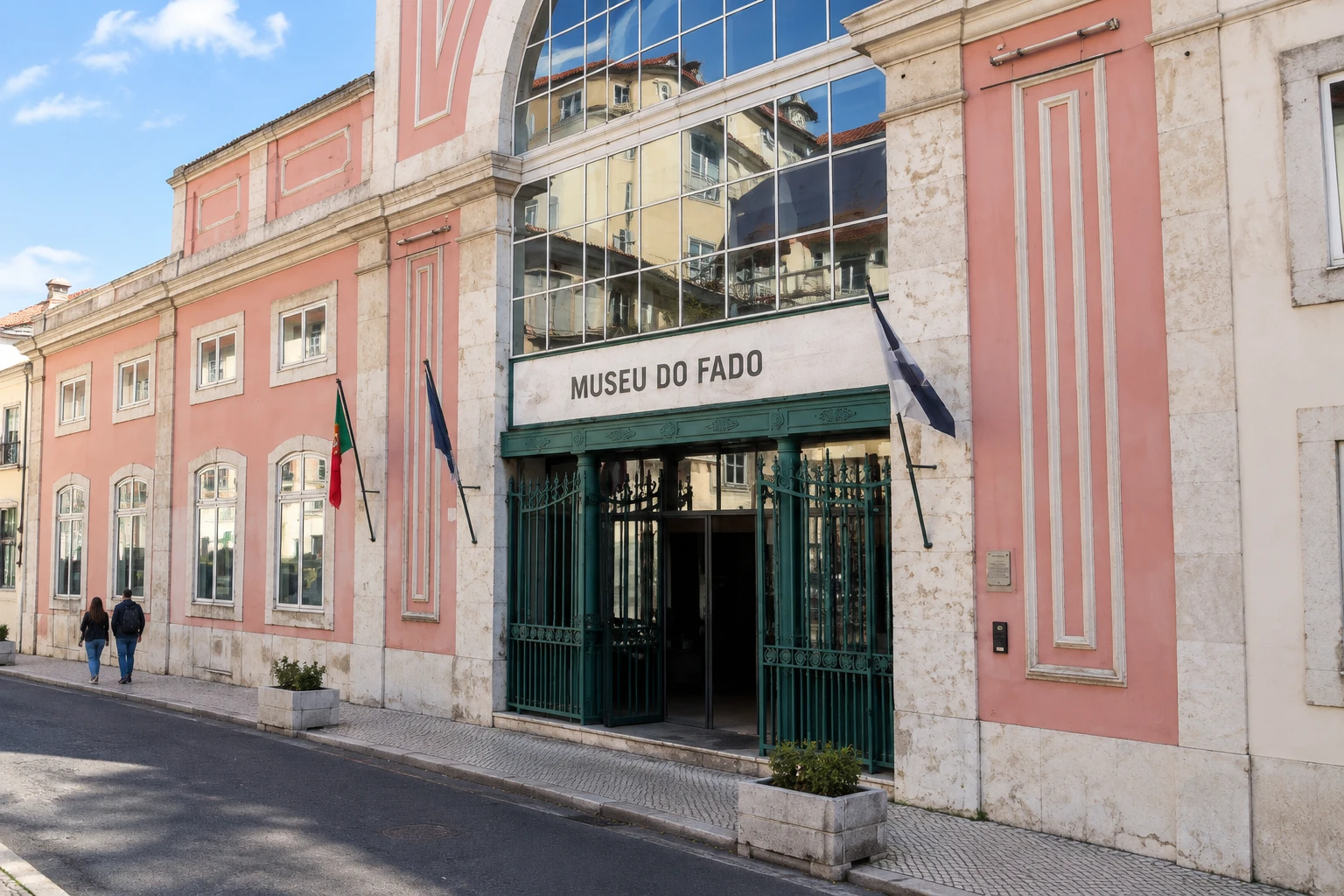
Museum in Alfama dedicated to fado, Lisbon's song genre recognized by UNESCO as intangible cultural heritage in 2011, with Portuguese guitars, posters, costumes and recordings to listen to.
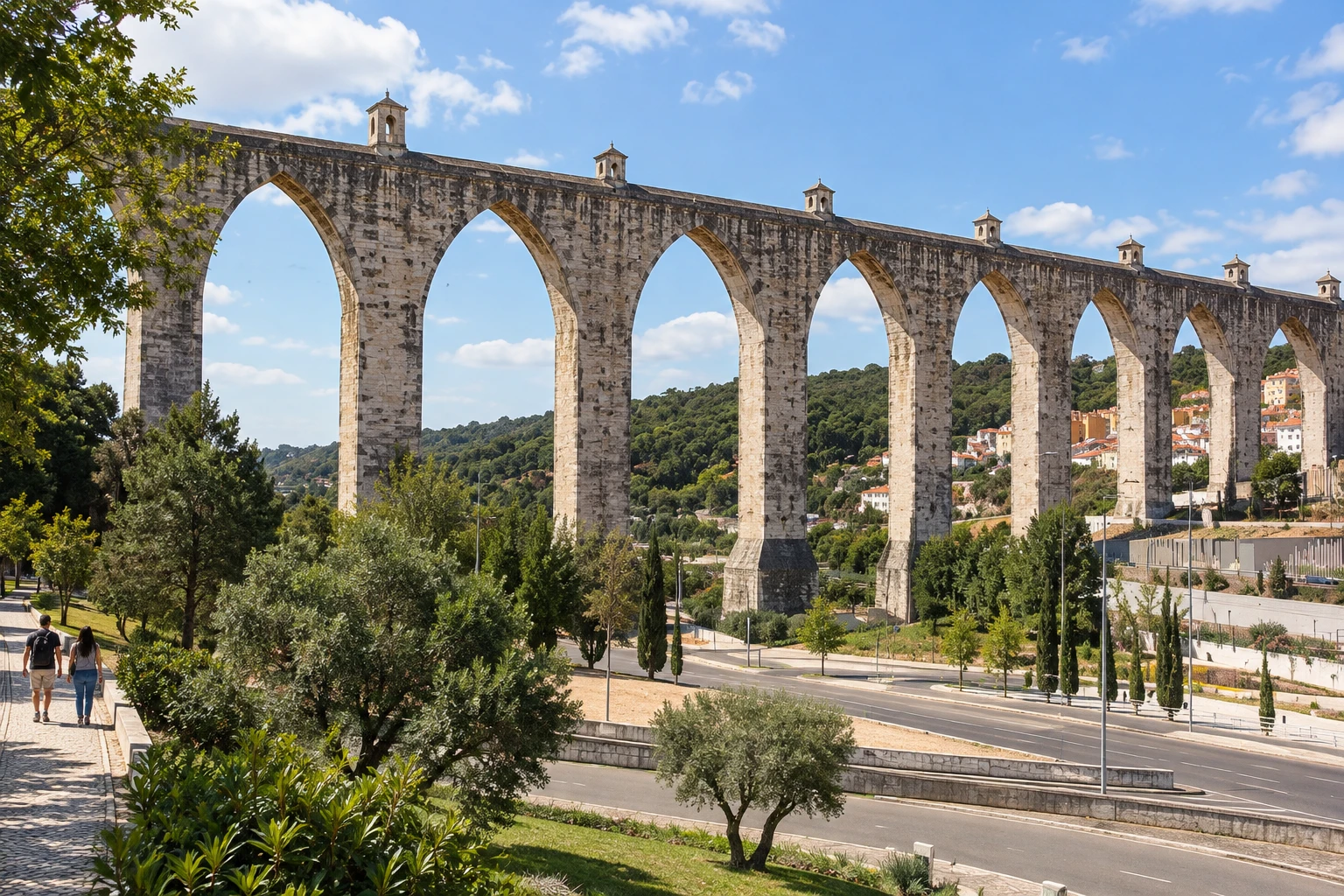
18th-century aqueduct that brought water to Lisbon, with 35 arches over the Alcântara valley; the largest is about 65 meters high. It survived the 1755 earthquake and can be walked over on top.
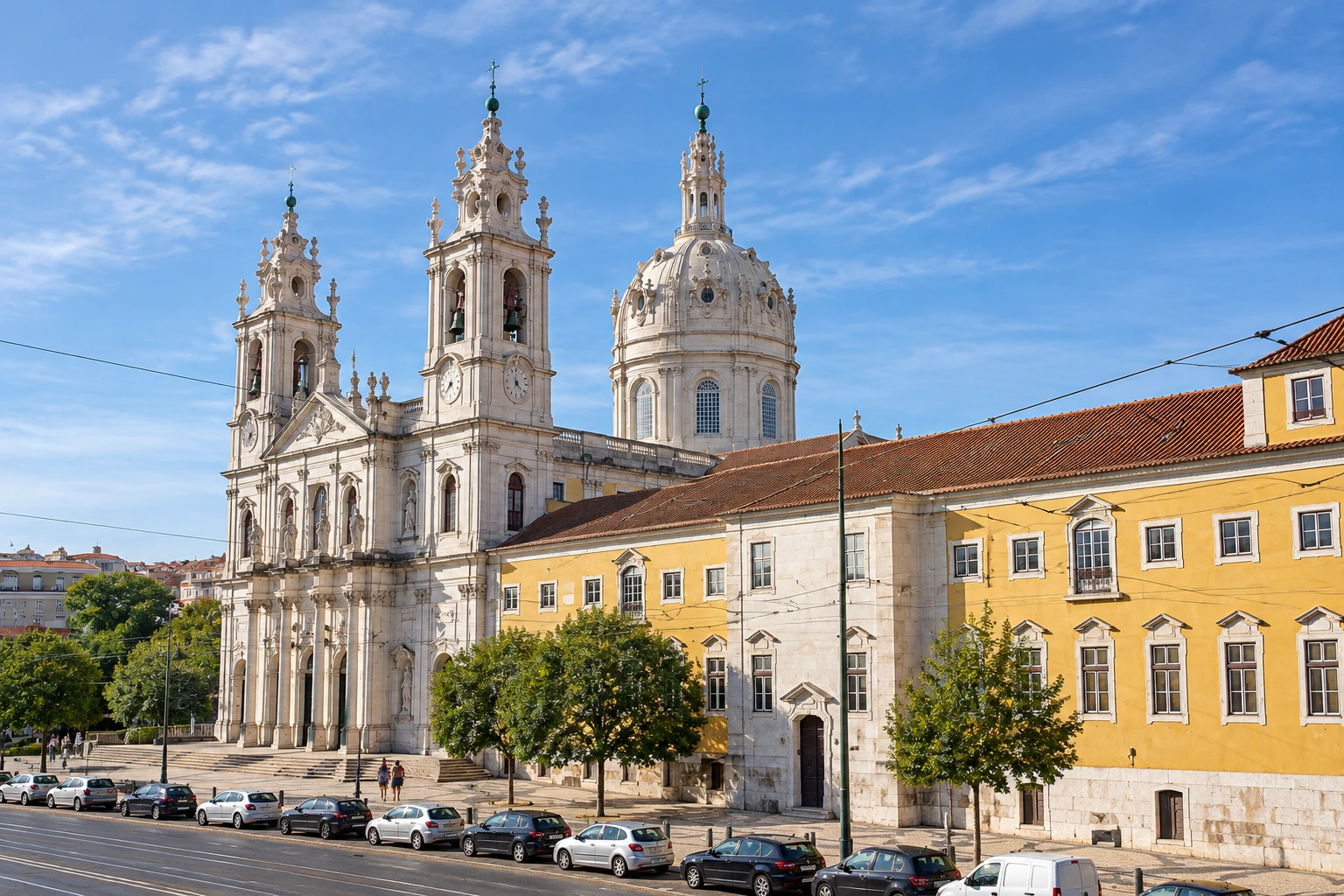
Baroque and neoclassical basilica from the late 18th century, with a large white dome visible from afar, commissioned by Queen D. Maria I. In front is the Jardim da Estrela.
The guide's itineraries cover 3, 5 and 7 days: in 3 days, the essentials for a first trip; in 5 days, city, river and a day trip; in 7 days, the whole city and the surroundings.
What to do Lisbon in one day?
Arrival from Brazil, Baixa and Chiado. The overnight flight from Brazil usually arrives in the morning. From the airport, the metro (red line) or a taxi will take you to the center. Drop your bags and keep the day light: walk through Baixa, Praça do Comércio and Rossio — flat and close to everything — including the Arco da Rua Augusta. In the afternoon, go up to Chiado and finish at the Miradouro de São Pedro de Alcântara. Have an early dinner and rest to adjust to the time difference.
When is the best time to go to Lisbon?
It generally rains less from June to September. The rainiest months are usually from October to January. The guide covers each month, with the weather and what changes on the tours.


 Brazil
 Antarctica
 Argentina
 Bolivia
 Chile
 Colombia
 Ecuador
 Falkland Islands (Malvinas)
 French Guiana
 Guyana
 Paraguay
 Peru
 Suriname
 Uruguay
 Venezuela
 Austria
 Belgium
 Croatia
 Denmark
 Finland
 France
 Germany
 Greece
 Hungary
 Iceland
 Ireland
 Italy
 Luxembourg
 Norway
 Poland
 Slovakia
 Slovenia
 Spain
 Sweden
 Switzerland
 the Czech Republic
 the Netherlands
 the United Kingdom
 Turkey
 Bermuda
 Canada
 Greenland
 Mexico
 Saint Pierre and Miquelon
 the United States
 the Dominican Republic
 Japan
 Egypt
 South Africa
 Australia
 Fiji
 New Zealand
 Papua New Guinea