Vila Real · Viseu
Douro Valley
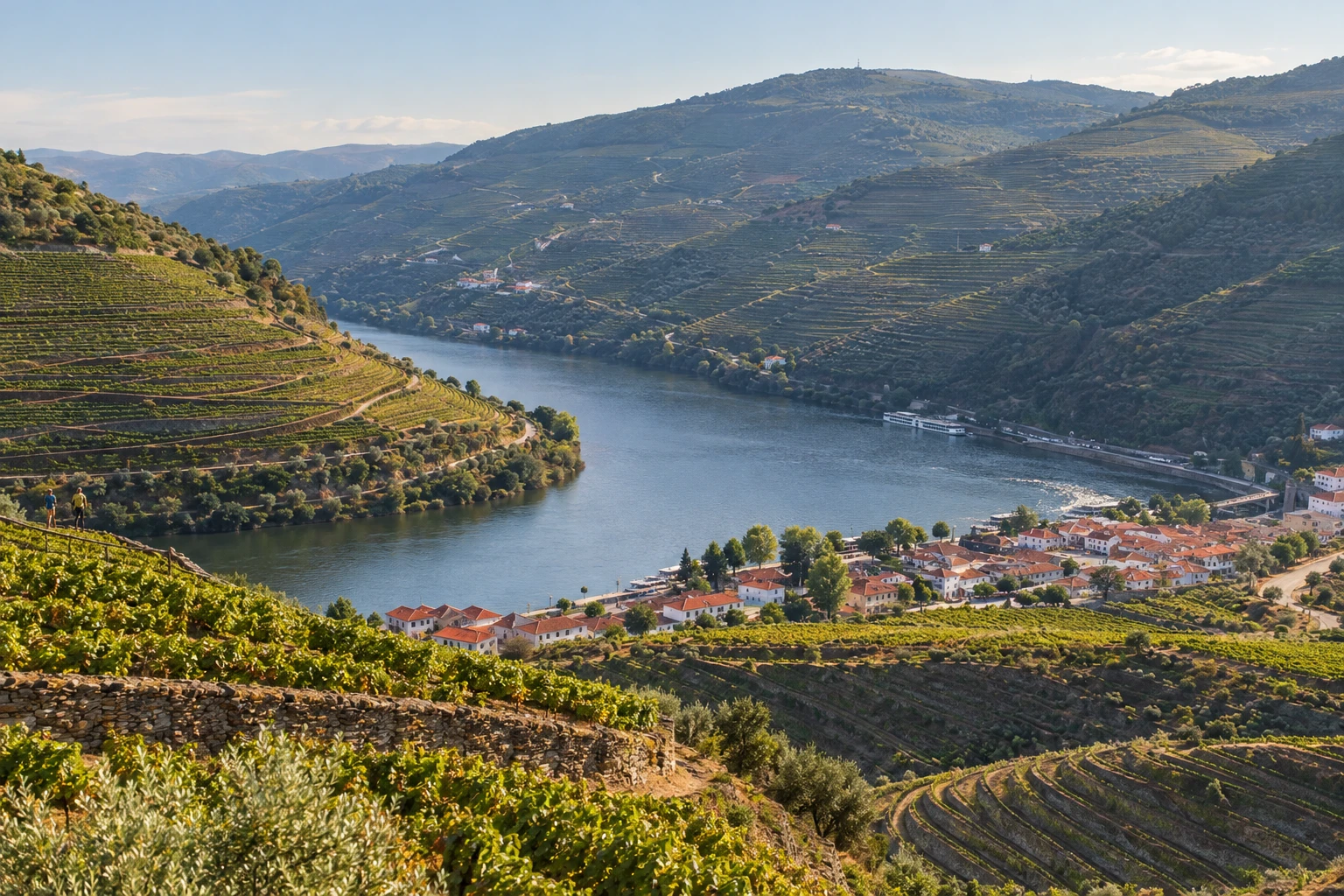
Slopes of terraced vineyards on the Rio Douro, birthplace of the vinho do Porto, with Peso da Régua, Pinhão and Lamego, about two hours from Porto.

 Search
 Brazil
 Antarctica
 Argentina
 Bolivia
 Chile
 Colombia
 Ecuador
 Falkland Islands (Malvinas)
 French Guiana
 Guyana
 Paraguay
 Peru
 Suriname
 Uruguay
 Venezuela
 Austria
 Belgium
 Croatia
 Denmark
 Finland
 France
 Germany
 Greece
 Hungary
 Iceland
 Ireland
 Italy
 Luxembourg
 Norway
 PolandPortugal
 Slovakia
 Slovenia
 Spain
 Sweden
 Switzerland
 the Czech Republic
 the Netherlands
 the United Kingdom
 Turkey
 Bermuda
 Canada
 Greenland
 Mexico
 Saint Pierre and Miquelon
 the United States
 the Dominican Republic
 JapanTurkey
 Egypt
 South Africa
 Australia
 Fiji
 New Zealand
 Papua New Guinea
Portugal travel guide
What to do, when to go and how to get there, destination by destination.
13 destinations · 32 citiesin Portugal
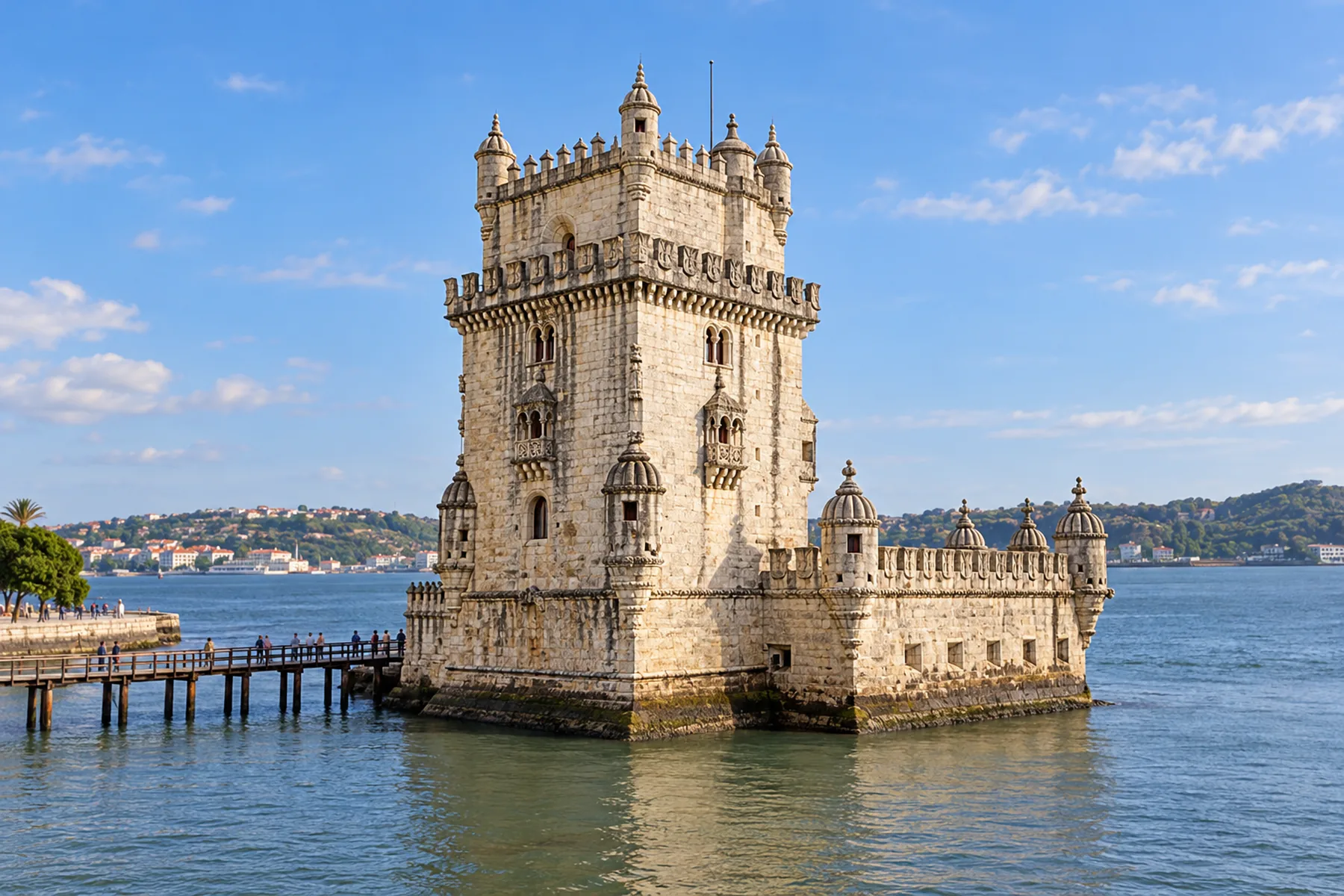
In the photo: Belém Tower — Lisbon
Illustrative images. The pictures in this guide are illustrations based on the real place, not photographs, and may differ from it.

A destination is a region you visit as a single trip: it can bring together several cities or be a large city with everything it offers. Each destination has the tours, the itineraries, the best time to go month by month and how to get there.
The guide currently has 13 destinations, with 32 cities in 15 districts.
Today's highlights
A destination is more than a city: it's everything you can experience there.
Slopes of terraced vineyards on the Rio Douro, birthplace of the vinho do Porto, with Peso da Régua, Pinhão and Lamego, about two hours from Porto.
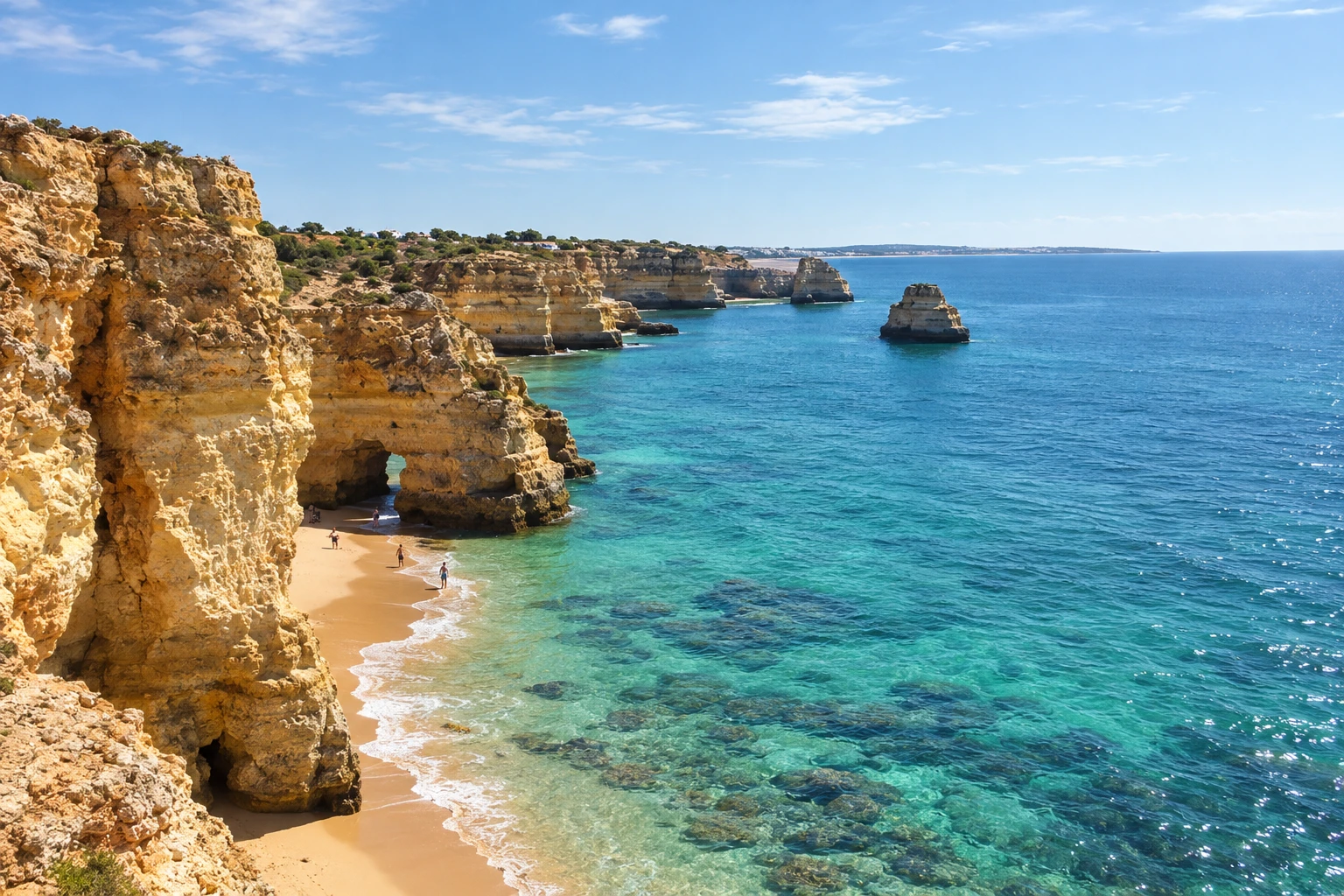
The southern coast of Portugal, with golden cliffs, sea caves and the Ria Formosa lagoon, between Lagos, Albufeira, Faro and Tavira.
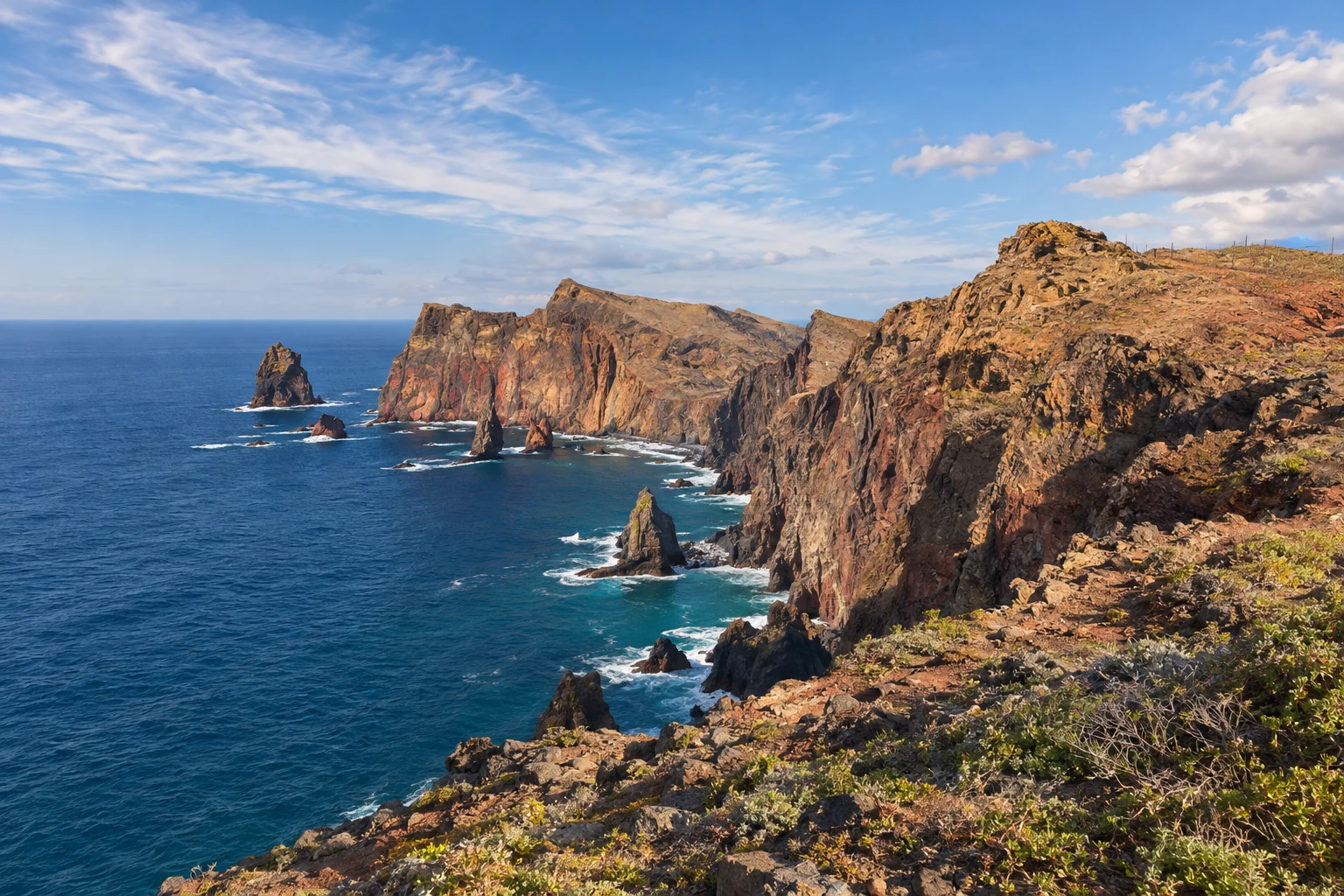
Atlantic island with mild weather year-round, with green mountains, levadas for walking, very high cliffs and Funchal, the capital, among gardens and the sea.
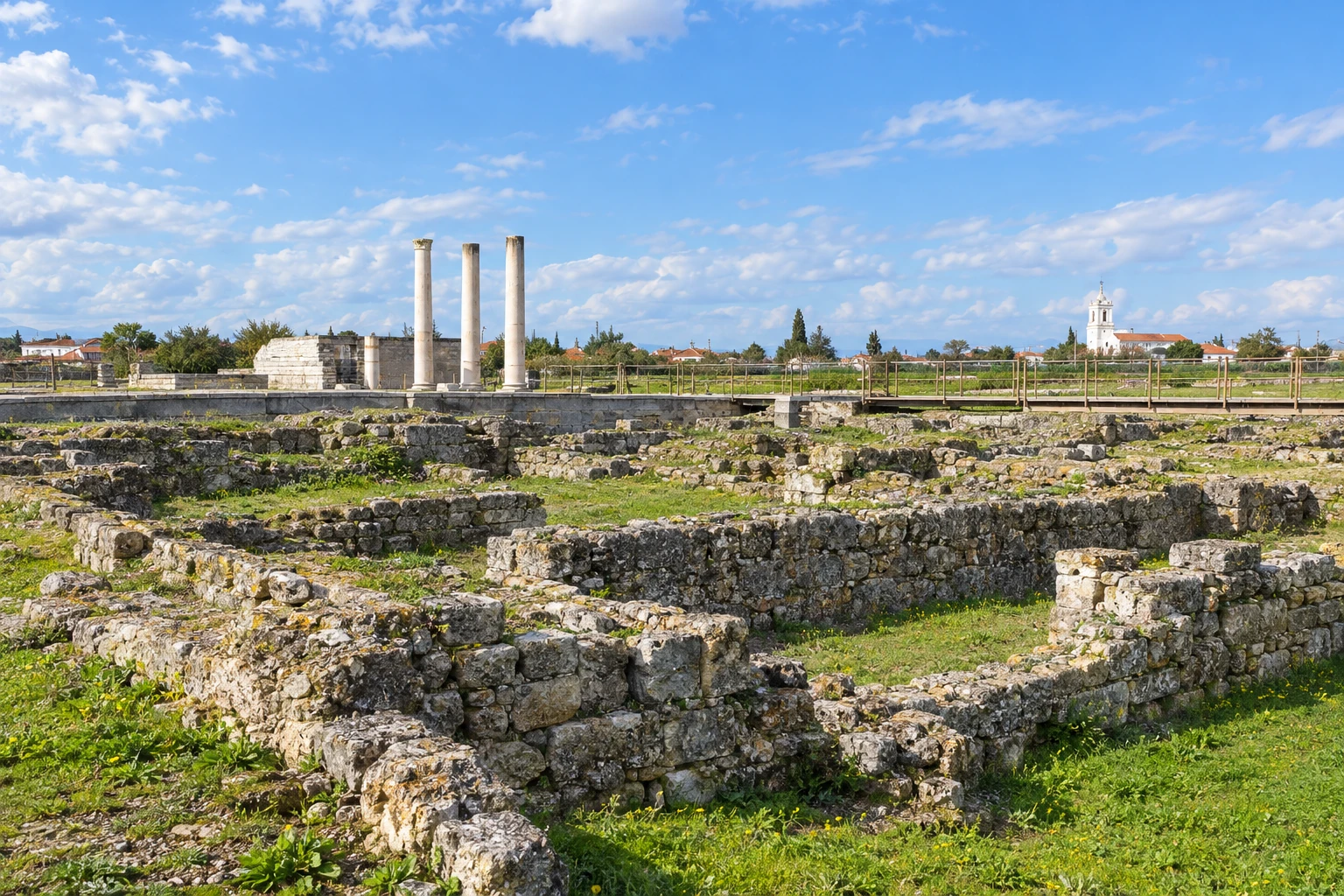
University city on the banks of the Mondego, with one of the oldest universities in Europe, the Biblioteca Joanina, Coimbra fado and the Roman ruins of Conímbriga.
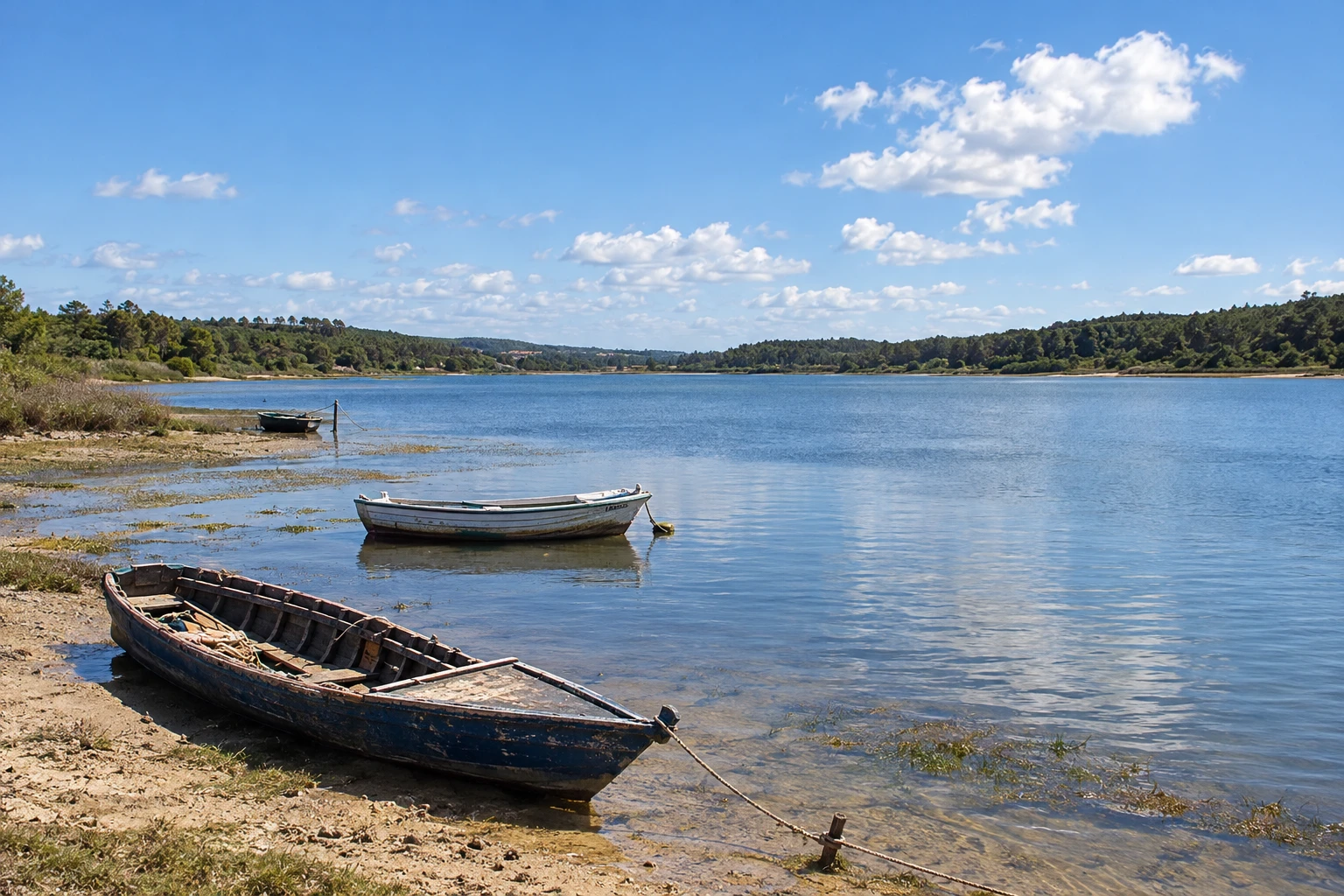
Walled medieval village, a fishing beach with some of the world's biggest waves in winter and two World Heritage monasteries, about an hour from Lisbon.
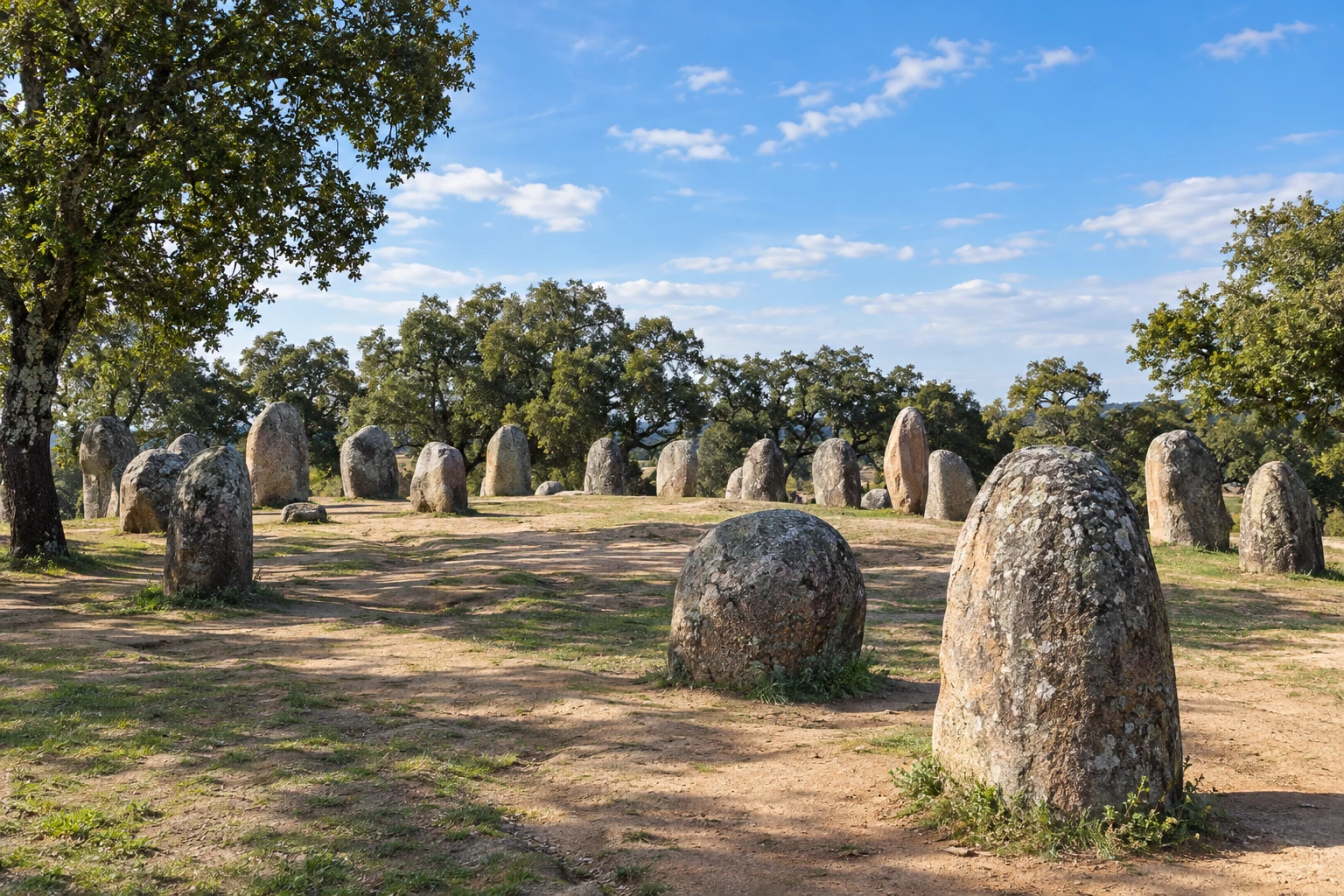
A walled museum-city in the heart of the Alentejo, with the Templo Romano, the Capela dos Ossos and the Sé, and Monsaraz, a medieval village atop a hill overlooking the Alqueva lake.
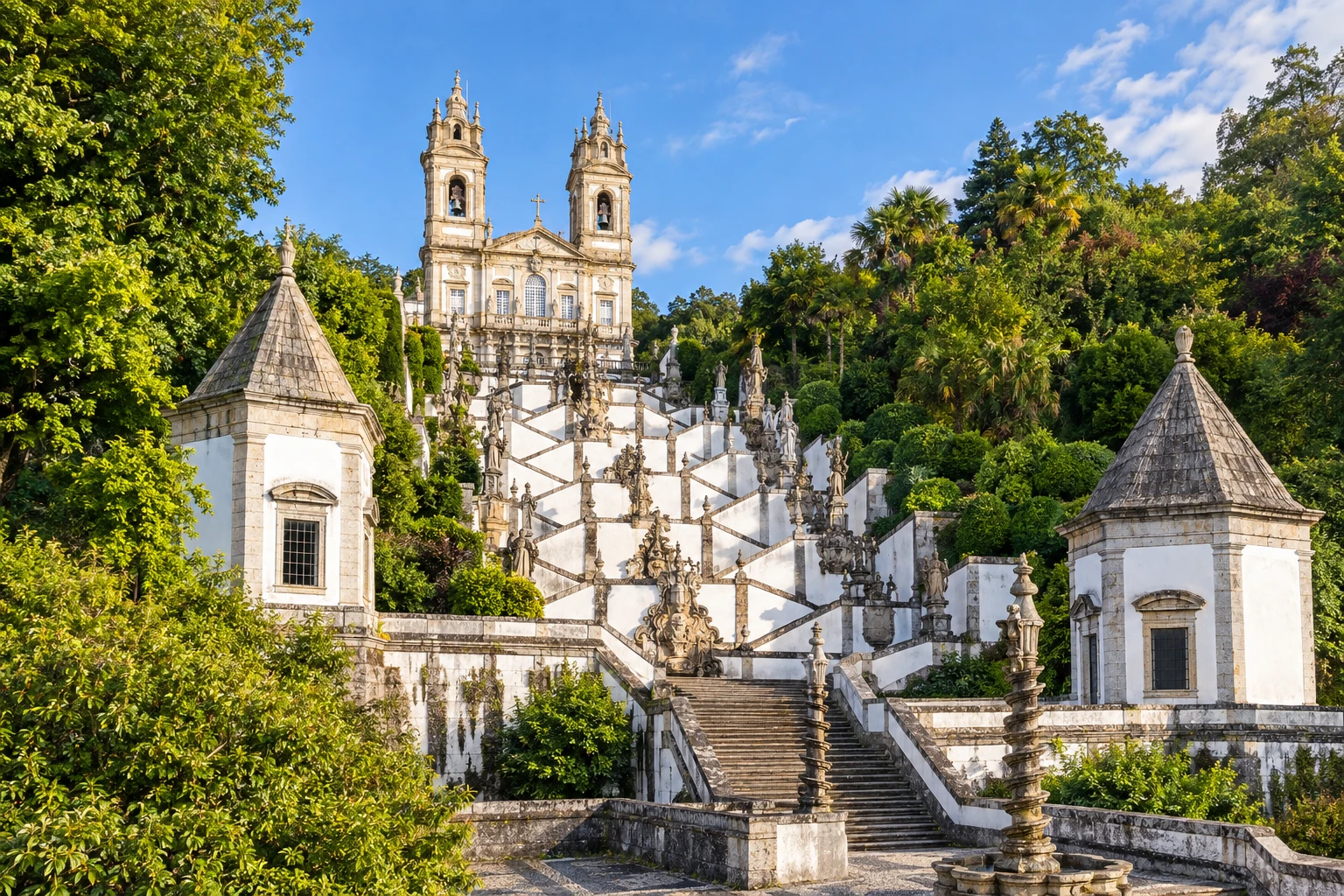
Two historic cities in Minho: Braga, with the country's oldest Sé (cathedral) and the Baroque staircase of the Bom Jesus, and Guimarães, where Portugal was born.
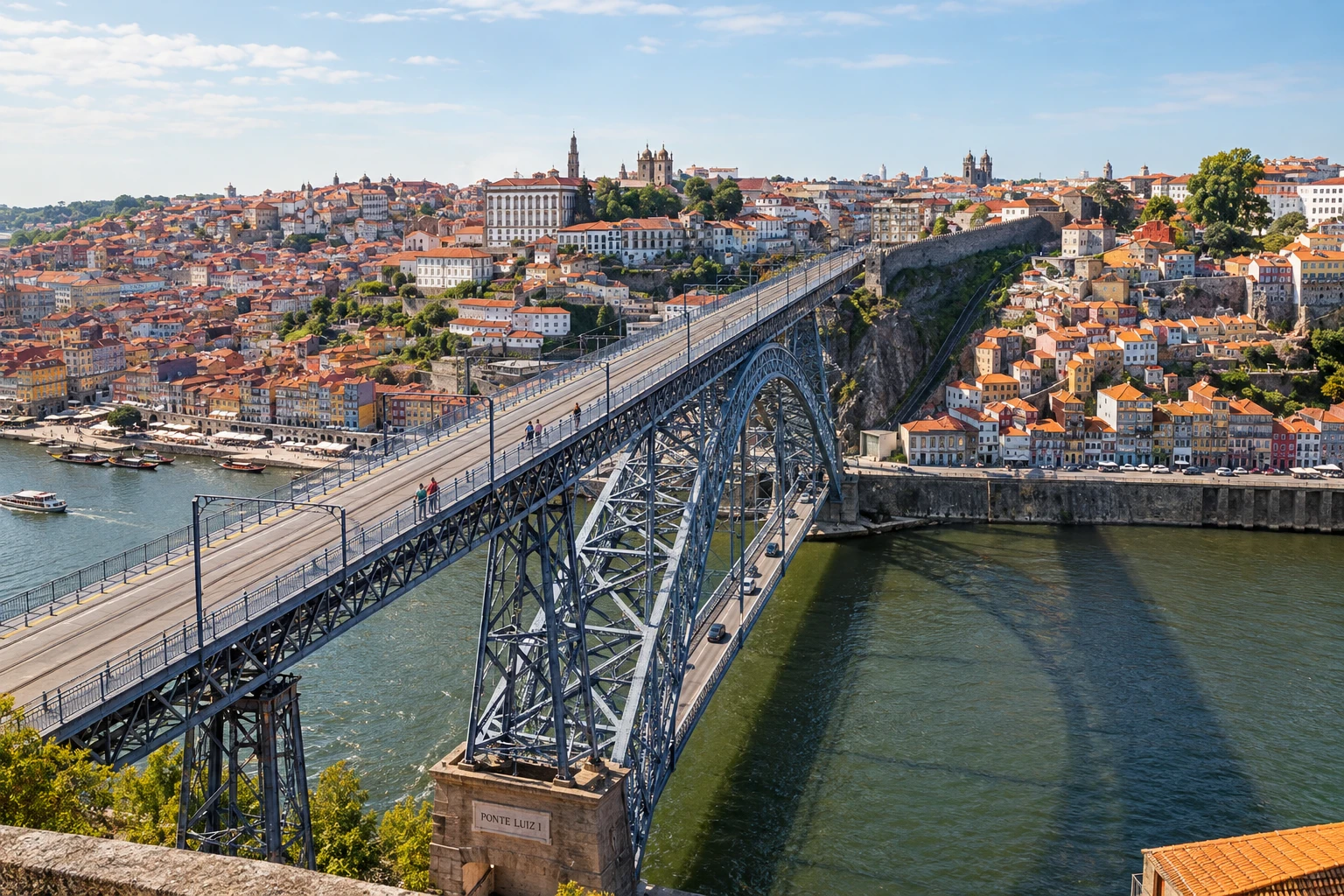
The second city of Portugal, with colorful houses descending to the Douro, the Ribeira, the Ponte Luís I, the tiles of São Bento and the port wine cellars in Gaia.
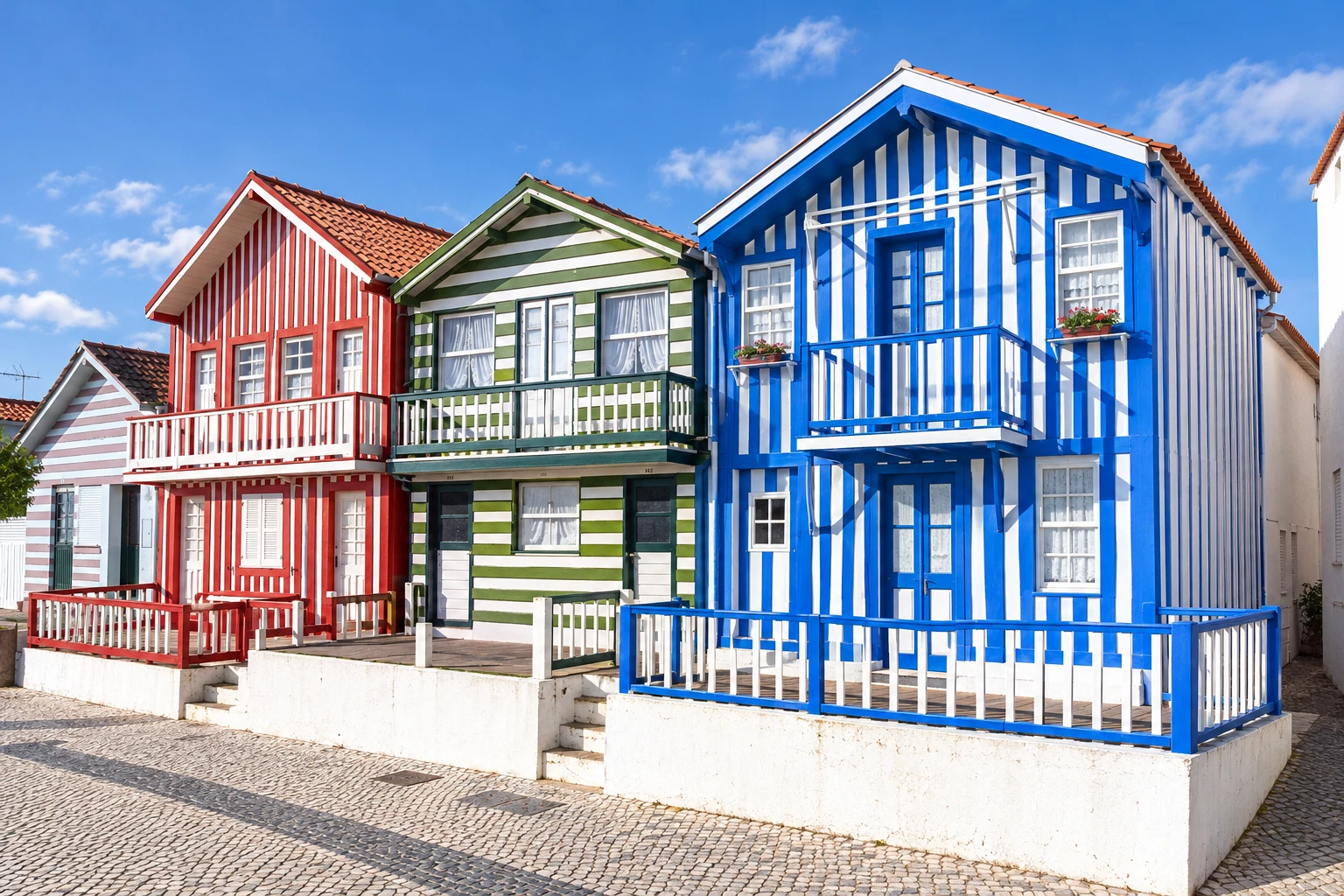
City of canals and colorful moliceiro boats, on the edge of the Ria de Aveiro, with art nouveau houses, ovos moles and the striped houses of Costa Nova a few minutes away.
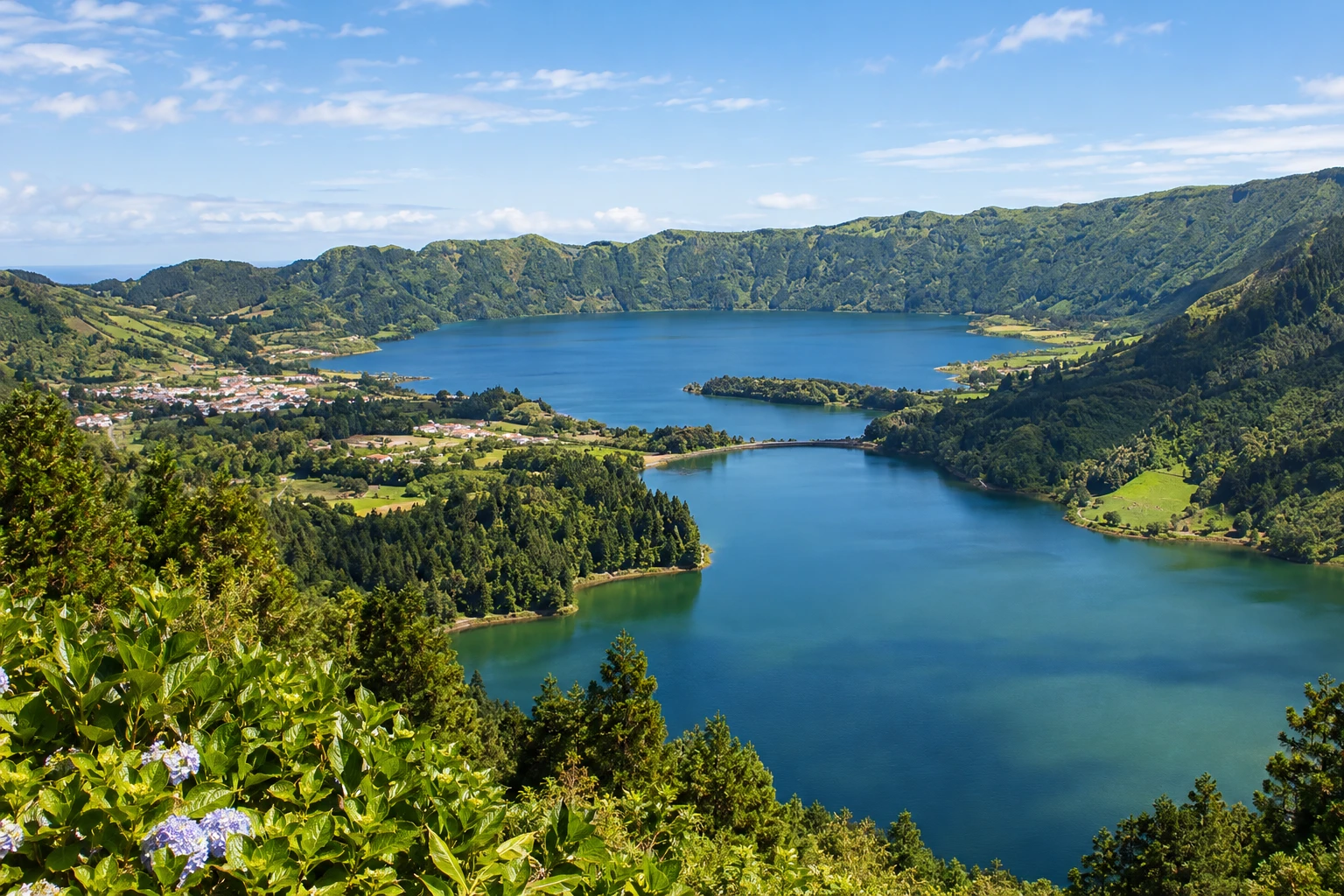
Volcanic archipelago in the middle of the Atlantic, with crater lakes, hot springs, tea plantations and whale watching, based in Ponta Delgada on the island of São Miguel.
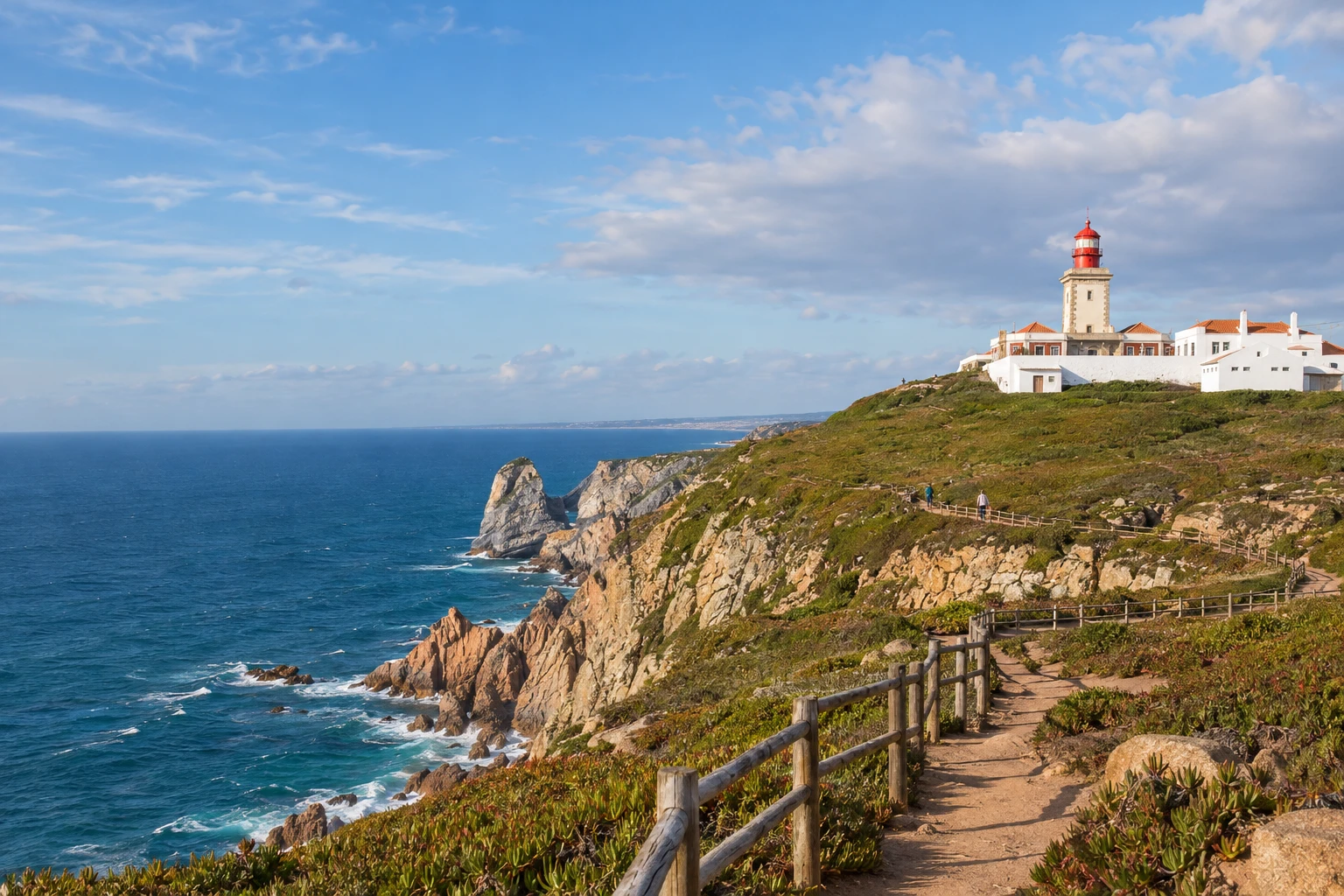
The Sintra hills, with romantic palaces and gardens in the mist, and the coast of Cascais, a former fishing village turned seaside resort, less than an hour from Lisboa.
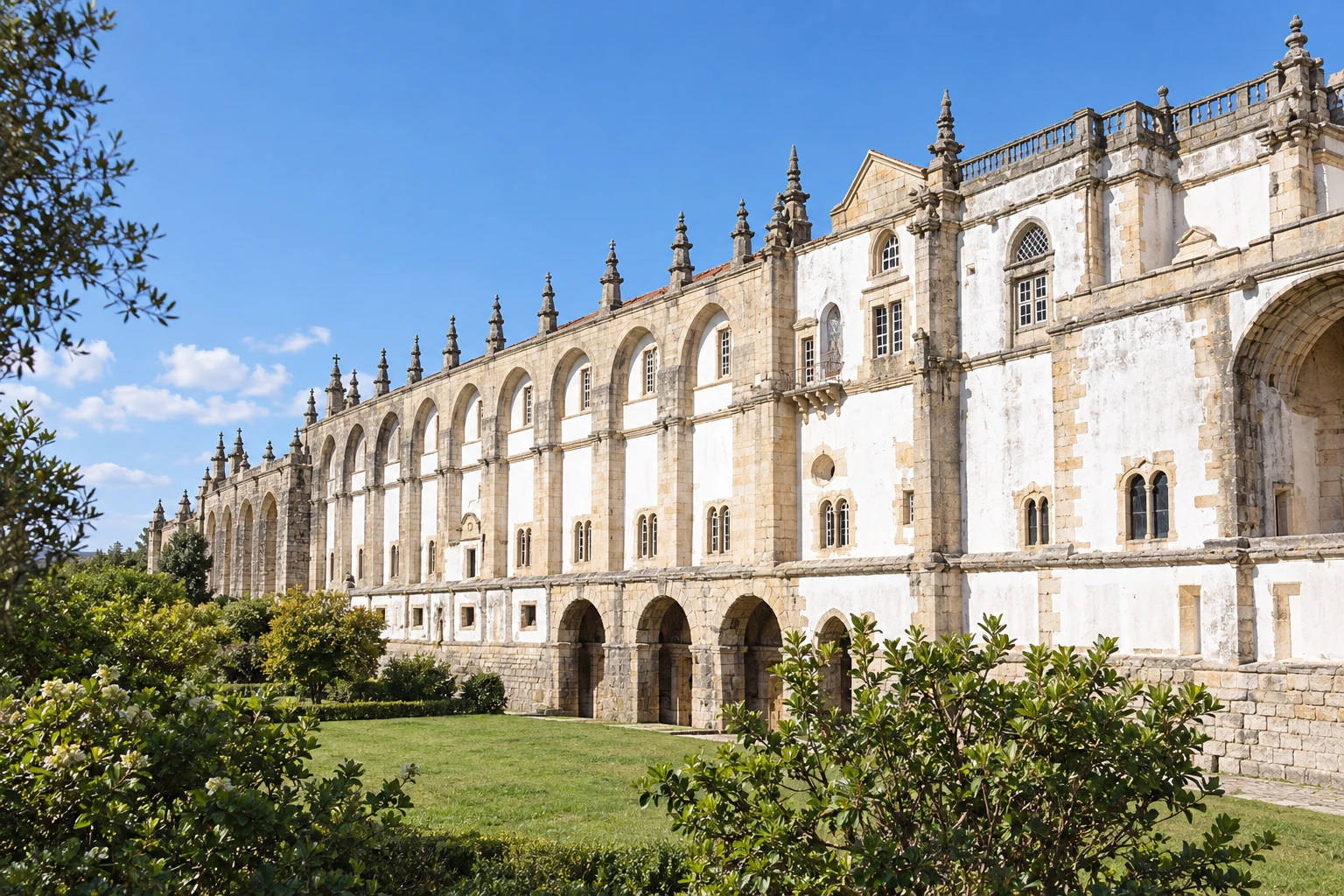
The Sanctuary of Fátima, one of the largest Catholic pilgrimage centers in the world, and Tomar, a Templar town with the Convento de Cristo, a World Heritage site.
Cities to start with
Each city has a page with what to do there.
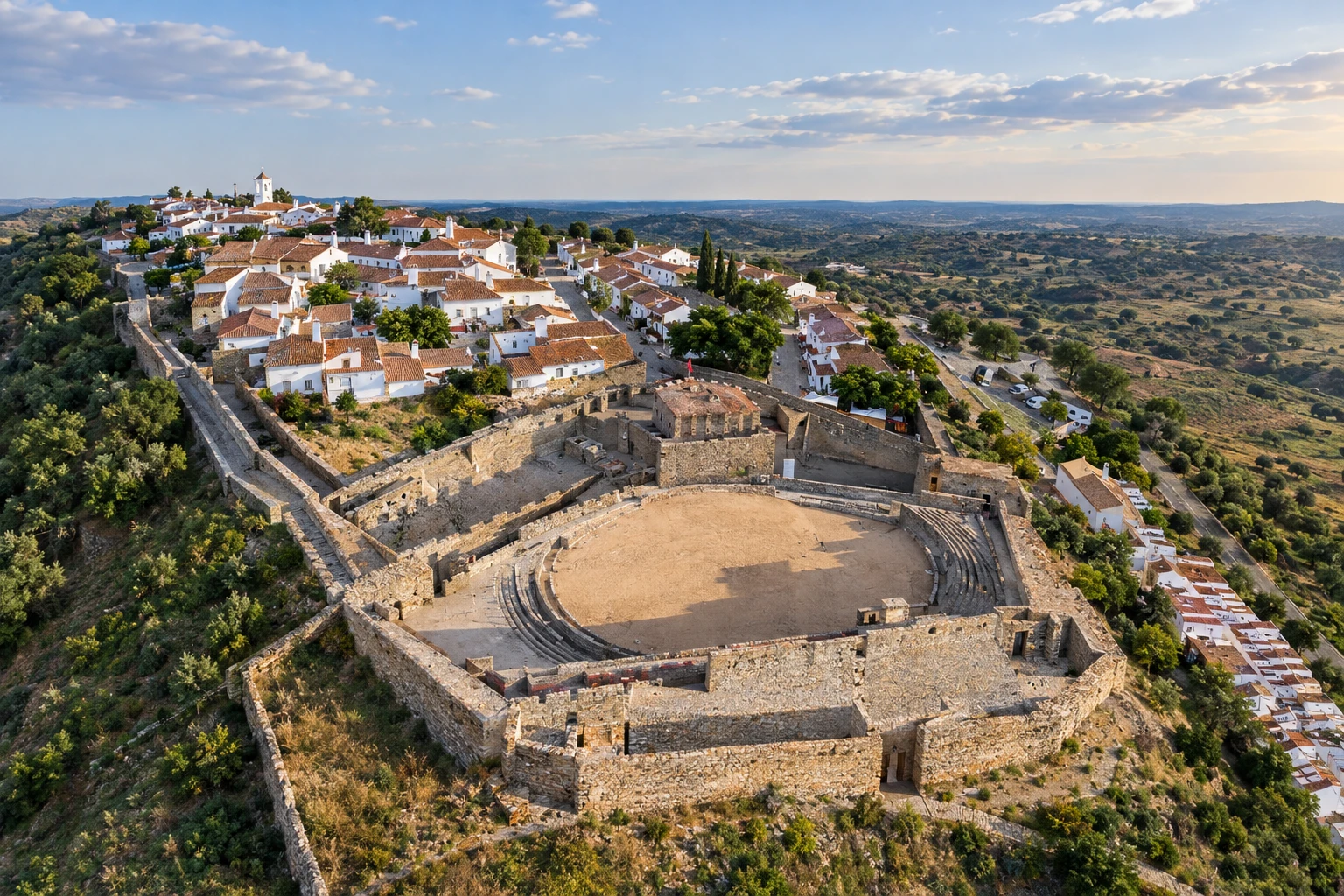
Walled medieval village on top of a hill, in the concelho of Reguengos de Monsaraz, about 50 km from Évora. It has two main streets of white houses, a church, a castle with a bullring inside the walls, and views over the Grande Lago Alqueva. The region is known for its dark skies, excellent for stargazing.
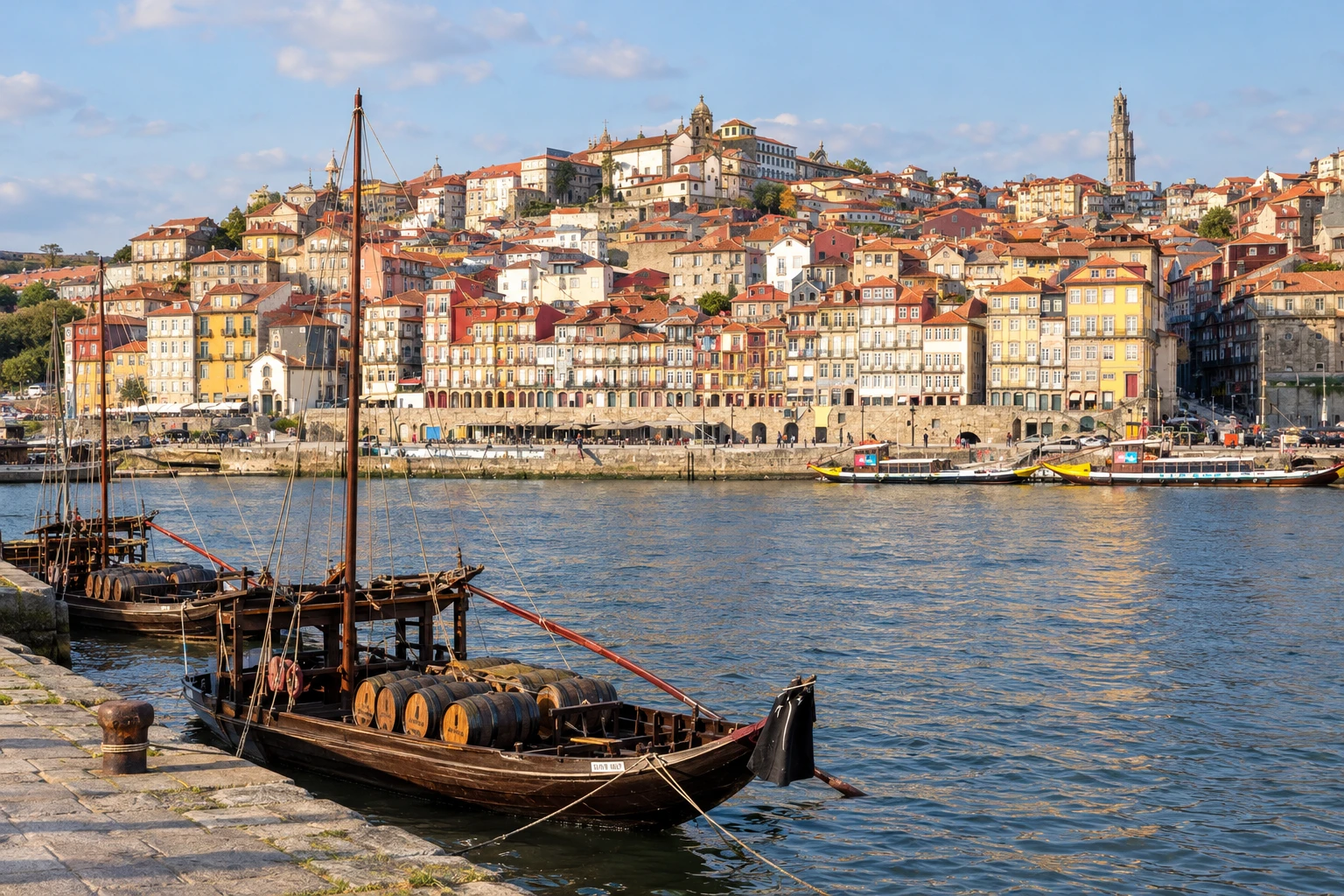
Second city of Portugal, on the north bank of the Douro, with a historic center that is a World Heritage Site. The Ribeira, the Ponte Luís I, the Sé, the Palácio da Bolsa and São Francisco lie close to the river; higher up are São Bento, the Clérigos, the Lello, the Carmo, the Aliados, the Bolhão and the Capela das Almas. To the west are the Palácio de Cristal, Soares dos Reis, the Casa da Música, Serralves and the Foz, linked by tram.
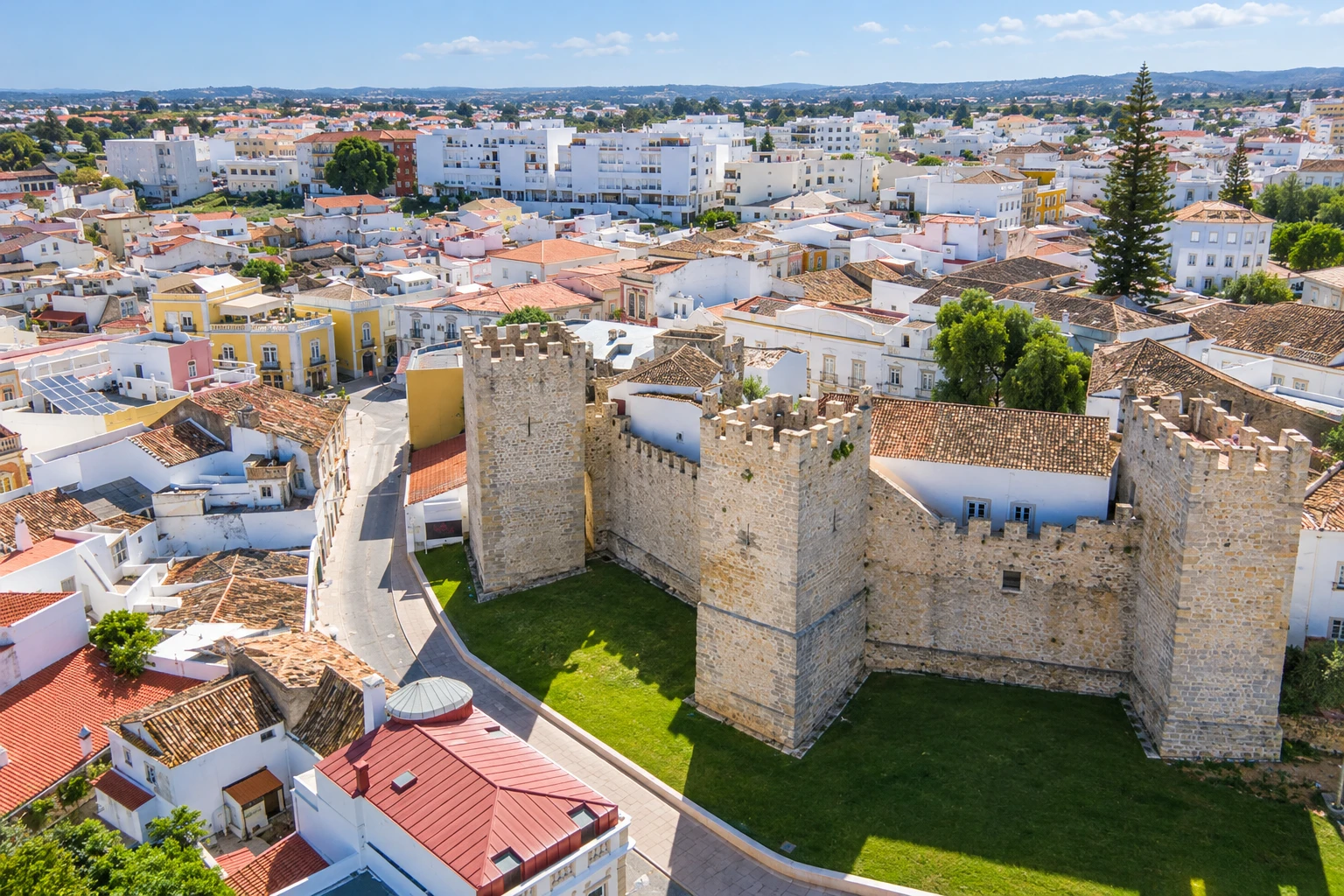
Loulé is inland in the Algarve, about 15 km northwest of Faro. It grew around a castle of Islamic origin, conquered by the Portuguese in 1249, and in the center it preserves the 13th-century Igreja Matriz de São Clemente and the domed Municipal Market in a neo-Arab style, opened in 1908. On a hill to the west stands the sanctuary of Nossa Senhora da Piedade, the Mãe Soberana. The town is known in Portugal for the Carnaval de Loulé and for the festival of the Mãe Soberana.
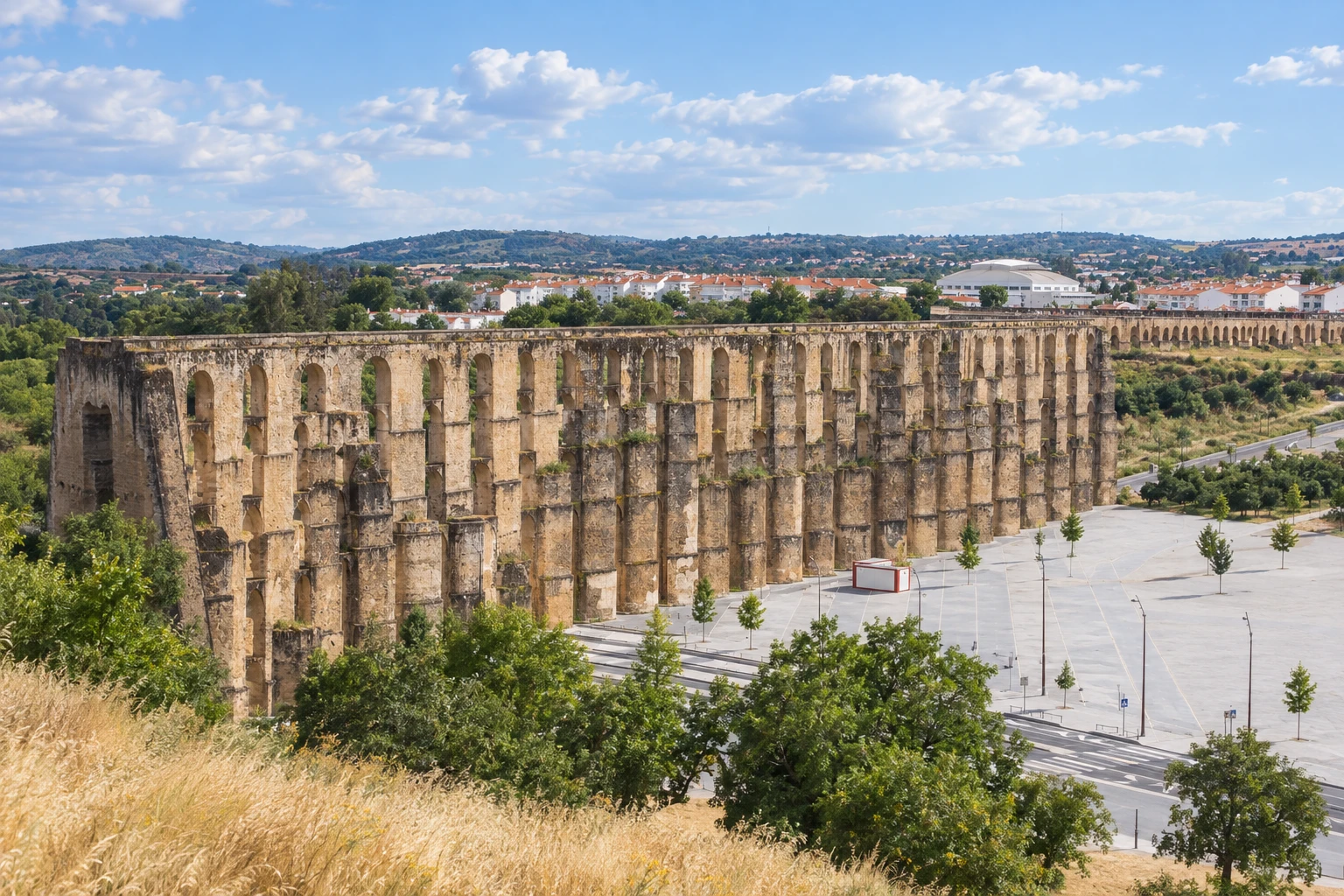
Alentejo town in the district of Portalegre, about 12 km from Badajoz in Spain. The star-shaped walls, the forts of Santa Luzia and da Graça and the Aqueduto da Amoreira form the border garrison city, a UNESCO World Heritage Site since 2012. Inside the walls lie the Praça da República, the old cathedral, the medieval castle and streets of white houses. It is the last stop in Portugal on the route between Lisbon and Madrid.
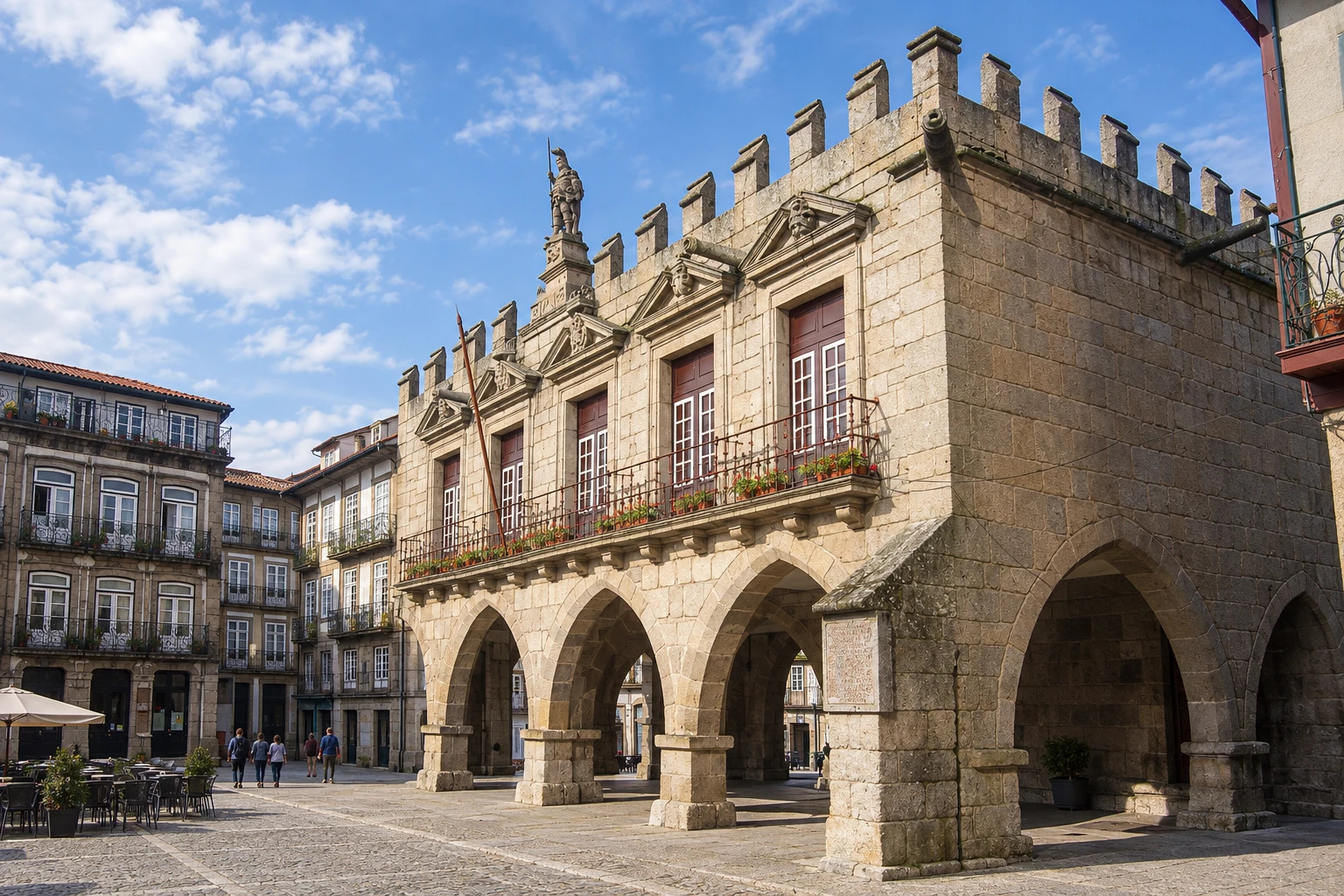
City considered the birthplace of Portugal, linked to D. Afonso Henriques and the Battle of São Mamede of 1128. The historic center, a World Heritage Site, has the Largo da Oliveira, the Praça de Santiago and medieval streets. Above are the Castelo and the Paço dos Duques de Bragança; to the south, the Montanha da Penha, with a sanctuary and a cable car.
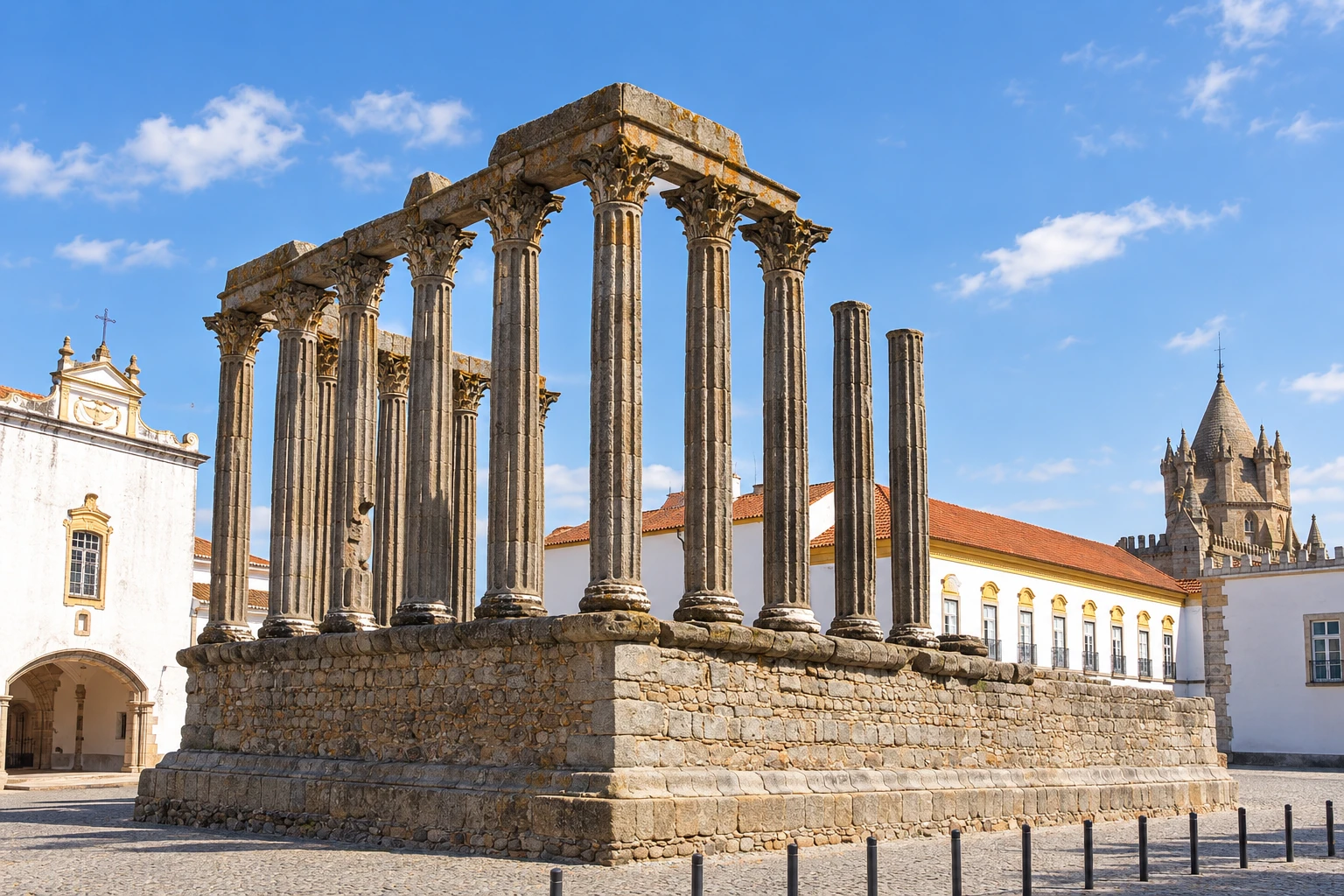
Alentejo walled city with a historic center listed as a World Heritage site since 1986. Within a few blocks are the Templo Romano, the Sé, the Capela dos Ossos, the Praça do Giraldo and the Universidade, founded in 1559. About 15 km away, the Cromeleque dos Almendres gathers dozens of prehistoric menhirs.
The map
Tap a region to see the names. Use two fingers to zoom in.
Outlines: Direção-Geral do Território, CAOP 2025, CC BY 4.0. Adapted by Cidade Turismo.
Portugal
Another way into the same trip
Choose the district and the city to find your place in the guide.
Beyond the guide


