Porto

Porto · Viana do Castelo

Porto

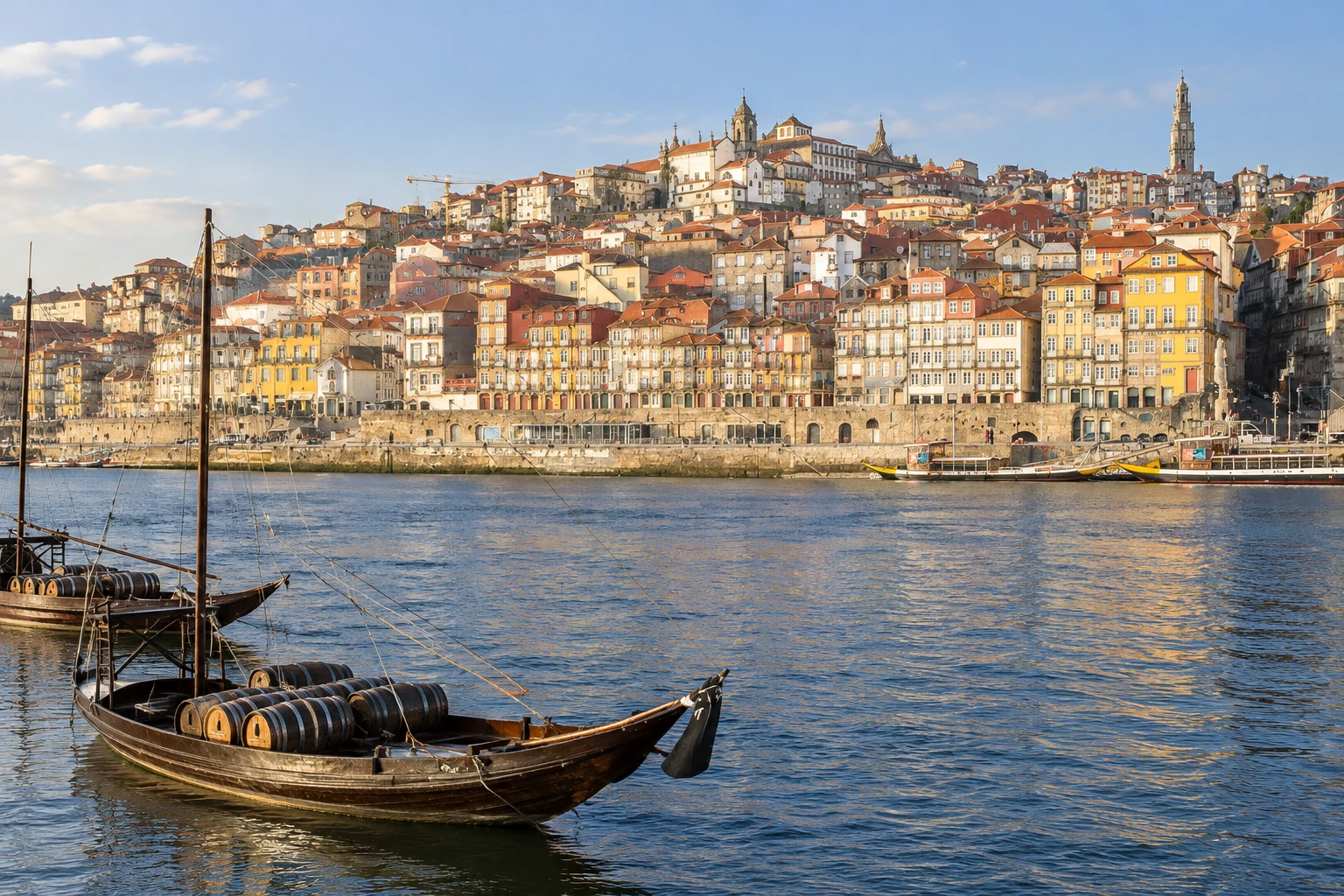
The second city of Portugal, with colorful houses descending to the Douro, the Ribeira, the Ponte Luís I, the tiles of São Bento and the port wine cellars in Gaia.

North

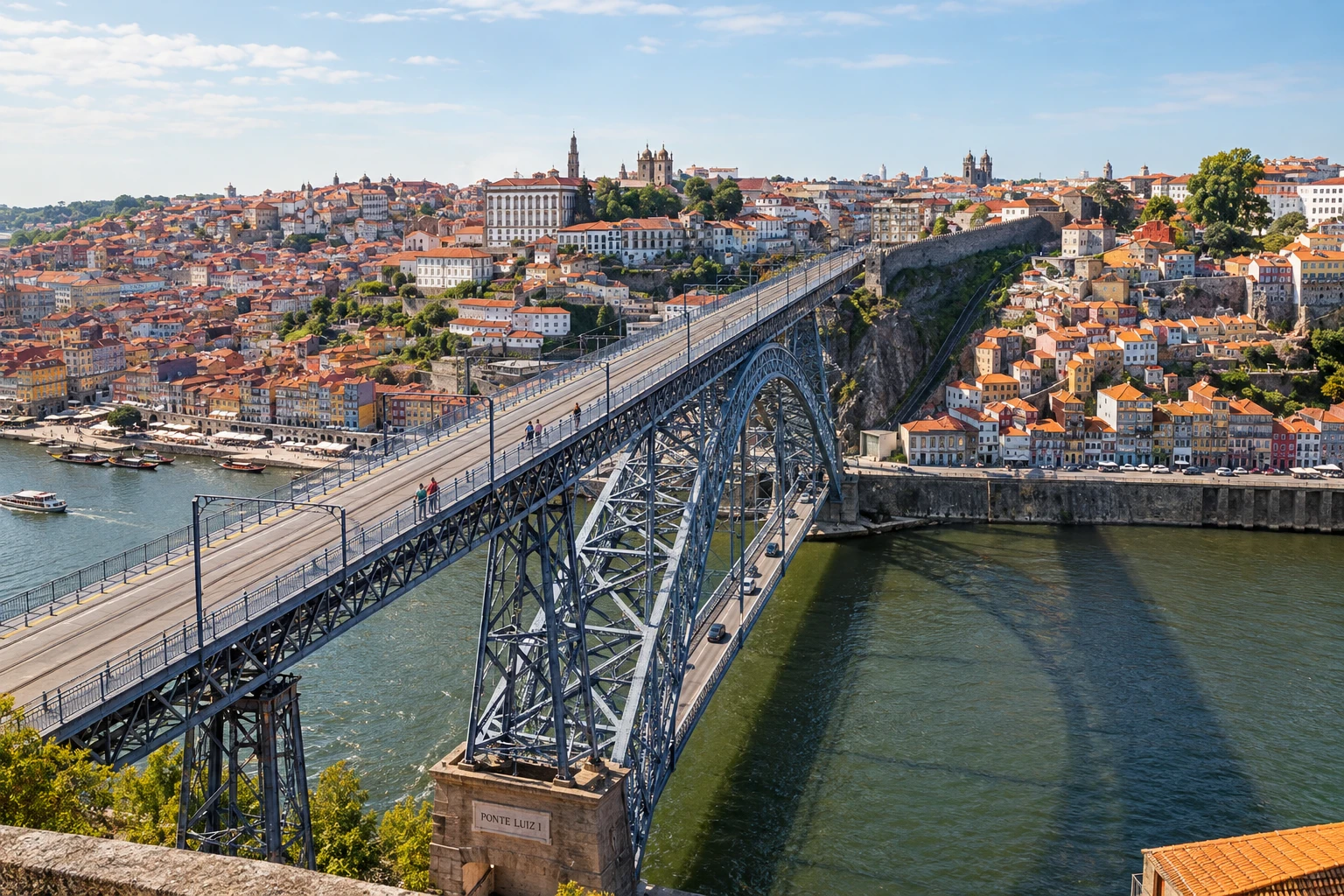
In the photo: Ponte de D. Luís between Porto and Gaia

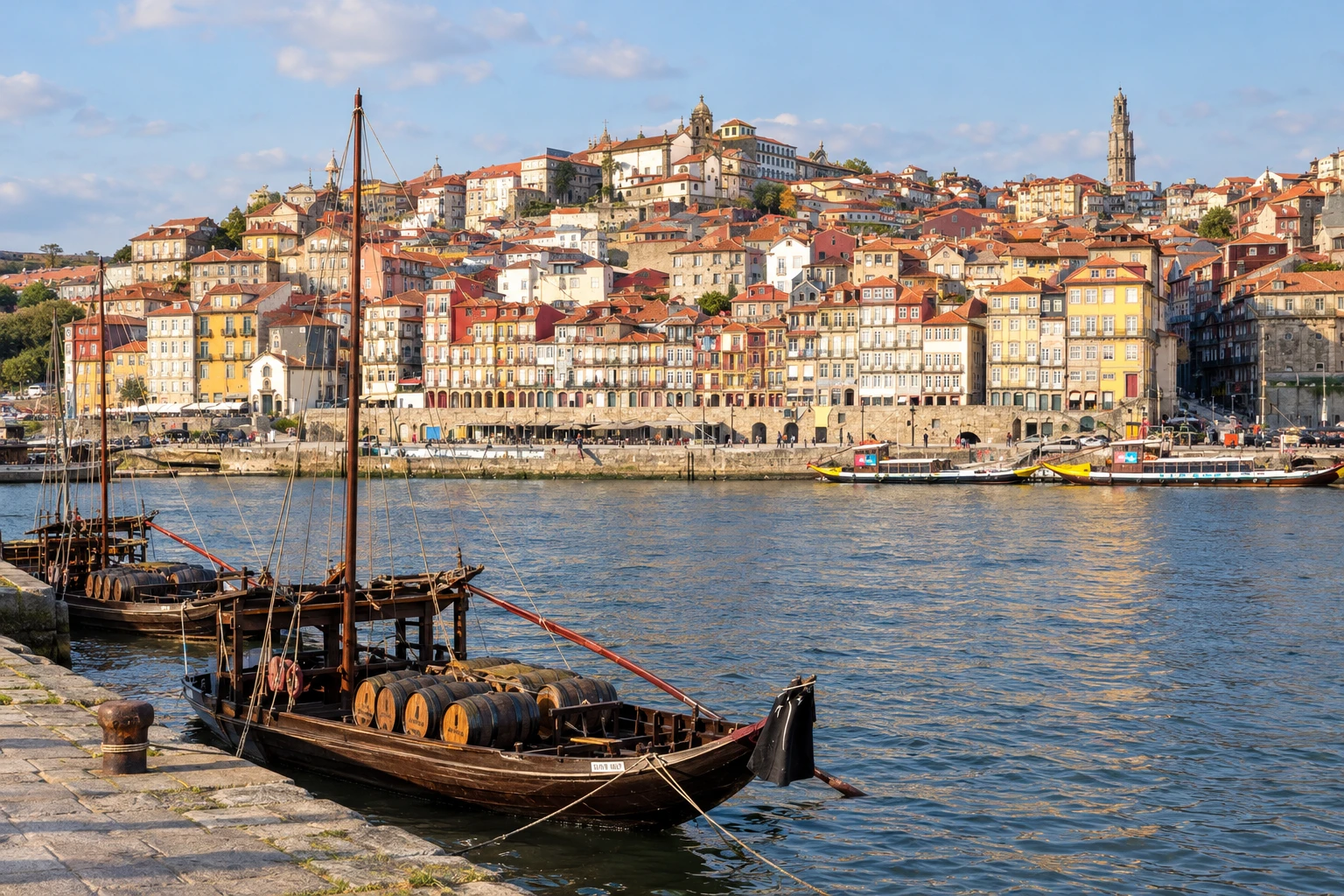
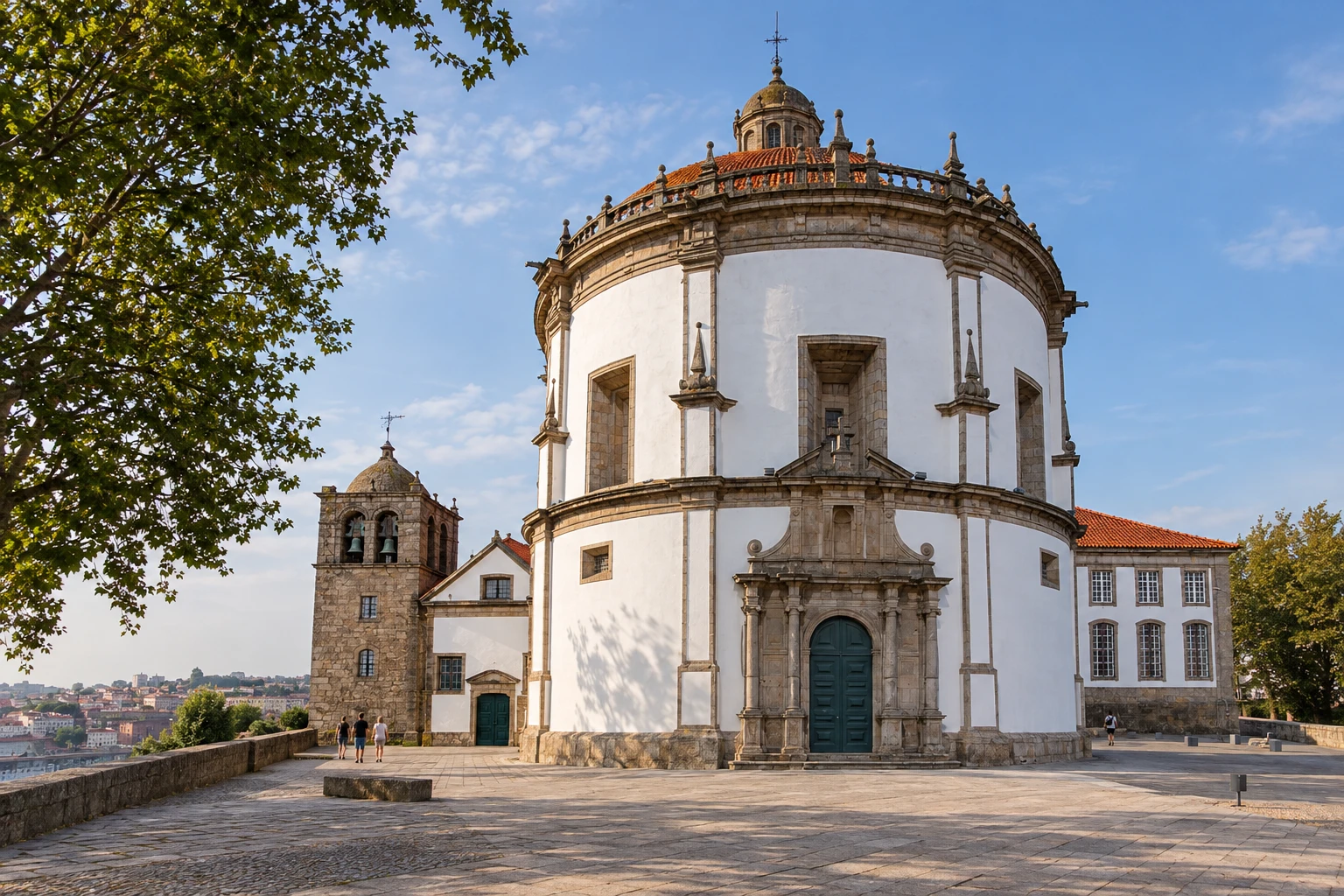
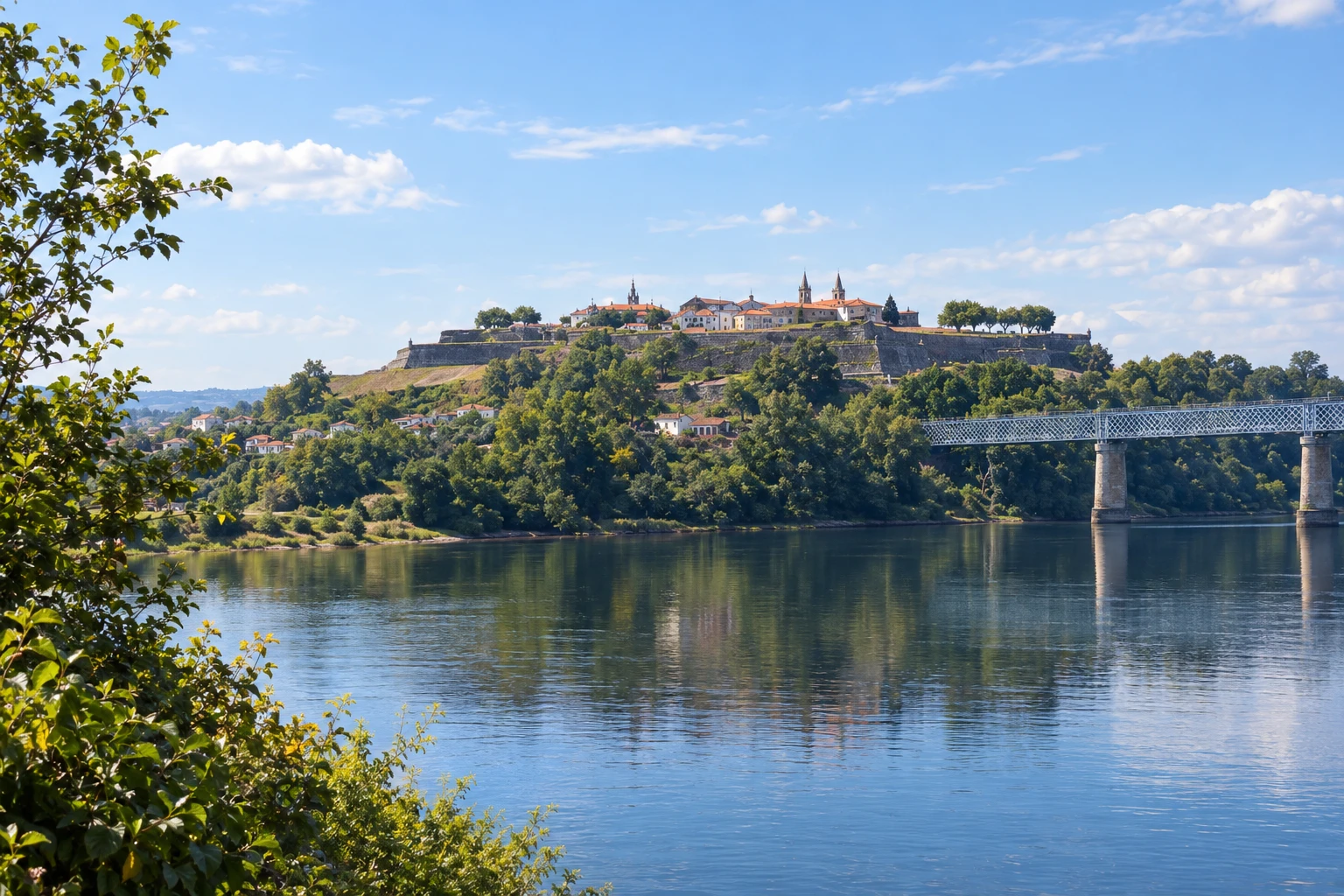
Illustrative images. The pictures in this guide are illustrations based on the real place, not photographs, and may differ from it.

Get it on Google Play

Get to know the place

A region to enjoy
at your own pace.

Porto lies on the north bank of the Douro River, a few kilometers from the Atlantic, and is Portugal’s second city. The historic center slopes down to the river and, together with the Ponte Luís I and the Mosteiro da Serra do Pilar on the opposite bank, has been a UNESCO World Heritage Site since 1996.

Down by the river, the Ribeira has narrow, colorful houses facing the water, from where boats depart under the city’s six bridges. Higher up are the Sé, the Palácio da Bolsa, the Church of São Francisco, São Bento Station with its tile panels, the Torre dos Clérigos and the Livraria Lello. Avenida dos Aliados, Mercado do Bolhão and Capela das Almas mark the 20th-century center.

On the other bank, Vila Nova de Gaia houses the caves where Port wine has aged for centuries, as well as the WOW museum quarter, the Jardim do Morro and the cable car. To the west the city reaches the sea at the Foz do Douro, and between the center and the coast are the Fundação de Serralves and the Casa da Música.

For Brazilians, Porto is the second gateway to Portugal, linked to Lisboa by train in about three hours. The northern accent differs from Lisboa’s, and the city has its own dishes, like the francesinha, a sandwich covered in cheese and sauce, and tripas à moda do Porto.

This destination brings together 4 cities: Porto, Vila Nova de Gaia, Valença, Vila do Conde.

Share: WhatsApp
Traveler, share your experiences through photos Up to 5 photos of each place you visited.

One destination, many paths

The cities on this trip

Start with one city or combine several in your itinerary.

Where Porto is The star marks the nearest capital, Braga.
BragaPortoVila Nova de GaiaValençaVila do Conde

Outlines: Direção-Geral do Território, CAOP 2025, CC BY 4.0. Adapted by Cidade Turismo.

How to get there: Porto

Aeroporto Francisco Sá Carneiro (OPO), in Maia · 17 km to Porto

Francisco Sá Carneiro Airport (OPO) is about 17 km from the center, connected by metro. Connections with Brazil may be direct flights or with a stopover, depending on the season and the airline. Check before booking. From Lisboa, the train takes about three hours to Campanhã.

Suggested arrival point: Porto

Porto
Porto · Porto Capital Suggested arrival point

Porto

Second city of Portugal, on the north bank of the Douro, with a historic center that is a World Heritage Site. The Ribeira, the Ponte Luís I, the Sé, the Palácio da Bolsa and São Francisco lie close to the river; higher up are São Bento, the Clérigos, the Lello, the Carmo, the Aliados, the Bolhão and the Capela das Almas. To the west are the Palácio de Cristal, Soares dos Reis, the Casa da Música, Serralves and the Foz, linked by tram.

Vila do Conde
Porto · Porto

Vila do Conde

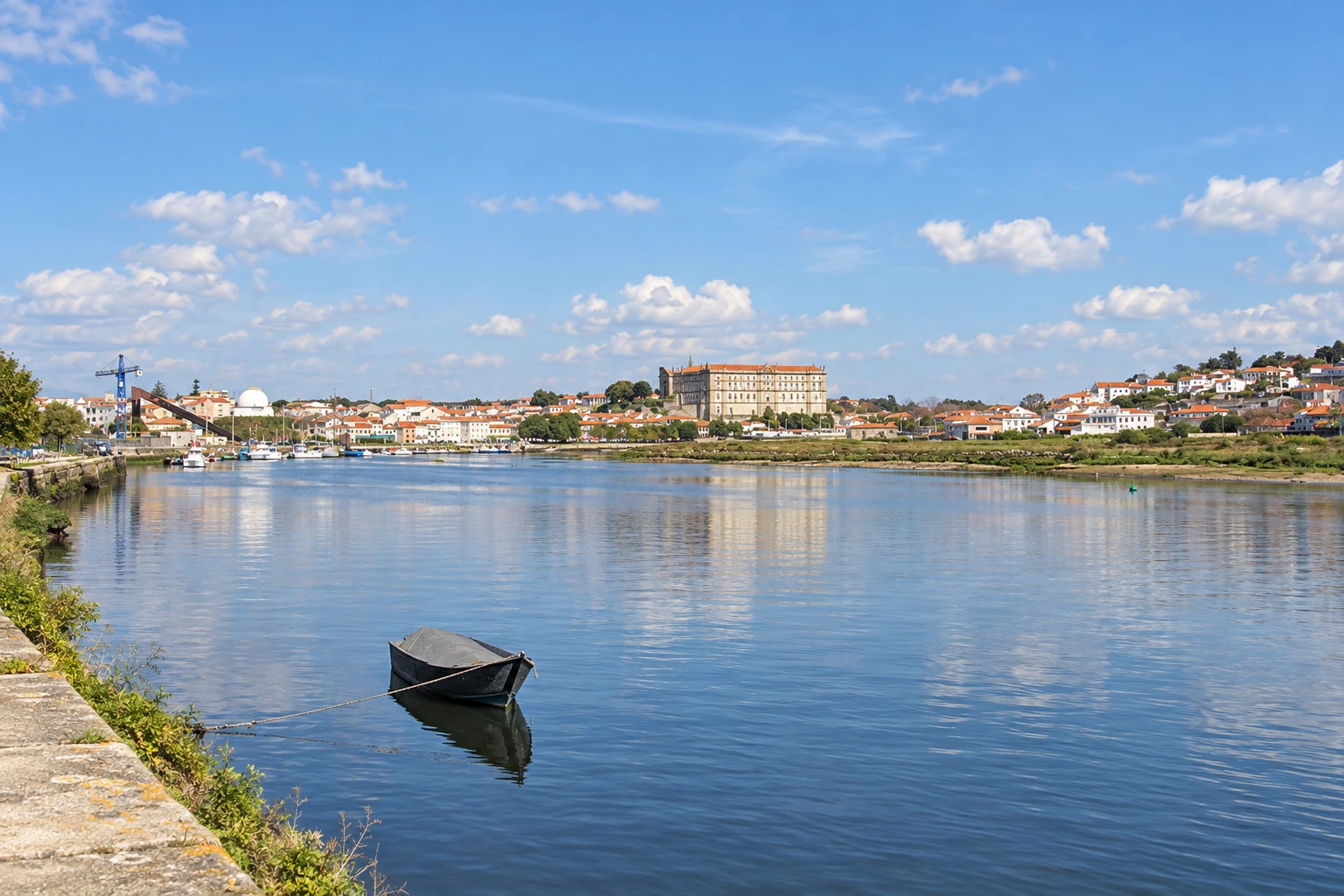
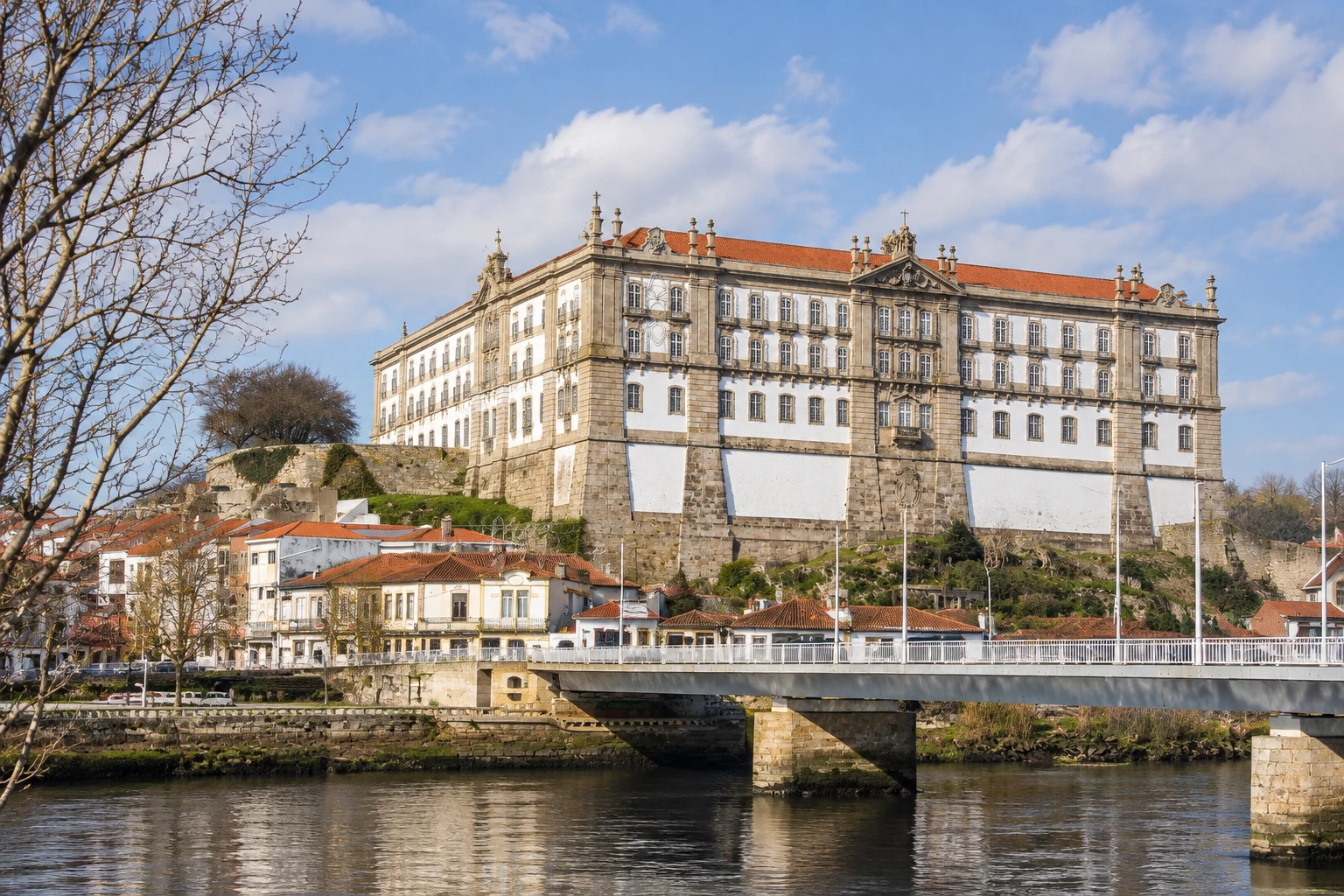
Vila do Conde is a city on Portugal's northern coast, at the mouth of the Ave River, about 30 km from Porto, with a long tradition of shipyards. On the top of the hill stands the monastery of Santa Clara, founded in 1318, which was supplied with water by an arched aqueduct dating from the early 18th century. On the quay, the former Alfândega Régia preserves the history of shipbuilding, next to the replica of a 16th-century nau. The center has the Manueline main church (igreja matriz) and, at the mouth, the Forte de São João Baptista. The Caminho Português da Costa runs along the waterfront.

The local experience

Things to do in Porto

Vila Nova de Gaia · Porto · Winery

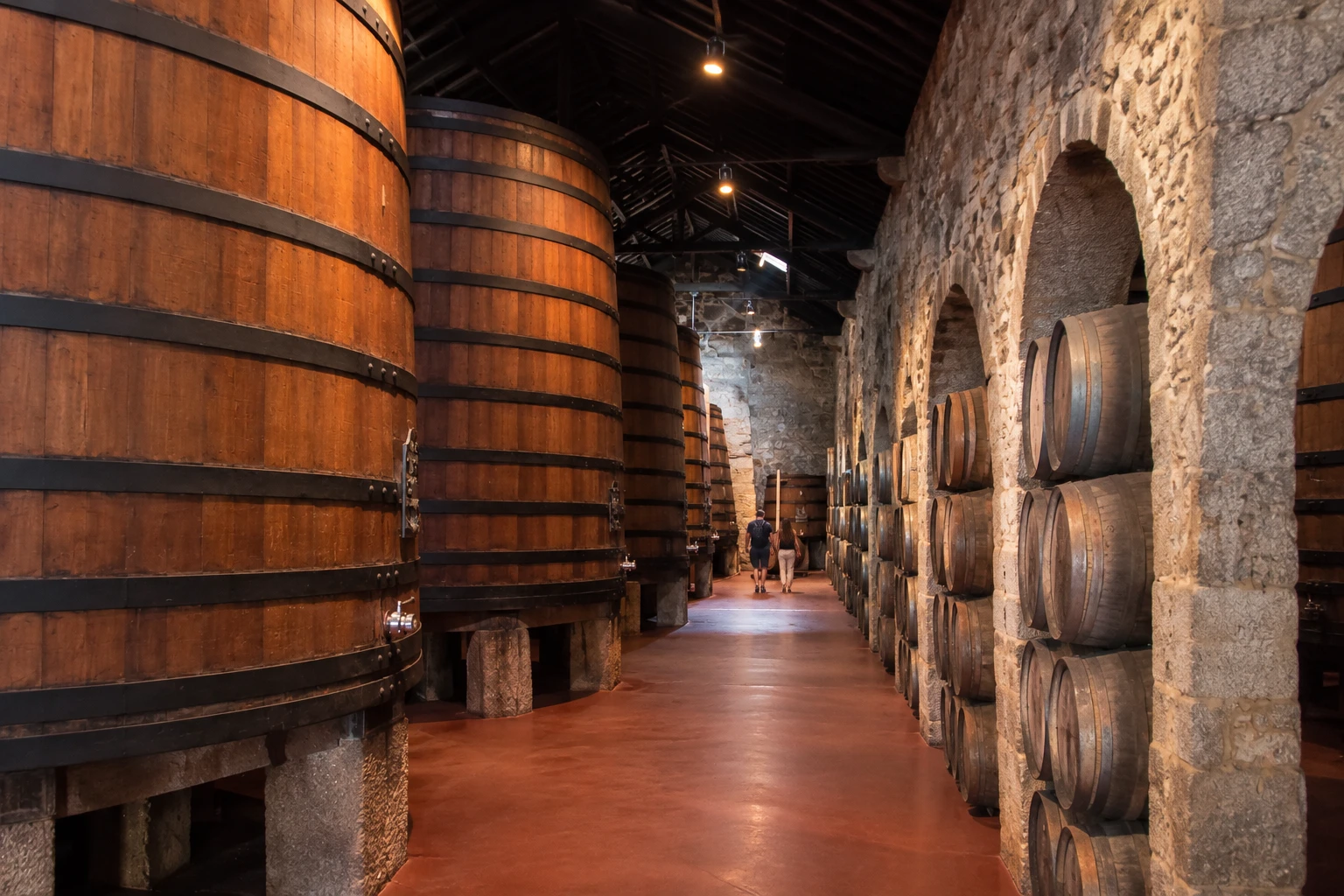
Port Wine Cellars

The cellars at the Cais de Gaia, where Port wine has been aged in barrels for centuries. Houses such as Sandeman, Taylor's, Graham's, Cálem and Ferreira host visits with tastings.

Explore Port Wine Cellars

Valença · Viana do Castelo · Fortress

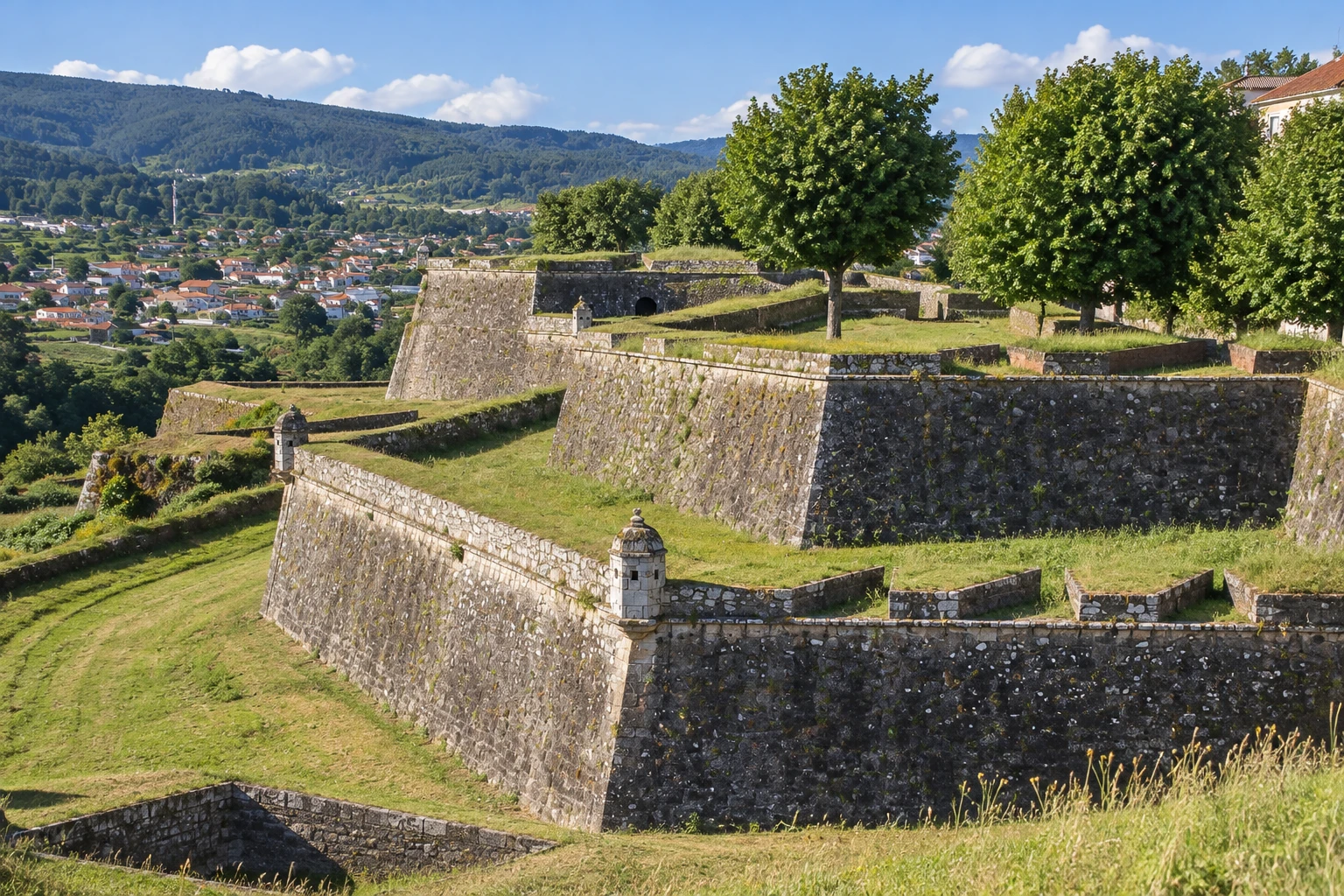
Valença Fortress

17th-century star-shaped fortress over the Minho river, with two citadels linked by a bridge over the moat, monumental gates, bastions and the old streets of the town inside the walls. National Monument since 1928.

Explore Valença Fortress

Porto · Porto · Historic neighborhood

Ribeira

Porto's riverside, with narrow, colorful houses, cafés and restaurants on the Cais da Ribeira, facing Gaia and the Ponte Luís I. It's where the boats that pass under the Douro bridges depart.

Explore Ribeira

See 29 more places in Porto

To choose before you go

Tours in Porto

Where each tour starts, how long it takes, how it is done, what is included and the price range.

Ribeira and Cais da Ribeira

From Porto historic centre On foot about 2 hours morning or late afternoon easy, with hills

The Ribeira is the riverside neighbourhood that appears on Porto postcards: narrow, colourful houses, iron balconies, clothes on the line and the river right in front. It is part of Porto’s historic centre, a UNESCO World Heritage Site. The walk starts at Praça da Ribeira, with an 18th-century fountain and the Cubo da Ribeira, a modern sculpture by José Rodrigues. From there you walk along the Cais da Ribeira, with restaurants and terraces facing Vila Nova de Gaia and the port wine cellars across the river. Behind the quay a maze of alleys, stairways and lanes climbs up to the Sé and the upper part of the city. If you prefer not to climb on foot you can take the Funicular dos Guindais, which links the riverfront to Batalha. The Ribeira is also the starting point for several outings in this guide: the six-bridges cruise, the crossing of the Luís I Bridge and the tram (electric) line 1, which departs from Infante next to the Church of São Francisco.

Stops: Ribeira, Praça da Ribeira, Cais da Ribeira, Cubo da Ribeira, Funicular dos Guindais.

Includes: Walk along the quay and the neighbourhood’s narrow streets; views of Vila Nova de Gaia and the Dom Luís I Bridge.

Tip: The ground is cobbled and the streets are steep: wear sneakers. Late afternoon light hits Gaia’s façades and the quay becomes busier; early in the morning the neighbourhood is calmer for photos.

Best time: All year; from May to September the quay is livelier and the terraces stay open into the evening.

Luís I Bridge: upper and lower deck

From Ribeira or Avenida Vímara Peres (near the Sé) On foot (the metro runs on the upper deck) about 1 hour late afternoon easy, with an uphill section

The Luís I Bridge is the two-deck iron bridge that links Porto to Vila Nova de Gaia across the Douro. It was inaugurated in 1886 and the design is by Belgian engineer Théophile Seyrig, a former partner of Gustave Eiffel. The lower deck connects the Ribeira to the Cais de Gaia at river level and is used by cars and pedestrians. The upper deck sits about 45 meters above and carries metro line D, with pedestrian walkways on both sides. The most popular crossing is the upper one: it starts at Avenida Vímara Peres, near the Sé, and ends at Jardim do Morro in Gaia. From the middle of the bridge you can see the Ribeira on one side, Gaia’s wine cellars on the other and the river down below. Many people do the full loop: cross on the upper deck, descend to Cais de Gaia by cable car or on foot, and return to the Ribeira via the lower deck.

Stops: Dom Luís I Bridge, Avenida Vímara Peres, Ribeira Quay, Gaia Quay, Jardim do Morro.

Includes: Walk across both decks; view of the river, the Ribeira and Gaia.

Tip: On the upper deck the metro runs in the middle: always stay on the pedestrian strip. Those afraid of heights can do only the lower crossing at river level. The sunset seen from the bridge and from Jardim do Morro attracts many people.

Best time: All year round; on windy, rainy days — from November to February — the crossing on the upper deck is more uncomfortable.

Clérigos Tower and Church

From Porto city centre (Rua de São Filipe de Nery) On foot about 1 hour 30 minutes morning moderate (240 steps)

The Torre dos Clérigos is the best‑known point on Porto’s skyline. It is a Baroque work by Italian architect Nicolau Nasoni, completed in 1763, about 75 meters high. The climb is 240 steps up narrow stairways across six levels, to a terrace with 360‑degree views over the roofs, the Sé, the Douro and Vila Nova de Gaia. Beside it is the Igreja dos Clérigos, also by Nasoni, where the architect himself is buried. The visit usually includes the church, a small museum and the tower. Very close by are the Portuguese Centre of Photography, housed in a former Tribunal da Relação and jail building, and the Livraria Lello, which allows you to combine all three in the same morning.

Stops: Torre dos Clérigos, Igreja dos Clérigos, Portuguese Centre of Photography.

Includes: Ascent of the tower, visit to the church and the exhibition space; separate paid admission required, check the current price table.

Tip: The staircase is narrow and is used in both directions: it’s not a good idea for those with mobility difficulties. Buy the ticket in advance to choose a time slot. The walk can continue to the Jardins do Palácio de Cristal, which have viewpoints over the river.

Best time: Year‑round; on clear days from May to September the view reaches farther.

Livraria Lello

From Porto city centre (Rua das Carmelitas) On foot about 45 minutes, plus queue time morning easy

Lello Bookshop operates in a neo-Gothic building opened in 1906 on Rua das Carmelitas, designed by engineer Xavier Esteves. The interior is what draws the lines: wooden shelves up to the ceiling, a high stained-glass window and the carved red wooden staircase that links the two floors. Because of demand, entry is with a ticket purchased in advance for a set time. The ticket acts as a voucher: its value can be deducted from the purchase of a book in the shop. Inside, the space is small and is often crowded; the visit is brief, between photos of the staircase and a look at the shelves, featuring editions of the shop’s classics. It is a few steps from the Clérigos Tower, so it is often included in the same city-center walk.

Stops: Lello Bookshop, Rua das Carmelitas.

Includes: Entry to the bookstore requires a separately purchased ticket, redeemable against the purchase of a book; check the current price.

Tip: Choose the earliest morning time slot, when queues and internal capacity are usually smaller. Buy the ticket in advance, especially from June to September and on public holidays.

Best time: All year; from November to March queues are usually shorter.

São Bento Station and its tiles

From Praça de Almeida Garrett, Porto city center On foot or by metro (São Bento station, line D) about 30 minutes morning or afternoon easy

São Bento Station is an active train station, and the reason to visit is the entrance concourse: about 20,000 blue and white azulejos painted by Jorge Colaço, covering the hall walls. The panels depict episodes from Portuguese history, such as the conquest of Ceuta and D. João I’s entry into Porto, and scenes of rural life. The building was designed by architect José Marques da Silva on the site of the former Convent of São Bento de Avé-Maria and opened in 1916. The visit to the concourse is brief and fits into any walk through the center: the station lies between Avenida dos Aliados, the Sé and the Ribeira. Urban trains to Guimarães, Braga and the Douro Valley also depart from São Bento.

Stops: São Bento Station, Praça de Almeida Garrett.

Includes: Self-guided visit to the tiled concourse; trains to Guimarães and Braga depart from there.

Tip: To read the panels at leisure, go early, before the flow of passengers and groups. The São Bento metro station is next door, but it is separate from the train station.

Best time: All year; a good option for a rainy day, from October to March.

Sé do Porto and Terreiro da Sé

From Porto historic centre On foot about 1 hour morning easy, with a slope

The Sé do Porto is the city cathedral, on the hilltop that overlooks the Ribeira. Construction began in the early 12th century and the building mixes Romanesque (thick walls and small openings), Gothic and Baroque. The Gothic cloister, from the 14th century, is lined with blue and white azulejo panels. The side gallery (galilé) was designed by Nicolau Nasoni, the same architect of the Torre dos Clérigos. Visits to the cloister, museum and tower are charged separately. Outside, Terreiro da Sé is a wide square that serves as a viewpoint over the Ribeira rooftops, the Douro and Vila Nova de Gaia. From the Sé you descend to the Ribeira via medieval stairways and alleys, or continue to Avenida Vímara Peres to cross the Luís I Bridge on the upper deck.

Stops: Sé do Porto, Terreiro da Sé, Cloister of the Sé.

Includes: Visit to the cathedral; separate paid admission for the cloister, museum and tower—check the current price list.

Tip: Combine the Sé with the crossing of the Luís I Bridge and the descent to the Ribeira: everything is a few minutes’ walk. At Terreiro da Sé there is a medieval tower with a tourist office.

Best time: All year; on clear mornings the view from the terreiro over the river is sharper.

See 12 more tours

Port wine cellars in Vila Nova de Gaia

From Cais de Gaia, in Vila Nova de Gaia On foot via the Luís I Bridge or by cable car about 1 hour to 1 hour 30 minutes per cellar afternoon easy

Port wine is produced in the Douro Valley, but for centuries it was taken downstream to age in warehouses (cellars) on the Vila Nova de Gaia bank, opposite the Ribeira. Visiting one of those cellars is a way to understand that history. Houses open to visitors include Ferreira, Taylor's, Cálem, Sandeman, Graham's, Croft, Ramos Pinto, Poças and Porto Cruz. The guided tour walks through dark galleries with wooden barrels and casks and explains the terraced Douro vineyards, river transport, wine styles and ageing. Some houses have a museum, archives or rooms with views of the river. Usually the visit ends with a tasting, which is part of the tour and can be declined; the main subject is the history of the place. Each house has different options, from short tours to longer experiences, and some require advance booking.

Stops: Cais de Gaia, Vila Nova de Gaia, Ferreira cellars, Taylor's cellars, Cálem cellars, Sandeman cellars, Graham's cellars, Croft cellars, Ramos Pinto cellars.

Includes: Guided visit to the cellars, with an explanation of production and ageing; paid separately, check each house’s current price list.

Tip: Book in advance, especially from June to September. Choose one or two cellars: the visits are similar. The cellars farther from the quay are on steep streets. Minors and those who will drive should skip the tasting.

Best time: All year; it’s a good option for rainy days, from October to March.

Jardim do Morro, Serra do Pilar and Gaia cable car

From Luís I Bridge (Gaia side) or Cais de Gaia On foot, by metro (Jardim do Morro station) and by cable car about 2 hours late afternoon easy, with an uphill section

On the Gaia side, at the end of the upper deck of the Luís I Bridge, are two of the most popular viewpoints over Porto. The Jardim do Morro is a terraced garden with lawn and benches facing the Ribeira. Just above is the Mosteiro da Serra do Pilar, with a church and a circular cloister, part of the UNESCO-listed area. In the square in front of the church there is a viewpoint over the river, the bridge and the historic centre. The site belongs to an Army regiment and visits inside follow specific rules. To descend to Cais de Gaia, the Gaia Cable Car links Jardim do Morro station to the quay station on a route of about 562 meters that takes a few minutes, passing over the roofs of the cellars. At the quay, beside the river, the rabelo boats are moored and the visits to the cellars begin.

Stops: Jardim do Morro, Mosteiro da Serra do Pilar, Gaia Cable Car, Cais de Gaia.

Includes: Walk among Gaia’s viewpoints and descend by cable car, with a separately purchased ticket; check the current fare.

Tip: Late afternoon is the most popular time to watch the sun set behind the Ribeira; arrive early to get a spot in the Jardim do Morro. If you prefer not to walk, you can take the metro up to Jardim do Morro station on line D.

Best time: All year; from May to September the sunset is later and the garden gets crowded.

Stock Exchange Palace and Church of São Francisco

From Rua Ferreira Borges / Rua do Infante D. Henrique, near the Ribeira On foot about 2 hours morning or afternoon easy

They stand side by side, a few steps from the Ribeira, and are often visited together. The Palácio da Bolsa is a 19th-century neoclassical building, constructed from 1842 on the ruins of the former Convento de São Francisco to serve as a meeting place for merchants. It is still the headquarters of the Associação Comercial do Porto. Visits are guided only, in scheduled groups, and take about 30 to 45 minutes. The tour goes through the Pátio das Nações, covered by a skylight with the coats of arms of the countries Porto traded with, and ends in the Arab Room, inspired by the Alhambra of Granada. Next door, the Igreja de São Francisco has a Gothic façade, with works begun in the 14th century, and an interior covered in Baroque gilded woodwork from the 17th and 18th centuries, with the carved Tree of Jesse. The ticket includes the museum of sacred art, in the former Casa do Despacho da Ordem Terceira, and the catacombs below.

Stops: Palácio da Bolsa, Arab Room, Pátio das Nações, Church of São Francisco, Museum of São Francisco.

Includes: Guided visit to the Stock Exchange Palace and visit to the Church of São Francisco, museum and catacombs; tickets paid separately, check the current price list.

Tip: At the Stock Exchange Palace, arrive early or book in advance, because language groups fill up. In the Church of São Francisco, photography of the interior is generally not allowed.

Best time: Year-round; a good option for rainy days, from October to March.

Six-bridges cruise on the Douro

From Cais da Ribeira or Cais de Gaia Boat about 50 minutes afternoon easy

The six-bridges cruise is a short boat trip along the Douro stretch between Porto and Vila Nova de Gaia. It departs from Cais da Ribeira or Cais de Gaia, depending on the company, and takes about 50 minutes. The boat goes up and down the river passing under the bridges that link the two banks: Arrábida, Luís I, Infante D. Henrique, D. Maria Pia, São João and Freixo. The D. Maria Pia iron bridge was replaced for rail traffic by the São João Bridge. From the river you get views of the Ribeira facades, Gaia’s cellars and the Serra do Pilar from a different angle than on foot. There is a recorded commentary or a guide during the trip. Several companies run the cruise, many with boats inspired by the rabelos, the Douro’s old cargo boats.

Stops: Douro River, Cais da Ribeira, Cais de Gaia, Arrábida Bridge, Luís I Bridge, Infante D. Henrique Bridge, D. Maria Pia Bridge, São João Bridge, Freixo Bridge.

Includes: Around-50-minute boat trip with commentary; paid separately, check the current price list.

Tip: Several boats depart throughout the day, with no need for long advance reservation. Bring a jacket: it can be windy on the river even in summer. The cruise may be cancelled in bad weather or when the river is in spate.

Best time: The busiest season runs from April to October; from November to March there are departures but they depend on the weather.

Avenida dos Aliados, Rua de Santa Catarina and Mercado do Bolhão

From Avenida dos Aliados, downtown Porto On foot or by metro (Aliados and Bolhão stations) about 3 hours morning easy

This walk covers the Baixa, Porto’s commercial center. Avenida dos Aliados is the wide avenue with granite buildings that rises from Praça da Liberdade to the Câmara Municipal. A few blocks away, Rua de Santa Catarina is the busiest shopping street in the center, with more than 1,500 meters of shops. It is home to Café Majestic, opened in 1921, with Art Nouveau decor, mirrors and carved wood. At the top of the street, Capela das Almas, from the early 18th century, has its exterior walls covered in blue-and-white azulejos installed in 1929. Nearby, Mercado do Bolhão, built between 1914 and 1917, has two floors around a central courtyard. On the lower floor are stalls selling fruit, fish, meat and flowers; on the upper floor, restaurants and shops. It’s a good place to see Portuguese products and grab a bite.

Stops: Avenida dos Aliados, Praça da Liberdade, Rua de Santa Catarina, Capela das Almas, Café Majestic, Mercado do Bolhão.

Includes: Walk through the Baixa with a visit to the Mercado do Bolhão; purchases at cafés and the market are paid separately.

Tip: Café Majestic often has a line at the door. The Chapel of Souls gets crowded with people photographing the façade around midday; early morning is quieter. The market is accessible from Bolhão metro station.

Best time: All year; in December the Baixa is lit up and decorated for Christmas.

Tram (electric) line 1 and Foz do Douro

From Infante, next to the Church of São Francisco Historic tram (electric) line 1 or bus (autocar) 500 about half a day afternoon easy

Foz do Douro is the neighborhood where the river meets the Atlantic, about 5 km from the center. The most classic way to get there is the historic tram (electric) line 1, which departs from Infante, next to the Church of São Francisco, and follows the Douro riverbank to Passeio Alegre in about 20 minutes. Passeio Alegre is a riverside garden with palm trees and the Chalé Suisso, an old kiosk. From there you walk to the breakwater with the Farol de Felgueiras and, turning north, along the seaside avenue. The promenade passes the Pérgola da Foz, from the 1930s, and small coarse-sand beaches among granite rocks, like Praia dos Ingleses, up to Castelo do Queijo. Matosinhos is about 3 km further north. The sea is cold even in summer: the activity is more for walking and watching the sunset than for beachgoing.

Stops: Line 1 electric tram, Infante, Passeio Alegre, Foz do Douro, Farol de Felgueiras, Pérgola da Foz, Praia dos Ingleses, Castelo do Queijo.

Includes: Historic tram or bus trip and walk along the waterfront; tickets are paid separately — check the current table.

Tip: The line 1 tram usually has a queue at Infante. If it’s full, bus 500, which departs from São Bento, follows a similar route and is integrated with the Andante card. On days of rough sea, stay away from the end of the breakwaters.

Best time: From May to September, to enjoy the waterfront later into the evening; in winter the wind is usually strong.

Serralves: museum and park

From Avenida Marechal Gomes da Costa, between Boavista and Foz Bus or taxi from the centre about half a day morning easy

Serralves brings together the country’s main contemporary art museum, an art déco house and a large park, about 6 km from the center. The Museum of Contemporary Art, designed by architect Álvaro Siza, is a white, minimalist building with temporary exhibitions by Portuguese and international artists. The Casa de Serralves, pink in color, is an example of art déco, bearing the mark of French architect Charles Siclis, and also hosts exhibitions. The Serralves Park covers 18 hectares of gardens and avenues, with sculptures scattered along the paths. There is also the Casa do Cinema Manoel de Oliveira and a suspended walkway among the treetops. It’s a different program from the historic center, for those who enjoy art, architecture or a quieter day outdoors.

Stops: Serralves Foundation, Serralves Museum of Contemporary Art, Casa de Serralves, Serralves Park, Casa do Cinema Manoel de Oliveira.

Includes: Access to the museum, the house and the park requires a separate paid ticket; check the current price table.

Tip: Allow half a day: the park is large. Check the exhibition programme before you go. It can be combined with Casa da Música in Boavista or with the Foz do Douro on the same day.

Best time: From April to October, when the park is greener and more in bloom; the museum is open year‑round.

Matosinhos and Leça da Palmeira

From Porto city center (Trindade station) Metro (line A to Matosinhos Sul) or bus (autocar) 500 about half a day afternoon easy

Matosinhos is the city north of Porto, next to the fishing port. It’s where locals go to the beach and eat grilled fish. Matosinhos Beach is a wide strip of golden sand, with waves used by surf schools. At the roundabout south of the beach stands the sculpture She Changes, by Janet Echelman, a suspended red net that people call the Anemone. The streets near the port, especially Rua Heróis de França, have restaurants with grills on the sidewalk; the Municipal Market displays the fish of the day. Across the harbor is Leça da Palmeira, with Piscina das Marés, saltwater pools among the rocks designed by Álvaro Siza, and the Casa de Chá da Boa Nova, also by him, on the seafront.

Stops: Matosinhos, Matosinhos Beach, Rua Heróis de França, Matosinhos Municipal Market, She Changes (Anemone), Leça da Palmeira, Piscina das Marés, Casa de Chá da Boa Nova.

Includes: Metro or bus trip and a walk along the beach and promenade; meals and pool are paid separately.

Tip: The metro takes about 27 minutes from Trindade to Matosinhos Sul. Piscina das Marés opens in the summer season: check the dates. The Atlantic Ocean is cold year-round.

Best time: June to September for the beach; the rest of the year for walking along the waterfront and eating fish.

Casa da Música

From Rotunda da Boavista Metro (Casa da Música station) about 1 hour afternoon or evening easy

Casa da Música is Porto’s concert hall, a white concrete polyhedral building designed by Dutch architect Rem Koolhaas and opened in 2005, next to Rotunda da Boavista. The main hall, Sala Suggia, honors Porto cellist Guilhermina Suggia. The second hall has perforated wooden walls painted red and gold seats. There are daily guided tours that show the halls, the undulating glass, the terraces and the rehearsal spaces. At night the program includes concerts by the Orquestra Sinfónica do Porto Casa da Música and other resident groups, plus popular music and jazz. Even without going inside, the square around the building allows you to see the architecture from several angles.

Stops: Casa da Música, Sala Suggia, Rotunda da Boavista.

Includes: Guided tour or concert, paid separately; check the current pricing and schedule.

Tip: Combine it with Serralves, which is nearby. For a concert, buy the ticket in advance. Casa da Música metro station is served by several lines.

Best time: All year; the concert season is busier from September to June.

Guimarães (day trip)

From São Bento Station, in Porto Urban train one day, with about 2½ hours total train travel round trip full day easy, with hills

Guimarães, about 47 km from Porto, is called the birthplace of Portugal: D. Afonso Henriques, the first king, was born there. The historic center is a UNESCO World Heritage Site. The visit starts at Guimarães Castle, founded in the 10th century and remodeled in the 13th century, and the small Church of São Miguel do Castelo, where, by tradition, the king was baptized. Just below is the Paço dos Duques de Bragança, from the early 15th century, housing a museum of decorative arts from the 17th and 18th centuries. In the medieval core, Largo da Oliveira, with the Church of Nossa Senhora da Oliveira and the Padrão do Salado, and Praça de Santiago feature granite houses with wooden balconies and outdoor tables. If you have time you can ride the Penha cable car up the Montanha da Penha, a route of about 1,700 meters, with a sanctuary and woodland at the top.

Stops: Guimarães, Historic Center of Guimarães, Guimarães Castle, Church of São Miguel do Castelo, Paço dos Duques de Bragança, Largo da Oliveira, Praça de Santiago, Penha Cable Car.

Includes: Round-trip train travel and walking visit of the historic center; tickets and admissions to castles and palaces are paid separately, check the current rates.

Tip: Trains depart São Bento throughout the day, with longer intervals in the afternoon: check the return timetable. Doing Guimarães and Braga in the same day is rushed; one day for each is more relaxed.

Best time: From April to October; in winter, December to February, days are shorter and rainier.

Braga and Bom Jesus do Monte (day trip)

From São Bento or Campanhã station, in Porto Train (comboio) and local bus (autocar) to Bom Jesus one day, with up to 3 hours of round-trip train time full day moderate (stairway)

Braga is one of the oldest cities in Portugal, with many churches in the historic center. The Sé de Braga is considered the oldest cathedral in Portugal, with chapels and a treasury of sacred art. Nearby are the Jardim de Santa Bárbara, a flowered garden in the center, and the Arco da Porta Nova, the baroque entrance to the old town. The highlight of the day is the Sanctuary of Bom Jesus do Monte, on the outskirts, listed as a UNESCO World Heritage Site. A baroque staircase of 573 steps, in a zigzag layout, with chapels, fountains and statues climbs up to the church. If you prefer not to climb on foot you can take the Elevador do Bom Jesus, a 1882 funicular powered by a water counterweight. From Braga center, the line 2 bus (autocarro) goes to the sanctuary.

Stops: Braga, Braga Cathedral, Santa Bárbara Garden, Porta Nova Arch, Bom Jesus do Monte, Bom Jesus elevator.

Includes: Round-trip train journey, local bus and walking visit; tickets, elevator and entrance fees are paid separately — check the current table.

Tip: A good way to do the stairway is to ride the elevator up and walk down. Check the return train times before you leave.

Best time: From April to October; at Easter week (March or April) the town receives processions and is very busy.

Aveiro and Costa Nova (round-trip day trip)

From São Bento or Campanhã station, in Porto Train (comboio) one day, with about 2.5 hours of round-trip train time full day easy

Aveiro is about 57 km south of Porto, on the edge of the Ria de Aveiro, a lagoon connected to the sea. The city is flat and crossed by canals where moliceiros, colorful boats that used to harvest seaweed and now run tourist rides, operate. Along the Canal Central there are several Art Nouveau style buildings. The Museum of Aveiro, in the former Convent of Jesus, houses the tomb of Princess Saint Joana and gilded woodwork. The local sweet is ovos moles, made from egg yolk and sugar, sold in wooden barrels or in wafer shells. Nearby, Costa Nova is known for its striped houses (palheiros) in bright colors, between the ria and the sea. There are boat tours on the ria that pass the salt pans.

Stops: Aveiro, Ria de Aveiro, Canal Central, Museum of Aveiro, Costa Nova.

Includes: Round-trip train travel and walking visit; moliceiro boat ride and trip to Costa Nova are paid separately, check the current table.

Tip: The local train departs from São Bento and takes about 1 hour and 15 minutes; the faster trains depart from Campanhã. Aveiro station is about 1 km from the city center. For Costa Nova, use bus or car.

Best time: From May to September, when Costa Nova and the ria are more pleasant.

Day by day

3, 5 and 7-day itinerary in Porto

Suggestions to plan the trip. Change the order of the days according to the weather and tour availability.

3 days · Porto in 3 days: historic center, Gaia and the river

For First trip to Porto, with little time, arriving from Brazil or coming from Lisbon. · Based in Porto city centre (Baixa or Ribeira)
  1. Day 1 · Arrival, Ribeira and Luís I Bridge

    The overnight flight from Brazil usually arrives in the morning; those coming with a connection or from Lisbon arrive later. Drop your bags and start light: São Bento Station to see the tiles and walk down to the Ribeira and the Cais da Ribeira. In the late afternoon, cross the Luís I Bridge on the upper deck and watch the sunset at Jardim do Morro in Gaia. Take the cable car down to Cais de Gaia and return on the lower deck.

  2. Day 2 · Clérigos, Lello, Sé and Baixa

    Start early at Livraria Lello, with a ticket bought in advance, and climb the Torre dos Clérigos right next door. Continue to the Sé do Porto and the Terreiro da Sé. In the afternoon, walk along Avenida dos Aliados, Rua de Santa Catarina, Capela das Almas and Mercado do Bolhão, pausing at a café.

  3. Day 3 · Stock Exchange Palace, cellars and cruise

    In the morning, visit the Stock Exchange Palace and the Church of Saint Francis, side by side. After lunch, take the six-bridges cruise departing from the Ribeira or from Gaia. At the end of the afternoon, cross to Gaia and visit one of the Port wine cellars, with advance reservation.

5 days · Porto in 5 days: city, Foz, Serralves and Guimarães
For For those who want Porto at a relaxed pace, with a day by the sea and a round-trip train excursion. · Based in Porto city center (Baixa or Ribeira)
  1. Day 1 · Arrival and first stroll around the Ribeira

    Morning arrival at Francisco Sá Carneiro Airport and metro to the city center. After resting, stop by São Bento Station and walk down to the Ribeira. In the late afternoon, cross the Luís I Bridge on the upper deck to Jardim do Morro and Serra do Pilar, then take the cable car down to Cais de Gaia.

  2. Day 2 · Historic center on foot

    Livraria Lello at the earliest slot, Torre and Church of the Clérigos next, then walk to the Jardins do Palácio de Cristal with viewpoints over the river. In the afternoon, Sé do Porto, Terreiro da Sé and descend through the alleys to the Palácio da Bolsa and the Church of São Francisco.

  3. Day 3 · Baixa, cruise and cellars

    Morning in the Baixa: Avenida dos Aliados, Rua de Santa Catarina, Capela das Almas, Café Majestic and Mercado do Bolhão. After lunch, the six-bridges cruise. Late afternoon, visit a Port wine cellar in Vila Nova de Gaia.

  4. Day 4 · Serralves, Casa da Música and Foz do Douro

    Morning in Serralves, between the museum, the Casa de Serralves and the park. Continue to the Casa da Música for a guided tour or just to see the building. At the end of the afternoon, go to Foz do Douro and walk along the seaside, from Passeio Alegre to the Pérgola da Foz. Return to the center by tram (electric) on line 1 or by bus.

  5. Day 5 · Round-trip to Guimarães

    Train from São Bento to Guimarães in the morning. Visit Guimarães Castle, the Palace of the Dukes of Bragança, Largo da Oliveira and Praça de Santiago, and take the Penha cable car if there is time. Return to Porto in the late afternoon, checking the train schedule.

7 days · Porto in 7 days: city, coast, Braga, Aveiro and the Douro Valley
For For those who want to use Porto as a base to explore northern Portugal by train. · Based in Porto city center, near São Bento or Trindade
  1. Day 1 · Arrival, São Bento and Ribeira

    Morning arrival, metro to the center and rest. In the afternoon, São Bento Station, Ribeira and Cais da Ribeira. At the end of the day, cross the Luís I Bridge on the upper deck to Jardim do Morro and Serra do Pilar.

  2. Day 2 · Clérigos, Lello and Sé

    Livraria Lello early, Torre and Church of the Clérigos and Jardins do Palácio de Cristal. In the afternoon, Sé do Porto, Terreiro da Sé, Palácio da Bolsa and Church of São Francisco.

  3. Day 3 · Baixa, cruise and Gaia

    Avenida dos Aliados, Rua de Santa Catarina, Capela das Almas and Mercado do Bolhão in the morning. In the afternoon, the six-bridges cruise, Gaia cable car and visit to a Port wine cellar.

  4. Day 4 · Serralves, Foz do Douro and Matosinhos

    Morning at the museum and park of Serralves. In the afternoon, Foz do Douro: Passeio Alegre, Felgueiras Lighthouse and the promenade to Castelo do Queijo. Continue to Matosinhos for grilled fish near Rua Heróis de França and return by metro on line A.

  5. Day 5 · Round-trip to Braga and Bom Jesus

    Train from Porto to Braga in the morning. Braga Cathedral, Jardim de Santa Bárbara and Arco da Porta Nova. Then take bus line 2 to Bom Jesus do Monte, ride the Bom Jesus elevator up and descend via the stairway. Return to Porto in the late afternoon.

  6. Day 6 · Round-trip to Aveiro and Costa Nova

    Train to Aveiro in the morning. Moliceiro boat ride through the canals, Art Nouveau buildings on the Canal Central and ovos moles. In the afternoon, go to Costa Nova to see the striped palheiros. Those who prefer can swap this day for Guimarães.

  7. Day 7 · Vale do Douro

    Reserve the last day (or two, if you can) for the Douro Valley, by train on the Linha do Douro from São Bento or on an excursion. The terraced vineyards, the quintas and the riverside towns are described in the Vale do Douro chapter of this guide.

Best time to go

When to go: Porto month by month

From May to September days are usually longer and drier. In June, the São João festival on the night of June 23–24 fills the streets. Winter, from November to March, is rainy and colder than in Lisboa. The Douro harvest typically runs from late August to October.

The seasons shown are the most usual ones; nature doesn't always follow the calendar.

January High rain

Winter · Rainiest month

January is winter in Porto. Average highs are near 14 °C and lows around 6 °C, with rain on about 13 days of the month. It’s low season: shorter lines at Livraria Lello and the Clérigos Tower. Outdoor tours and the cruise depend on the weather; wine cellars, churches and museums work well as plans for rainy days.

February Some rain

Winter · Cold, short days

February remains cold, with average highs near 15 °C and lows around 7 °C, and it rains less than in January, on about 10 days. Carnival can fall in February or March. Low season, with a quiet historic center. Bring a waterproof coat and footwear that can handle wet stone.

March Some rain

End of winter · Longer days

In March days get longer and average highs reach about 17 °C, still with rain on around 10 days. Gardens begin to bloom. Activity increases gradually; Holy Week, when it falls in March, fills Braga with visitors. At the end of the month European daylight saving time starts and the time difference with Brasília becomes 4 hours.

April Some rain

Spring · Unstable weather

April is spring, with average highs near 18 °C and lows around 10 °C. It still rains on about 10 days, alternating with sunny days. The six-bridges cruise increases departures and Serralves is in bloom. Easter brings a holiday and more Portuguese and Spanish visitors.

May Some rain

Spring · Long days

May has average highs near 20 °C and rain on about 9 days. Long days make it possible to combine Ribeira, Gaia and Foz do Douro in one day. It’s a good month for day trips to Guimarães, Braga and Aveiro. Tourist activity grows, and it’s worth booking wine cellars and Livraria Lello in advance.

June Low rain

Start of summer · São João festival

In June summer begins, with average highs near 23 °C and little rain. On the night of June 23–24, the São João festival fills Porto’s streets, with fairs, fireworks over the Douro and many people in the Ribeira and Fontainhas. Accommodation and restaurants are in high demand that week. The sea remains cold for swimming.

July Low rain

Summer · High season

July is one of the driest months, with average highs near 24 °C and lows around 15 °C. Weather is usually mild on the coast, with mornings that can start cloudy by the sea. It’s high season: longer lines at Lello, the Clérigos and tram line 1. Matosinhos and Foz beaches fill up on weekends.

August Low rain

Summer · Warmest month

August has the highest average highs of the year, around 25 °C, and little rain. It’s the European holiday month: the historic center and Gaia become very busy. Piscina das Marés and the beaches operate during the summer season. Buy timed-entry tickets in advance.

September Some rain

End of summer · Harvest in the Douro

September is still warm, with average highs around 23 °C, and rain returns gradually at the end of the month. It is harvest season in the Douro Valley, which usually runs from mid-September to October. Visitor numbers fall after the European holidays and outdoor outings remain pleasant.

October High rain

Autumn · Return of the rain

In October the rains return strongly: there are about 11 days of rain and average highs are near 21 °C. There are sunny days between the rain fronts. On the last Sunday of the month European daylight saving time ends and the time difference to Brasília returns to 3 hours. Moderate activity.

November High rain

Autumn · Rainiest month of the year

November is, on average, the rainiest month in Porto, with about 13 rainy days and highs near 17 °C. Days are short. It’s low season, good for museums, wine cellars, churches and historic cafés. The river cruise and tram line 1 operate, but they depend on the weather.

December High rain

Winter · Christmas lights

December is winter, with average highs near 15 °C, lows around 8 °C and rain on about 12 days. Avenida dos Aliados and the Baixa get lights and Christmas markets, and the city welcomes visitors for New Year’s Eve. The historic trams do not run on December 24 and 25 or on January 1.

Plan the journey

How to get there: Porto

From Brazil by plane

Porto is served by Francisco Sá Carneiro Airport. There are direct flights to Porto from São Paulo and Rio de Janeiro, and from other Brazilian cities depending on the season; other routes are via connections in Lisbon or another European city. Lisbon receives direct flights from several Brazilian capitals (including São Paulo, Rio de Janeiro, Brasília, Belo Horizonte, Recife, Salvador and Fortaleza), operated by Portuguese and Brazilian carriers; the list of cities changes with the season. Flights are generally overnight, arriving in the morning, and take about 9 to 11 hours depending on the departure city. Those arriving in Lisbon can continue to Porto by plane or by train in about 3 hours.

From the airport to Porto center

The E (violet) metro line connects the airport to Trindade station in the center in about 25 to 30 minutes, with frequent departures. The fare is the Andante card, bought at station machines; the airport is in zone Z4. There is also the 601 bus, which reaches Cordoaria in 30 to 45 minutes depending on traffic, and taxis and app-based cars are available at the terminal exit.

By train or bus from Lisbon

The train is the most practical way to travel from Lisbon to Porto. The Alfa Pendular takes about 3 hours and the Intercidades slightly longer, departing from Lisboa Santa Apolónia or Lisboa Oriente and arriving at Porto Campanhã. Campanhã is about 2.5 km from the historic center; from there a suburban train takes a few minutes to São Bento, and this connection is often included with the long-distance ticket if taken immediately after arrival. There are also buses from Lisbon to Porto, with journeys of about 3 h 15 min to 4 h 30 min depending on schedule and stops.

By car

From Lisbon to Porto is about 313 km via the A1 motorway, taking roughly 3 hours; the motorway has tolls. For day trips, Guimarães is about 47 km and Aveiro about 57 km from Porto. In Porto’s historic center a car is more of a hindrance than a help: streets are narrow and steep and parking is difficult. A car is useful for the Douro Valley and for wine estates outside the cities.

Getting around Porto

The historic center is explored on foot, with many hills and staircases. The metro has six lines; the most useful for visitors are the D (which serves Trindade, Aliados, São Bento and crosses the Luís I Bridge to Jardim do Morro), the A (to Matosinhos) and the E (airport). STCP buses complete the network, such as the 500, which runs from São Bento to the Foz and Matosinhos. The Andante card is valid on the metro and buses and must be validated at each boarding, including when changing lines. The historic trams on lines 1 and 18 have their own ticket, purchased onboard. The Guindais Funicular links the Ribeira to Batalha and the Gaia Cable Car links Jardim do Morro to Cais de Gaia.

Day trips by train from Porto

Porto has two main stations. From São Bento, in the center, suburban trains depart for Guimarães (about 1 h 10–1 h 20), Braga (under 1 h 30), Aveiro (about 1 h 15) and the Douro Line. From Campanhã long-distance trains to Lisbon and faster trains to Aveiro (under 1 hour) also depart. Timetables vary between weekdays and weekends: check return times before you go.

Documents and time zone

Brazilian nationals enter Portugal with a valid passport. Entry requirements for Europe can change: confirm before you travel. For minors, check the requirements in advance. Mainland Portugal is 3 hours ahead of Brasília in the European winter and 4 hours ahead during European summer time, from the end of March to the end of October.

Tickets and visitor cards

Most of Porto’s attractions have separate paid admission: Torre dos Clérigos, Livraria Lello (ticket deductible against the purchase of a book), Palácio da Bolsa (only with guided visit), Igreja de São Francisco, the Sé cloister, Serralves, Casa da Música, the Gaia cellars, the cable car and river cruises. For several of them, advance purchase secures a time slot. The Porto Card, sold by Porto tourism, is available in 1- to 4-day versions, with or without transport, and gives entry and discounts at museums and monuments; the transport version is not valid on the historic trams. Check each attraction’s current price list before you go.

Before you go

Practical information

A little planning leaves more time to enjoy the journey.

When to go

From May to September days are usually longer and drier. In June, the São João festival on the night of June 23–24 fills the streets. Winter, from November to March, is rainy and colder than in Lisboa. The Douro harvest typically runs from late August to October.

The seasons shown are the most usual ones; nature doesn't always follow the calendar.

How many days to stay

Two days cover the Ribeira, the Sé, São Bento, the Clérigos, the Lello and the cellars in Gaia. With three or four days you can include Serralves, the Foz and the Casa da Música, and leave a day for the Vale do Douro.

Which city to stay in

The Baixa, between the Aliados, Trindade and Santa Catarina, has metro access and lets you walk to almost everything. The Ribeira sits on the riverbank, with steep slopes up to the center. Cedofeita and the Clérigos area concentrate restaurants and bars. Vila Nova de Gaia, by the quay, looks over Porto and is close to the cellars. The Foz and Boavista are more residential, near the sea and Serralves.

Respect the place

Take your trash with you, follow the signs and support local businesses. In natural areas, follow the visiting guidelines.

Beyond the guide

Your questions

Frequently asked questions about Porto

How to get to Porto from Brazil?

Via Francisco Sá Carneiro Airport (OPO), about 17 km from the center, with metro service to the city. Connections with Brazil may be direct or with a stopover, depending on the season and the airline. Check before booking. Brazilian citizens enter Portugal with a valid passport. Entry requirements for Europe can change: verify before traveling.

How to go from Lisboa to Porto?

By train, in about three hours to Campanhã station, with a connection to São Bento in the center. There are also buses and short flights.

How many days to stay in Porto?

Two days for the historic center and the cellars in Gaia; three or four to include Serralves, the Foz and a day trip to the Vale do Douro.

Do you need a car in Porto?

No. The center is walkable, though hilly, and the metro, buses and trams reach the airport, the Foz and Gaia. A car is only useful for the Vale do Douro.

Can you do a day trip to the Vale do Douro?

Yes, by train on the Linha do Douro, departing from São Bento or Campanhã, or on organized tours with a boat and visits to quintas. The train trip to Peso da Régua takes about two hours.

When is the São João festival in Porto?

On the night of June 23 to 24, with street parties, grilled sardines, fireworks over the Douro and the tradition of tapping people on the head with small plastic hammers.

Cross-border routes

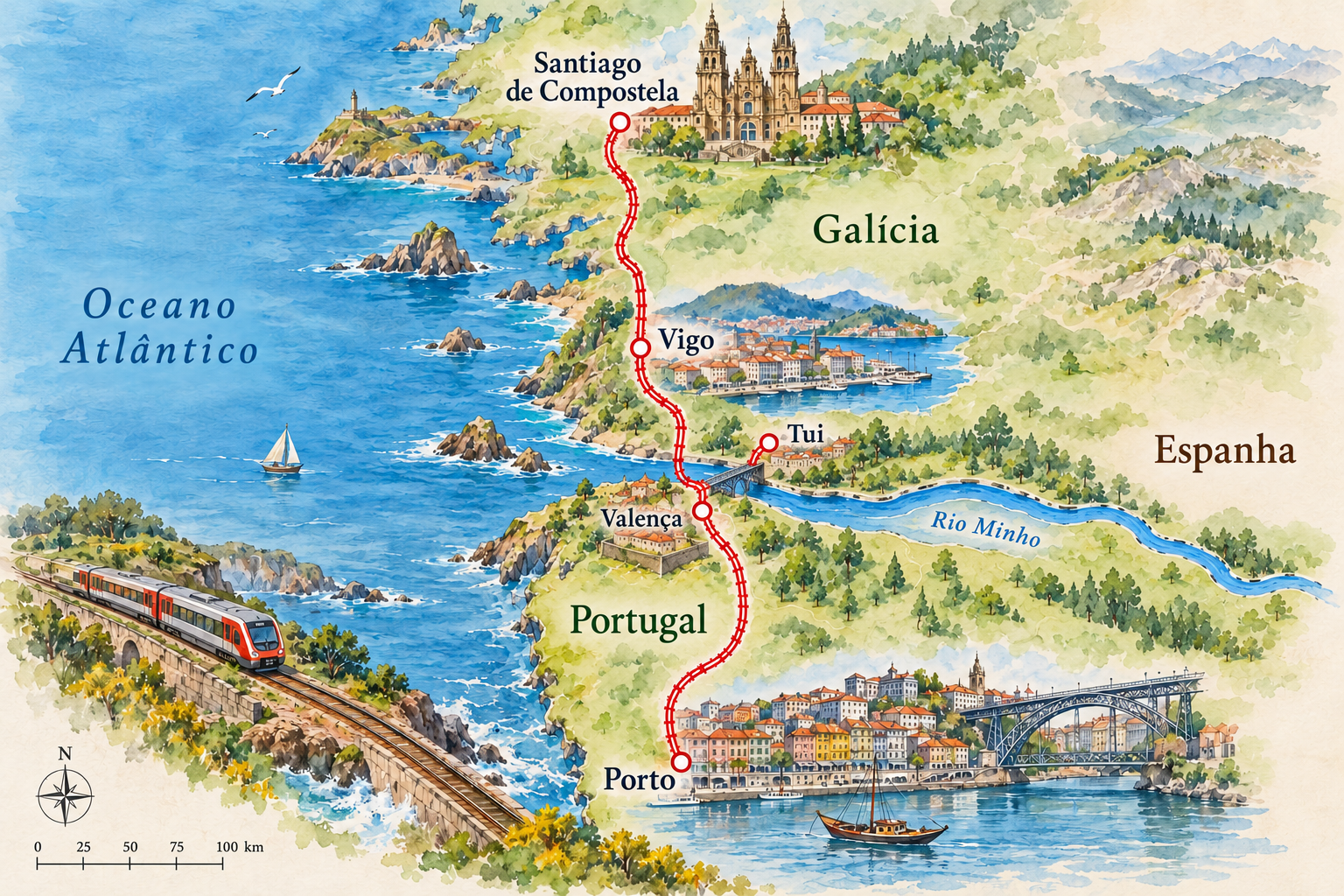
Porto is on the Porto–Vigo–Santiago de Compostela by train

From Porto to Galicia by train: the Celta crosses the Minho to Vigo, and a regional train takes you to Santiago de Compostela in about an hour.

Illustrative map, not to scale. Tap a city to open its page.
Illustrated map of Porto–Vigo–Santiago de Compostela by train

Cross-border routes

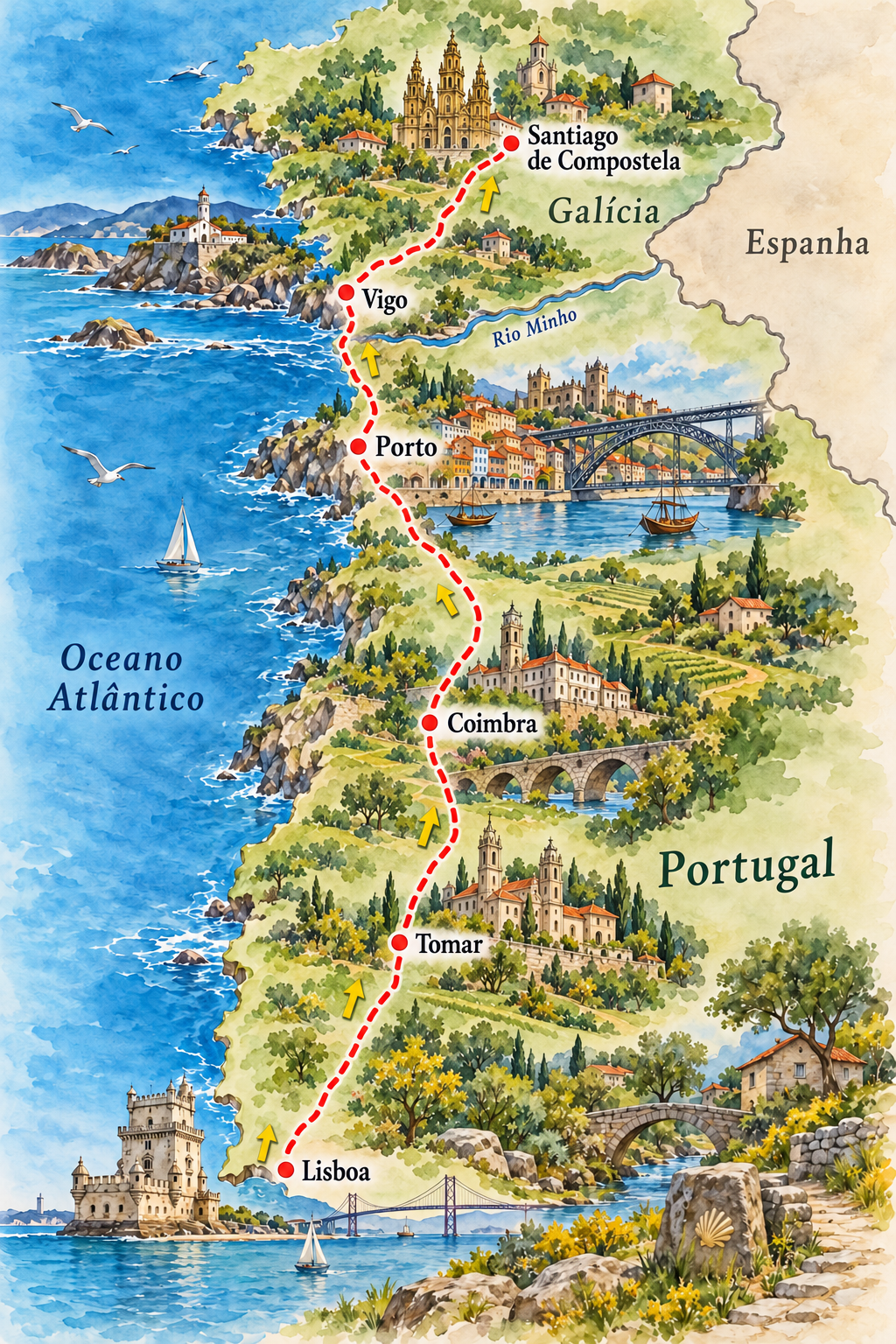
Porto is on the Portuguese Way to Santiago on foot

On foot from Portugal to Santiago de Compostela: the pilgrimage route that starts in Lisbon or Porto, follows yellow arrows and ends at Obradoiro Square.

Illustrative map, not to scale. Tap a city to open its page.
Illustrated map of Portuguese Way to Santiago on foot

Cross-border routes

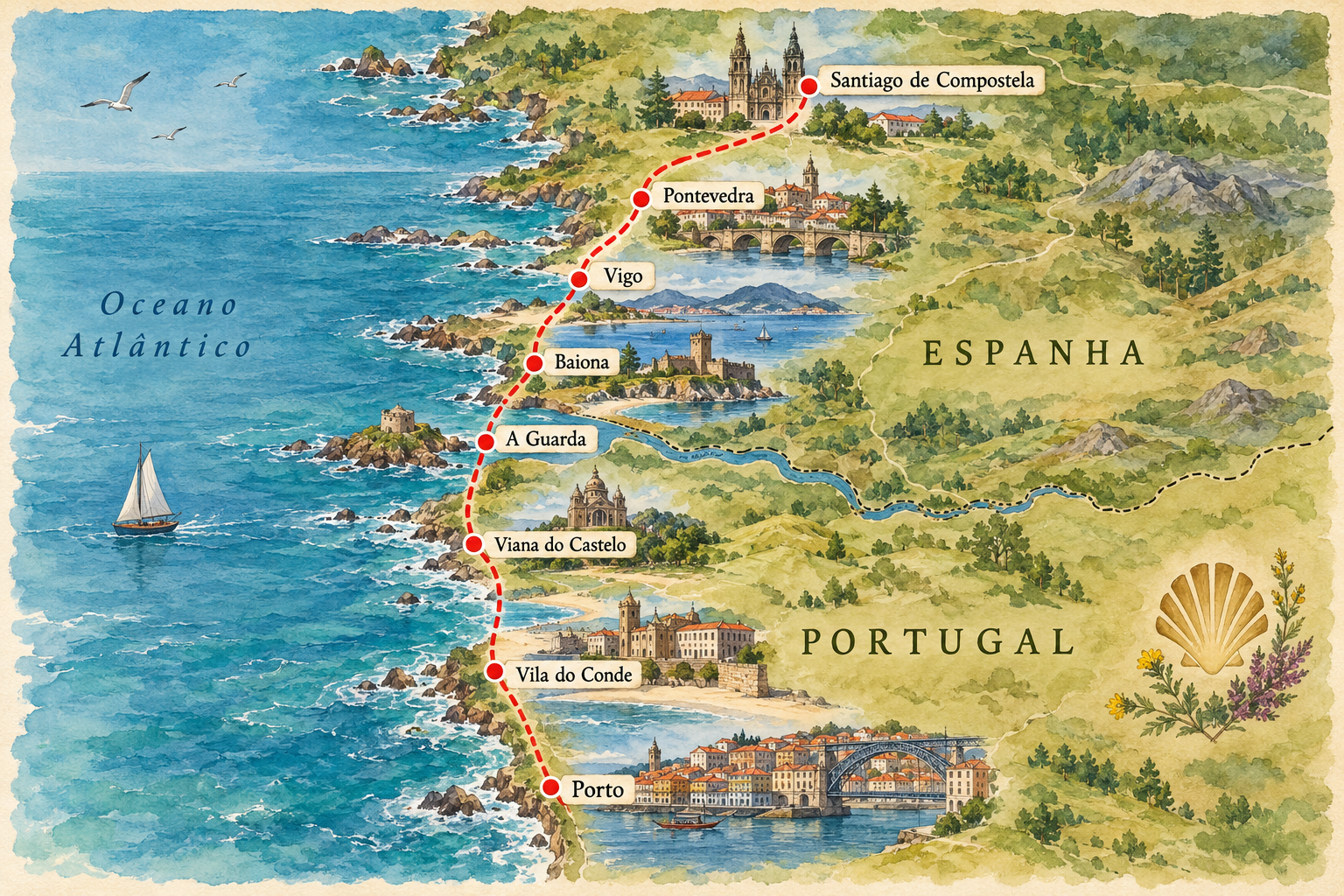
Porto is on the Portuguese Coastal Way on foot

The Camino de Santiago along the Atlantic: from Porto to Galicia via the coast, through Vila do Conde, Viana do Castelo, A Guarda, Baiona and Vigo, ending at Santiago Cathedral.

Illustrative map, not to scale. Tap a city to open its page.
Illustrated map of Portuguese Coastal Way on foot
Explore other destinations Search by state and city