Vila Nova de Gaia · Porto · Winery
Port Wine Cellars
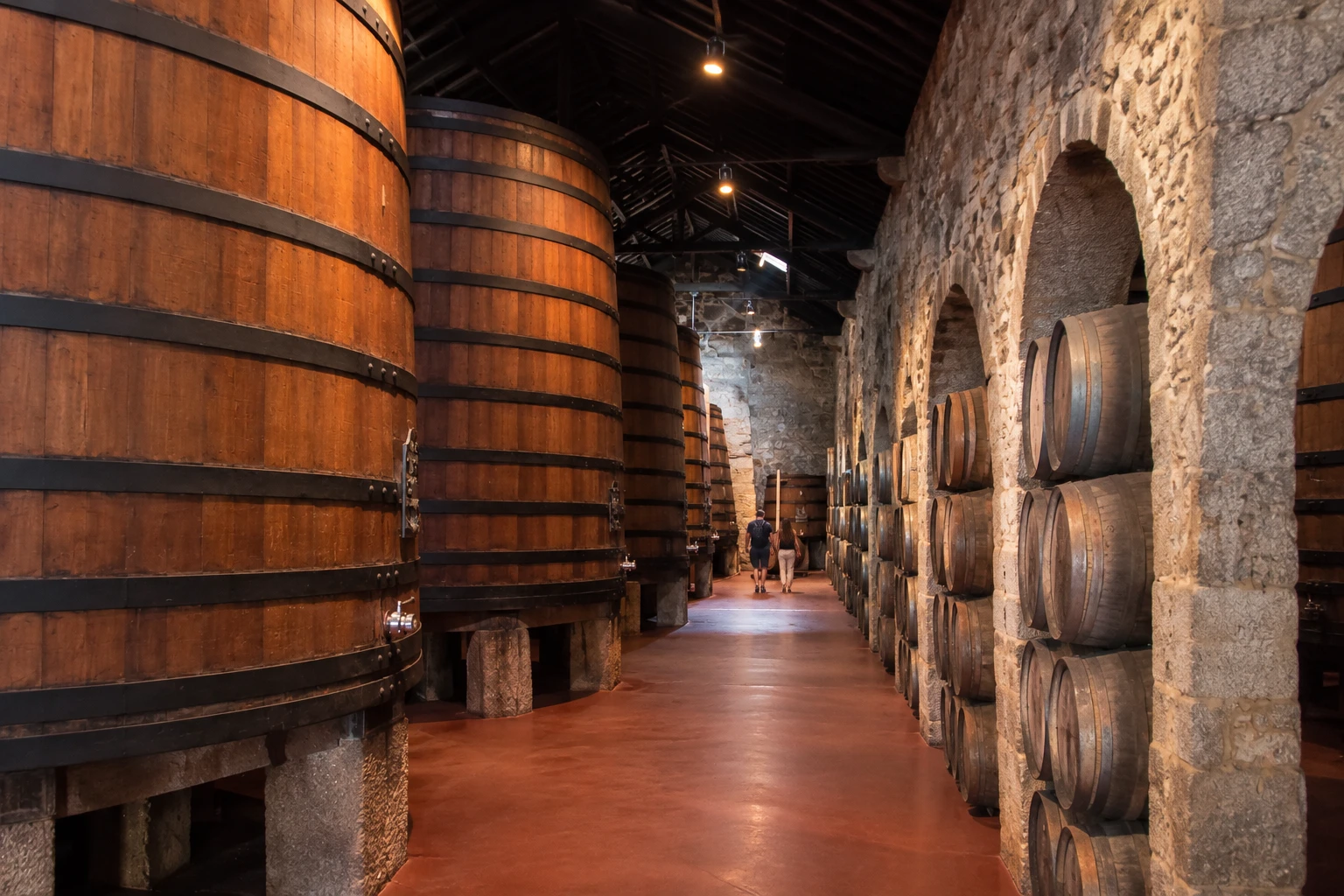
The cellars at the Cais de Gaia, where Port wine has been aged in barrels for centuries. Houses such as Sandeman, Taylor's, Graham's, Cálem and Ferreira host visits with tastings.

 Search
 Brazil
 Antarctica
 Argentina
 Bolivia
 Chile
 Colombia
 Ecuador
 Falkland Islands (Malvinas)
 French Guiana
 Guyana
 Paraguay
 Peru
 Suriname
 Uruguay
 Venezuela
 Albania
 Austria
 Belgium
 Croatia
 Denmark
 Finland
 France
 Germany
 Greece
 Hungary
 Iceland
 Ireland
 Italy
 Luxembourg
 Norway
 PolandPortugal
 Slovakia
 Slovenia
 Spain
 Sweden
 Switzerland
 the Czech Republic
 the Netherlands
 the United Kingdom
 Turkey
 Bermuda
 Canada
 Greenland
 Mexico
 Saint Pierre and Miquelon
 the United States
 the Dominican Republic
 JapanTurkey
 Egypt
 South Africa
 Australia
 Fiji
 New Zealand
 Papua New Guinea
Porto · Viana do Castelo
33 places to visit and 18 tours, chosen by the Cidade Turismo guide.
Updated
Illustrative images. The pictures in this guide are illustrations based on the real place, not photographs, and may differ from it.
To start
One by one
The cellars at the Cais de Gaia, where Port wine has been aged in barrels for centuries. Houses such as Sandeman, Taylor's, Graham's, Cálem and Ferreira host visits with tastings.
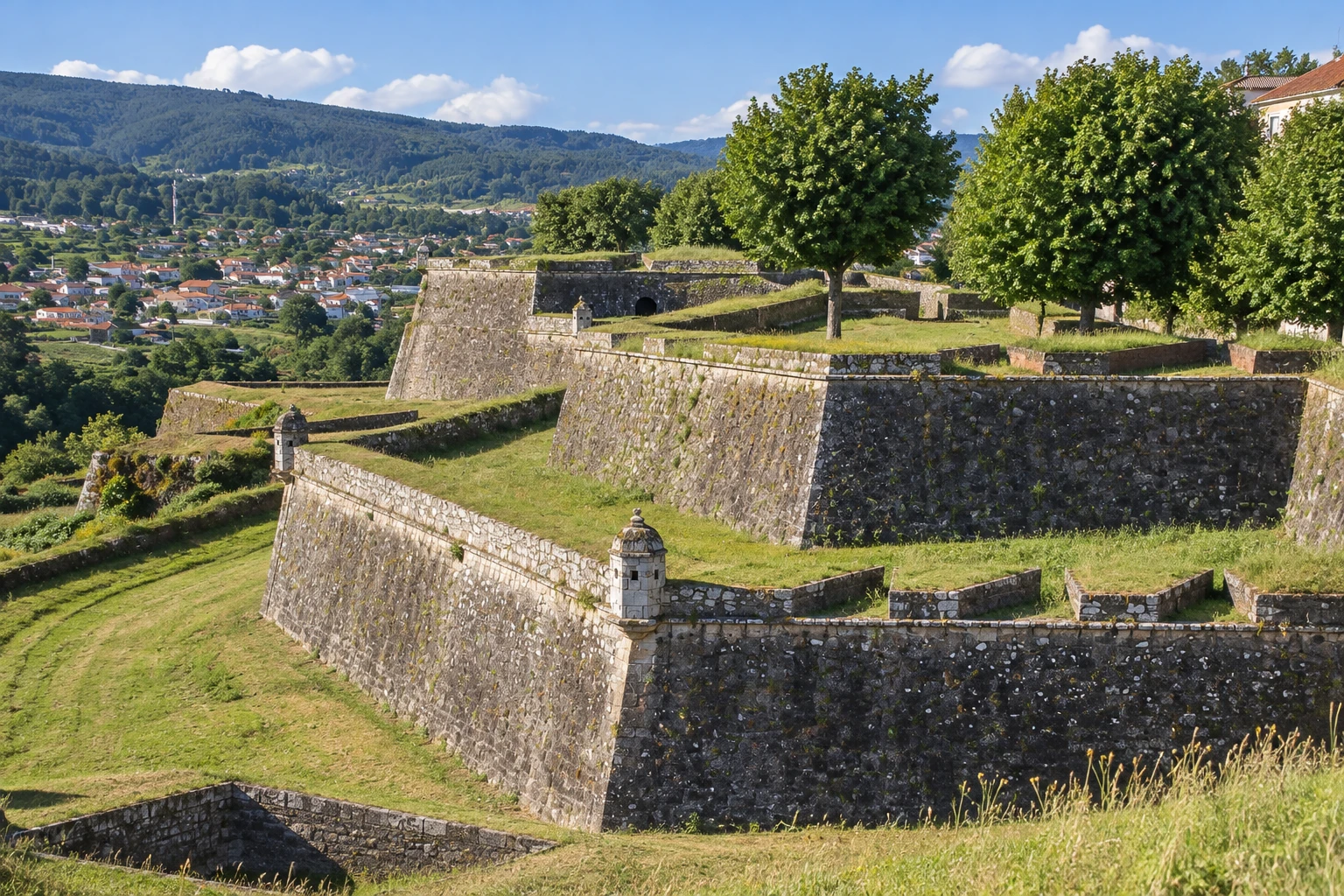
17th-century star-shaped fortress over the Minho river, with two citadels linked by a bridge over the moat, monumental gates, bastions and the old streets of the town inside the walls. National Monument since 1928.
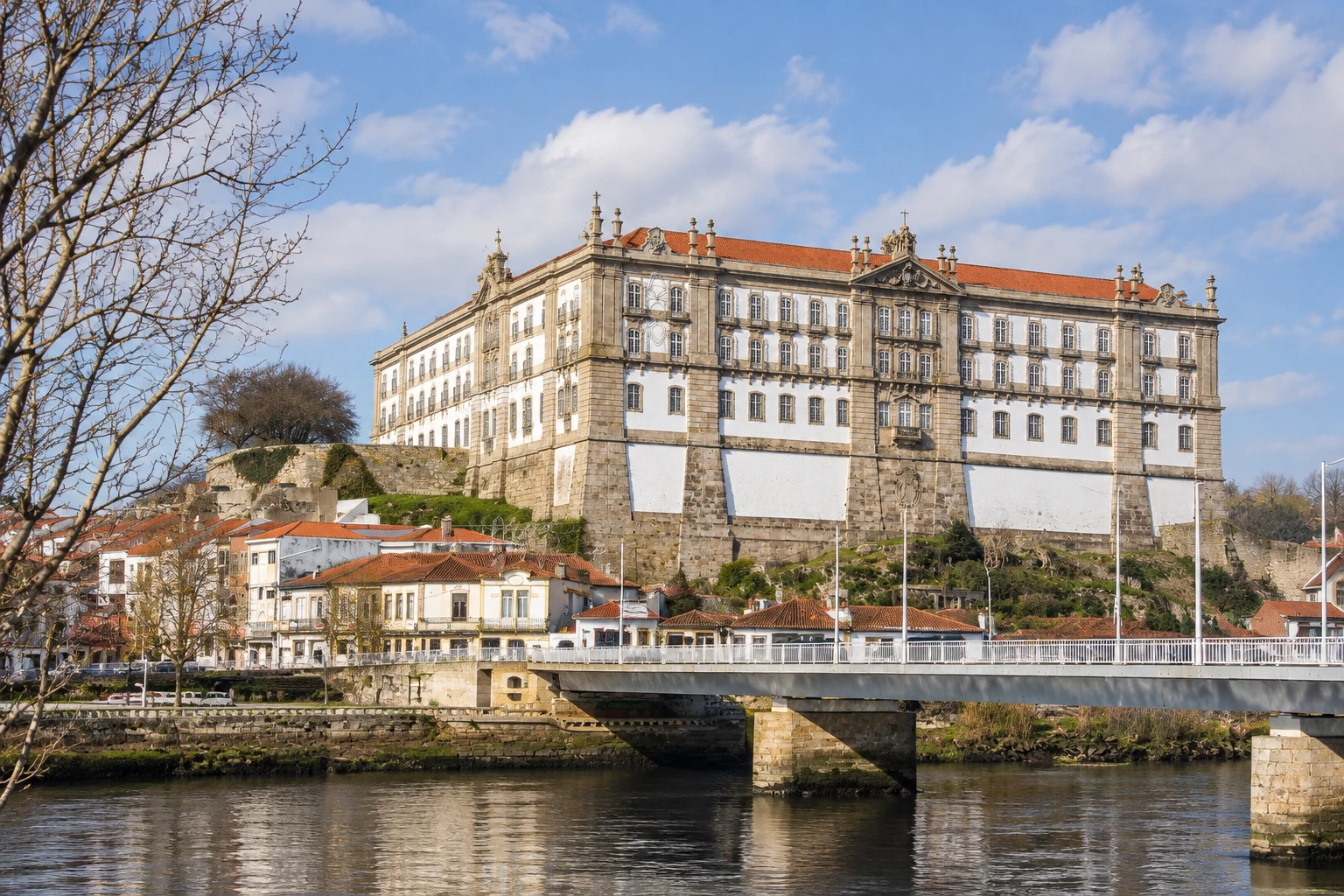
Monastery of the Poor Clares founded in 1318 on the hilltop of Vila do Conde, with a Gothic church housing the founders' tombs and a large 18th‑century building facing the Ave River.
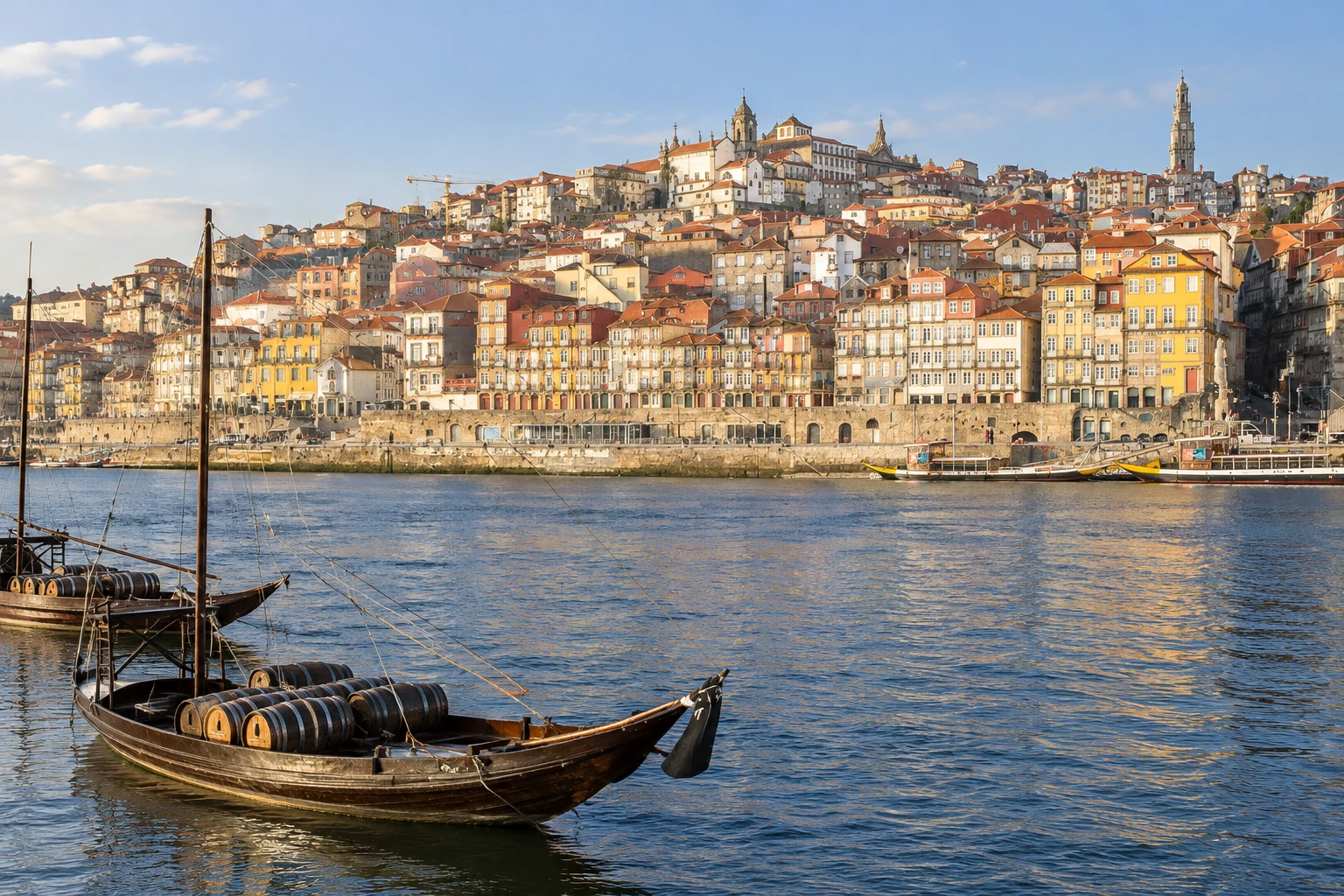
Porto's riverside, with narrow, colorful houses, cafés and restaurants on the Cais da Ribeira, facing Gaia and the Ponte Luís I. It's where the boats that pass under the Douro bridges depart.
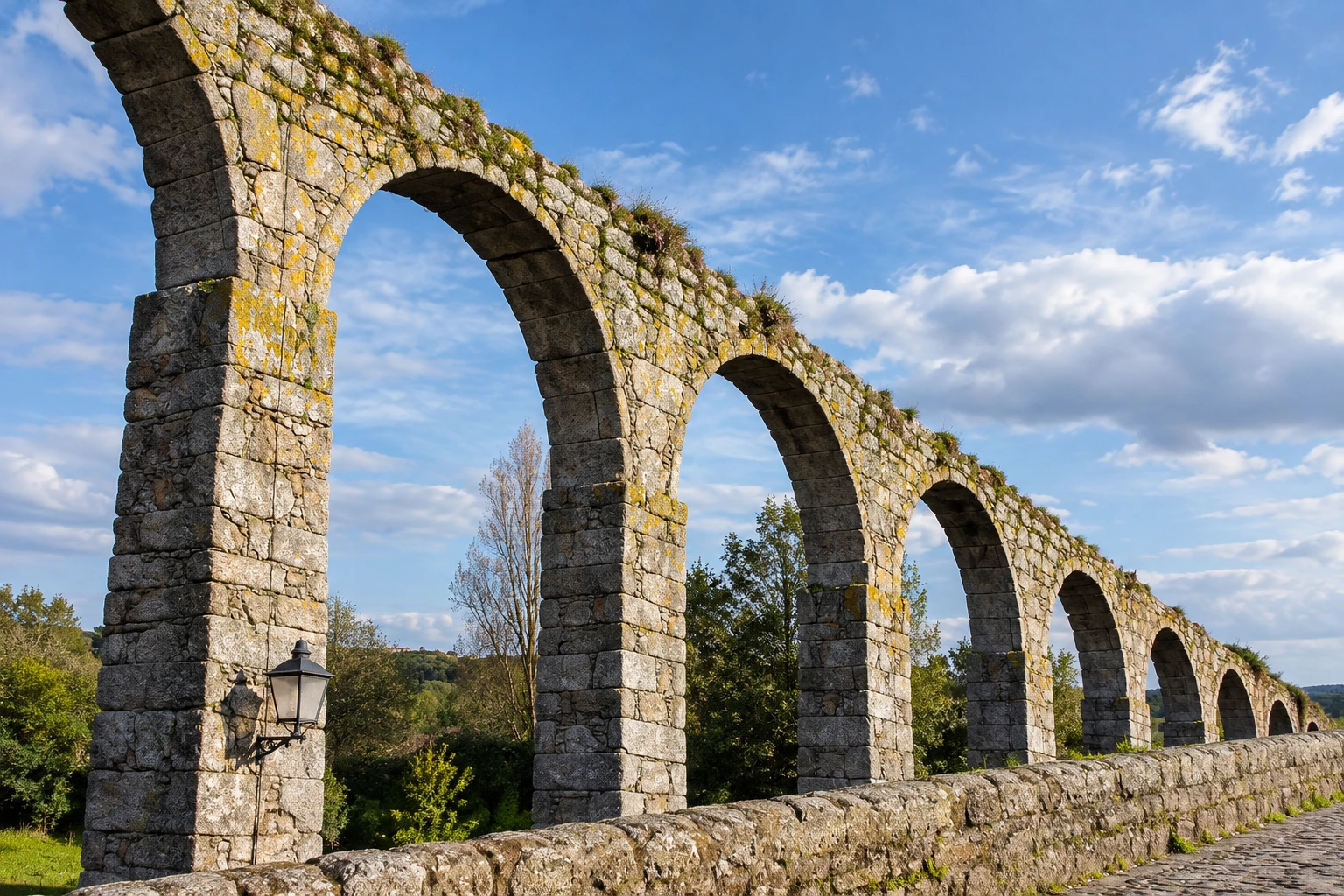
Aqueduct built between 1705 and 1714 to carry water to the monastery of Santa Clara, with hundreds of stone arches that cross Vila do Conde from Póvoa de Varzim.
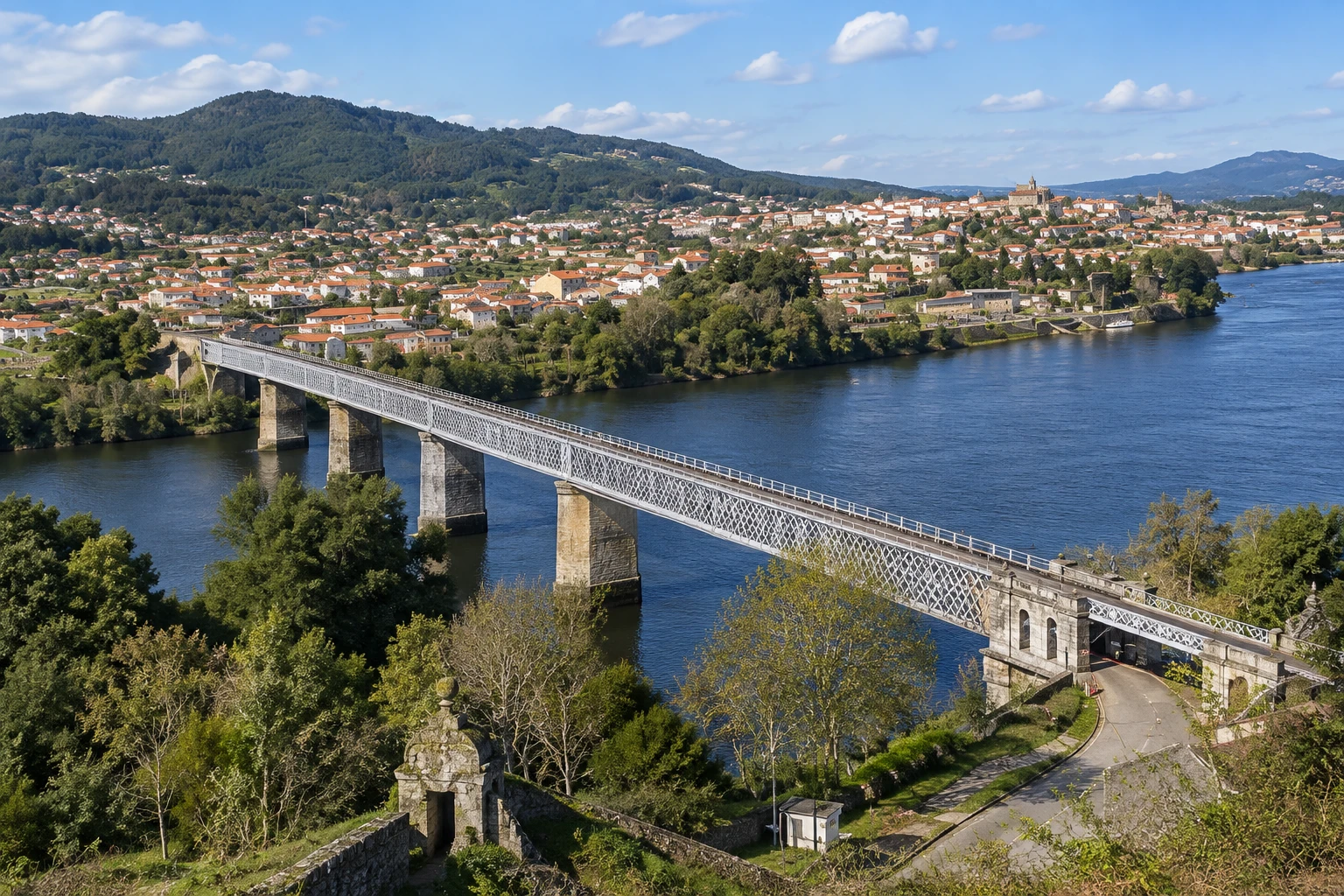
Two-level iron bridge over the Minho river, dating from 1886, with the train on the lower deck and the road and pedestrian walkway on the upper deck, linking Valença to Tui in Spain.
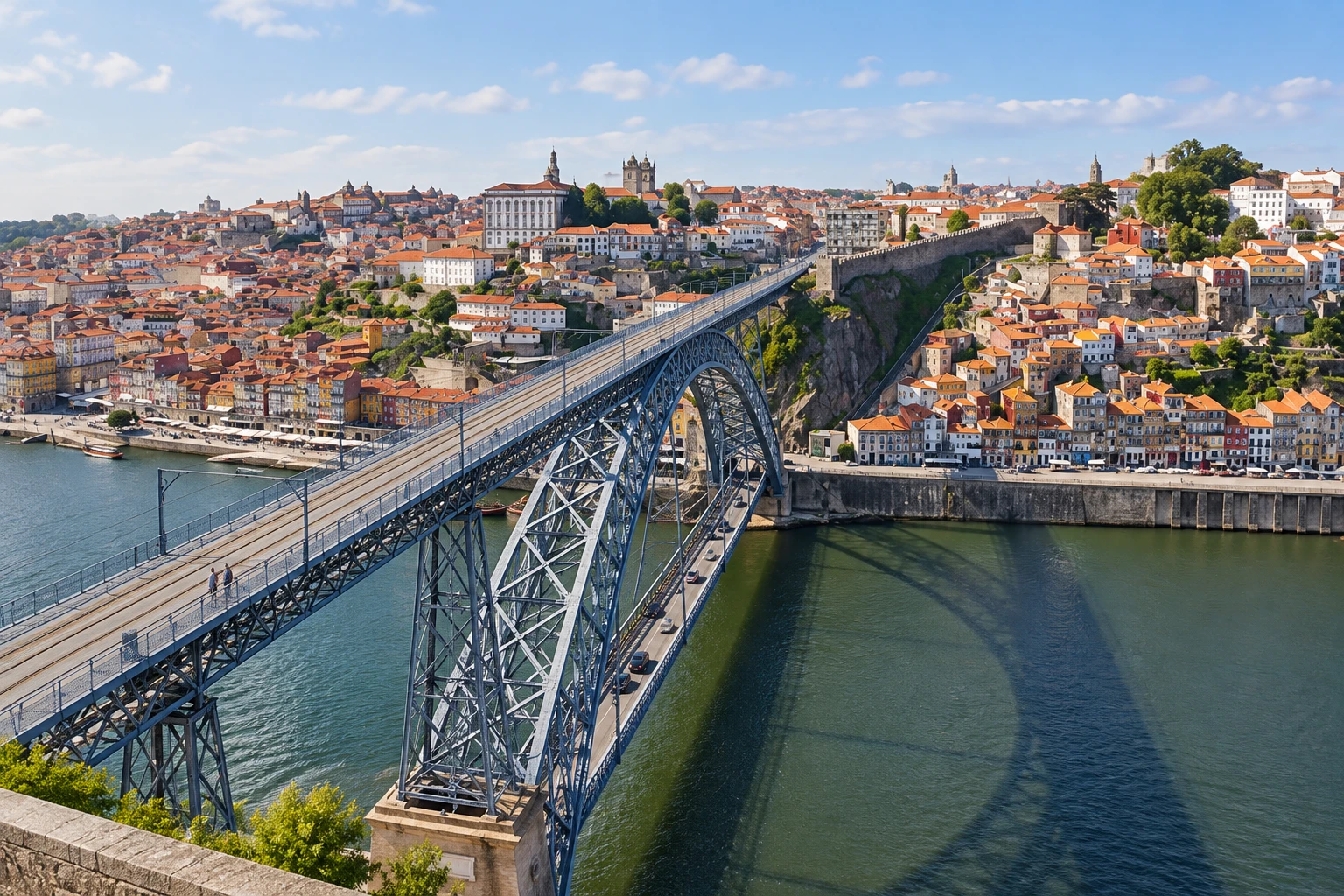
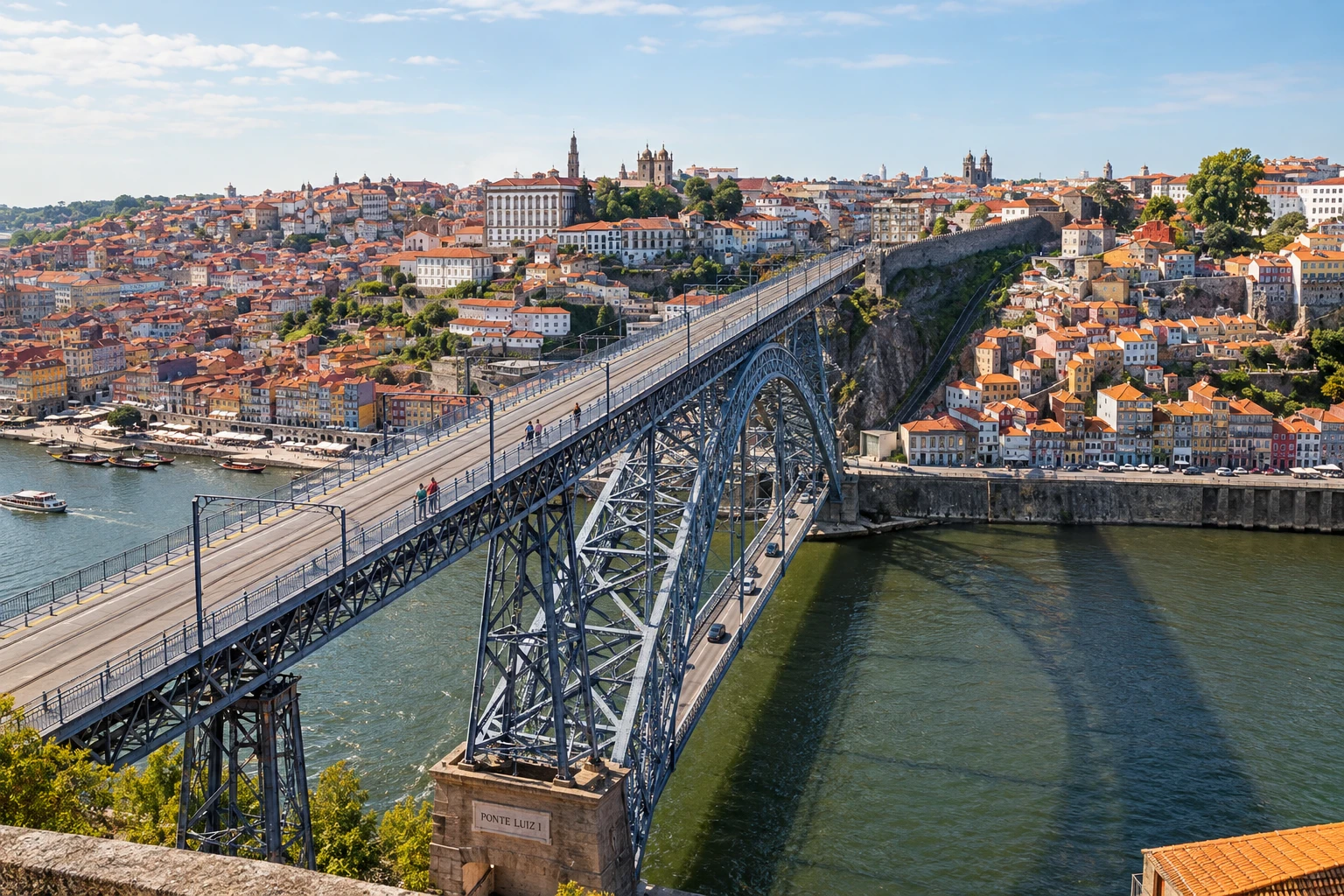
Iron bridge from 1886 over the Douro, with two decks: the upper one, for the metro and pedestrians, links Porto's high ground to the Serra do Pilar; the lower one links the Ribeira to the Cais de Gaia.
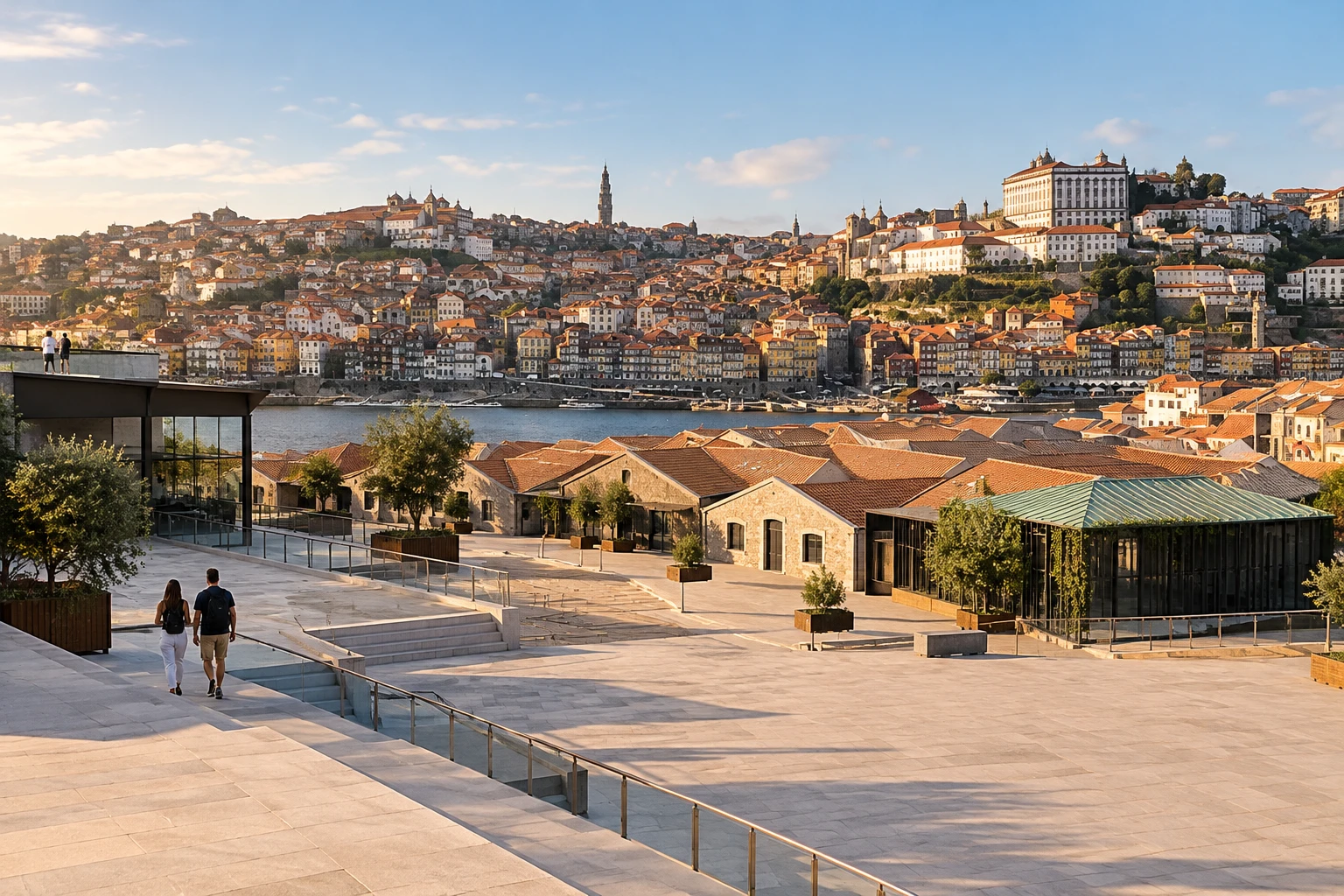
Cultural quarter set in former Port wine warehouses on the hill above the Cais de Gaia, with thematic museums about wine, cork, chocolate and Porto's history, as well as restaurants and a view terrace.
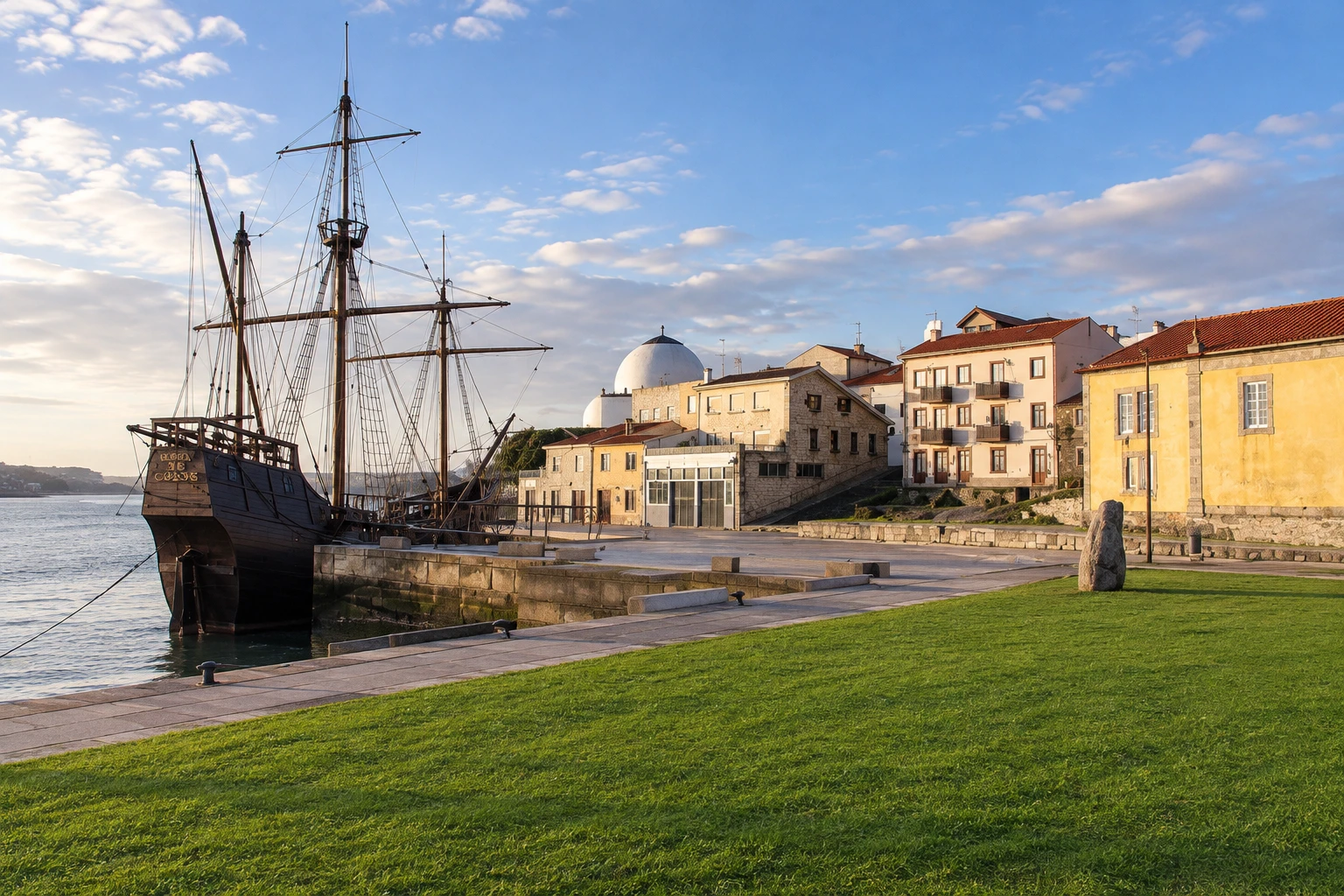
The old customs house from the time of D. Manuel I, on the quay of the Ave River, with the shipbuilding museum, and next to it a replica of a 16th-century nau that can be visited inside.
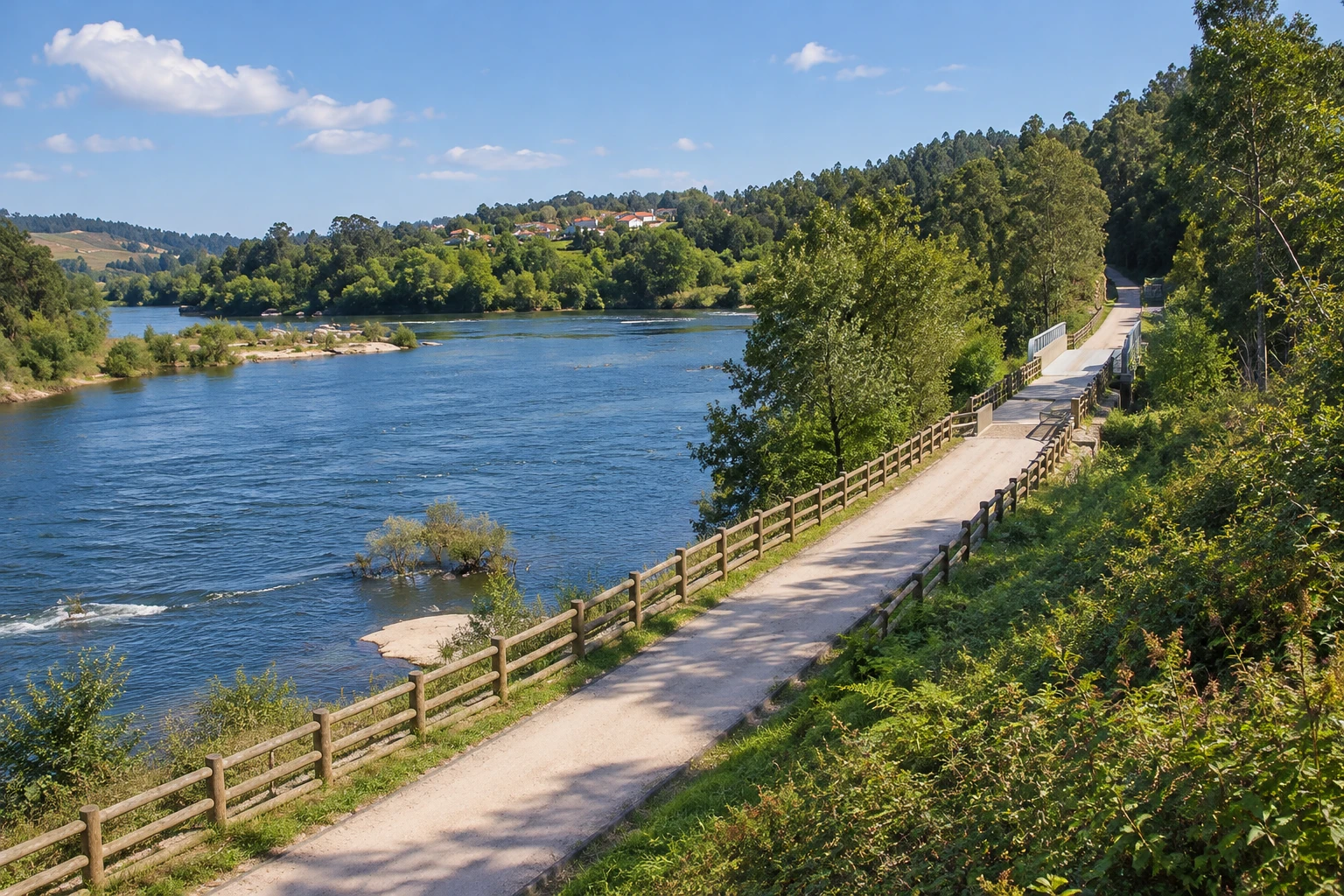
A path for pedestrians and bicycles of about 15 km between Valença and Monção, following the route of the old rail branch, along the river Minho, among fields, vineyards and old stations.
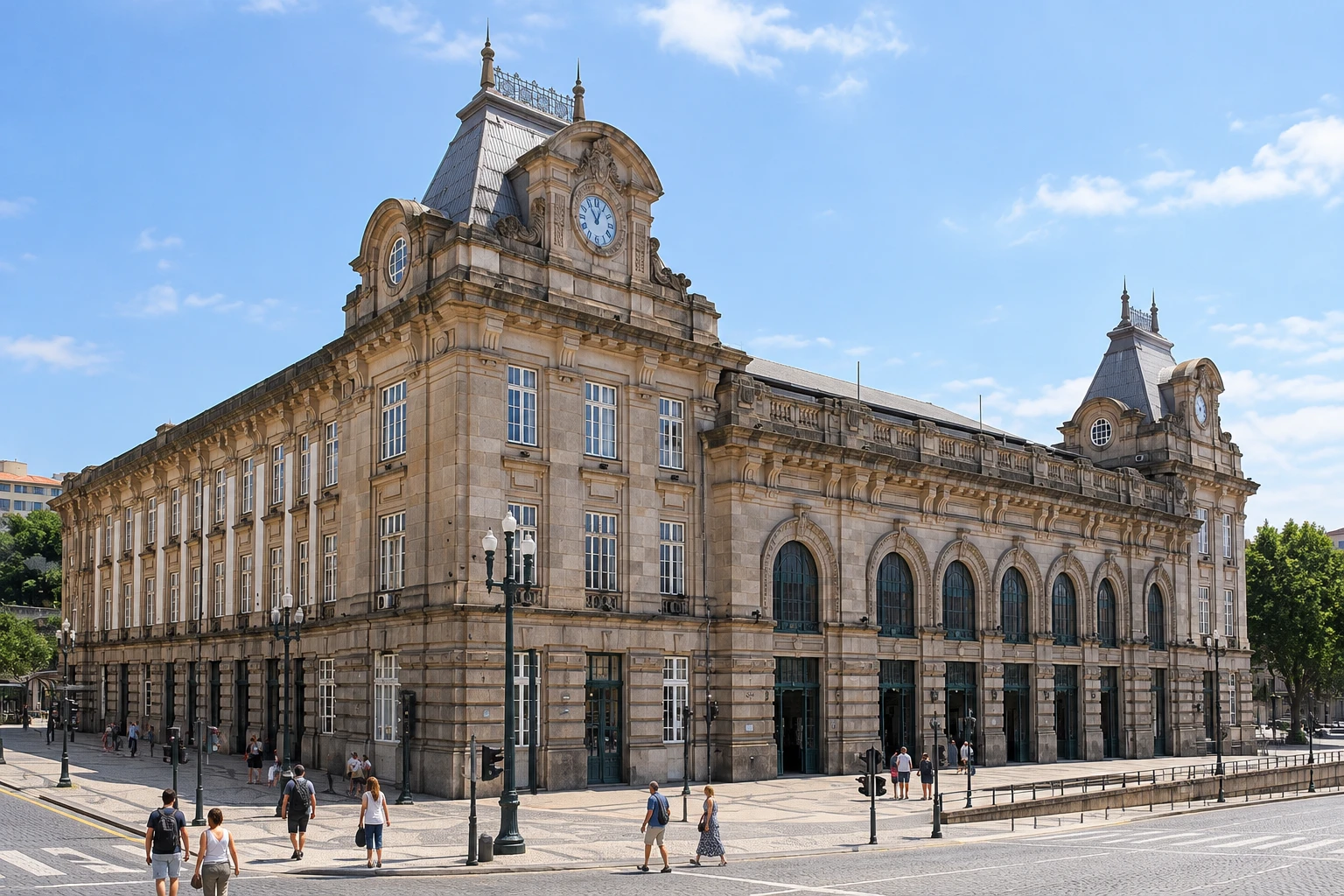
Central train station in Porto, inaugurated in 1916, whose hall is covered by about 20,000 tiles by Jorge Colaço depicting scenes from Portugal's history.
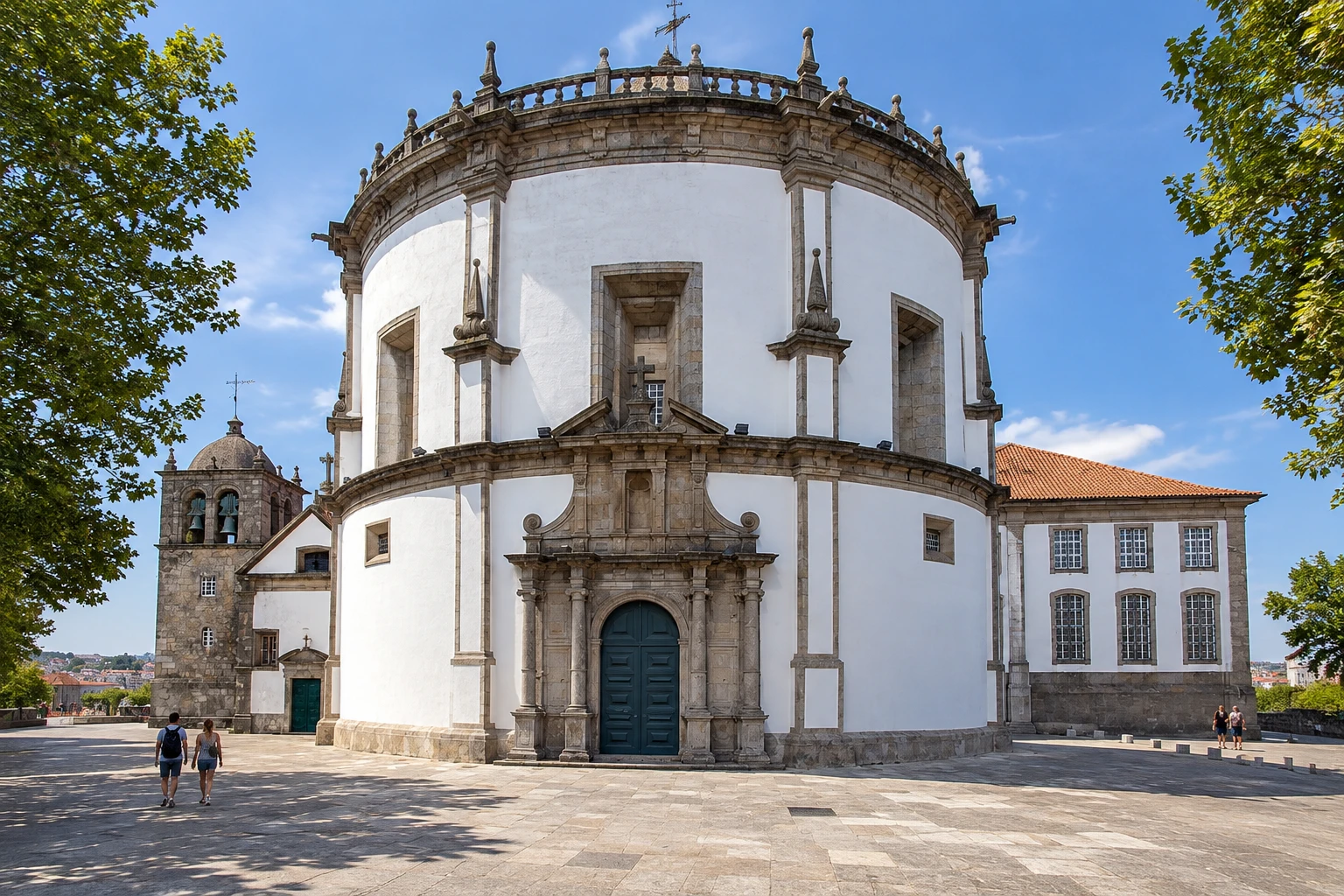
16th-century monastery on the heights of Gaia, opposite the Ponte Luís I, with a circular church and cloister. The viewpoint in front offers the widest view of Porto's historic centre.
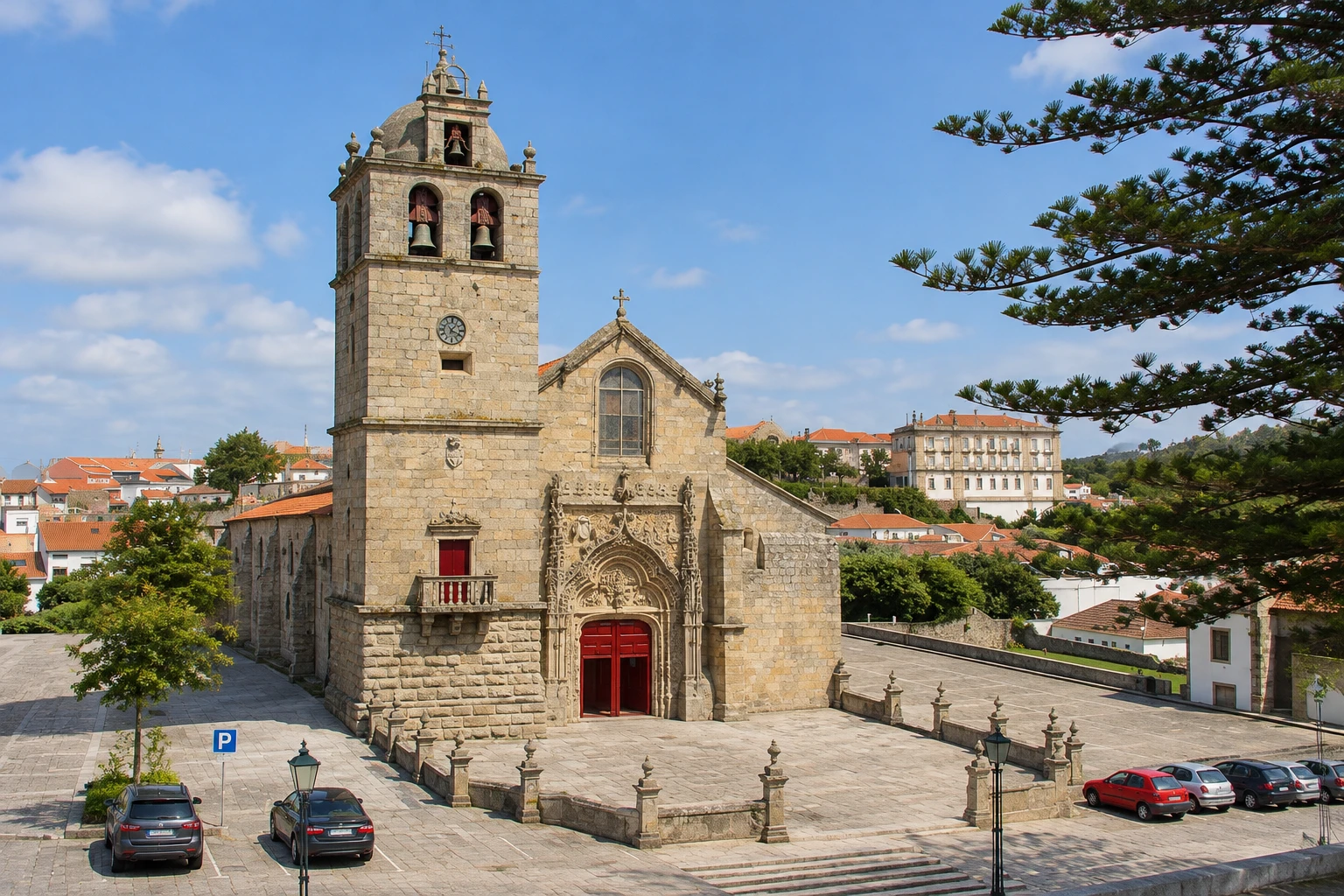
Igreja de São João Baptista, begun in 1496 and finished with support from D. Manuel I, featuring a Manueline portal by João de Castilho; classified as a National Monument since 1910.
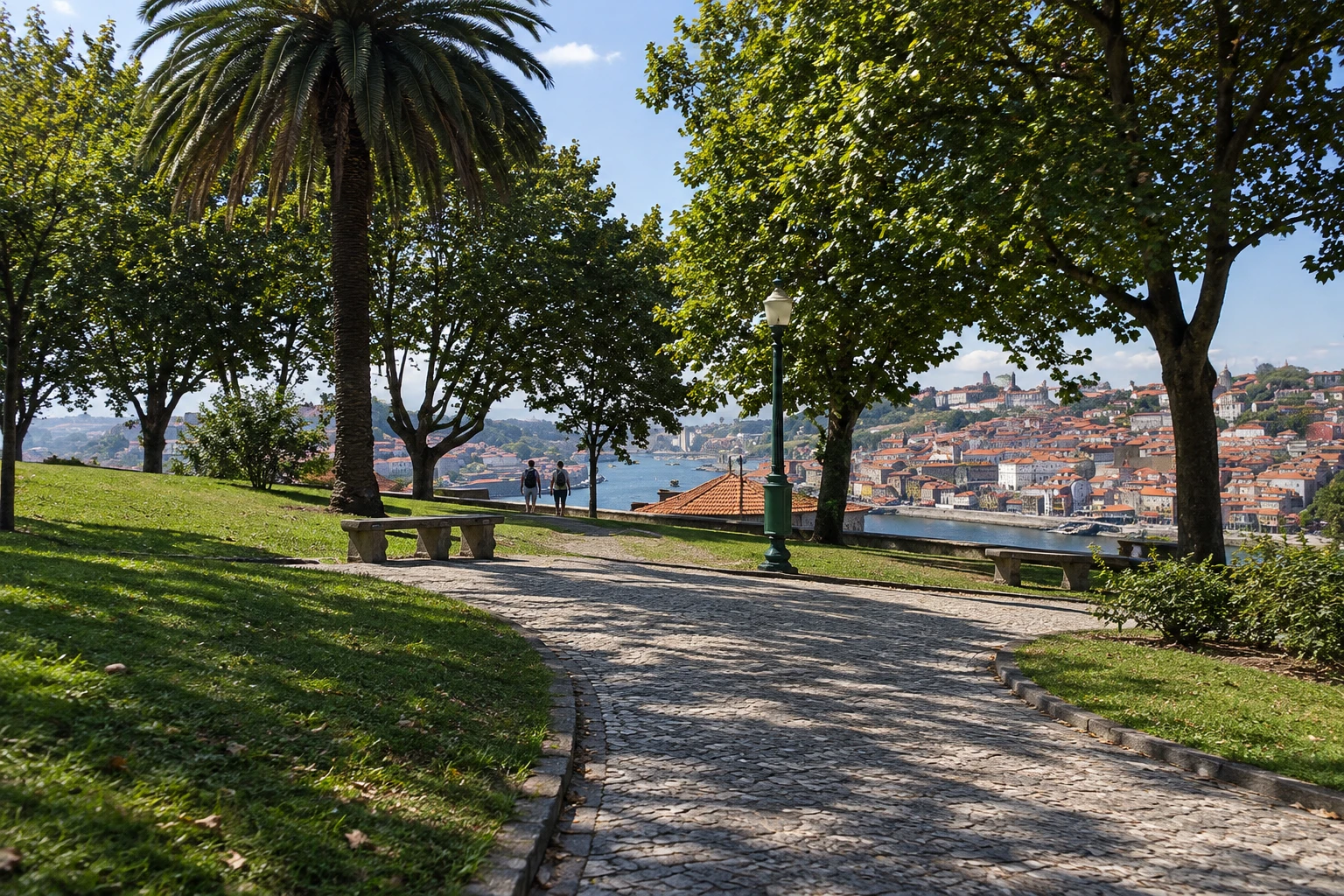
Garden on the top of Gaia's slope, next to the Ponte Luís I and the metro station, popular in the late afternoon for its view of the Ribeira. From here the cable car departs down to the Cais de Gaia.
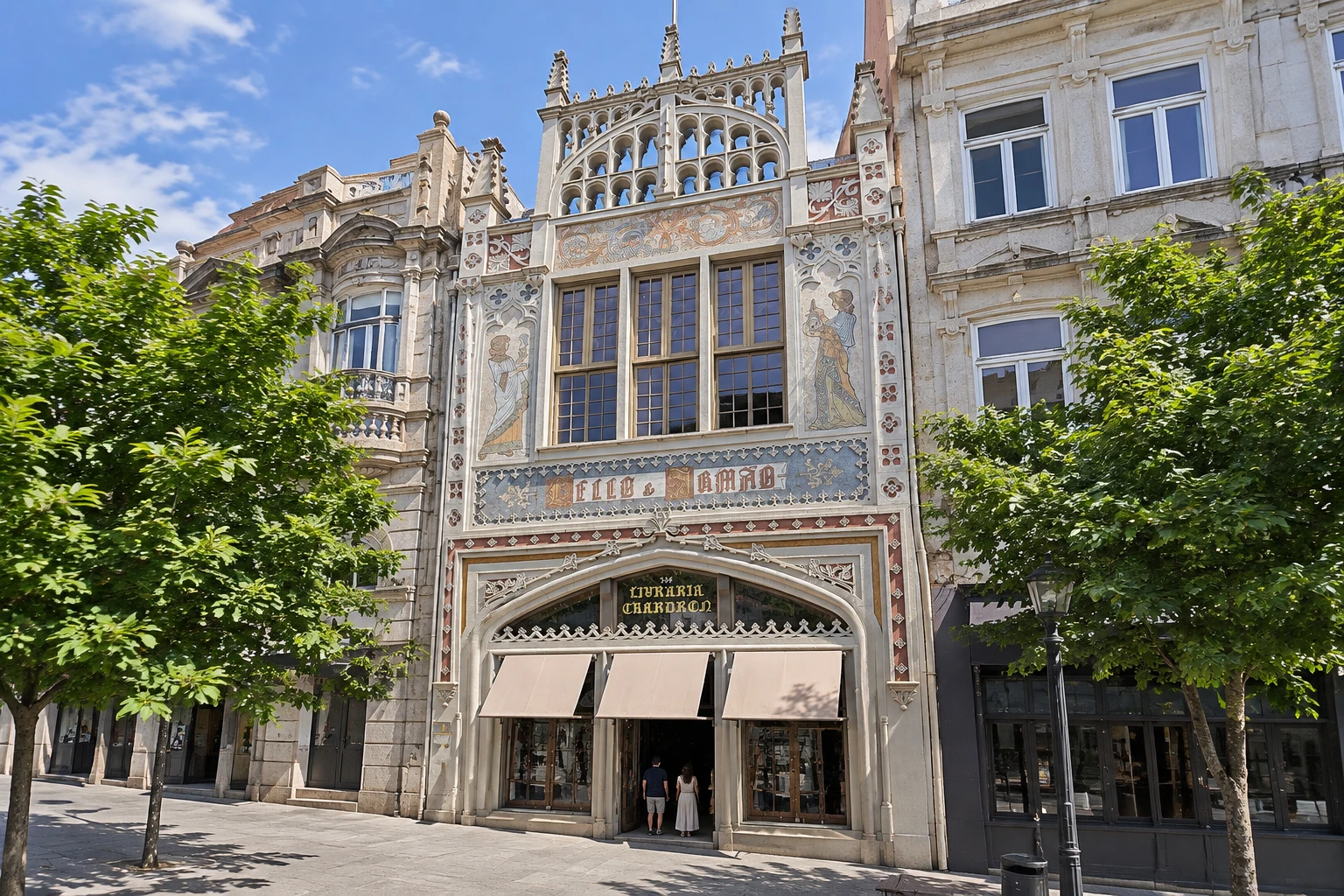
Bookshop from 1906 with a neo‑Gothic façade and carved wooden interior, a skylight stained glass in the ceiling and a curved red staircase. It is one of the most visited bookshops in the world, with controlled entry.
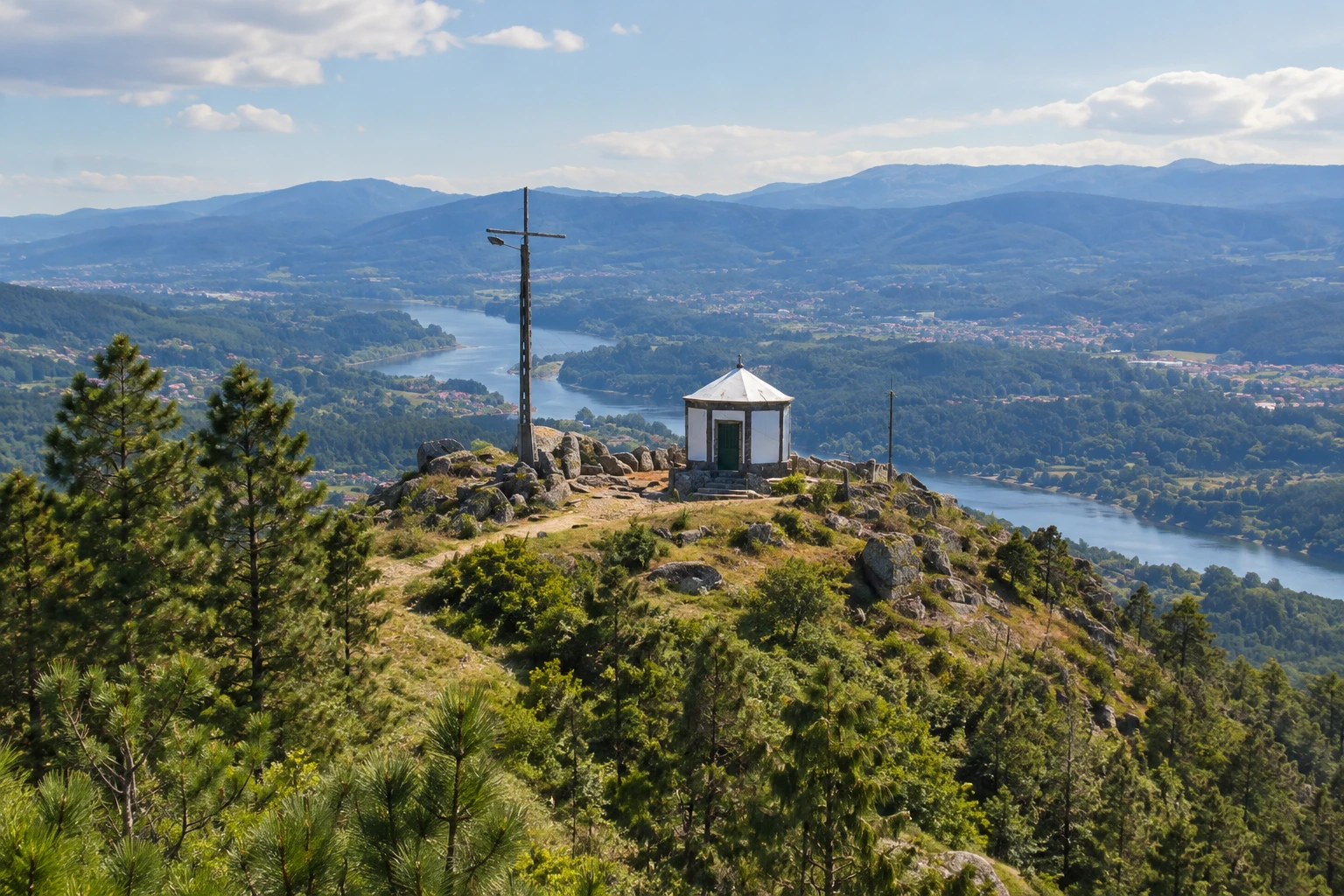
Hill to the east of Valença, with the sanctuary of Nossa Senhora do Faro at the top and a viewpoint overlooking the Minho valley, Galicia and, on clear days, the sea.
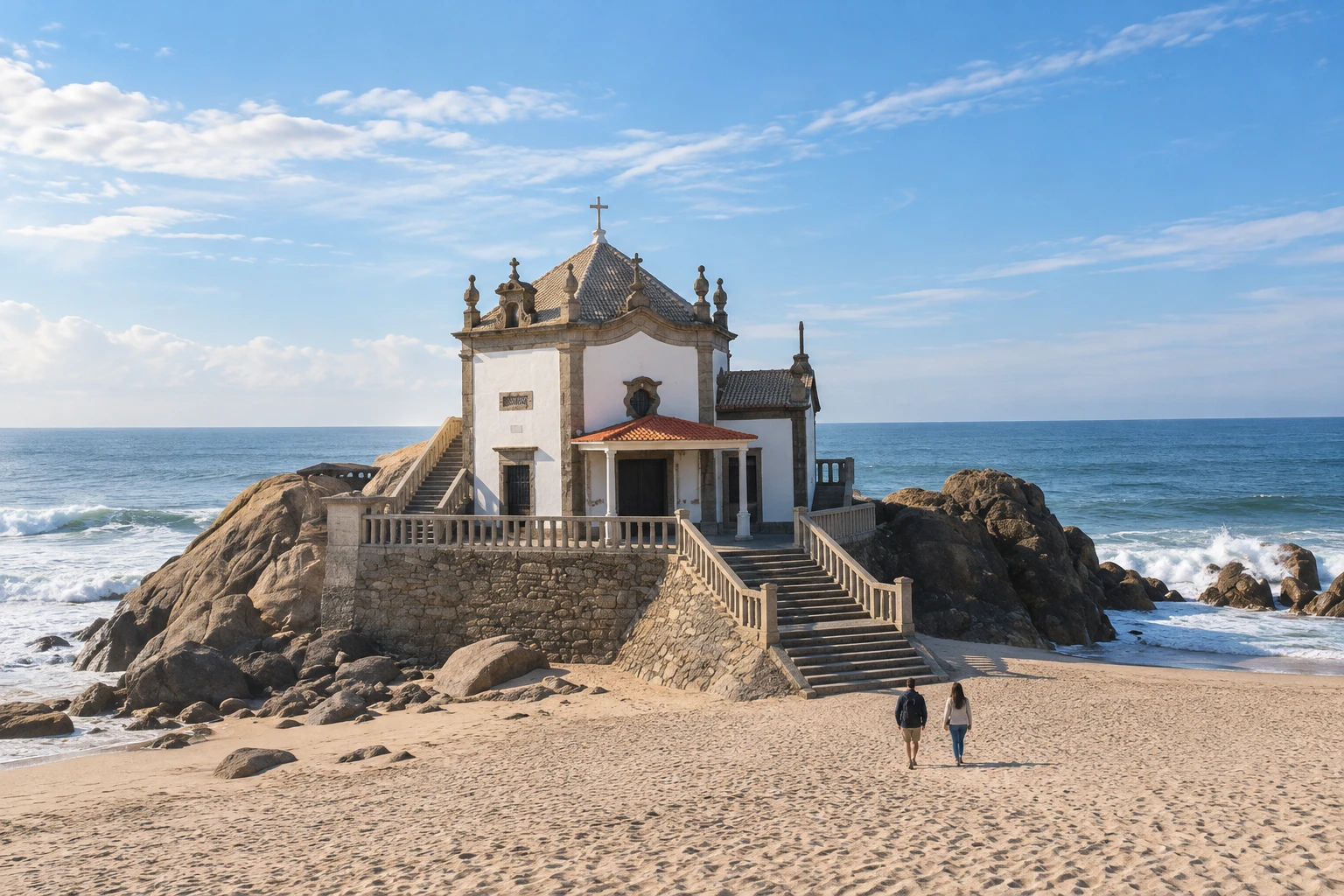
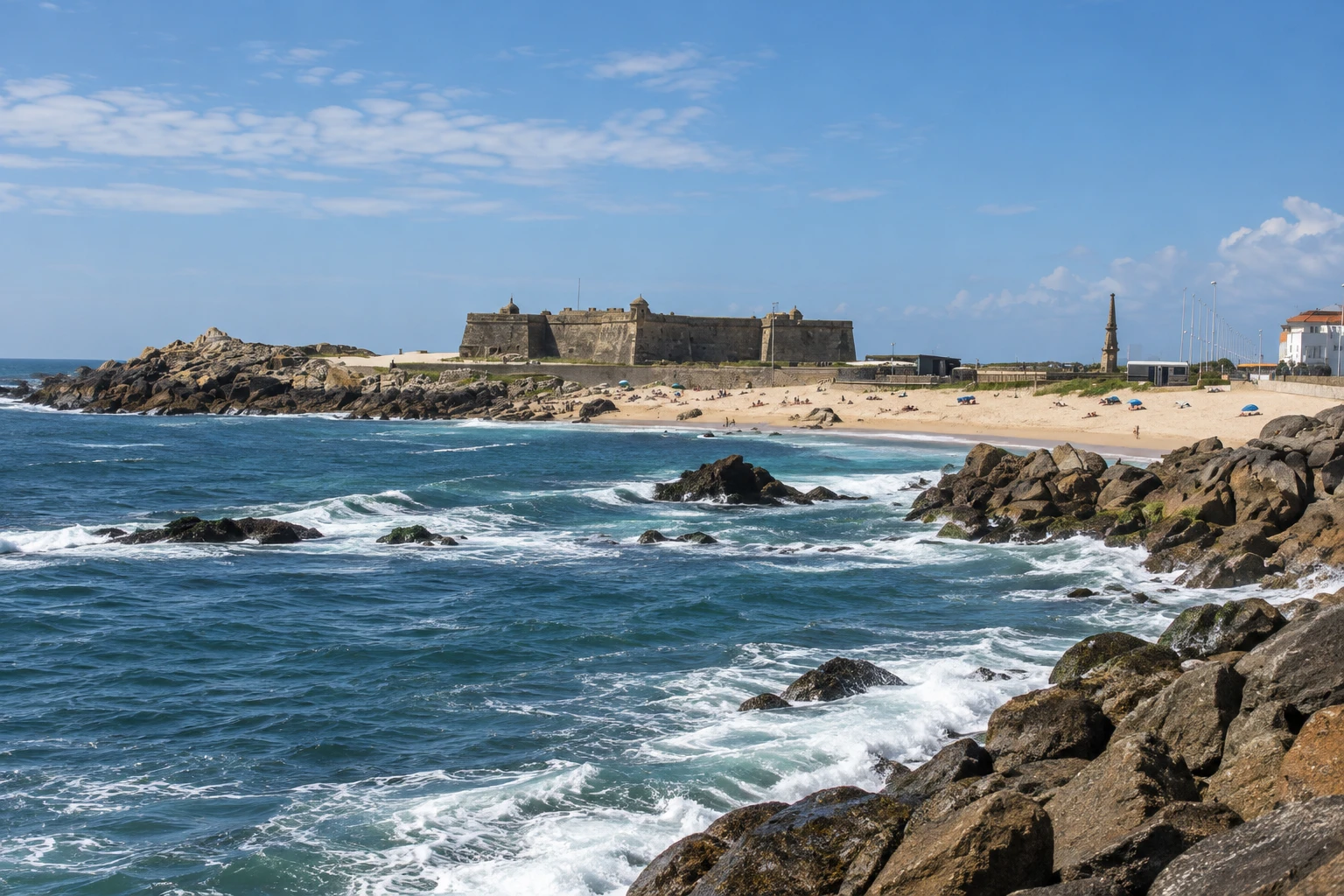
Small 17th-century hexagonal chapel built on a rock at the edge of Miramar beach, south of Gaia, surrounded by the sea at high tide.
Fort with a pentagonal plan at the mouth of the Ave River, with bastions in the Vauban style, defending the bar of Vila do Conde; the last bastion was completed in 1793.
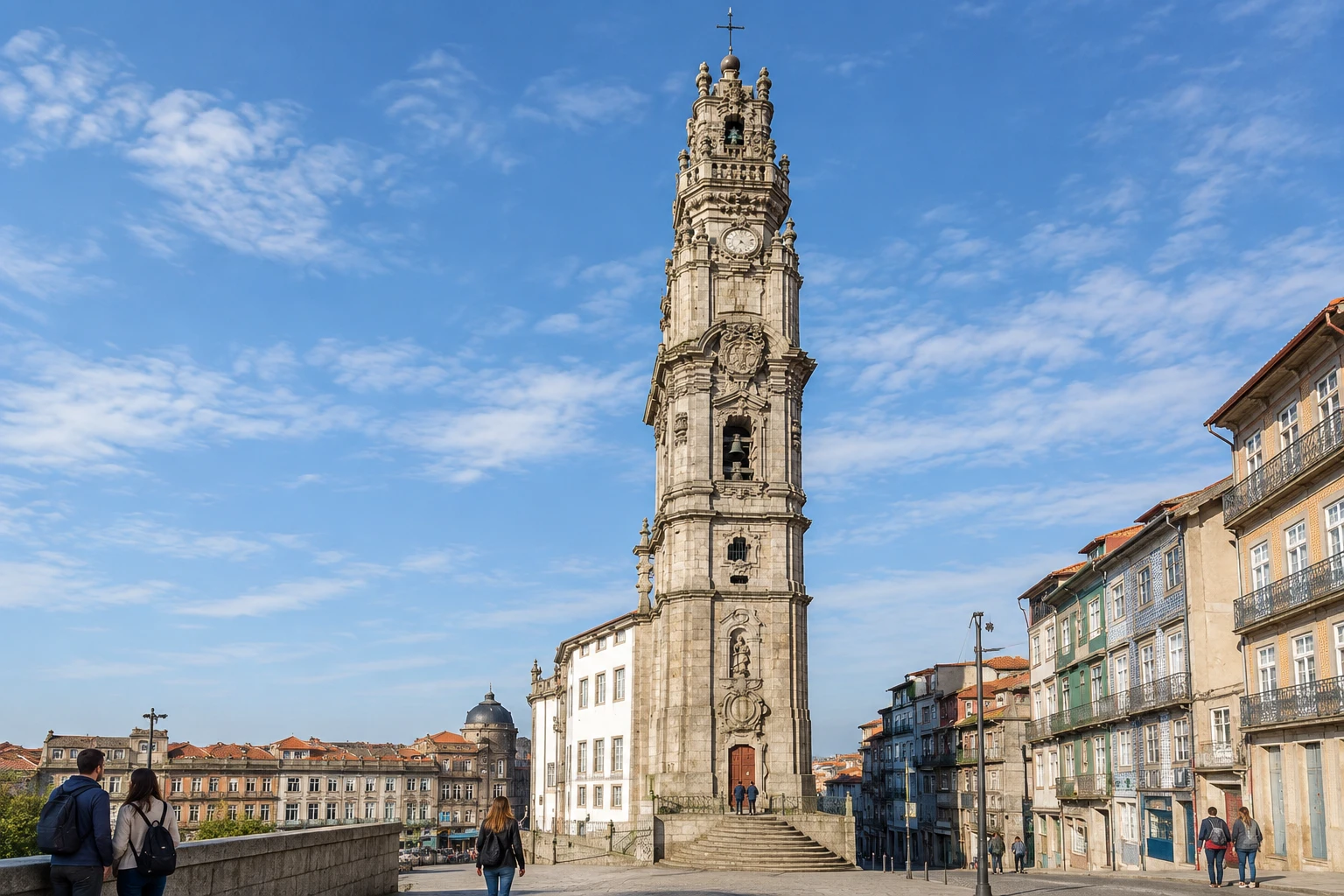
Baroque church from the 18th century with a tower of around 75 metres, a symbol of Porto, by the Italian Nicolau Nasoni. The climb of about 240 steps leads to a viewpoint over the city and the river.
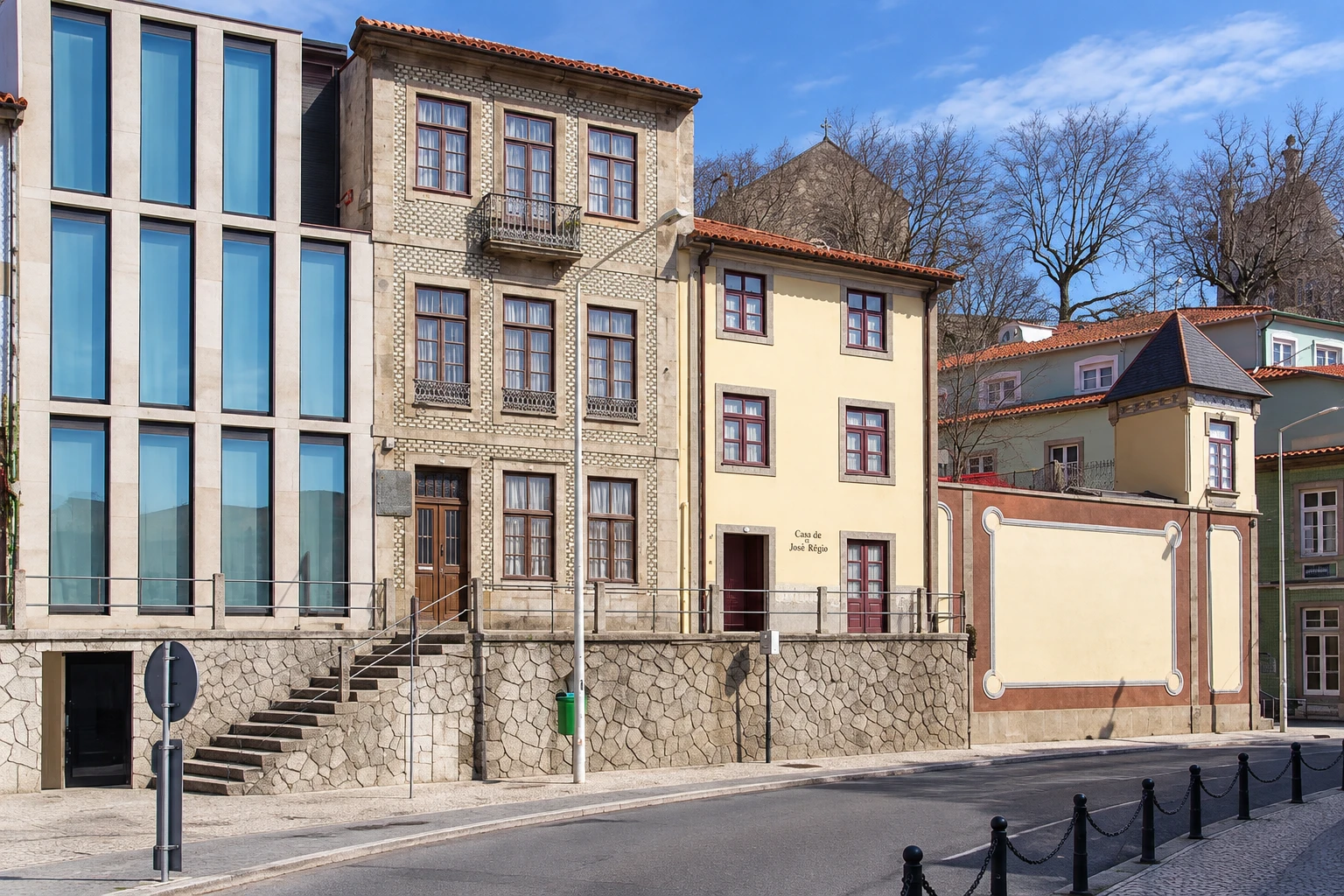
House where the writer José Régio lived, born in Vila do Conde, with his study, library and the collection of popular and sacred art he assembled.
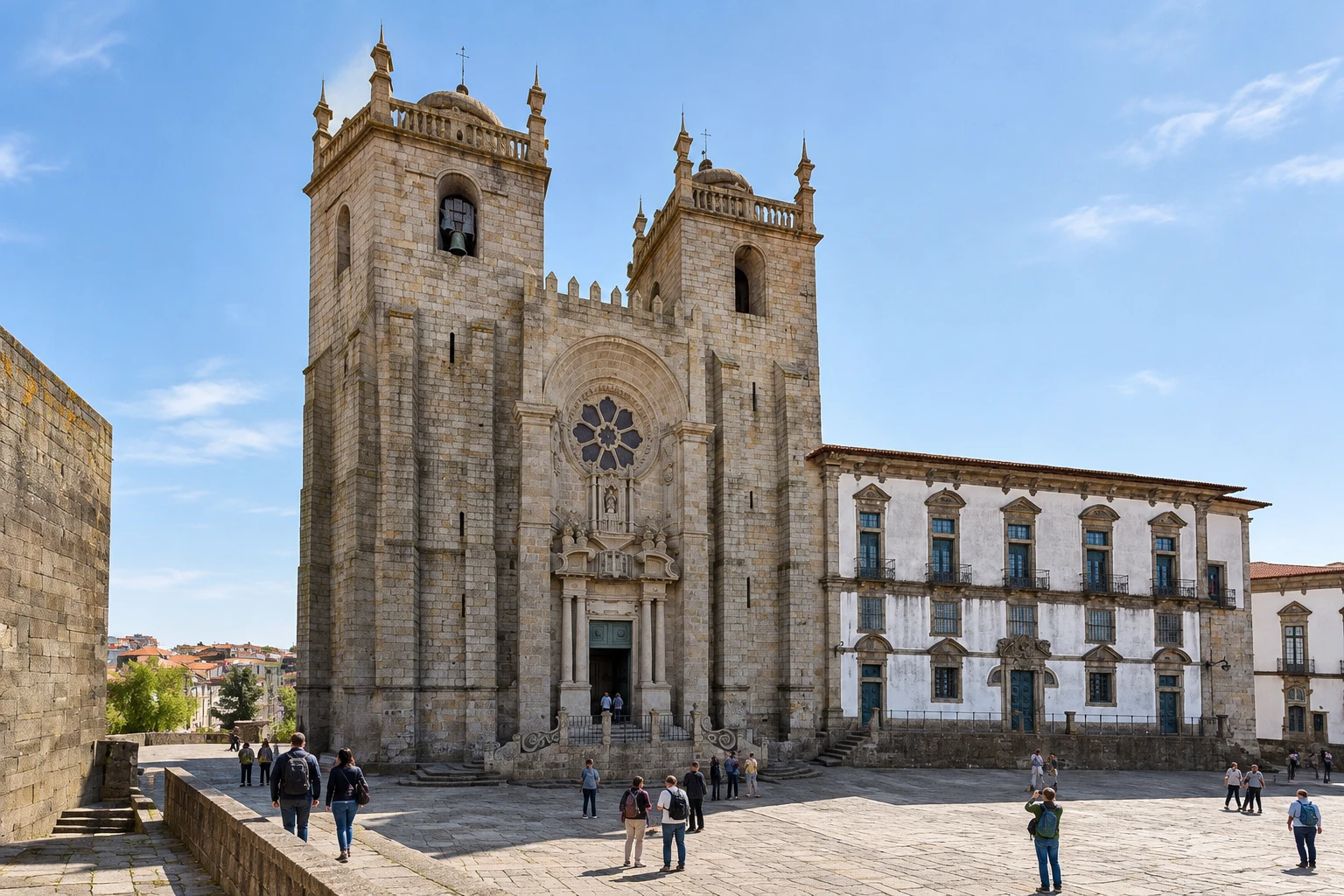
Romanesque cathedral from the 12th century atop the city’s oldest hill, with a fortress‑like appearance, a Gothic cloister covered in tiles and a square with views over the Ribeira and Gaia.
Headquarters of the Associação Comercial do Porto, built from 1842 on the site of an old convent, with decorated rooms and the Salão Árabe, inspired by the Alhambra. Visits are only with a guide.
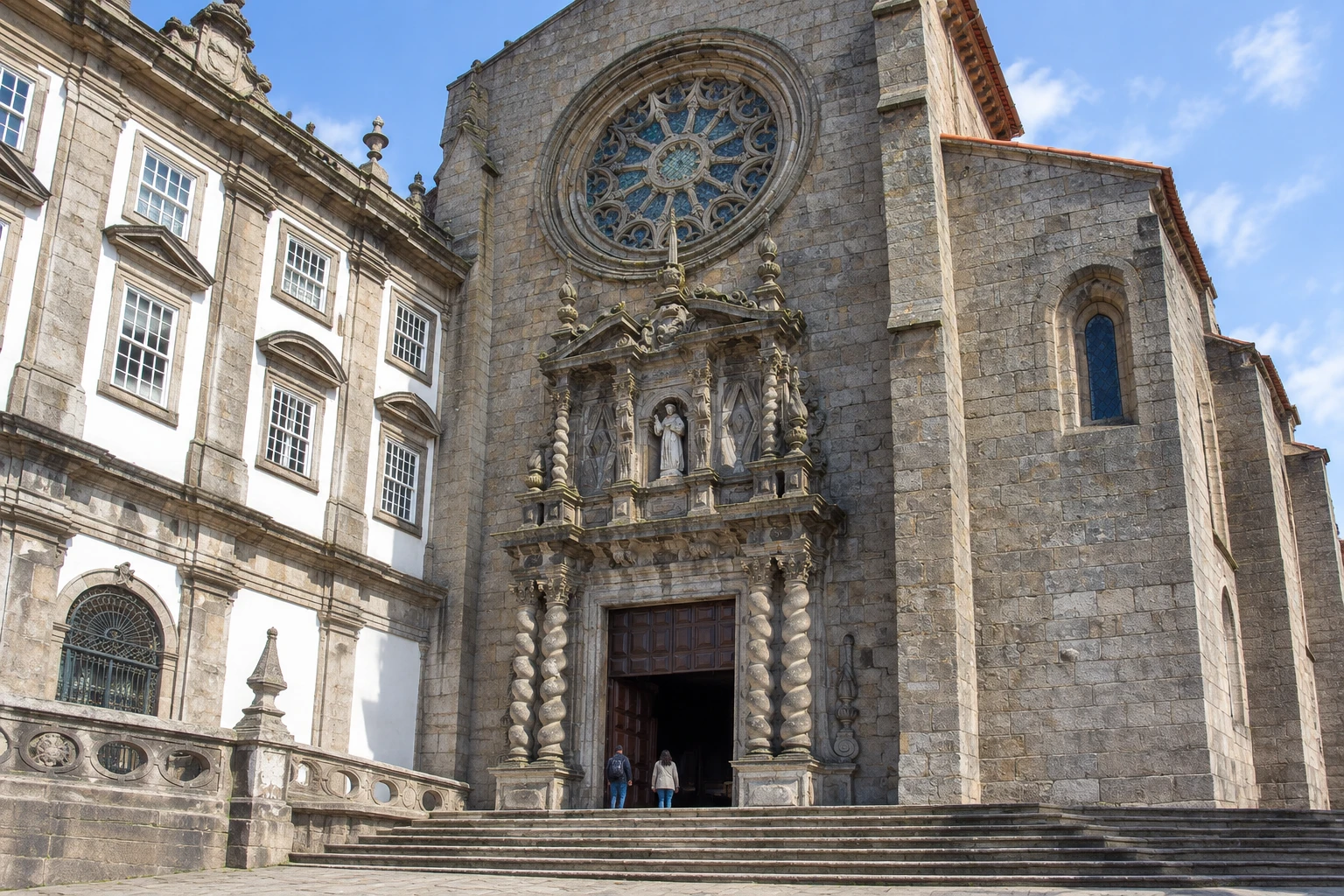
Gothic church from the 14th century that hides one of the richest Baroque interiors in Portugal, covered in gilded woodwork, featuring a carved Tree of Jesse. Beneath the church there are catacombs that can be visited.
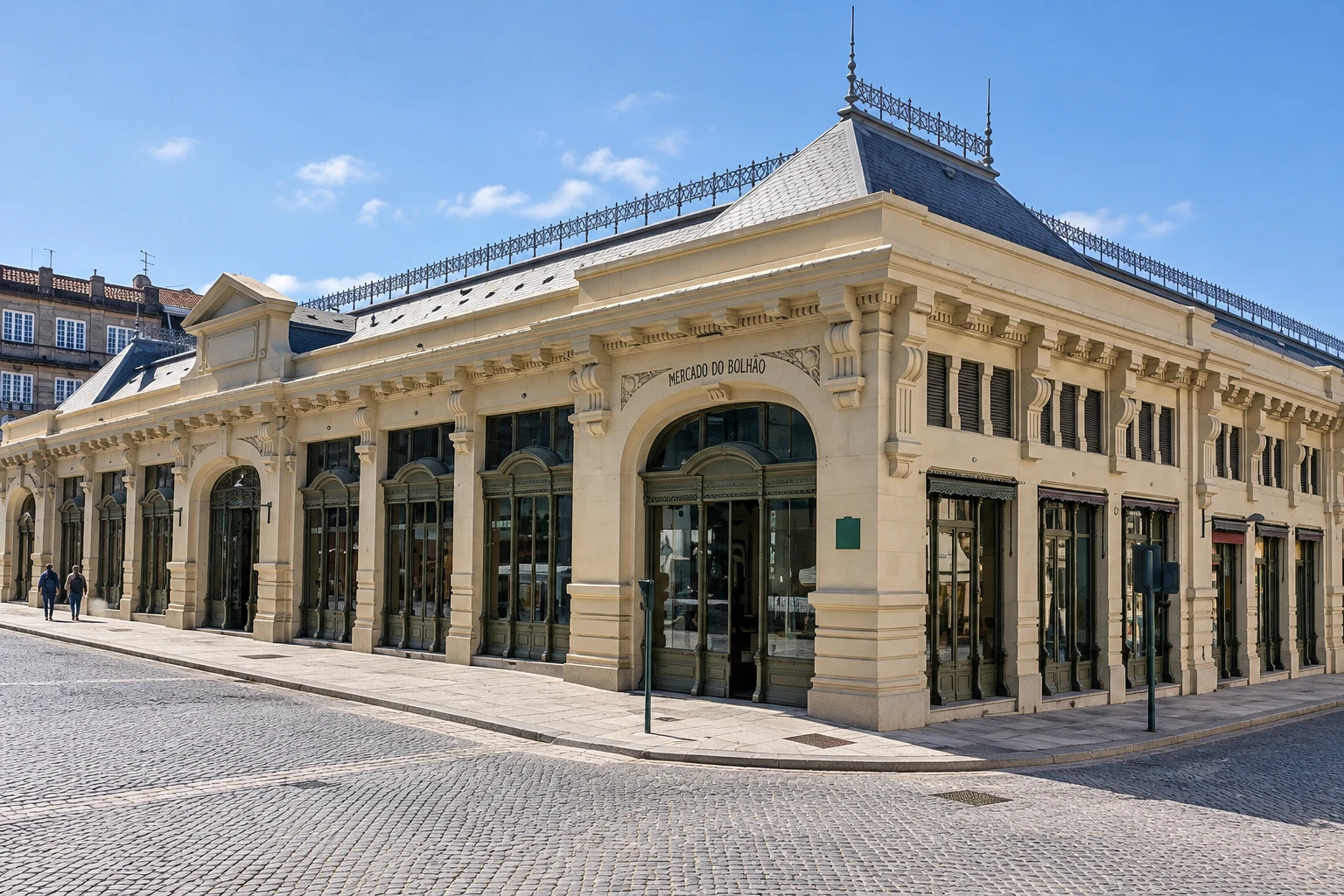
Traditional market of Porto, in an early 20th-century building with two floors around a courtyard, where fruits, fish, meat, flowers, cheeses and regional products are sold.
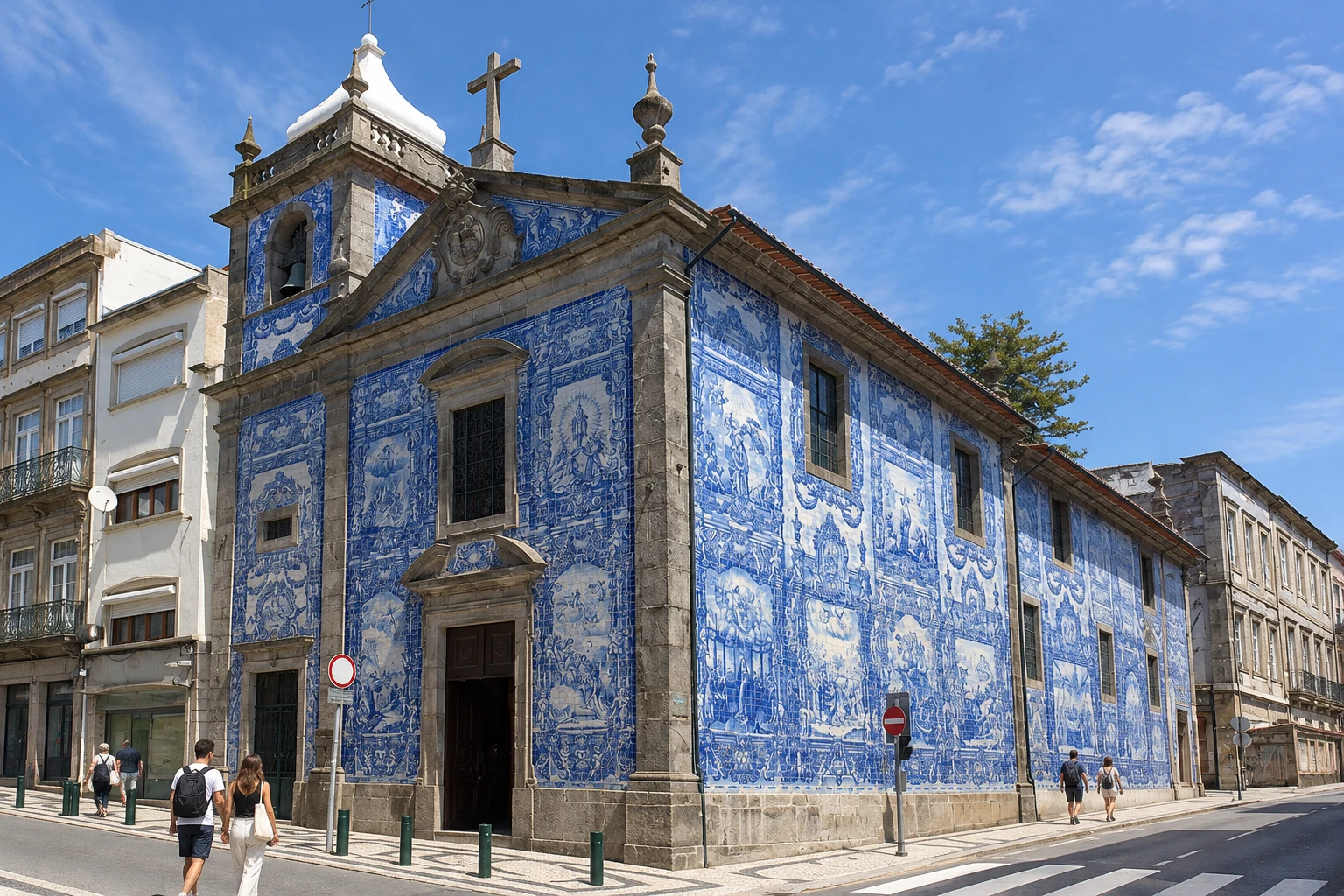
18th-century chapel whose façade and side are covered by about 15,000 blue and white tiles from 1929, depicting scenes from the lives of São Francisco and Santa Catarina. It is on Rua de Santa Catarina.
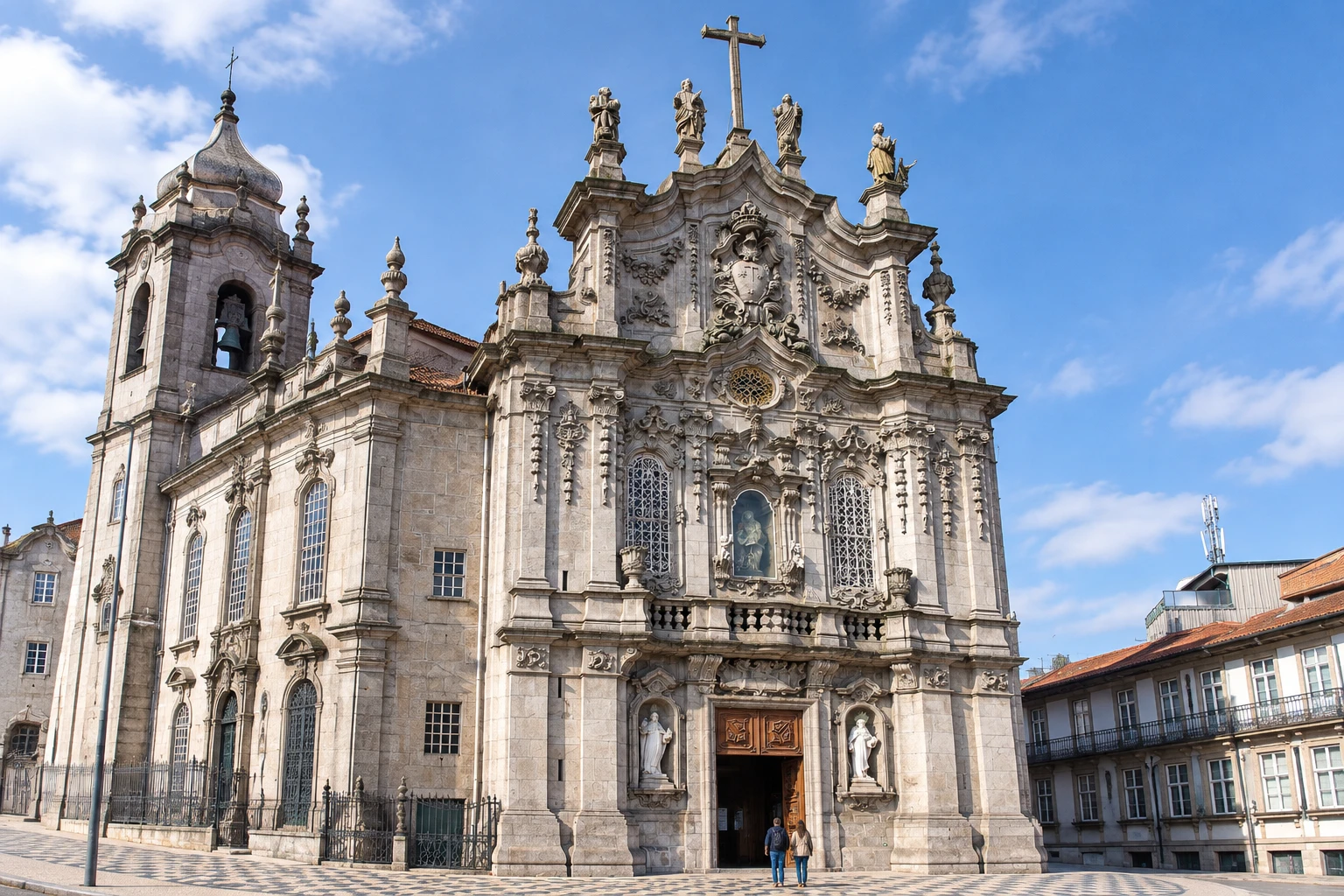
Two neighboring churches from the 17th and 18th centuries separated by a narrow house about one meter wide. The side of the Igreja do Carmo features a large tile panel from 1912.
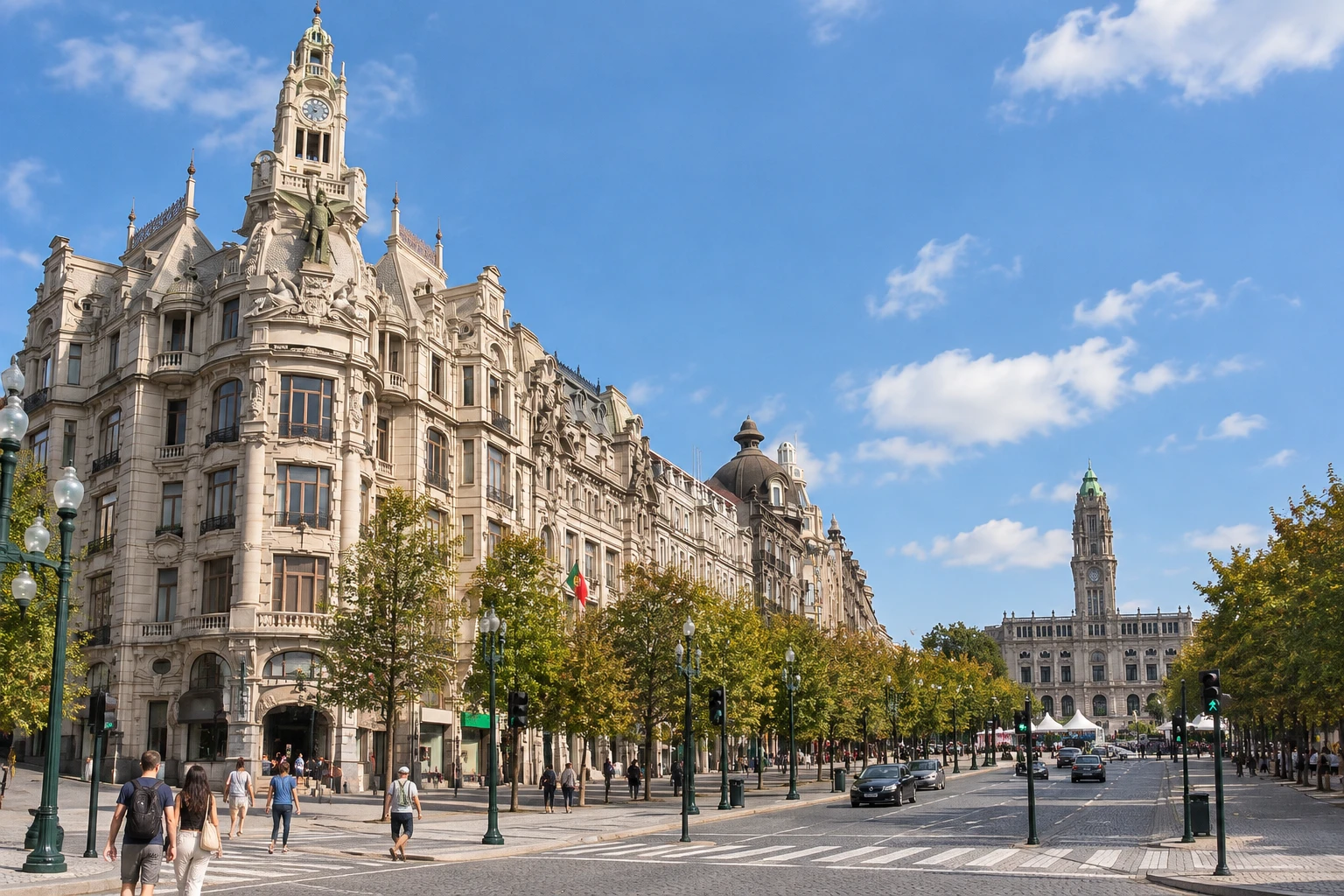
The main avenue in central Porto, flanked by early 20th-century buildings and crowned by the Câmara Municipal with a tower of about 70 meters. It is the setting for the city's festivals and celebrations.
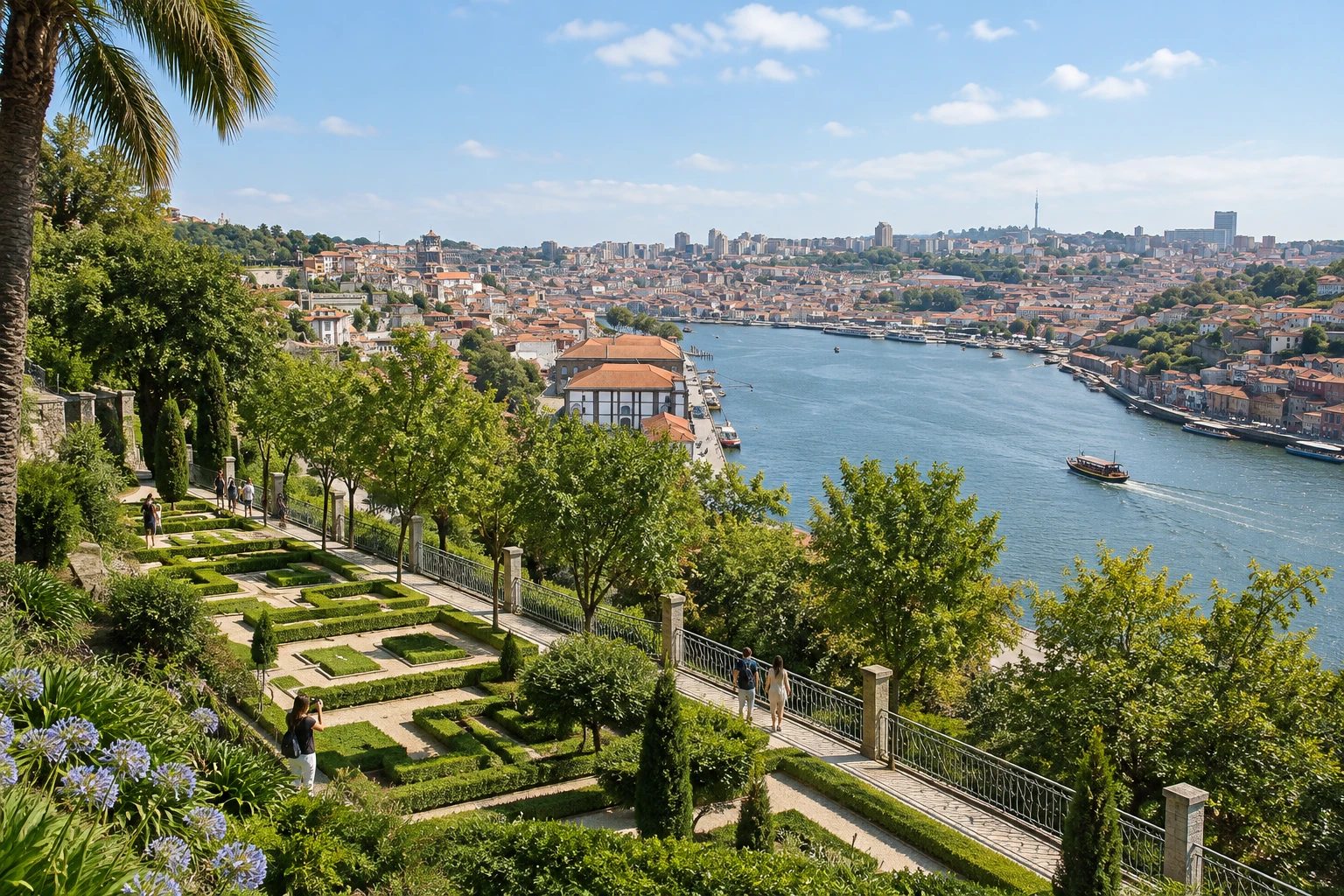
Romantic 19th-century garden on the top of a slope above the Douro, with free-roaming peacocks, tree-lined paths, rose beds and viewpoints over the river and Gaia.
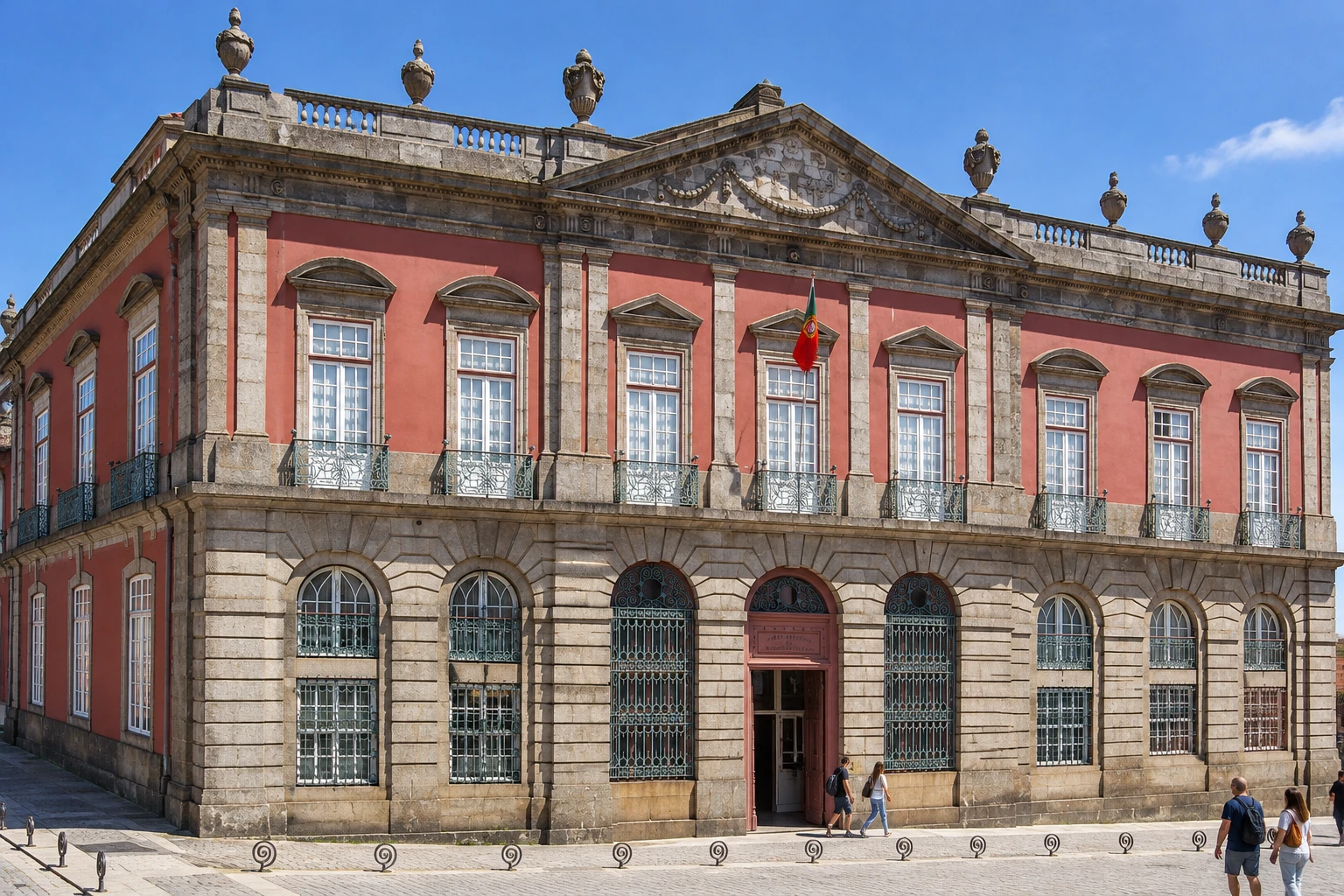
The first public art museum in Portugal, founded in 1833 at the Palácio dos Carrancas. It houses 19th-century Portuguese painting and sculpture, with emphasis on the sculptor António Soares dos Reis.
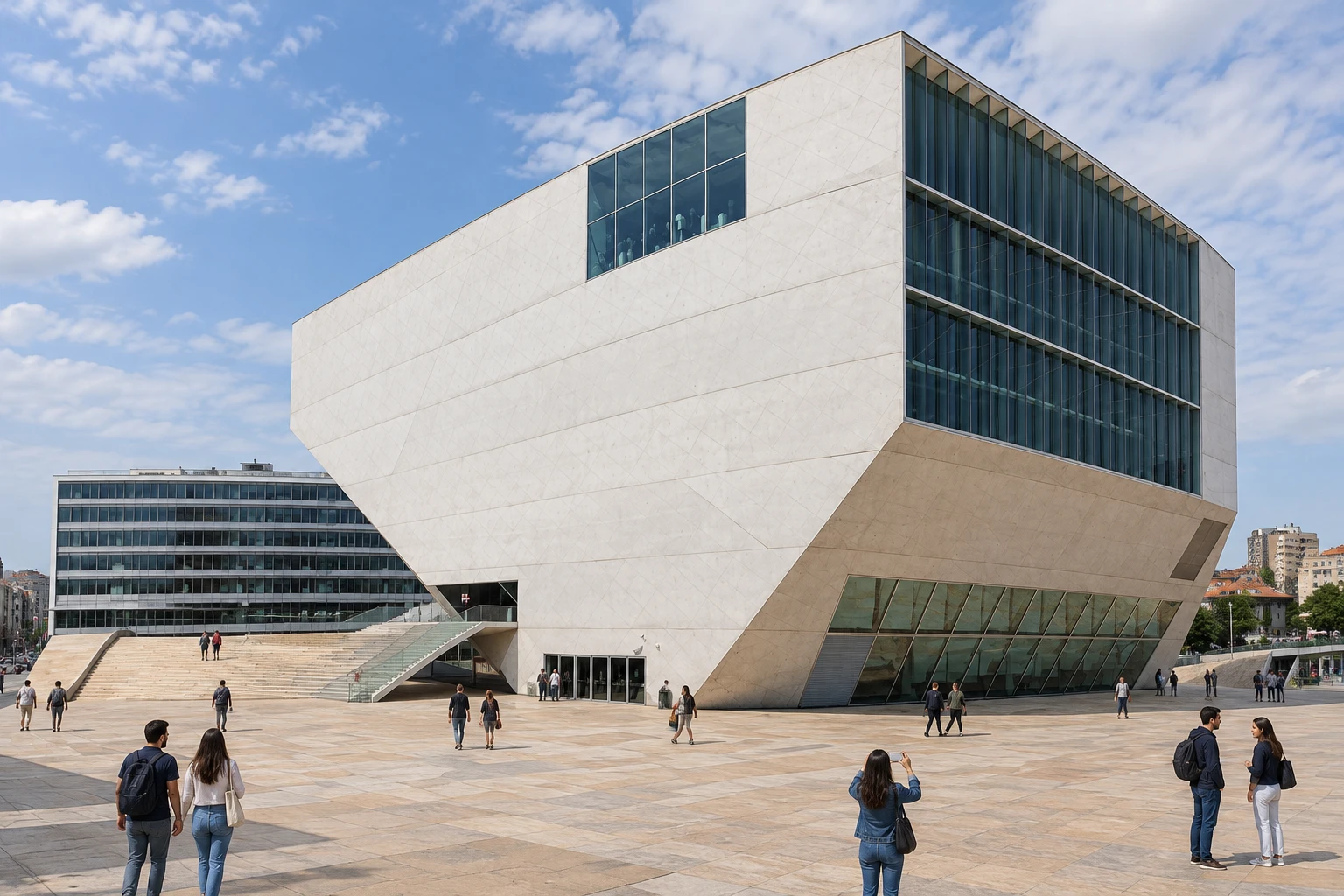
Concert hall with angular white concrete forms, designed by the Dutch architect Rem Koolhaas and opened in 2005, offering guided tours and a program of classical, jazz and pop music.
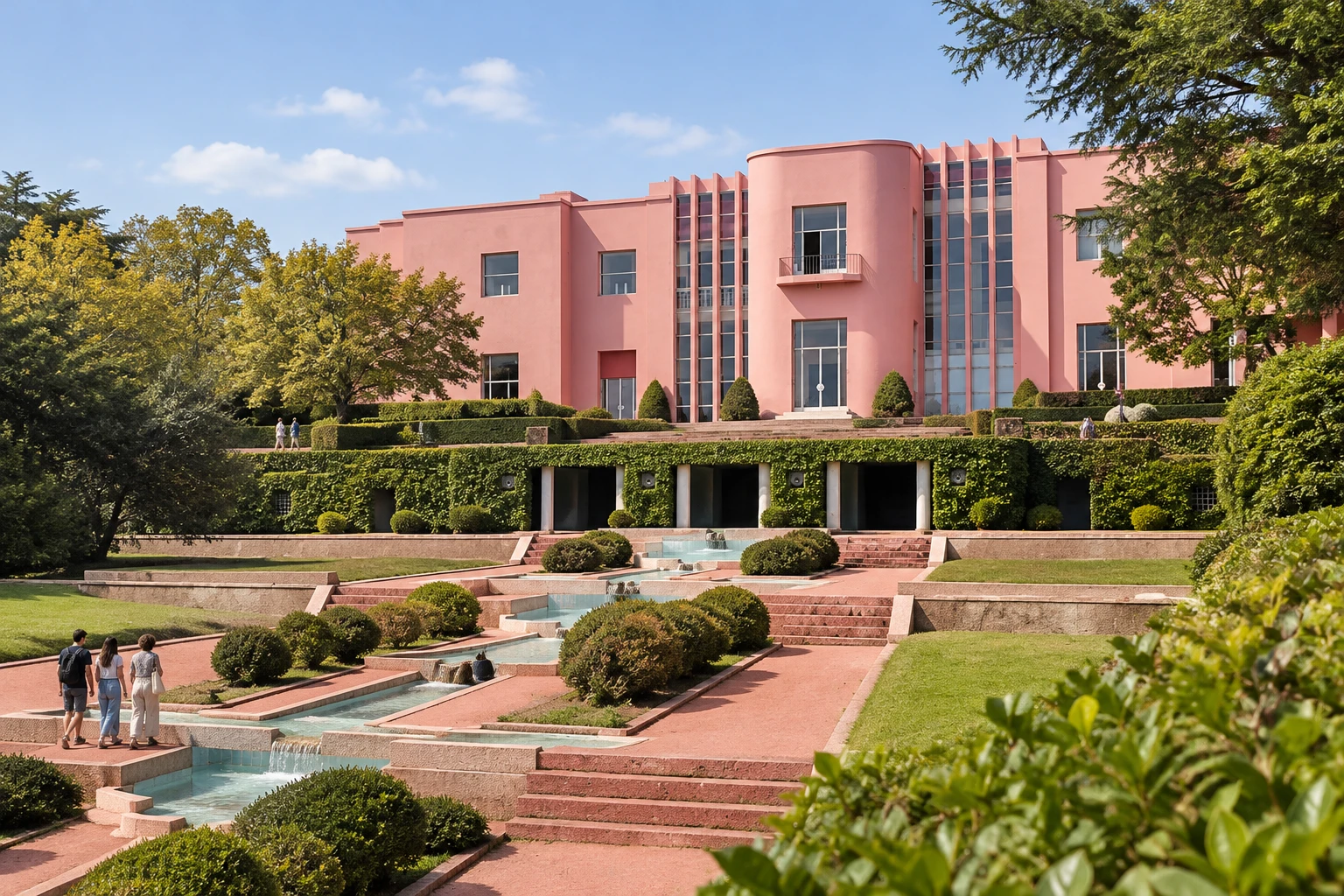
Contemporary art museum designed by Álvaro Siza, a pink art déco house and an 18-hectare park with gardens, lakes, a farm and a treetop walkway.
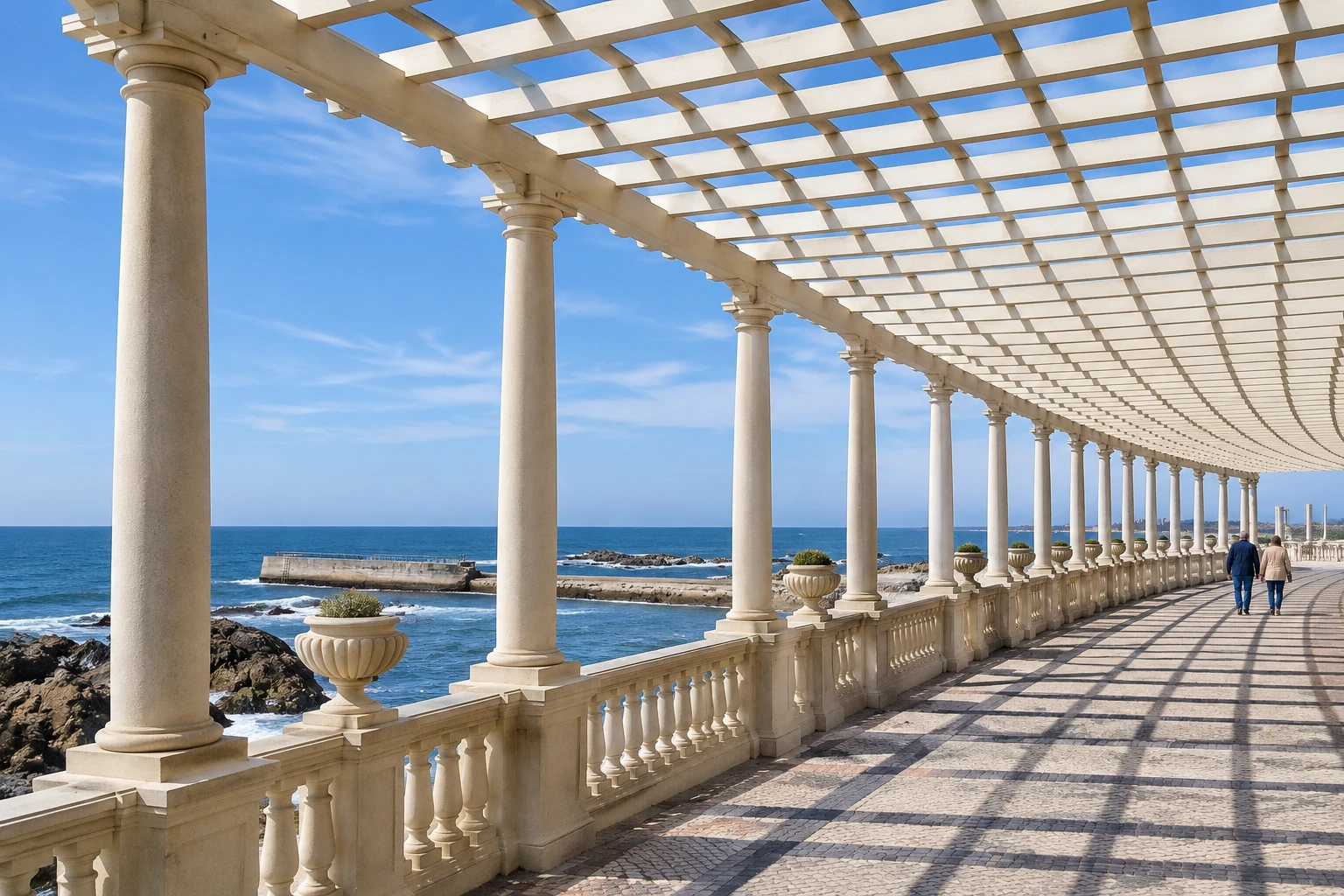
Neighborhood where the Douro meets the Atlantic, with the Jardim do Passeio Alegre, the farolim de Felgueiras, the pérgola da Foz and a stretch of beaches and esplanadas that continues to Matosinhos.
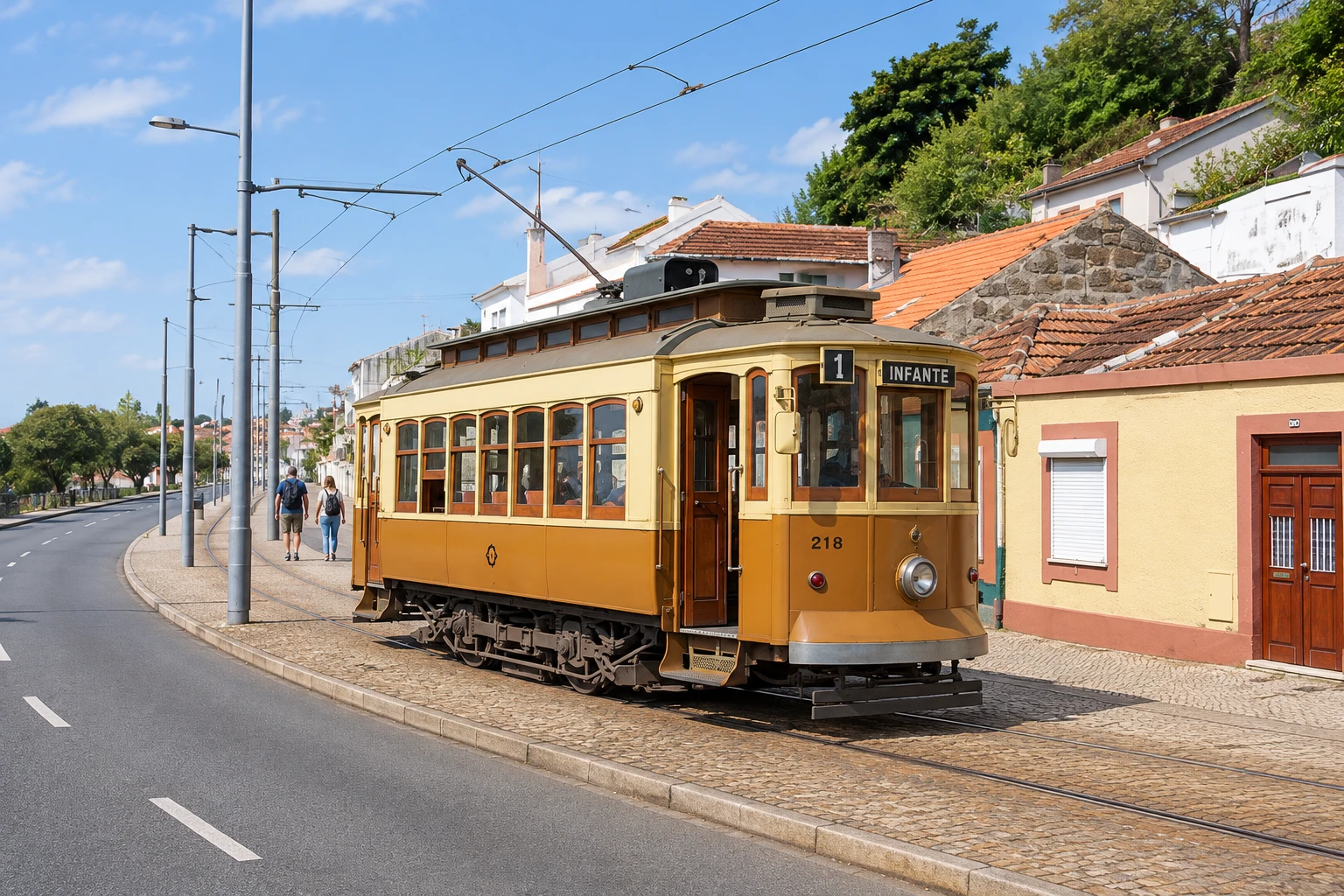
Historic tram line that connects Infante, near the Ribeira, to Foz do Douro along the riverbank, operating old wooden cars. The Museu do Carro Elétrico is along the route.
To choose before you go
The details of each tour (where it leaves from, what it includes, the best time) are in the complete guide.
Get your questions answered
The guide's itineraries cover 3, 5 and 7 days: in 3 days, historic center, Gaia and the river; in 5 days, city, Foz, Serralves and Guimarães; in 7 days, city, coast, Braga, Aveiro and the Douro Valley.
Arrival, Ribeira and Luís I Bridge. The overnight flight from Brazil usually arrives in the morning; those coming with a connection or from Lisbon arrive later. Drop your bags and start light: São Bento Station to see the tiles and walk down to the Ribeira and the Cais da Ribeira. In the late afternoon, cross the Luís I Bridge on the upper deck and watch the sunset at Jardim do Morro in Gaia. Take the cable car down to Cais de Gaia and return on the lower deck.
It generally rains less from June to August. The rainiest months are usually from October to January. The guide covers each month, with the weather and what changes on the tours.
To plan