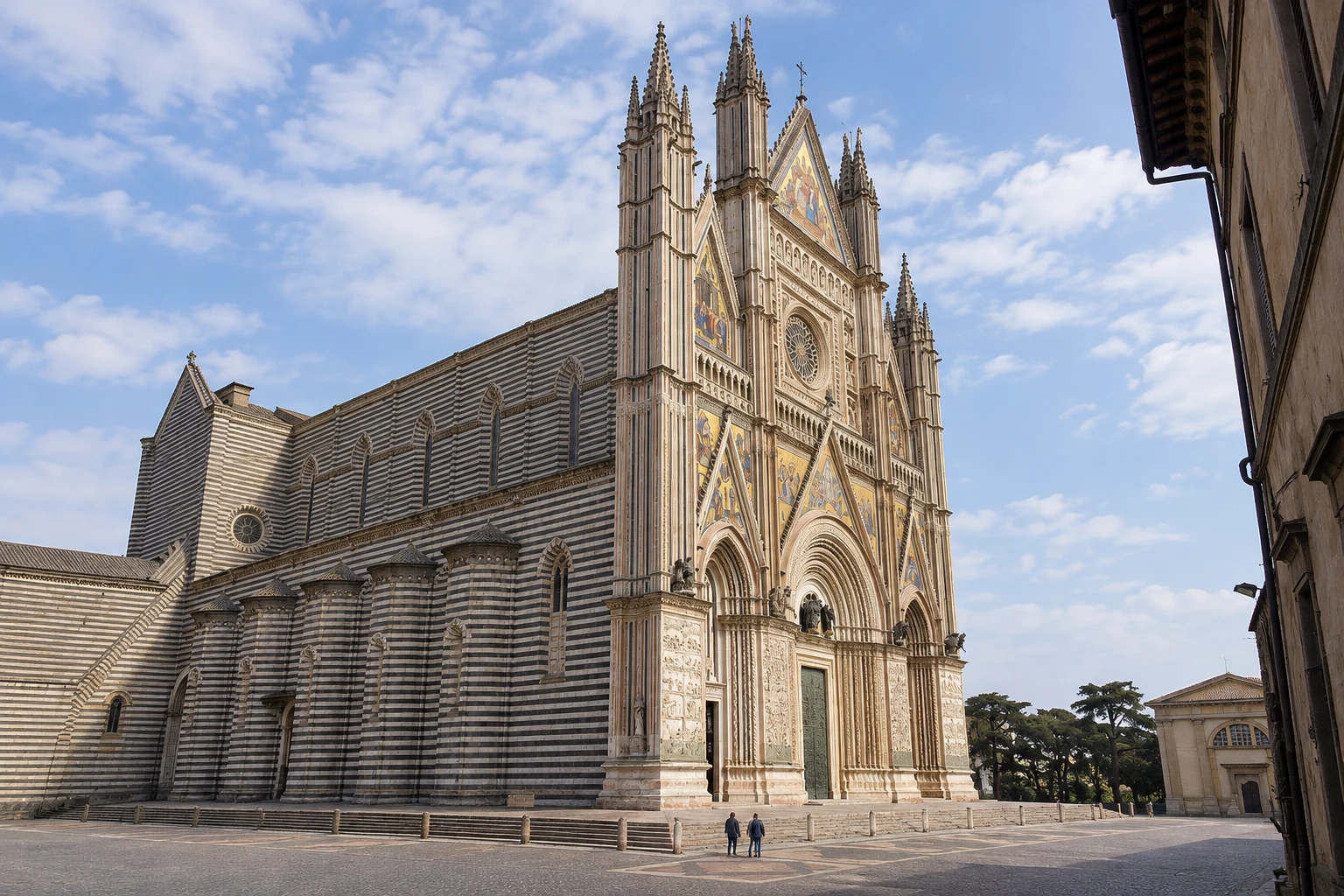
Orvieto Cathedral · OrvietoGothic cathedral begun in 1290, with a façade of golden mosaics and reliefs by Lorenzo Maitani, the Cappella di San Brizio painted by Luca Signorelli and the relic of the miracl...
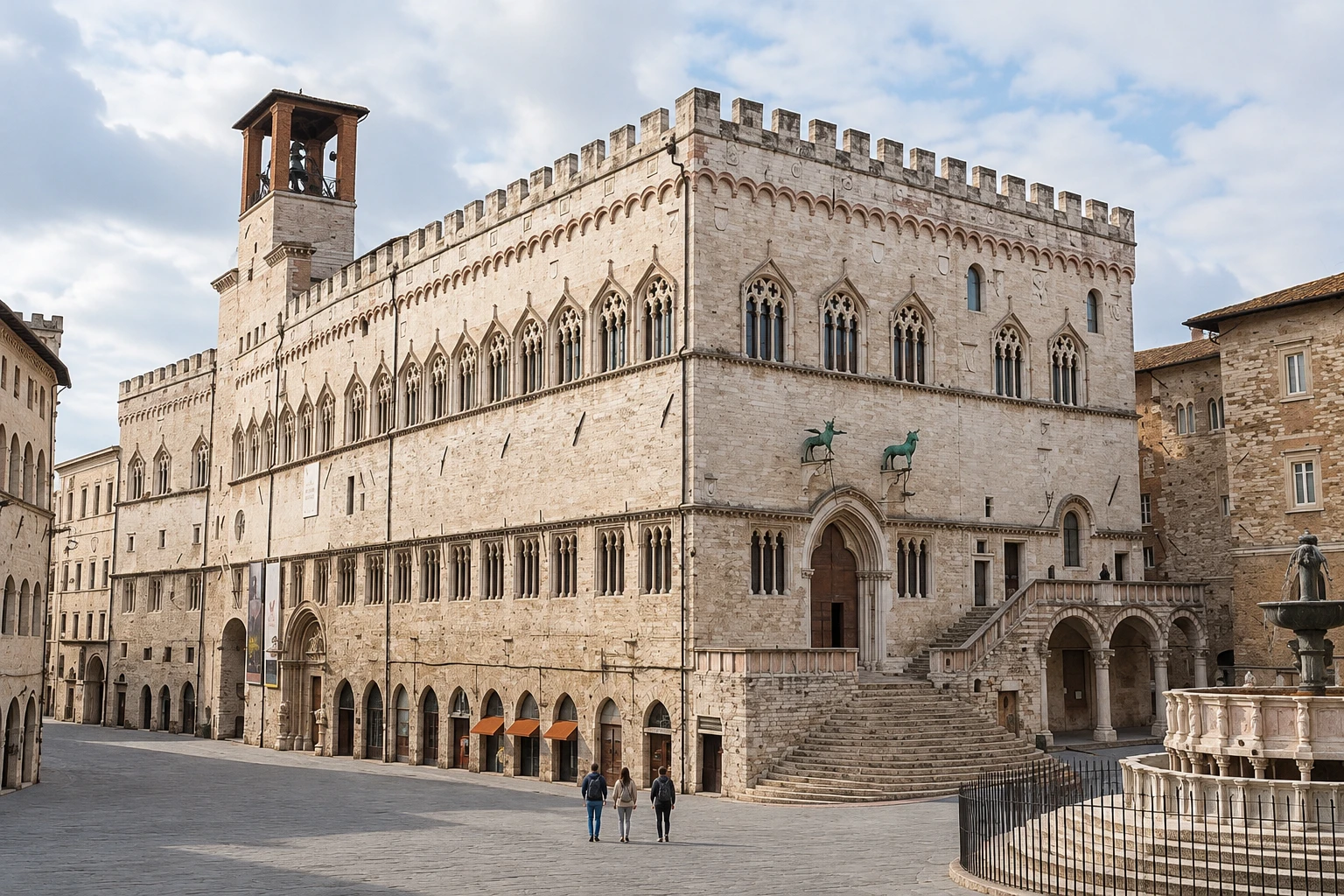
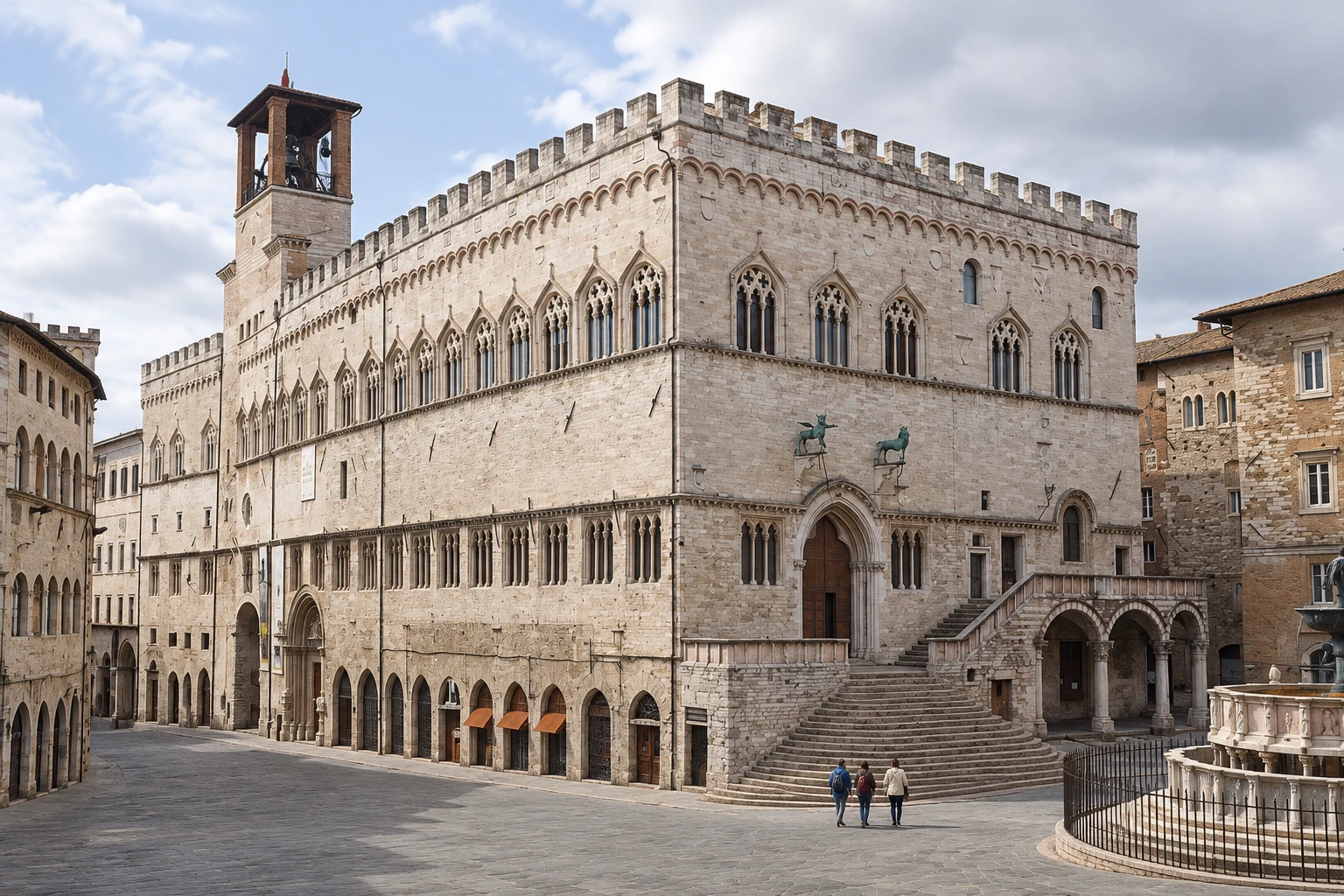
Palazzo dei Priori · PerugiaGothic palace of medieval government in Perúgia, between Piazza IV Novembre and Corso Vannucci.
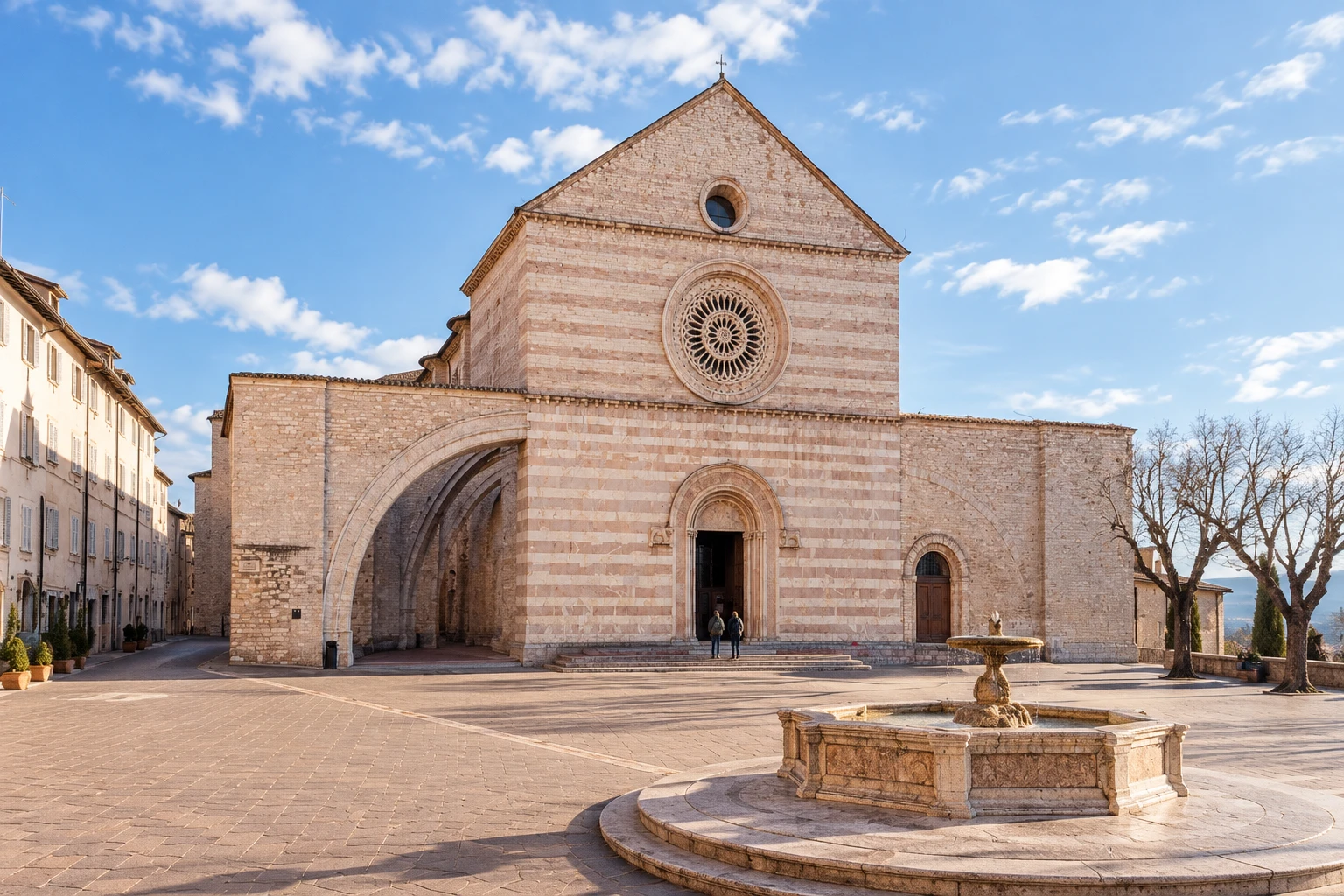
Basilica of Saint Clare · AssisiGothic church of pink and white stone from Monte Subasio, with Saint Clare's tomb in the crypt and the crucifix of San Damiano, which according to tradition spoke to St.
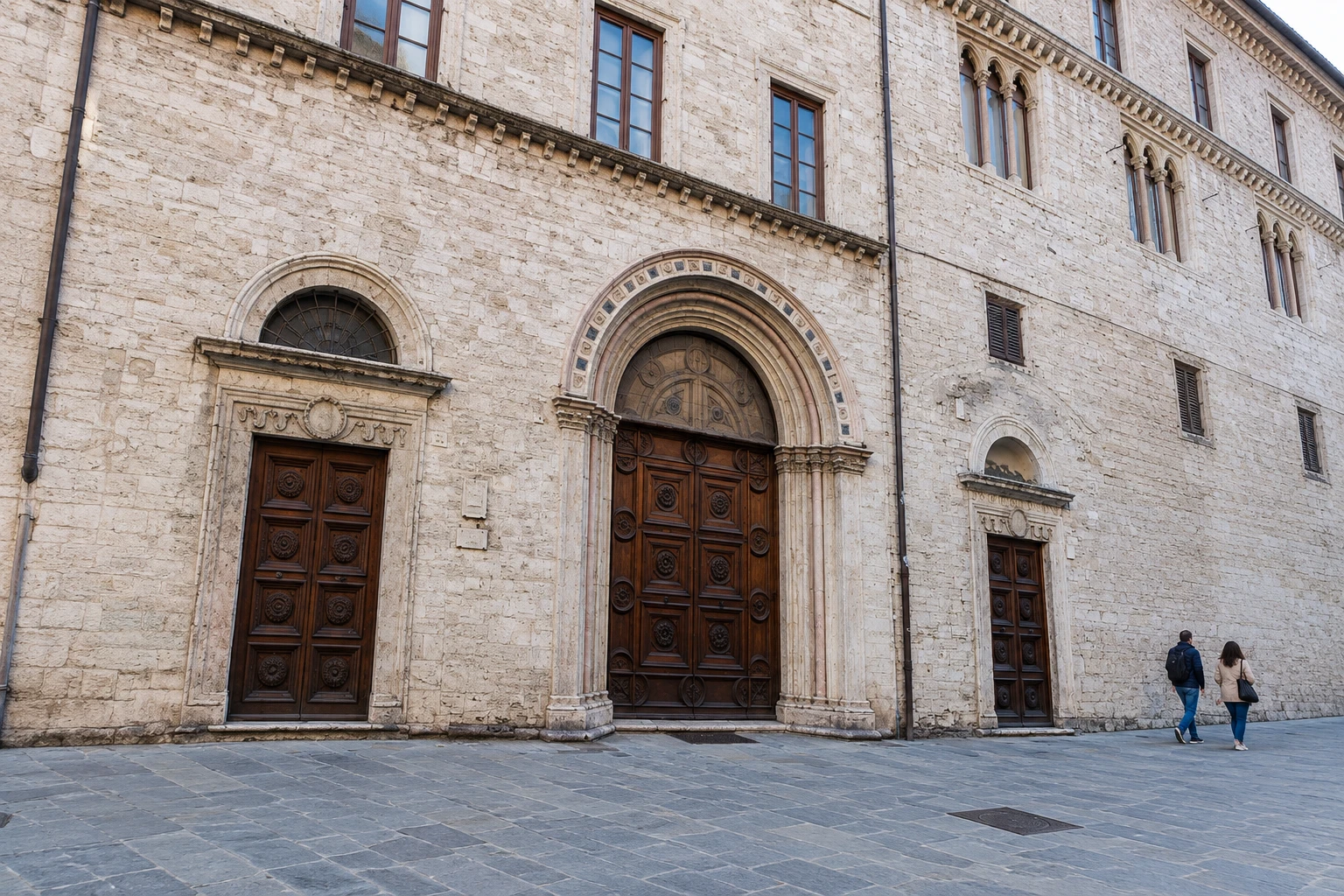
National Gallery of Umbria · PerugiaThe main art museum of Úmbria, in the Palazzo dei Priori, with paintings from the 13th to the 19th century: Perugino, Pinturicchio, Piero della Francesca, Beato Angelico and Duc...
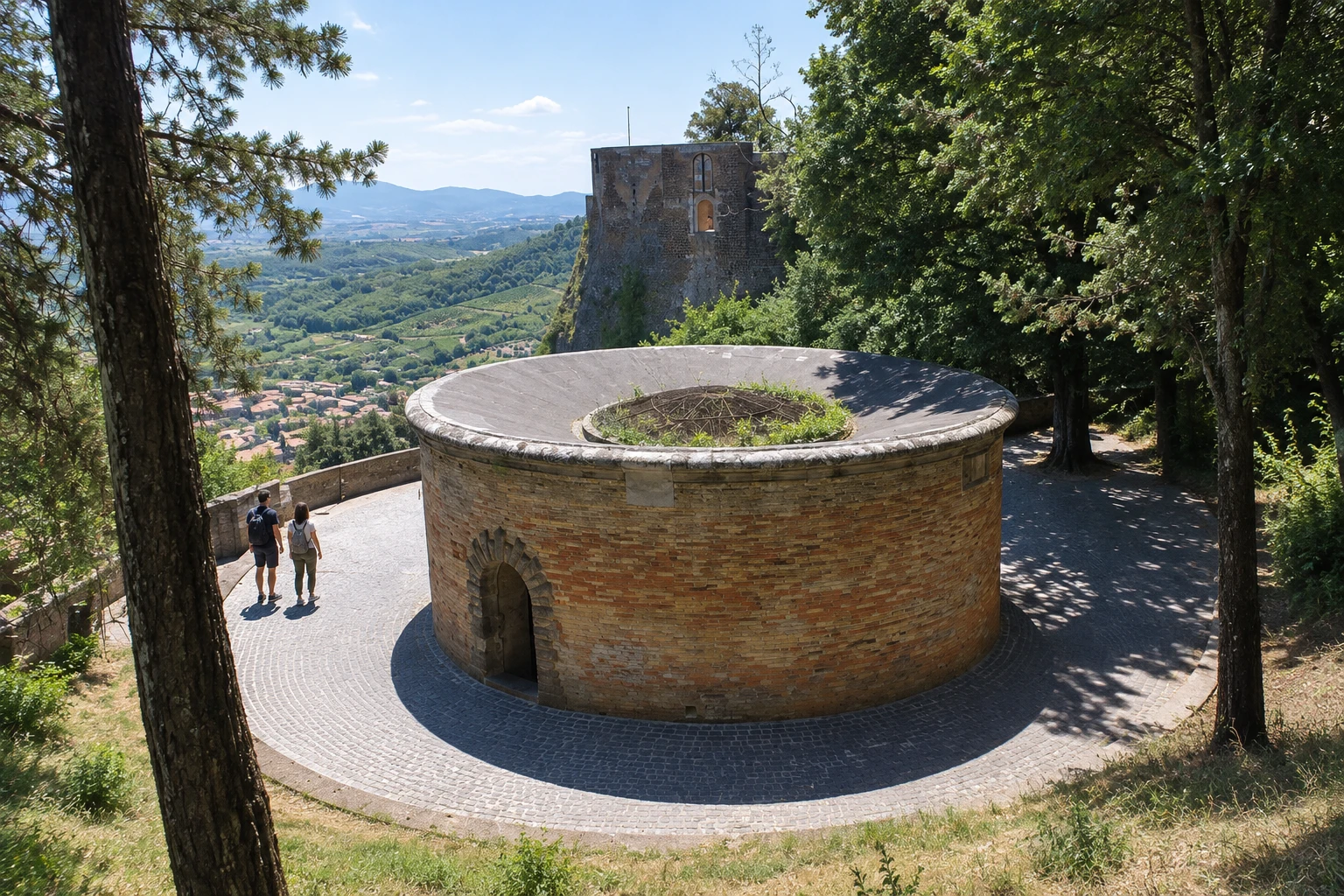
St. Patrick's Well · OrvietoRenaissance well 54 metres deep excavated in the tuff by order of Pope Clement VII, with two spiral staircases that do not cross, lit by 72 windows.
Collegio del Cambio · PerugiaHeadquarters of Perúgia's former bankers, in the Palazzo dei Priori, with the Sala delle Udienze entirely painted by Perugino around 1500, including a self-portrait of the artist.
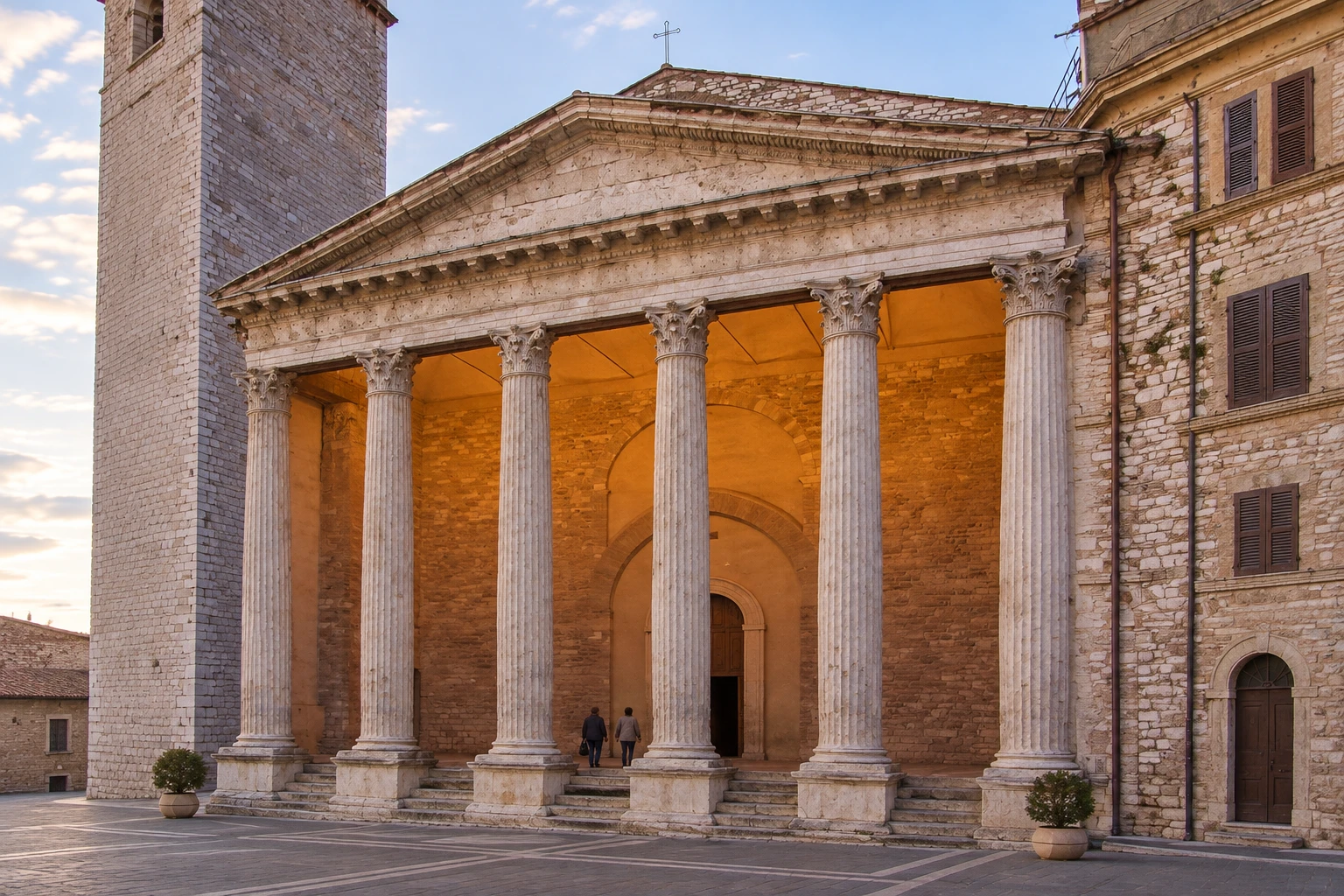
Temple of Minerva · AssisiRoman temple from the 1st century BC on the Piazza del Comune, with six intact Corinthian columns on the façade.
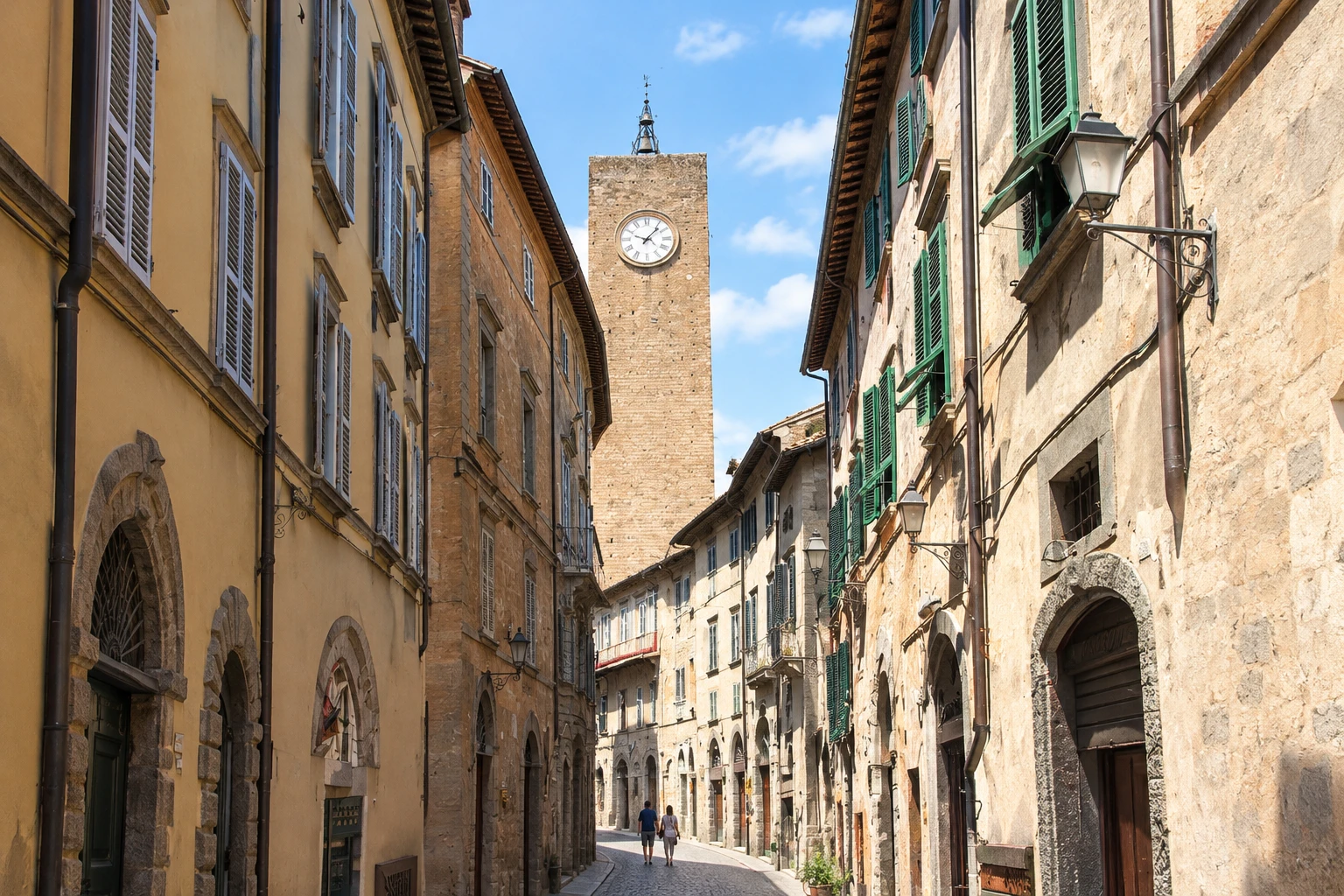
Torre del Moro · OrvietoCivic tower of 47 meters, with an elevator on the first section, at the junction of Orvieto's main streets, with a clock and bell.
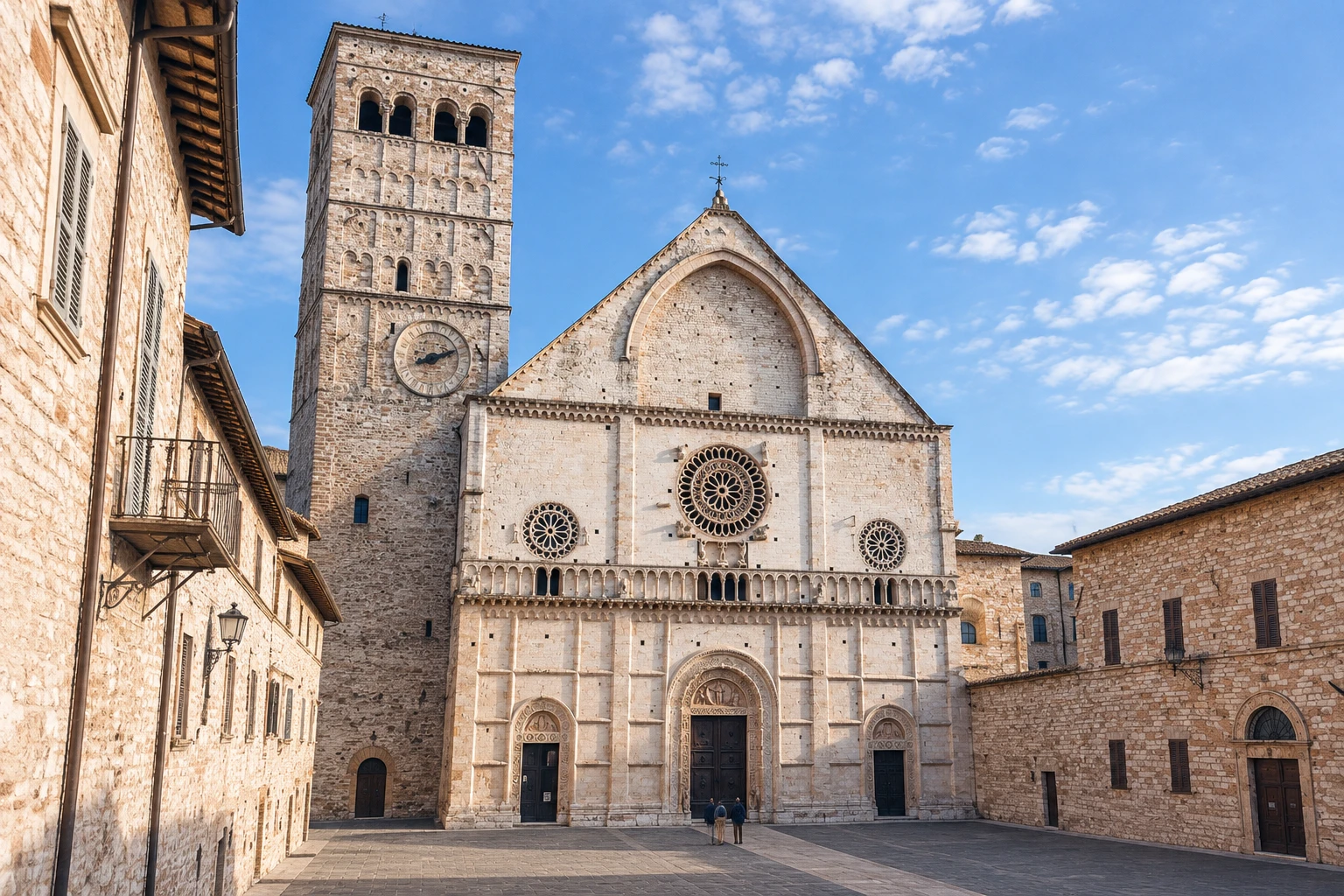
Cathedral of San Rufino · AssisiCathedral of Assis, with a Romanesque façade of three rose windows and the font where, according to tradition, Saint Francis and Saint Clare were baptized.
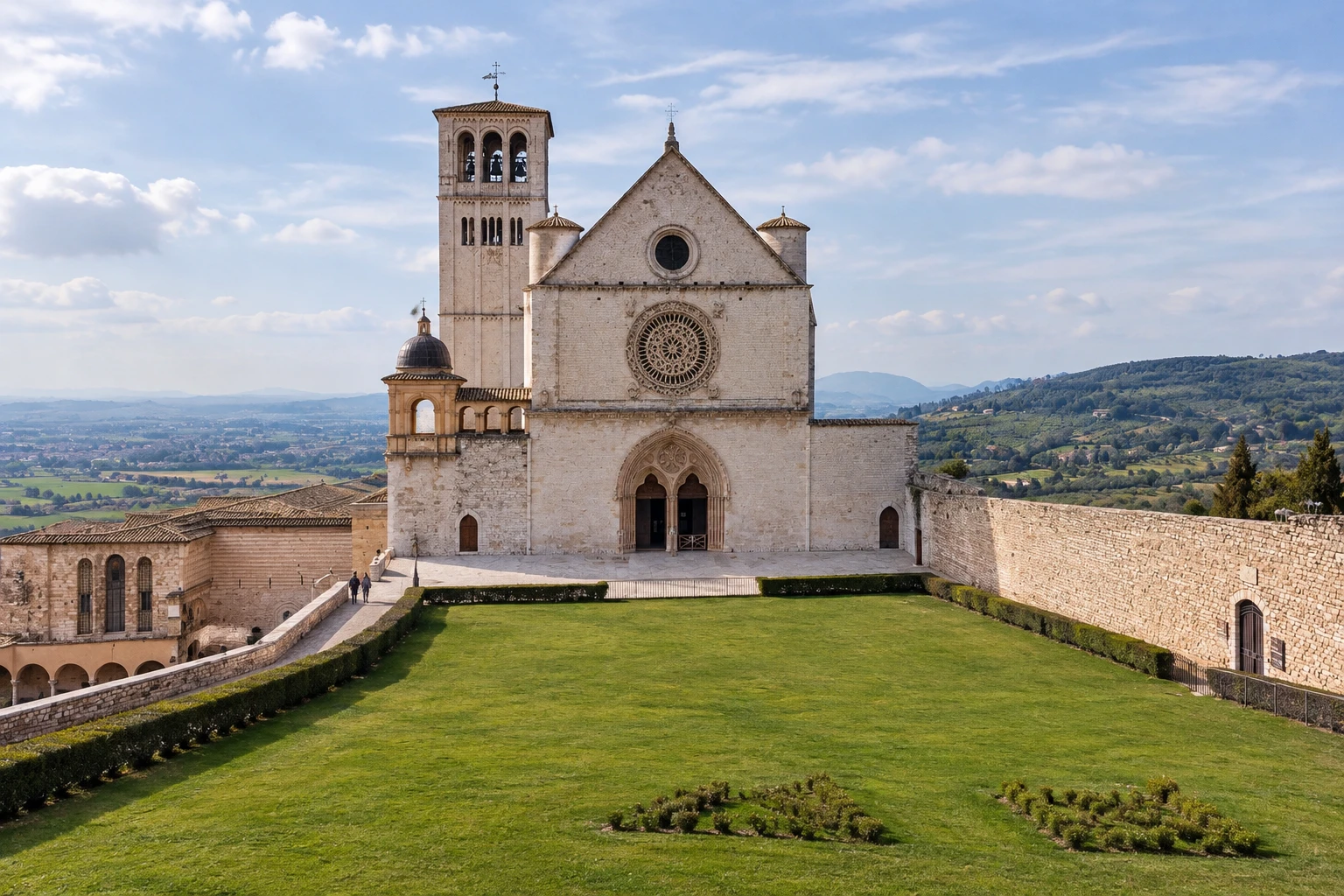
Sanctuary housing the tomb of St. Francis, with two superimposed churches: the upper one, with the cycle of the saint's life attributed to Giotto, and the lower one, with frescoes by Cimabue, Simone Martini and Pietro Lorenzetti.
Gothic cathedral begun in 1290, with a façade of golden mosaics and reliefs by Lorenzo Maitani, the Cappella di San Brizio painted by Luca Signorelli and the relic of the miracle of Bolsena.
Gothic palace of medieval government in Perúgia, between Piazza IV Novembre and Corso Vannucci. It houses the Sala dei Notari, the Galleria Nazionale dell'Umbria and the Collegio del Cambio.
Gothic church of pink and white stone from Monte Subasio, with Saint Clare's tomb in the crypt and the crucifix of San Damiano, which according to tradition spoke to St. Francis.
The main art museum of Úmbria, in the Palazzo dei Priori, with paintings from the 13th to the 19th century: Perugino, Pinturicchio, Piero della Francesca, Beato Angelico and Duccio.
Headquarters of Perúgia's former bankers, in the Palazzo dei Priori, with the Sala delle Udienze entirely painted by Perugino around 1500, including a self-portrait of the artist.
Roman temple from the 1st century BC on the Piazza del Comune, with six intact Corinthian columns on the façade. Since the 16th century it has been the church of Santa Maria sopra Minerva.
Civic tower of 47 meters, with an elevator on the first section, at the junction of Orvieto's main streets, with a clock and bell. From the top you can see the whole town, the Duomo façade and the Paglia River valley.
Cathedral of Assis, with a Romanesque façade of three rose windows and the font where, according to tradition, Saint Francis and Saint Clare were baptized. It has a museum and an archaeological area.
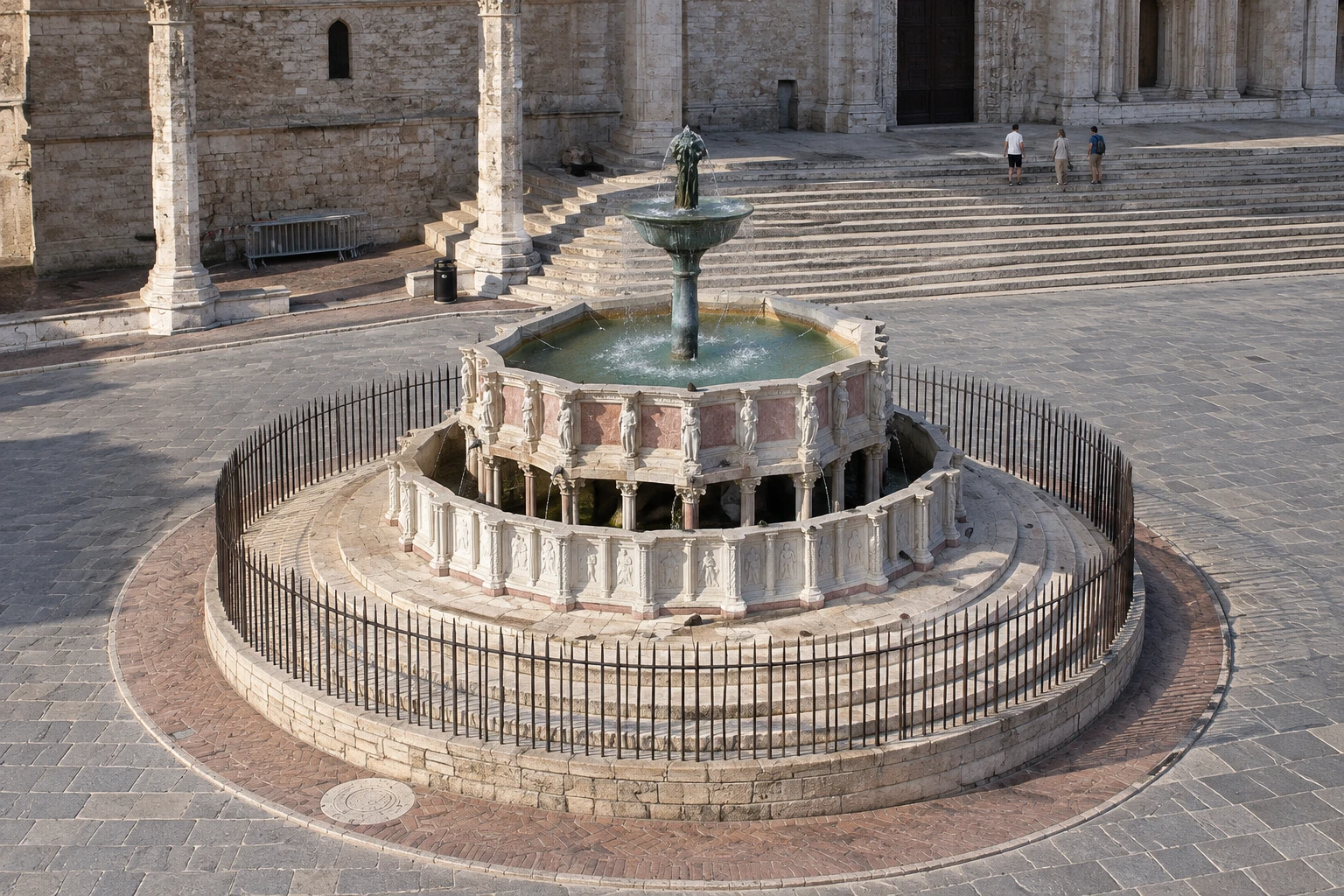
Medieval marble fountain in the center of the Piazza IV Novembre, a symbol of Perúgia, with reliefs by Nicola and Giovanni Pisano depicting the months, the arts and the history of the city.
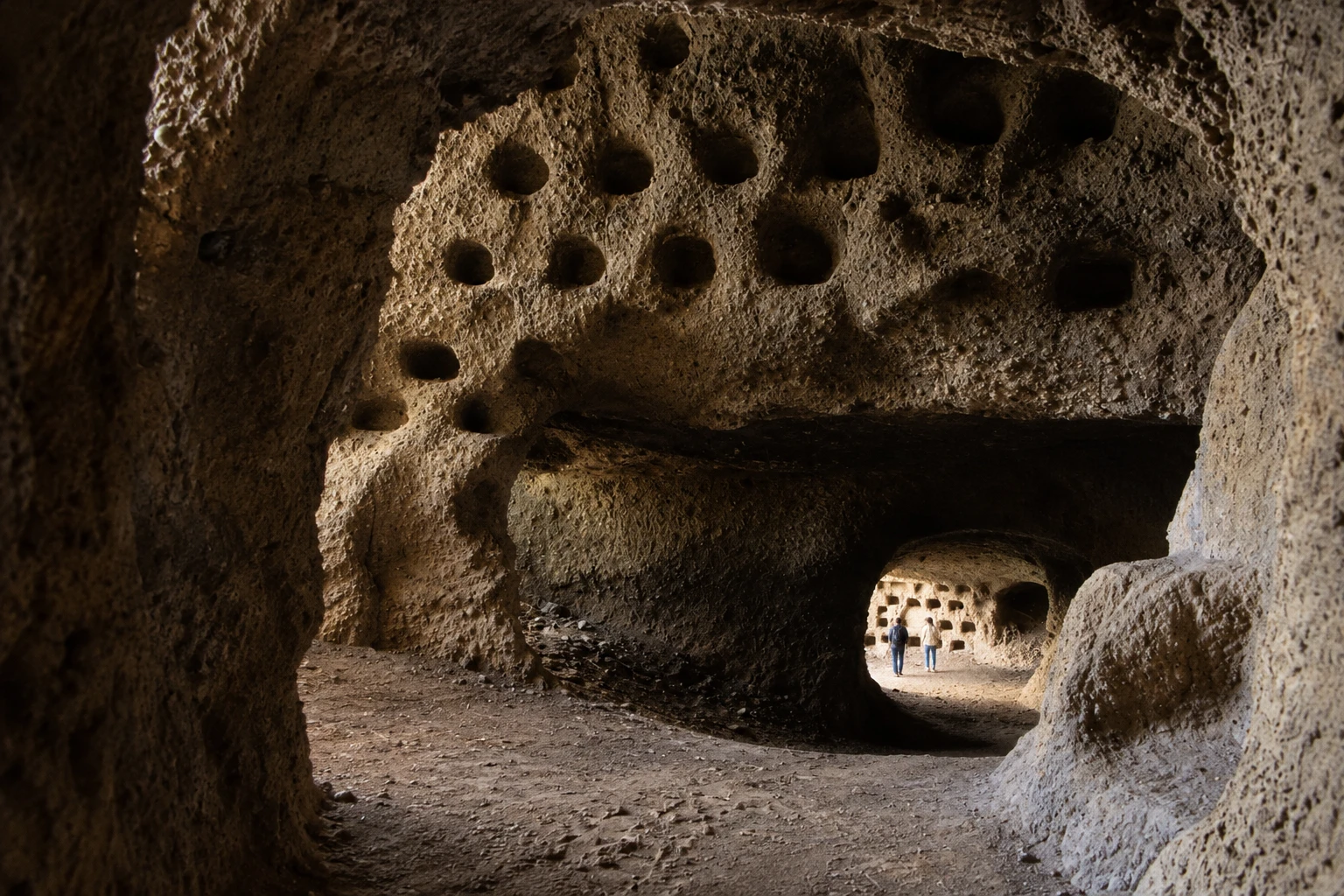
Guided tour of the caves excavated in the tuff beneath Orvieto over 2,500 years: Etruscan wells, an ancient olive press and medieval dovecotes opened into the cliff.
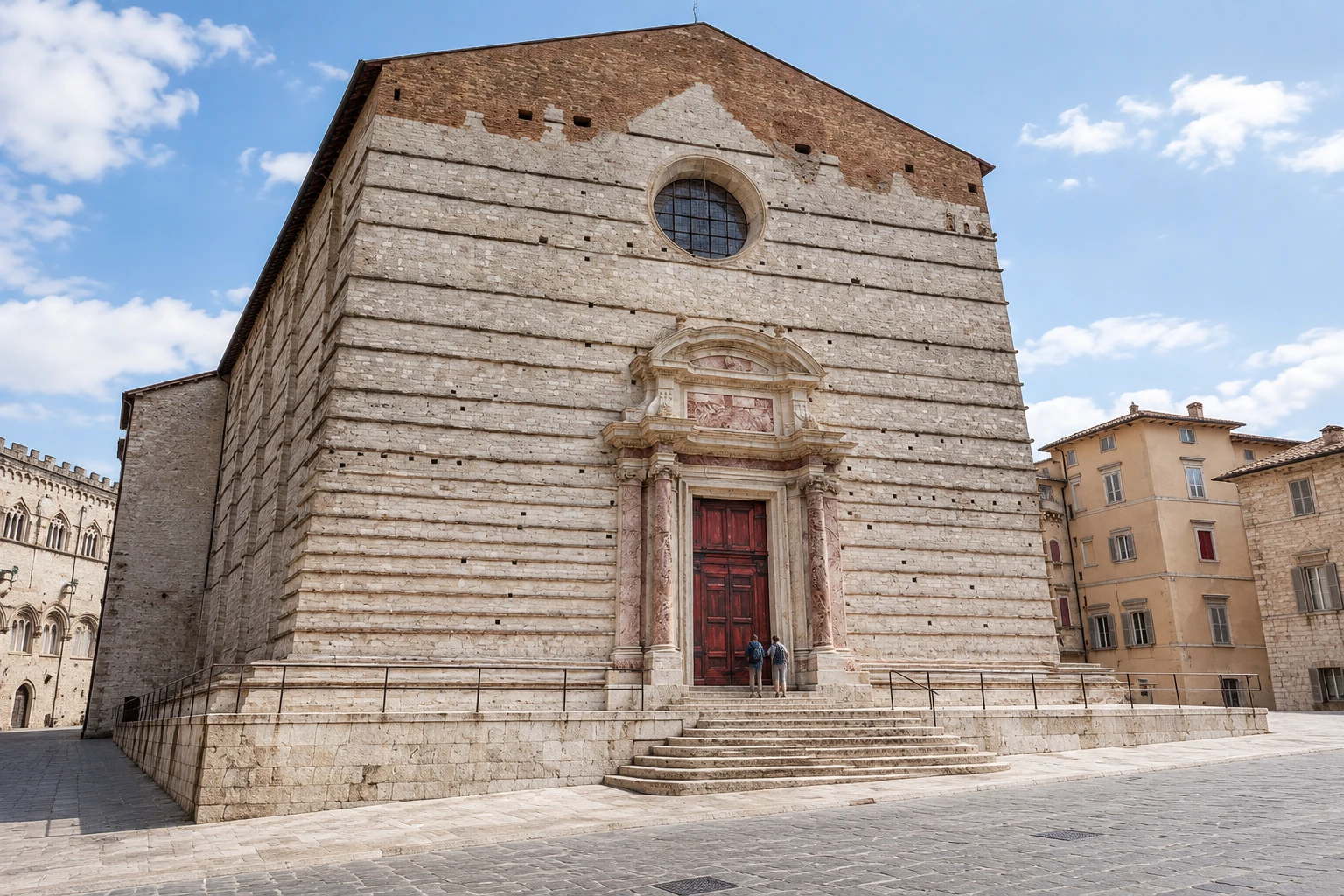
Gothic cathedral of Perúgia on the Piazza IV Novembre, with an unfinished pink-and-white marble side, the external pulpit of São Bernardino and the chapel of the Santo Anel.
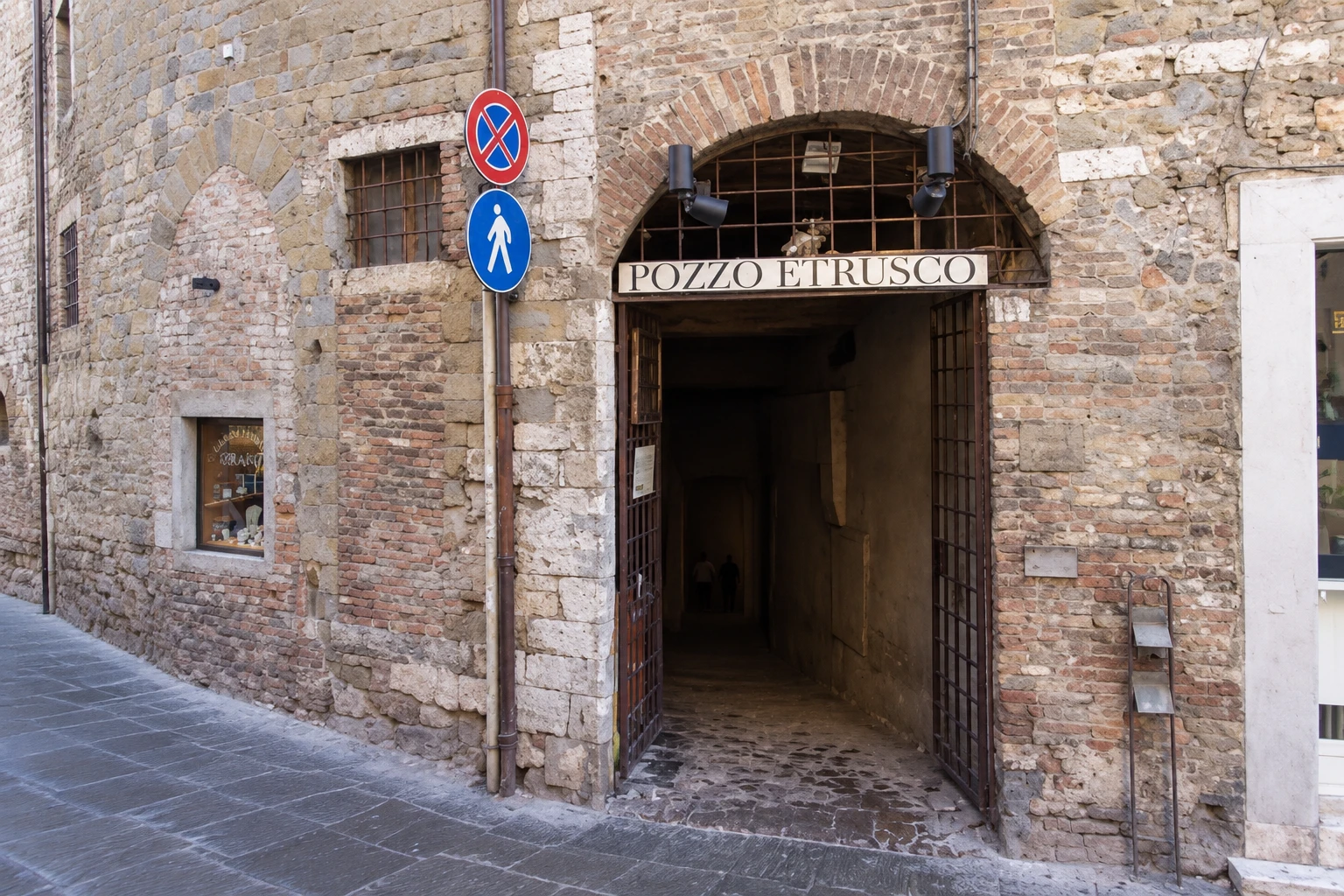
Etruscan-origin well 36 meters deep, reopened by Pope Clement VII and rediscovered in 1984, amid nine caves with a medieval pottery kiln and Etruscan remains.
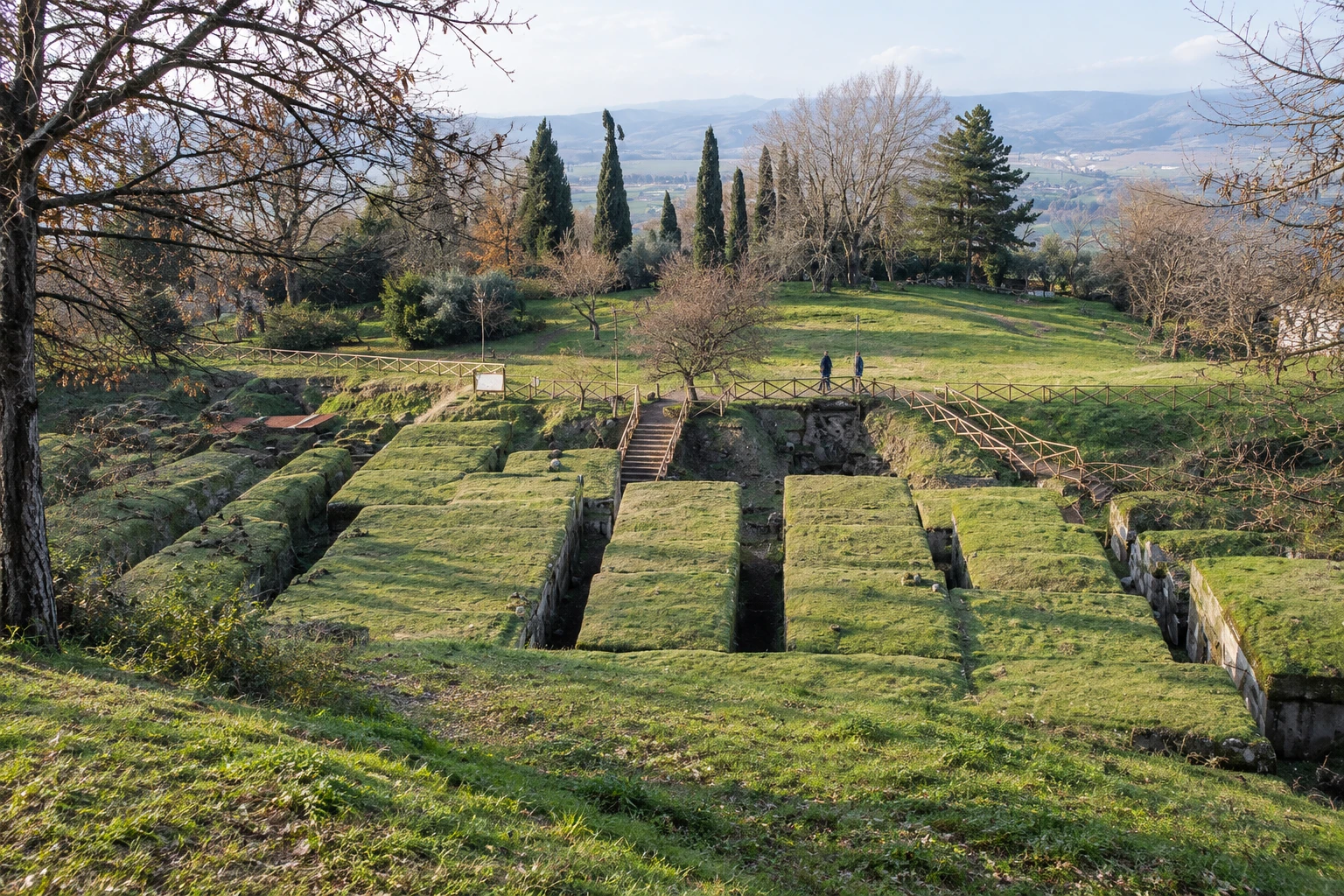
Etruscan cemetery from the 6th century BC at the foot of Orvieto's rock, with more than 200 tombs made of tuff blocks arranged along streets, many with the deceased's name carved on the entrance.
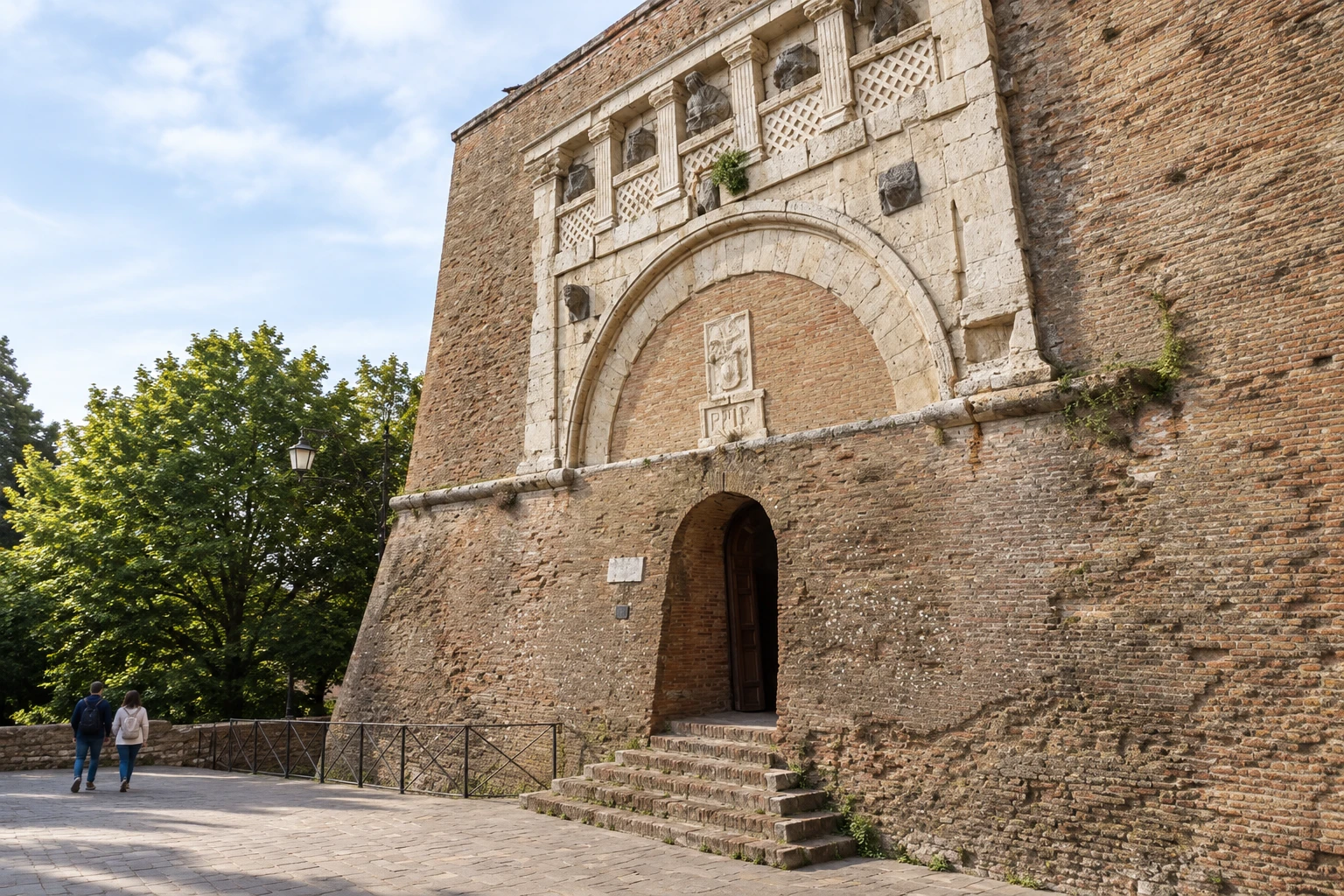
Remains of the 16th-century papal fortress that swallowed an entire medieval neighborhood. Escalators run through the covered old streets, linking the lower part to Piazza Italia.
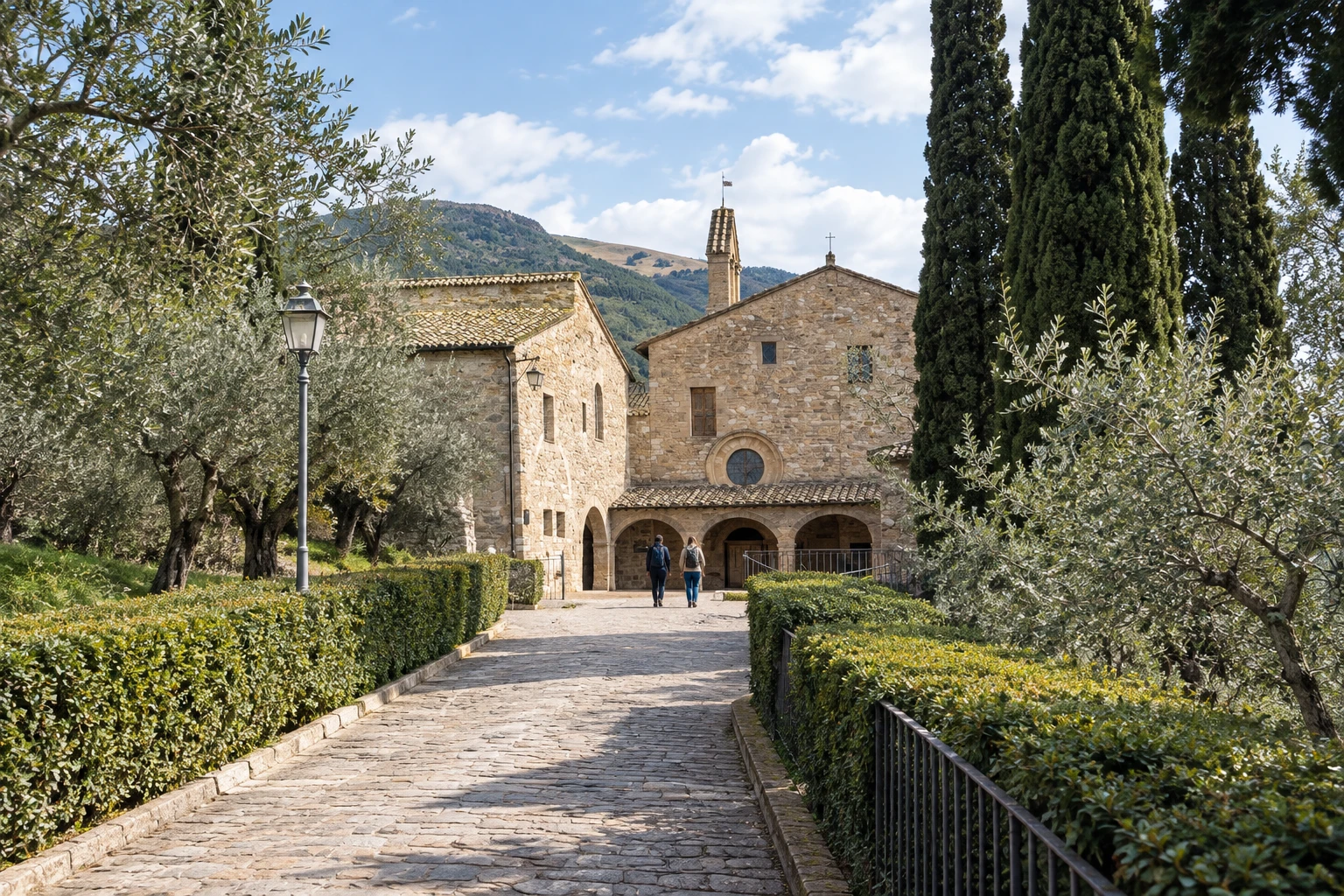
Little church and convent among olive trees, below Assis, where Francis heard the request of the crucifix, Saint Clare lived with the first sisters and the Canticle of the Creatures was composed.
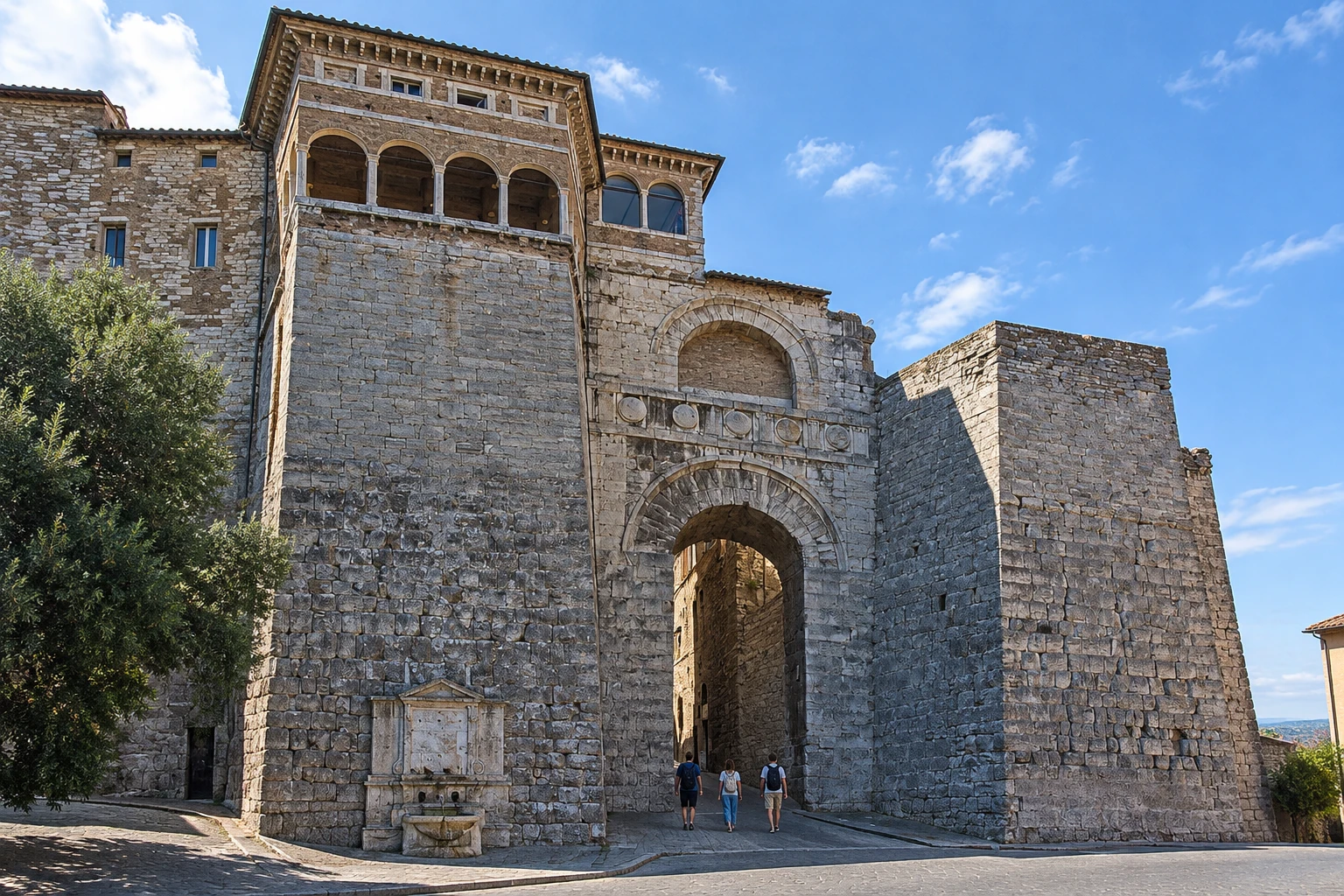
The most intact gate of Perúgia's Etruscan wall, made of large stone blocks, restored in the time of Augustus, who left the inscription AUGUSTA PERUSIA.
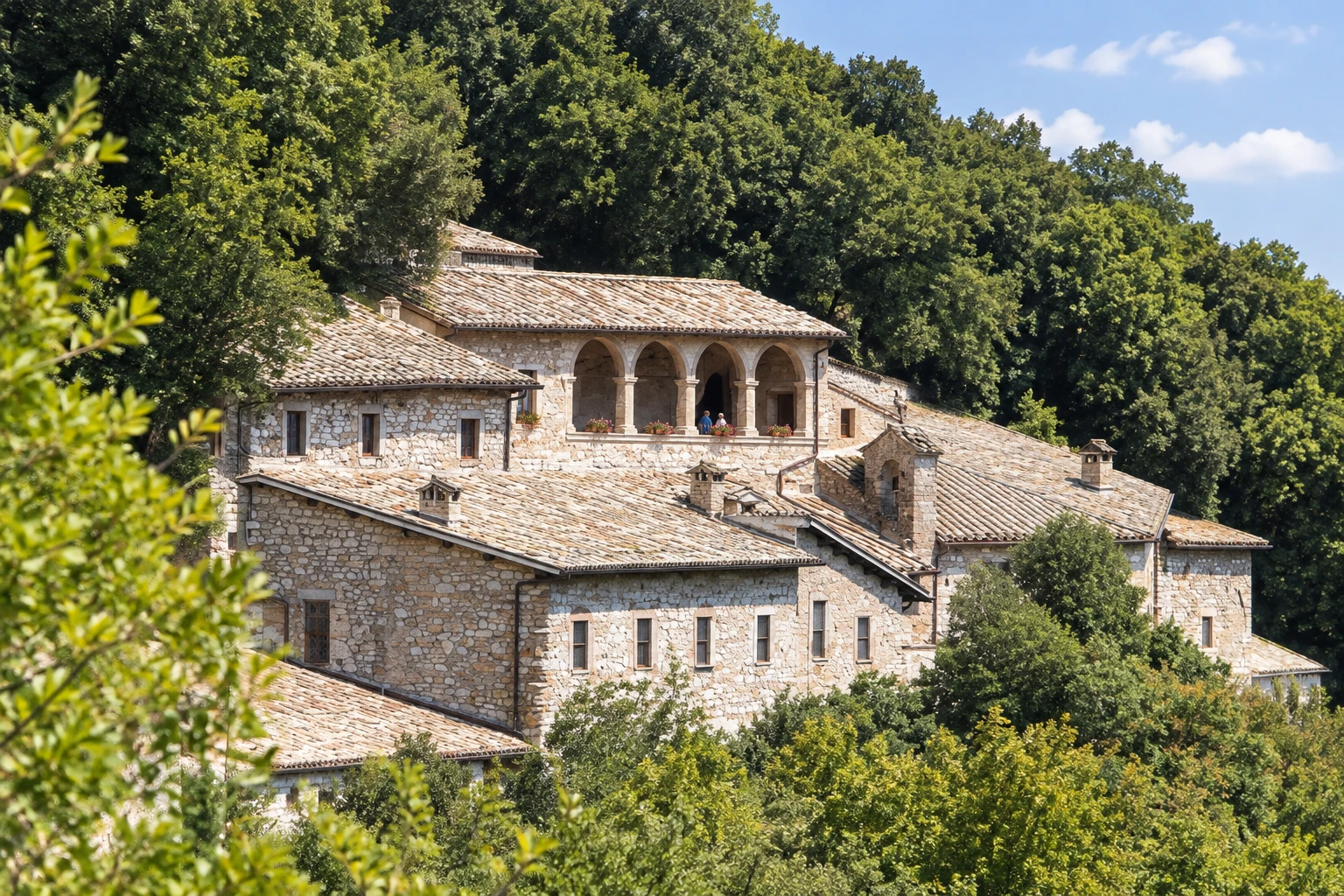
Hermitage in the woods of Monte Subasio, about 4 km above Assis, where Francisco and his companions withdrew to pray in caves. There are trails among the holm oaks.
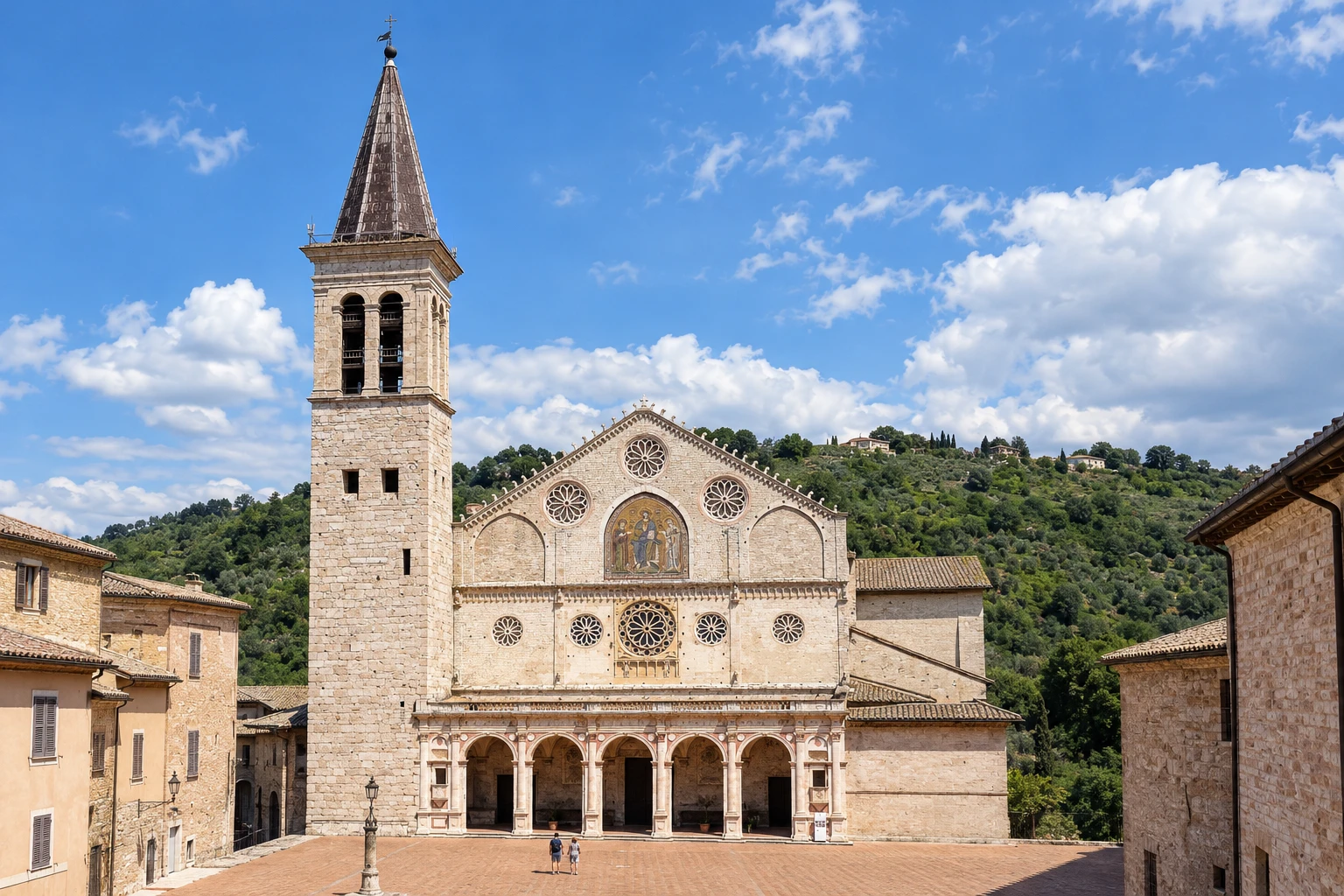
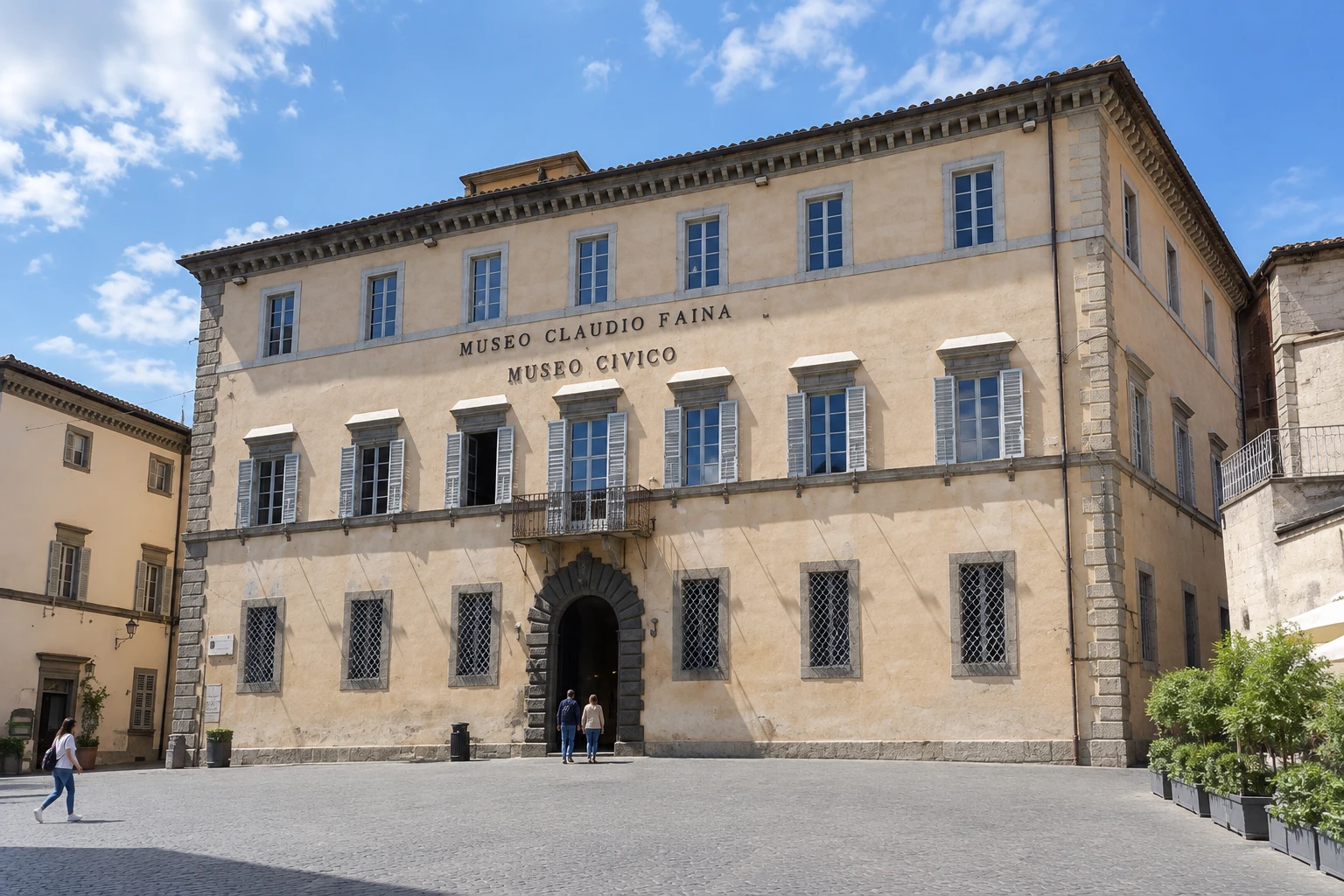
Archaeological museum in a palace opposite the Duomo, with Greek vases, Etruscan urns and bronzes, coins and, on the ground floor, the Venere di Cannicella. The windows look onto the cathedral façade.
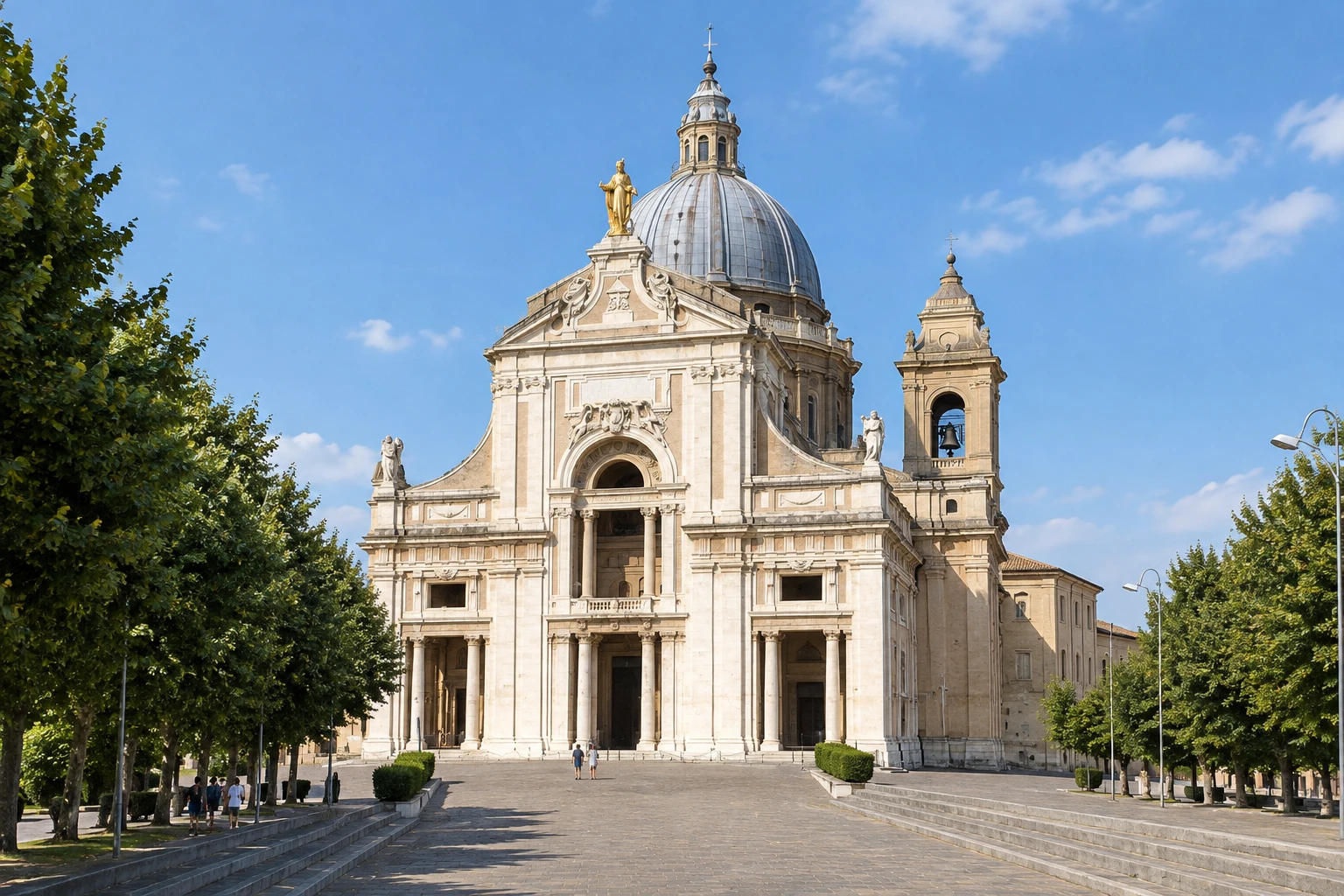
Large basilica on the plain below Assis that houses the Porziuncola, the small chapel where Francisco gathered the first friars, and the Cappella del Transito, where he died in 1226.
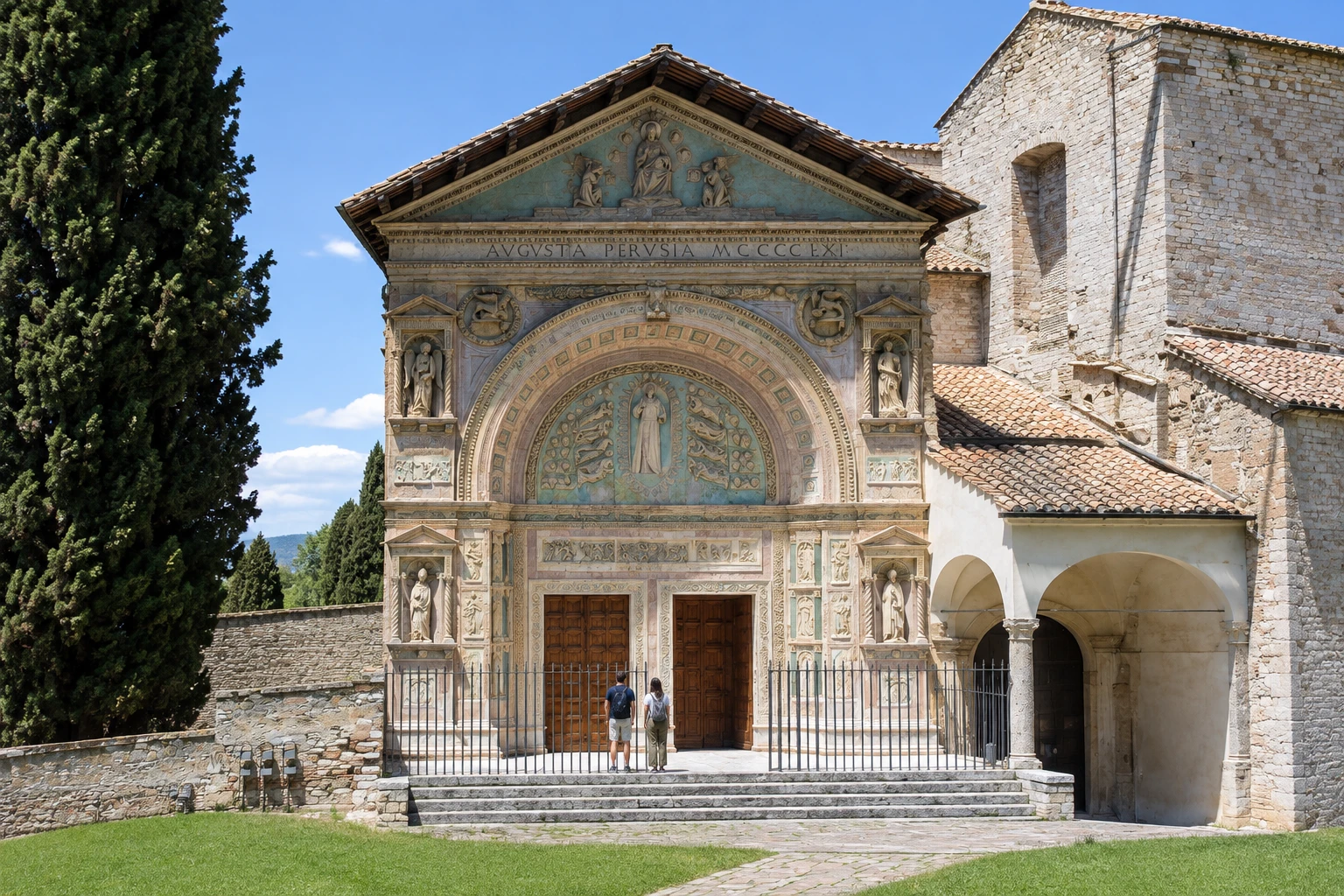
Small 15th-century oratory with a Renaissance façade by Agostino di Duccio, in colored marble and delicate reliefs, next to the church of San Francesco al Prato.
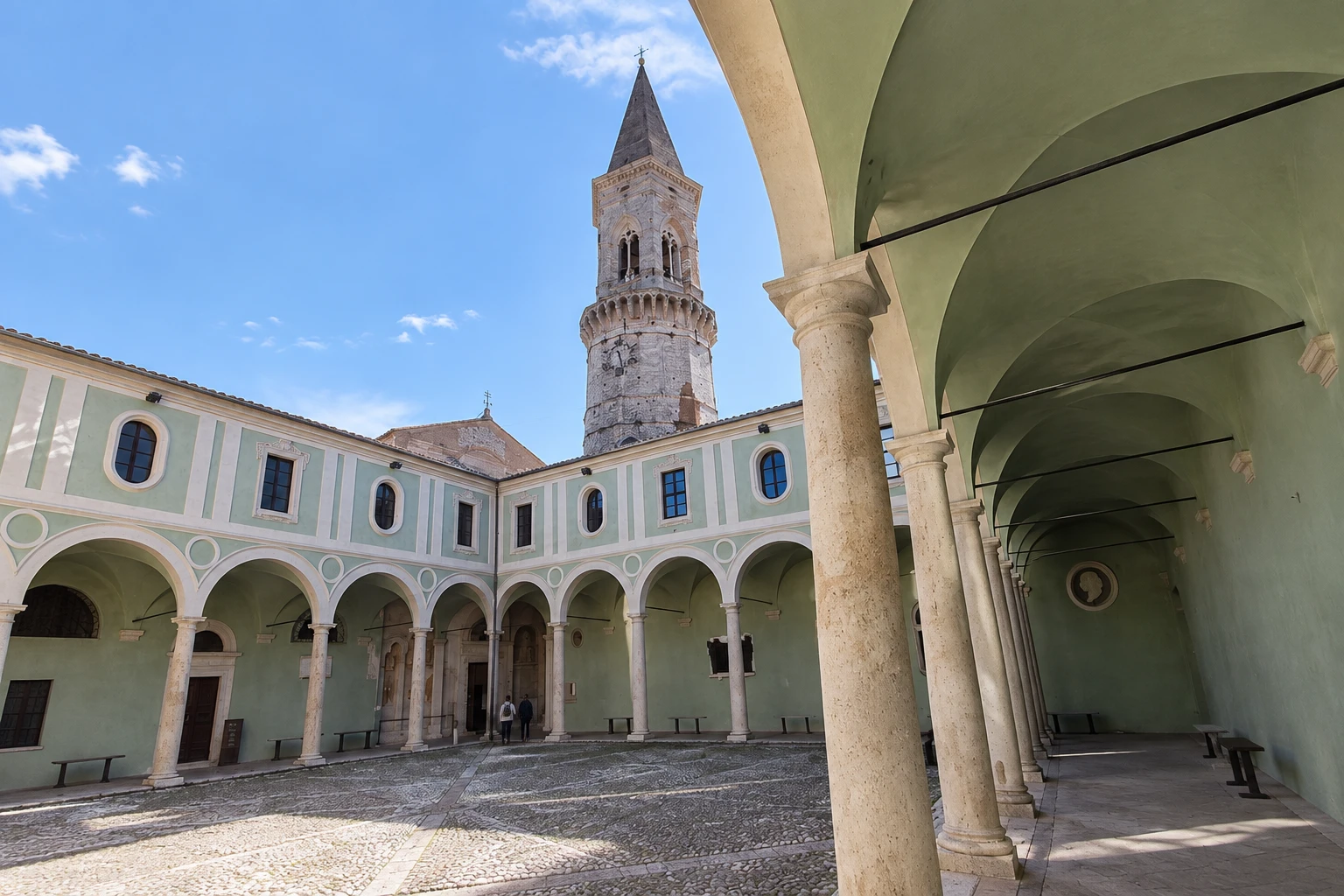
Benedictine abbey founded around the year 1000, with a 70-metre bell tower, an interior covered in paintings and a carved wooden choir. Behind it there is a medieval garden.
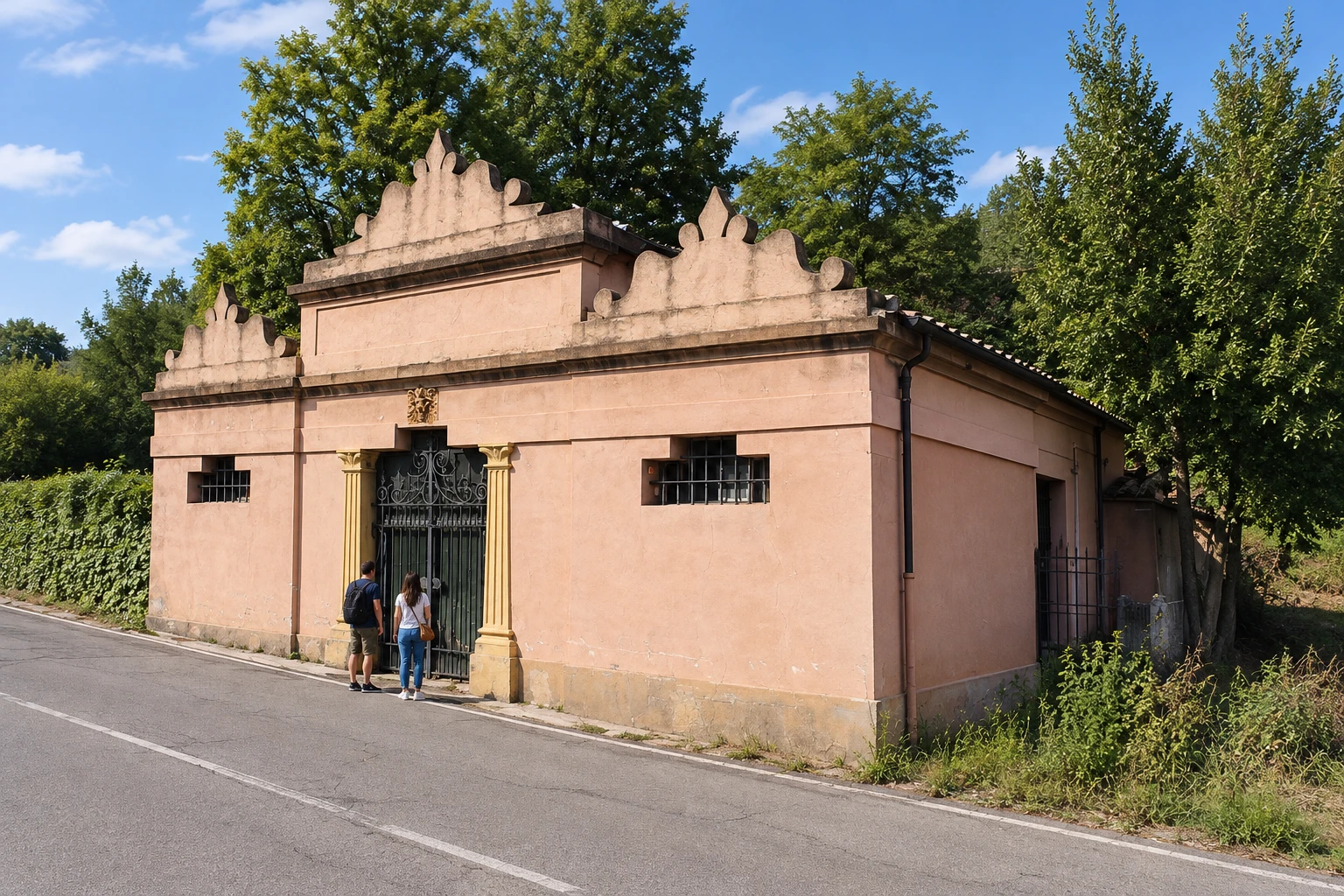
Underground Etruscan tomb of the Velimna family, from the 2nd century BC, carved into the rock like a house, with travertine urns. It is located in the Necropoli del Palazzone, about 5 km from the centre.
The guide's itineraries cover 2, 4 and 6 days: in 2 days, Assisi and Orvieto; in 4 days, Perugia, Assisi and Orvieto; in 6 days, with a car, from Trasimeno to Subasio.
What to do Umbria in one day?
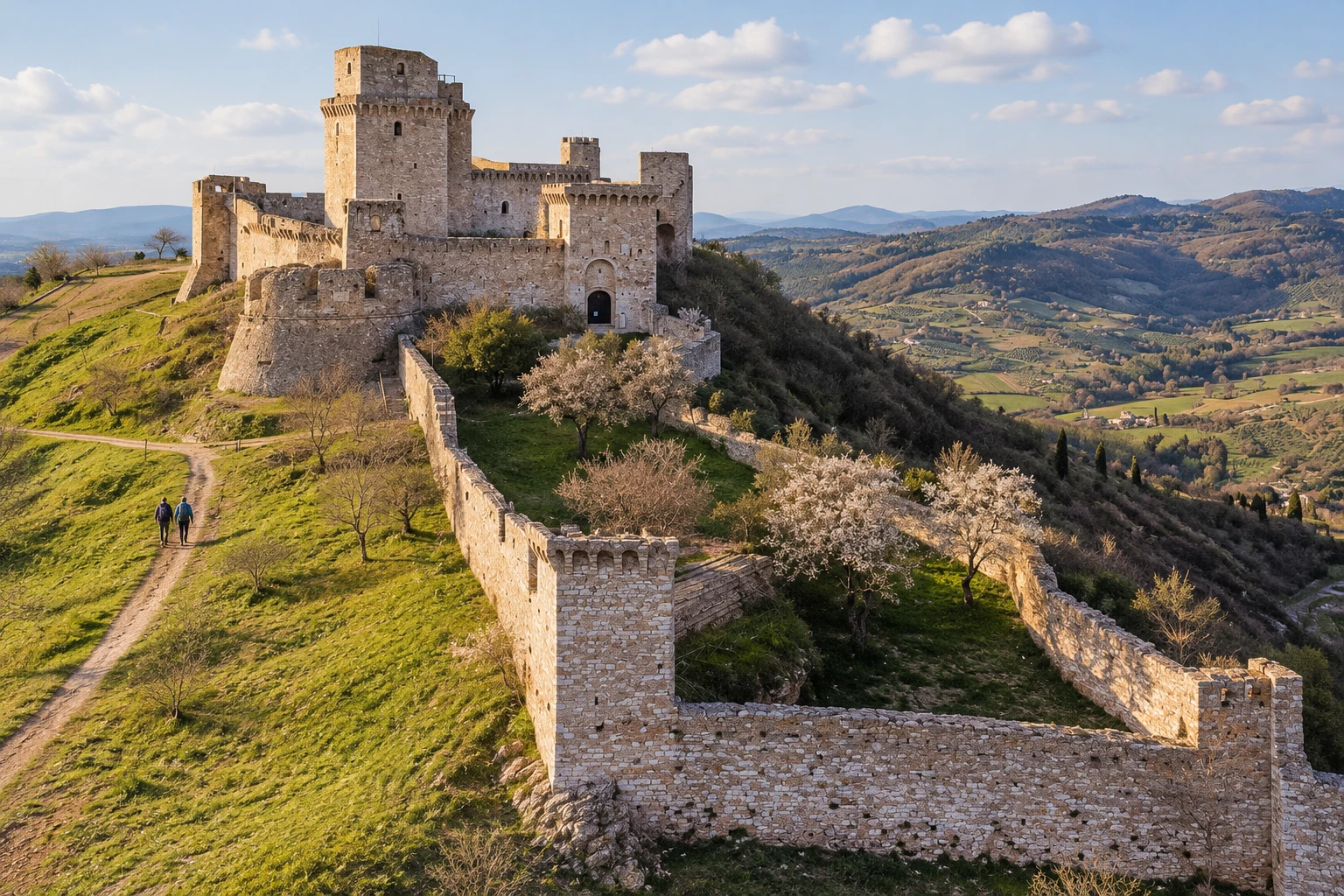
Assisi. Arrival by train (from Rome about 2 h, from Florence 2 h 30, with a change). Basilica of San Francesco at opening; Piazza del Comune, Santa Chiara, San Rufino; Rocca Maggiore at sunset; night in Assisi, with the town empty.
When is the best time to go to Umbria?
It generally rains less from July to August. The rainiest months are usually from April to May and November. The guide covers each month, with the weather and what changes on the tours.


 Brazil
 Antarctica
 Argentina
 Bolivia
 Chile
 Colombia
 Ecuador
 Falkland Islands (Malvinas)
 French Guiana
 Guyana
 Paraguay
 Peru
 Suriname
 Uruguay
 Venezuela
 Austria
 Belgium
 Croatia
 Denmark
 Finland
 France
 Germany
 Greece
 Hungary
 Iceland
 Ireland
 Luxembourg
 Norway
 Poland
 Portugal
 Slovakia
 Slovenia
 Spain
 Sweden
 Switzerland
 the Czech Republic
 the Netherlands
 the United Kingdom
 Turkey
 Bermuda
 Canada
 Greenland
 Mexico
 Saint Pierre and Miquelon
 the United States
 the Dominican Republic
 Japan
 Egypt
 South Africa
 Australia
 Fiji
 New Zealand
 Papua New Guinea