43 places to visit and 12 tours, chosen by the Cidade Turismo guide.
Updated
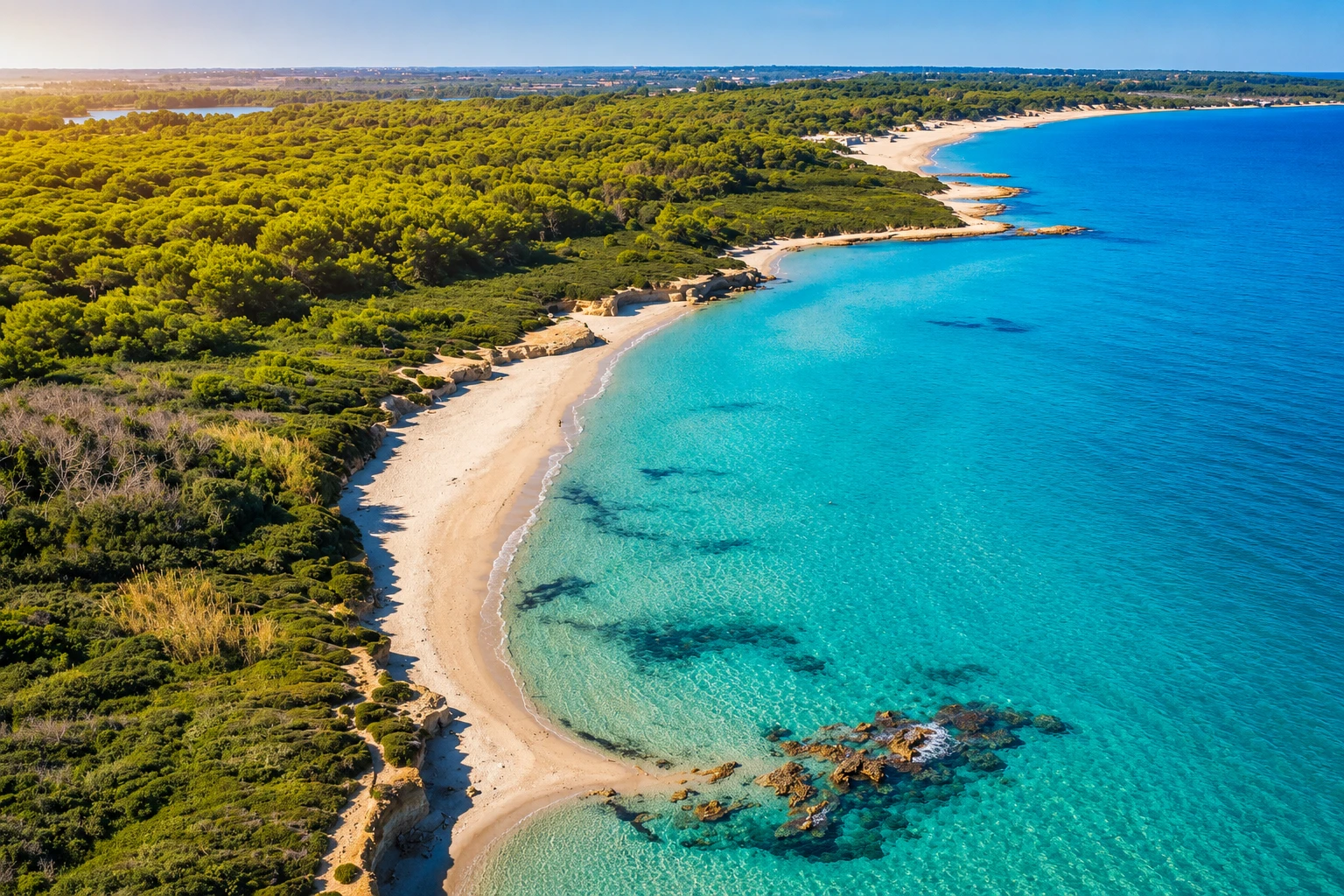
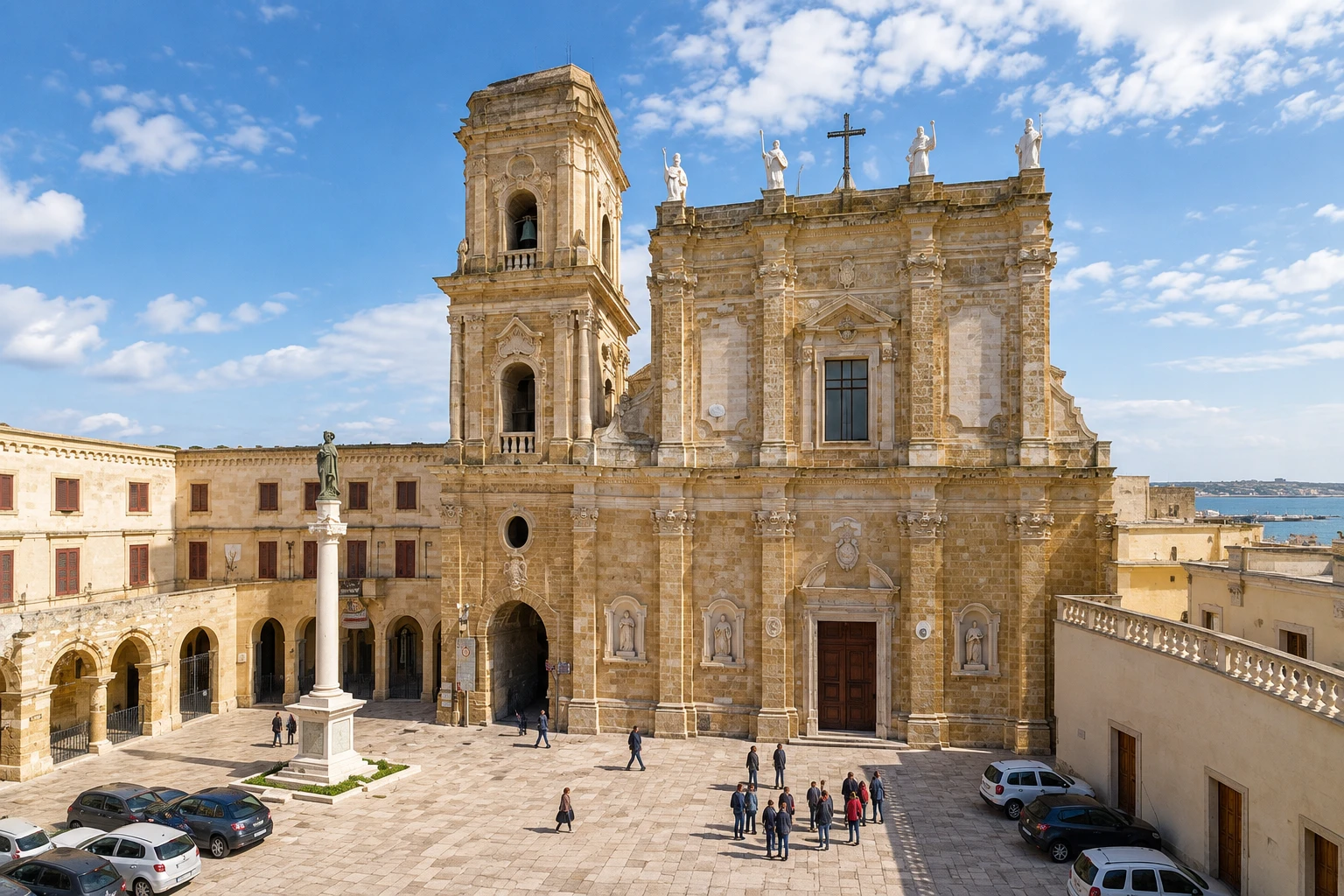
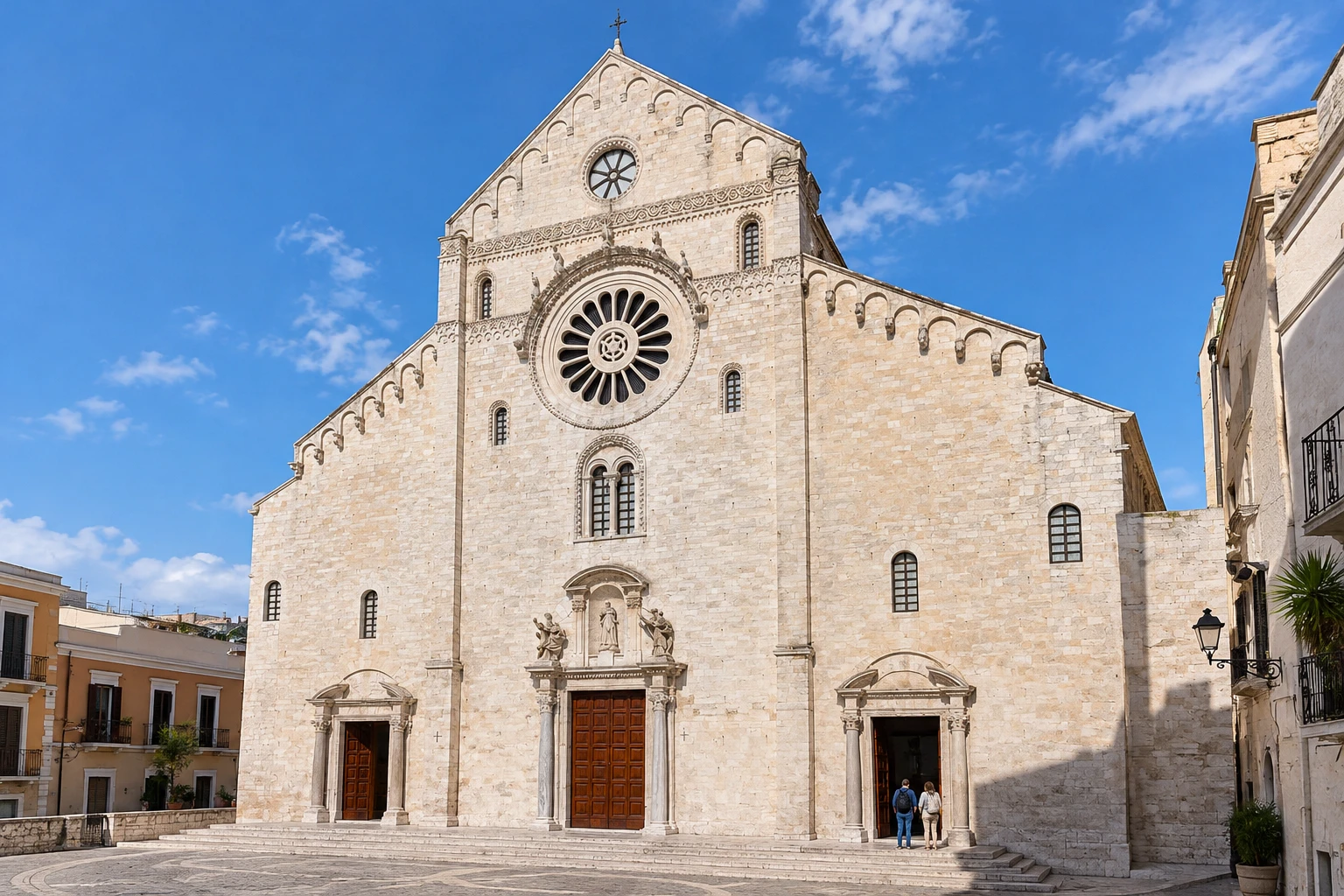
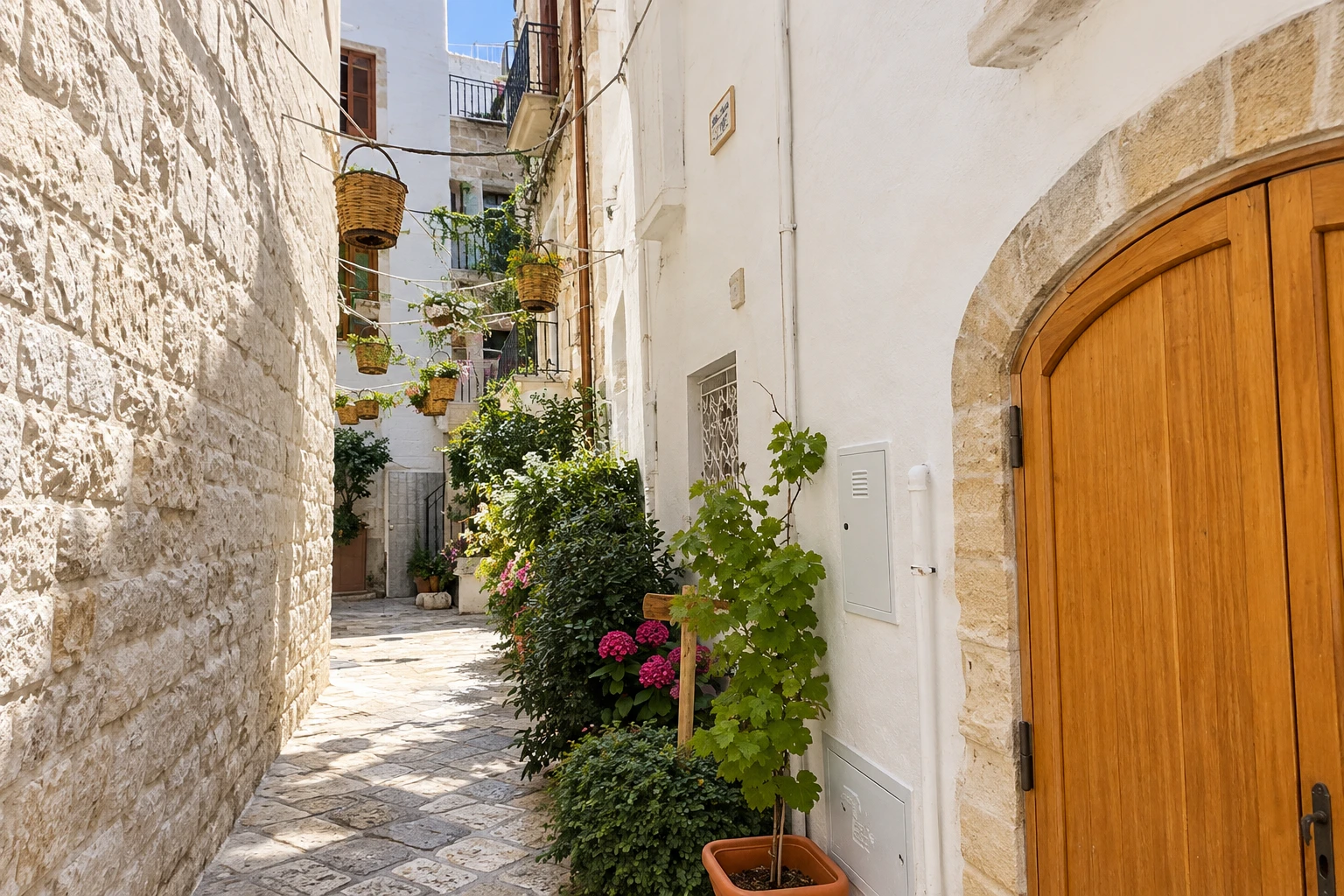
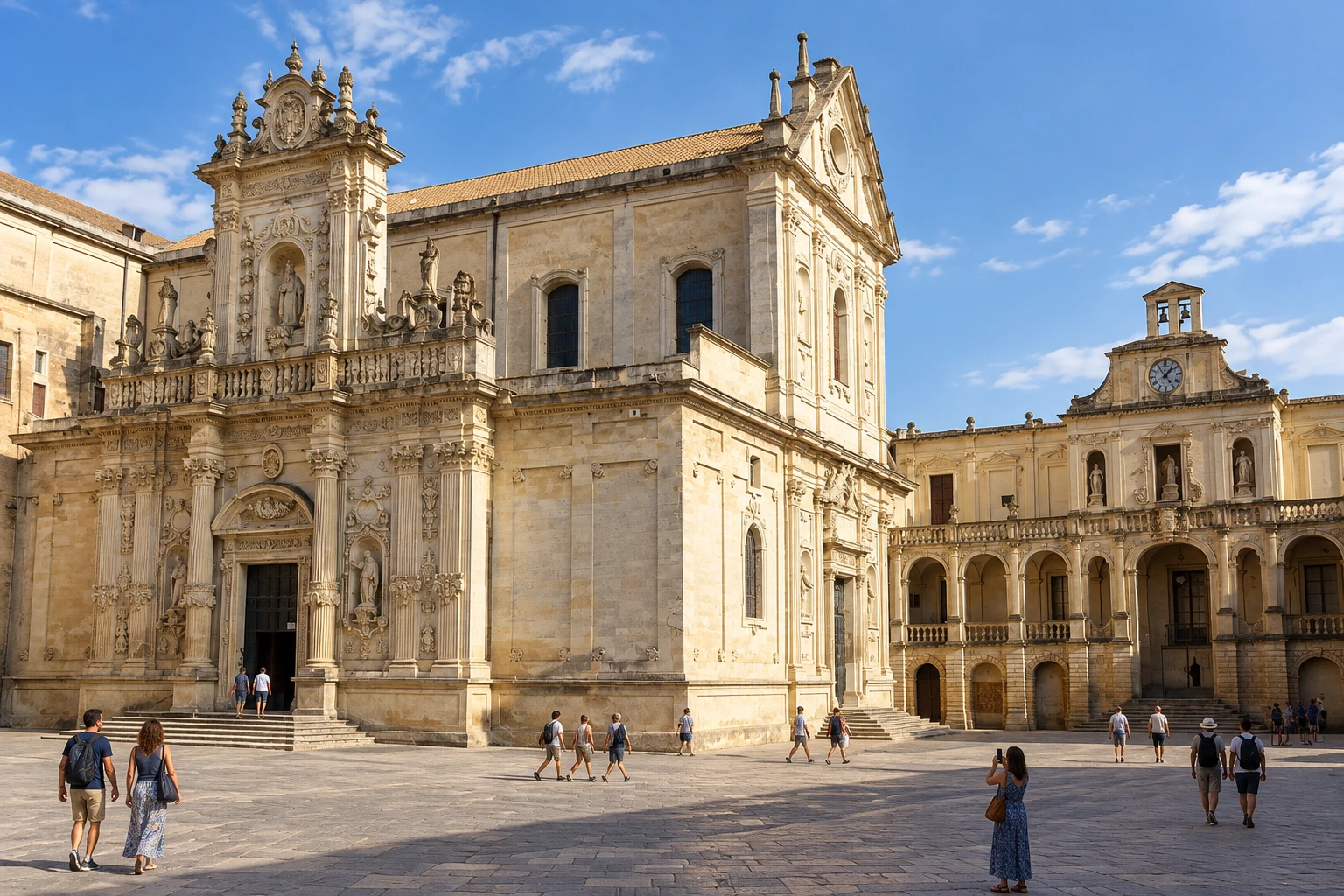
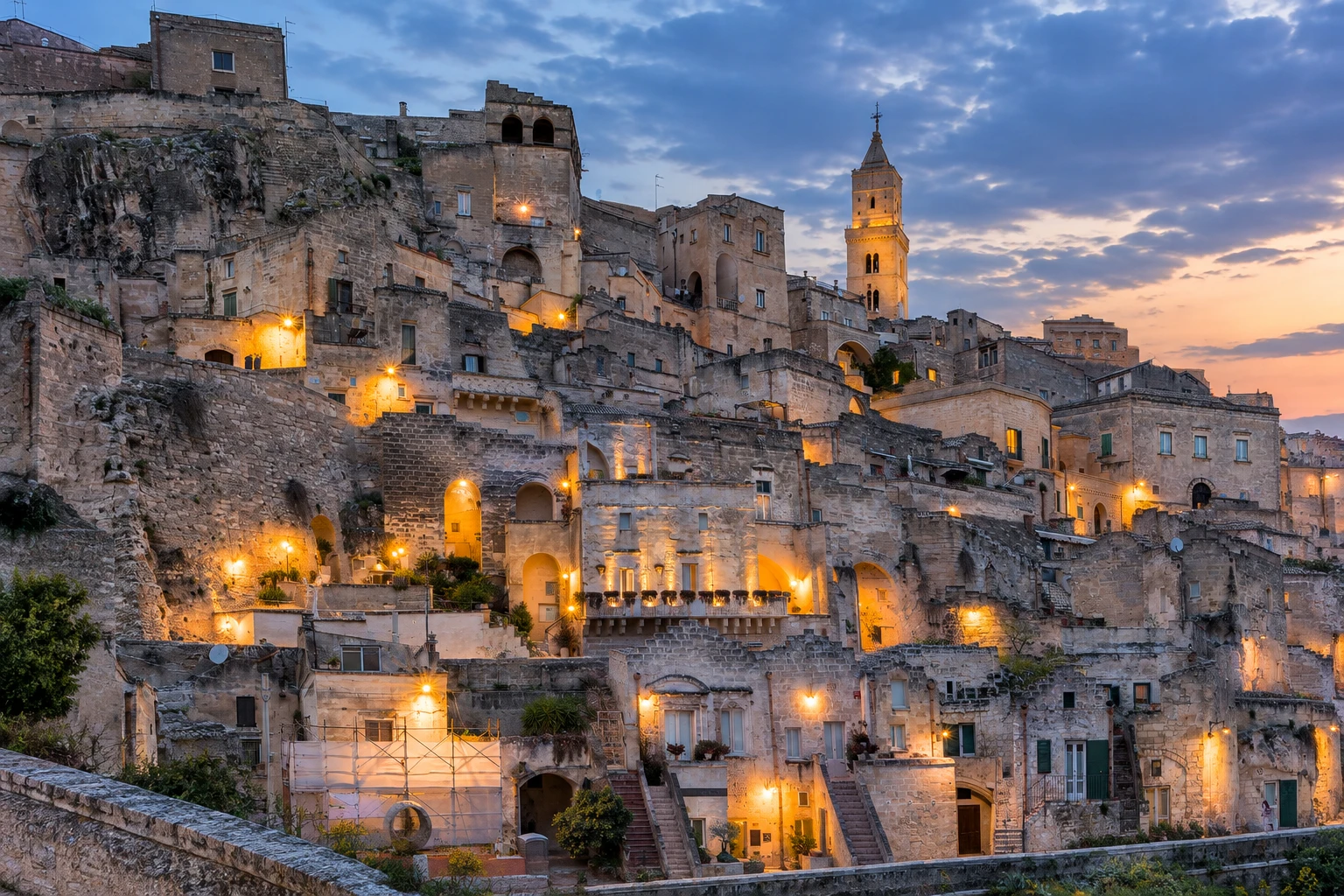
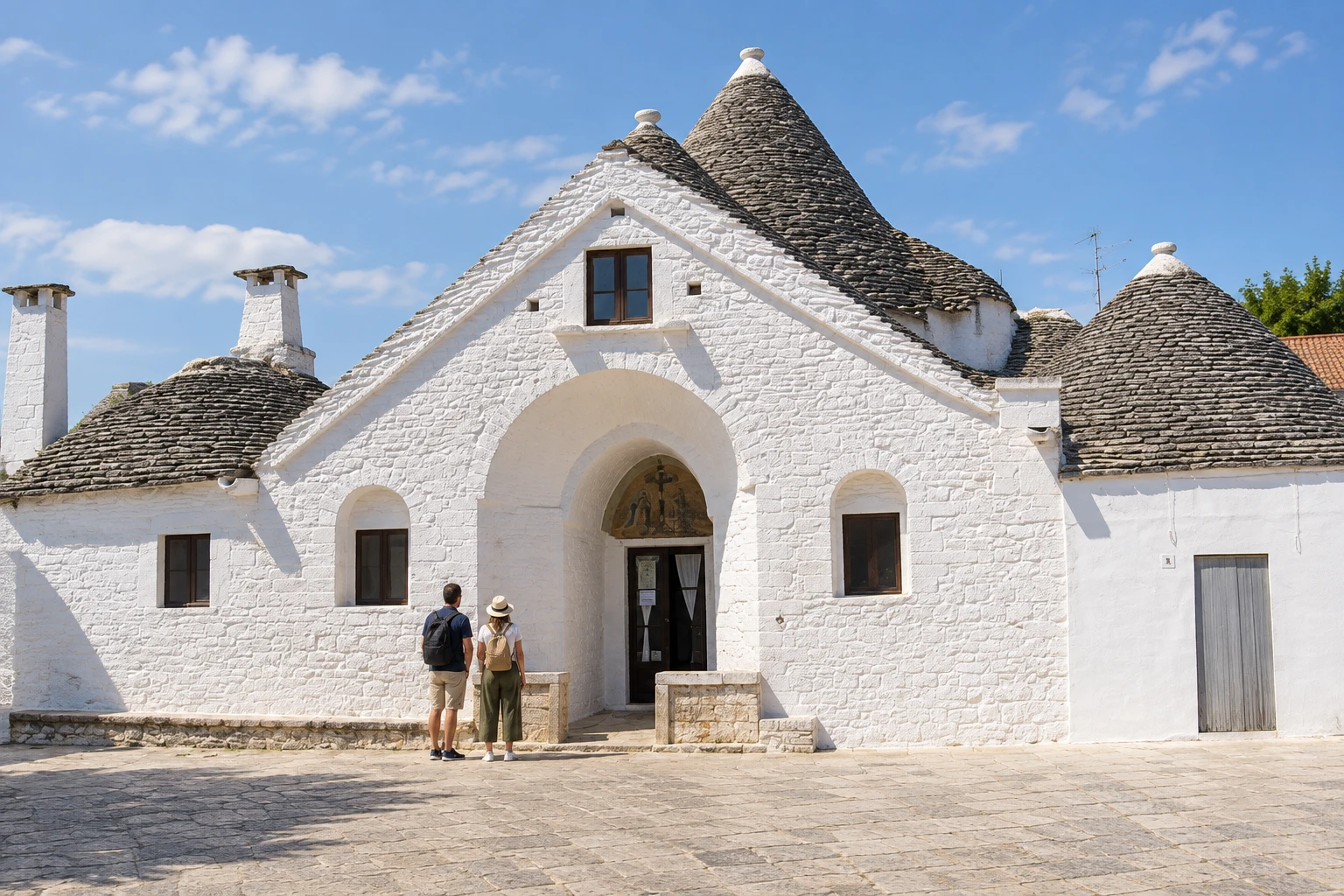
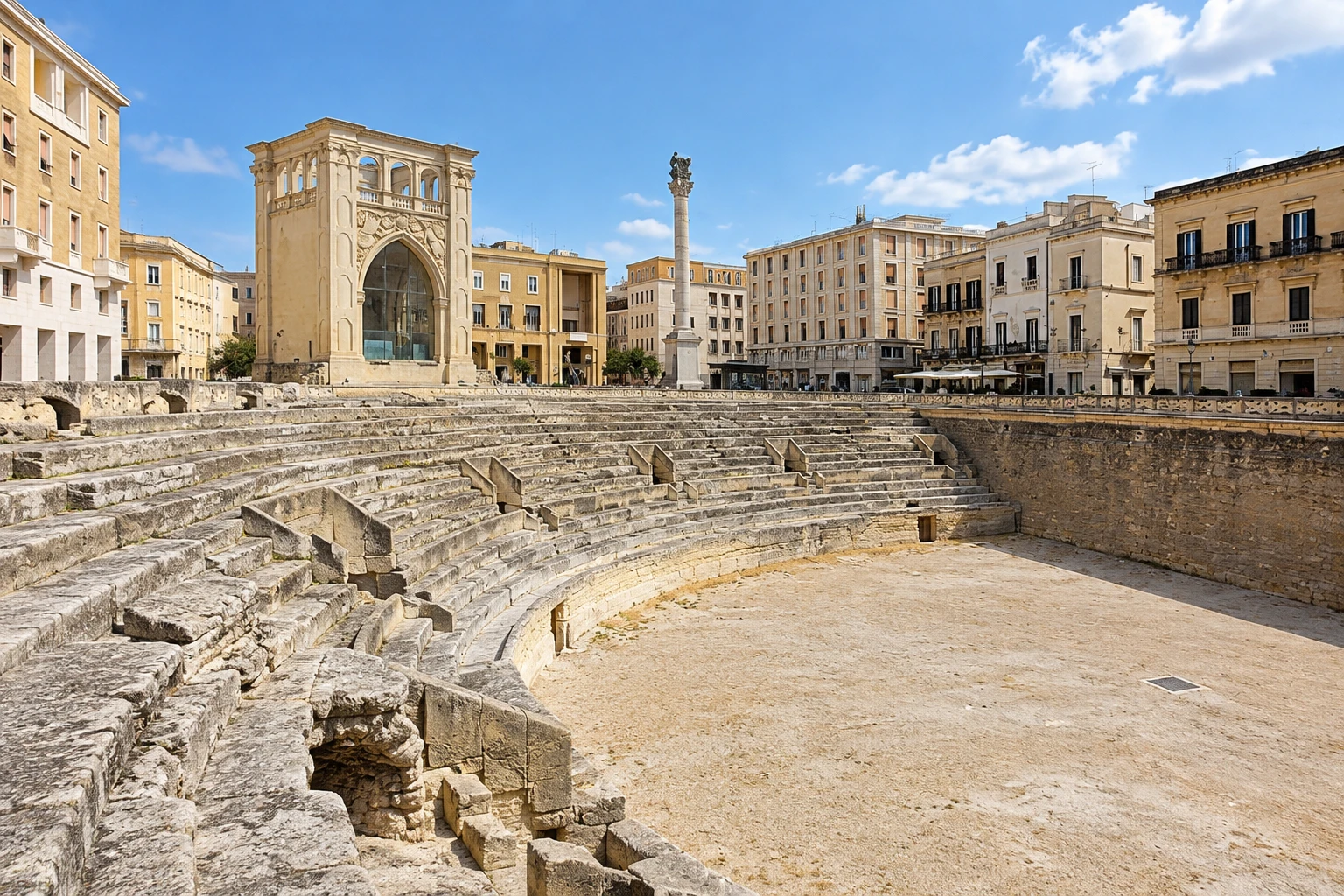
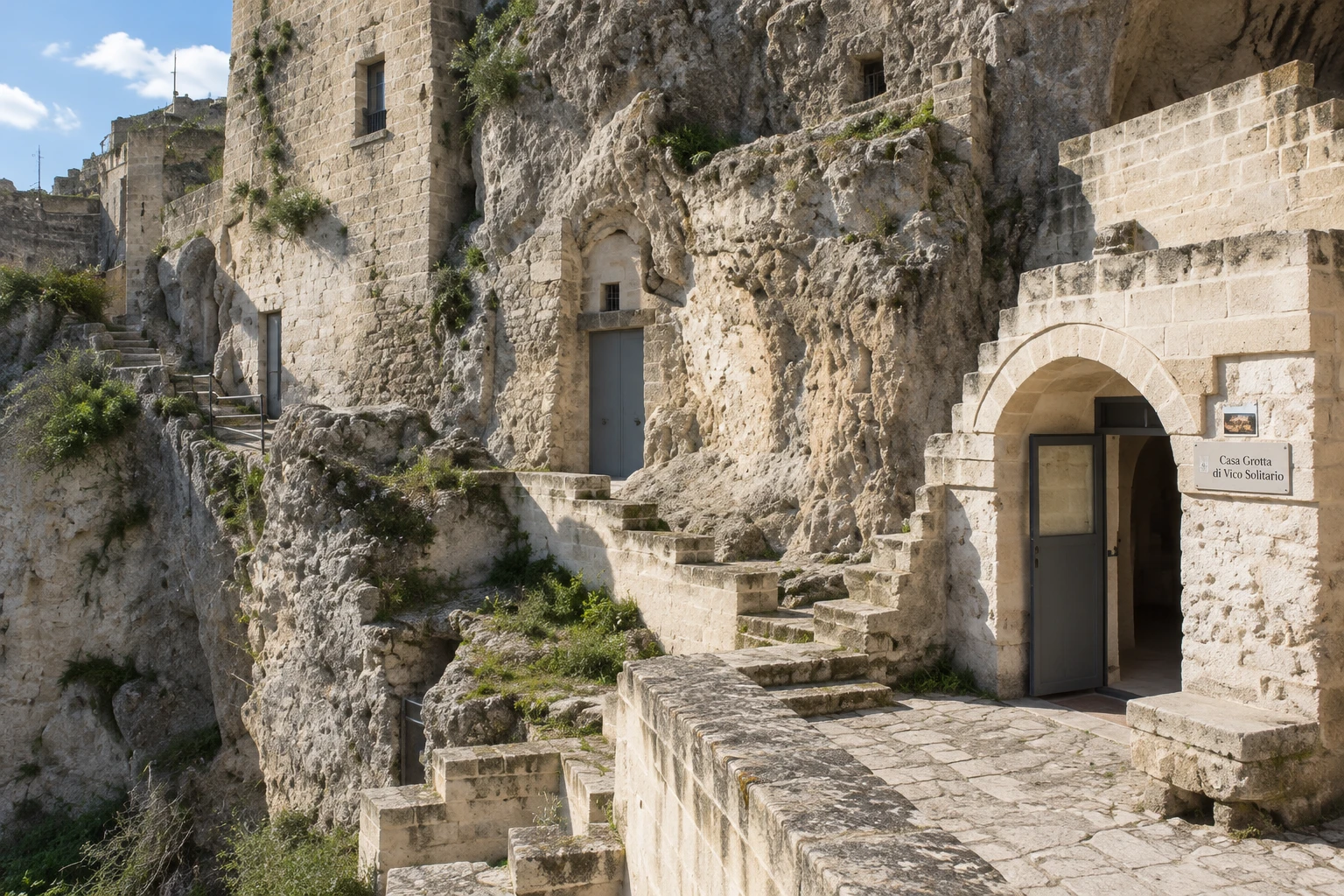
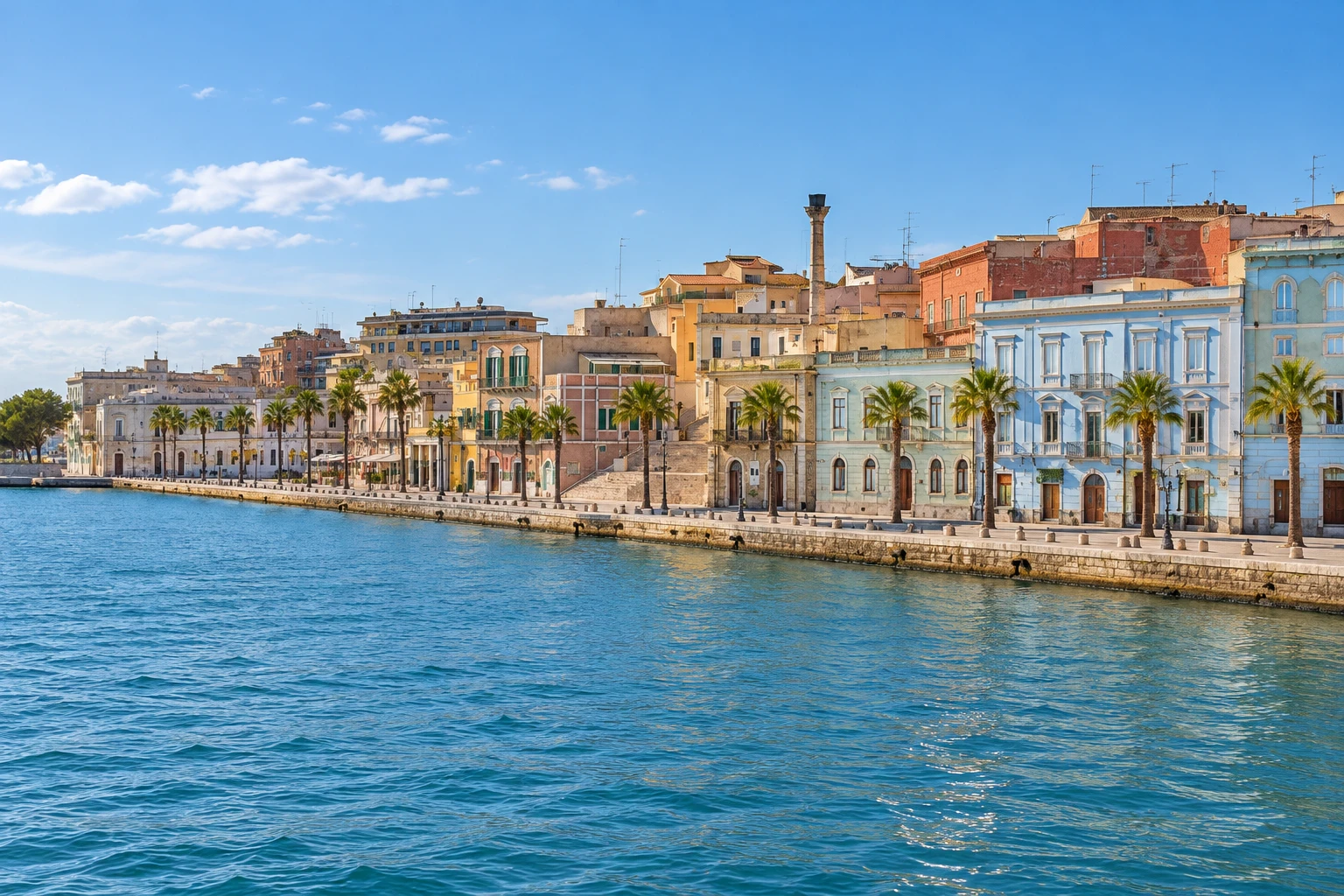
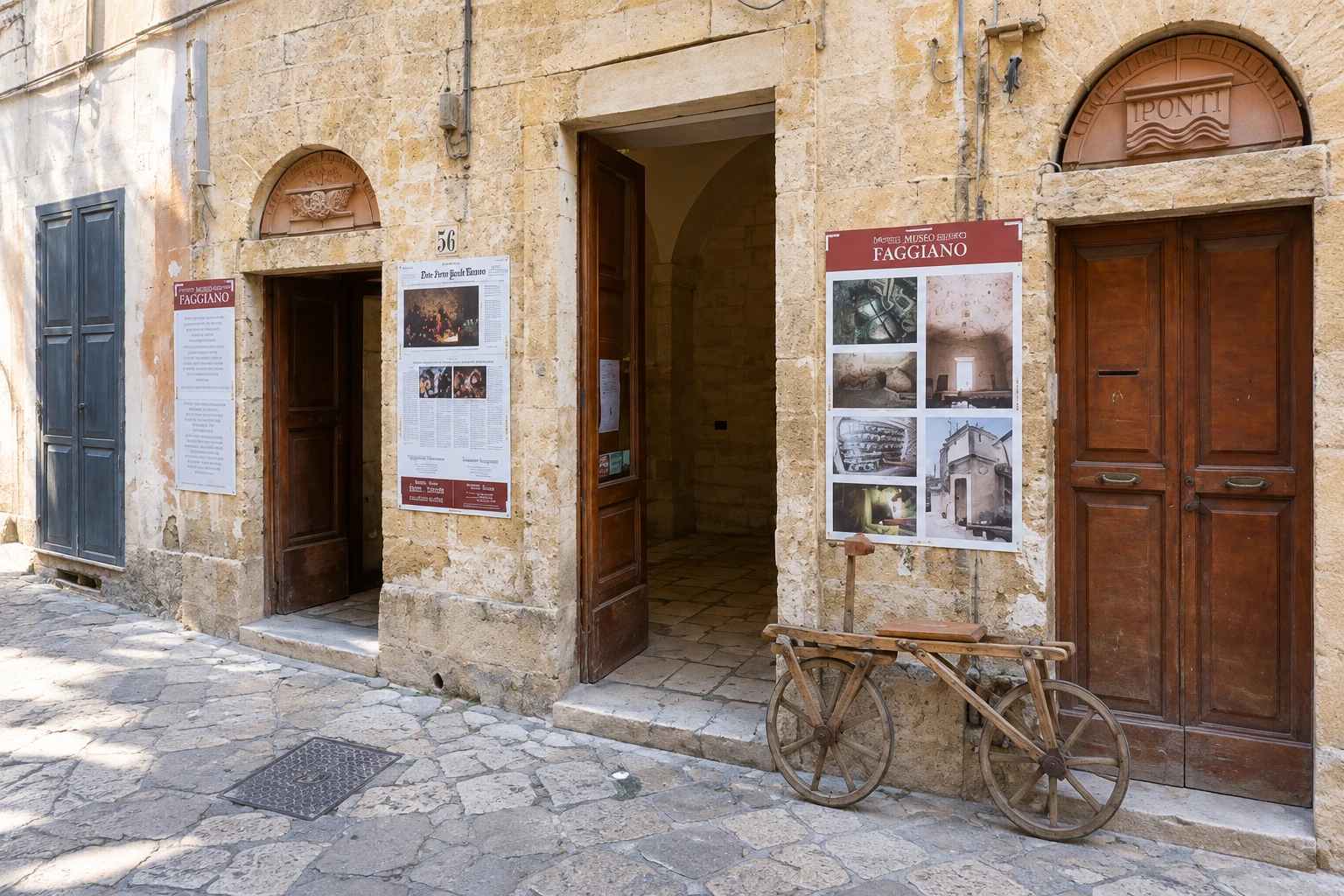
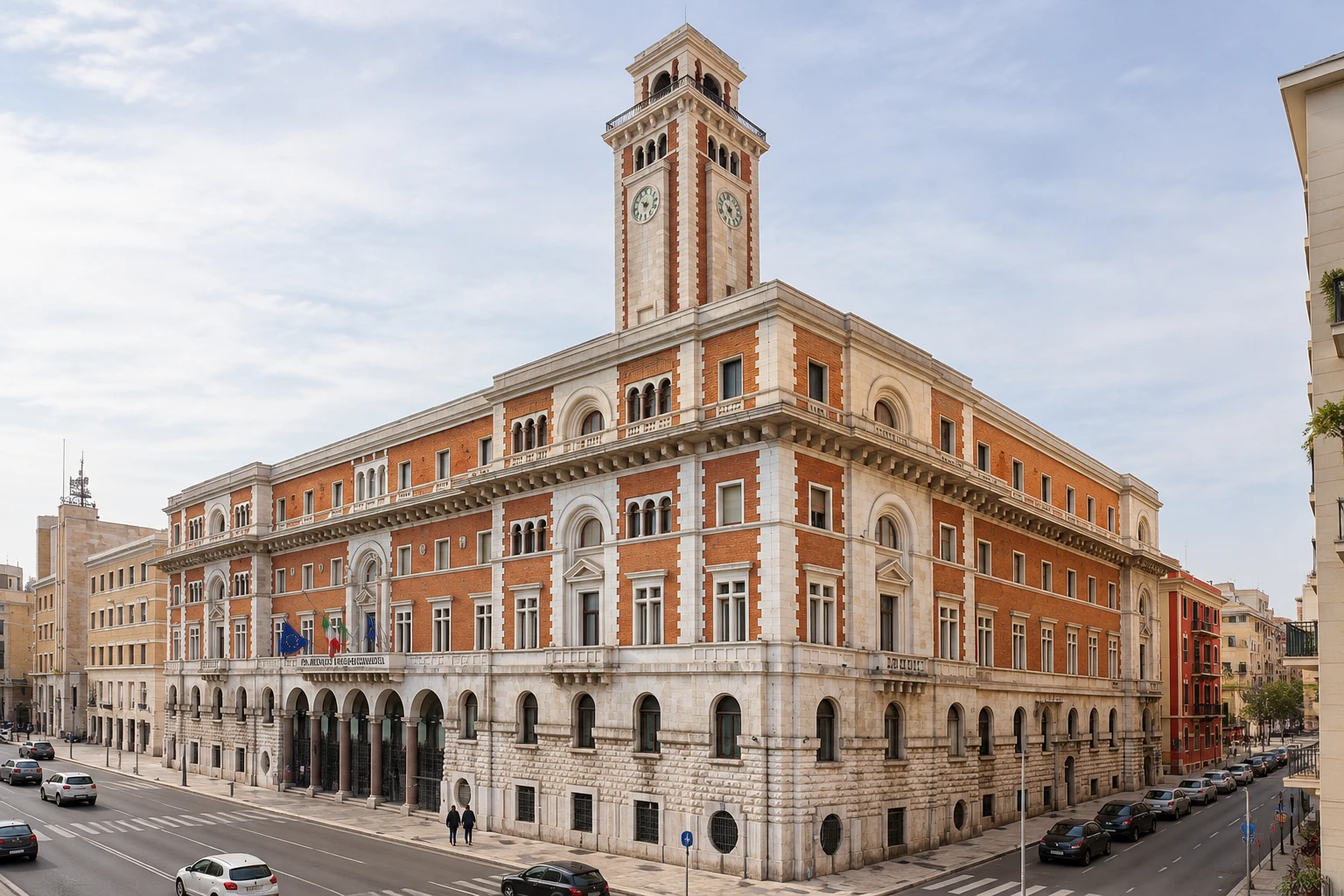
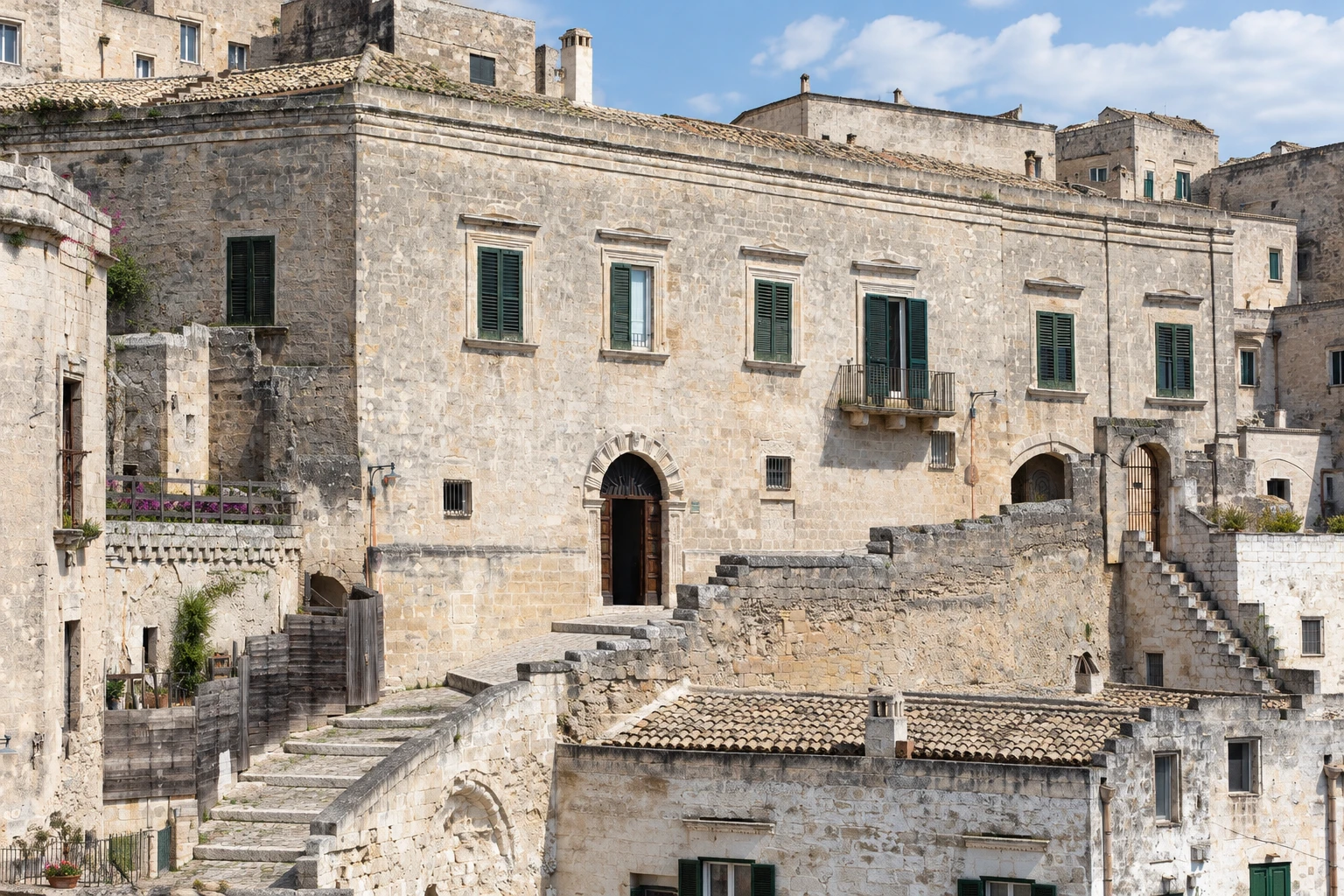
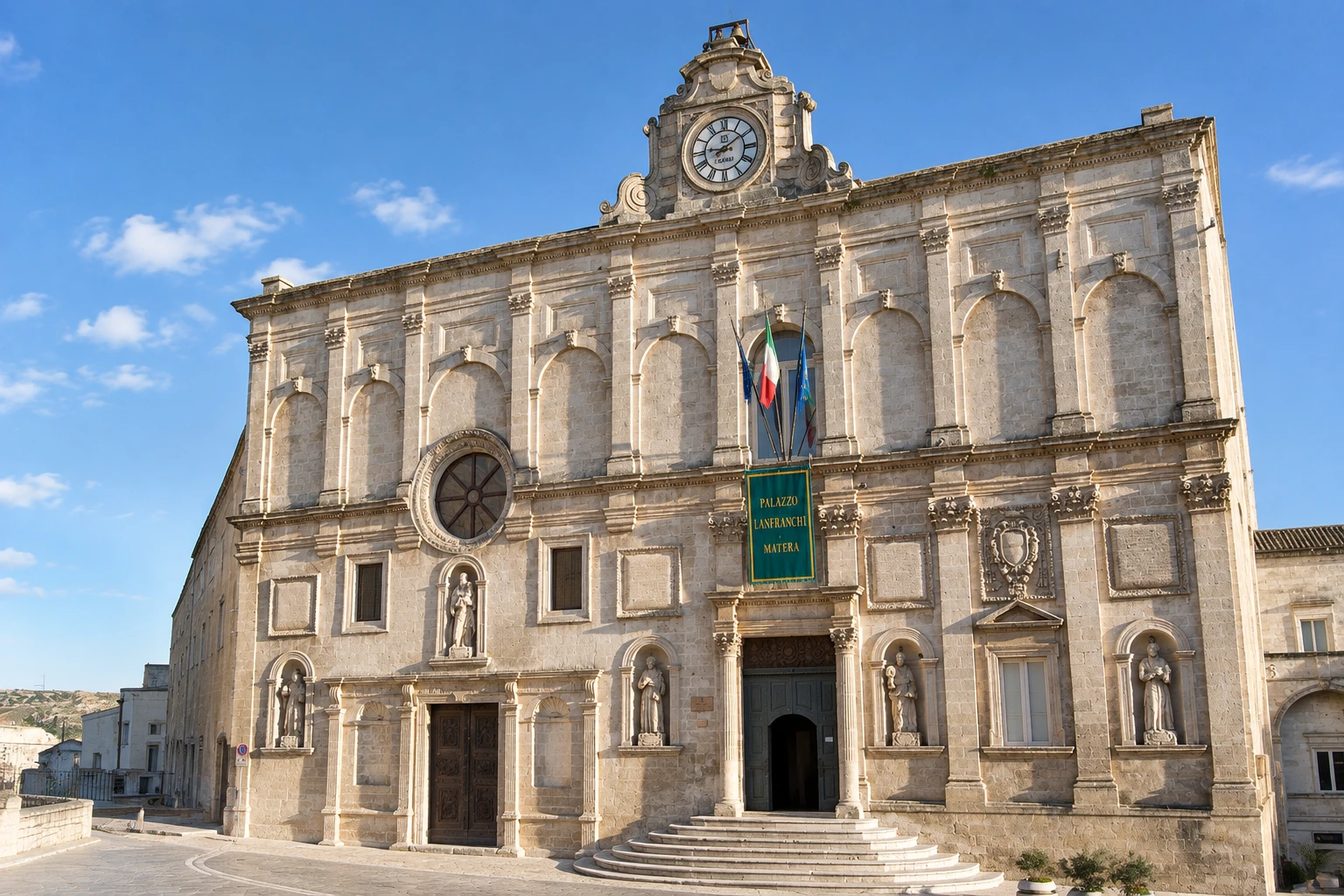
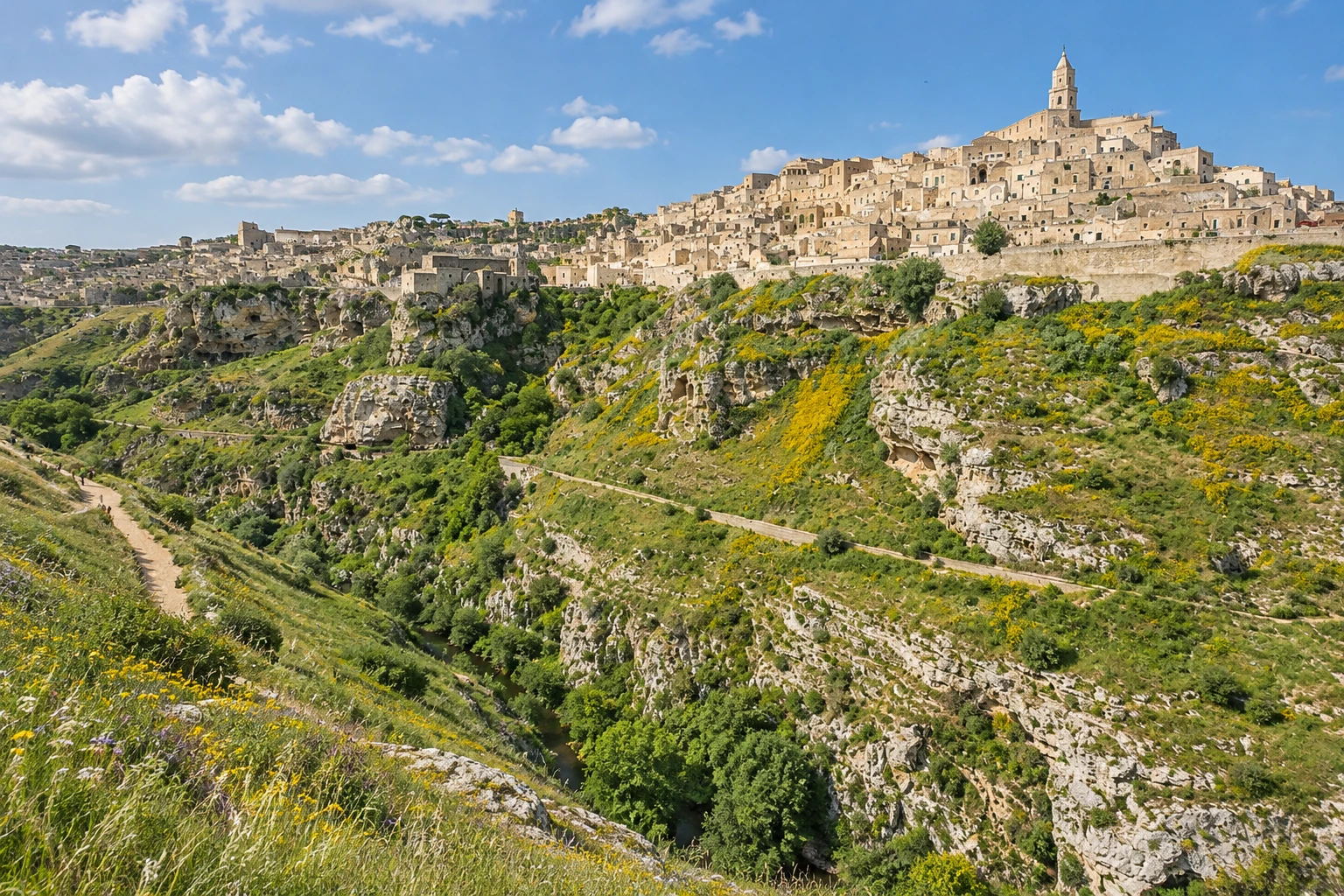
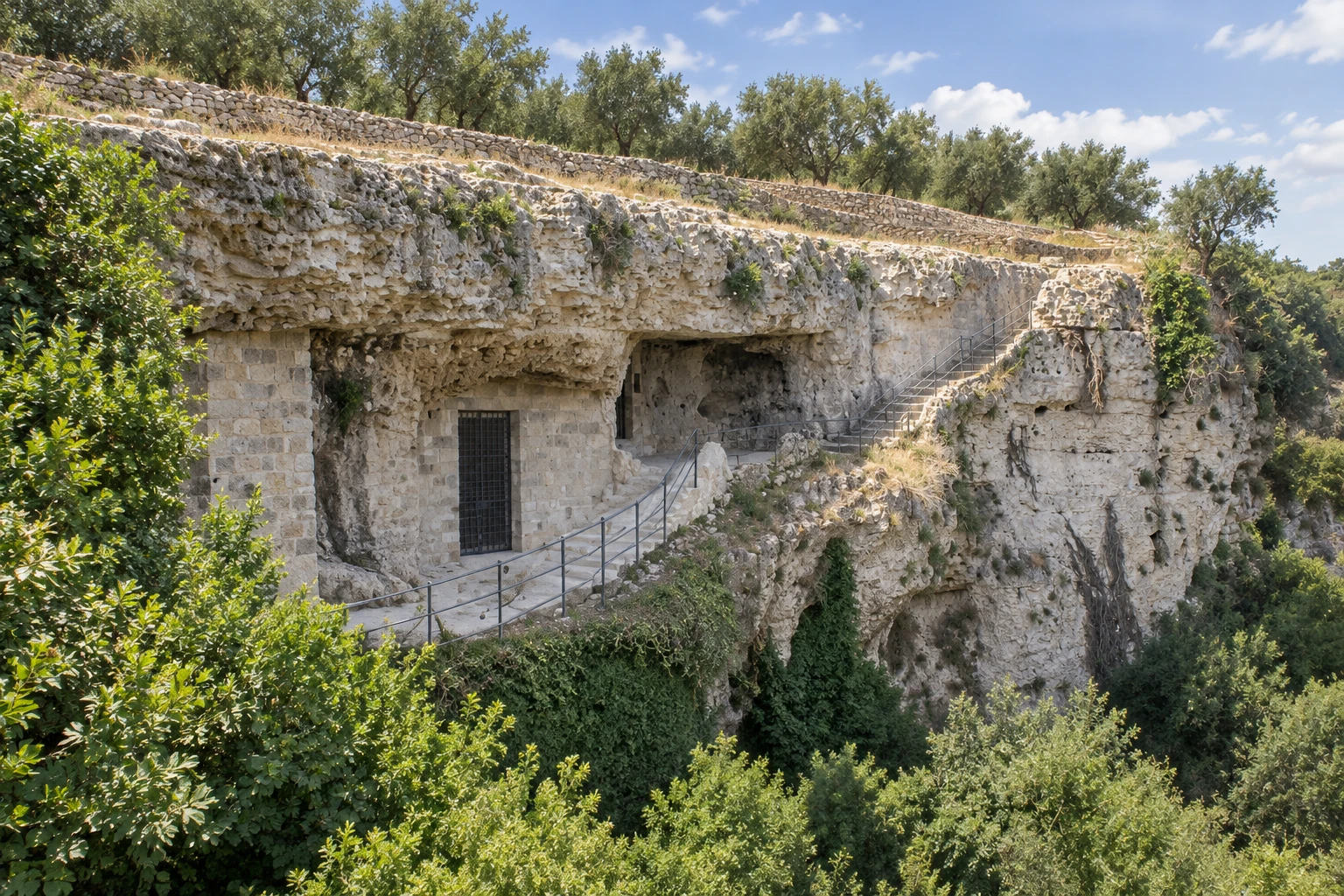
Illustrative images. The pictures in this guide are illustrations based on the real place, not photographs, and may differ from it.
To start
The 10 main places Apulia and Matera
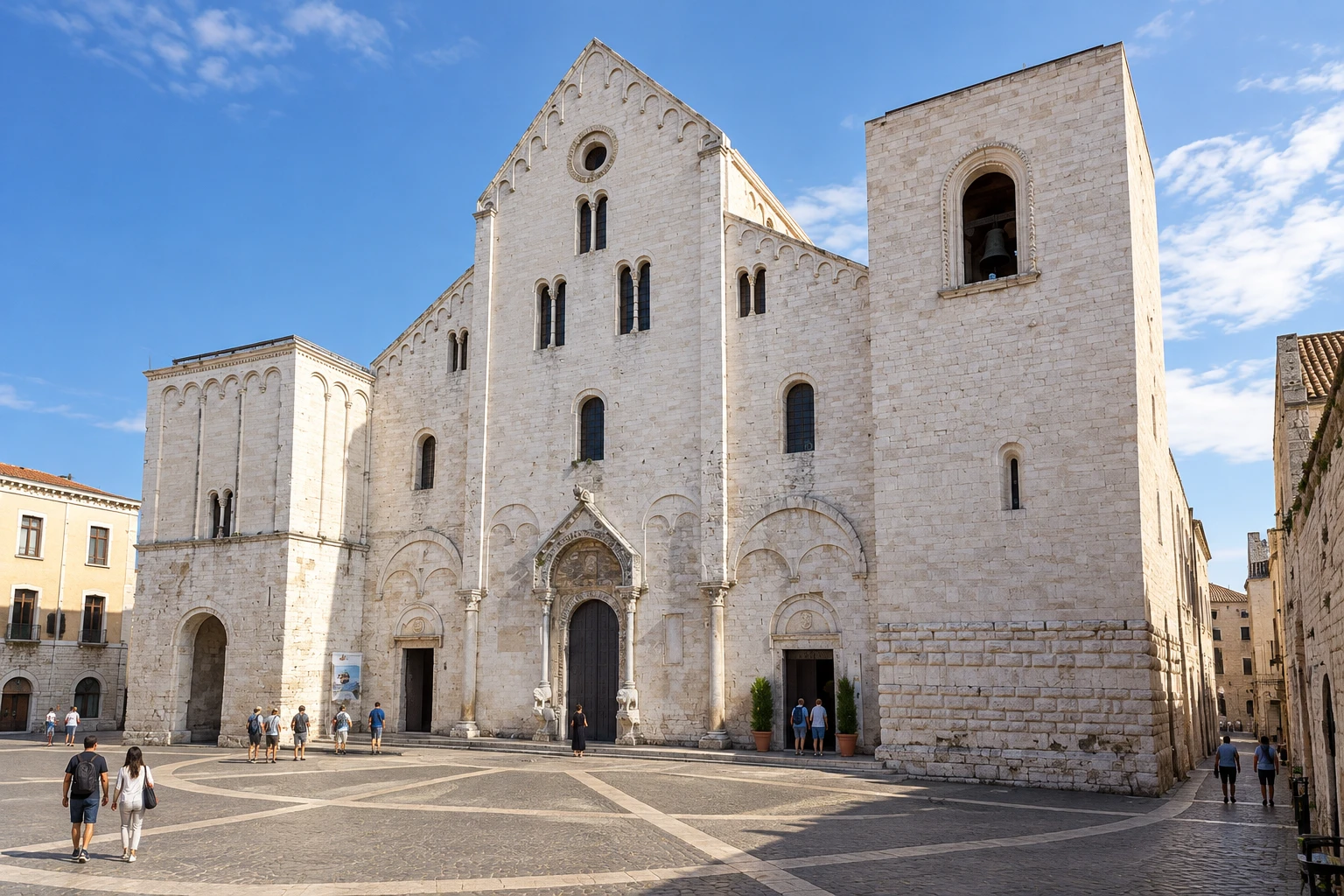
Basilica of St. Nicholas · BariRomanesque basilica from the 11th century, in the heart of Bari Vecchia, built to house the relics of Saint Nicholas, brought from the city of Myra (now in Turkey) in 1087.
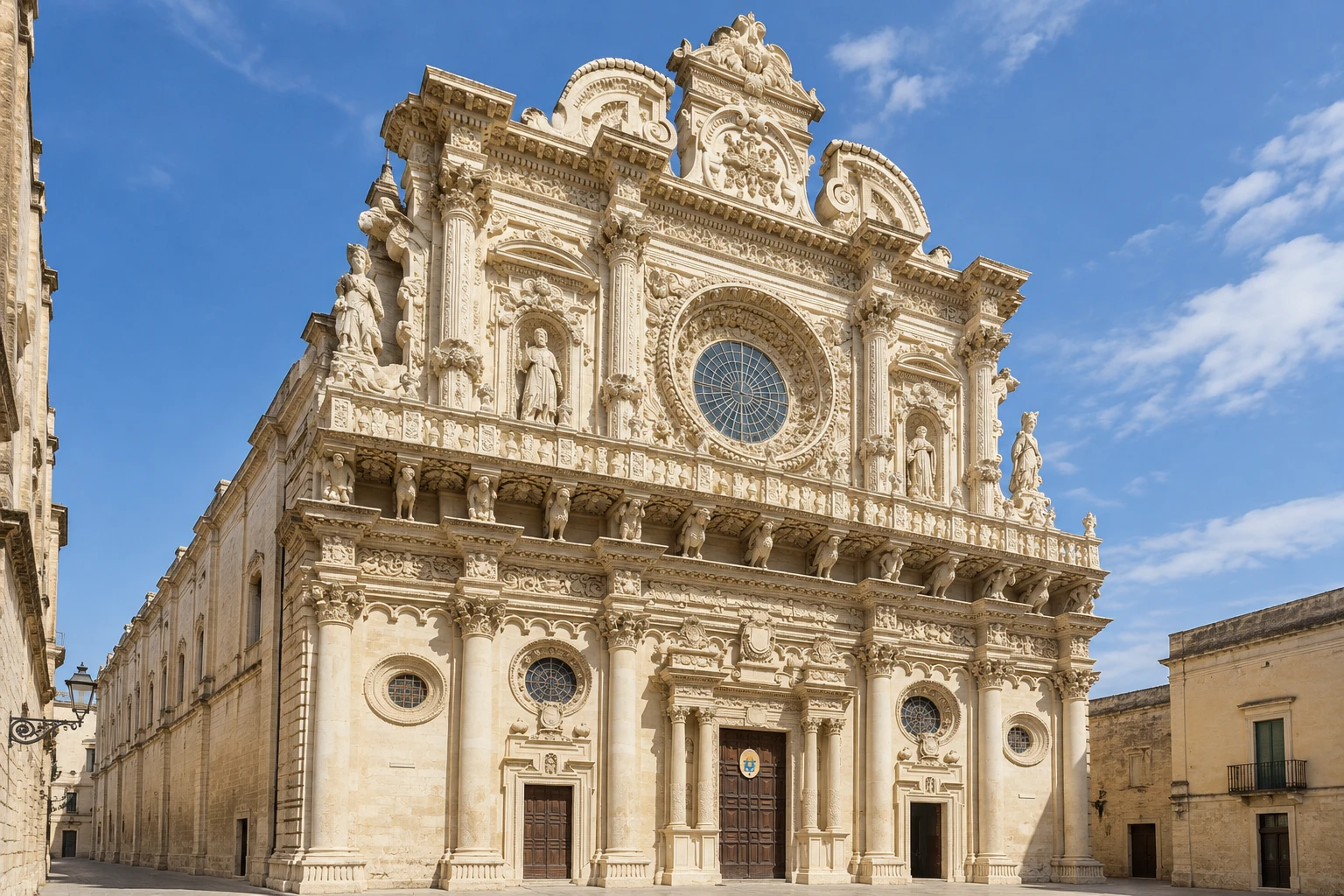
Basilica of Santa Croce · Lecce16th–17th century basilica considered the masterpiece of the barroco leccese, with a façade full of grotesque figures, animals and a large rose window.
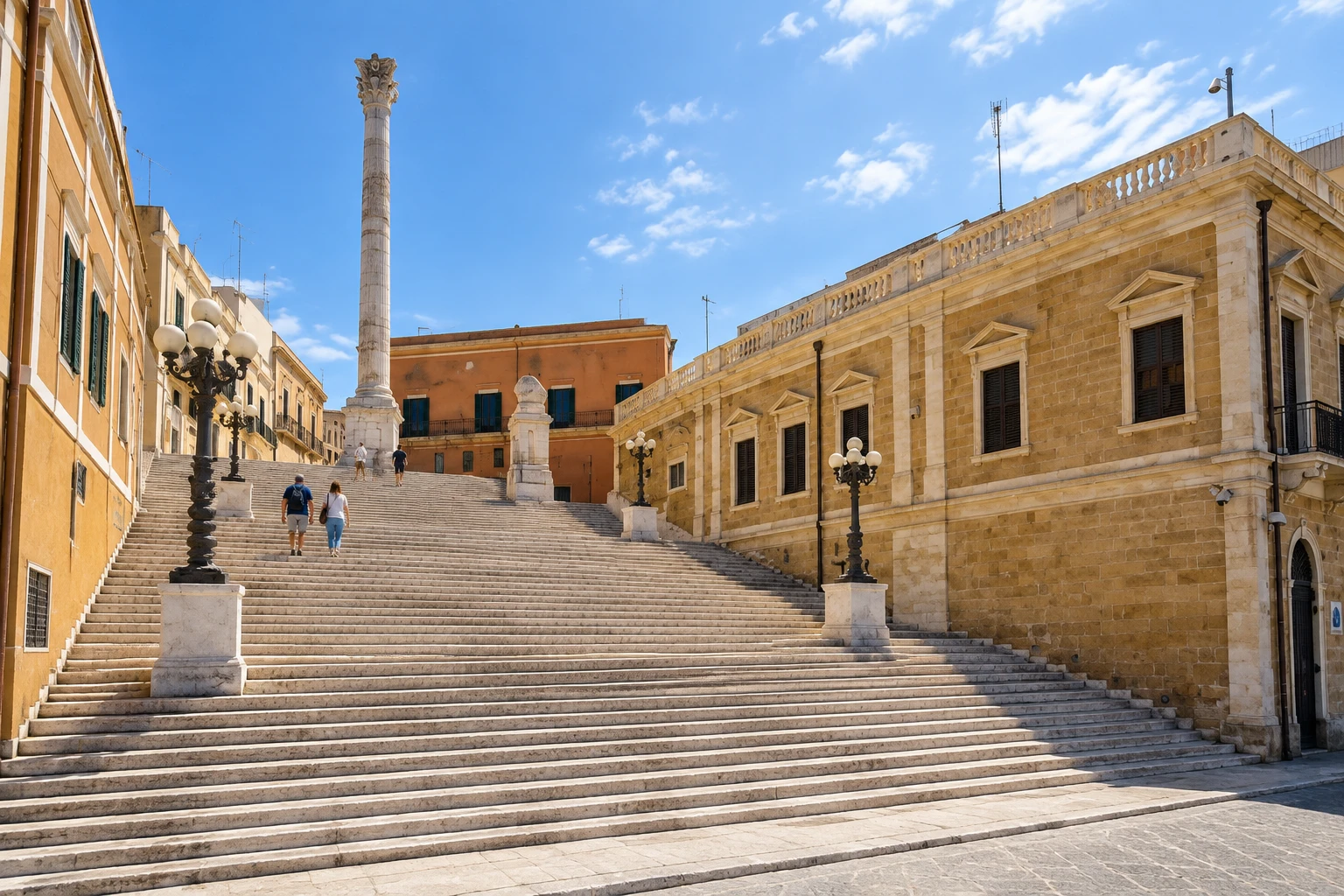
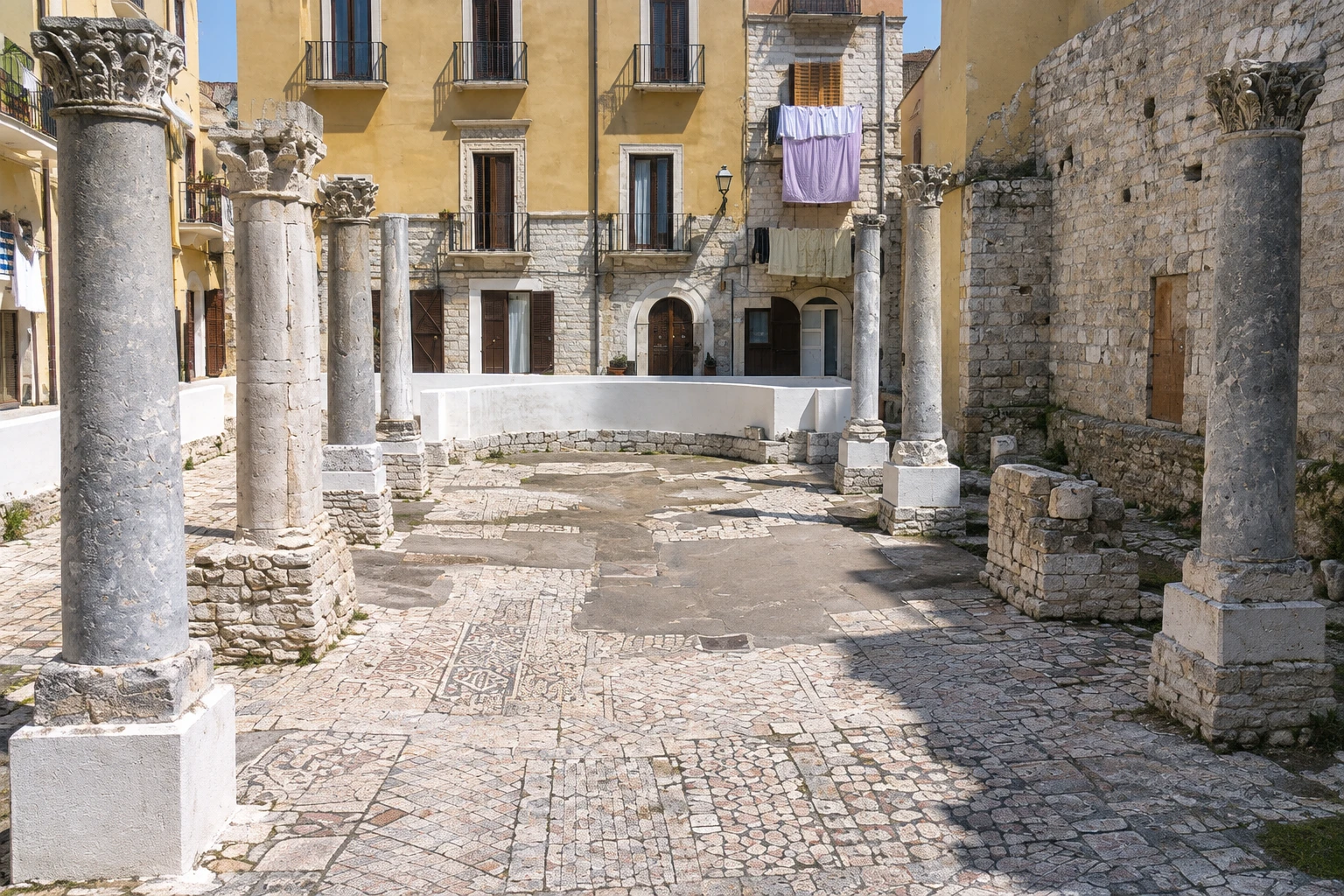
Roman Columns of Brindisi and Virgil’s Staircase · BrindisiThe Roman column at the top of the harbour stairway, which by tradition marks the end of the Via Ápia, the road that connected Rome to Brindisi.
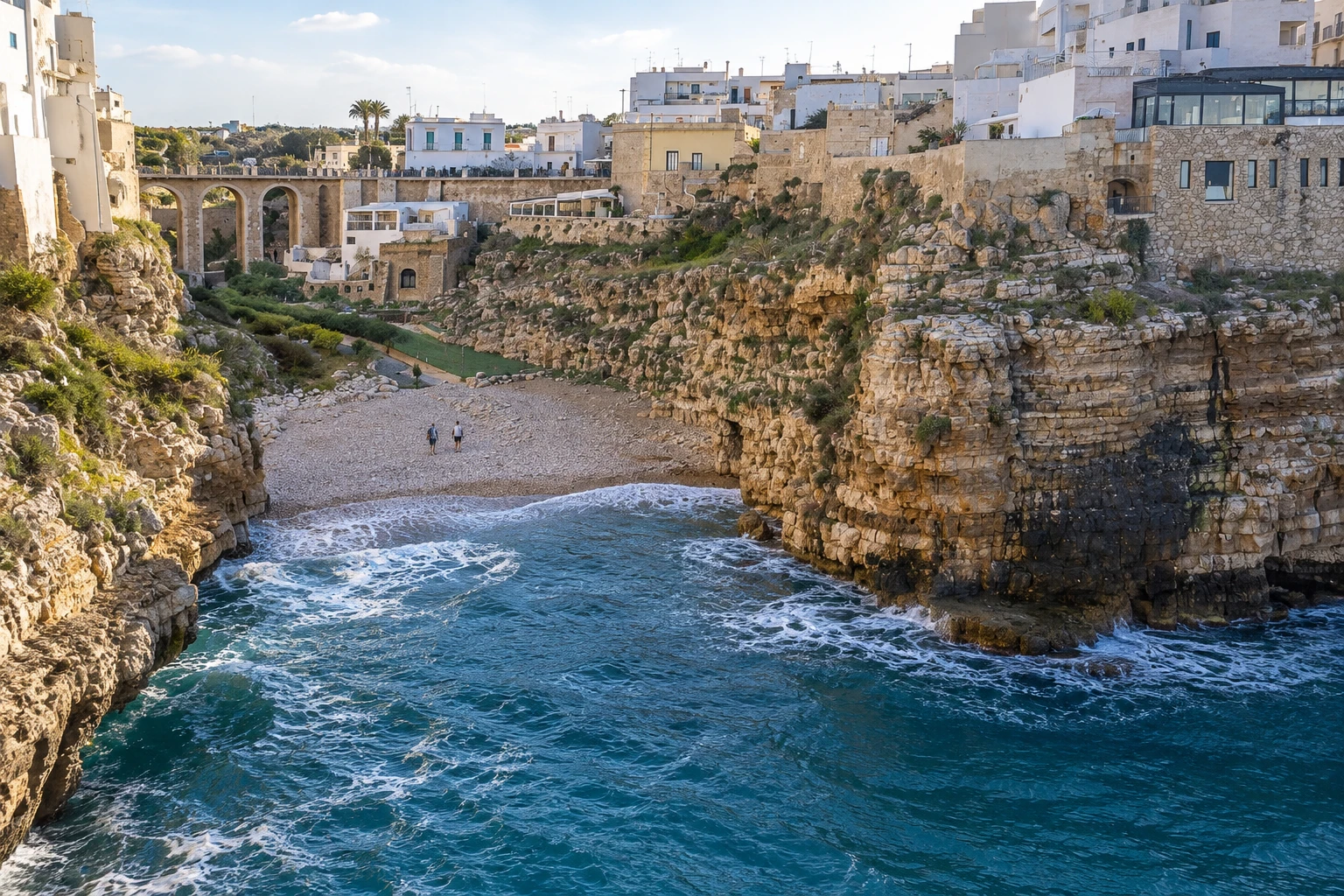
Lama Monachile · Polignano a MareA small inlet between cliffs next to the historic center of Polignano, with a pebble beach and a stone bridge over the old Via Traiana.
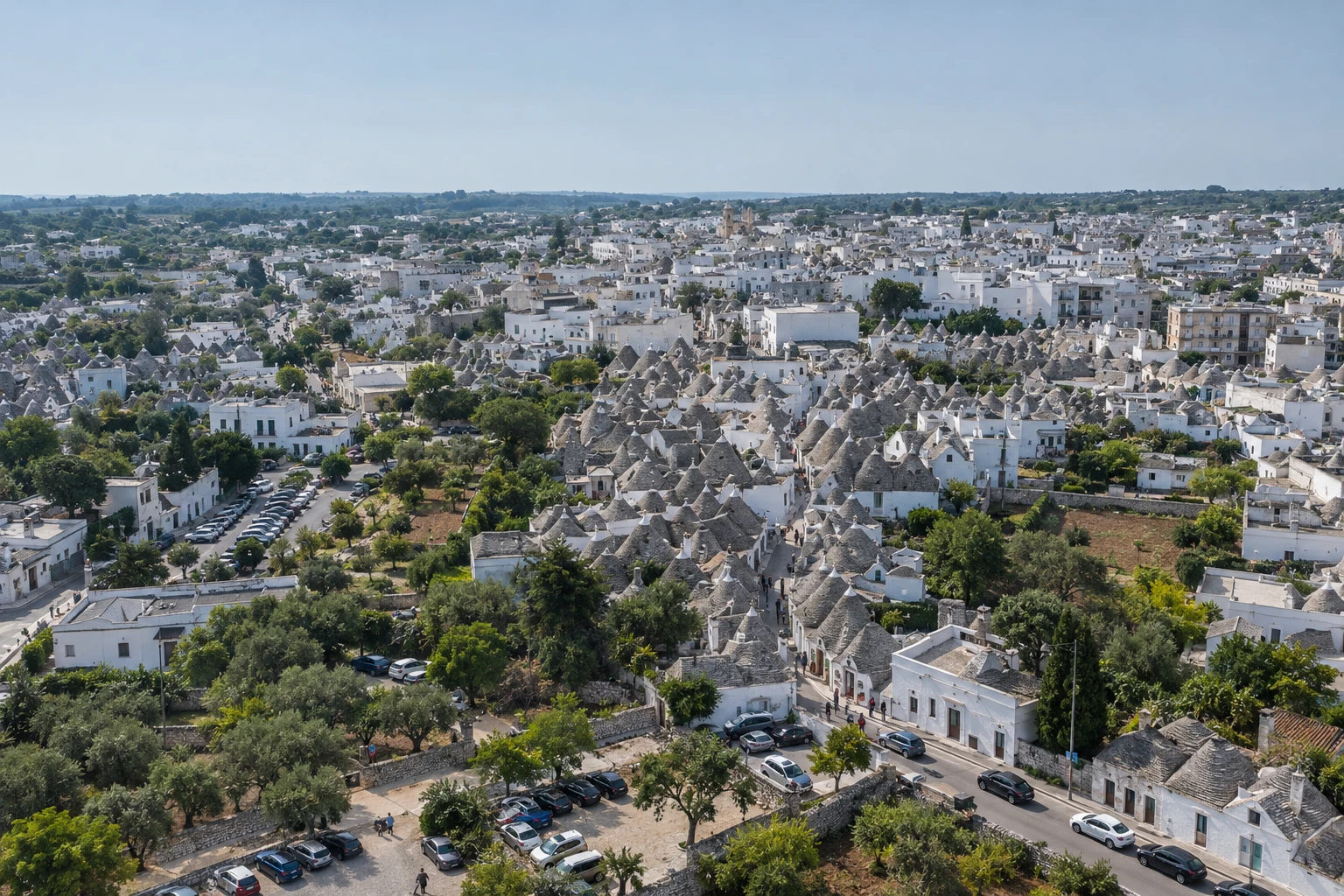
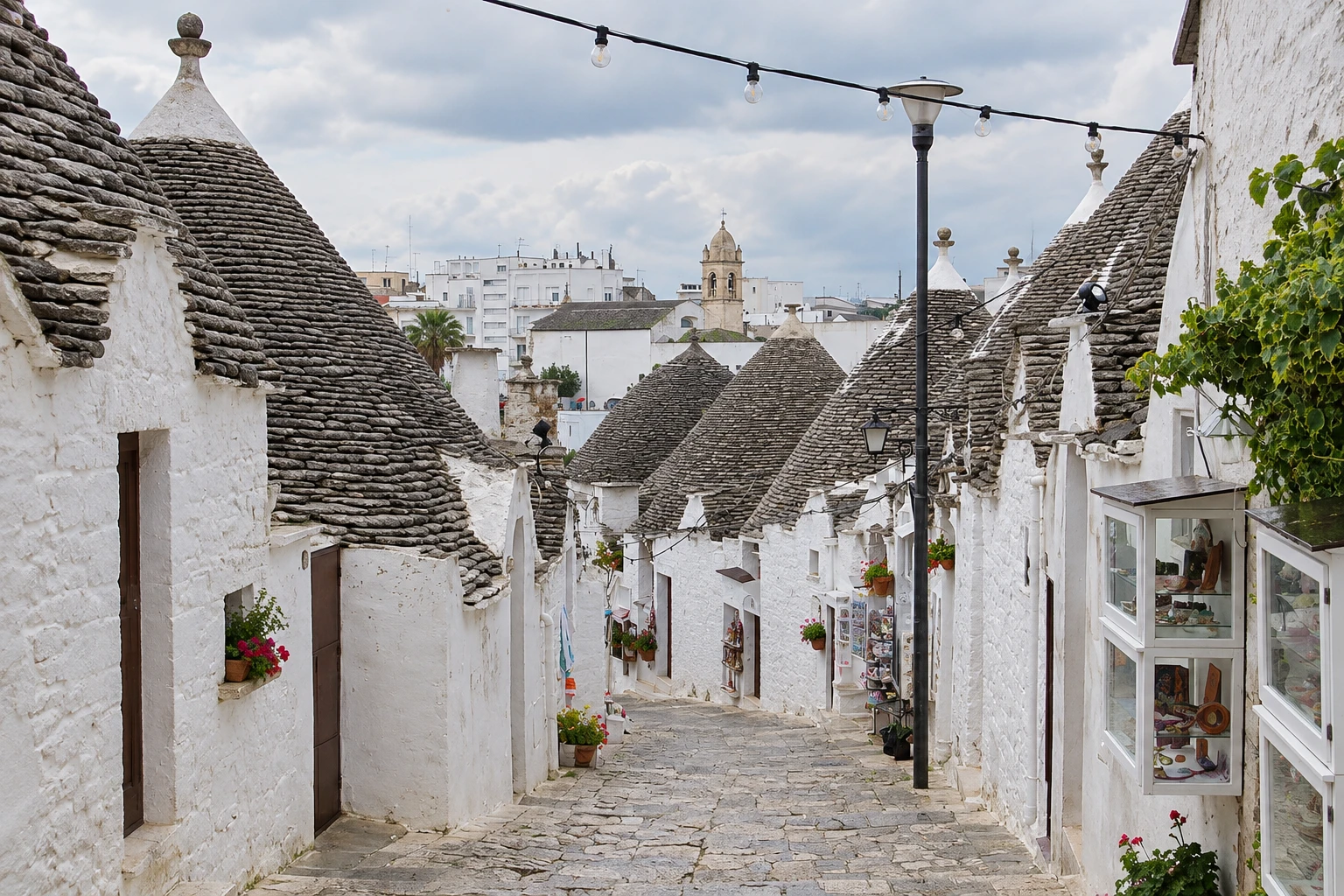
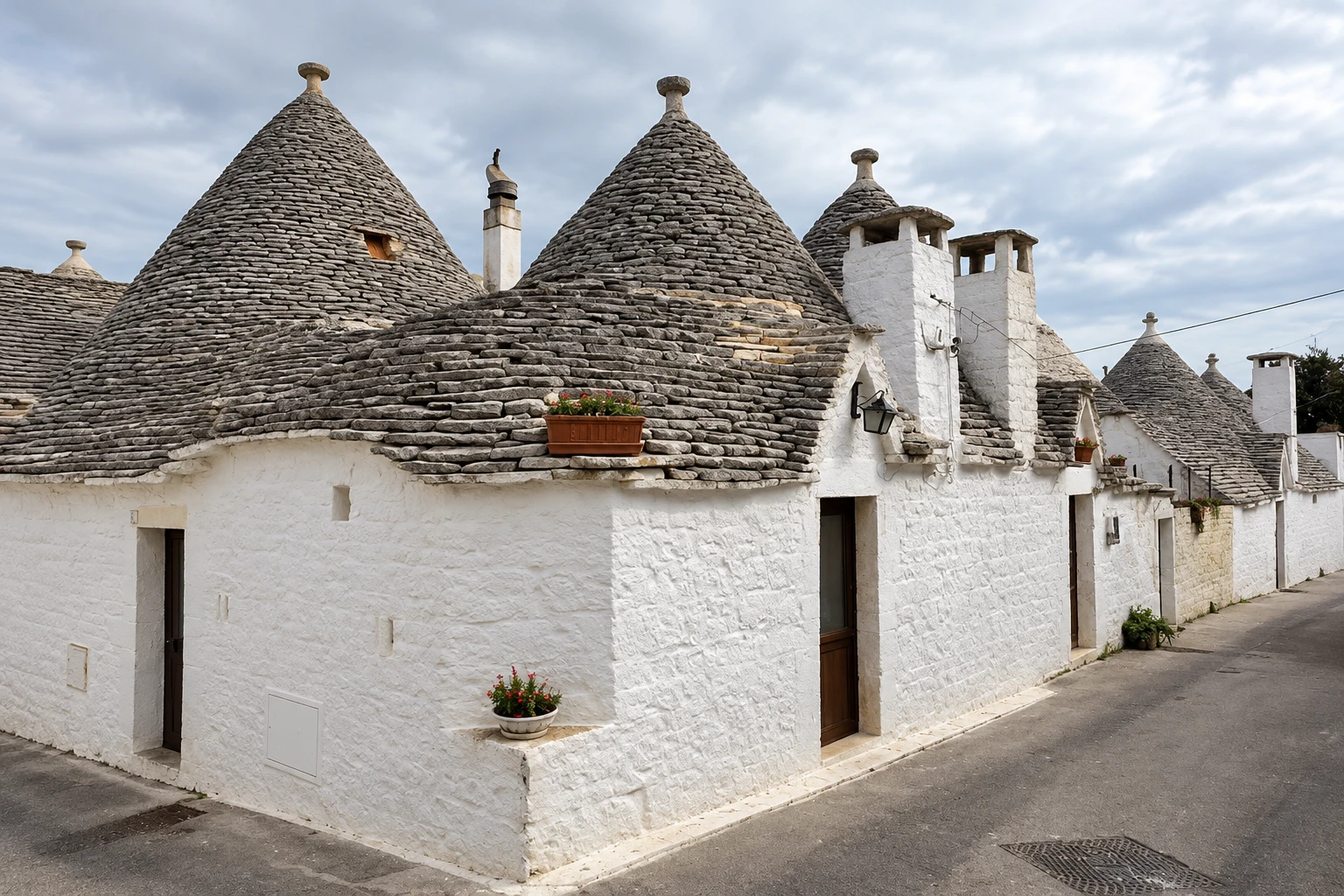
Rione Monti · AlberobelloThe trulli quarter of Alberobello, on the slope south of the center, with about 1,030 dry-stone houses and cone-shaped roofs.
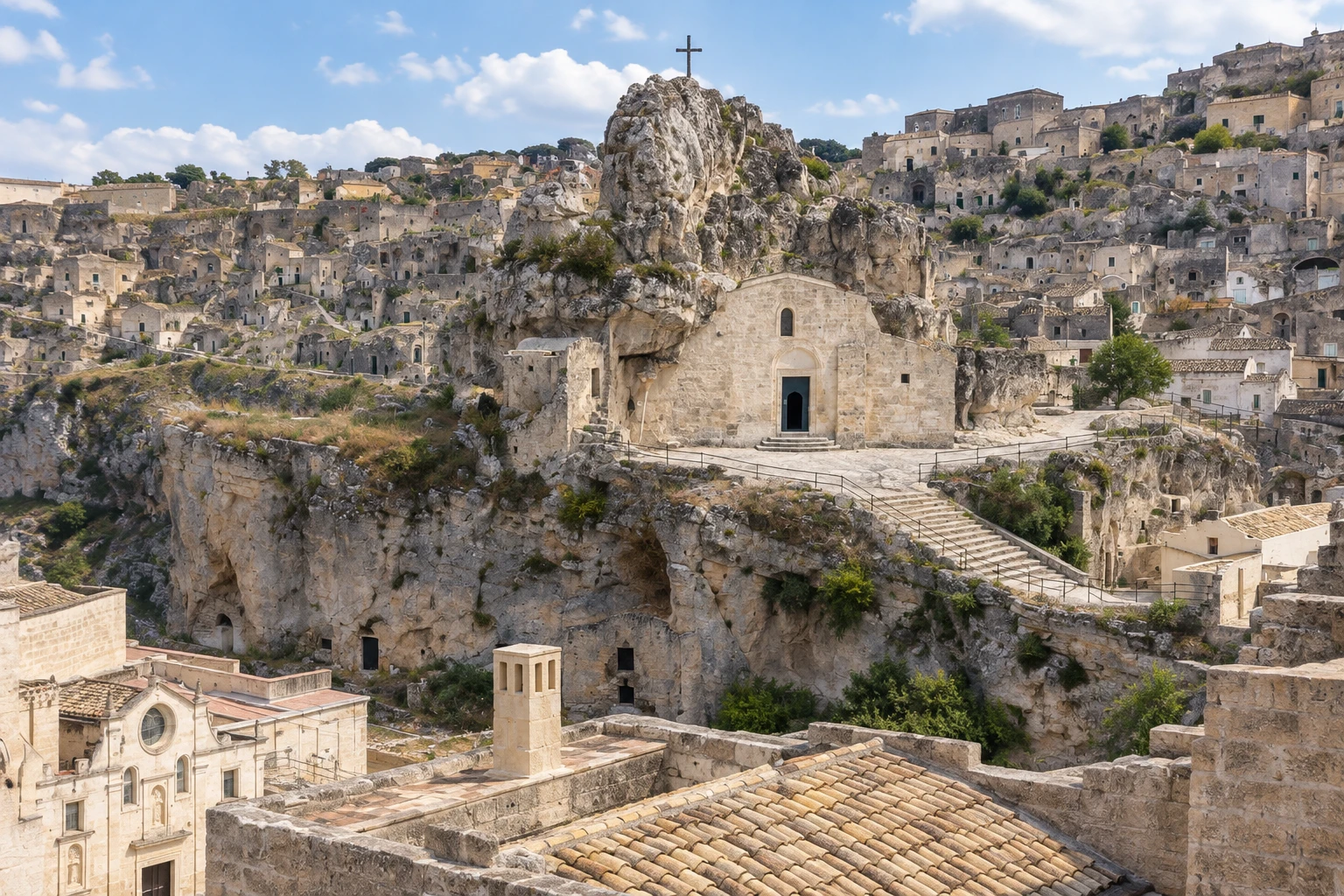
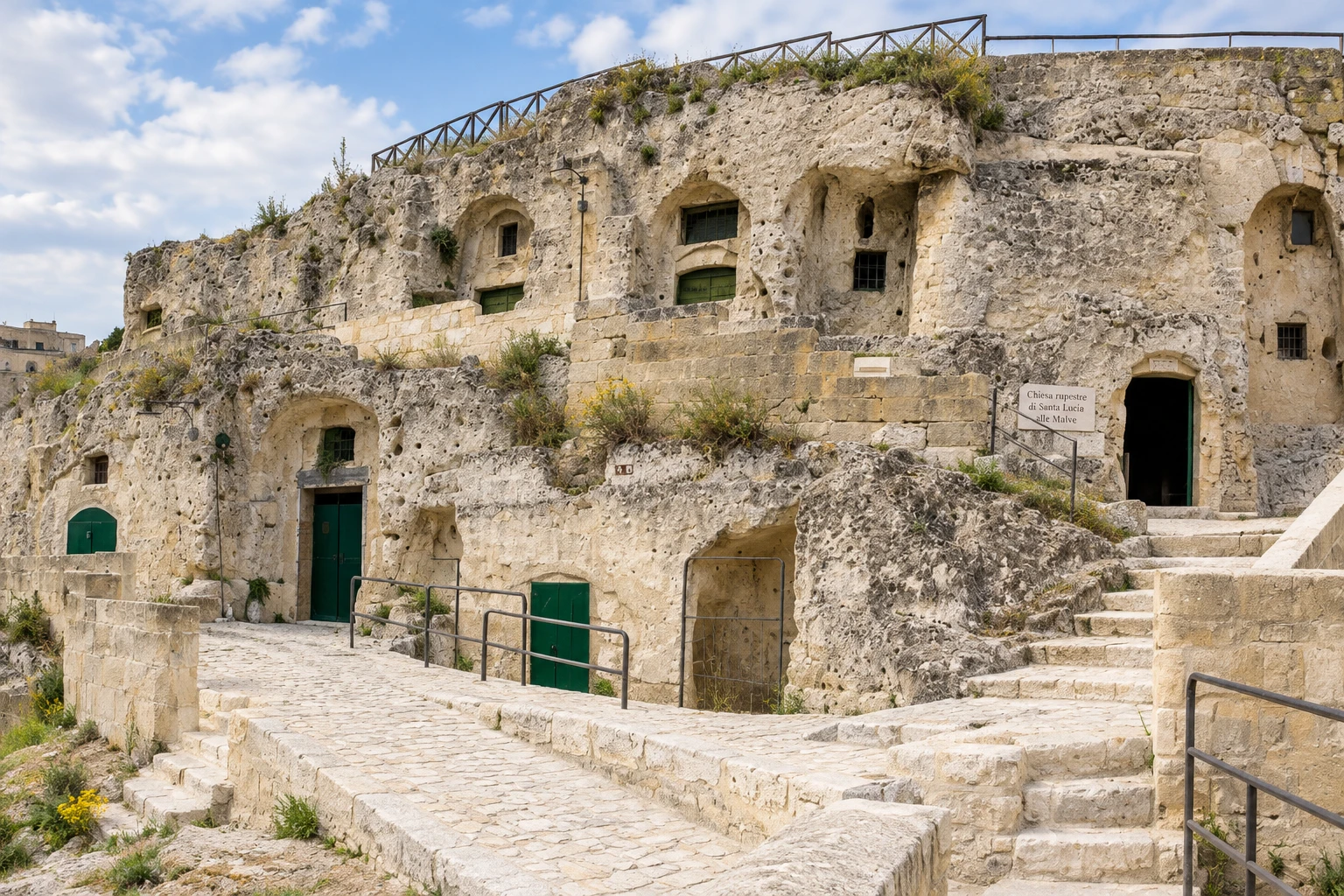
Sasso Caveoso · MateraThe oldest and most rustic of the two Sassi, with houses carved in steps like an amphitheater, the church of San Pietro Caveoso and, above, the rock churches of the Monterrone o...
Baia dei Turchi · OtrantoA strip of sand stretches between the coastal vegetation and the Adriatic north of Otranto.
Brindisi Cathedral · BrindisiCathedral of Brindisi, rebuilt in the 18th century, on the square with the Loggia Balsamo and the Templars' portico, where Frederick II married in 1225.
Bari Cathedral · BariBari's cathedral, in Apulian Romanesque style, was built between the 12th and 13th centuries over the ruins of older churches.
Romanesque basilica from the 11th century, in the heart of Bari Vecchia, built to house the relics of Saint Nicholas, brought from the city of Myra (now in Turkey) in 1087. It is a destination for Catholic and Orthodox pilgrims.
16th–17th century basilica considered the masterpiece of the barroco leccese, with a façade full of grotesque figures, animals and a large rose window. Beside it is the former convent of the Celestines.
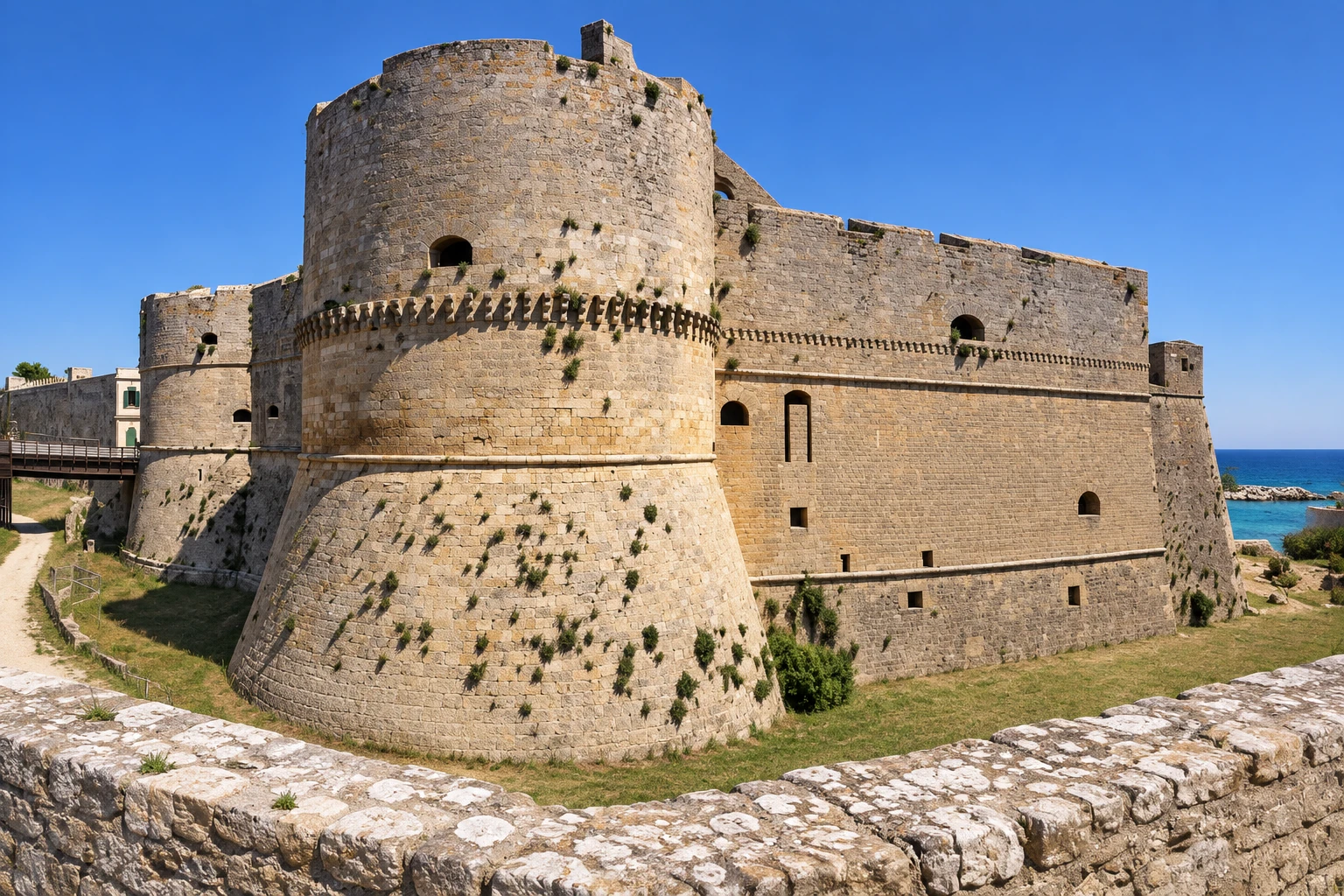
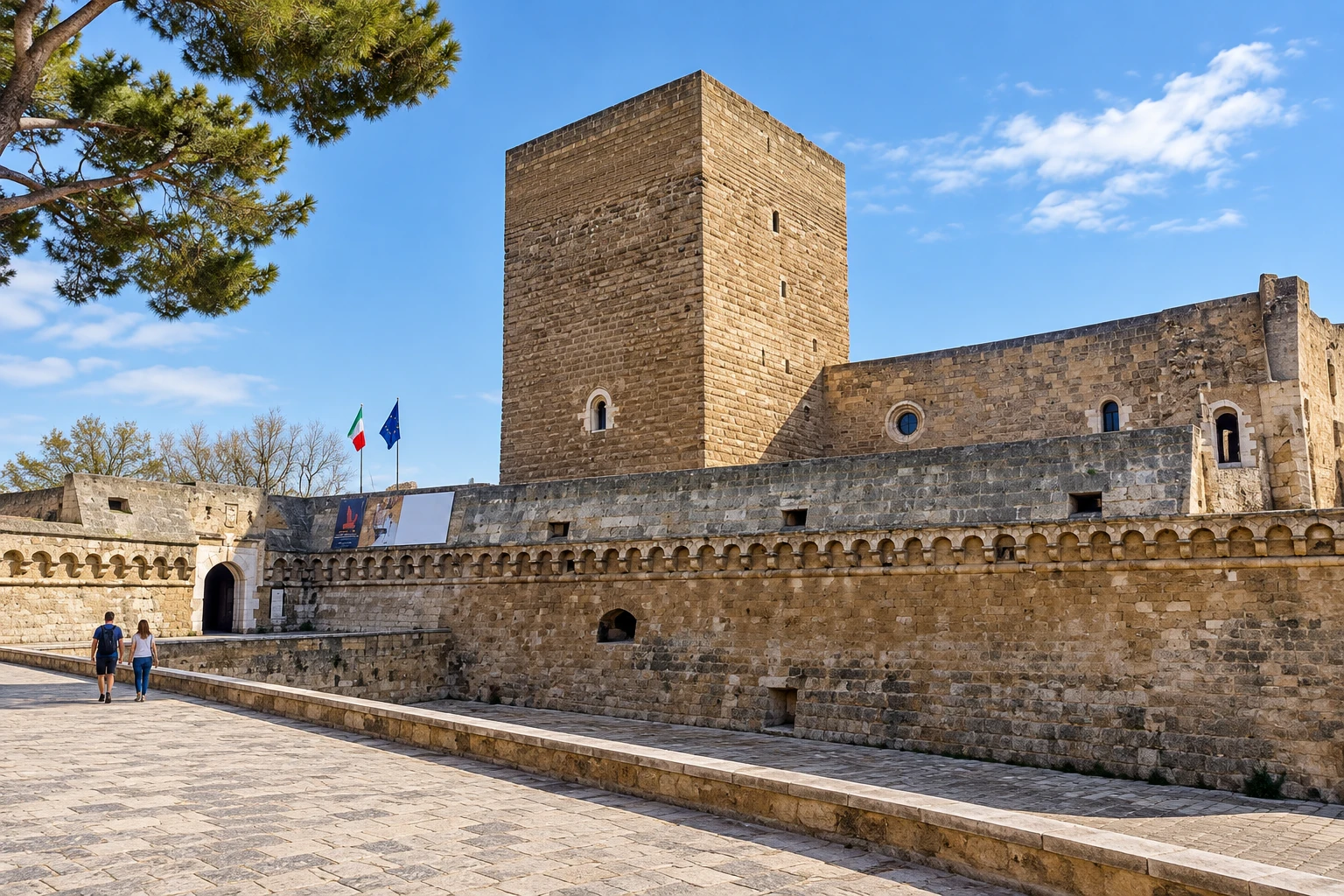
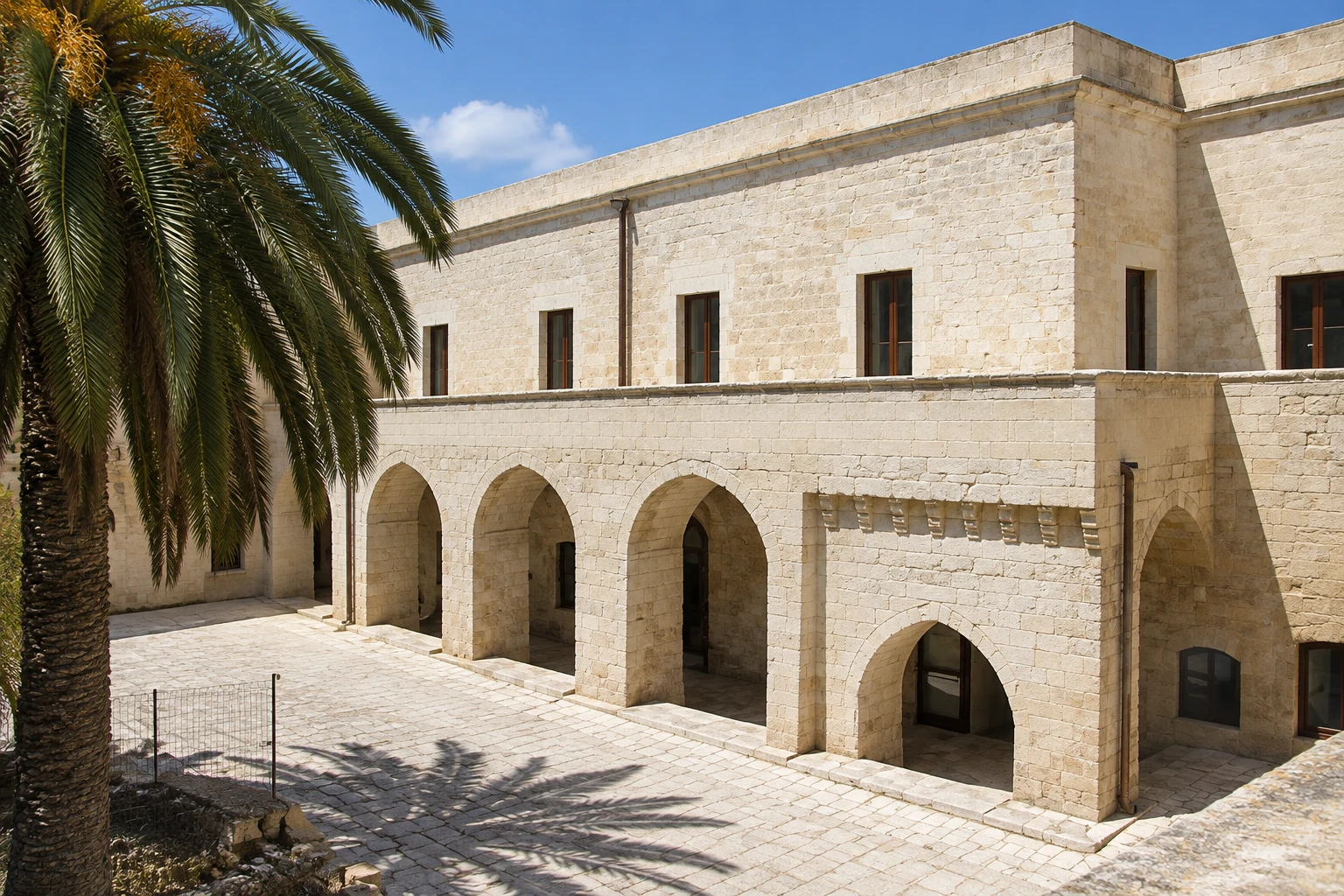
The castle guards the southern side of Otranto’s fortified old town. Its masonry towers, moat, and courtyard show how the defenses facing the Adriatic took shape.
A small inlet between cliffs next to the historic center of Polignano, with a pebble beach and a stone bridge over the old Via Traiana. It's the town's most famous view.
The trulli quarter of Alberobello, on the slope south of the center, with about 1,030 dry-stone houses and cone-shaped roofs. Together with Aia Piccola, it forms the ensemble recognized by UNESCO in 1996.
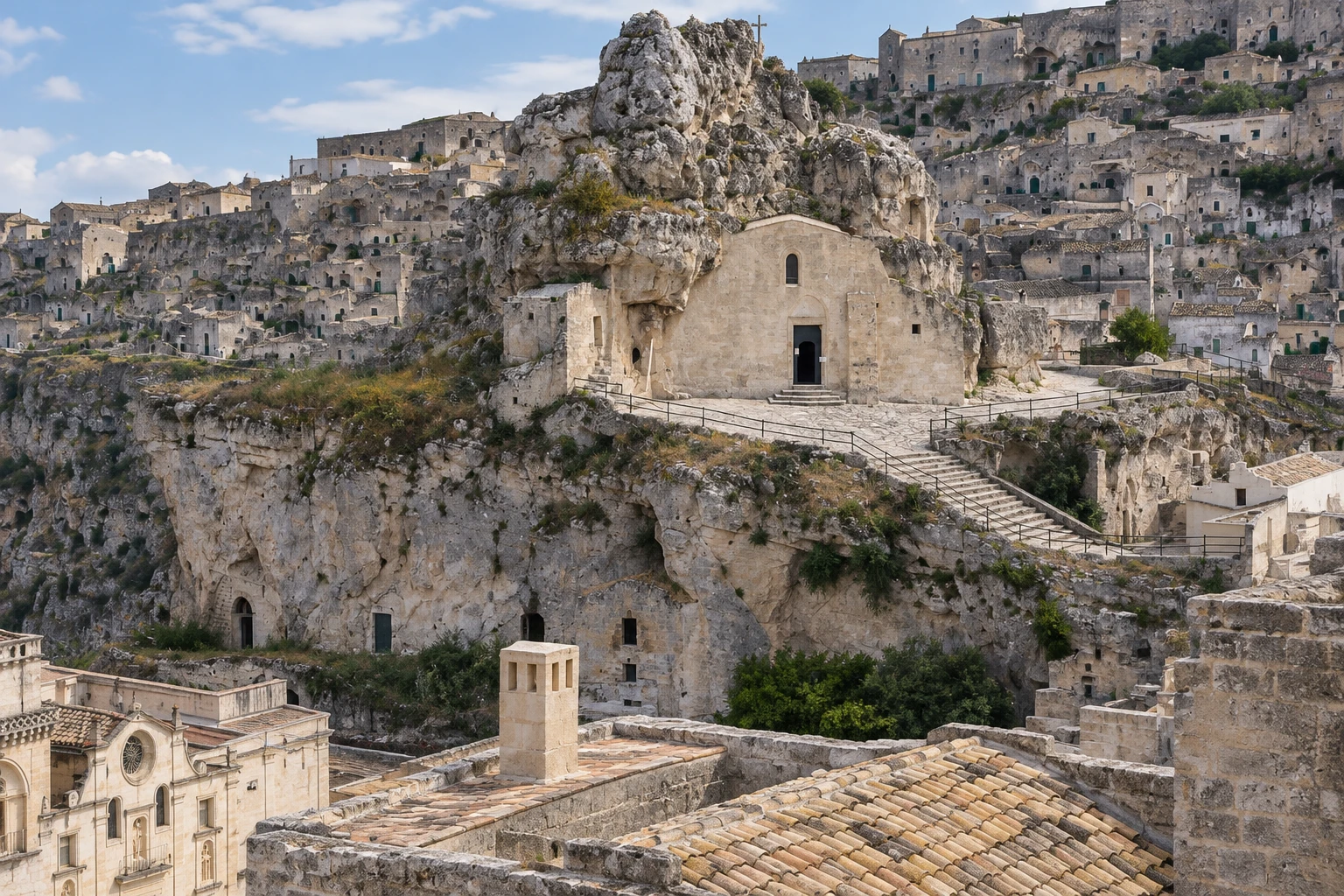
The oldest and most rustic of the two Sassi, with houses carved in steps like an amphitheater, the church of San Pietro Caveoso and, above, the rock churches of the Monterrone overlooking the Gravina ravine.
Cathedral of Brindisi, rebuilt in the 18th century, on the square with the Loggia Balsamo and the Templars' portico, where Frederick II married in 1225.
Bari's cathedral, in Apulian Romanesque style, was built between the 12th and 13th centuries over the ruins of older churches. It features a rose window on the façade, a Baroque crypt and remains of medieval mosaics.
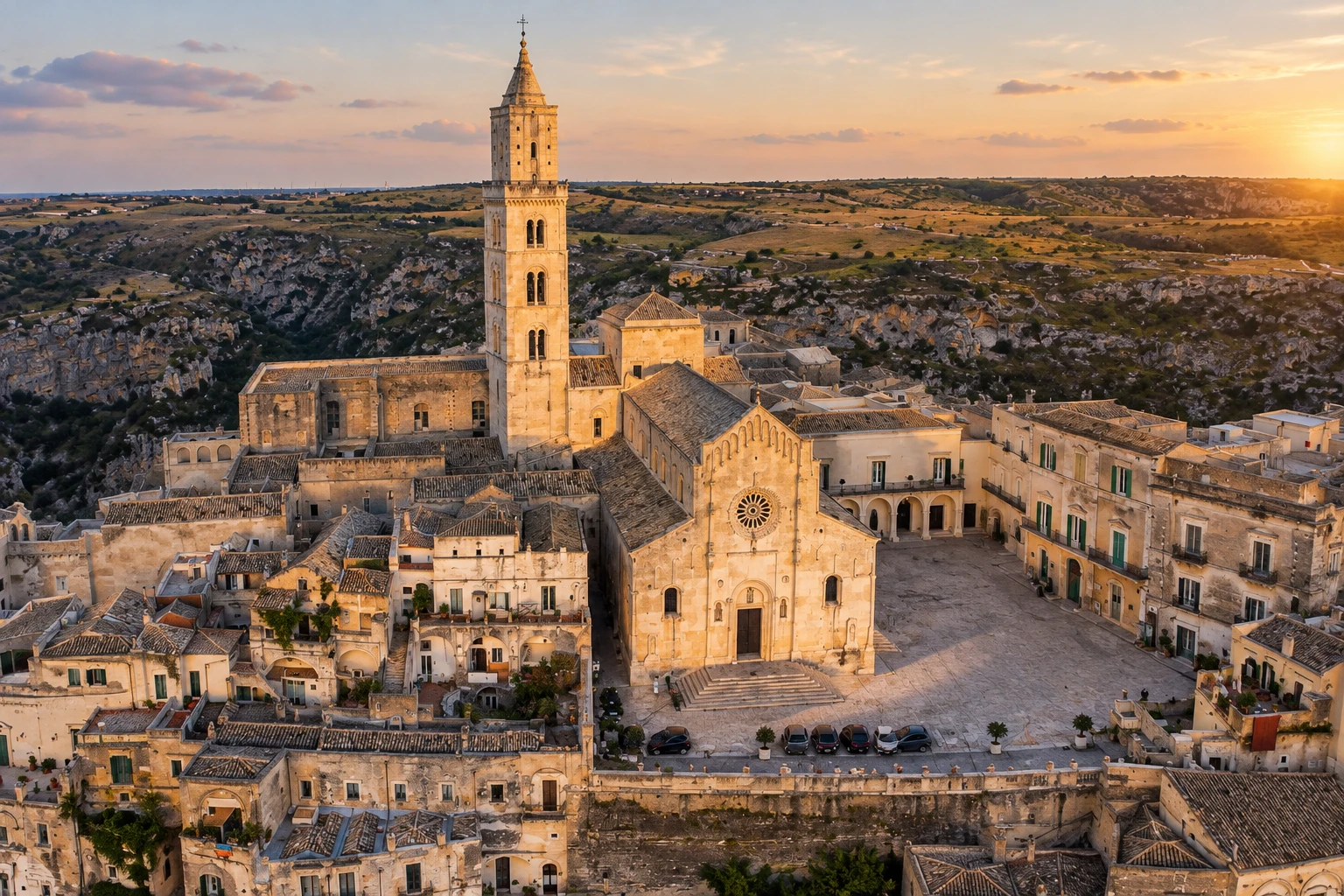
An enclosed square, almost a courtyard, surrounded by the Cattedrale di Santa Maria Assunta, the 70-meter campanile, the episcopal palace and the former seminary, all in leccese Baroque.
The Sasso facing north, toward Bari, with houses that have elaborately worked facades, carved portals and the rock church of San Pietro Barisano, the largest in the city.
The largest trullo in Alberobello and one of the rare two-storey ones, about 14 meters high. Built in the 18th century, it is a national monument and serves as a furnished house-museum.
Remains of the Roman amphitheatre from the time of Augustus, discovered in the early 20th century and exposed outdoors in Piazza Sant'Oronzo, the main square of Lecce, next to the patron's column.
Fortress on the edge of the old town, erected by the Normans in the 12th century and rebuilt by Frederick II in 1233. It has a moat, stone towers and rooms with exhibitions and a gipsoteca, a collection of plaster casts.
Romanesque cathedral of Apulia, built between 1230 and 1270 at the highest point of the Civita, between the two Sassi, dedicated to the Madonna della Bruna and Sant'Eustachio.
Archaeological museum on the cathedral square, with finds from Brindisi and the Salento and the Roman and Greek bronzes recovered from the sea off Punta del Serrone.
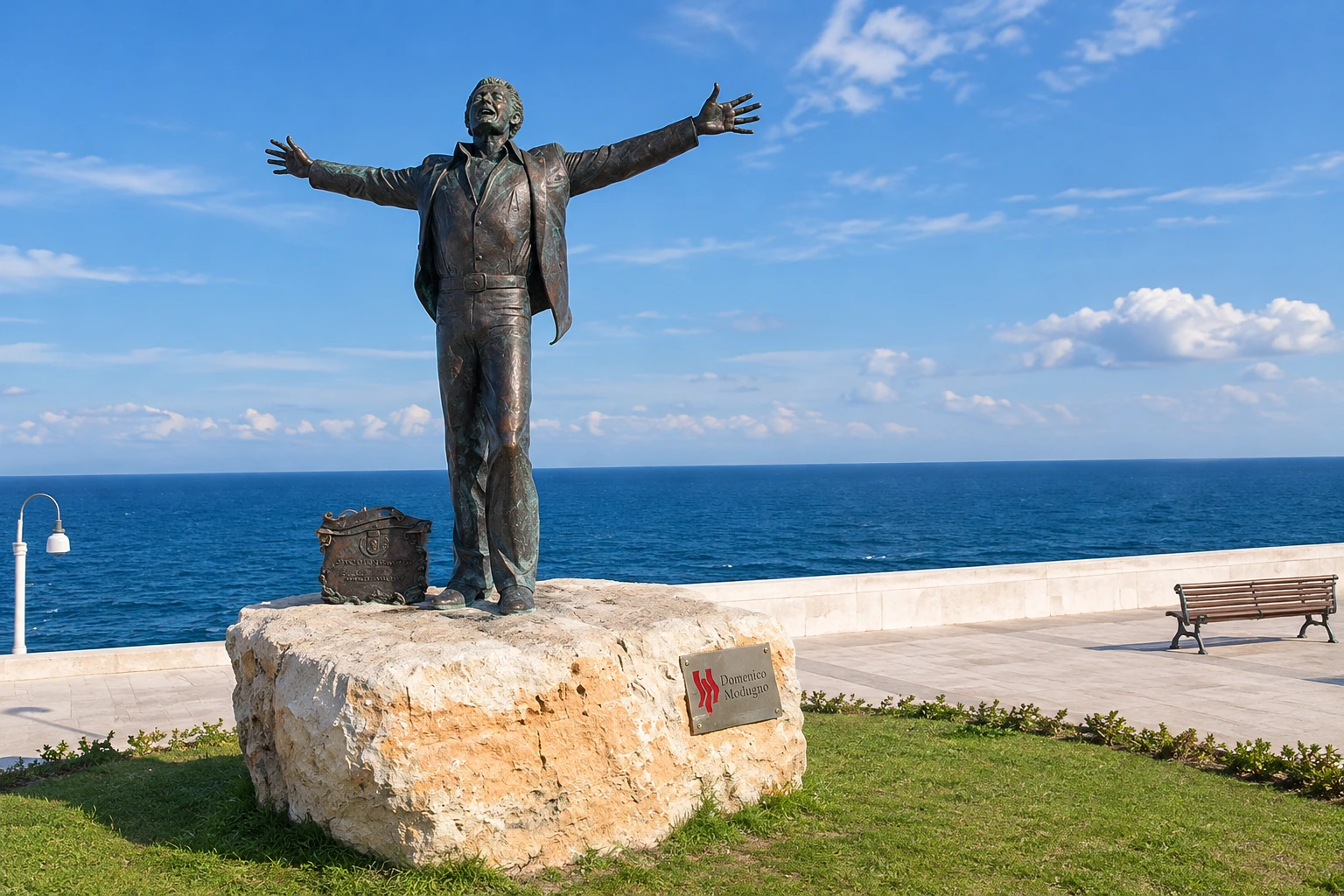
Bronze statue of singer Domenico Modugno, born in Polignano, with arms outstretched facing the sea. It honors the author of Nel blu dipinto di blu, the song known as Volare.
Bari's old town occupies a small peninsula between the old port and the new port, surrounded by the ancient wall. Medieval lanes, squares, dozens of churches and the neighborhood life of its residents.
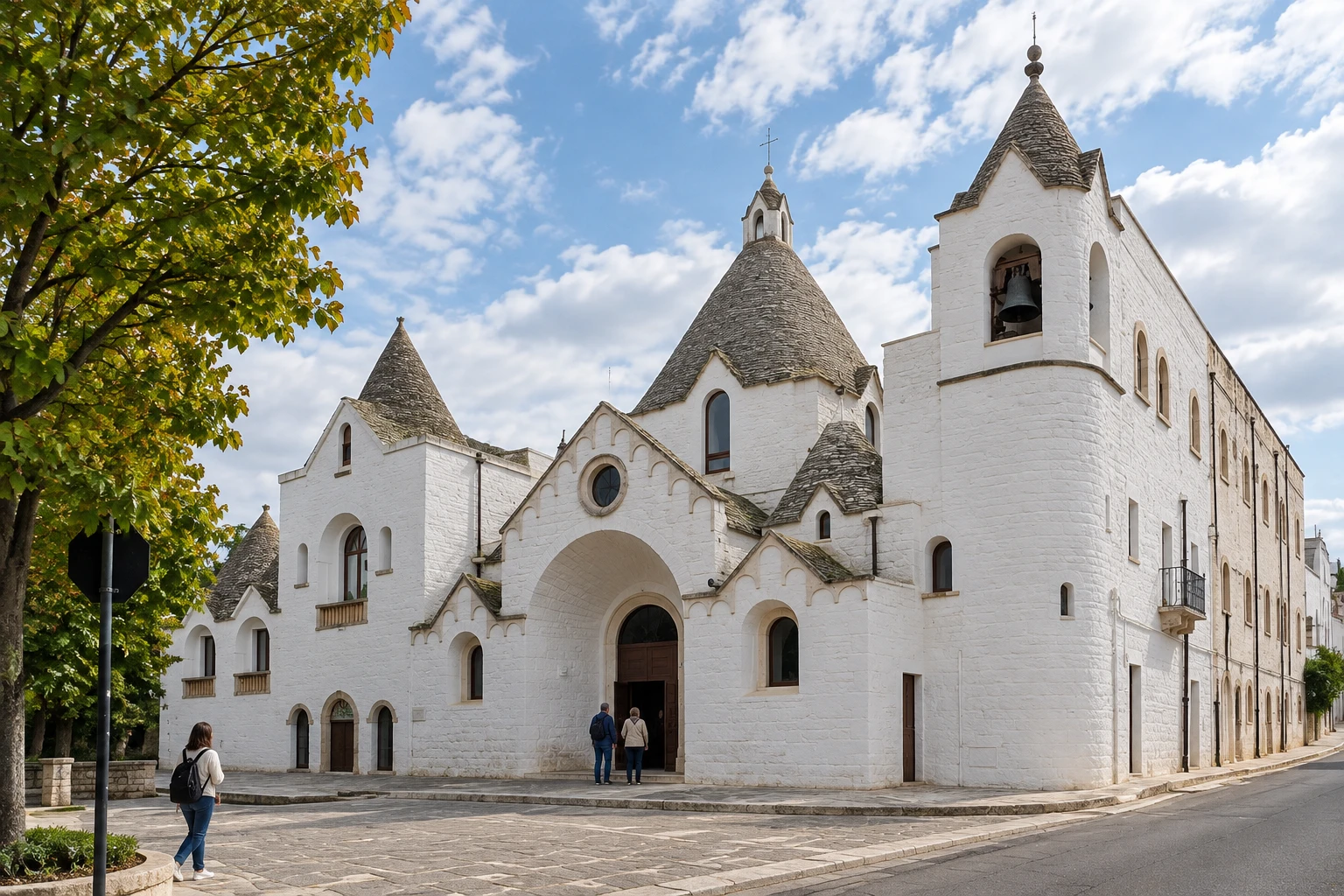
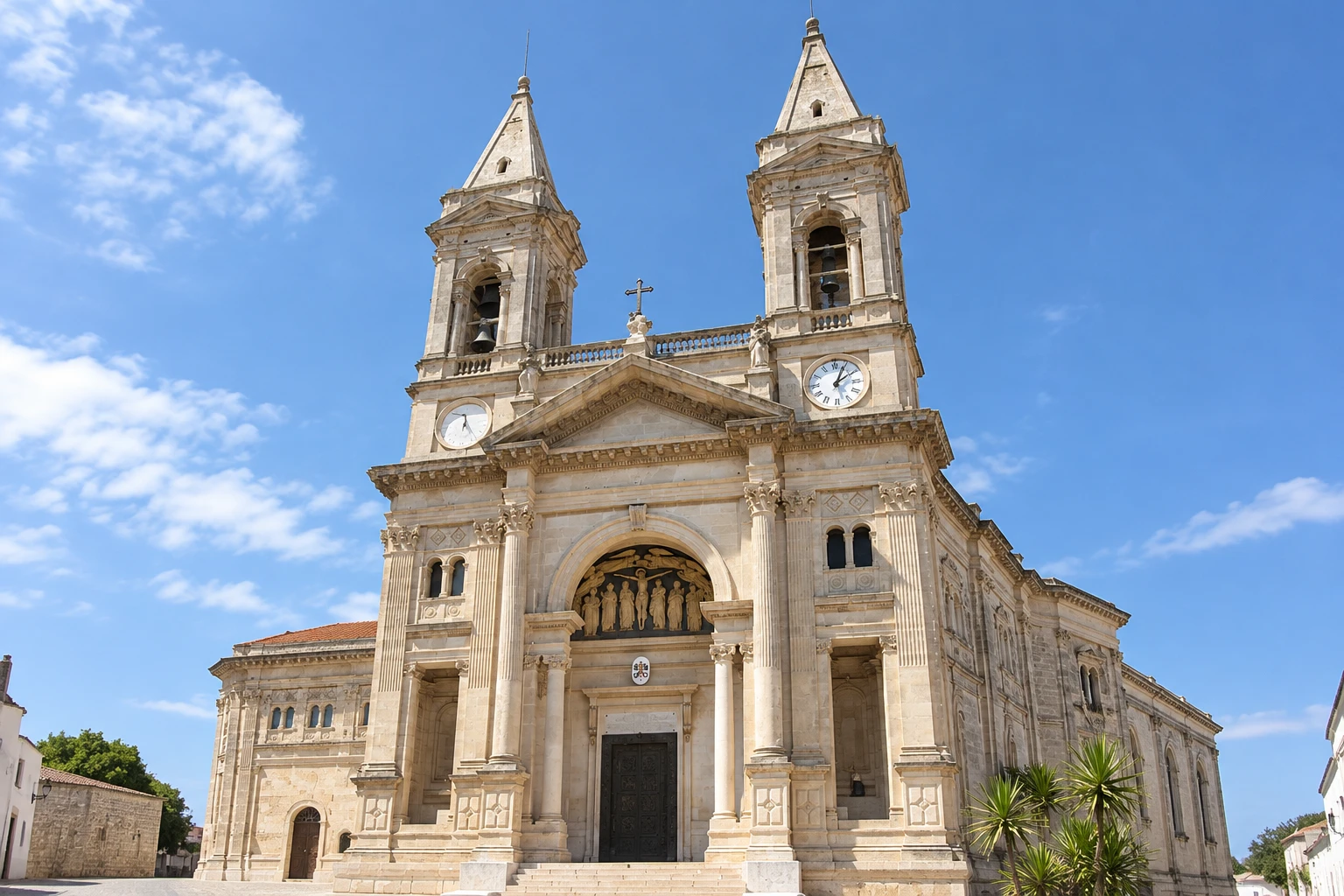
The mother church of Alberobello, in Neoclassical style, with a porticoed façade and two twin towers, was designed at the end of the 19th century by local architect Antonio Curri. It houses the relics of the patron saints.
Rock-cut church atop the Monterrone, the rock in the middle of Sasso Caveoso, linked by a corridor to the crypt of San Giovanni in Monterrone, with frescoes dating from the 12th to the 17th centuries.
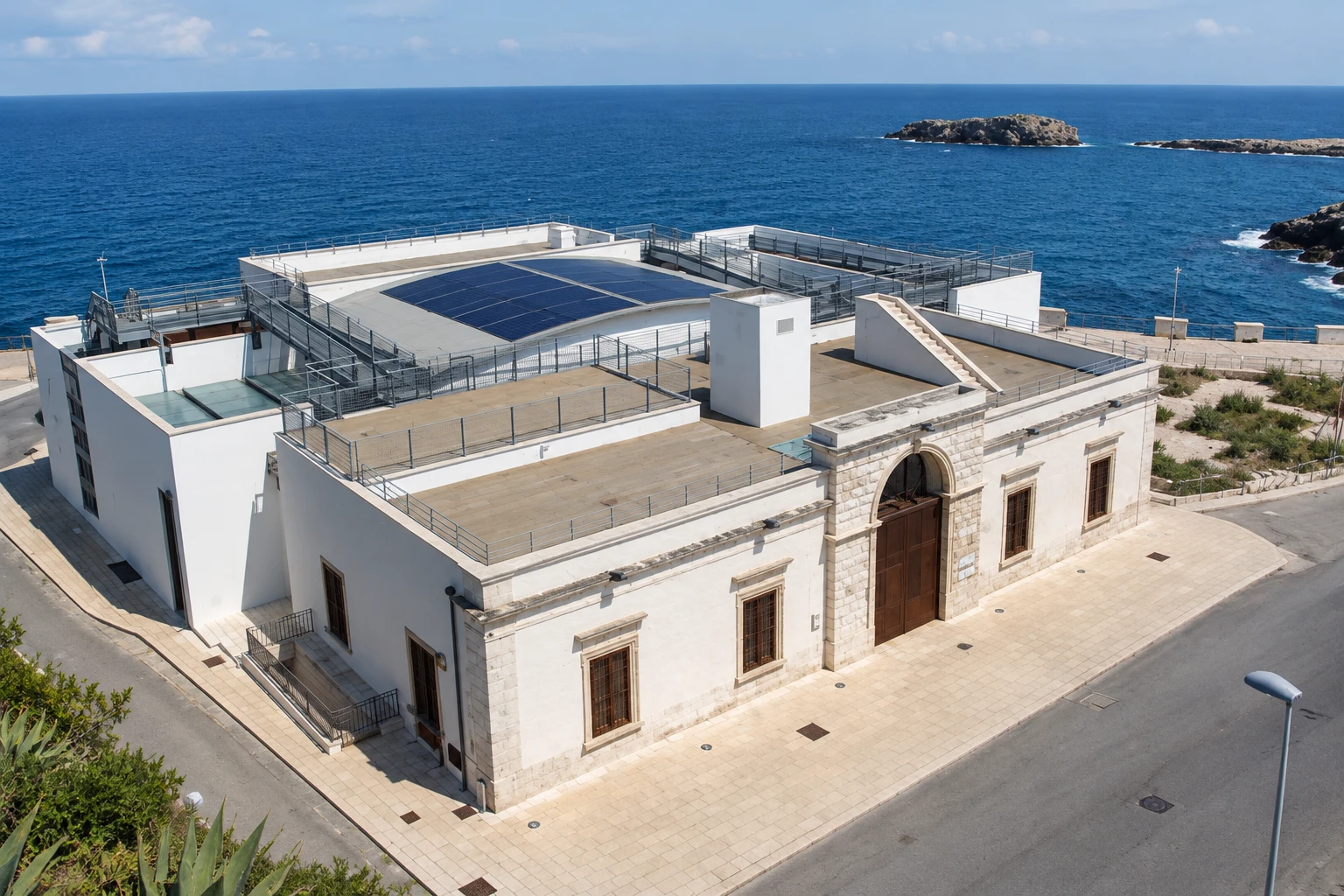
Contemporary art museum housed in the city's former slaughterhouse on the sea, dedicated to the artist Pino Pascali, a figure of arte povera. It has a permanent collection and temporary exhibitions.
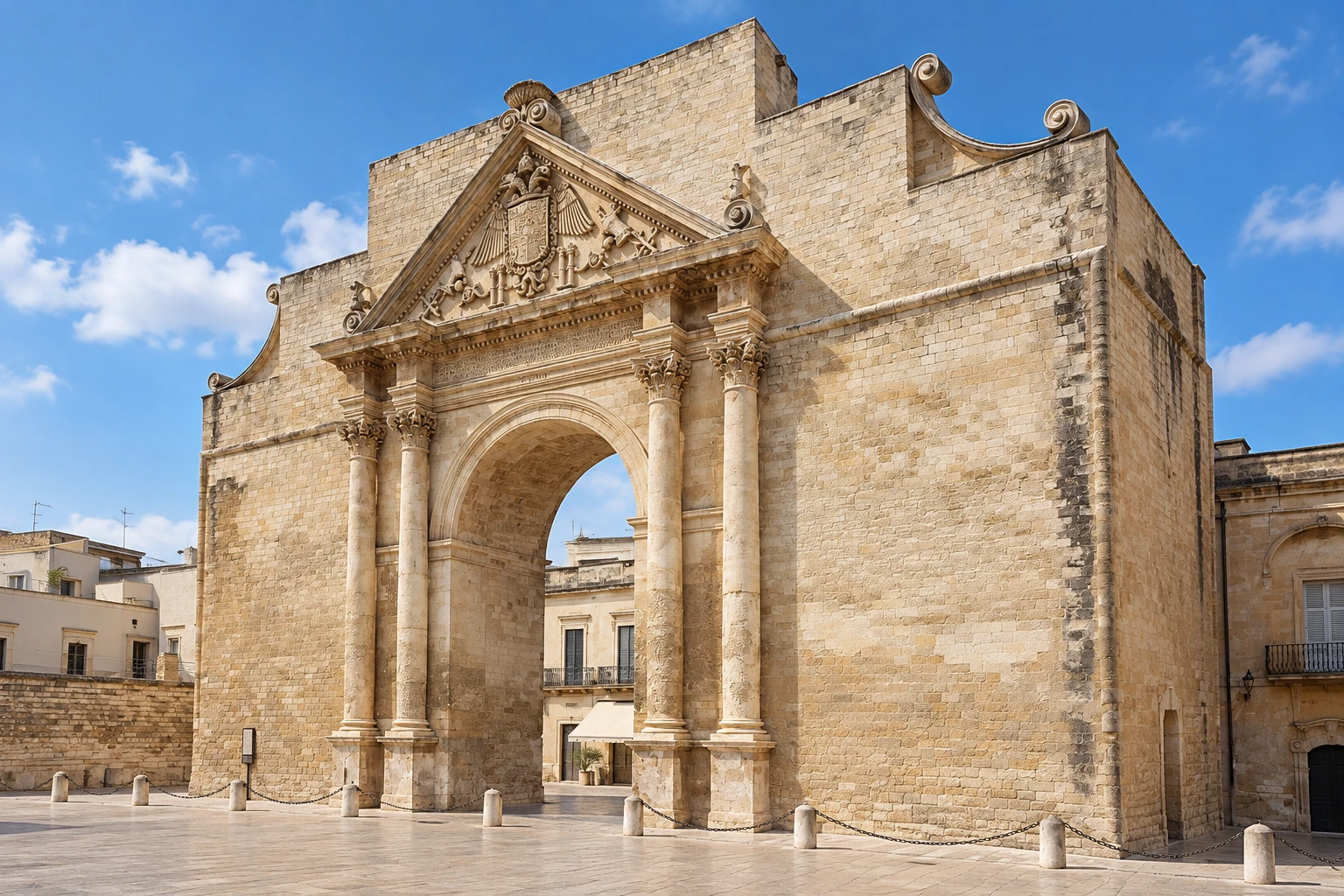
Triumphal arch from 1548 erected in honor of Emperor Charles V, at the northern entrance to the historic center of Lecce, facing a 19th-century obelisk.
Fortress built from 1539 by order of Carlos V, next to the historic center. Today it serves as a cultural space run by the city council, hosting exhibitions and routes through the castle's former rooms.
Rock‑cut church of Sasso Caveoso linked to an 11th‑century Benedictine nunnery, with 13th‑century frescoes, including a Nursing Madonna and the archangel Gabriel.
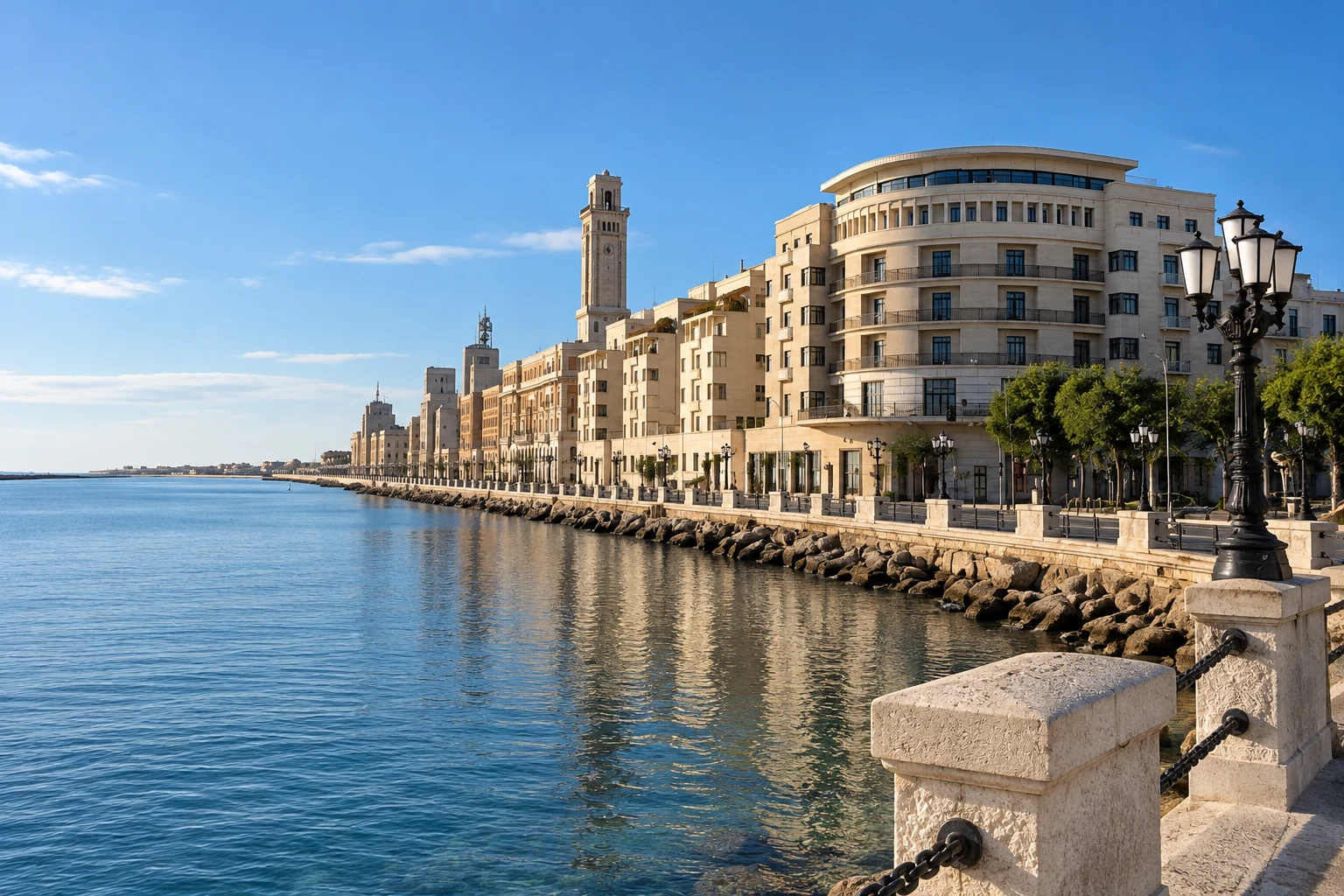
Seafront avenue that runs from the old town toward the south, with a promenade, public buildings from the 1920s and 1930s, and views of the Adriatic. It's the locals' late-afternoon stroll.
Museum set up in 15 trulli linked together, next to the Aia Piccola. It displays Alberobello's history, the trulli construction technique and rural life.
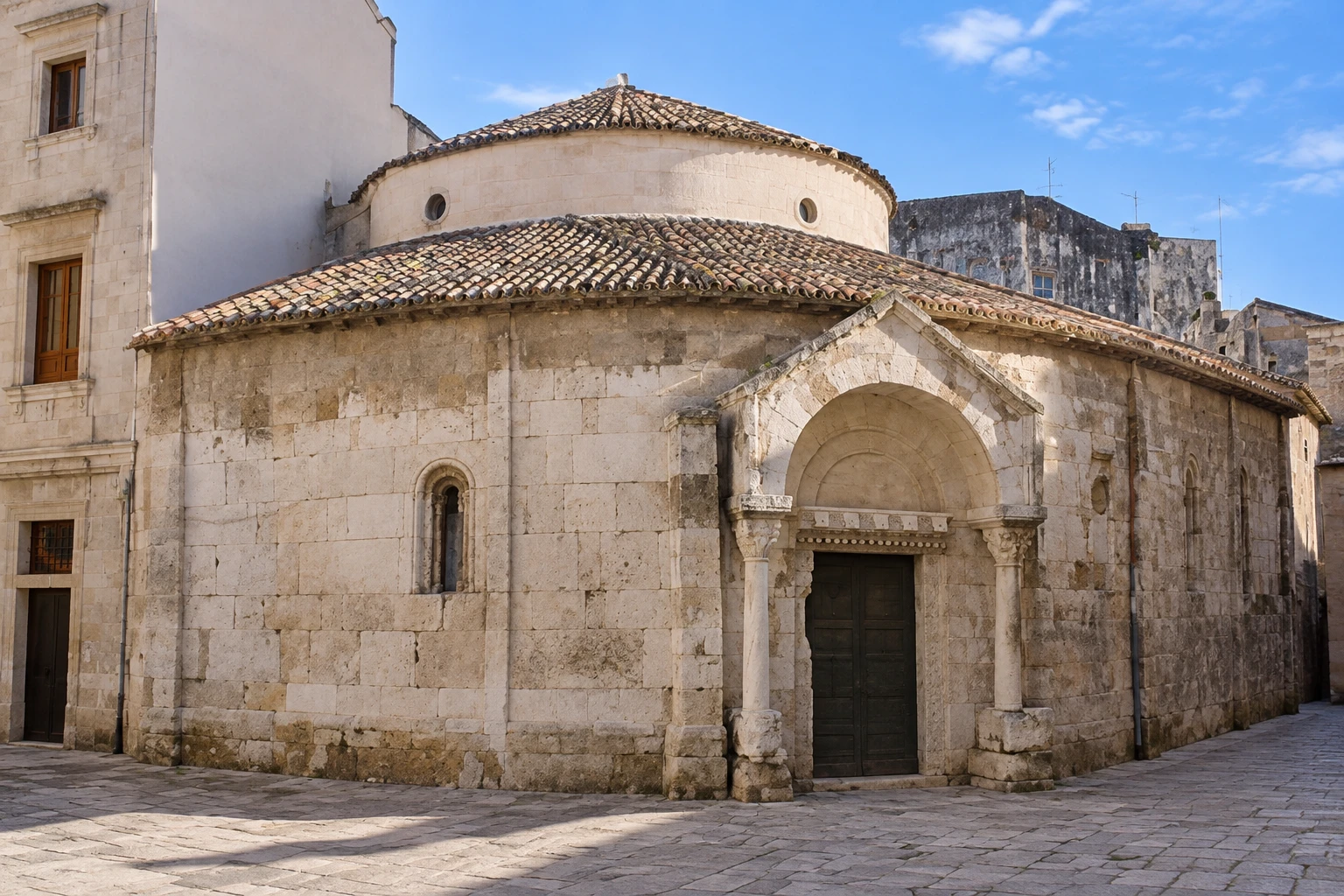
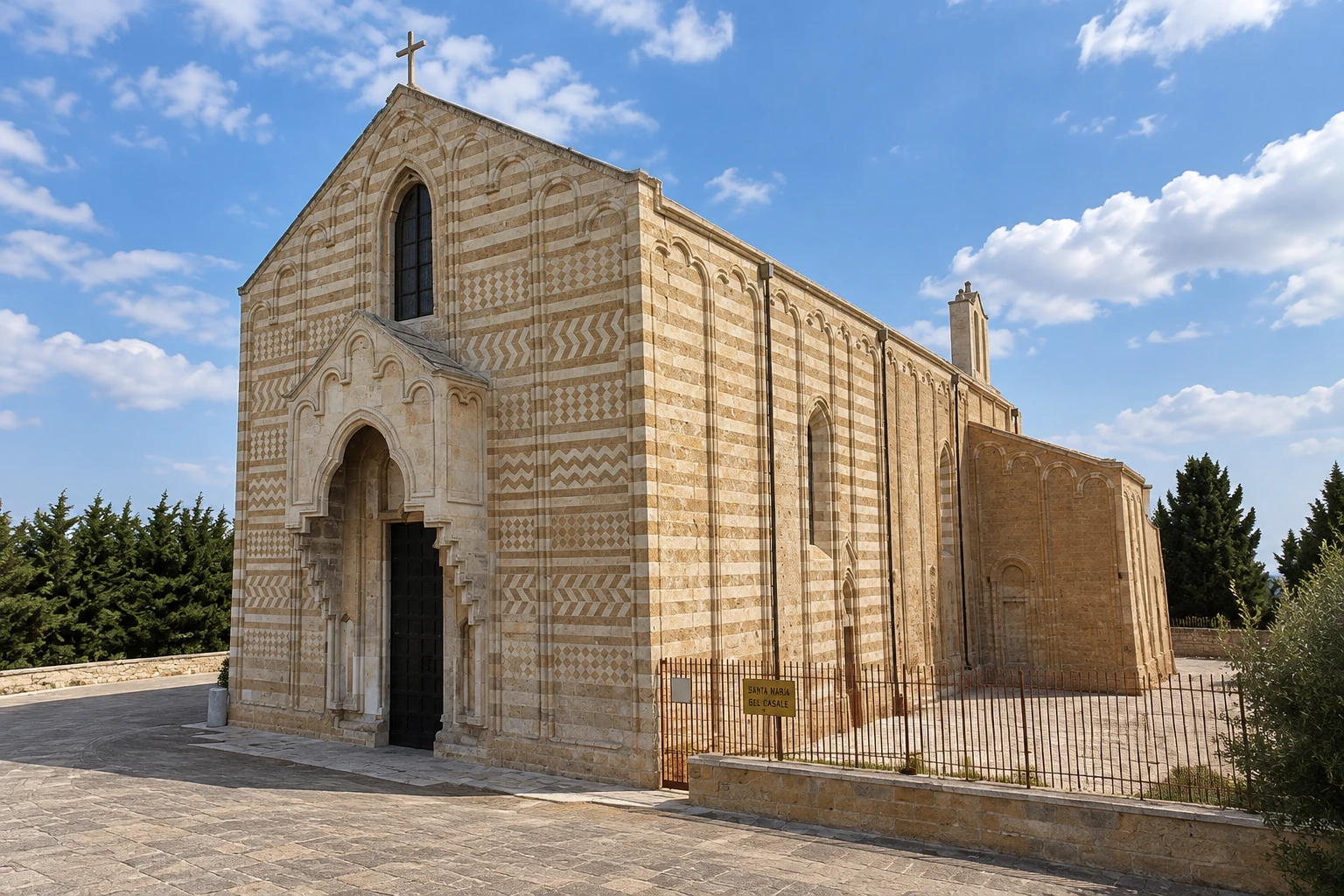
A Romanesque-Gothic church from the late 13th century, near the airport, with a two-colour stone façade and an interior covered in 14th-century frescoes, including a large Last Judgment.
House dug into the rock in the Sasso Caveoso, furnished with original furniture and objects, showing how a family lived in the Sassi, together with the animals, before the evacuations of the 1950s.
Walk along the shore of Brindisi's inner harbor, at the foot of the Roman column, with a view of the Monumento ao Marinheiro on the other side of the water.
A private house in the historic center where, following plumbing work in 2001, layers of Lecce’s history were revealed: Messapian tombs, Roman silos, medieval remains and an old Templar house.
Museum of Apulia art in the Palazzo della Provincia by the sea, featuring medieval sculptures, Byzantine icons, Venetian paintings by Giovanni Bellini, Tintoretto and Veronese, and works of the Neapolitan Baroque.
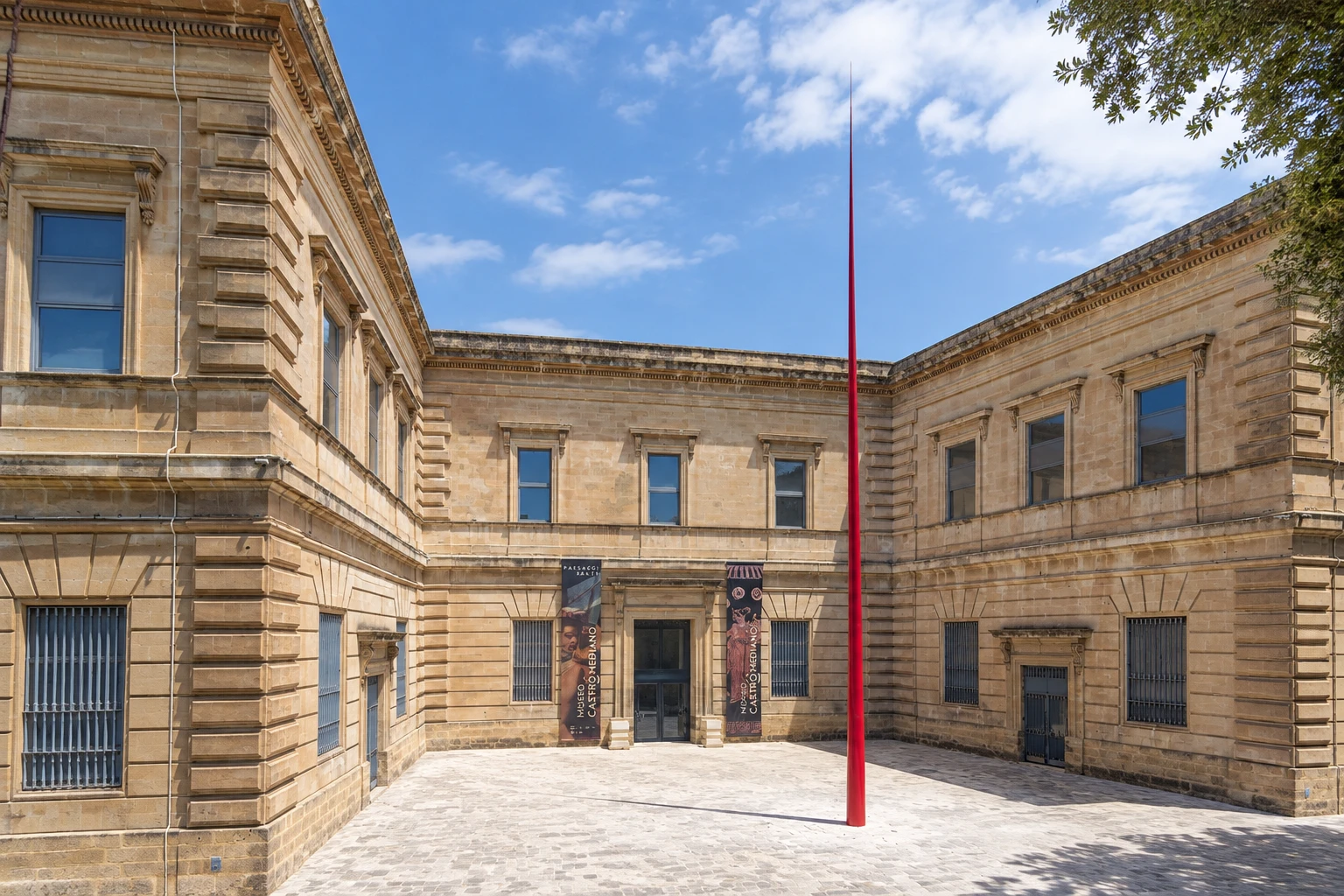
The oldest museum in Apúlia, founded in 1868, with Messapian and Roman pieces from the Salento, an art gallery and a reconstruction of the Grotta dei Cervi of Porto Badisco, featuring prehistoric paintings.
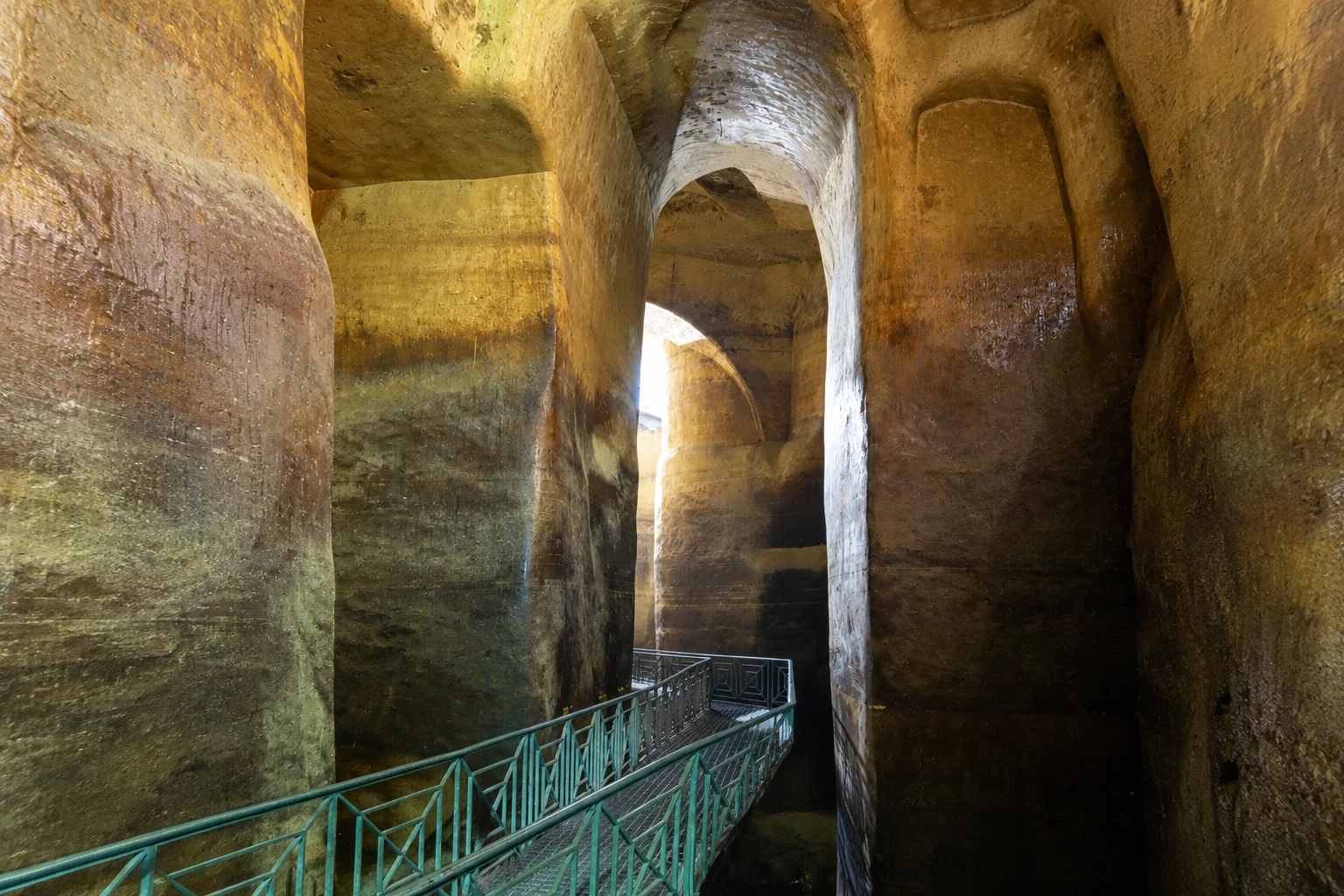
Huge cistern excavated beneath the Piazza Vittorio Veneto, about 16 meters deep and with a capacity of 5 million liters, visited in guided groups via walkways.
The part of the city laid out in the 19th century, with straight streets, between the station and the old town. It includes Via Sparano, a pedestrian shopping street, Corso Vittorio Emanuele, the Teatro Petruzzelli and liberty-style buildings.
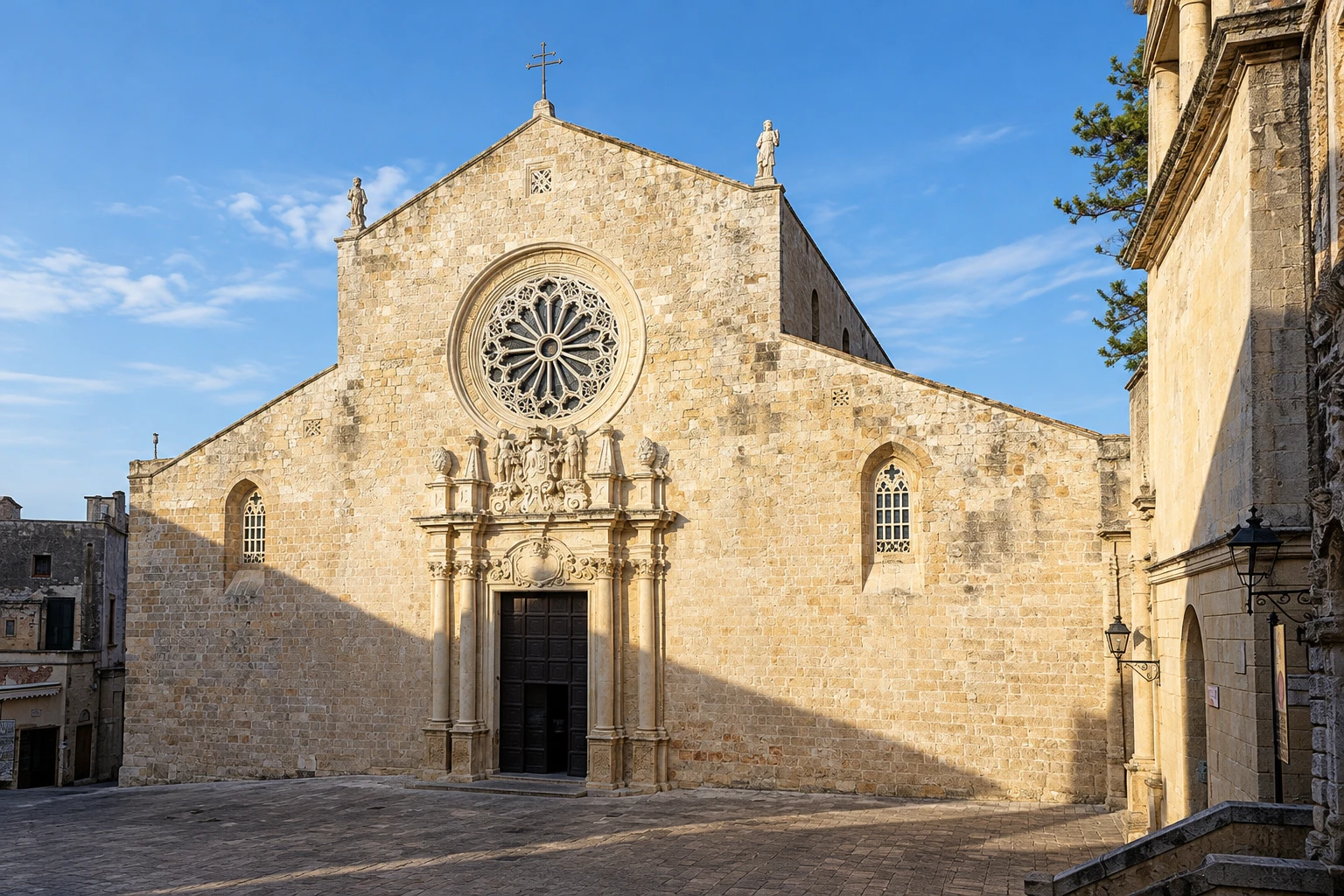
Romanesque cathedral from the 11th century in Otranto, about 45 km from Lecce, with a floor mosaic from 1163–1165 that covers the entire nave and the chapel housing the remains of the Martyrs of Otranto.
Museum of contemporary sculpture housed in the Palazzo Pomarici and in caves carved into the rock, at the top of the Sasso Caveoso, with works by Italian and foreign artists.
17th-century palace, former seminary, which houses the national museum of medieval and modern art of Basilicata, featuring the large panel Lucania '61 by Carlo Levi.
Park of the rock-cut churches on the other side of the Gravina ravine, with dozens of excavated churches, Neolithic villages and the Belvedere di Murgia Timone, which faces Matera.
Benedictine cave-church about 14 km from Matera with frescoes from the 8th and 9th centuries depicting the Creation and Original Sin. Visits by reservation only.
How many days should you set aside to see Apulia and Matera?
The guide's itineraries cover 3, 5 and 7 days: in 3 days, Bari, Alberobello and Polignano; Puglia and Matera in 5 days; in 7 days, from Bari to the Salento.
What to do Apulia and Matera in one day?
Bari. Arrival via Bari (European connection or Rome). Bari Vecchia, Basilica di San Nicola, Cattedrale, orecchiette at Arco Basso; Castello; Lungomare at sunset and dinner in the Murat district.
When is the best time to go to Apulia and Matera?
It generally rains less from February to August. The guide covers each month, with the weather and what changes on the tours.


 Brazil
 Antarctica
 Argentina
 Bolivia
 Chile
 Colombia
 Ecuador
 Falkland Islands (Malvinas)
 French Guiana
 Guyana
 Paraguay
 Peru
 Suriname
 Uruguay
 Venezuela
 Austria
 Belgium
 Croatia
 Denmark
 Finland
 France
 Germany
 Greece
 Hungary
 Iceland
 Ireland
 Luxembourg
 Norway
 Poland
 Portugal
 Slovakia
 Slovenia
 Spain
 Sweden
 Switzerland
 the Czech Republic
 the Netherlands
 the United Kingdom
 Turkey
 Bermuda
 Canada
 Greenland
 Mexico
 Saint Pierre and Miquelon
 the United States
 the Dominican Republic
 Japan
 Egypt
 South Africa
 Australia
 Fiji
 New Zealand
 Papua New Guinea