Ajdovi žganci
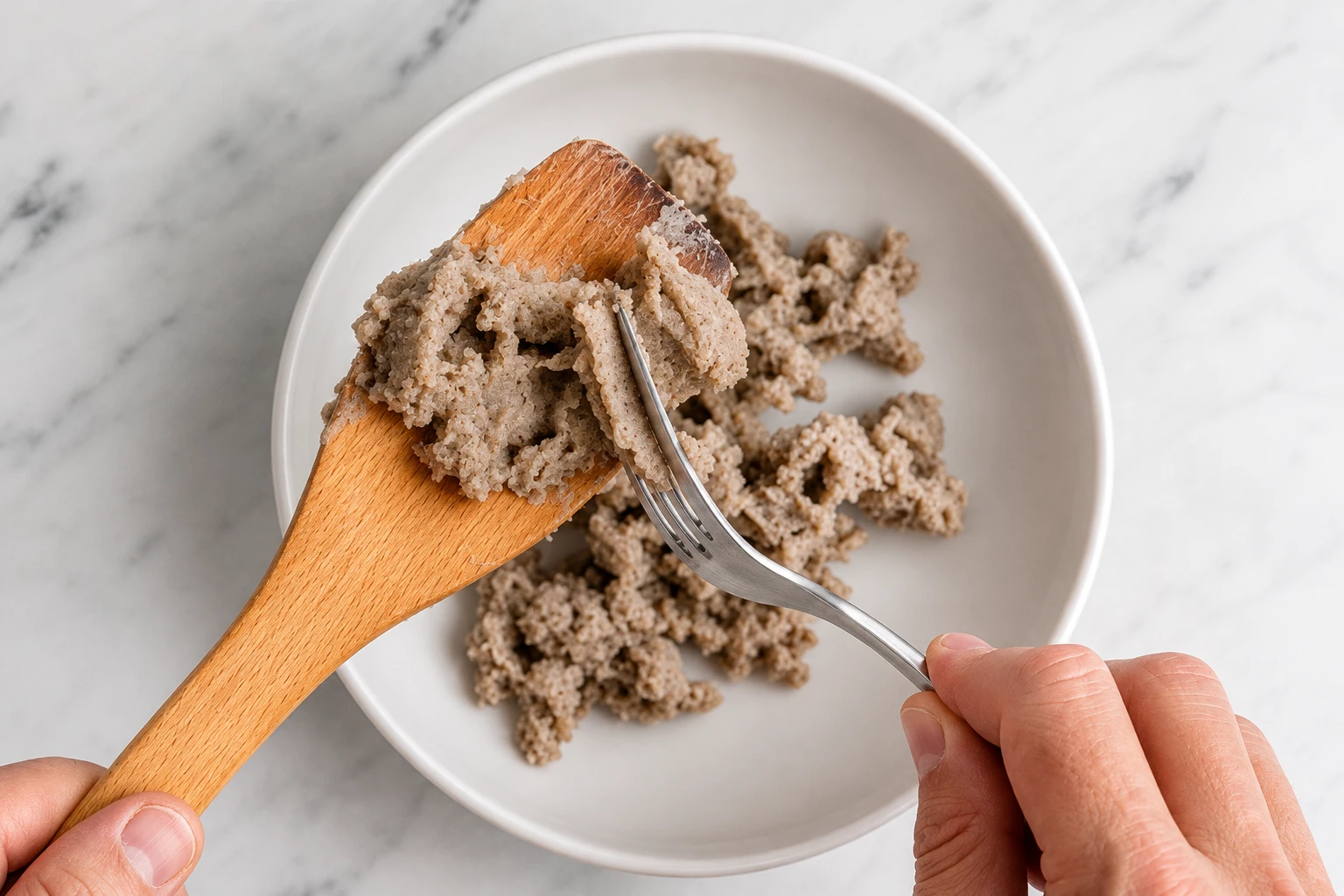
Buckwheat flour cooked in water and fluffed into small clumps with a fork, served with pork cracklings. For a long time it was the everyday food of the central and alpine regions, and it is considered a national Slovenian dish.
AntarcticaFlavors · Jugovzhodna Slovenija
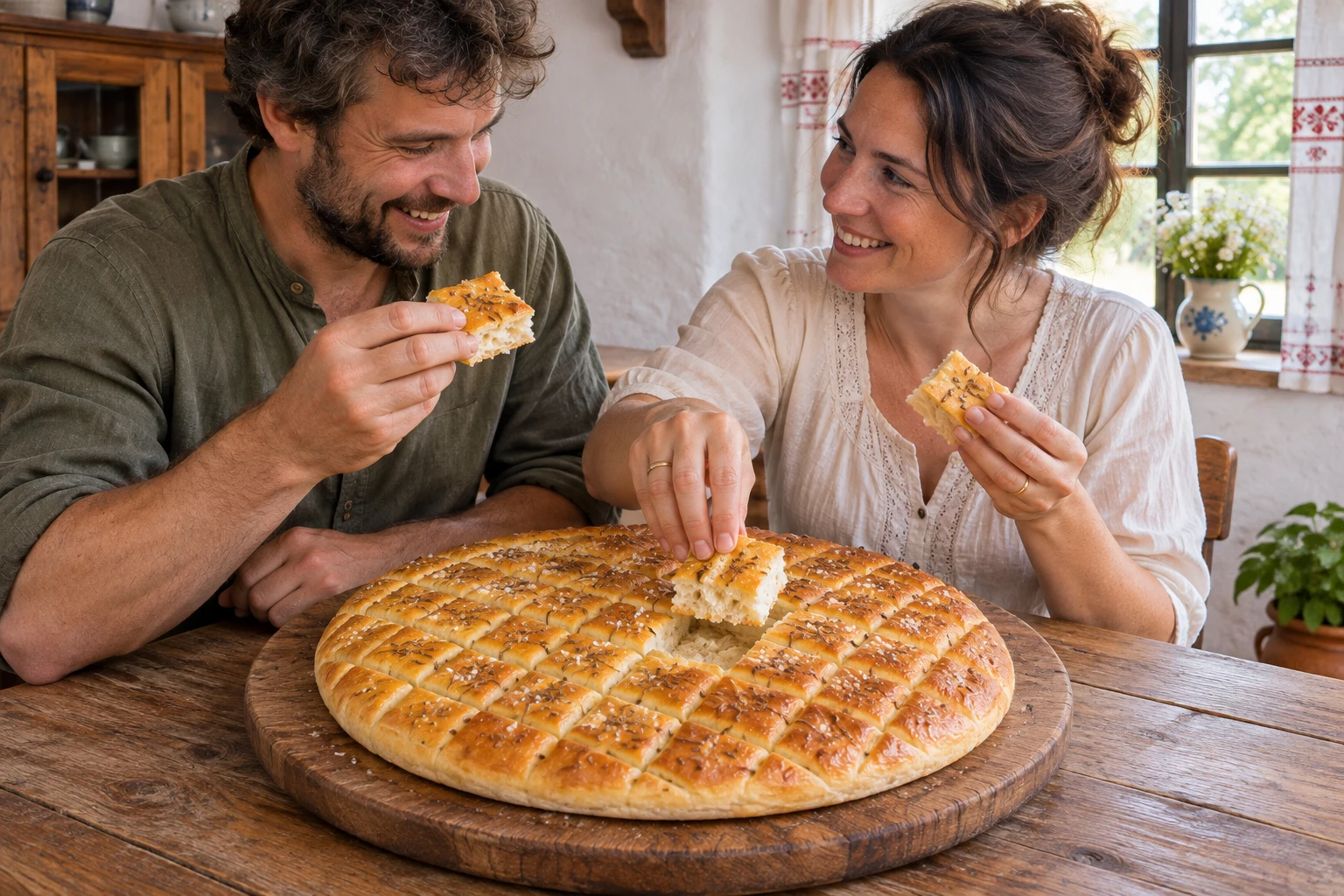
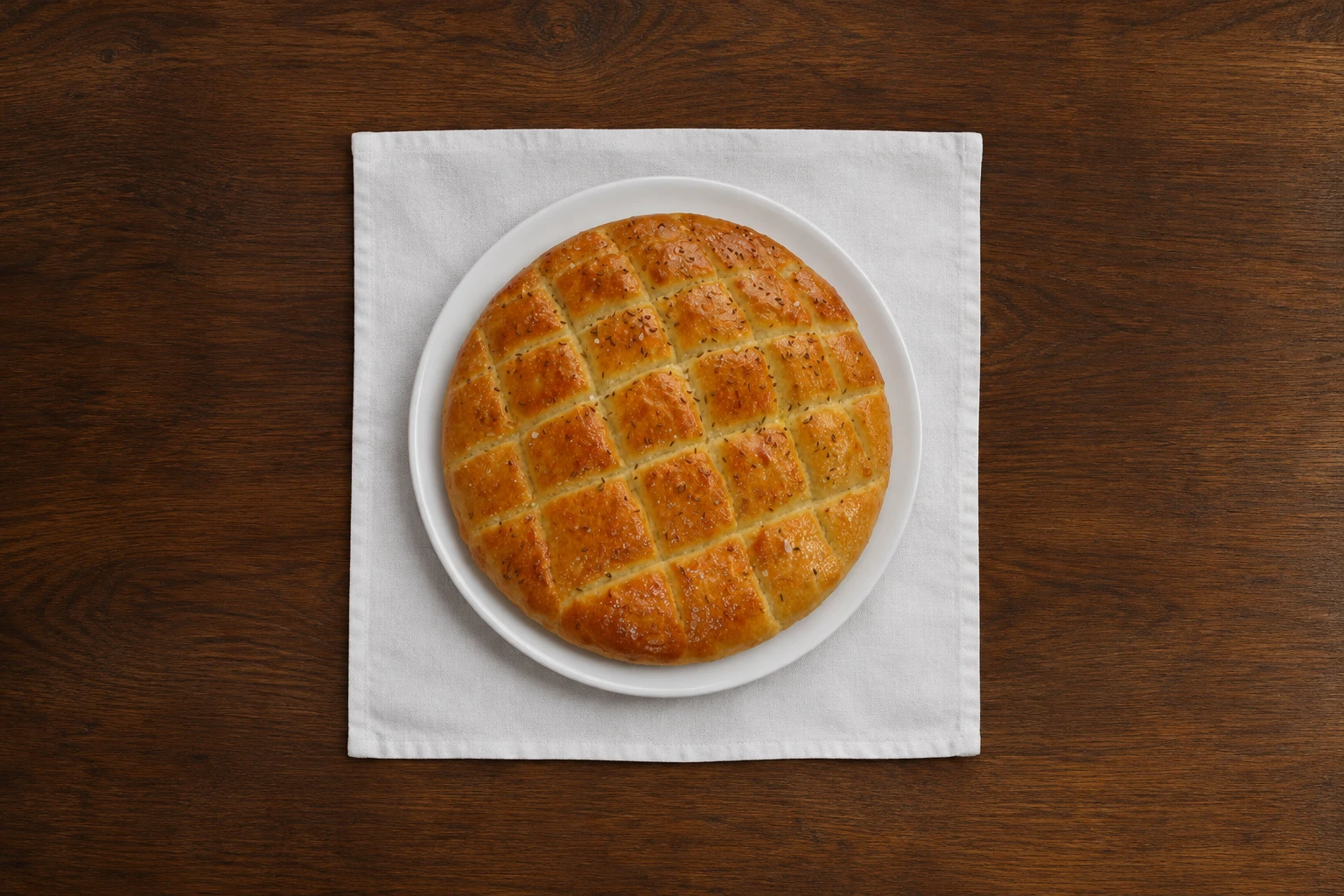
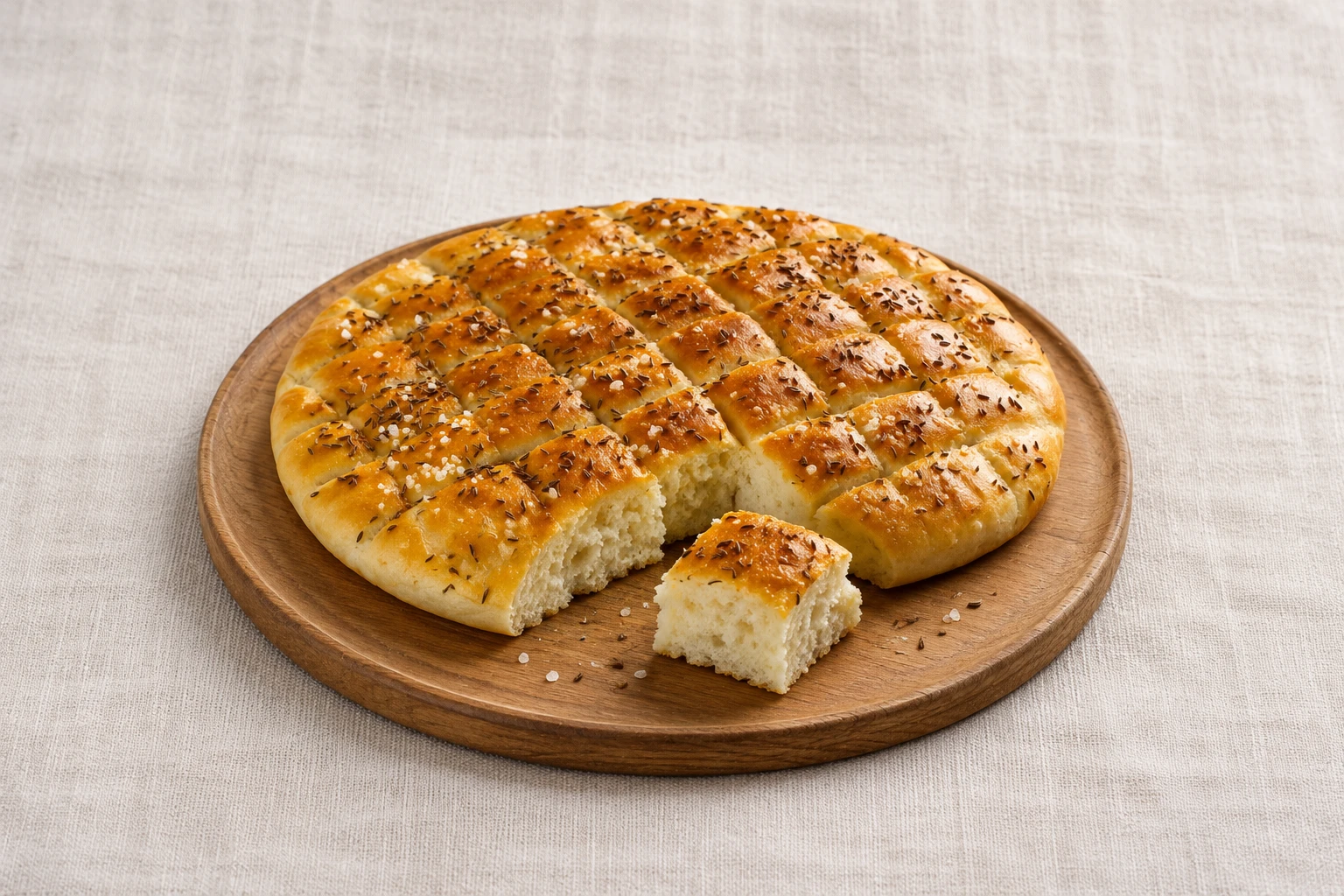
Round, flat bread from Bela krajina in southeastern Slovenia, brushed with egg, caraway and coarse salt, and marked with a grid of score lines. It is eaten warm, broken by hand, never cut with a knife.
Traditional dish of Jugovzhodna Slovenija
Also known as: pogača da Bela krajina; pogača
Illustrative images. The pictures in this guide are illustrations based on the real place, not photographs, and may differ from it.
Click the picture to enlarge it.
Belokranjska pogača — Jugovzhodna Slovenija, Eslovênia
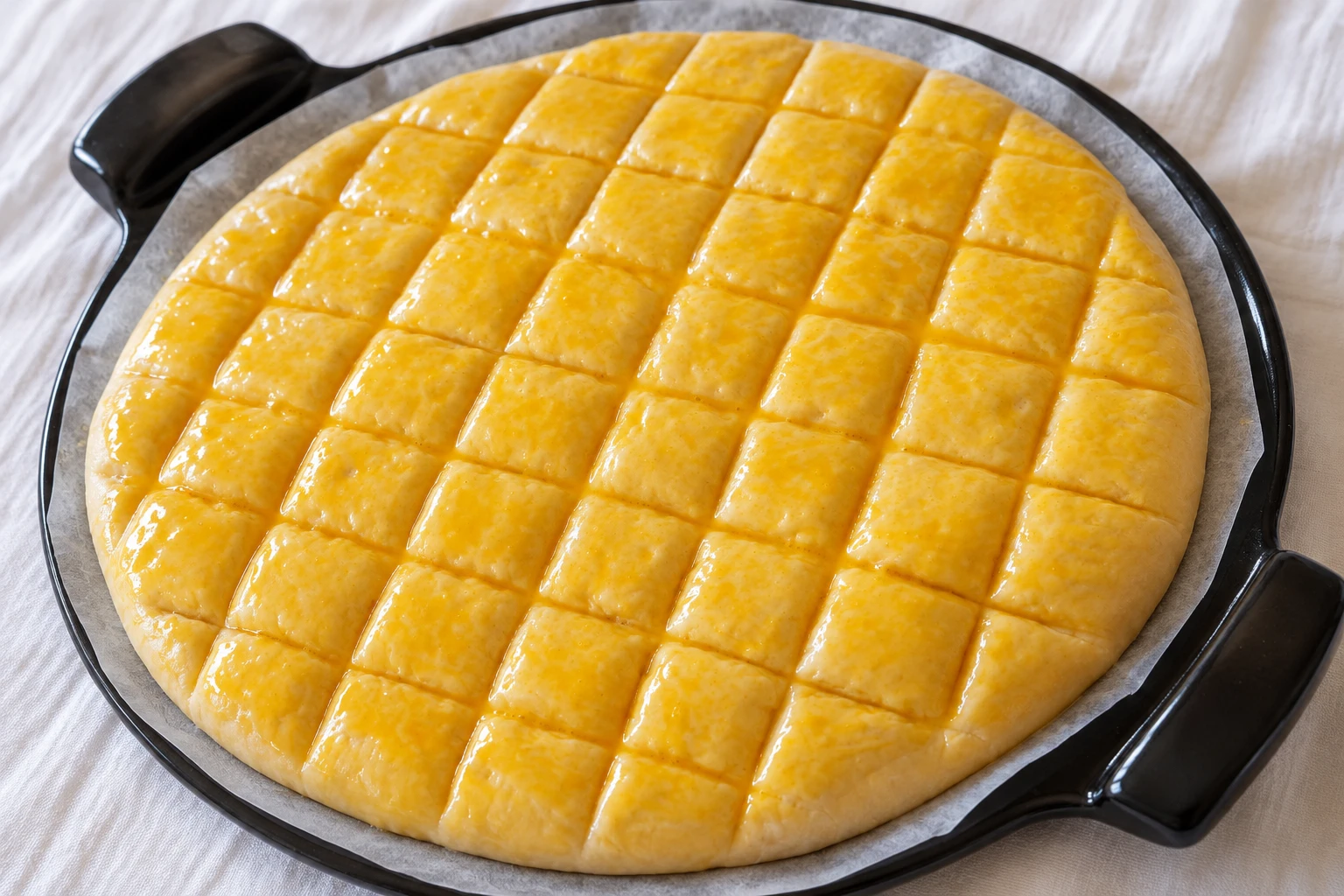
The belokranjska pogača is a leavened, round, flat bread about 30 centimeters in diameter. Before baking, the dough is brushed with egg, sprinkled with caraway and coarse salt, and scored to form a grid of squares. The crust becomes golden and slightly crisp, and the crumb remains soft.
Bela krajina, the green region of vineyards and birch woods in the southeast of the country, along the Kolpa River, received many refugees from the south between the late Middle Ages and the 16th century—the uskoks—who fled the Ottoman advance. Sources attribute the arrival of this type of bread to them; it later became a local tradition with a recipe that has changed little from generation to generation.
Local custom is to break the pogača by hand along the score lines and never to cut it with a knife. It is served warm, just out of the oven, and many homes and restaurants in the region welcome visitors with it. Thanks to an initiative by residents and local associations, the belokranjska pogača was entered in 2010 in the European register of Traditional Specialities Guaranteed.

Jugovzhodna Slovenija
Bread of Bela krajina, the southeastern region located in the Jugovzhodna Slovenija division.
Wheat flour, yeast, water, salt; on top: beaten egg, caraway and coarse salt.
Warm, broken by hand along the score lines; on its own as a starter, or served with cured meats, cheeses and regional wine.
A welcoming and festive bread in Bela krajina; served year-round in inns and restaurants in the region.
Your questions
It is a round, flat bread from Bela krajina in southeastern Slovenia, brushed with egg, caraway and coarse salt, and marked with a grid of score lines.
It’s the regional tradition: the pogača is broken by hand along the score lines made before baking and served warm.
Yes. Since 2010 it has the European Traditional Speciality Guaranteed label, which protects the traditional recipe.
Flavors of Slovenia

Buckwheat flour cooked in water and fluffed into small clumps with a fork, served with pork cracklings. For a long time it was the everyday food of the central and alpine regions, and it is considered a national Slovenian dish.

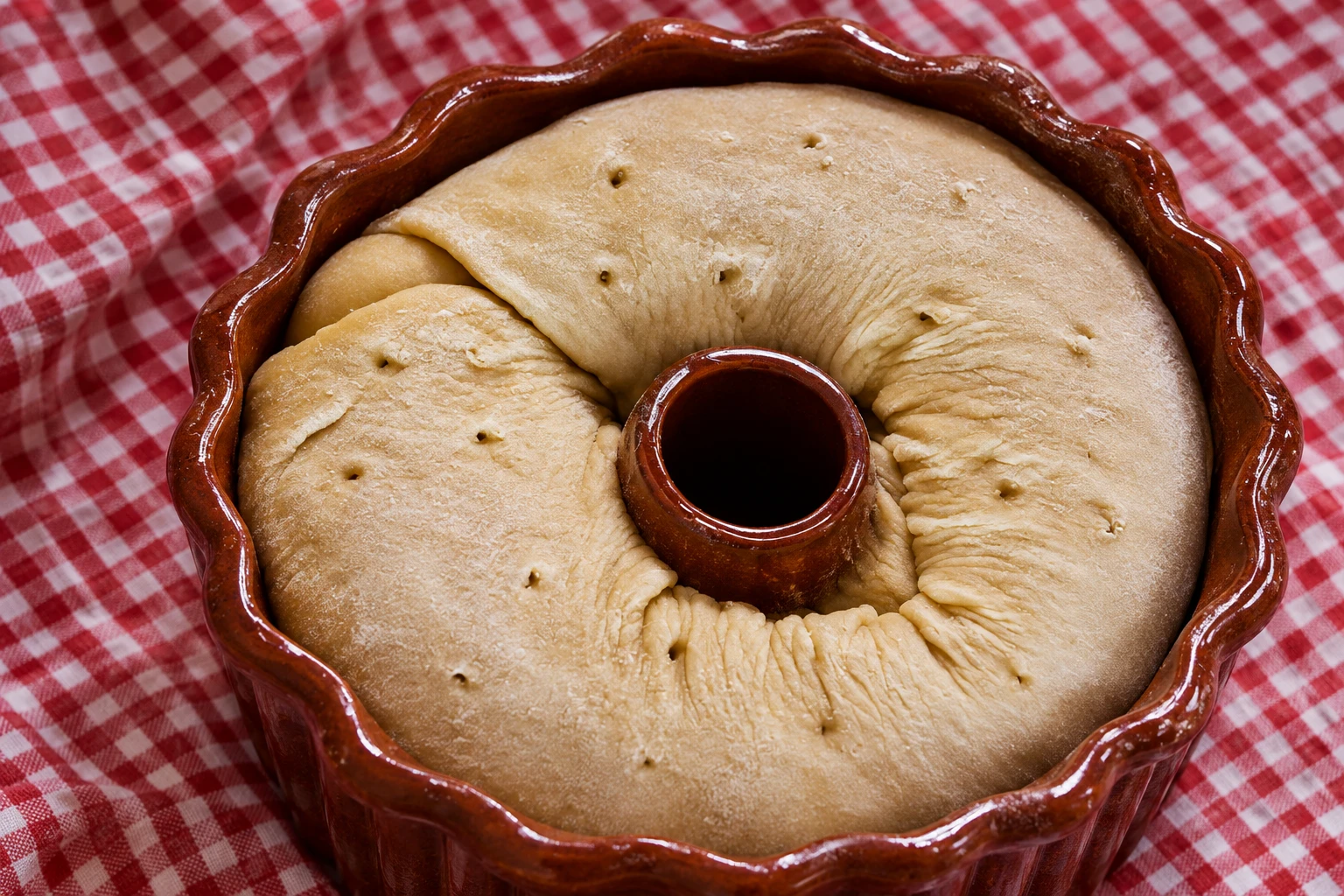
Sweet leavened dough, rolled out very thin, filled, rolled up and baked in a round pan with a hole in the middle. It is the festive pastry of Slovenian celebrations, with fillings of walnuts, tarragon, raisins or honey.

Thin dough rolls filled and cooked in water, steamed, or baked. They come in sweet and savory versions, with fillings such as fresh cottage cheese, tarragon, walnuts, apple and dozens of others, and are found in all regions of Slovenia.

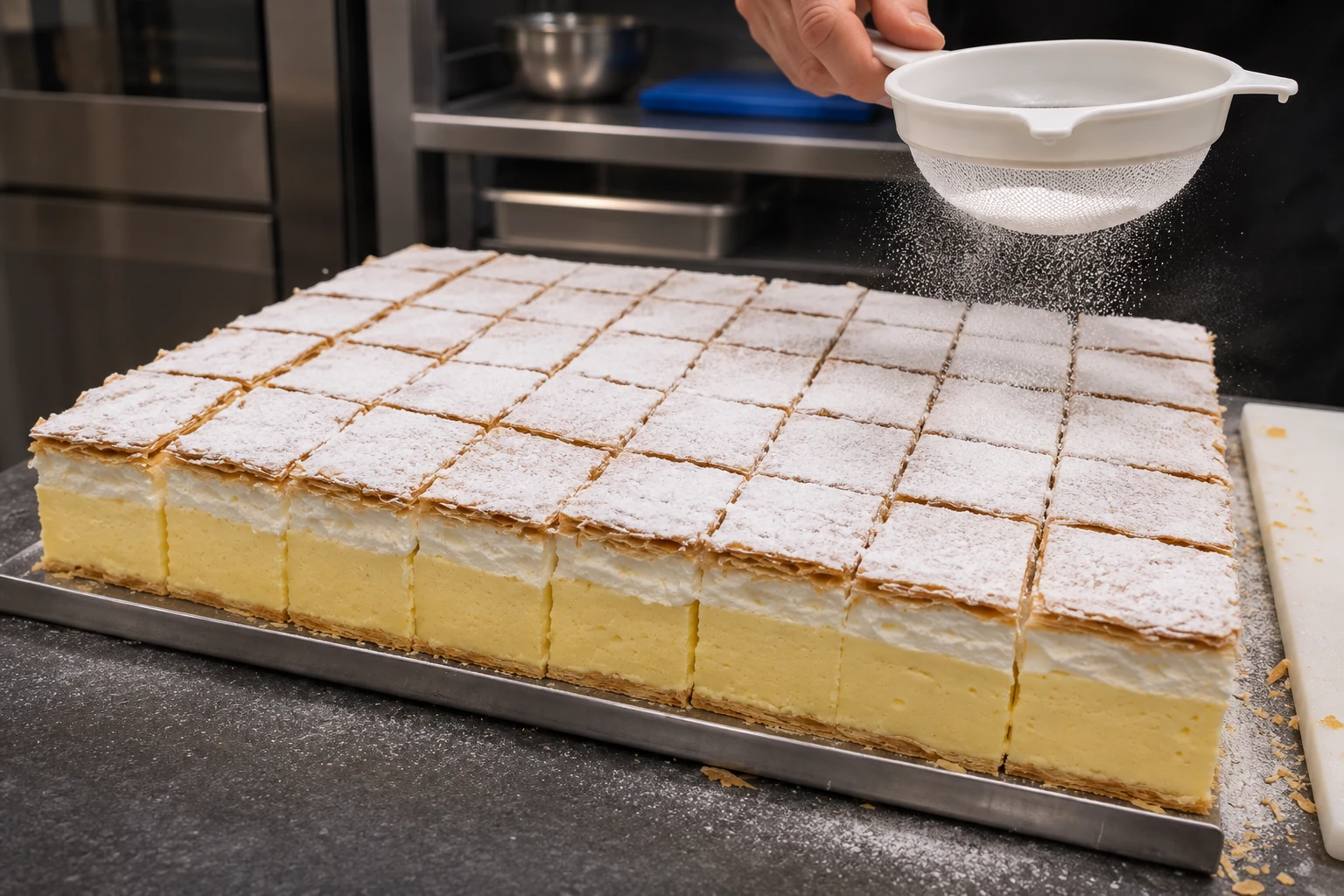
Sweet square from Bled: a puff pastry base, a tall layer of vanilla custard, another of whipped cream, and a thin pastry sheet on top, dusted with powdered sugar. It has been made by the lakeside since 1953.

Little filled dough dumplings with dried pear, walnuts and raisins, boiled in water and served with melted butter, toasted breadcrumbs and cinnamon. They are Bovec’s best-known sweet, eaten on Christmas Eve.

Small dumplings filled with potato, onion, bacon, and herbs, shaped like a little hat, from the old mining town of Idrija. The traditional accompaniment is bakalca, a lamb stew with vegetables.

Light, acidic wine from Dolenjska in southeastern Slovenia, made by a required blend of red and white grapes, with low alcohol content. It has the recognized traditional designation PTP and is the region’s everyday wine.

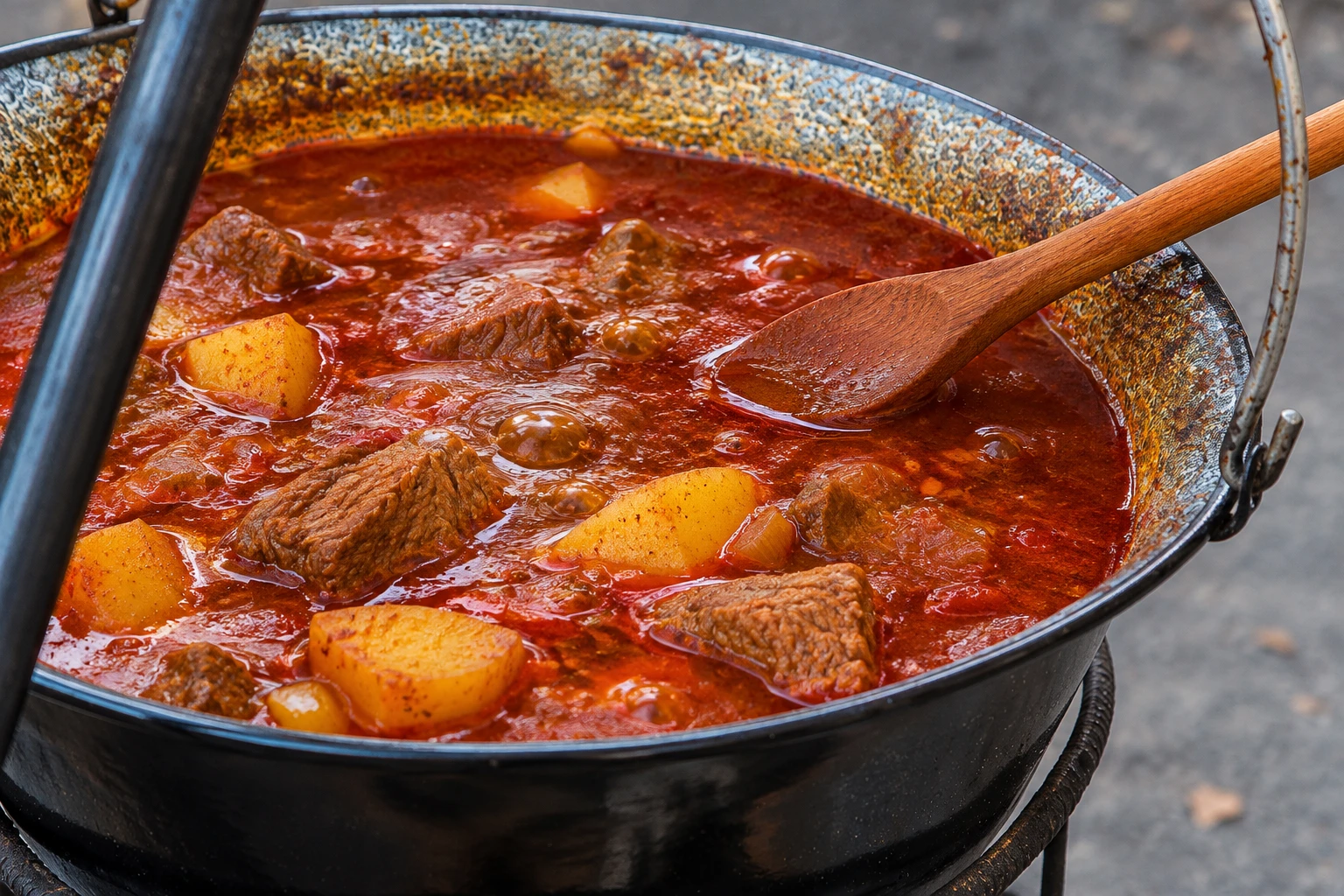
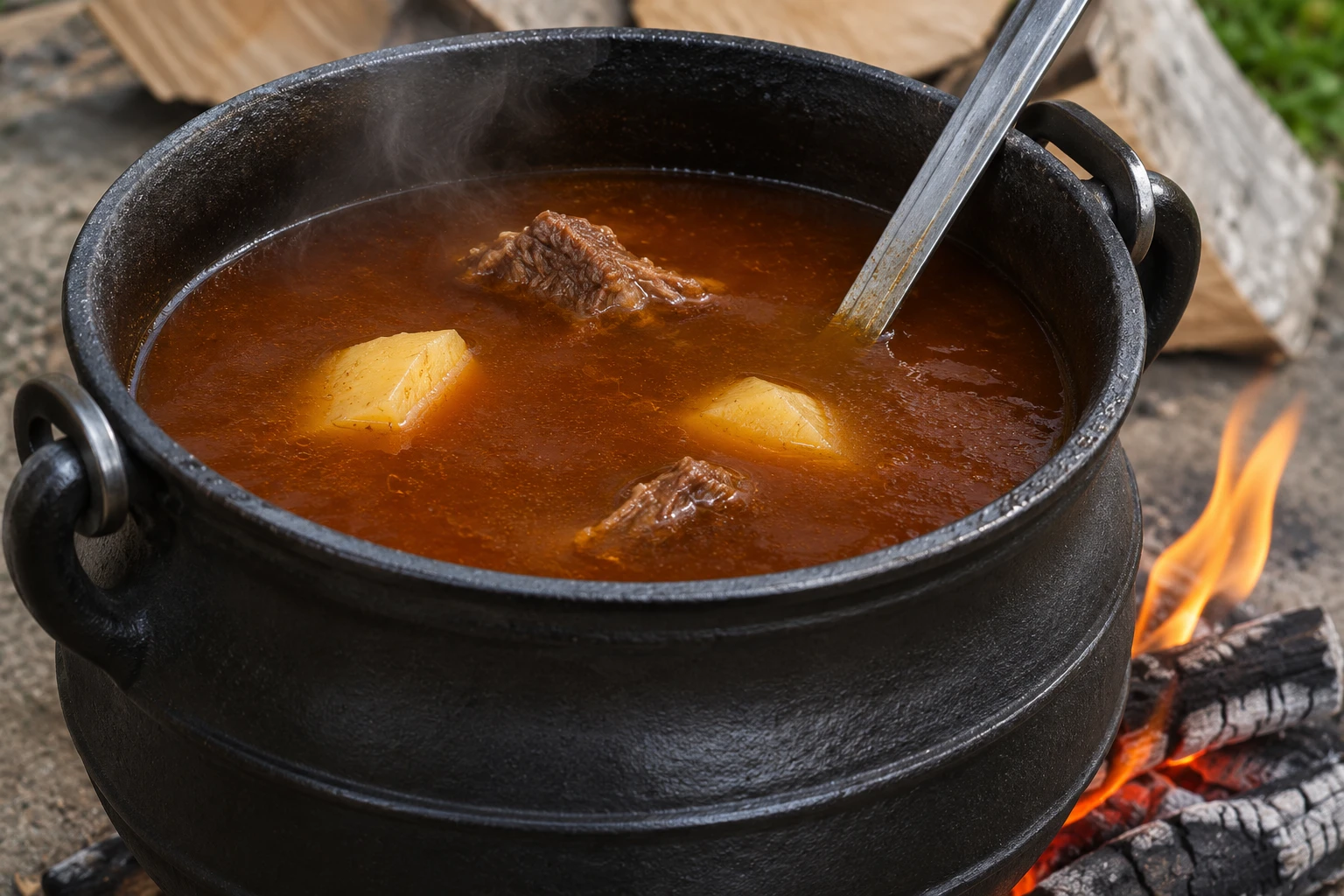
A hearty stew made with several kinds of meat, potatoes, onions, and paprika, slow-cooked in a cauldron over a wood fire. It’s the traditional dish for celebrations in Prekmurje. Lendava, which calls itself the world capital of bograč, hosts the country’s largest bograč competition.

A light sponge cake baked in a thin layer, filled with cranberry jam, folded in half, and topped with whipped cream. Created in the 1950s, it is the signature dessert of the mountain huts and hotels of Pohorje, the mountain range above Maribor.

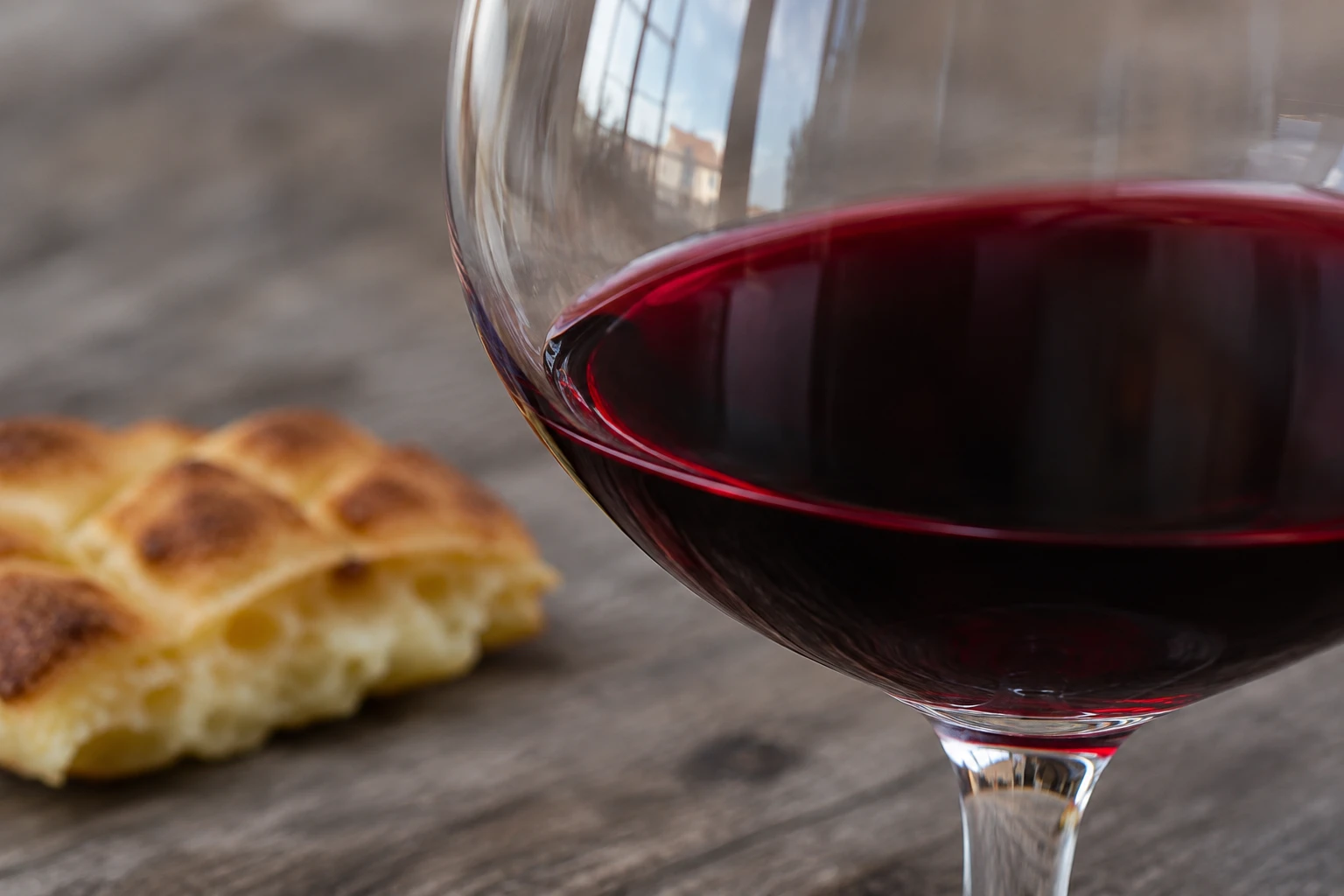
A dry red wine from White Carniola, made mainly from modra frankinja and žametovka grapes, with a deep ruby color and a fresh, fruity flavor. It takes its name from Metlika and carries Slovenia’s designation for wines with a recognized traditional name (PTP).

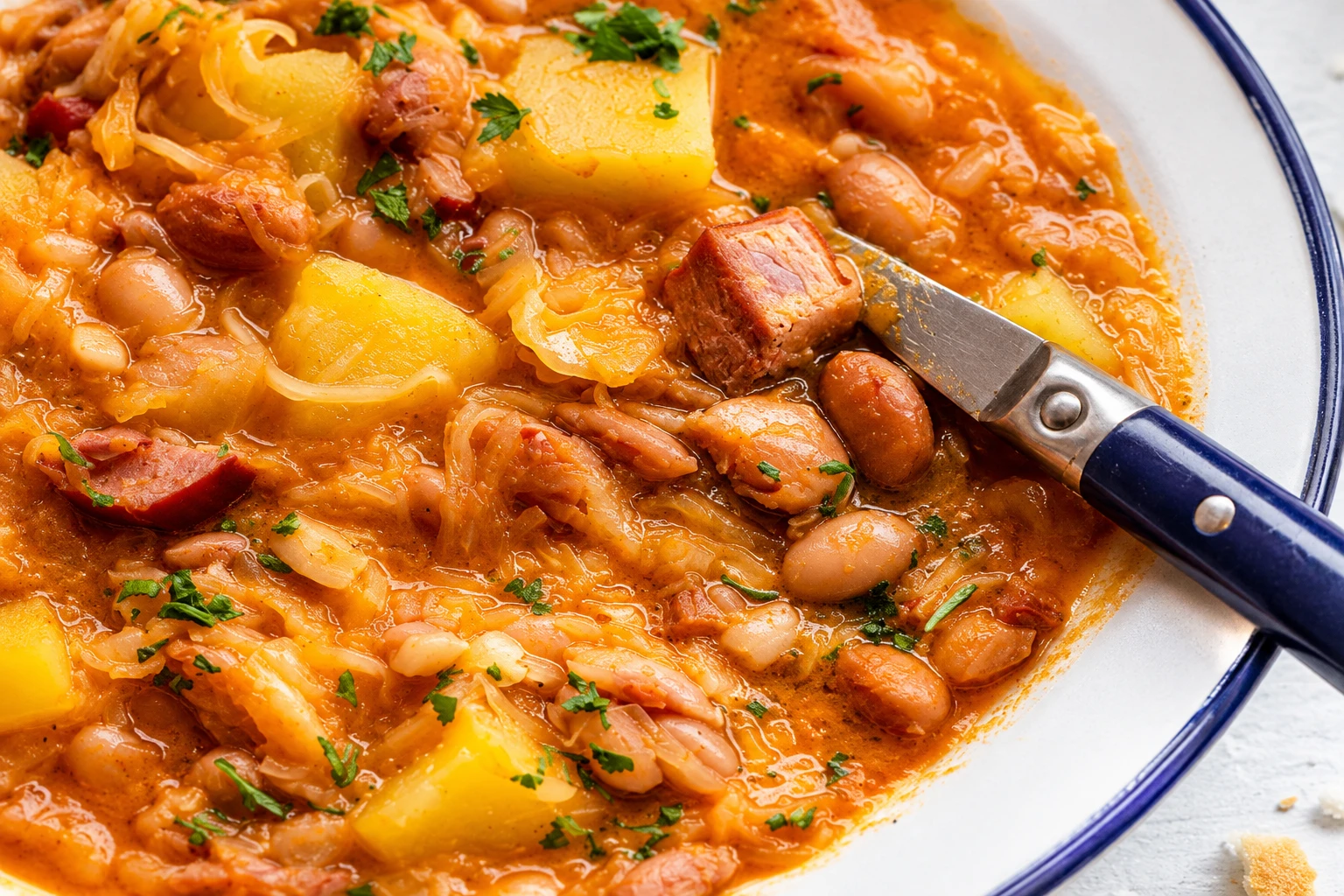
Thick soup of beans, potatoes and sauerkraut or fermented turnip, cooked with smoked pork. It’s the spoon food of western Slovenia, and the Karst version, with sauerkraut and potatoes, is the best known.

Dark, acidic red wine from the Karst plateau, made only with the refošk grape grown in the region’s red soil. It has Slovenia’s recognized traditional designation PTP and pairs with the ham and dishes of the Karst.

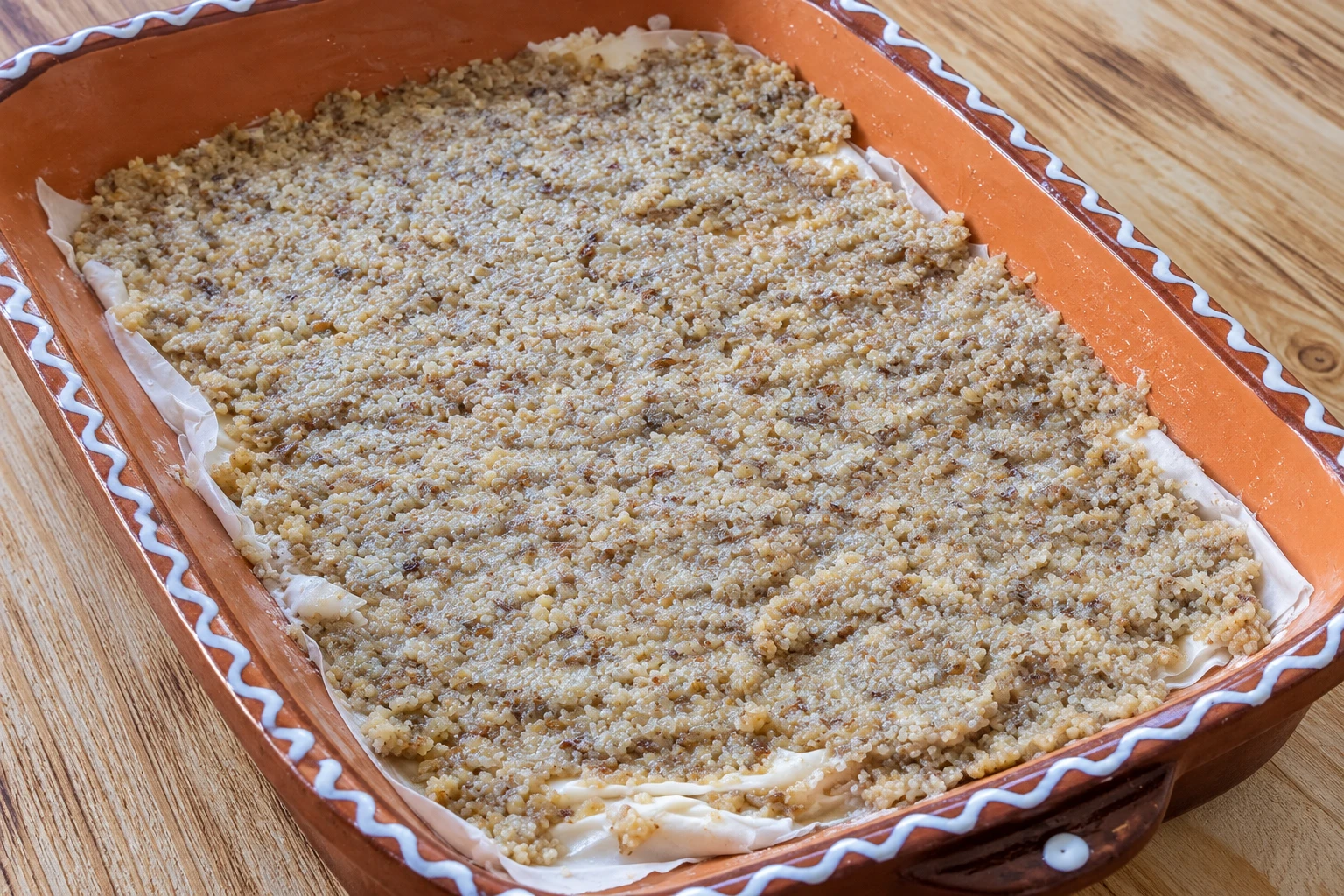
Layered Prekmurje cake from northeastern Slovenia: on a shortcrust base, sheets of stretched dough alternate four fillings — poppy seeds, fresh curd cheese, walnuts and apple — topped with cream.

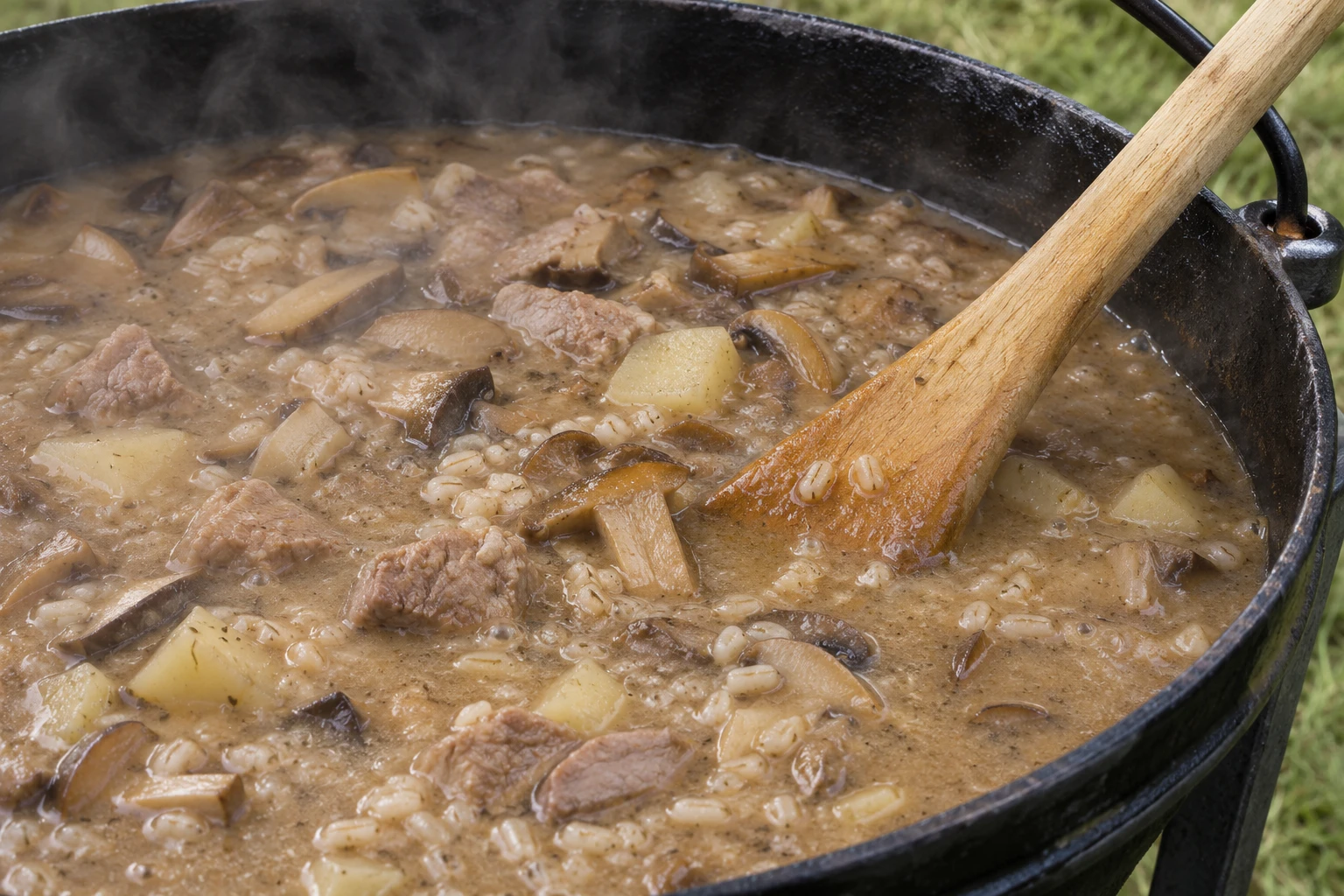
A hearty stew of three meats, potatoes, wild mushrooms, and pearl barley. The version created by Darinka Orlačnik, the cook at the hotel in Rogla, became a specialty of the Zreče Pohorje region.

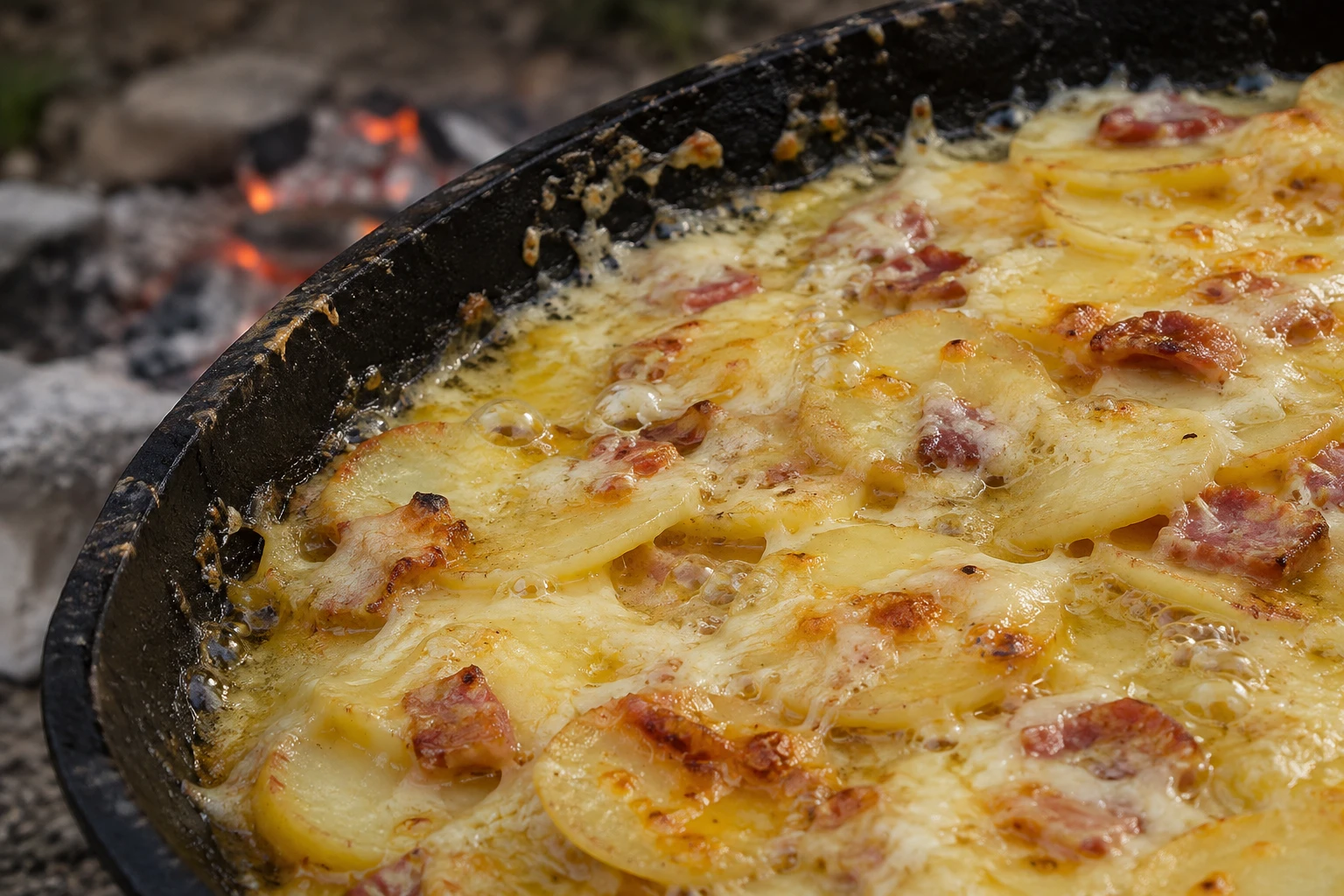
A dish of grated hard cheese and potatoes fried in a pan until they form a crust, sometimes with eggs or bacon. Once the food of shepherds and woodcutters from the Soča valley, it is now Tolmin’s specialty, celebrated at the FrikaFest.

A mutton and vegetable stew seasoned with savory and juniper. It is the best-known dish in Tržič, the town of shoemakers at the foot of the Karawanks. According to tradition, it originated among the shepherds in the mountain pastures.

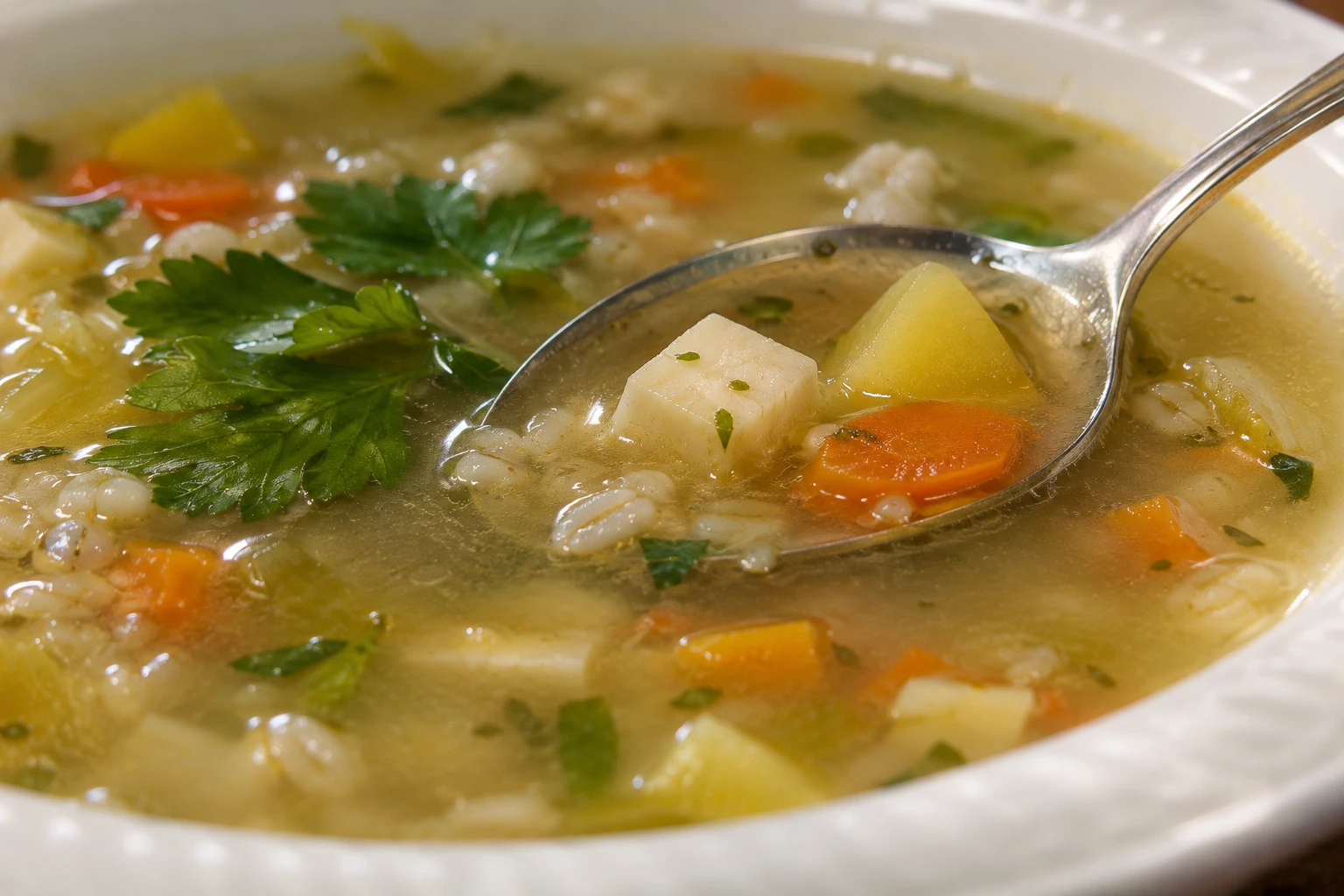
Thick celery and potato soup, often cooked with a pig’s trotter, served over corn polenta. It was the meal that housewives in the Vipava Valley prepared on grape-harvest days.

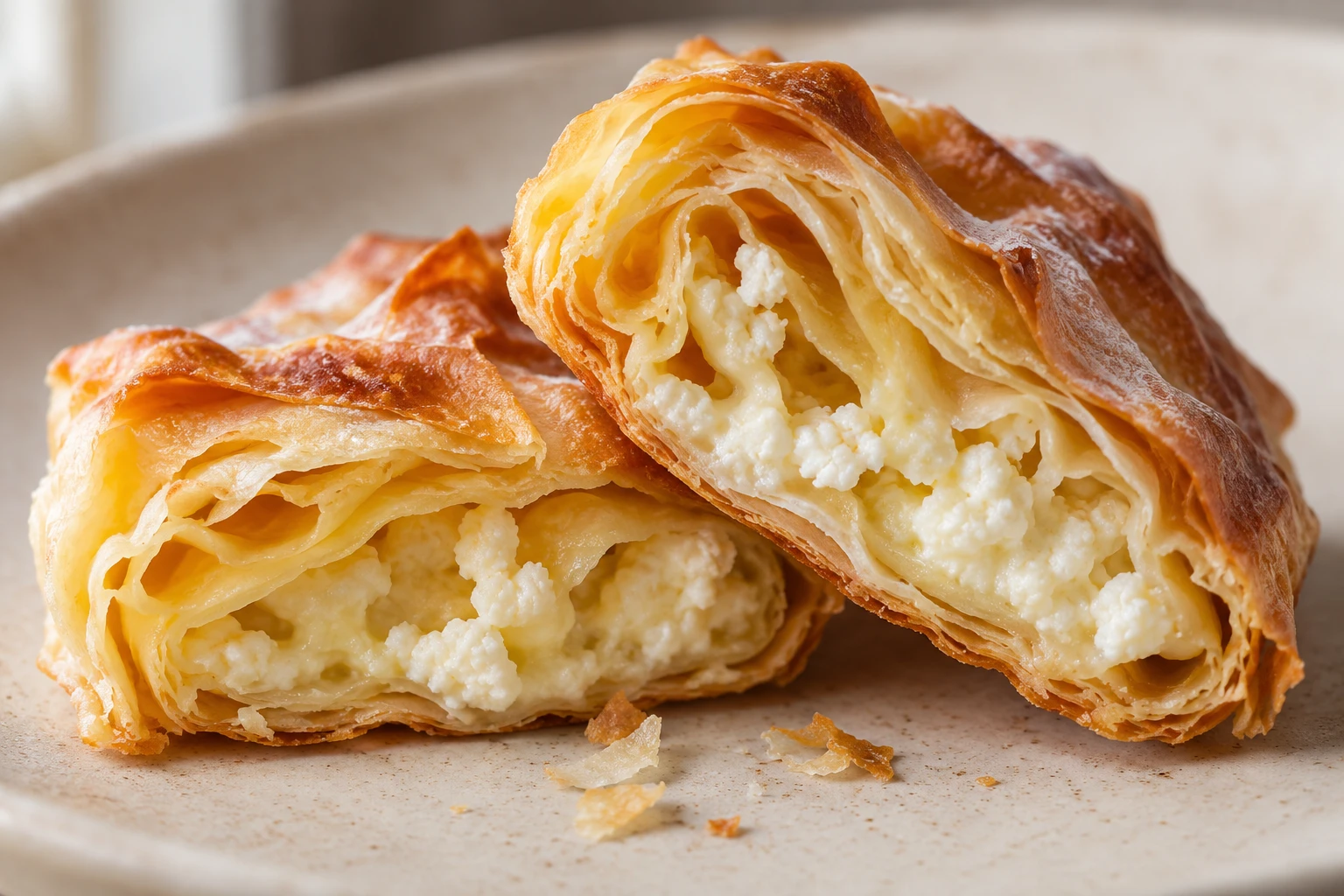
A long, slender roll of hand-stretched dough filled with curd cheese, eggs, and cream, baked until golden and crisp, and served in round slices. It’s savory, not sweet, and is one of White Carniola’s specialties.