Slovenska potica
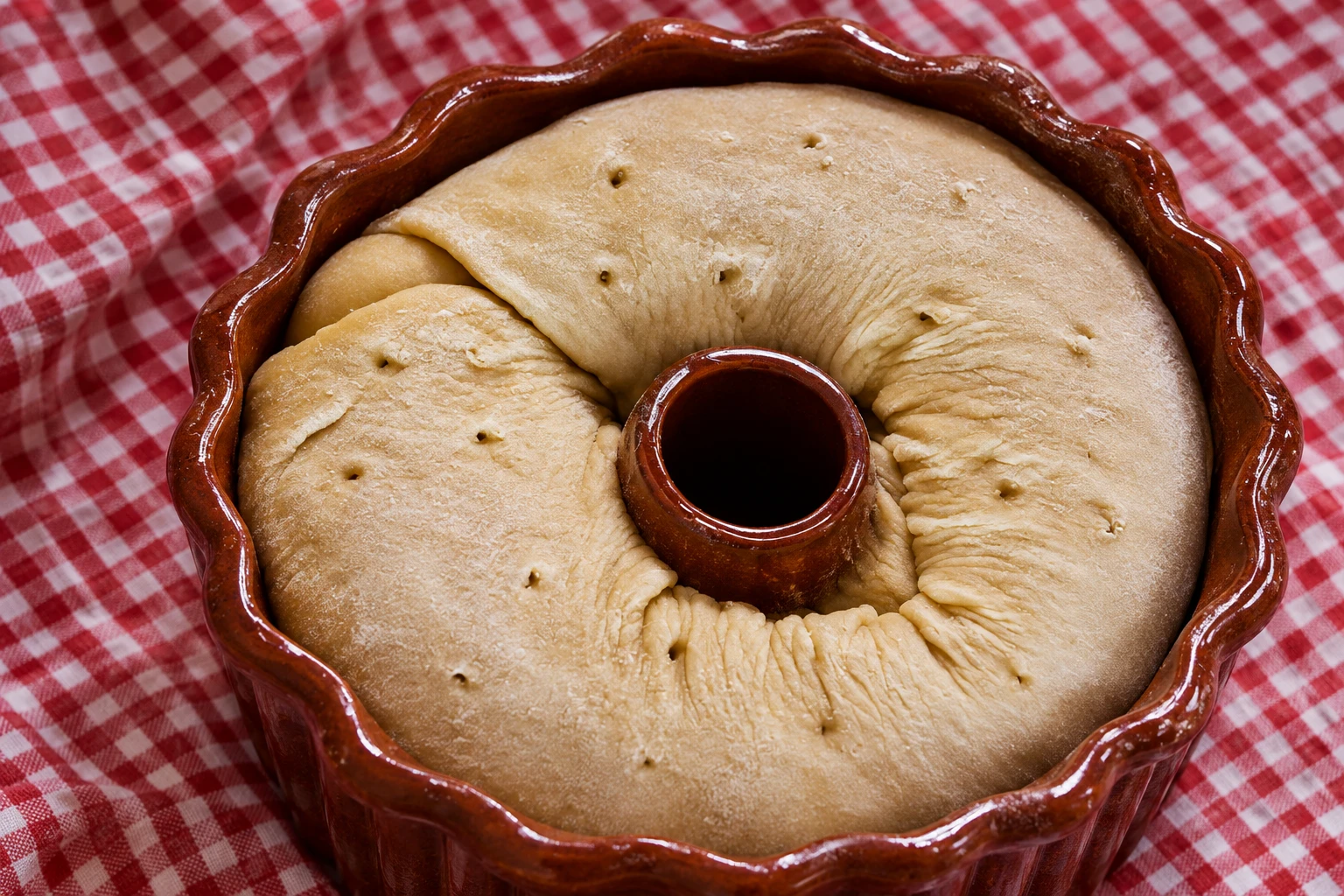
Sweet leavened dough, rolled out very thin, filled, rolled up and baked in a round pan with a hole in the middle. It is the festive pastry of Slovenian celebrations, with fillings of walnuts, tarragon, raisins or honey.
AntarcticaFlavors · Eslovênia
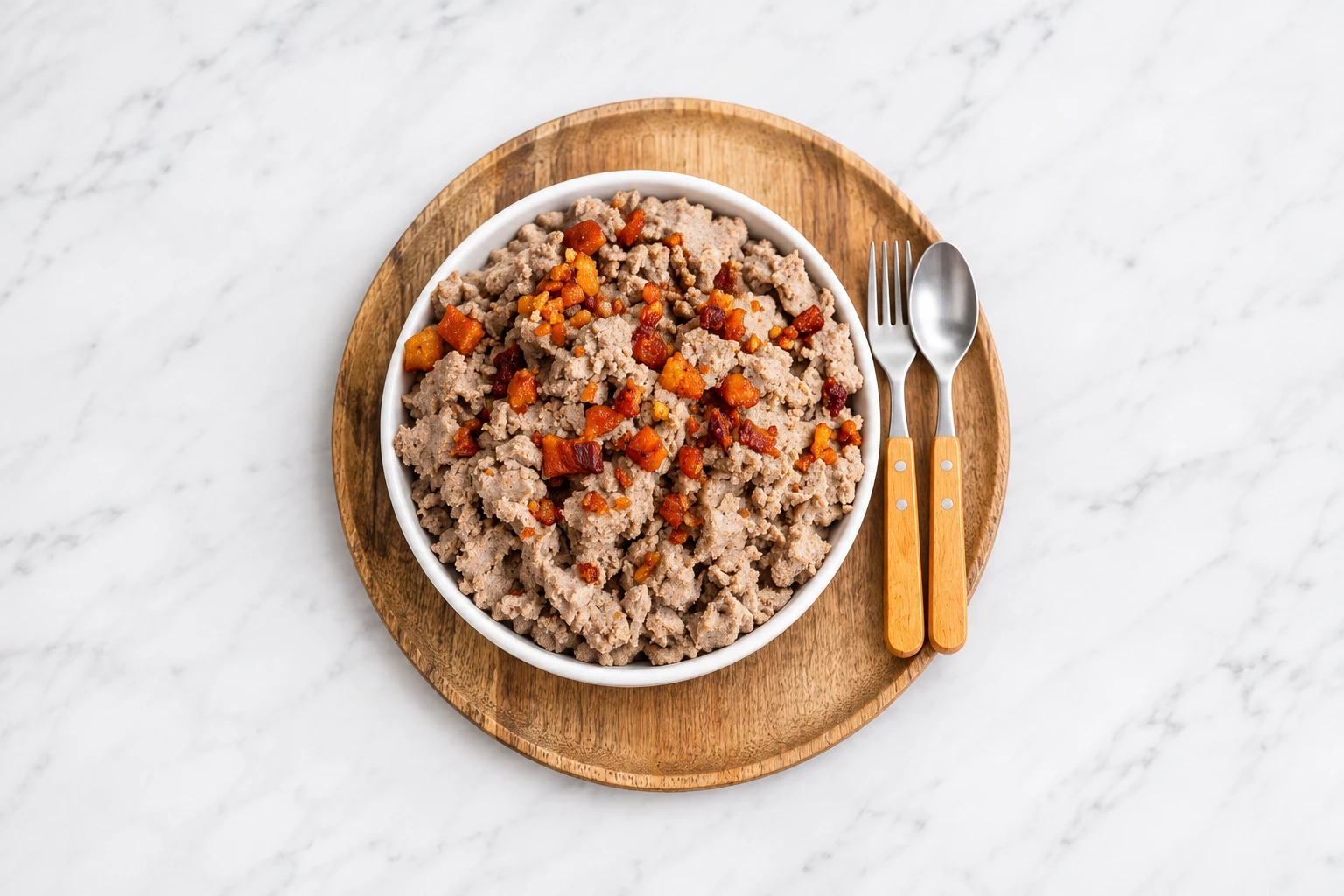
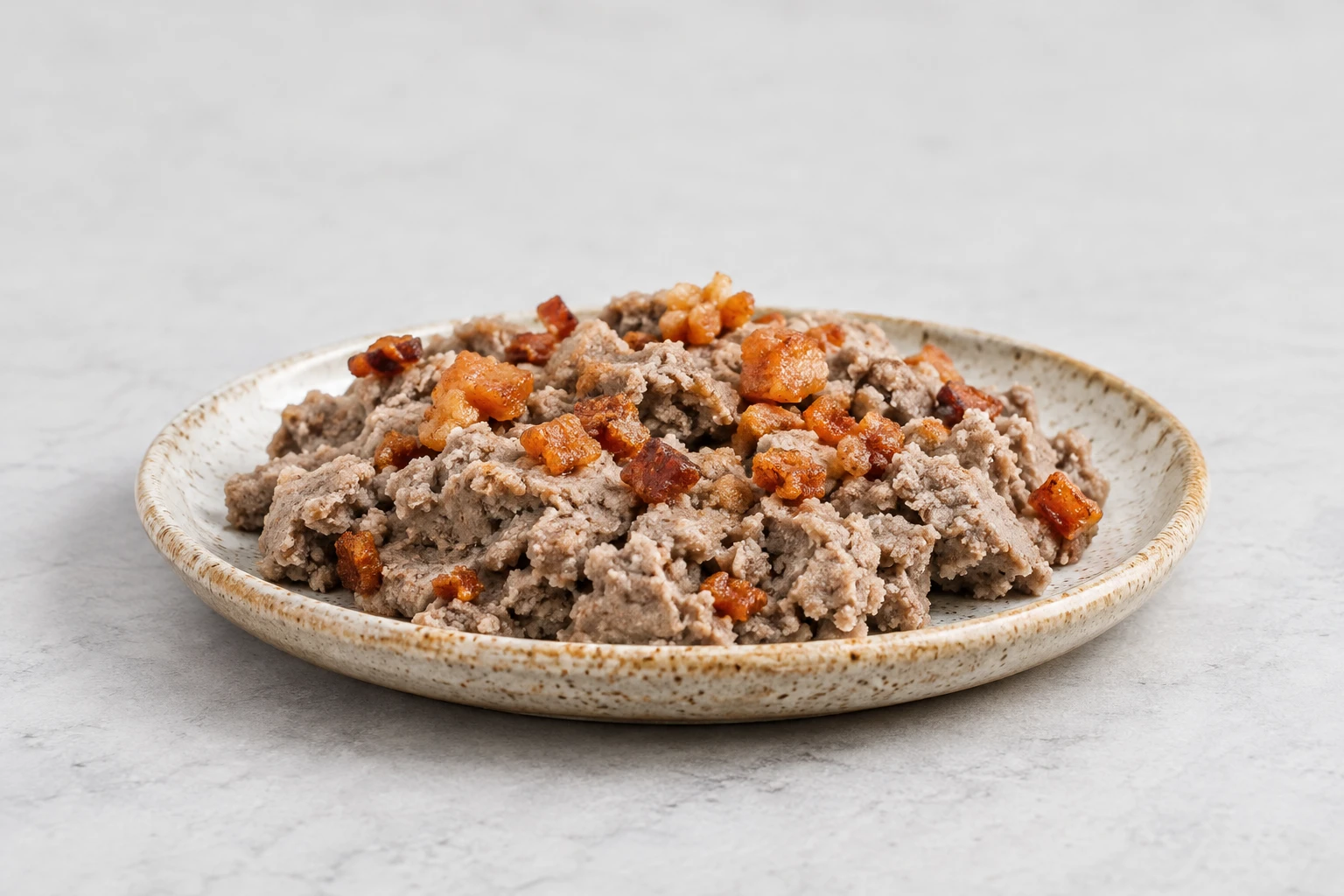
Buckwheat flour cooked in water and fluffed into small clumps with a fork, served with pork cracklings. For a long time it was the everyday food of the central and alpine regions, and it is considered a national Slovenian dish.
Traditional dish of Slovenia
Also known as: žganci de trigo-sarraceno; žganci
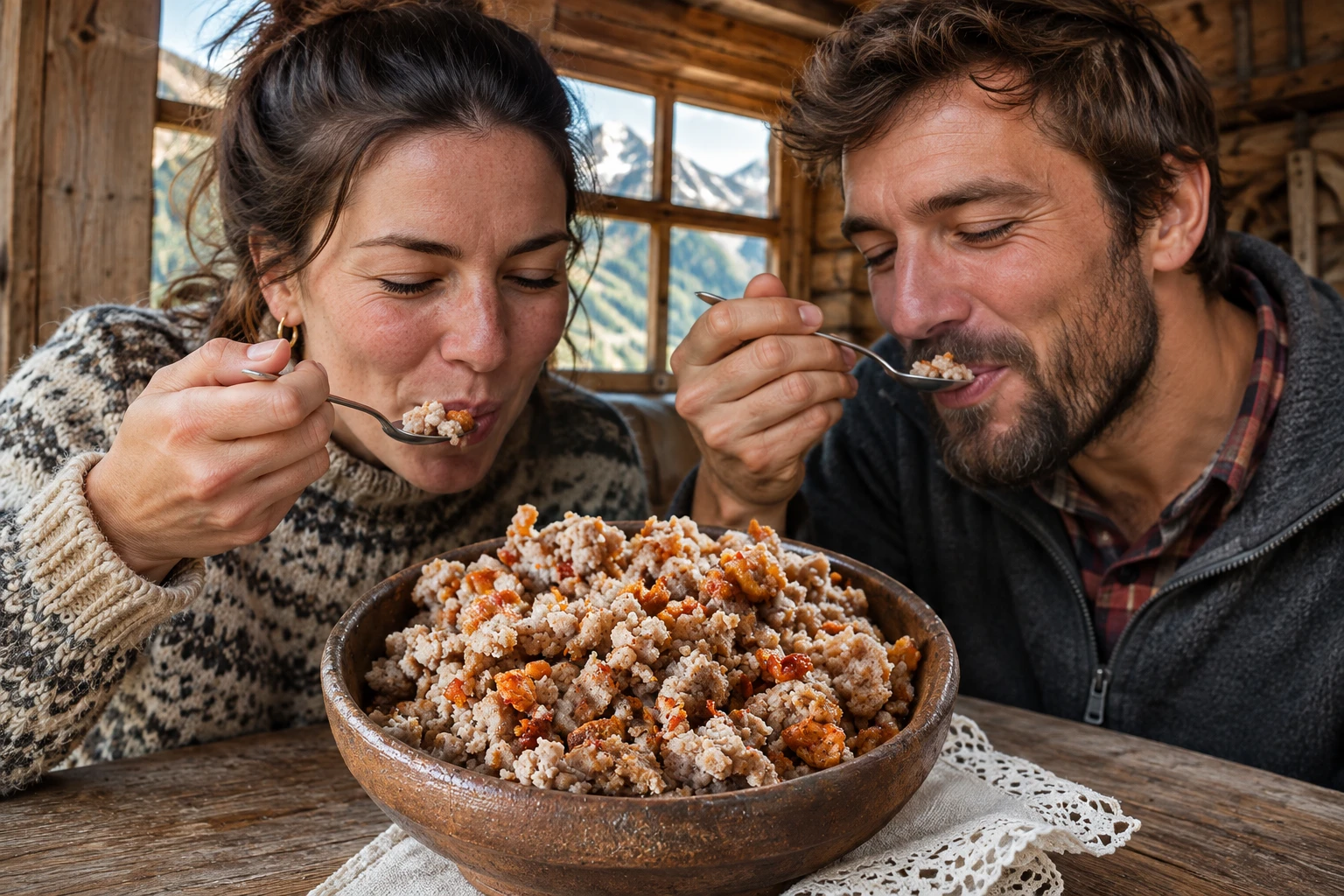
Illustrative images. The pictures in this guide are illustrations based on the real place, not photographs, and may differ from it.
Click the picture to enlarge it.
Ajdovi žganci — Eslovênia
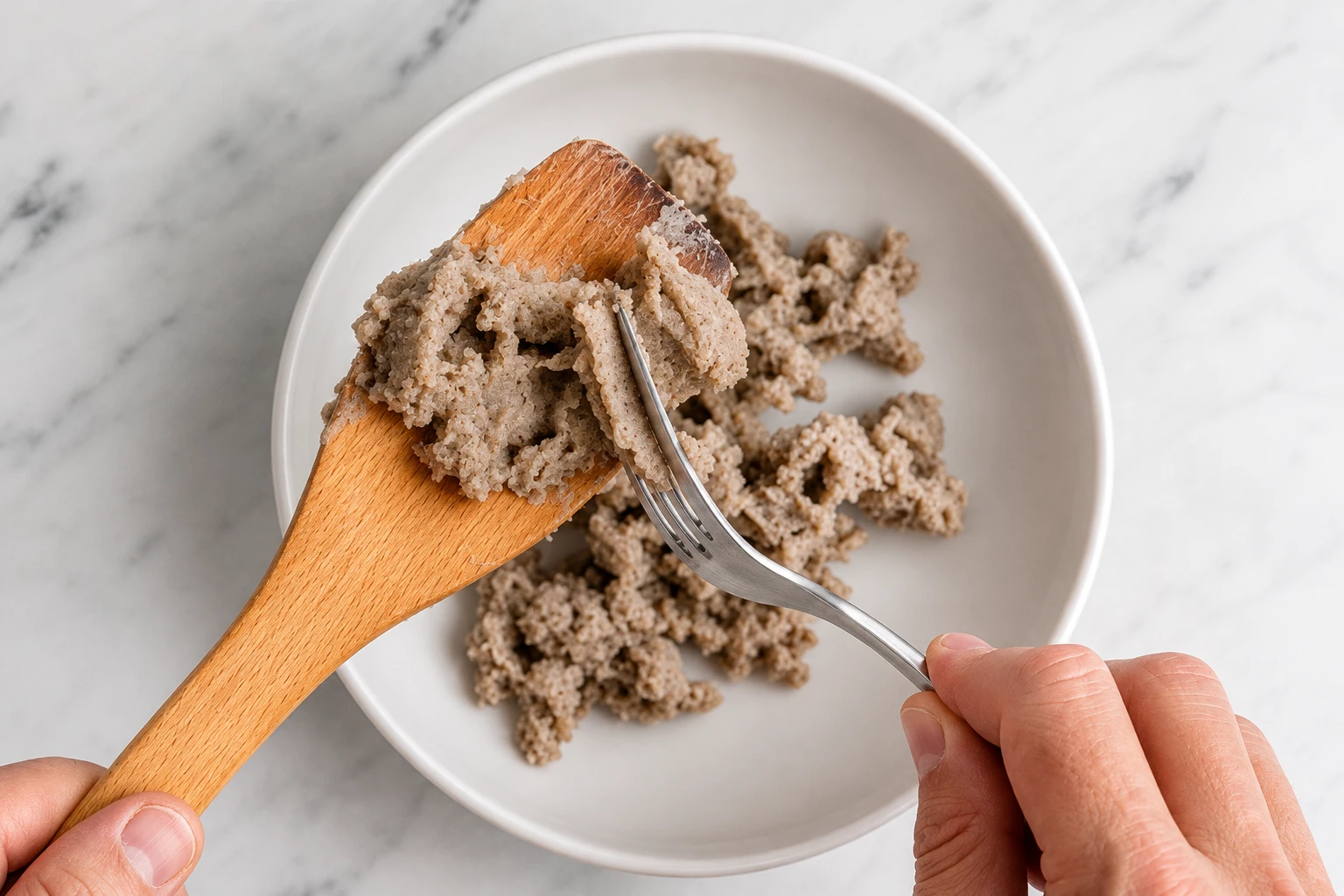
Žganci are one of Slovenia’s oldest and simplest foods. The best-known version, ajdovi žganci, is made with buckwheat flour. In one method the flour is added whole to boiling salted water and cooked in a mound; then a hole is made in the center with the handle of a wooden spoon so the inside will cook, and finally the dough is loosened with a fork into small clumps. In the other method the flour is first dry-roasted in an iron pan until fragrant, and only then is boiling water added. The name comes from the verb žgati, which means to burn or to roast.
There are regional variations: small loose clumps, or a softer, stirred dough made smooth as is done in Štajerska. There are also corn and wheat žganci, but the buckwheat ones are most closely tied to the country’s identity.
For centuries žganci were the staple everyday food, served at breakfast or lunch and reheated in the evening. The naturalist Balthasar Hacquet recorded in the 18th century that in Upper Carniola they were served with sauerkraut. They are almost always topped with pork cracklings and lard; they can also be eaten with milk, soured milk, soups and stews such as obara, or with sauerkraut.
Today ajdovi žganci appear on the menus of home-cooking restaurants and in mountain huts, often alongside a stew.

Eslovênia
Traditional food of the central and alpine regions, regarded as a national dish; national-level association.
Buckwheat flour, water and salt; topped with pork cracklings fried in lard. Common accompaniments: milk or soured milk, sauerkraut, obara (stew) or meat gravy.
Hot, in a bowl, topped with pork cracklings and lard; at breakfast with milk, or at lunch alongside a stew or sauerkraut.
Everyday food, especially in the cold months; served year-round in home-cooking restaurants.
Your questions
Of buckwheat flour cooked in salted water and loosened into small clumps with a fork. Topped with pork cracklings and lard.
With milk or soured milk at breakfast, or alongside sauerkraut, stews like obara and meat gravies.
The name comes from the Slovenian verb žgati, which means to burn or to roast, referring to the old preparation method in which the flour was roasted before receiving the water.
Flavors of Slovenia

Sweet leavened dough, rolled out very thin, filled, rolled up and baked in a round pan with a hole in the middle. It is the festive pastry of Slovenian celebrations, with fillings of walnuts, tarragon, raisins or honey.

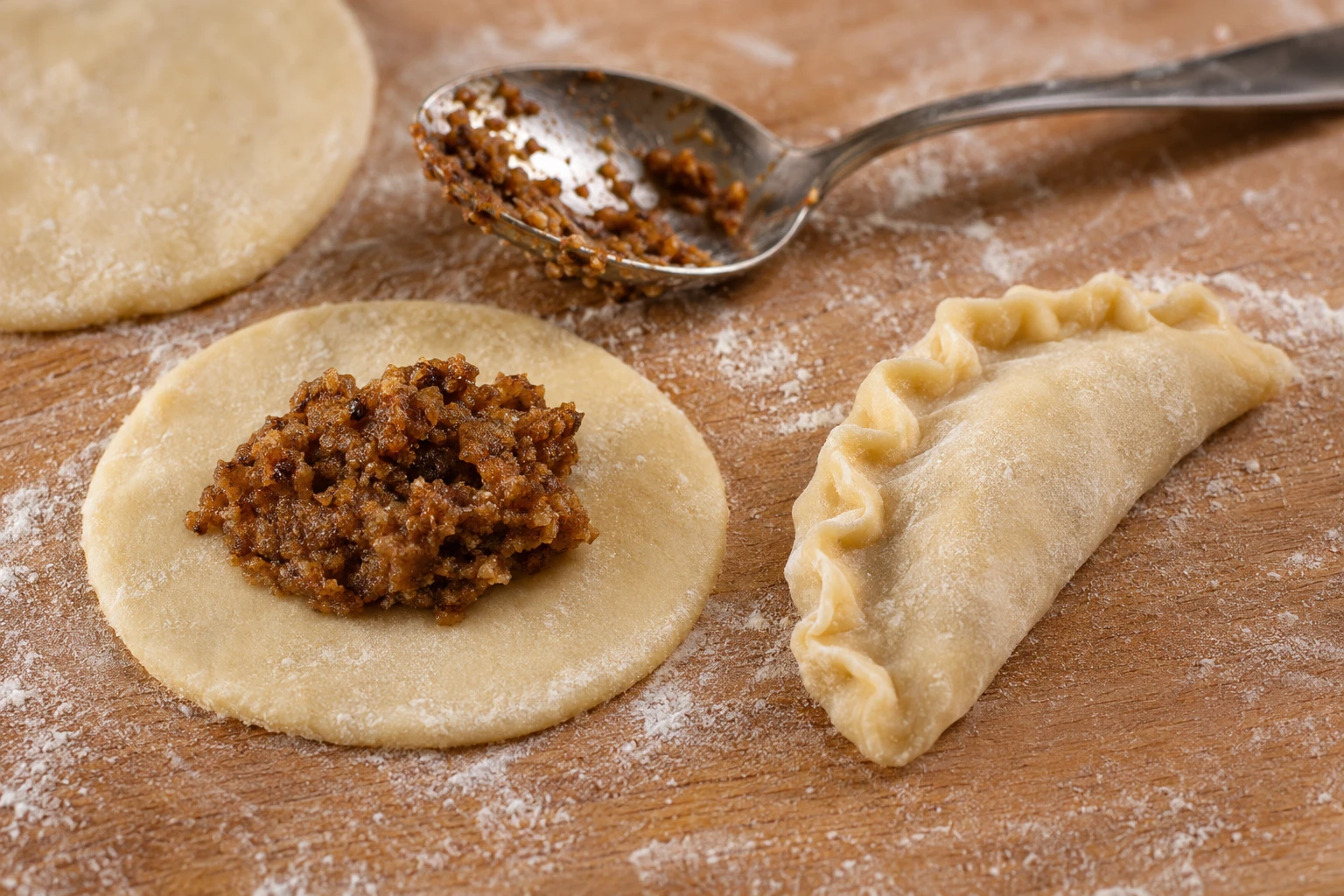
Thin dough rolls filled and cooked in water, steamed, or baked. They come in sweet and savory versions, with fillings such as fresh cottage cheese, tarragon, walnuts, apple and dozens of others, and are found in all regions of Slovenia.

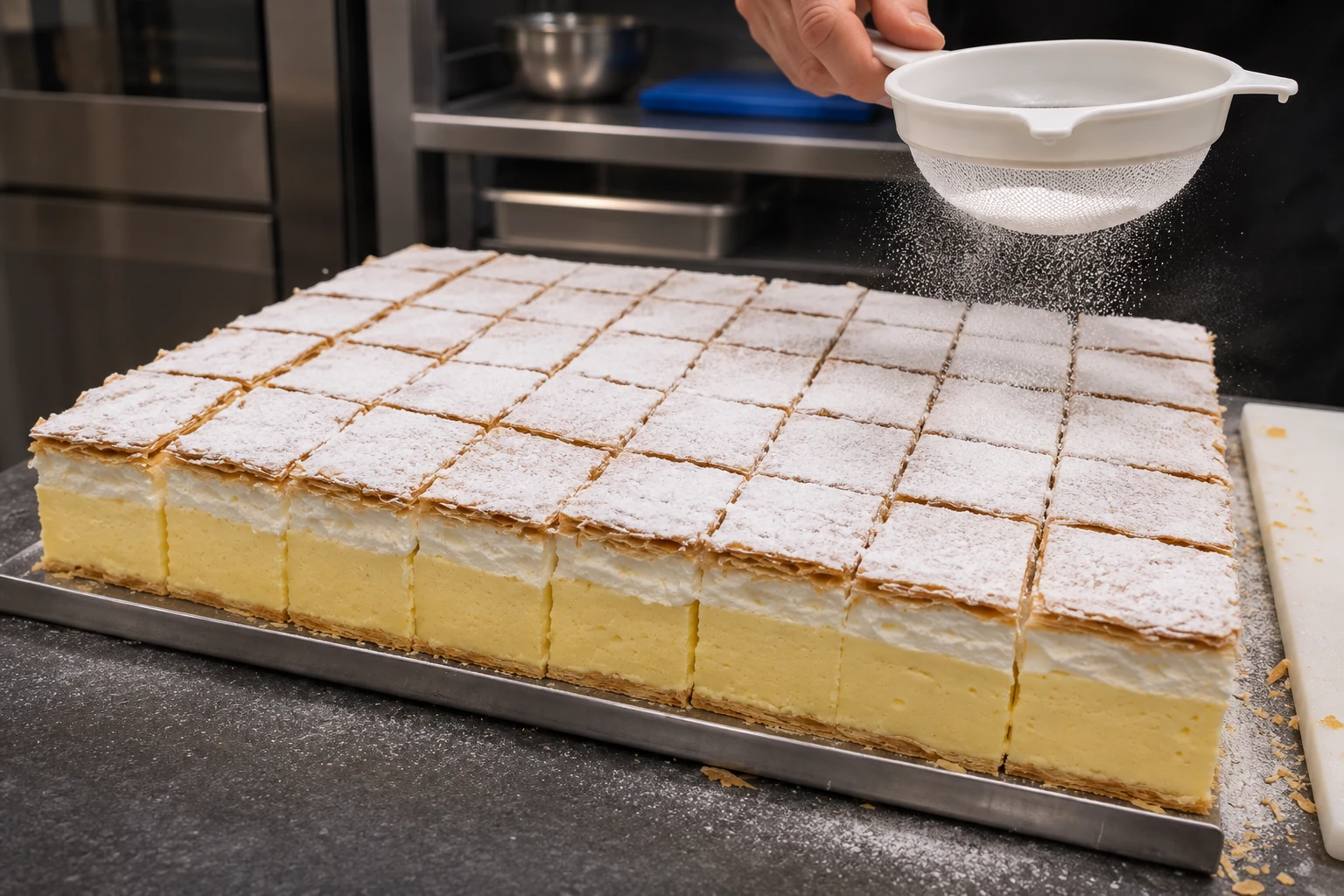
Sweet square from Bled: a puff pastry base, a tall layer of vanilla custard, another of whipped cream, and a thin pastry sheet on top, dusted with powdered sugar. It has been made by the lakeside since 1953.

Little filled dough dumplings with dried pear, walnuts and raisins, boiled in water and served with melted butter, toasted breadcrumbs and cinnamon. They are Bovec’s best-known sweet, eaten on Christmas Eve.

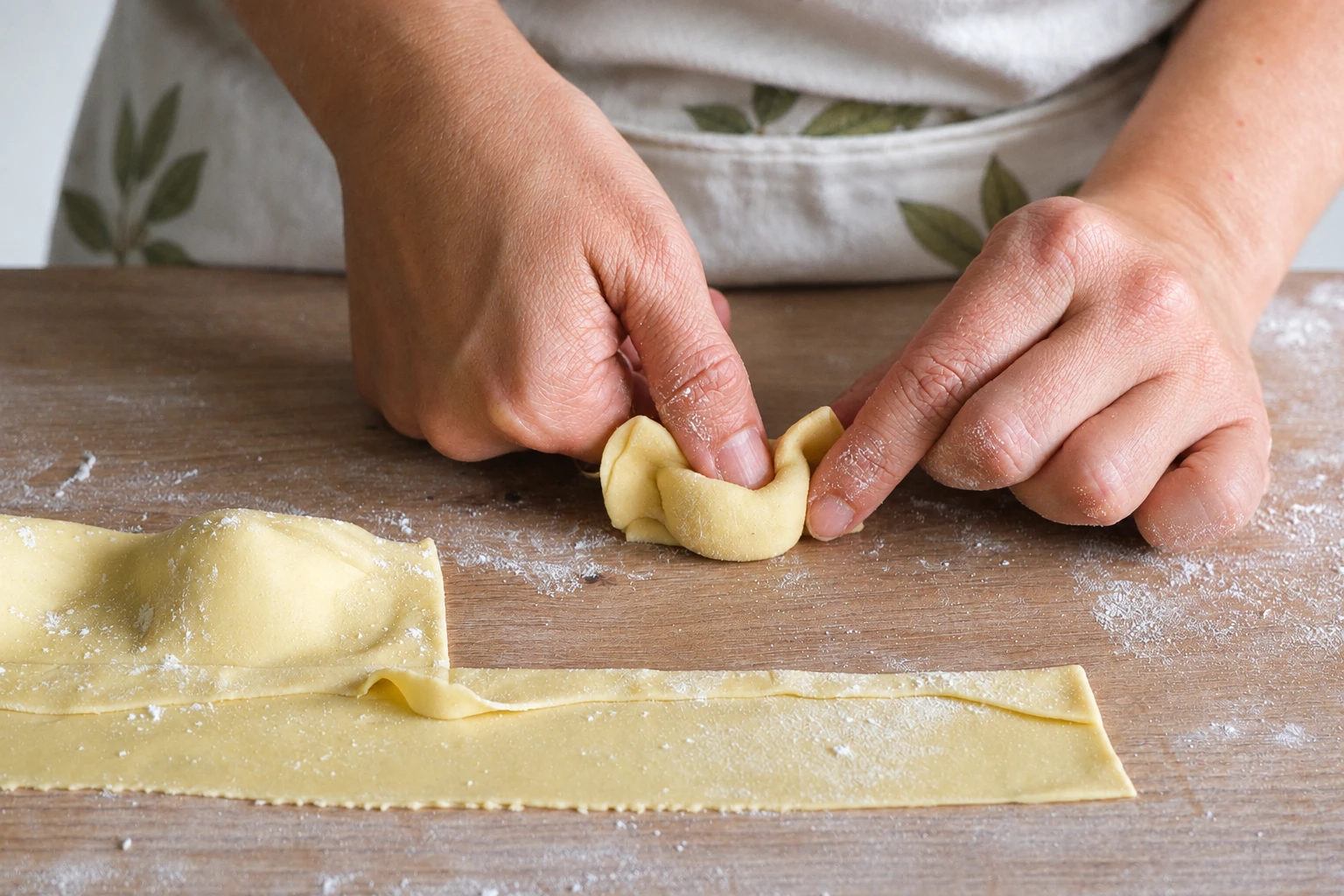
Small dumplings filled with potato, onion, bacon, and herbs, shaped like a little hat, from the old mining town of Idrija. The traditional accompaniment is bakalca, a lamb stew with vegetables.

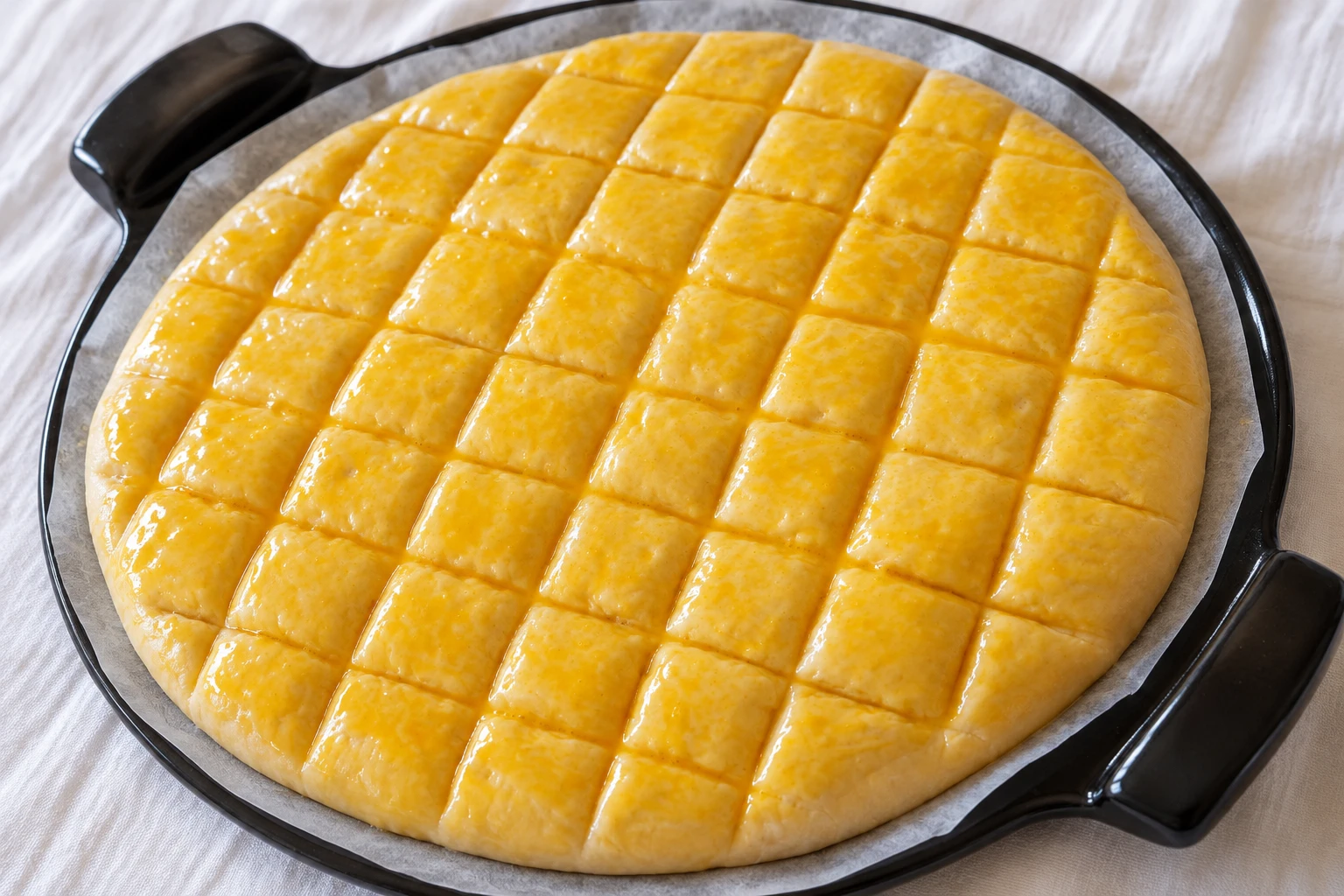
Round, flat bread from Bela krajina in southeastern Slovenia, brushed with egg, caraway and coarse salt, and marked with a grid of score lines. It is eaten warm, broken by hand, never cut with a knife.

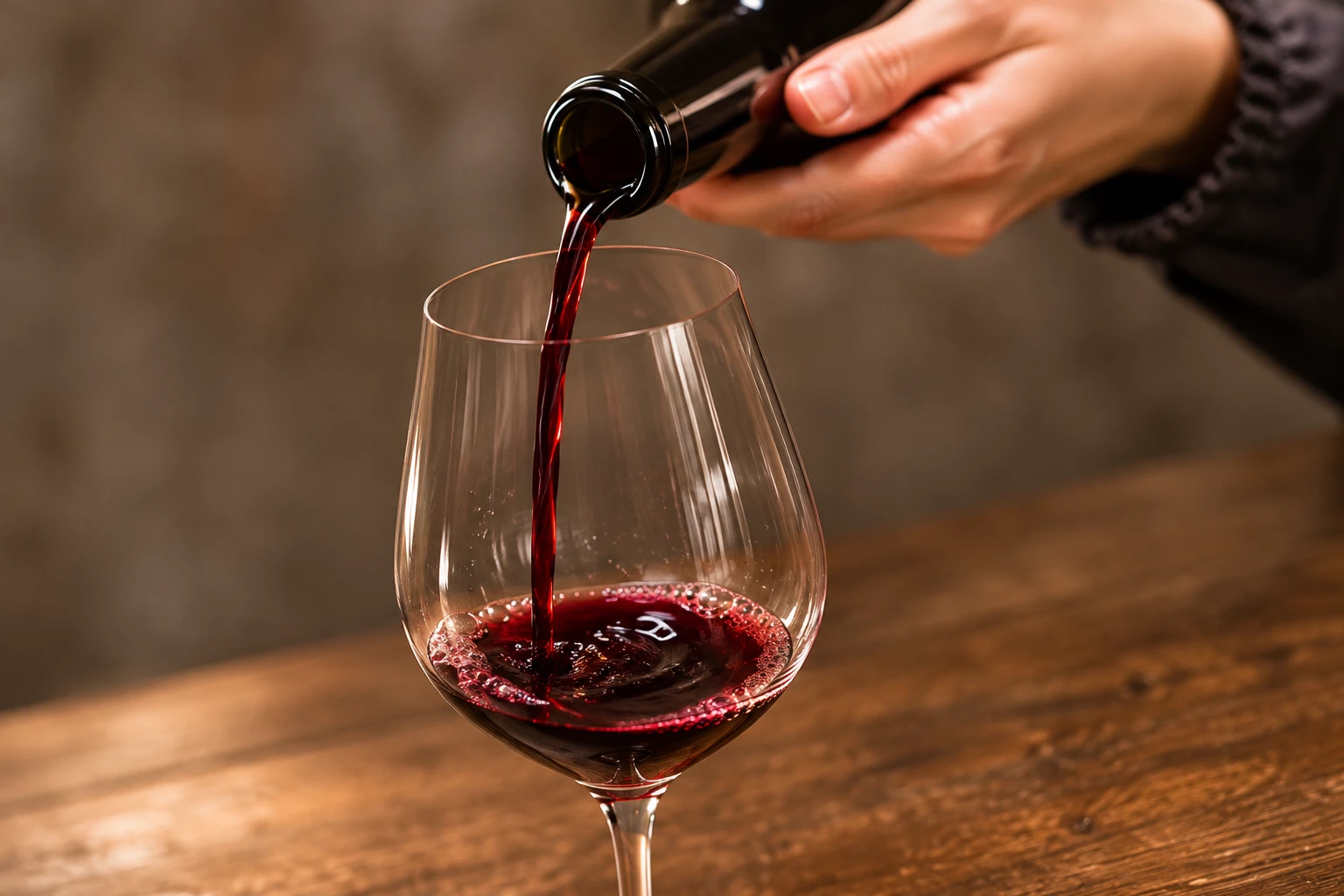
Light, acidic wine from Dolenjska in southeastern Slovenia, made by a required blend of red and white grapes, with low alcohol content. It has the recognized traditional designation PTP and is the region’s everyday wine.

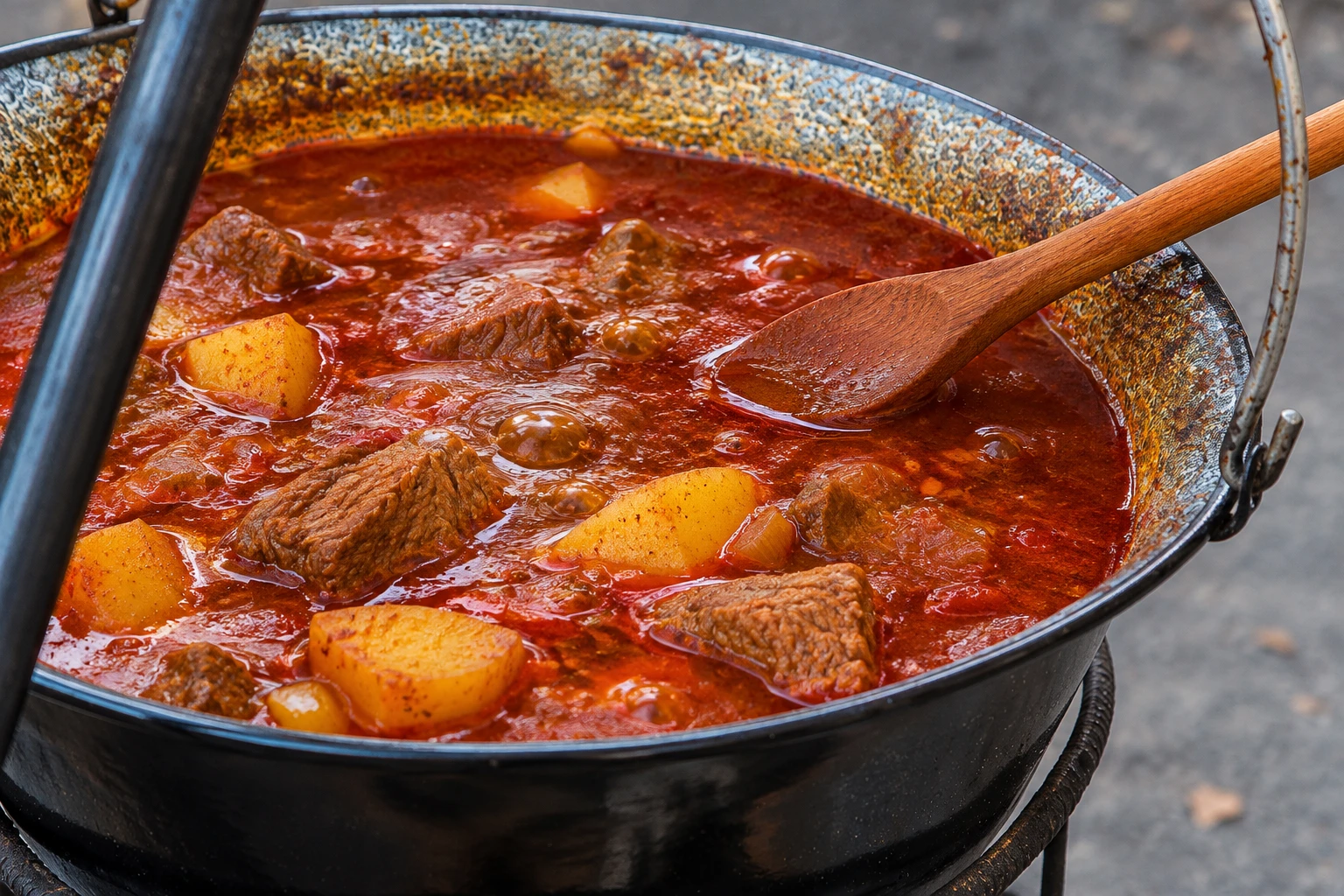
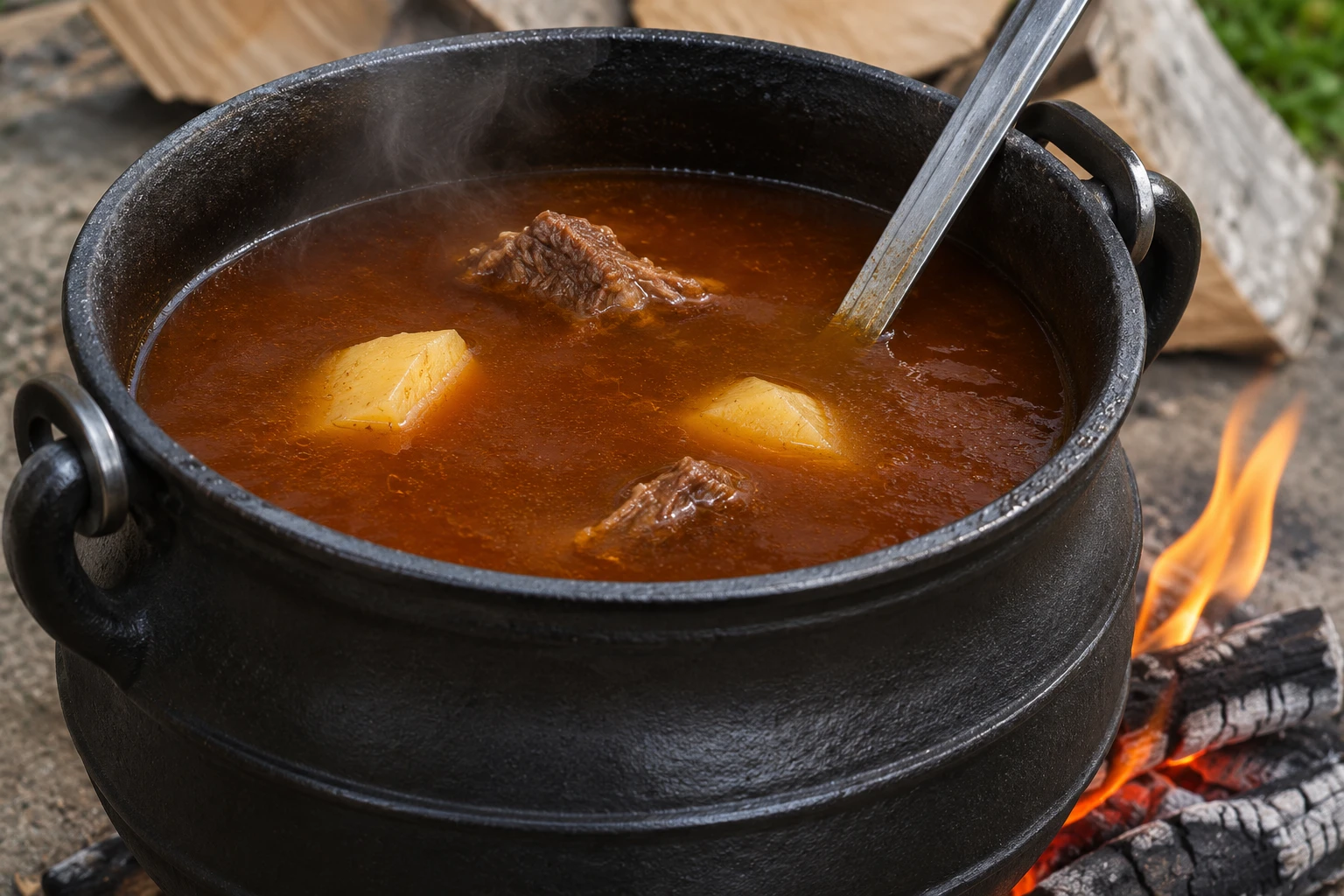
A hearty stew made with several kinds of meat, potatoes, onions, and paprika, slow-cooked in a cauldron over a wood fire. It’s the traditional dish for celebrations in Prekmurje. Lendava, which calls itself the world capital of bograč, hosts the country’s largest bograč competition.

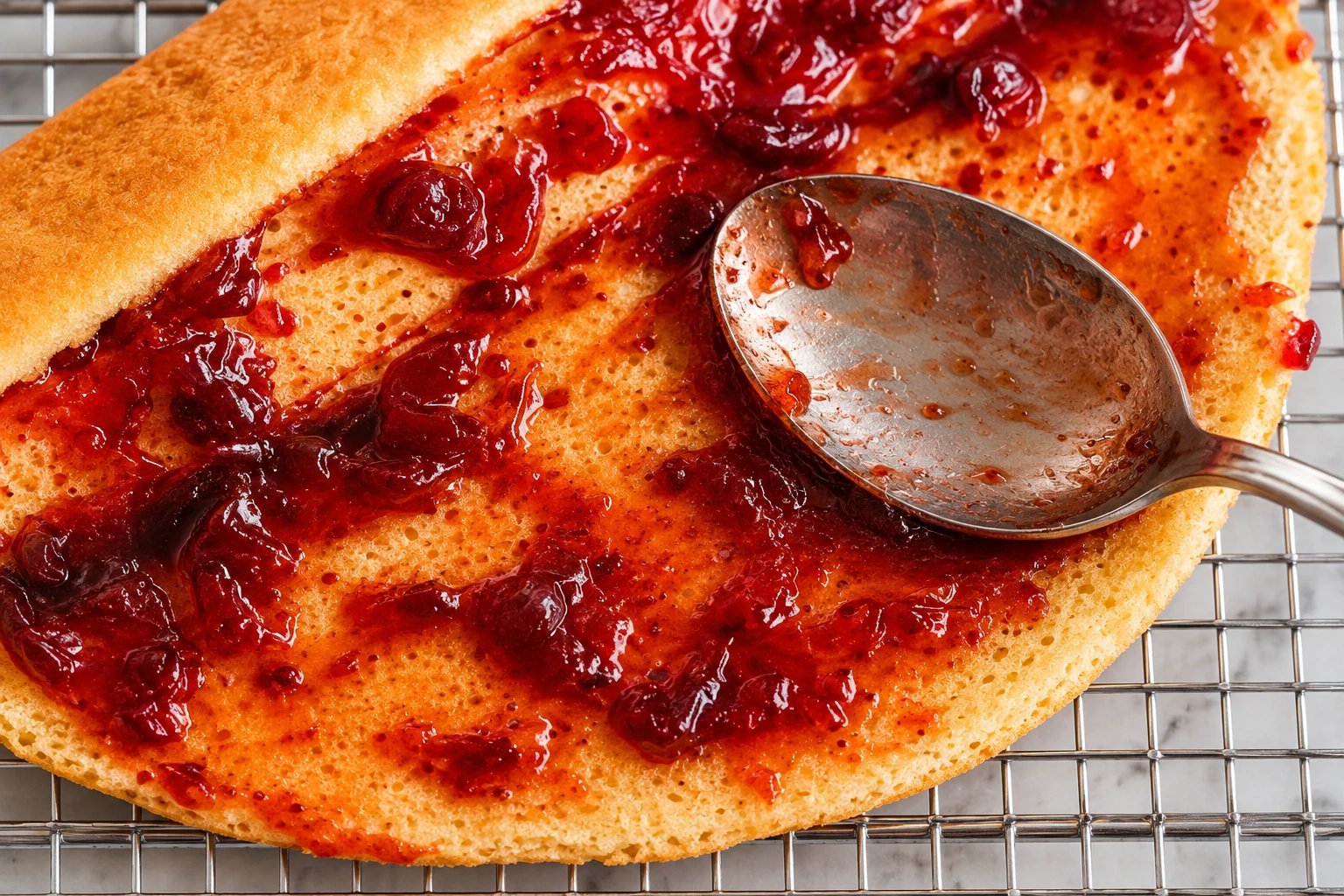
A light sponge cake baked in a thin layer, filled with cranberry jam, folded in half, and topped with whipped cream. Created in the 1950s, it is the signature dessert of the mountain huts and hotels of Pohorje, the mountain range above Maribor.

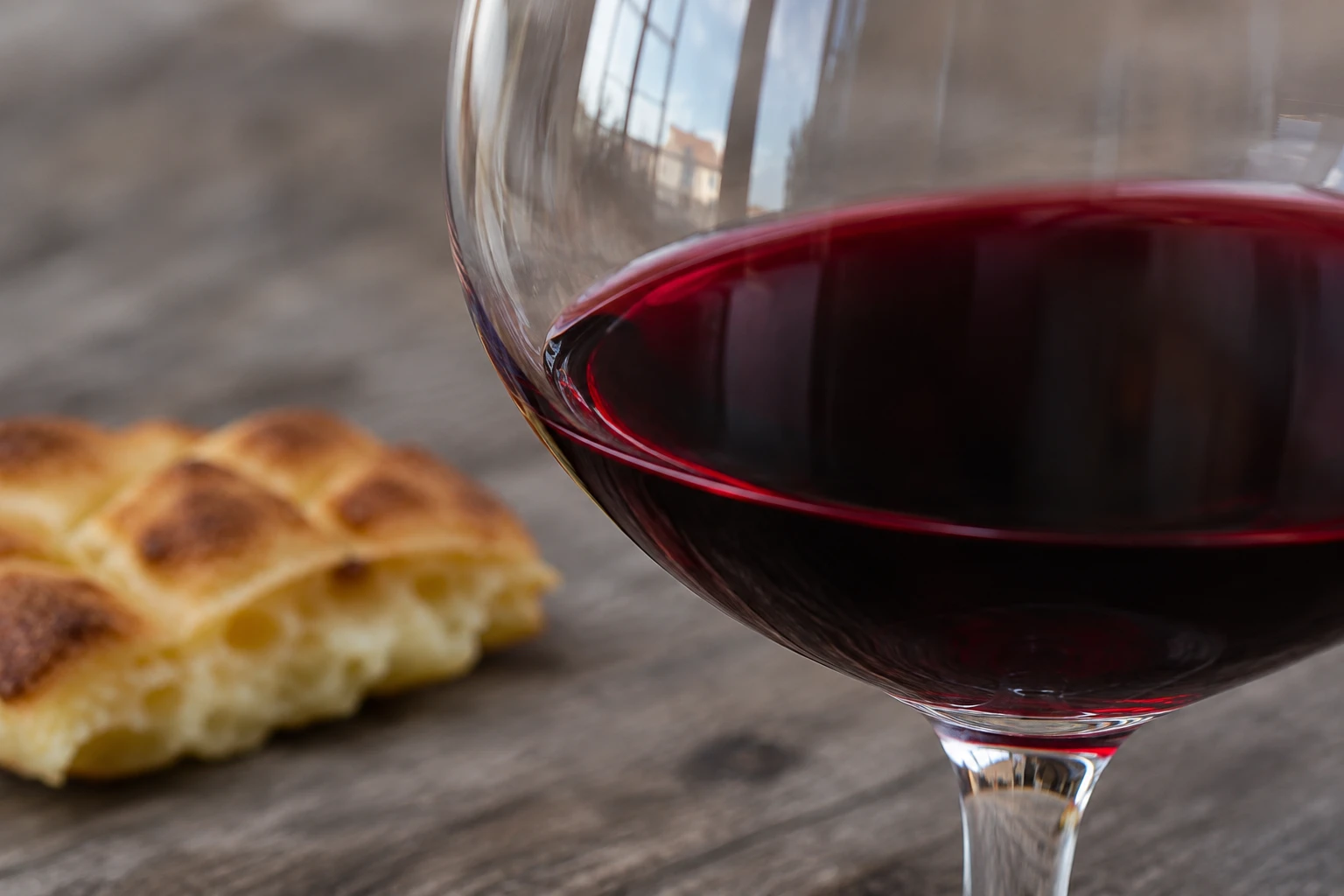
A dry red wine from White Carniola, made mainly from modra frankinja and žametovka grapes, with a deep ruby color and a fresh, fruity flavor. It takes its name from Metlika and carries Slovenia’s designation for wines with a recognized traditional name (PTP).

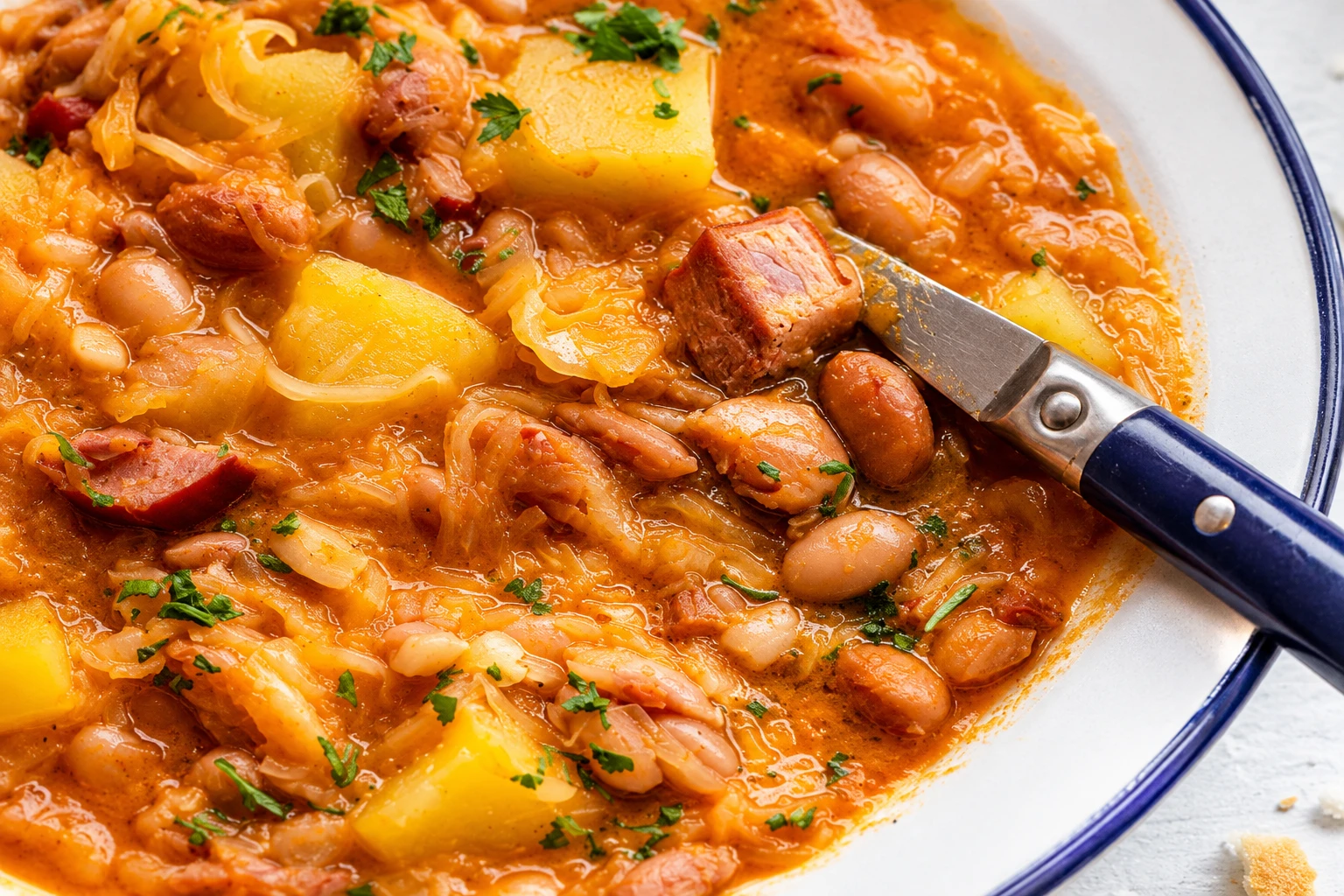
Thick soup of beans, potatoes and sauerkraut or fermented turnip, cooked with smoked pork. It’s the spoon food of western Slovenia, and the Karst version, with sauerkraut and potatoes, is the best known.

Dark, acidic red wine from the Karst plateau, made only with the refošk grape grown in the region’s red soil. It has Slovenia’s recognized traditional designation PTP and pairs with the ham and dishes of the Karst.

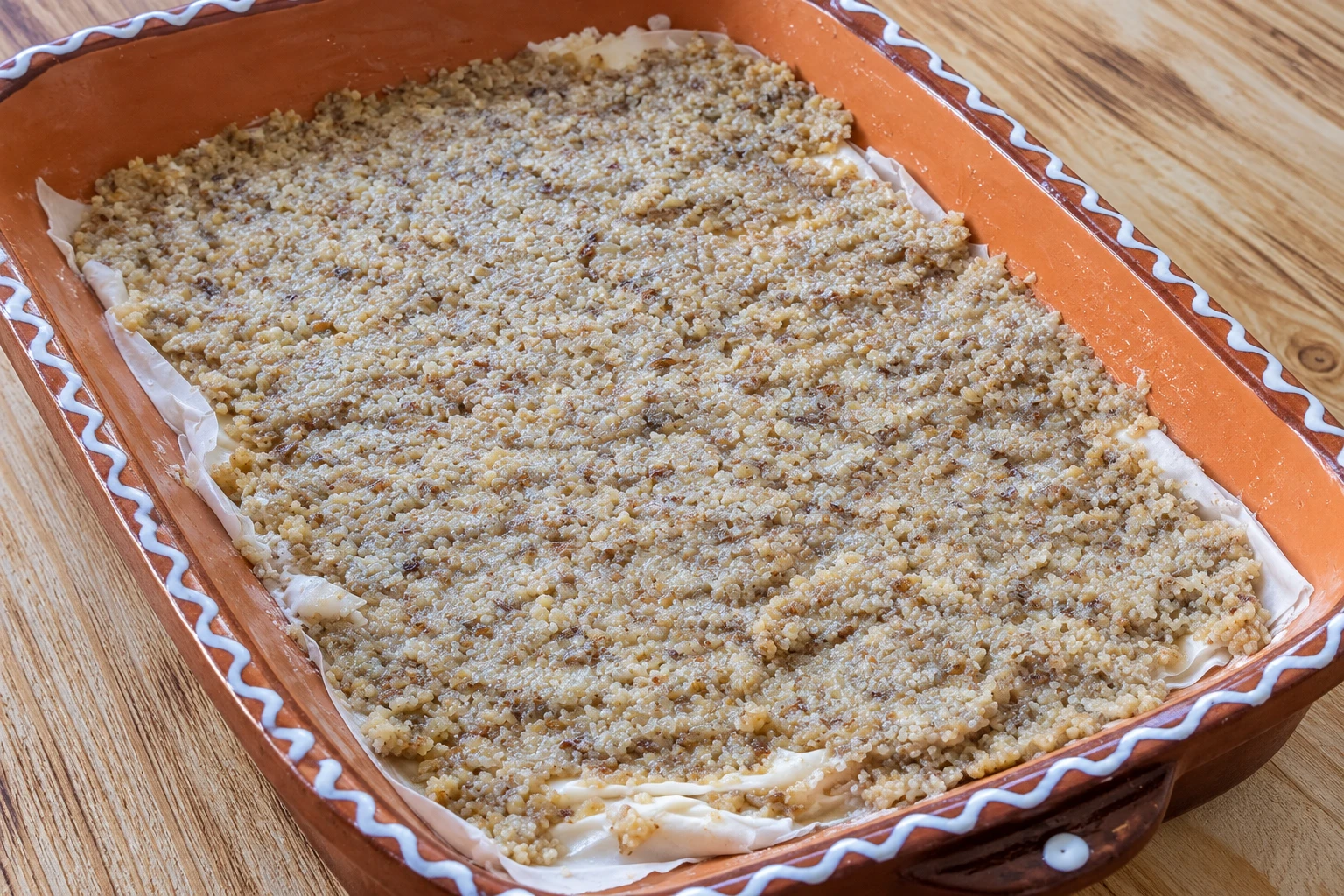
Layered Prekmurje cake from northeastern Slovenia: on a shortcrust base, sheets of stretched dough alternate four fillings — poppy seeds, fresh curd cheese, walnuts and apple — topped with cream.

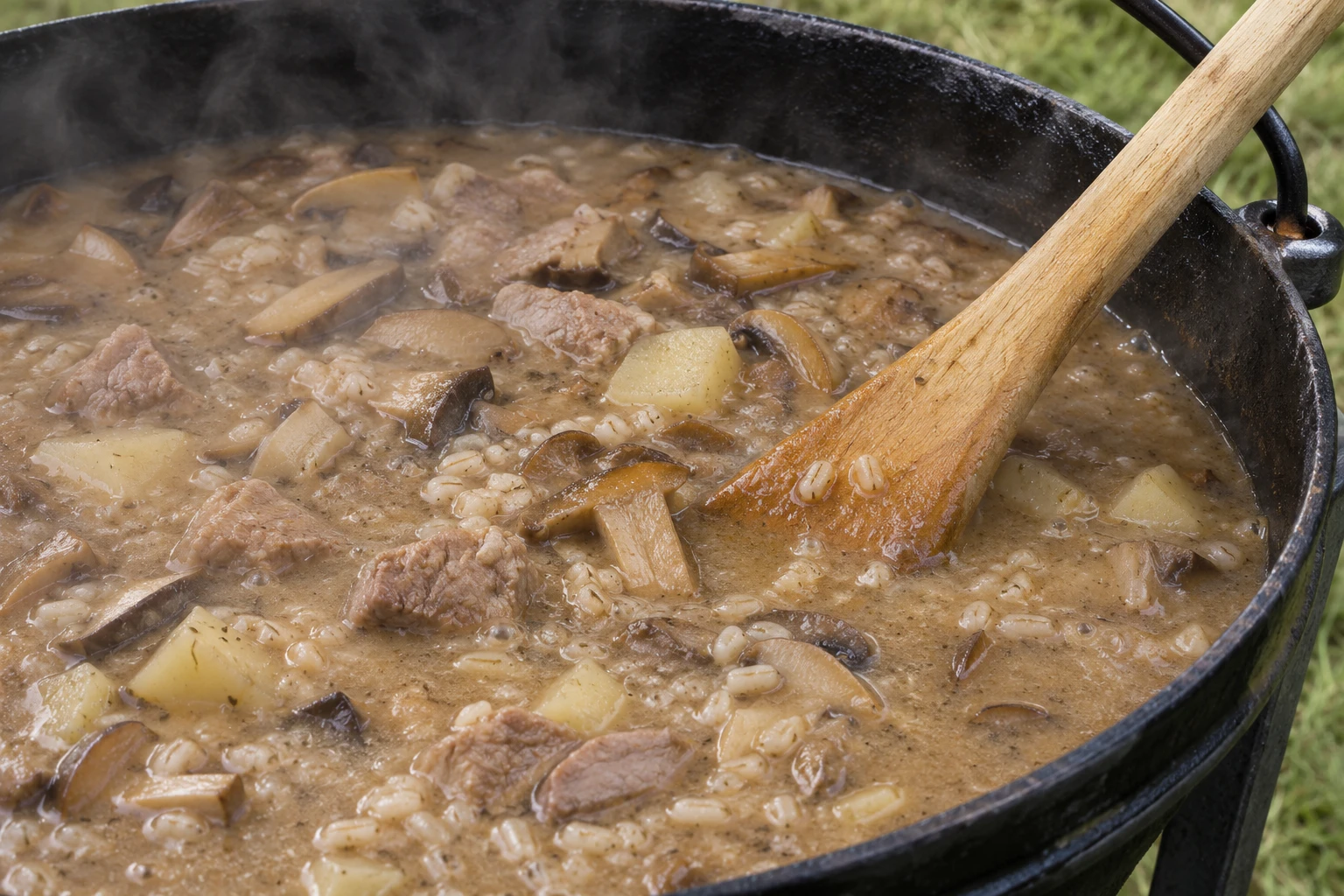
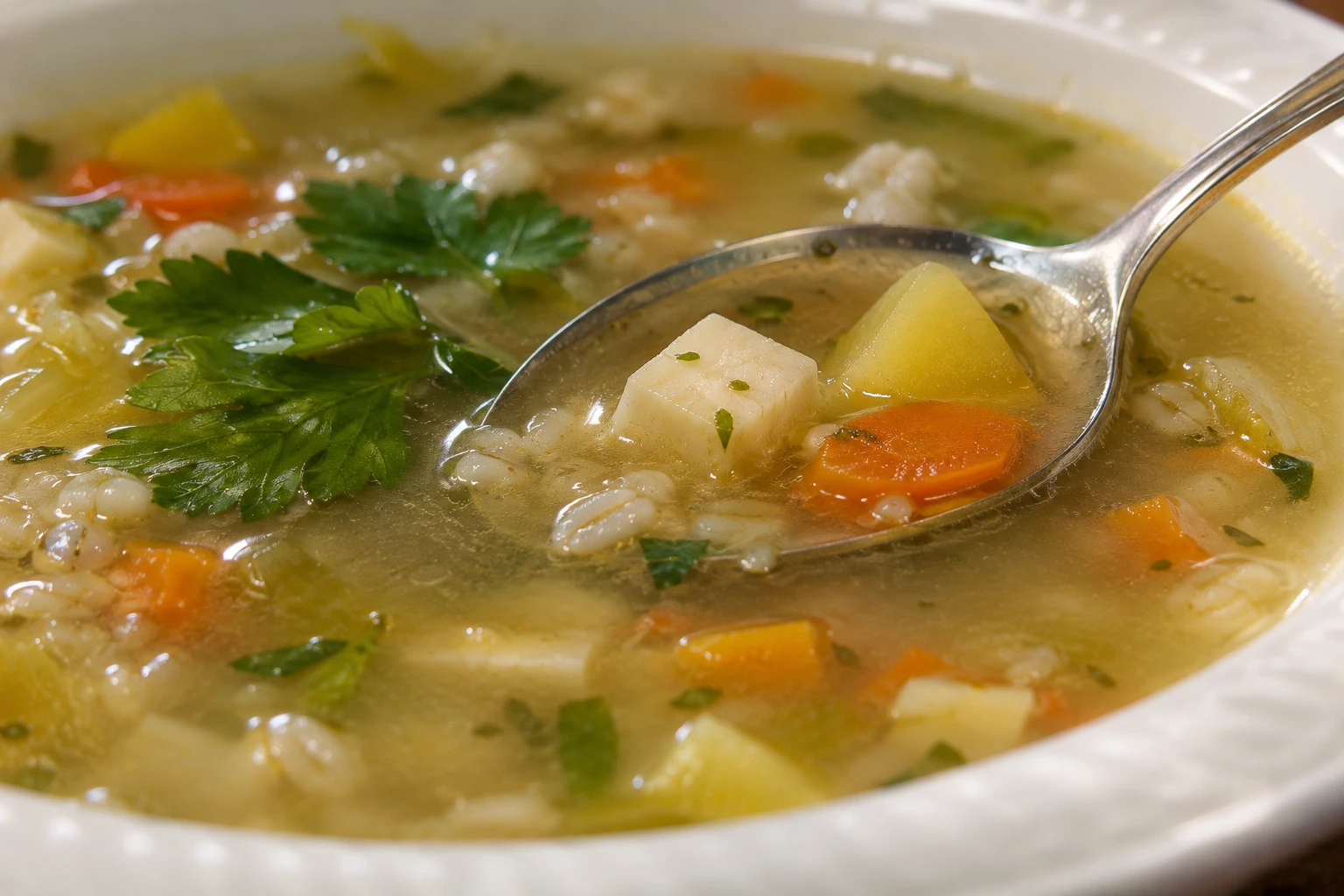
A hearty stew of three meats, potatoes, wild mushrooms, and pearl barley. The version created by Darinka Orlačnik, the cook at the hotel in Rogla, became a specialty of the Zreče Pohorje region.

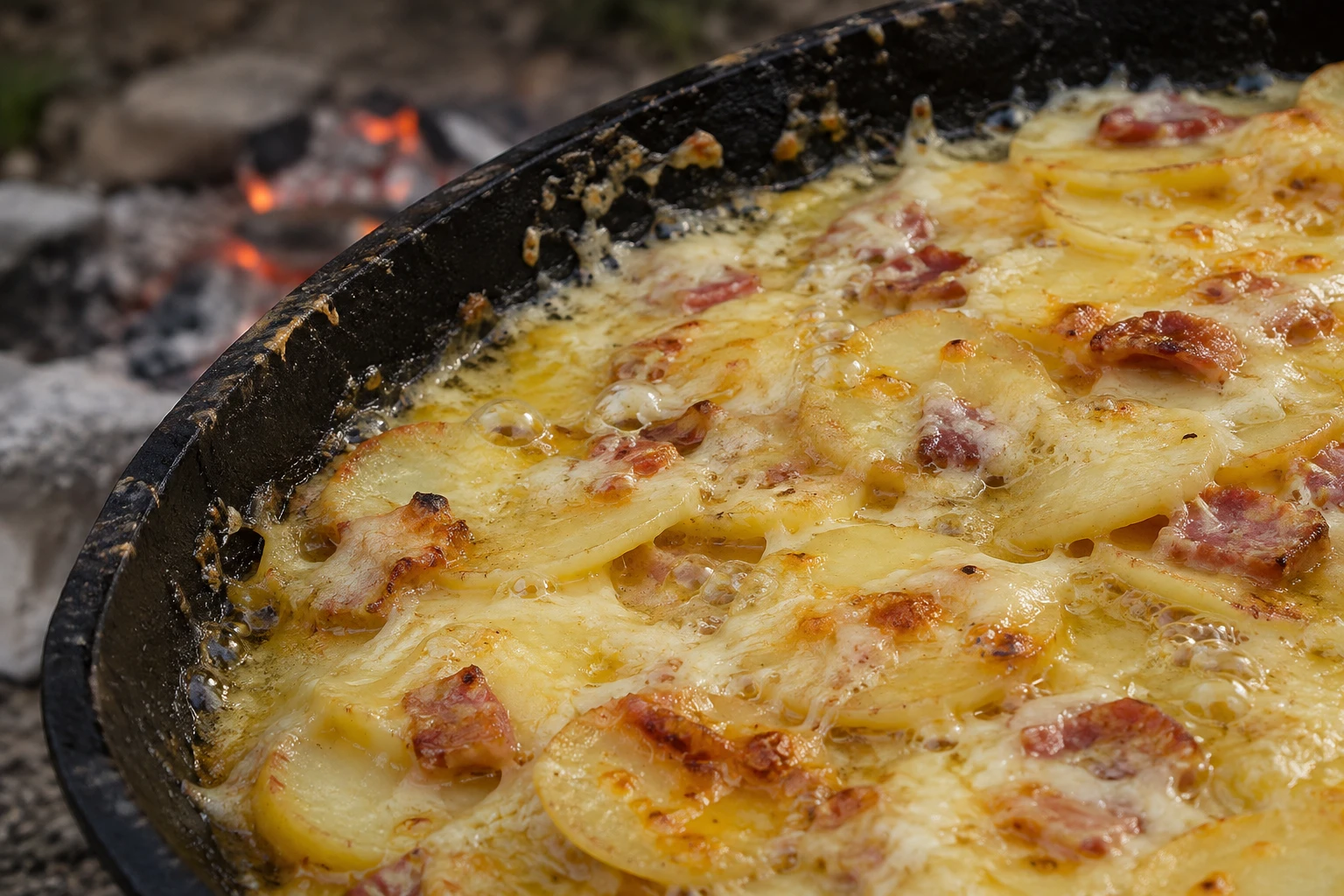
A dish of grated hard cheese and potatoes fried in a pan until they form a crust, sometimes with eggs or bacon. Once the food of shepherds and woodcutters from the Soča valley, it is now Tolmin’s specialty, celebrated at the FrikaFest.

A mutton and vegetable stew seasoned with savory and juniper. It is the best-known dish in Tržič, the town of shoemakers at the foot of the Karawanks. According to tradition, it originated among the shepherds in the mountain pastures.

Thick celery and potato soup, often cooked with a pig’s trotter, served over corn polenta. It was the meal that housewives in the Vipava Valley prepared on grape-harvest days.

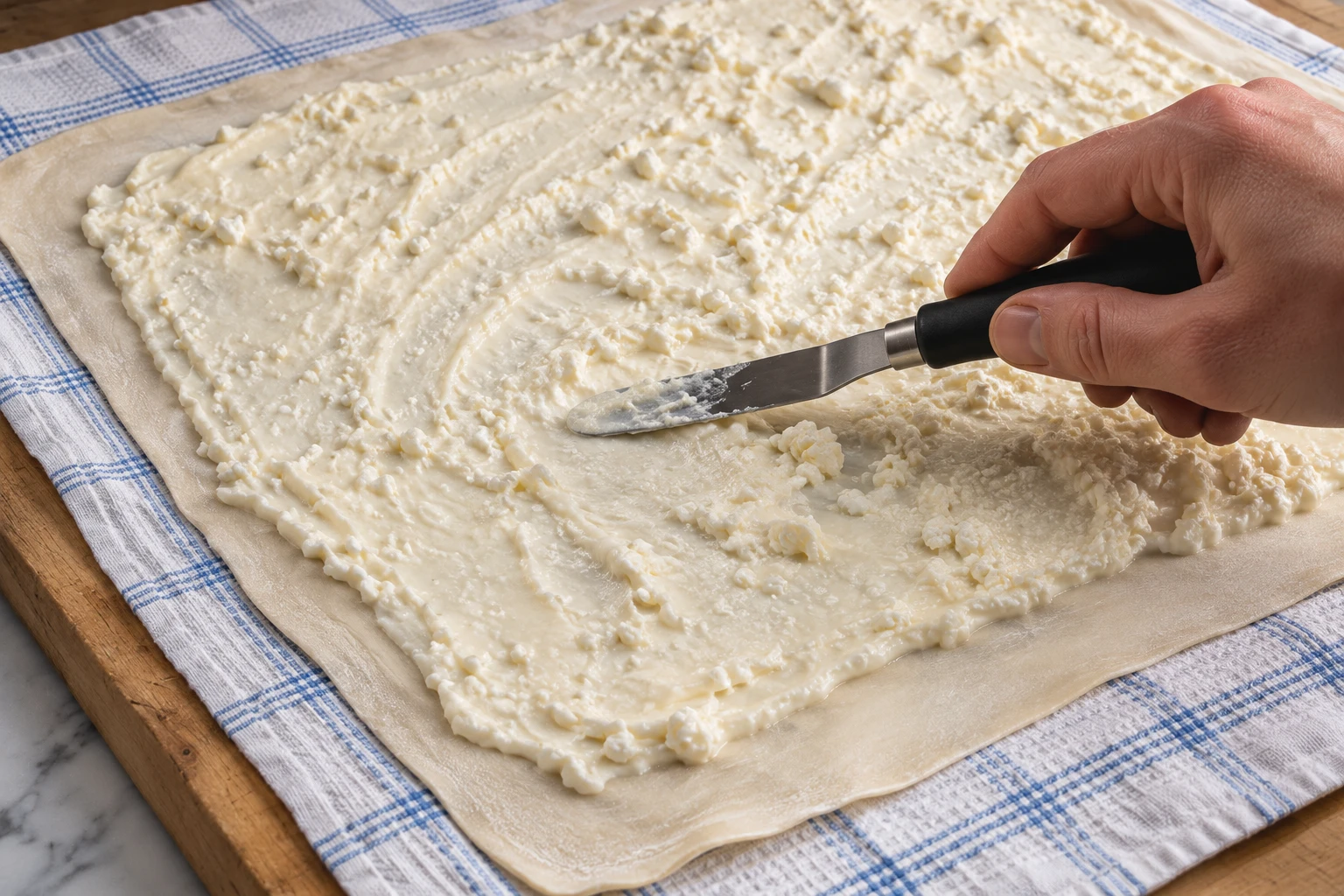
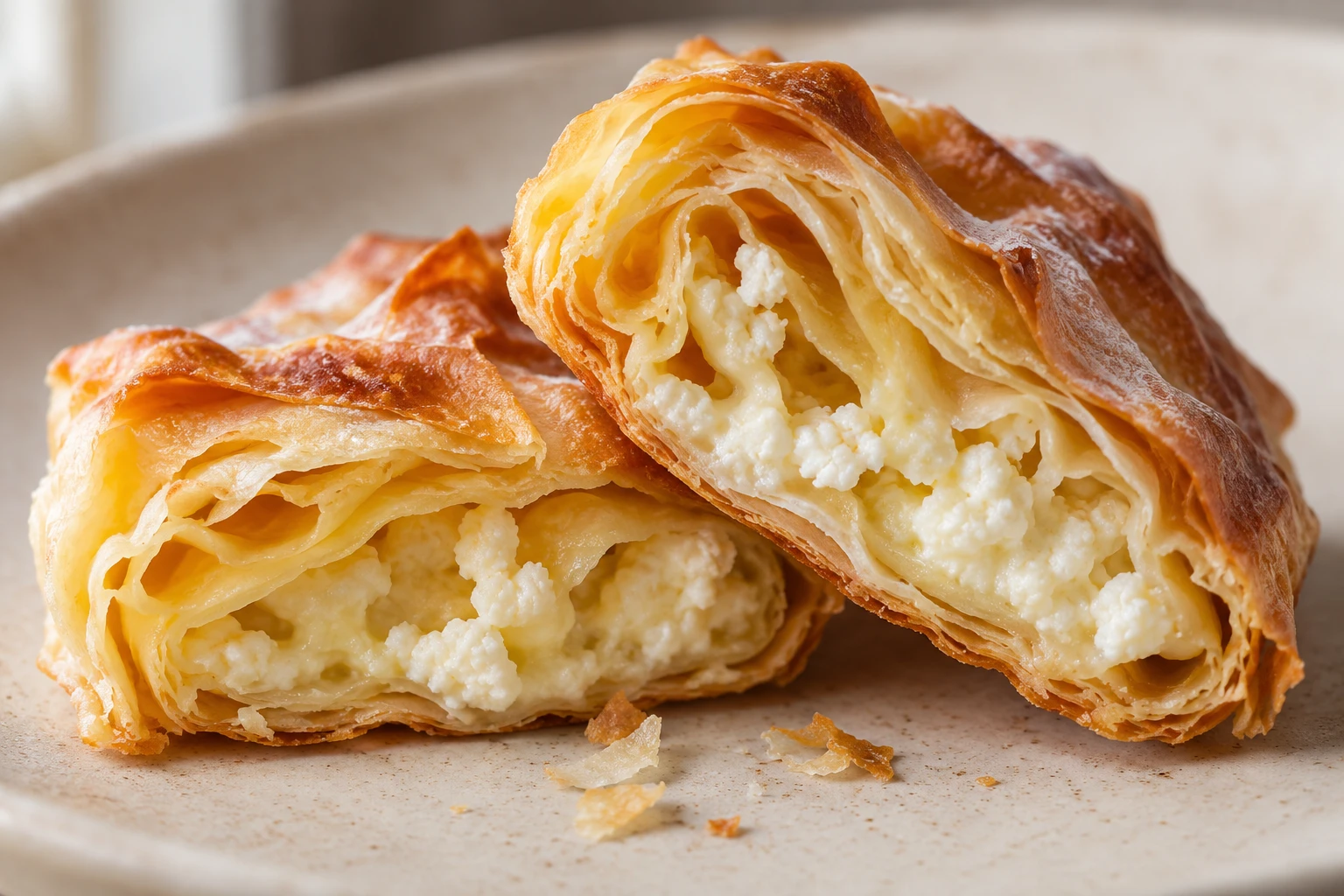
A long, slender roll of hand-stretched dough filled with curd cheese, eggs, and cream, baked until golden and crisp, and served in round slices. It’s savory, not sweet, and is one of White Carniola’s specialties.