Malmö and Lund

Escânia · Sweden

Malmö and Lund

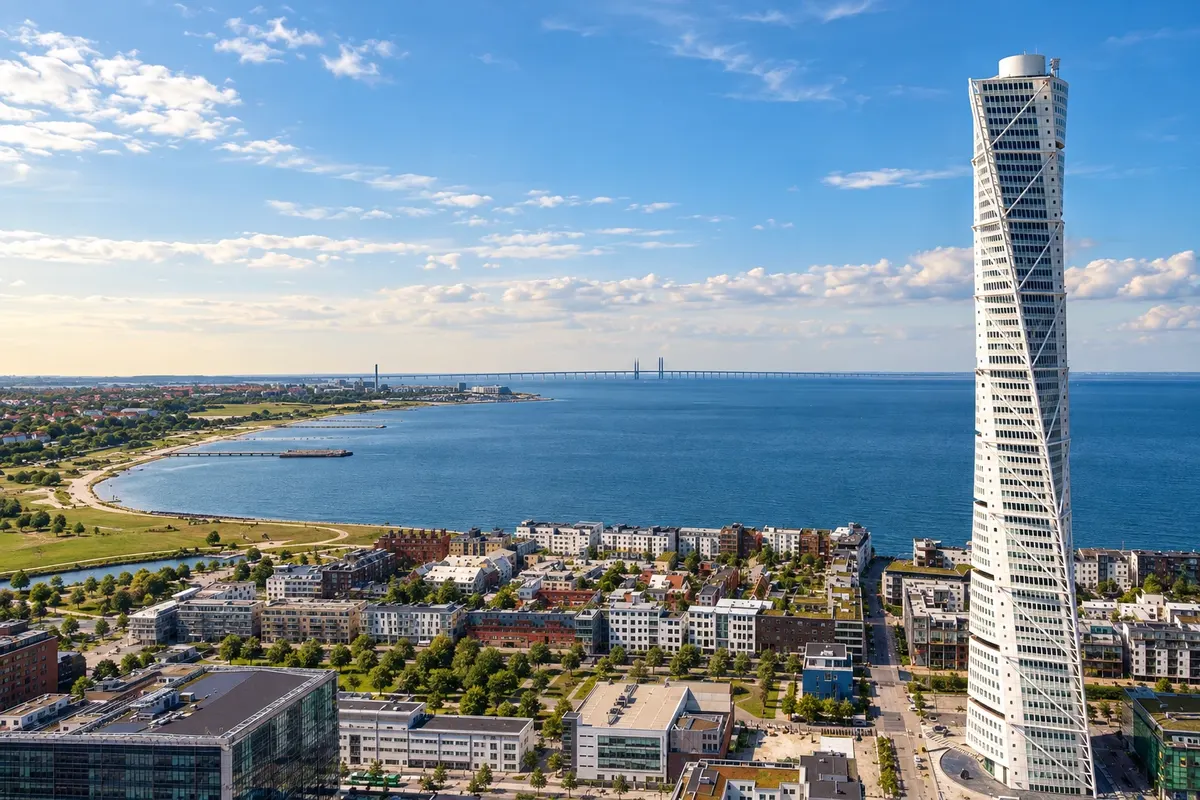
The south of Sweden opposite Copenhague: Malmö, with the Renaissance castle, the old squares, the Turning Torso and the Øresund bridge on the horizon, and Lund, a university town with a Romanesque cathedral.

Götaland

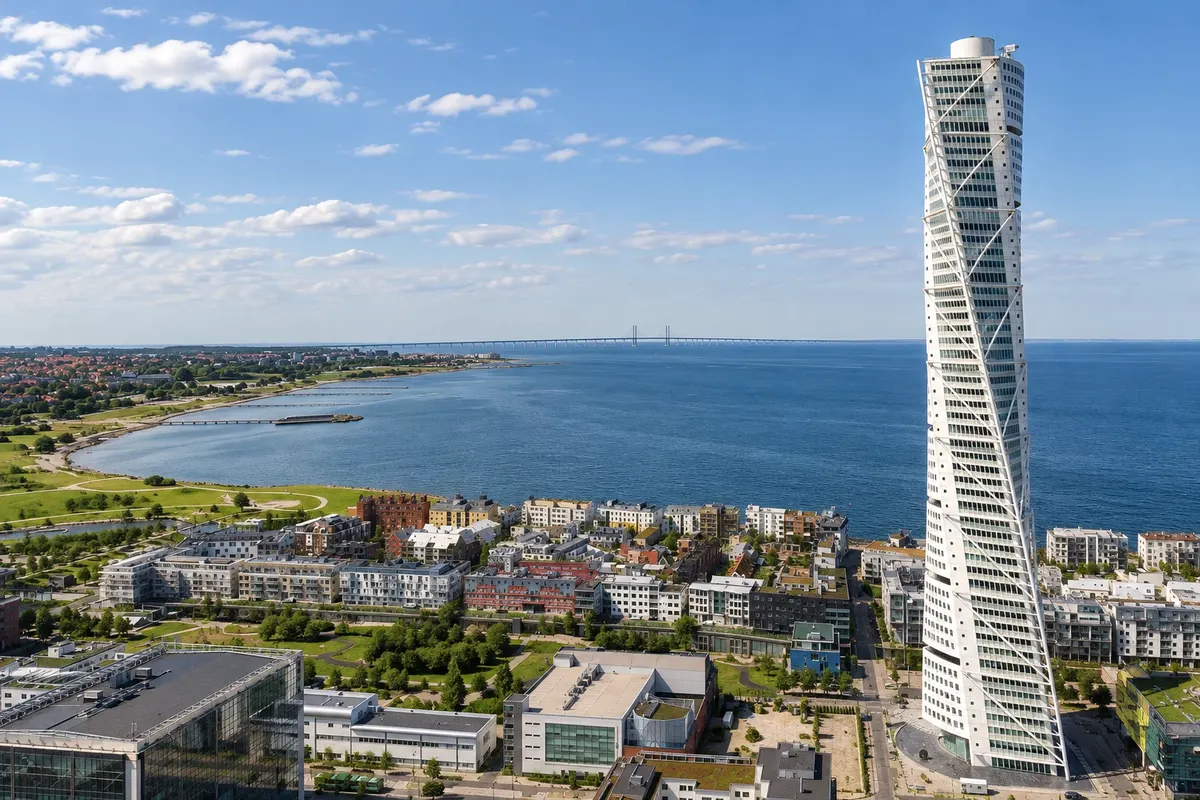
In the photo: Turning Torso, Västra Hamnen

Illustrative images. The pictures in this guide are illustrations based on the real place, not photographs, and may differ from it.

Get it on Google Play Send your photos

Get to know the place

A region to enjoy
at your own pace.

Malmö is the third largest city in Sweden and is located in Escânia, Skåne em sueco, the southernmost province of the country, facing Copenhague. The two cities have been connected since 2000 by the Øresund bridge, 8 km long, which continues in a tunnel to the Danish coast; the train crosses it in about 35 minutes. Until 1658 Escânia was Danish, and much of the old architecture dates from that period.

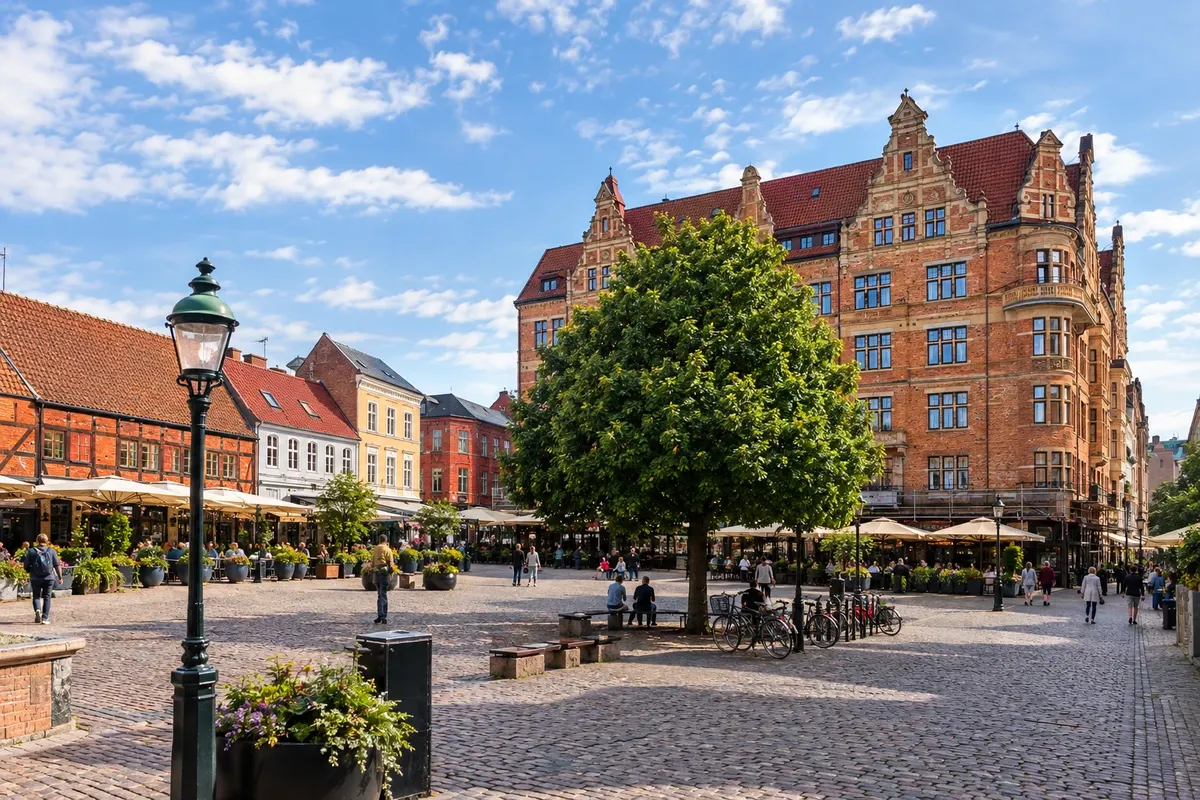
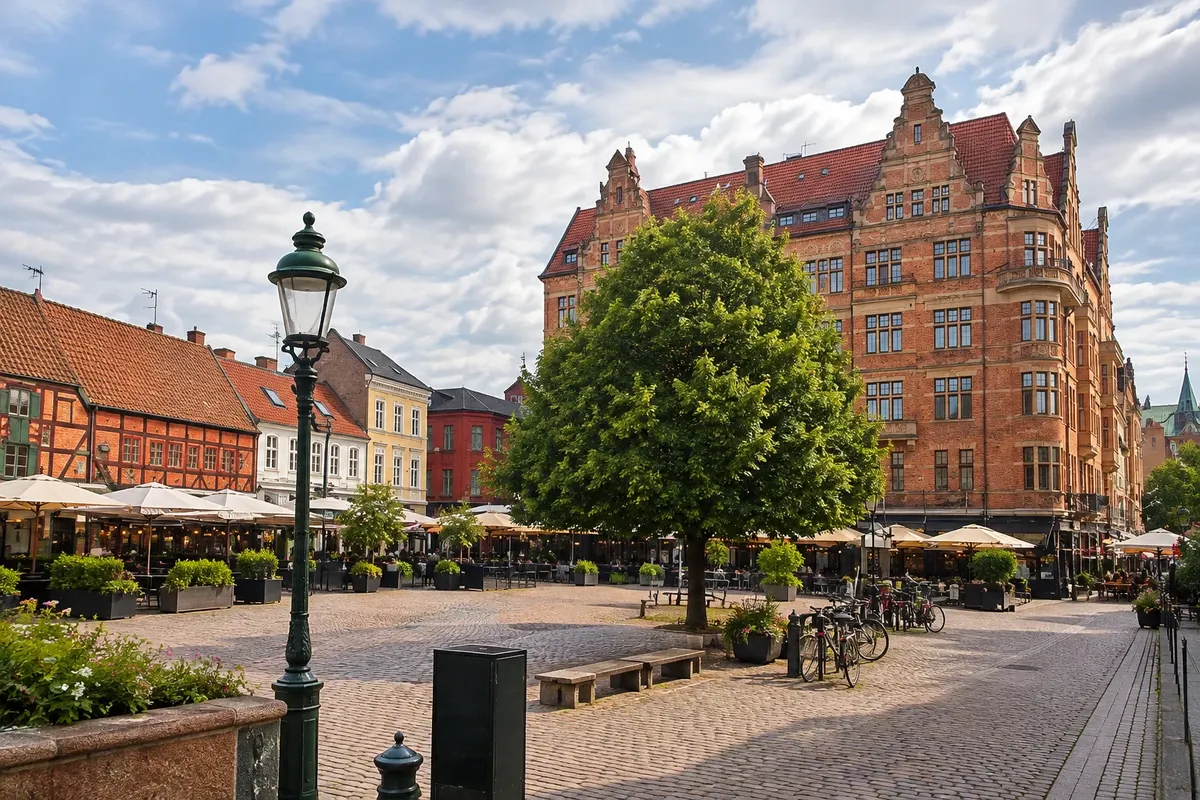
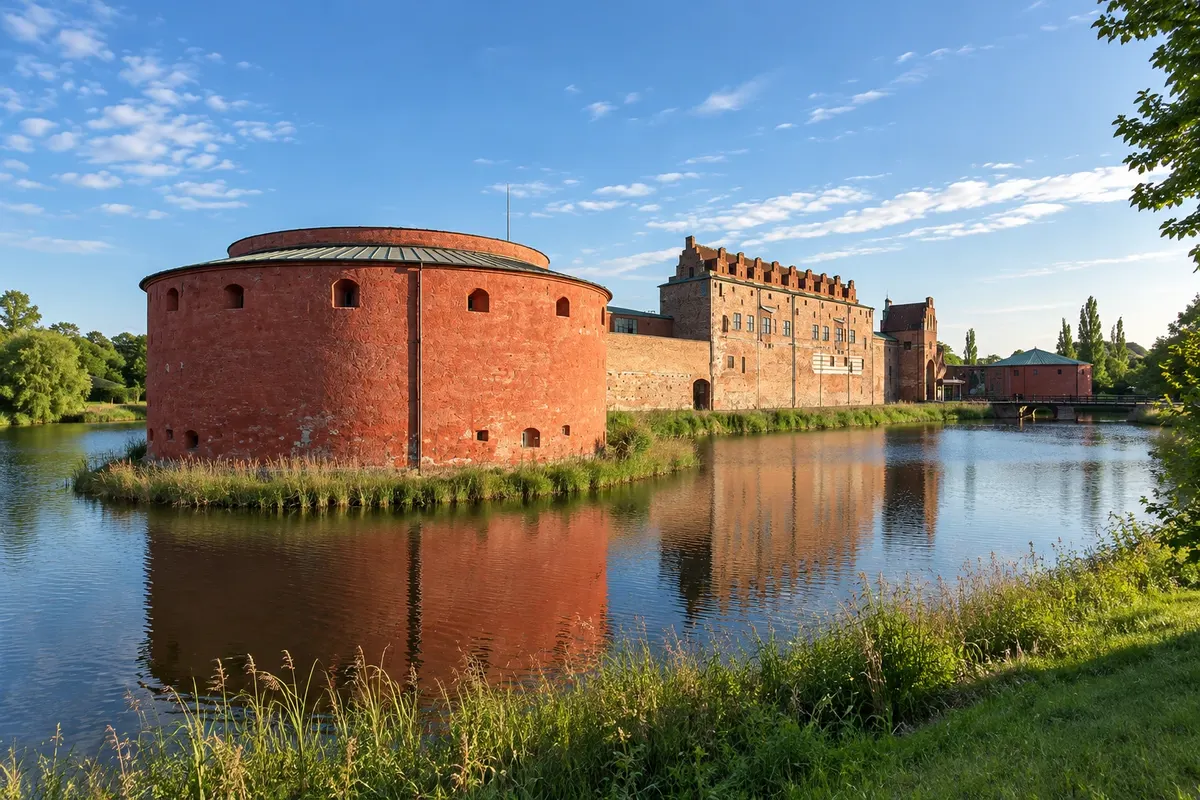
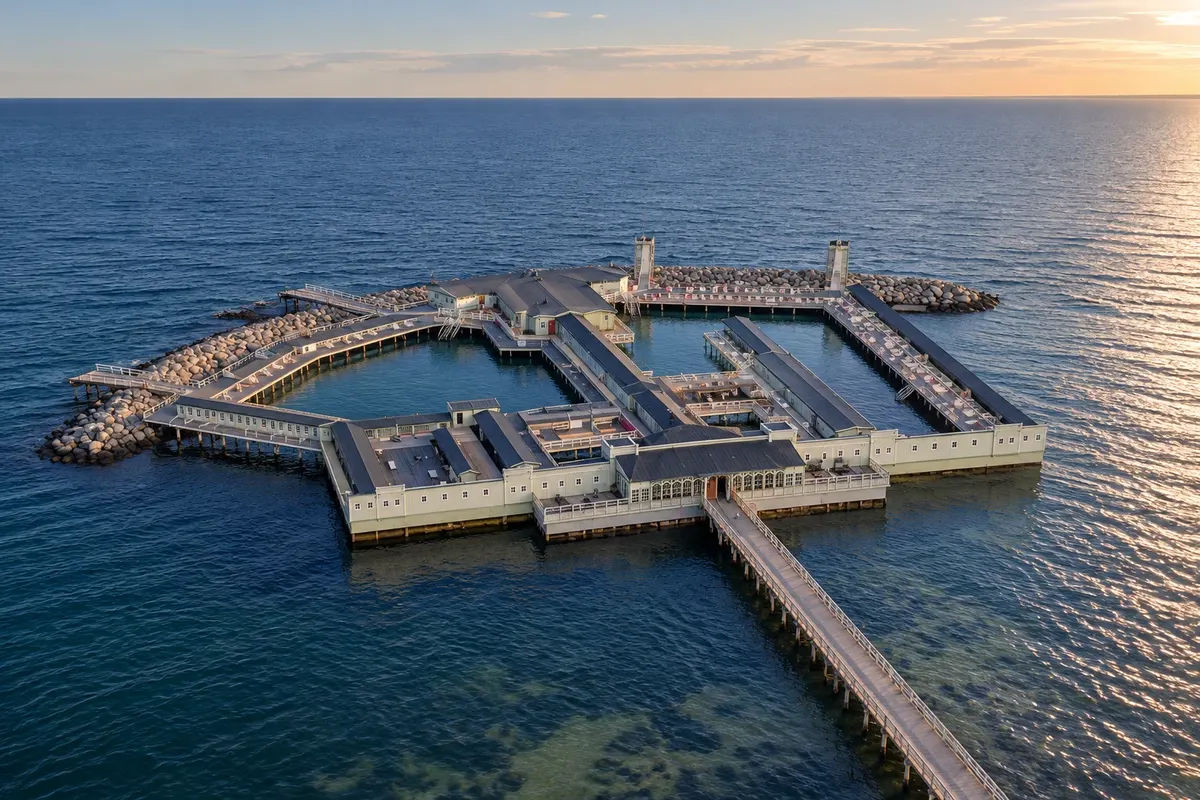
Malmö’s centre has two neighbouring squares: Stortorget, the large one, from the 16th century, with the town hall and the statue of King Carlos X Gustavo, and Lilla torg, the small one, surrounded by half-timbered houses that became restaurants and bars. To the west, the castle Malmöhus, a Renaissance brick fortress with a moat, houses the city’s museums. Further on, the old shipyard became Västra Hamnen, a new waterside neighbourhood, marked by the Turning Torso, a 190-metre tower that twists on itself, designed by Santiago Calatrava. On Ribersborg beach, the 1898 bathhouse, on stilts in the sea, has saunas with views of the bridge. Malmö is also a city of many origins, which shows in the food and the markets.

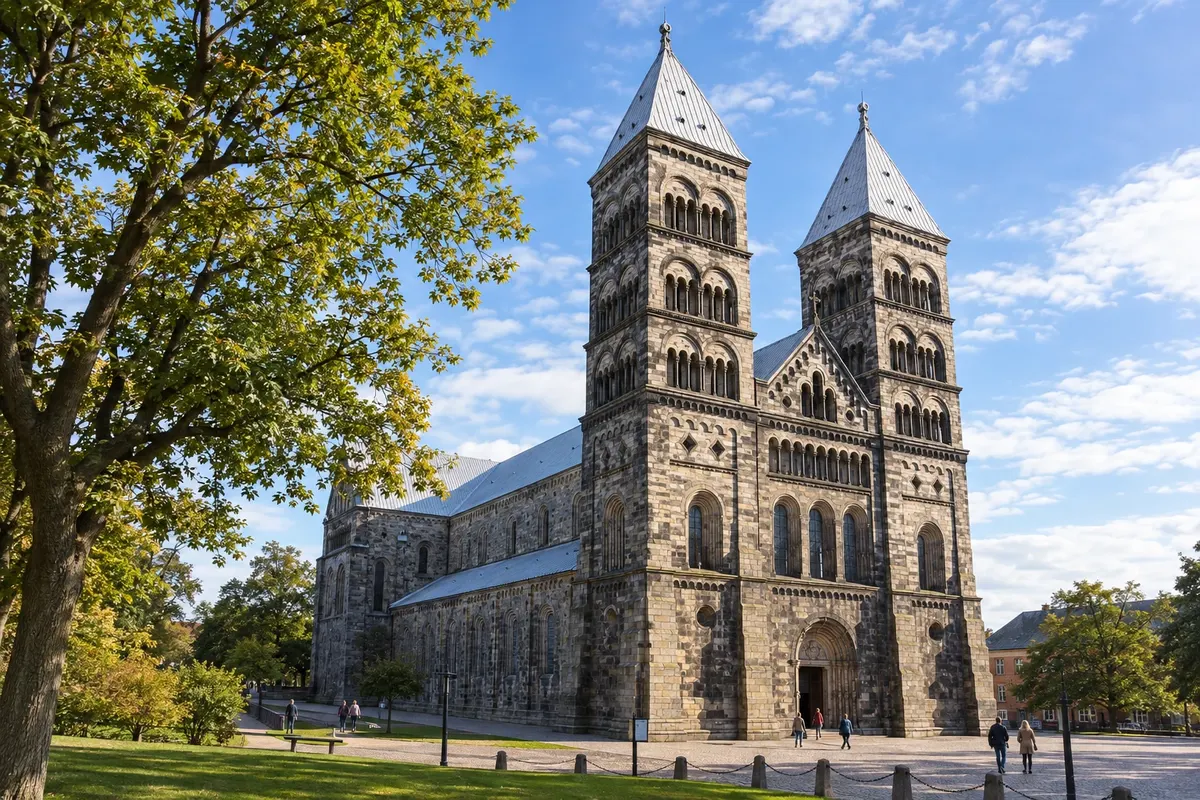
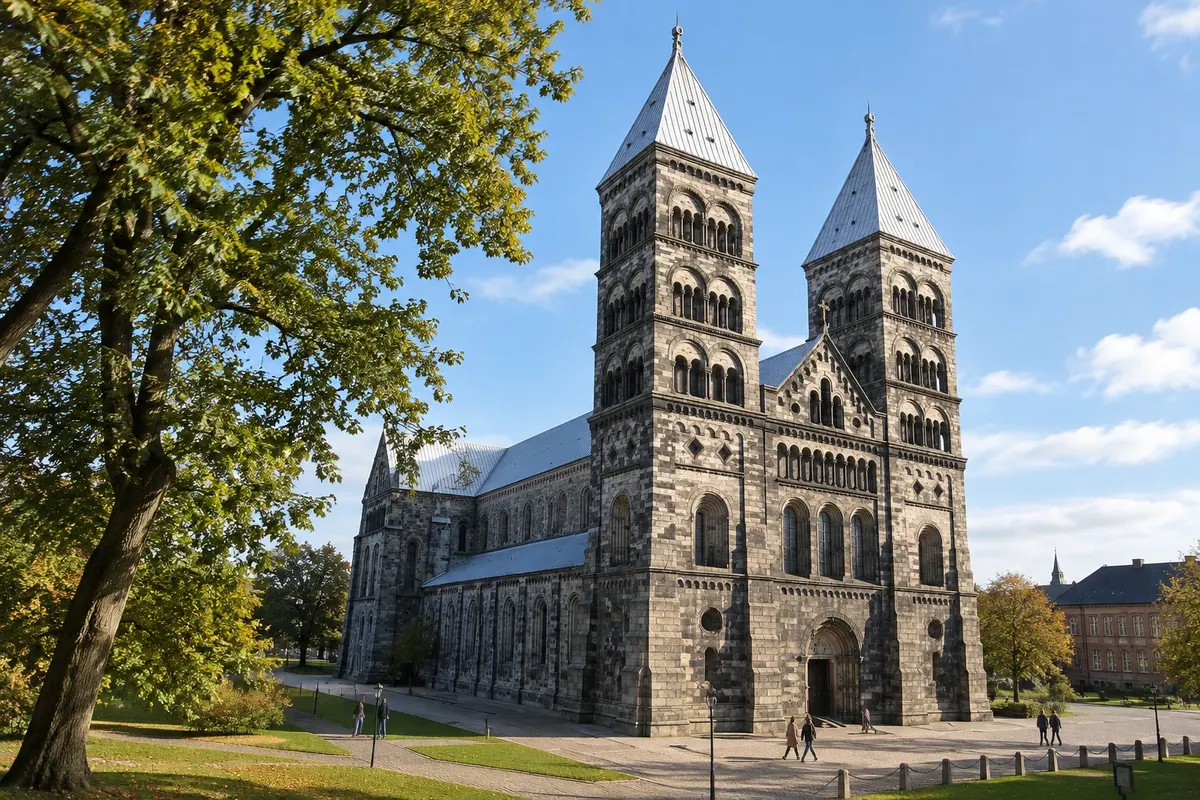
Lund is 20 km away, a 10-minute train ride. It is one of Sweden’s oldest cities, founded around 990, and the seat of the Universidade de Lund, from 1666. The Romanesque cathedral, consecrated in 1145, has a 15th‑century astronomical clock that rings at set times and a crypt with stone columns. Around it are the park Lundagård, the university buildings, the open‑air museum Kulturen and cobbled streets with low, colourful houses.

It’s easy to combine the trip with Denmark. Escânia has yellow fields of colza in late spring, castles and its own cuisine, with eel, goose and the fried egg with potato and bacon.

This destination brings together 2 cities: Malmö, Lund.

Share: WhatsApp
Traveler, share your experiences through photos Up to 5 photos of each place you visited.

One destination, many paths

The cities on this trip

Start with one city or combine several in your itinerary.

Where Malmö and Lund is
MalmöLund

Contornos: Statistics Sweden (SCB), CC0. Adaptação do Cidade Turismo.

How to get there: Malmö and Lund

✈ Aeroporto de Copenhague-Kastrup (CPH), in Kastrup, Dinamarca · 30 km to Malmö

✈ Aeroporto de Malmö (Sturup) (MMX), in Svedala · 30 km to Malmö

Check before booking. Copenhague Airport, in Denmark, is about a 20‑minute train ride from Malmö Central Station across the Øresund bridge. Malmö Airport, at Sturup, handles domestic flights. By train, Estocolmo is about 4h30 and Gotemburgo about 2h30.

Suggested arrival point: Malmö

The local experience

Things to do in Malmö and Lund

Lunds domkyrka
Lund · Escânia · Church

Lunds domkyrka

The Romanesque cathedral of Lund, consecrated in 1145, with two stone towers, a 15th-century astronomical clock that chimes at set times, and a columned crypt where the legend of the giant Finn is said to dwell.

Stortorget e Lilla torg
Malmö · Escânia · Square

Stortorget e Lilla torg

The two neighbouring squares of Malmö's old centre: Stortorget, from 1530, with the Renaissance town hall, and Lilla torg, surrounded by half-timbered houses that became restaurants.

Lund · Escânia · Museum

Kulturen

Open-air museum in central Lund, opened in 1882, with more than 30 historic houses from Escânia and other regions, from a farmhouse to a wooden church, and collections of silver, ceramics and glass.

Malmöhus slott
Malmö · Escânia · Castle

Malmöhus slott

Renaissance brick fortress, surrounded by a moat, built by the Danish king Christian III in the 1530s, which today houses Malmö's museums: history, art, natural sciences and an aquarium.

See 5 more places in Malmö and Lund
Lundagård e Universitetshuset
Lund · Escânia · Square

Lundagård e Universitetshuset

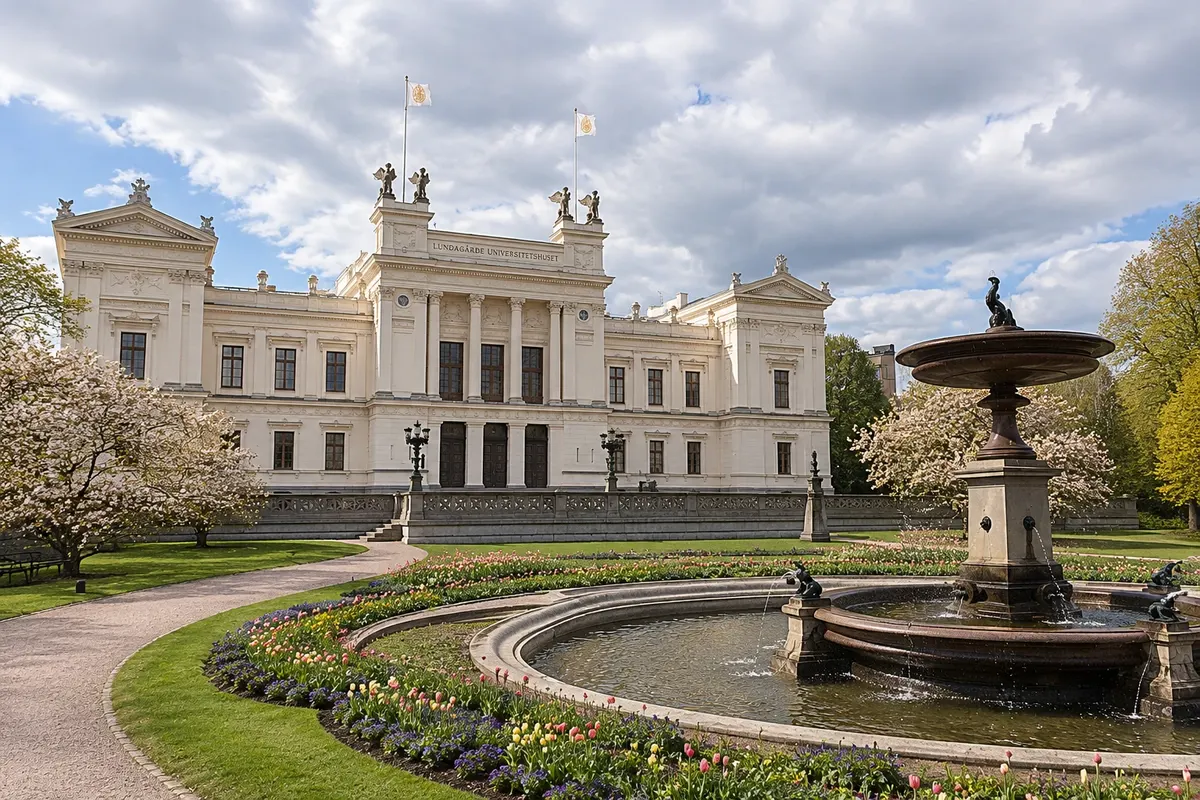
The chestnut-tree park in central Lund, surrounded by the university's main building from 1882, by Kungshuset from 1584, and by the cathedral: the heart of student life since the 17th century.

Turning Torso e Västra Hamnen
Malmö · Escânia · Tower

Turning Torso e Västra Hamnen

The 190-meter tower that twists 90 degrees from its base to its top, designed by Santiago Calatrava, and the Västra Hamnen neighborhood, built on the former shipyard, with a seaside promenade.

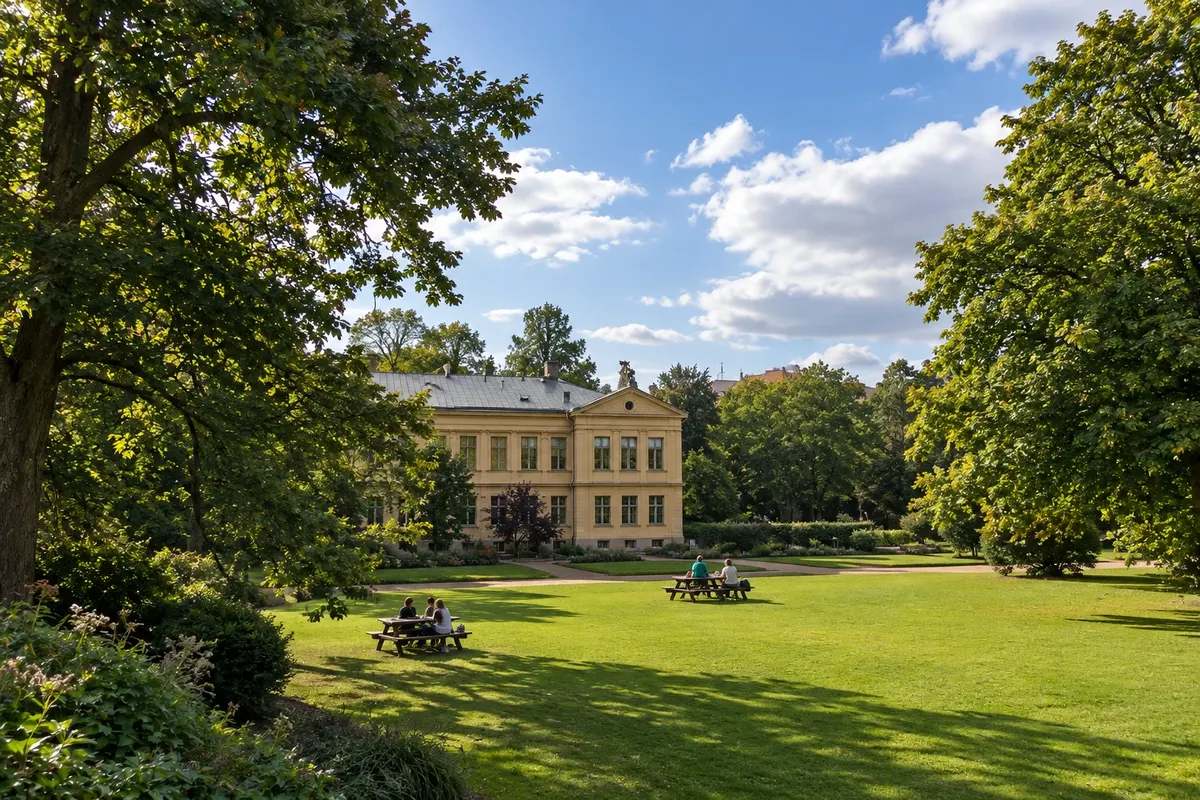
Botaniska trädgården i Lund
Lund · Escânia · Garden

Botaniska trädgården i Lund

The Jardim Botânico of the Universidade de Lund, covering 8 hectares and about 7,000 plant species, with tropical greenhouses and areas of Suécia's flora, a 10-minute walk from the cathedral.

Ribersborgsstranden e Ribersborgs kallbadhus
Malmö · Escânia · Beach

Ribersborgsstranden e Ribersborgs kallbadhus

Malmö’s urban beach, with 2.5 km of sand and a pier leading to the 1898 bathhouse built on stilts in the sea, with wood-fired saunas and cold-water bathing year-round in front of the Øresund bridge.

Malmö · Escânia · Museum

Moderna Museet Malmö

The Malmö branch of Sweden’s museum of modern art, housed in a former 1900 power station with an orange perforated-sheet-metal annex, featuring modern and contemporary art exhibitions.

Before you go

Practical information

A little planning leaves more time to enjoy the journey.

When to go

From May to September the days are usually long and mild, with swimming at Ribersborg in summer and fields of colza in bloom in May. Winter in the south is generally less cold than in the rest of the country, but it is wet, windy and dark.

The seasons shown are the most usual ones; nature doesn't always follow the calendar.

How many days to stay

Two days are enough for Malmö, to see the squares, the castle, Västra Hamnen and Ribersborg, and half a day for Lund. With three days you can also fit a day in Copenhague on the other side of the bridge.

Which city to stay in

In Malmö, the centre between the central station, Stortorget and Lilla torg keeps everything within walking distance and close to the train to Copenhague Airport and to Lund. Västra Hamnen has modern hotels by the sea and the Turning Torso. Möllevången is the multicultural neighbourhood, with a street market and simple restaurants. In Lund, hotels are in the centre, near the station and the cathedral.

Respect the place

Take your trash with you, follow the signs and support local businesses. In natural areas, follow the visiting guidelines.

Get your questions answered

Frequently asked questions about Malmö and Lund

Do I need a car in Malmö and Lund?

No. Both cities are walkable and served by buses and bicycles, and the train links Malmö to Lund in about 10 minutes. A car is useful for castles and the inland beaches of Escânia.

Can you go to Copenhague as a round trip (day trip)?

Yes. The train crosses the bridge and reaches central Copenhague in about 35 minutes. Bring your passport: there may be document checks at the border.

Is Lund worth a full day?

Half a day is enough for the cathedral, Lundagård and Kulturen. A full day lets you see the Jardim Botânico and stroll at leisure through the old streets.

What is the best time to go?

From May to September. In May the fields of colza are usually yellow; in July and August you can swim at Ribersborg.

Explore other destinations Search by state and city
Back