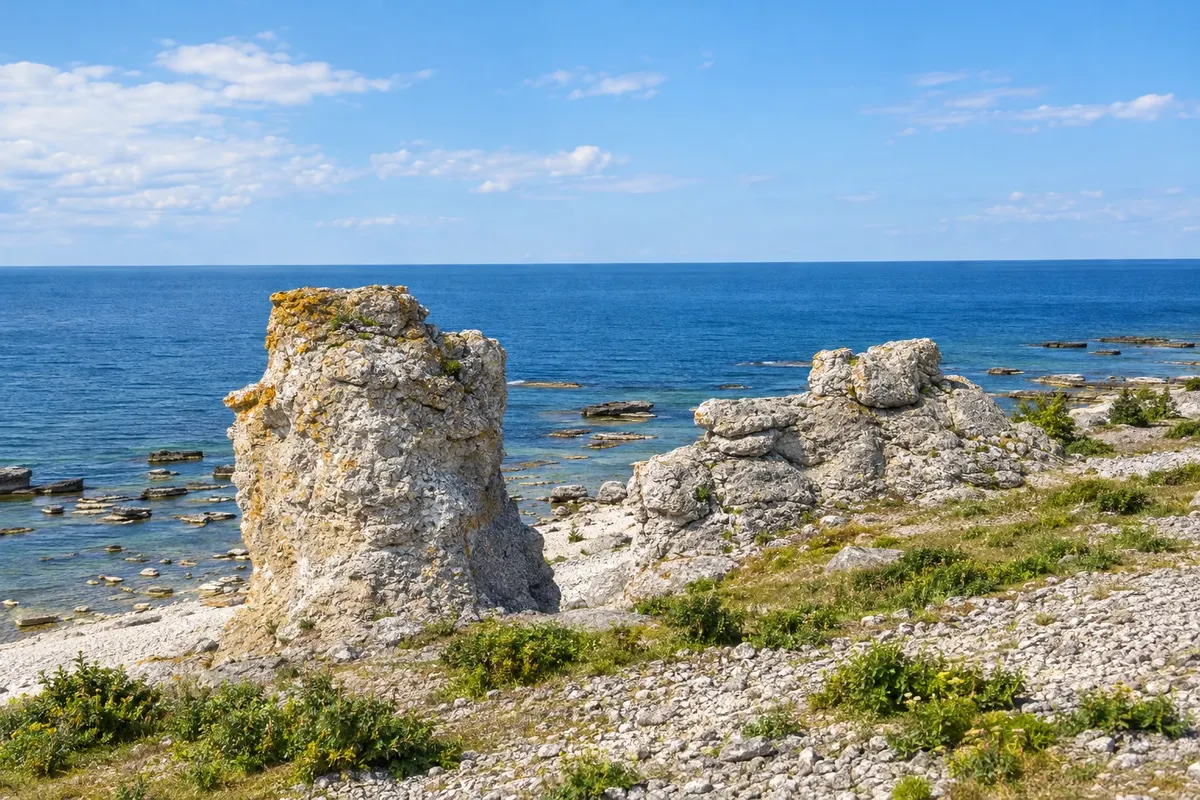
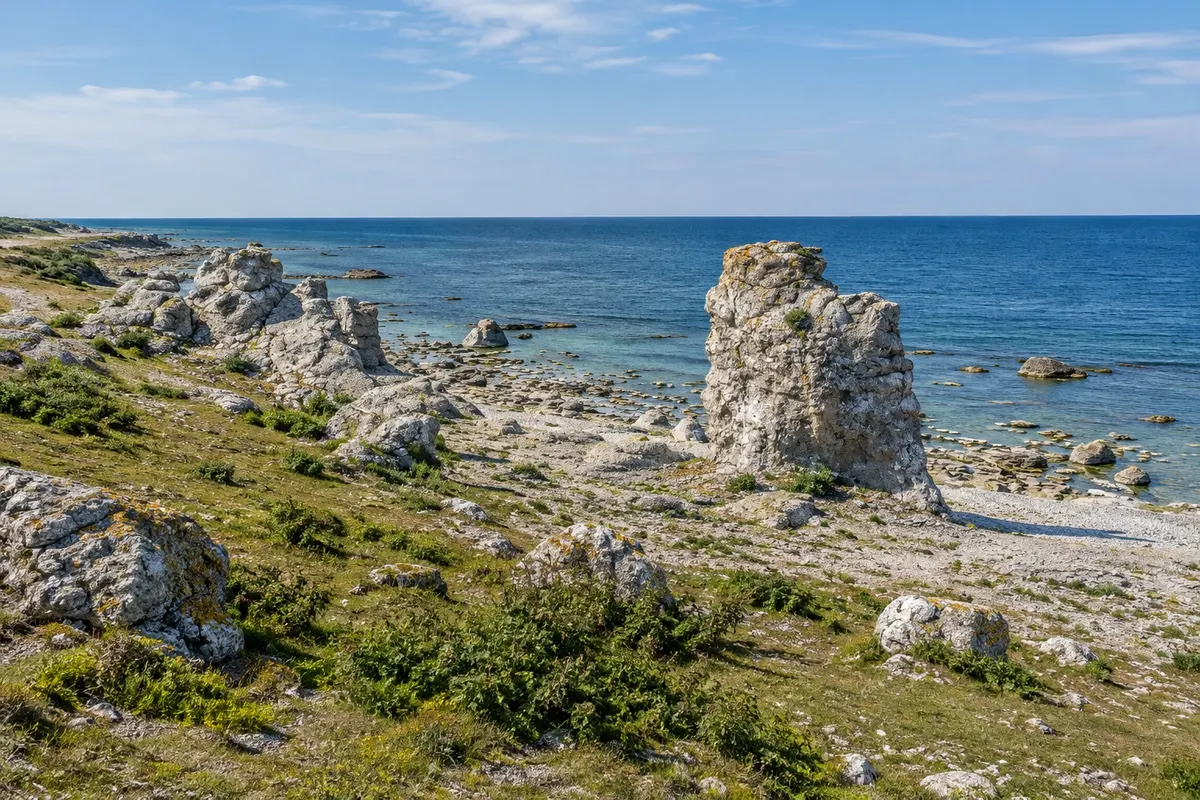
Gotland lies in the Baltic Sea, about 90 km off the Swedish coast, and is the country's largest island, roughly 170 km from north to south. The landscape is limestone: flat fields, stone walls, more than ninety medieval churches in the villages, pebble beaches and cliffs. It is the summer holiday spot for many Swedes, and the weather is often sunnier than on the mainland.
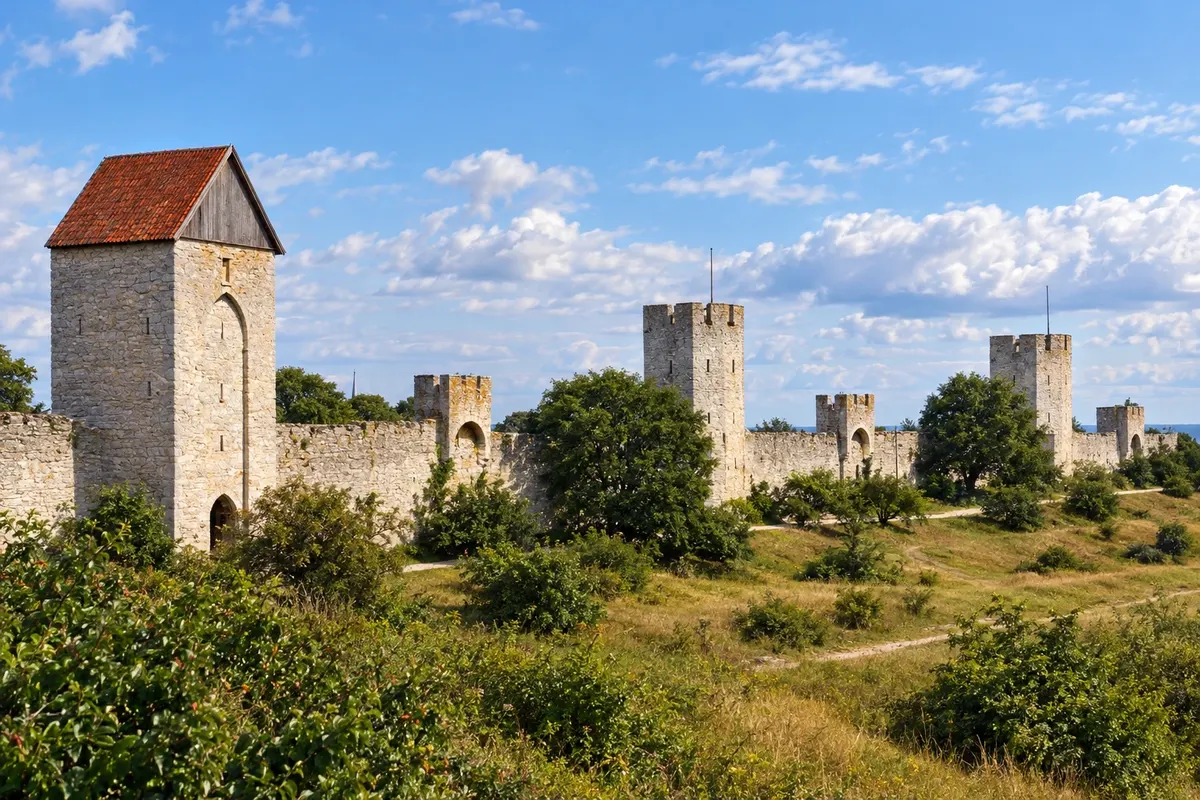
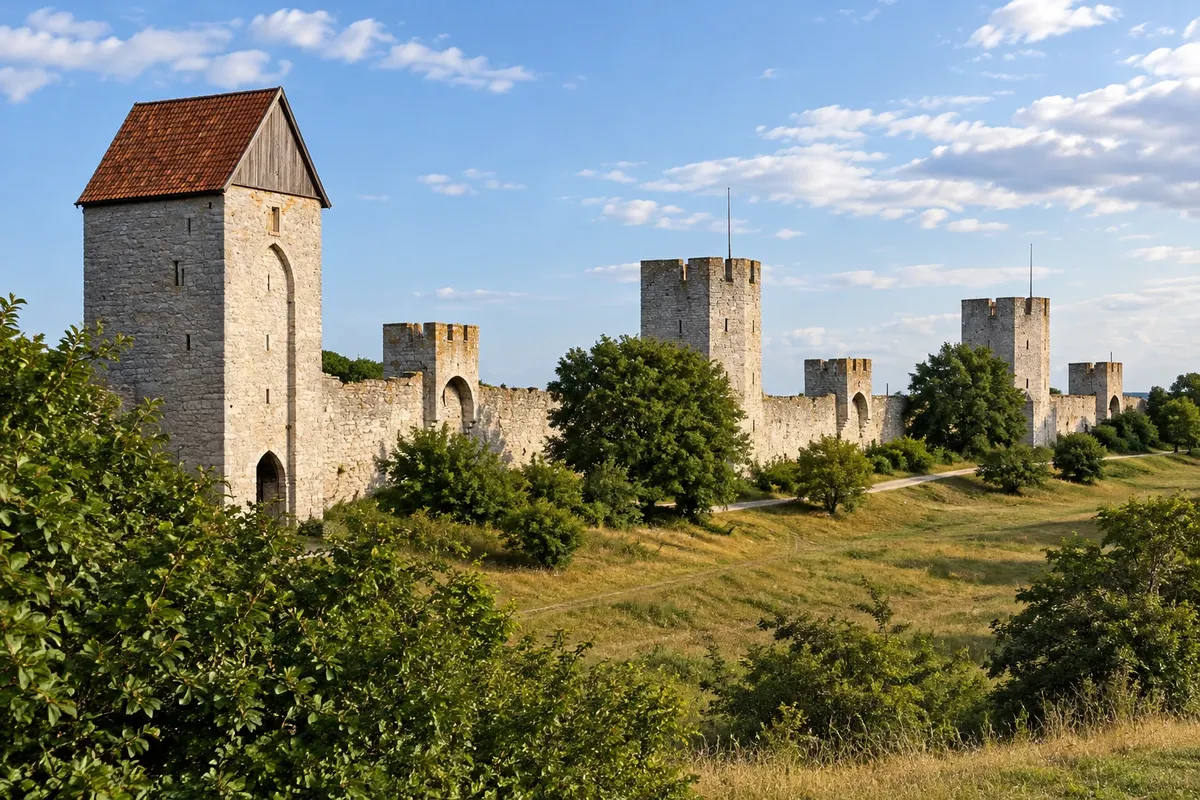
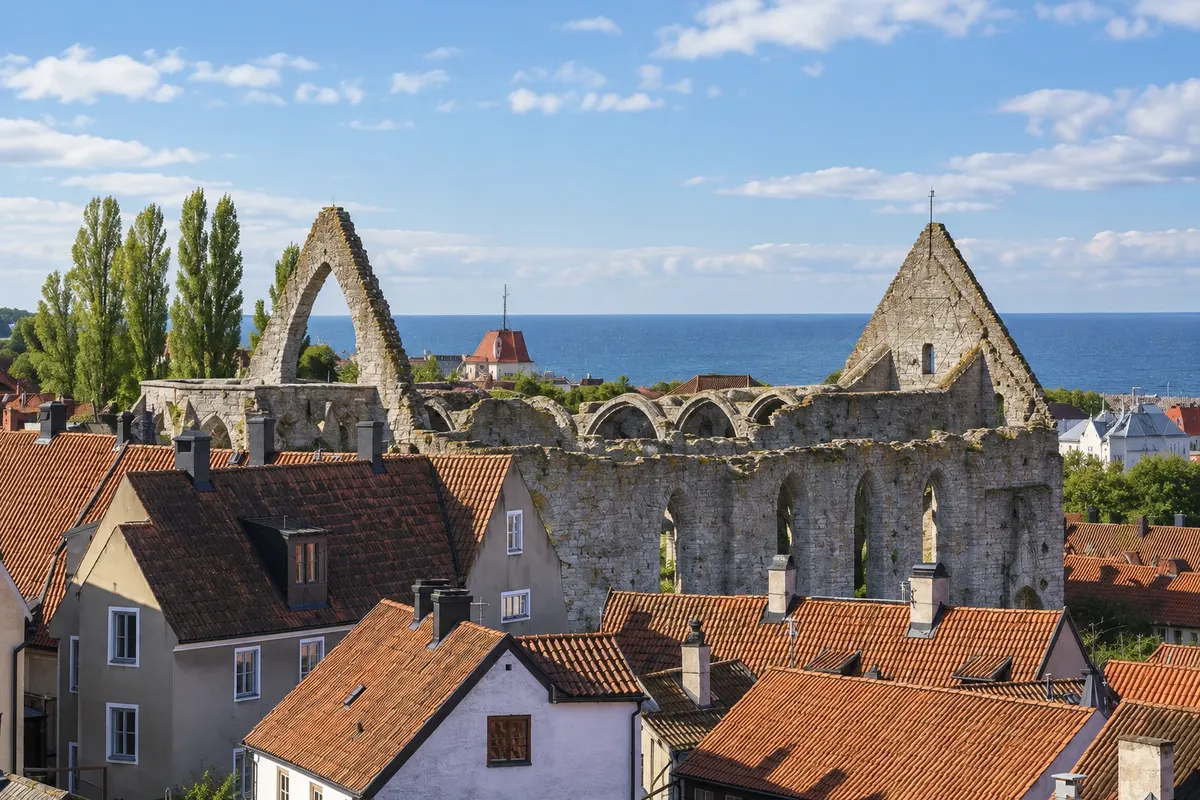
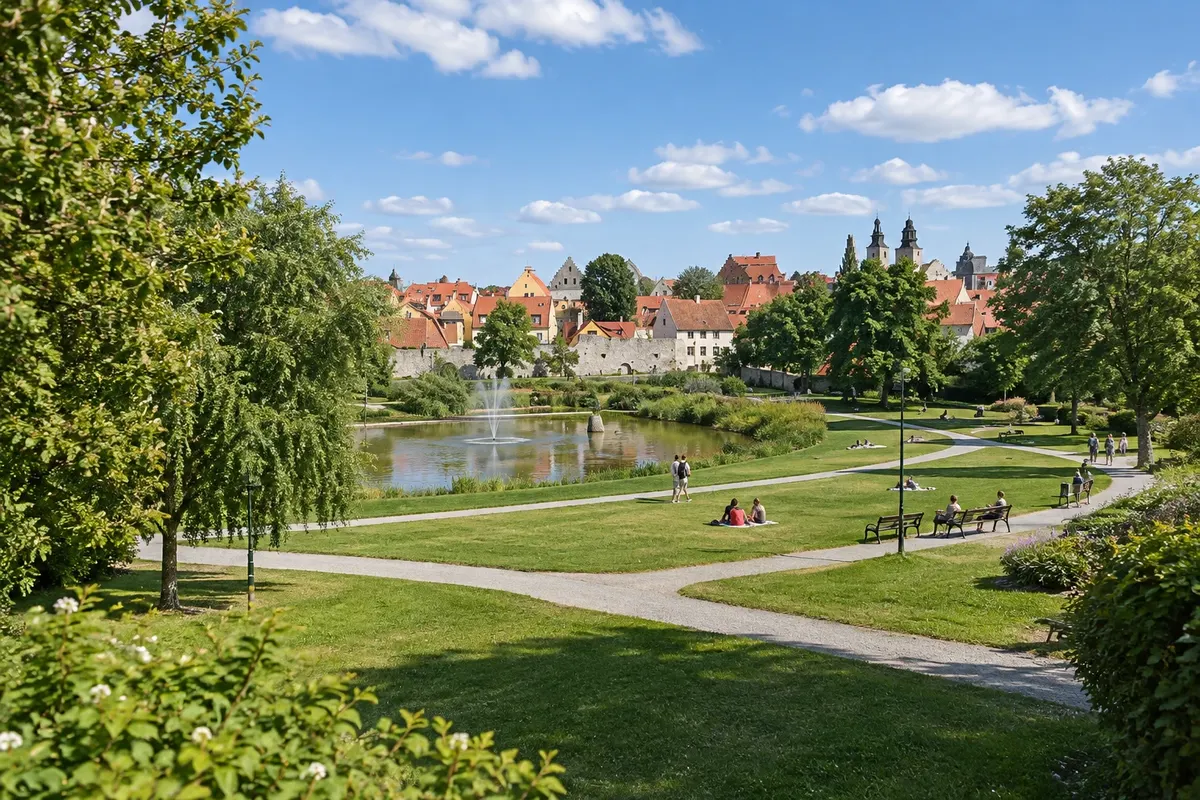
Visby, the capital, was one of the richest towns in the Baltic between the 12th and 14th centuries, when traders from Gotland and the Hanseatic League dominated trade between Russia and Western Europe. From that time remain the 3.4 km city wall, with dozens of towers, almost intact; the merchants' stone houses; and the ruins of more than ten Gothic churches, abandoned after the Reformation. The town has been a UNESCO World Heritage Site since 1995. In the stone alleys, the low houses are covered in roses in summer, which gave Visby the nickname of the town of ruins and roses.
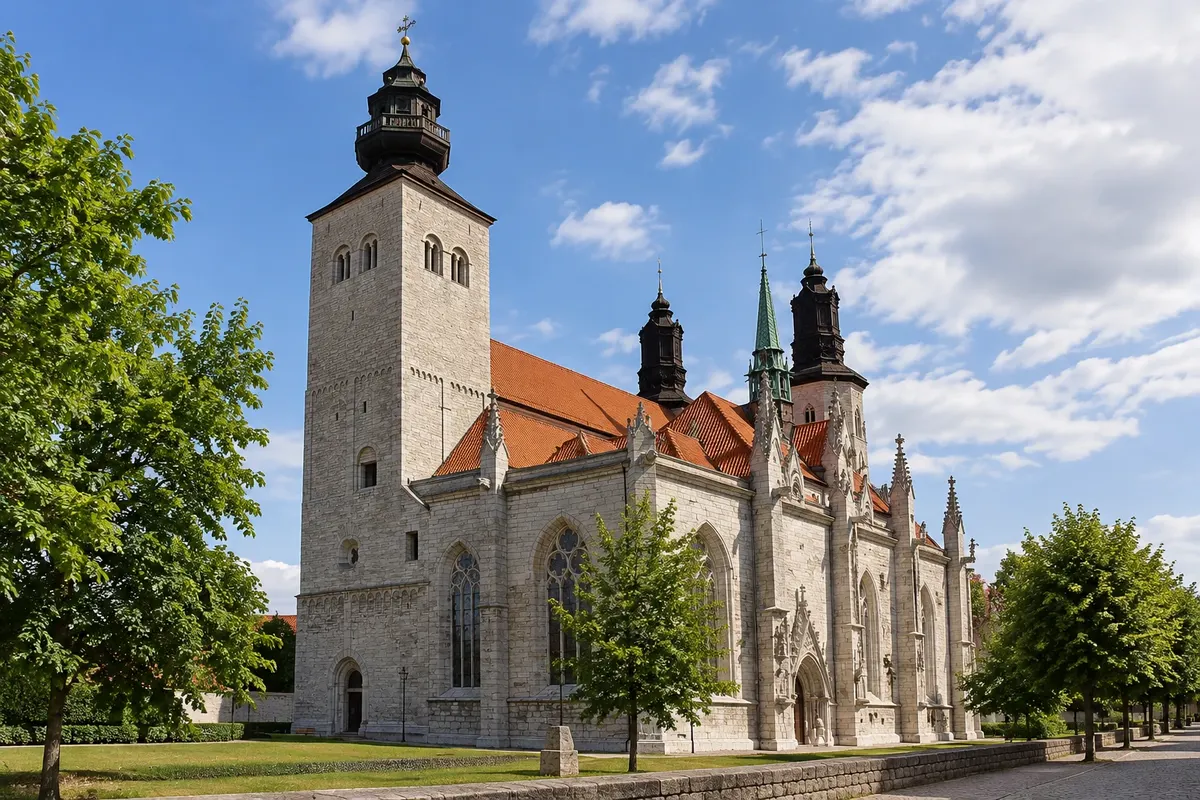
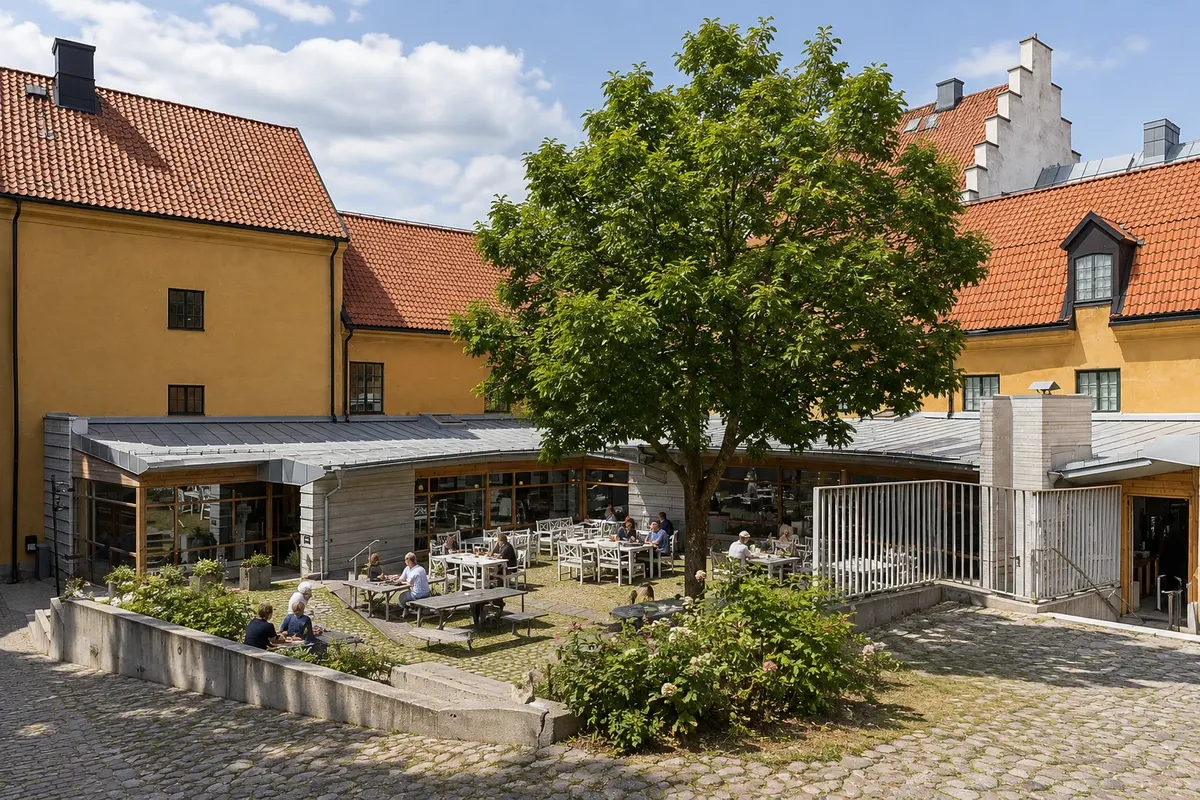
The cathedral of Santa Maria, the only medieval church in the town still in use, stands on the slope below the old cliff. The Gotlands Museum houses the painted stones from the Viking era typical of the island, and the largest Viking silver hoard ever found. In August, Medieval Week fills the town with markets, tournaments and period costume.
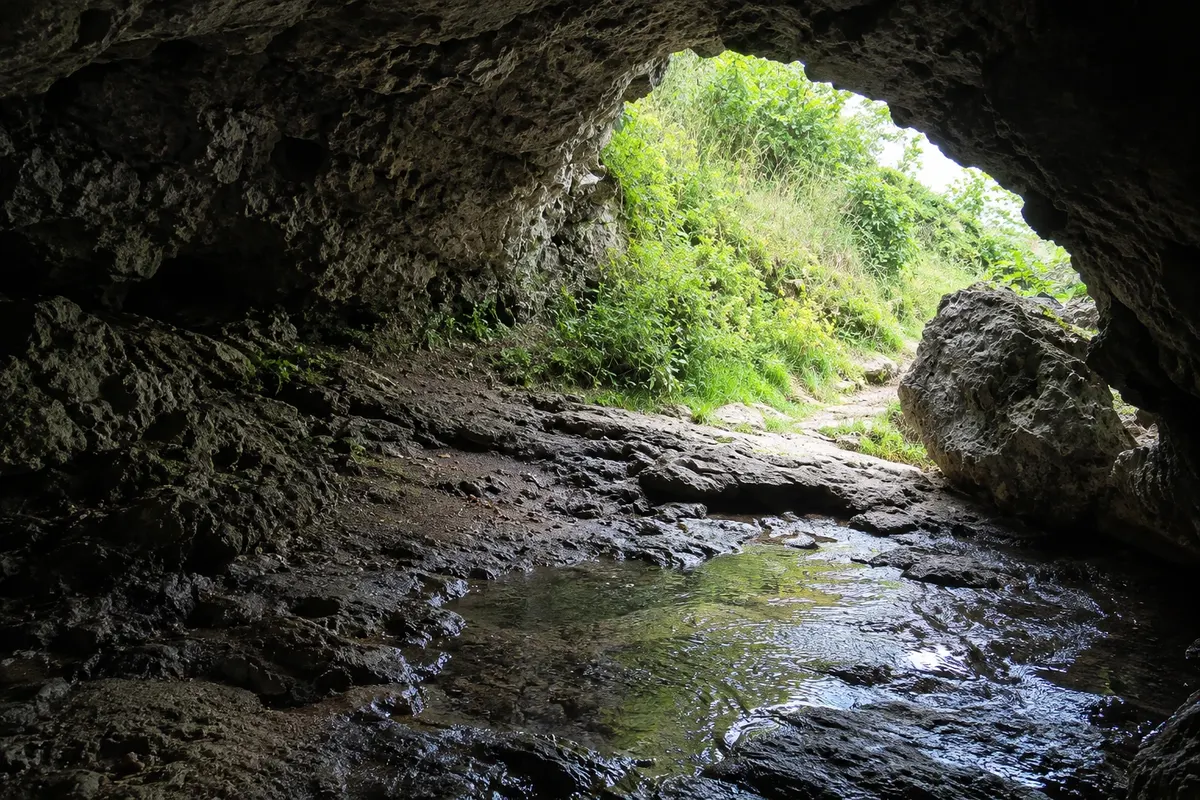
To the north, the island of Fårö, linked by a short ferry, has the raukar—limestone columns carved by the sea over thousands of years on stony beaches—and was where filmmaker Ingmar Bergman lived. Lummelunda cave, north of Visby, and the beaches of Tofta and Sudersand complete the route.
This destination brings together 1 city: Visby.


 Brazil
 Argentina
 Bolivia
 Chile
Chile Colombia
 Ecuador
 Guyana
 French Guiana
 Falkland Islands (Malvinas)
 Paraguay
 Peru
Peru Suriname
 Uruguay
 Venezuela
 Germany
 Belgium
 Denmark
 Spain
Spain France
 Greece
 the Netherlands
 Ireland
 Italy
Italy Luxembourg
 Norway
 Portugal
 the United Kingdom
 Switzerland