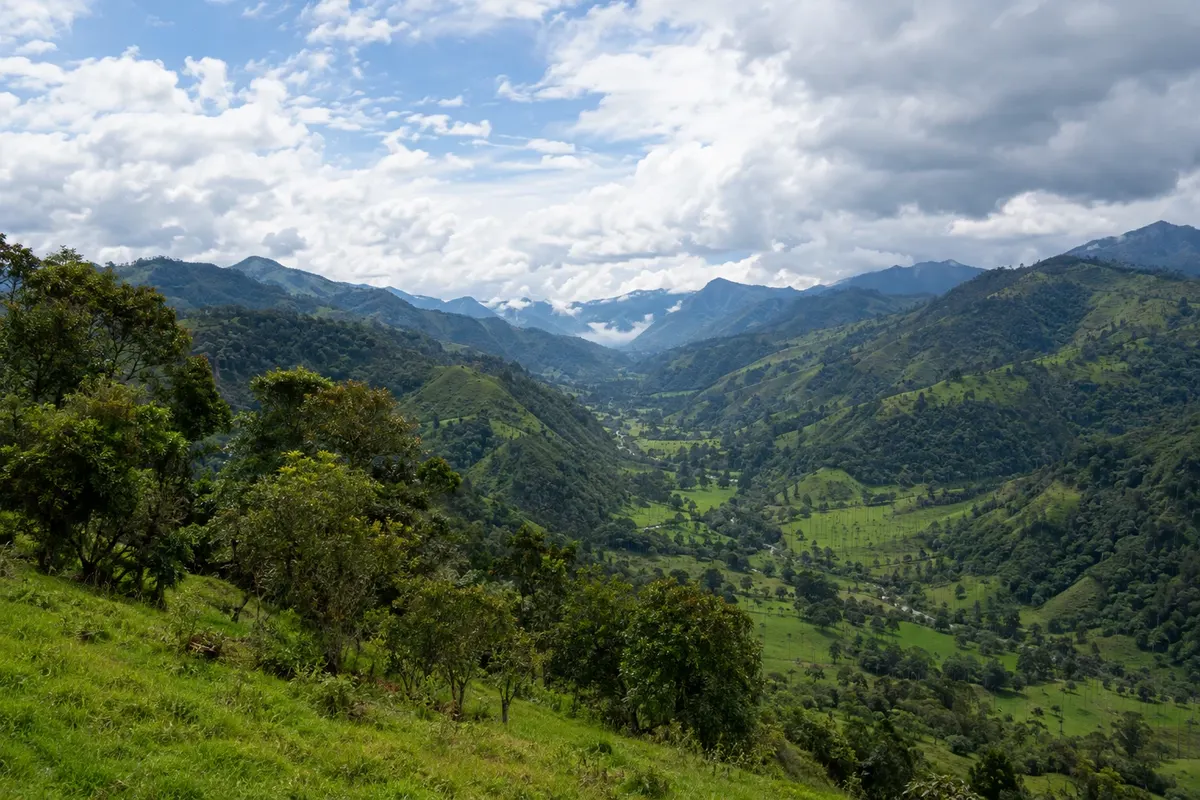
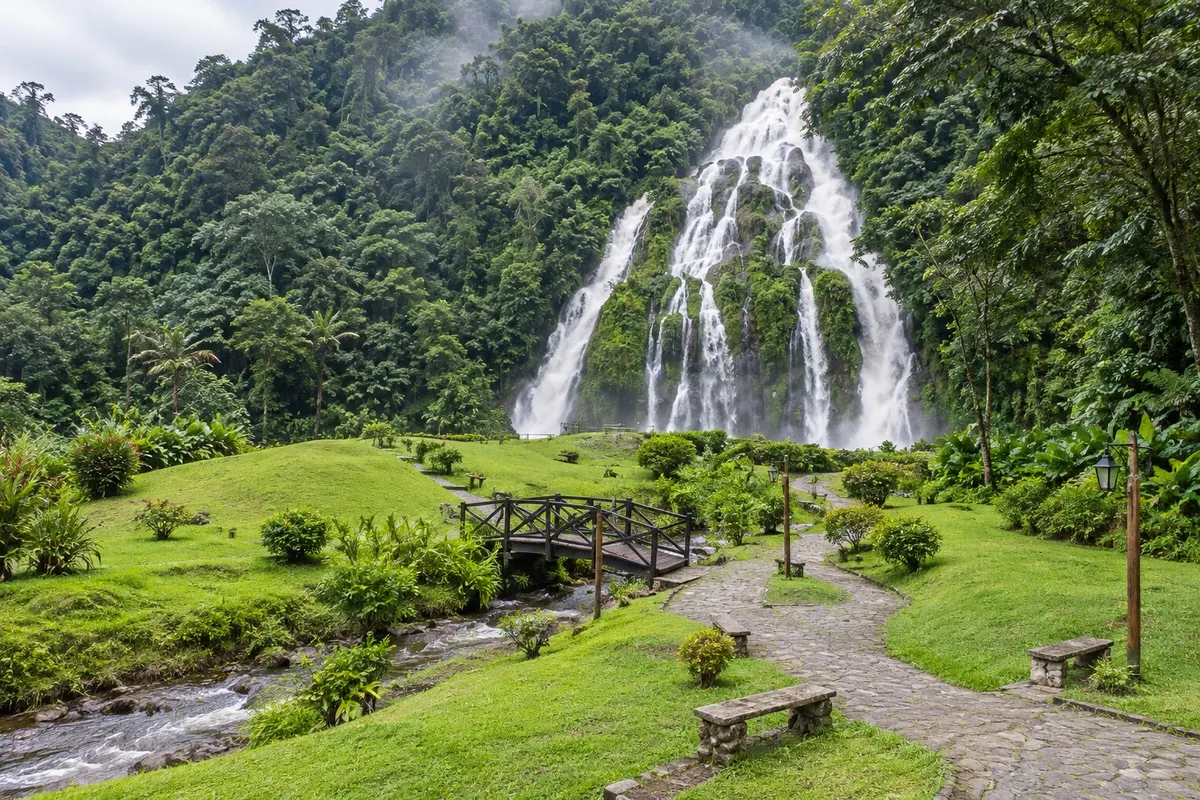
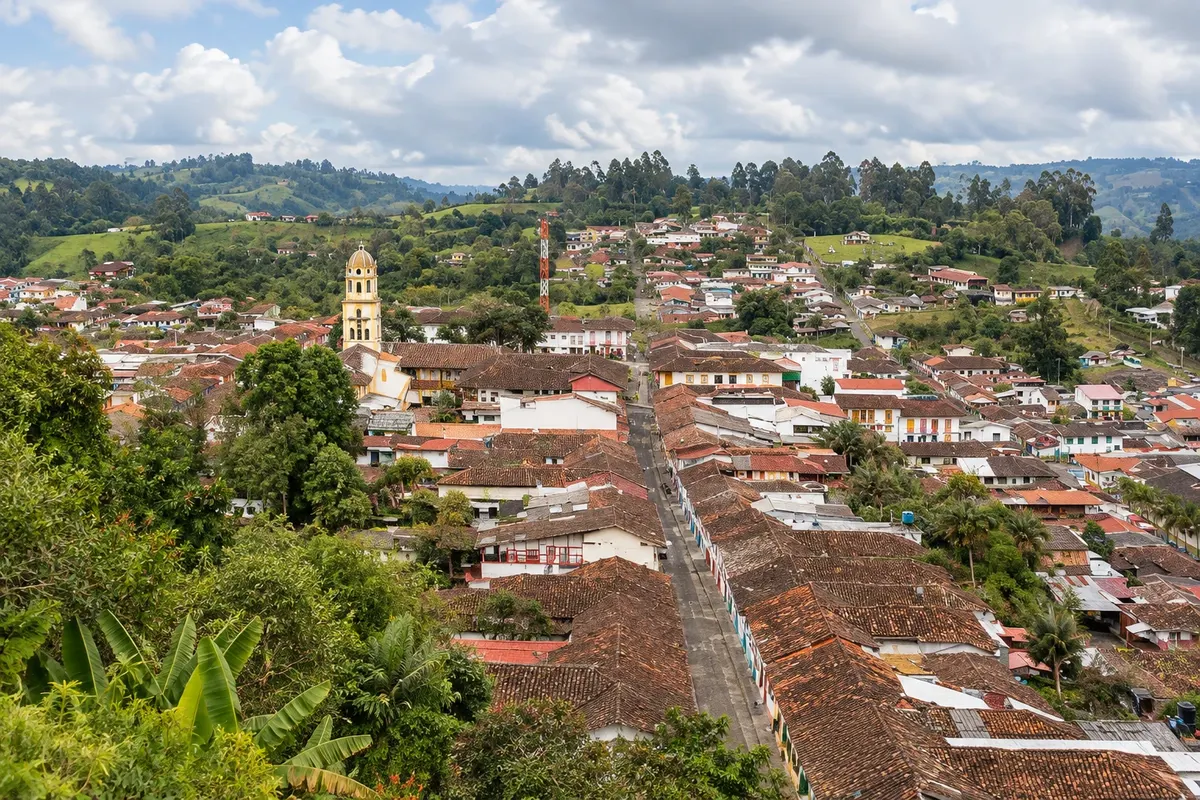
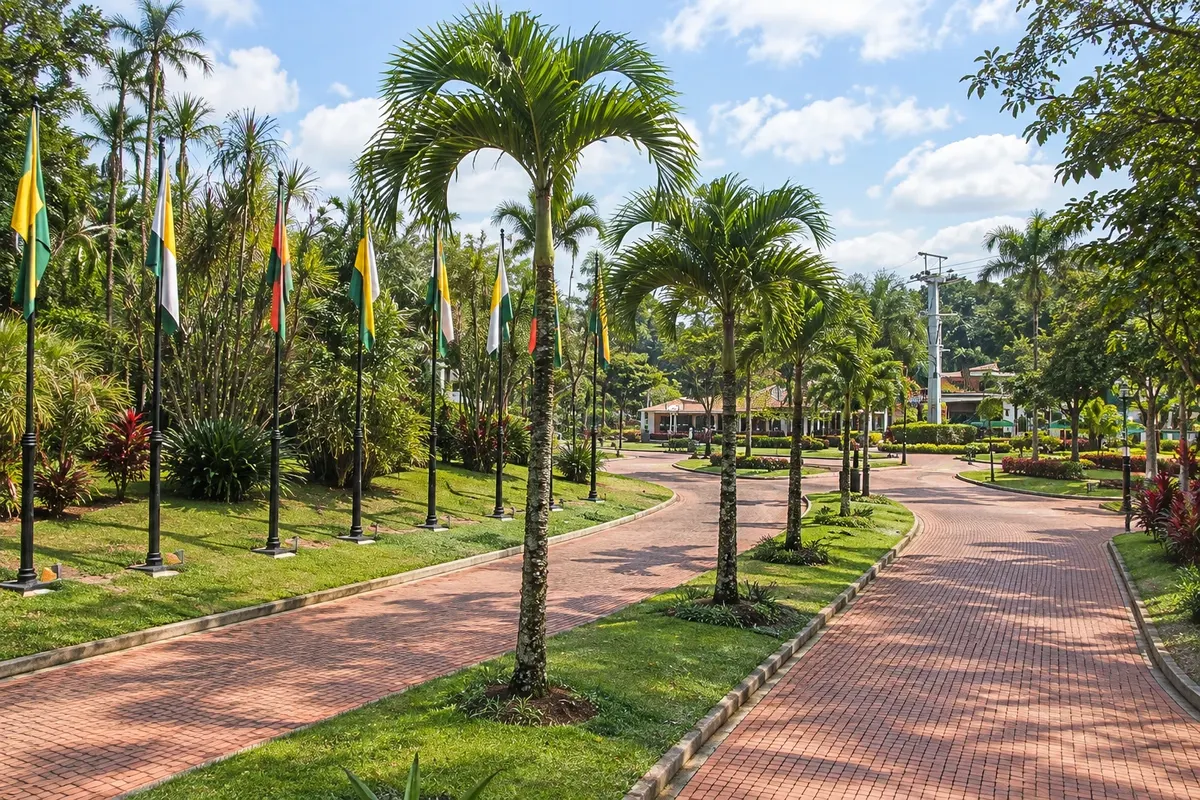
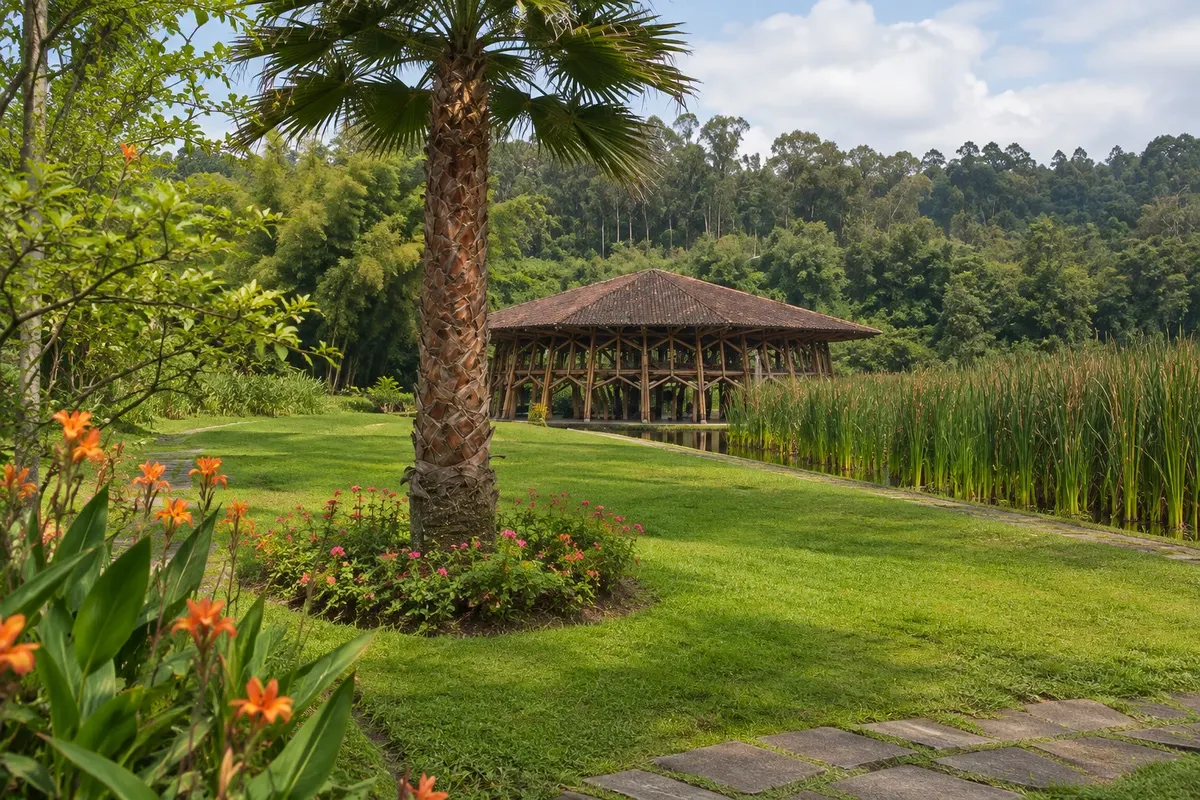
The Eixo Cafeeiro, the Eje Cafetero, is the mountainous region of the Central Range where the departments of Caldas, Risaralda and Quindío meet. It was colonized in the 19th century by families from Antioquia, who opened farms on the slopes and founded towns on the hilltops. Coffee became the basis of the local economy and culture, and in 2011 UNESCO declared the Colombian Coffee Cultural Landscape a World Heritage Site: family farms on steep slopes, towns with taipa and bahareque architecture, the use of guadua bamboo and traditions linked to the harvest.
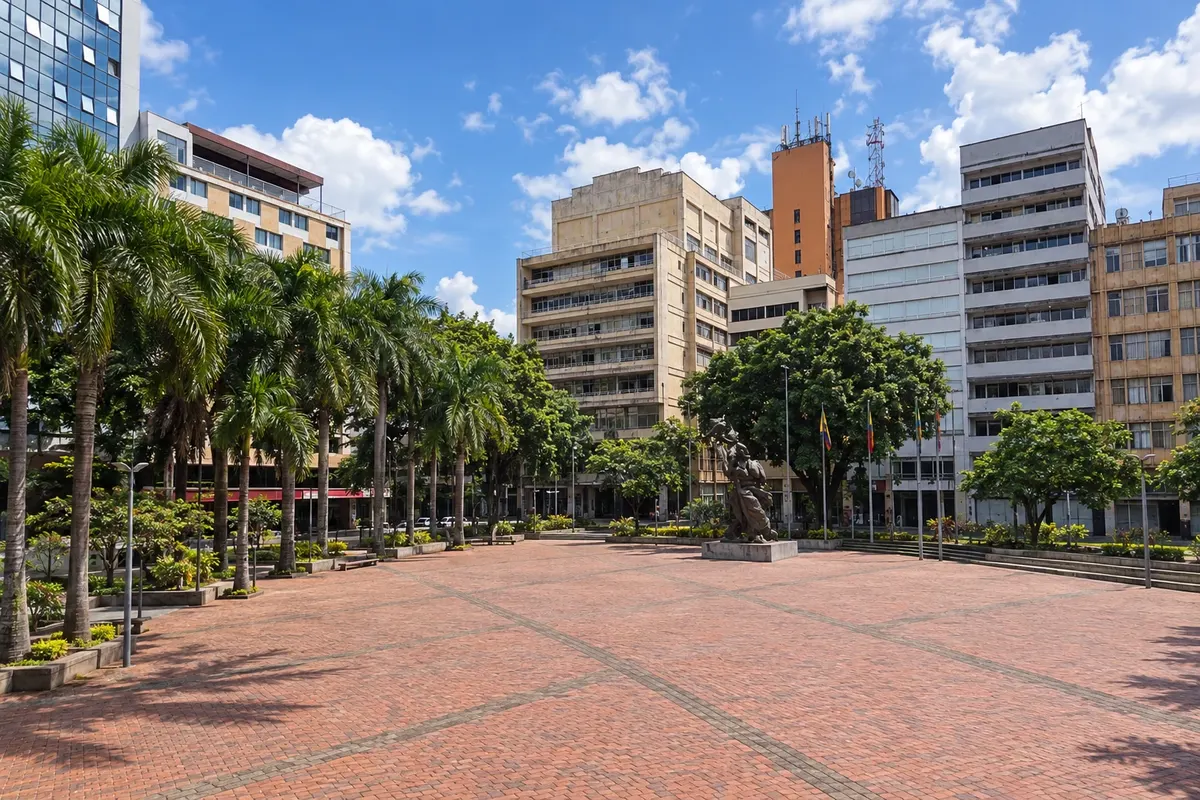
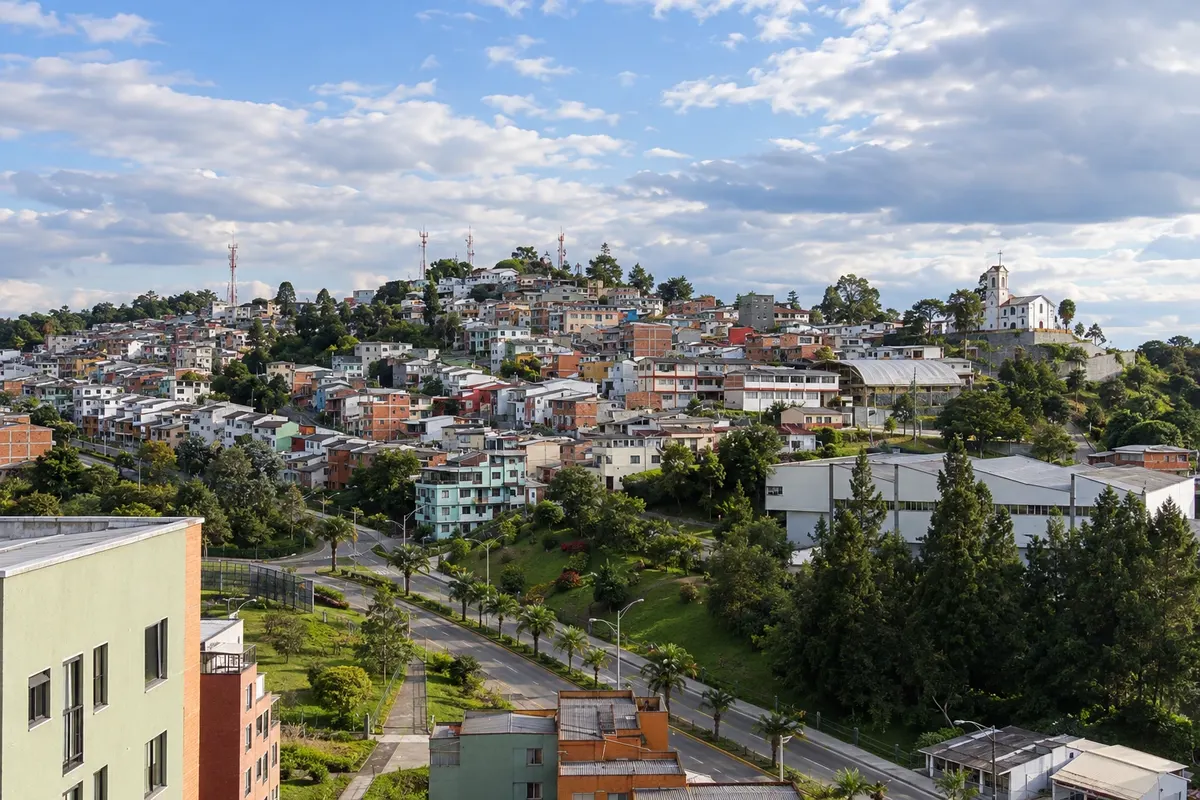
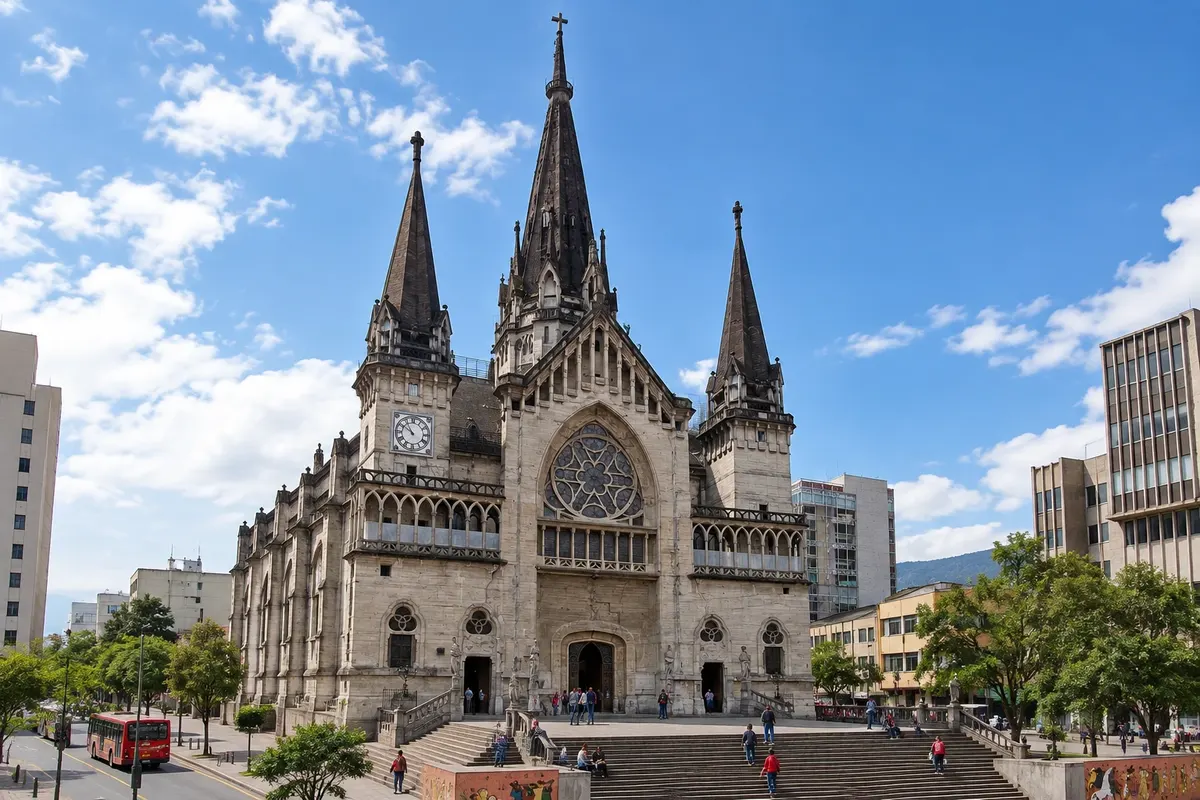
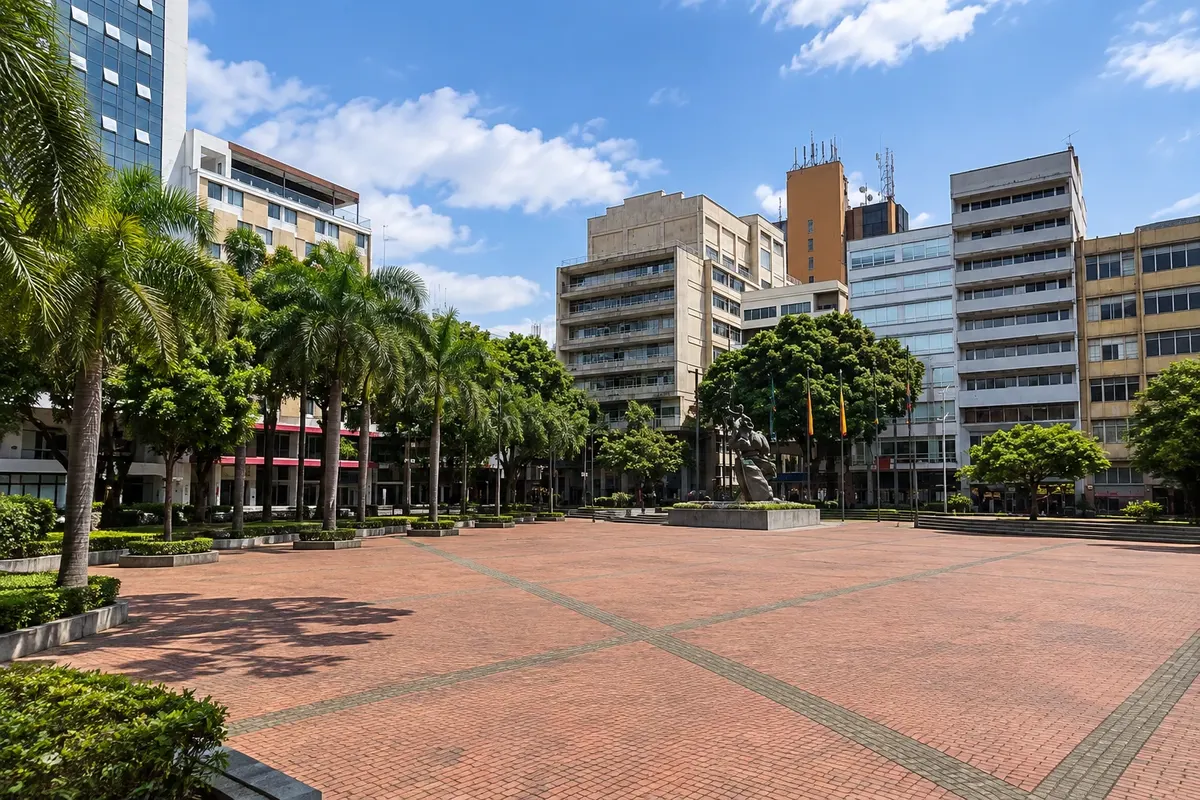
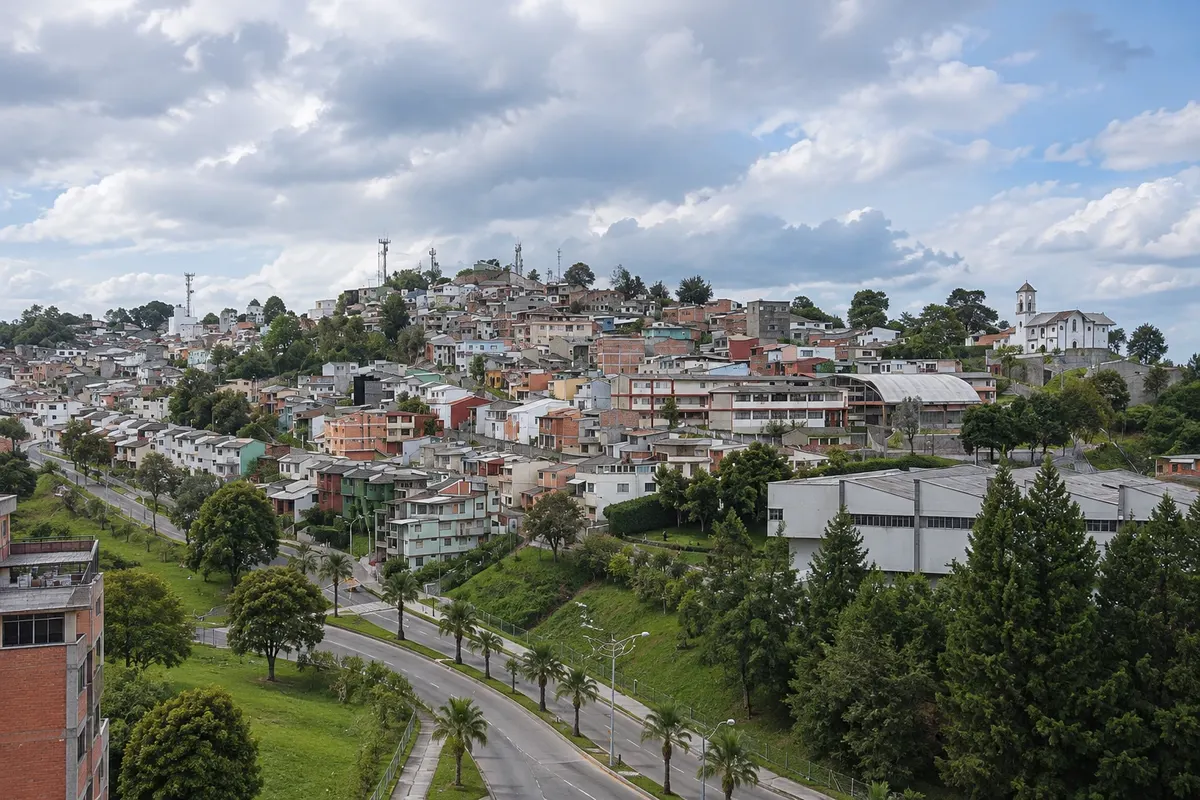
For visitors, the region is organized around three mid-size cities—Pereira, Manizales and Armenia—and smaller villages. Pereira, the capital of Risaralda, has the region’s busiest airport and lies roughly in the middle; from there you can reach the Termales de Santa Rosa de Cabal and the Parque del Café. Manizales, capital of Caldas, spreads along a mountain ridge, with a tall-towered cathedral, the Chipre viewpoints and the Recinto del Pensamiento.
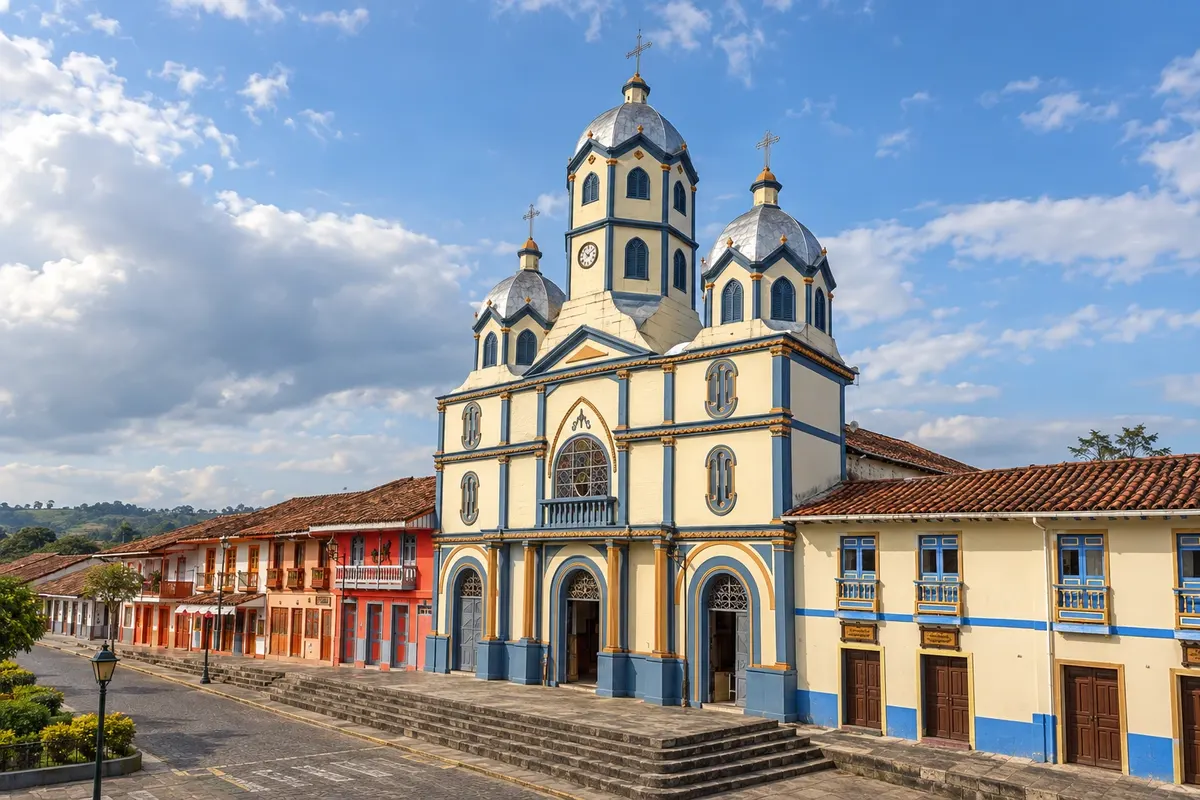
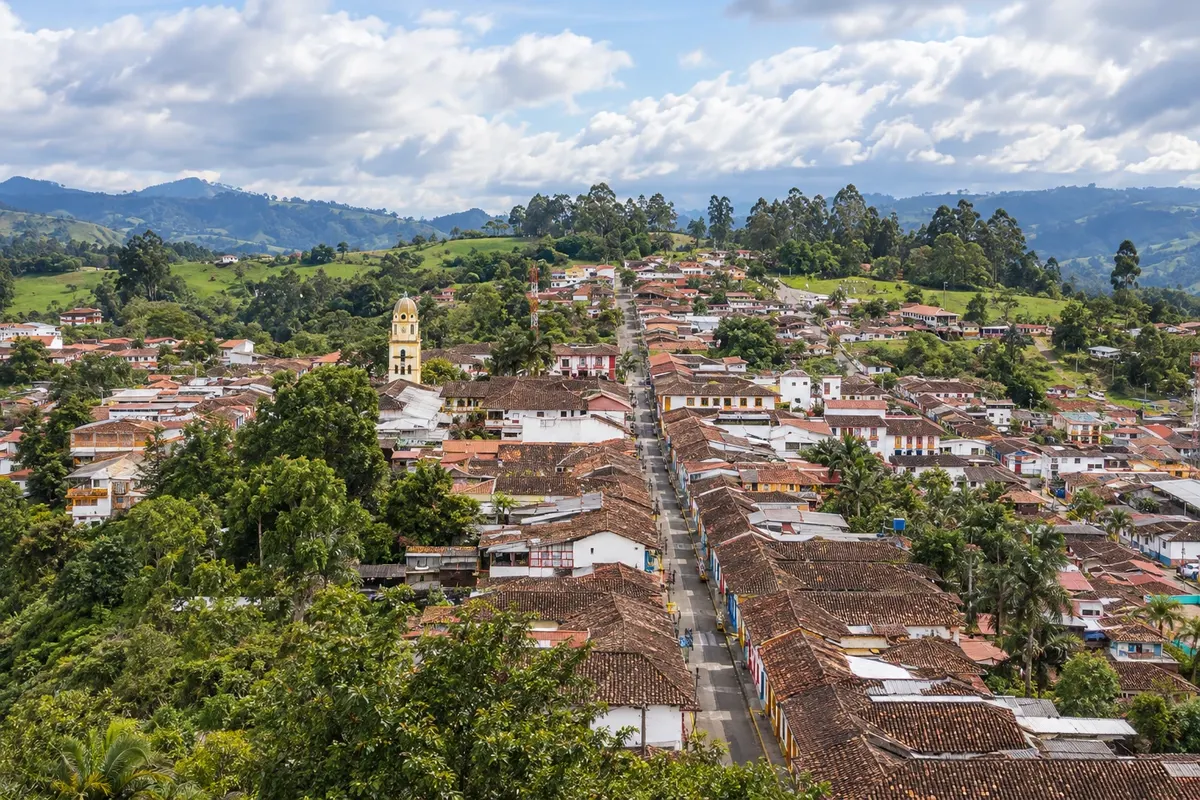
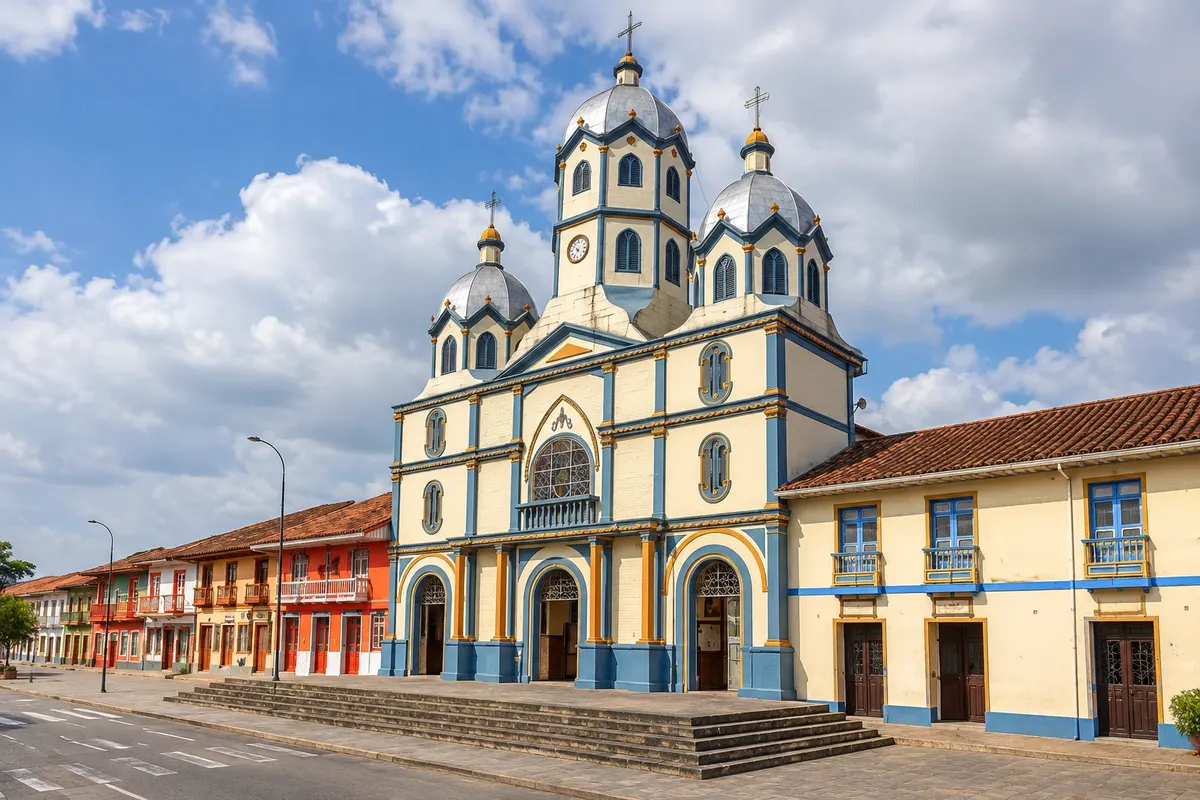
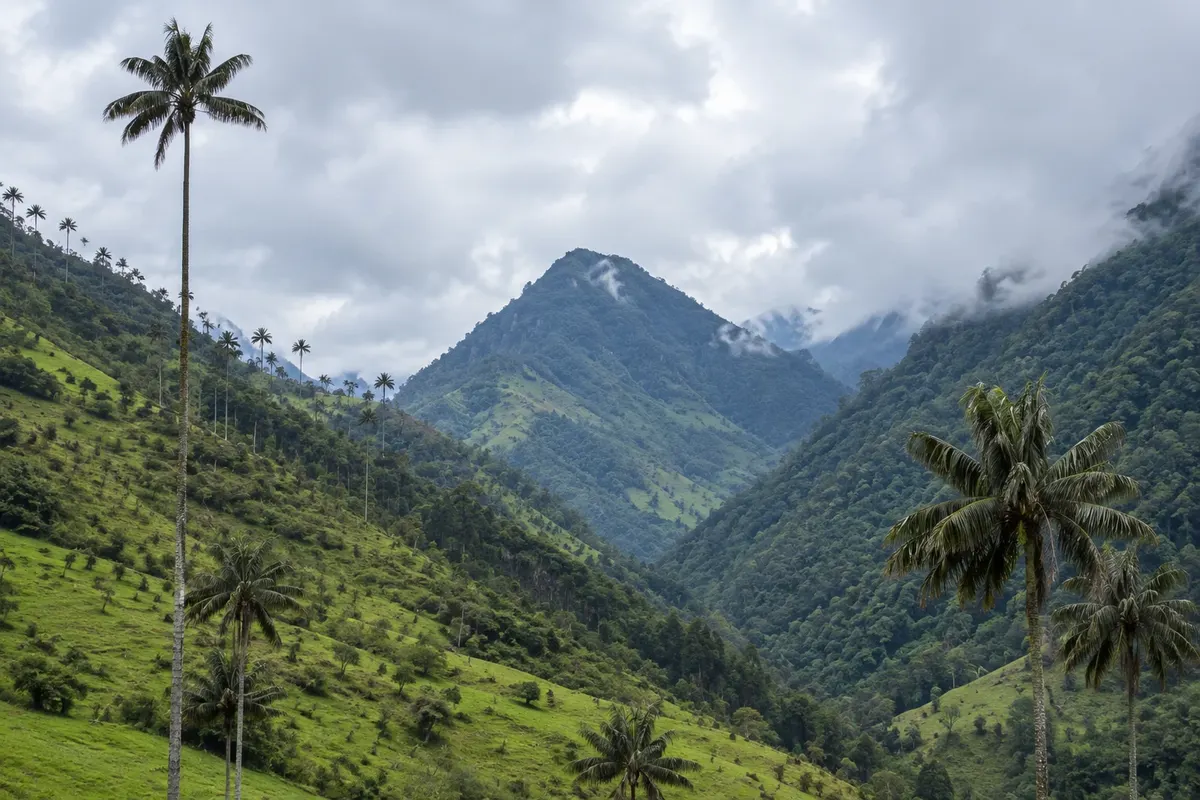
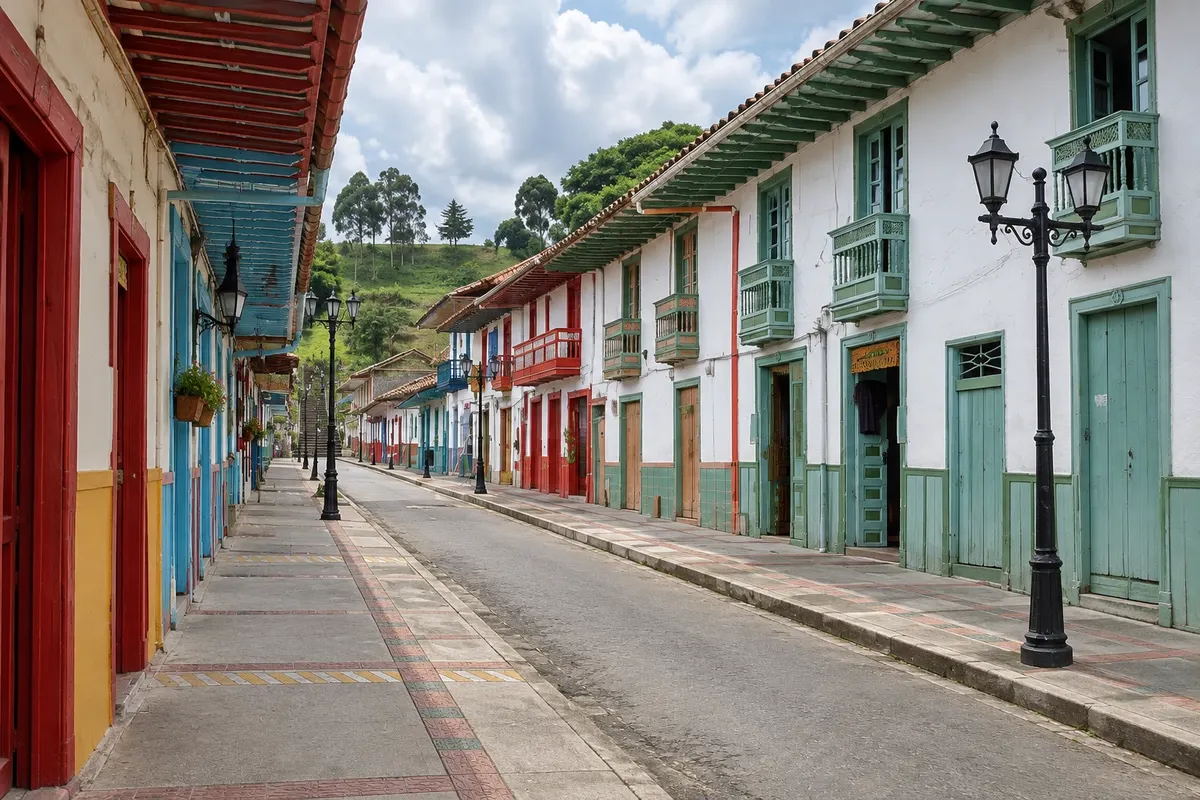
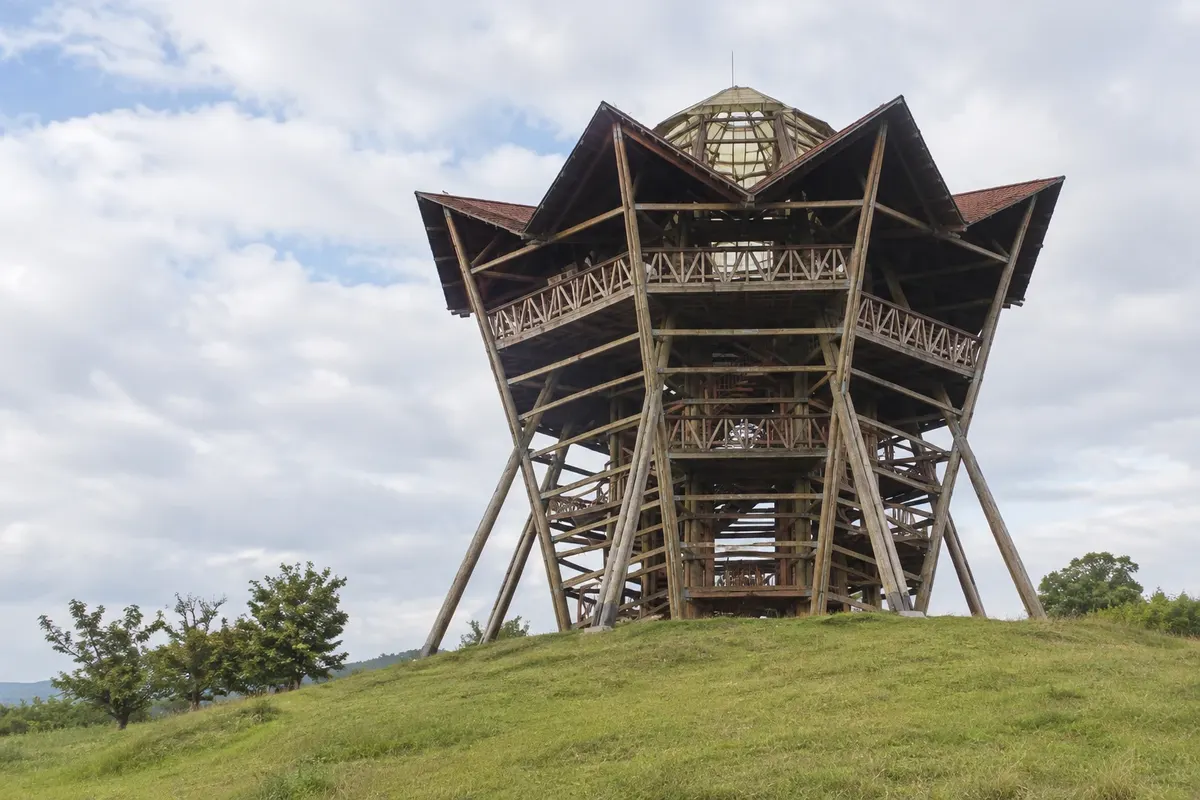
Quindío is home to the most-visited villages. Salento, with colorful houses and balconies, is the gateway to Valle de Cocora, where the wax palms, Colombia’s national tree, rise above green pastures. Filandia, smaller and quieter, has a plaza surrounded by old houses and a viewpoint over the coffee mountains. Around them, coffee farms welcome visitors to show planting, harvesting, drying and roasting, ending in the cup.
The climate is mild, with sun and rain often in the same day. Distances look short on the map, but roads climb and descend the mountains: allow one to two hours between cities.
This destination brings together 4 cities: Pereira, Filandia, Manizales, Salento.


 Brazil
 Argentina
 Bolivia
 Chile
 Ecuador
 Guyana
 French Guiana
 Falkland Islands (Malvinas)
 Paraguay
 Peru
 Suriname
 Uruguay
 Venezuela
 Germany
 Belgium
 Denmark
 Spain
 France
 Greece
 the Netherlands
 Ireland
 Italy
 Luxembourg
 Norway
 Portugal
 the United Kingdom
 Sweden
 Switzerland