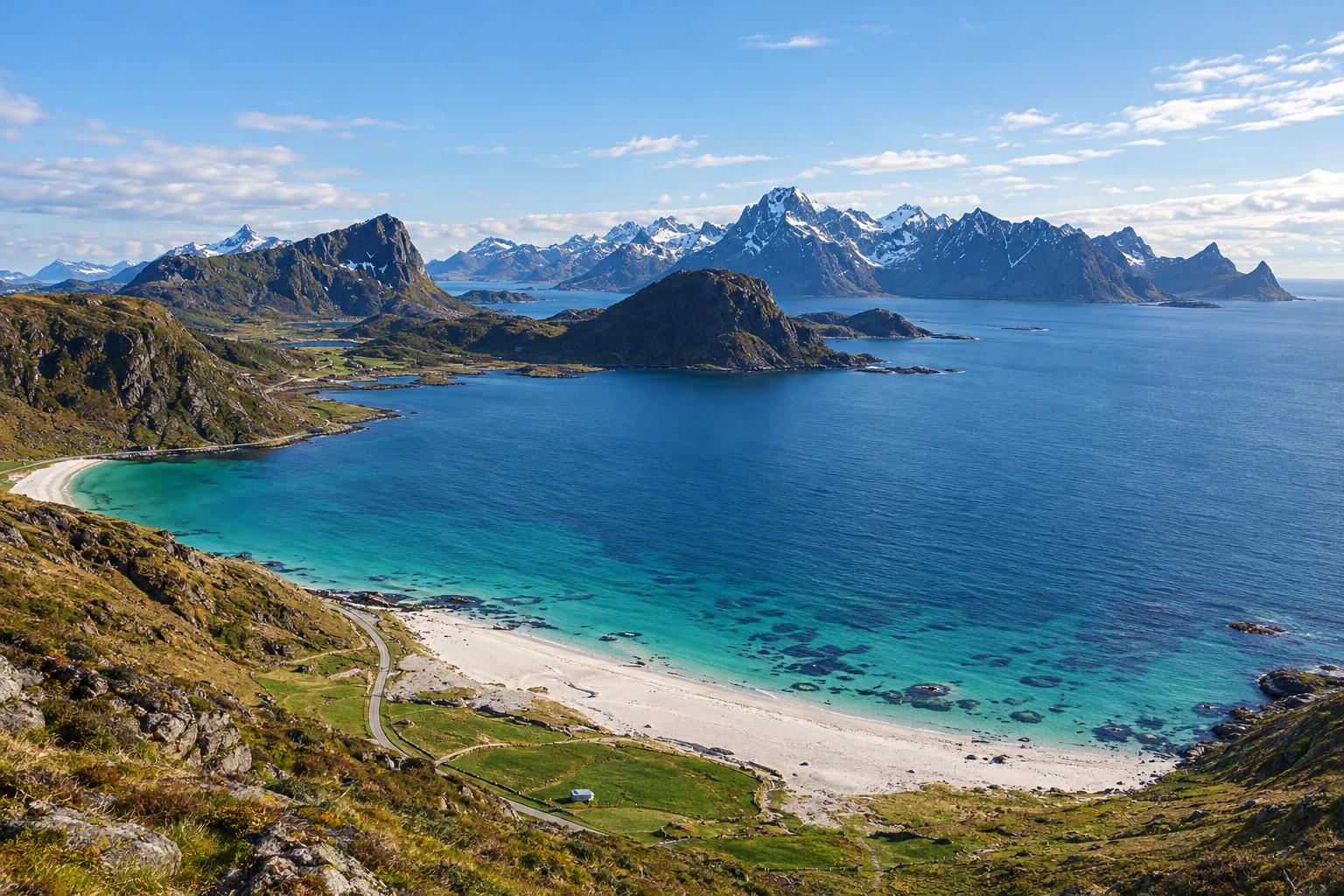
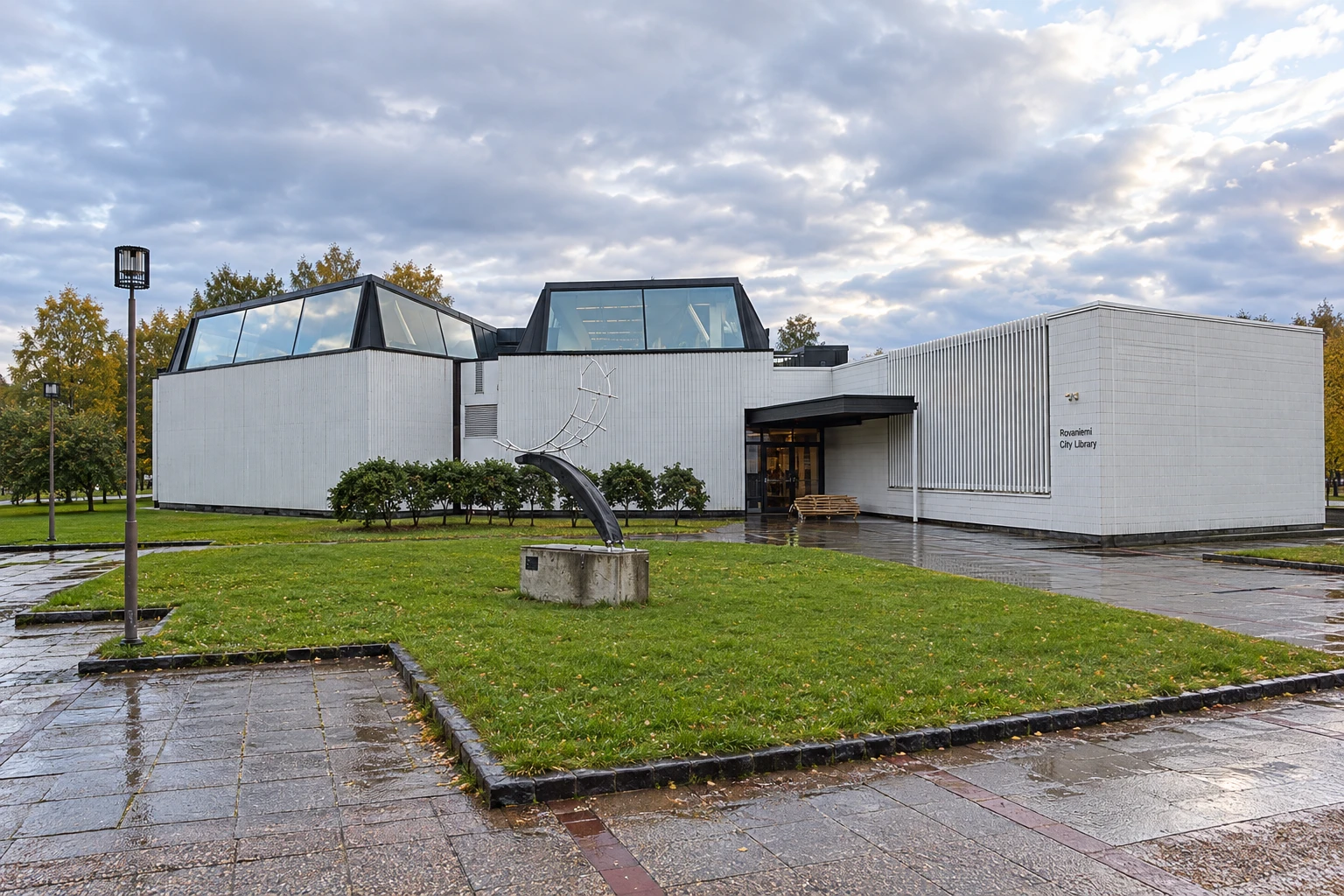
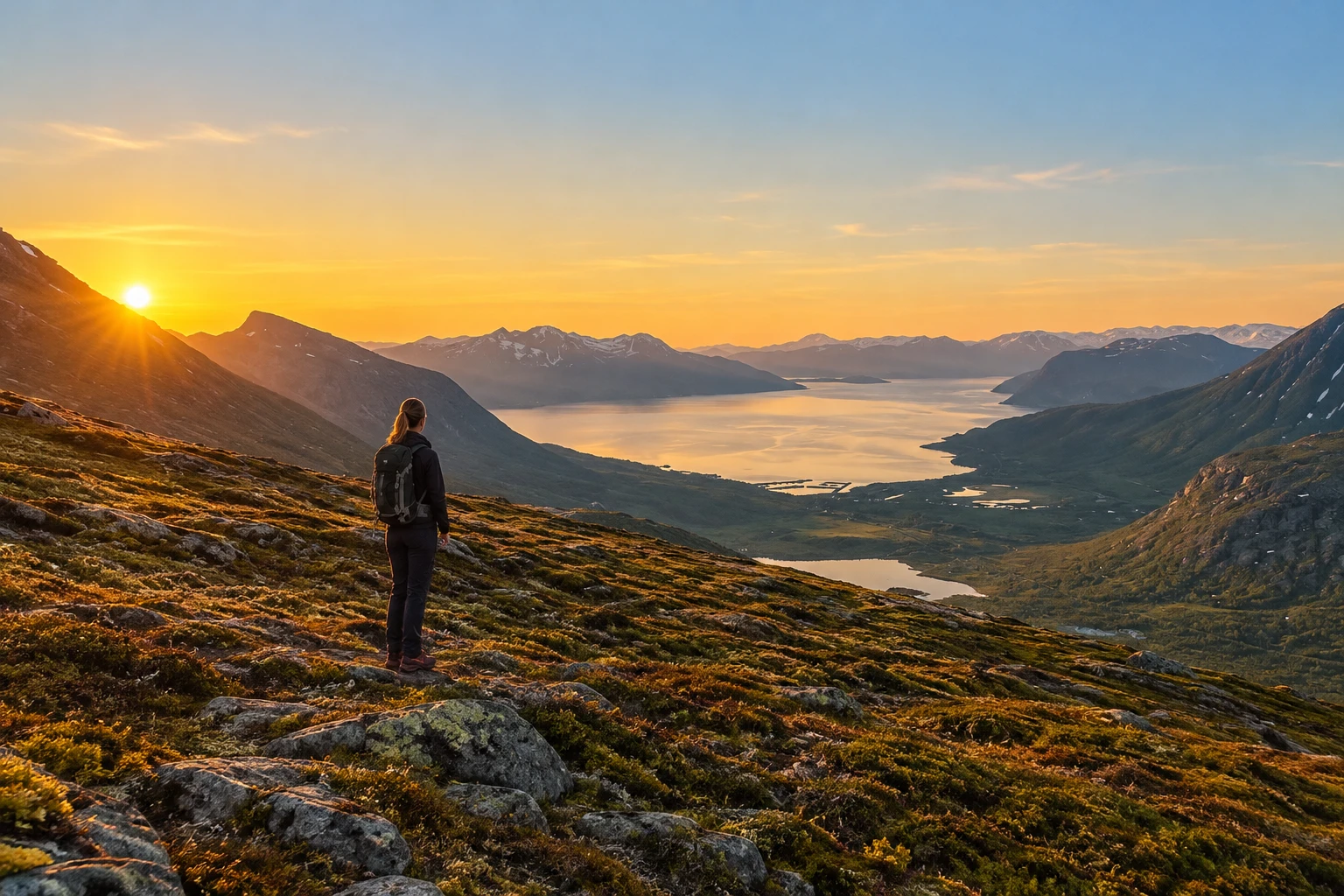
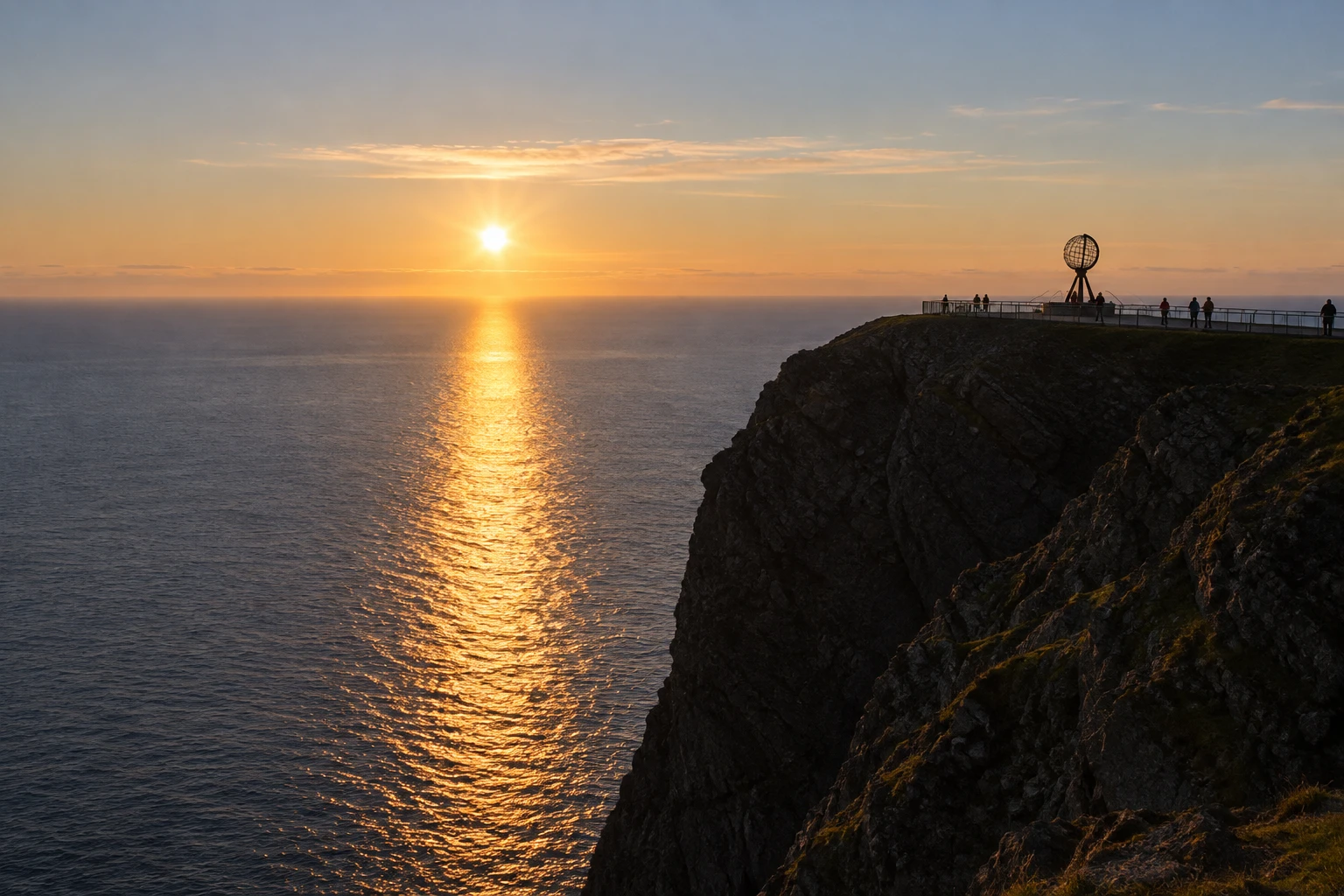
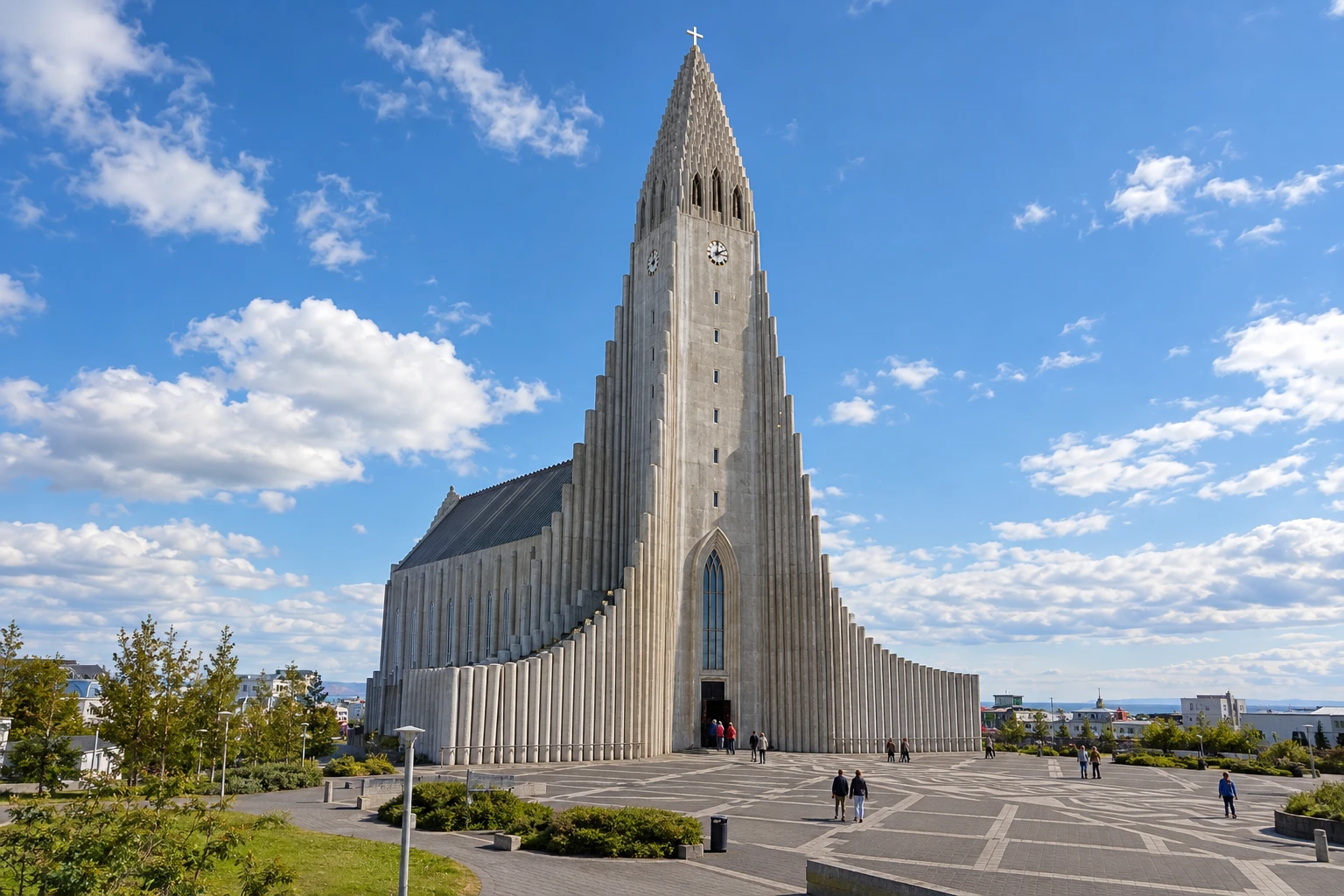
Illustrative images. The pictures in this guide are illustrations based on the real place, not photographs, and may differ from it.

Get it on Google Play

Earth and travel

Seasons and the midnight sun

Why seasons exist, how many hours of sunlight each place gets throughout the year, and where the Sun does not set in summer or rise in winter.

Share: WhatsApp

Earth's tilt through the year

Earth's axis is tilted 23.4° and always points the same way in space. Through the year, first one hemisphere and then the other leans toward the Sun.

    Hours of daylight through the year

    Chosen latitudeAt the equator: about 12 hours all year

    Midnight sun and polar night at destinations

      Dates computed for the whole Sun above or below a flat horizon. Mountains and twilight change what you see a little: even in deep polar night there are a few hours of twilight around noon.

      Calculated on your device with the Nautical Almanac's simple solar position formulas and atmospheric refraction; times may be off by a few minutes.

      Why seasons exist

      Seasons do not happen because the Earth gets closer to or farther from the Sun. It is actually slightly closer at the beginning of January, in the middle of summer in Brazil and winter in Europe. What causes the seasons is the tilt of Earth’s axis, 23.4 degrees.

      That axis always points roughly to the same direction in space. So, for half the year the southern hemisphere is tilted more toward the Sun, receives sunlight more directly and has longer days: that is the warm season there. For the other half, the northern hemisphere is favored, and the seasons are reversed.
      Solstices and equinoxes

      At the solstices, in June and December, the Sun is directly over one of the tropics, and one hemisphere has the longest day of the year while the other has the shortest. In Brazil, the December solstice begins summer, and the June solstice begins winter.

      At the equinoxes, in March and September, the Sun is directly over the equator, and day and night have nearly the same length worldwide. Here, the March equinox begins autumn, and the September equinox begins spring. The exact dates vary by a day or so from year to year.

      Seasons in Brazil

      Near the equator, the Sun stays high all year and the four seasons are barely noticeable. In the North and much of the Northeast, what changes is rainfall: there is a rainy season and a dry season, and in the Amazon the rainy period is called the Amazon winter.

      The farther south you go, the more pronounced the seasons become. In Rio Grande do Sul and the highlands of Santa Catarina, winter brings frosts and sometimes snow, and summer is warm with much longer days.

      Hours of sunlight and latitude

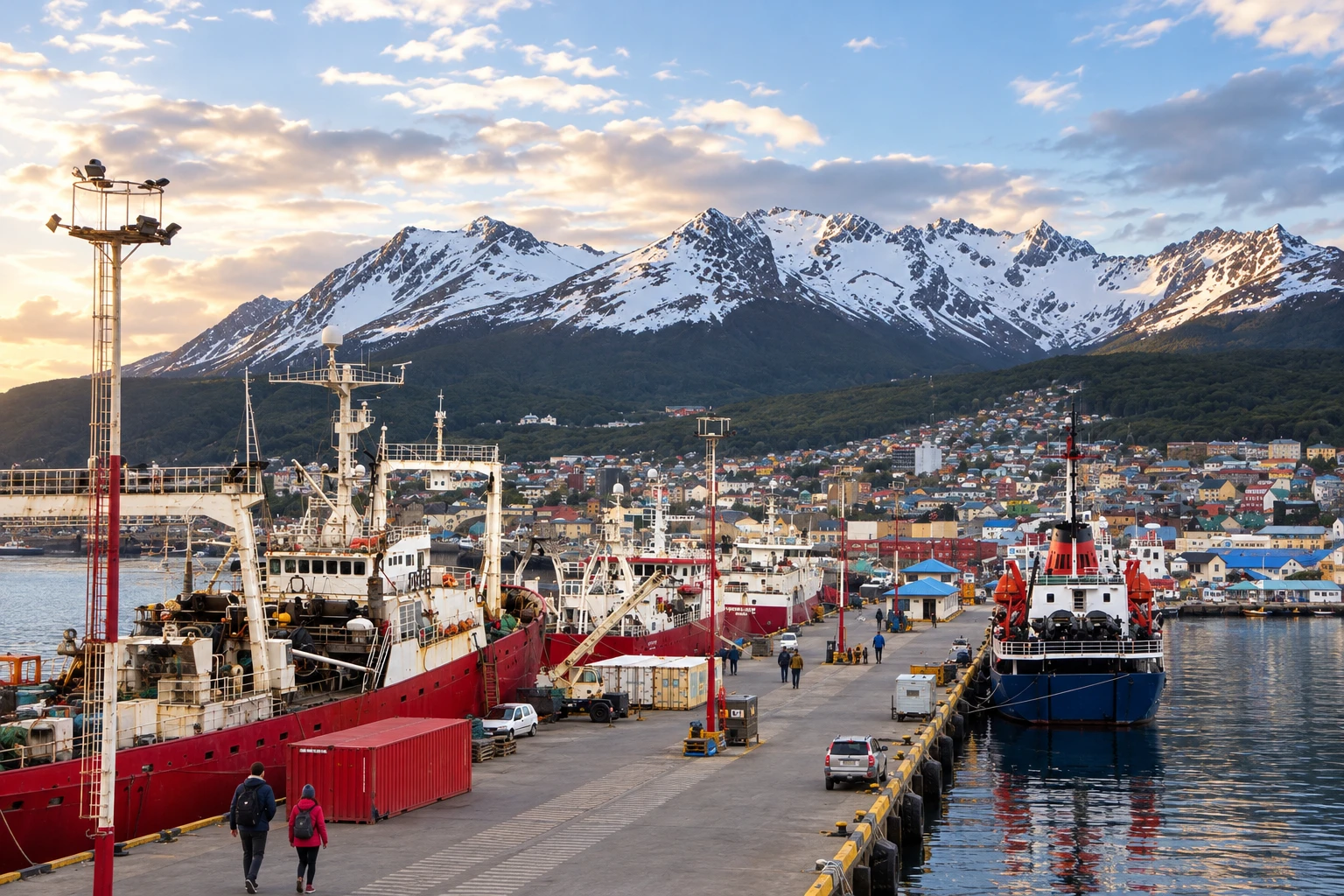
      On the equator, as in Macapá, the day is about 12 hours year-round. In São Paulo, it ranges from roughly 10.5 hours in June to about 13.5 hours in December. In Ushuaia, at Argentina’s southern tip, it exceeds 17 hours in summer and falls to just over 7 in winter.

      The closer you get to the poles, the greater the difference. In Reykjavík, Iceland, the longest day has about 21 hours of sunlight and the shortest only about 4.

      The midnight sun and the polar night

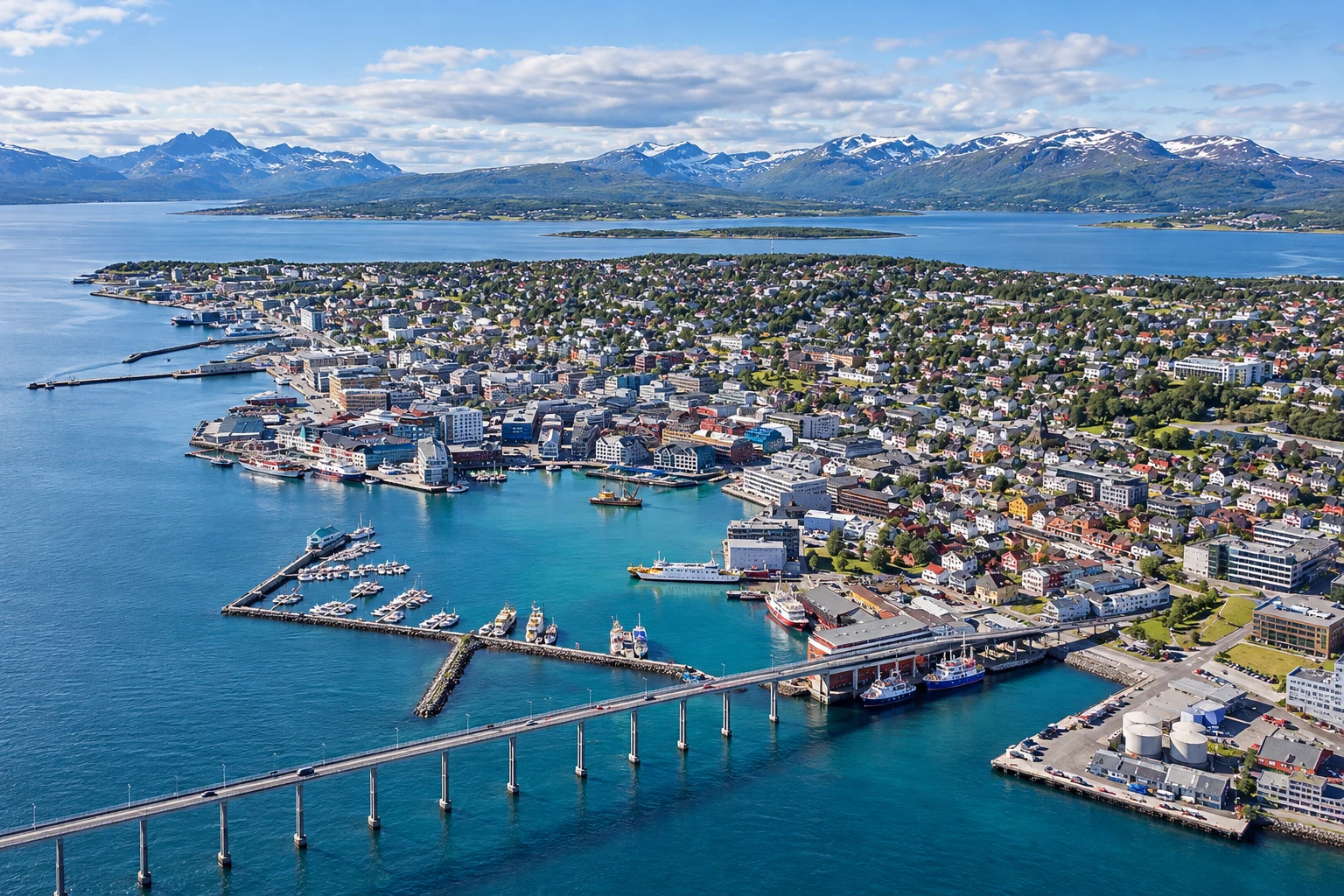
      Above the Arctic Circle, around 66.6 degrees north latitude, there are summer days when the Sun does not set: this is the midnight sun. In Tromsø, Norway, it lasts from mid-May until the end of July. In winter the opposite occurs, the polar night, when the Sun does not rise: in Tromsø, from late November to mid-January.

      During the polar night it is not dark all the time: around midday there are a few hours of bluish sky, the light of twilight. And it is precisely in that dark season that the aurora borealis is easier to see. The same happens in the south below the Antarctic Circle, an area that is almost entirely Antarctica.

      The right season for each trip

      To see the midnight sun, the period is June to July in northern Norway, Sweden and Finland; Rovaniemi in Finnish Lapland sits on the Arctic Circle. For the aurora borealis and the polar night, the season is September to March.

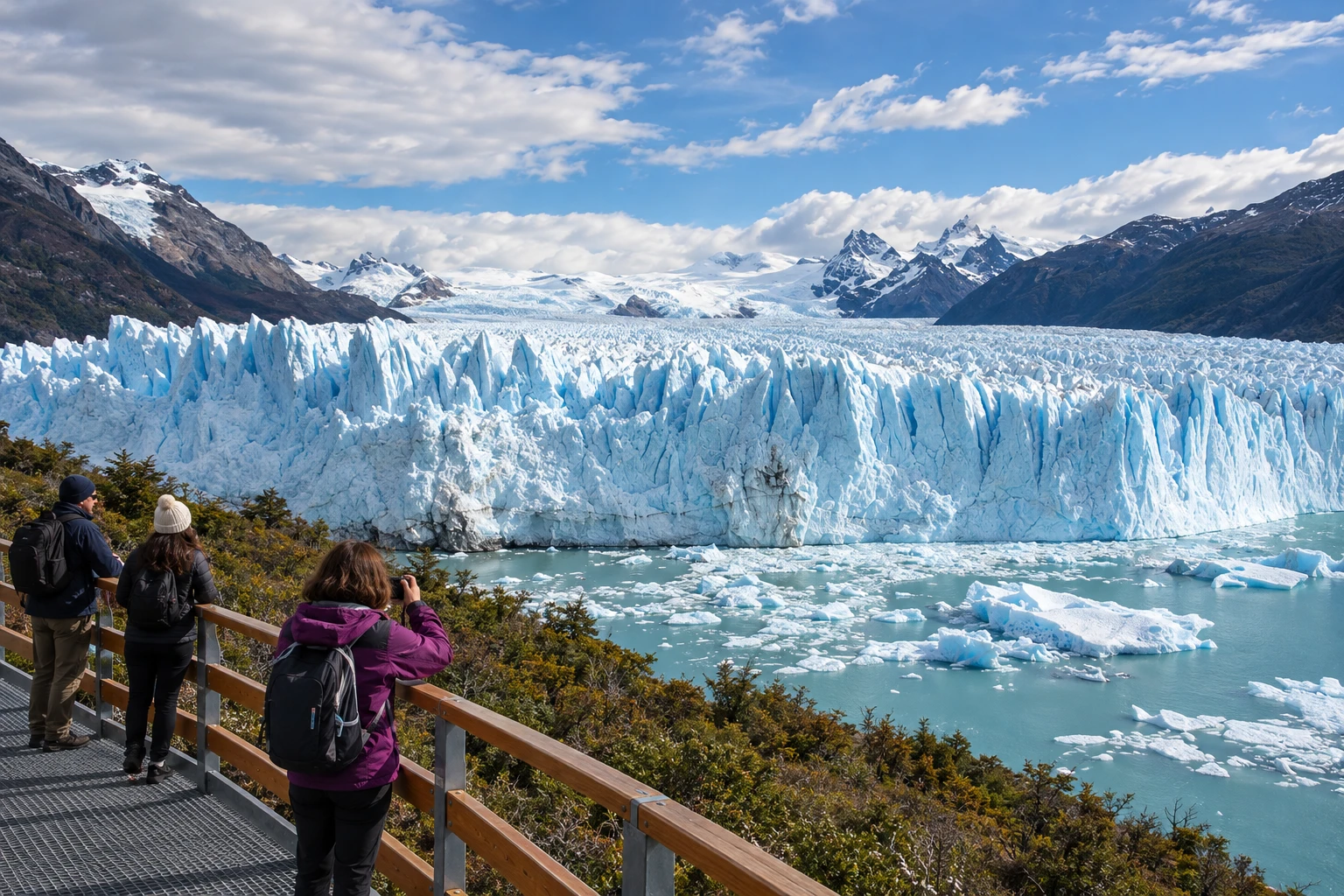
      In Patagonia, the long days of December and January give plenty of time for hikes, and in Iceland the bright summer nights let you enjoy the day late into the night. Remember that the seasons are reversed: July vacation time in Brazil is the middle of summer in Europe and the United States.

      The midnight sun and the polar night happen every year on the same dates, but clouds and rain can hide the Sun. The long days, however, are certain.

      Frequently asked questions

      Why do seasons exist?

      Because of the 23.4-degree tilt of Earth’s axis. Over the year, sometimes the southern hemisphere and sometimes the northern hemisphere is tilted more toward the Sun, receiving sunlight more directly and having longer days.

      Do seasons happen because Earth moves away from the Sun?

      No. Earth is actually closer to the Sun at the beginning of January, when it is summer in the southern hemisphere and winter in the north. The change in distance is small and hardly affects the climate.

      When does summer start in Brazil?

      At the December solstice, around December 21. Winter begins at the June solstice, autumn at the March equinox and spring at the September equinox.

      What is the longest day of the year in Brazil?

      The December solstice, around December 21. The farther south you are, the longer it is; near the equator there is almost no difference.

      What is the midnight sun?

      It is when the Sun does not set during the night, on summer days above the Arctic Circle or below the Antarctic Circle. In northern Norway, it occurs from May to July.

      What is the polar night?

      It is the winter period near the poles when the Sun does not rise. Even then, there are a few hours of twilight brightness around midday.

      Where can I see the midnight sun?

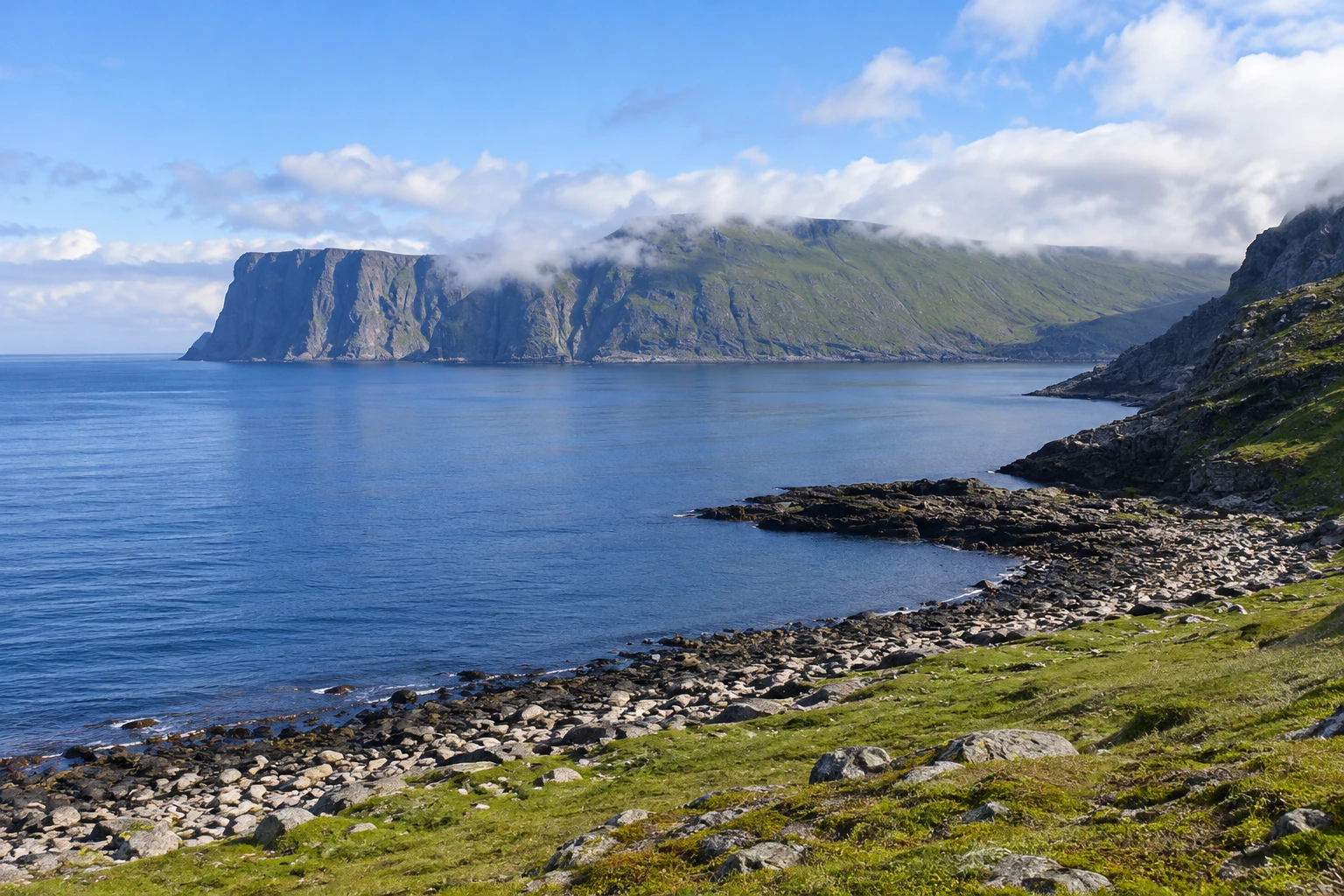
      In northern Norway, such as Tromsø, the Lofoten Islands and North Cape, and in the Lapland regions of Sweden and Finland, between May and July.

      Why are the seasons reversed between Brazil and Europe?

      Because when the southern hemisphere is tilted more toward the Sun, the northern hemisphere is tilted away, and vice versa. That is why Brazil’s summer in December is Europe’s winter.