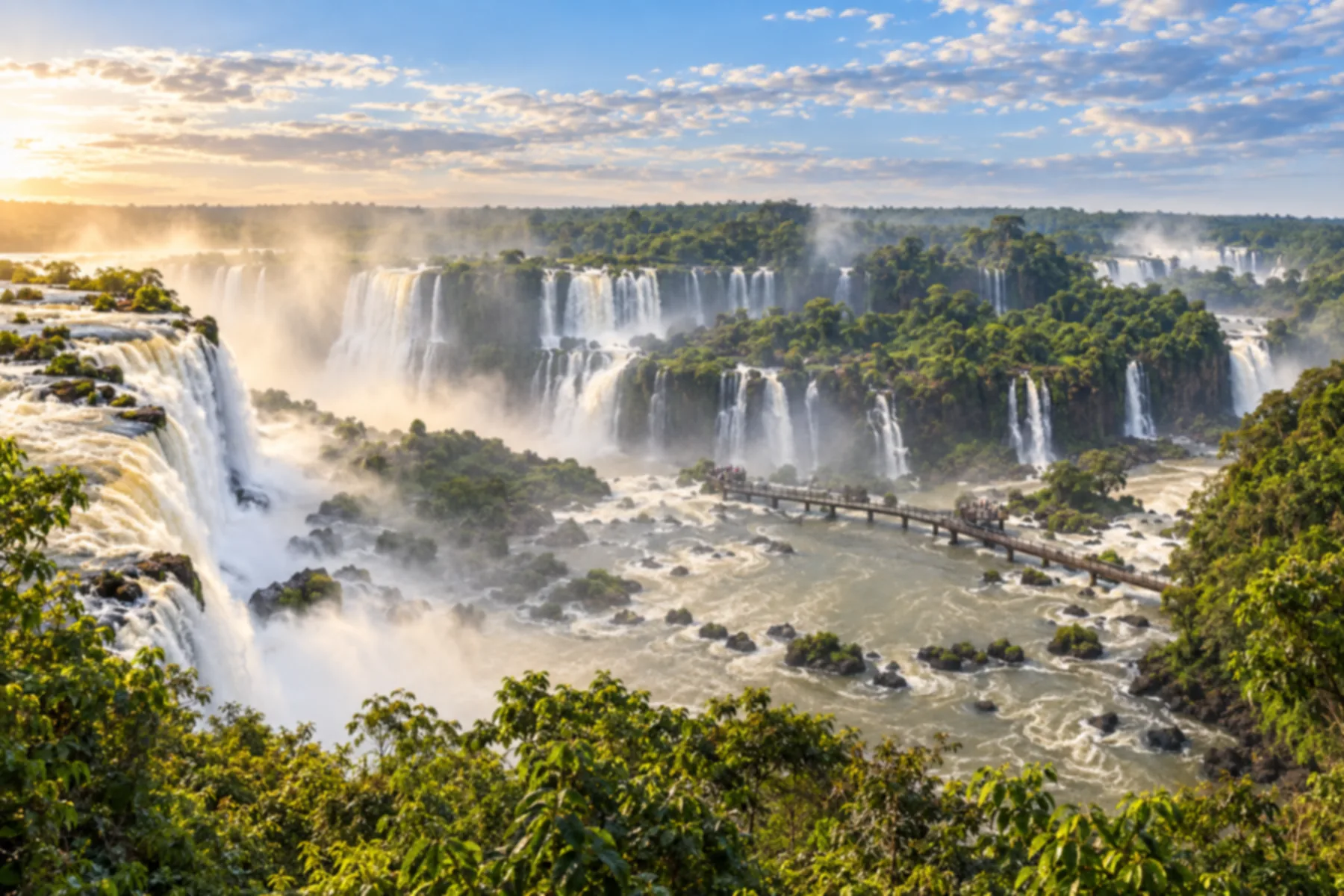
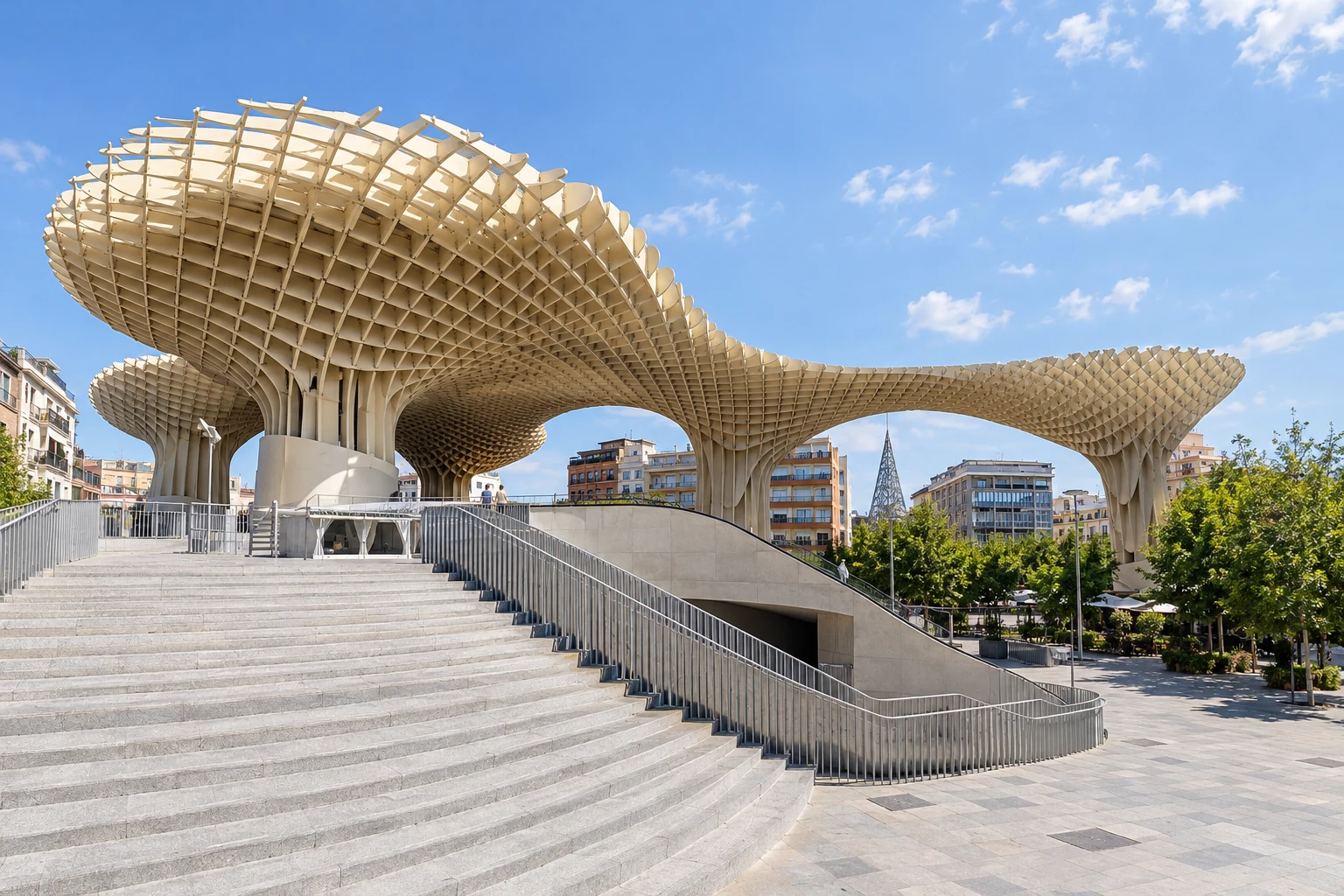
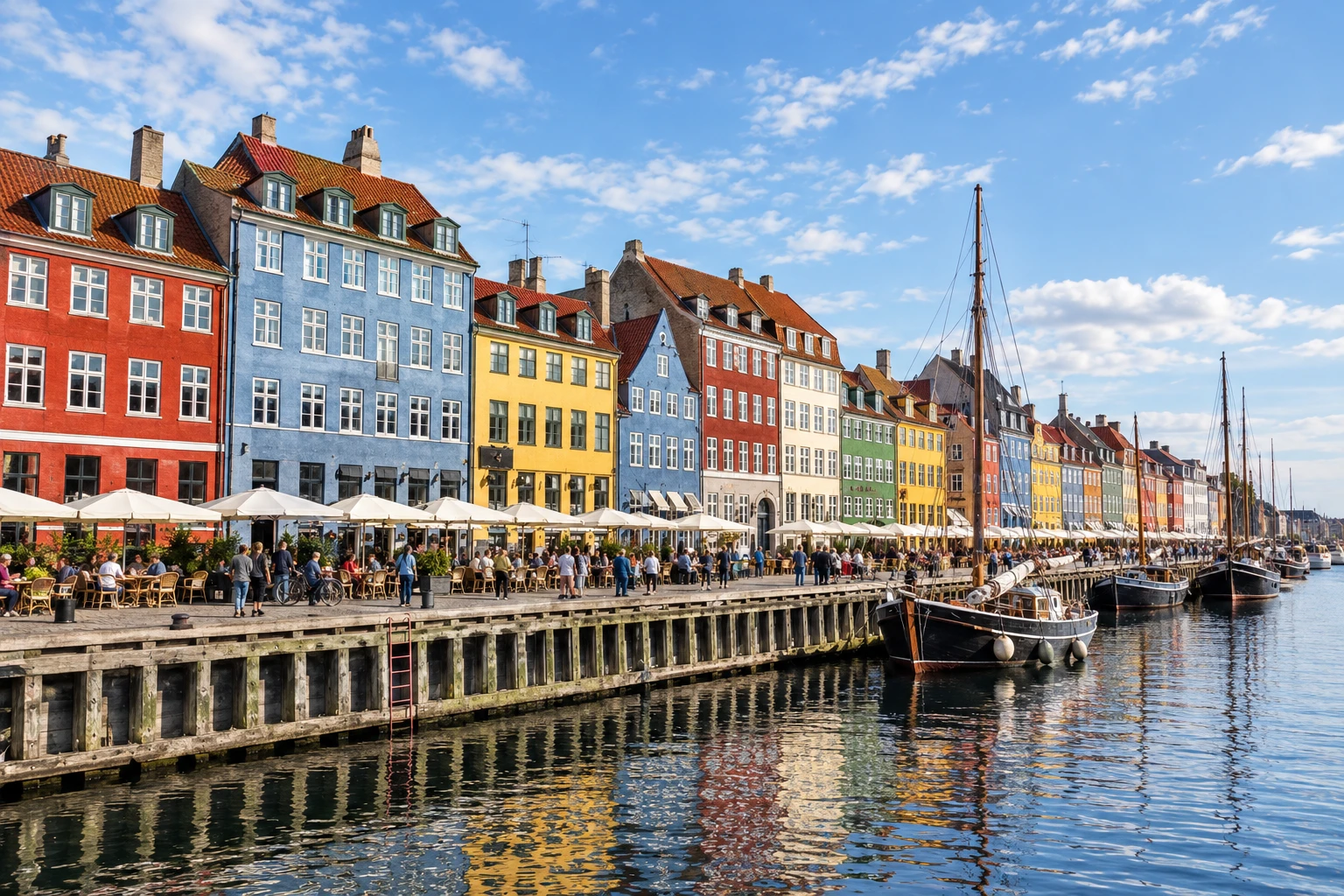
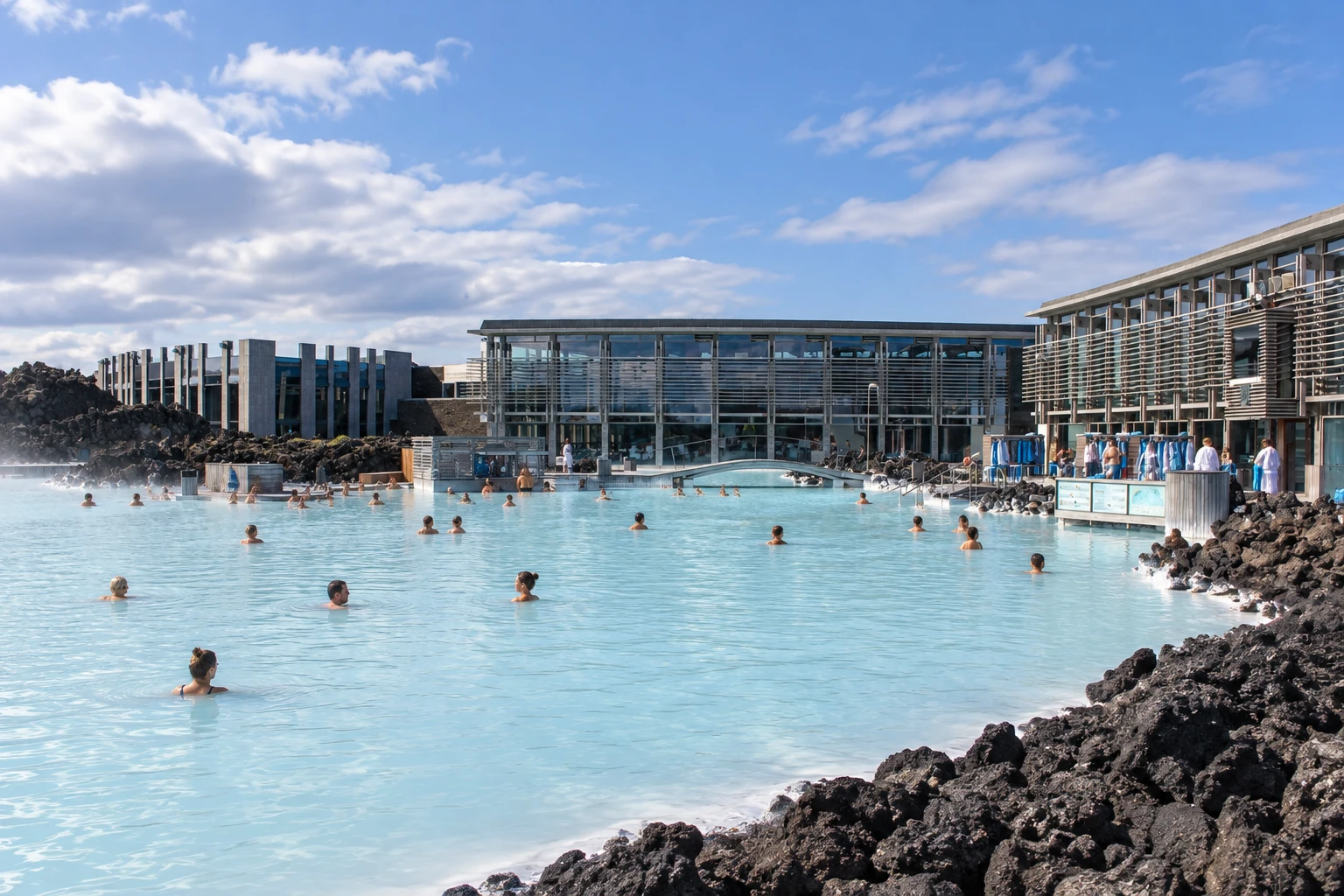
Illustrative images. The pictures in this guide are illustrations based on the real place, not photographs, and may differ from it.

Get it on Google Play

Earth and travel

The planet's energy

Water, the sun, wind, the sea and heat from inside the Earth are turned into electricity at power plants that lie along many trips. How each source works and where you can see them up close.

Share: WhatsApp

Tap a point on the map. Points with a white border are in Brazil. MW (megawatt) is the plant's capacity, the most it can generate.

Capacities: as reported by the plants and operators, rounded. Visits: nothing is guaranteed; confirm with each plant beforehand whether it takes visitors, on which days and under what rules. Map: Natural Earth.

Where energy comes from

Almost all the energy we use ultimately comes from the Sun: it heats the air and creates wind, evaporates water that fills rivers, and nourished — millions of years ago — the plants that became coal, oil and gas. The exceptions are heat from inside the Earth, atomic energy and tides, which are driven by the Moon.

Renewable sources renew themselves in nature: water, sun, wind, sea, Earth heat and plants. Fossil sources, like coal, oil and gas, take millions of years to form and release carbon dioxide when burned. Most of the world’s energy still comes from them, but the share from renewables grows every year.
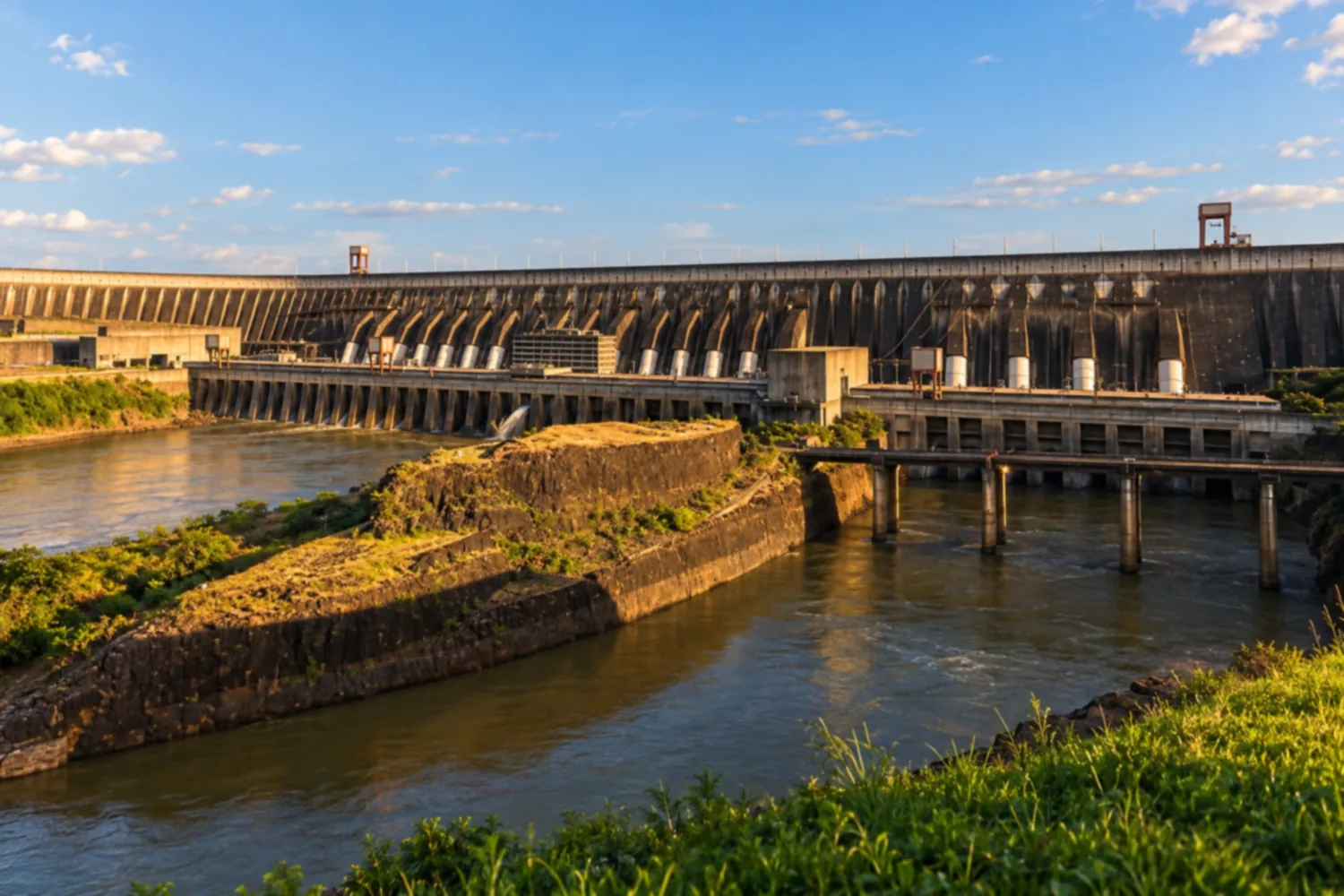
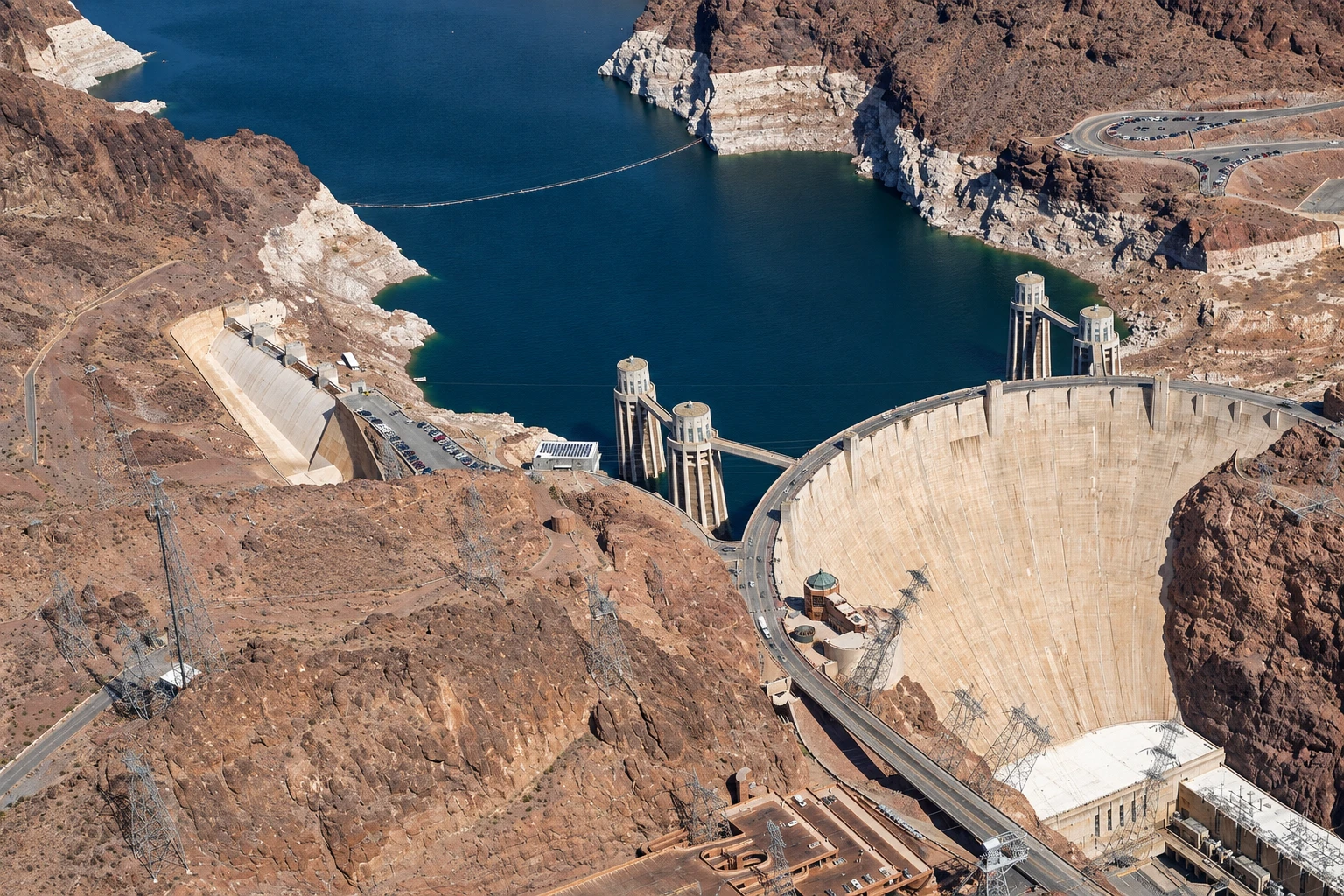
Hydropower: the force of water

In a hydropower plant, a dam holds back a river’s water, and the falling water spins turbines connected to generators. It is the most used renewable source worldwide and Brazil’s main one.

Itaipu, on the Paraná River between Brazil and Paraguay, has 20 generating units and 14,000 MW of capacity, and is one of the power plants that has produced the most energy in history. It usually receives visitors from both sides of the border, departing from Foz do Iguaçu and from Ciudad del Este, with tours of the dam and, on some routes, inside the plant; check in advance which tours are available and the schedules.

The world’s largest by capacity is the Three Gorges plant, on the Yangtze River in China. In the United States, the Hoover Dam, between Nevada and Arizona near Las Vegas, is often one of the most popular attractions in the Southwest.

Solar: the Sun’s light and heat

Solar energy appears in two forms. In photovoltaic panels, sunlight becomes electricity directly with no moving parts; you see these on roofs and in large panel fields. In concentrated solar power, mirrors focus the Sun’s heat on a point, heating a liquid to produce steam that drives turbines, like in a conventional plant.

Near Ouarzazate, at the gateway to the Sahara in Morocco, the Noor complex has about 580 MW, with mirror fields and a solar tower, and stores heat to generate power after sunset. In the Atacama Desert in Chile, solar radiation is among the strongest on the planet, and the country’s north hosts large solar plants.

Onshore wind: wind on land

In wind turbines, the wind turns the blades, which drive a generator atop the tower. The largest onshore turbines exceed 100 meters in height. They need steady wind, so are placed on coasts, plateaus and open plains.

Brazil’s Northeast coast — especially Rio Grande do Norte, Bahia, Piauí and Ceará — has strong, regular winds and has become one of the world’s major wind regions; turbines line roads and dunes. Argentina’s Patagonia, with almost constant winds, and Denmark, a wind energy pioneer, are other examples.

Offshore wind

At sea, wind is stronger and more regular than on land, and turbines can be larger. They are fixed to the seabed in shallow waters or float anchored in deeper waters. The electricity reaches shore through submarine cables.

The North Sea, between the United Kingdom, Denmark, the Netherlands, Germany and Belgium, concentrates the largest offshore wind farms. On clear days, some rows of turbines appear on the horizon from the beaches; in some ports there are boat trips that pass near them, depending on the season and the weather.

Tidal power: energy pulled by the Moon

The Moon and the Sun pull ocean water and make the tides rise and fall twice a day. In a tidal power plant, a dam closes an estuary or bay: when the tide rises or falls, water passes through turbines. It’s an energy source that can be forecast years in advance, but it only works where the difference between high and low tide is large.

The first plant of this type was La Rance in Brittany, France, opened in 1966 with 240 MW; the road crosses the dam near Saint-Malo. The largest today is the Sihwa Lake plant in South Korea, with 254 MW, opened in 2011.

Waves and marine currents

Sea waves and currents also carry energy. There are buoys that rise and fall with waves, articulated tubes that flex with them and submerged propellers that turn with currents — like wind turbines under water.

These technologies are still in testing and produce little energy. The Orkney Islands in northern Scotland host a European test center for marine energy, and Portugal had one of the world’s first wave energy parks at Póvoa de Varzim.

Geothermal: heat from inside the Earth

The deeper you go, the hotter the Earth gets. In regions of volcanoes and tectonic plates, that heat is close to the surface: wells bring hot water and steam that drive turbines and heat buildings.

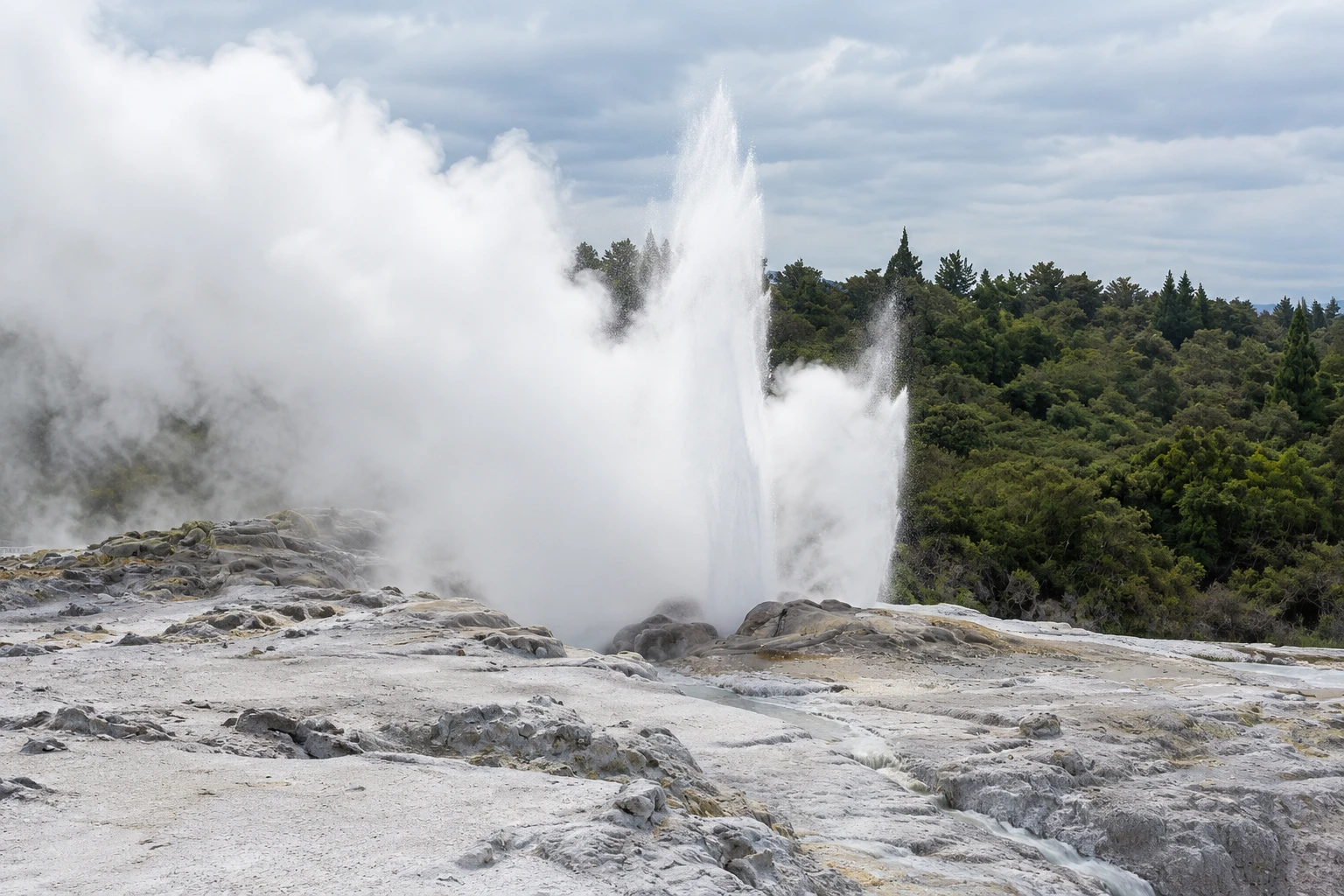
In Iceland, Earth’s heat generates about one third of the electricity and heats nearly 90% of homes. The Hellisheiði plant, near Reykjavík, often has an exhibition for visitors (check in advance whether it’s open), and the Blue Lagoon was born from the excess water of the Svartsengi plant. The world’s first geothermal electricity was produced in Larderello, in Tuscany, Italy, in the early 20th century; in New Zealand, the Rotorua and Taupō region has geysers, boiling mud and power plants.

Nuclear: the power of the atom

In a nuclear plant, uranium atoms split inside the reactor and release a lot of heat, which becomes steam and drives turbines. It does not emit carbon dioxide while operating, but it produces radioactive waste that must be stored for a very long time.

France gets most of its electricity from nuclear plants. Brazil has two in operation, Angra 1 and Angra 2, on the coast of Angra dos Reis in the state of Rio de Janeiro; construction of a third, Angra 3, has not yet been completed.

Biomass and ethanol

Biomass is the energy of plants and organic residues: firewood, sugarcane bagasse, rice husks, waste and manure, which are converted into heat, electricity, biogas or fuel. As they grow, plants take carbon dioxide from the air that is released when they are burned.

Brazil is one of the world’s largest producers of sugarcane ethanol, used in flex-fuel cars, and sugar-and-ethanol mills burn sugarcane bagasse to generate their own energy and sell the surplus.

Fossils, hydrogen and what’s next

Coal, oil and natural gas are still the majority of the energy used on the planet, in cars, industries and many power plants. When burned, they release the carbon dioxide that most contributes to global warming, so countries are seeking to gradually replace them with renewables.

Green hydrogen, produced from water using renewable energy, can store the energy of the sun and wind for later use in industry and transport. Brazil, with projects at the port of Pecém in Ceará, and Chile, in the far south of the country, are among those investing in it.

Energy on the trip

Many power plants welcome visitors, with information centers and guided tours: Itaipu in Foz do Iguaçu; Hoover Dam near Las Vegas; the Hellisheiði geothermal exhibition in Iceland; and the La Rance barrage in Brittany, among others. Opening hours, days and rules change: confirm with the plant before you go. Generally you need to reserve, and some require a photo ID.

Even without entering a plant, energy appears in the landscape: the wind farms on the Northeast coast, the mirror fields in Morocco’s desert, the steam from geothermal plants in Iceland and New Zealand, and the rows of turbines on the horizon of the North Sea.

Frequently asked questions

What are the sources of renewable energy?

Water (hydroelectric), sun, wind, tides, waves and currents, heat from inside the Earth (geothermal) and biomass, such as firewood, sugarcane bagasse and biogas.

What is the difference between renewable and fossil energy?

Renewable energy is naturally replenished, like the sun and the wind. Fossil energy, like coal, oil and gas, takes millions of years to form and releases carbon dioxide when burned.

What is the largest hydroelectric plant in the world?

By capacity, the Three Gorges Dam in China. Itaipu, between Brazil and Paraguay, has 14,000 MW and is among the plants that have produced the most energy in history.

Can you visit Itaipu?

Generally, yes. Tours usually depart from the visitor reception center in Foz do Iguaçu on the Brazilian side, and also from the Paraguayan side near Ciudad del Este. Confirm in advance which tours are open, the days and the schedules.

How does tidal power work?

A barrage closes an estuary or bay, and water passes through turbines when the tide rises or falls. The La Rance plant in France has operated this way since 1966.

What is concentrated solar power?

Mirrors concentrate the Sun’s heat on a point and heat a fluid that makes steam to drive turbines. The Noor complex in Morocco uses this technique and stores heat to generate power at night.

Why does Iceland use so much geothermal energy?

Because it sits on the ridge between the North American and Eurasian plates, full of volcanoes, and Earth’s heat is close to the surface. It heats nearly 90% of the country’s homes.

Where are Brazil’s nuclear plants located?

In Angra dos Reis, on the coast of the state of Rio de Janeiro: Angra 1 and Angra 2 are in operation, and construction of Angra 3 has not yet been completed.

Why are there so many wind turbines in the Northeast?

Because the region’s coast has strong, regular winds for much of the year, which makes turbines produce well.

What is green hydrogen?

It is hydrogen produced from water using electricity from renewable sources. It can store energy and replace fossil fuels in industry and transport.