

 Brazil
 Antarctica
 Argentina
 Bolivia
 Chile
 Colombia
 Ecuador
 Falkland Islands (Malvinas)
 French Guiana
 Guyana
 Paraguay
 Peru
 Suriname
 Uruguay
 Venezuela
 Austria
 Belgium
 Denmark
 Finland
 France
 Germany
 Greece
 Hungary
 Iceland
 Ireland
 Italy
 Luxembourg
 Norway
 Poland
 Portugal
 Slovakia
 Slovenia
 Spain
 Sweden
 Switzerland
 the Czech Republic
 the Netherlands
 the United Kingdom
 Turkey
 Bermuda
 Canada
 Greenland
 Mexico
 Saint Pierre and Miquelon
 the United States
 the Dominican Republic
 Japan
 Egypt
 South Africa
 Australia
 Fiji
 New Zealand
 Papua New Guinea
Food and countryside
Culinary travel in Croatia
From the pastry shops of Samobor to Mali Ston Bay, choose your next stop based on what’s made, harvested, or grown there.
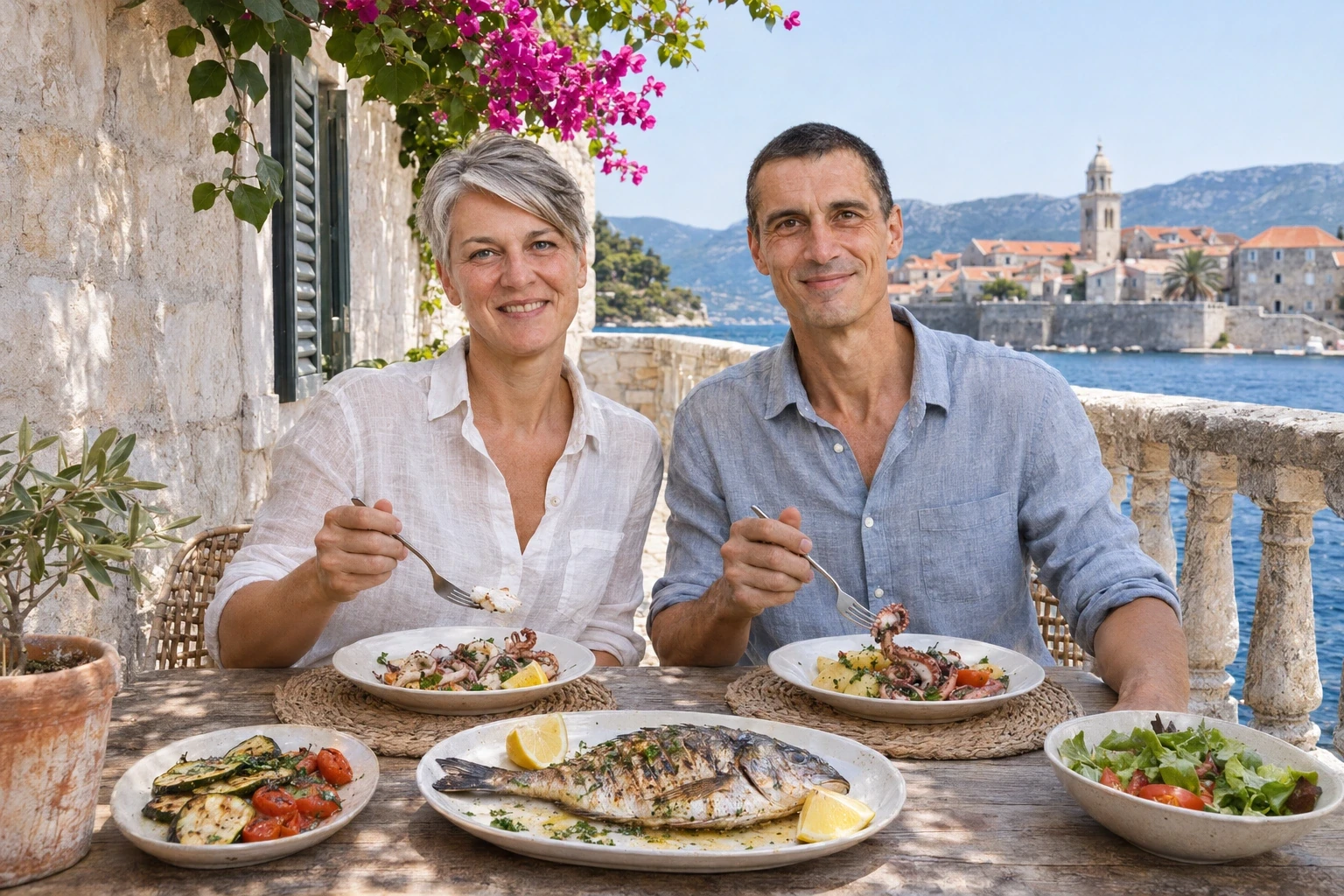
In Korčula, take a close look at the shape of the pasta on your plate. In Osijek, it’s the red color of the fish broth that catches your eye. In Samobor, the best reason to sit down at a table is often on display in a pastry shop window. The answer to “What should you eat in Croatia?” varies from city to city and can take the form of a leisurely lunch or a quick stop for something sweet.
Where to go in Brazil
Pick a region or type what you are looking for to see the cities and who offers each activity.
- Samobor ZA
- Oprtalj IS
- Poreč IS
- Pula IS
- Korčula DN
- Ston DN
- Osijek OB
Some ingredients also give you a reason to get up from the table. In Istria, you can see truffle hunters at work or learn to tell two olive oils apart by their aroma. In the Bay of Mali Ston, oysters served by the water invite you to take a closer look at where they grow. Planning your trip around one of these foods can help you decide where to stay and how much time to set aside for each visit.
Four cities where you can try regional Croatian cuisine
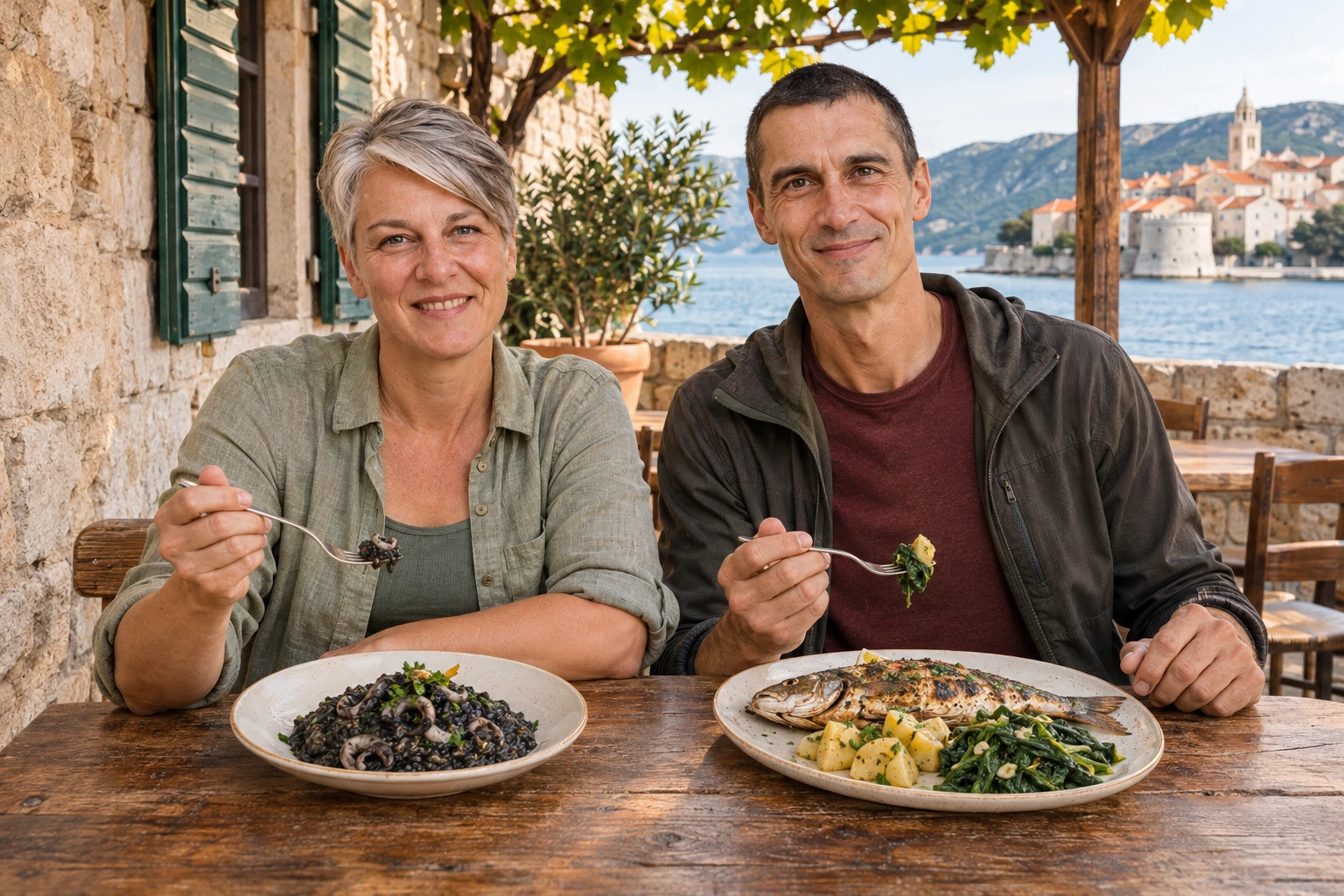
On the island of Korčula, look for žrnovski makaruni. The name comes from Žrnovo, the village where the pasta is shaped by hand. As you look over the menu, ask how the restaurant serves its makaruni. The sauce is the first thing you see, but the shape and texture of the pasta reveal the handiwork of the person who made it.
In Samobor, the specialty is a dessert. Kremšnita combines puff pastry with a thick layer of custard. Take your time eating it with a spoon or fork, and notice the contrast between the soft filling and the pastry top that cracks at the first touch. A stop at a pastry shop is all it takes to discover this side of the local cuisine.
In Osijek, fiš paprikaš brings fish and paprika together in one pot. The seasoned broth gives the fish a flavor quite different from what you might expect of a seafood dish on the Adriatic. In Pula, you have a wider range of choices. The Istrian food guide lists places to eat in the city, a good starting point for finding a table and discovering what regional dishes are on the menu that day.
Livade and the truffles of Istria
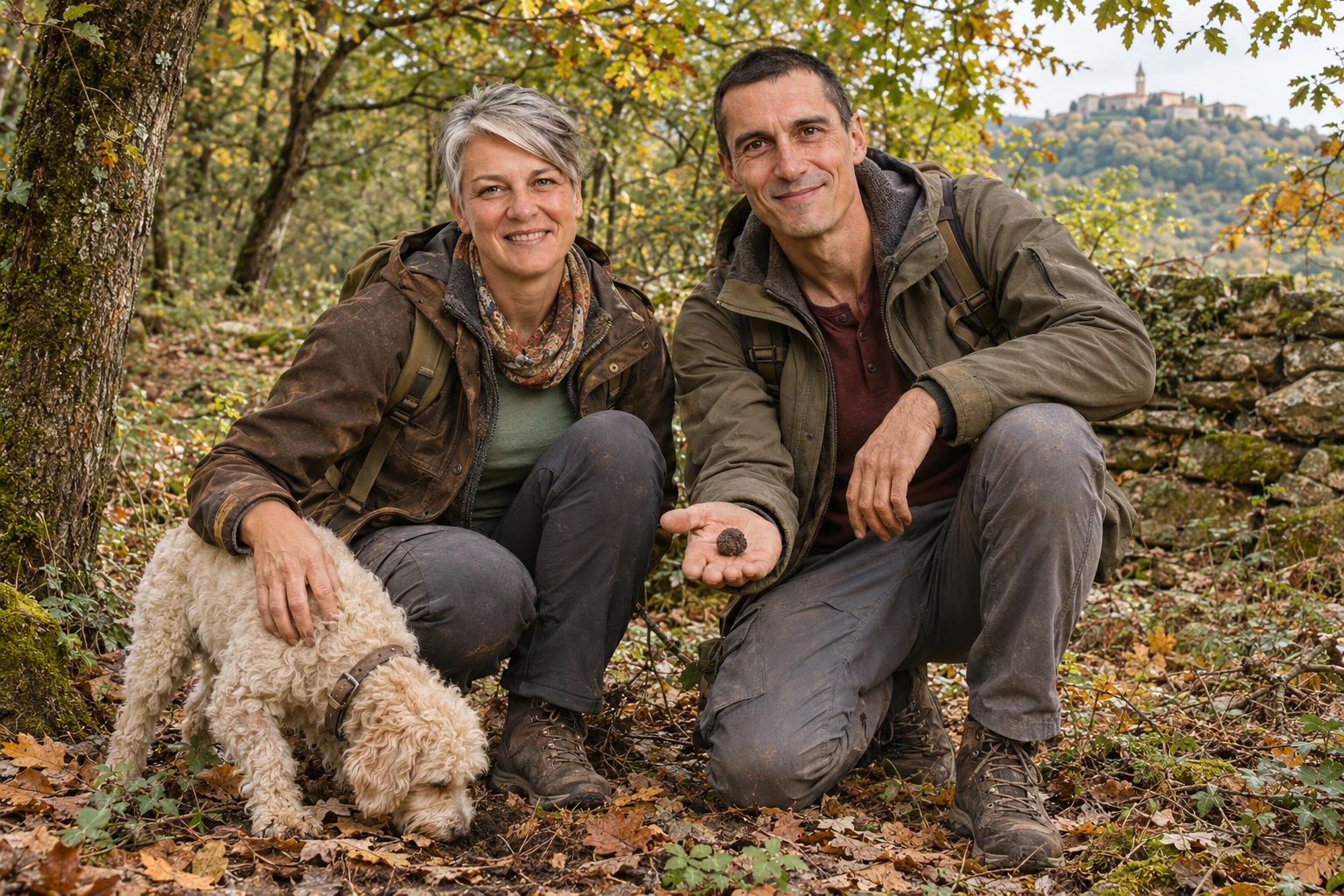
Truffles grow underground, close to the roots of certain trees. Even if you’ve eaten truffles in restaurants, there’s plenty to discover in the woods. On a guided truffle hunt, watch for the moment when the dog changes direction and focuses on one spot. That’s the handler’s cue to examine the ground. The route follows the dog’s nose, and what turns up depends on the season and the ground conditions.
Livade, in the municipality of Oprtalj, hosts Zigante Truffle Days. Check the program for the year you plan to visit to decide whether to learn about truffles at the fair or arrange a trip into the woods. If you’re interested in cooking, ask which species you’re tasting and how it’s prepared. When a sliver of truffle is shaved over hot pasta, you can smell it before you take your first bite.
Olive oil between Pula and Poreč
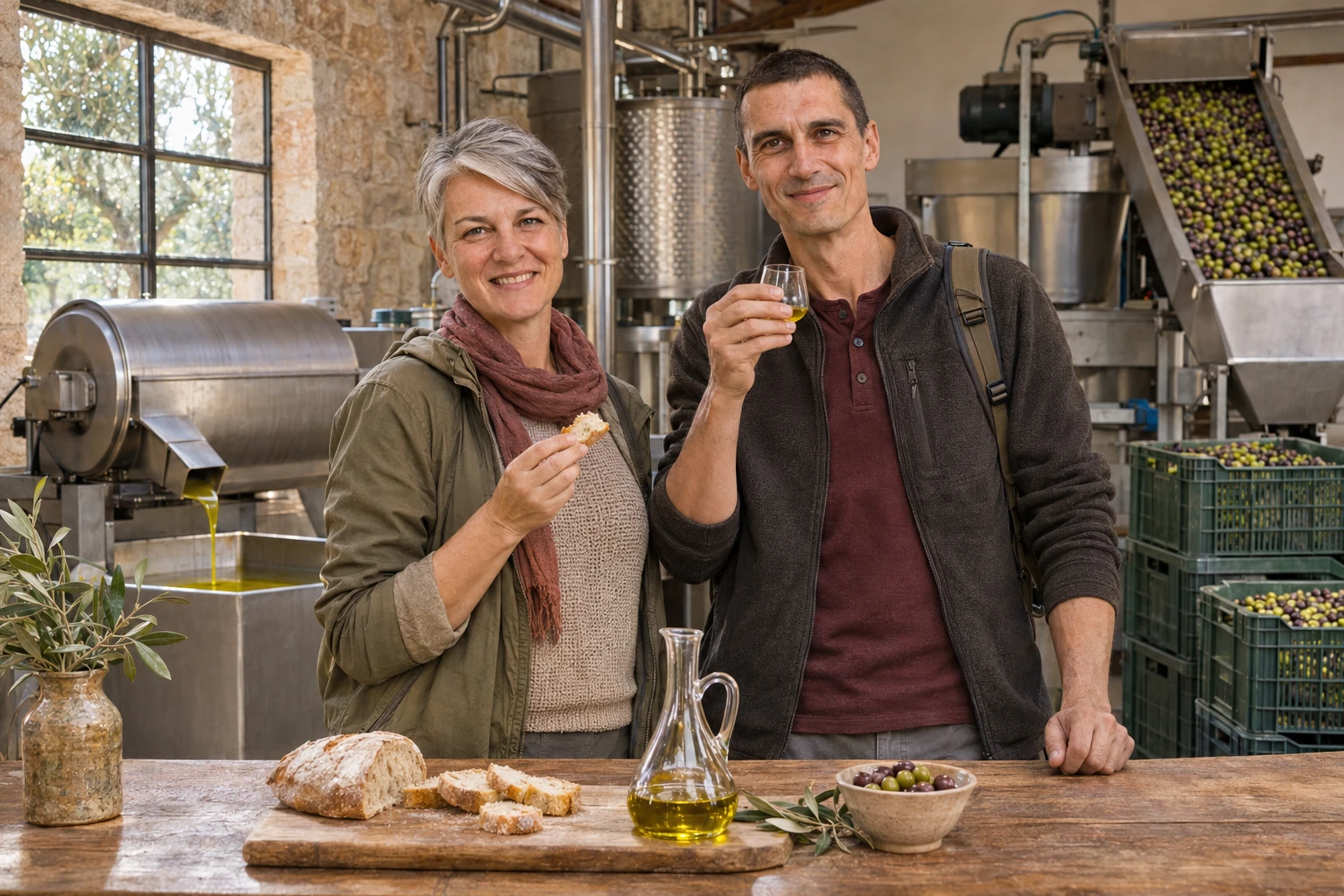
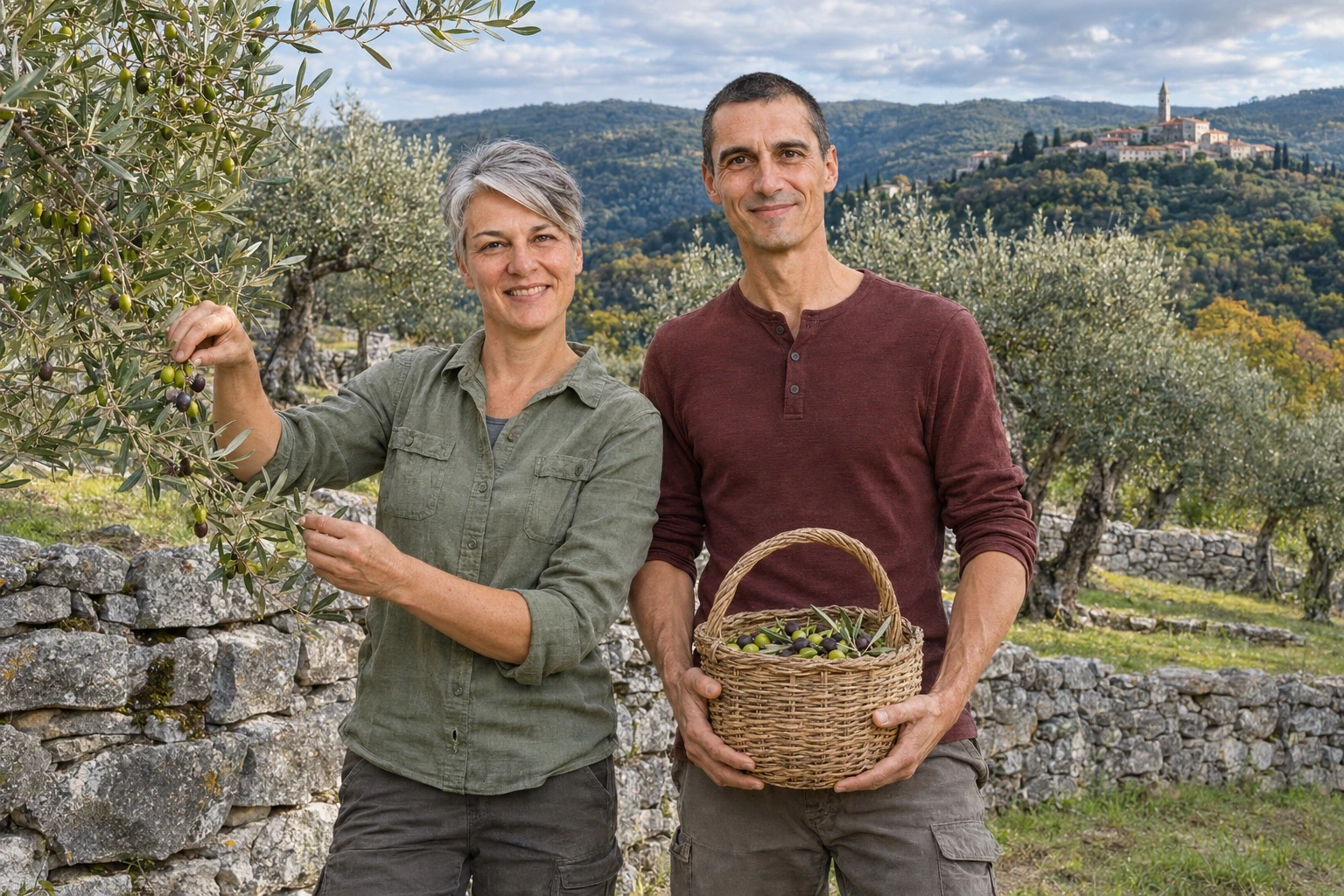
At the House of Istrian Olive Oil in Pula, you can learn how olives are grown, how they’re made into oil, and how to taste it. Keep what you learn about how olives ripen in mind for the tasting. Smell two samples one after the other: one might remind you of freshly cut leaves, while the other might smell more like ripe fruit.
For a tasting with a producer, look to Dračevac, in the municipality of Poreč. Stojnić, a producer in the village, is on the Istrian olive oil route. Before you go, discuss what you’d like to see with the producer. Walking through the olive grove, watching the milling, and sitting down to taste the oil are different experiences. Milling depends on when the olives arrive during harvest, but you may be able to taste oil from a finished batch at another time of year.
The oysters of Mali Ston Bay
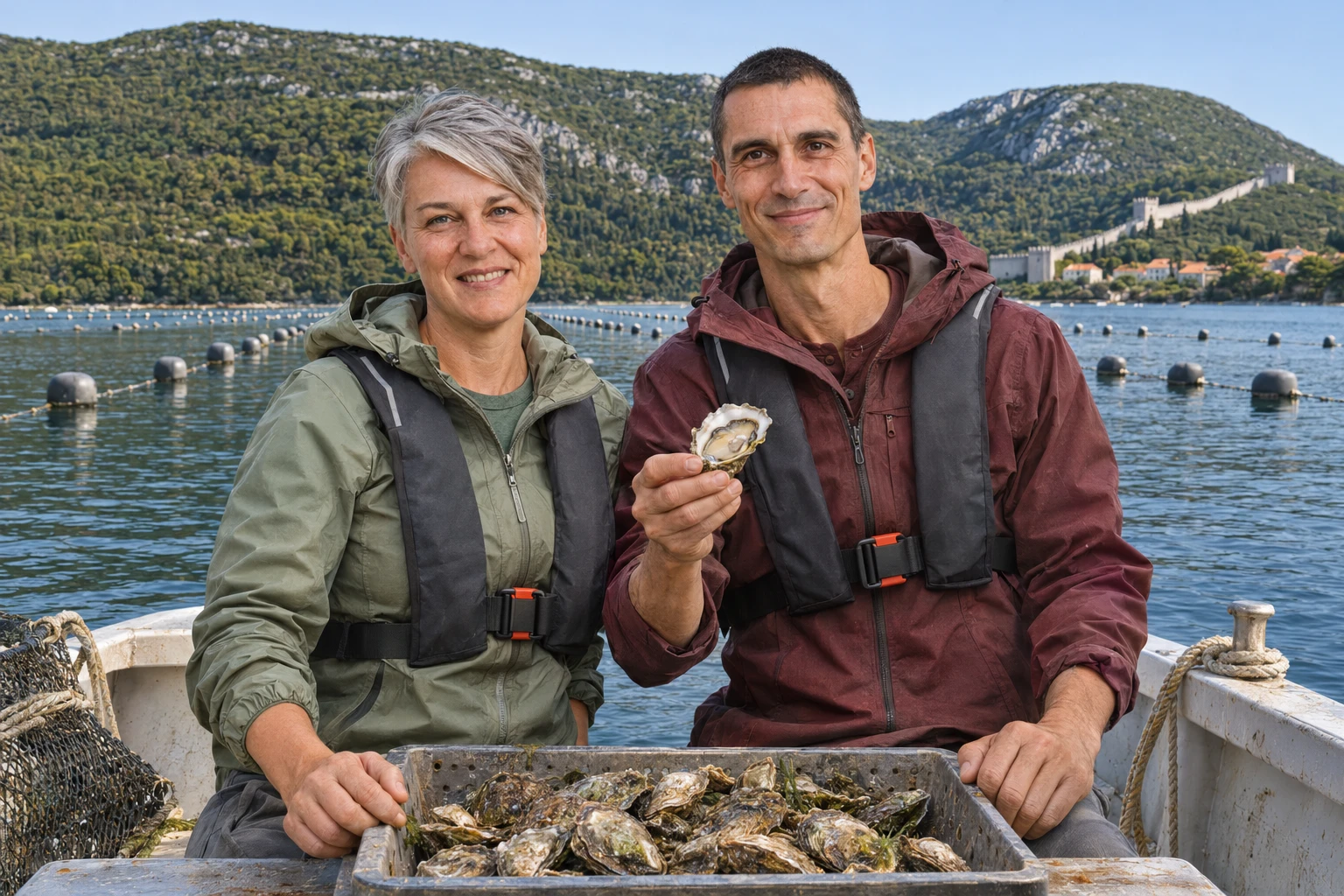
In Mali Ston, in the municipality of Ston, oysters don’t have far to travel from farm to table. They grow in the bay and are served locally. If it’s their flavor you’re curious about, a meal in the village lets you taste them close to where they grow. Ask where the batch came from, and notice the oyster’s texture and saltiness before adding any seasoning.
If you’re curious about oyster farming, look for a visit that explains the work on the water. Much of it goes unnoticed from shore. A producer may show you how oysters attach themselves and what changes as their shells grow. Check where the talk begins, whether any part of the visit is by boat, and where the tasting takes place. Those details matter if you’re traveling with children or prefer to stay on land.
Choosing the right time for a culinary trip
Start with the activities that depend on timing. For Truffle Days, check the program in Livade before booking your stay. To see an olive mill in operation, ask the producer when they expect the olives to arrive and whether they’ll be able to welcome visitors during milling. The harvest season gives you a rough idea, but the condition of the fruit determines the actual milling day.
A meal featuring regional dishes, on the other hand, is easier to fit in around other outings. Rather than choosing every dish in advance, go with one name in mind and ask how it’s served there. If you’re crossing the island for makaruni or heading to Osijek for fiš paprikaš, check that the kitchen is making it that day so you don’t make the trip for nothing.
How to combine meals and visits in Croatia
In Istria, Pula lets you combine two experiences in one place. An olive oil tasting before lunch changes what you notice about the seasoning in the dish that follows. To add Poreč or Oprtalj to your itinerary, choose the producer or activity that interests you most and check the meeting point. Dračevac and Livade are villages in those respective municipalities, and your visit may start a long way from the town center.
On a trip to Dalmatia, Korčula and Ston offer two meals with different stories. One introduces you to pasta made by hand on the island; the other takes you to a shellfish farming area. When planning your visits, factor in travel time between the island and the mainland, and allow extra time before any scheduled boat departure. Inland, a pastry stop in Samobor and a fish dish in Osijek are separate options, depending on your route.
Before booking a tasting followed by lunch, ask what will be served. A tasting might consist of small samples or include a full dish. If people in your group have different interests, knowing what’s included will help you book the right place to eat and decide who wants to join the outing in the woods, in the olive grove, or on the water.
Frequently asked questions
Where can I try traditional dishes in Croatia?
Try žrnovski makaruni on Korčula, kremšnita in Samobor, or fiš paprikaš in Osijek. In Pula, the listings in the Istrian food guide can help you find places serving regional cuisine.
Where can I learn about truffles in Istria?
Livade, in the municipality of Oprtalj, hosts Zigante Truffle Days. Check the schedule to see what’s on at the fair. If you’d like to join a truffle hunt, arrange a guided outing separately.
Can you taste Croatian olive oil without visiting an olive grove?
Yes. At the House of Istrian Olive Oil in Pula, you can learn how olive oil is made and take part in a tasting without leaving the city.
Where are Ston oysters farmed?
In the Bay of Mali Ston. You can try the oysters in the village or take a tour focused on how they’re farmed.
Where should you start if you’re planning a short food-focused trip?
In Pula, you can try regional dishes and go olive oil tasting in the same city. If you’re in Samobor, a stop for kremšnita is a chance to try a local specialty, even when you’re short on time.
More in Food and countryside
Beyond the guide


