

 Brazil
 Antarctica
 Argentina
 Bolivia
 Chile
 Colombia
 Ecuador
 Falkland Islands (Malvinas)
 French Guiana
 Guyana
 Paraguay
 Peru
 Suriname
 Uruguay
 Venezuela
 Albania
 Austria
 Belgium
 Denmark
 Finland
 France
 Germany
 Greece
 Hungary
 Iceland
 Ireland
 Italy
 Luxembourg
 Norway
 Poland
 Portugal
 Slovakia
 Slovenia
 Spain
 Sweden
 Switzerland
 the Czech Republic
 the Netherlands
 the United Kingdom
 Turkey
 Bermuda
 Canada
 Greenland
 Mexico
 Saint Pierre and Miquelon
 the United States
 the Dominican Republic
 Japan
 Egypt
 South Africa
 Australia
 Fiji
 New Zealand
 Papua New Guinea
Food and countryside
Wine tourism and drinks in Croatia
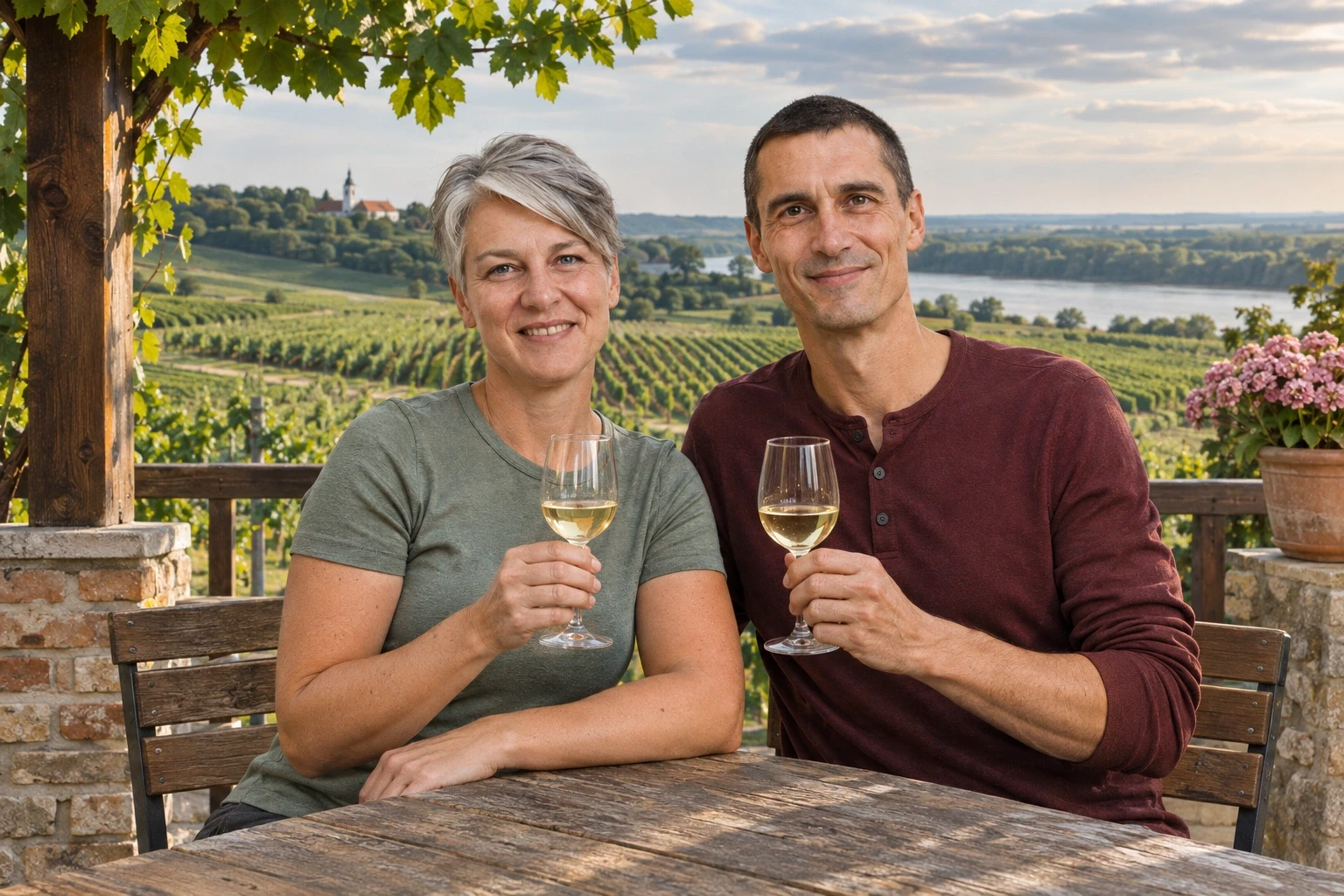
A cellar beneath a castle in Ilok, a glass of Plavac Mali in Orebić, and the stone walls between the vines in Stari Grad tell three stories about Croatian wine.
In Croatia, a wine trip can begin on the banks of the Danube or on the Adriatic coast. In Ilok, in the east of the country, old wine cellars are still in use. In Orebić, on the Pelješac Peninsula, the conversation might start with the red wine served at your table. In Stari Grad, on the island of Hvar, it starts a little earlier, as you cross a plain where the ancient field boundaries remain intact.
Things to do
Where to go in Brazil
Pick a region or type what you are looking for to see the cities and who offers each activity.
- Orebić DN
- Stari Grad ST
- Ilok VS
The three towns are in different regions. If you’re already planning to spend a few days on the coast, you can include a wine tasting in Orebić or Stari Grad. If you’re traveling through Slavonia, Ilok offers a different perspective on Croatian winegrowing. At each stop, it’s worth setting aside time to meet the people who make the wine and find out which vineyard grew the grapes for the bottle you’ve just opened.
Three landscapes for exploring Croatian wine
When choosing a visit, start with what you’d like to see. In Ilok, you might be interested in how the cellar was built, the temperature you feel as you step inside, or the history of the people who stored wine there. In Orebić, a lunch or a guided tasting lets you get to know Dalmatian wines through what’s served at the table. In Stari Grad, the fields are part of the visit even before you reach the estate.
A tasting can take place entirely at the table. A winery tour, on the other hand, lets you follow the path the grapes take, from the arrival of the harvest to the storage of the finished bottles. Look for that distinction in the description when choosing a visit. If you want to see the vines up close or step inside a historic cellar, confirm exactly which areas your booking gives you access to.
Ilok and the cellars of the Danube
In eastern Croatia, you can explore the history of wine in Ilok and take a walk through the town on the banks of the Danube. Beneath Odescalchi Castle are old cellars still used in local wine production. A visit helps explain why storing wine was just as important a part of the work as growing grapes. One question to ask is what’s kept in the cellar galleries today and how their use has changed over time.
Traminac is one of the white wines associated with Ilok. If it’s part of your tasting, take in the aroma before your first sip and ask what style of wine the producer chose to make from the grape. The region also has small wineries with cellars in the hills or beneath houses. If you visit two producers, tasting the same variety at both gives you a point of comparison, even if the vintages are different.
Orebić and the wines of the Pelješac Peninsula
In Orebić, Korta Katarina welcomes visitors by reservation. Its wines include a red Plavac Mali and a white Pošip. These are grape names, and knowing that makes it easier both to choose a tasting and to read a wine list on your trip. Ask where the grapes for each wine came from. The winery’s address tells you where you’re tasting, but each bottle may tell the story of a different vineyard.
Food can also help you get to know the wines of Pelješac. When booking a food and wine pairing, ask what’s served at each stage and whether the portions will suit the lunch you have in mind. Try a sip before you taste the dish, then another after a bite. Talking about how the fruit flavors, acidity, or drying sensation in your mouth have changed often makes for a better conversation than trying to guess an aroma.
Stari Grad: Among the vines and stone walls
On the island of Hvar, the Stari Grad Plain preserves the layout of fields marked out in ancient times. You can still tell the plots apart by their low stone walls. As you arrive at the Hora Hvar estate, notice the boundaries between crops. They help you see what has survived over the centuries in an area that is still farmed today.
Hora Hvar offers tastings on the plain itself. Local varieties include Bogdanuša, a white grape from the island of Hvar. If you enjoy cooking, look into tastings that include products from the estate, such as olive oil. Part of the pleasure of sitting down at the table here is the view around you. Set aside some time to take in the landscape in daylight.
The seasons and the work in the vineyard
The landscape changes with the vine’s growing cycle. In spring, new shoots reveal the pattern of the branches. Later, clusters of grapes appear, and the harvest changes the pace of work on the estate. The harvest date depends on the grape variety, the location, and how the fruit ripens that year. If you’re making the trip to see grapes on the vines, check with the grower before setting a date.
When there are no grapes on the vines, a conversation about past vintages or a cellar visit can still be worthwhile. If you’re interested in how wine is made, two bottles from different years can tell you a lot about what happened in the vineyard. Check which experiences are available on the date you have in mind. During the harvest in particular, the team may be busy receiving and sorting grapes.
How to fit a tasting into your itinerary
Start with the town where you plan to spend the night. On Hvar, consider the trip to the Stari Grad Plain and how long it will take to get back, especially if you also have a boat crossing that day. In Orebić, schedule your visit around your other plans on the peninsula. In Ilok, if you’re combining the castle cellar with a visit to a producer in the hills, ask for both addresses so you can work out the travel time.
Before you book, confirm the language of the presentation, the walking route, and how you’ll get back. If someone in your group uses a wheelchair or has difficulty with stairs, ask about access to the tasting room and the cellar separately. If you plan to taste wine, it’s easier to arrange transportation or agree on who will drive without drinking before you leave your accommodation.
Frequently asked questions
Where can I visit a historic wine cellar in Croatia?
Ilok has historic cellars beneath Odescalchi Castle. Check the tour route for your chosen date to find out which areas you can visit and whether a tasting is included.
How do Pelješac and Stari Grad differ for wine lovers?
Pelješac is the peninsula where you’ll find Orebić, a base for tasting wines at Korta Katarina. Stari Grad is on the island of Hvar, where you can combine a tasting at Hora Hvar with views of the plain’s fields and stone walls.
Do I need to know about wine to visit a Croatian winery?
You can start with two simple questions about the bottle that’s been opened: What’s the grape variety, and where was it harvested? Then ask your host to describe one characteristic you can look for in your glass.
Do I need to visit all three towns on the same trip?
Choose the stop that fits your route. Ilok fits well into a trip through Slavonia. Orebić is an option if you’re visiting the Pelješac Peninsula, and Stari Grad if you’re visiting the island of Hvar.
More in Food and countryside

Beyond the guide


