

 Antarctica
 Argentina
 Bolivia
 Chile
 Colombia
 Ecuador
 Falkland Islands (Malvinas)
 French Guiana
 Guyana
 Paraguay
 Peru
 Suriname
 Uruguay
 Venezuela
 Austria
 Belgium
 Croatia
 Denmark
 Finland
 France
 Germany
 Greece
 Hungary
 Iceland
 Ireland
 Italy
 Luxembourg
 Norway
 Poland
 Portugal
 Slovakia
 Slovenia
 Spain
 Sweden
 Switzerland
 the Czech Republic
 the Netherlands
 the United Kingdom
 Turkey
 Bermuda
 Canada
 Greenland
 Mexico
 Saint Pierre and Miquelon
 the United States
 the Dominican Republic
 Japan
 Egypt
 South Africa
 Australia
 Fiji
 New Zealand
 Papua New Guinea
Nature
Ecotourism
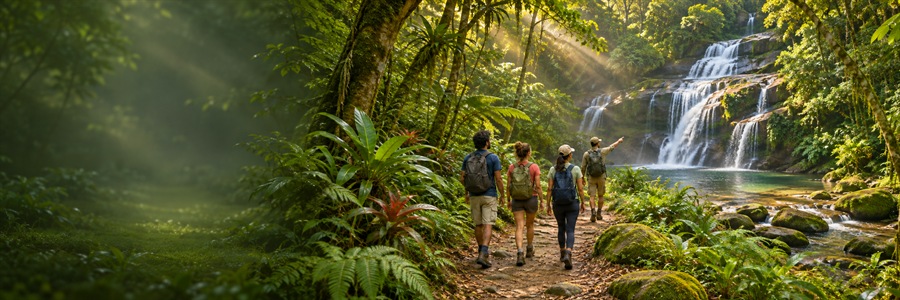
Guided trails, waterfalls, clear rivers and national parks: travel to experience nature up close, with a local guide and respect for the place.
Ecotourism is travel made to get close to nature: walking to a waterfall, floating in a clear river, watching birds and free animals, exploring a national park. The traveler goes to see a preserved environment and returns knowing a little more about it.
Where to go in Brazil
Pick a region or a state on the map, or type what you are looking for, to see the cities and who offers each activity.
-
Manaus AM
Observação de fauna · Cachoeiras · Observação de aves · Parques nacionais e estaduais
-
Novo Airão AM
Observação de fauna · Observação de aves · Parques nacionais e estaduais
- Presidente Figueiredo AM
- São Gabriel da Cachoeira AM
- Aveiro PA
- Belém PA
- Belterra PA
- Marituba PA
- Santarém PA
- Soure PA
- Porto Velho RO
- Amajari RR
- Boa Vista RR
- Normandia RR
- Uiramutã RR
-
Mateiros TO
Trilhas guiadas · Cachoeiras · Parques nacionais e estaduais
-
Palmas TO
Cachoeiras · Trilhas guiadas · Parques nacionais e estaduais
- Ponte Alta do Tocantins TO
-
São Félix do Tocantins TO
Cachoeiras · Trilhas guiadas · Parques nacionais e estaduais
- Maragogi AL
- Porto de Pedras AL
-
Andaraí BA
Cachoeiras · Observação de aves · Trilhas guiadas · Parques nacionais e estaduais
- Ibicoara BA
- Iramaia BA
- Iraquara BA
- Itacaré BA
- Itaetê BA
- Ituberá BA
-
Lençóis BA
Trilhas guiadas · Parques nacionais e estaduais · Cachoeiras
- Maraú BA
- Mata de São João BA
- Mucugê BA
- Nova Redenção BA
-
Palmeiras BA
Cachoeiras · Trilhas guiadas · Parques nacionais e estaduais
- Porto Seguro BA
- Beberibe CE
- Cruz CE
- Fortaleza CE
- Ipu CE
- Jijoca de Jericoacoara CE
- Tianguá CE
-
Ubajara CE
Cachoeiras · Trilhas guiadas · Parques nacionais e estaduais
-
Barreirinhas MA
Trilhas guiadas · Parques nacionais e estaduais · Observação de fauna
-
Primeira Cruz MA
Observação de fauna · Observação de aves · Parques nacionais e estaduais
- Santo Amaro do Maranhão MA
- Cabaceiras PB
- João Pessoa PB
- Fernando de Noronha PE
- Natal RN
- Nísia Floresta RN
- Tibau do Sul RN
- Aracaju SE
- Canindé de São Francisco SE
- Brasília DF
-
Alto Paraíso de Goiás GO
Cachoeiras · Trilhas guiadas · Parques nacionais e estaduais
- Caldas Novas GO
-
Cavalcante GO
Cachoeiras · Trilhas guiadas · Parques nacionais e estaduais
- Colinas do Sul GO
- Corumbá de Goiás GO
- Formosa GO
- Jaraguá GO
-
Pirenópolis GO
Cachoeiras · Parques nacionais e estaduais · Trilhas guiadas
- Teresina de Goiás GO
- Barão de Melgaço MT
-
Chapada dos Guimarães MT
Trilhas guiadas · Cachoeiras · Parques nacionais e estaduais
- Cuiabá MT
- Nobres MT
-
Poconé MT
Observação de fauna · Observação de aves · Parques nacionais e estaduais
- Rosário Oeste MT
-
Bodoquena MS
Cachoeiras · Trilhas guiadas · Parques nacionais e estaduais
-
Bonito MS
Flutuação · Cachoeiras · Trilhas guiadas · Observação de aves · Parques nacionais e estaduais
- Campo Grande MS
- Corumbá MS
-
Jardim MS
Observação de aves · Trilhas guiadas · Flutuação · Parques nacionais e estaduais
- Miranda MS
- Porto Murtinho MS
- Afonso Cláudio ES
- Alfredo Chaves ES
-
Castelo ES
Cachoeiras · Trilhas guiadas · Parques nacionais e estaduais
- Conceição do Castelo ES
-
Domingos Martins ES
Cachoeiras · Parques nacionais e estaduais · Trilhas guiadas
- Guarapari ES
- Marechal Floriano ES
- Vargem Alta ES
- Vitória ES
- Aiuruoca MG
- Alto Caparaó MG
- Andradas MG
- Barão de Cocais MG
- Biribiri MG
- Caeté MG
- Camanducaia MG
-
Capitólio MG
Cachoeiras · Trilhas guiadas · Parques nacionais e estaduais
- Carrancas MG
- Catas Altas MG
- Conceição do Ibitipoca MG
- Conceição do Mato Dentro MG
- Conceição do Rio Verde MG
- Delfinópolis MG
- Diamantina MG
- Gonçalves MG
- Itabirito MG
- Itacarambi MG
- Itambé do Mato Dentro MG
-
Itamonte MG
Parques nacionais e estaduais · Cachoeiras · Trilhas guiadas
- Januária MG
- Lagoa Santa MG
- Lambari MG
- Lapinha da Serra MG
- Lavras Novas MG
- Mariana MG
- Milho Verde MG
- Monte Verde MG
- Morro do Pilar MG
- Nova Lima MG
- Ouro Branco MG
- Ouro Preto MG
- Poços de Caldas MG
- Raposos MG
- Rio Acima MG
- Santa Bárbara MG
-
Santana do Riacho MG
Trilhas guiadas · Parques nacionais e estaduais · Cachoeiras
- São Gonçalo do Rio das Pedras MG
-
São Roque de Minas MG
Trilhas guiadas · Cachoeiras · Parques nacionais e estaduais
- São Thomé das Letras MG
- Serra do Cipó MG
- Vargem Bonita MG
-
Angra dos Reis RJ
Cachoeiras · Trilhas guiadas · Parques nacionais e estaduais
- Barra do Piraí RJ
-
Cachoeiras de Macacu RJ
Cachoeiras · Parques nacionais e estaduais · Observação de aves
- Guapimirim RJ
-
Itatiaia RJ
Cachoeiras · Parques nacionais e estaduais · Trilhas guiadas
- Magé RJ
- Mangaratiba RJ
- Niterói RJ
- Nova Friburgo RJ
-
Paraty RJ
Cachoeiras · Trilhas guiadas · Parques nacionais e estaduais
- Petrópolis RJ
- Resende RJ
- Rio Claro RJ
- Rio de Janeiro RJ
- Sumidouro RJ
-
Teresópolis RJ
Cachoeiras · Trilhas guiadas · Parques nacionais e estaduais
- Águas da Prata SP
- Bertioga SP
- Brotas SP
- Campos do Jordão SP
- Caraguatatuba SP
- Cunha SP
- Guarujá SP
-
Ilhabela SP
Cachoeiras · Parques nacionais e estaduais · Trilhas guiadas
- Santo Antônio do Pinhal SP
- São Bento do Sapucaí SP
- São José dos Campos SP
- São Paulo SP
- São Sebastião SP
-
Ubatuba SP
Observação de fauna · Cachoeiras · Parques nacionais e estaduais
- Carambeí PR
- Castro PR
-
Foz do Iguaçu PR
Observação de aves · Trilhas guiadas · Parques nacionais e estaduais · Cachoeiras · Observação de fauna
- Guaraqueçaba PR
- Guaratuba PR
- Jaguariaíva PR
- Matinhos PR
- Morretes PR
- Paranaguá PR
- Ponta Grossa PR
- Pontal do Paraná PR
- Quatro Barras PR
- São Miguel do Iguaçu PR
- Sengés PR
- Tibagi PR
-
Cambará do Sul RS
Trilhas guiadas · Parques nacionais e estaduais · Cachoeiras
- Canela RS
- Santa Vitória do Palmar RS
-
São Francisco de Paula RS
Parques nacionais e estaduais · Observação de aves · Cachoeiras
- Torres RS
-
Apiúna SC
Cachoeiras · Trilhas guiadas · Parques nacionais e estaduais
- Biguaçu SC
- Blumenau SC
- Bom Jardim da Serra SC
- Bom Retiro SC
- Bombinhas SC
- Camboriú SC
- Campo Alegre SC
- Corupá SC
- Doutor Pedrinho SC
-
Florianópolis SC
Trilhas guiadas · Parques nacionais e estaduais · Observação de fauna
- Governador Celso Ramos SC
- Ilhota SC
- Indaial SC
-
Jacinto Machado SC
Cachoeiras · Trilhas guiadas · Parques nacionais e estaduais
- Lages SC
- Laguna SC
- Lauro Müller SC
- Morro Grande SC
- Painel SC
- Palhoça SC
-
Praia Grande SC
Cachoeiras · Parques nacionais e estaduais · Trilhas guiadas
- Rio Rufino SC
- São Francisco do Sul SC
- São Joaquim SC
- Timbé do Sul SC
-
Urubici SC
Cachoeiras · Parques nacionais e estaduais · Trilhas guiadas
- Urupema SC
Brazil has six biomes, from the Amazon to the Pampa, and a network of national and state parks open to visitors. Chapadas, wetlands, dunes and forests are in different regions and have different seasons, which allows ecotourism year‑round if you choose the destination according to the time of year.
What is ecotourism
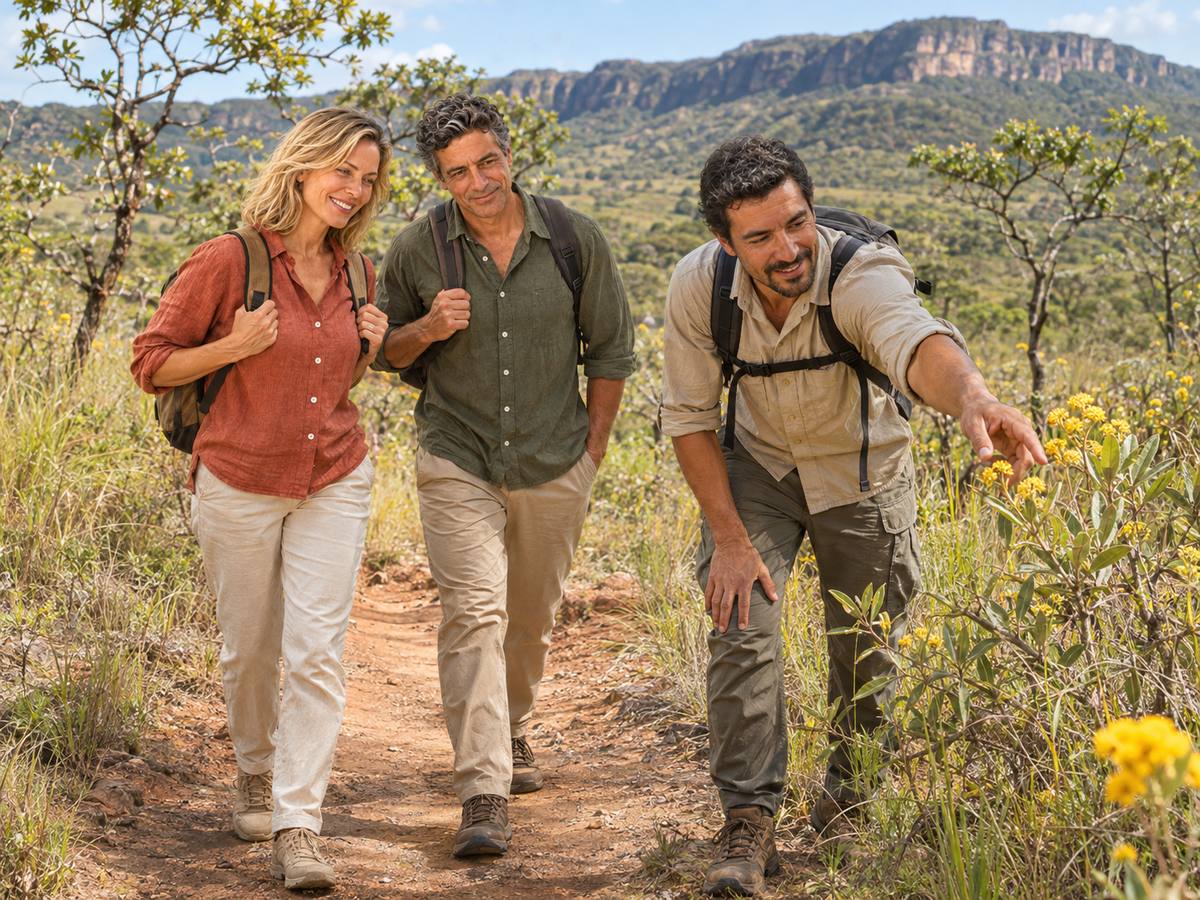
It’s the type of tourism that uses nature and local culture as attractions in a way that the visit helps conserve the place and generates income for the people who live there. In the Ministry of Tourism’s definition, three ideas go together: the sustainable use of natural and cultural heritage, conservation, and interpretation of the environment, which means learning about it during the visit.
Usually there is a local guide or leader who knows the route, tells the story of the place and knows what can and cannot be done in each area. Physical effort is only the means to reach the landscape.
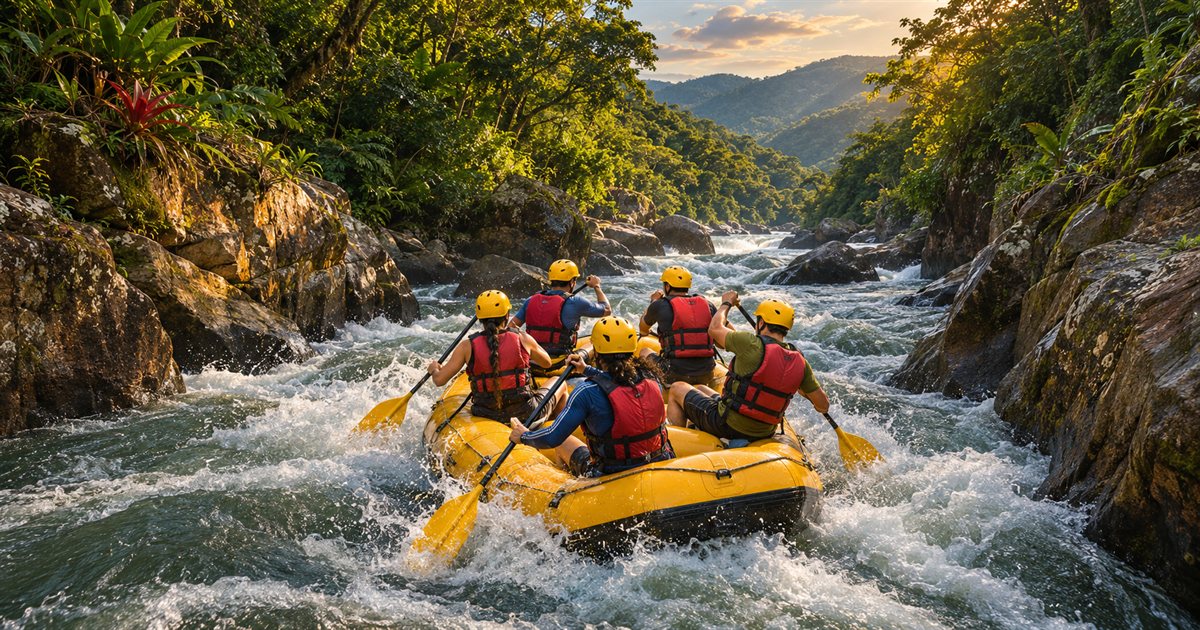
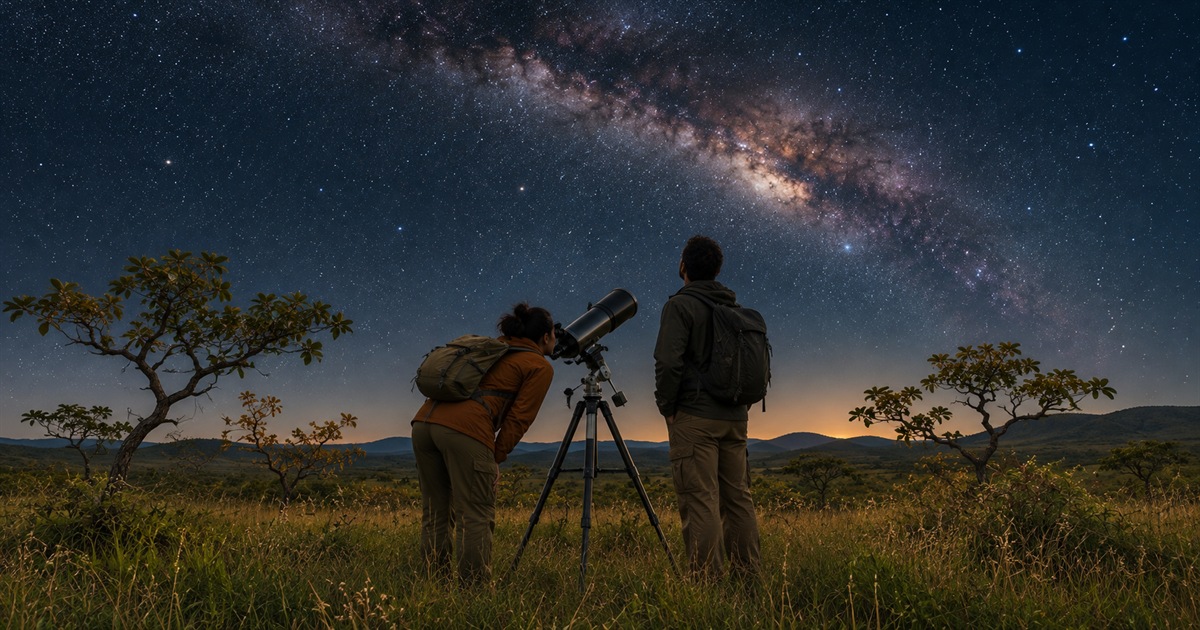
Two types of trips share the same settings. When the focus is an adrenaline activity, such as rafting or rappelling, it’s adventure tourism. And nature seen at night, under a dark sky, is the field of astrotourism. In a chapada destination, it’s common to combine all three.
What to do: trails, waterfalls, parks and wildlife watching
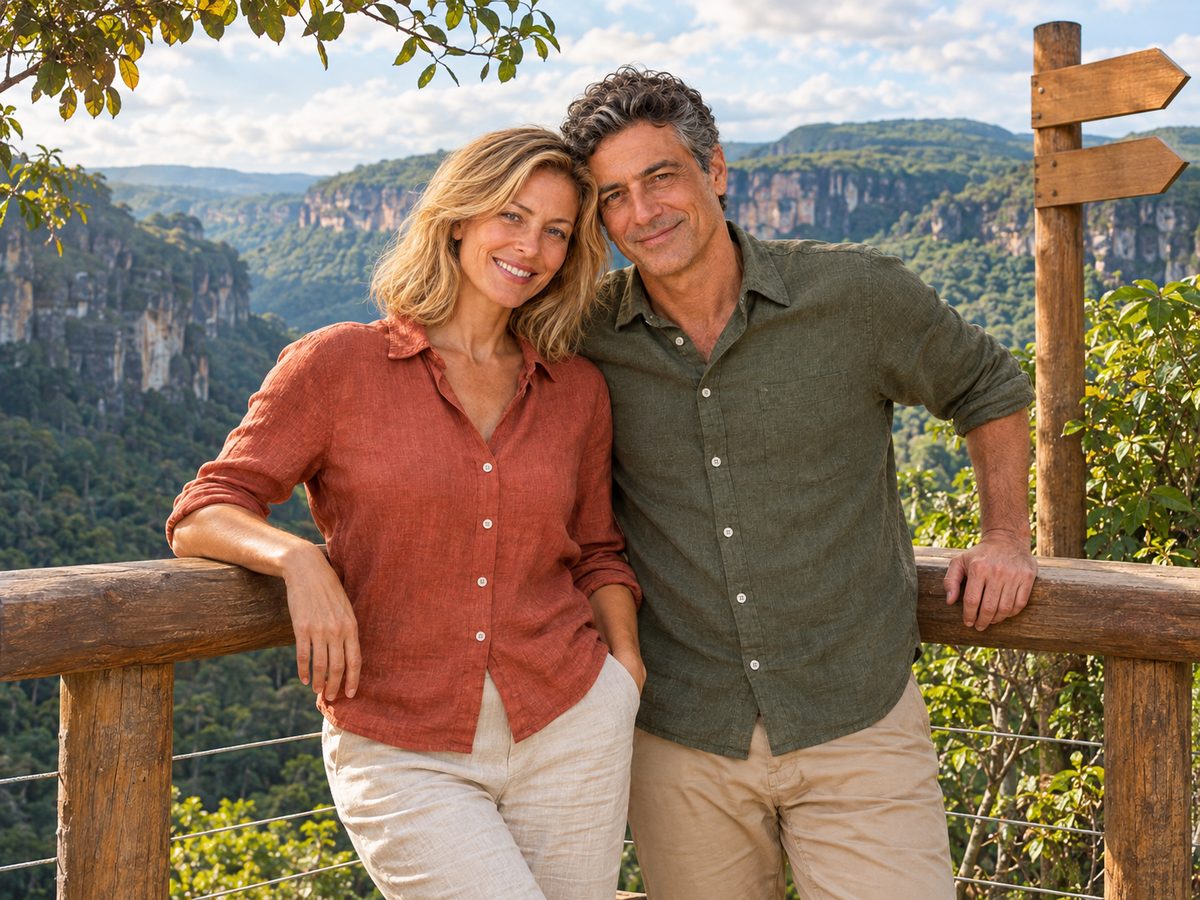
Guided trails. Walking is the basis of ecotourism. The local guide knows the route, points out plants, tracks and rock formations, and tells the story of the place. Routes range from one-hour walks to a viewpoint and full-day treks with a stop for a swim.
Waterfalls. Swimming in a waterfall or natural pool is the most common reward at the end of a trail. Water volume changes with the rains: in the dry season the pools tend to be clearer and calmer; in the rainy season the falls gain strength and some accesses may close.
National and state parks. These are protected areas open to visitors, with marked trails, viewpoints, visitor centers and their own capacity rules. Some charge an entrance fee, and certain trails can only be done with an accredited guide.
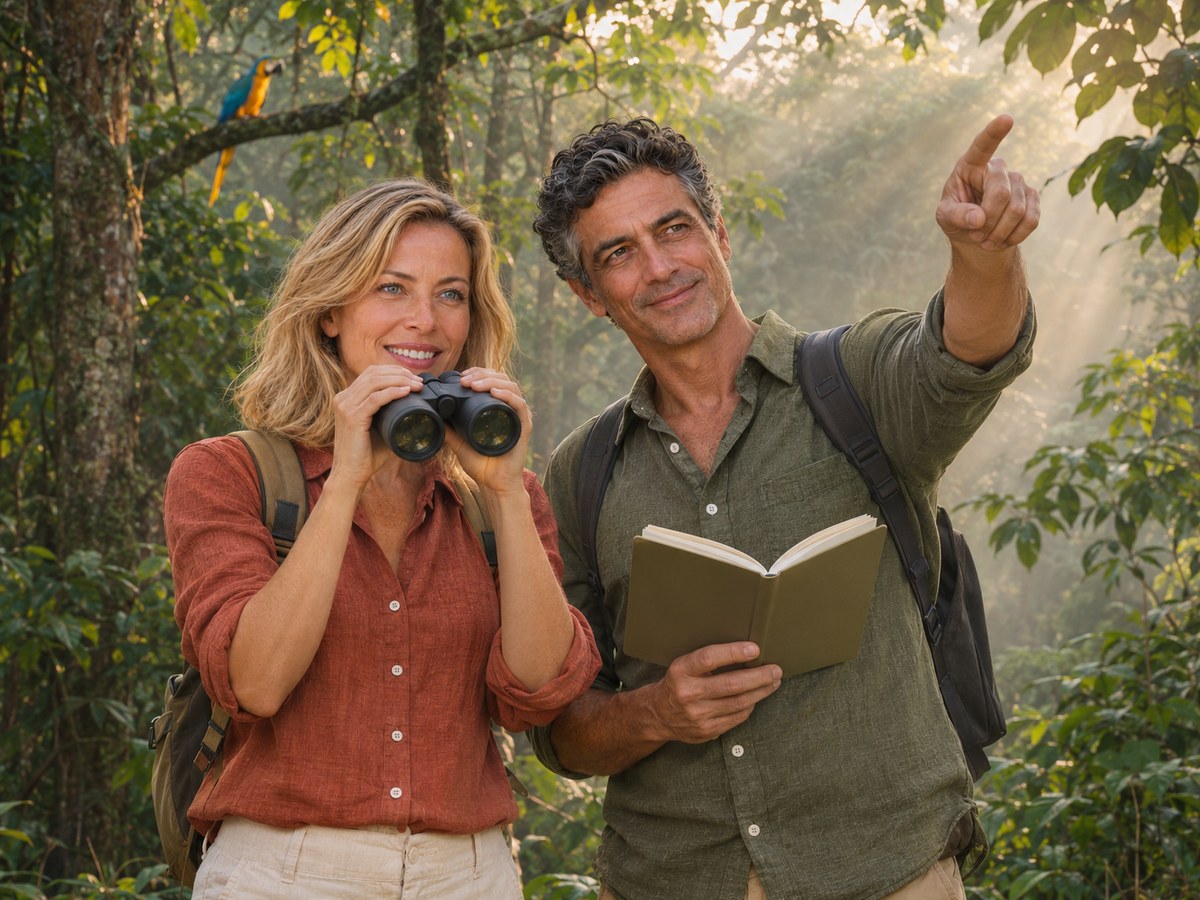
Birdwatching. With binoculars, a field guide and silence, travelers look for the species of each biome, usually in the early morning hours. Brazil is among the countries with the highest number of bird species, and several destinations have specialized guides.
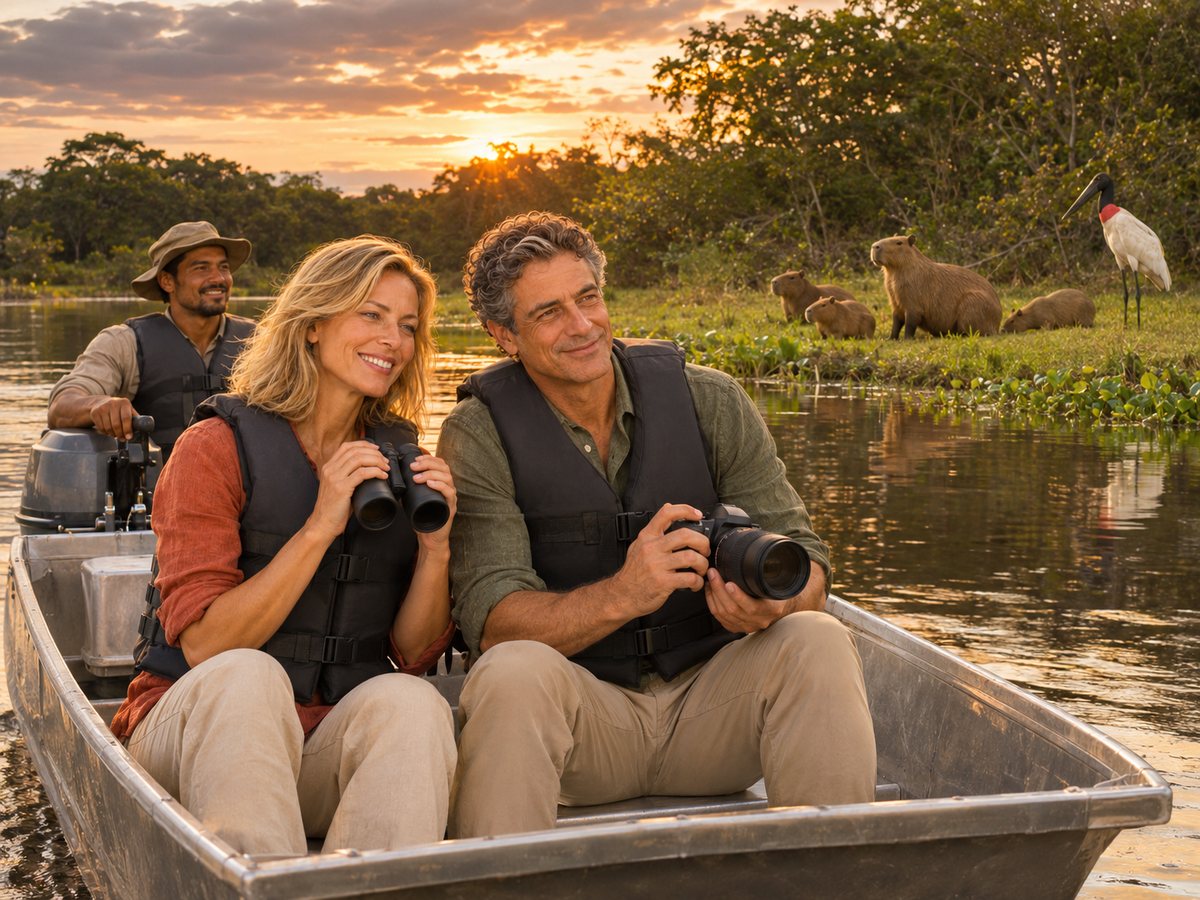
Wildlife watching. On outings by boat, open vehicle or on foot, always with a guide, people look for caimans, capybaras, giant otters, jabirus, macaws and monkeys. The animals are free and decide whether to appear: patience and keeping distance are part of the experience.
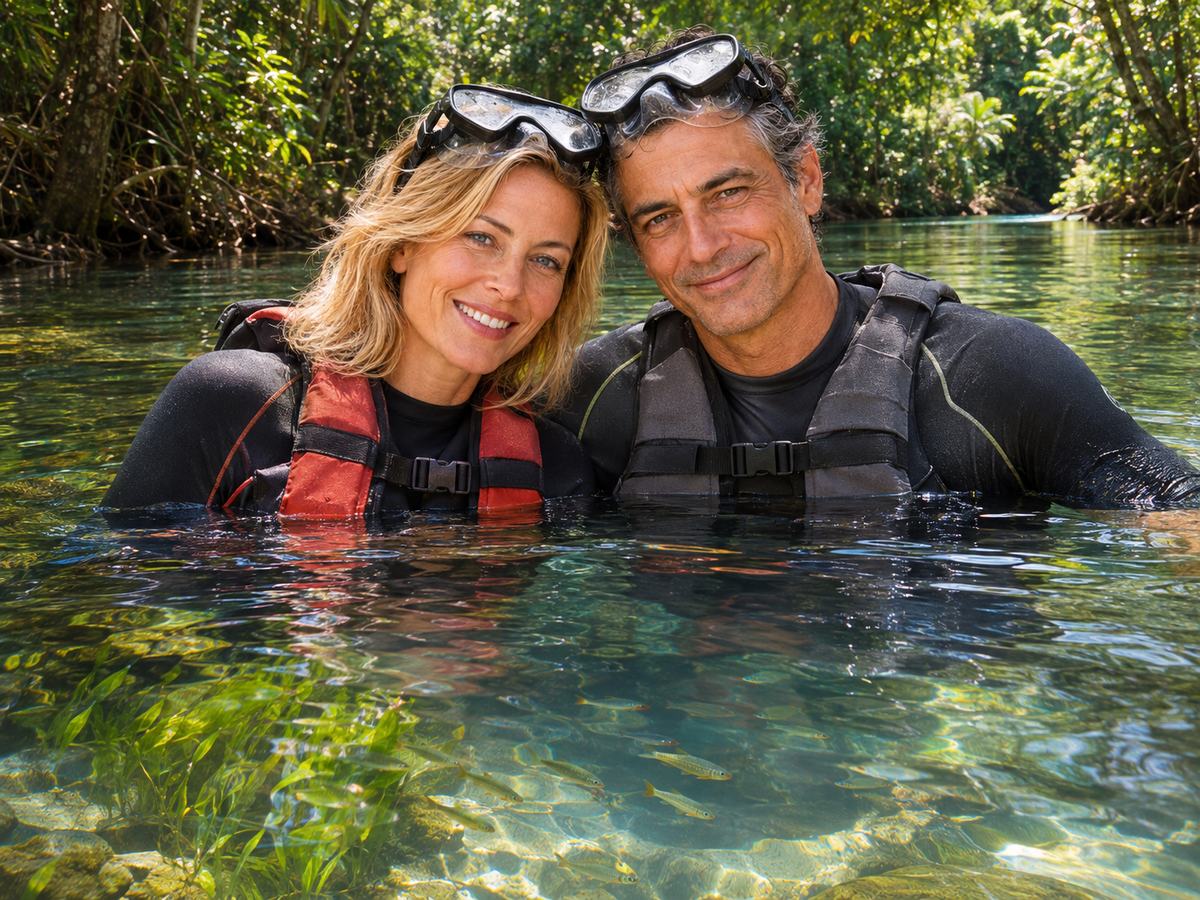
River floating. With a mask, snorkel and life jacket, visitors let themselves be carried by the current of a clear-water river, among fish and aquatic plants, without touching the bottom. The number of people per day is limited, and the tour requires a reservation.
Who it suits and at what stage of life
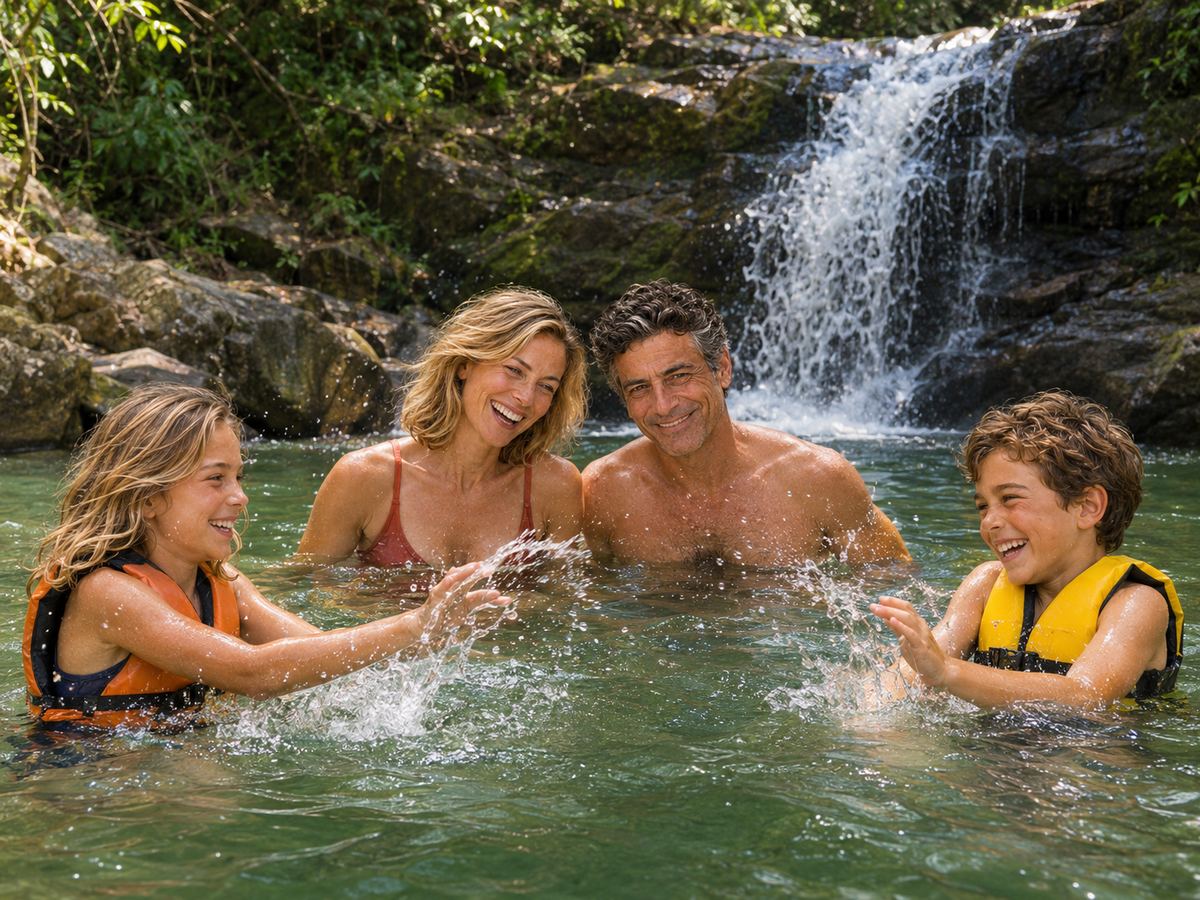
It suits people who miss open air and landscape. After months in enclosed spaces, a few days of trail walking and river bathing change the body’s and mind’s rhythm. It’s a trip sought by couples, groups of friends and solo travelers who want to join others on excursions.
You don’t need to be an athlete. Almost all destinations offer outings of varying levels, from short walks to viewpoints and pools to full-day trails. Families with children find options in easily accessible places, with boardwalks and short routes.
It also works for those with time. Retirees and travelers on a sabbatical can stay a week or more in a single region, outside school holidays, when the trails are quieter.
Where to do ecotourism in Brazil
Three chapada destinations are in the Cerrado. Chapada dos Veadeiros, in Goiás, has waterfalls, canyons and high-altitude fields inside and outside the national park. Chapada Diamantina, in Bahia, combines trails, caves and bluish pools, with several towns that serve as bases. In Tocantins, Jalapão gathers orange dunes, rivers and the fervedouros, springs where the water pressure makes visitors float.
In Mato Grosso do Sul, Bonito and the Serra da Bodoquena are known for floating in clear-water rivers. Tours have a limited number of visitors per day and are done with accredited guides. In the same state and in Mato Grosso, the Pantanal is the country’s main area to observe animals such as caimans, capybaras, jabirus and, with luck and good guides, the jaguar.
In Maranhão, the Lençóis Maranhenses alternate white dunes and rainwater lagoons. In the Amazon, Manaus is the departure point for tours on the Rio Negro and the Anavilhanas archipelago. In the South, Foz do Iguaçu gives access to the Iguaçu Falls, inside a national park with boardwalks and trails.
When to go: the season for each biome
In central Brazil, the dry season runs from May to September. It’s the period of firm trails, clear skies and clearer rivers in the chapadas and Jalapão. From October to April, with rains, waterfalls tend to have more water, but some tours can be suspended when rivers rise.
In the Pantanal, the months from July to October, during the dry season, concentrate animals near water and make observation easier. In the Lençóis Maranhenses, the lagoons are usually fullest from June to September, after the rainy season. In the central Amazon, the high water period, around March to July, allows navigation among the trees; in the low water season, from August to November, river beaches appear.
Bonito receives visitors year-round; river water is usually clearer in the dry months, from May to September. In any destination, long holiday weekends and the July and January school holidays are the busiest times.
How to plan: guides, parks and preparation
Nature destinations are often far from major airports. It’s common to fly to a capital and continue by car or bus for a few hours. Allow for an arrival day and a departure day without scheduled activities. For a first trip, four to six days in a single region are enough for the main tours.
Many attractions are located in parks or on private properties, and each has its own rules: separate paid entrance, visitor limits, requirement of a guide on certain trails. Check these rules before traveling and book in advance during peak periods.
In your bag: already-broken-in closed shoes, lightweight quick‑dry clothing, a hat, sunscreen, insect repellent, a rain poncho, and a water bottle. A small daypack is enough for a day trip.
Caring for the place is part of the trip: take your trash back, don’t feed the animals, don’t remove plants or stones, and stay on the marked trail. In rivers and floating spots, use of sunscreen and repellent is often restricted before entering the water.
Ecotourism around the world
In South America, the Galápagos archipelago in Ecuador is a benchmark for wildlife watching, with controlled visits and naturalist guides. In southern Chile, Torres del Paine National Park has trails through granite mountains, lakes and glaciers, with the main season in the austral summer, from December to March.
In North America, Yellowstone and Grand Teton in the United States, and Banff and Lake Louise in the Canadian Rocky Mountains, exemplify the model of large national parks, with marked trails and visitor centers. Hiking season generally runs from June to September.
Frequently asked questions
What is ecotourism?
Ecotourism is travel motivated by nature, carried out in a way that conserves the environment and benefits the local population. It includes guided trails, waterfall swims, floating trips, wildlife and birdwatching, and visits to parks, usually with a local guide.
What are the main ecotourism destinations in Brazil?
Among the most visited are Bonito, Chapada Diamantina, Chapada dos Veadeiros, Jalapão, Lençóis Maranhenses, the Pantanal, the Amazon and Foz do Iguaçu. Each is in a different biome and has its recommended season.
When is the best time for hiking in Brazil?
In the chapadas and central Brazil, the dry season, from May to September, offers firmer trails and less rain. To see waterfalls with more water, the rainy months, from October to April, are usually better, with attention to river levels.
Do I need to hire a guide for ecotourism?
It depends on the place. In Bonito and on several trails in national parks a guide or conductor is mandatory. Where not required, a guide is still useful for route orientation and to learn the history and nature of the area.
What is river floating like?
Visitors wear a life jacket, mask and snorkel and float down the river carried by the current, watching the fish without touching the bottom. You don’t need to be a strong swimmer, and a guide accompanies the group. Tours have limited spots and require reservations.
Is ecotourism suitable for children and older adults?
Yes, provided trips are chosen according to the effort level. Many destinations have boardwalks, short trails and easily accessible viewpoints. Ask the agency about the distance, elevation change and walking time of each tour.
What is the difference between ecotourism and adventure tourism?
In ecotourism, the goal is to experience the natural environment; in adventure tourism, the goal is the activity itself, such as rafting, rappelling or climbing. Many destinations offer both, and a single trip often mixes them.
What to pack for an ecotourism trip?
Already‑worn closed shoes, lightweight quick‑dry clothing, a hat, sunscreen, insect repellent, a rain poncho, a water bottle and a small backpack. In mountain and chapada regions, bring a warm layer for the evening.
Do national parks charge entrance fees?
Some charge an entrance fee and others do not, and some attractions are on private properties with their own prices. Guided tours and transport are paid separately: check the current rates for each place before you go.
Beyond the guide


