

 Antarctica
 Argentina
 Bolivia
 Chile
 Colombia
 Ecuador
 Falkland Islands (Malvinas)
 French Guiana
 Guyana
 Paraguay
 Peru
 Suriname
 Uruguay
 Venezuela
 Austria
 Belgium
 Croatia
 Denmark
 Finland
 France
 Germany
 Greece
 Hungary
 Iceland
 Ireland
 Italy
 Luxembourg
 Norway
 Poland
 Portugal
 Slovakia
 Slovenia
 Spain
 Sweden
 Switzerland
 the Czech Republic
 the Netherlands
 the United Kingdom
 Turkey
 Bermuda
 Canada
 Greenland
 Mexico
 Saint Pierre and Miquelon
 the United States
 the Dominican Republic
 Japan
 Egypt
 South Africa
 Australia
 Fiji
 New Zealand
 Papua New Guinea
Travel for your moment in life · Culture and history
Types of travel
Culture and history
In this group, the reason for traveling is what people built and keep alive: historic centers and museums, street festivals, and the heritage of immigrants, Indigenous peoples and quilombola communities. These are three types of tourism: cultural and historical, popular festivals, and immigration and memory. The Ministry of Tourism treats the three as parts of cultural tourism: experiencing tangible heritage, like manor houses and forts, and intangible heritage, like crafts and knowledge passed down through generations.
What links history, festivals and heritage
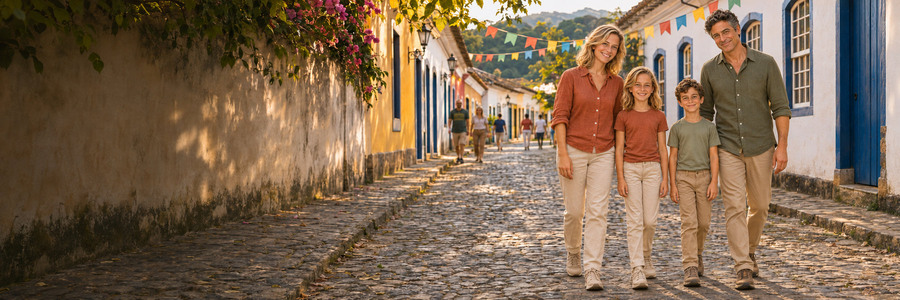
It suits those who have time and a willingness to learn and those who have reached a stage of looking back at family history. For school-age children, a historic town is a live classroom. And if you like people and music in the street, festivals are the trip to celebrate a date with friends.
Historic town, festival or colony: how to choose
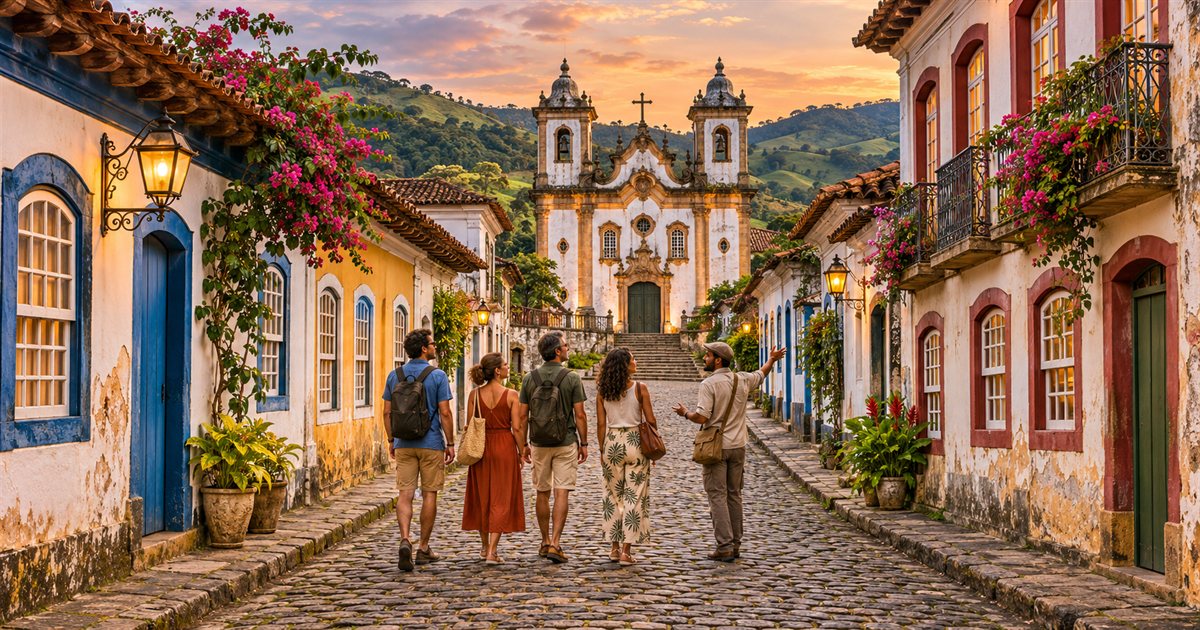
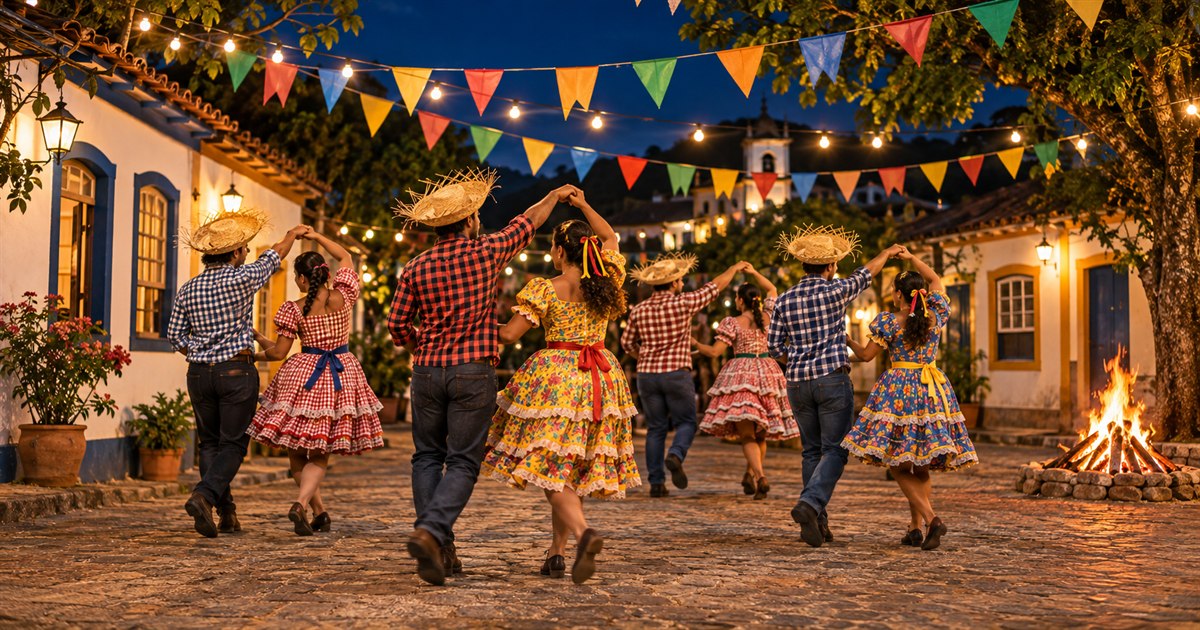
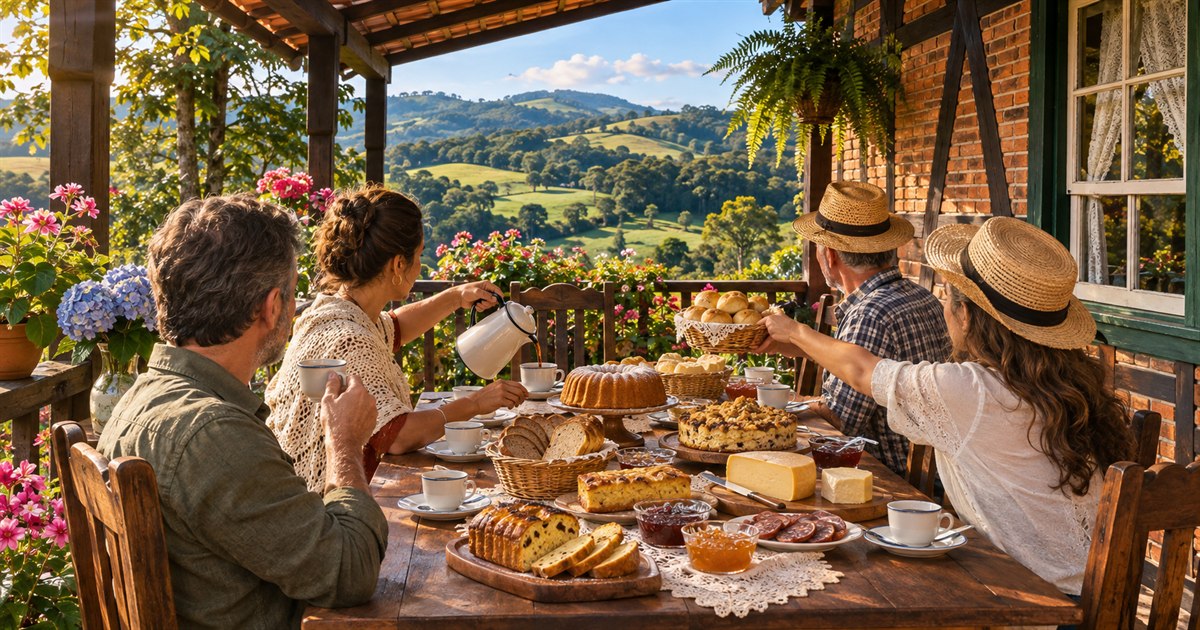
In cultural and historical tourism, the program is walking: cobbled streets, churches, townhouses, museums, forts and artisan workshops, at any time of year. For popular festivals, you choose the date before the place, and you plan in reverse of the usual order: first the calendar, then transport and lodging. In immigration and memory tourism, the trip is to meet a people where they live—immigrant colonies, immigration museums, and the villages and quilombos that receive visitors—where those who keep the history are the ones who tell it.
The three overlap easily. A colonial town has its festival, and a historic center changes rhythm at Carnival. If you want to see a tradition up close, go on the date; if you prefer empty streets and museums without lines, pick another week. Churches belong here for their architecture and history, while pilgrimages and processions fall into spiritual travel.
When to go: the calendar matters more than the weather
Cultural travel can be done year-round. What changes the experience is the calendar: at Holy Week, Carnival and July school holidays, historic centers fill up and lodging should be booked in advance. Carnival occurs in February or March, June concentrates the festas juninas and bumba meu boi, July is the month of winter festivals, and October hosts immigrant festivals in the South.
At major festivals, rooms sell out months in advance. Dates shift slightly from year to year, and villages and quilombos have their own calendars and arrange visits ahead of time: it’s wise to confirm before you go.
Beyond the guide


