

 Antarctica
 Argentina
 Bolivia
 Chile
 Colombia
 Ecuador
 Falkland Islands (Malvinas)
 French Guiana
 Guyana
 Paraguay
 Peru
 Suriname
 Uruguay
 Venezuela
 Austria
 Belgium
 Croatia
 Denmark
 Finland
 France
 Germany
 Greece
 Hungary
 Iceland
 Ireland
 Italy
 Luxembourg
 Norway
 Poland
 Portugal
 Slovakia
 Slovenia
 Spain
 Sweden
 Switzerland
 the Czech Republic
 the Netherlands
 the United Kingdom
 Turkey
 Bermuda
 Canada
 Greenland
 Mexico
 Saint Pierre and Miquelon
 the United States
 the Dominican Republic
 Japan
 Egypt
 South Africa
 Australia
 Fiji
 New Zealand
 Papua New Guinea
Travel for your moment in life · Food and countryside
Types of travel
Food and countryside
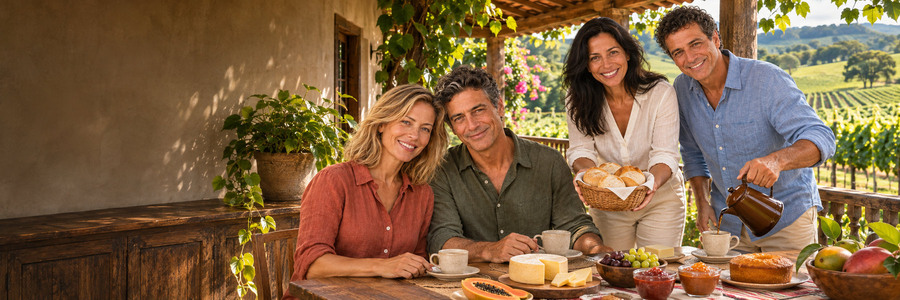
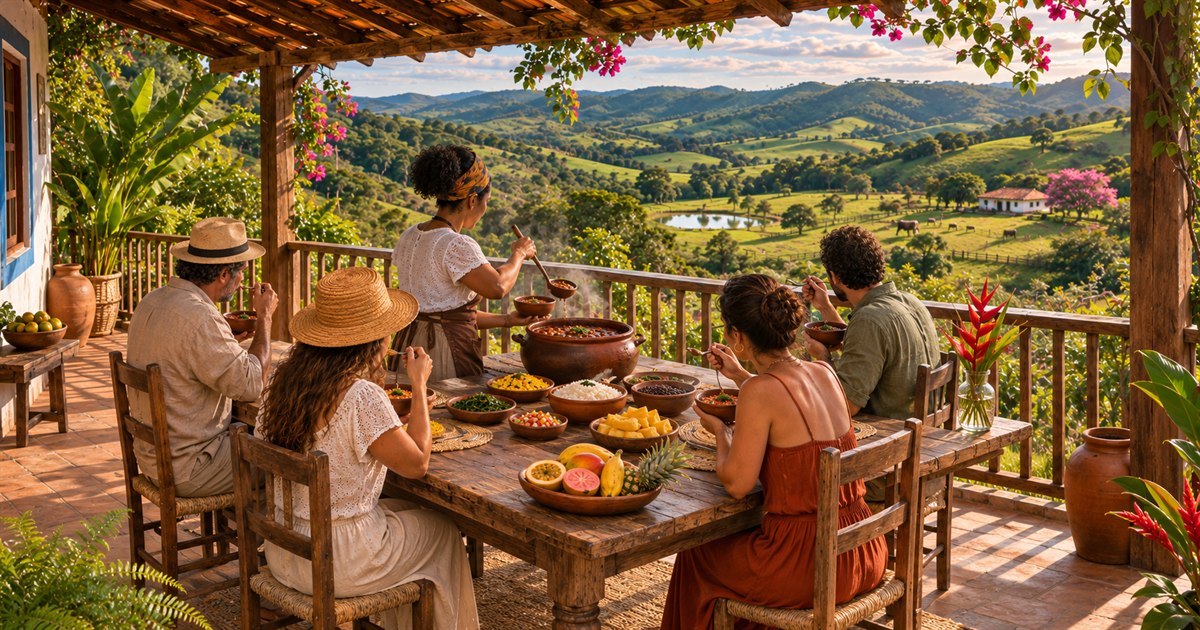
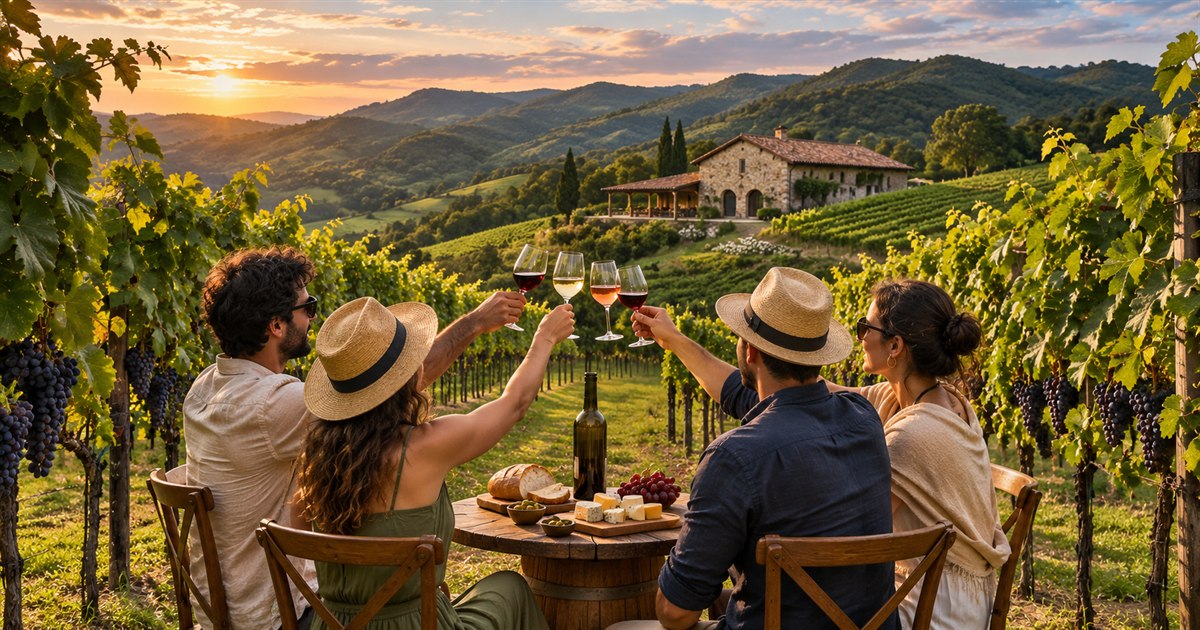
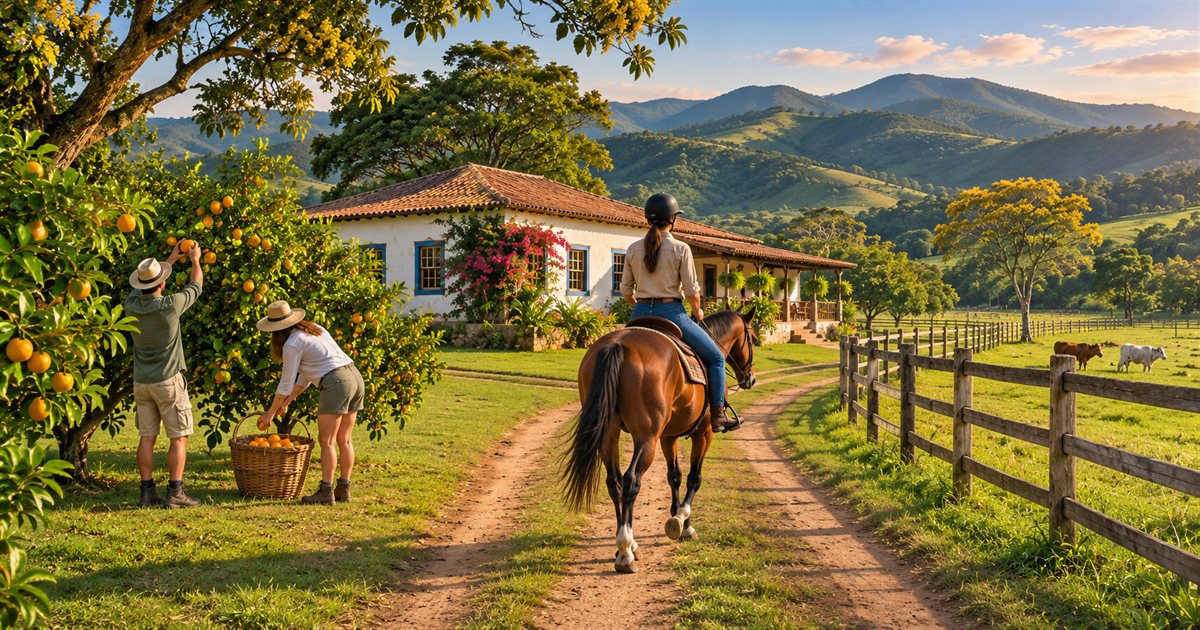
On these trips, what you eat and drink stops being a break between two outings and becomes the outing itself. The group brings together three types of tourism: gastronomic, wine tourism with beverage routes, and rural tourism. What unites them is attention to origin: knowing where the ingredient comes from, who makes it and how it is prepared. In one you taste the dish where it was born; in another you visit those who produce the wine, cachaça, beer or coffee; in the third, the guest follows daily life on the property.
What food, drinks and country life have in common
It suits those who like to cook, shop at markets and talk with producers. The pace is slow and the physical effort is small, which pleases those seeking rest. These trips are chosen by couples on special dates, groups of friends around a long table and grandparents who take grandchildren to get to know the countryside.
Market, winery or farm: how to choose
The choice depends on where you want to spend the day. In gastronomic tourism, the itinerary goes through municipal markets, fairs, street food, traditional restaurants and regional cooking classes. In wine tourism and beverage routes, the day is arranged into two or three visits to wineries, distilleries, craft breweries or coffee farms, and the interest is in the process and the history, not the quantity. In rural tourism, you stay on the property, between milking, harvesting, the cheesemaking room and an easy horseback ride.
The three complement each other in the same region: the drink and the cheese come from the countryside, and the table tells the story of the place. One rule organizes beverage itineraries: the driver does not drink. You don’t need to be knowledgeable about the subject, and non-drinkers find grape juice, coffee, the landscape and the stories of the producing families. Many small producers work by appointment.
When to go: harvests and picking set the calendar
You can eat well year-round, but ingredients and beverages have seasons. In the South, the grape harvest runs from January to April, depending on altitude. The coffee harvest is roughly from May to September, and pinhão is gathered in the South from autumn into winter, roughly April to July. Each fruit has its months, and harvests set the schedule for visits to the countryside.
Winter, from June to August, is the season for fireplaces, wood-stove meals, fondues and red wines in the highlands of the South and Southeast. Food festivals change dates each edition: it’s wise to check before planning your route.
Beyond the guide


