

 Antarctica
 Argentina
 Bolivia
 Chile
 Colombia
 Ecuador
 Falkland Islands (Malvinas)
 French Guiana
 Guyana
 Paraguay
 Peru
 Suriname
 Uruguay
 Venezuela
 Austria
 Belgium
 Croatia
 Denmark
 Finland
 France
 Germany
 Greece
 Hungary
 Iceland
 Ireland
 Italy
 Luxembourg
 Norway
 Poland
 Portugal
 Slovakia
 Slovenia
 Spain
 Sweden
 Switzerland
 the Czech Republic
 the Netherlands
 the United Kingdom
 Turkey
 Bermuda
 Canada
 Greenland
 Mexico
 Saint Pierre and Miquelon
 the United States
 the Dominican Republic
 Japan
 Egypt
 South Africa
 Australia
 Fiji
 New Zealand
 Papua New Guinea
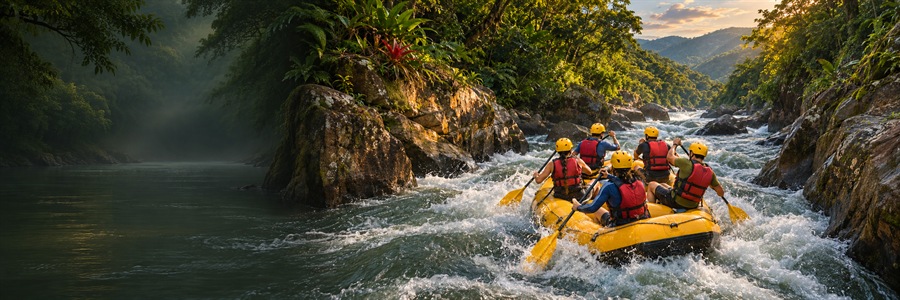
Nature
Adventure tourism
Rafting, rappelling (abseiling), rock climbing, zip-lining, free flight, scuba diving and 4x4 tours: trips where the activity is the main reason, operated by a licensed provider.
In adventure tourism, the activity is the reason for the trip. Travelers go to descend a river by raft, enter a canyon, climb a rock wall, fly by paraglider, dive, or cross a mountain range by jeep. The scenery is always present, but what stays in memory is what you did there.
Where to go in Brazil
Pick a region or a state on the map, or type what you are looking for, to see the cities and who offers each activity.
- Mateiros TO
- Palmas TO
- Ponte Alta do Tocantins TO
- Delmiro Gouveia AL
- Olho d'Água do Casado AL
- Piranhas AL
- Cairu BA
- Ibicoara BA
- Iraquara BA
- Itacaré BA
- Camocim CE
- Fortaleza CE
- Jijoca de Jericoacoara CE
- Conde PB
- Natal RN
- Canindé de São Francisco SE
- Alto Paraíso de Goiás GO
- Formosa GO
- Bodoquena MS
- Bonito MS
- Afonso Cláudio ES
- Alfredo Chaves ES
- Castelo ES
- Domingos Martins ES
- Vargem Alta ES
- Venda Nova do Imigrante ES
- Viana ES
- Andradas MG
- Brumadinho MG
- Camanducaia MG
- Cambuquira MG
- Capitólio MG
- Delfinópolis MG
- Poços de Caldas MG
- Santana do Riacho MG
- São Gonçalo do Rio das Pedras MG
- São Roque de Minas MG
- Itatiaia RJ
- Miguel Pereira RJ
- Niterói RJ
- Nova Friburgo RJ
- Paraty RJ
-
Rio de Janeiro RJ
Tirolesa e arvorismo · Rapel e cânions · Escalada · Voo livre
- Teresópolis RJ
- Águas da Prata SP
-
Brotas SP
Passeio 4x4 e fora de estrada · Rapel e cânions · Tirolesa e arvorismo · Rafting
- Campos do Jordão SP
- Caraguatatuba SP
- Ilhabela SP
- Santo Antônio do Pinhal SP
- São Bento do Sapucaí SP
-
Socorro SP
Voo livre · Rapel e cânions · Tirolesa e arvorismo · Rafting
- Castro PR
- Foz do Iguaçu PR
- Jaguariaíva PR
- Morretes PR
- Quatro Barras PR
- Sengés PR
- Tibagi PR
- Bento Gonçalves RS
- Cambará do Sul RS
- Canela RS
- Carlos Barbosa RS
- Nova Petrópolis RS
- Três Coroas RS
- Apiúna SC
- Balneário Camboriú SC
- Bom Jardim da Serra SC
- Bom Retiro SC
- Jacinto Machado SC
- Jaraguá do Sul SC
- Painel SC
-
Praia Grande SC
Passeio 4x4 e fora de estrada · Tirolesa e arvorismo · Rapel e cânions
- Rio dos Cedros SC
- Timbó SC
- Urubici SC
They are recreational activities, not competitive, offered by companies and specialized guides who provide equipment and instruction. Brazil has whitewater rivers, mountain ranges, plateaus, canyons, and dunes, which spreads offering across nearly all regions and for all fitness levels.
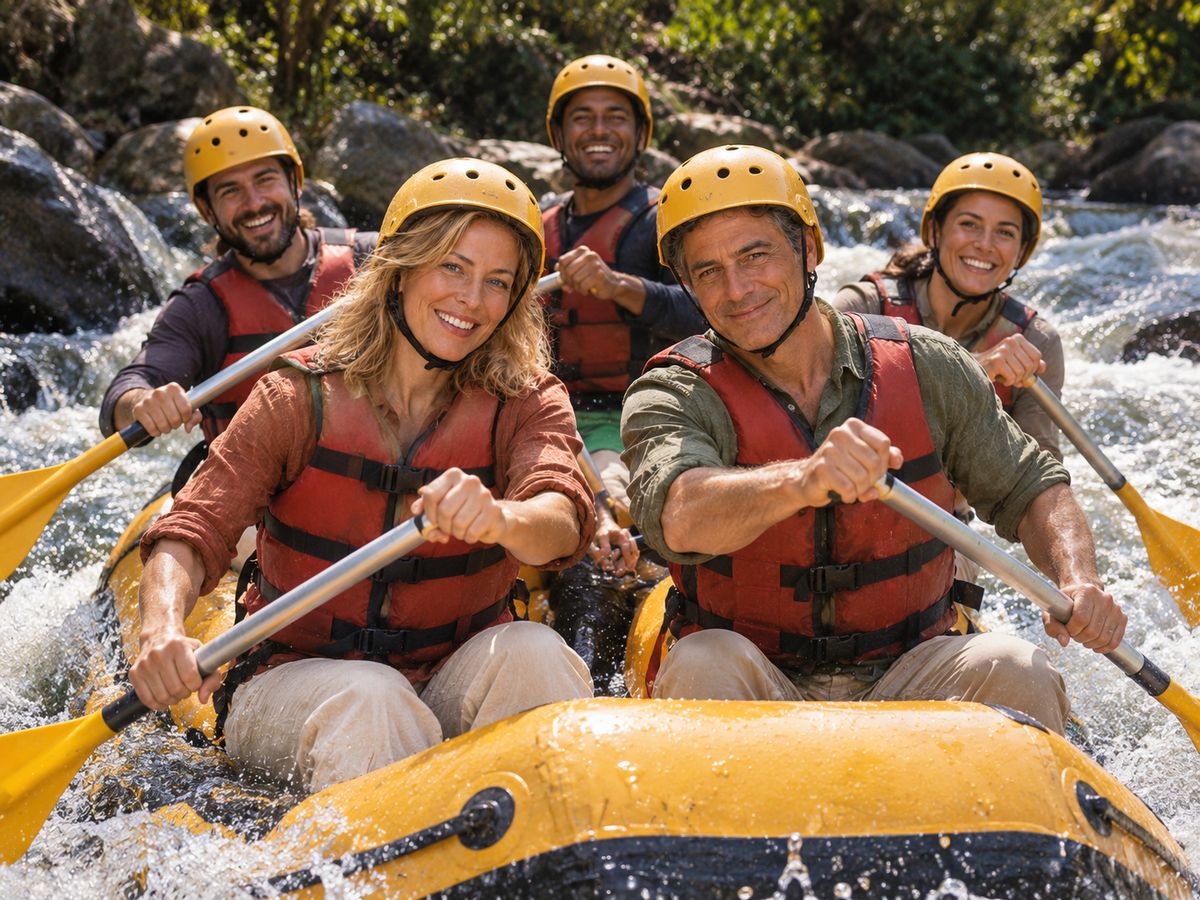
What is adventure tourism
It’s a type of trip focused on recreational, noncompetitive adventure activities, as defined by the Ministry of Tourism. They are usually grouped by environment: land, water and air.
The difference from sport is that no prior practice is required. The visitor arrives without experience, receives equipment and instructions, and does the activity accompanied by staff. Some sections and modalities are for beginners and others require fitness or previous practice; it is the operator’s responsibility to inform the level of each activity.
Adventure and ecotourism share the same settings. A gentle trail made for landscape viewing is ecotourism; when rope, raft, helmet or motor are involved, the trip becomes adventure tourism. Competitive sports are outside this type of tourism.
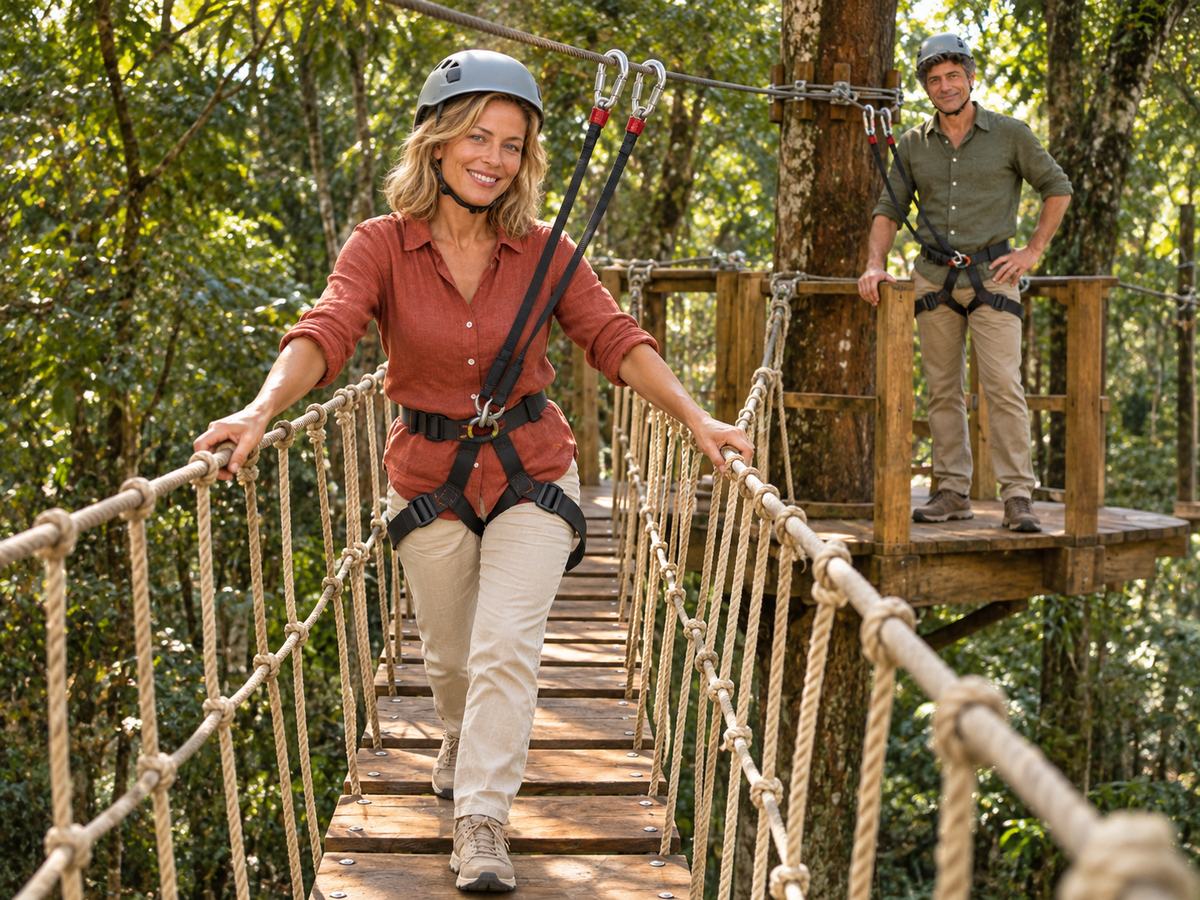
What to do: from rafting to 4x4 tours
Rafting. It’s the descent of a whitewater river in an inflatable boat, using paddles, life jackets, helmets and a guide who leads the paddling. Sections are classified by difficulty level; the calmer stretches accept beginners and families with older children.
Rappelling and canyons. In rappelling you descend by rope a rock face or the side of a waterfall. In canyoning, the group follows the bed of a river cut between cliffs, alternating hiking, sections in the water and rope descents.
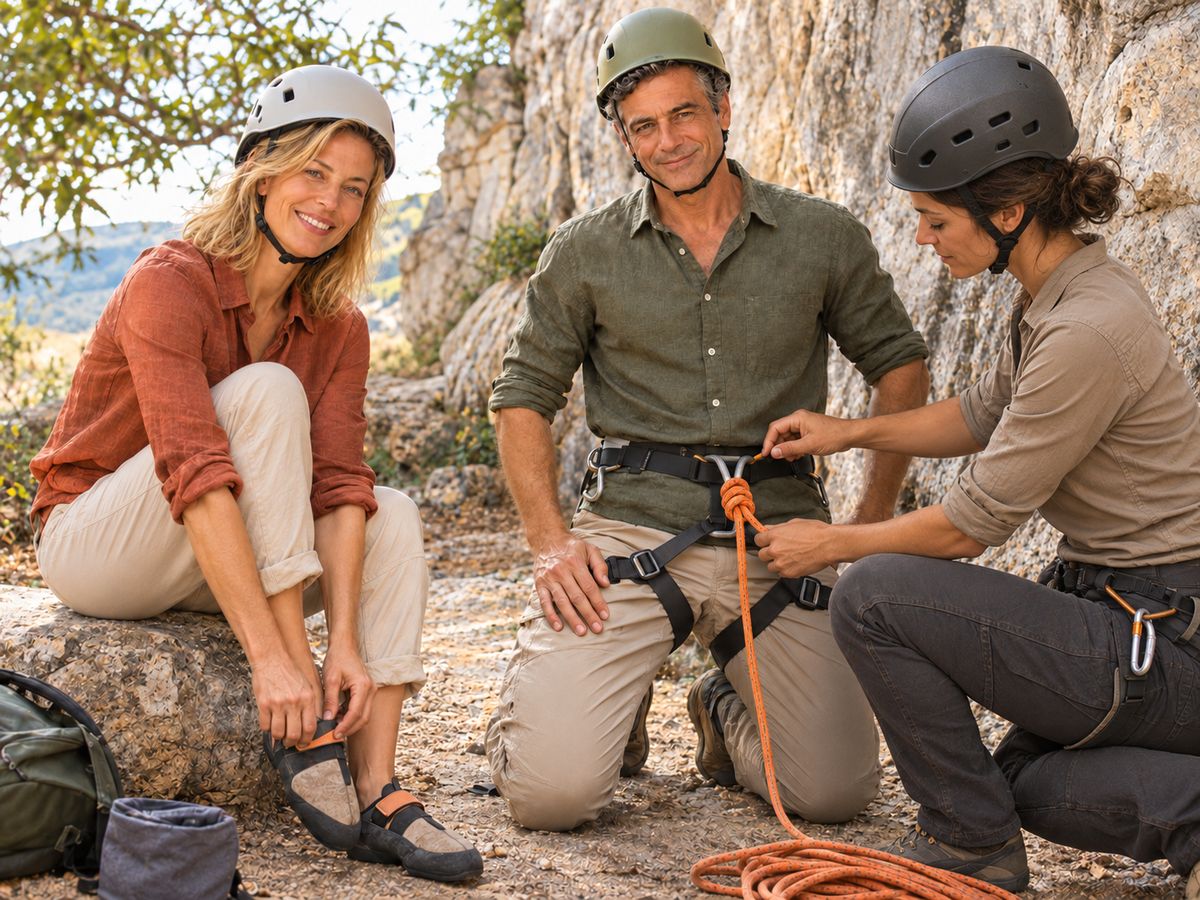
Rock climbing. Rock ascents are done with rope, a harness and a guide who manages the climber’s rope. For those who have never climbed, there are short beginner routes and via ferratas, with rungs and steel cables fixed to the rock.
Zip-lining and tree-top courses. In a zip-line, the visitor slides attached to a steel cable between two high points, over a valley or river. In tree-top courses, you cross bridges, nets and walkways set up among the tree canopies.
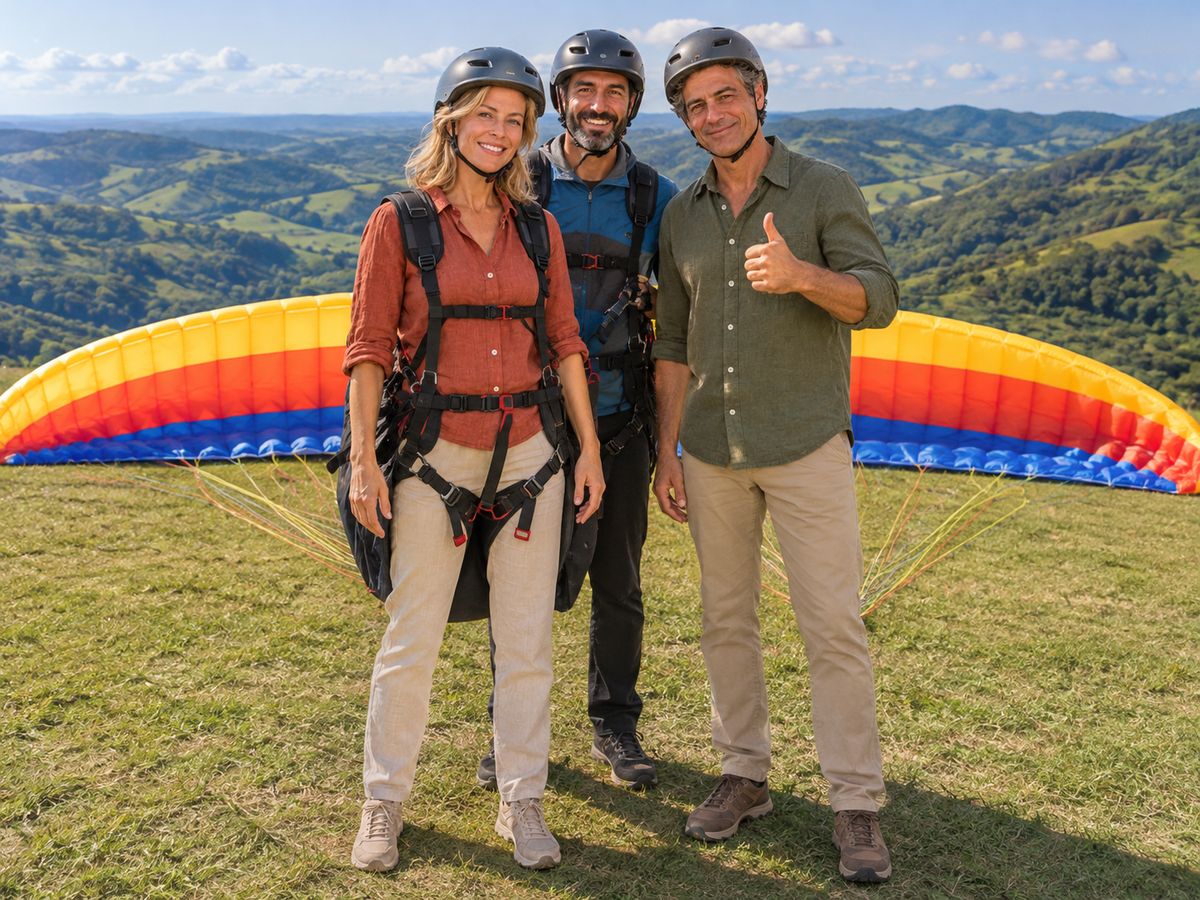
Free flight. In tandem paragliding or hang gliding, the passenger flies together with a licensed pilot, who launches from a ramp on a ridge and lands in a marked area. The flight depends on wind and weather and can be rescheduled.
Scuba diving. A baptism dive is the first dive with a tank, done beside an instructor at shallow depth. Certified divers make trips to deeper sites with walls, wrecks and schools of fish. Water visibility varies with the season.
Trail horseback riding. These are horse rides lasting a few hours or several days along dirt roads, mountains and fields, with a guide and horses used to the route. Some routes follow old drovers’ paths, with overnight stays on farms.
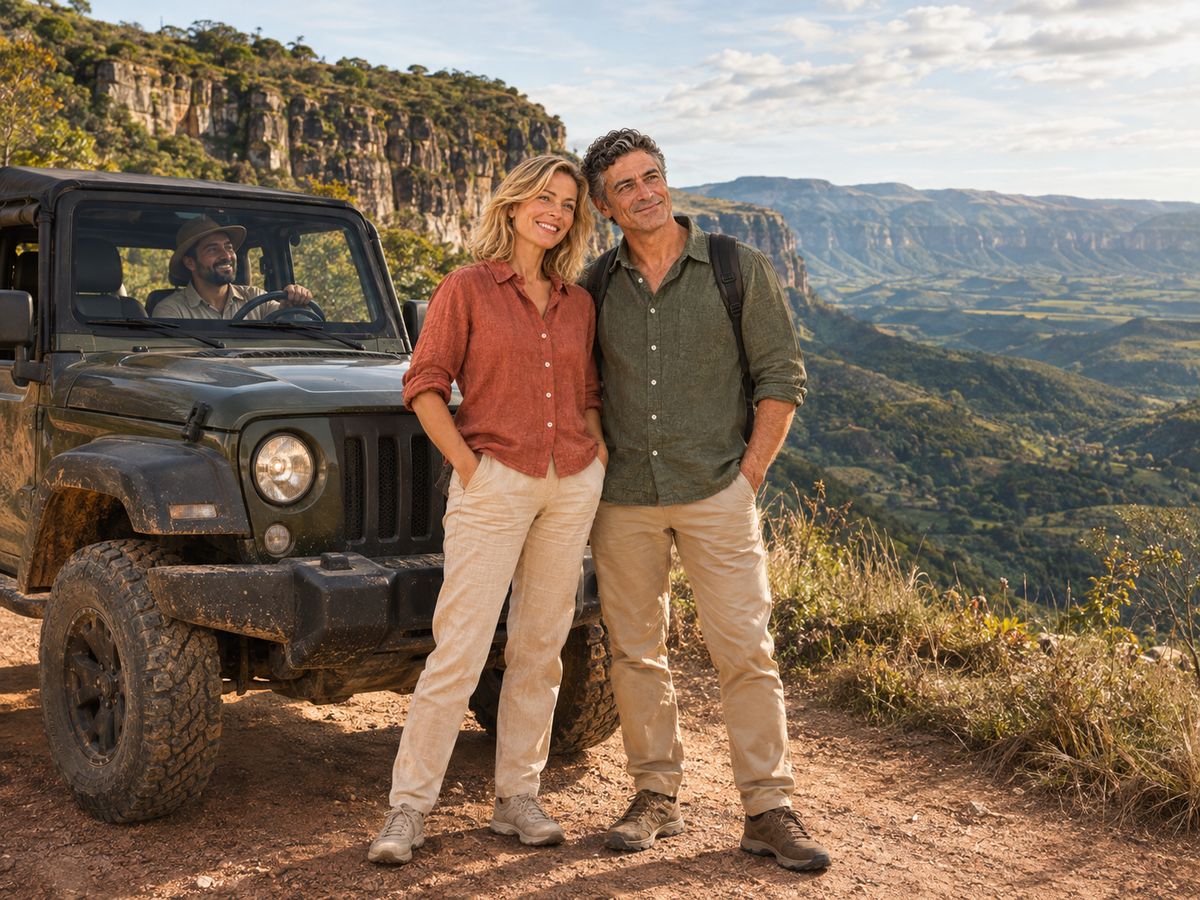
4x4 and off-road tours. In four-wheel-drive vehicles driven by local drivers, groups travel dirt roads, mountains and dunes where ordinary cars can’t go, with stops at viewpoints and waterfalls. The route is part of the tour.
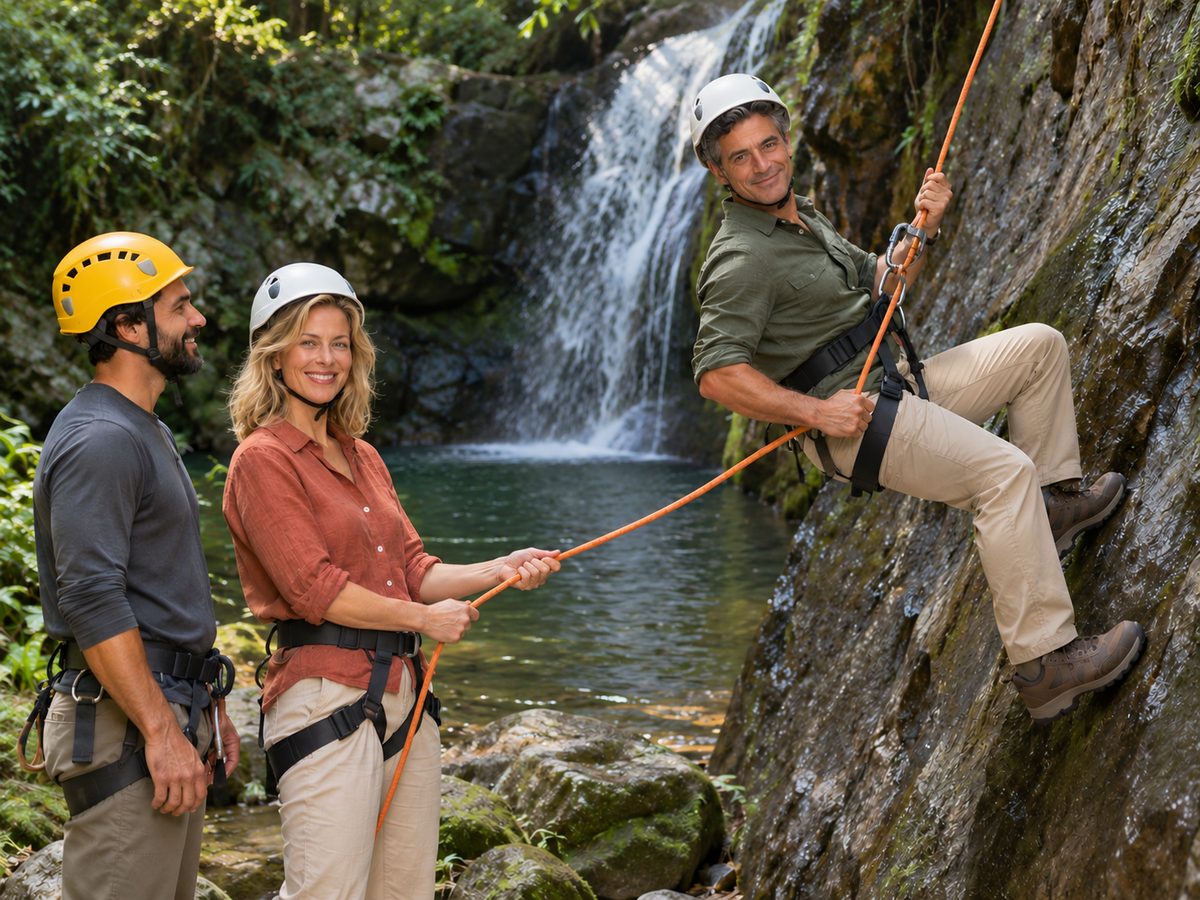
Who it suits and life moments
It suits people who have energy and want to use it. It’s popular with groups of friends, couples and families with teens, and with those going through a life change who want to test themselves: the end of a course, a job change, a milestone birthday.
There are activities for almost every age. Zip-lines, tree-top courses, 4x4 tours and calm rafting sections usually accept children from a minimum age or height set by the operator. Climbing, canyoning and scuba diving require fitness and, in some cases, experience.
Anyone with a health condition, who is pregnant or has mobility restrictions should inform the operator before booking to find out which activities are appropriate.
Where to practice: rivers, canyons, mountain ranges and dirt roads
In the interior of São Paulo, Brotas is a reference for rafting and other river and waterfall activities such as canyoning, zip-lining and tree-top courses. In southern Santa Catarina, the canyons of Praia Grande are traversed along the rim or inside the riverbeds, on trails that require a guide.
In the Serra da Mantiqueira, São Bento do Sapucaí is sought for climbing and the via ferrata routes of Pedra do Baú. In Chapada Diamantina, Bahia, the Vale do Pati crossing takes several days, with overnight stays in locals’ houses.
In Minas Gerais, Delfinópolis is the starting point for guided 4x4 tours through Serra da Canastra: jeeps climb dirt roads to viewpoints and waterfalls unreachable by regular cars. In Tocantins, Jalapão is explored in traction vehicles over sandy roads, among orange dunes, rivers and fervedouros.
In the air, Rio de Janeiro offers tandem hang gliding and paragliding flights over the forest and beaches. For diving, Fernando de Noronha is among the country’s most sought-after spots.
When to go: rain, wind and river levels
Each activity has its season. Rafting depends on water volume: in the Southeast and South, rivers are usually fuller in the rainy summer from December to March and lower in winter. The operator adapts the section to the day’s water level.
Climbing, crossings and 4x4 tours are better in the dry season, when rock and dirt roads are firm. In the Mantiqueira, the Canastra and central Brazil, this runs from May to September, with clear days and cool nights. In the canyons of the South, winter has cleaner air and less fog, which is more common in summer.
Free flight depends on daily conditions and can be rescheduled: it’s wise to leave a spare day in your itinerary. On the coasts of Ceará and Rio Grande do Norte, winds are stronger from July to December, the kitesurfing season.
How to choose the operator and plan the trip
The adventure activity is run by a licensed operator. In Brazil, companies and tour guides must be registered with Cadastur, the Ministry of Tourism’s registry, which can be checked online. There are also Brazilian technical standards for activities and for the training of guides.
Before booking, it’s worth asking what’s included: equipment, transport to the site, insurance, and snacks. The operator should explain the level of exertion, the minimum age, and what happens in case of rain. On the day, the guide’s instructions are the rule, including when they decide to postpone or shorten the outing because of the weather.
For your bag: clothing that can get wet and dries quickly, closed shoes that stay on the foot, a change of dry clothes, sunscreen, and a container for water. In mountain areas, bring a warm layer. Loose items like glasses and phones need a cord or a waterproof pouch.
A long weekend can include two or three activities at the same destination. Activities and transport are paid separately: check the current price list with the operator.
Adventure tourism around the world
Queenstown, New Zealand, built its reputation on bungee jumping, high-speed jet boat rides in canyons, and mountain trails. In the Swiss Alps, Interlaken and the Jungfrau region concentrate paragliding, canyoning, and high-altitude hiking in summer, from June to September.
In the Dolomites in northern Italy, via ferratas let you climb rock faces using cables and fixed rungs. In southern Chile, Torres del Paine has multi-day trekking circuits, with the main season from December to March. In the Canadian Rockies, Banff and Lake Louise combine canoeing and climbing in summer and skiing in winter.
Frequently asked questions
What is adventure tourism?
It is travel motivated by doing recreational adventure activities, not competitions, such as rafting, rappelling, climbing, zip-lining, free flight, diving, and 4x4 tours. Activities are run by specialized companies and professionals who provide equipment and guidance.
Where to go rafting in Brazil?
Brotas, in São Paulo, is among the best-known spots, and there are organized descents operated by local companies in other mountain towns of the Southeast and South. Water levels change with the rains, and the operator will indicate the appropriate stretch.
Do you need experience to do an adventure activity?
In most cases, no. Rafting on beginner stretches, zip-lining, tree-top courses, and tandem paragliding or hang gliding are done by beginners with on-site instruction. Climbing, canyoning, and long crossings require physical conditioning and sometimes prior practice.
How do I know if the operator is licensed?
Companies and tour guides operating in Brazil should be registered with Cadastur, the Ministry of Tourism’s registry, which can be checked online. It’s also worth asking about the guides’ training, insurance, and the technical standards followed by the company.
Do you need a 4x4 vehicle for off-road tours?
No. Tours are sold by local agencies and guides and include vehicle and driver. If you go with your own vehicle, check beforehand the condition of dirt roads, which change with the rain.
Can children participate?
Yes, in many activities. Each operator sets minimum age, height, or weight according to the activity and the stretch. Zip-lines, tree-top courses, and rafting on calm waters usually have the lowest requirements.
When is it best to travel to practice adventure activities?
It depends on the activity. Rafting usually has more water in summer; climbing, crossings, and 4x4 tours are better in the dry season, from May to September in much of the country.
What happens if it rains on the day of the activity?
It depends on the activity. Rafting often runs in light rain; free flight and canyon trails may be postponed. The decision is up to the operator, and rebooking conditions should be agreed when you make the reservation.

Beyond the guide


