Capital

 Search
Brazil
 Antarctica
 Argentina
 Bolivia
 Chile
 Colombia
 Ecuador
 Falkland Islands (Malvinas)
 French Guiana
 Guyana
 Paraguay
 Peru
 Suriname
 Uruguay
 Venezuela
 Austria
 Belgium
 Croatia
 Denmark
 Finland
 France
 Germany
 Greece
 Hungary
 Iceland
 Ireland
 Italy
 Luxembourg
 Norway
 Poland
 Portugal
 Slovakia
 Slovenia
 Spain
 Sweden
 Switzerland
 the Czech Republic
 the Netherlands
 the United Kingdom
 Turkey
 Bermuda
 Canada
 Greenland
 Mexico
 Saint Pierre and Miquelon
 the United States
 the Dominican Republic
 JapanTurkey
 Egypt
 South Africa
 Australia
 Fiji
 New Zealand
 Papua New Guinea
State · Nordeste
Alagoas is a small state with a long coastline: lagoons and urban beaches in Maceió, reefs and coconut groves to the north, on the way to Pernambuco.
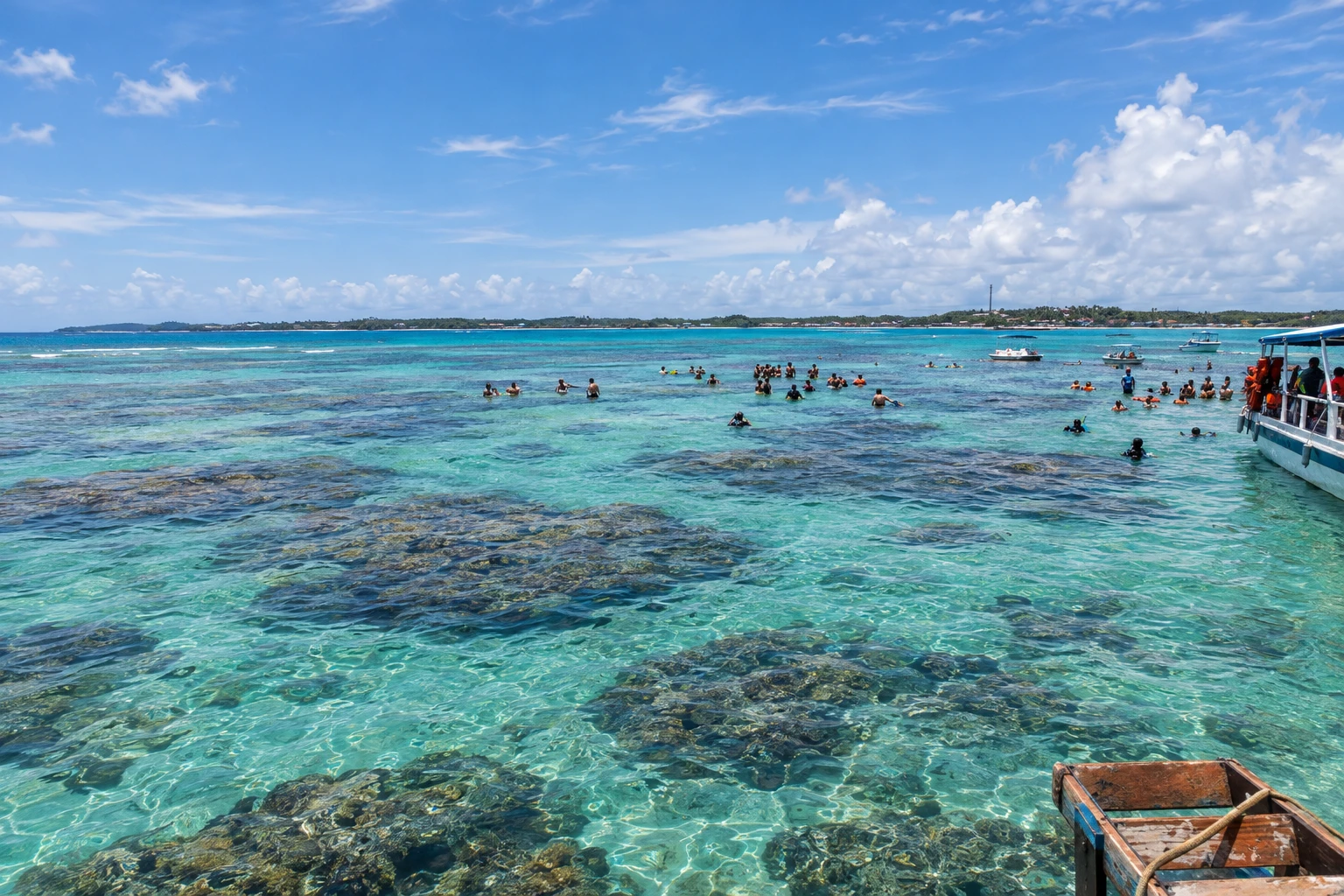
In the photo: Galés of Maragogi, Maragogi (AL)
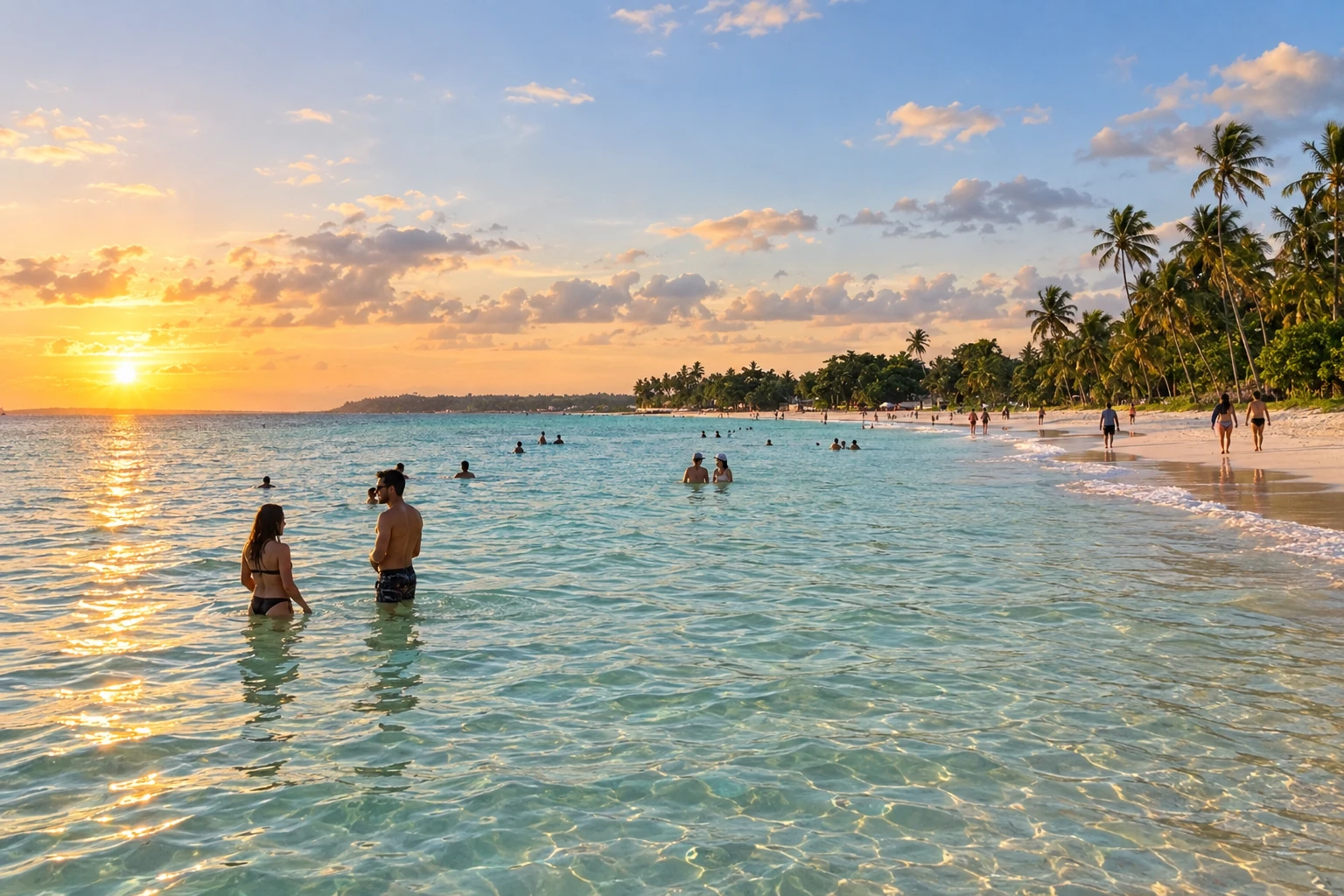
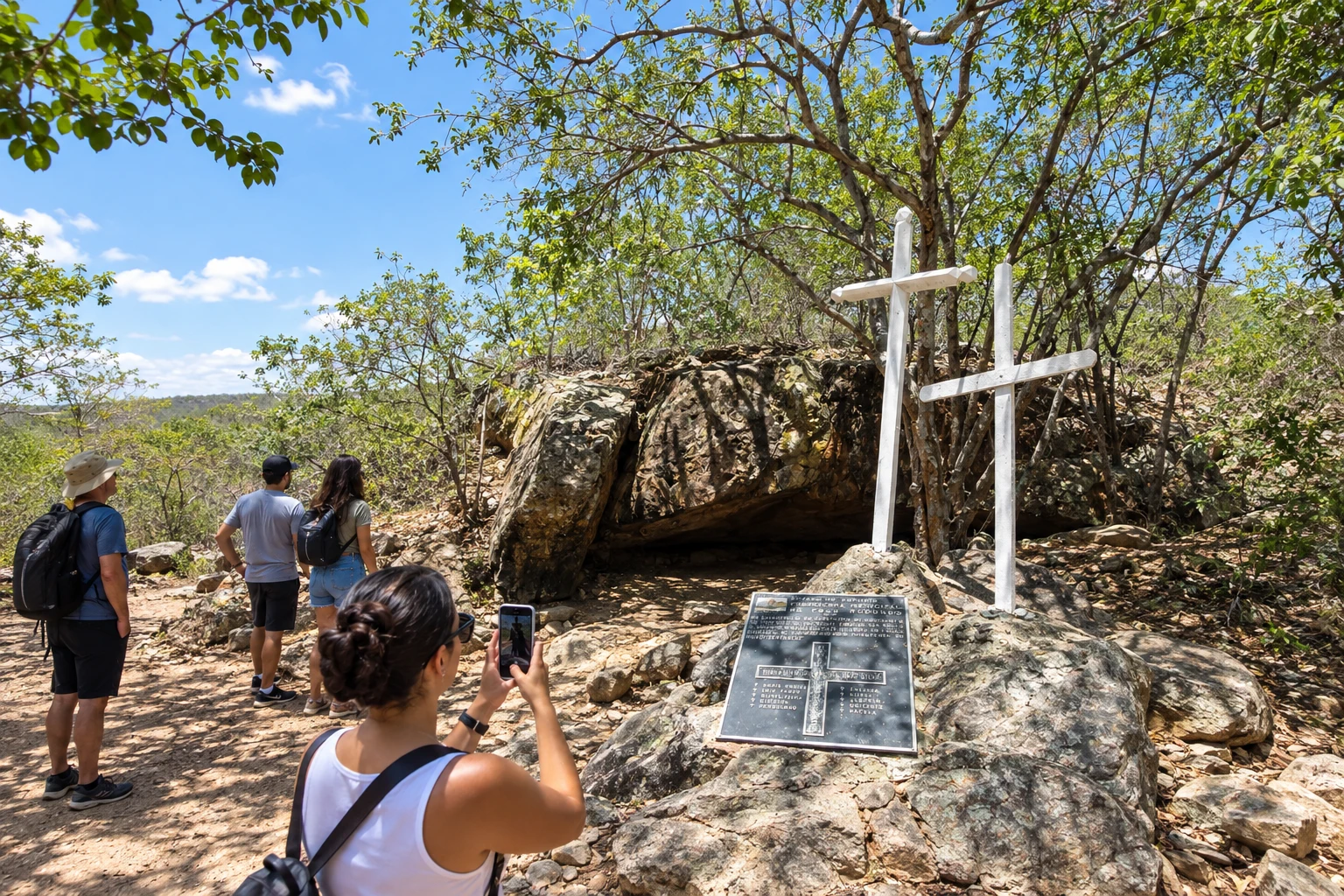
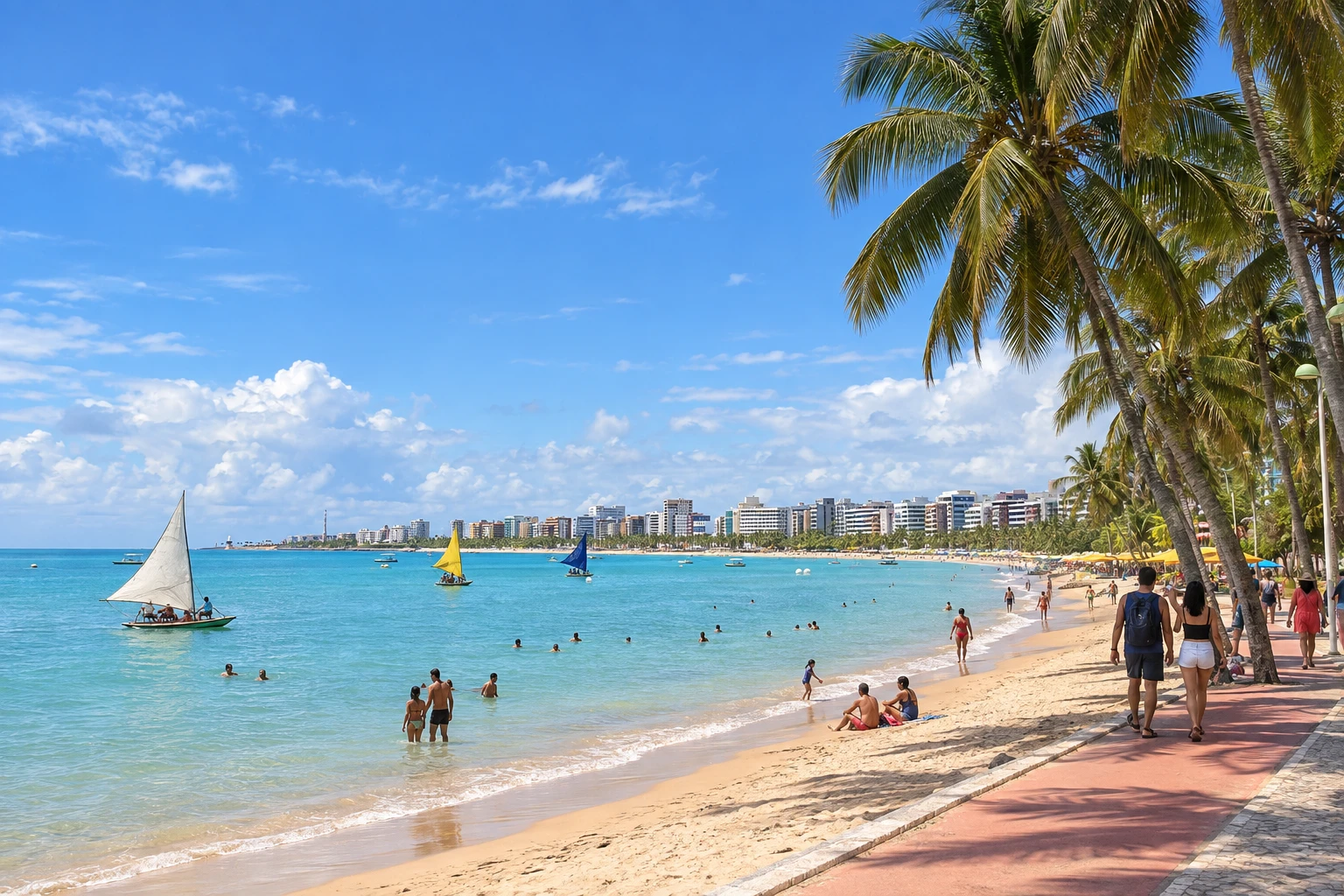
Illustrative images. The pictures in this guide are illustrations based on the real place, not photographs, and may differ from it.
The state
Maceió sits between the sea and Lagoa Mundaú. On the Pajuçara waterfront, jangadas take visitors to the natural pools formed by the reefs at low tide; Ponta Verde and Jatiúca come next, with a waterfront promenade and beach stalls. Jaraguá, the port neighborhood, keeps mansions from the sugar era and concentrates part of the nightlife.
From the lagoon comes sururu, a shellfish that became a symbol of Alagoas cuisine and reaches the table in a broth or as sururu de capote. At Pontal da Barra, on the banks of the Mundaú, lacemakers make filé, an embroidery on net that appears on towels and clothing sold at house doors. Tapioca, fried fish and carne de sol with macaxeira complete the cuisine for those spending a few days in the capital.
To the north, the Costa dos Corais occupies the stretch up to the border with Pernambuco, within a federal environmental protection area. Maragogi is the most sought-after hub, with galés, reef pools a few kilometers from the beach. Japaratinga has calm sea and a coconut grove right on the sand. São Miguel dos Milagres, Porto de Pedras and Passo de Camaragibe form the Rota Ecológica, with spread-out pousadas, fishing villages and beaches with almost no development.
In Porto de Pedras, on the Tatuamunha River, there is a sanctuary that monitors the return of the marine manatee to its natural environment. The visit is done in a jangada propelled by pole, without a motor and in silence. It's the excursion that best explains why this stretch of coast is protected.
Destinations
Cities
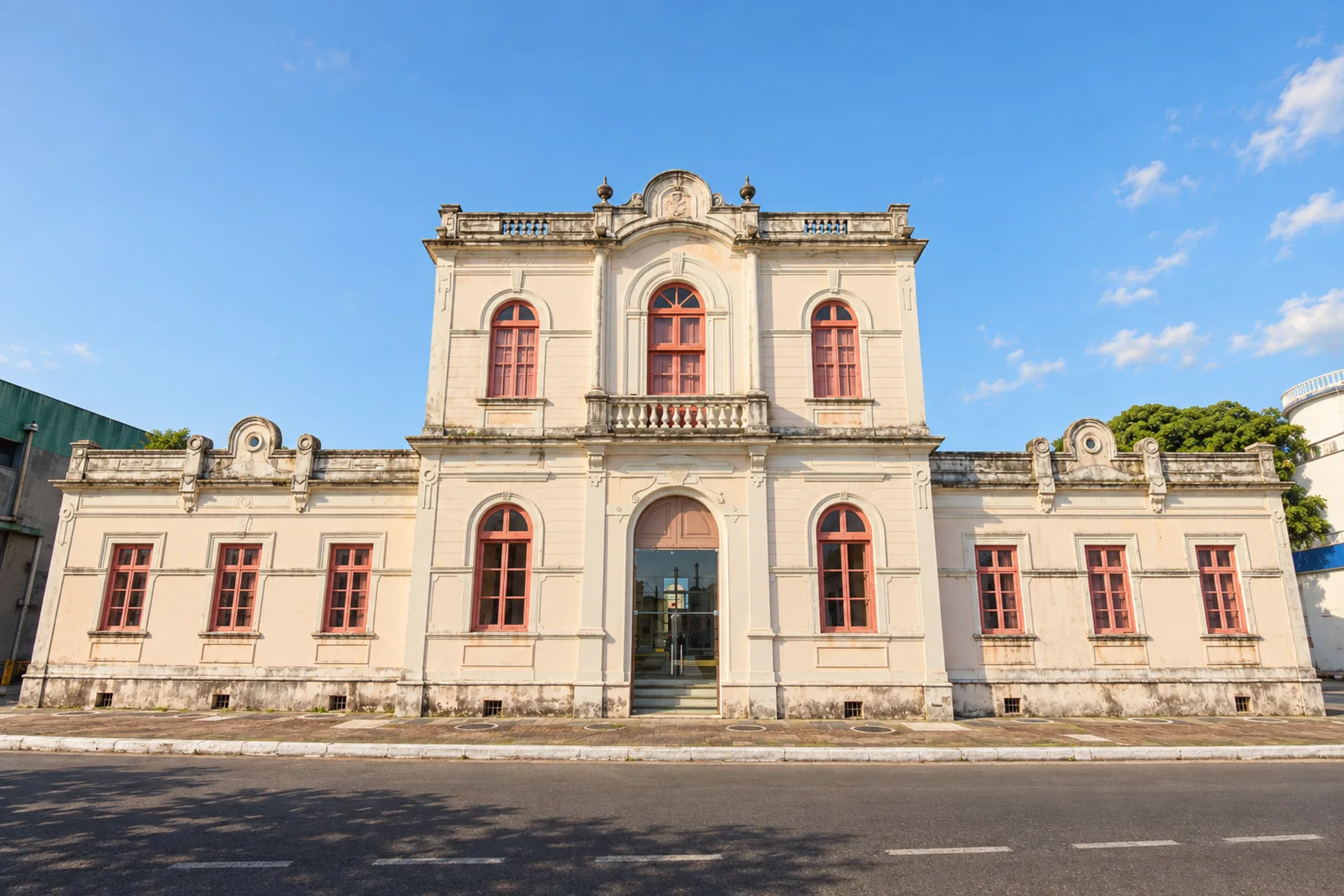
Maceió brings together clear-water beaches, natural pools and historic heritage on the coast of Alagoas. The Ponta Verde waterfront and the Jaraguá neighborhood let you combine seascapes and cultural outings.
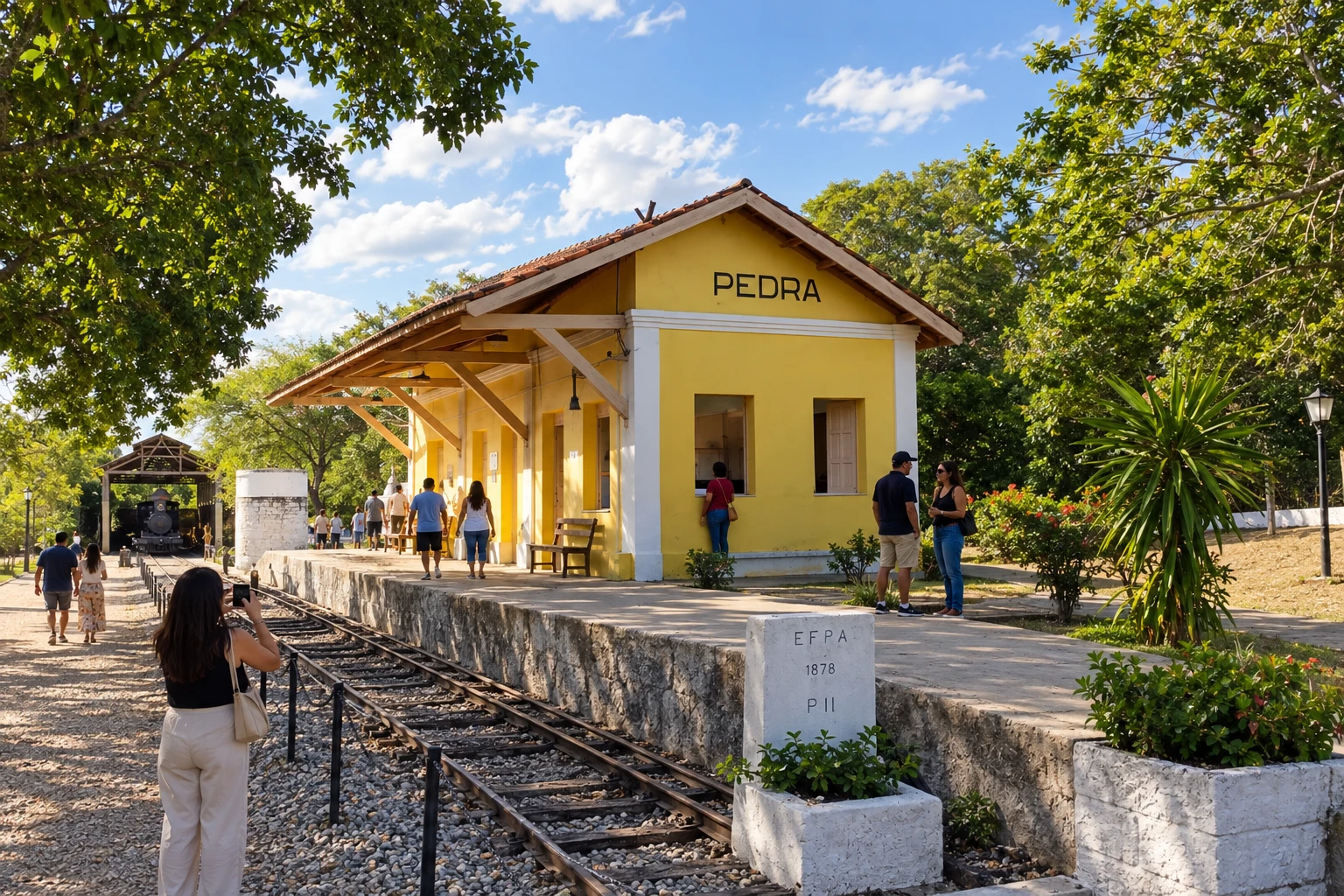
Delmiro Gouveia developed around the old Pedra and gained importance with the textile industry established on the banks of the São Francisco. The memory of that transformation is evident in the old railway station and in the spaces dedicated to the entrepreneur who gives the municipality its name. Via the AL-220, the town is part of the land access to the canyon region.
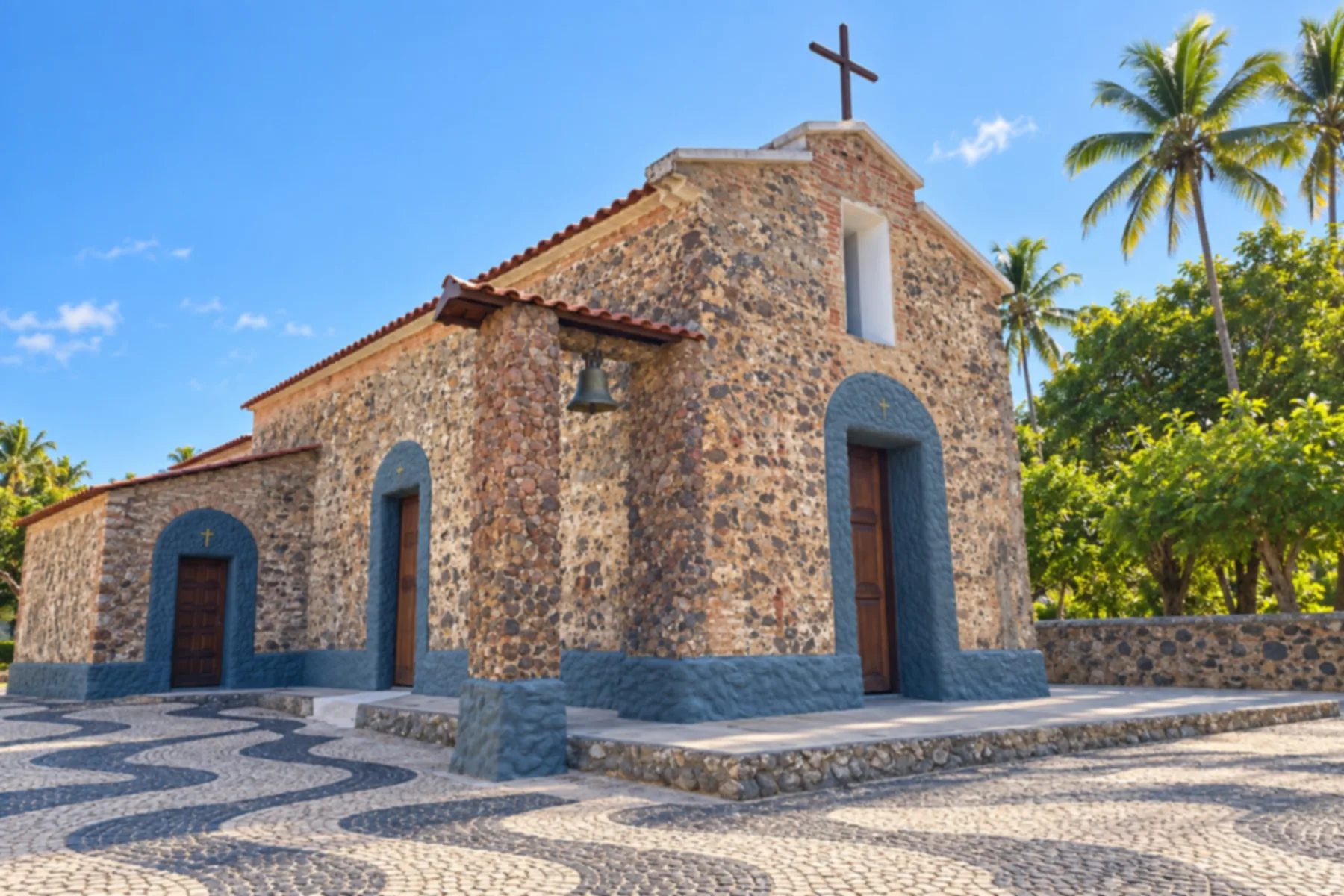
Japaratinga combines beaches, coconut groves and historic heritage on the Costa dos Corais. The Igreja das Candeias (church) and the seaside paths reveal the town's ties to coastal life in northern Alagoas.
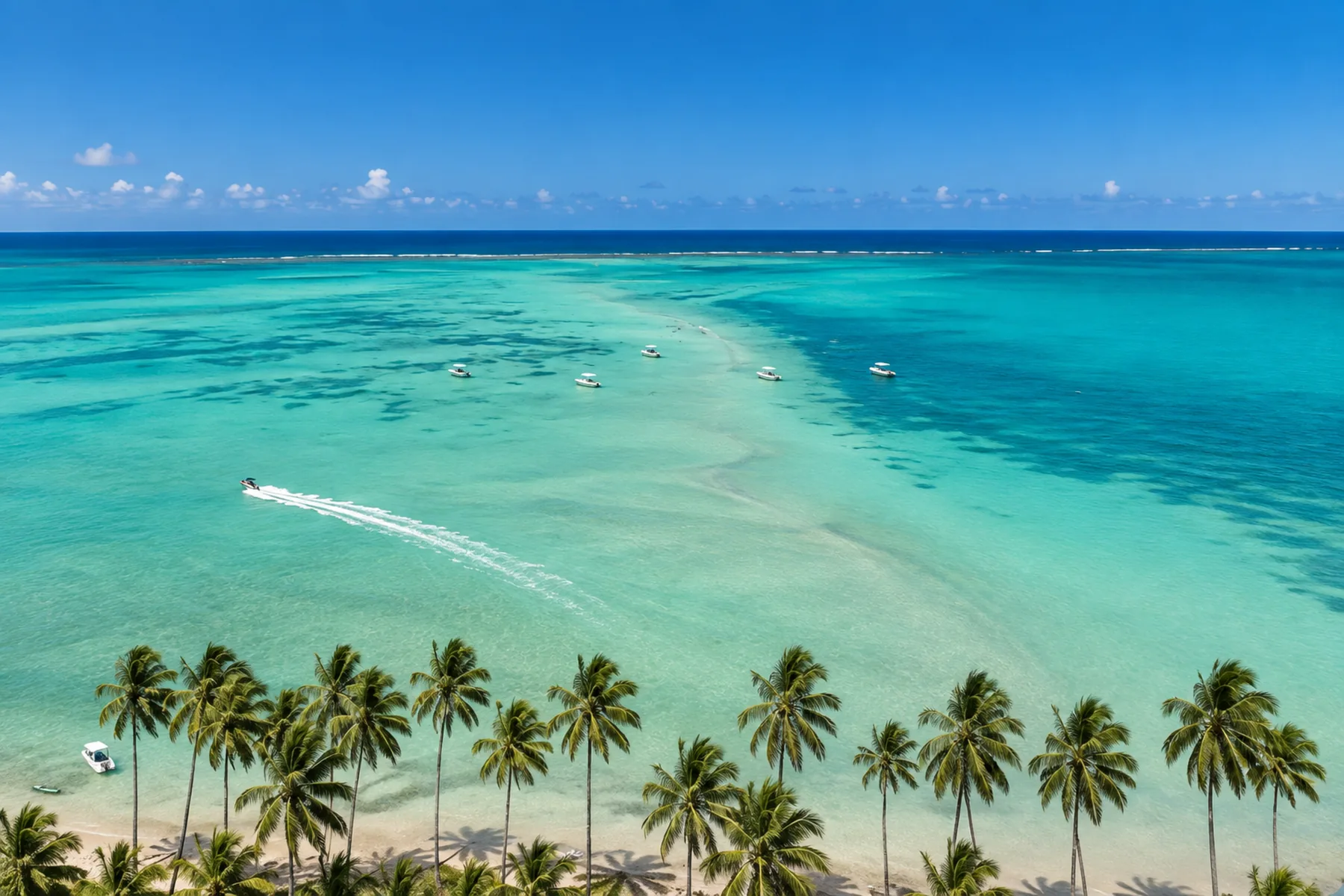
Maragogi has clear-water beaches and reefs on the north coast of Alagoas. The tide transforms the landscape of Barra Grande and the natural pools, between boat trips and walks along the beach.
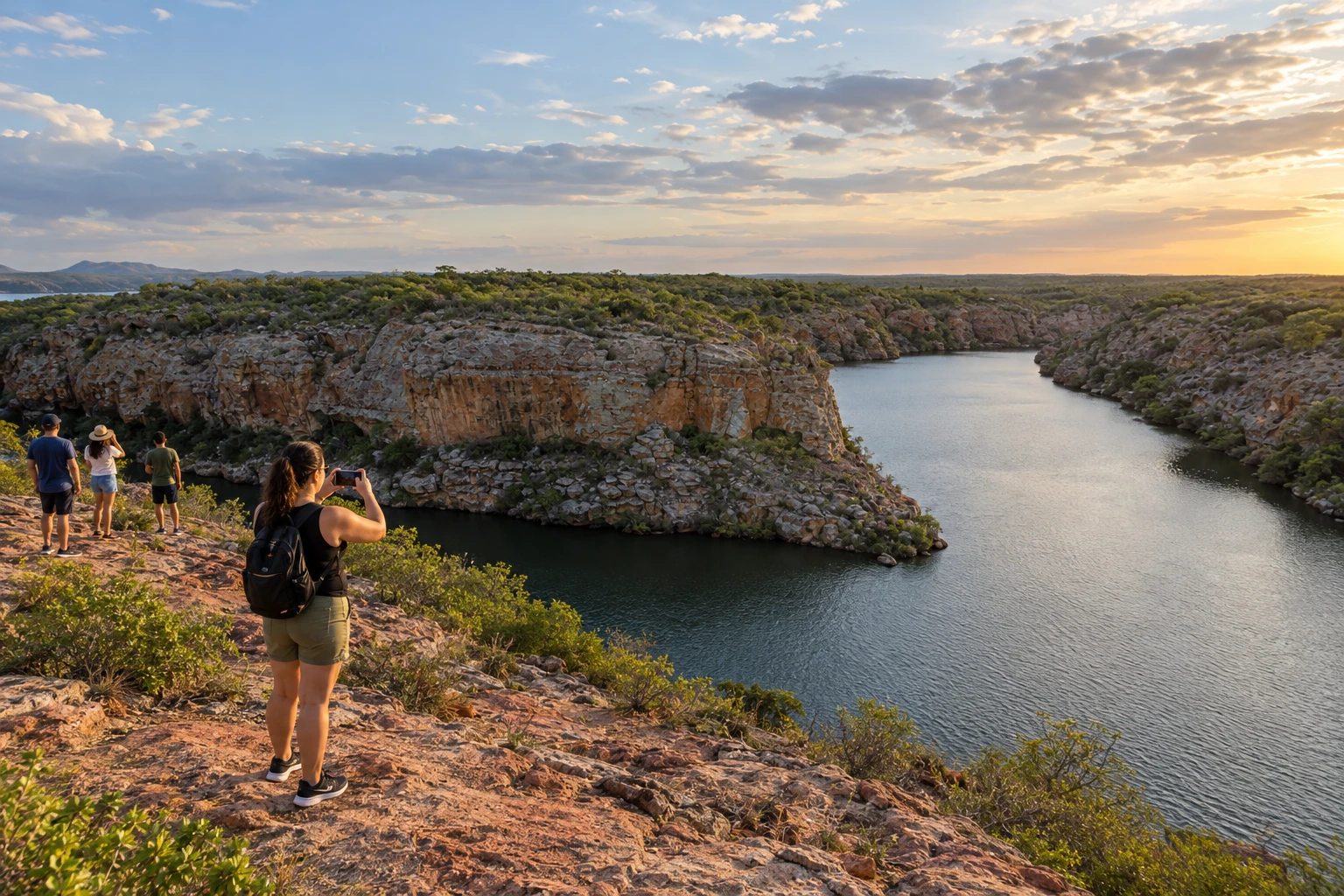
Olho d'Água do Casado occupies the Alagoas bank of the São Francisco between Delmiro Gouveia and Piranhas. Praia da Dulce is one of the access points to the reservoir, while the Nova Esperança archaeological complex records the region's ancient occupation of the sertão. Embarkation points are located outside the town center and must be identified before departure.
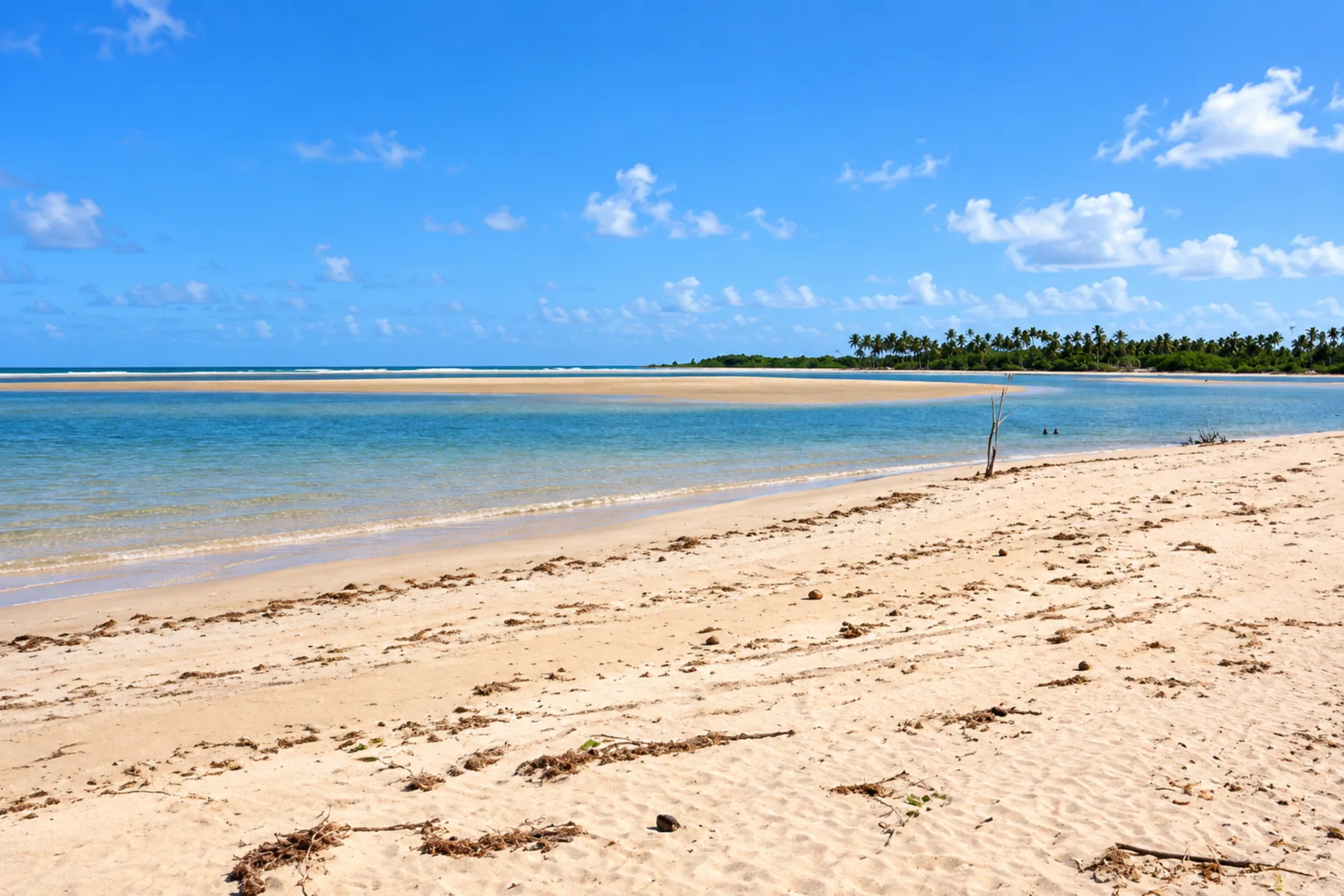
Passo de Camaragibe brings together beaches, rivers and mangroves on the north coast of Alagoas. In Barra de Camaragibe, the meeting of river and sea and the coconut groves reveal the landscapes of the Costa dos Corais.
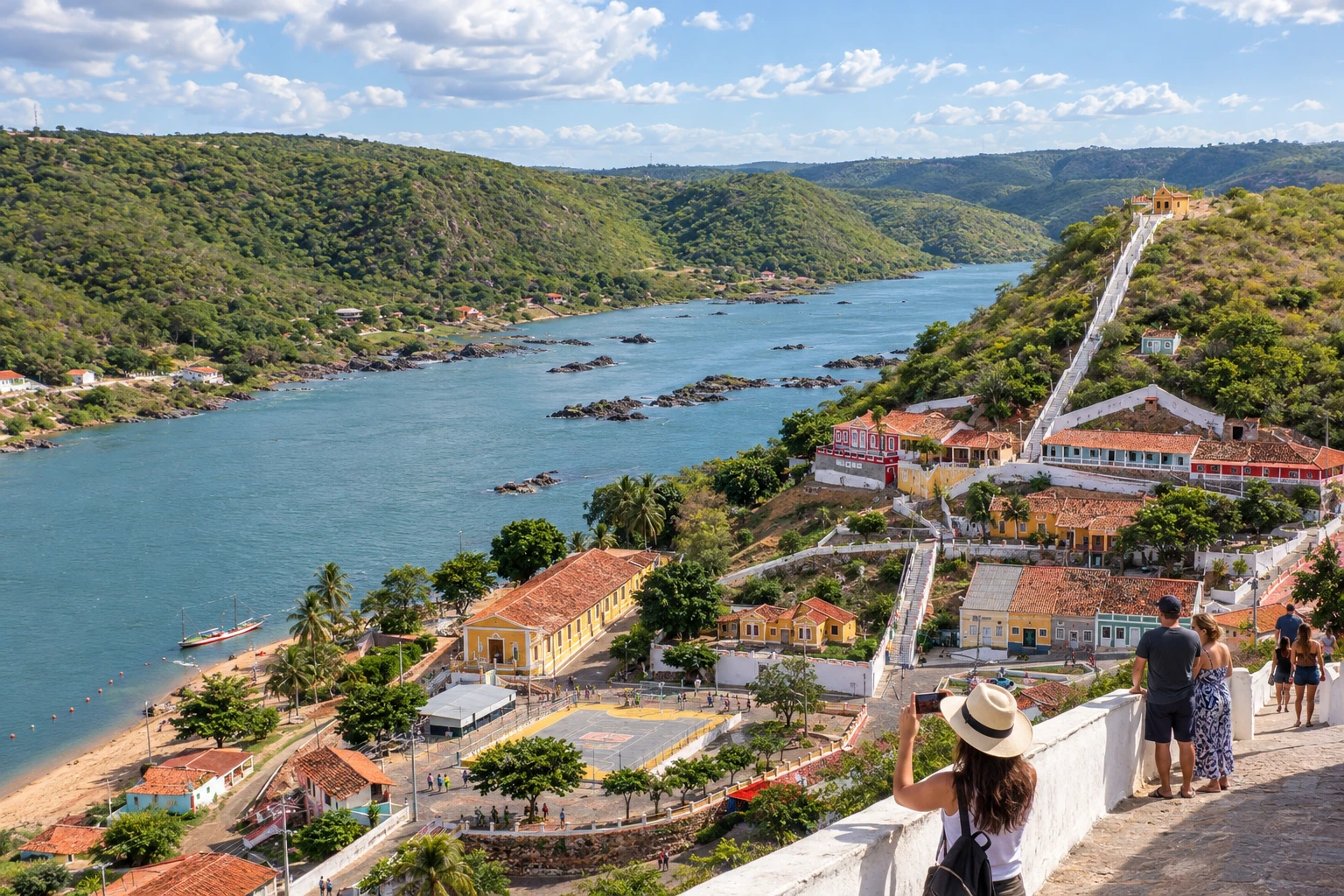
Piranhas has a listed historic ensemble along the São Francisco. The old station houses the Museu do Sertão, and Entremontes preserves riverside architecture and a tradition of embroidery. Besides cultural visits, the town is the starting point for the boat trip and hike to Angico on the Sergipe bank.
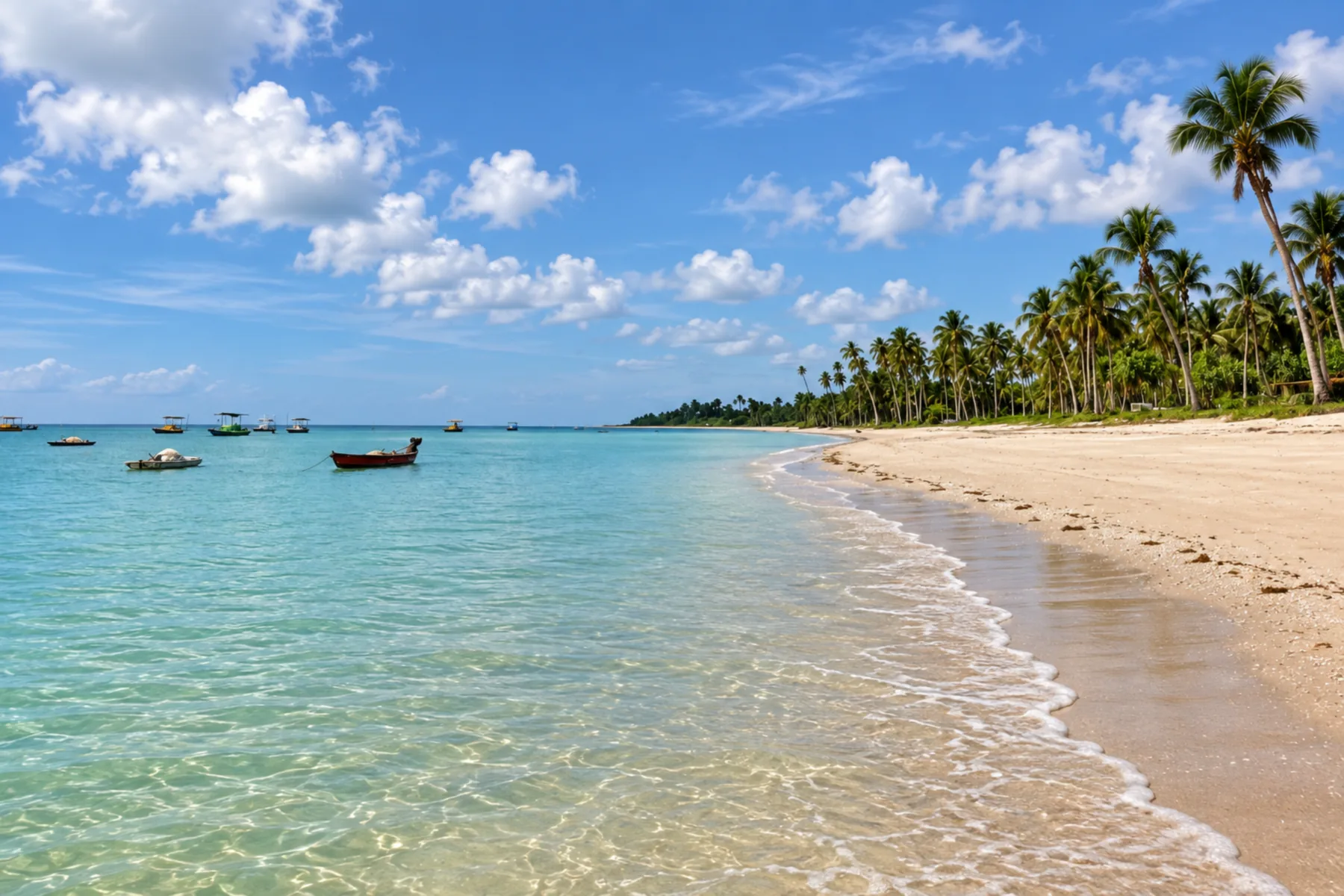
Porto de Pedras has beaches lined with coconut groves and landscapes at the mouth of the Rio Manguaba. Praia do Patacho and the old houses of the town center invite you to combine walks on the sand with trips along the Rota Ecológica.
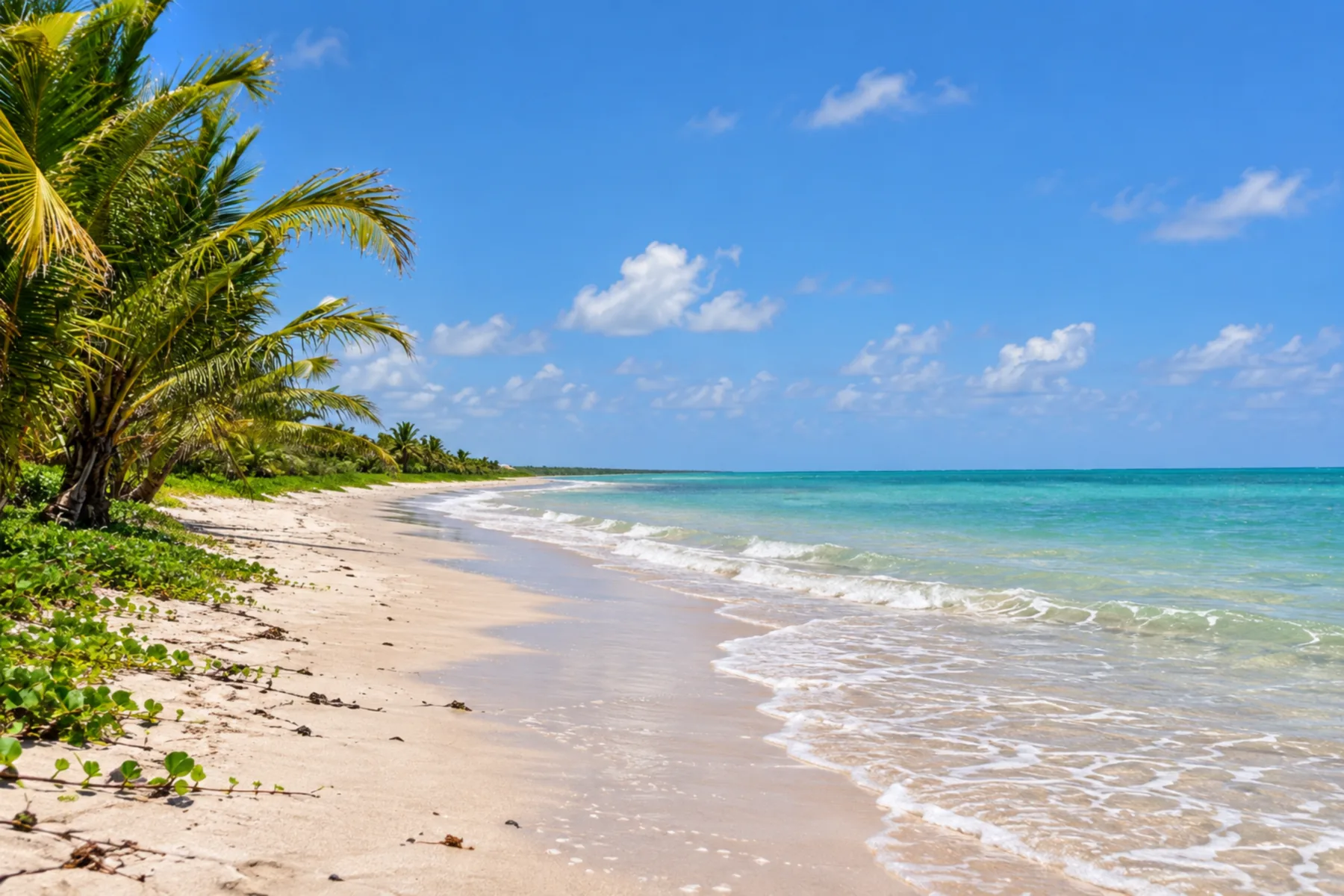
São Miguel dos Milagres has beaches lined with coconut groves and natural pools shaped by the reefs. Walks along Praia do Toque and jangada trips bring you close to the landscape of the Alagoas coast.
Routes
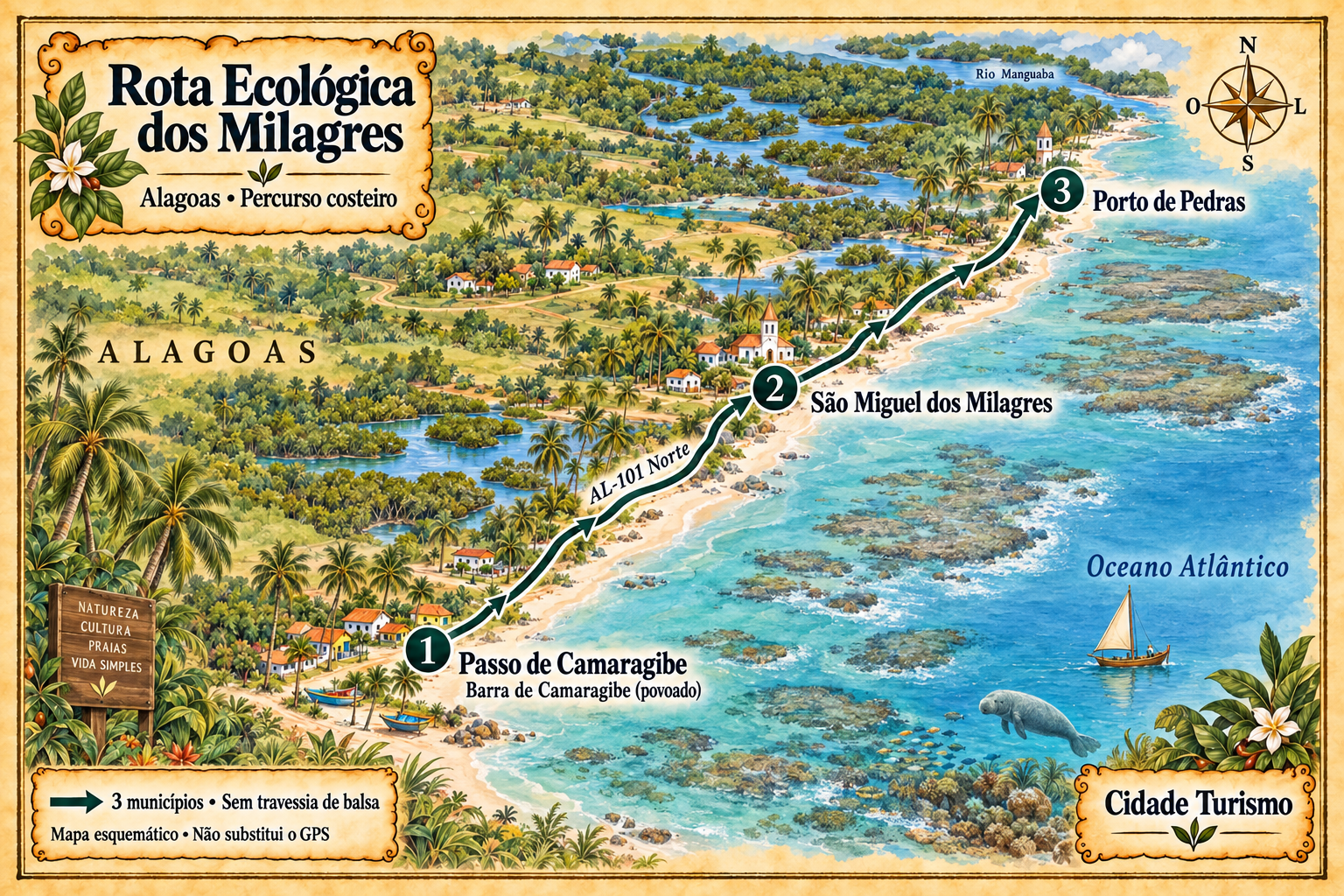
Barra de Camaragibe, Milagres beaches and mangroves of Porto de Pedras on a coastal route through three municipalities of Alagoas.
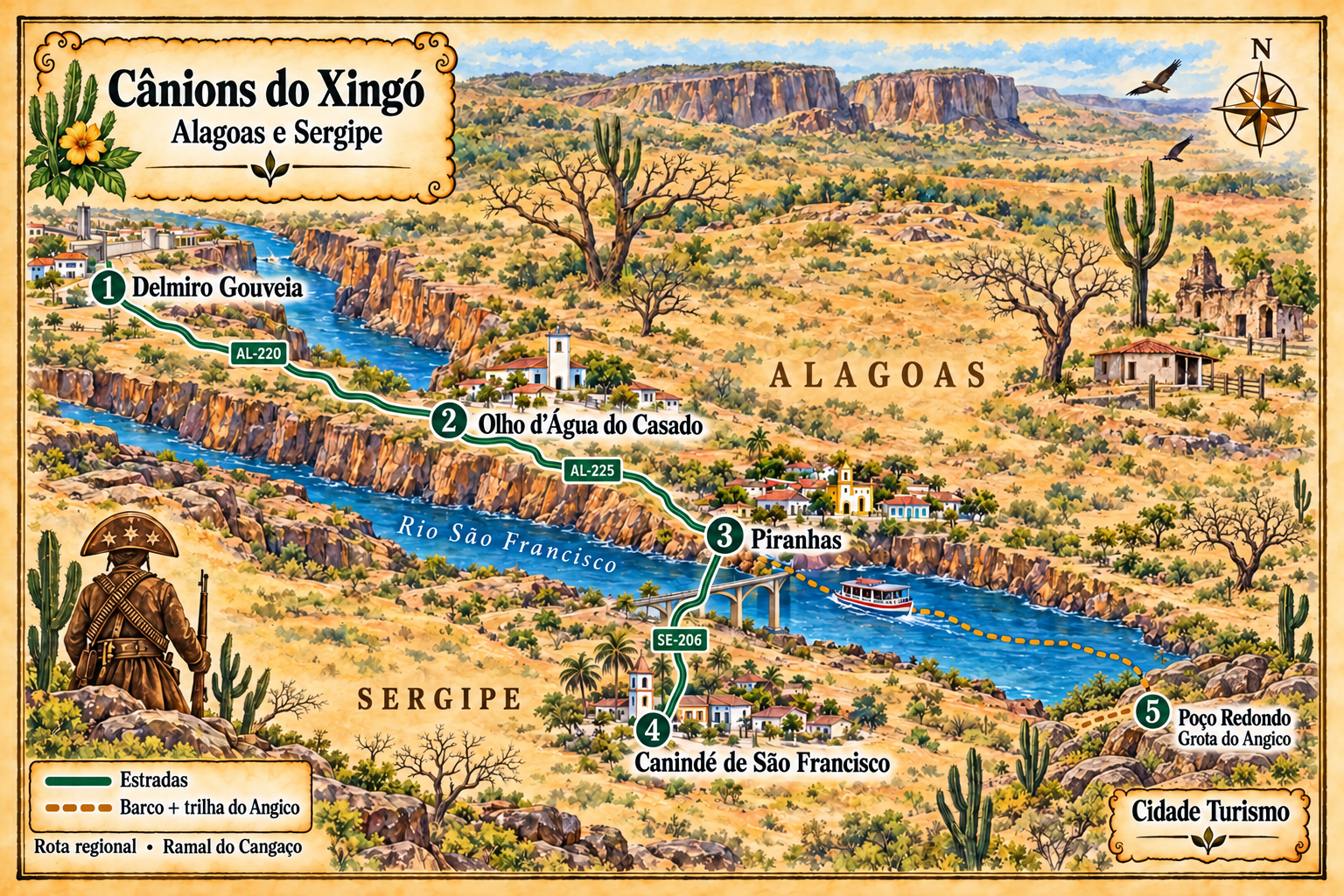
Between the banks of Alagoas and Sergipe, the São Francisco links the landscape of the Xingó reservoir, the history of Piranhas, and the boat-and-hike route to the Grota do Angico.
Alagoas' coast has sunshine almost year-round. Rain picks up between April and July, with cloudy days and a murkier sea. Reliable sun returns in September and continues through March, and high season runs from late December to Carnival, recurring during the July holidays. For the natural pools, more than the month you should check the tide table: the tours depend on low tide. In June, the June festivals enliven Maceió and the interior.
Zumbi dos Palmares International Airport is in Rio Largo, in the Maceió metro area, and receives flights from major capitals. From the capital to the Costa dos Corais, the route is the AL-101 North, which follows the coast through the municipalities of the Rota Ecológica to Japaratinga and Maragogi. BR-101 is the inland alternative, with exits that descend to the coast. Those arriving via Recife can also reach Maragogi along Pernambuco's southern coast without passing through Maceió.
Beyond the guide
Your questions
A week makes it possible to split the trip into two bases: three or four nights in Maceió for the waterfront, Pajuçara and Lagoa Mundaú, and the remainder in Maragogi or on the Rota Ecológica. Changing accommodation avoids repeating the drive every day.
They are located on reef banks a few kilometers from the coast and only emerge at low tide. Tours depart by catamaran or speedboat, with the number of visitors controlled in each area. Check the tide table before setting the date, because on high-tide days the tour may be canceled. Do not step on the corals.
On the Tatuamunha River, in Porto de Pedras. The tour is done in a motorless jangada by community guides, and the animals are observed in the water, with no contact. The visit depends on the tide, so it's advisable to book in advance.
The village is small and the pousadas are spread along the seafront. There are transfers from the airport and from Maceió, but to visit Patacho, Porto de Pedras and the other beaches of the Rota Ecológica a car makes it easier. Without one, the solution is to arrange tours with your pousada or with local buggy drivers.
Sururu de capote, sururu broth, fried fish on the beach, tapioca and carne de sol. For shopping, Pontal da Barra gathers filé lacemakers, and the Mercado do Artesanato, in the Levada neighborhood, sells lace, sweets and straw items.
Mapa: @svg-maps/brazil, CC BY 4.0