Capital

 Search
Brazil
 Antarctica
 Argentina
 Bolivia
 Chile
 Colombia
 Ecuador
 Falkland Islands (Malvinas)
 French Guiana
 Guyana
 Paraguay
 Peru
 Suriname
 Uruguay
 Venezuela
 Austria
 Belgium
 Croatia
 Denmark
 Finland
 France
 Germany
 Greece
 Hungary
 Iceland
 Ireland
 Italy
 Luxembourg
 Norway
 Poland
 Portugal
 Slovakia
 Slovenia
 Spain
 Sweden
 Switzerland
 the Czech Republic
 the Netherlands
 the United Kingdom
 Turkey
 Bermuda
 Canada
 Greenland
 Mexico
 Saint Pierre and Miquelon
 the United States
 the Dominican Republic
 JapanTurkey
 Egypt
 South Africa
 Australia
 Fiji
 New Zealand
 Papua New Guinea
State · Nordeste
In Paraíba lies the easternmost tip of the Americas, between a low-rise capital, colorful cliffs to the south and baroque churches in João Pessoa's old town.
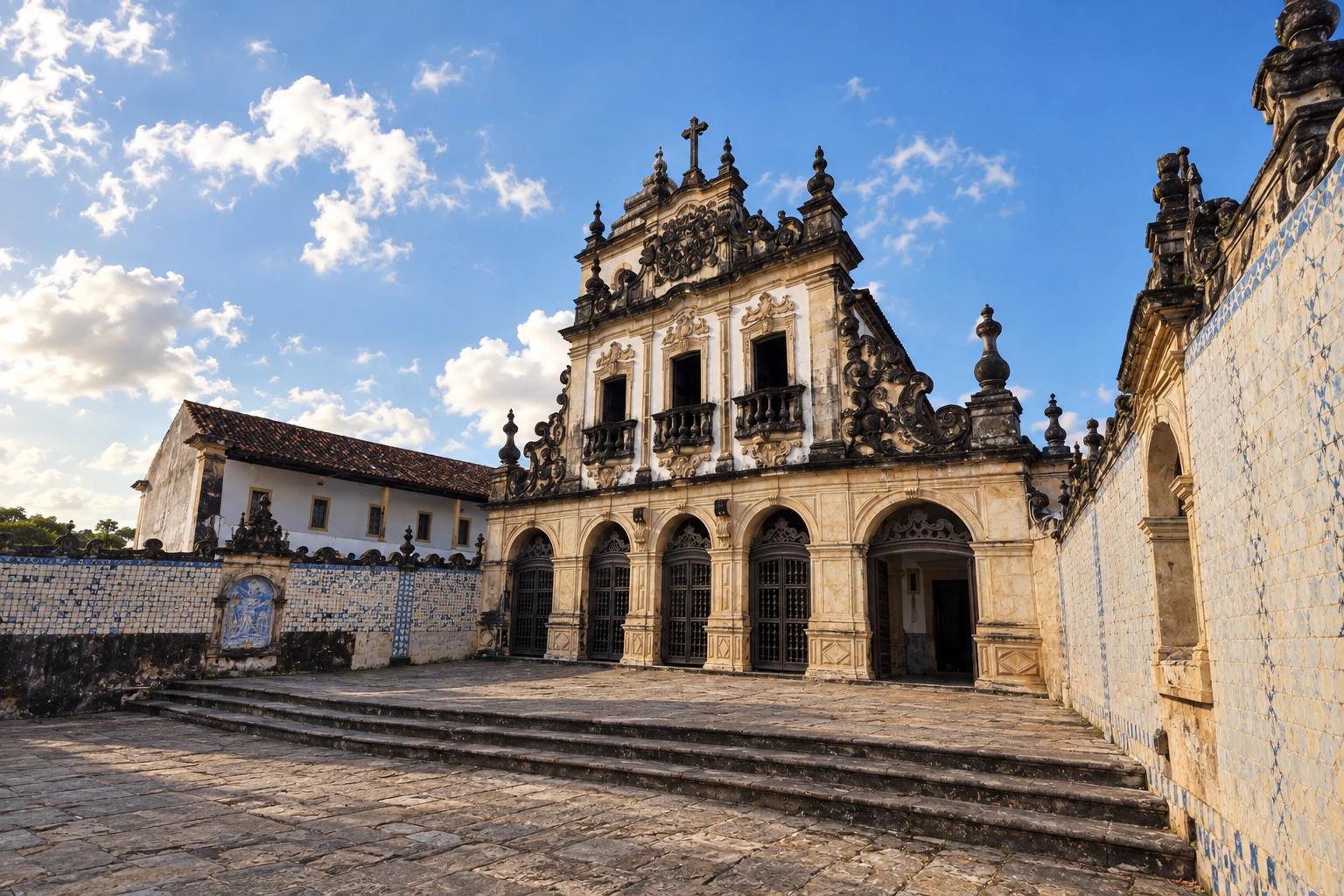
In the photo: Igreja de São Francisco, Centro Cultural São Francisco, João Pessoa (PB)
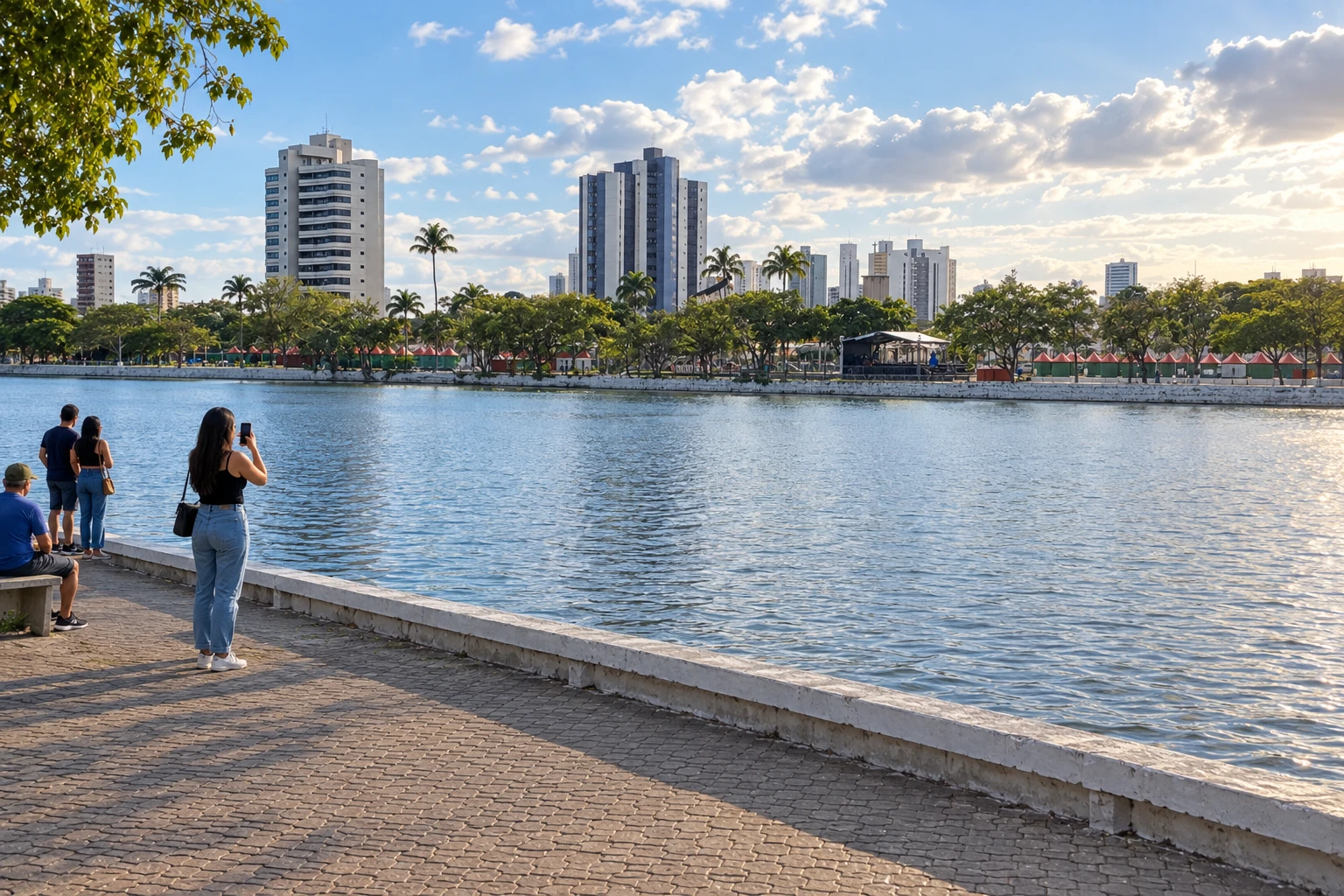
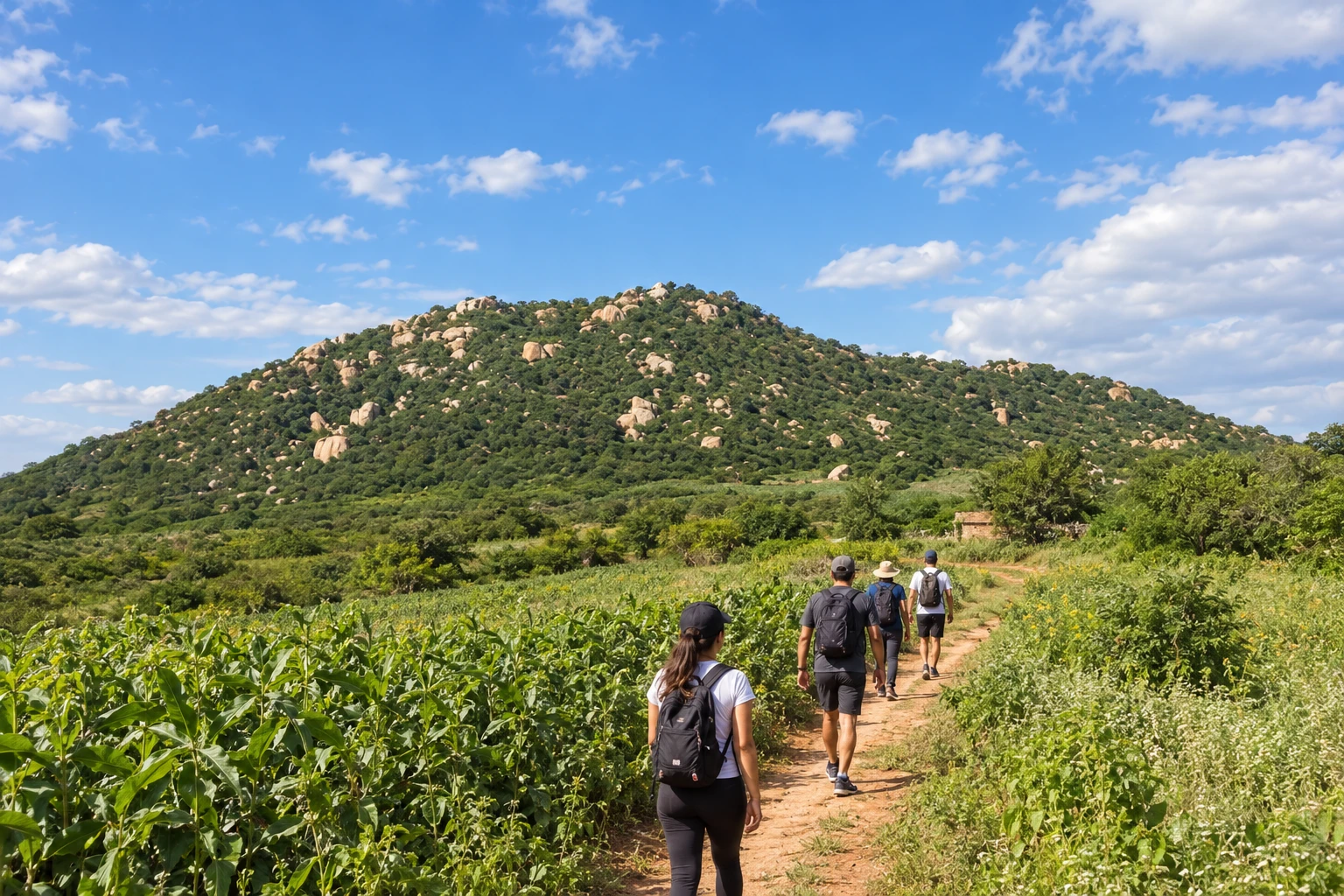
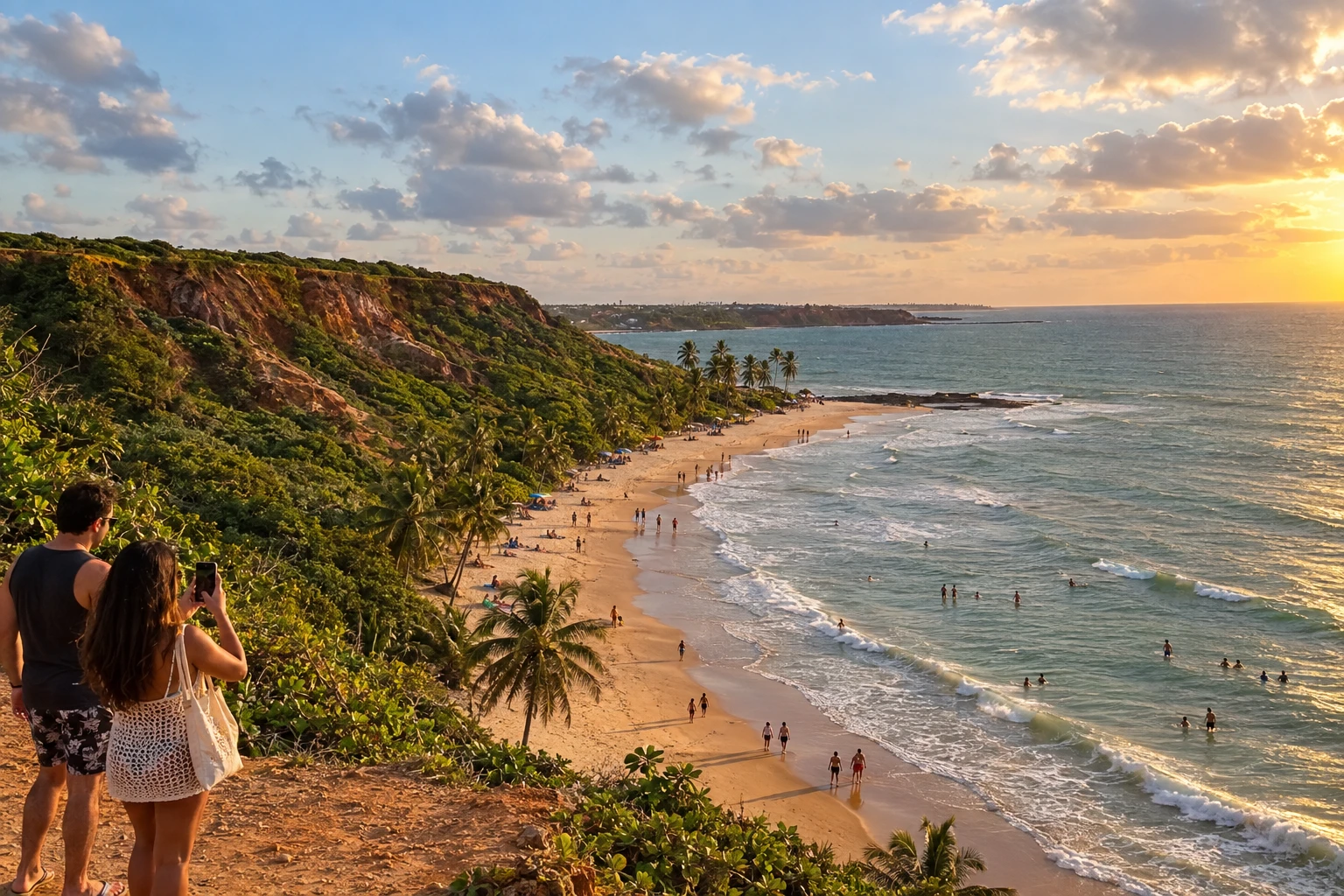
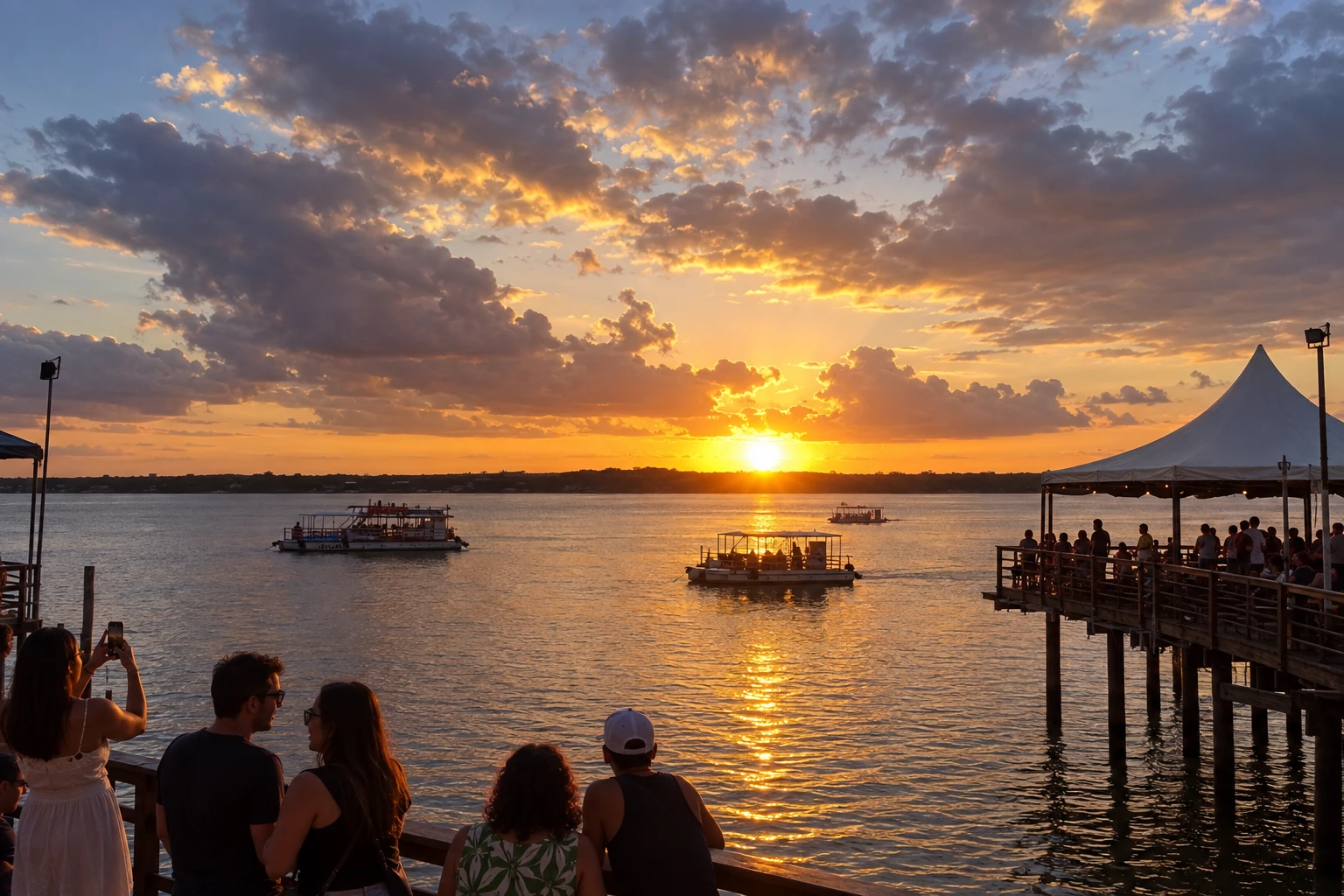
Illustrative images. The pictures in this guide are illustrations based on the real place, not photographs, and may differ from it.
The state
João Pessoa was founded in 1585 on the banks of the Sanhauá River, and is among the oldest cities in the country. The historic center, listed by IPHAN, includes the Convent and Church of São Francisco, now a cultural center, the Monastery of São Bento and the Church of Misericórdia, on streets that descend to the river.
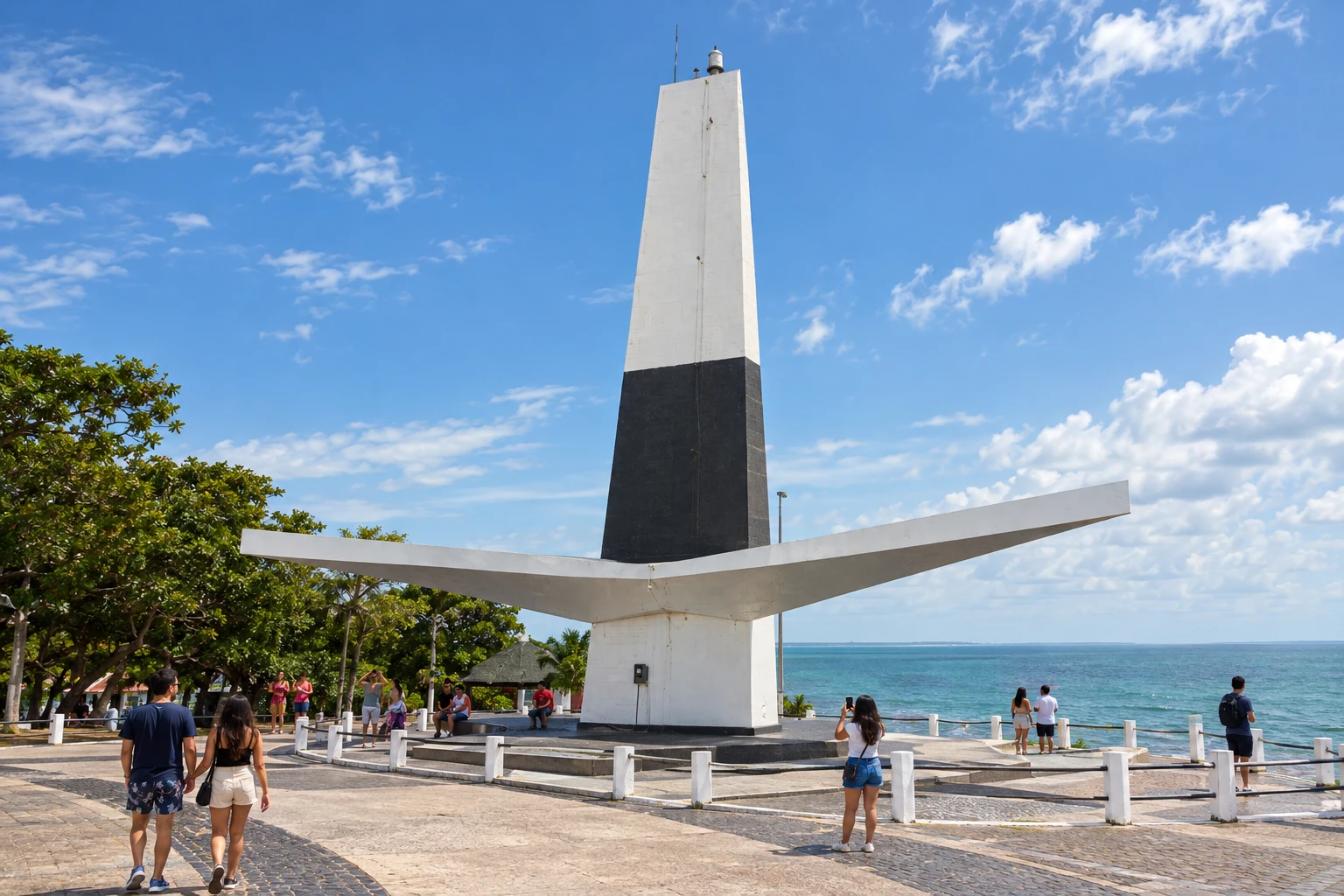
The city later expanded toward the sea. On the seafront, Cabo Branco, Tambaú and Manaíra have low-rise buildings, a bike path and a promenade; boats to the natural pools of Picãozinho depart from Tambaú at low tide. The Farol do Cabo Branco and the Ponta do Seixas mark the easternmost point of the continent. Along the Rota Sanhauá, Cabedelo sits between the sea and the estuary of the Paraíba River, with the Fortaleza de Santa Catarina, the sandbank Areia Vermelha and Praia do Jacaré, where the sunset over the river is accompanied by Ravel’s Boléro played on the saxophone.
To the south of the capital, the Litoral Sul da Paraíba (Costa do Conde) runs along the PB-008. In Conde are Coqueirinho, Tabatinga and Tambaba, an officially naturist beach with a section open to non-naturists. Pitimbu, near the border with Pernambuco, keeps artisanal fishing and the meeting of river and sea. Alhandra, in the same stretch, preserves the indigenous tradition of the Jurema Sagrada.
In the interior, Campina Grande holds one of the country’s biggest São João festivals in June. Paraíba cuisine features carne de sol with macaxeira, rubacão, cuscuz and queijo de coalho, and colorful cotton and lace handicrafts appear at the capital’s fairs.
Destinations
Cities
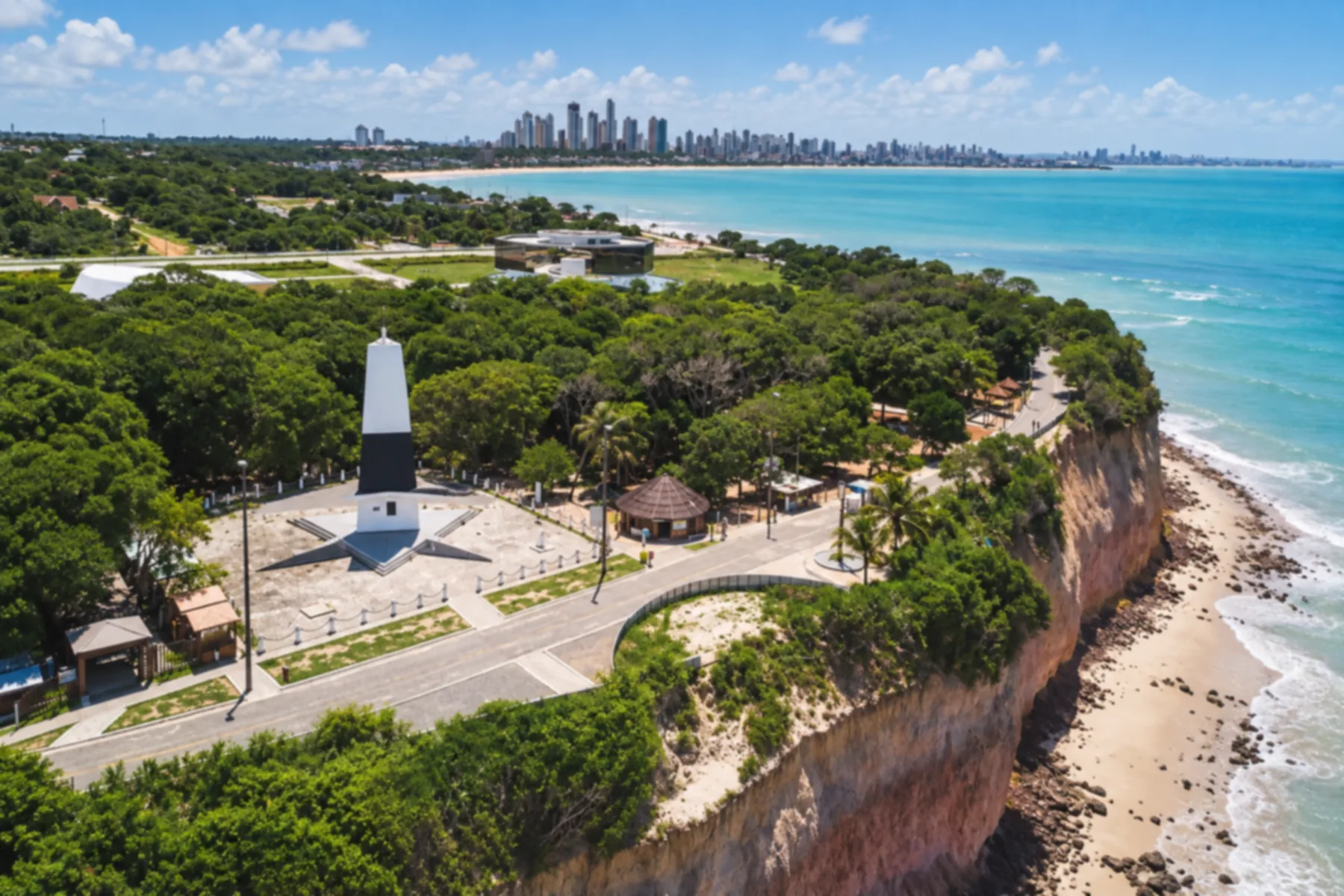
João Pessoa combines city beaches, cliffs and a historic center marked by churches and squares. The Farol do Cabo Branco (lighthouse) and the Tambaú waterfront are among the landmarks of Paraíba's capital.
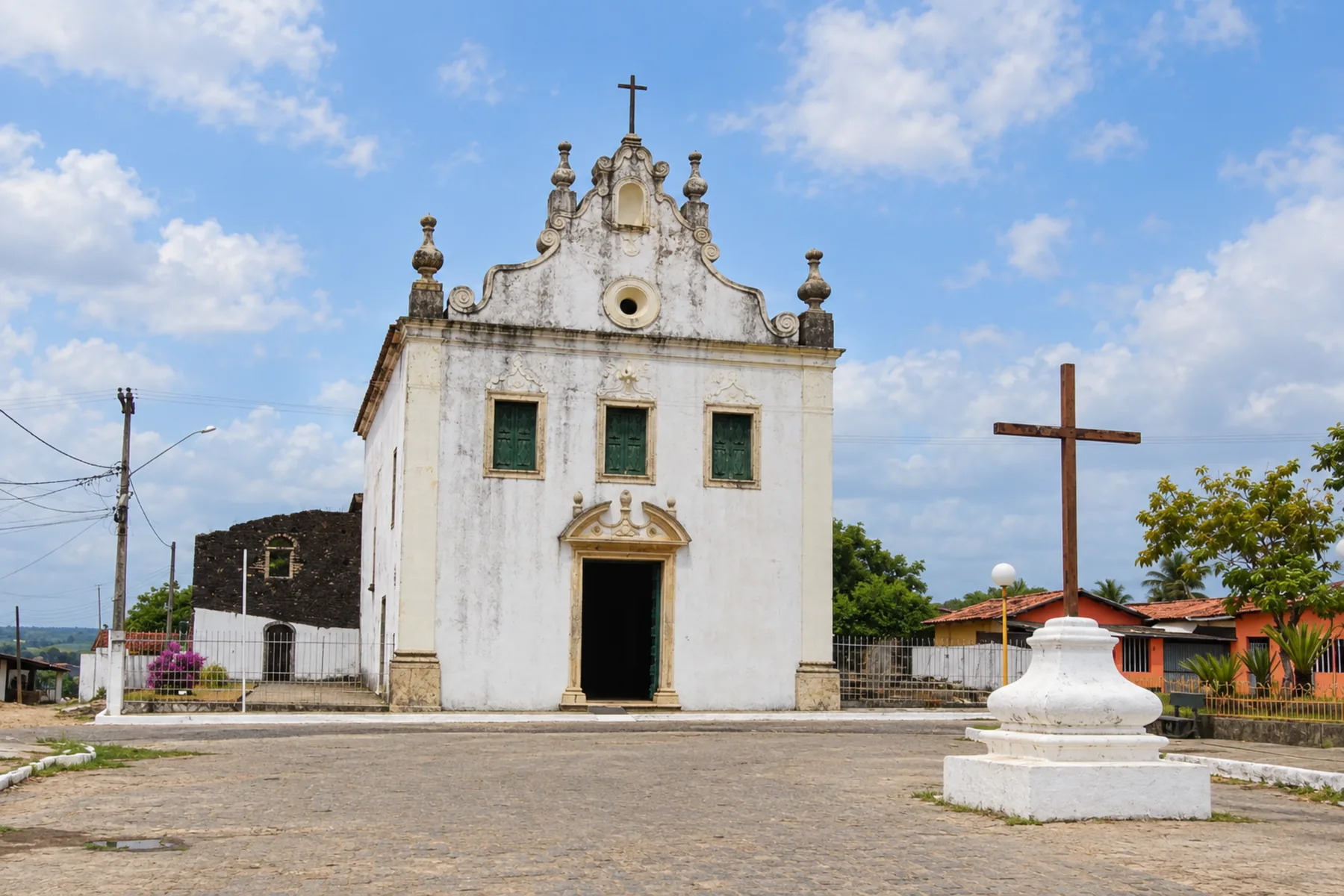
Alhandra preserves links to its Indigenous origins and to the tradition of Jurema Sagrada (an Afro-Indigenous spiritual practice). The Igreja de Nossa Senhora da Assunção (church) is part of the downtown landscape and of the town's religious memory in Paraíba.
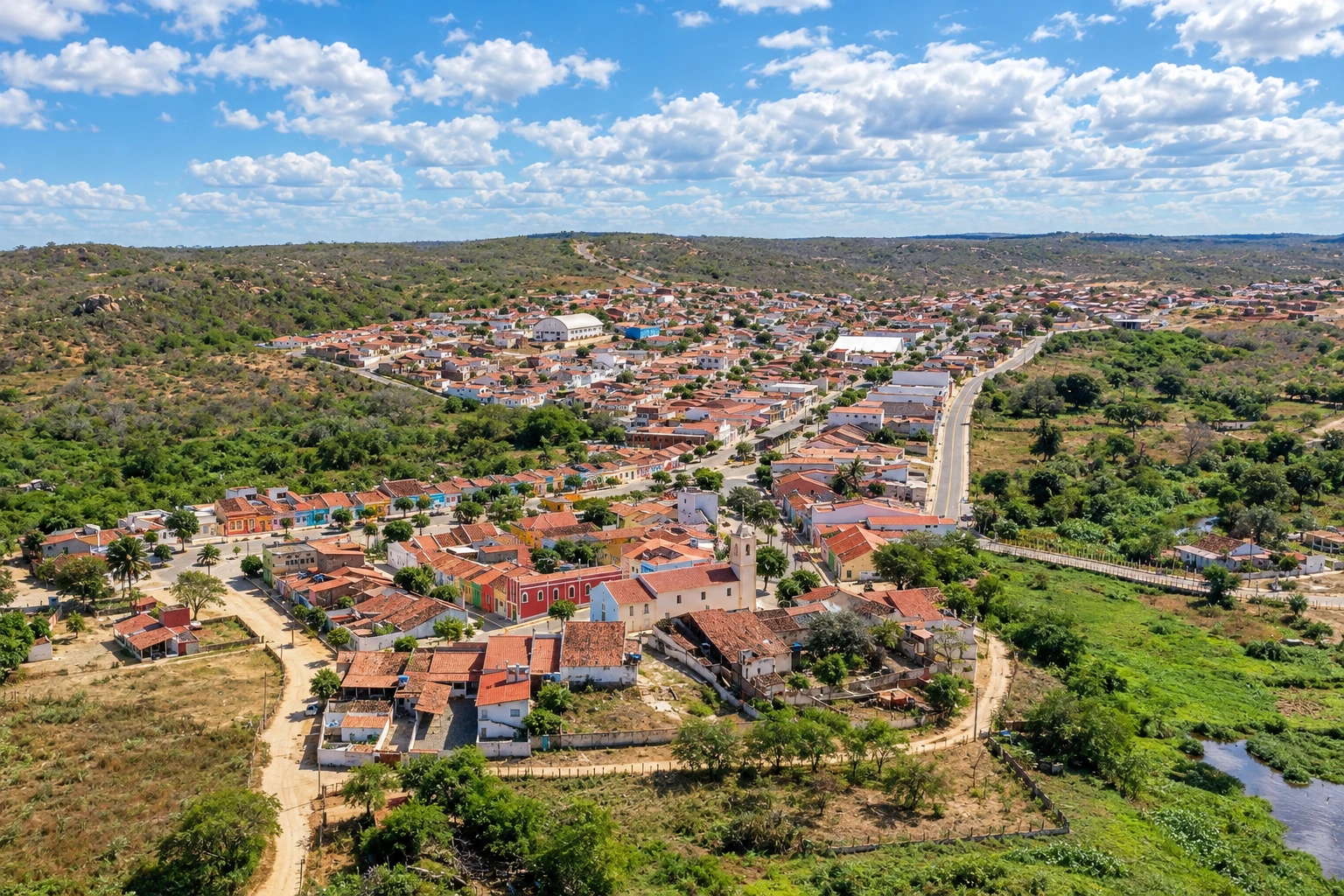
Cabaceiras is a small town in the Paraíba Cariri, on the Borborema Plateau, known as “Roliúde Nordestina”: its streets and surrounding rural areas have served as settings for dozens of films, including O Auto da Compadecida. It is often cited as the municipality with the least rainfall in Brazil, with an annual average around 300 millimeters. The Lajedo de Pai Mateus, the Saca de Lã and the district of Ribeira, known for goat leather tanneries, are located in the municipality.
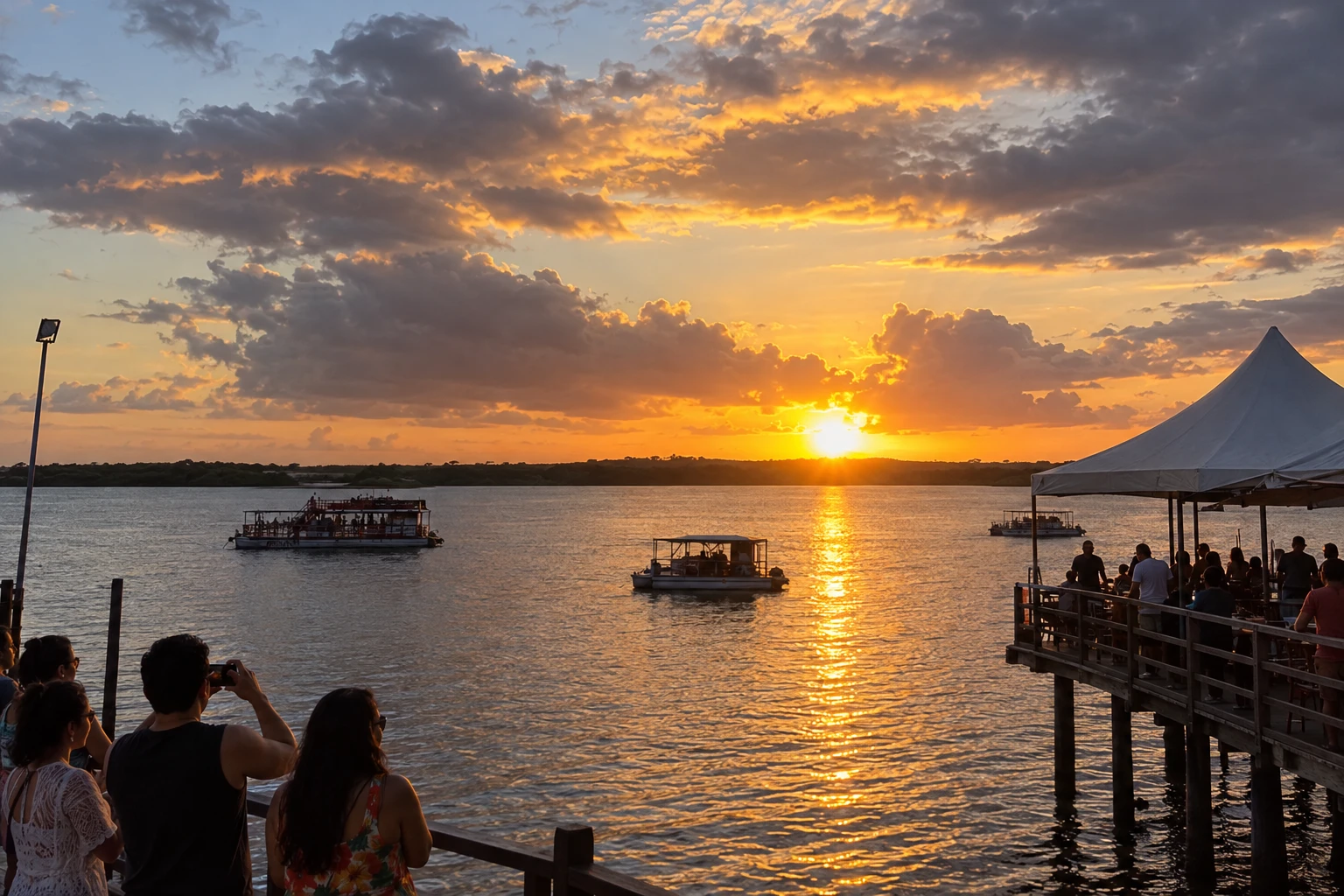
Cabedelo lies between the Atlantic and the Rio Paraíba estuary, north of João Pessoa. The route combines Fortaleza de Santa Catarina, the beaches of Intermares and Camboinha, and an evening at Praia do Jacaré. Sea and river offer different experiences within the same municipality.
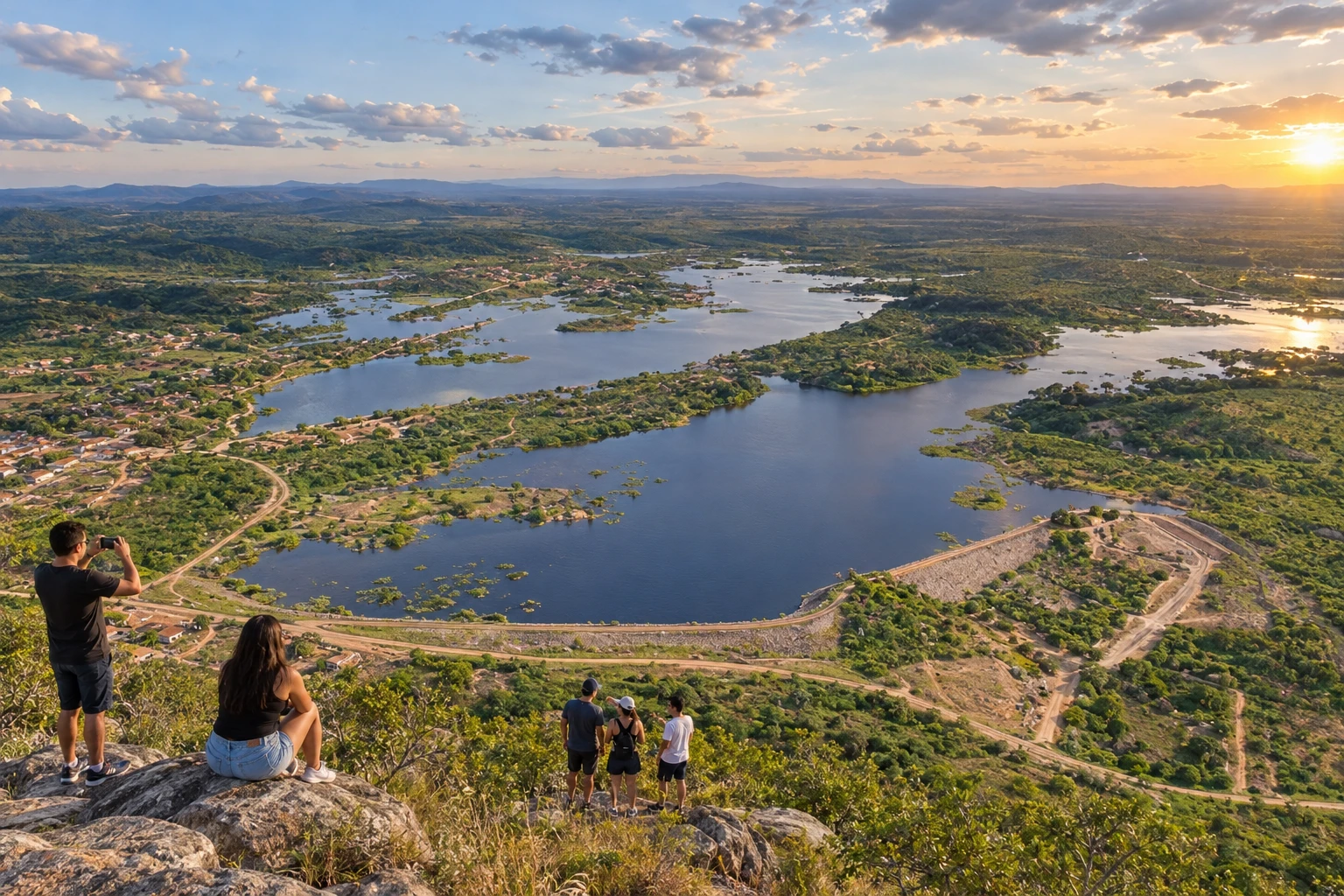
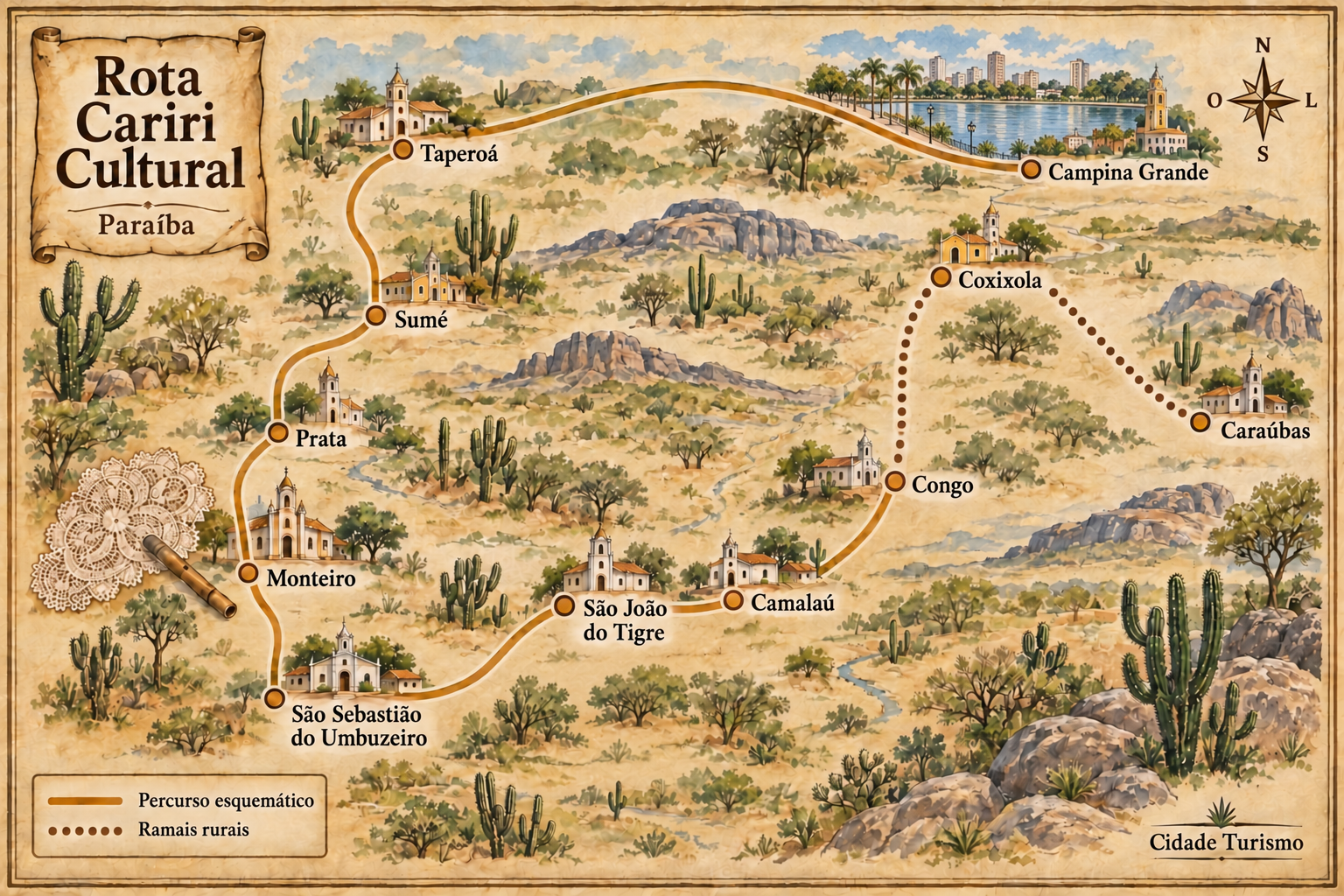
The rio Paraíba and the Camalaú dam help situate this town in the Cariri. The town is located at the junction of PB-224 and PB-196, bringing together the roads that come from São João do Tigre and head to Congo.
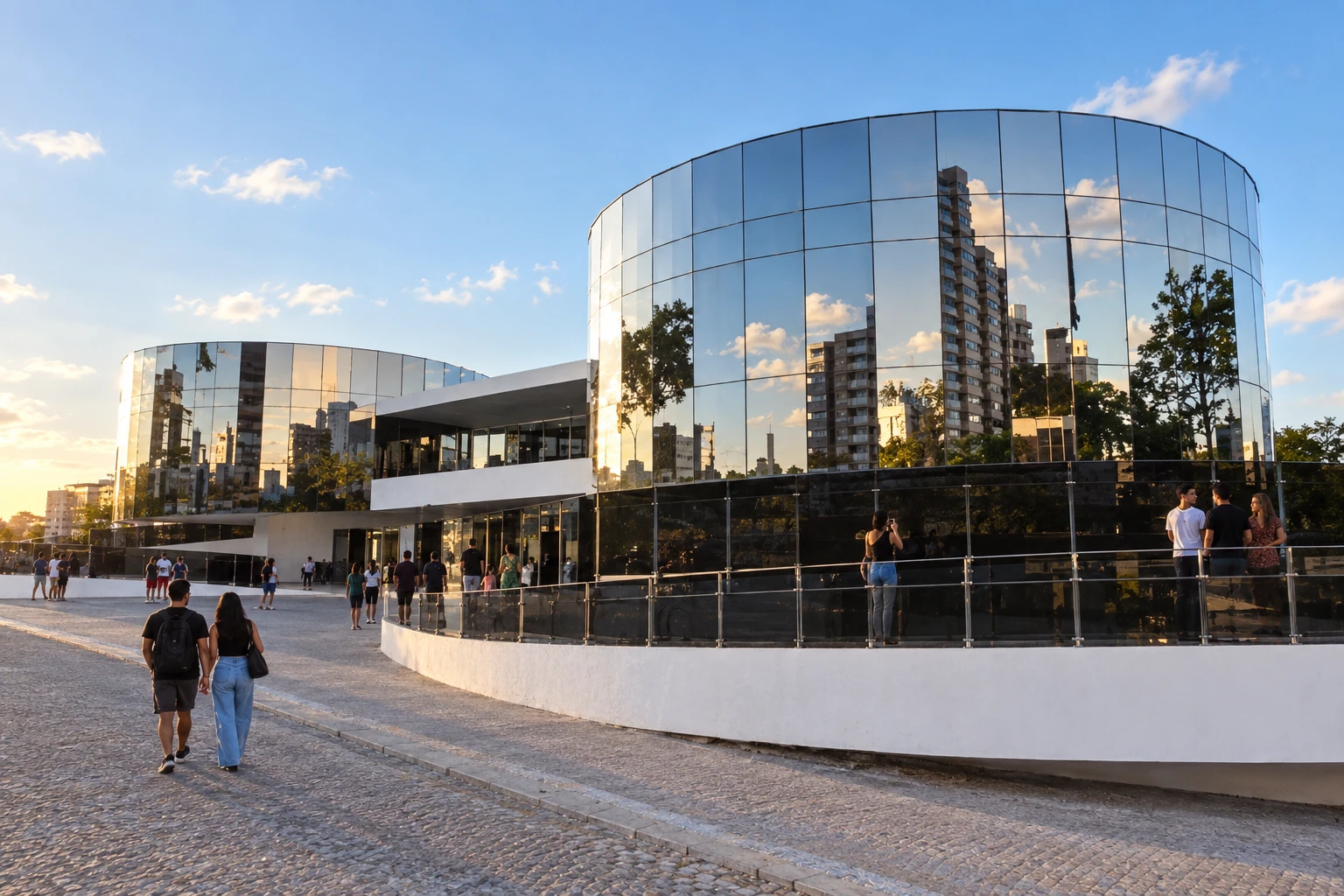
The Açude Velho and the museums tell parts of Campina Grande's history, an urban center of the Serra da Borborema. The railway and cotton marked its growth; today the city brings together universities, services and a cultural life also linked to forró and the June festivals.
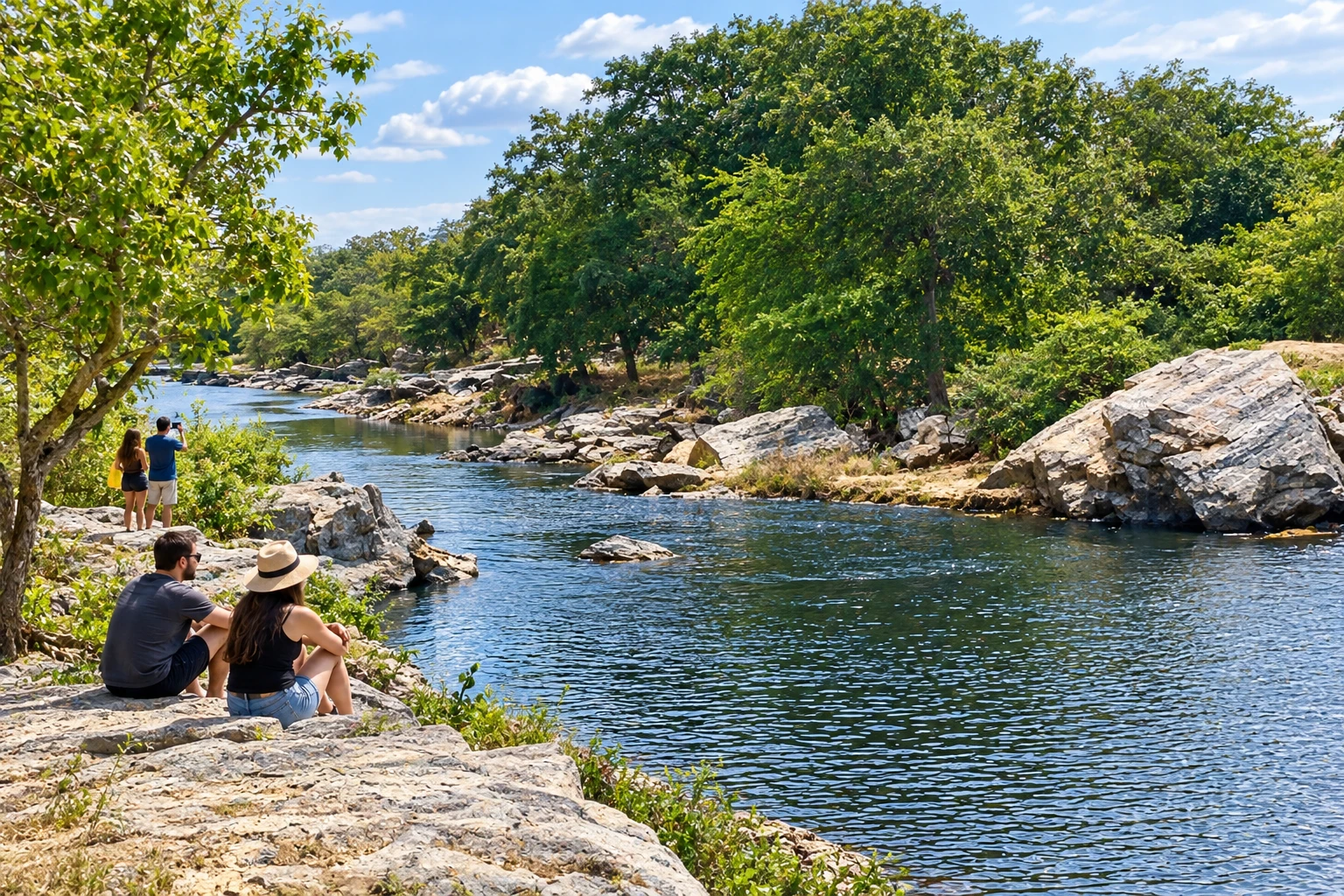
The Igreja de Nossa Senhora do Rosário preserves part of Caraúbas's religious memory. The Cangati waterfront connects with the town center's landscape and local cuisine; arrange entry to the temple before you go.
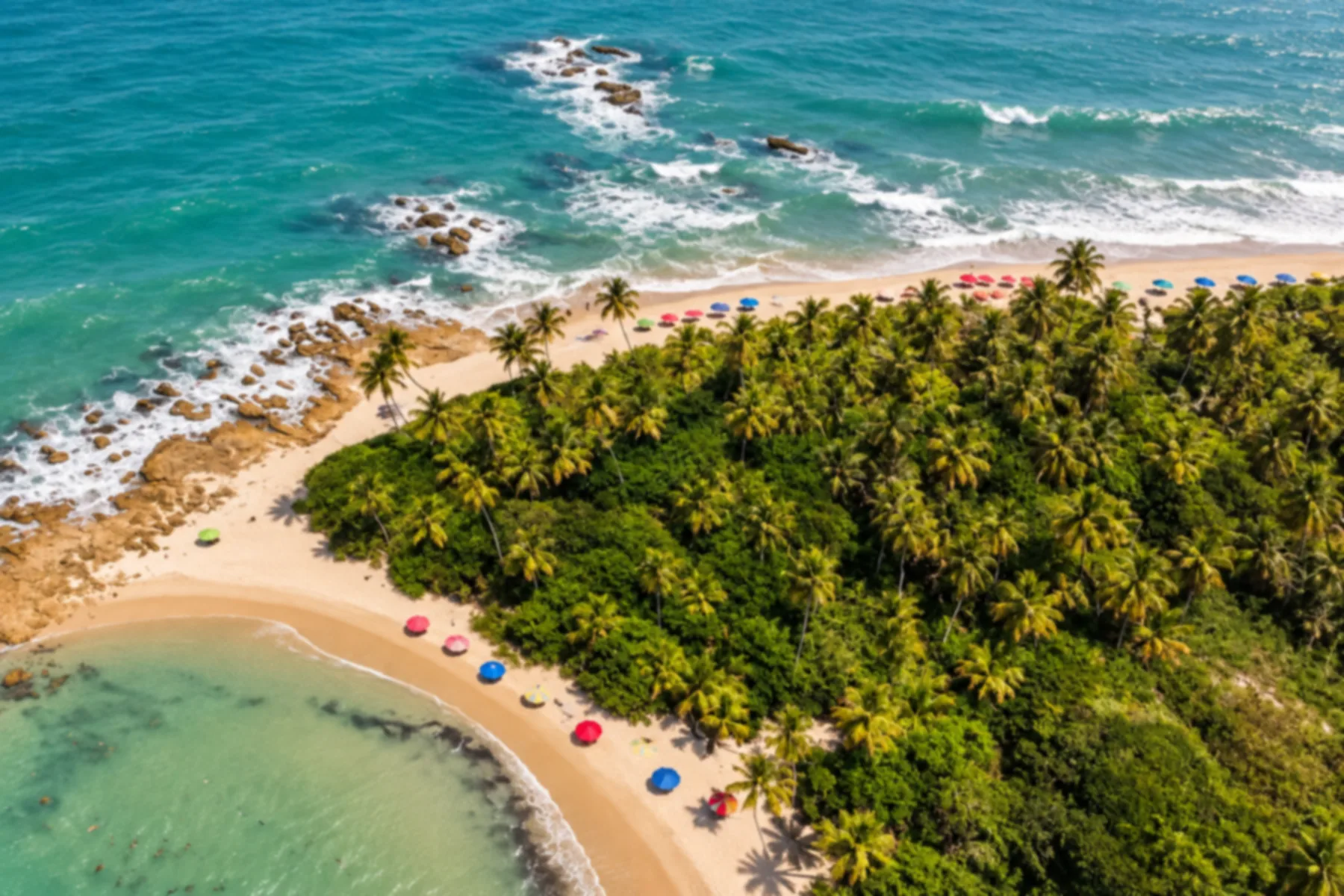
Conde brings together beaches with colorful cliffs, coconut groves and coves on the south coast of Paraíba. Coqueirinho, Tambaba and Tabatinga show different sides of the coast, between stretches of sand and rock formations.
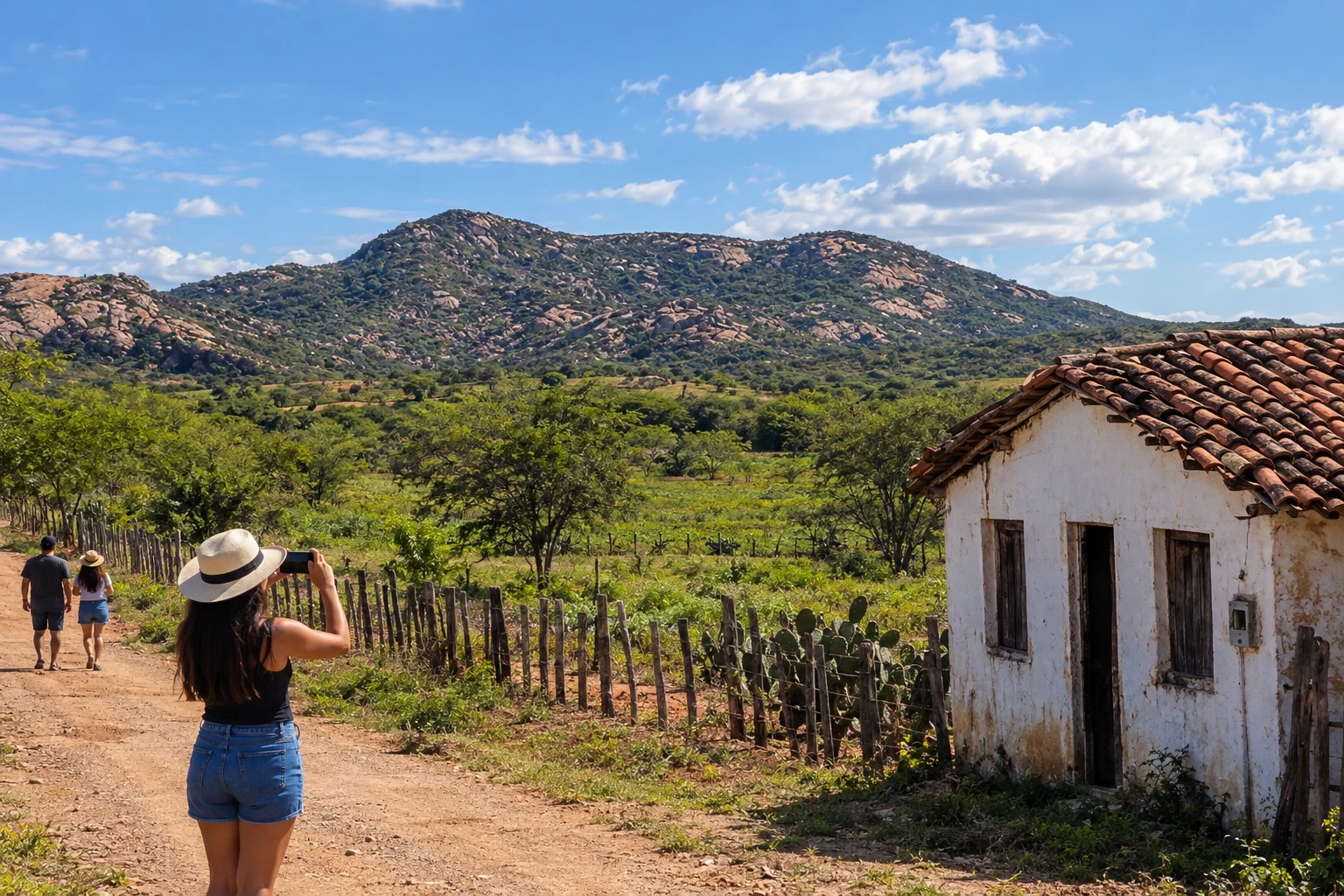
Serra da Engabelada and the course of the Paraíba River are landmarks of Congo. The trail route adds to the local popular culture traditions; arrange the visit to the serra before choosing the rural access points for the next stretch.
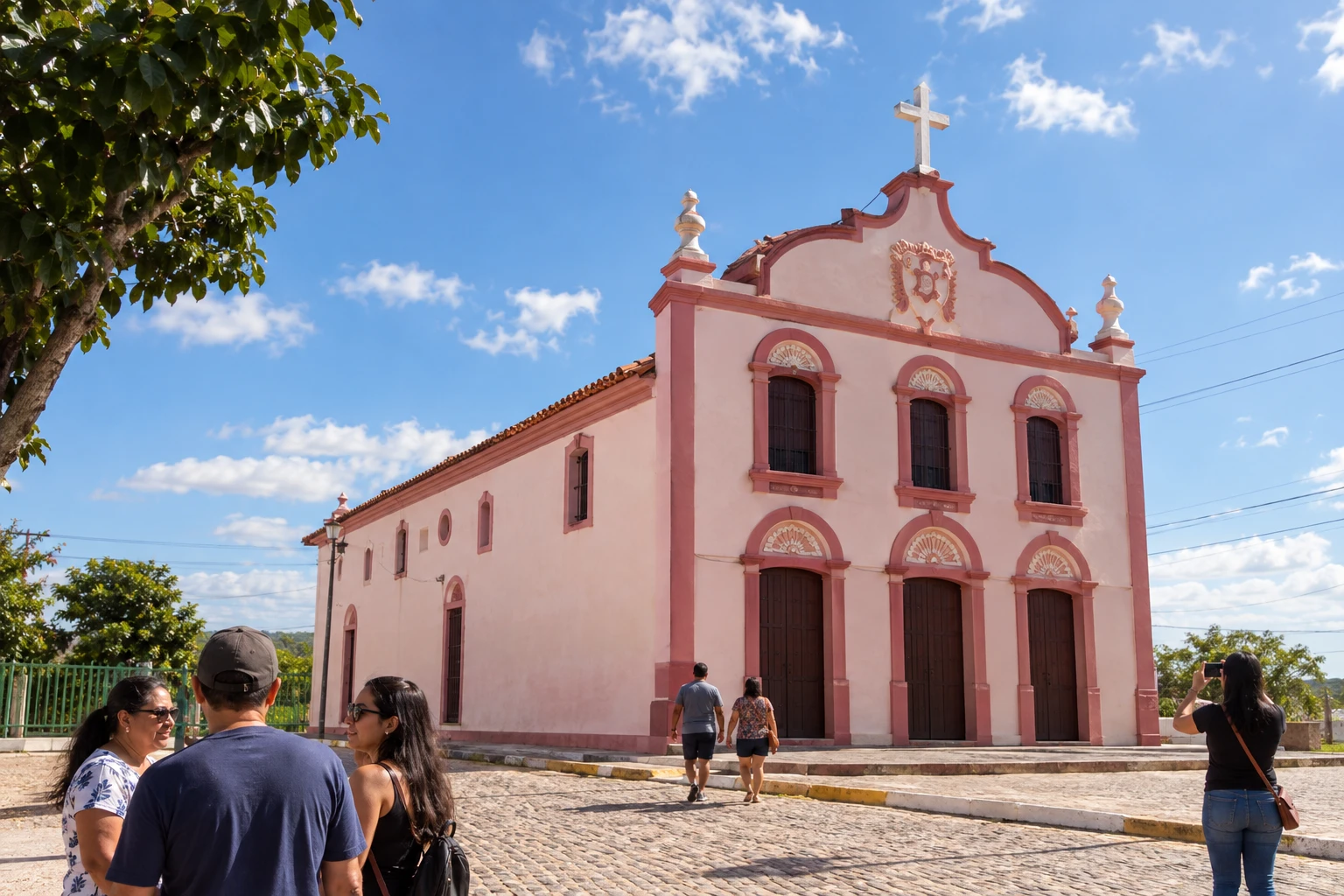
Coxixola is part of the cultural route on the spur between the PB-200 and PB-204. North of Congo and west of Caraúbas, the town marks the passage along rural caatinga roads, with sections that require checking access before the trip.
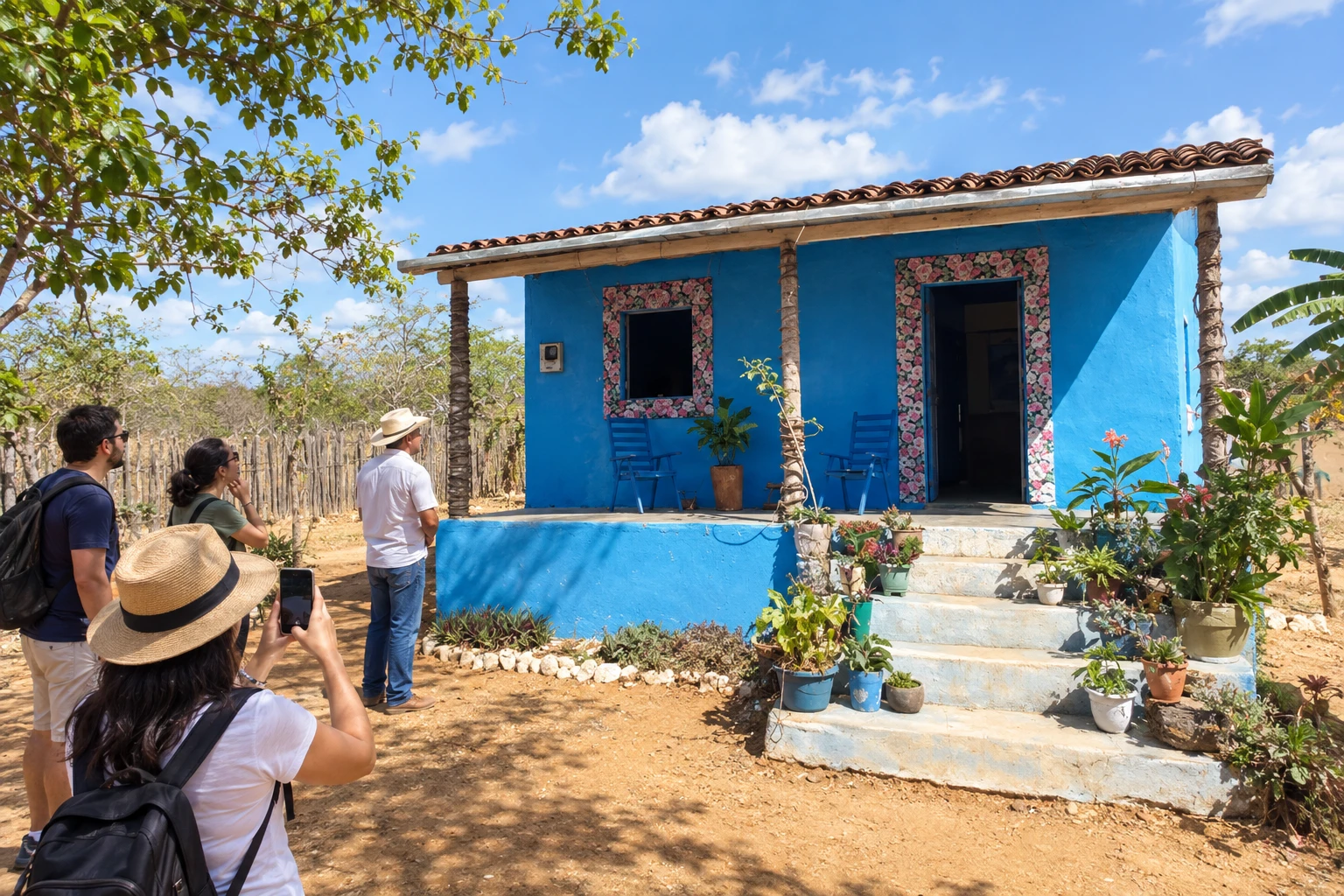
The memory of Zabé da Loca remains at sítio Tungão in Monteiro, where the fife is part of the place's cultural history. Laje das Moças adds the rocky landscape to the stop; the municipality is also a service hub in the western Cariri.
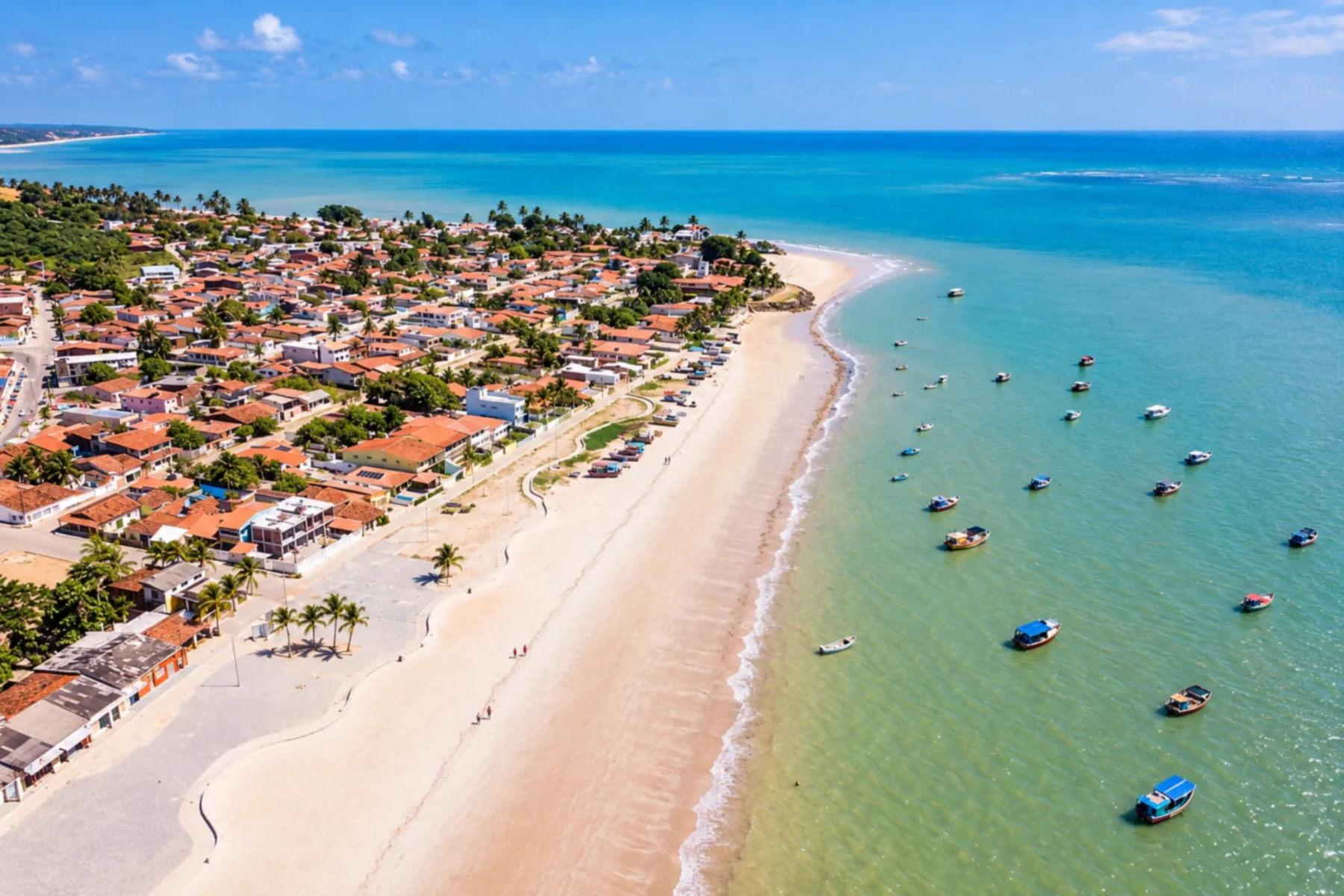
Pitimbu is known for its fishing and beaches on the south coast of Paraíba. Boats along the shore, coconut groves and rivers meeting the sea make up the town's coastal scenery.
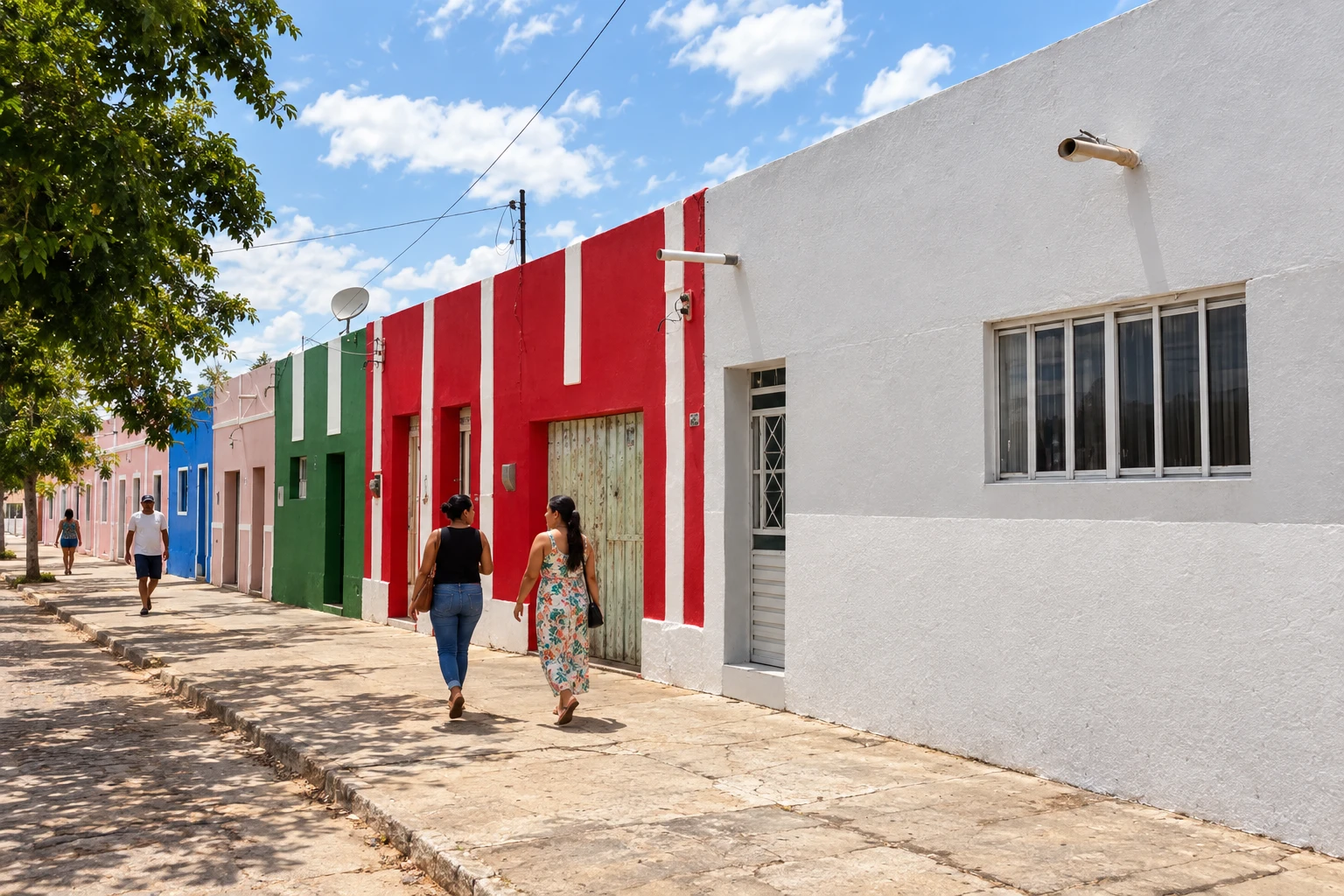
Serra da Matarina rises in the landscape of Prata, a municipality linked to goat farming and milk production. Its trail complex is part of the town's rural route, with paths that require accompaniment and an access agreement.
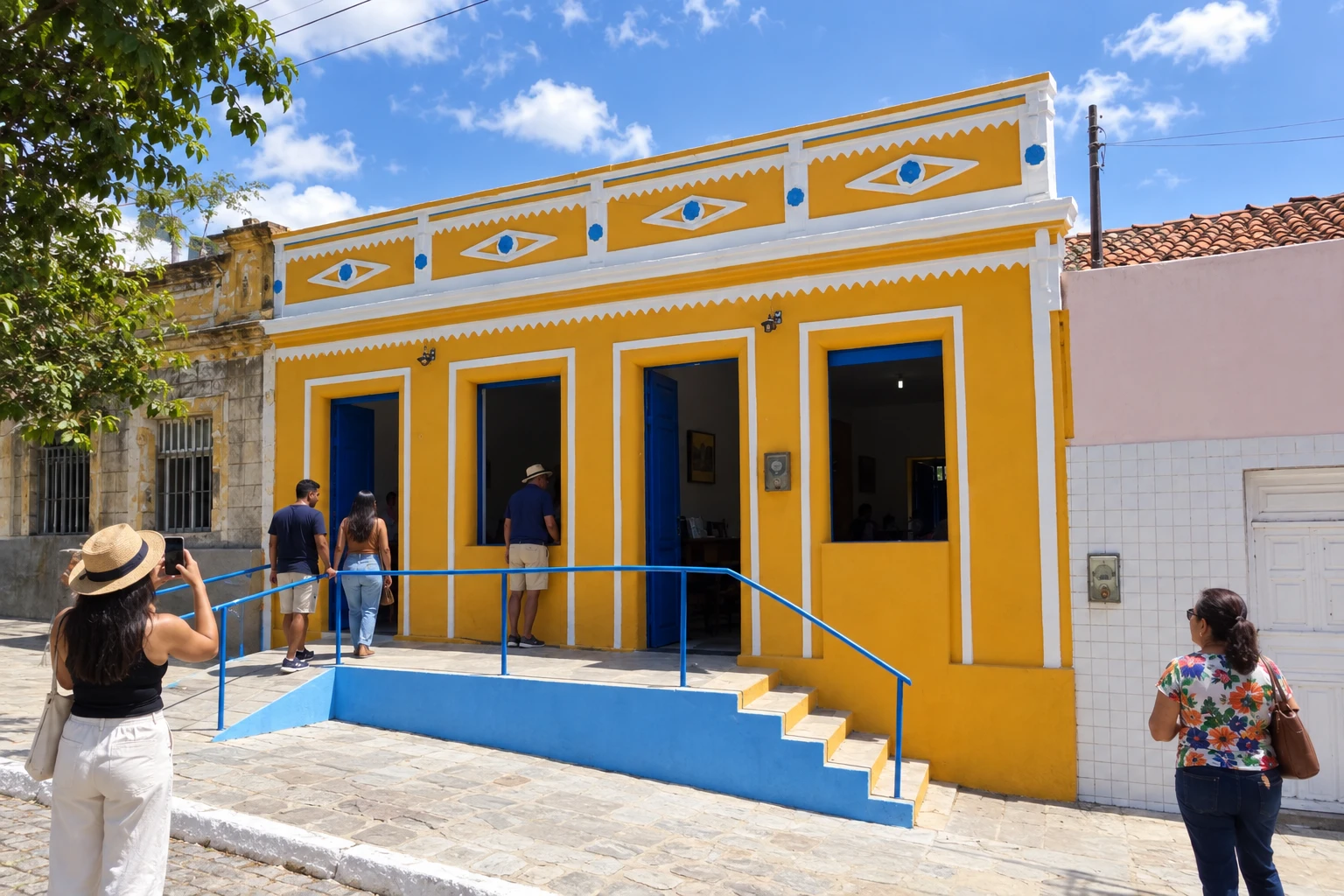
The sacred art of Miguel Guilherme and the compositions of Zé Marcolino each have their own spaces in Sumé. The Museu/Escola Miguel Guilherme, the local history memorial and the Casa da Cultura Poeta Zé Marcolino provide distinct themes for a stop before heading west.
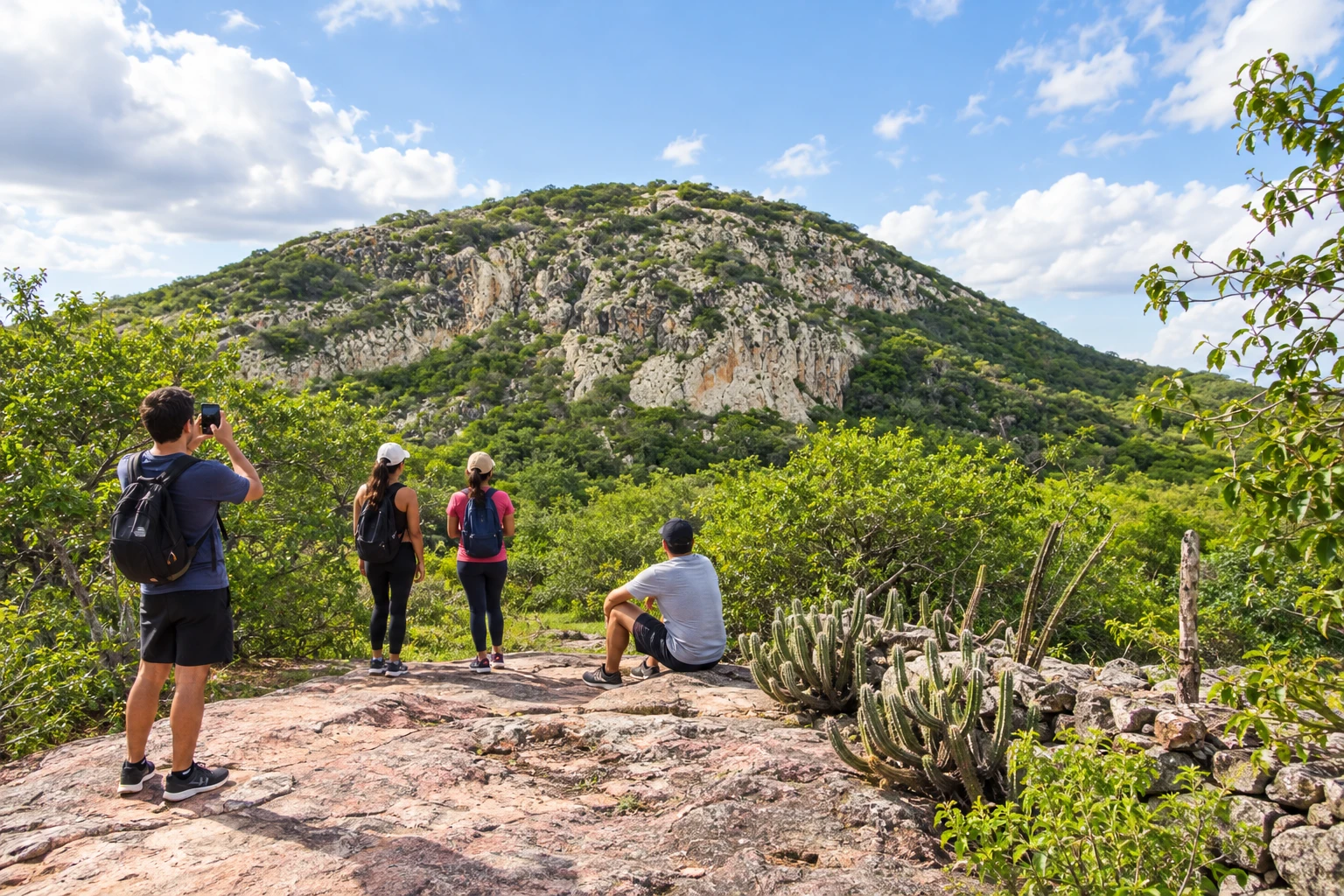
Renascença lace characterizes the handicraft work of São João do Tigre, a municipality that also hosts the APA das Onças. Along the route, the municipal seat links PB-240 to PB-224; the natural areas have their own accesses that require separate planning.
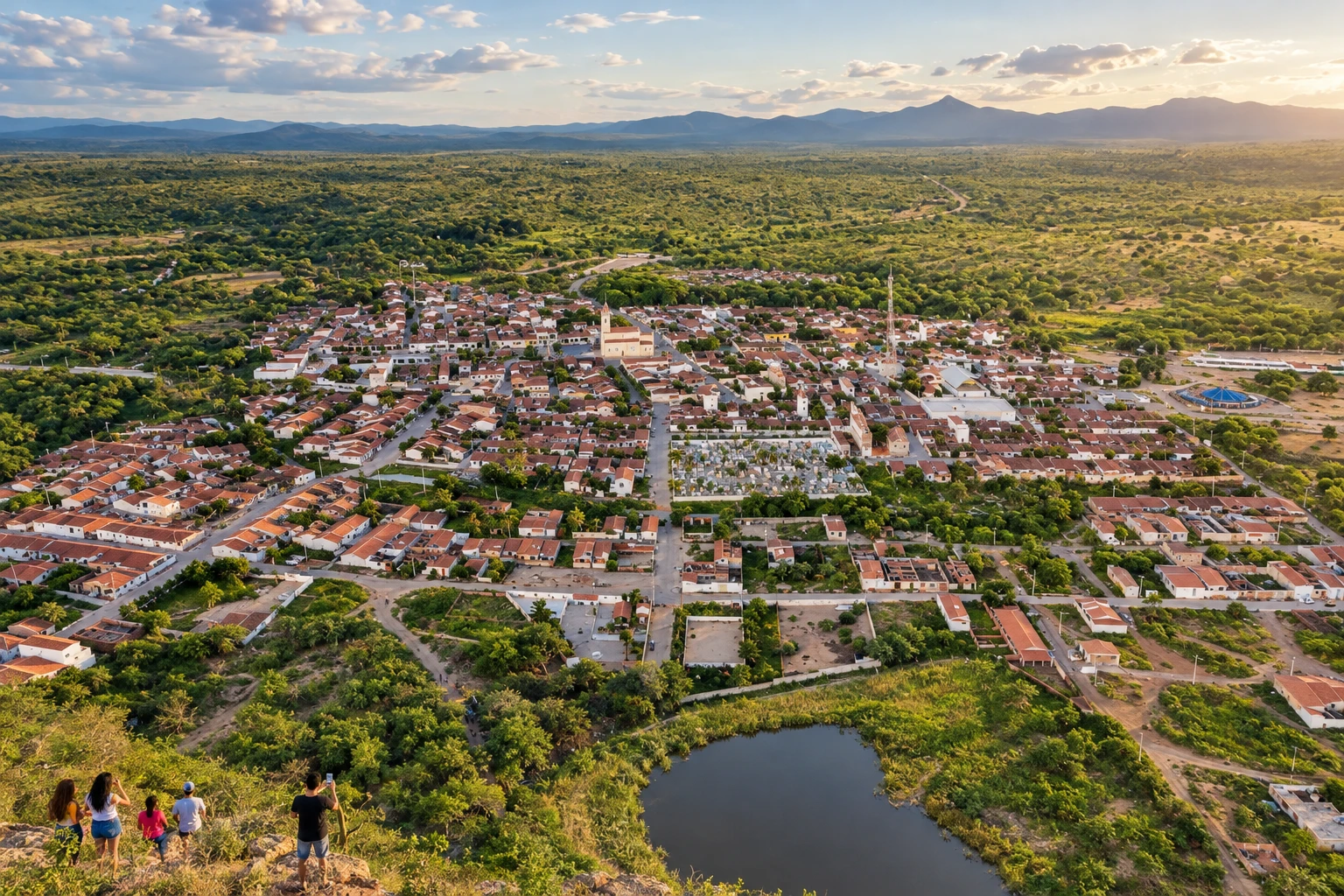
São Sebastião do Umbuzeiro is in the southern Cariri, at the junction of PB-264 and PB-240. The access road from Monteiro goes through Zabelê and proceeds toward São João do Tigre, linking this municipal seat to the southern cultural route.
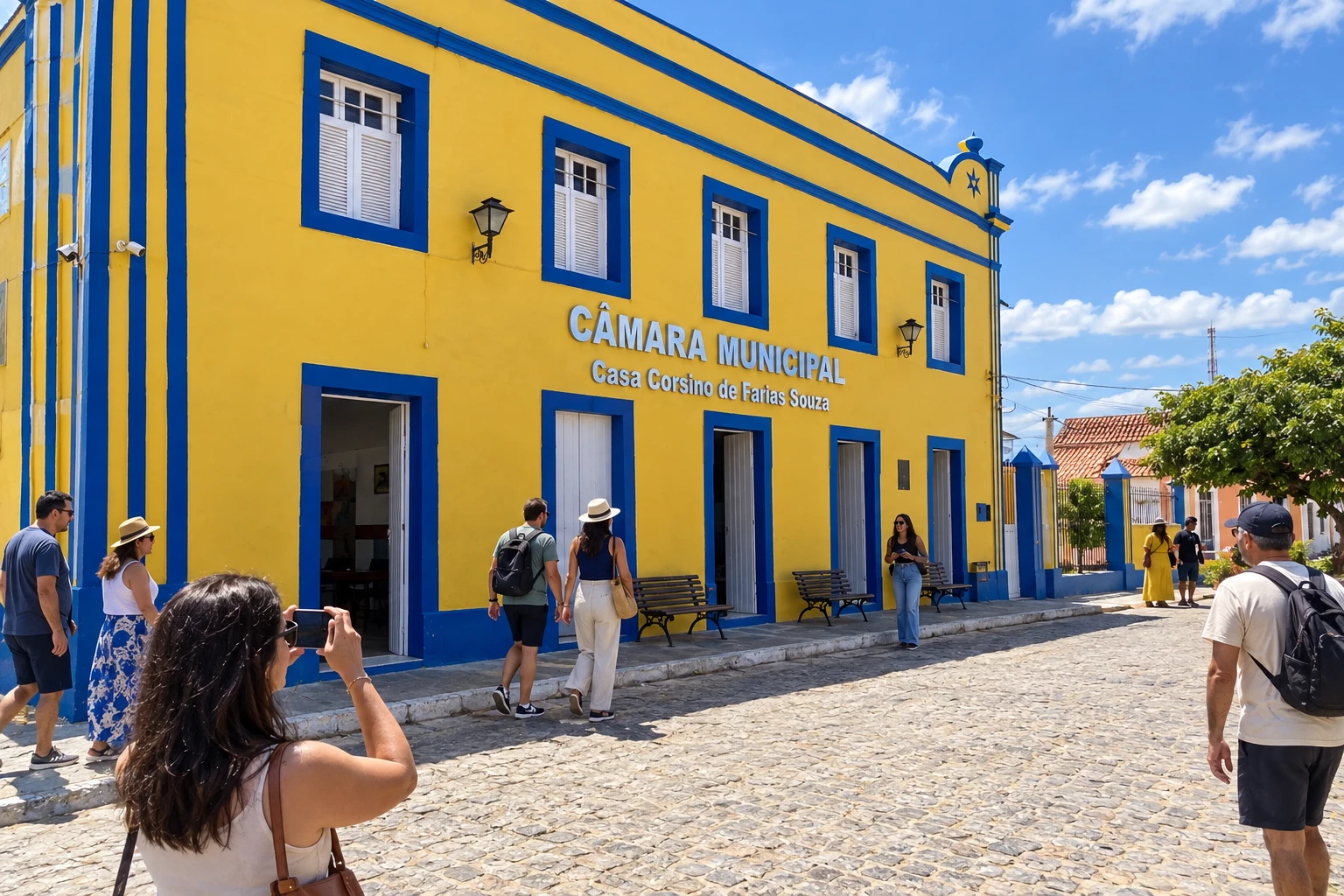
Ariano Suassuna lived part of his childhood in Taperoá and revisited the city in his work. The Museu Casa Ariano Suassuna and the group of streets, sobrados and churches in the town center bring visitors closer to that memory, on the town's cultural route.
Routes
On the Paraíba coast, the rainy season falls between April and July. The rest of the year is dry and sunny, with stable temperatures. For the natural pools of Picãozinho and Areia Vermelha, September to March is the safest period, always check the tide tables. June brings Campina Grande's São João; in João Pessoa the high season is in summer and during the July holidays.
Presidente Castro Pinto International Airport is in Bayeux, in João Pessoa’s metropolitan area. The BR-101 links the capital to Natal and to Recife, which is about 120 kilometers away, and many people fly into Recife and continue by car. The BR-230 starts in Cabedelo, crosses João Pessoa and goes on to Campina Grande and the sertão. To the south, the PB-008 follows the coast as far as Conde and Pitimbu.
Beyond the guide
Your questions
Boats and catamarans depart from the Tambaú waterfront and only operate at low tide. Departure times change daily according to the tide table, so confirm with the operator the day before. Bring footwear to walk on the reef without stepping on the corals.
No. The beach has a section open to everyone and a naturist area with its own rules, where only those who are nude may enter. Unaccompanied men are usually refused entry to the naturist area. Photographing other people is prohibited.
Tambaú, Cabo Branco and Manaíra are home to hotels, restaurants and the seafront bike path. They are close to the departures for Picãozinho and about half an hour from the historic center and Cabedelo.
Praia do Jacaré is in Cabedelo, on the banks of the Paraíba River. The sun sets over the river every day, and a saxophonist plays Ravel's Boléro from a boat. Arrive early to get a table at the riverside bars. There are also boat tours that depart from there.
Mapa: @svg-maps/brazil, CC BY 4.0