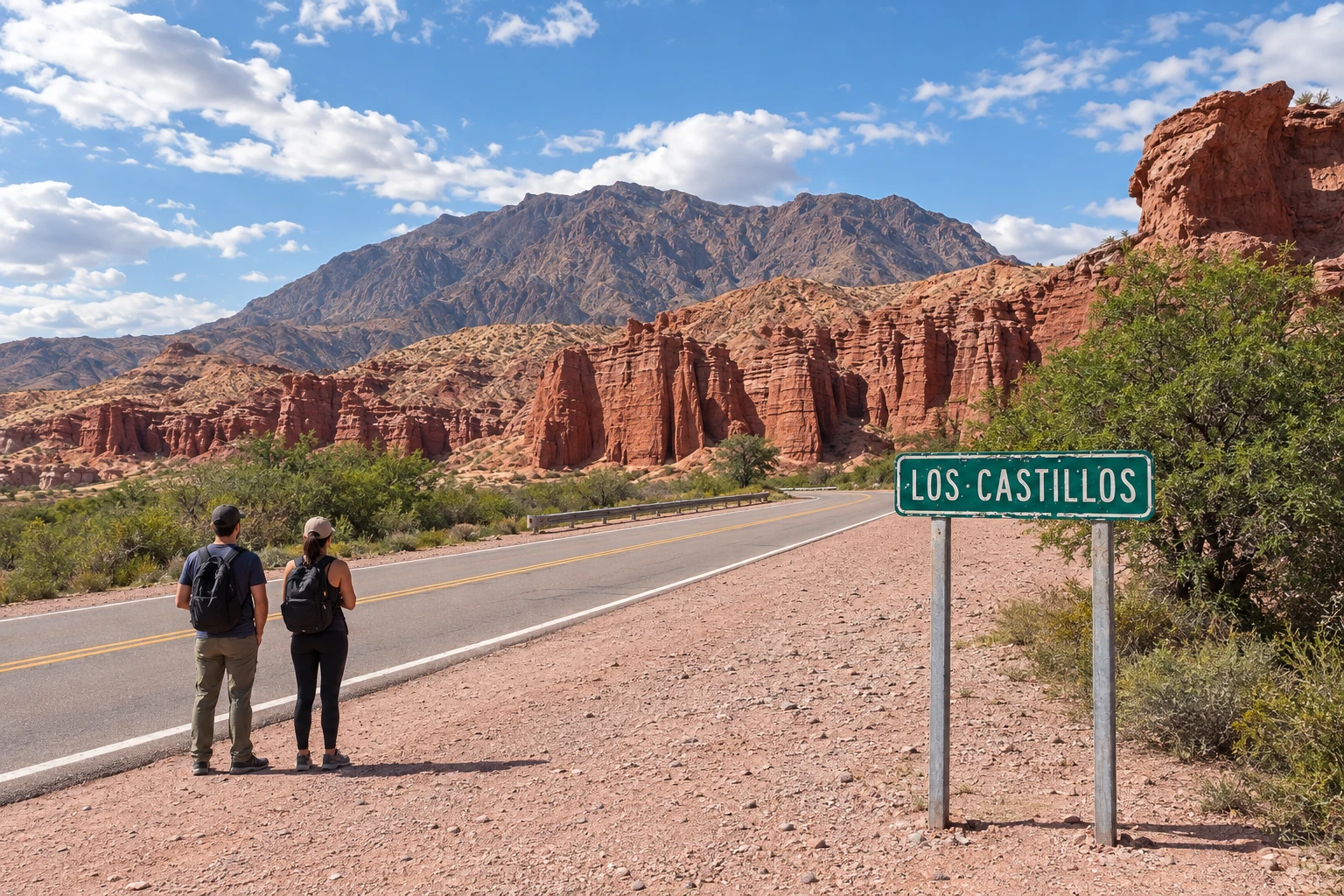
Salta
Salta and Cafayate
Museums and churches in Salta, high-altitude wine in Cafayate, and the village of Cachi among the Valles Calchaquíes.

 Search
 Brazil
 AntarcticaArgentina
 Bolivia
 Chile
 Colombia
 Ecuador
 Falkland Islands (Malvinas)
 French Guiana
 Guyana
 Paraguay
 Peru
 Suriname
 Uruguay
 Venezuela
 Austria
 Belgium
 Croatia
 Denmark
 Finland
 France
 Germany
 Greece
 Hungary
 Iceland
 Ireland
 Italy
 Luxembourg
 Norway
 Poland
 Portugal
 Slovakia
 Slovenia
 Spain
 Sweden
 Switzerland
 the Czech Republic
 the Netherlands
 the United Kingdom
 Turkey
 Bermuda
 Canada
 Greenland
 Mexico
 Saint Pierre and Miquelon
 the United States
 the Dominican Republic
 JapanTurkey
 Egypt
 South Africa
 Australia
 Fiji
 New Zealand
 Papua New Guinea
Argentina travel guide
What to do, when to go and how to get there, destination by destination.
6 routes · 9 destinations · 29 citiesin Argentina
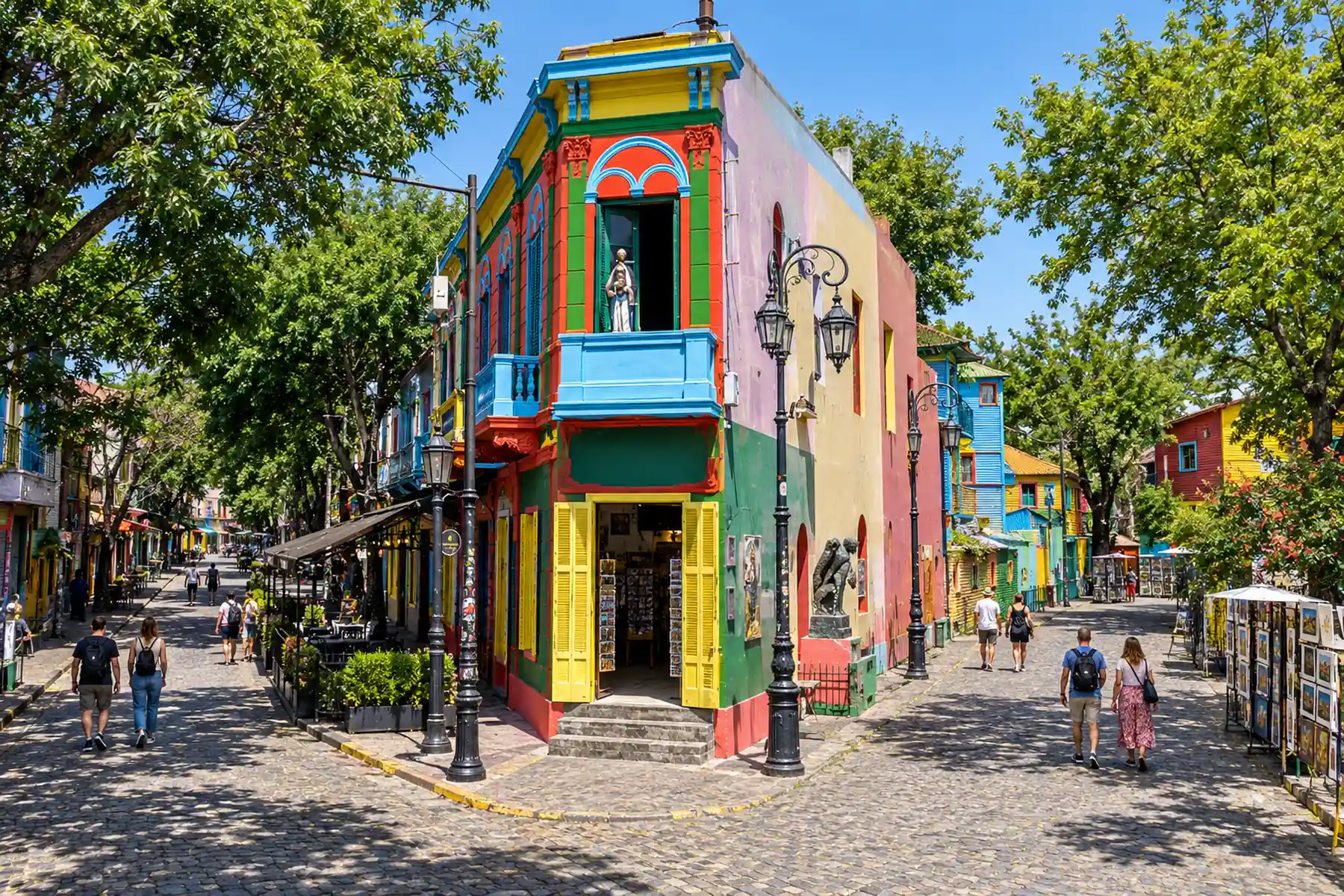
In the photo: Caminito, La Boca — Buenos Aires
Illustrative images. The pictures in this guide are illustrations based on the real place, not photographs, and may differ from it.

A destination is a region you visit as a single trip: it can bring together several cities or be a large city with everything it offers. Each destination has the tours, the itineraries, the best time to go month by month and how to get there.
The guide currently has 9 destinations, with 29 cities in 11 provinces.
Today's highlights
A destination is more than a city: it's everything you can experience there.
Museums and churches in Salta, high-altitude wine in Cafayate, and the village of Cachi among the Valles Calchaquíes.
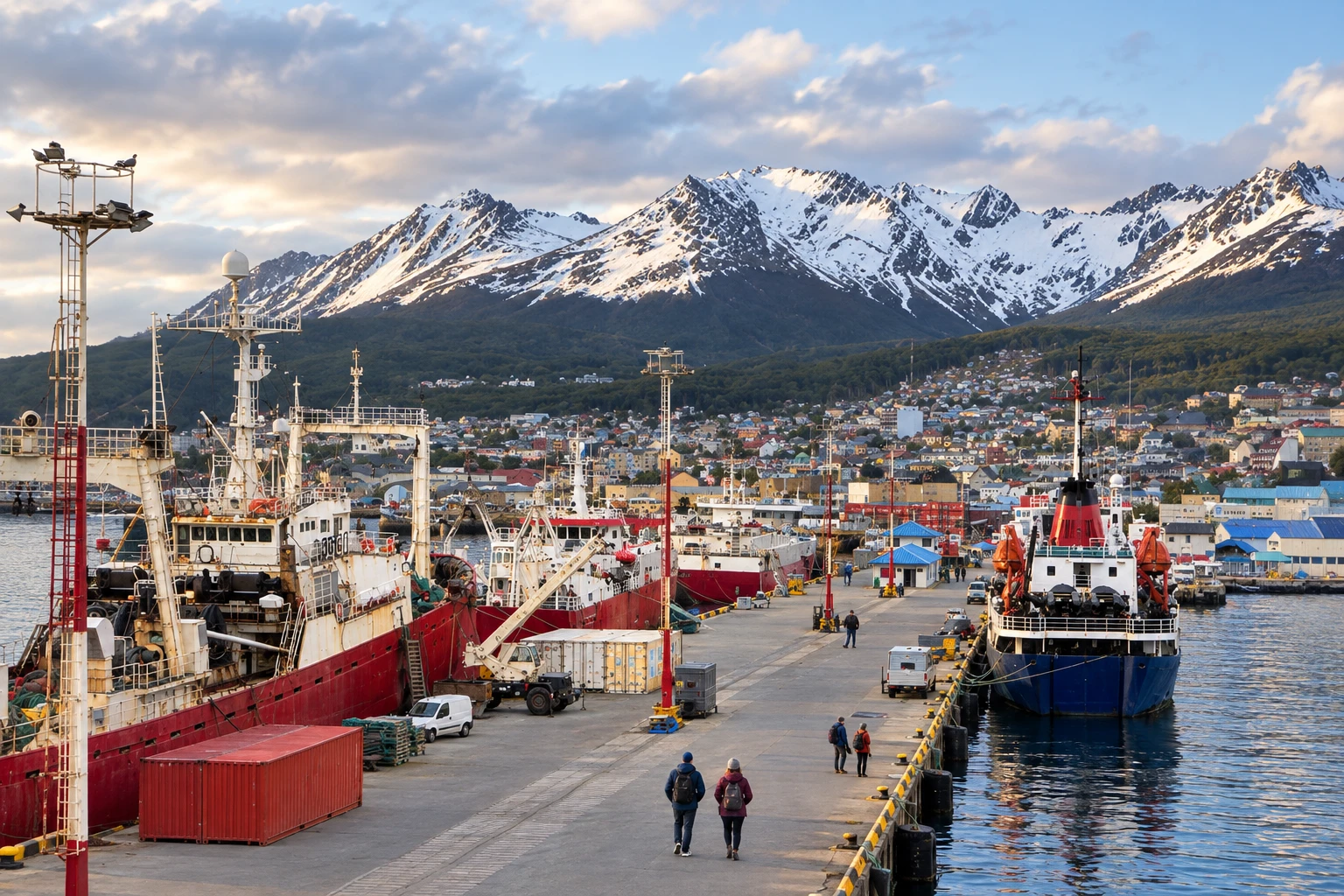
Forests, mountains and lakes between the Canal Beagle and the center of the Isla Grande de Tierra del Fuego.
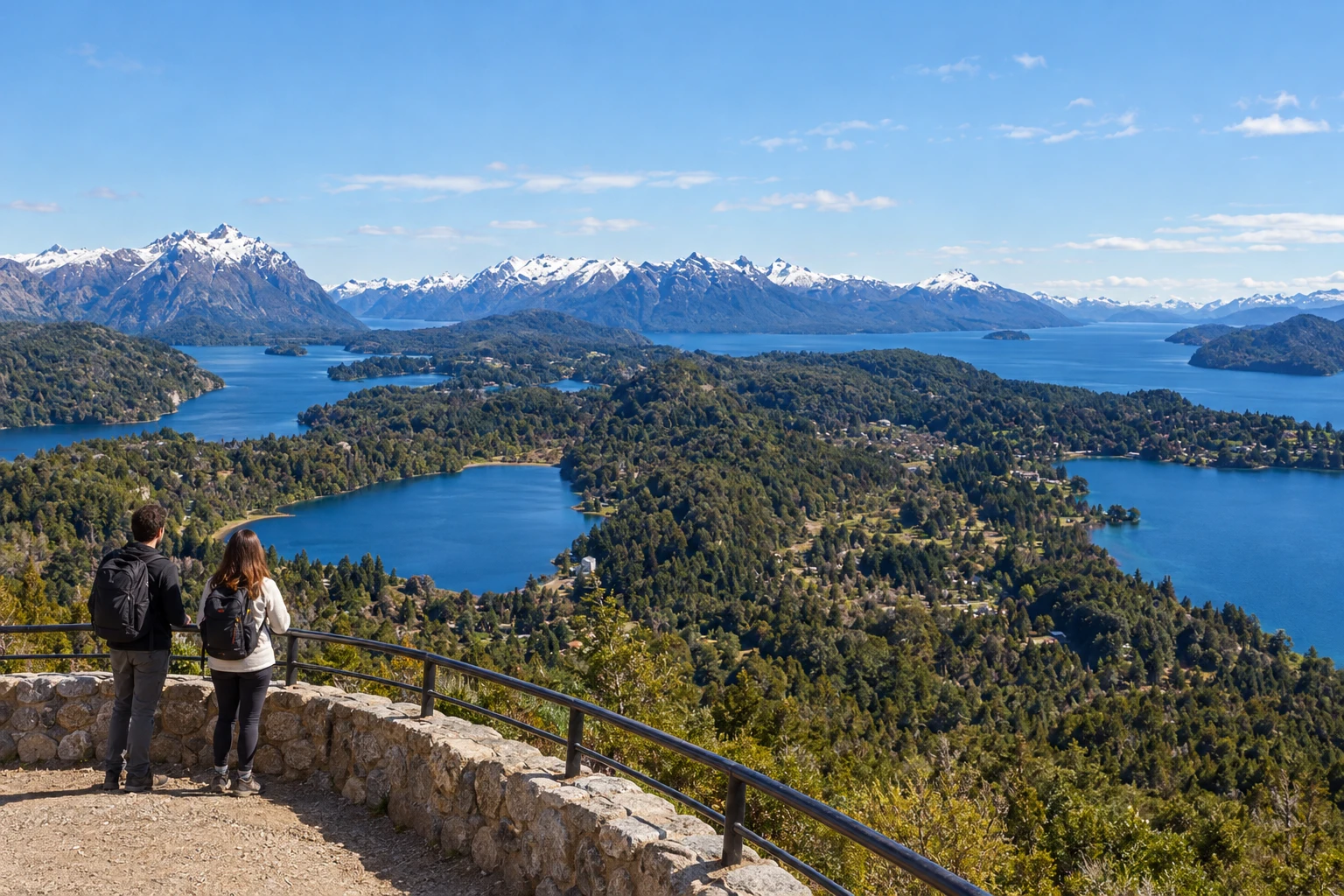
Andean lakes, forests and mountain towns between Bariloche, Villa La Angostura and San Martín de los Andes.
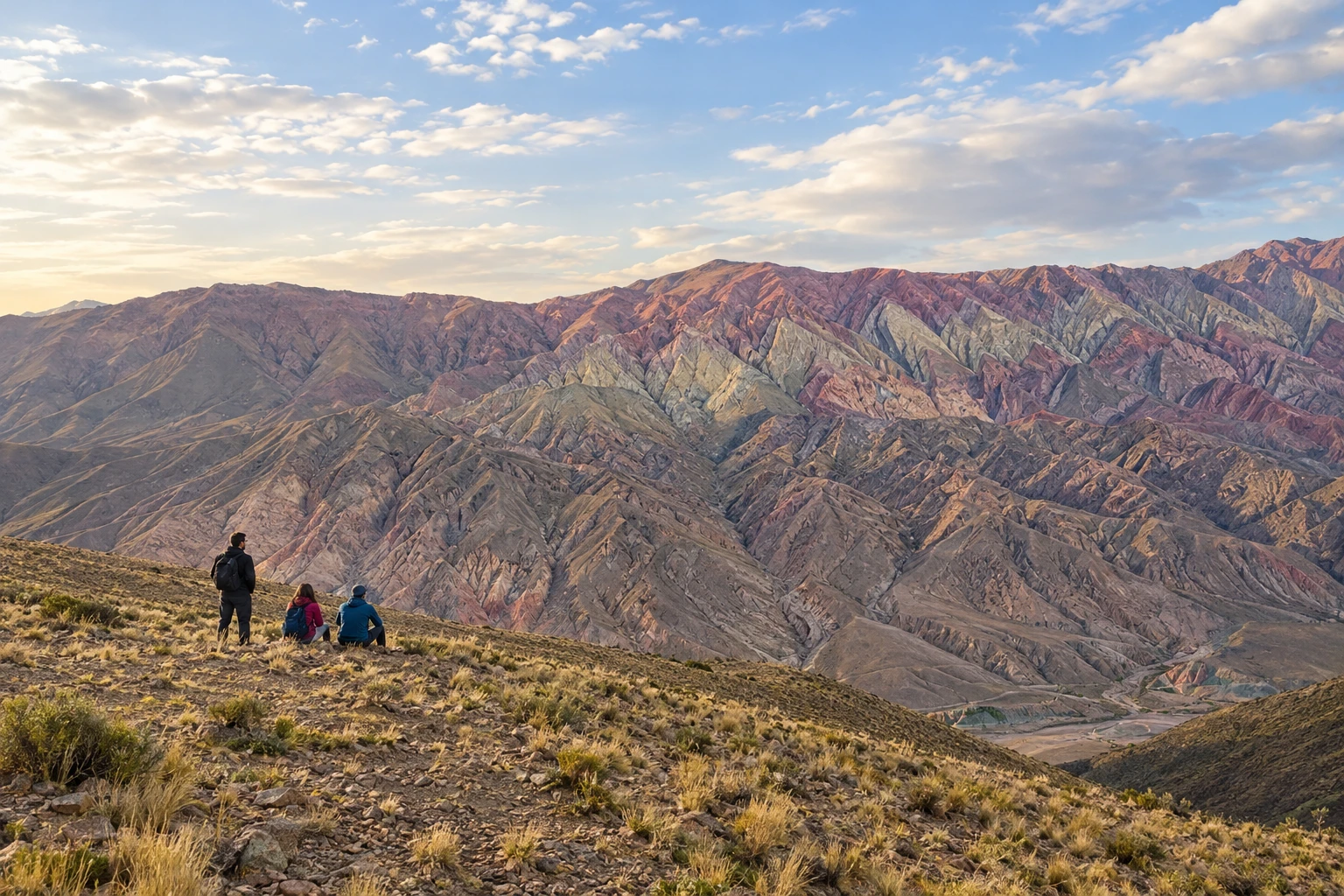
Villages of the Quebrada, Jujuy history and mountain landscapes between Purmamarca, Tilcara and Humahuaca.
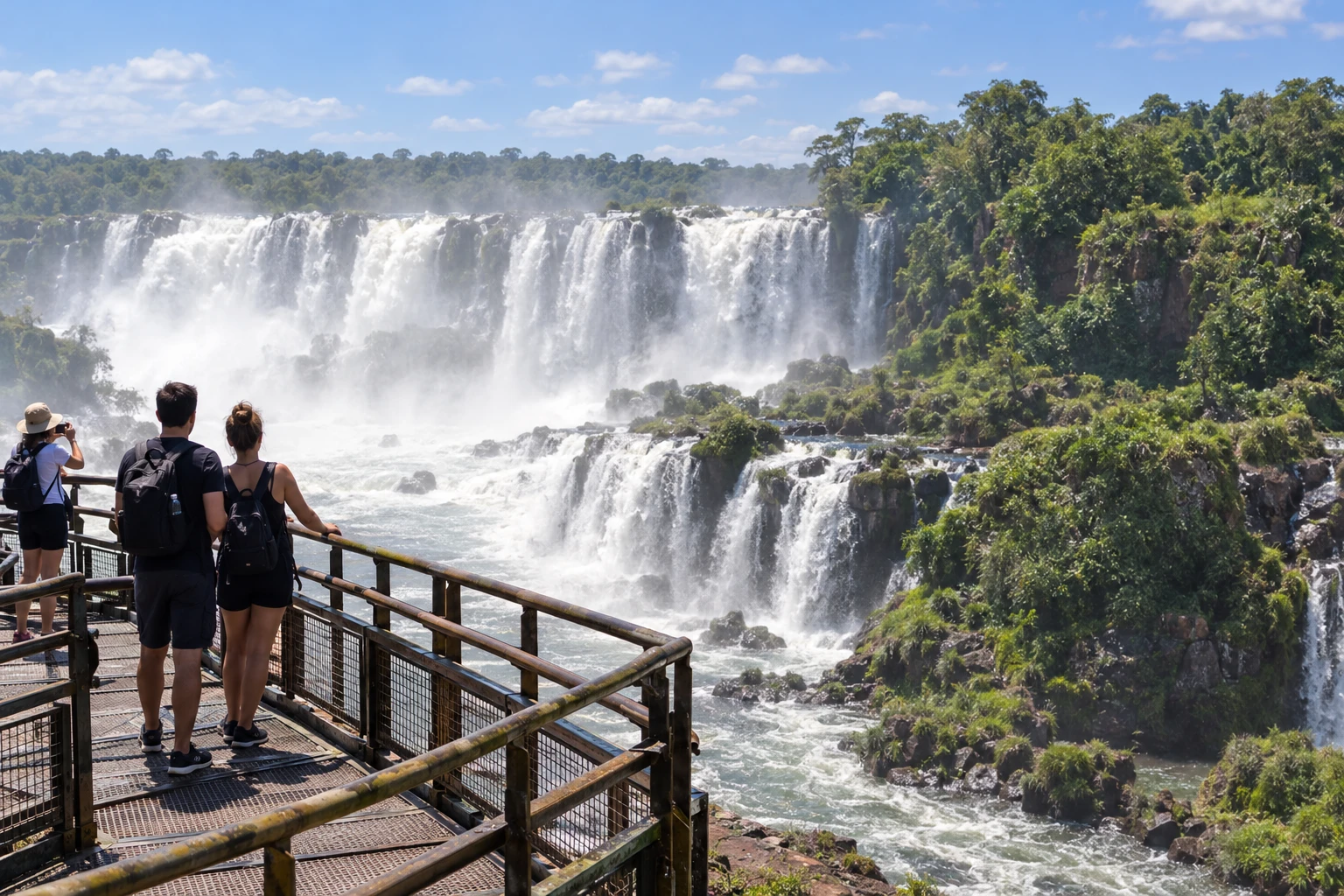
Walkways of the waterfalls, scenery of the triple border and Jesuit-Guaraní heritage in San Ignacio.
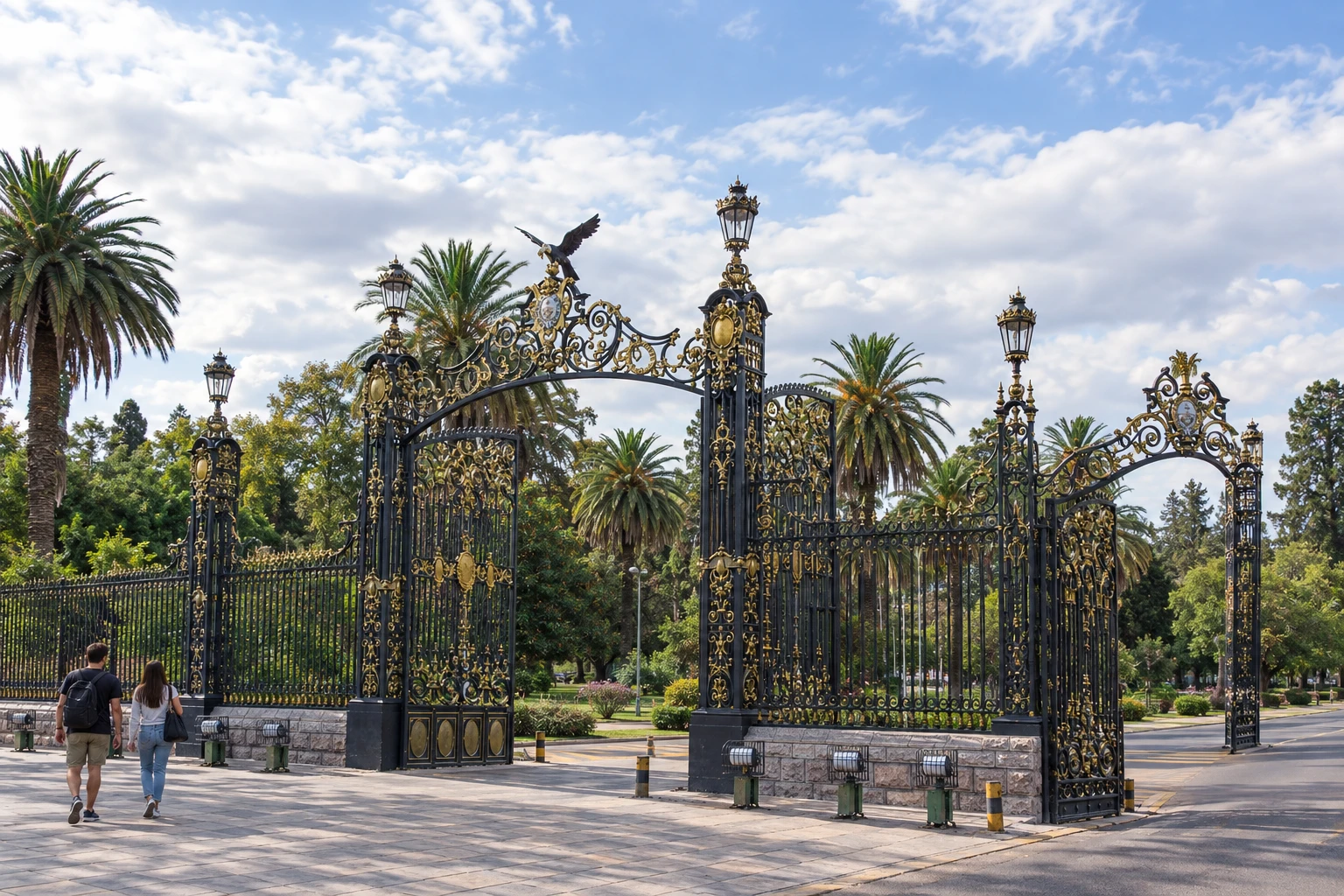
Squares and parks in the capital, wineries in Luján de Cuyo and Maipú, and landscapes of the Valle de Uco in Tunuyán.
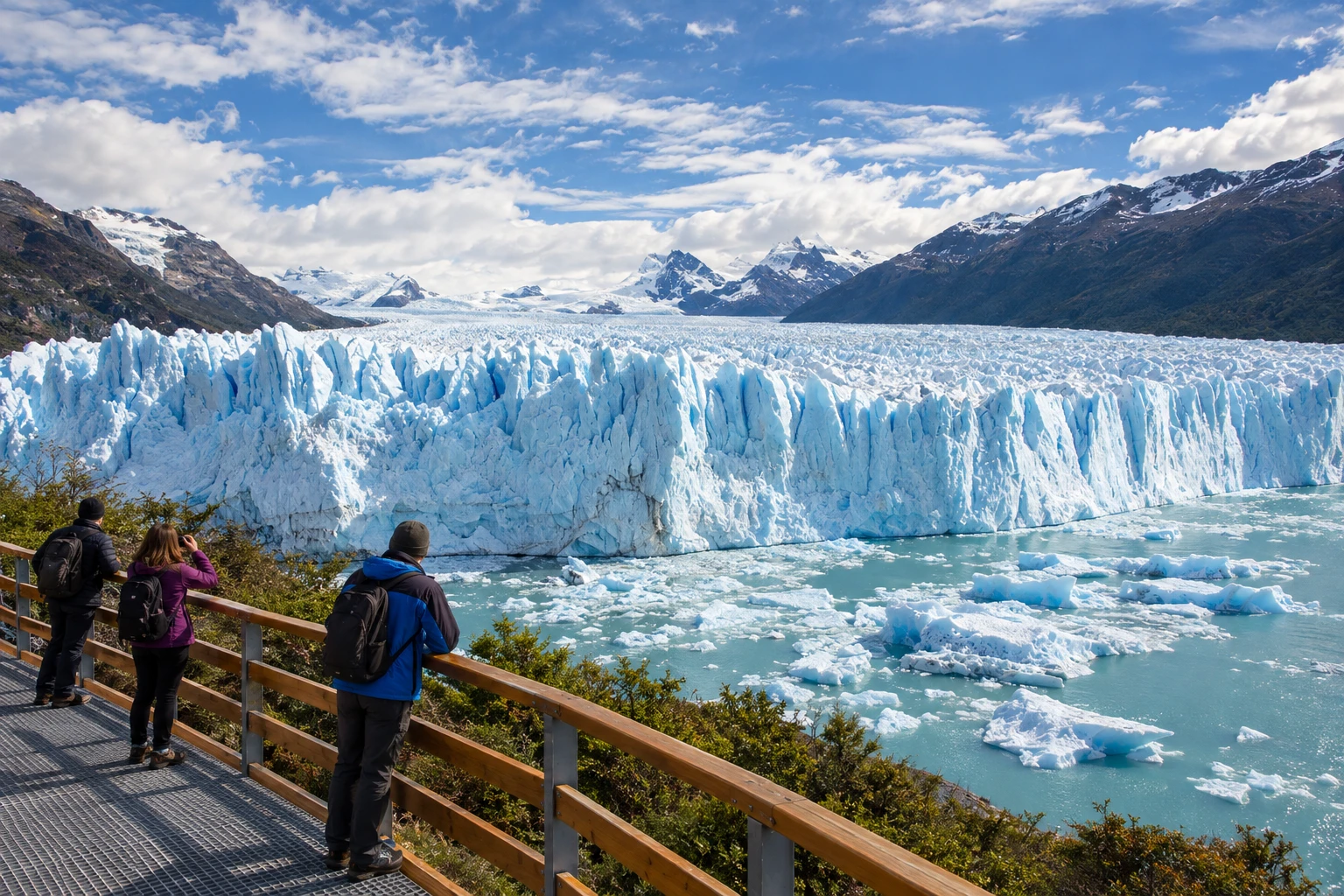
Boardwalks in front of the Perito Moreno and trails among the valleys of Fitz Roy and Cerro Torre.
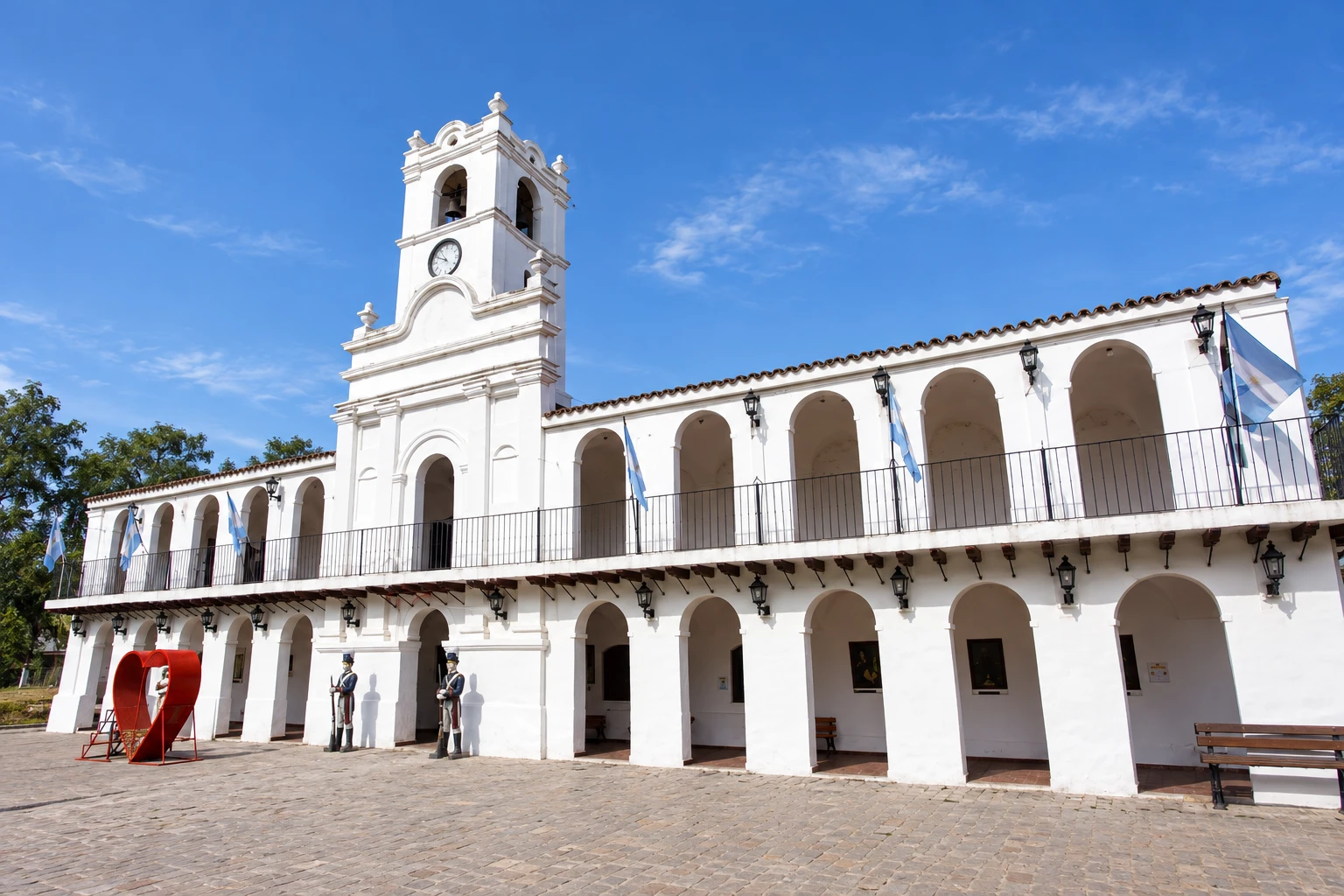
Town in central Tucumán, the National Capital of the Empanada, with the empanada festival in September, parks with replicas and sculptures, and the Jesuit ruins of Lules to the north.
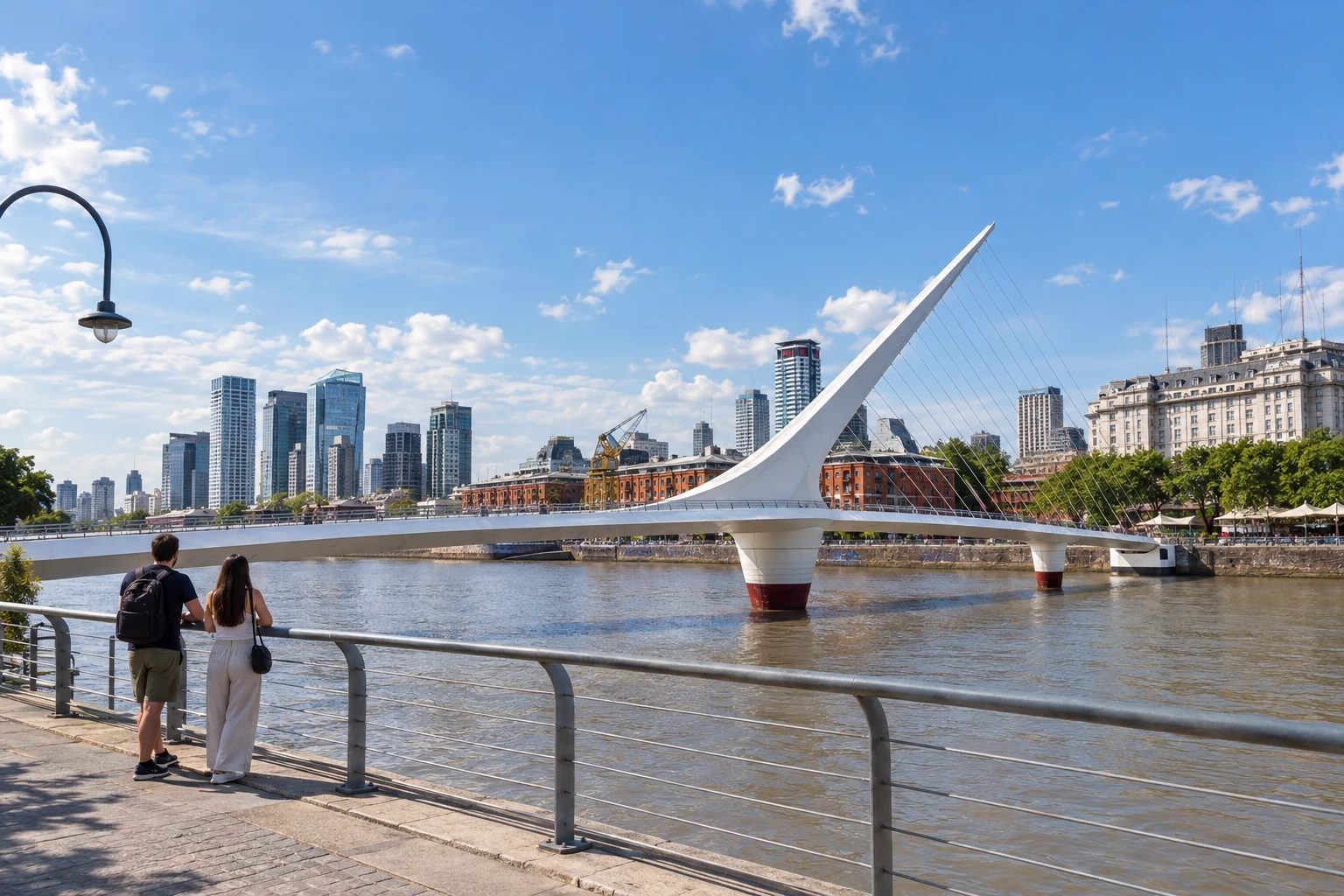
The Argentine capital, about a 3-hour flight from São Paulo: historic neighborhoods, tango, theater, museums and the Delta do Paraná just to the north, in Tigre.
Cities to start with
Each city has a page with what to do there.
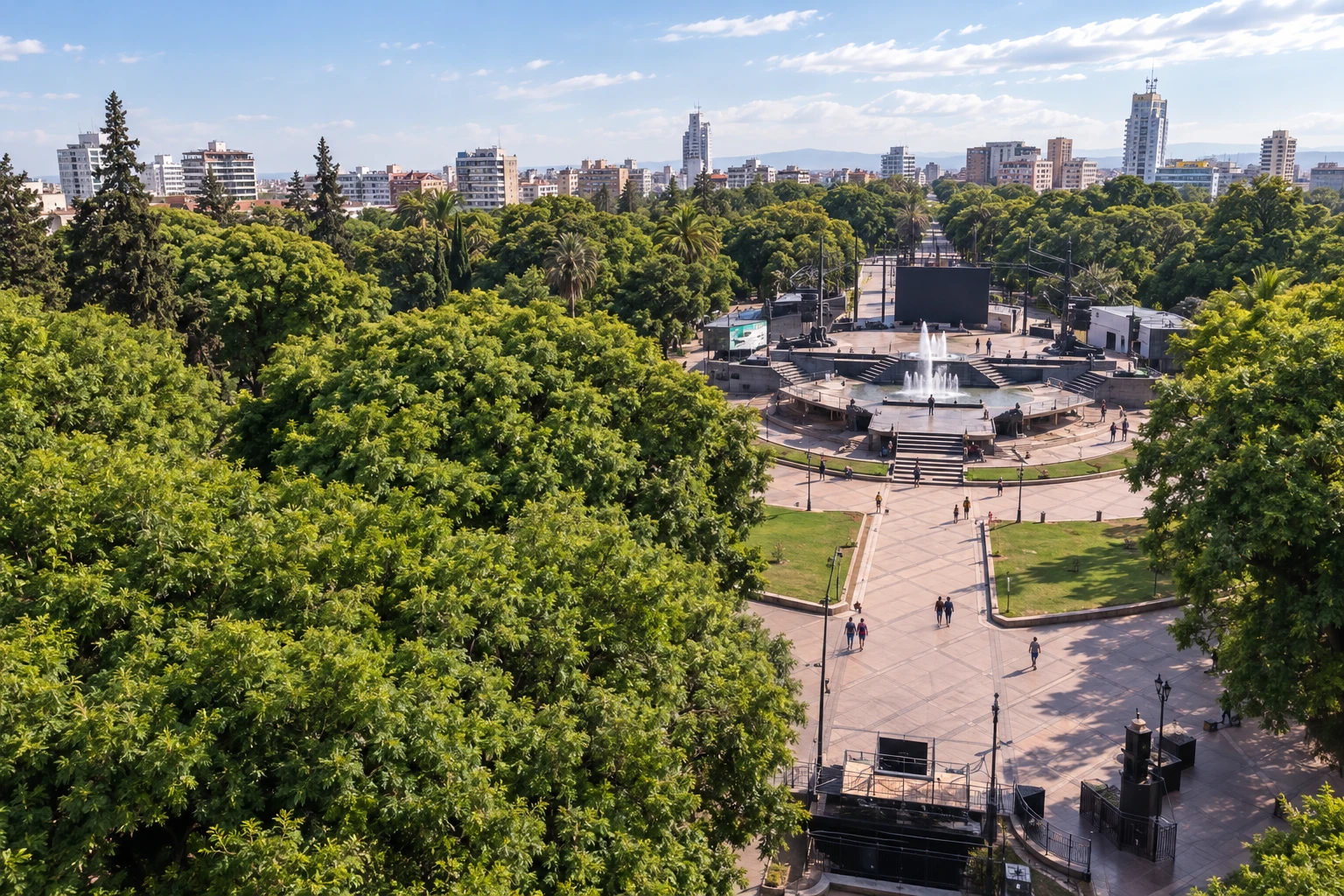
Mendoza is the provincial capital and the gateway for this itinerary. Plaza Independencia structures the tree-lined downtown. Parque General San Martín has monumental gates and paths for strolling; Cerro de la Gloria hosts the monument to the Army of the Andes and views over the city. At the Museo del Área Fundacional, the remains of the old Cabildo help to understand the city as it was before the 1861 earthquake.
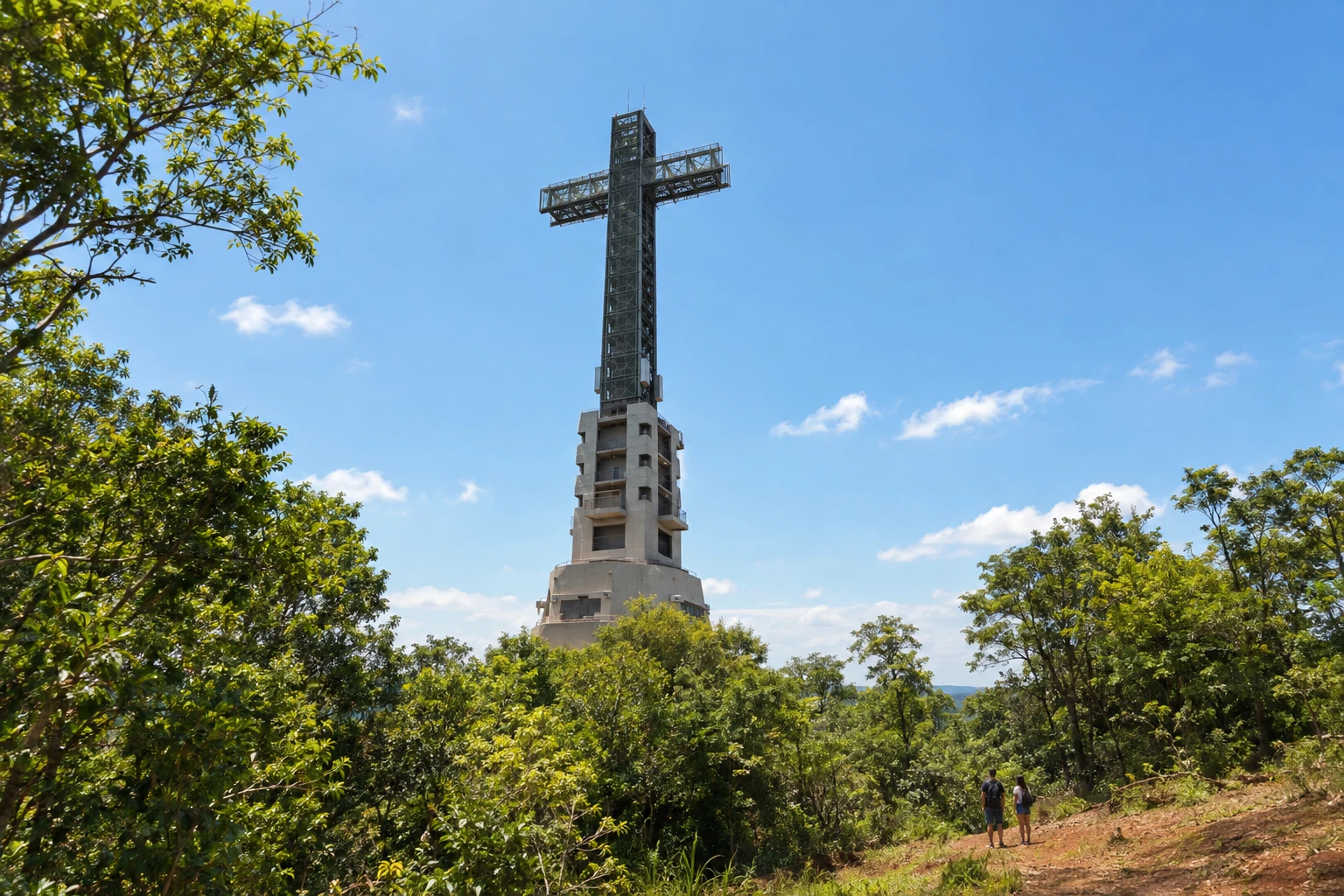
Santa Ana is located in southern Misiones, along the RN12 corridor. On the outskirts of town, the Jesuit-Guaraní complex preserves remains of the temple, a semicircular stairway and structures for cultivation and water management. Paths through the vegetation connect the spaces of the former reduction.
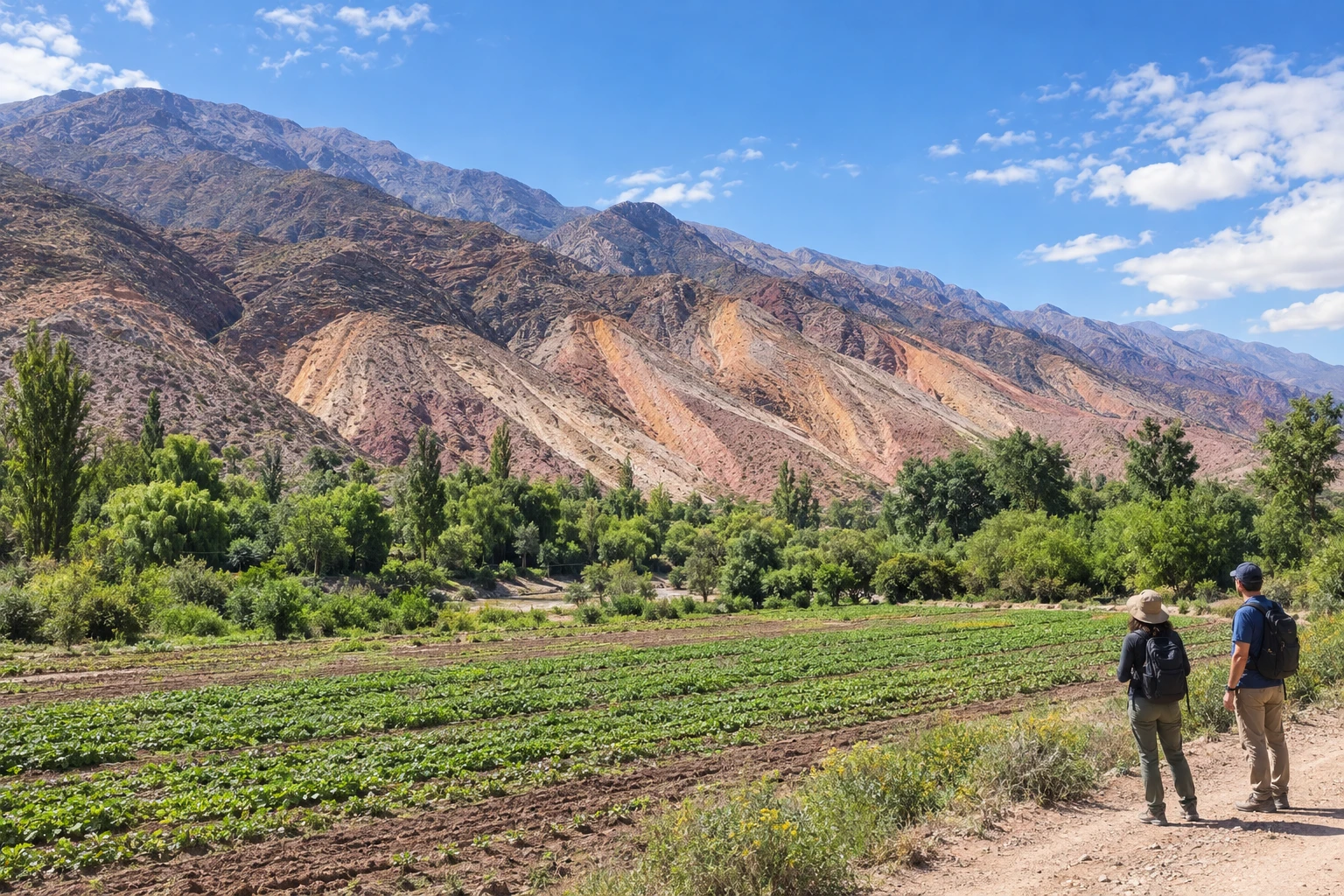
Maimará is in the Río Grande valley, between Purmamarca and Tilcara. In front of the village, the hills of the Paleta del Pintor have layers of different colors. The lookout by RN9 shows the mountains, the cultivated areas and the center near the square, on a roadside stop through the Quebrada.
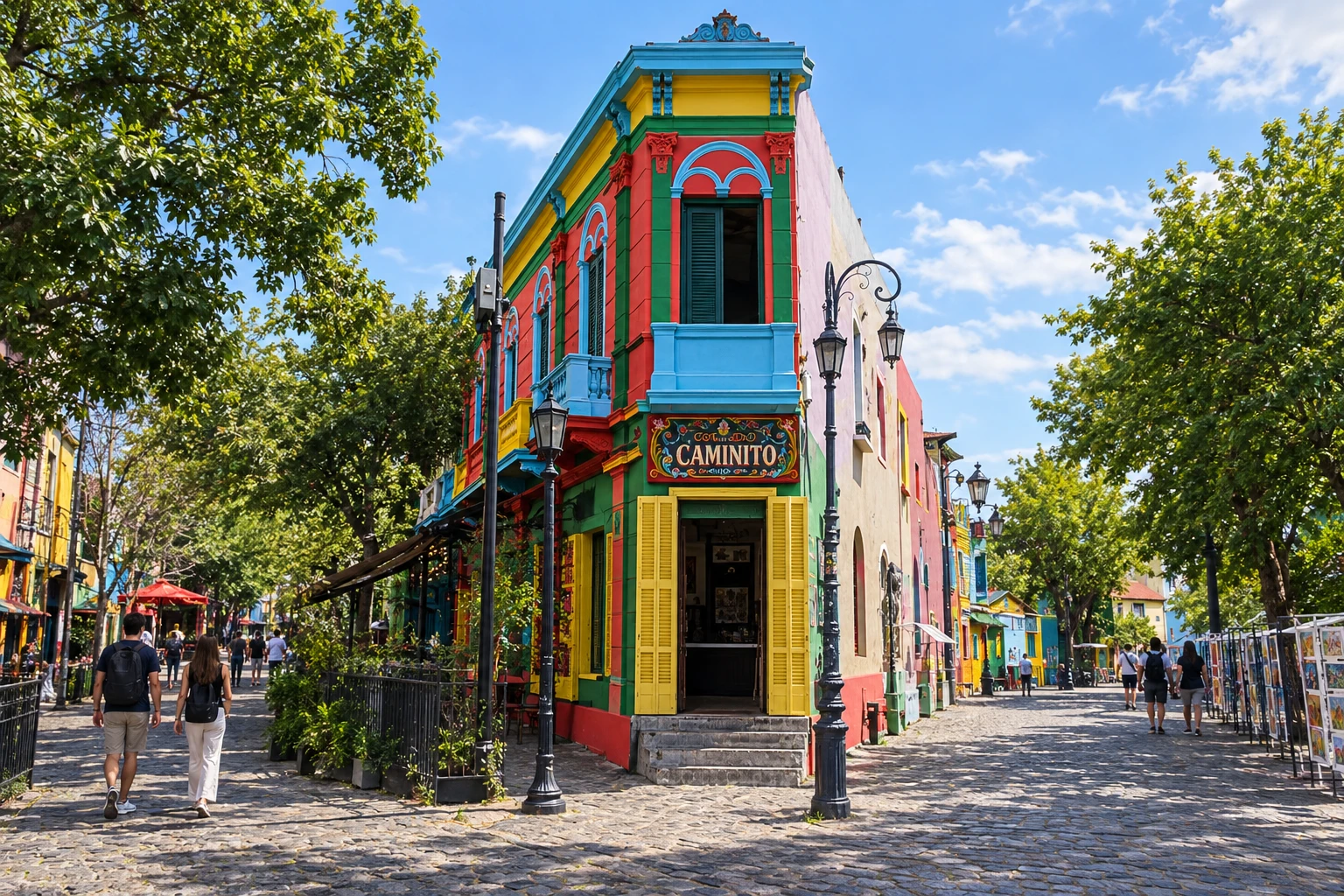
Capital of Argentina, on the shores of the Río de la Plata. The route goes by the Plaza de Mayo and the Casa Rosada, the Teatro Colón, San Telmo’s Sunday market, the colorful houses of the Caminito in La Boca, the Recoleta Cemetery and the docks of Puerto Madero, with the Puente de la Mujer. In Palermo you’ll find the MALBA and many restaurants; on Avenida Santa Fe, the bookstore El Ateneo Grand Splendid.
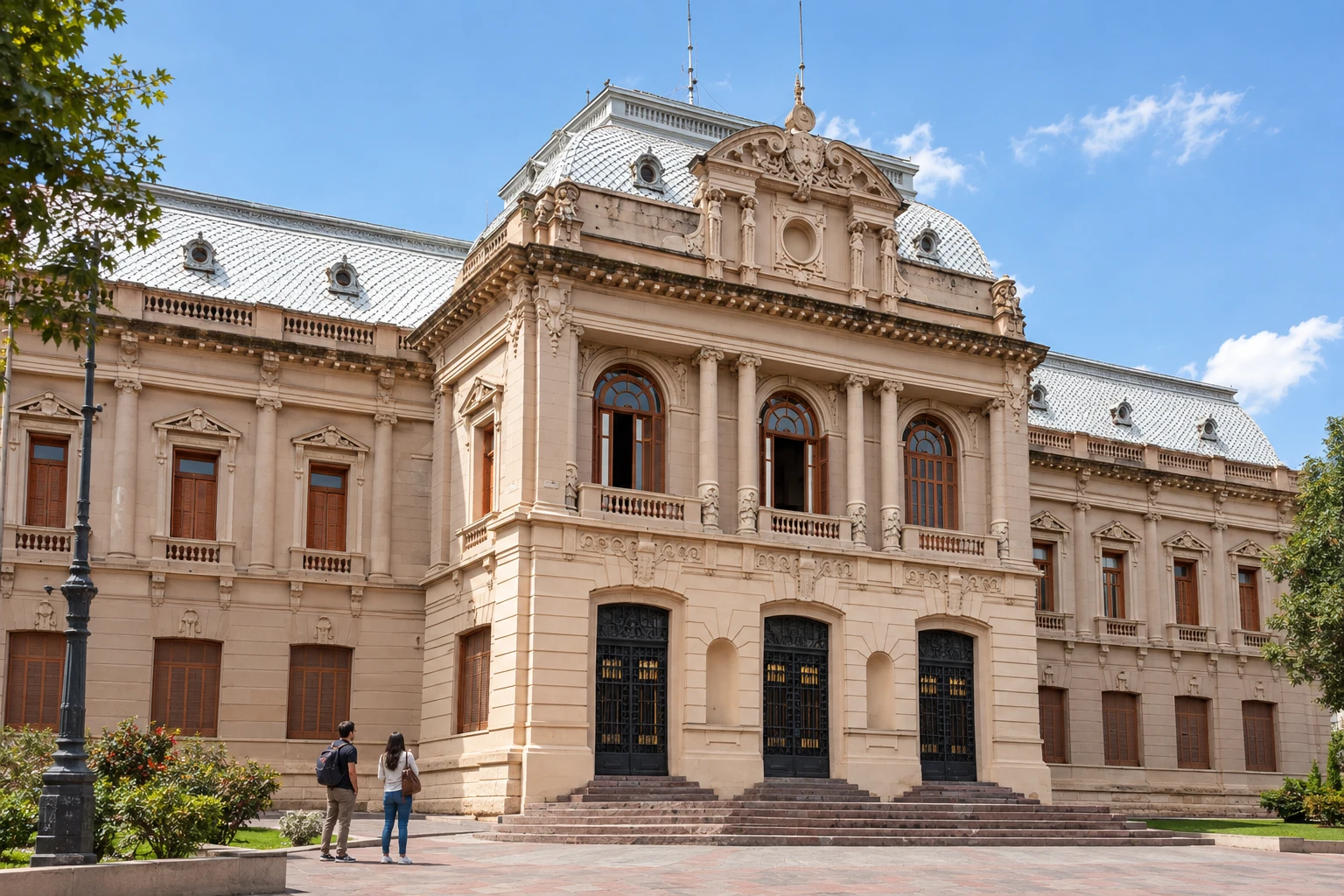
San Salvador de Jujuy is the provincial capital and the air entry point for this route. Plaza Belgrano brings together the cathedral, the Cabildo and the Casa de Gobierno, with spaces linked to the history of the flag. Museo Histórico Provincial Juan Galo Lavalle and Parque Xibi Xibi complete the urban visit before heading to the Quebrada.
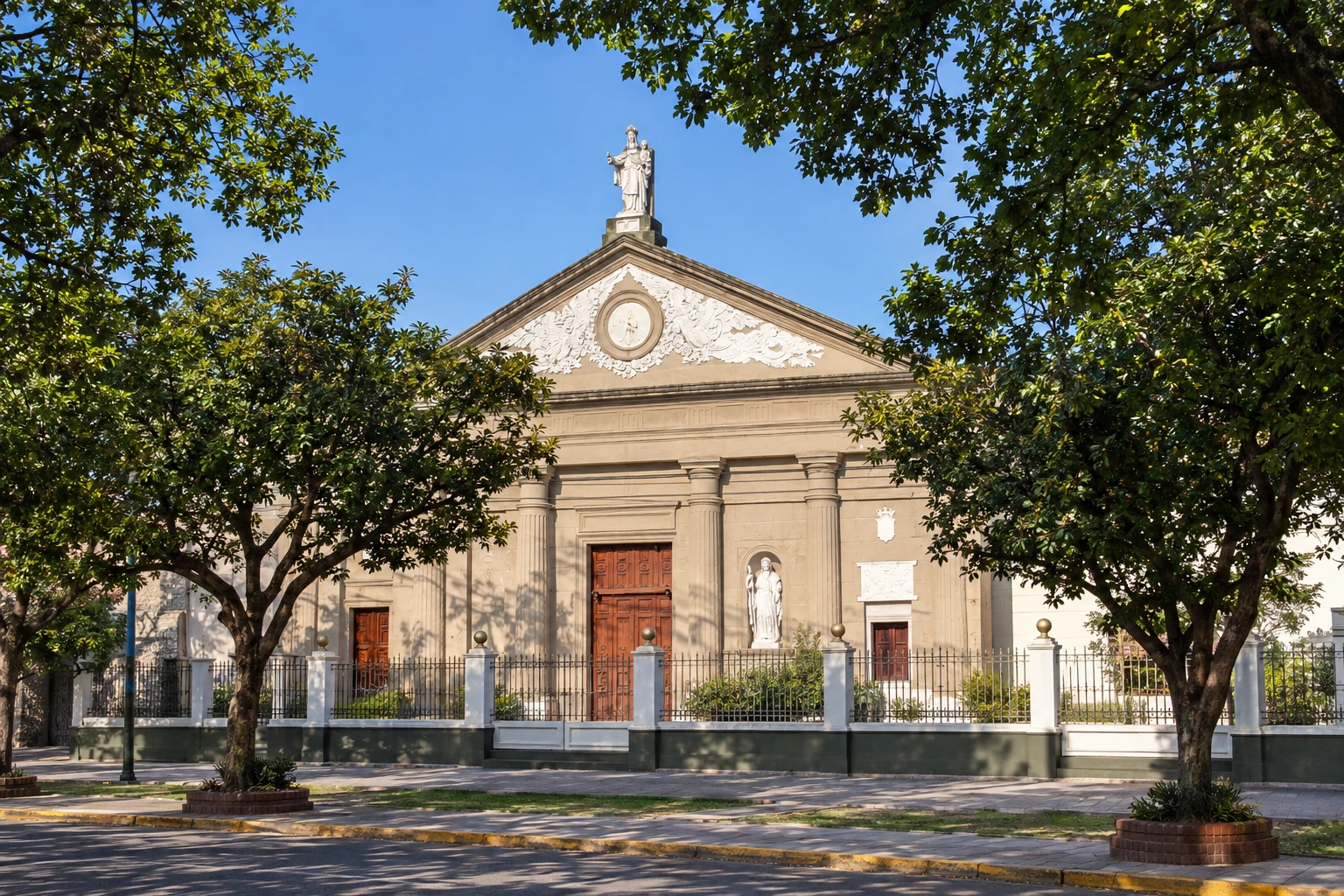
Town in central Tucumán, 35 km south of San Miguel de Tucumán, at the foot of the hills and among sugarcane fields. It is the National Capital of the Empanada and has hosted the Fiesta Nacional de la Empanada since 1979, in September. At the northern entrance is the Parque Temático Histórico del Bicentenario, with replicas of the country’s historic buildings, and at the southern entrance the Galería de la Veneración; in the center, the parish of Nuestra Señora del Carmen. To the north are the Ruinas de San José de Lules.
The map
Tap a region to see the names. Use two fingers to zoom in.
Source: Instituto Geográfico Nacional de la República Argentina (IGN), 2019 outlines. Adapted by Cidade Turismo.
Argentina
Another way into the same trip
Choose the province and the city to find your place in the guide.
Beyond the guide


