Full Moon Walk at the Devil's Throat
From Iguazú National Park Visitor Center Overnight train and guided walk about 2 and a half hours night easy
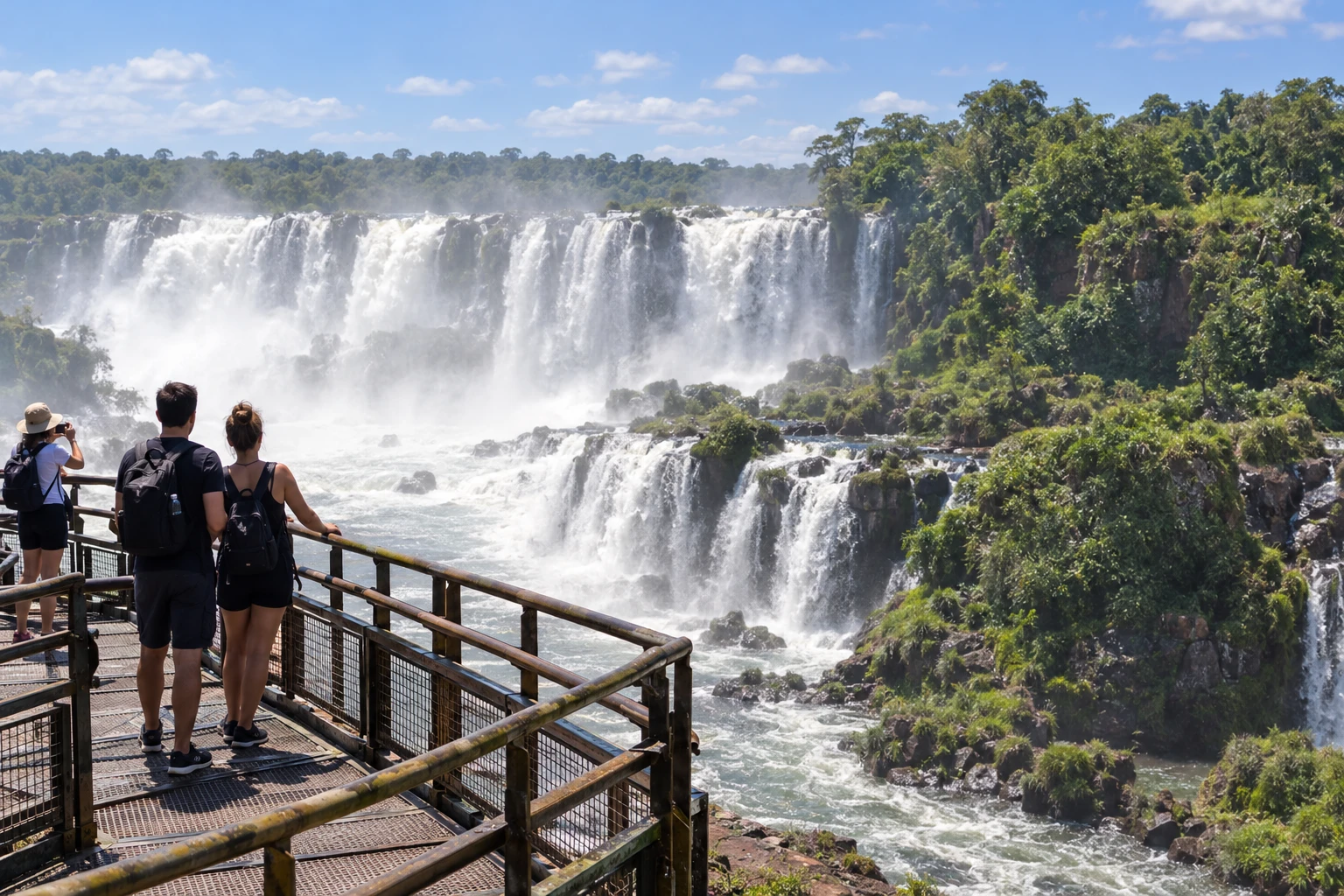
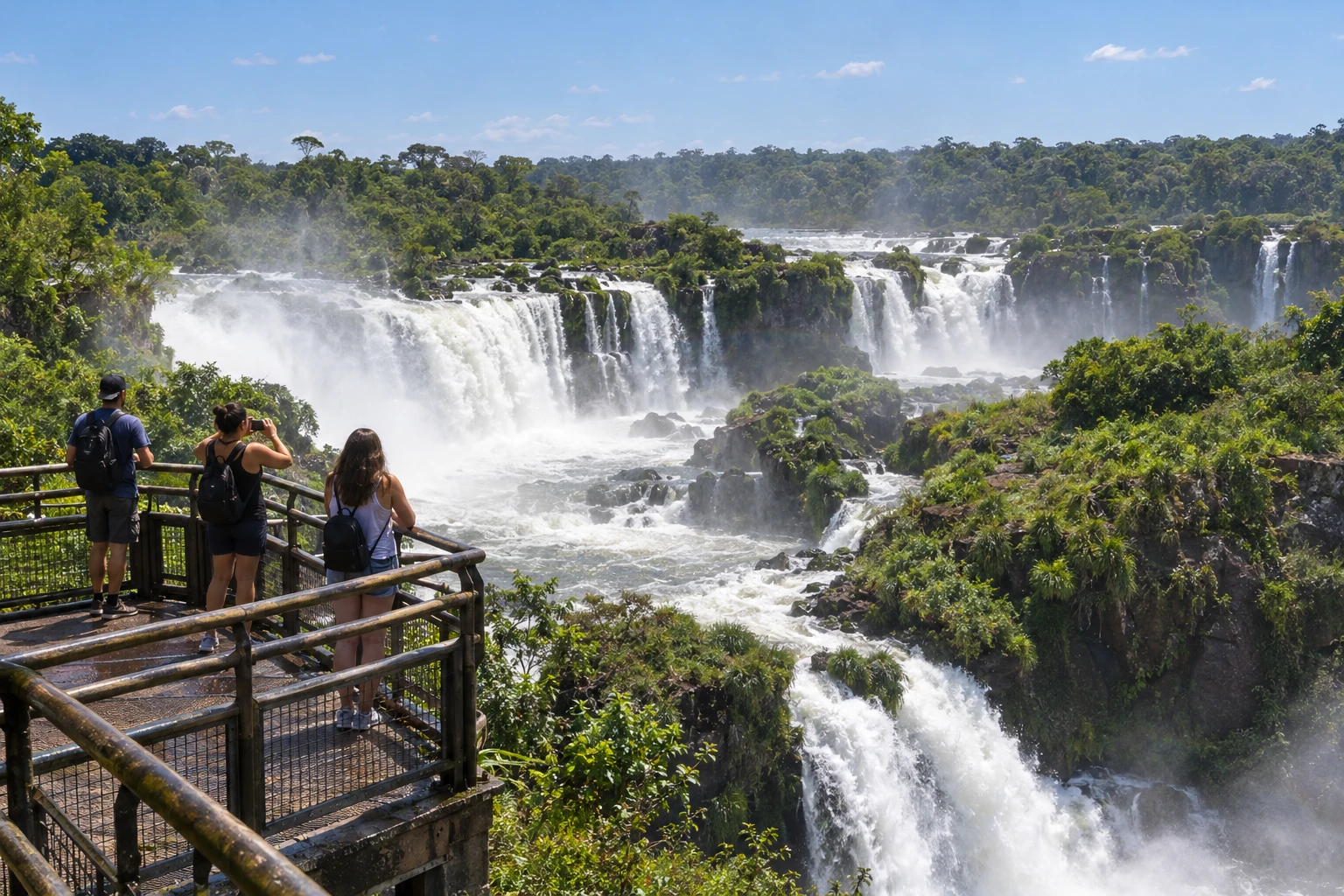
On full-moon nights, the park runs night train trips to the Estación Garganta del Diablo. From there, the group walks along the boardwalk to the Garganta del Diablo Balcony and sees the fall lit only by moonlight. On clear nights, a lunar rainbow sometimes forms in the water mist. There are few spots and trips take place only on some days each month, close to the full moon. In rain, the tour is suspended.
Stops: Tren Ecológico de la Selva, Estación Garganta del Diablo, Balcón de la Garganta del Diablo.
Includes: Train and accompaniment on the boardwalk. Paid separately; check the current fee schedule.
Tip: Book in advance and check the full moon calendar before finalizing travel dates. Bring a light jacket from May to August.
Best time: All year round, on full moon dates. It rains less in July and August.
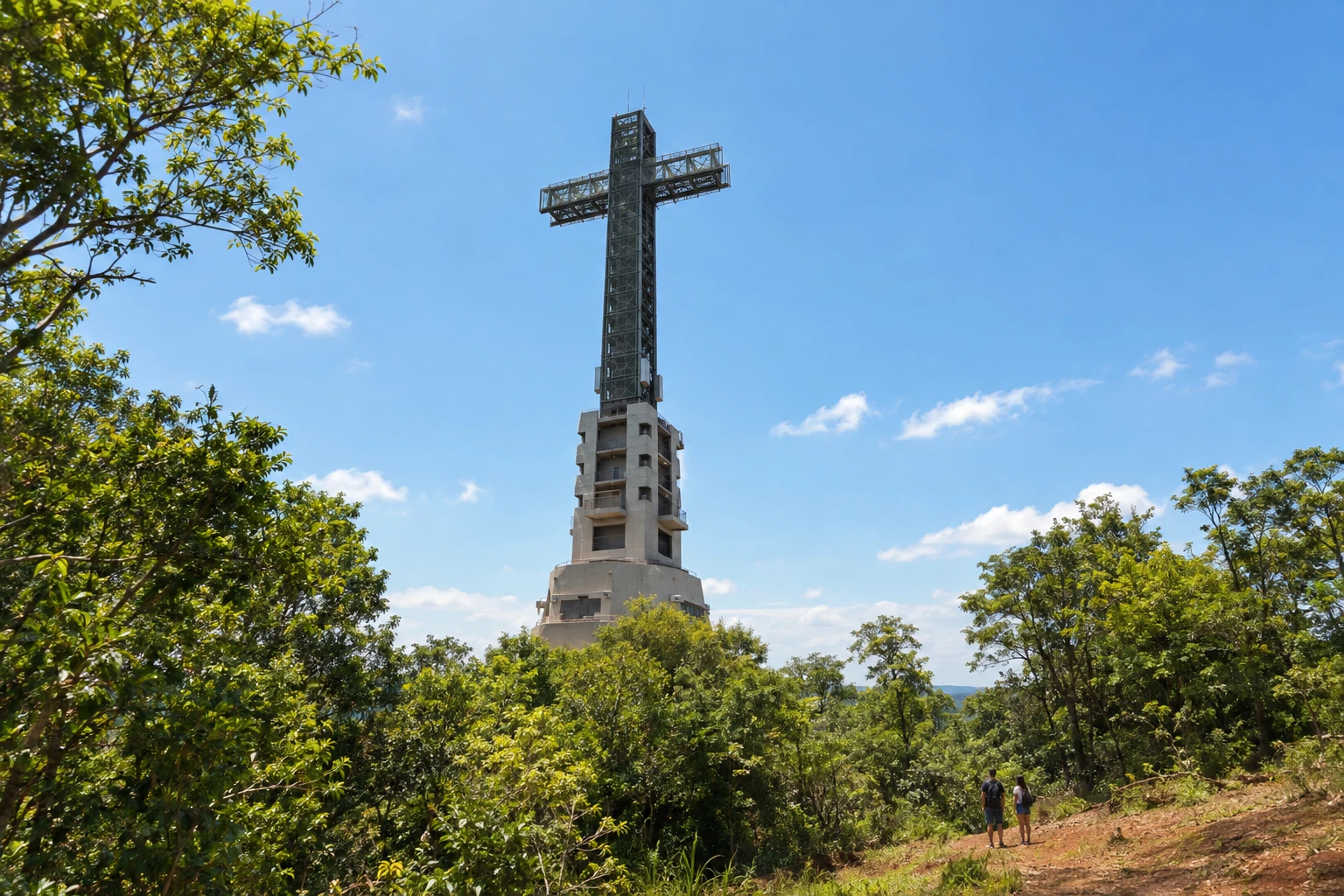
Hito Tres Fronteras (Three Borders Landmark)
From Downtown Puerto Iguazú On foot along the waterfront, by taxi, or by private car about 1 hour and a half afternoon easy
The Hito Tres Fronteras marks the meeting of the río Iguazú with the río Paraná, where Argentina, Brazil and Paraguay can be seen at the same time. On each bank there is a monolith painted with the country’s flag colors; from the Argentine side you can see the landmarks of Foz do Iguaçu and Presidente Franco, neighboring Ciudad del Este. The walk can start at Plaza San Martín and continue on foot along the waterfront avenue beside the río Iguazú. The site has a craft fair and regional products, benches and a place to drink mate. At late afternoon there is a dancing waters show with lights, sound and projections of typical dances from the three countries, lasting about 20 minutes.
Stops: Hito Tres Fronteras, Plaza San Martín, Costanera de Puerto Iguazú, río Iguazú, río Paraná.
Includes: Access to the viewpoint area. The dancing water show is charged separately; check the current rates.
Tip: Arrive before sunset to see the rivers meet in the light and combine that with the show. Show times change with the season. Afterwards, have dinner in downtown Puerto Iguazú.
Best time: All year. In the months of December to February the late afternoon is more pleasant than midday.
Güirá Oga, wildlife rescue center
From Ruta Nacional 12, km 5, Puerto Iguazú Taxi or private car; guided tour about 1 hour 30 minutes morning or afternoon easy
Güirá Oga, “the house of the birds” in Guaraní, is a center that rescues, rehabilitates and houses wild animals from the province of Misiones. Many arrive injured, seized, or handed in by people who kept them at home; those that can return to the wild are released, and those that would not survive on their own remain at the center. The site covers 19 hectares of forest, with trees up to 30 m tall. The visit begins with a presentation about the fauna of Misiones and continues by vehicle across the grounds, with guides showing the birds and animals in recovery: toucans, macaws, parrots, hawks, owls, monkeys and coatis, among others.
Stops: Güirá Oga, Ruta Nacional 12, Puerto Iguazú.
Includes: Guided tour of the center. Admission charged separately; check the current rates.
Tip: Good option for the afternoon of arrival or for travelers with children. It is on the route between downtown Puerto Iguazú and Iguazú National Park, near La Aripuca: you can do both consecutively.
Best time: All year. From December to February, prefer early morning or late afternoon because of the heat.
La Aripuca
From National Route 12, Puerto Iguazú Taxi or private car; guided tour about 1 hour afternoon easy
La Aripuca is a giant replica of the traditional branch trap that the Guaraní use to capture animals without harming them. The structure is about 17 meters high and was assembled with trunks of native species rescued from deforested areas; none were cut for the work. The guided tour explains the trees of the Misiones rainforest, Guaraní culture and the conservation concept behind the project. The complex also has a crafts area and regional products from the province.
Stops: La Aripuca, Puerto Iguazú.
Includes: Guided visit. Separate paid ticket; check the current fee schedule.
Tip: Combine with Güirá Oga, which is nearby, in the same afternoon. Bring insect repellent.
Best time: All year round.
San Ignacio Miní, Jesuit ruins and light-and-sound show
From San Ignacio (or Puerto Iguazú, on a full-day tour) Tour or private car via Ruta Nacional 12 about 3 hours on site; from Puerto Iguazú, around 12 hours full day easy
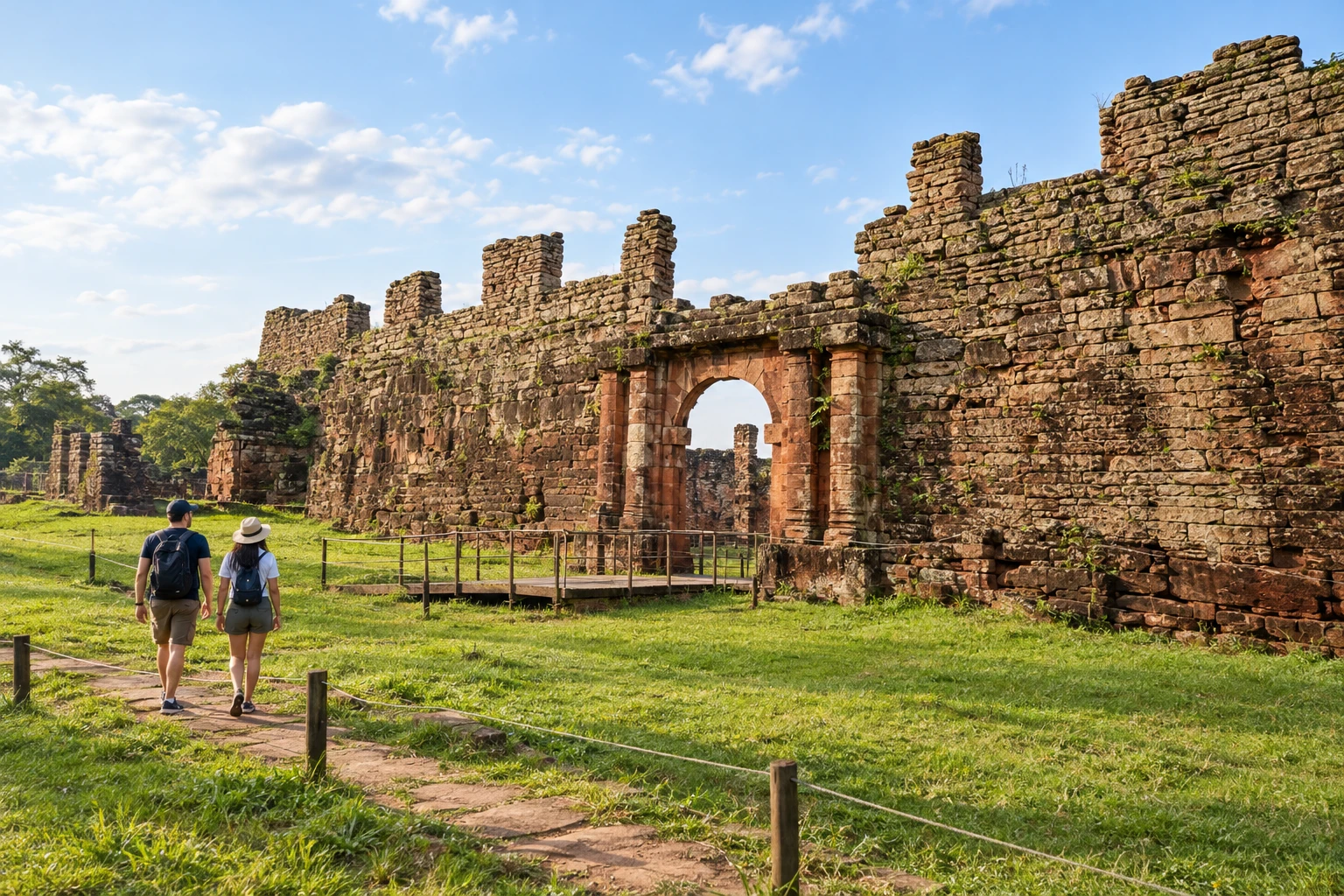
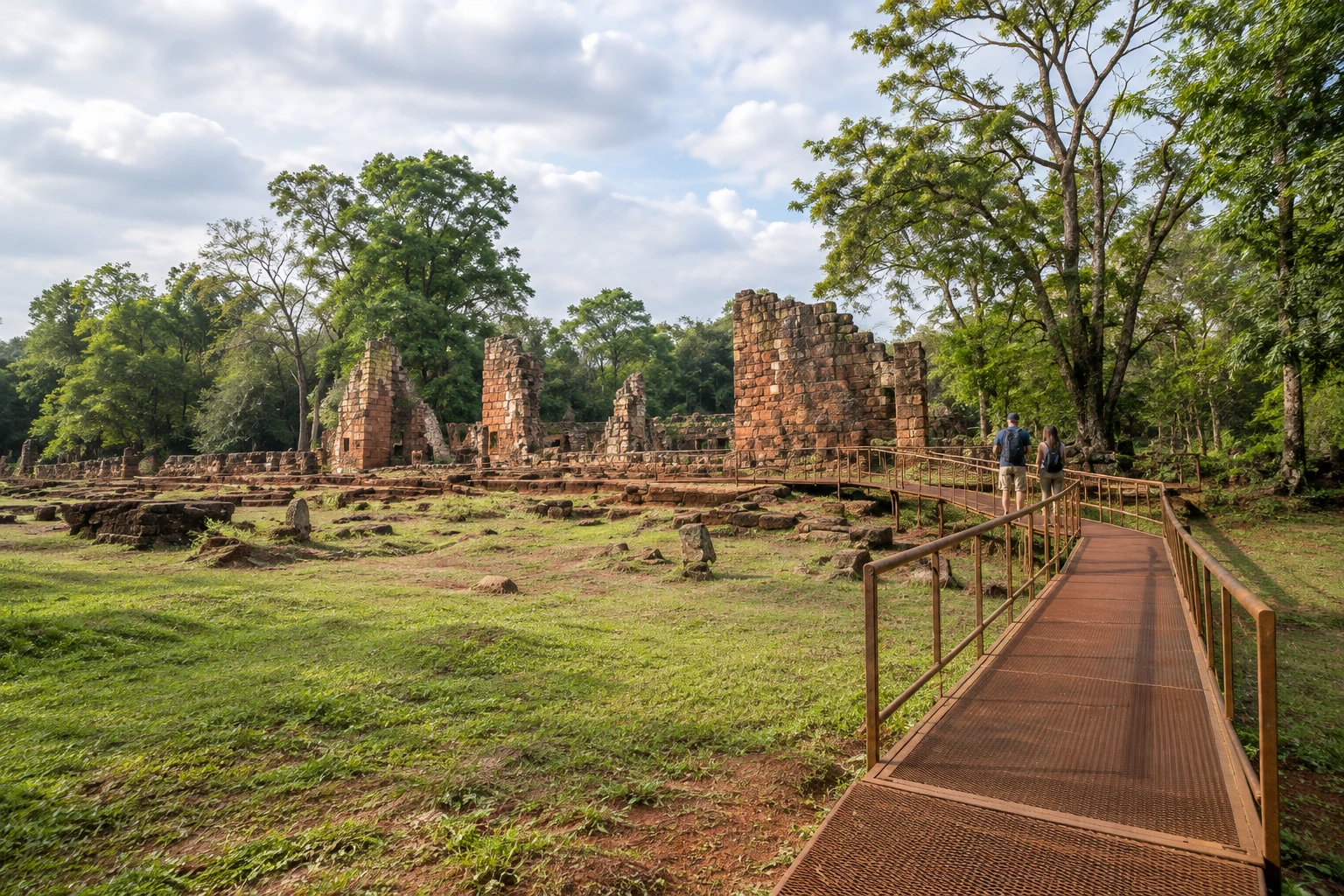
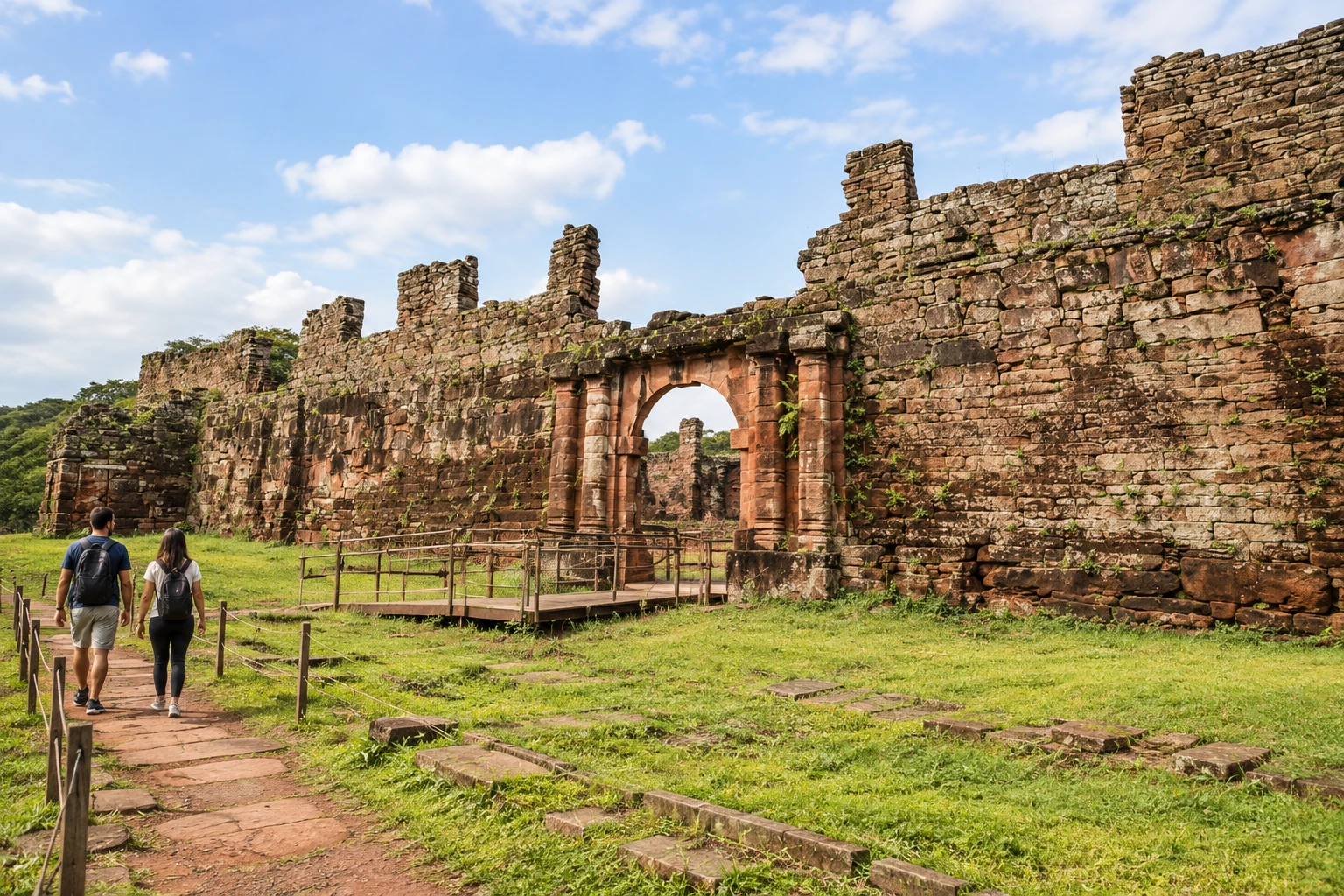
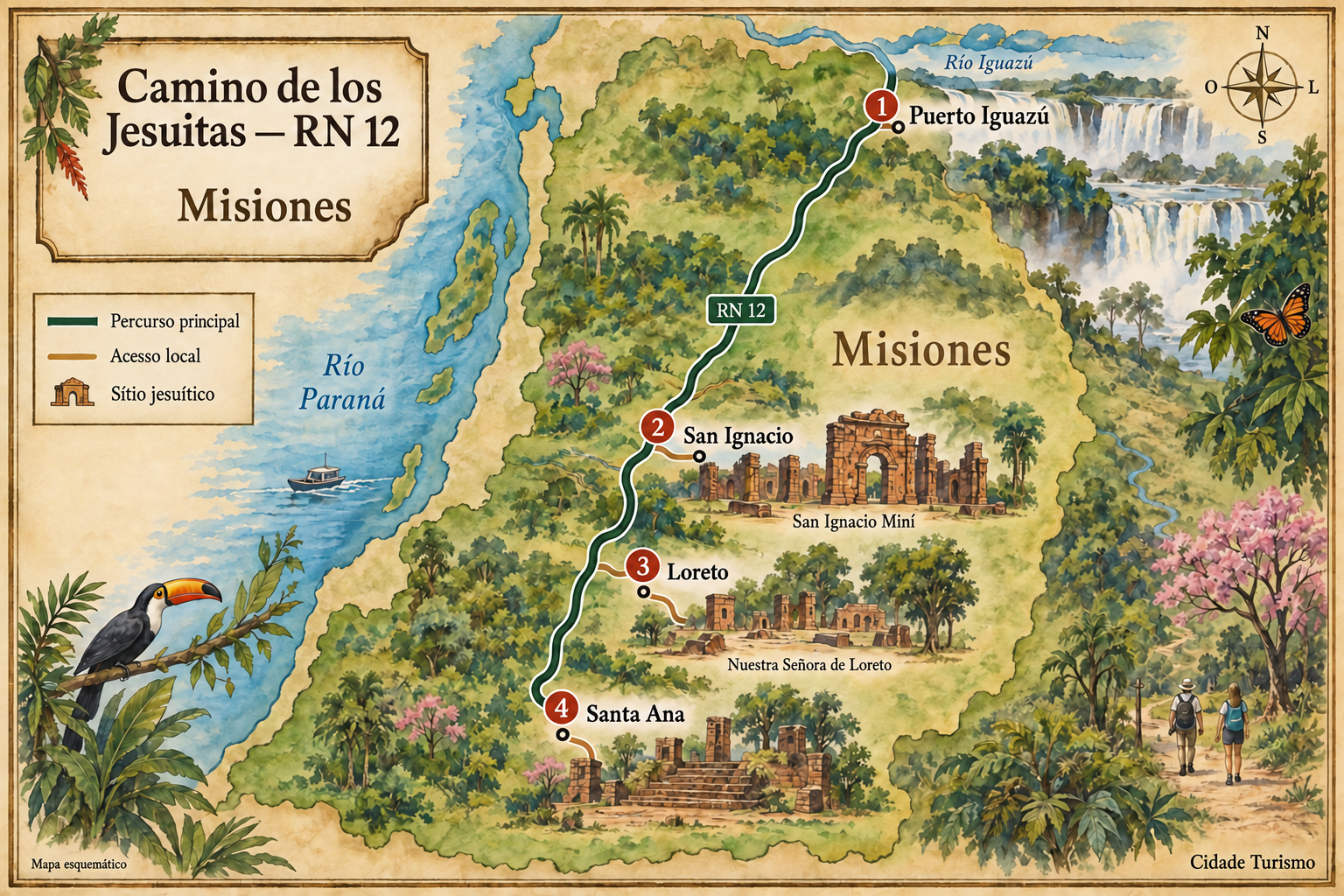
San Ignacio Miní is Argentina’s best-known Jesuit-Guaraní reducción and is part of the Jesuit Missions of the Guaraní, a UNESCO World Heritage Site since 1984. The reducción was founded in the Guayrá region, in present-day Paraná, and after several relocations it settled in its current site. The red sandstone ruins display the central plaza, the church facade with Baroque reliefs made by Guaraní artisans, the indigenous houses, the colegio and the cemetery. There is an interpretation center with the history of the missions. At night, a light-and-sound show with projections recreates life in the reducción. San Ignacio is 64 km from Posadas and 240 km from Puerto Iguazú, via Ruta Nacional 12.
Stops: San Ignacio Miní, San Ignacio, Ruta Nacional 12, Posadas, Puerto Iguazú.
Includes: Separate paid admission; check the current rate table. The same ticket often also covers the ruins of Santa Ana, Loreto and Santa María la Mayor. Tours departing from Puerto Iguazú usually include transport and a guide.
Tip: Coming from Puerto Iguazú, the trip is long: many prefer to stay overnight in San Ignacio to see the nighttime show and the other ruins the next day. Bring a hat and water; there is little shade among the ruins.
Best time: From April to September, with less heat. From December to February, visit early or late in the afternoon.
Ruins of Loreto, Santa Ana, and Santa María la Mayor
From San Ignacio or Posadas Own car, taxi/remis, or tour about 4 hours morning easy
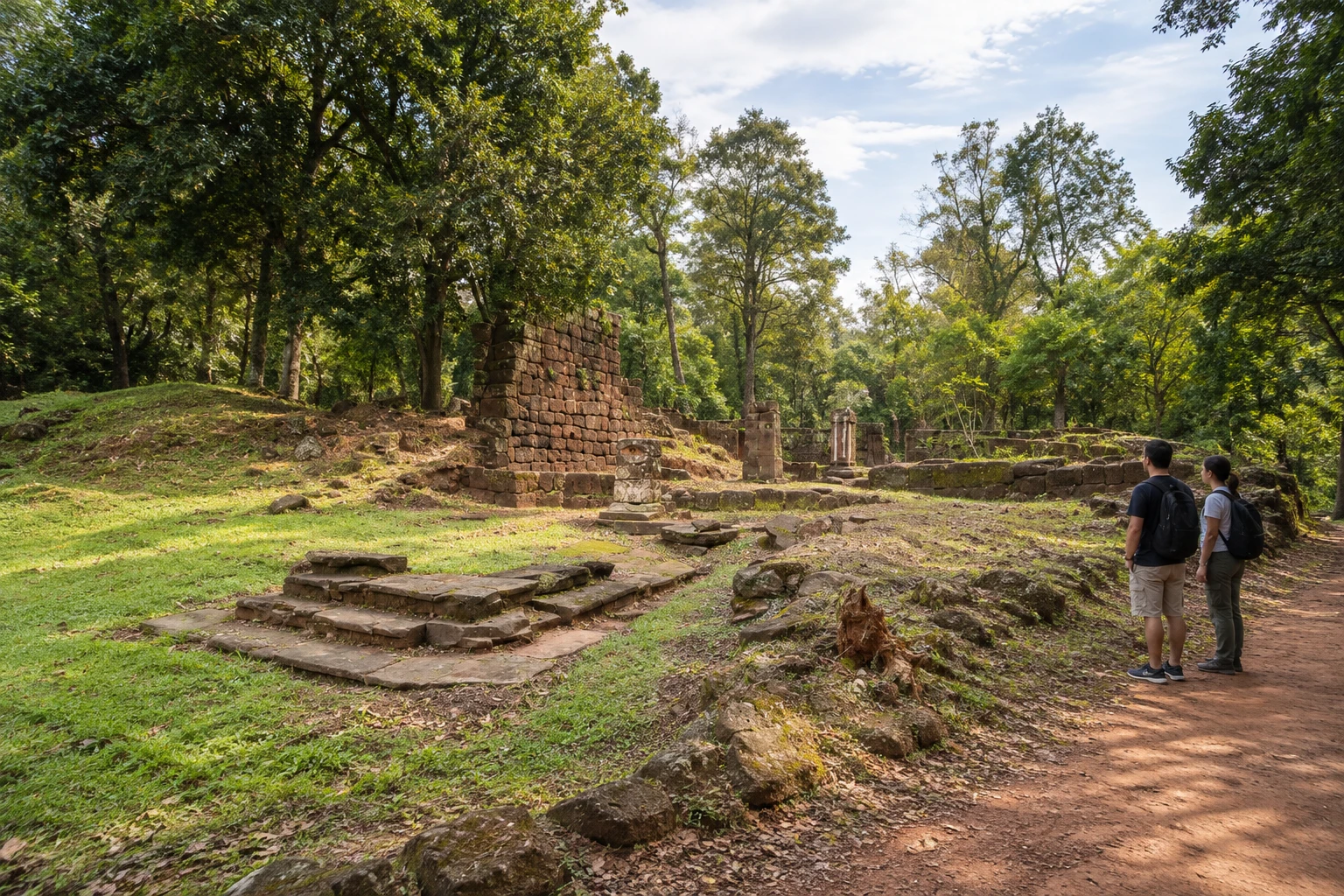
Besides San Ignacio Miní, Misiones has other Jesuit reductions that are part of the same World Heritage ensemble: Nuestra Señora de Loreto, Santa Ana, and Santa María la Mayor. Loreto and Santa Ana lie in the region between Posadas and San Ignacio, near Ruta Nacional 12, with short accesses from the highway. They are less restored ruins surrounded by forest, with sandstone walls taken over by roots and fig trees, and they usually receive fewer visitors than San Ignacio. In Santa Ana there are stairways and remains of the church and cemetery; Loreto, where one of the region’s earliest print shops operated, has trails through the structures amid vegetation. Santa María la Mayor is farther away, inland in the province.
Stops: Nuestra Señora de Loreto, Santa Ana, Santa María la Mayor, San Ignacio, Posadas, Ruta Nacional 12.
Includes: The ticket for the ruins usually covers San Ignacio Miní, Santa Ana, Loreto, and Santa María la Mayor; check the rules and the current fee table.
Tip: Do Loreto and Santa Ana the morning after visiting San Ignacio, on the way to Posadas. Bring insect repellent; in the ruins surrounded by forest there are many mosquitoes.
Best time: From April to September, with less heat and fewer heavy rains.
House of Horacio Quiroga and Teyú Cuaré Provincial Park
From San Ignacio Private car or remis about 3 hours afternoon easy to moderate
In San Ignacio is the house where Uruguayan writer Horacio Quiroga lived, author of stories set in the Misiones jungle. The site operates as a museum, with the writer’s belongings and the stone house surrounded by forest. Nearby, Teyú Cuaré Provincial Park has trails and viewpoints over the río Paraná, with rock cliffs and views toward the Paraguayan bank. It’s a good afternoon complement for those staying in San Ignacio to see the ruins’ nighttime show.
Stops: House of Horacio Quiroga, Teyú Cuaré Provincial Park, río Paraná, San Ignacio.
Includes: Museum admission is charged separately; check the current rates.
Tip: Bring water and sturdy shoes for the trails at Teyú Cuaré. Return to town before dark for the San Ignacio Miní nighttime performance.
Best time: From April to October, with milder temperatures.
Wanda Mines (semi-precious stones)
From Puerto Iguazú Private car or tour along National Route 12 about 1 to 2 hours of visit morning easy
The Wanda Mines are in the town of Wanda, about 40 km from Puerto Iguazú along National Route 12. During the visit, a local guide walks through the gallery where the stones appear in the rock veins and explains their origin: amethyst, which is the most common, agate, topaz, jasper and quartz crystal. At the end there is an exhibition room, the polishing workshop and a shop of pieces. Many excursions combine Wanda with the ruins of San Ignacio Miní on the same day, since the mine is on the way.
Stops: Wanda Mines, Wanda, National Route 12.
Includes: Guided visit. Paid separately; check the current fee schedule.
Tip: If you drive to San Ignacio, stop in Wanda on the way. The visit is short and does not require preparation.
Best time: All year round.
Saltos del Moconá
From El Soberbio Own car or tour; boat with a local operator about 2 days, with an overnight in El Soberbio all day easy to moderate
The Saltos del Moconá are located in Parque Provincial Moconá, within the Yabotí Biosphere Reserve, on the banks of the río Uruguay, at the border with Brazil (on the Brazilian side, Salto do Yucumã). A geological fault in the riverbed causes the river to drop over itself along about 3 km, in falls parallel to the river course, 5 to 10 meters high depending on the flow. The falls only appear when the river is low; when the river is high they are submerged. Visits are made via trails in the park and, with local operators, by boats that travel upriver to the front of the falls. The base is the town of El Soberbio, linked by Ruta Provincial 2. It is a long trip from Puerto Iguazú and requires at least one night in the area.
Stops: Saltos del Moconá, Parque Provincial Moconá, Yabotí Biosphere Reserve, El Soberbio, río Uruguay, Ruta Provincial 2.
Includes: Provincial park entry fee and boat tour are paid separately; check the current fee table.
Tip: Before going, check with operators in El Soberbio whether the river level allows viewing the falls. Include Moconá only on trips of a week or longer.
Best time: It depends on the Uruguay River level; generally, the drier months, such as July and August, offer better chances to see the falls. Confirm beforehand.


 Brazil
 Antarctica
 Bolivia
 Chile
 Colombia
 Ecuador
 Falkland Islands (Malvinas)
 French Guiana
 Guyana
 Paraguay
 Peru
 Suriname
 Uruguay
 Venezuela
 Austria
 Belgium
 Croatia
 Denmark
 Finland
 France
 Germany
 Greece
 Hungary
 Iceland
 Ireland
 Italy
 Luxembourg
 Norway
 Poland
 Portugal
 Slovakia
 Slovenia
 Spain
 Sweden
 Switzerland
 the Czech Republic
 the Netherlands
 the United Kingdom
 Turkey
 Bermuda
 Canada
 Greenland
 Mexico
 Saint Pierre and Miquelon
 the United States
 the Dominican Republic
 Japan
 Egypt
 South Africa
 Australia
 Fiji
 New Zealand
 Papua New Guinea