

 Brazil
 Antarctica
 Bolivia
 Chile
 Colombia
 Ecuador
 Falkland Islands (Malvinas)
 French Guiana
 Guyana
 Paraguay
 Peru
 Suriname
 Uruguay
 Venezuela
 Austria
 Belgium
 Croatia
 Denmark
 Finland
 France
 Germany
 Greece
 Hungary
 Iceland
 Ireland
 Italy
 Luxembourg
 Norway
 Poland
 Portugal
 Slovakia
 Slovenia
 Spain
 Sweden
 Switzerland
 the Czech Republic
 the Netherlands
 the United Kingdom
 Turkey
 Bermuda
 Canada
 Greenland
 Mexico
 Saint Pierre and Miquelon
 the United States
 the Dominican Republic
 Japan
 Egypt
 South Africa
 Australia
 Fiji
 New Zealand
 Papua New Guinea
Illustrative images. The pictures in this guide are illustrations based on the real place, not photographs, and may differ from it.

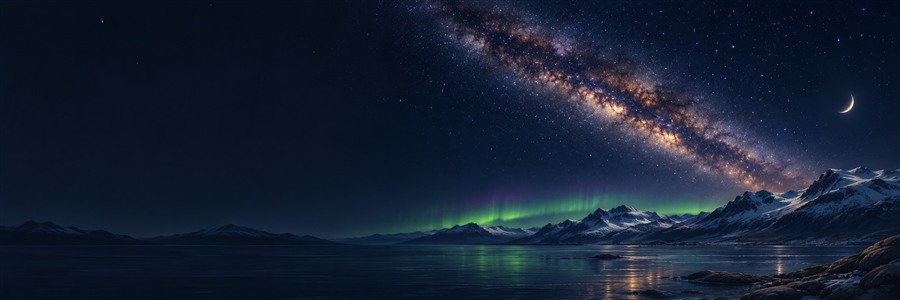
Earth and sky on your trip
Earth and Tourism
The Moon, the tides, eclipses, comets, the seasons, and auroras: how each phenomenon works and the destinations around the world where you can see them.
From Earth, a window on the Universe
Earth spins, orbits the Sun and carries the Moon with it. Because of these movements, every region of the planet has its own sky and its own phenomena, and many of them only appear clearly in certain places and at certain times. These pages explain how each one works and show the destinations where it can be seen.
Some phenomena repeat regularly and have seasons. Auroras appear around the poles on dark nights, from September to March in the north and from March to September in the south. Meteor showers return every year on the same dates, tides follow the Moon's phases, and the brightest part of the Milky Way is high in the sky in certain months.
Others happen often, but in a different place each time. A total solar eclipse is visible only along a narrow path on Earth that changes with every eclipse, and some people plan their trip years in advance to be inside that path.
And some take decades or centuries to return. Halley’s Comet comes back roughly every 76 years and will return in 2061; other comets appear without warning, discovered only a few months before they shine.
The sky changes with location
The sky you see depends on where you are. In the southern hemisphere the Southern Cross and the Magellanic Clouds appear; in the north, Polaris, which cannot be seen from the southern hemisphere. Near the equator, throughout the year, you can see stars from both hemispheres.
Even the Moon looks different: in the south it appears upside down compared with how it looks in the north, and the crescent lights from the opposite side. The seasons also alternate: when it is summer in one hemisphere, it is winter in the other, and it is in the northern summer, in June and July, that the midnight sun occurs in Scandinavia.
What each page contains
The Moon Map shows where missions have landed and the face we never see. Moon phases and tides helps you check the tide before a coastal outing, and Eclipses lists the upcoming ones and the paths where each can be seen.
Solar System and Milky Way show where Earth sits in the Universe and the sky of each place. Comets and meteor showers brings the calendar of returning comets and the shooting stars for each year.
Seasons, Aurora borealis and aurora australis, and The extremes of Earth explain when and where to travel to see the midnight sun, the auroras, and the planet’s records for heat, cold, and altitude.
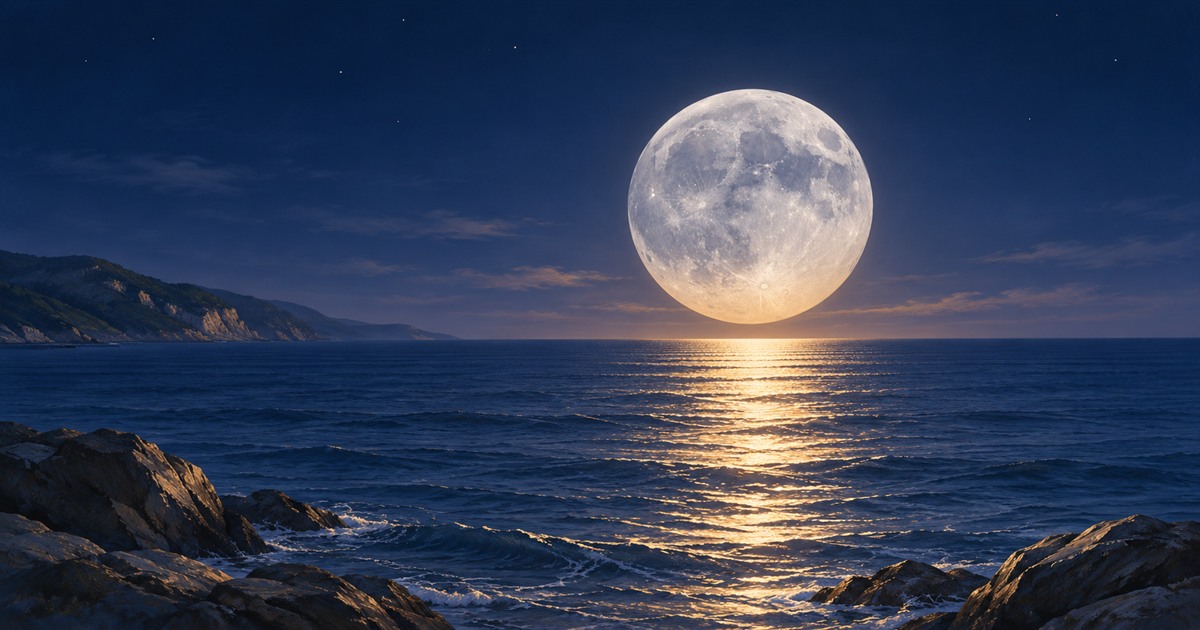
Moon map
The Moon globe with the landings, seas, craters and far side.
Open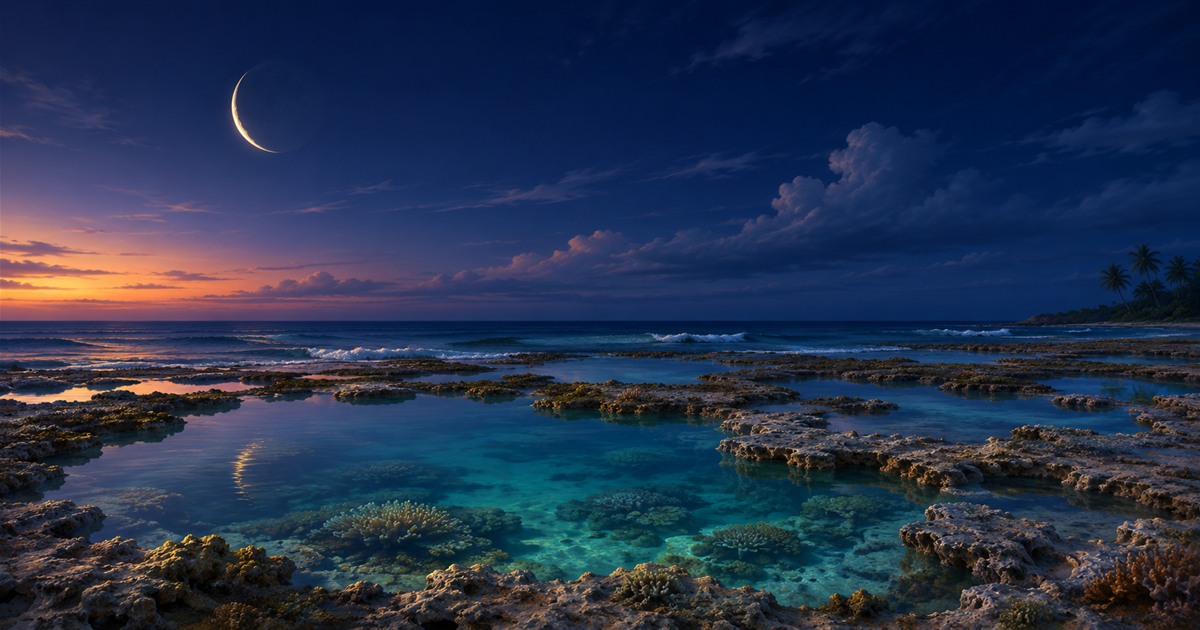
Moon phases and tides
Today's phase, the next full and new moons and how the Moon moves the tides.
Open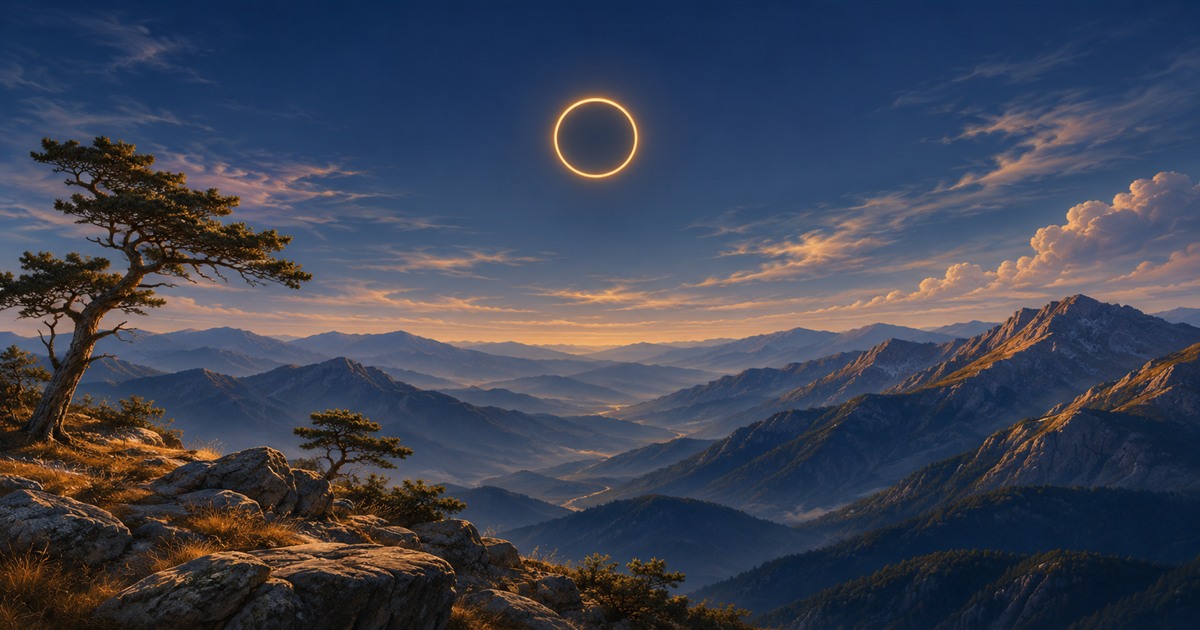
Eclipses
Why they happen, why not every month and the next ones visible in Brazil.
Open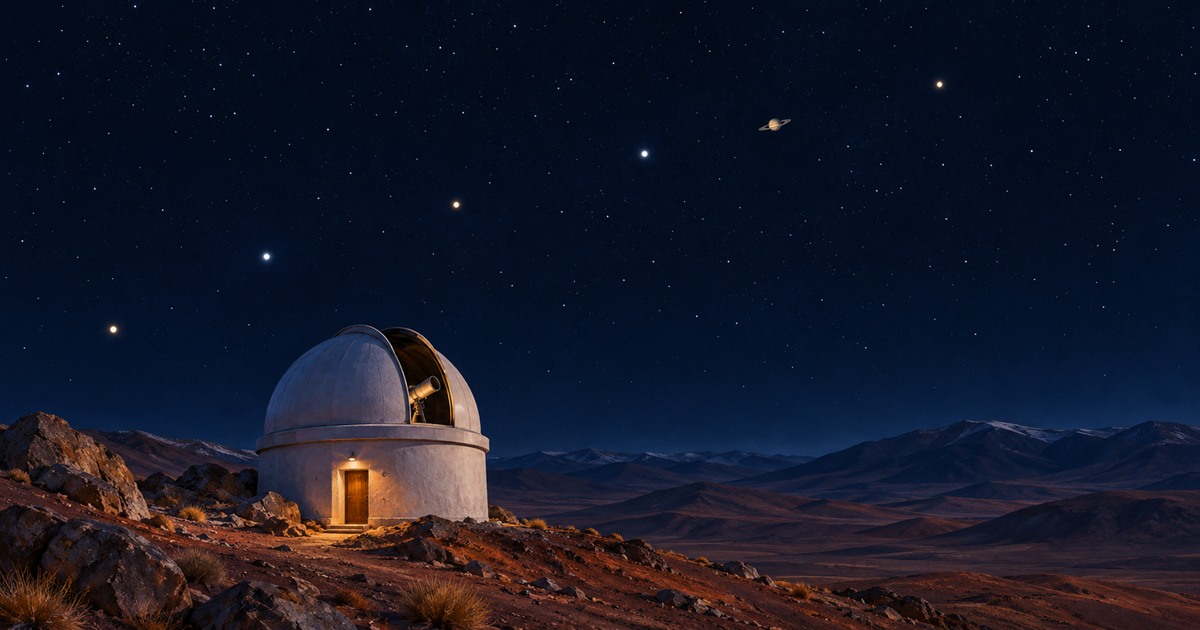
Solar System
The planets to scale, the asteroid belt, Jupiter and the edge of the system.
Open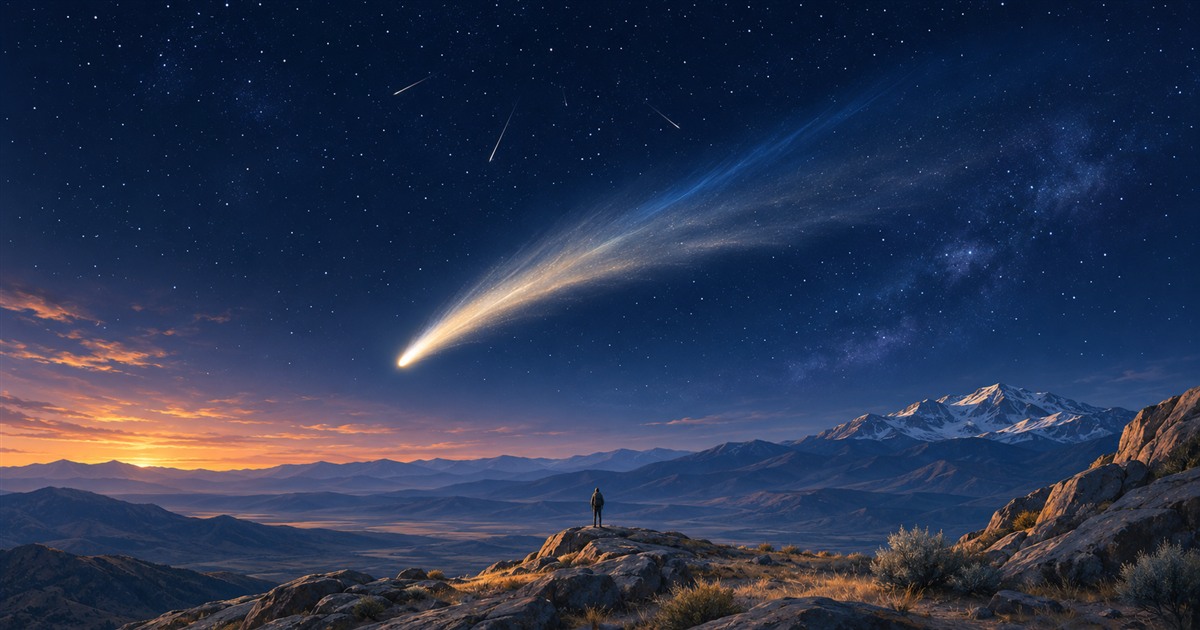
Comets and meteor showers
The comets that return every so often, the ones that appear without warning and each year's meteor showers.
Open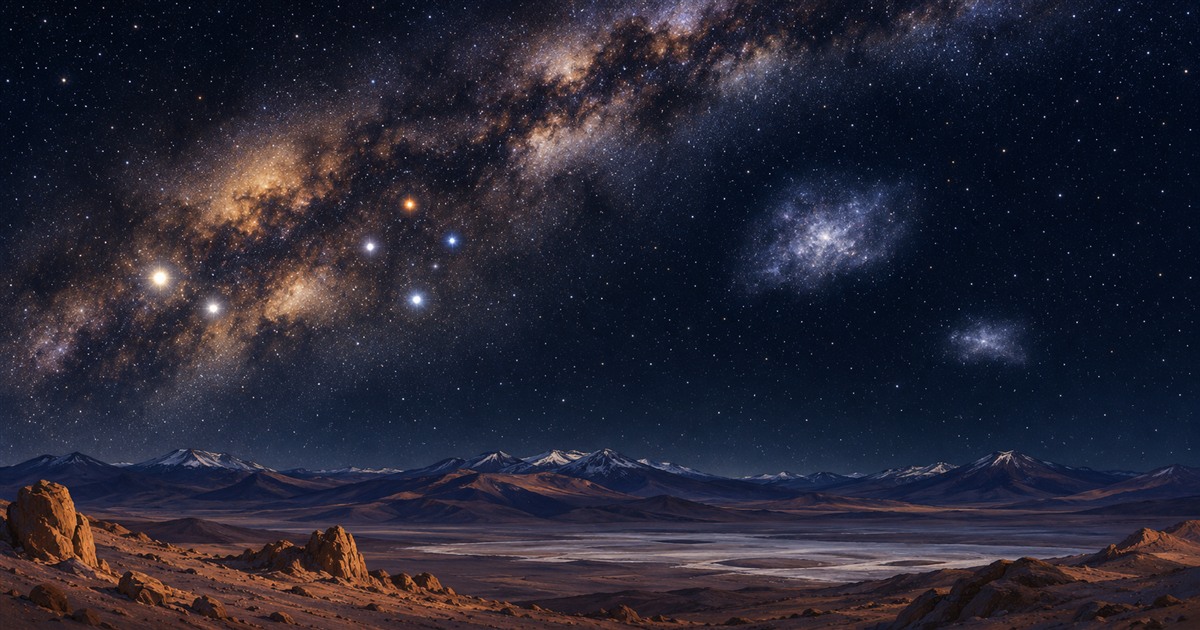
Milky Way and the Universe
From the Solar System to the galaxies: where Earth sits in the Universe.
Open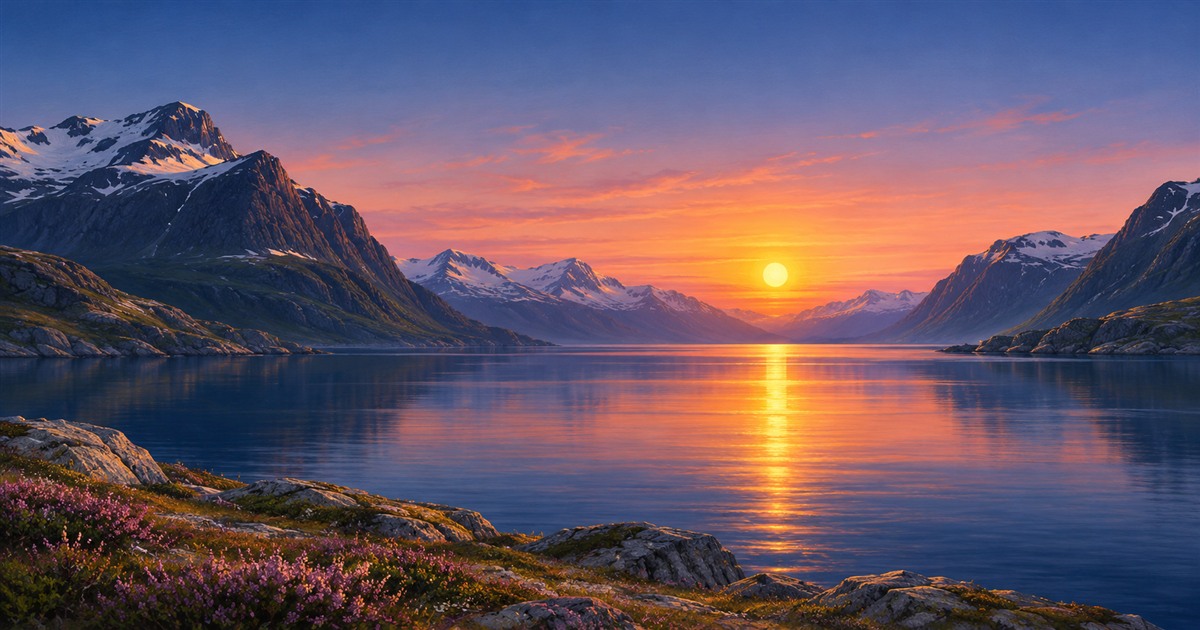
Seasons and the midnight sun
Earth's tilt, each place's daylight hours and the nightless days at the poles.
Open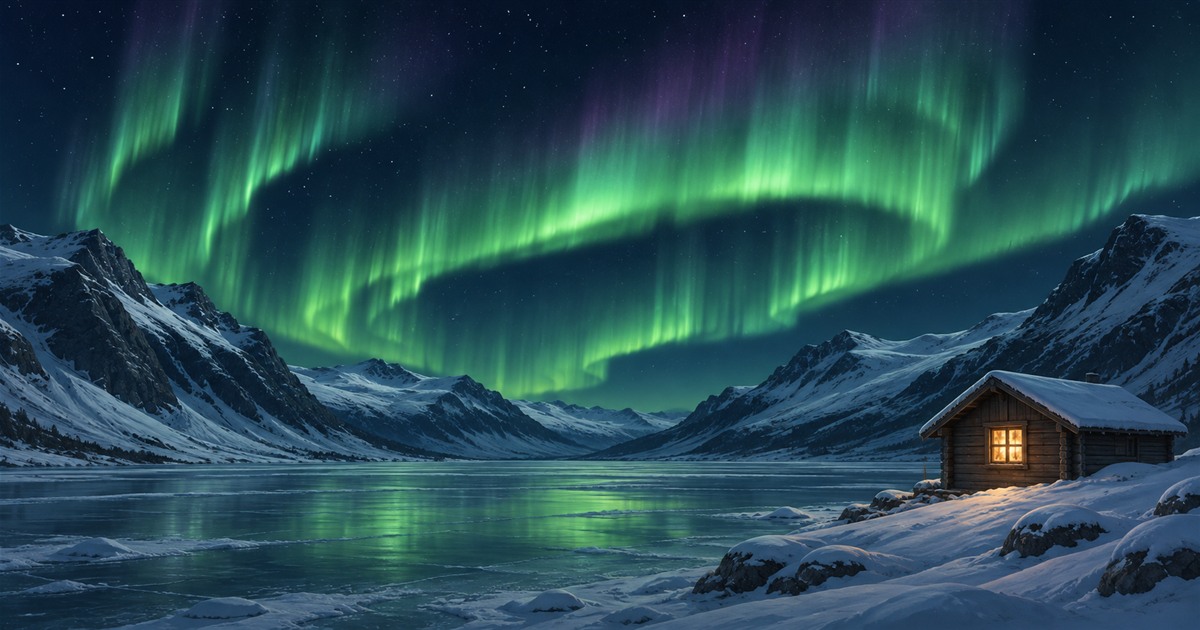
Northern and southern lights
How auroras form and where and when to see them.
Open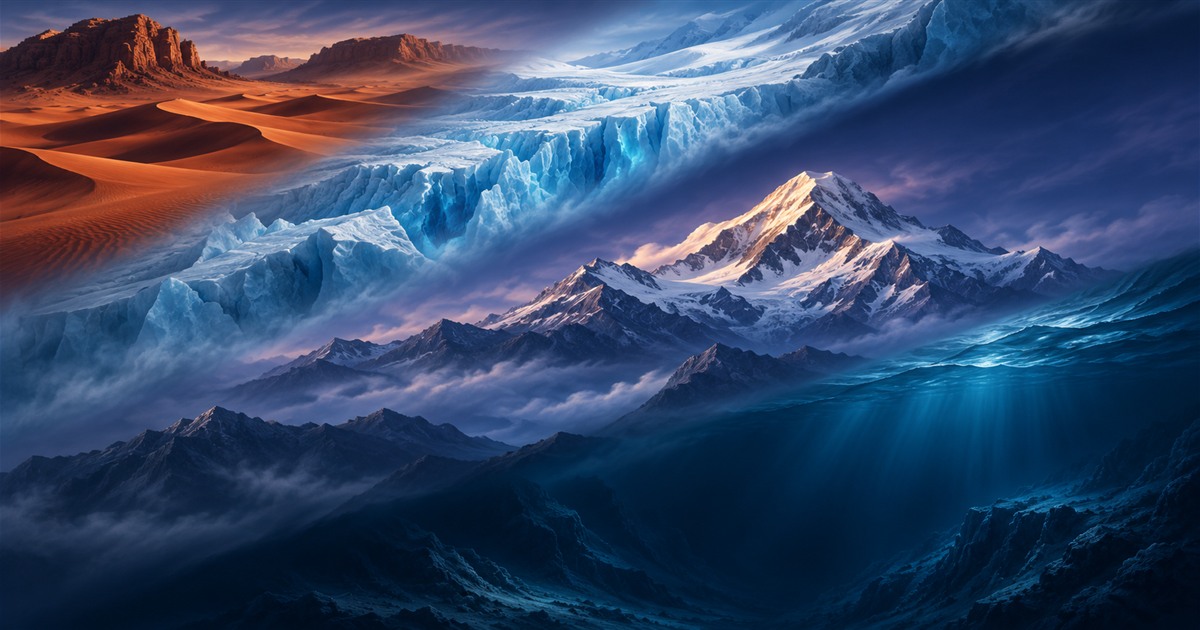
Earth's extremes
The hottest, coldest, driest and wettest places on the planet.
Open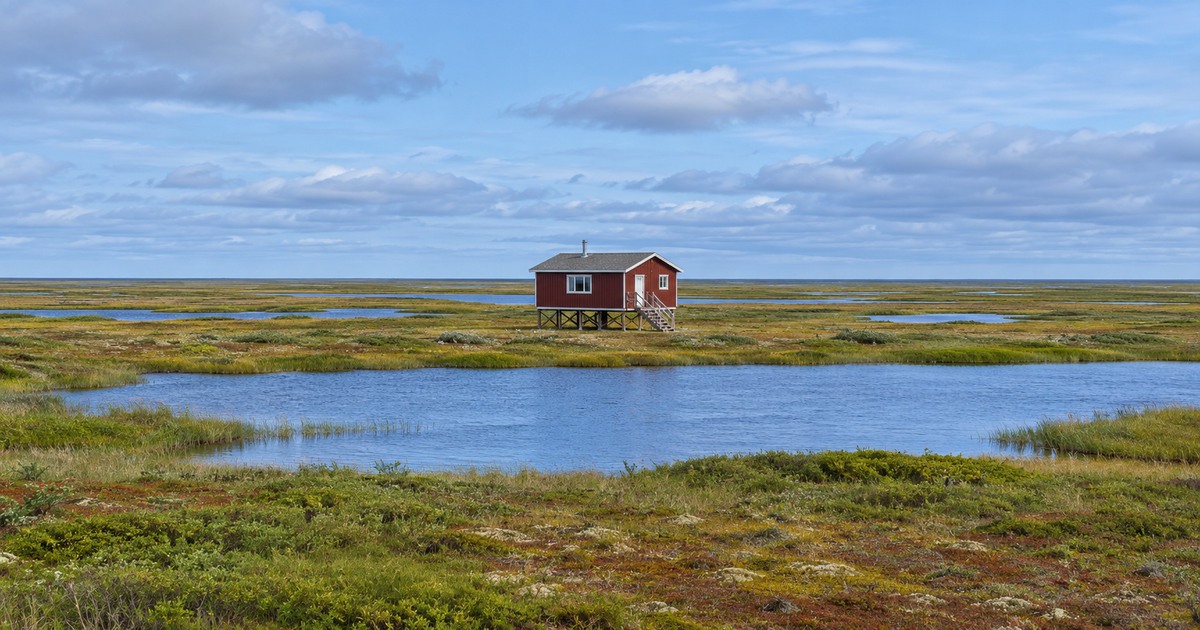
Permafrost: the ground that never thaws
The ground frozen for thousands of years in the Arctic and high mountains, how people live on it and what changes when it thaws.
Open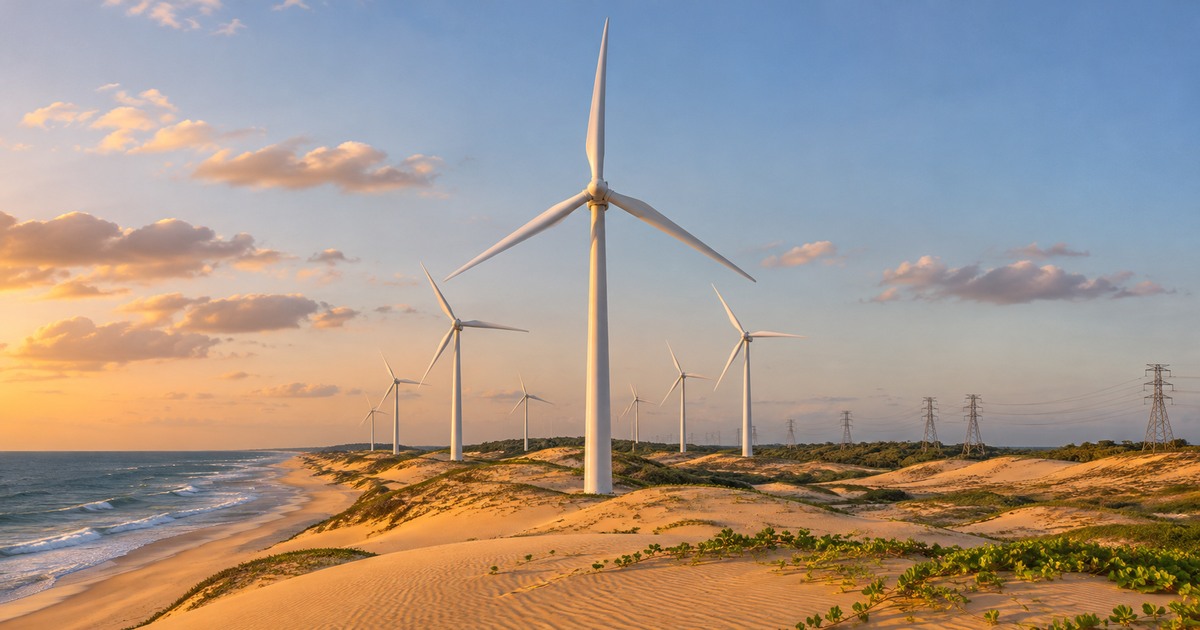
The planet's energy
Water, sun, wind, tides, waves, Earth's heat and the atom: how each source becomes electricity and the power plants along the way.
Open
