Ortahisar
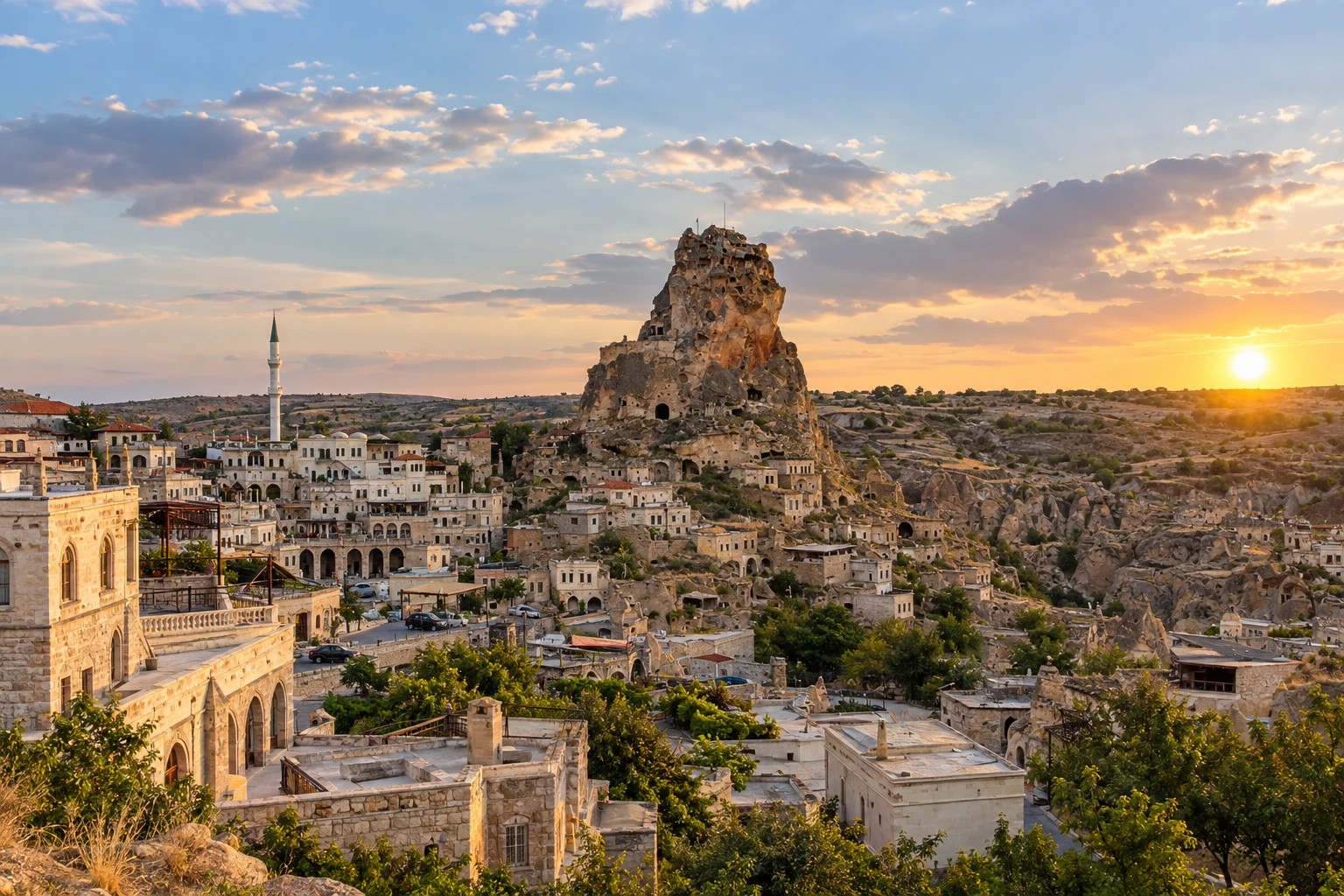
Ortahisar is organized around a carved rock that gives the village its name. Stone houses and hillside passages show a Cappadocian core tied both to the landscape and to storage spaces hewn into the rock.
AntarcticaYour place in the guide
A direct path for those who have already chosen the next stop of the trip. 22 destinations and 70 cities in Turkey.
Explore by destination
New roads, good stories.
Illustrative images. The pictures in this guide are illustrations based on the real place, not photographs, and may differ from it.
Today's highlights
Ortahisar is organized around a carved rock that gives the village its name. Stone houses and hillside passages show a Cappadocian core tied both to the landscape and to storage spaces hewn into the rock.
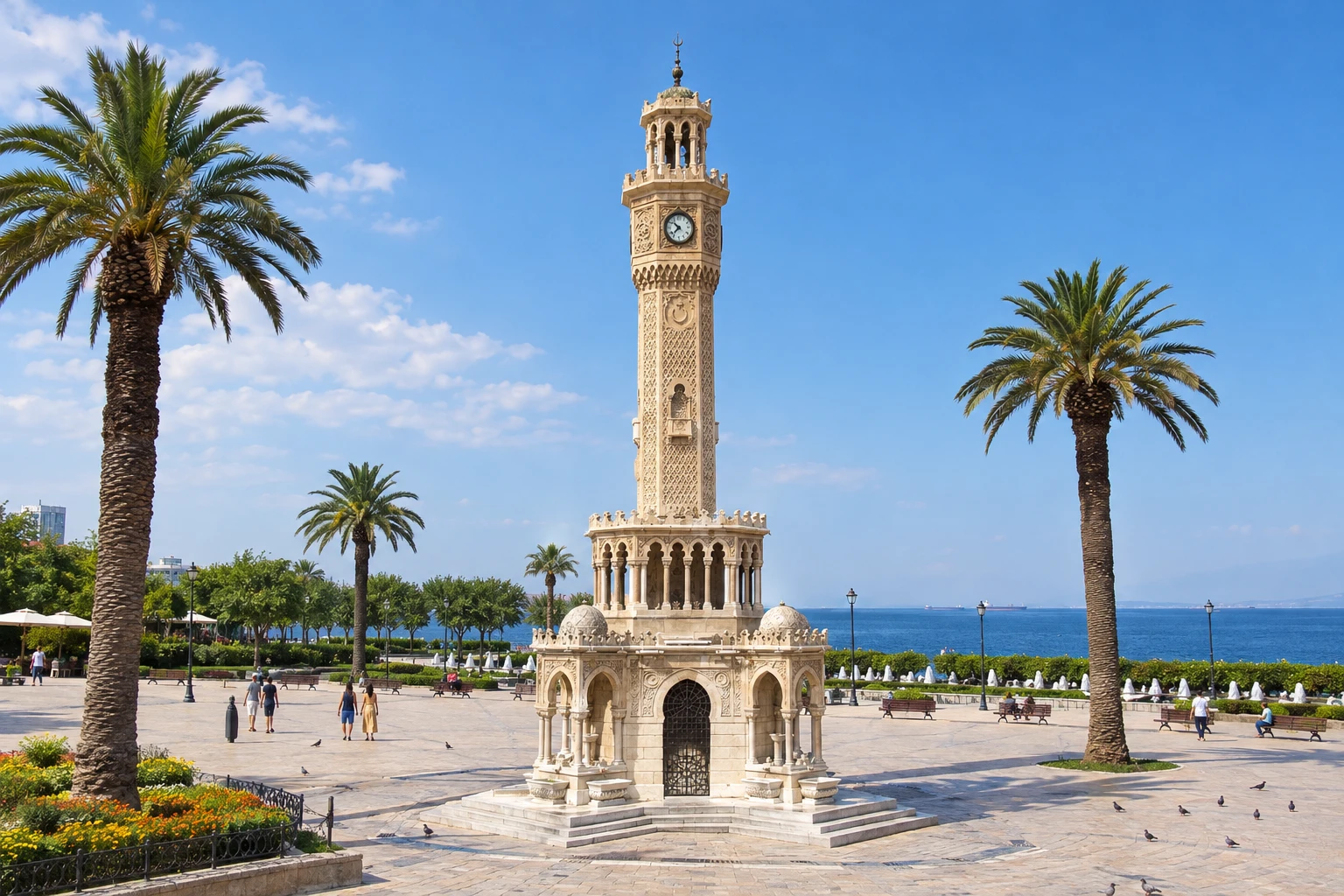
Esmirna is a large Aegean port city and a gateway base for the western coast. The Agora of Esmirna reveals the ancient city, Konak marks the center and Kordon runs along the bay. Bergama and Sardes require separate outings; Çeşme and Alaçatı combine beaches and stone streets in another part of the region.
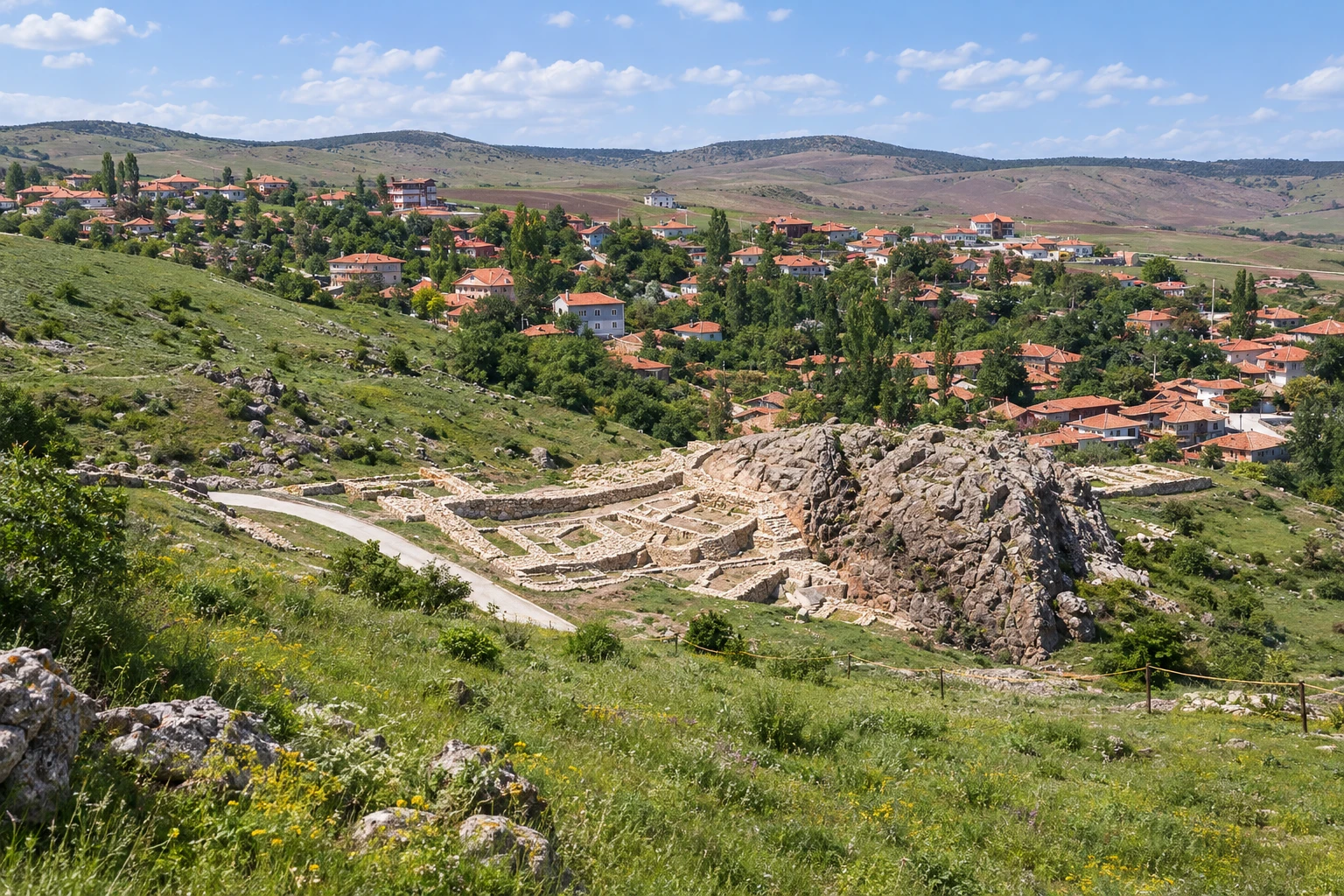
Boğazkale is the access base for Hattusa, the ancient capital of the Hittite Empire. The terrain contains walls, gateways and temple areas; the Yazılıkaya sanctuary, outside the core of the ancient city, adds rock-carved reliefs.
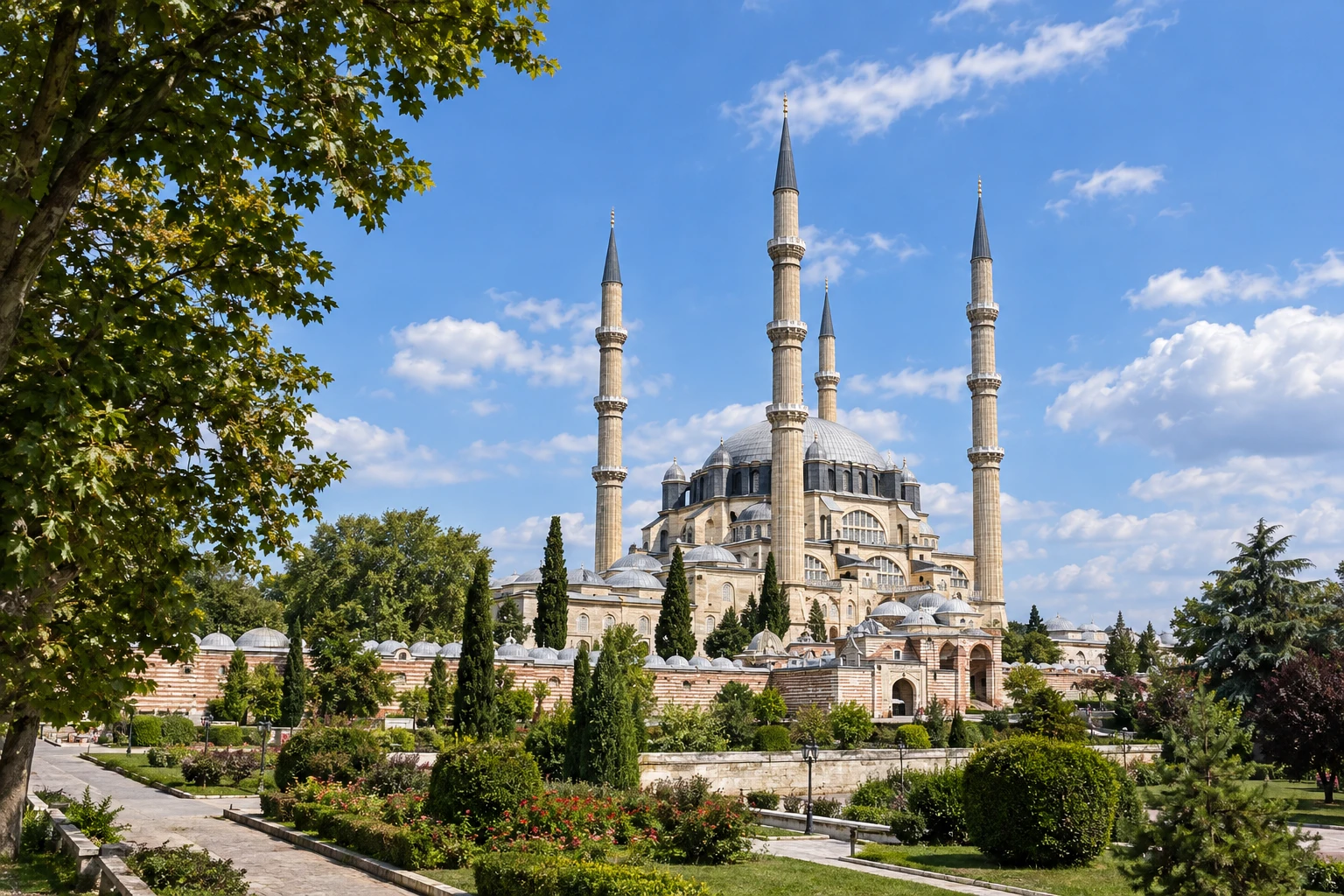
Edirne is in European Thrace, near Greece and Bulgaria, and was the Ottoman capital before Istanbul. Sinan's Selimiye is the main landmark, accompanied by the Eski Cami and Üç Şerefeli. The Bayezid II Health Museum and the Great Synagogue allow you to expand the visit beyond the mosques.
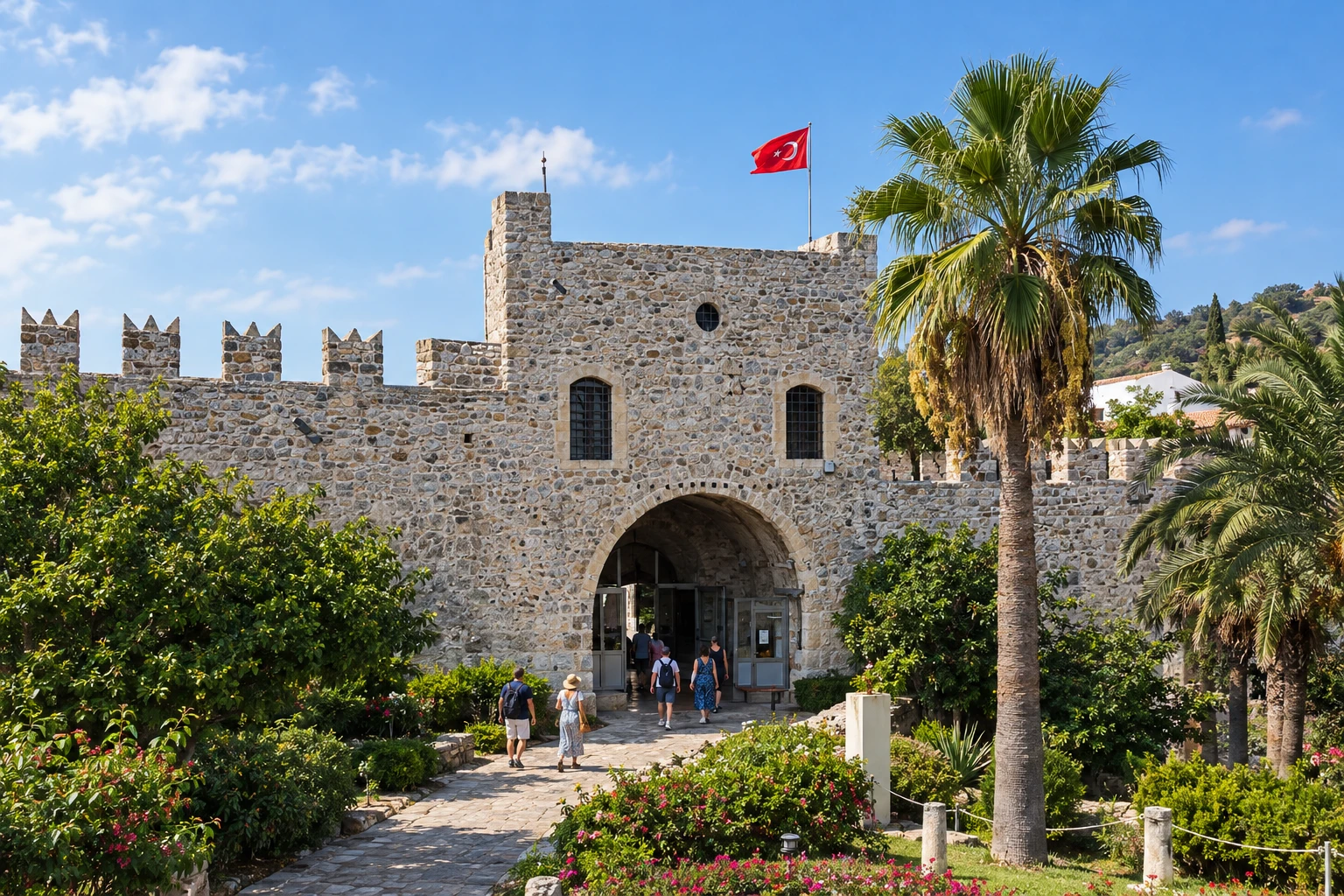
Marmaris is centered on a bay and a port quarter with a castle and museum. The waterfront allows urban walks, while Sedir requires a boat trip and a road transfer to the embarkation point. The town also serves as a base for İçmeler and for gulet trips, whose routes should be checked separately.
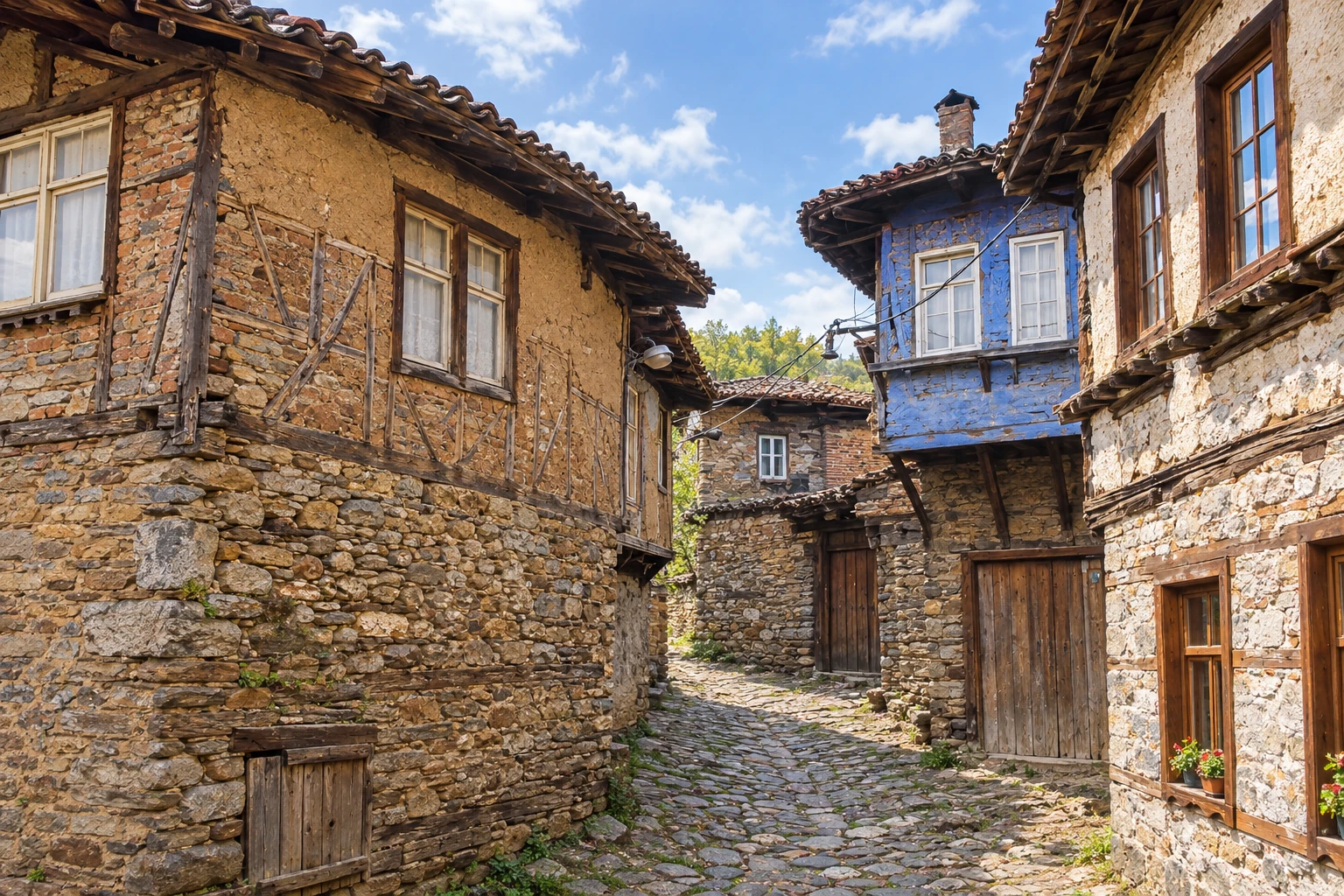
Cumalıkızık is a historic village on the slopes of Uludağ, part of Bursa’s heritage. Wooden and masonry houses line stone streets that still serve the residents. The visit combines observing the facades with a walk through the village core, without requiring an overnight stay for those using Bursa as a base.
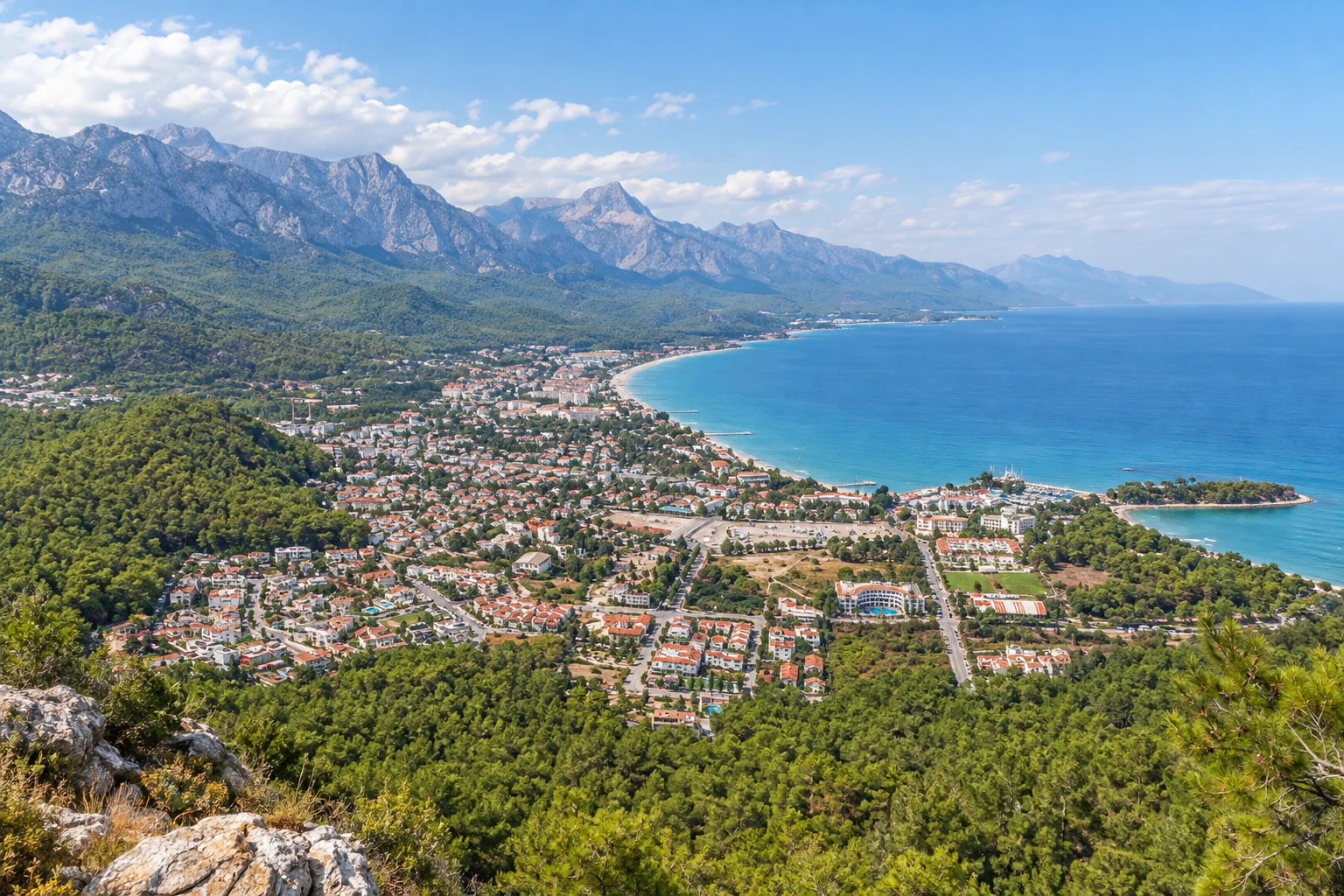
Kemer occupies a strip of coastline between the Mediterranean and the slopes of the Taurus Mountains. The town is a beach and accommodation base for visiting Phaselis, where ancient harbors, ruins and coves share the same stretch of coast.
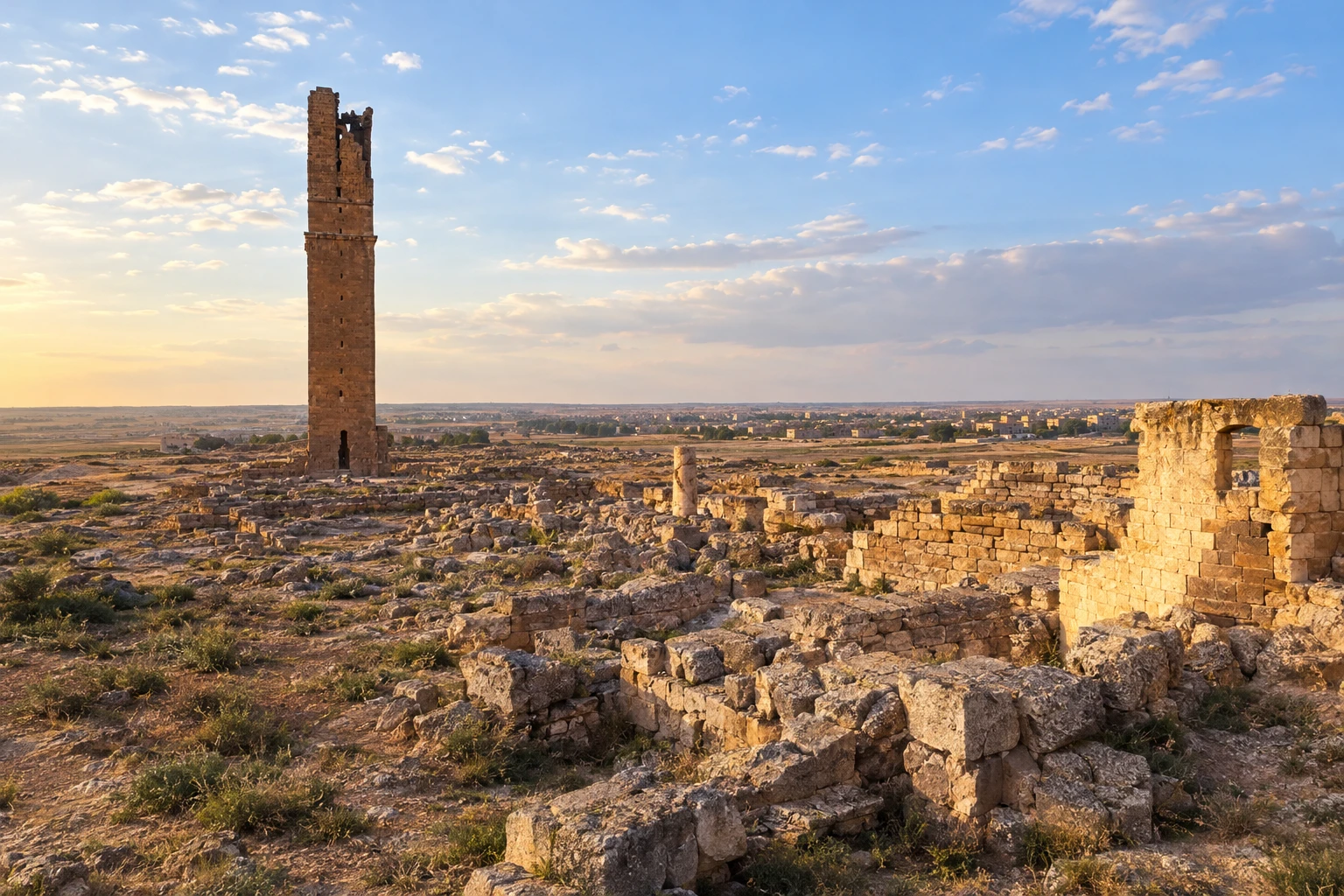
Harran combines remains of an ancient city with traditional cone‑roofed houses. The open, dry terrain differs from the more compact streets of Şanlıurfa. The visit requires seeing both the form of the dwellings and the archaeological structures of the settlement.
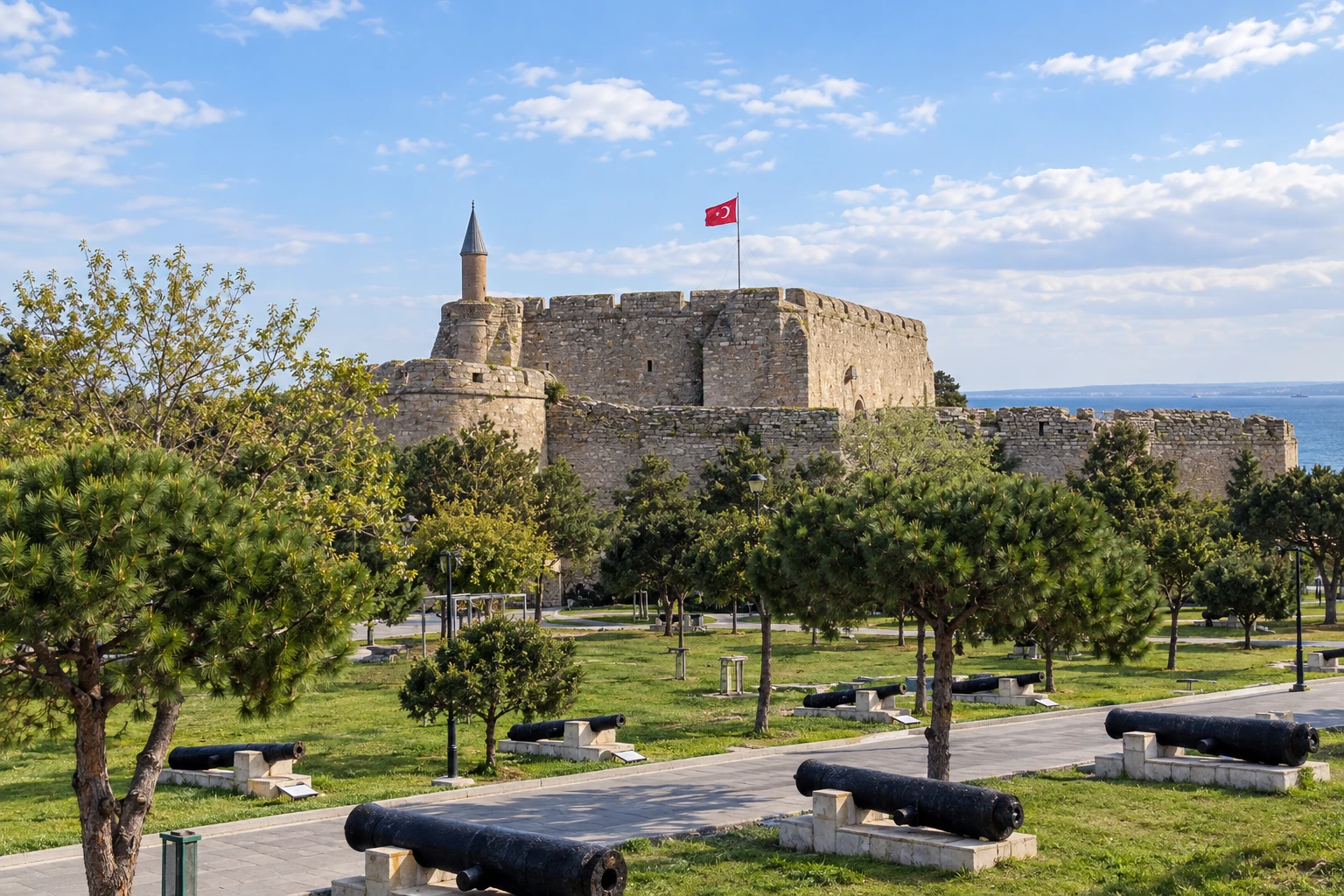
Çanakkale lies on the Asian shore of the Dardanelles and serves as a base for Troy and its museum. The Çimenlik castle marks the central waterfront. On the other side of the strait, the Gallipoli peninsula on the European side has memorials and historic fields, which require allowing time for crossings and road travel.
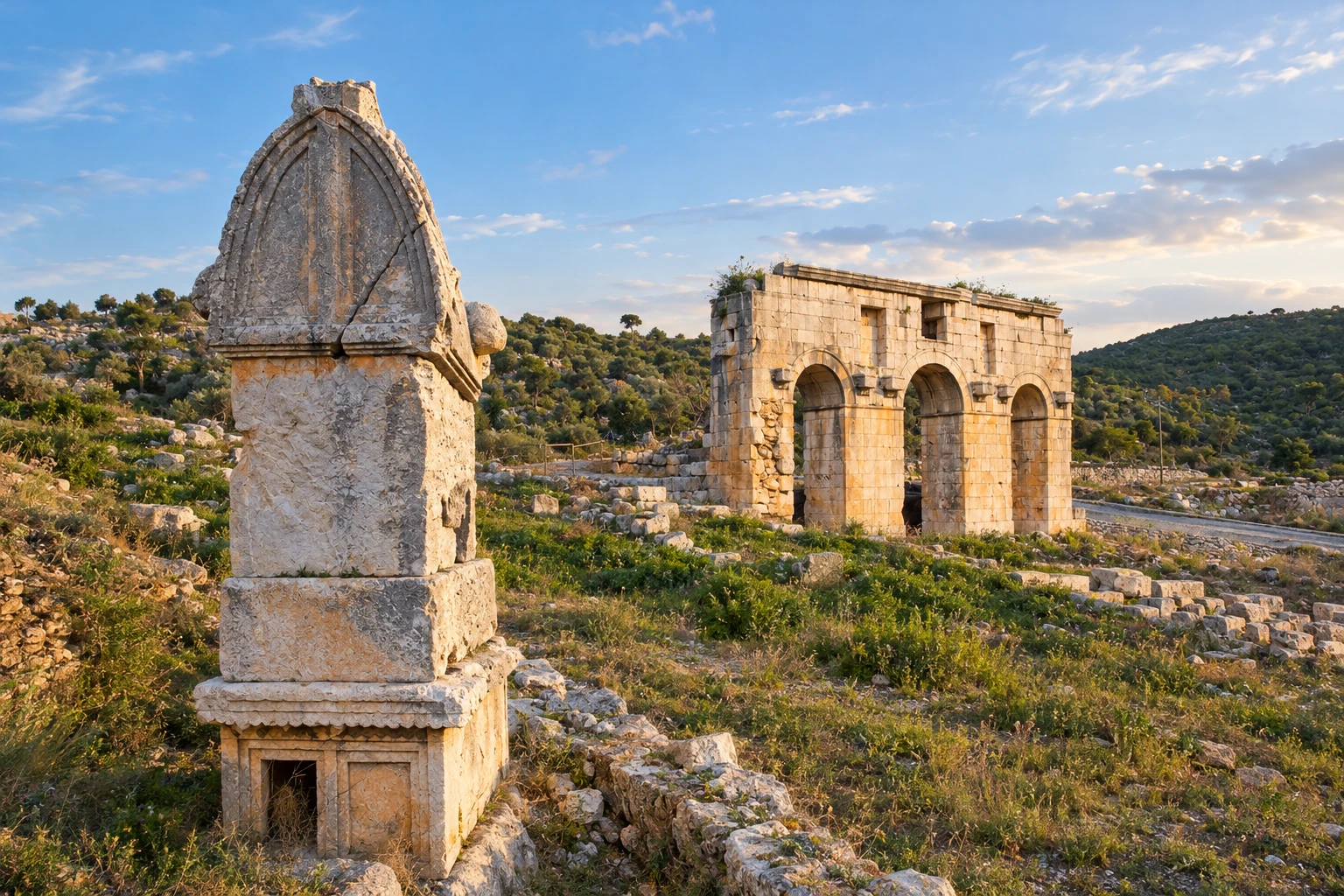
Gelemiş is the base nucleus for the ancient city and Patara beach. Ruins and the stretch of sand are different activities that deserve their own time. Xanthos and Letoon broaden the reading of Lycia in a regional circuit; Letoon is on the Muğla side, although the excursion can start from Gelemiş.
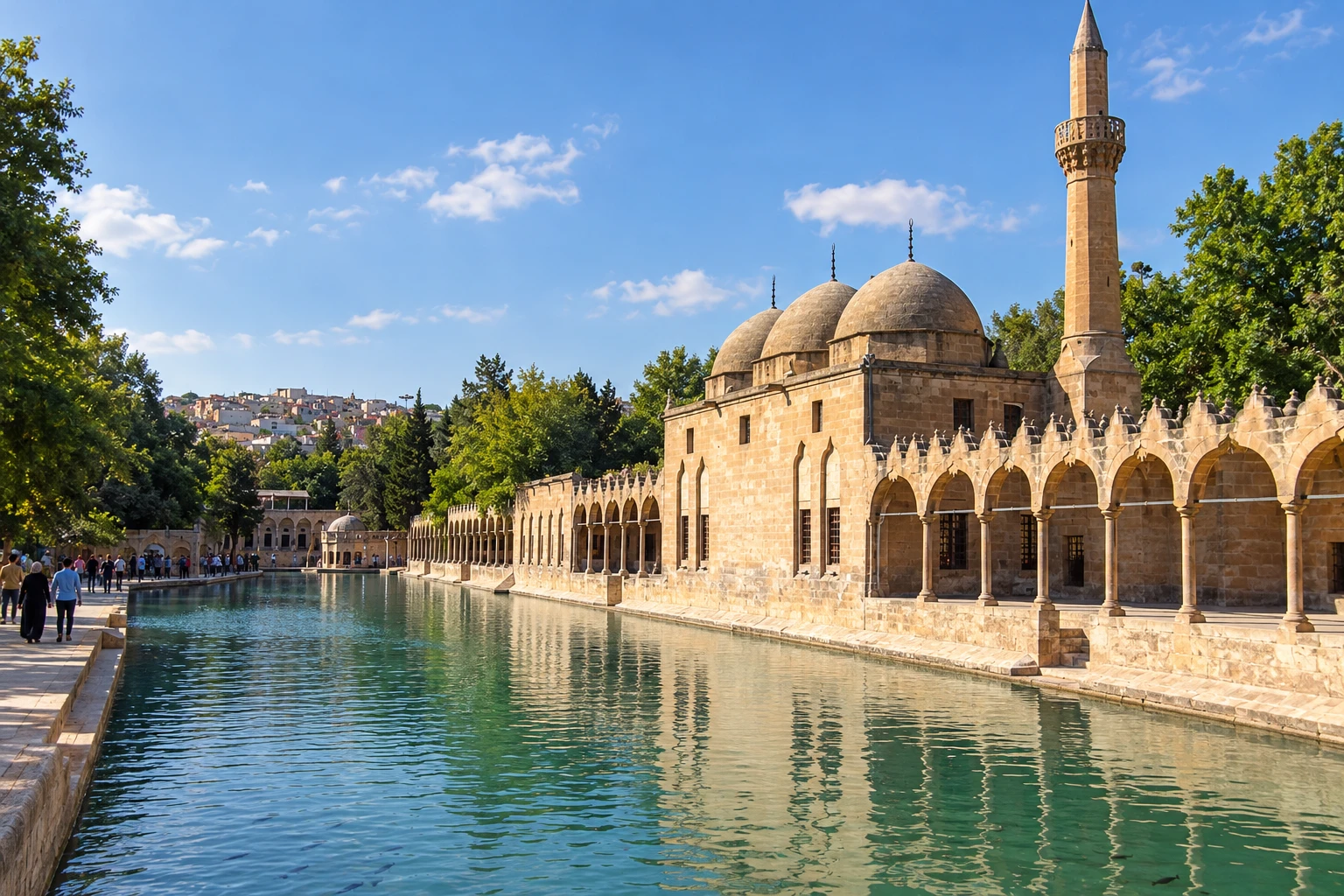
Şanlıurfa brings together the Balıklıgöl lagoon, archaeological museums and access to Göbekli Tepe. The old quarter allows walking among religious spaces and commercial streets; the museums help interpret the long human occupation of the region.
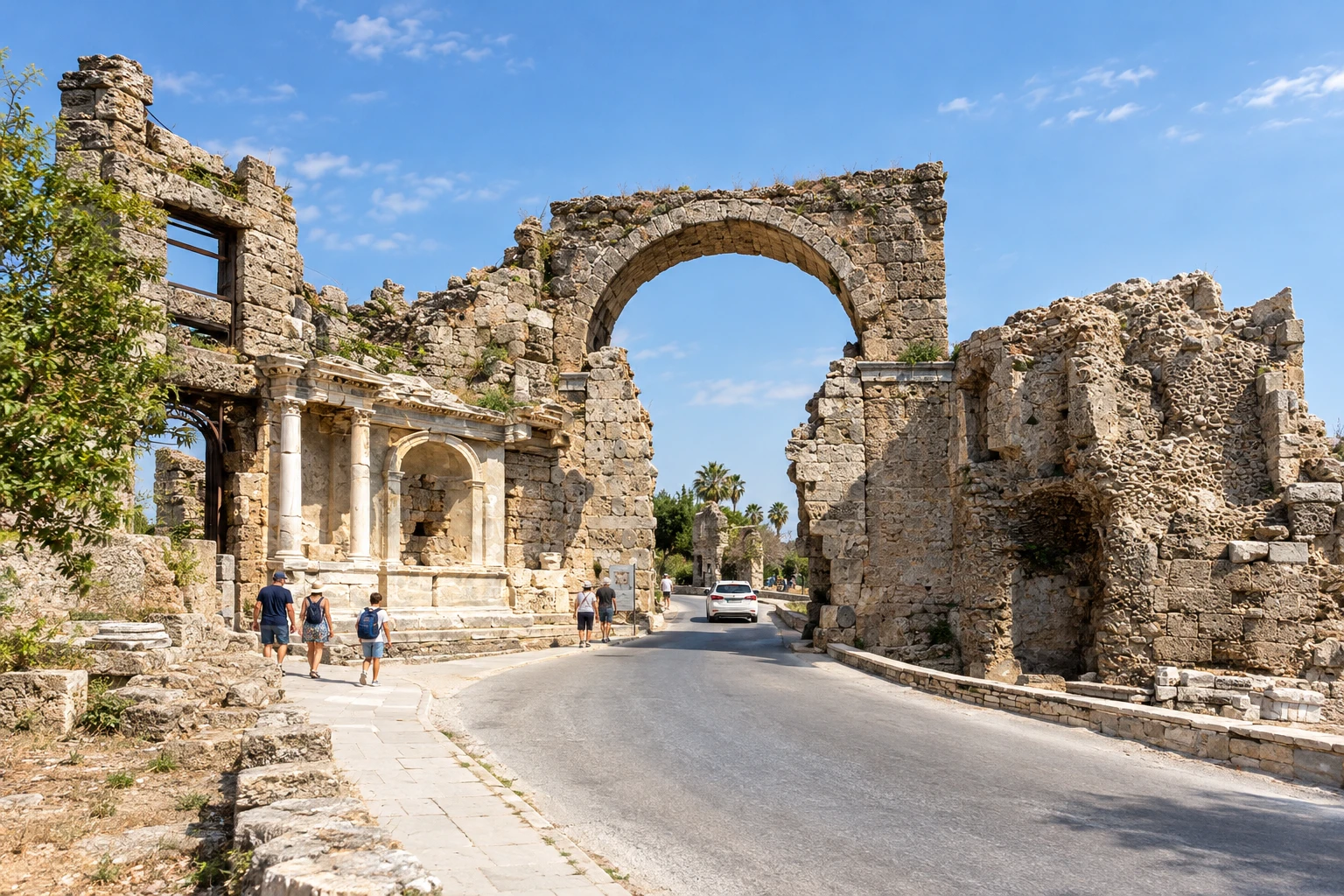
Side occupies a peninsula where promenades and modern buildings coexist with ruins of Pamphylia. The columns of the Temple of Apollo stand by the sea. Accommodation also spreads along the beaches on both sides of the old town core.
Or browse by province
Still deciding?
Get to know the regions and discover everything they bring together.
Beyond the guide