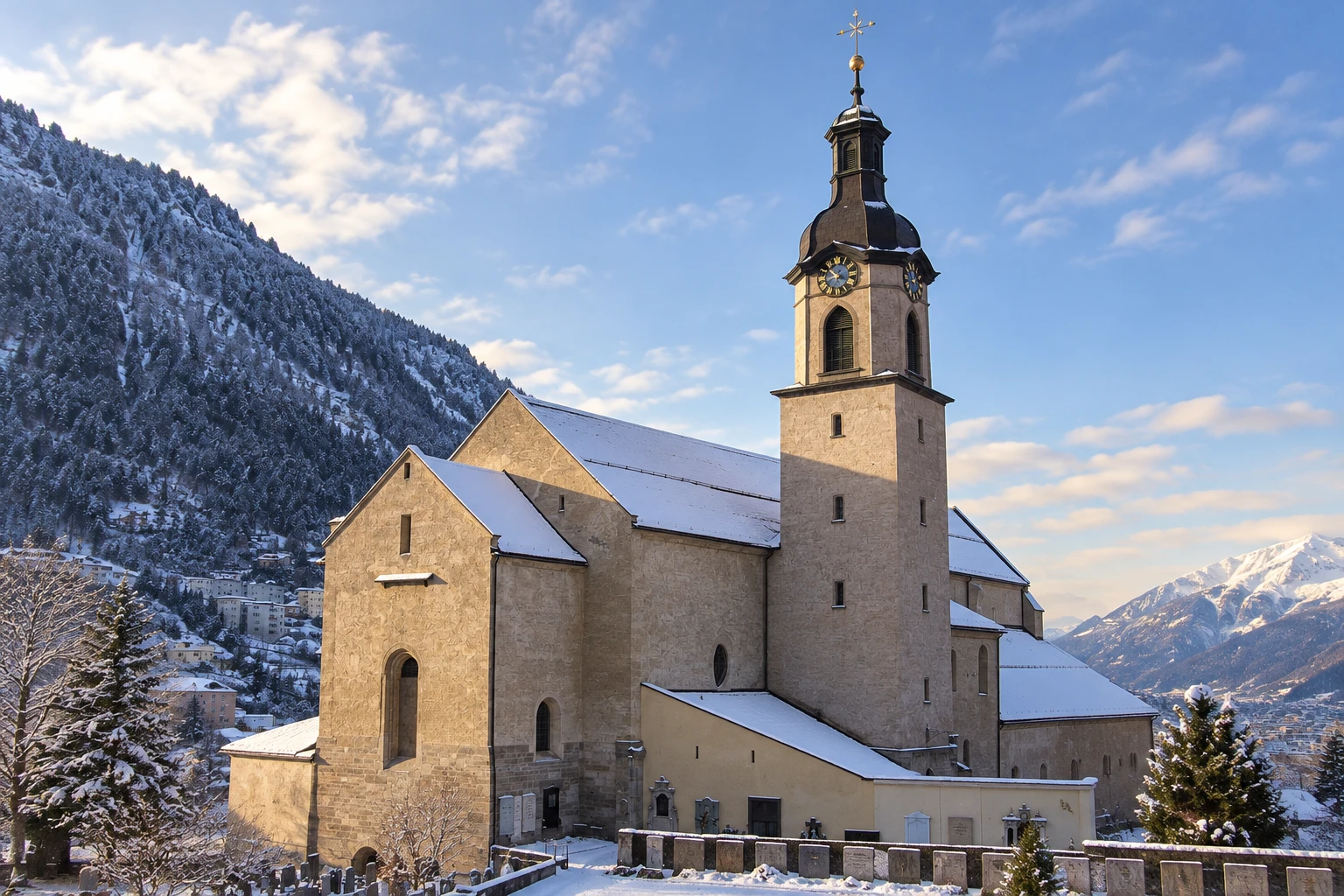
Chur · Graubünden · Church
Chur Cathedral
The cathedral of Chur, consecrated in 1272, stands on a rocky terrace above the old town, with a large carved Gothic high altar and the bishop’s palace opposite.

 Search
 Brazil
 Antarctica
 Argentina
 Bolivia
 Chile
 Colombia
 Ecuador
 Falkland Islands (Malvinas)
 French Guiana
 Guyana
 Paraguay
 Peru
 Suriname
 Uruguay
 Venezuela
 Austria
 Belgium
 Croatia
 Denmark
 Finland
 France
 Germany
 Greece
 Hungary
 Iceland
 Ireland
 Italy
 Luxembourg
 Norway
 Poland
 Portugal
 Slovakia
 Slovenia
 Spain
 SwedenSwitzerland
 the Czech Republic
 the Netherlands
 the United Kingdom
 Turkey
 Bermuda
 Canada
 Greenland
 Mexico
 Saint Pierre and Miquelon
 the United States
 the Dominican Republic
 JapanTurkey
 Egypt
 South Africa
 Australia
 Fiji
 New Zealand
 Papua New Guinea
Graubünden
25 places to visit and 18 tours, chosen by the Cidade Turismo guide.
Updated
Illustrative images. The pictures in this guide are illustrations based on the real place, not photographs, and may differ from it.
To start
One by one
The cathedral of Chur, consecrated in 1272, stands on a rocky terrace above the old town, with a large carved Gothic high altar and the bishop’s palace opposite.
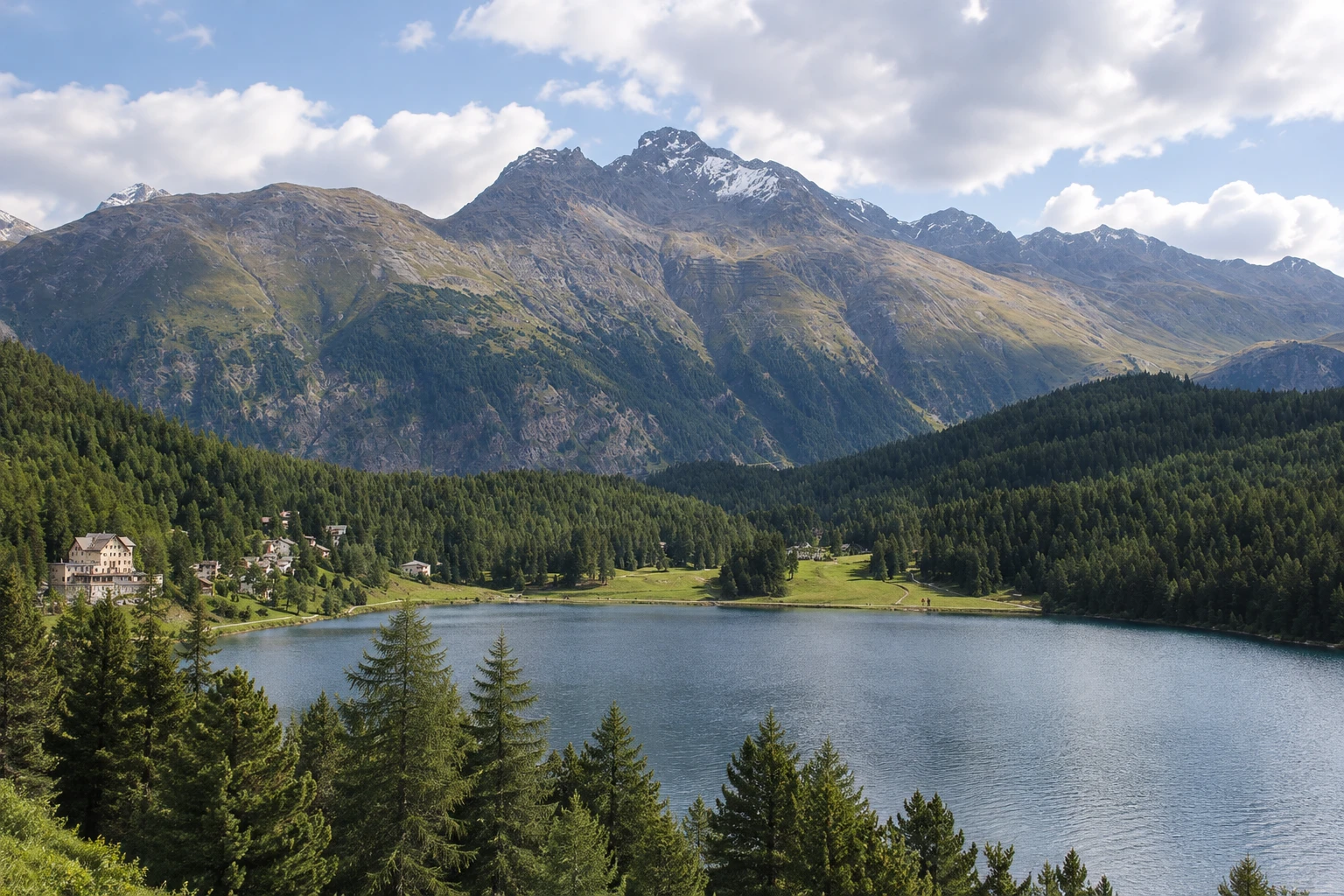
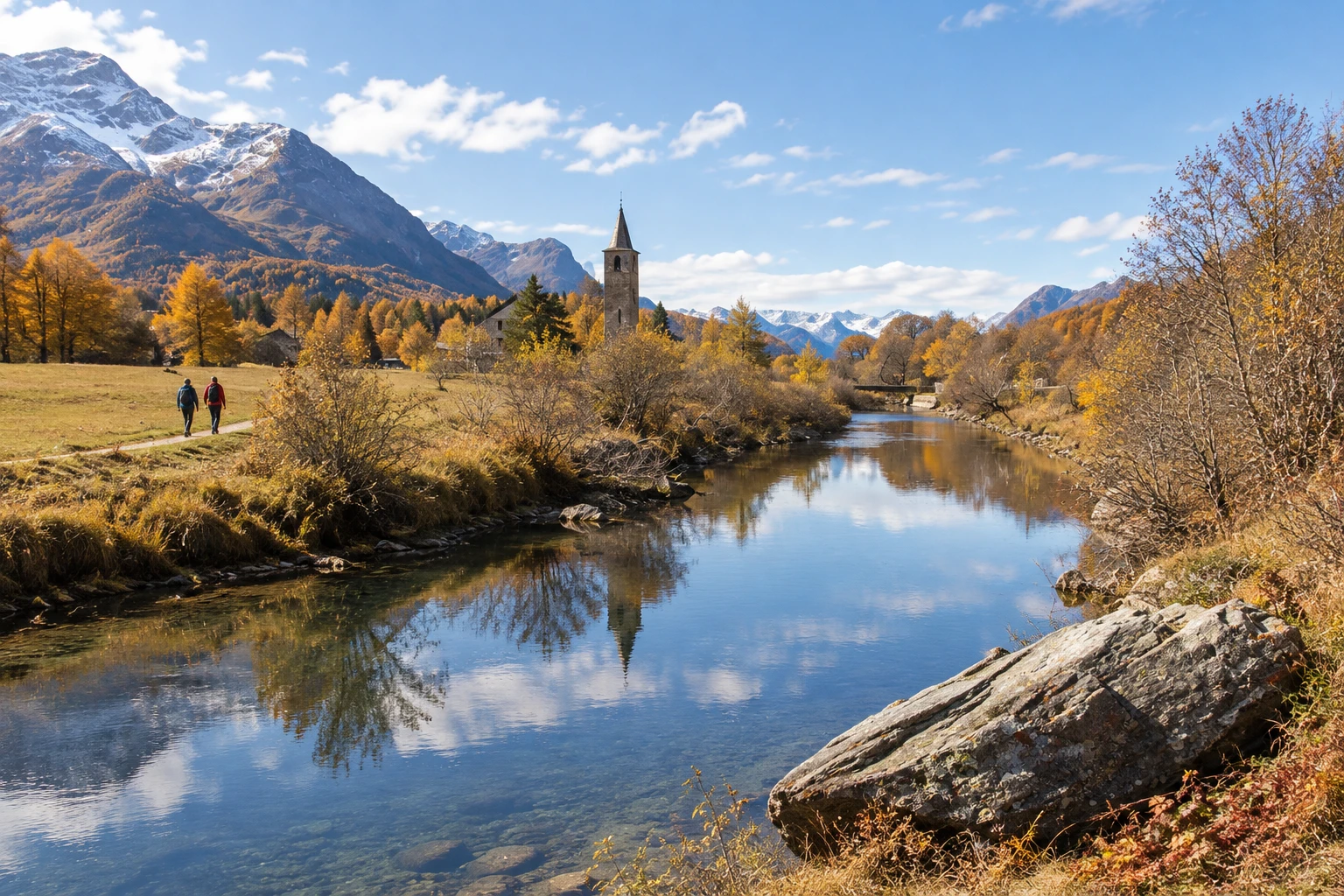
A lake about 1.6 km long, at 1,768 m, between St. Moritz Dorf and St. Moritz Bad, with a path around it. Frozen in winter, it hosts the White Turf horse races and snow polo.
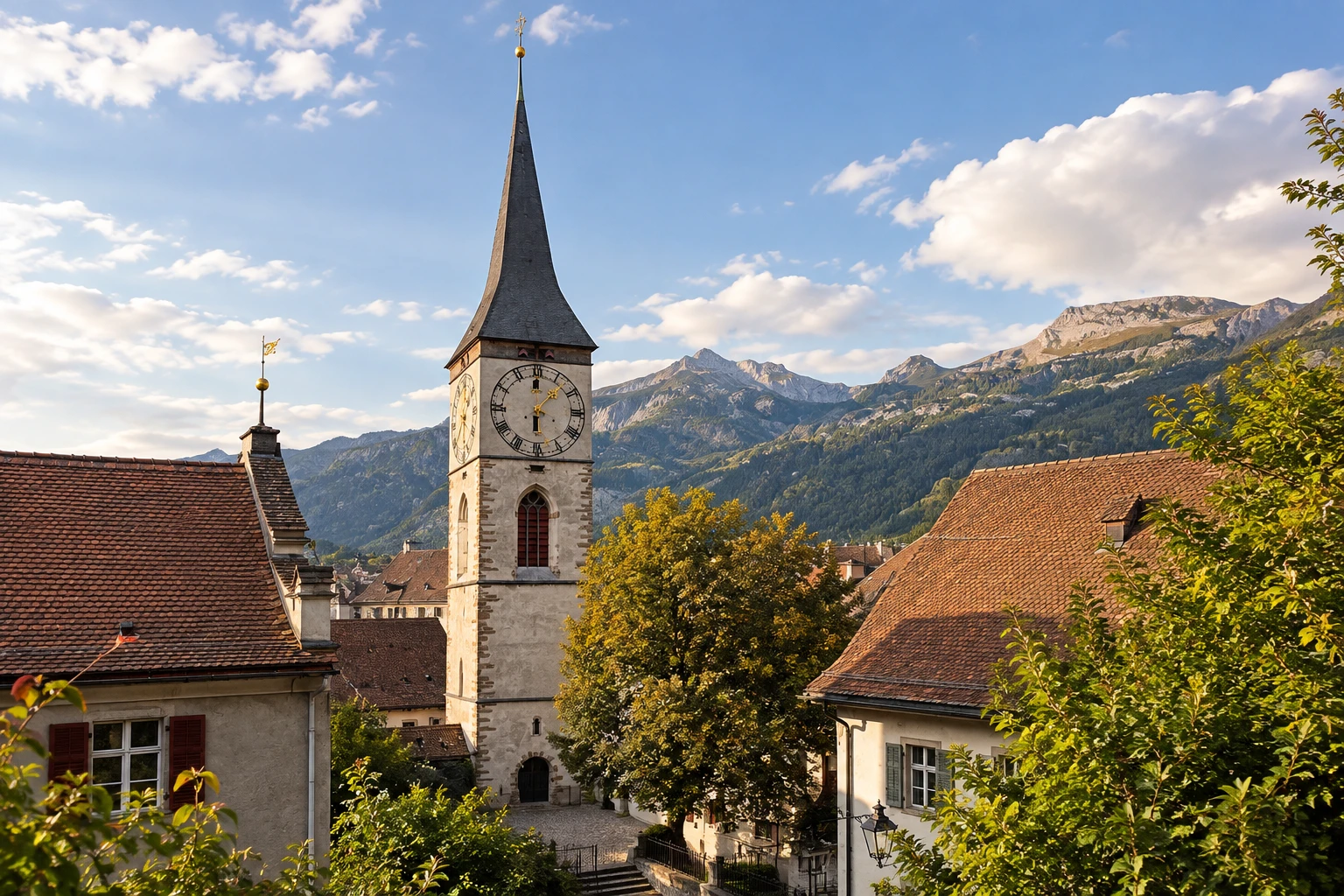
Gothic church of São Martinho, a symbol of Chur's old town, with its pointed tower and the three stained-glass windows by Augusto Giacometti in the choir.
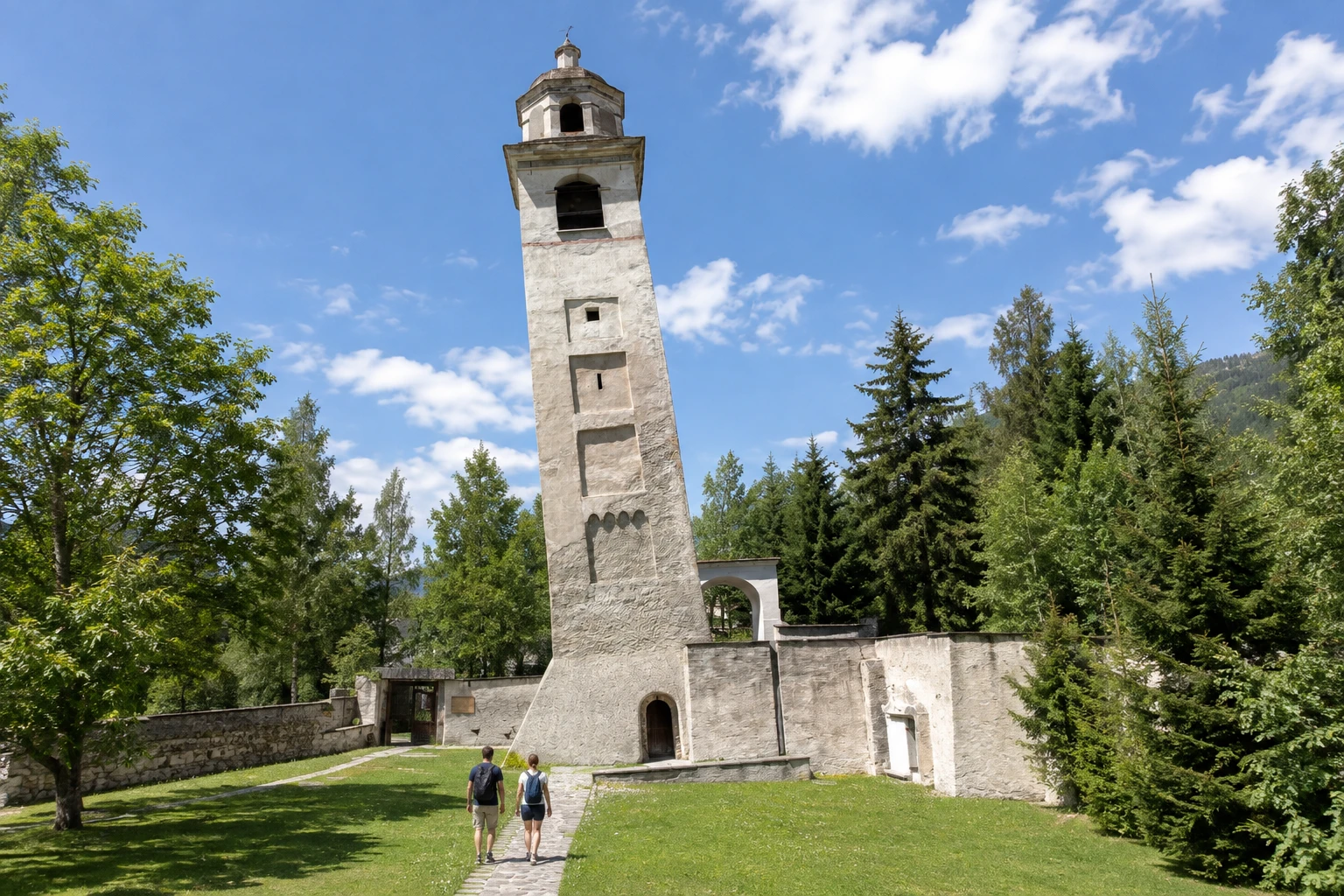
A 33 m tower, with a tilt of about 5.5 degrees, remaining from the old church of St. Maurice, atop St. Moritz Dorf.
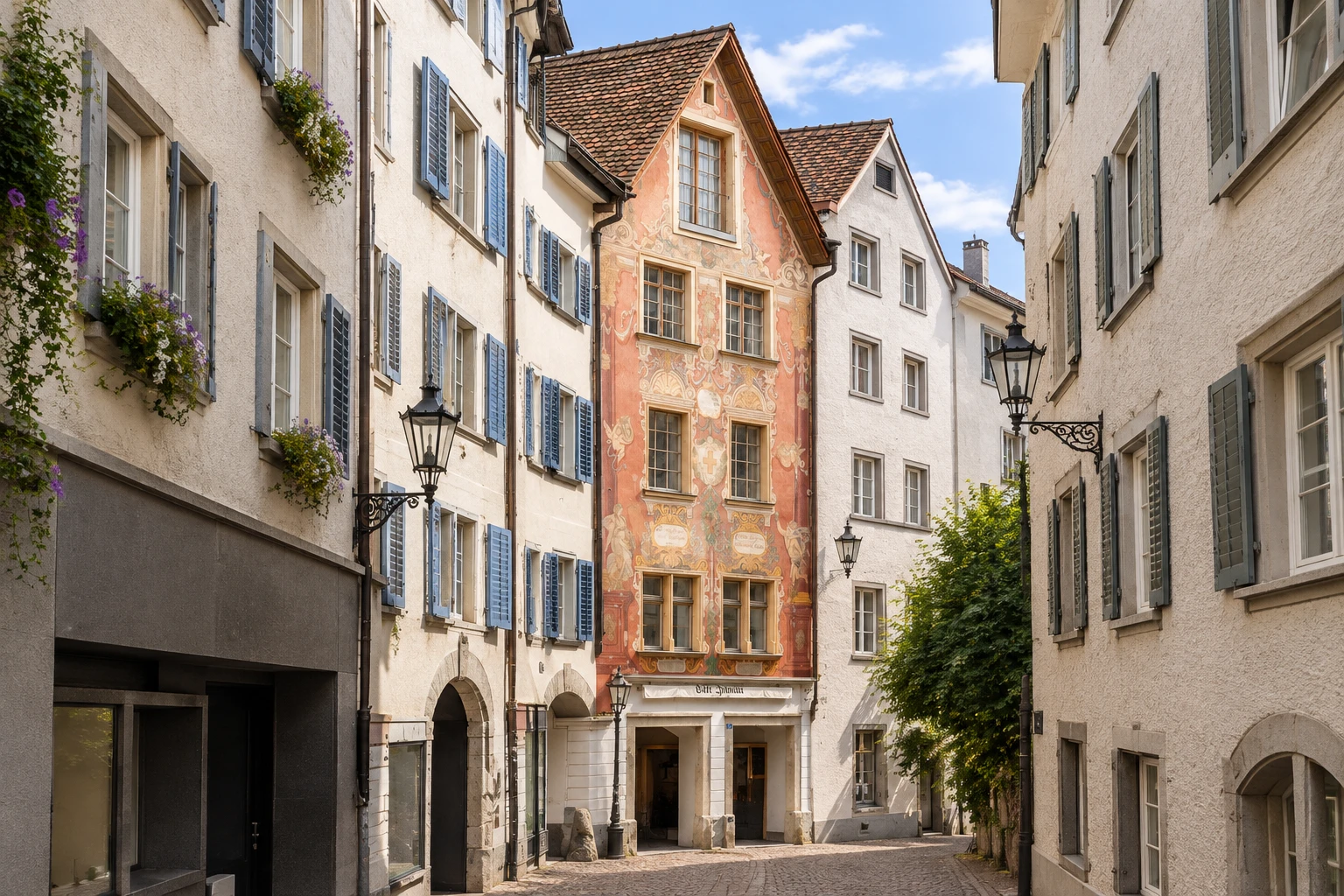
Chur's old town, almost entirely pedestrian, with the Arcas plaza, colorful houses above the Plessur river, the Obertor gate, fountains and shopping streets.
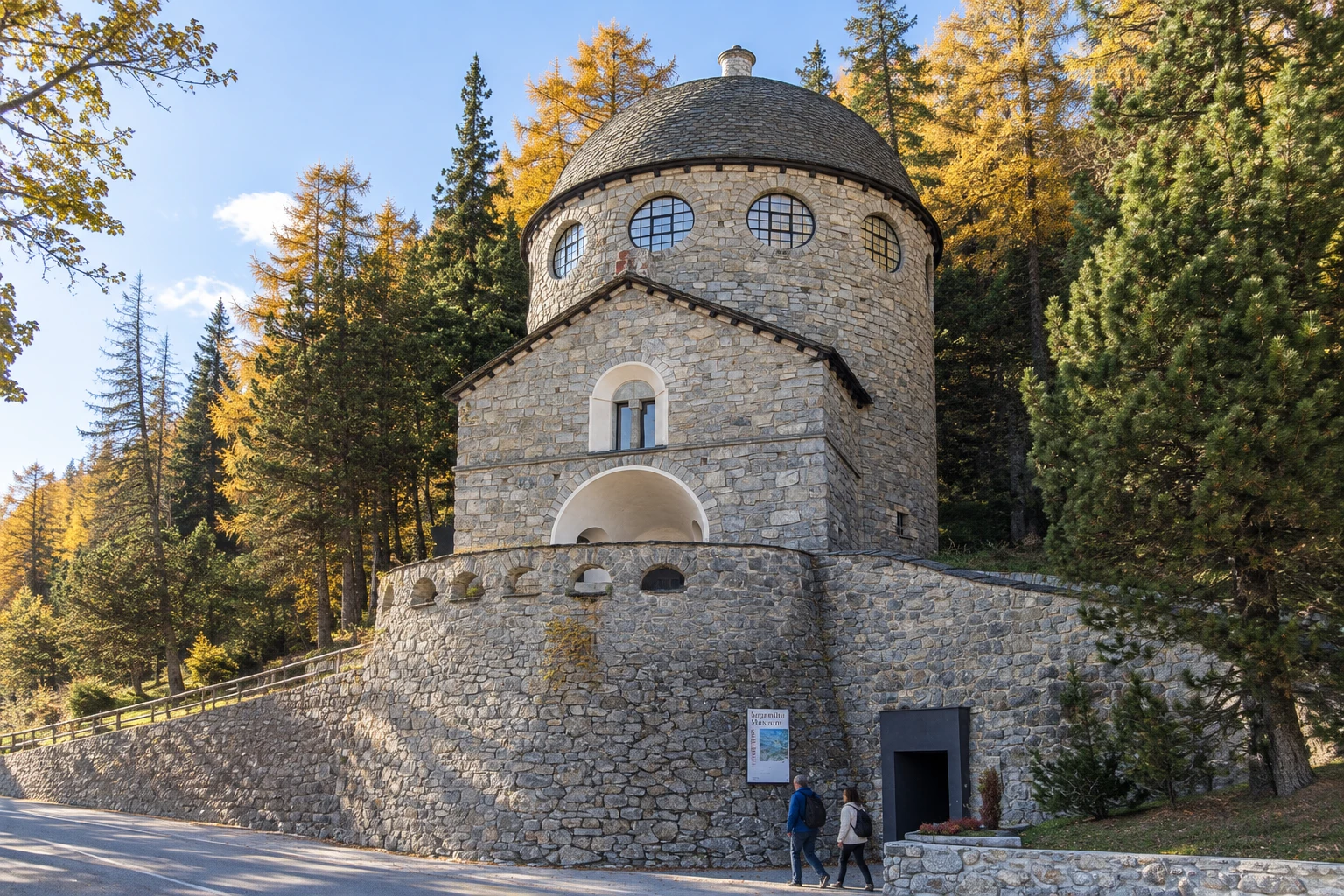
Museum opened in 1908 in memory of the painter Giovanni Segantini, in a stone building with a dome, where the triptych of the Alps, Werden – Sein – Vergehen, is displayed.
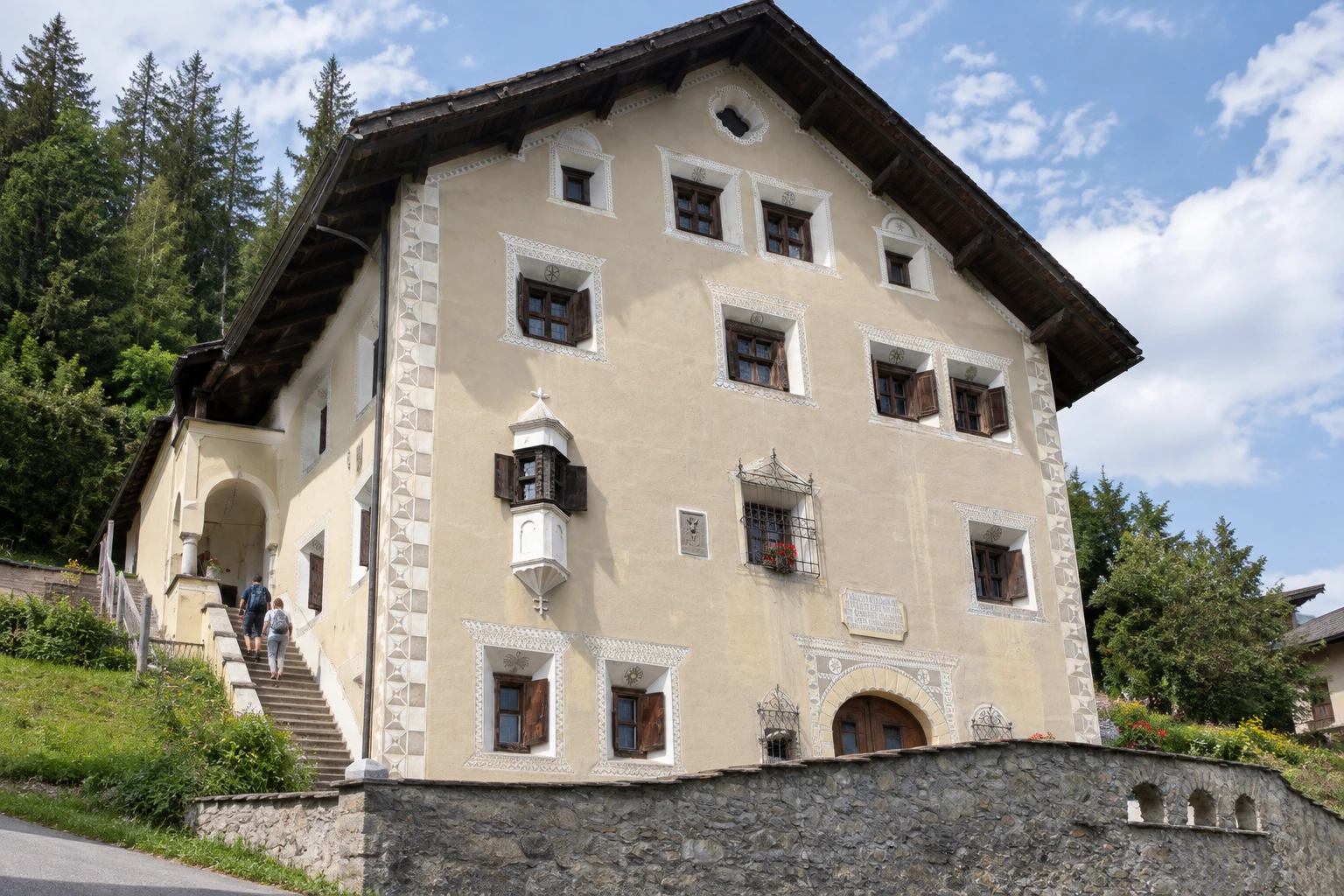
Museum of house and life in the Engadina, in a 1906 building inspired by the valley's typical house, with interiors spanning five centuries and an exhibition about Romansh.
History museum of Grisões in a Baroque house from 1675, with objects from prehistory, the Romans, the Middle Ages and mountain life.
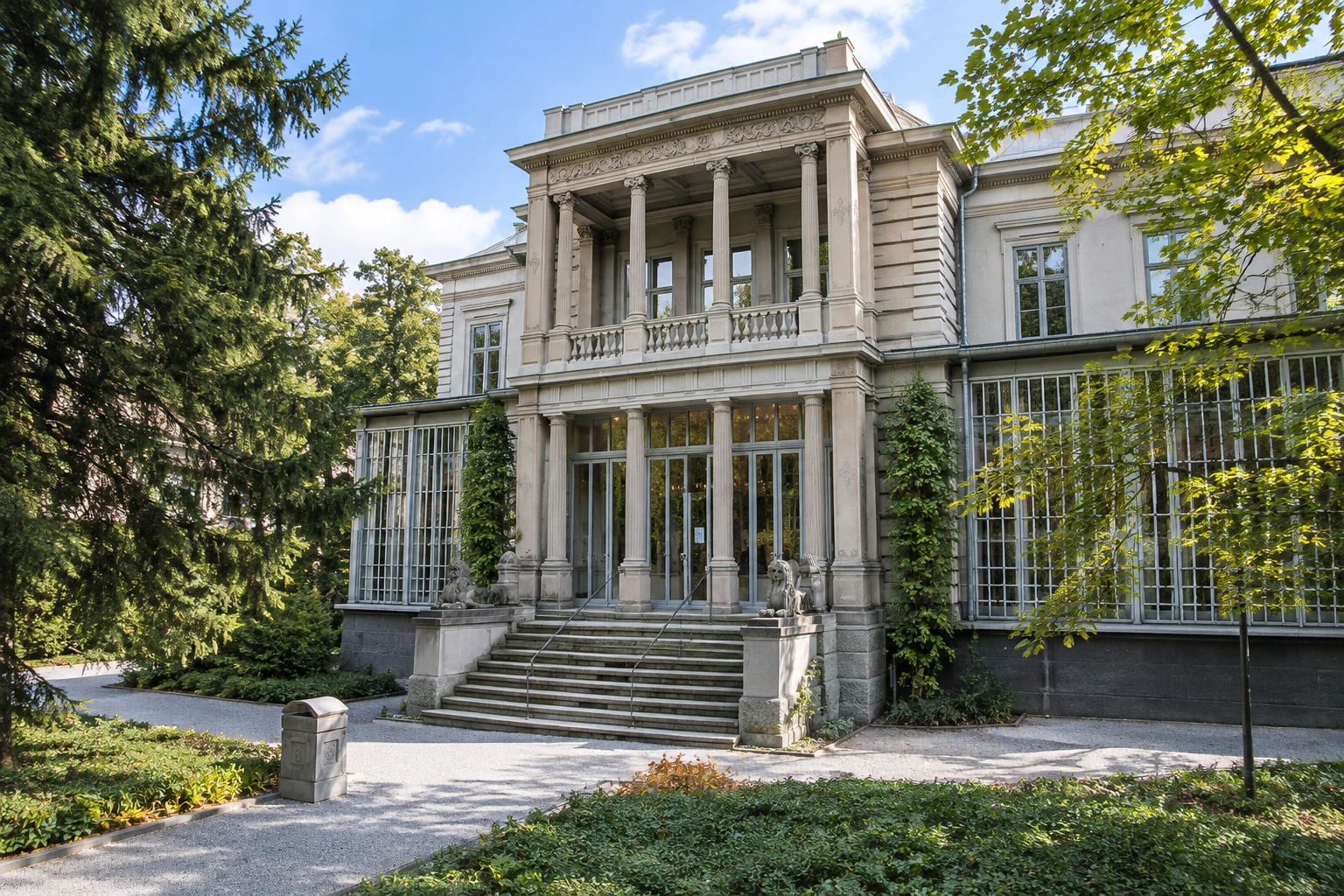
The art museum of Grisões, in the Villa Planta and in a new building from 2016, with works by Giovanni, Augusto and Alberto Giacometti, Giovanni Segantini and Angelika Kauffmann.
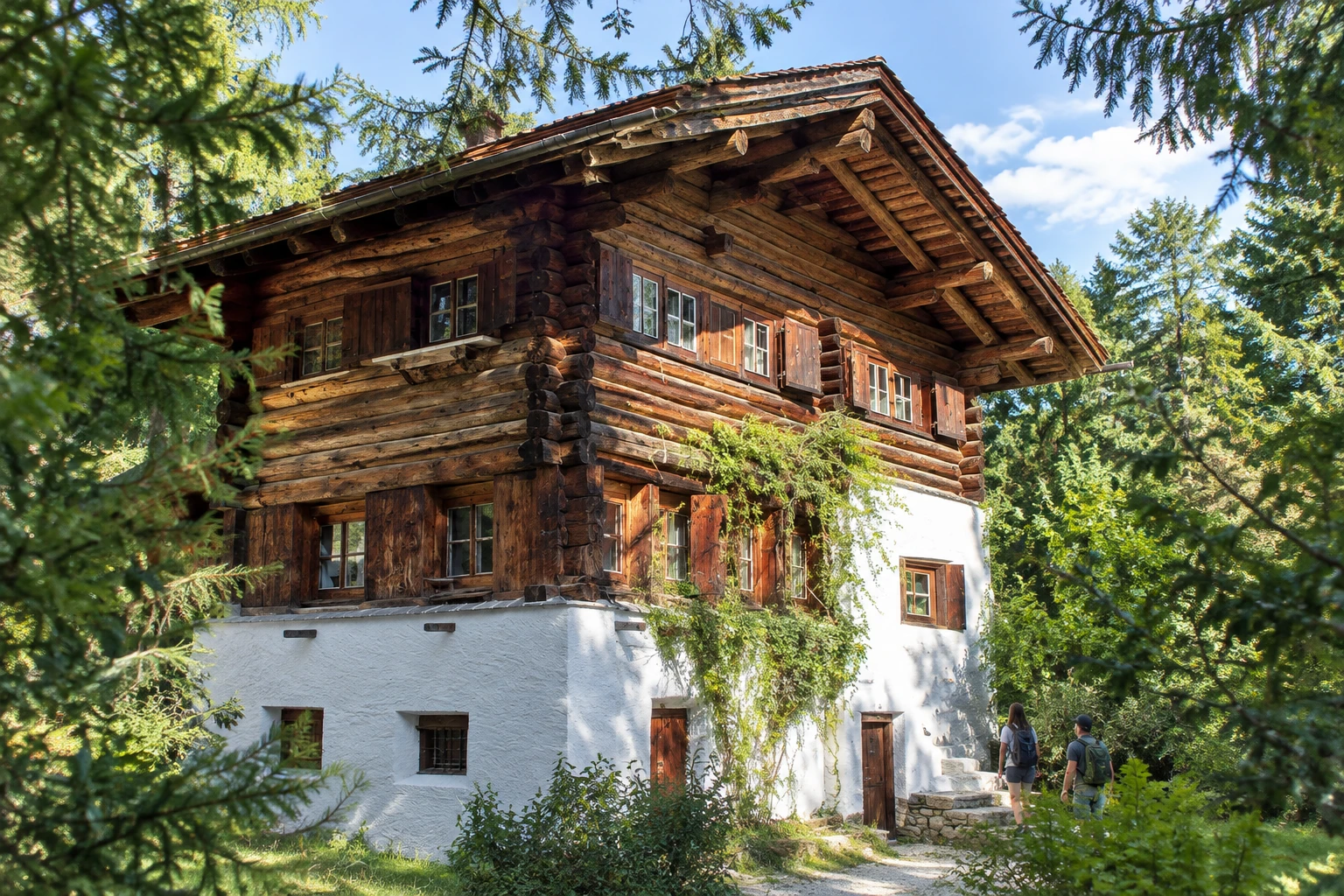
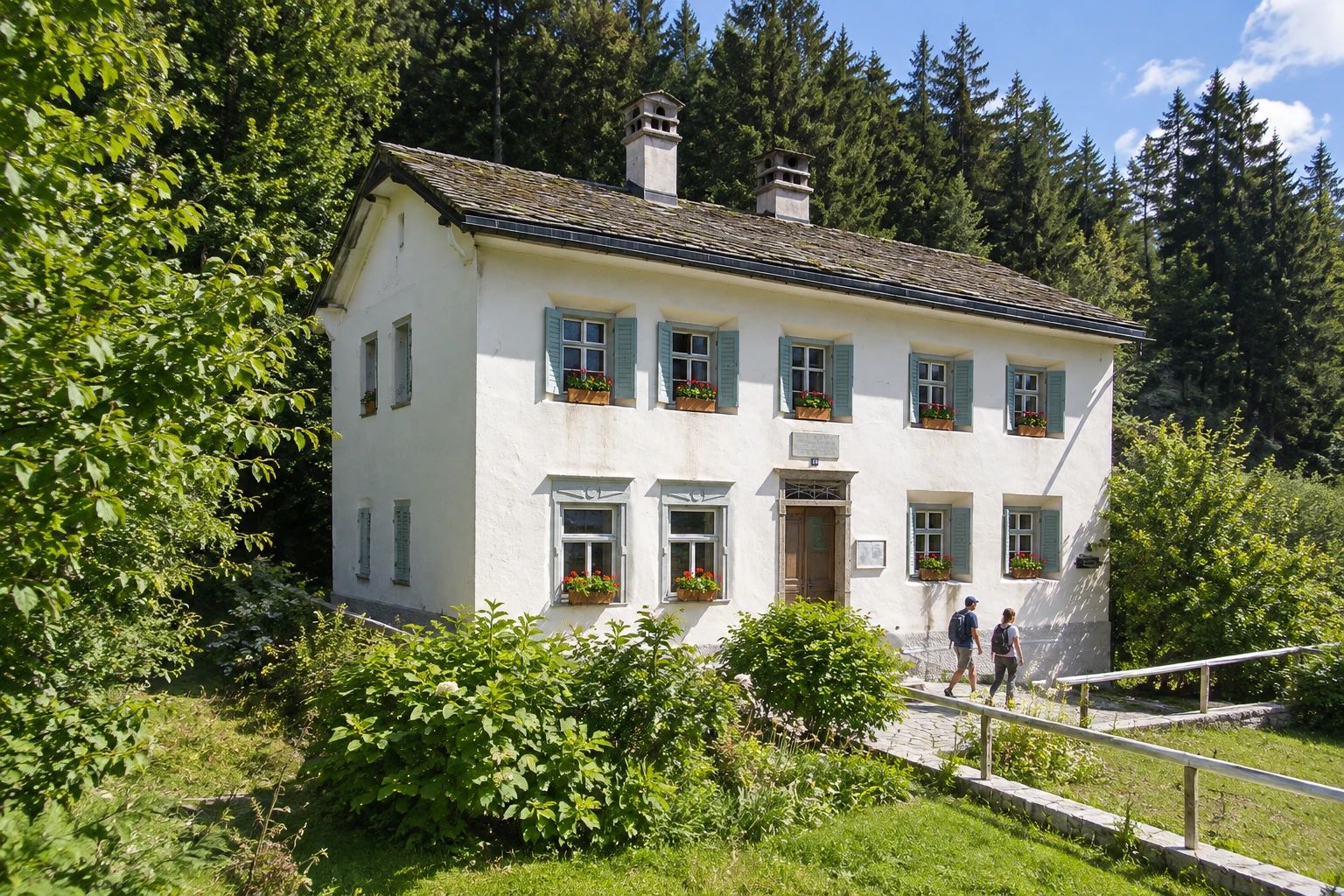
House of the painter Mili Weber (1891–1978), on the edge of the forest above St. Moritz lake, with walls, ceilings and furniture painted by her. Visits only with a guide and by appointment.
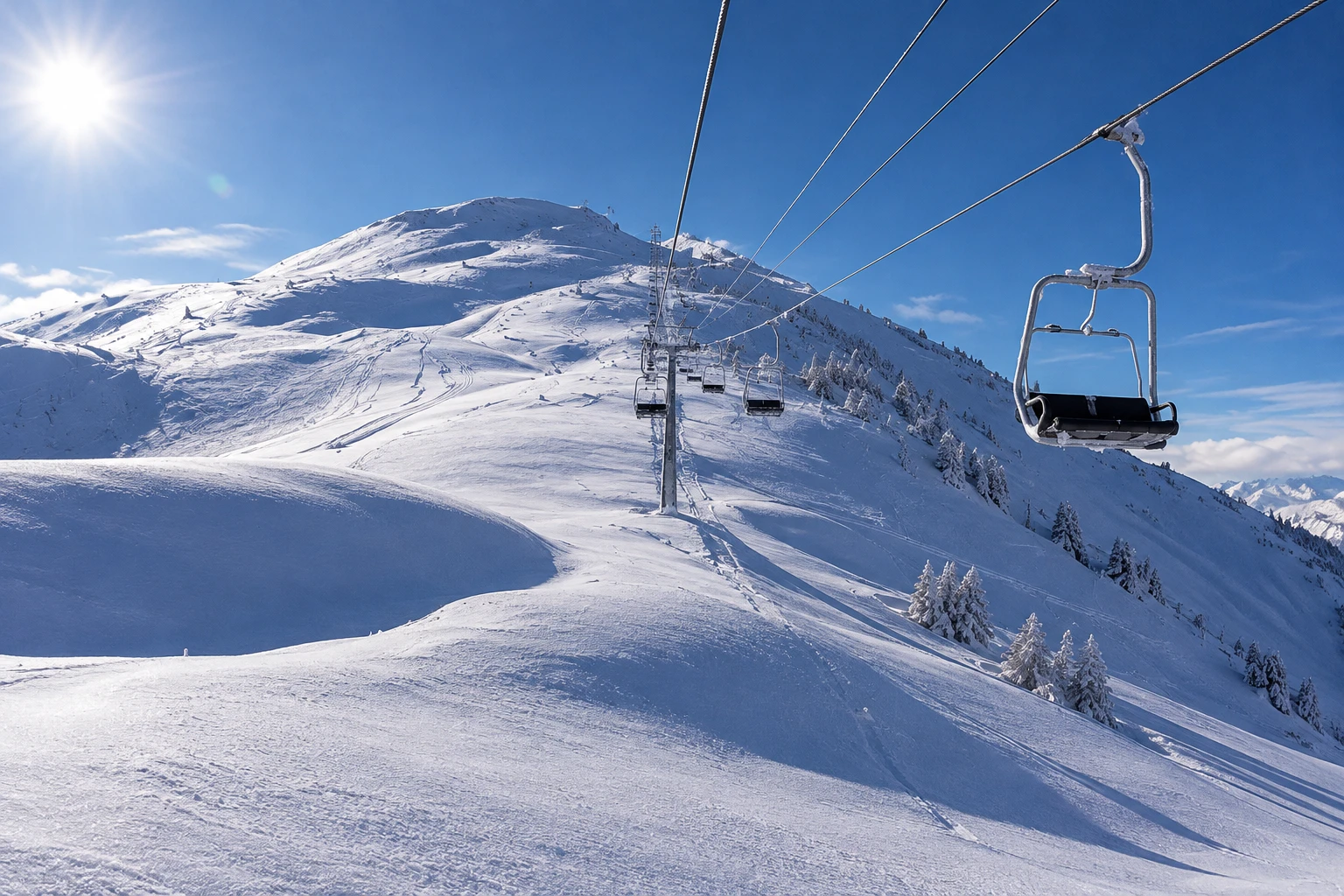
Hiking and skiing area on the slope of Dreibündenstein, reached by a cable car directly from central Chur, at about 1,600 meters altitude.
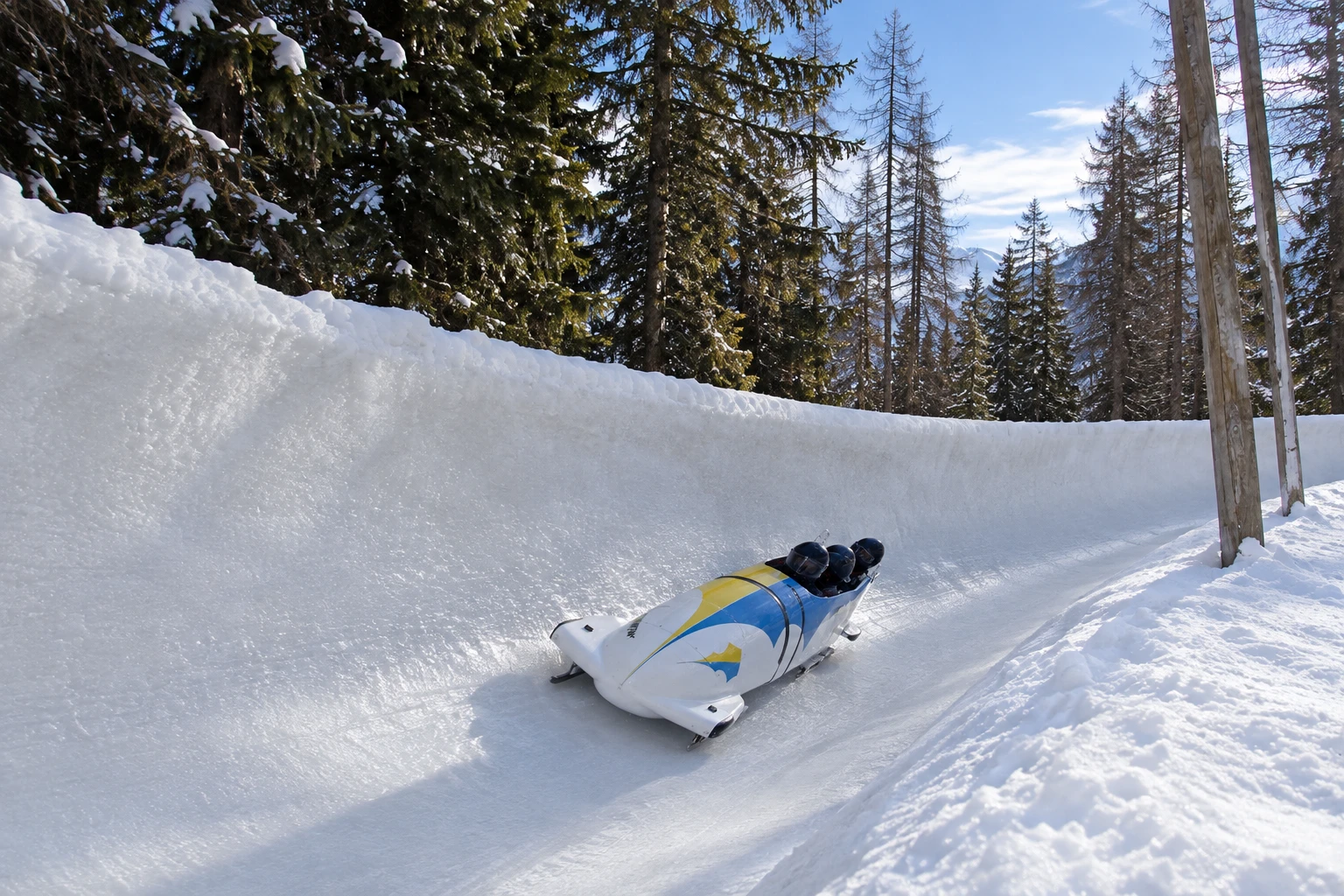
Natural-ice bobsleigh track of 1,722 m between St. Moritz and Celerina, rebuilt each winter. It hosted the Olympic events in 1928 and 1948 and offers rides with a pilot.
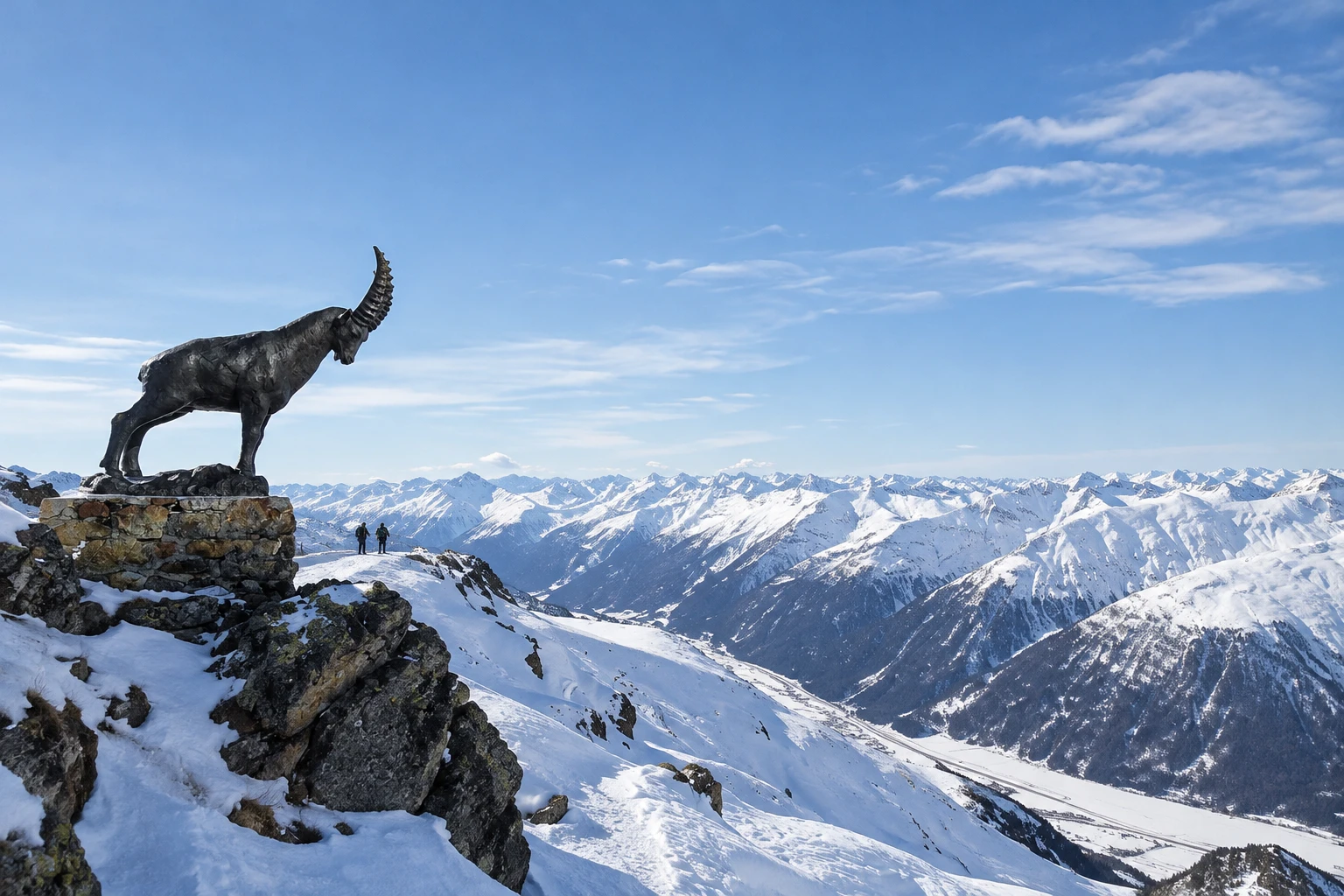
Mountain above St. Moritz, with the top station of the cable car at 3.057 m and views over the Engadina valley. You take a funicular up to Corviglia and from there a cable car.
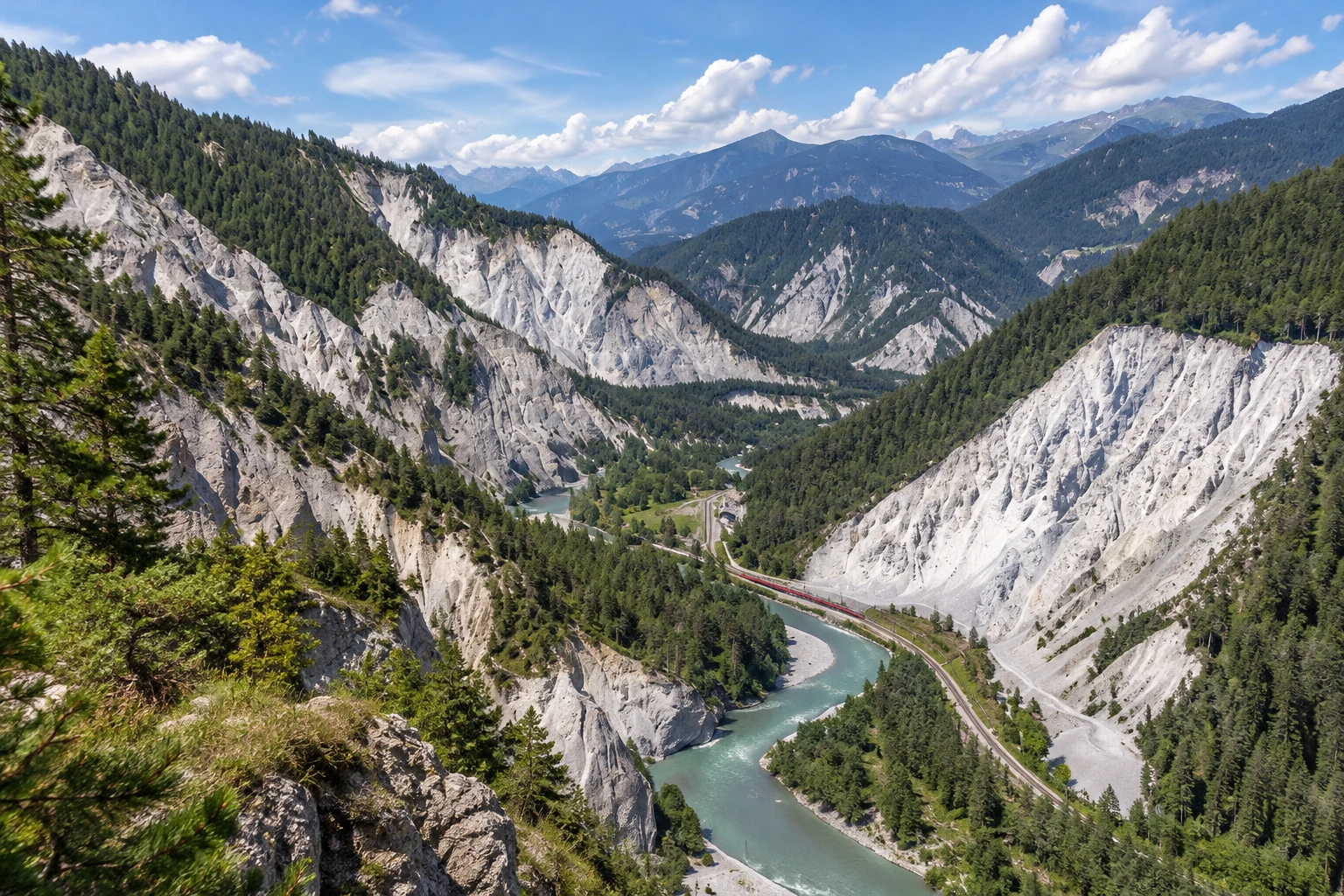
The Rhine gorge between Flims and Ilanz, with white cliffs formed by an ancient landslide, viewed from the Il Spir viewpoint and traversed by the Ferrovia Rética.
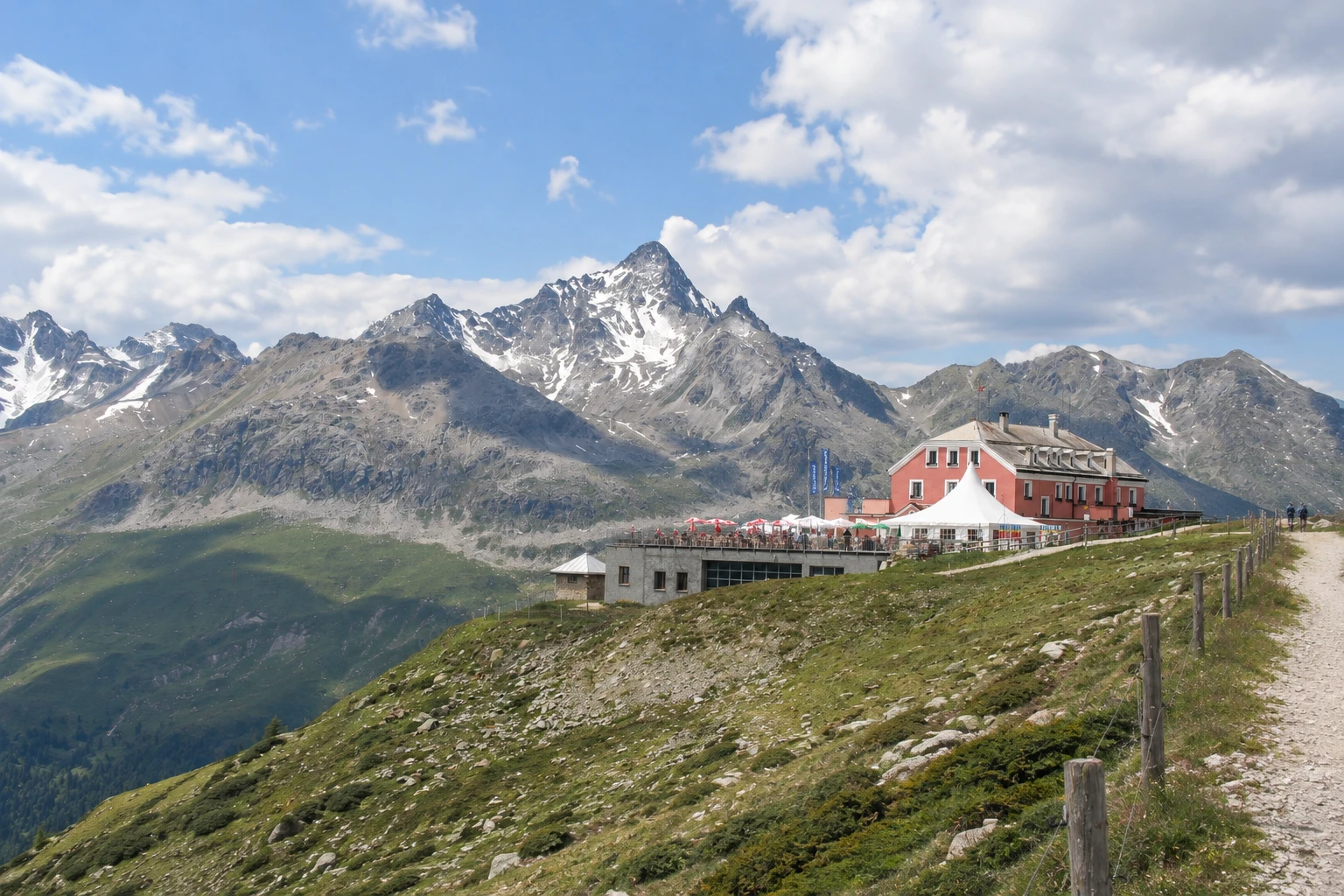
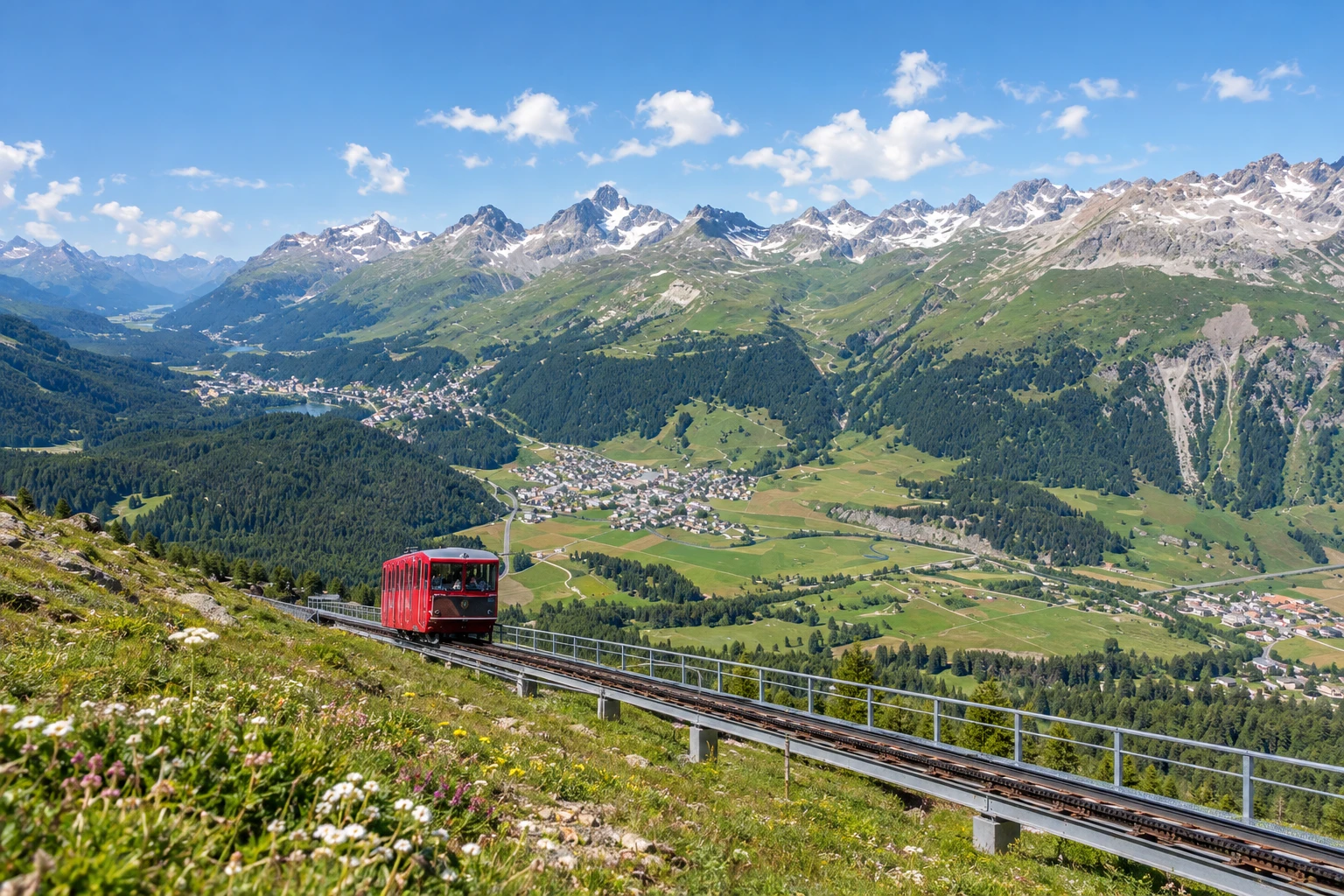
Lookout at 2.456 m above the Upper Engadine valley, between Samedan and Pontresina, with a funicular opened in 1907, and a hotel and restaurant at the top.
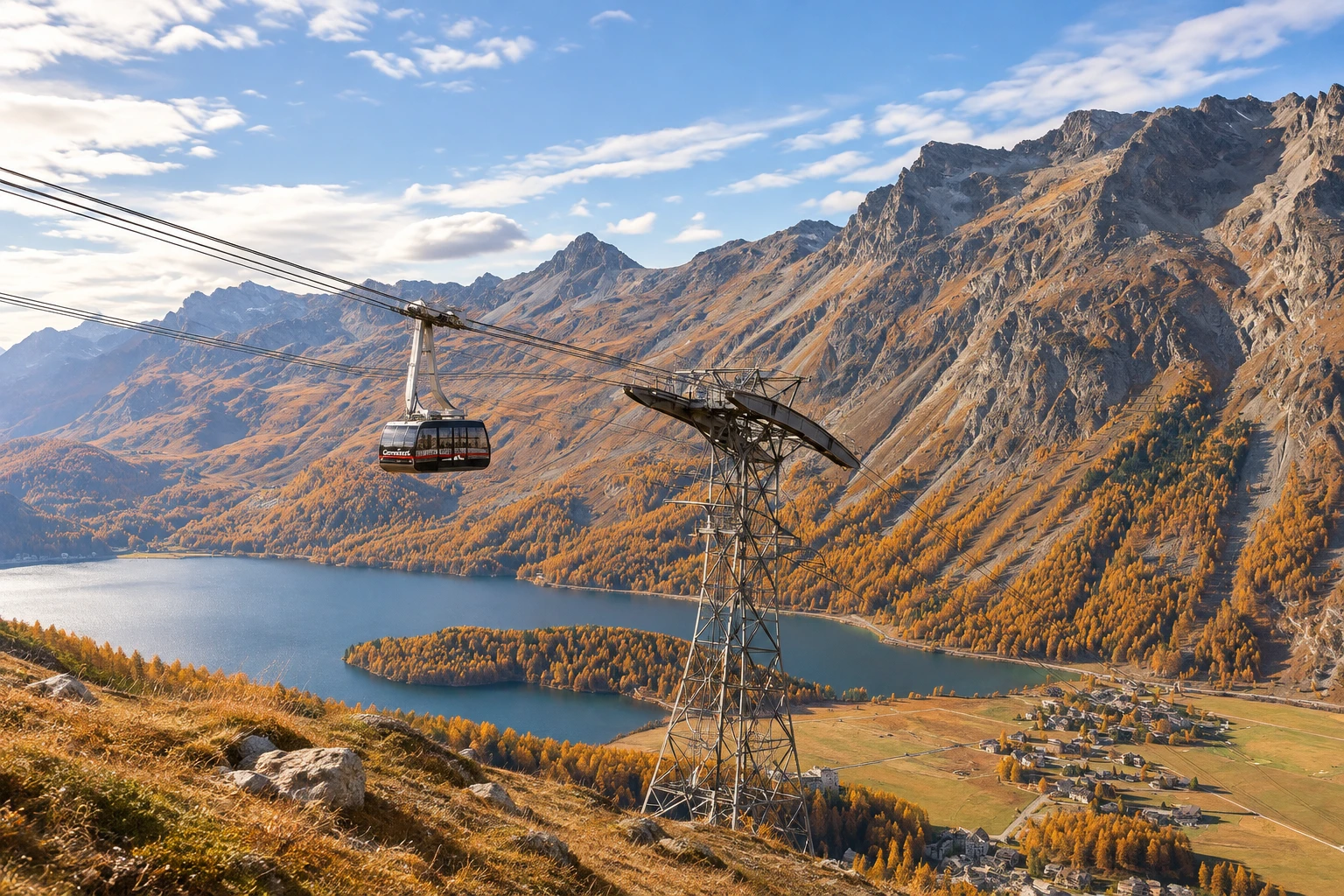
Mountain above Silvaplana, with a cable car departing from Surlej and reaching 3.303 m, offering views of the Bernina massif and the lakes of the Upper Engadine.
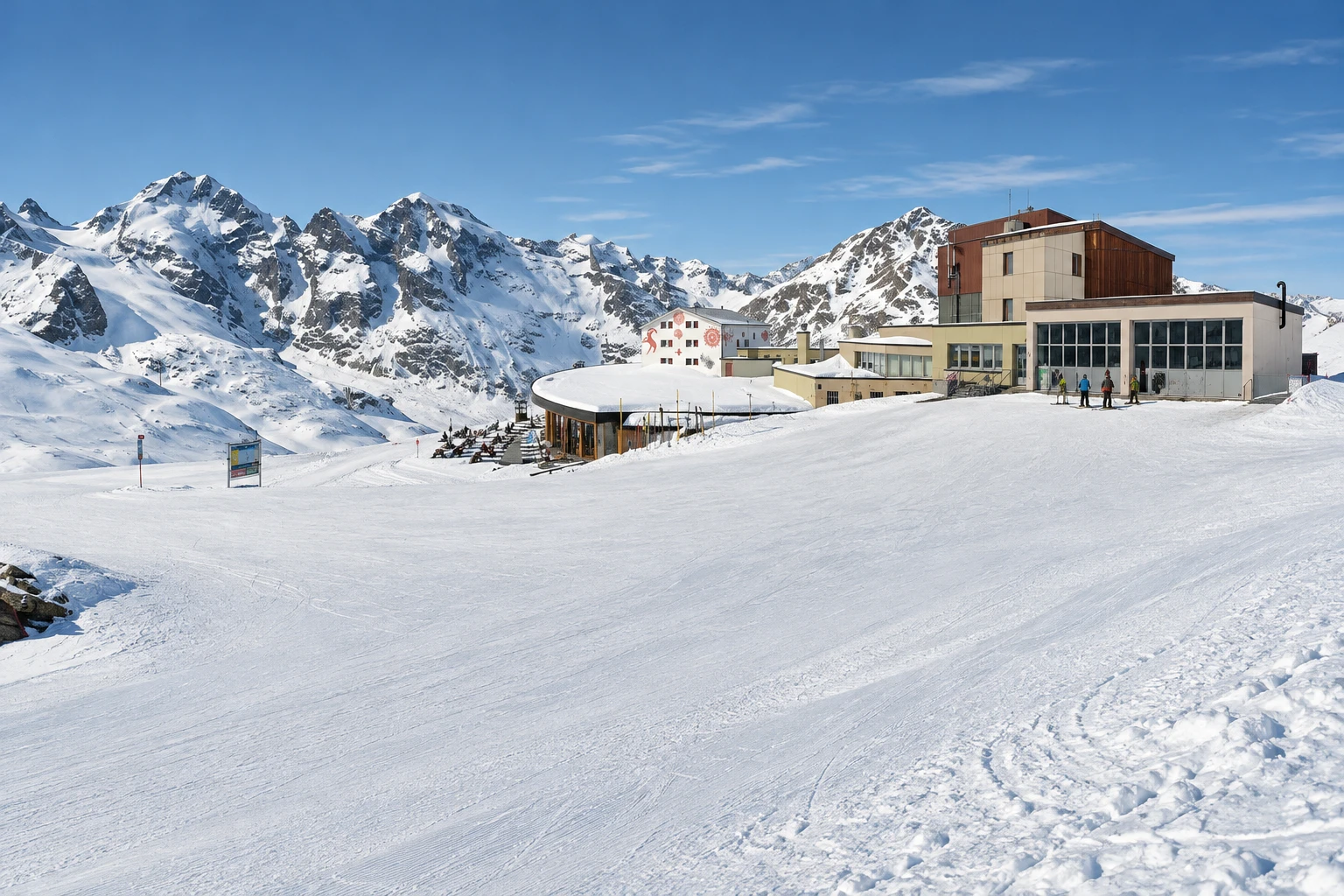
Mountain pass in the Bernina massif, with a cable car up to 2,978 m and views of Piz Bernina, Piz Palü and the Pers and Morteratsch glaciers. Open year-round.
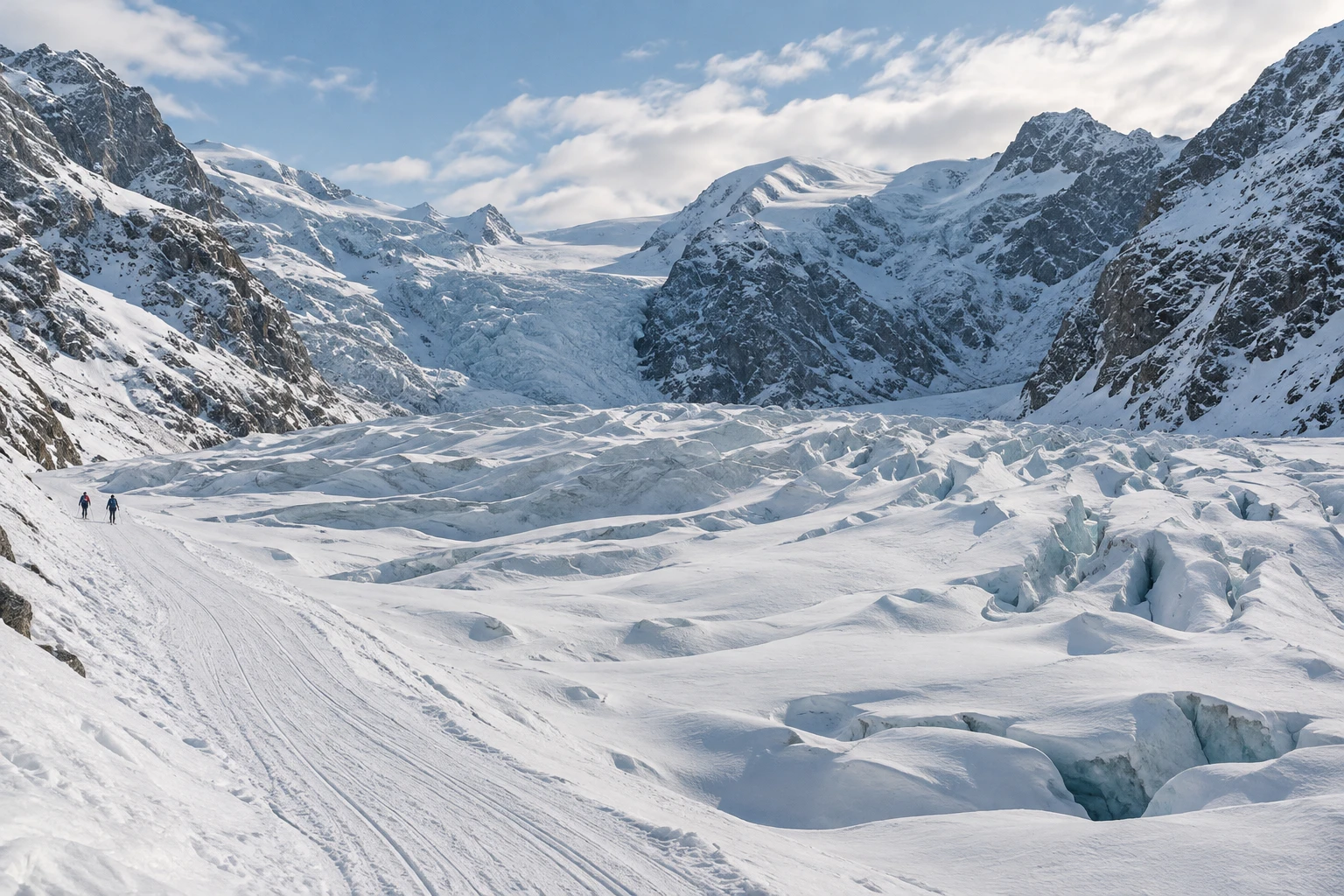
Glacier of the Bernina massif that descends toward Pontresina, with an easy 2.9 km trail from Morteratsch station and information points explaining the retreat of the ice.
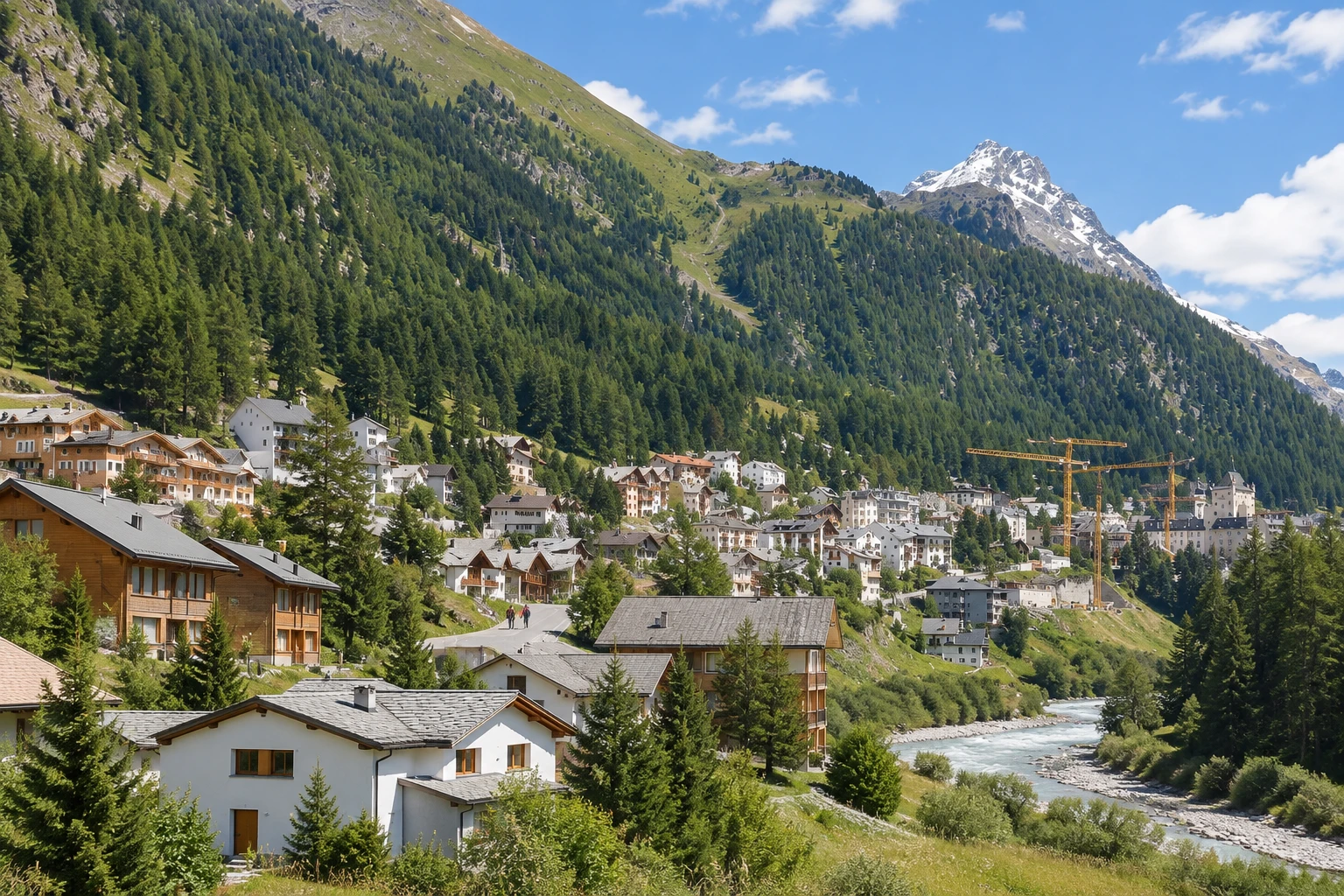
Village at 1,805 m, about 7 km from St. Moritz, at the entrance to Val Bernina, with a Bernina Express station and access to Diavolezza, Morteratsch and Val Roseg.
Village at 1,809 m between the Silsersee and Lake Silvaplana, with the Chastè peninsula, the Nietzsche-Haus and the entrance to Val Fex, a car-free valley.
House in Sils Maria where Friedrich Nietzsche spent summers from 1881 to 1888; a museum with the philosopher's room, manuscripts, letters and published works.
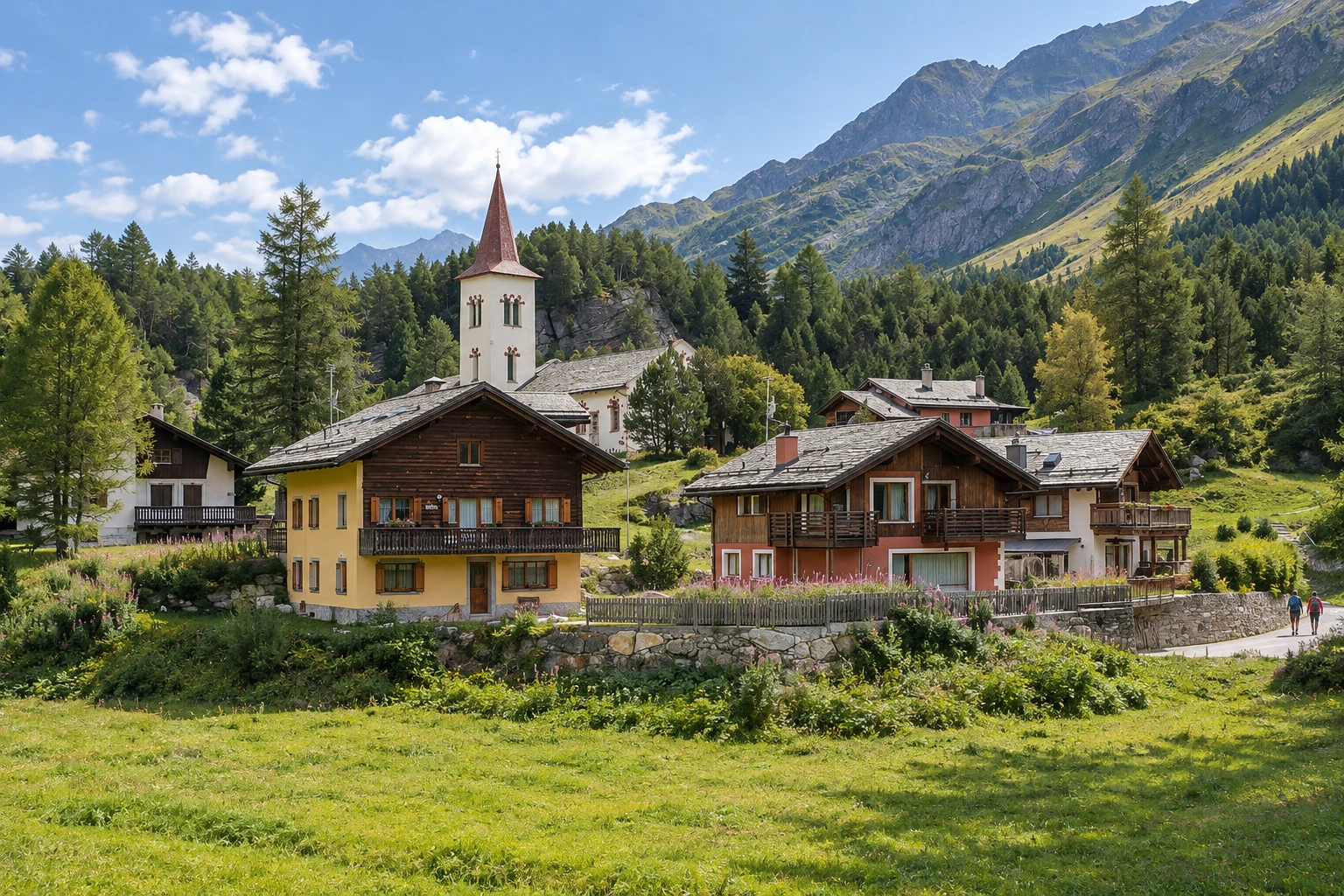
Village at the Maloja Pass, at 1,815 m, on the southwest tip of the Silsersee, Italian-speaking. The painter Giovanni Segantini lived there, and a trail leads to the Gletschermühlen.
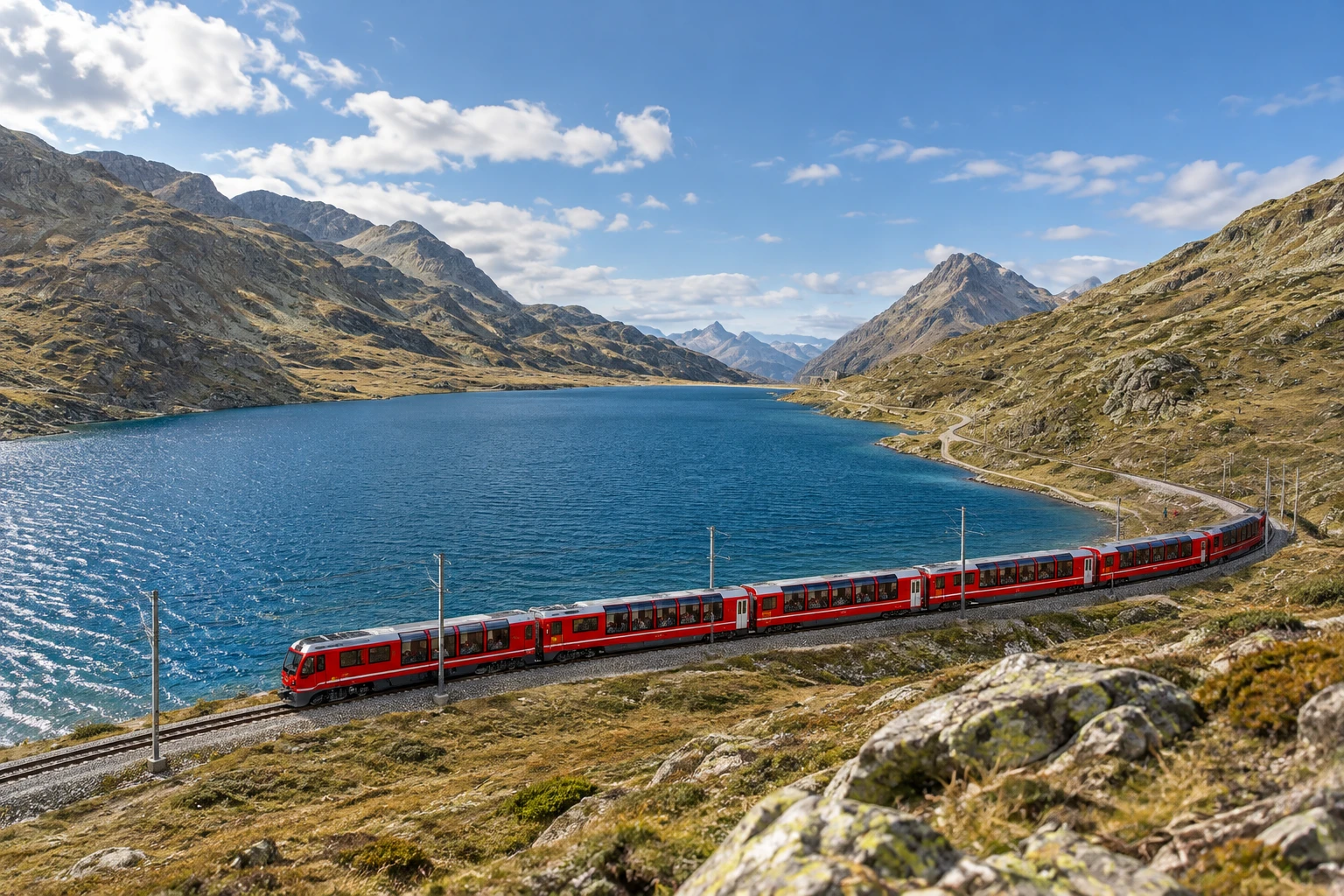
Panoramic train from Chur or St. Moritz to Tirano in Italy, on the Bernina line, a UNESCO World Heritage site, with 55 tunnels, 196 bridges and its highest point at the Ospizio Bernina at 2,253 m.
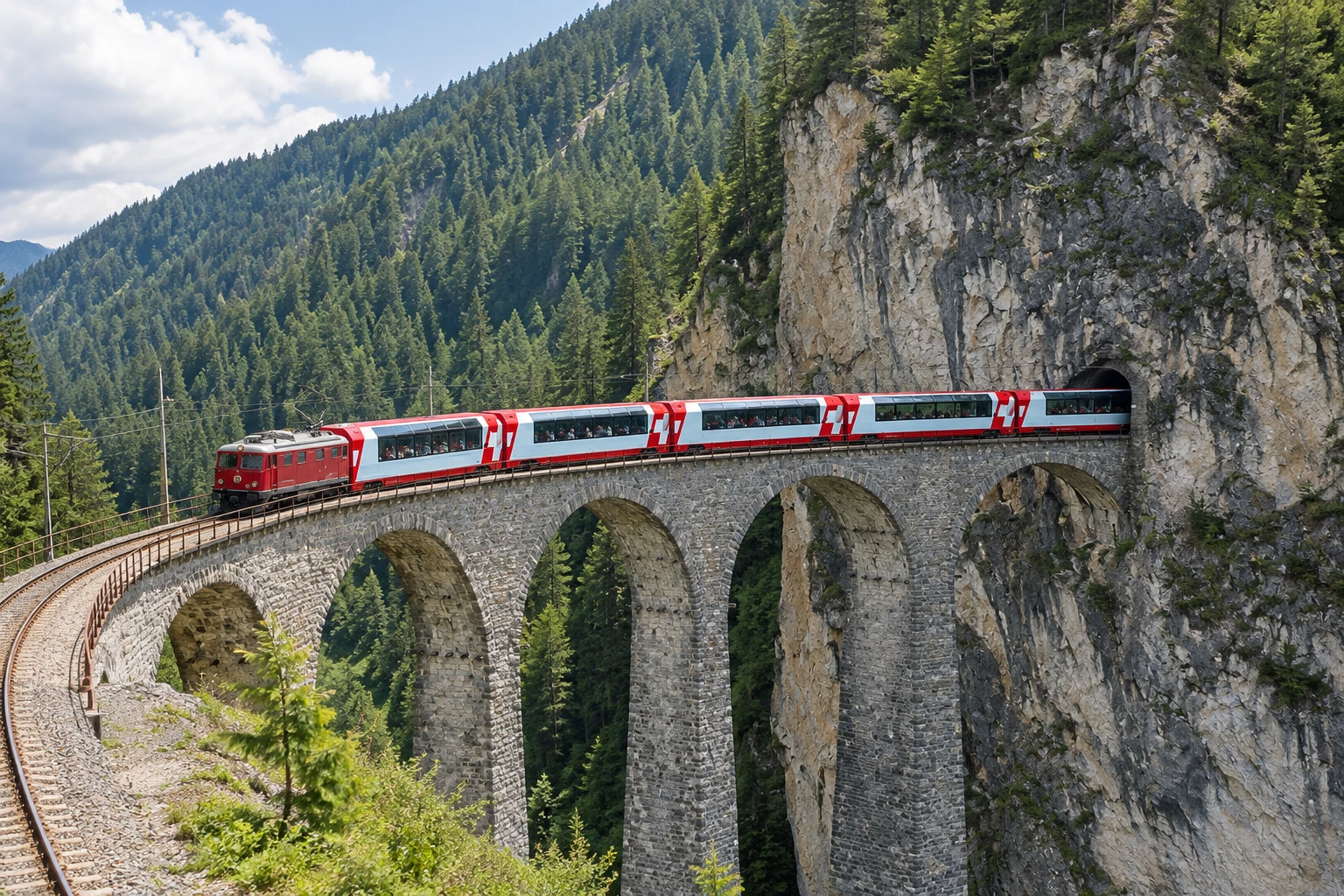
Panoramic train between St. Moritz and Zermatt, in about 8 hours, over 291 bridges and 91 tunnels, passing the Landwasser viaduct, the Rhine Gorge and the Oberalp Pass at 2,033 m.
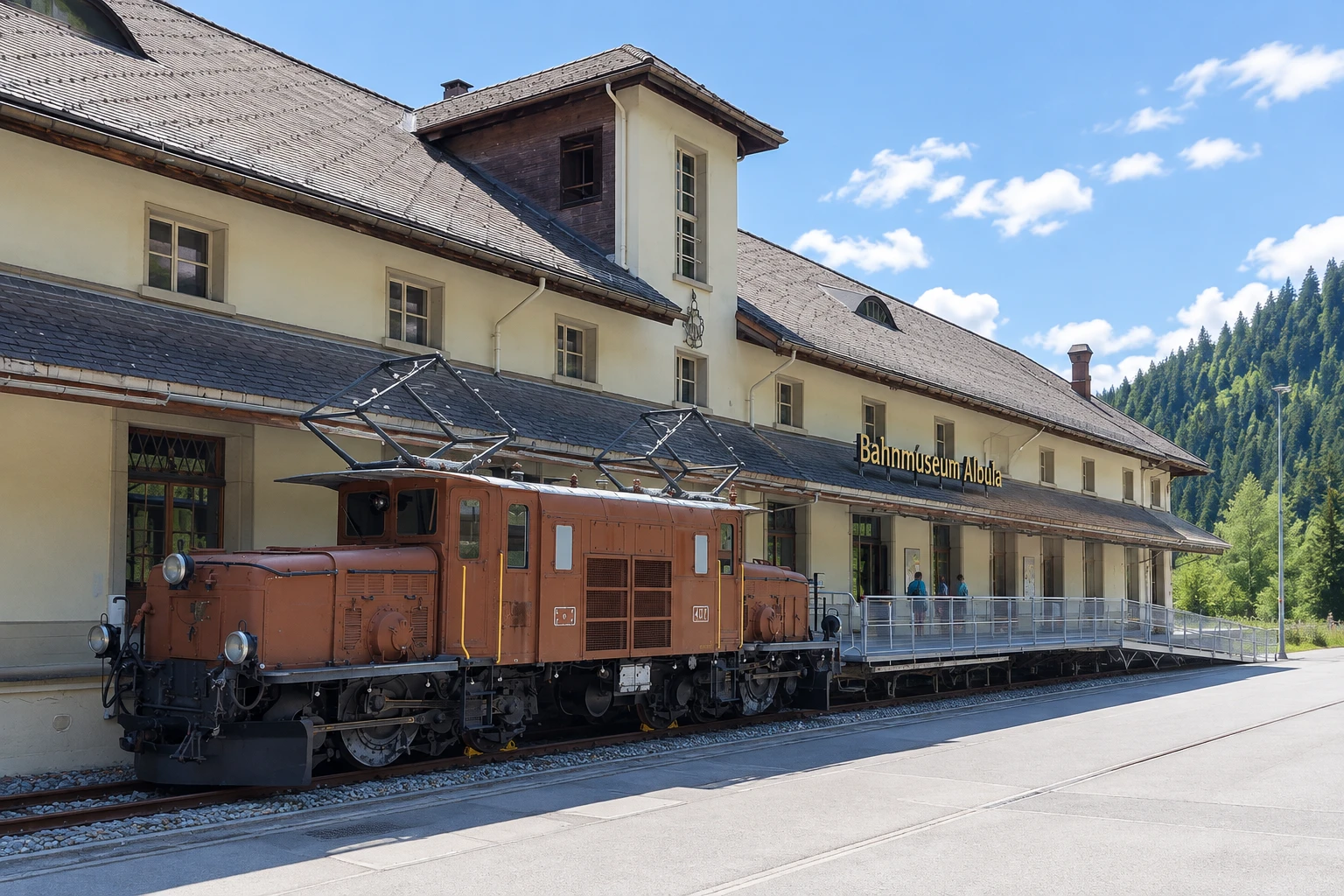
Train museum in Bergün, in front of the station, on the Albula line and the Rhätische Bahn, with a model, a virtual cab ride and a Krokodil locomotive.
To choose before you go
The details of each tour (where it leaves from, what it includes, the best time) are in the complete guide.
Get your questions answered
The guide's itineraries cover 3, 5 and 7 days: in 3 days, lake, Muottas Muragl and Bernina Express; in 5 days, glaciers, lakes and UNESCO trains; One week in the Engadine, with departure on the Glacier Express to Zermatt.
Arrival from Zurich and stroll around Lake St. Moritz. The overnight flight from Brazil arrives in the morning in Zurich. From the airport station (Zürich Flughafen), the train takes about 3 hours 30 minutes to St. Moritz, with two changes, one in Chur; the final stretch on the Albula line is already a scenic ride. Arriving early afternoon, drop your bags and walk around Lake St. Moritz, then climb to St. Moritz Dorf to see the Schiefer Turm. Sleep early: the altitude, about 1,800 m, and the time difference tire you on the first day.
It generally rains less from December to March. The rainiest months are usually from June to August and October. The guide covers each month, with the weather and what changes on the tours.
To plan