Lugano · Switzerland · Square
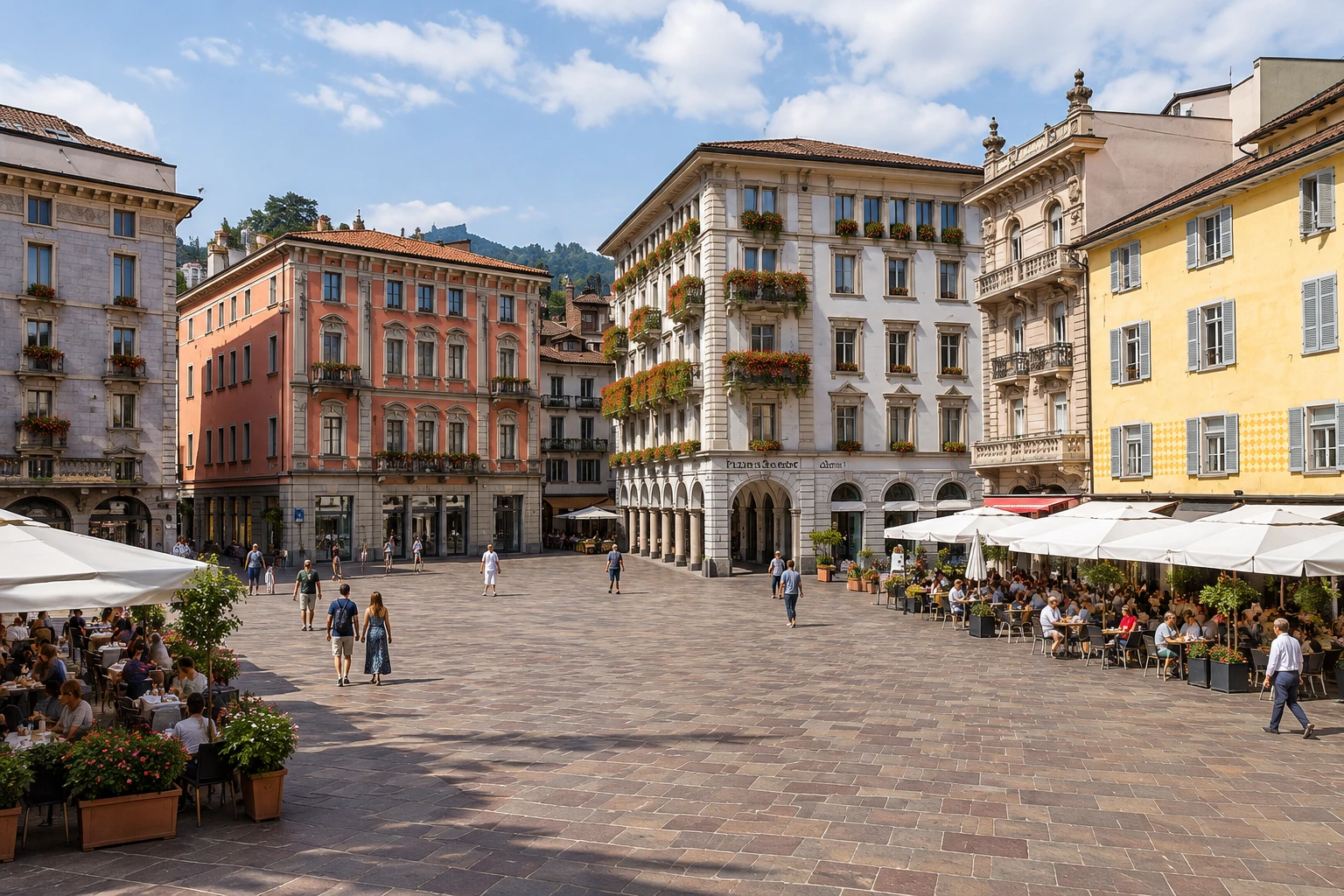
Piazza della Riforma
The main square of Lugano, with the neoclassical town hall and cafés with outdoor tables, the starting point for the arcaded streets of the center, such as Via Nassa.

 Search
 Brazil
 Antarctica
 Argentina
 Bolivia
 Chile
 Colombia
 Ecuador
 Falkland Islands (Malvinas)
 French Guiana
 Guyana
 Paraguay
 Peru
 Suriname
 Uruguay
 Venezuela
 Austria
 Belgium
 Croatia
 Denmark
 Finland
 France
 Germany
 Greece
 Hungary
 Iceland
 Ireland
 Italy
 Luxembourg
 Norway
 Poland
 Portugal
 Slovakia
 Slovenia
 Spain
 SwedenSwitzerland
 the Czech Republic
 the Netherlands
 the United Kingdom
 Turkey
 Bermuda
 Canada
 Greenland
 Mexico
 Saint Pierre and Miquelon
 the United States
 the Dominican Republic
 JapanTurkey
 Egypt
 South Africa
 Australia
 Fiji
 New Zealand
 Papua New Guinea
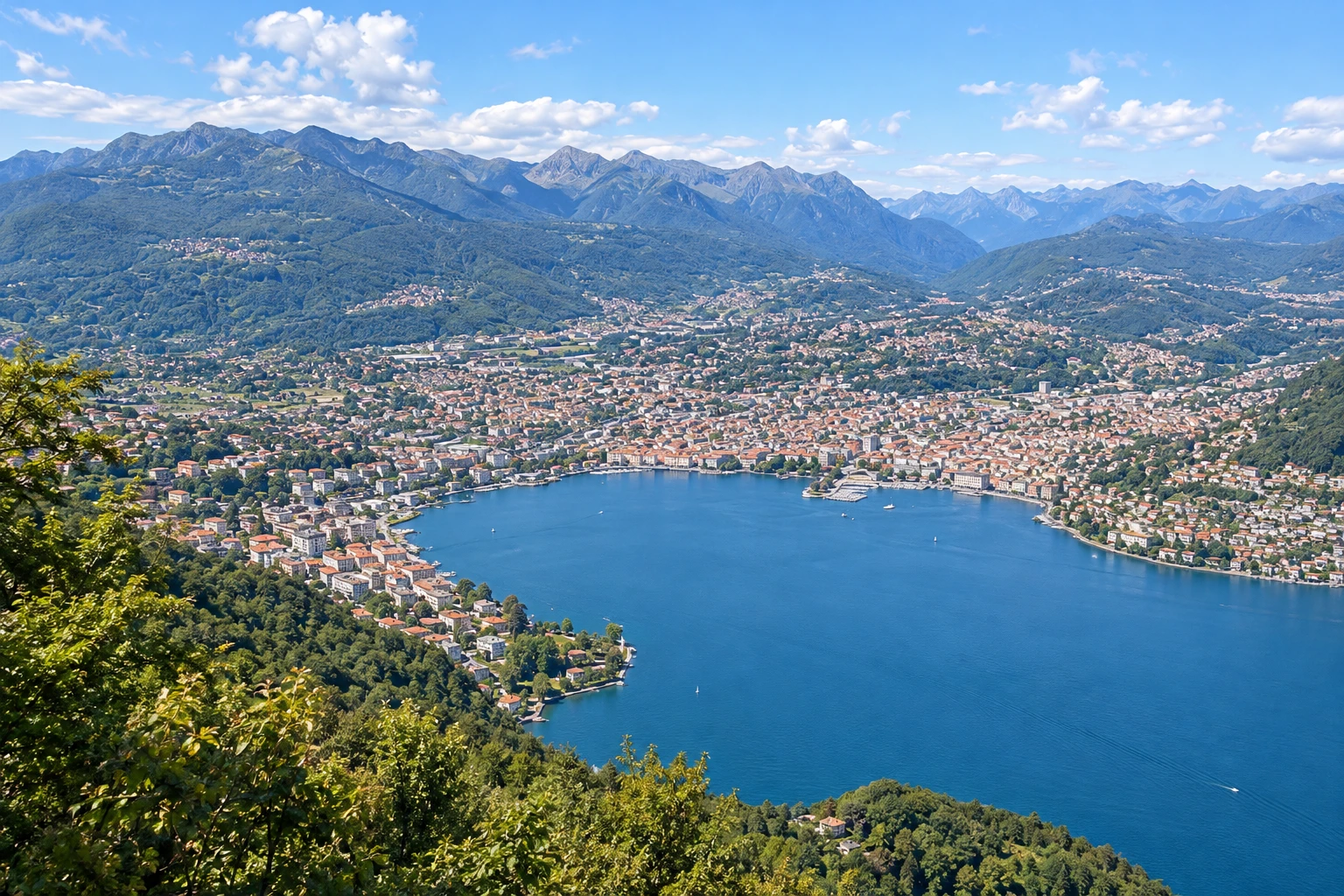
In the photo: Lugano and its lake seen from above
Illustrative images. The pictures in this guide are illustrations based on the real place, not photographs, and may differ from it.

The city
Lugano is the largest city in Ticino, the Italian-speaking Switzerland, on the shore of the lake of the same name and between two hills, San Salvatore and Brè. The center features the Piazza della Riforma, arcaded streets like Via Nassa, the cathedral of San Lorenzo above the station, and the church of Santa Maria degli Angioli with Bernardino Luini’s large Passion fresco. On the lakefront are the LAC cultural center, housing the Swiss Italian art museum, and Parco Ciani. Funiculars climb both hills, and boats take visitors to the villages of Gandria and Morcote. Italian is spoken, and the climate is milder than in northern Switzerland.
There's no accommodation in the guide yet in Lugano.
Tem hotel, pousada ou casa de temporada aqui? Cadastre a suaThere are no restaurants in the guide yet in Lugano.
Know a good one? Recommend it to usHotéis e restaurantes da cidade no mapa.
how to get there · how many days · itinerary · questions
The local experience
The main square of Lugano, with the neoclassical town hall and cafés with outdoor tables, the starting point for the arcaded streets of the center, such as Via Nassa.
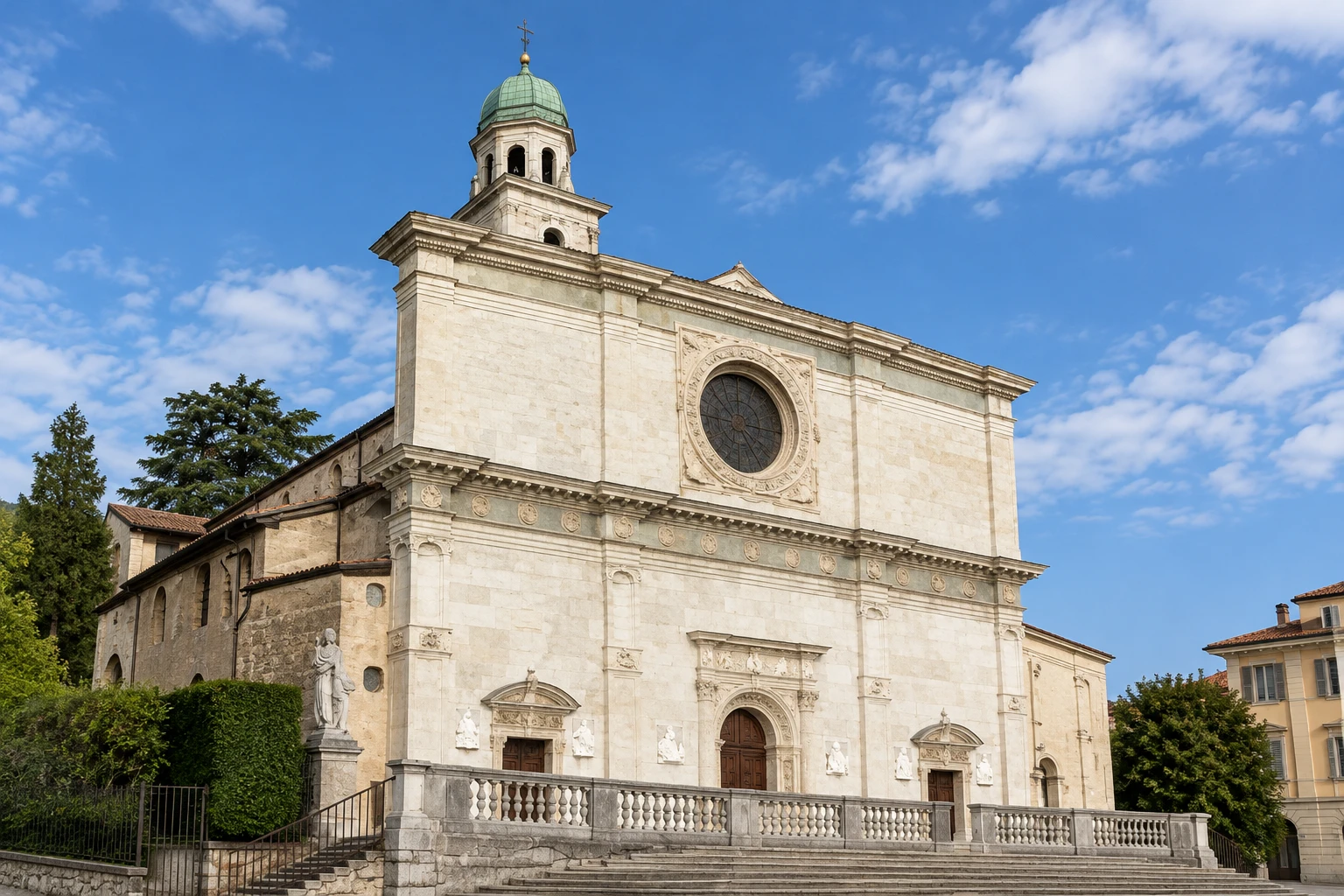
Lugano's cathedral, on a terrace above the center and below the station, with a Renaissance marble façade and a view of the lake.
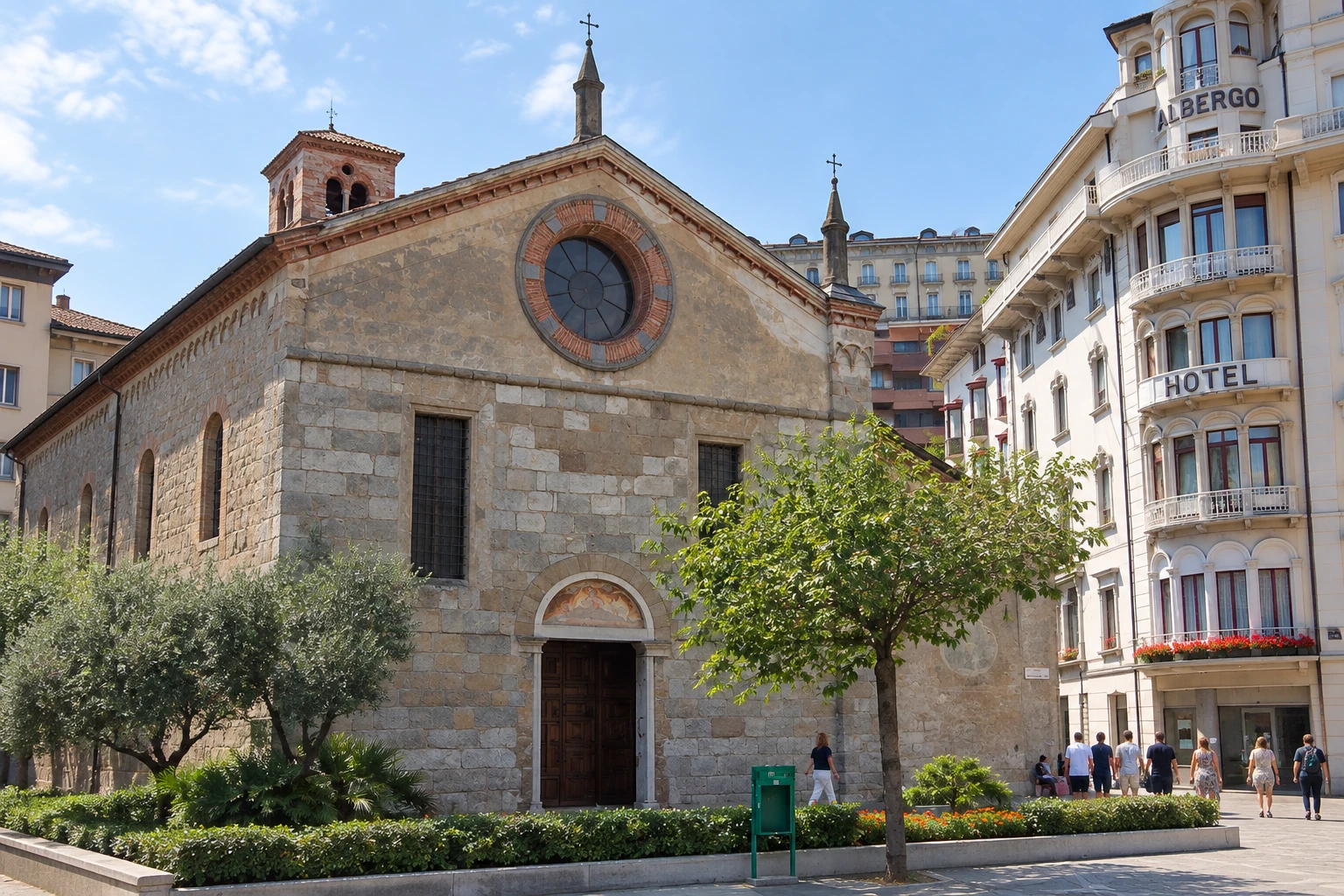
Franciscan church consecrated in 1515, at the end of Via Nassa, with the large fresco of the Passion and Crucifixion painted by Bernardino Luini in 1529.
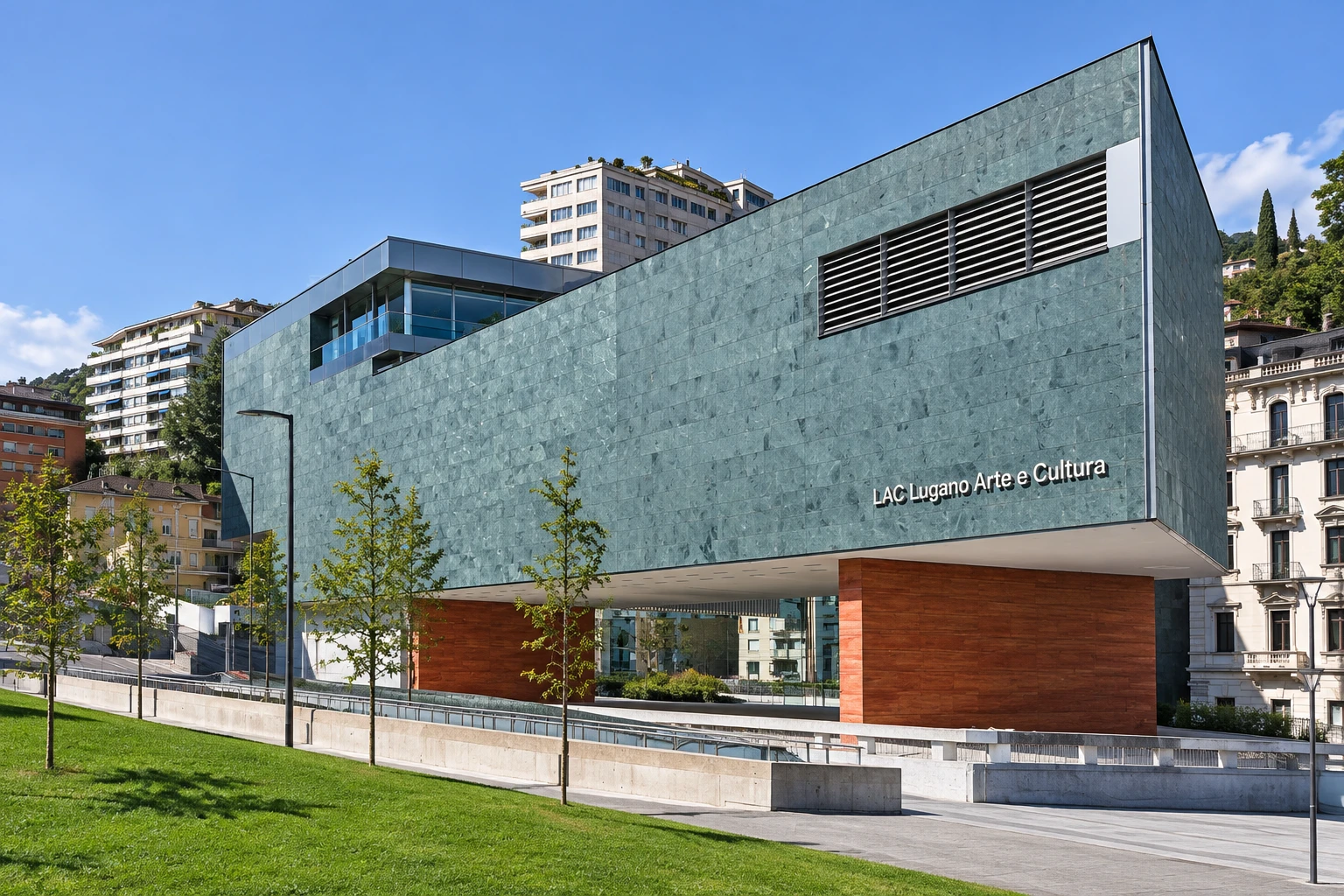
Lakeside cultural center, opened in 2015, housing the Museu de Arte da Suíça Italiana, the MASI, and a concert and theater hall.
Before you go
Lugano – Switzerland
Approximate distances. Check flights and bus, train or boat schedules before you travel.
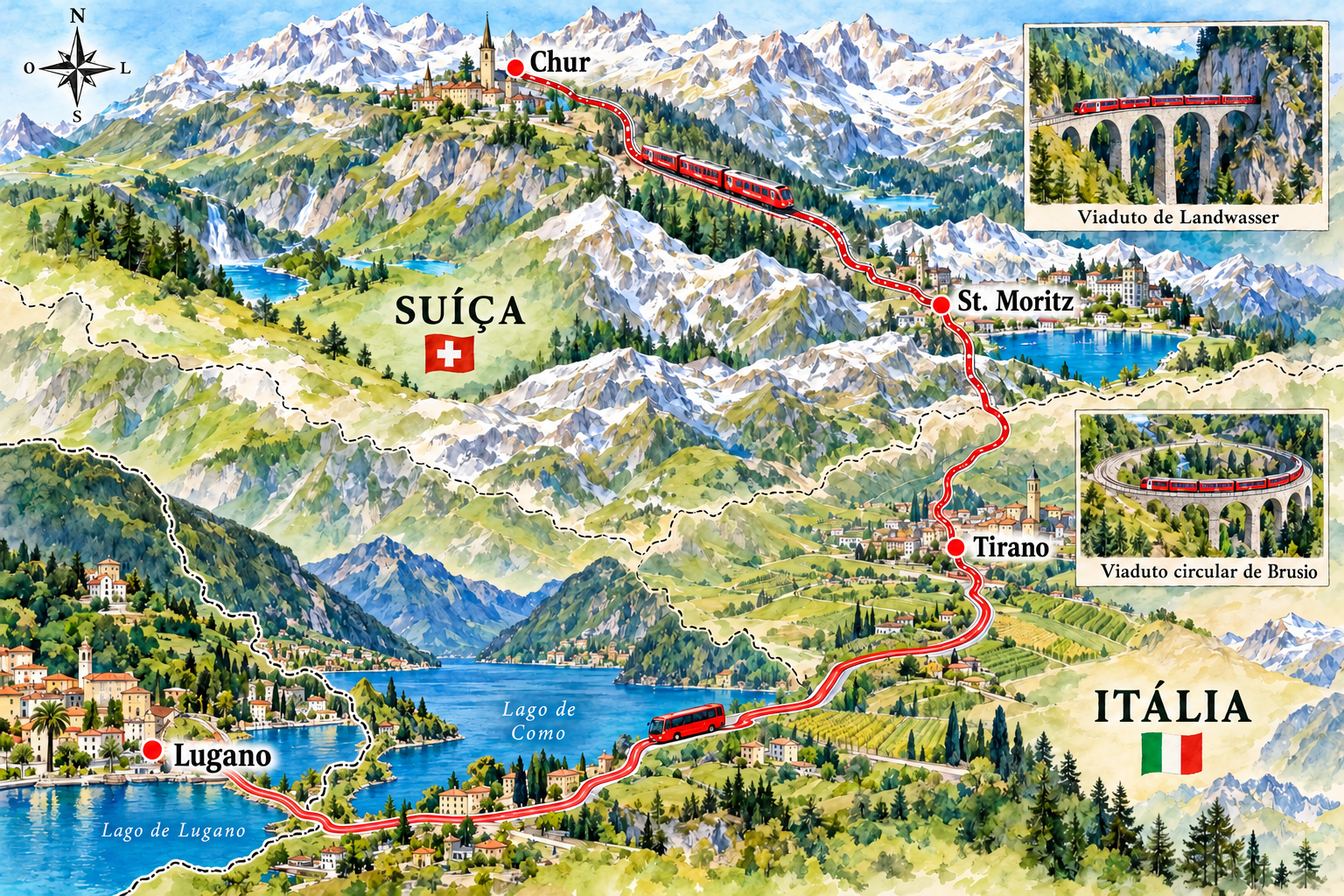
Connections with Brazil usually involve a stopover in another city. Confirm before booking. The nearest international airport is Milão Malpensa, about 70 km away, with train and bus connections to Lugano. Lugano station receives trains from Zurique in about 2 hours via the Gotardo base tunnel, and from Milão in roughly 1h15. In season, the Bernina Express Bus arrives from Tirano in about 3 hours. By car, via the A2 motorway.
Two days allow for the center, the cathedral, Santa Maria degli Angioli, the LAC and one of the hills on the first day, and the other hill and one of the lakeside villages on the second. With three days, include Gandria and Morcote by boat.
From April to October the weather is mild, with more boat services and funiculars running. In spring the parks’ camellias and azaleas bloom. July and August are warm and busy. In winter some funiculars close for maintenance and boat services are reduced. Remember the seasons are opposite to Brazil’s and that Switzerland is 4 to 5 hours ahead of Brasília, depending on the time of year.
The seasons shown are the most usual ones; nature doesn't always follow the calendar.
No. The center is walkable, the funicular links the station to the center, the funiculars climb the hills and boats and buses reach the lakeside villages. Guests staying at a hotel in Lugano often receive a local transport card; ask at reception.
Suggested itinerary
Built with the places on this page. No rush: it's paced so you have time to see them.
From the station, walk down to the cathedral of San Lorenzo, with its Renaissance façade and lake view. Continue through the center streets to the Piazza della Riforma and Via Nassa, with arcades.
At the end of Via Nassa, enter the church of Santa Maria degli Angioli to see Bernardino Luini’s Passion fresco. Next door, visit the art museum at the LAC.
Take the funicular in Paradiso and ride up to San Salvatore for the end of the day above the lake, with the Alps in the background.
Restaurants and grotti, the taverns of Ticino, serve Italian-influenced cuisine, with risotto, polenta and the region’s merlot wines.
Day 1
Catedral de San Lorenzo, Piazza della Riforma and Via Nassa.
Luini's fresco and the Museu de Arte da Suíça Italiana.
Funicular de Paradiso and a view of the lake at the end of the day.
Grotti and restaurants in the city center.
Day 2
Walk through Parco Ciani, along the lakeshore, and continue to Castagnola for the Sentiero dell'Olivo, the olive-tree trail that reaches the village of Gandria.
From Gandria, take the boat back to the center and continue by boat to Morcote. Climb the staircase up to the church of Santa Maria del Sasso.
Back in Lugano, take the Cassarate funicular to Monte Brè and see the town and the lake from the other side.
Dinner on the lakefront, near Parco Ciani or Piazza della Riforma.
Check before you go. Opening hours and days change, and places may close for renovations, holidays or events. This itinerary is a suggestion from Cidade Turismo, not a commitment: plan yours by checking directly with each place you intend to visit.
Before you go
Italian. Lugano is in Ticino, the Italian-speaking canton of Switzerland.
By train, in about 1h15, from the central station of Milão. From Malpensa airport there are trains and buses.
By train, in about 2 hours, through the túnel de base do Gotardo.
No. It's the largest city in the canton, but the capital is Bellinzona, about 30 km away.
No. Funiculars, boats and buses take you to the hills and lakeside villages, and the city center is walkable.
Cross-border routes
The red train that crosses the Alps from Switzerland to Italy: viaducts, spiral tunnels, glaciers and Lake Bianco, from Chur to Tirano in about four hours, with a bus onward to Lugano.