Kuhinja
of Poljska – značilne jedi
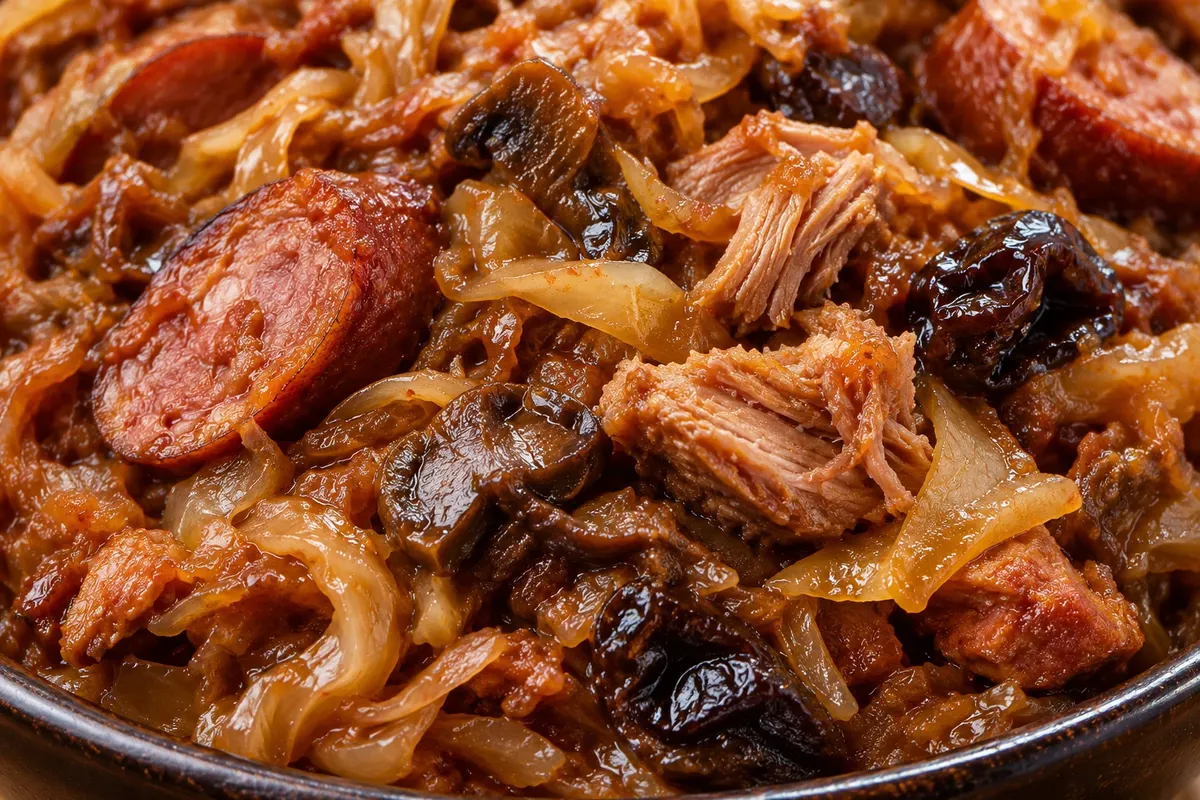
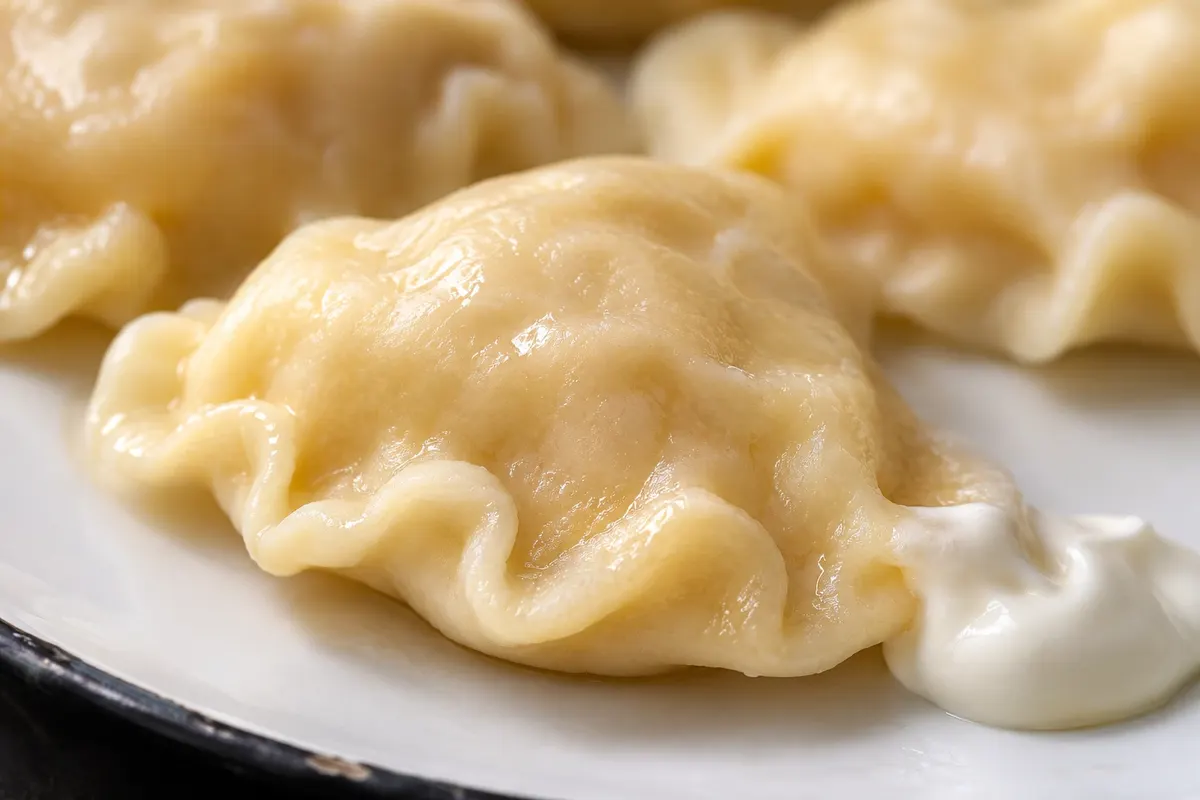
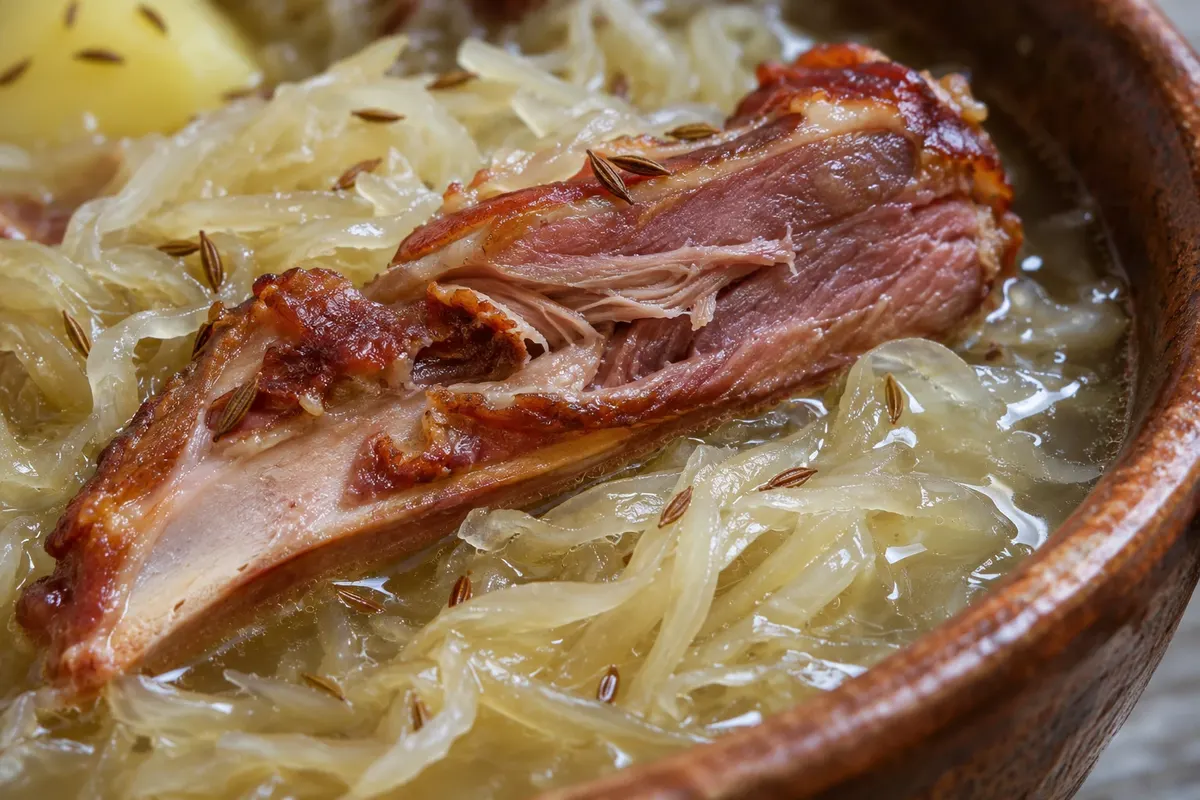
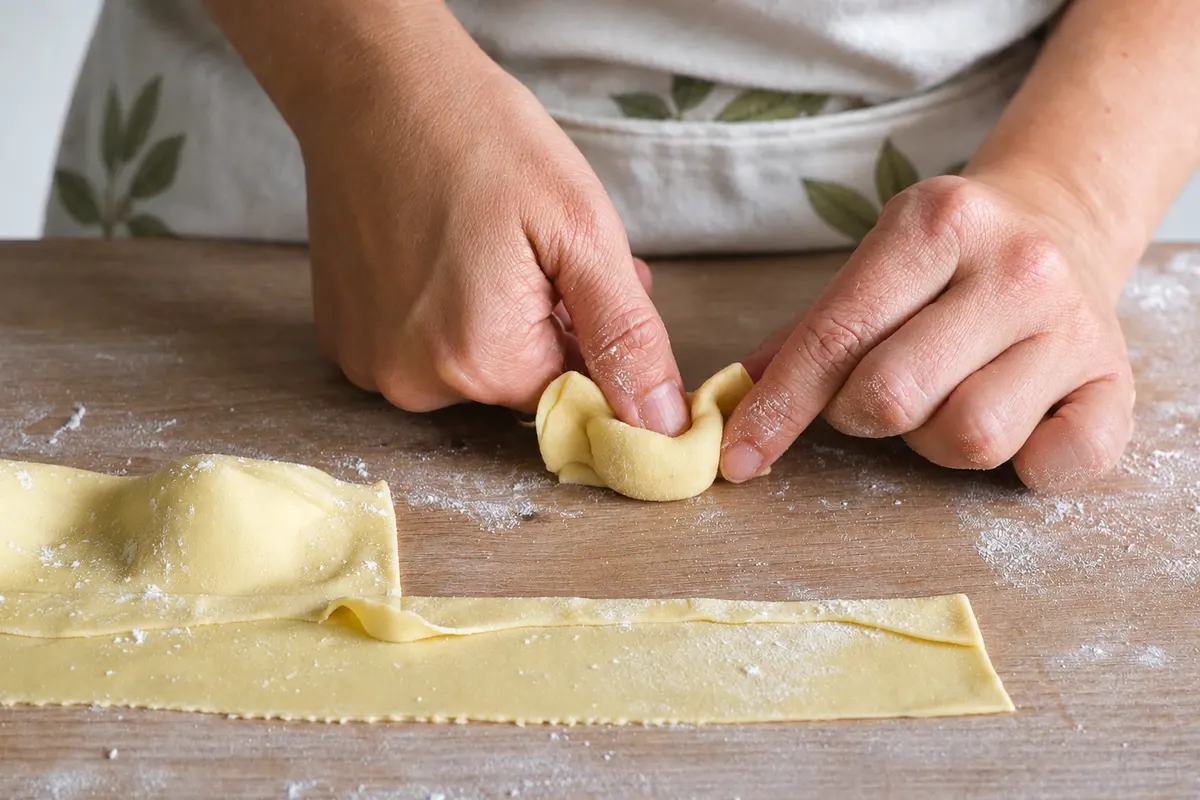
Polish cuisine formed around rye and wheat, potato, cabbage and sauerkraut, forest mushrooms and fruits, pork and sour cream. Fermenting and smoking are long-standing techniques in the country: from them come the rye starter used in żurek, the sauerkraut in bigos and kwaśnica, and the smoked meats found in many winter dishes. The first cookbook printed in Polish, Compendium ferculorum by Stanisław Czerniecki (1682), already contains recipes for pierogi, bigos and fried filled dumplings.
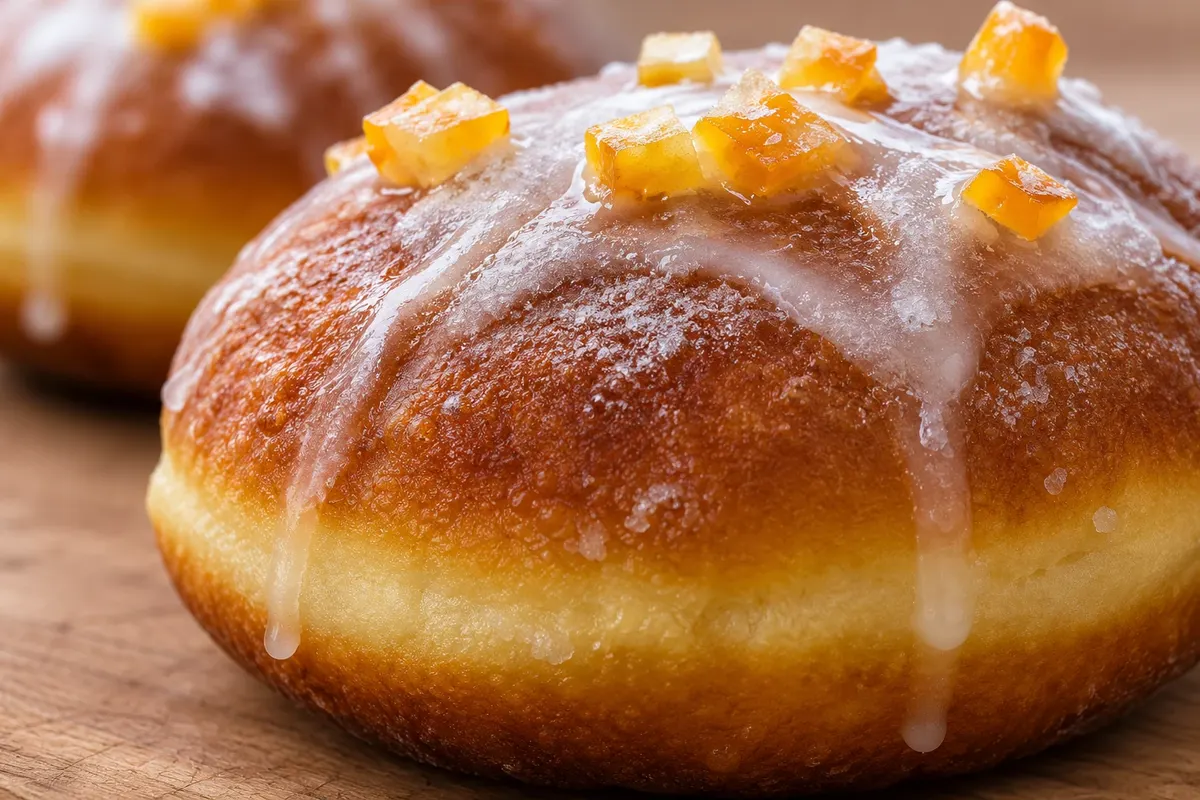
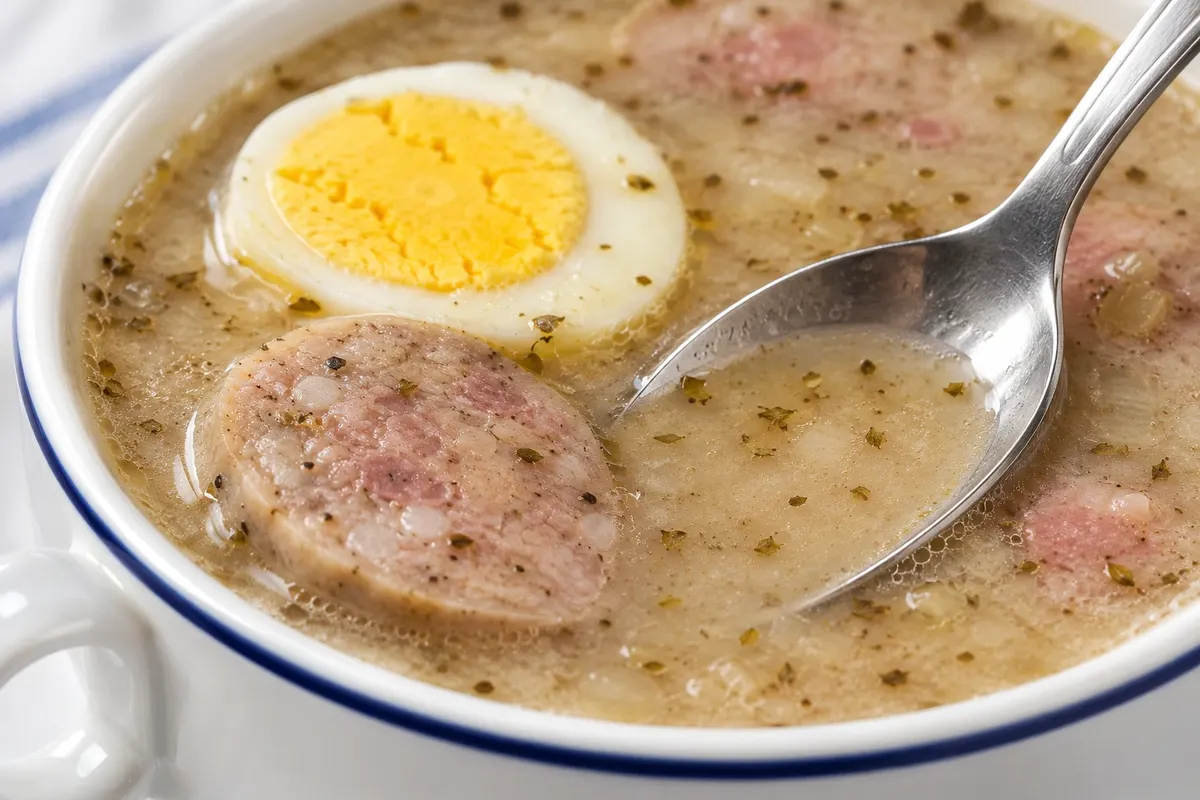
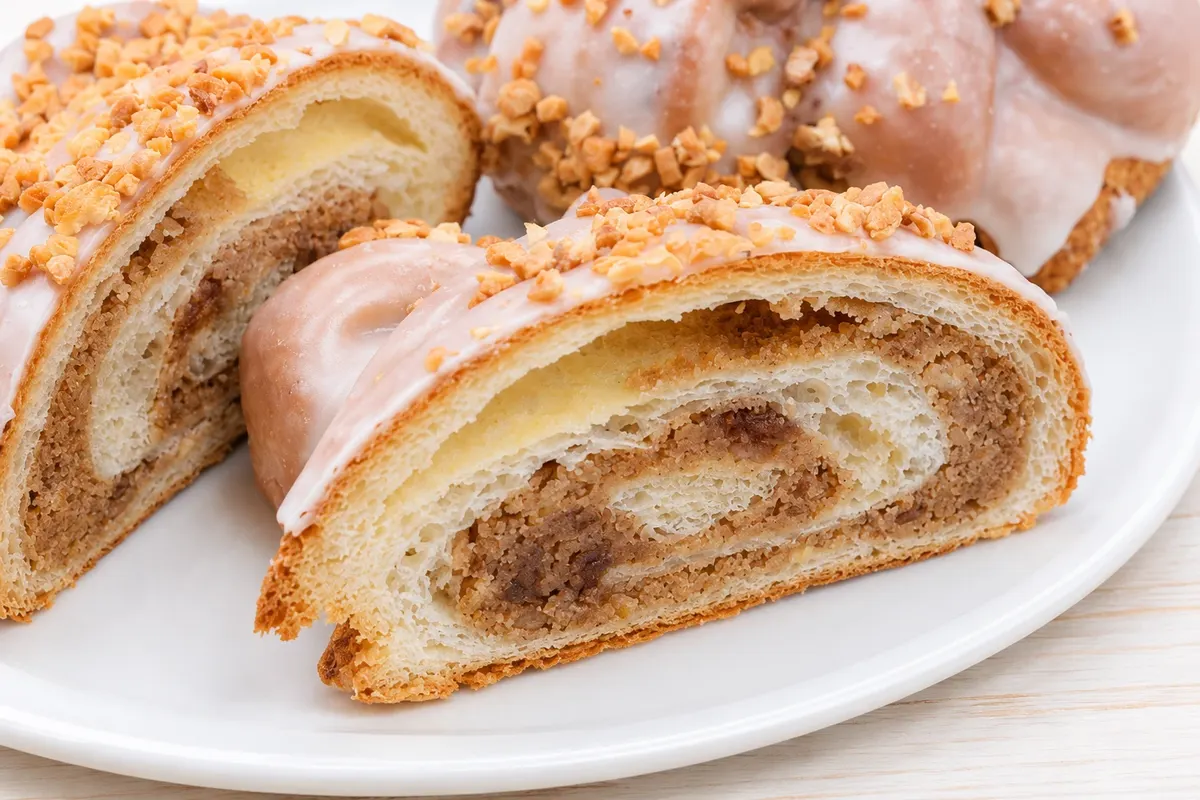
The religious calendar shapes the table. On Fat Thursday, the last before Lent, the whole country eats pączki. At Easter, żurek with white sausage and egg begins the meal. On Christmas Eve, cabbage-and-mushroom pierogi and poppy-seed sweets are served. In Poznań, November 11, St. Martin’s Day, is the day of the rogal świętomarciński.
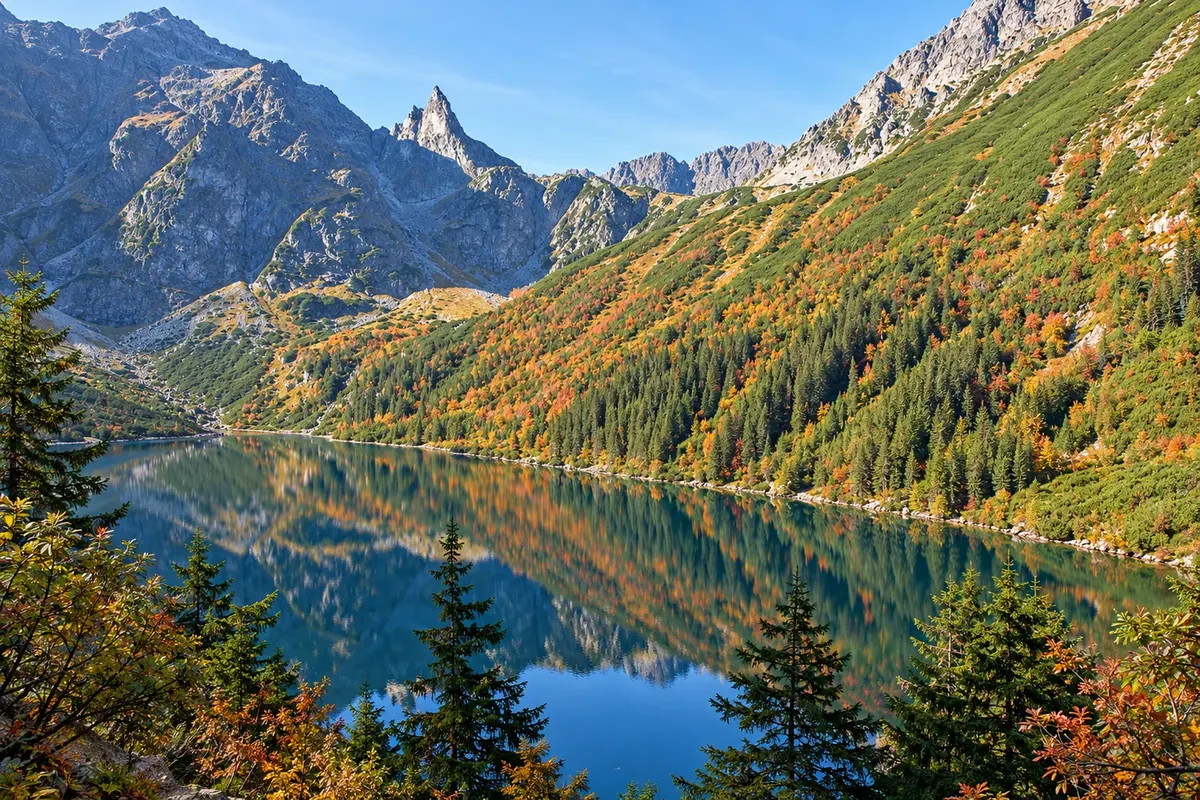
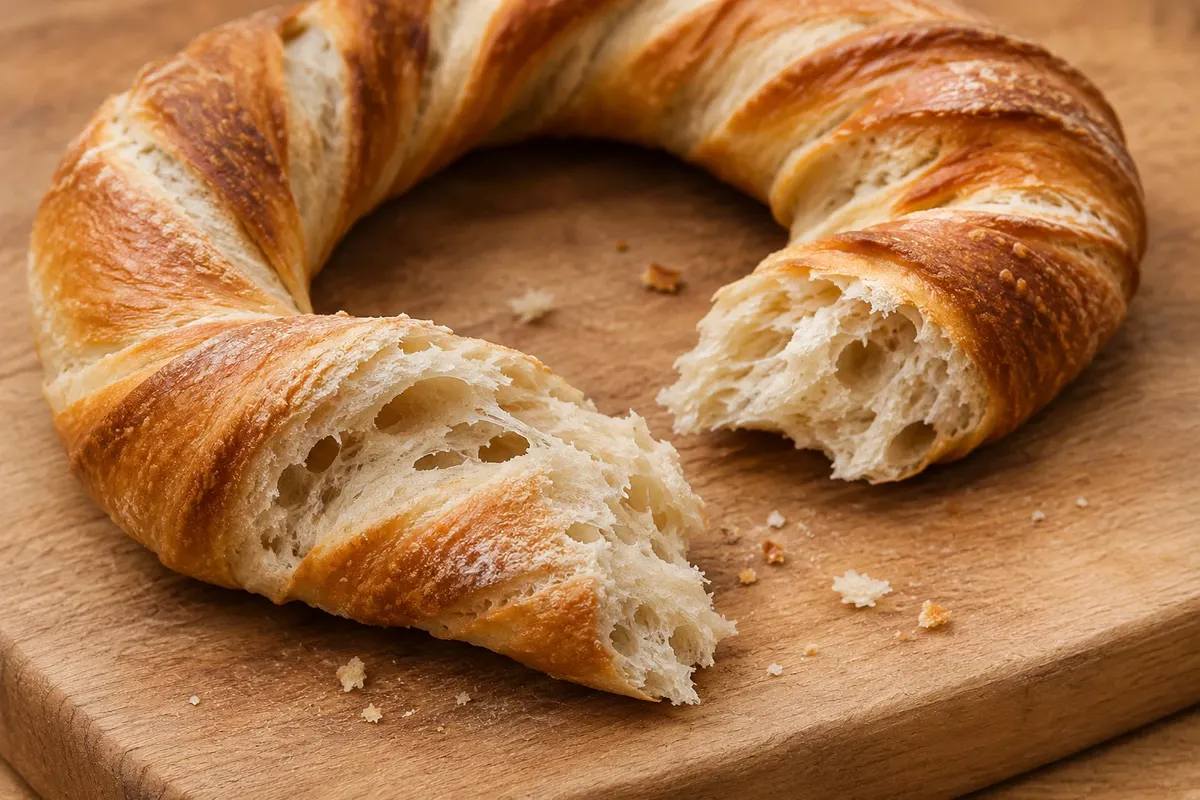
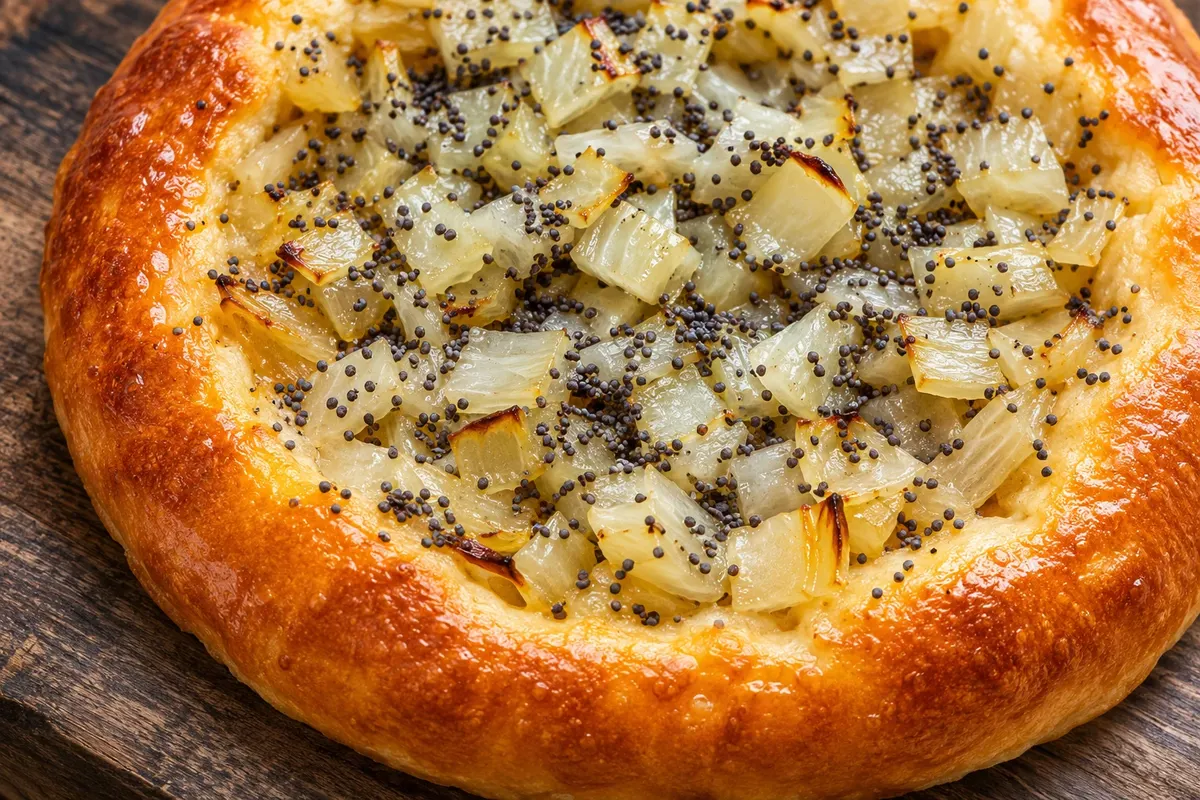
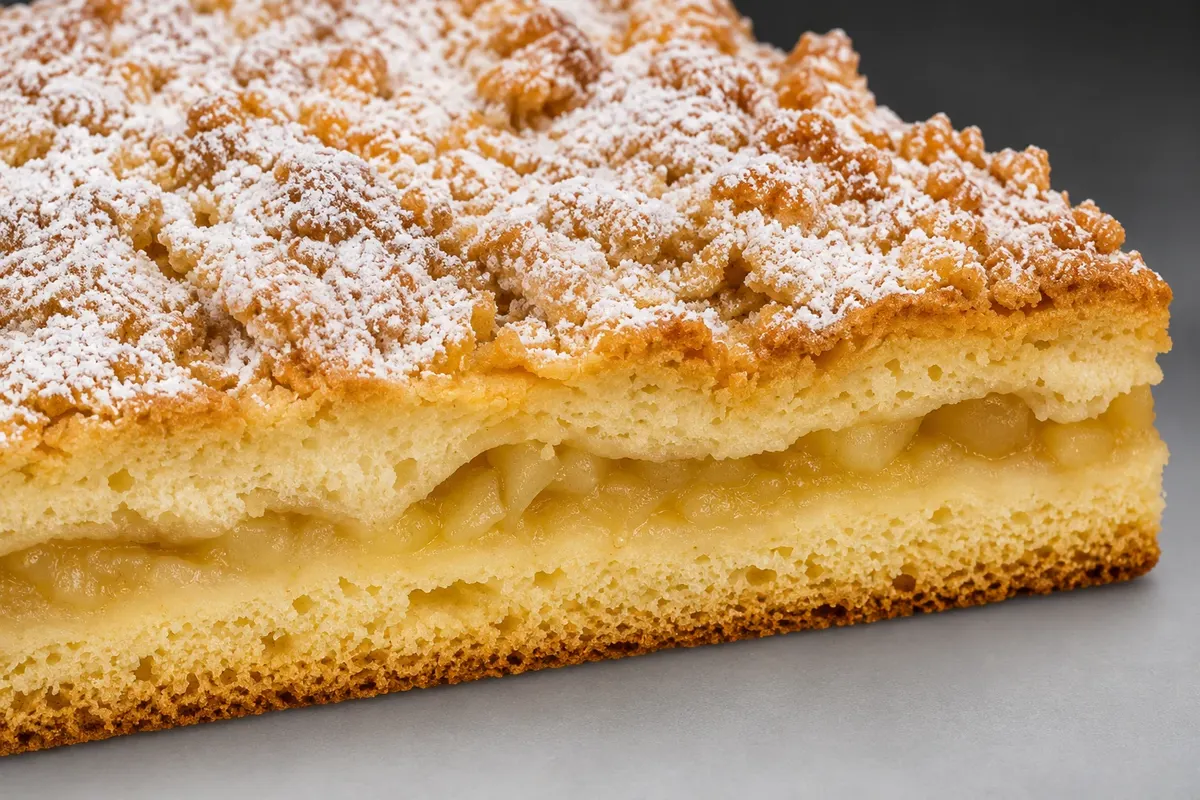
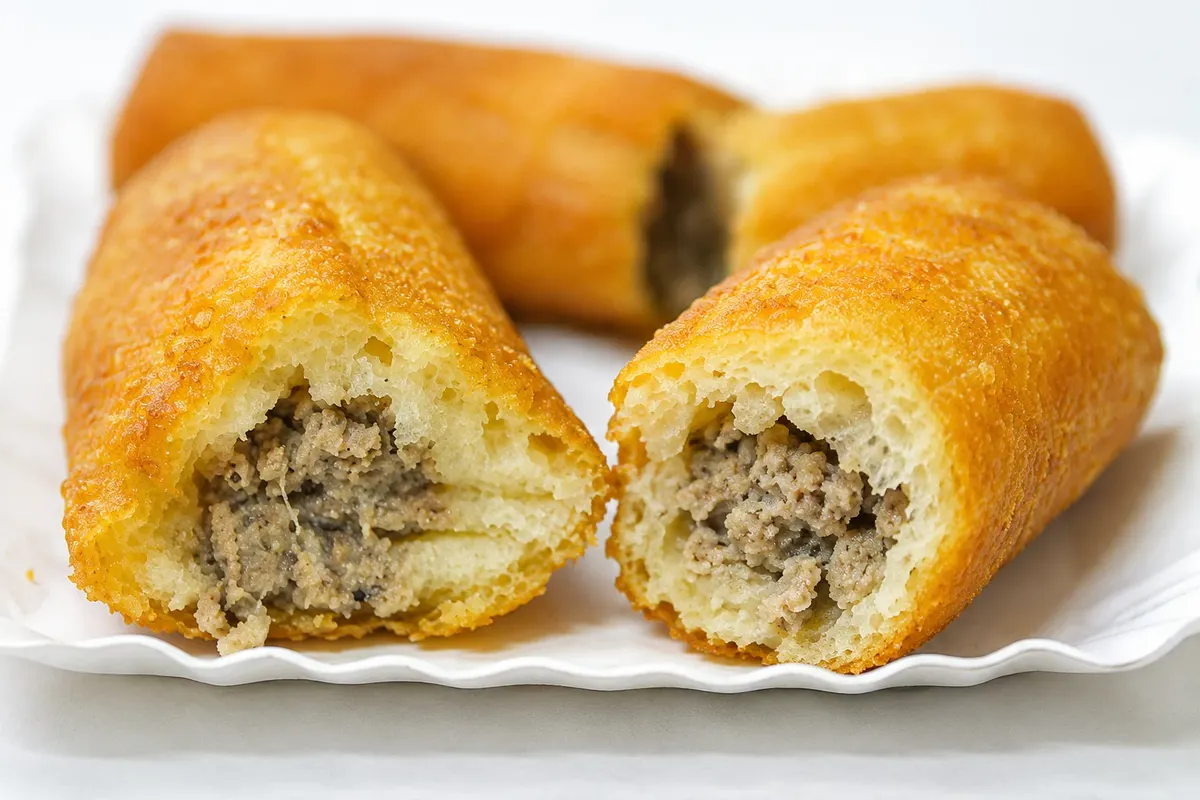
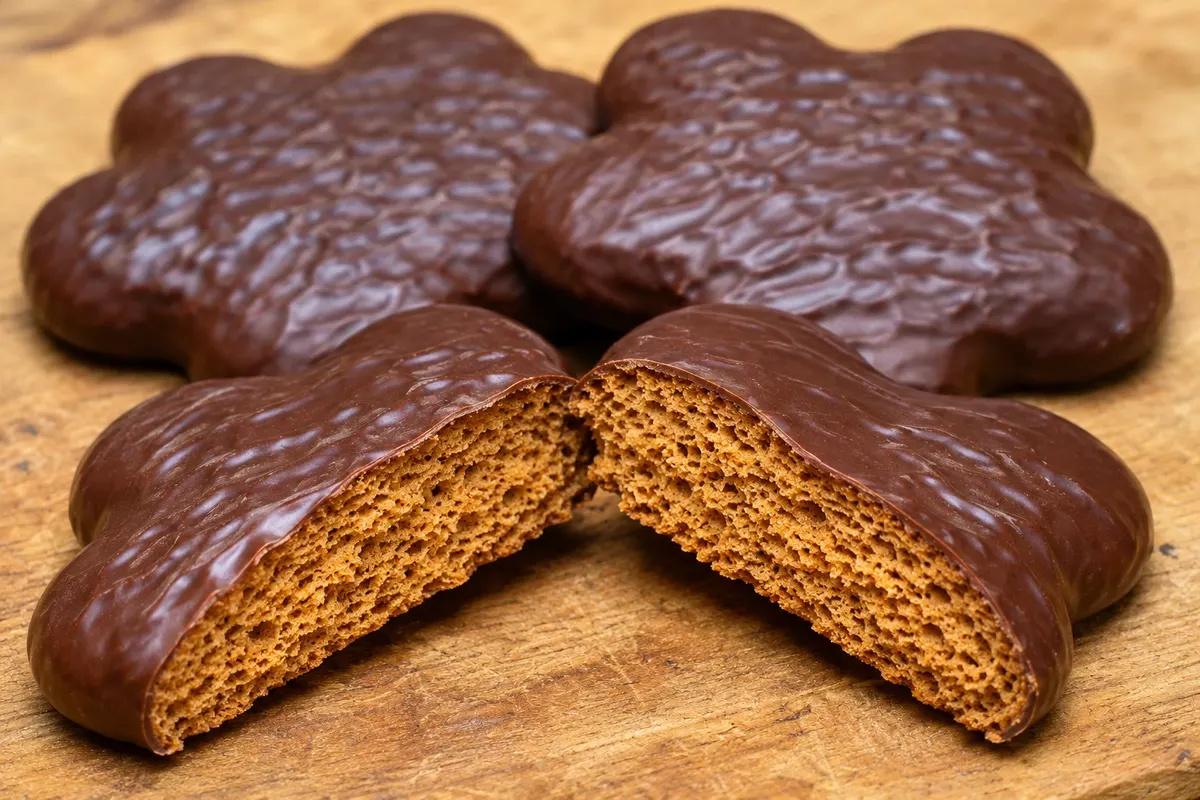
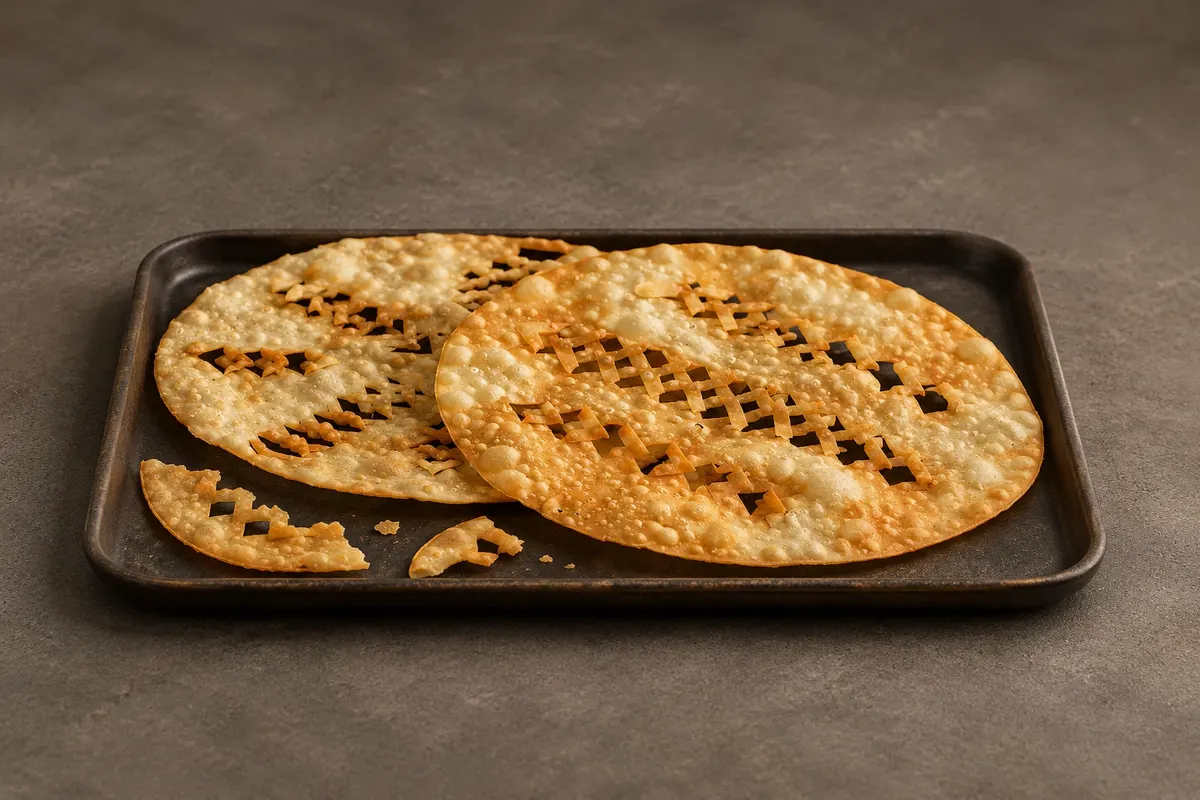
Cities keep their own recipes. Kraków sells obwarzanek on the streets, a boiled-and-baked ring bread that has protected geographical status. Toruń has been making spiced gingerbread since the Middle Ages, and Lublin bakes cebularz, a flatbread topped with onion and poppy seed of Jewish tradition. Szczecin has the pasztecik, a fried pastry born from a 1960s machine, Warsaw has wuzetka, a chocolate-and-cream cake tied to the city’s reconstruction, and Zakopane, in the Tatra Mountains, serves the highlanders’ kwaśnica.
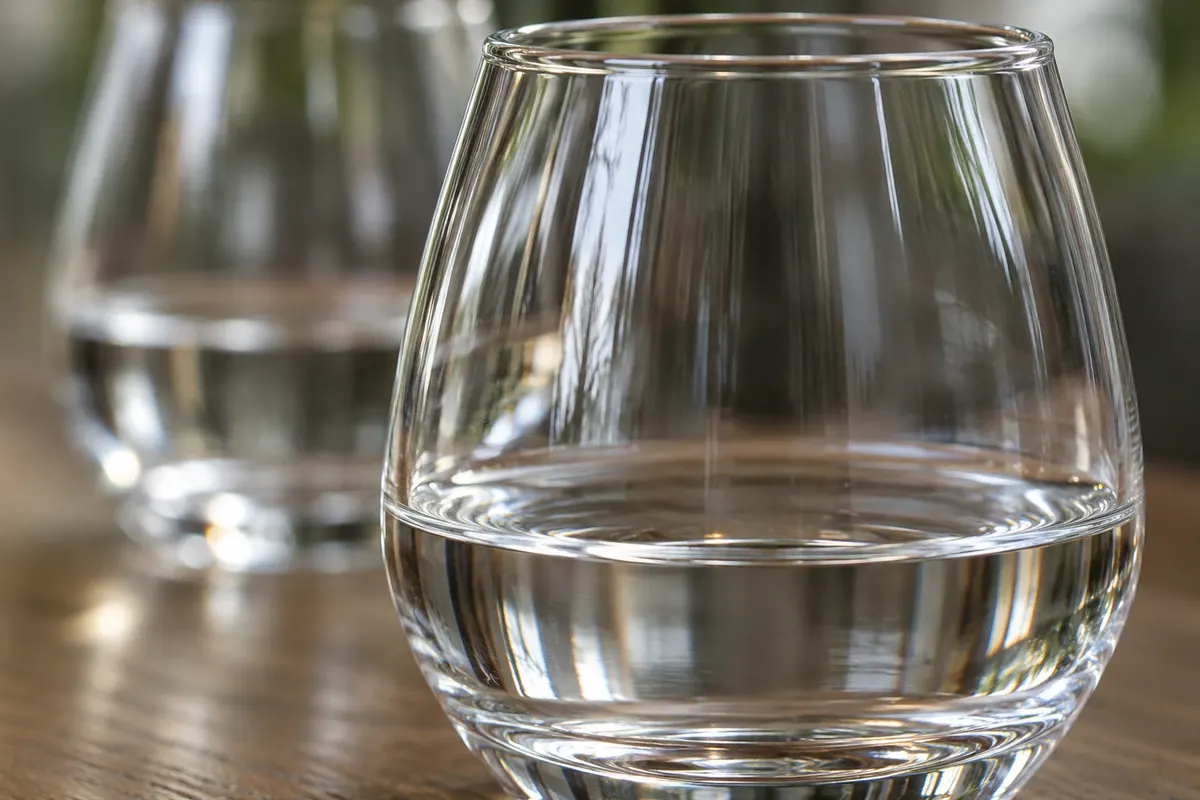
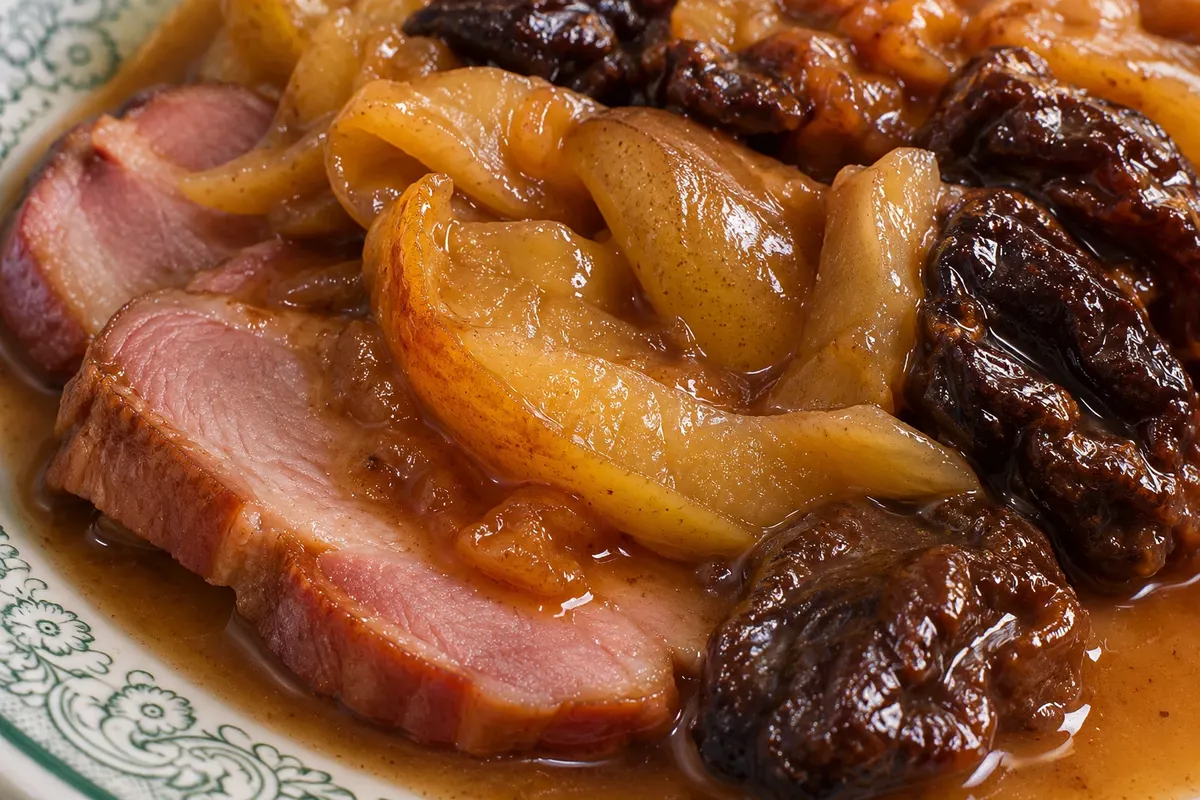
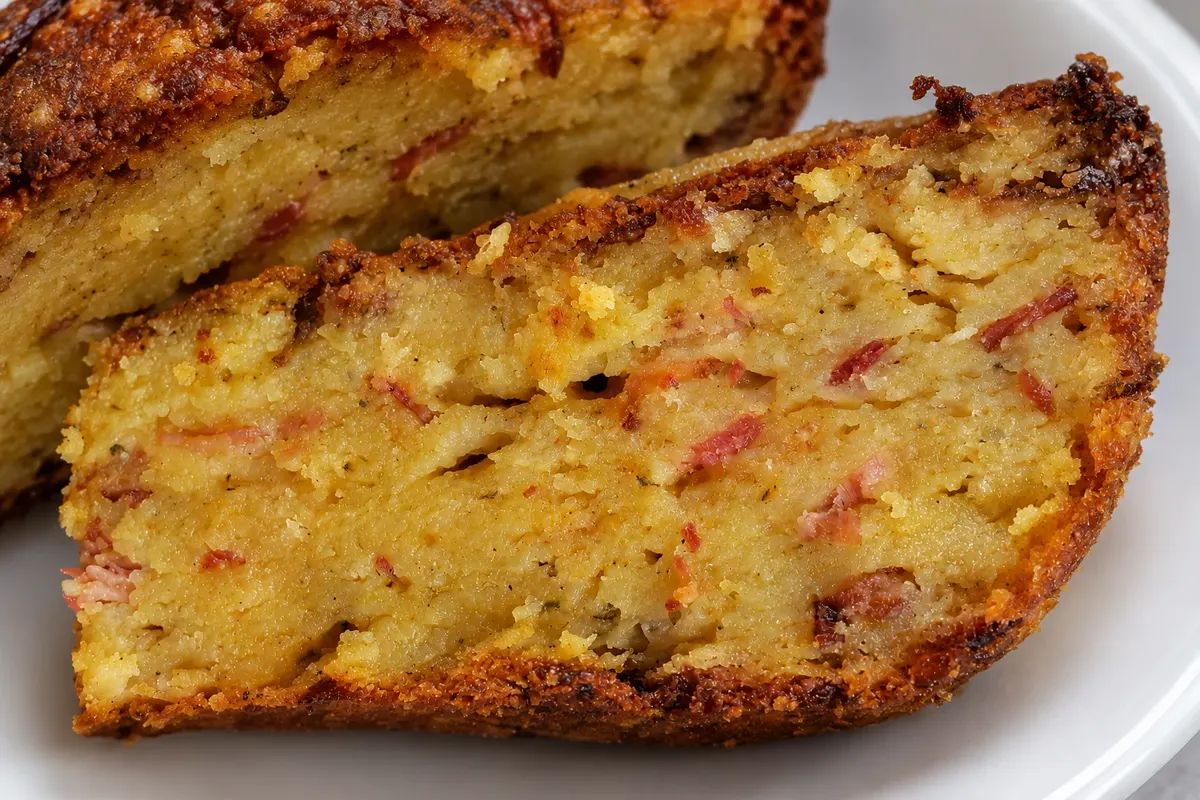
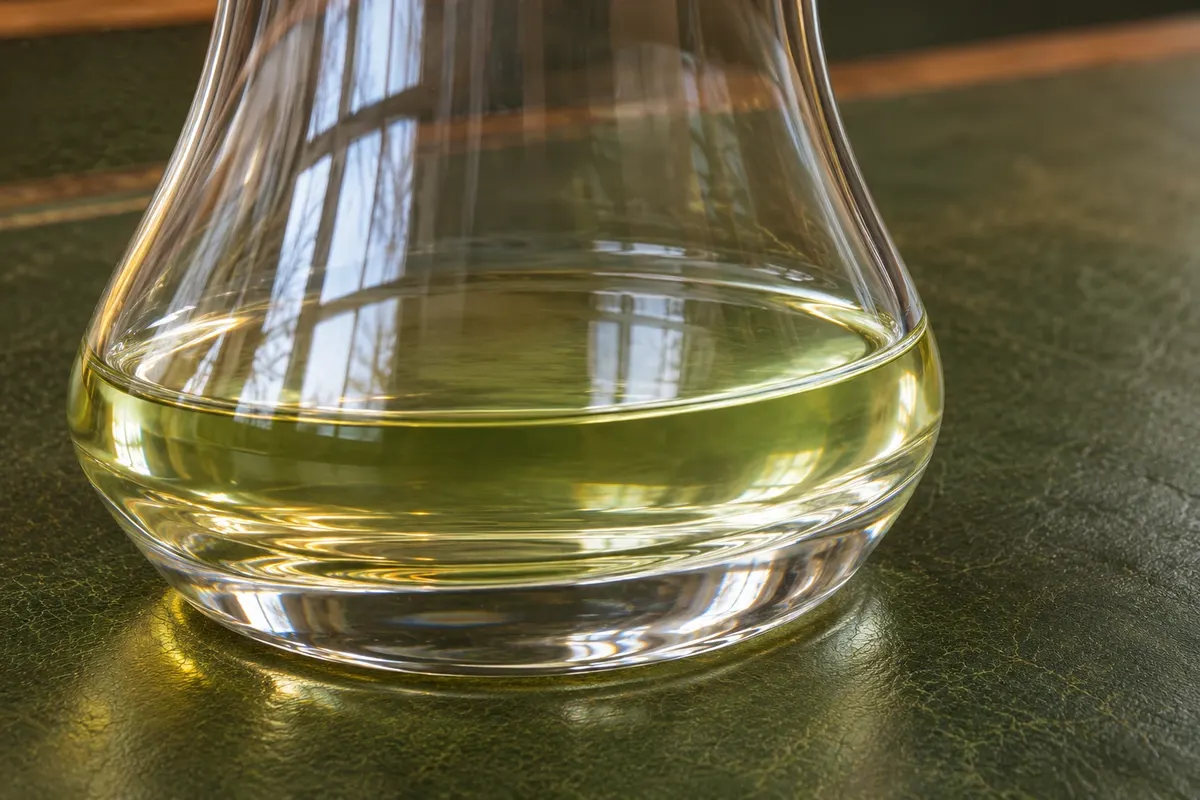
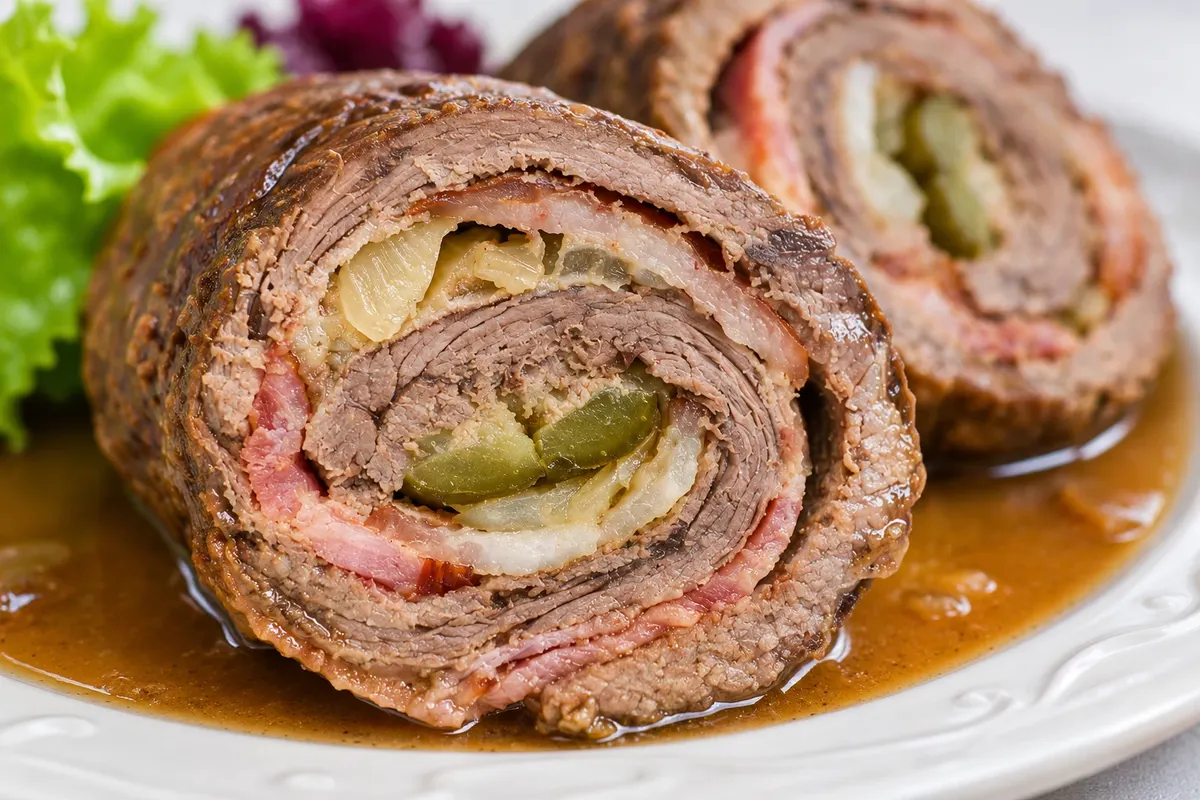
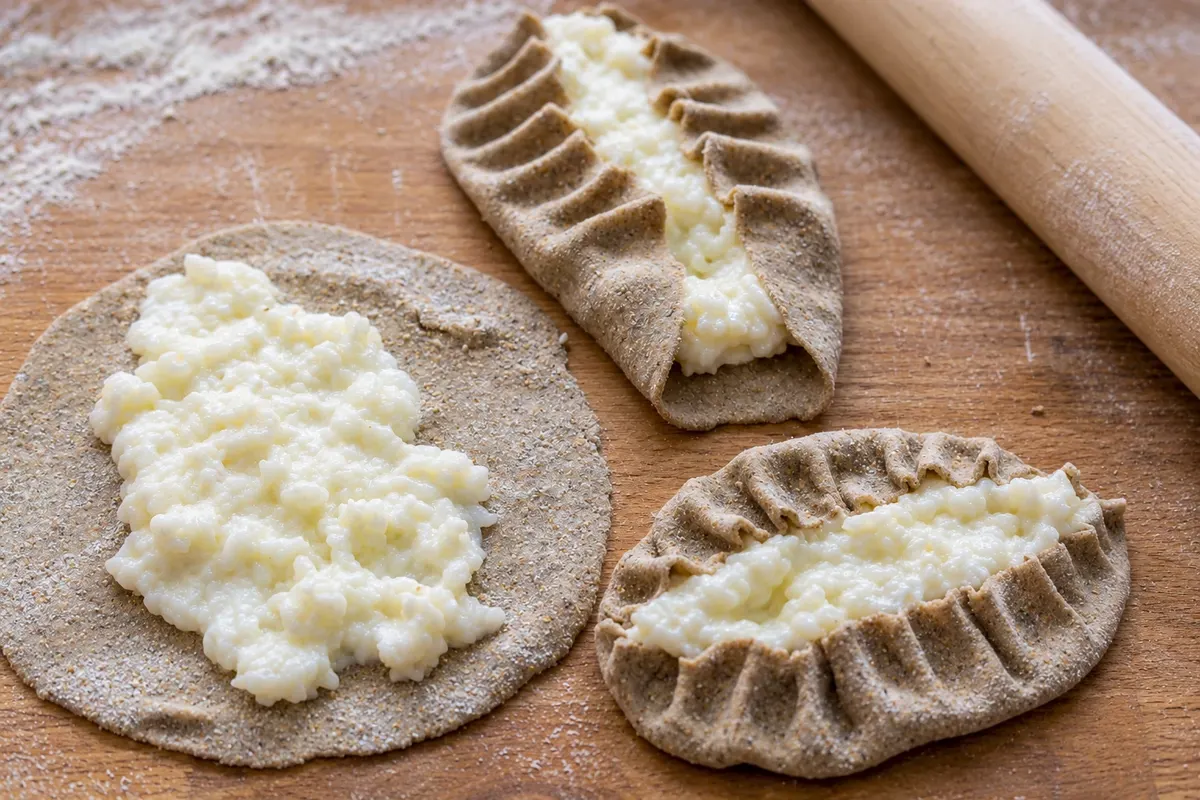
Regions also have strongly identifiable dishes. In Podlasie, near the Białowieża Forest, are babka ziemniaczana, a grated potato pie, and vodka flavored with bisongrass. Silesia has the Sunday rolled roast with kluski and red cabbage, Lower Silesia has śląskie niebo, smoked meat with dried fruit, and Opole Silesia has kołocz, a wedding cake with streusel. Among drinks, polska wódka is a national geographical indication: only vodka made entirely in the country from Polish grains or potatoes may use that name.


 Brazilija
 Antarktika
 Argentina
 Bolivija
 Čile
 Kolumbija
 Ekvator
 Gvajana
 Francoska Gvajana
 Falklandski otoki (Malvini)
 Paragvaj
 Peru
 Surinam
 Urugvaj
 Venezuela
 Nemčija
 Avstrija
 Belgija
 Hrvaška
 Danska
 Slovaška
 Slovenija
 Španija
 Finska
 Francija
 Grčija
 Nizozemska
 Madžarska
 Irska
 Islandija
 Italija
 Luksemburg
 Norveška
 Portugalska
 Združeno kraljestvo
 Češka
 Švedska
 Švica
 Turčija
 Bermudi
 Kanada
 Združene države Amerike
 Grenlandija
 Mehika
 Sveta Peter in Mihael
 Dominikanska republika
 Japonska
 Južnoafriška republika
 Egipt
 Avstralija
 Fidži
 Nova Zelandija
 Papua Nova Gvineja