Kuhinja
of Grčija – značilne jedi
Greek cuisine rests on a few ancient elements: olive oil, wheat and barley, wine, sheep and goat cheese, honey, wild herbs and fish. Much of what is eaten in the country already appears, under other names, in Ancient texts, and the table is still organized around shared dishes, the mezedes, served with wine or with a spirit.
Each era left marks. Byzantium and the Ottoman Empire spread phyllo pastries, honey-and-nut sweets and many dish names. Venice ruled Corfu, Crete and several Peloponnese ports for centuries, and Venetian trade brought the sweet wine from Monemvasia to Europe. In 1923, the population exchange between Greece and Turkey brought families from Asia Minor to Thessaloniki and other northern cities, with recipes that became part of the local cuisine.
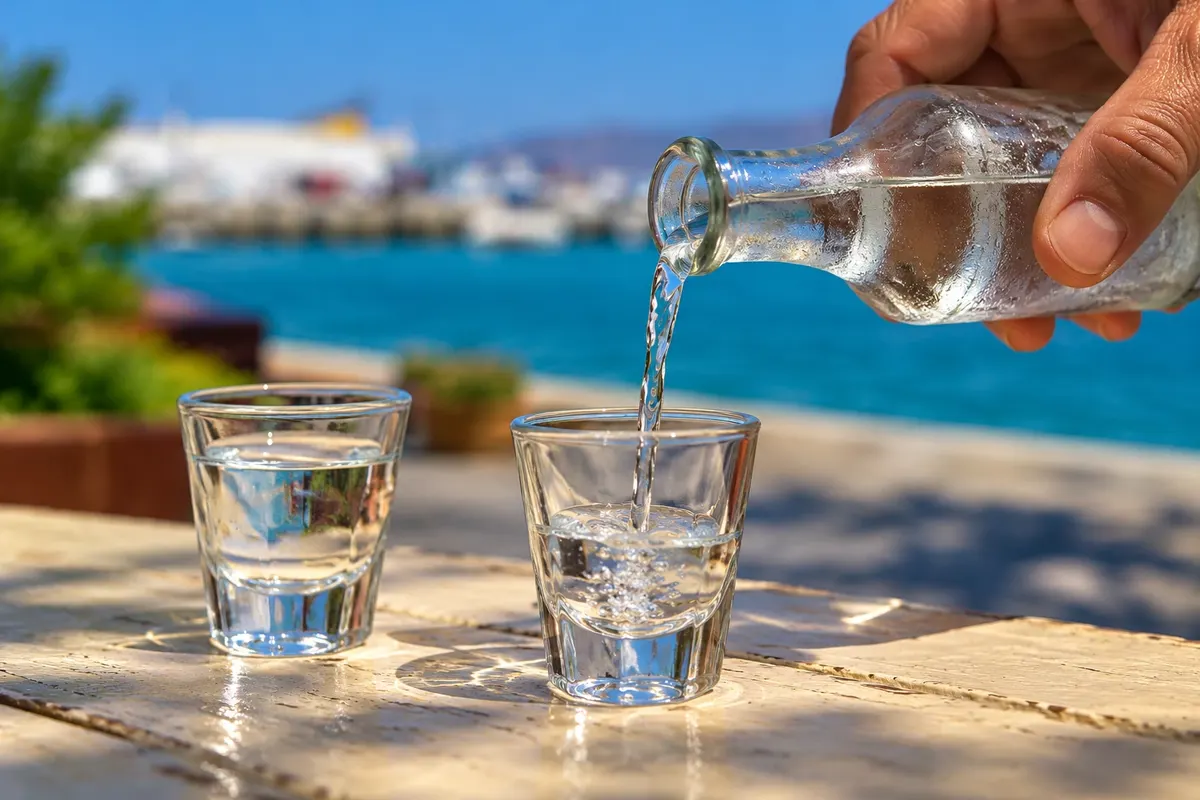
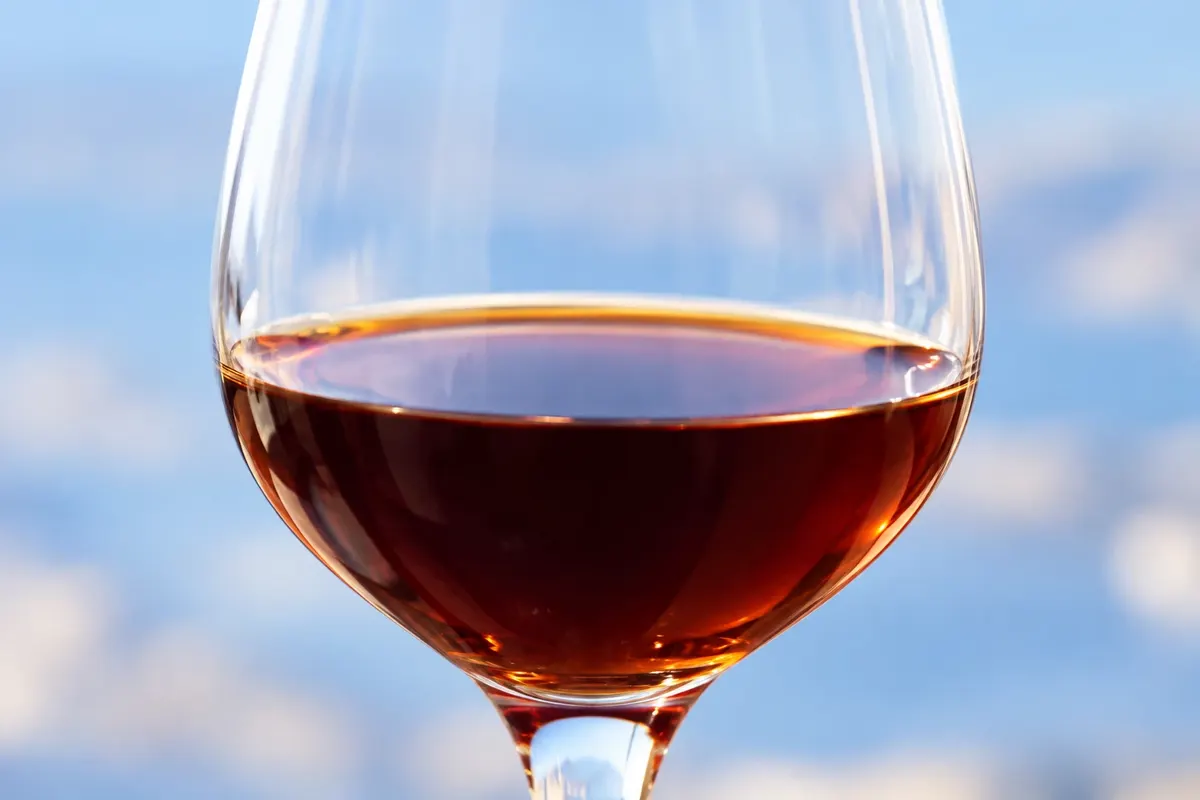
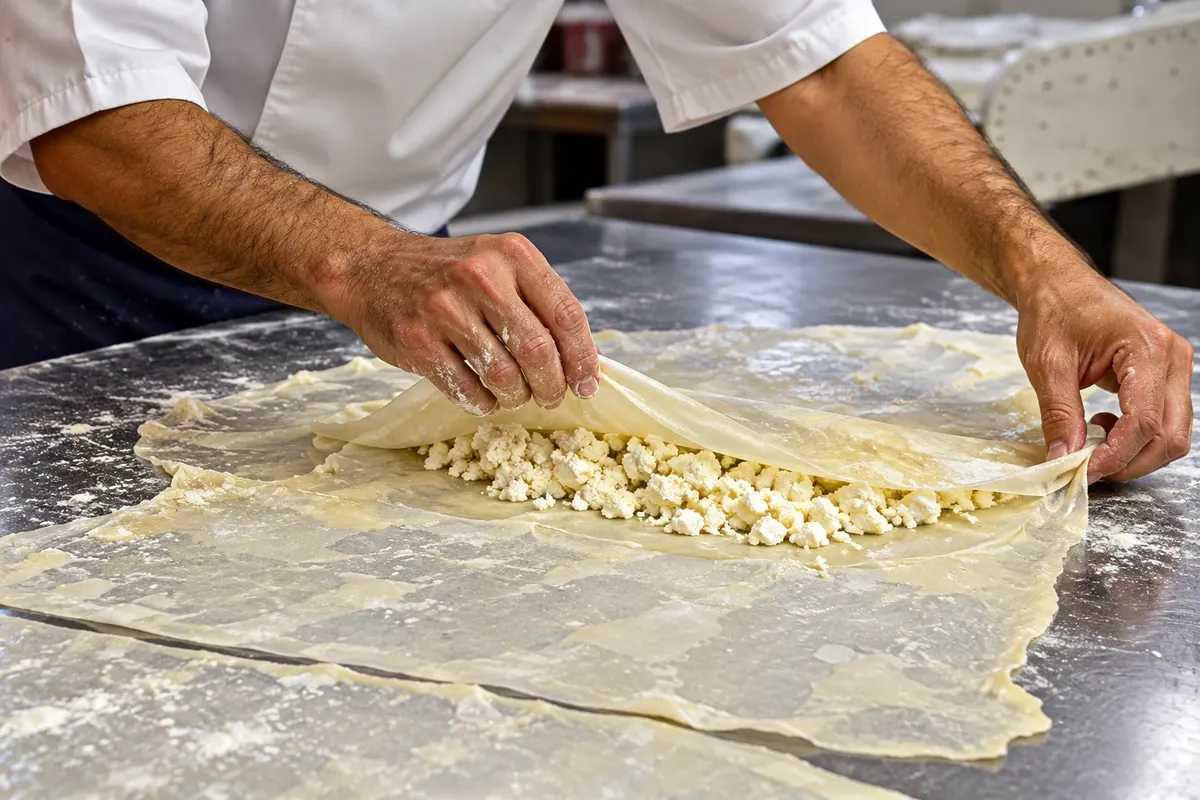
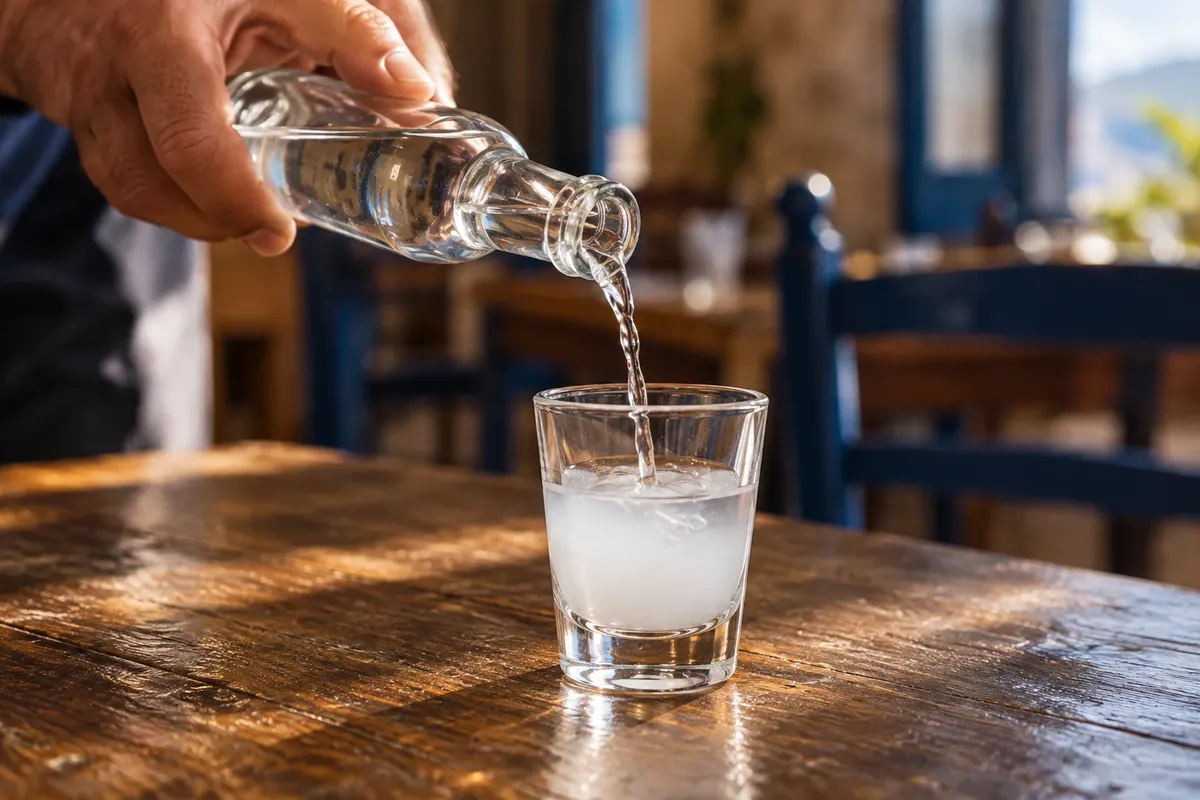
On the mainland, Thessaloniki is the city of bougatsa, a very thin pastry filled with cream or cheese and eaten in the morning. Patras gives its name to Mavrodafni, a sweet red wine aged in barrel, and Monemvasia revived the sweet wine that carried its Frankish name, Malvasia. Attica is the home of retsina, the white wine with pine resin, and Thessaly is the region of tsipouro, the grape-pomace spirit served in small bottles with snacks.
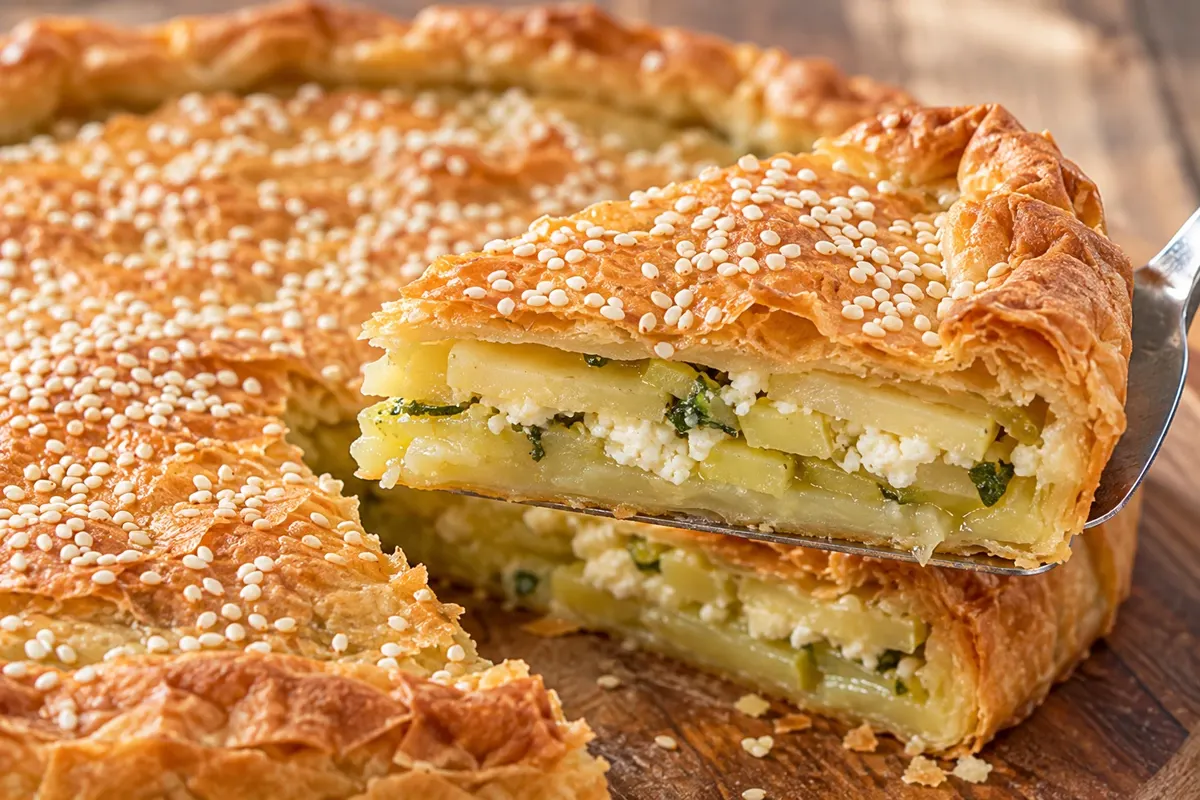
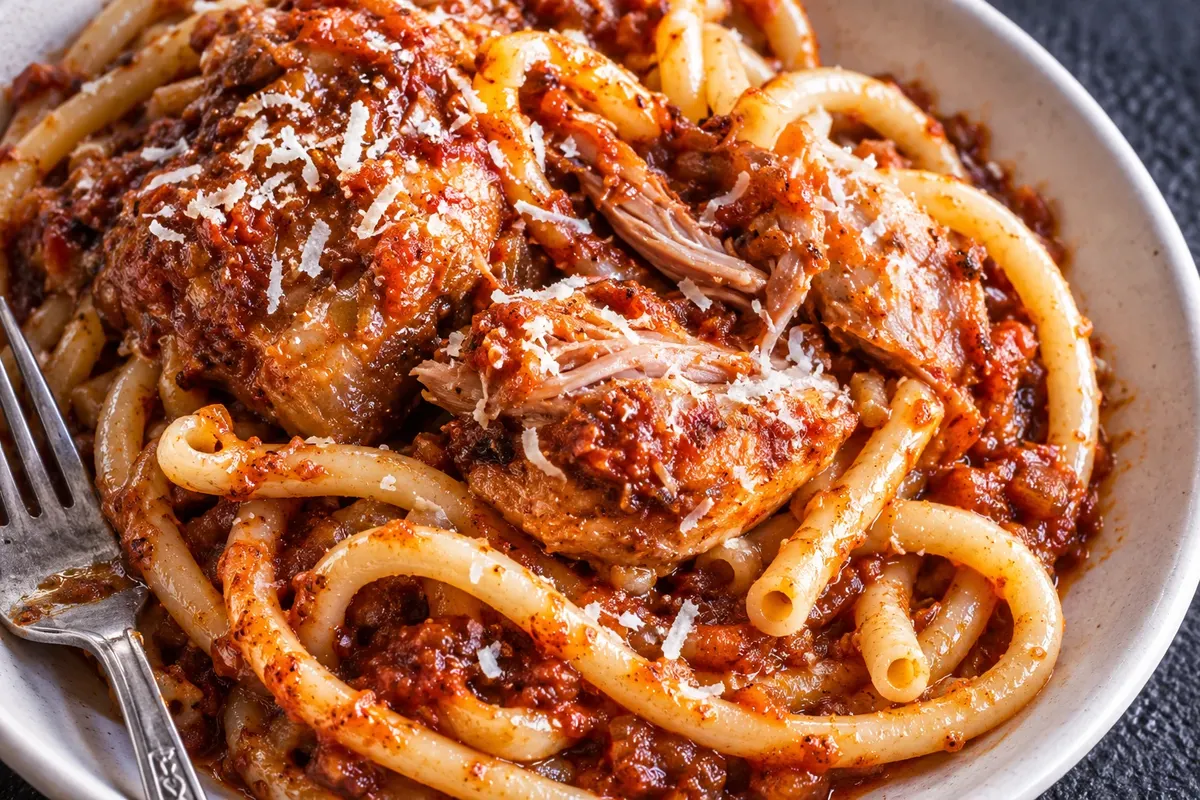
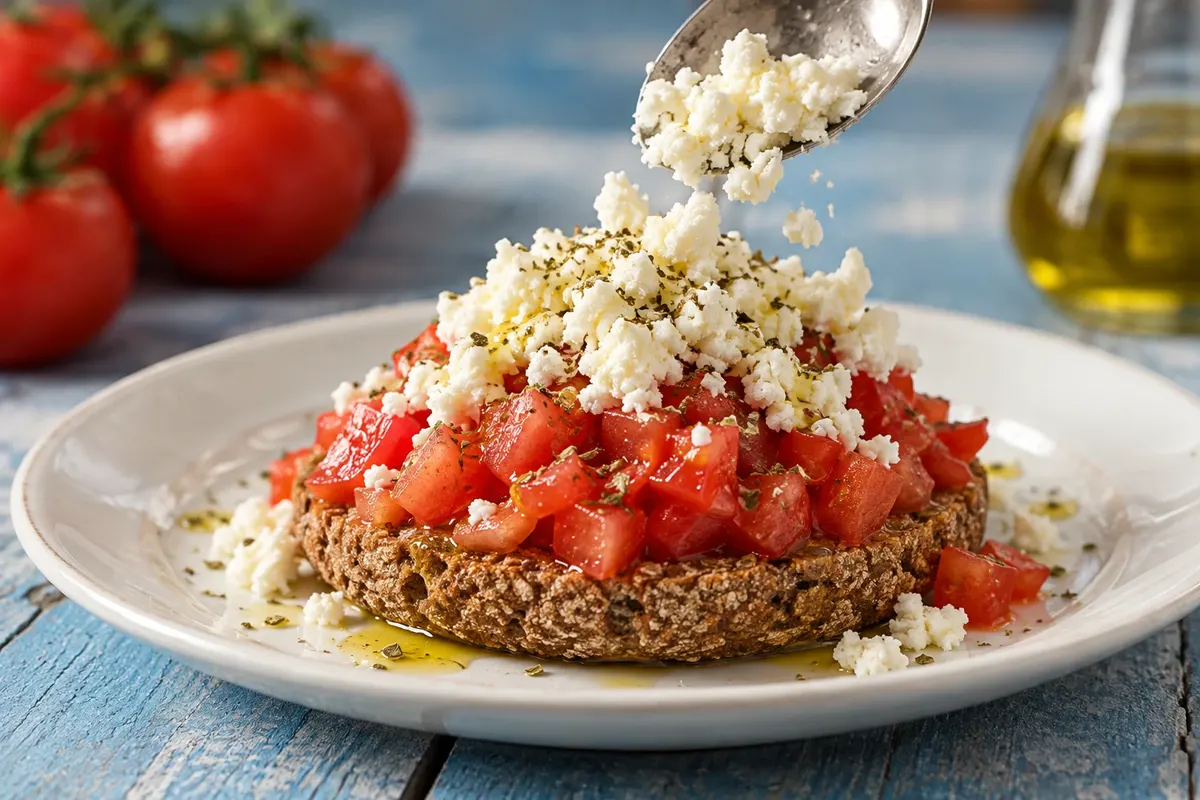
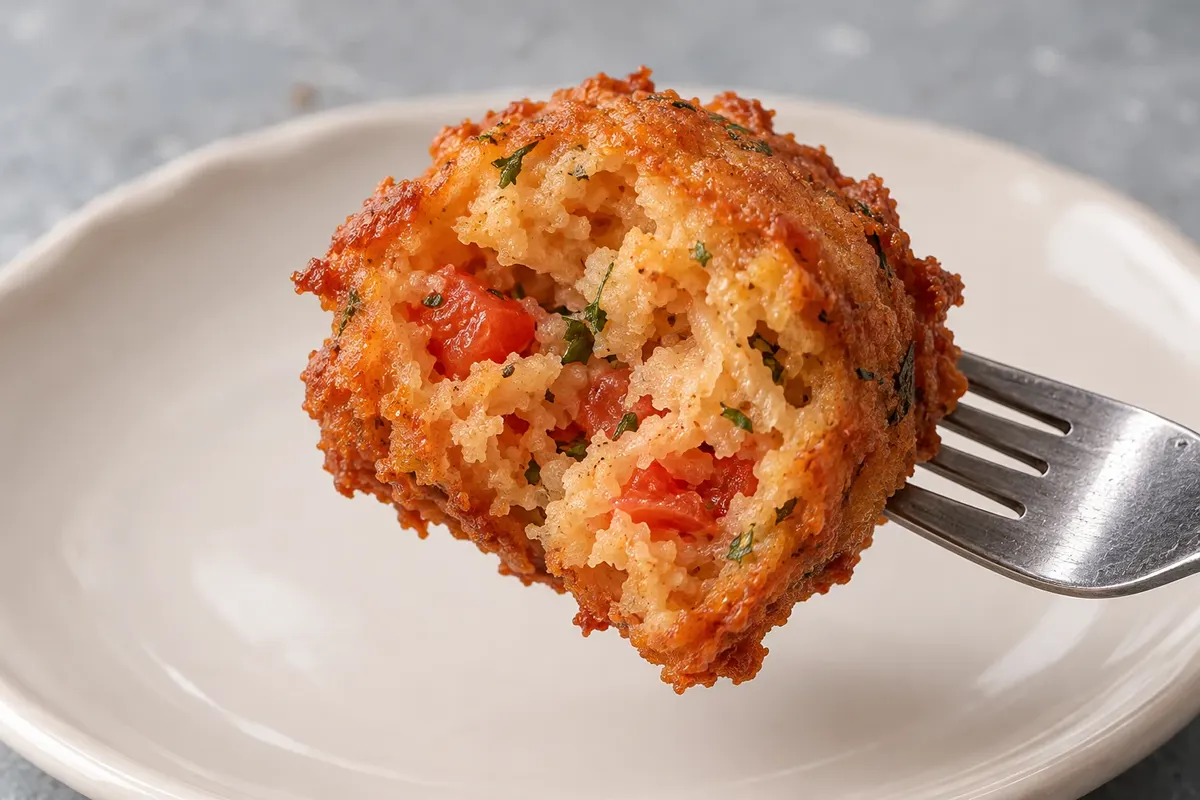
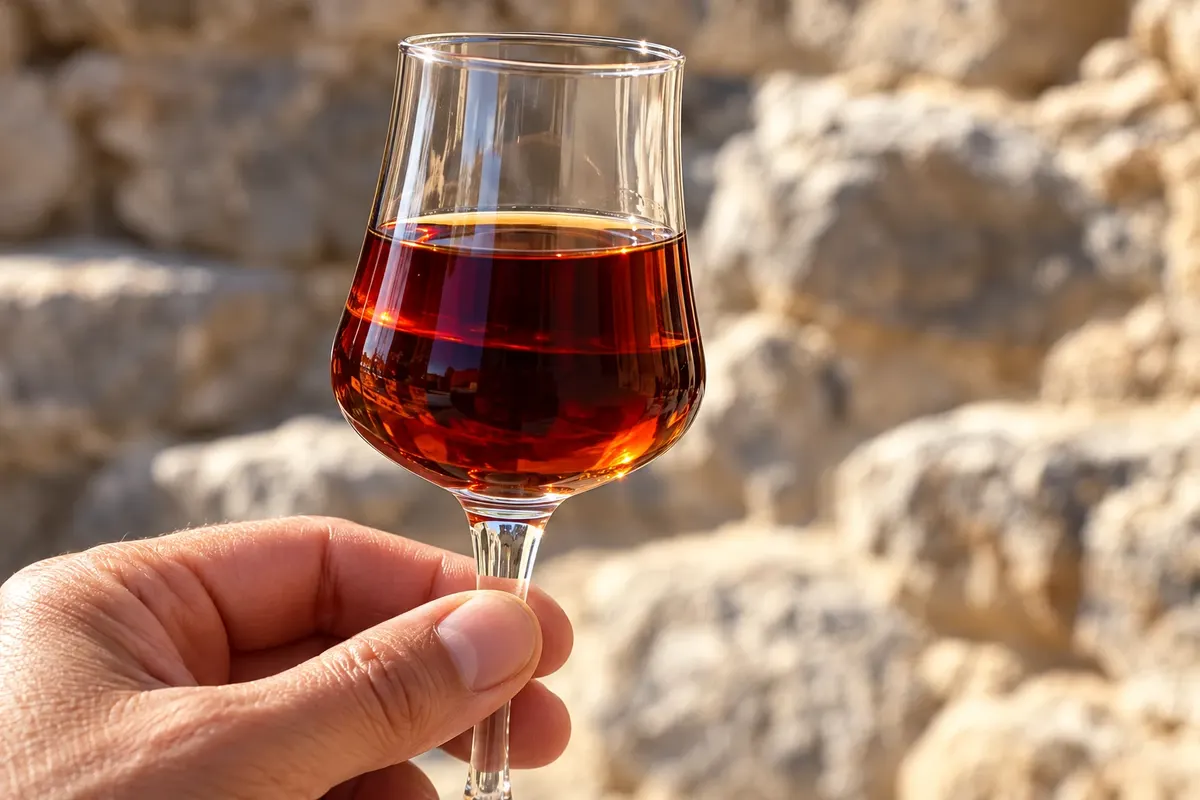
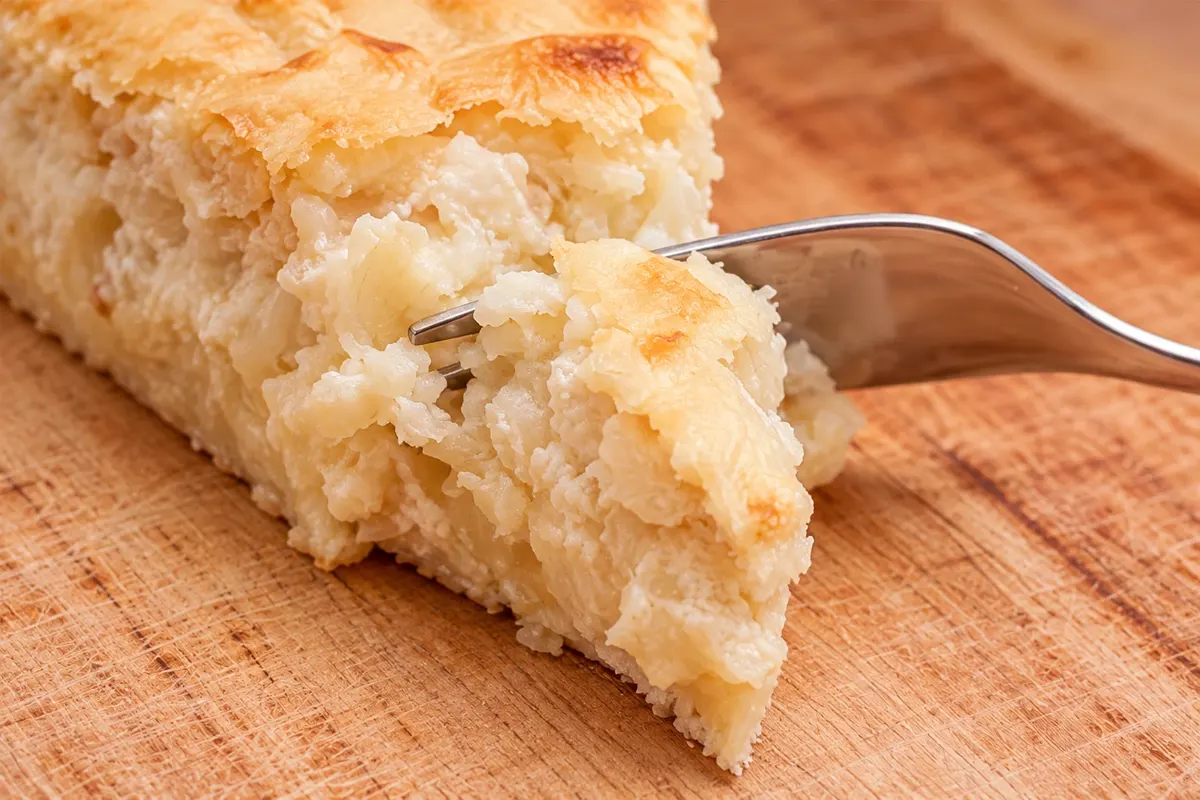
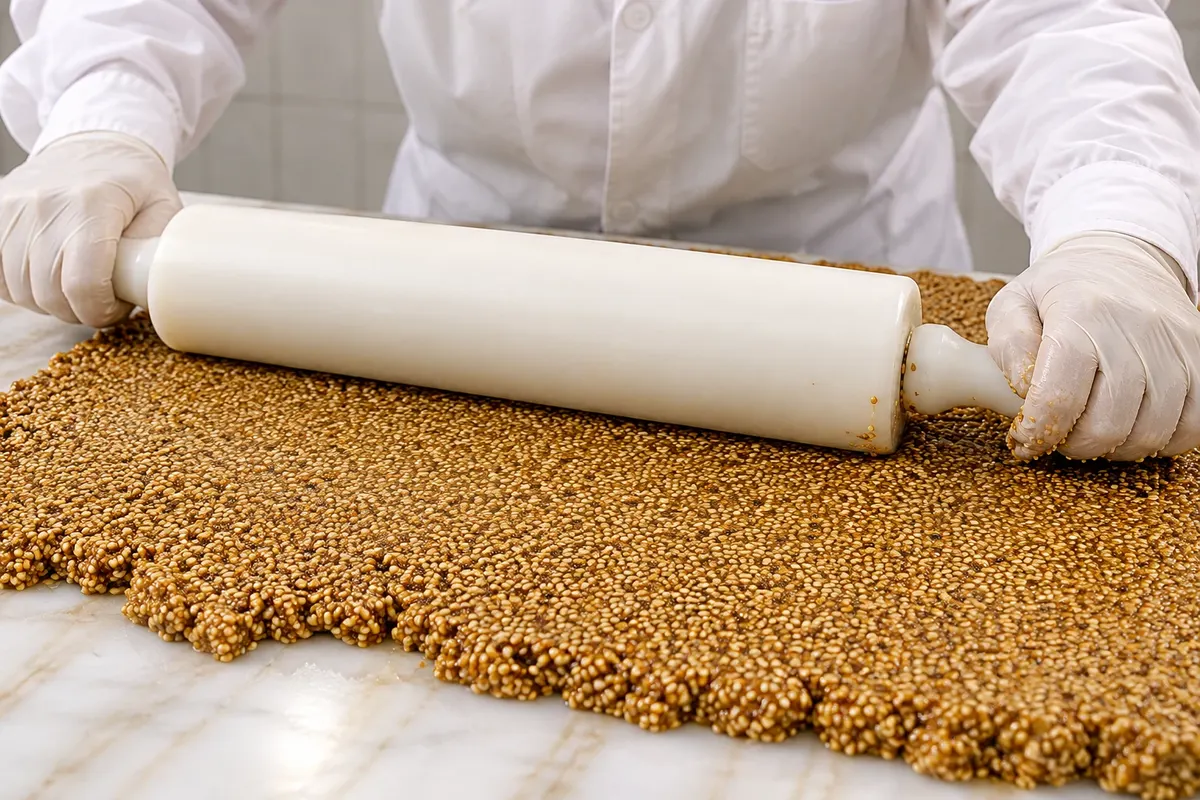
In the Ionian Islands, Corfu preserves dishes with Italian names, such as pastitsada and sofrito. In the Aegean, Santorini makes vinsanto with sun-dried grapes and fried cakes with the island’s tomato, Mykonos has an onion pie with local cheese, and Rhodes offers melekouni, a sesame-and-honey bar, at weddings. In Crete, tsikoudia accompanies almost every meal, dakos turns a dried barley rusk into a dish, and Chania bakes zucchini, potato and mizithra cheese in layers.


 Brazilija
 Antarktika
 Argentina
 Bolivija
 Čile
 Kolumbija
 Ekvator
 Gvajana
 Francoska Gvajana
 Falklandski otoki (Malvini)
 Paragvaj
 Peru
 Surinam
 Urugvaj
 Venezuela
 Nemčija
 Avstrija
 Belgija
 Hrvaška
 Danska
 Slovaška
 Slovenija
 Španija
 Finska
 Francija
 Nizozemska
 Madžarska
 Irska
 Islandija
 Italija
 Luksemburg
 Norveška
 Poljska
 Portugalska
 Združeno kraljestvo
 Češka
 Švedska
 Švica
 Turčija
 Bermudi
 Kanada
 Združene države Amerike
 Grenlandija
 Mehika
 Sveta Peter in Mihael
 Dominikanska republika
 Japonska
 Južnoafriška republika
 Egipt
 Avstralija
 Fidži
 Nova Zelandija
 Papua Nova Gvineja