Ouzo
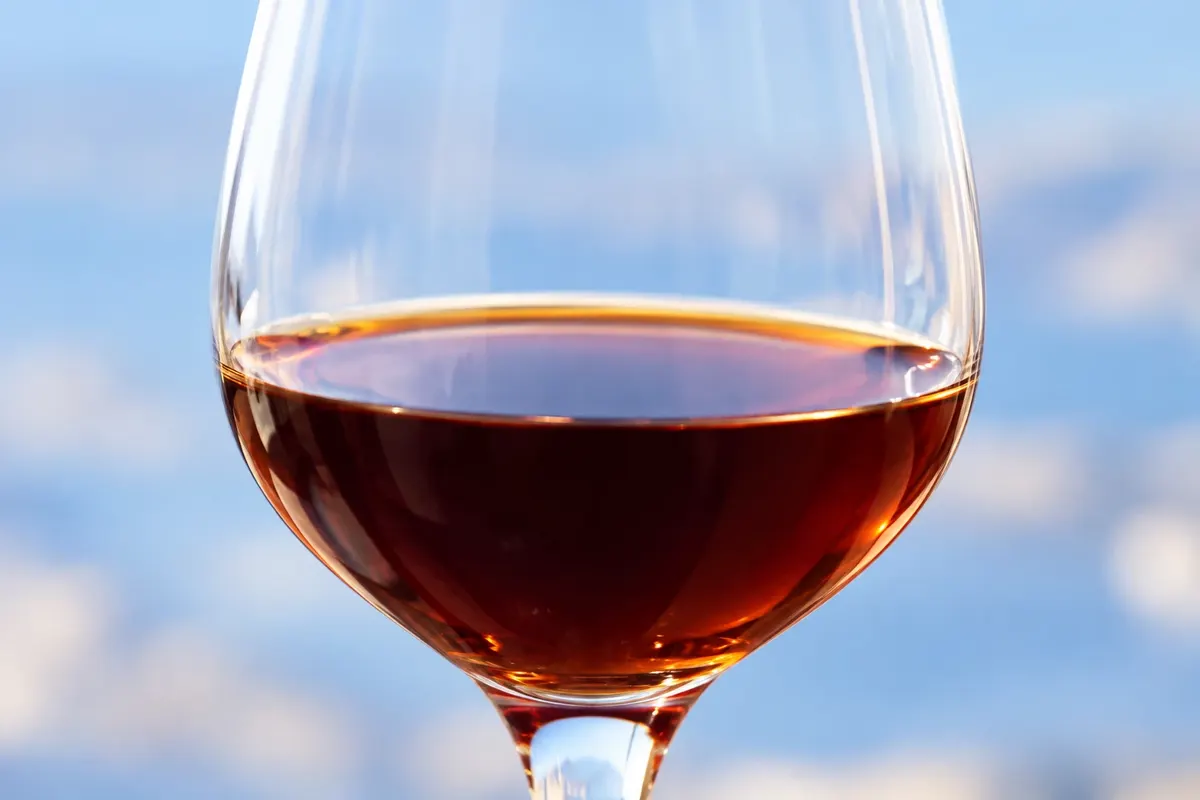
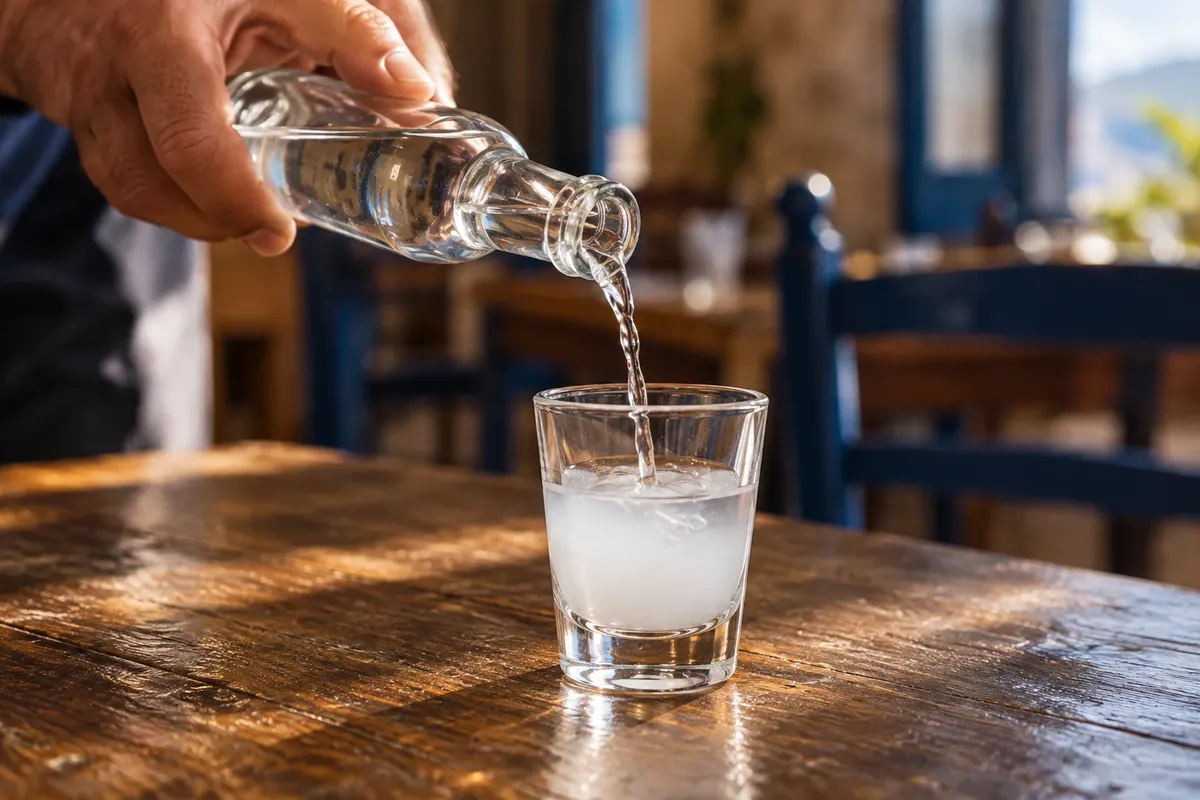
Transparent spirit flavored with anise that turns white when water or ice is added. Served in small glasses with snacks, it accompanies table conversations throughout Greece and has a geographical indication shared with Cyprus.
AntarktikaOkusi · Monemvasia
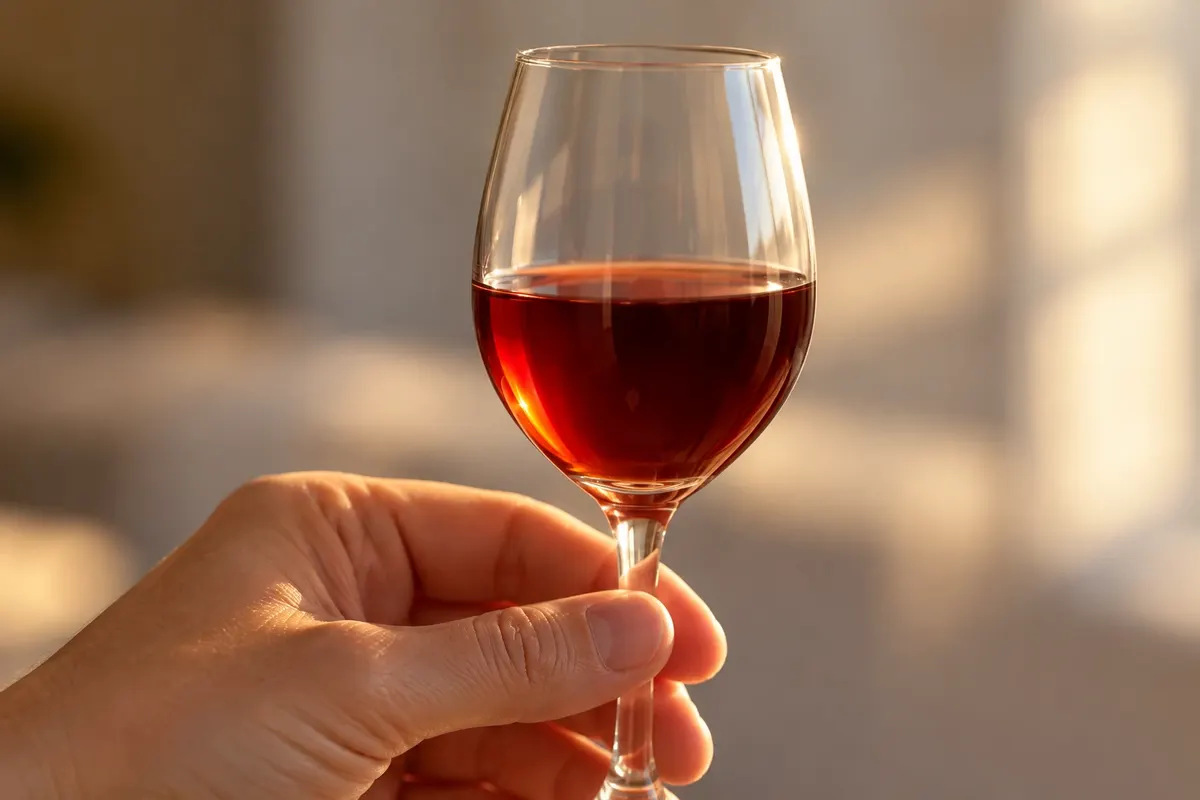
Sweet white wine from southern the Peloponnese, made from grapes sun-dried and barrel-aged. It revives the wine that merchants shipped from Monemvasia to Europe in the Middle Ages, when the port was known by its Frankish name, Malvasia.
Traditional pijača izMonemvasia, Peloponeso
Druga imena: Μονεμβασιά-Malvasia, Malvasia de Monemvasia
Illustrative images. The pictures in this guide are illustrations based on the real place, not photographs, and may differ from it.
Kliknite fotografijo za povečavo.
Monemvasia-Malvasia — Monemvasia, Grčija
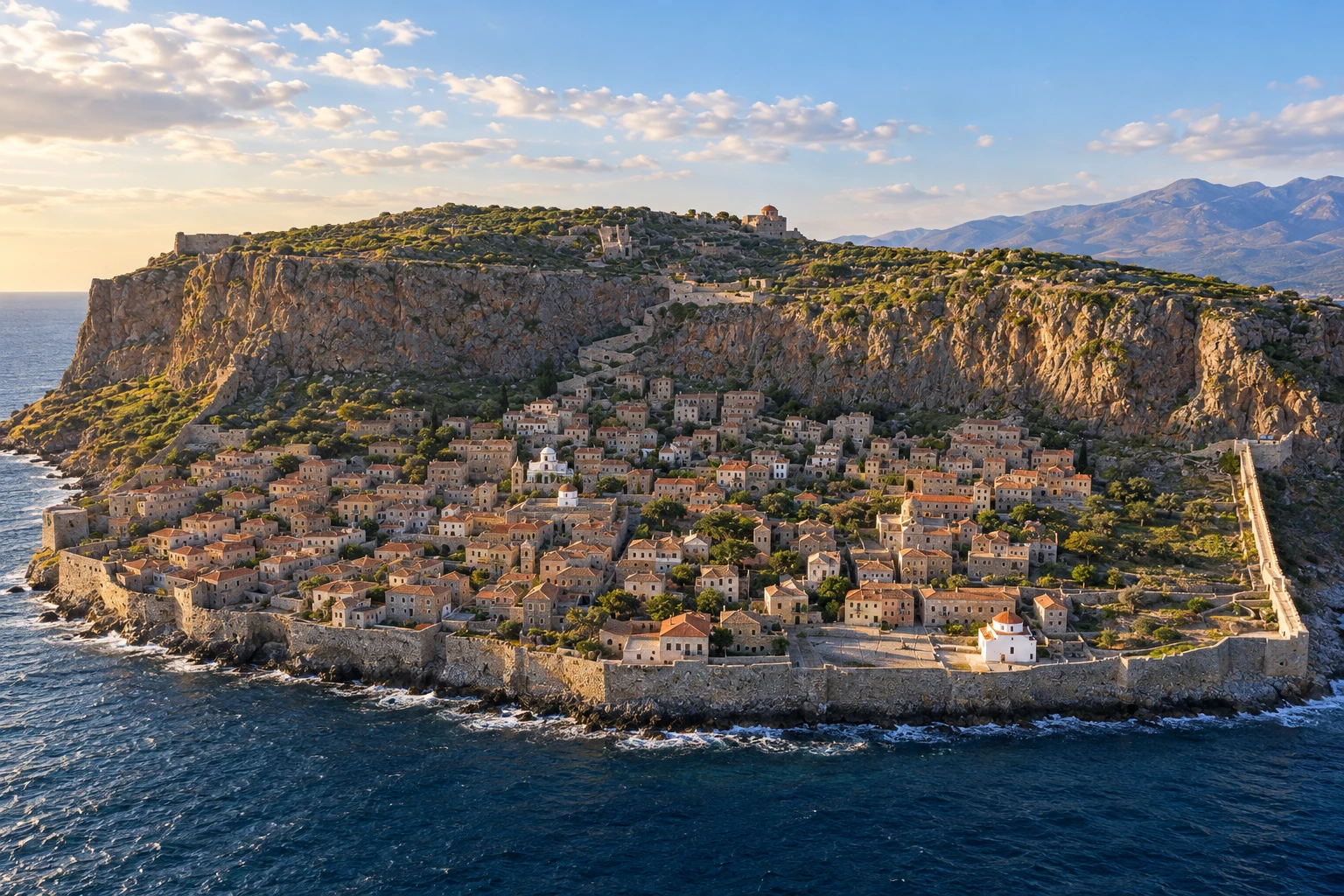
In the Middle Ages, Monemvasia was a fortified port on a rock in the southern Peloponnese, and the Franks and Venetians called it Malvasia. The sweet wine shipped there became known by the same name and circulated through European ports. The Greek Gastronomy Guide says this wine was already produced before the 13th century.
After the city passed into Ottoman rule in the 16th century, production moved to Crete and continued there until around 1800. In Monemvasia, the wine all but disappeared. The revival came from a recovery plan of about 14 years, which led to recognition of the protected designation of origin Monemvasia-Malvasia in 2010.
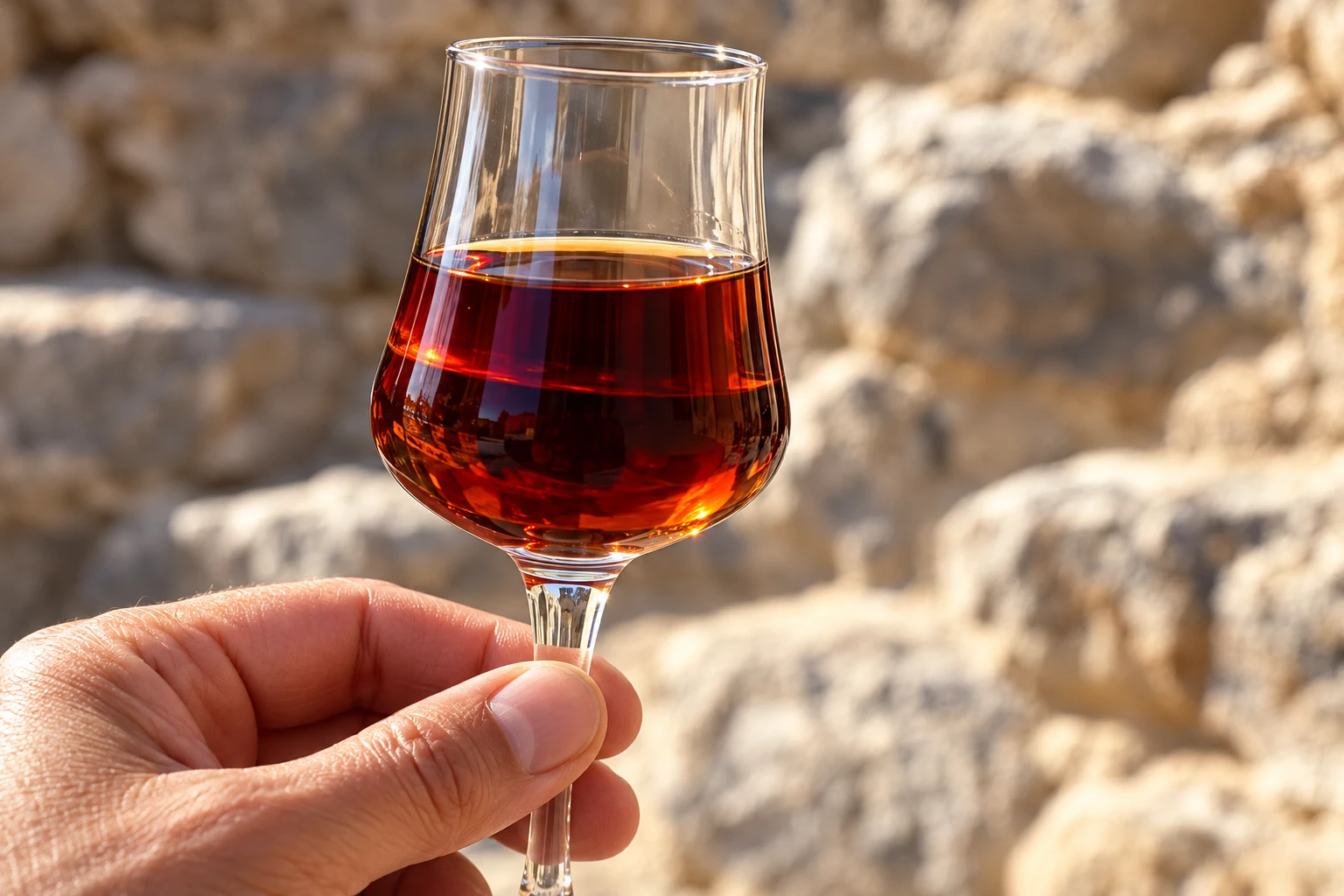
The designation allows two types: the sweet wine from sun-dried grapes and a fortified wine. The grapes are local: at least 51% Monemvasia, completed with Kidonitsa, Asproudes and Assyrtiko. After drying and fermentation, the wine ages in barrel for at least two years in contact with air, which gives it an amber color and aromas of honey, dried fruit and orange peel.
The production zone covers Monemvasia and the neighboring municipalities of Asopos, Vies and Molai. The dual name, with the town and the Frankish form, is mandatory on the label.

Monemvasia , Peloponeso
Malvasia was the Frankish name for Monemvasia, and the sweet wine shipped from the port carried that name through medieval Europe. The 2010 protected designation of origin revived the wine in the town’s region.
Local white grapes: at least 51% Monemvasia, with Kidonitsa, Asproudes and Assyrtiko. The grapes are sun-dried before fermentation; the wine ages at least two years in barrel.
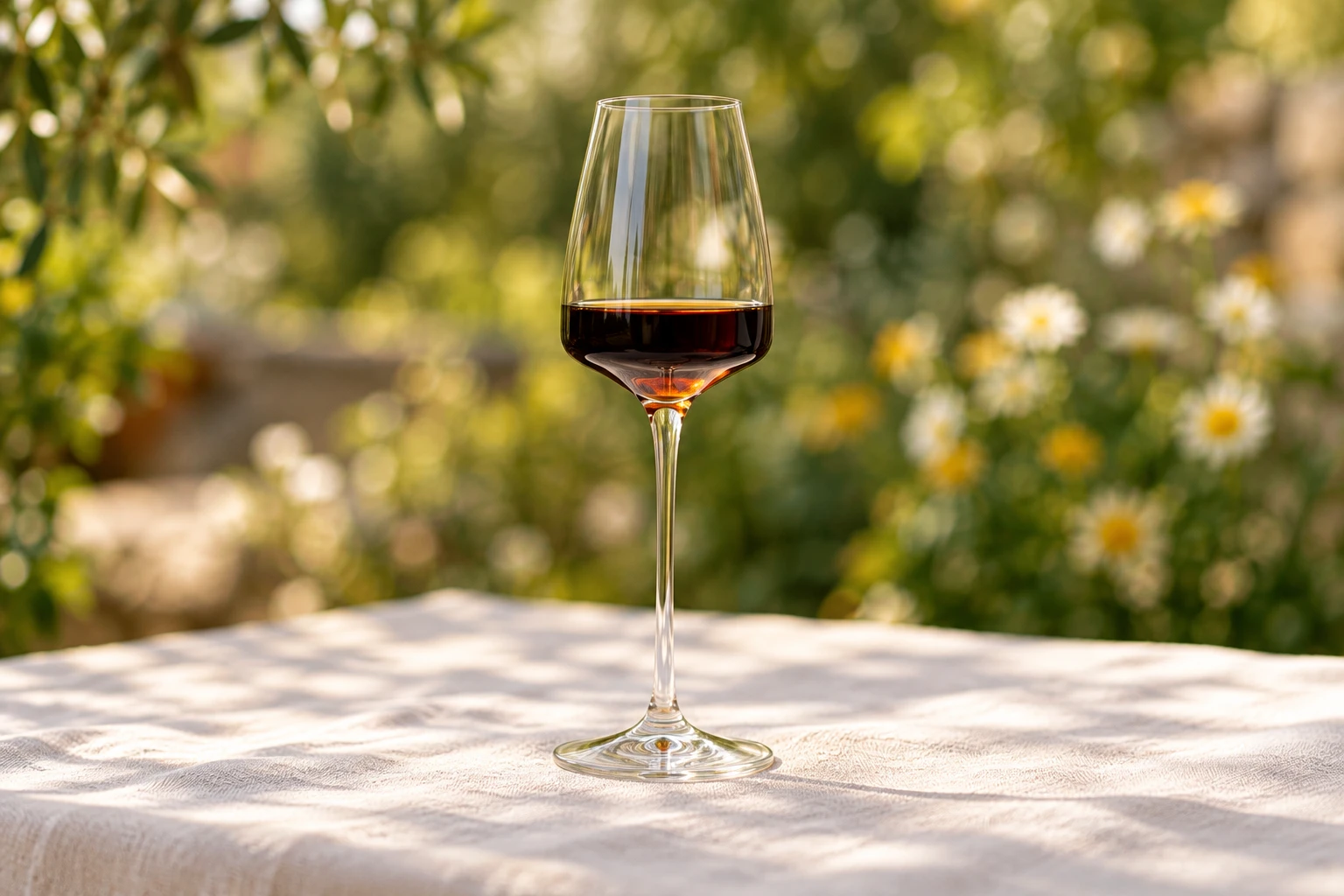
In a small glass, chilled, at the end of the meal. Pairs with honey-and-nut sweets, dried fruit and aged cheeses.
Dessert wine, no fixed vintage.
Odgovori na vaša vprašanja
A sweet white wine from the southern Peloponnese, made from local grapes sun-dried and barrel-aged. It has a protected designation of origin since 2010 and revives the medieval wine exported from the port of Monemvasia.
Malvasia was the name the Franks and Venetians gave to Monemvasia. The sweet wine shipped from the port took the same name and spread across medieval Europe.
At least 51% Monemvasia grape, with Kidonitsa, Asproudes and Assyrtiko, all grown in the southern Peloponnese.
Lokalni okusi – of Grčija

Transparent spirit flavored with anise that turns white when water or ice is added. Served in small glasses with snacks, it accompanies table conversations throughout Greece and has a geographical indication shared with Cyprus.

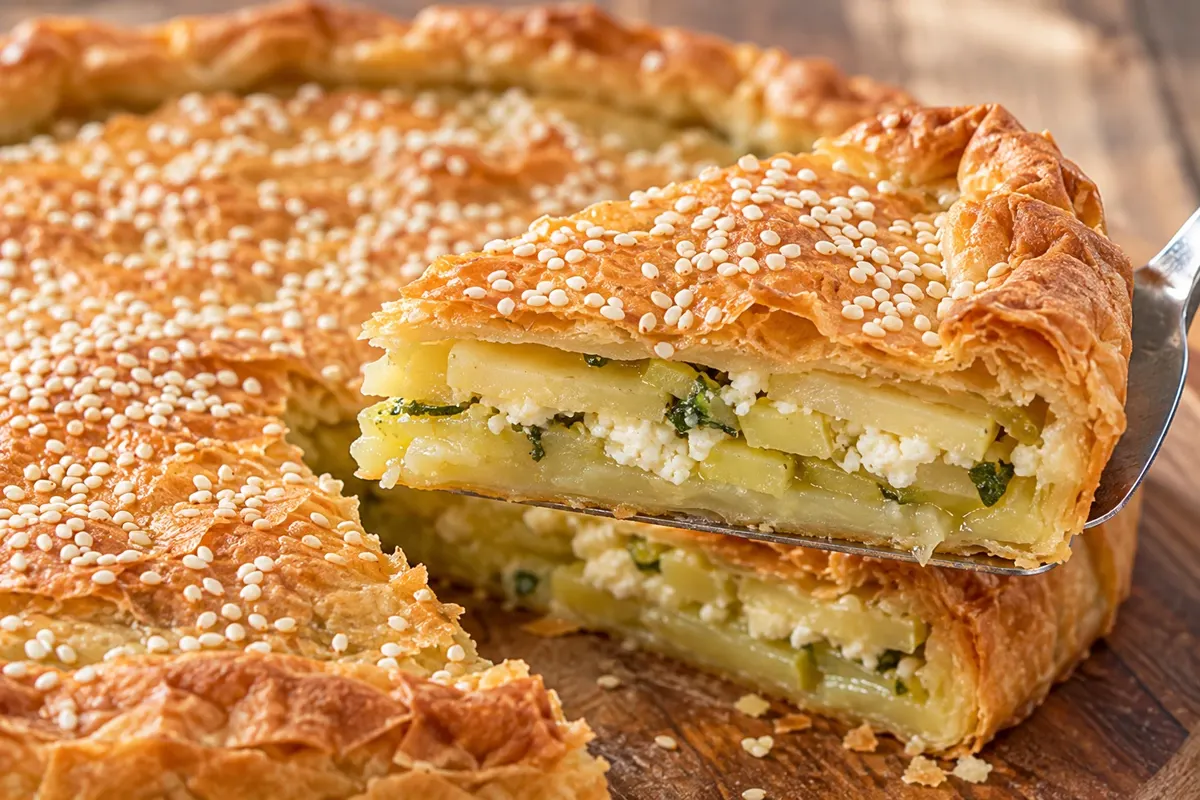
Layered baked tart of thinly sliced zucchini and potato, with mizithra cheese and mint, sometimes topped with pastry. It is named for Chania, in western Crete, and is a summer dish (June to August), when zucchini are in season.

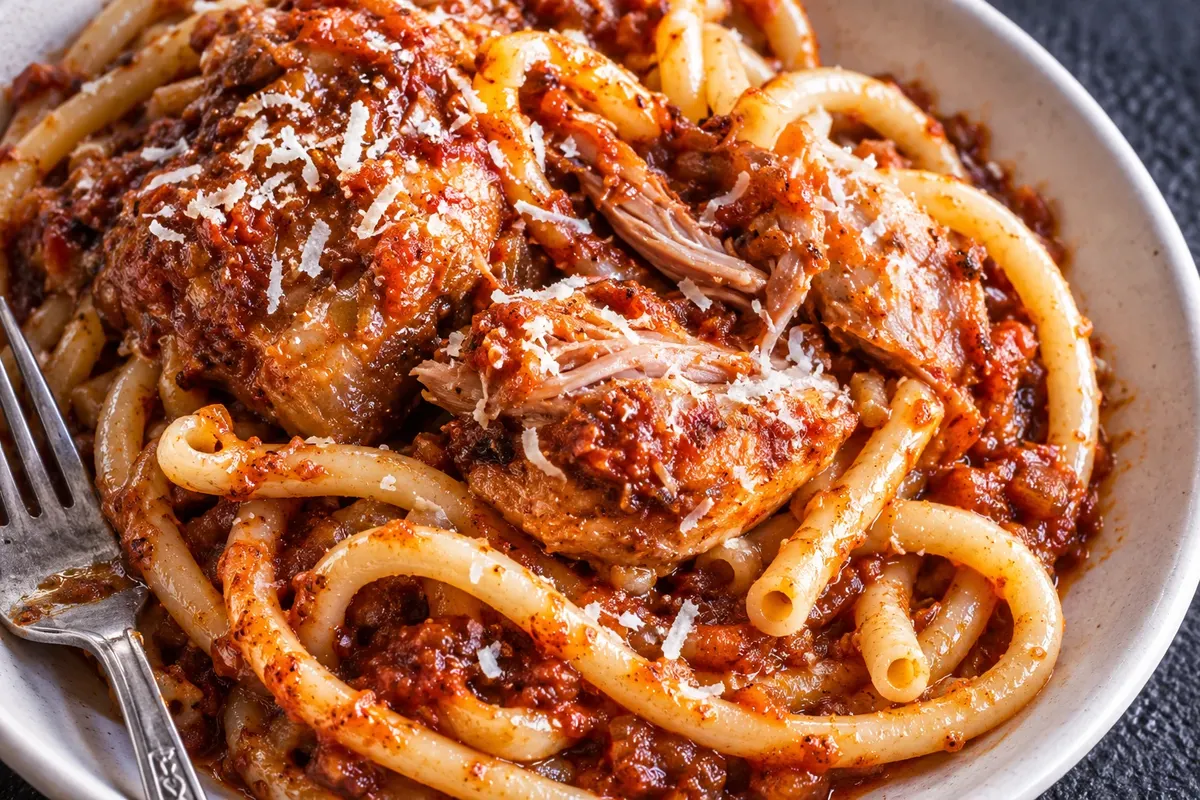
Rooster or veal slowly cooked in a tomato and wine sauce seasoned with cinnamon, bay leaf, nutmeg and other spices, served with thick pasta and grated cheese. It’s Corfu’s Sunday and festive dish, of Venetian heritage.

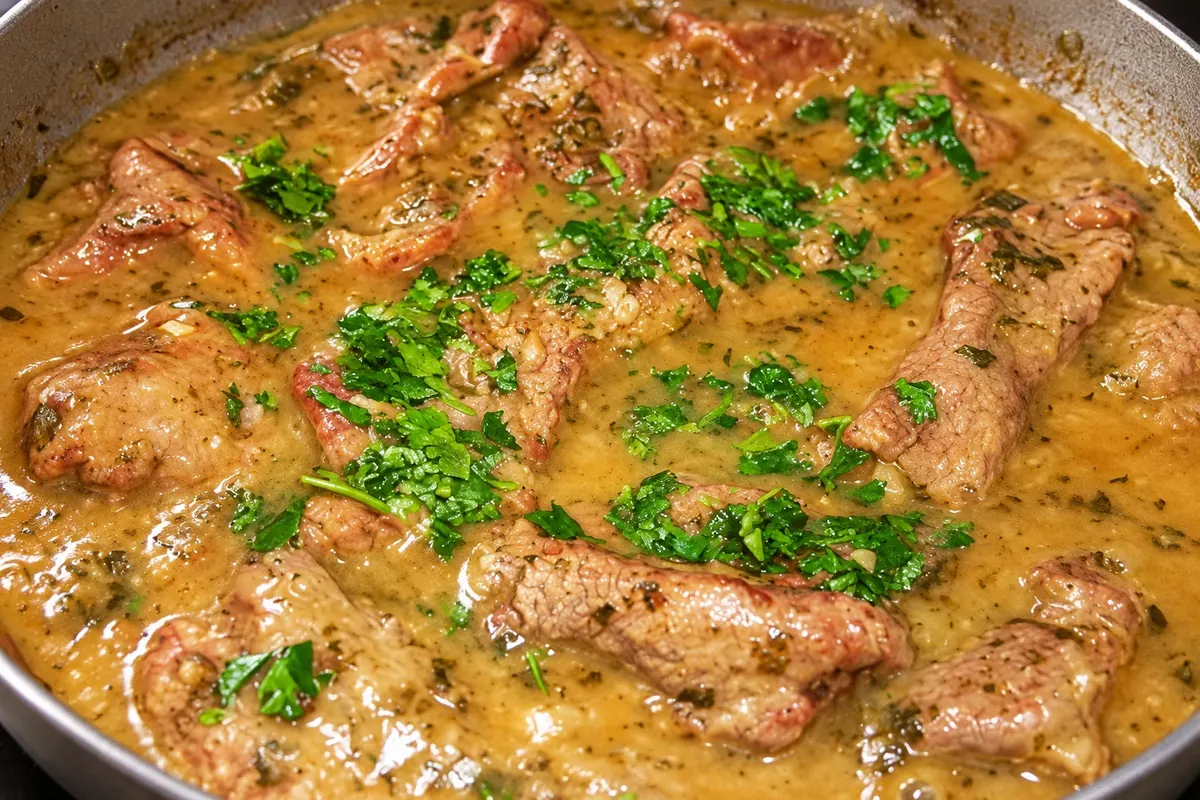
Thin slices of beef dredged in flour, browned and cooked in a light sauce of white wine or wine vinegar, with plenty of garlic, parsley and pepper. It is a Corfu dish of Venetian heritage, served with potatoes, rice or pasta.

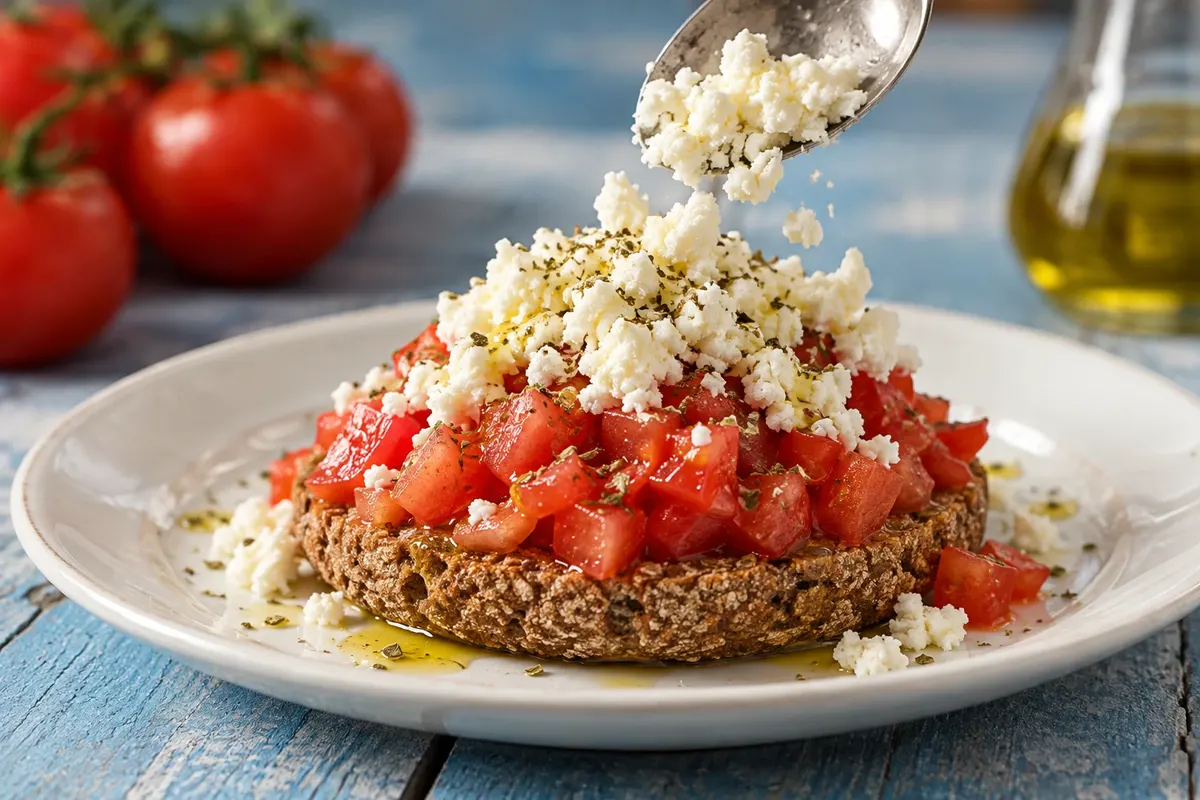
Dry barley rusk, moistened and topped with grated tomato, fresh mizithra or feta cheese, olive oil and oregano, sometimes with olives and capers. It’s the best-known snack and light meal of Cretan cuisine.

Grape marc brandy distilled in Crete after the harvest, without anise. It has a geographical indication as Tsikoudia of Crete, is served chilled in small glasses, and accompanies Cretan hospitality from the start to the end of a meal.

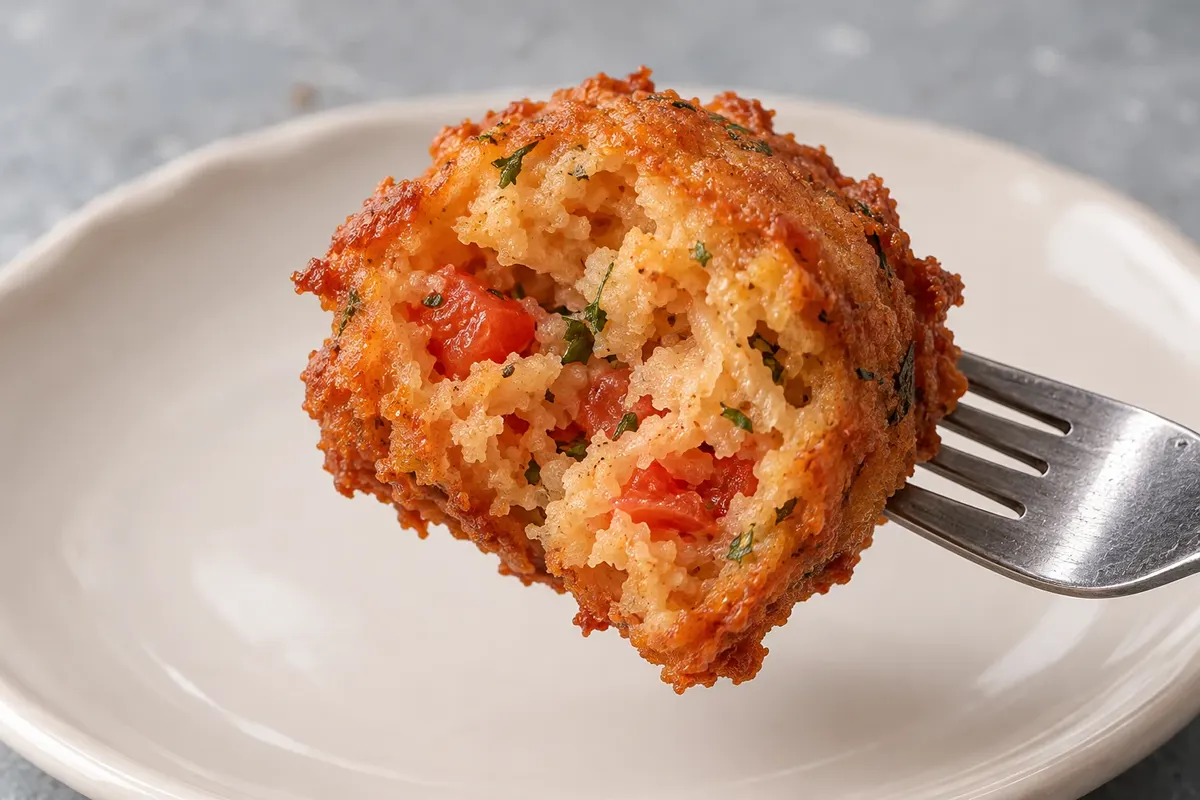
Fried patties made from chopped tomato, scallion, herbs and flour, served as a snack. They are a specialty of Santorini, made with the island’s small tomato, grown without irrigation in volcanic soil.

Sweet natural white wine from Santorini, made with Assyrtiko, Aidani and Athiri grapes dried in the sun and aged for a long time in barrel. It ranges in color from amber to dark brown and is part of the Protected Designation of Origin Santorini.

Mykonos onion pie, filled with onion, the island’s fresh cheese tyrovolia, eggs and dill, between two layers of pastry. It is noted as one of the island’s oldest and most traditional recipes.

Sweet fortified red wine from the Patras region, made mainly from the Mavrodafni grape and aged in barrels until it develops notes of raisins, coffee and dried fruit. It has a protected designation of origin and is the dessert wine most associated with the city.

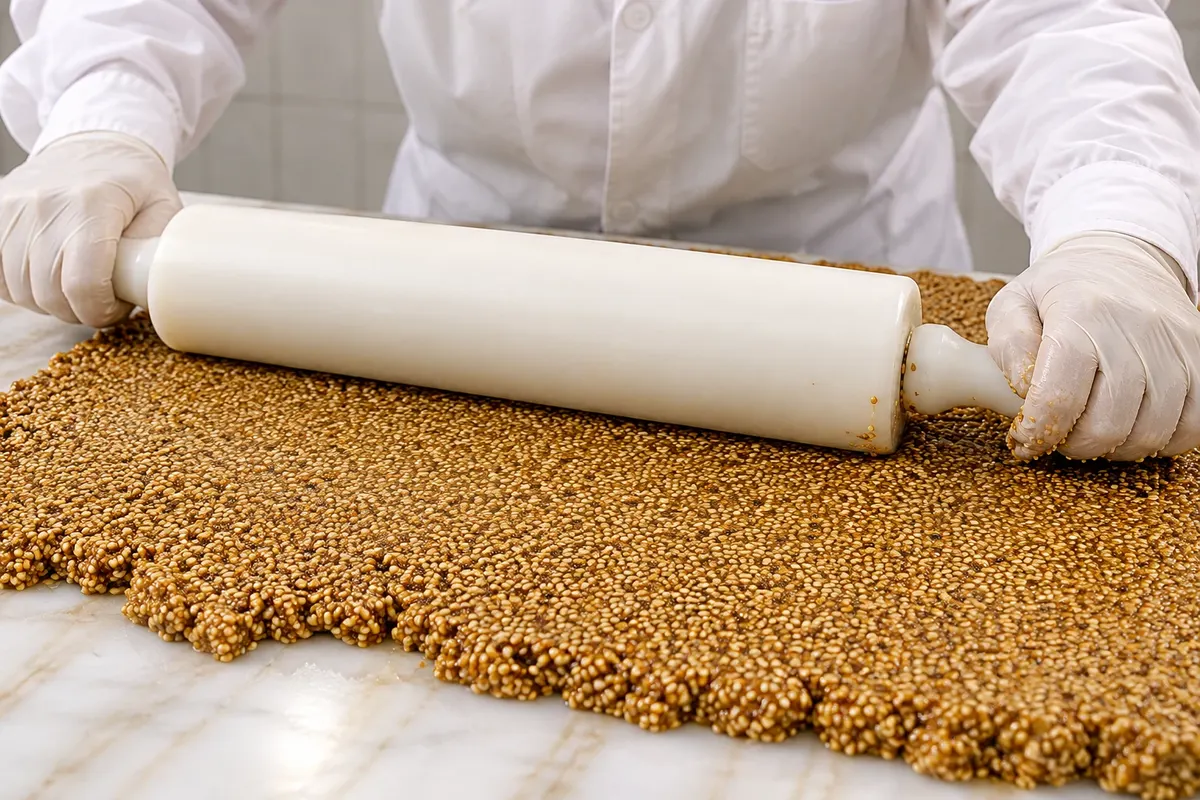
Toasted sesame and honey bar with almonds, orange peel and spices, cut into diamond shapes. It is Rhodes’ sweet offered at weddings and baptisms and has a Protected Geographical Indication from the European Union.

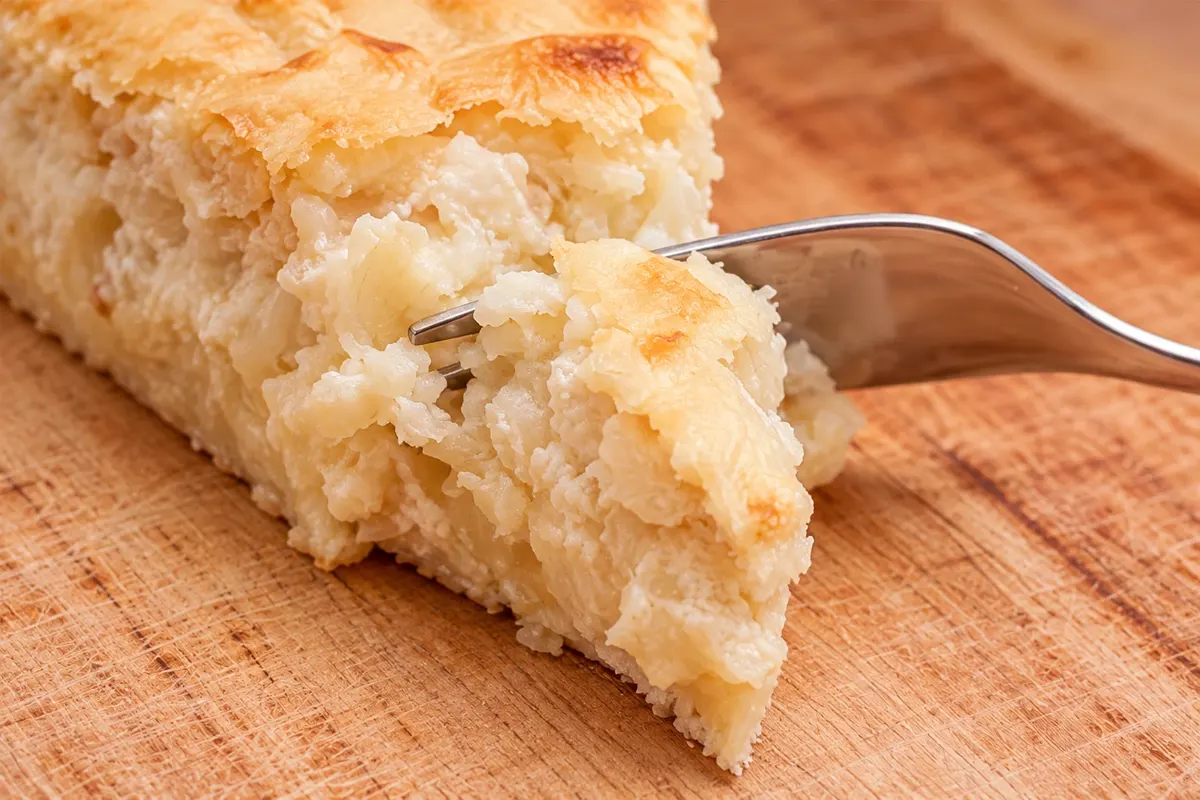
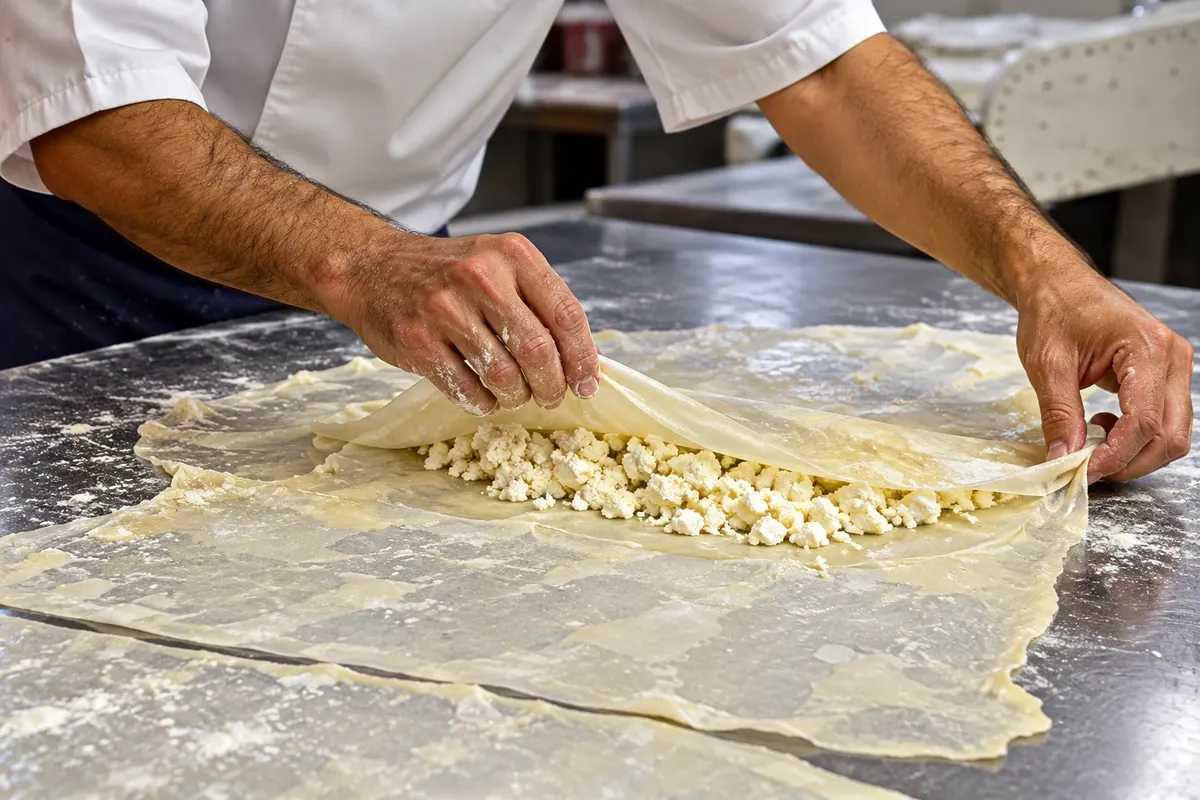
Pie made with very thin pastry, open and layered, filled with semolina custard and topped with sugar and cinnamon. It is also made savory, with cheese, ground meat or spinach. In Thessaloniki it is eaten in the morning with coffee and sold in pieces cut to order.

Pomace brandy (grape marc), with or without anise, served chilled in small bottles with snacks. It has geographical indications for Thessaly and for Tyrnavos, and in Volos it gives its name to the houses where each round arrives with a meze.

White wine flavored with Aleppo pine resin, added to the must during fermentation. The Attica Region calls it an Attica specialty, where it is made mainly with the Savatiano grape, and the name is a traditional designation reserved for wines from Greece.
Več kot vodnik