Kuhinja
of Madžarska – značilne jedi
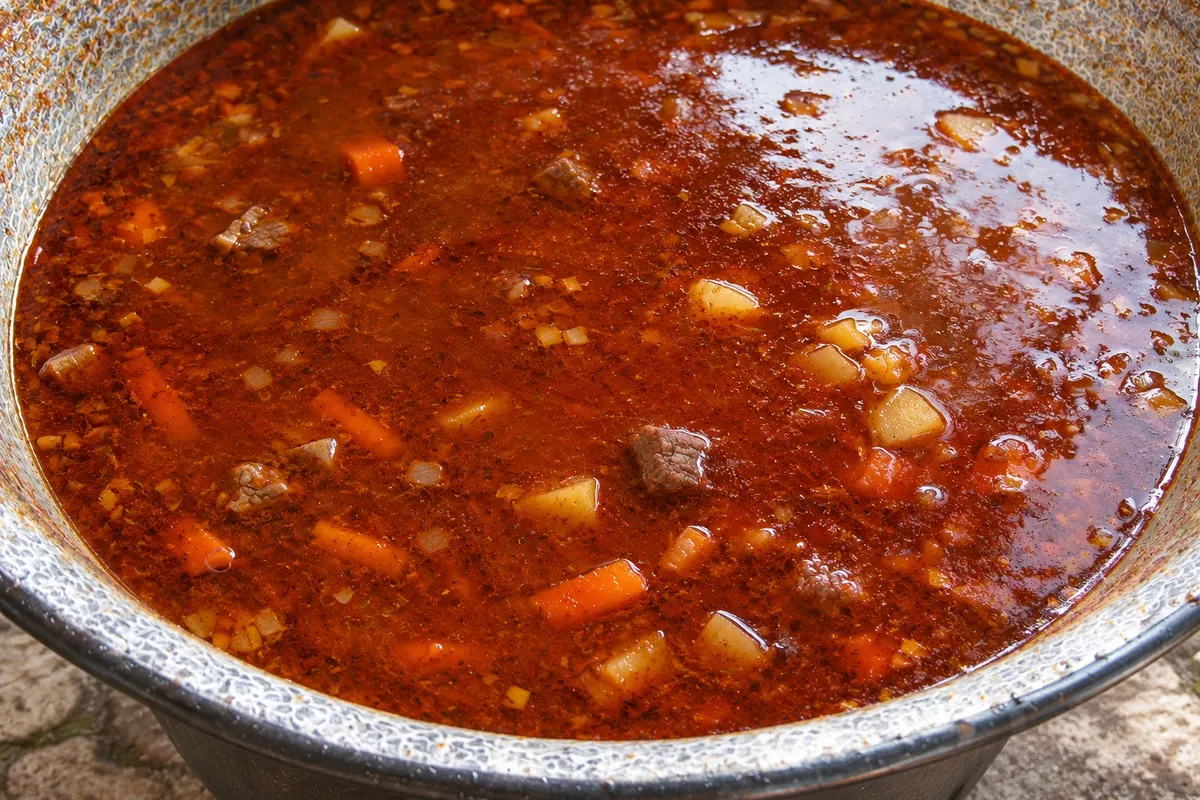
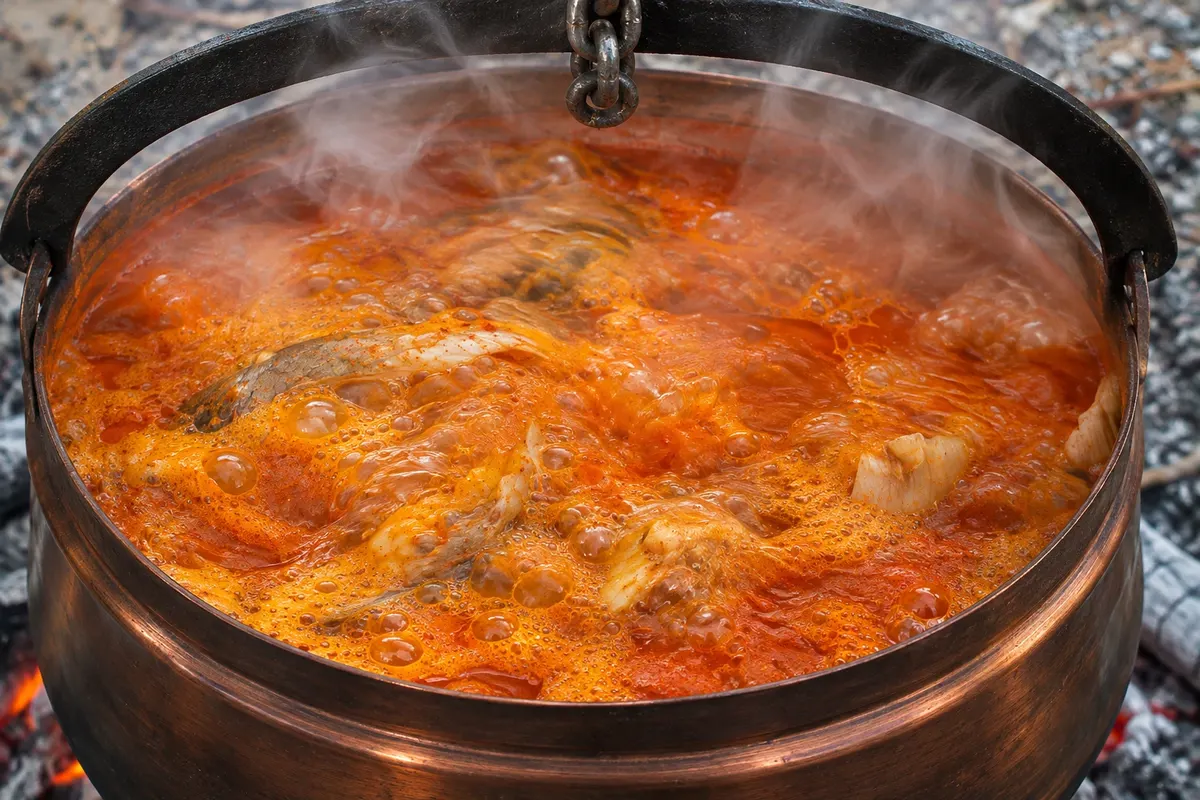
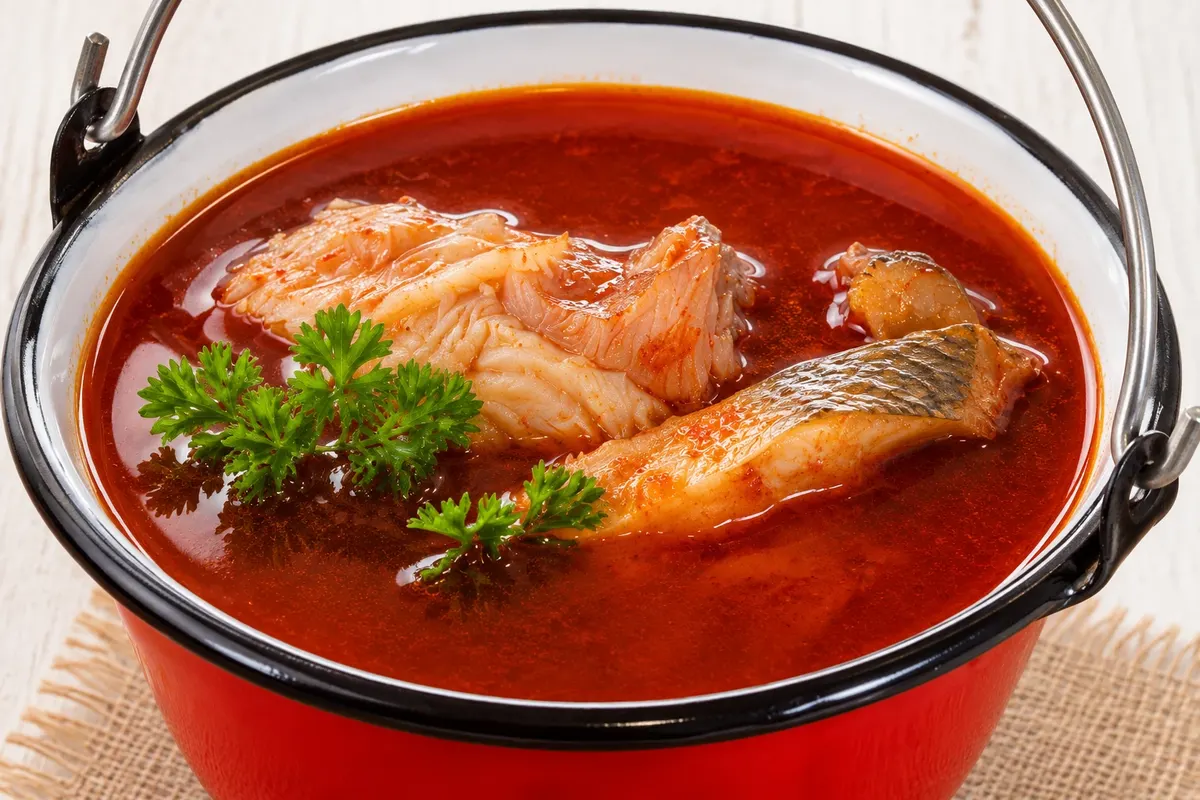
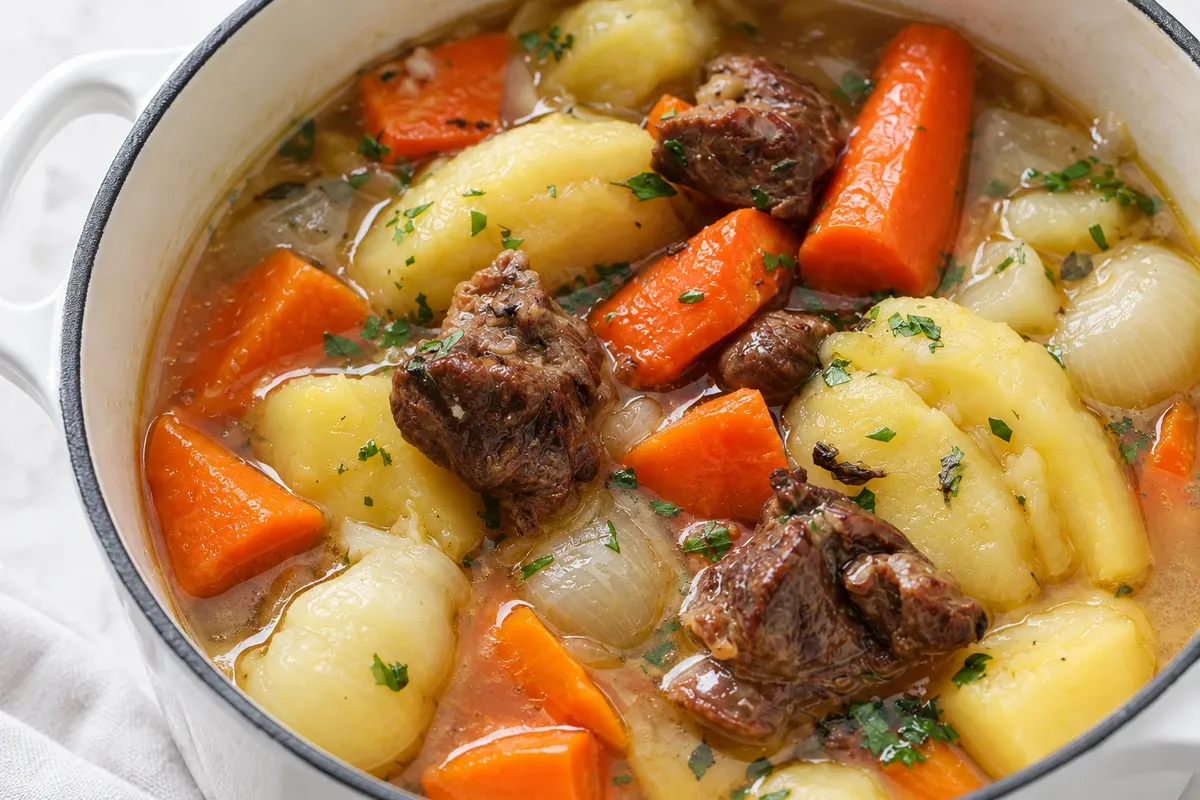
Hungarian cuisine formed between the plains and the rivers. In the Great Plain, cattle herders cooked meat with onion in cauldrons over the fire, the bogrács, and from that custom come gulyás soup and paprika stews. On the banks of the Danube and the Tisza, fishermen made carp and other river fish the basis of red paprika fish soups, which each town prepares in its own way. Ground paprika, grown in the south of the country, reached the Hungarian table in the 19th century and became the nation’s most characteristic seasoning.
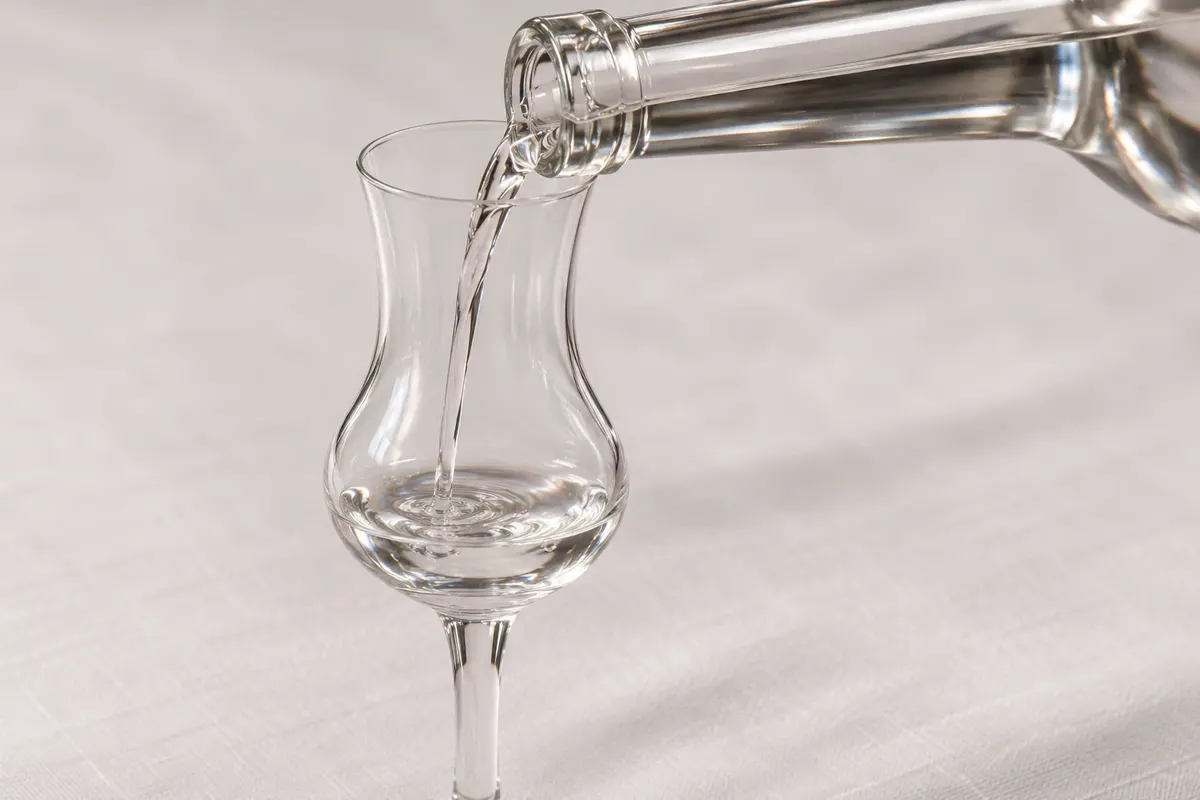
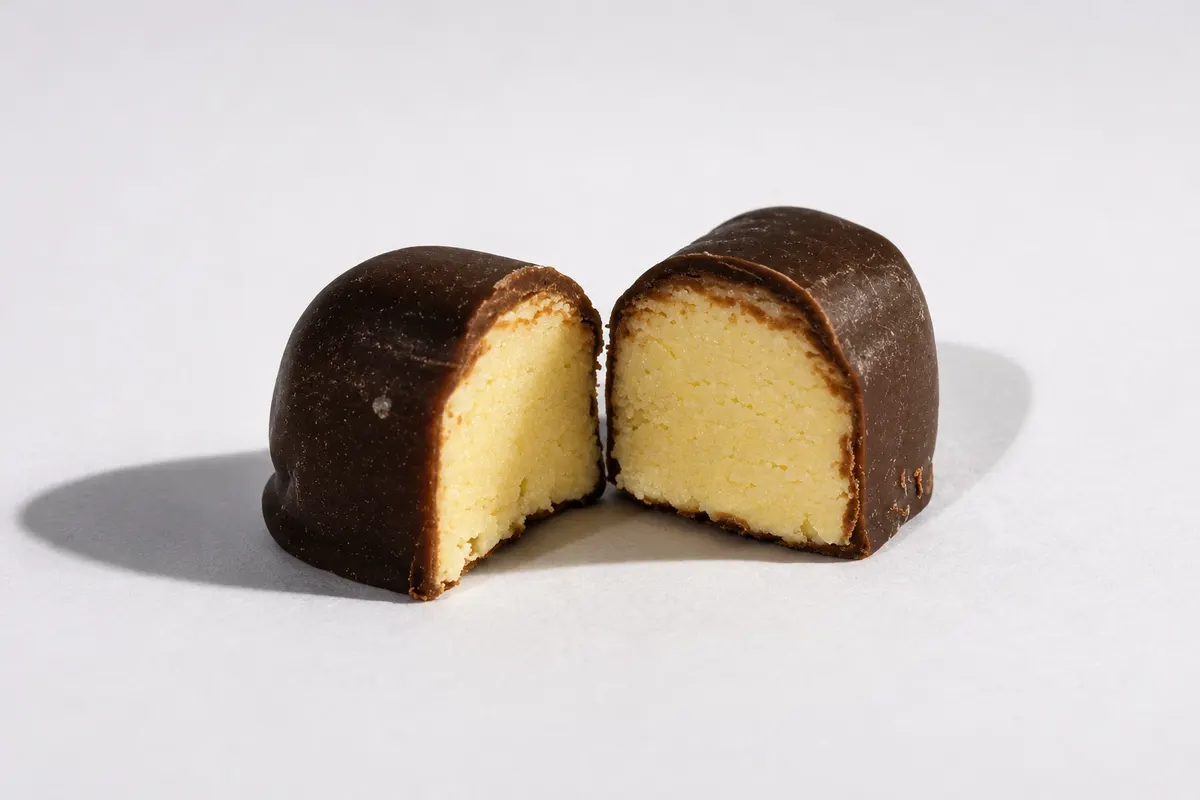
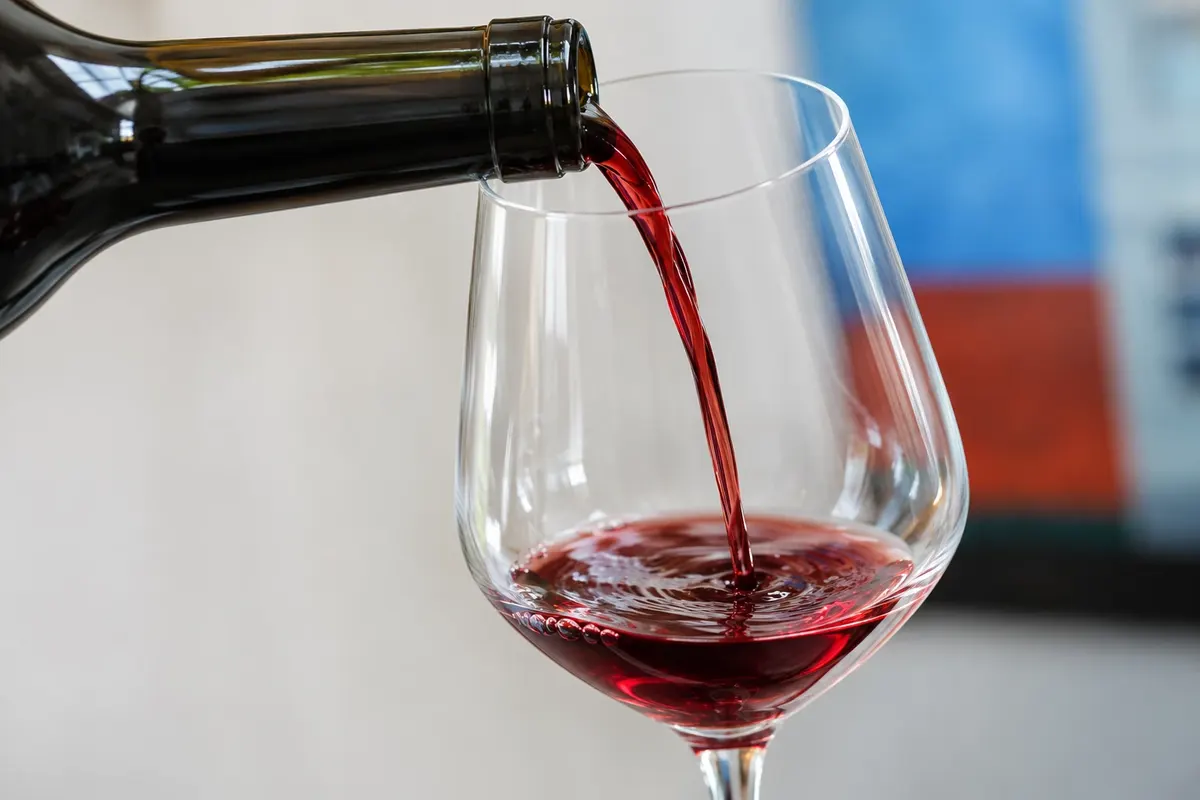
Since 2012, Hungary has maintained by law an official list of its national values, the Collection of Hungarikumok. It gathers places, traditions and products, and many foods and drinks are on it: gulyás soup, the fish soups of Baja and the Tisza, Dobos cake, lángos, kürtőskalács, pálinka, fröccs, szaloncukor and wines such as Tokaji aszú and Badacsonyi kéknyelű.
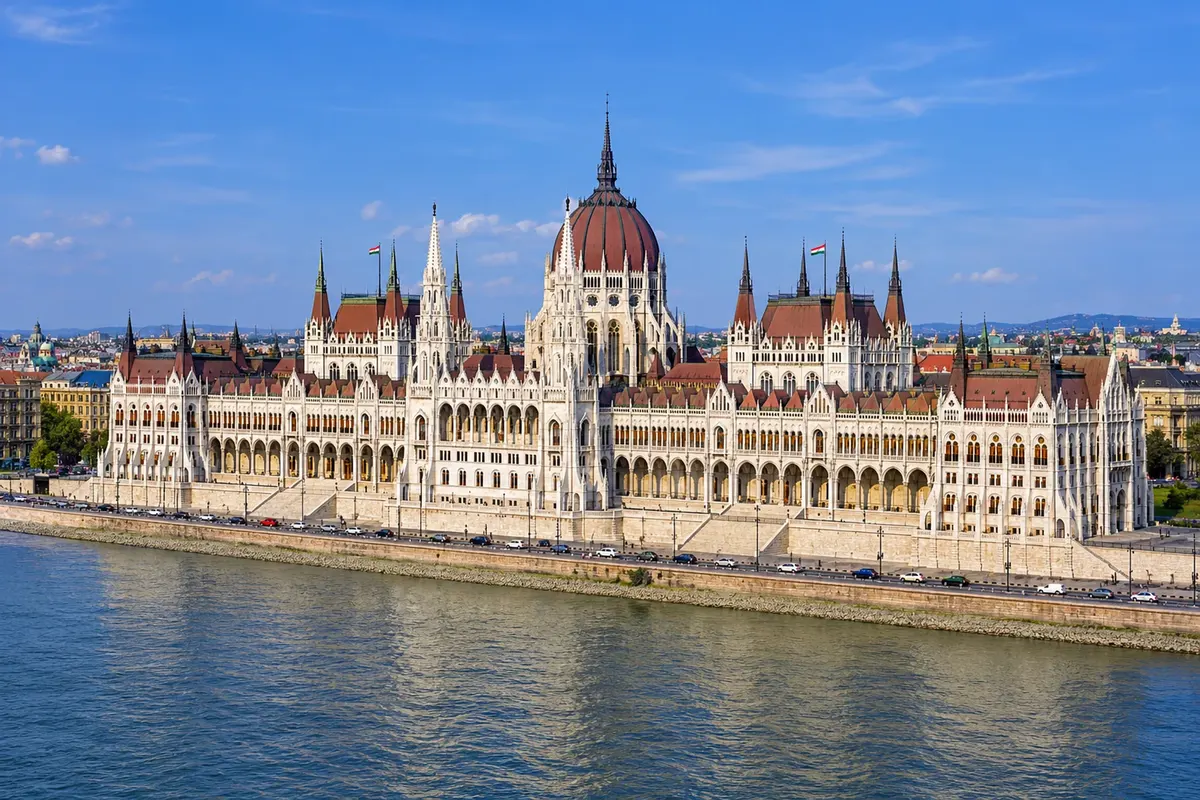
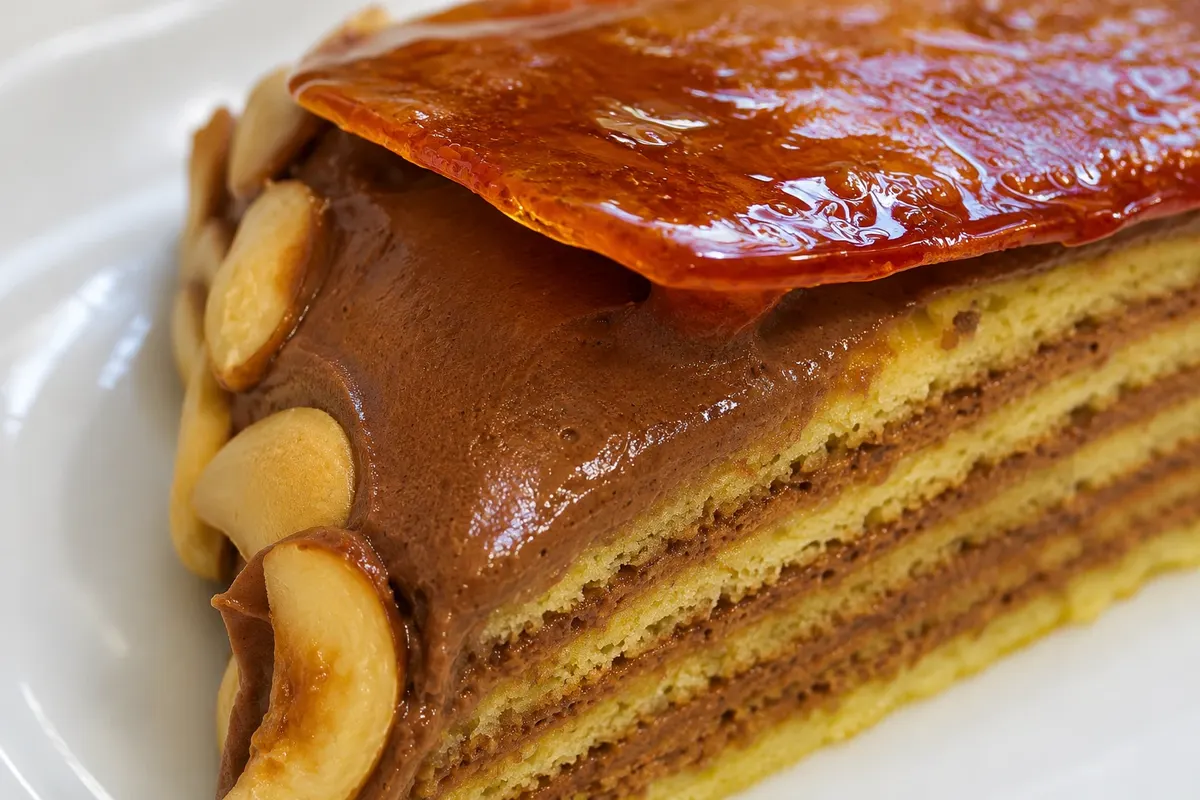
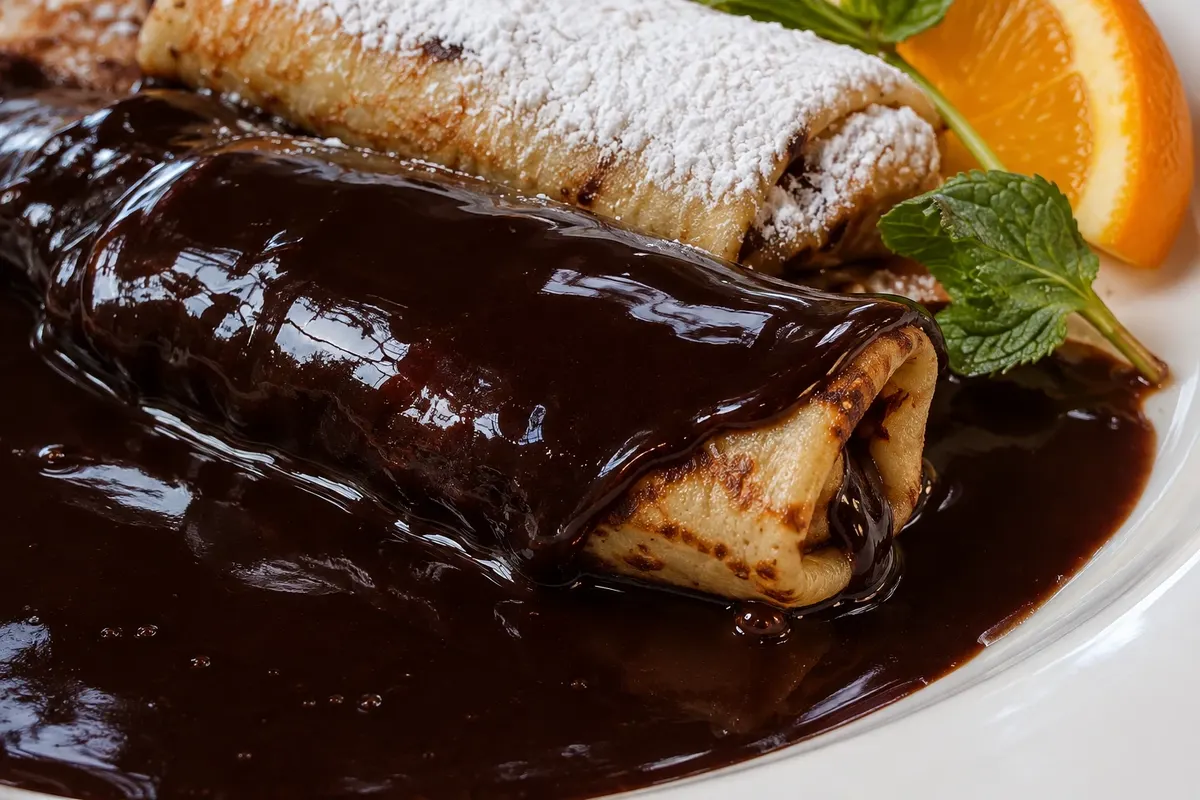
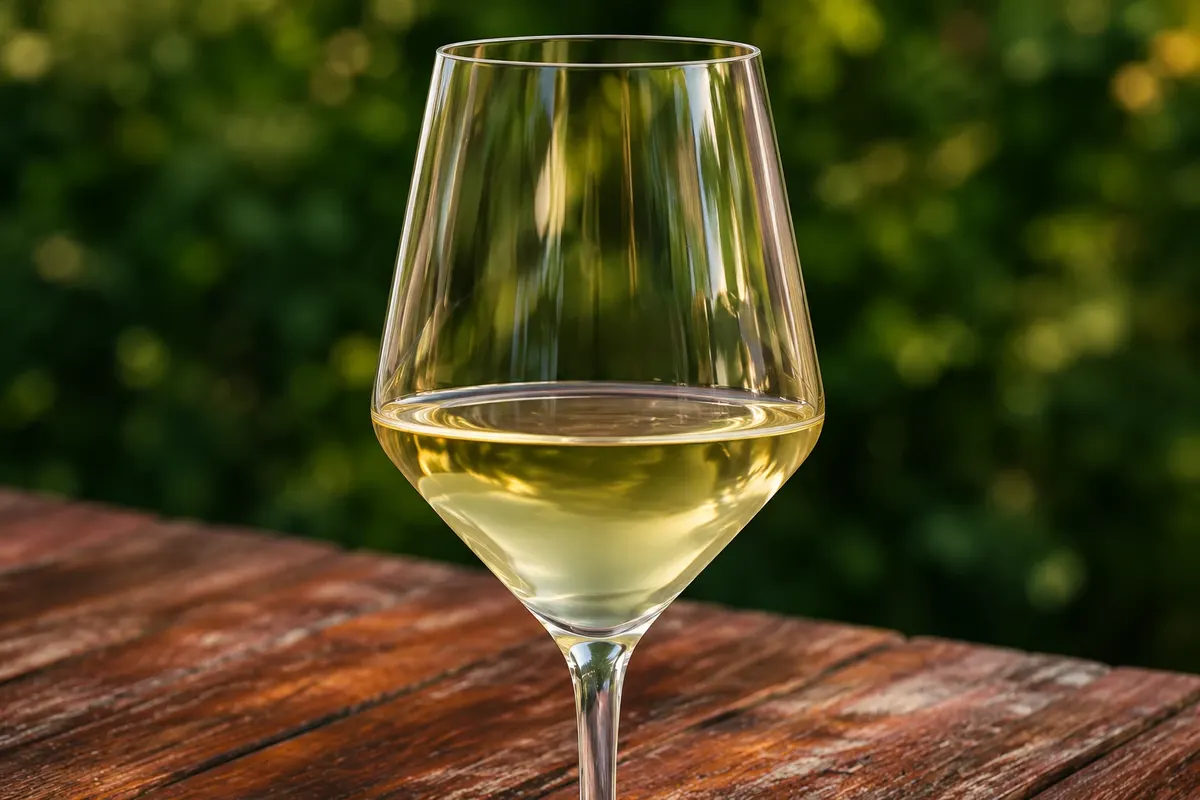
Budapest experienced the height of its cafés and pastry shops at the end of the 19th century. From the capital came Dobos cake, presented at the 1885 exhibition, the crepe named for the Gundel restaurant and Unicum, an herbal liqueur from the Zwack family. In the north, Tokaj gives its name to a sweet wine made from grapes affected by noble rot, picked one by one. On the northern shore of Lake Balaton, Badacsony hill is home to a white grape almost exclusive to the region.
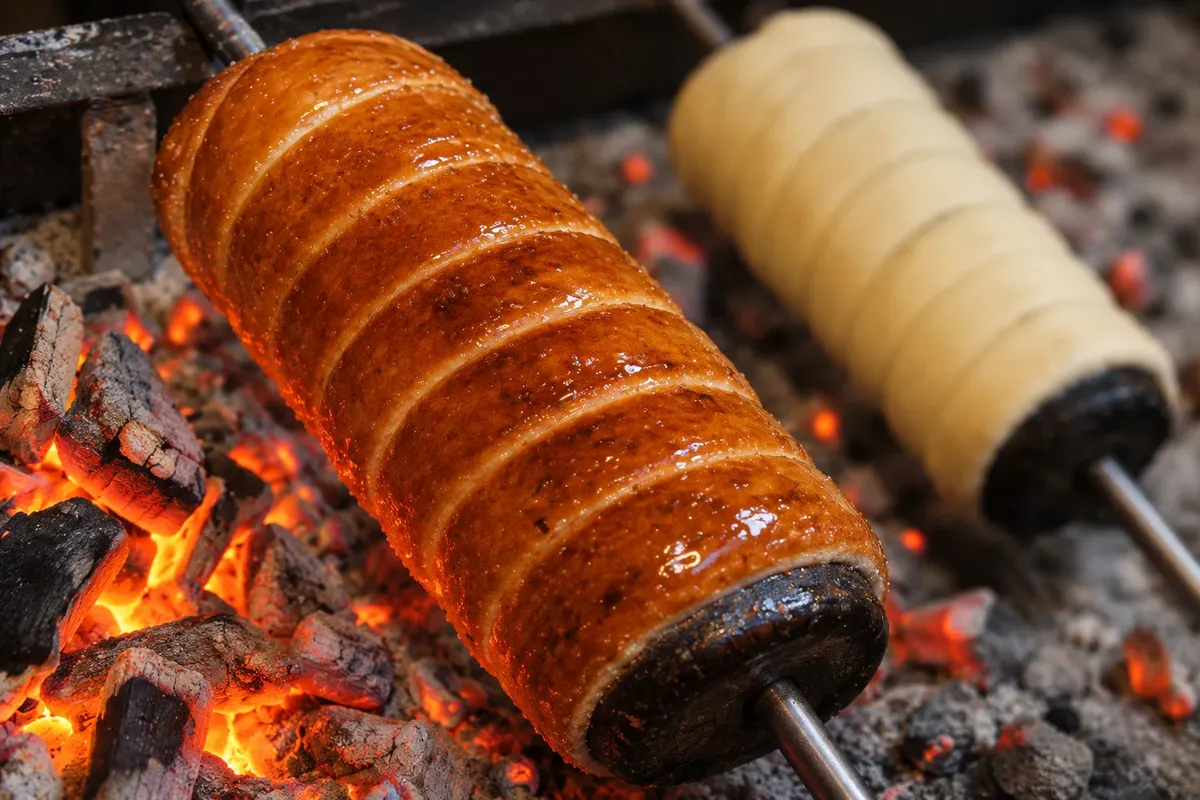
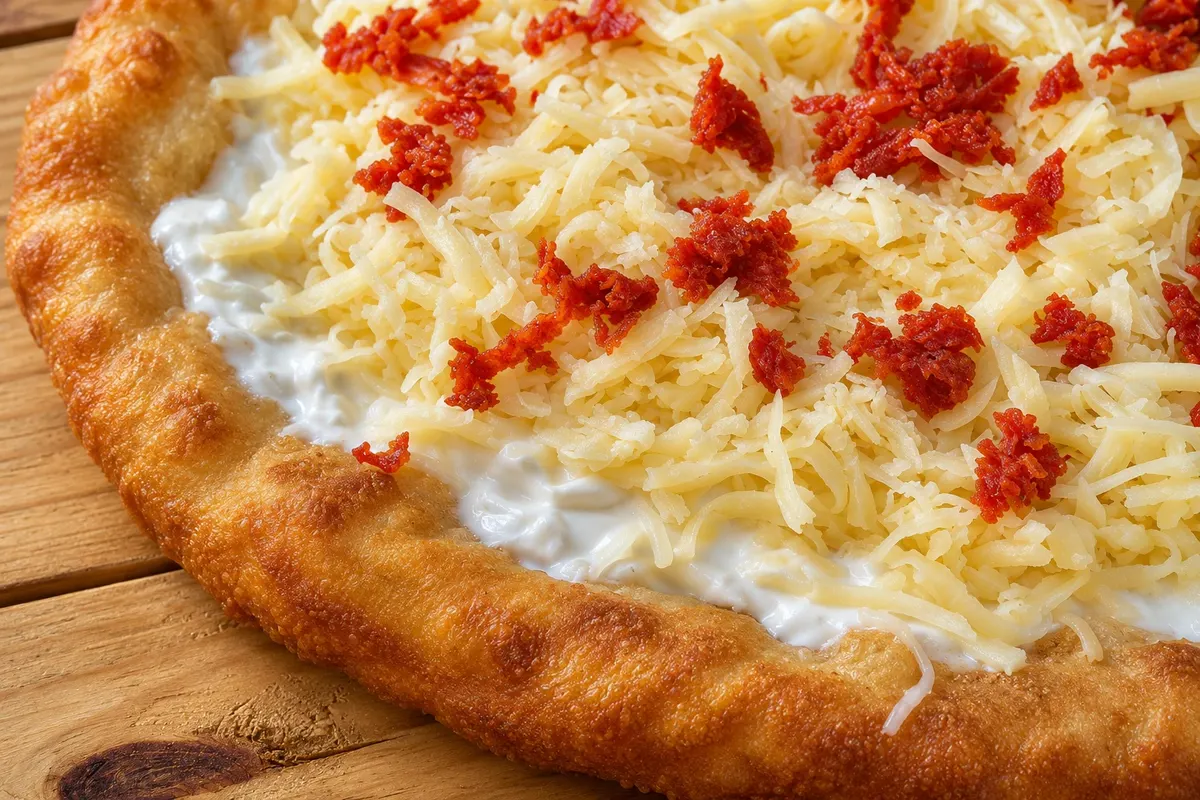
In the south, Szeged and Baja each have their own fish soup: Szeged’s is a thick broth passed through a sieve, and Baja’s is served over a thin noodle. Throughout the country, fried lángos appears at fairs and beaches, kürtőskalács roasts over coals at winter markets, fröccs mixes wine and sparkling water in summer, and szaloncukor decorates Christmas trees.


 Brazilija
 Antarktika
 Argentina
 Bolivija
 Čile
 Kolumbija
 Ekvator
 Gvajana
 Francoska Gvajana
 Falklandski otoki (Malvini)
 Paragvaj
 Peru
 Surinam
 Urugvaj
 Venezuela
 Nemčija
 Avstrija
 Belgija
 Hrvaška
 Danska
 Slovaška
 Slovenija
 Španija
 Finska
 Francija
 Grčija
 Nizozemska
 Irska
 Islandija
 Italija
 Luksemburg
 Norveška
 Poljska
 Portugalska
 Združeno kraljestvo
 Češka
 Švedska
 Švica
 Turčija
 Bermudi
 Kanada
 Združene države Amerike
 Grenlandija
 Mehika
 Sveta Peter in Mihael
 Dominikanska republika
 Japonska
 Južnoafriška republika
 Egipt
 Avstralija
 Fidži
 Nova Zelandija
 Papua Nova Gvineja