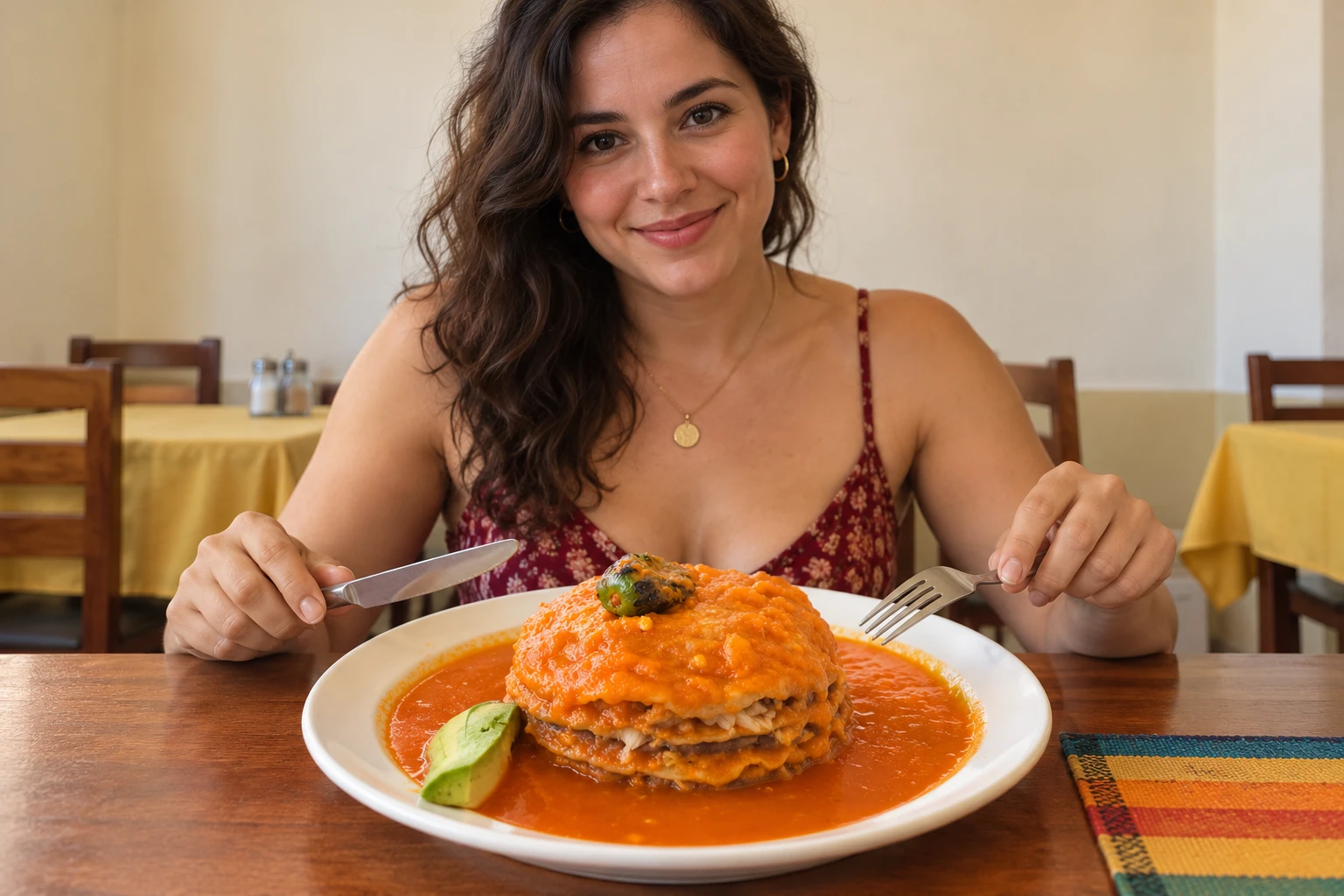
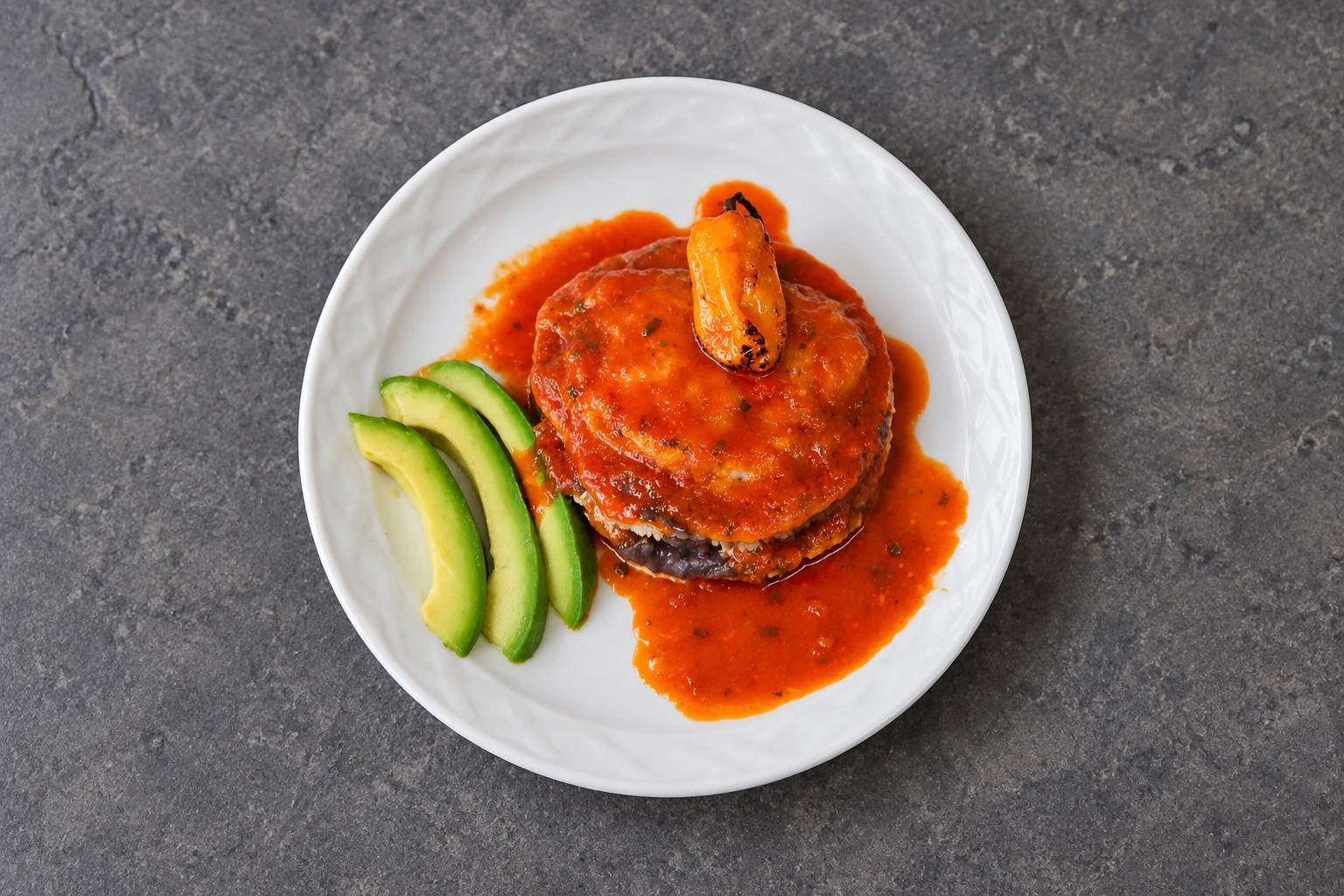
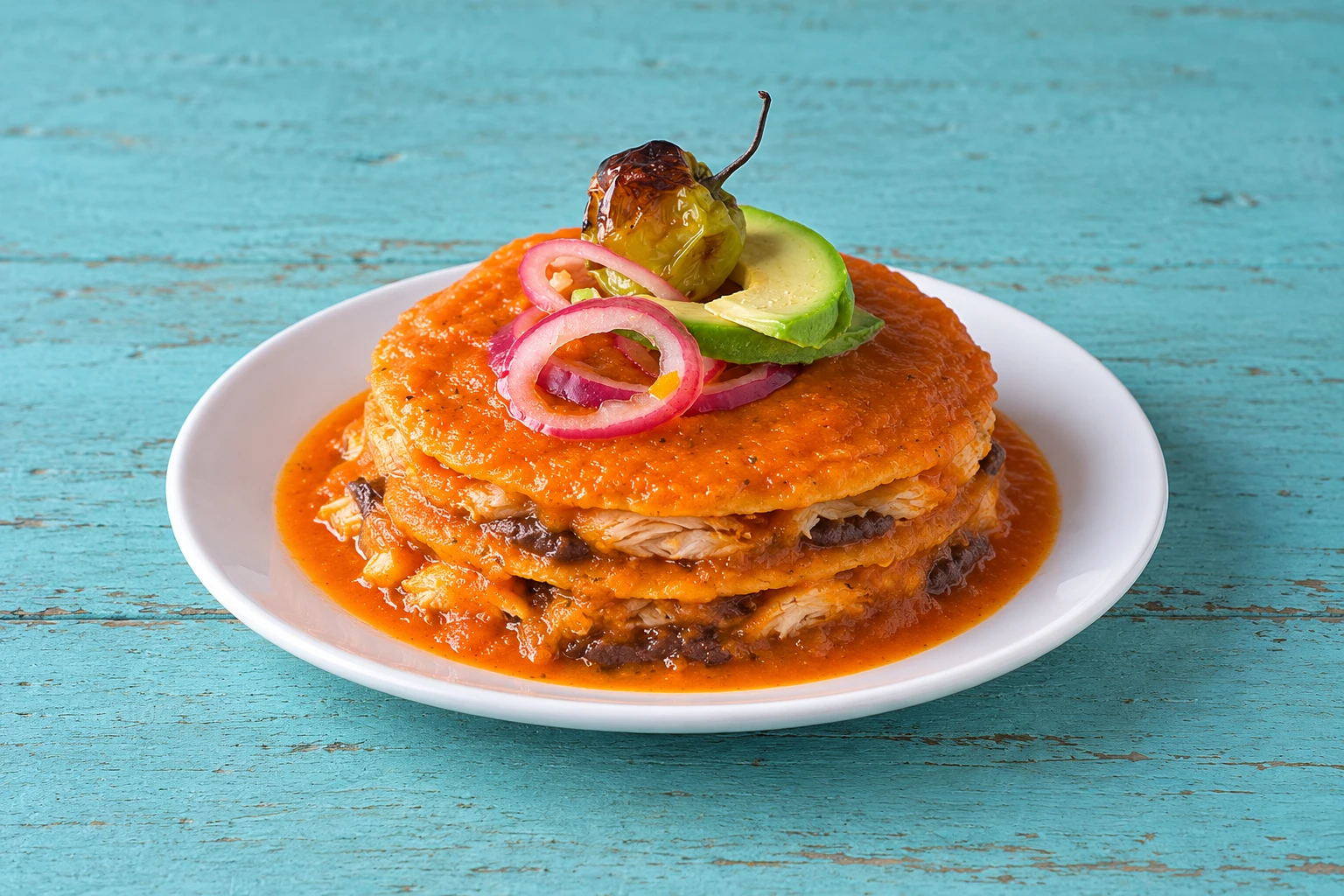
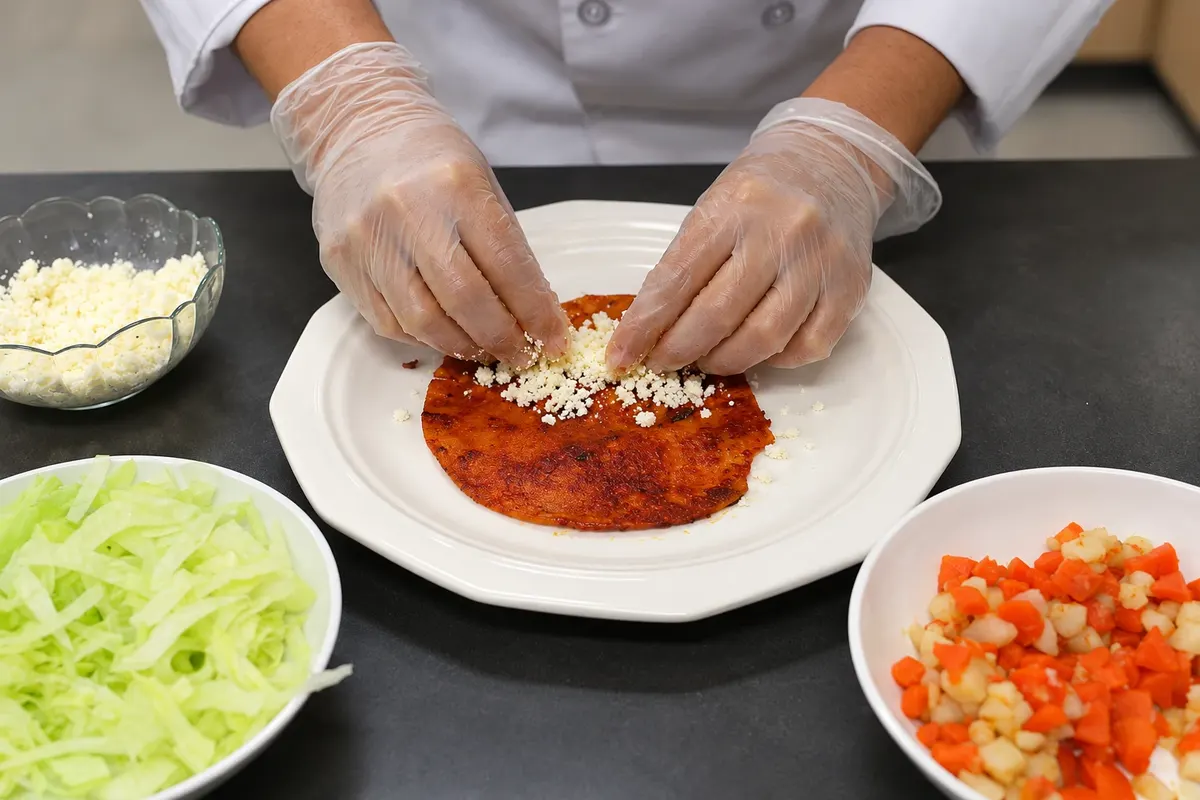
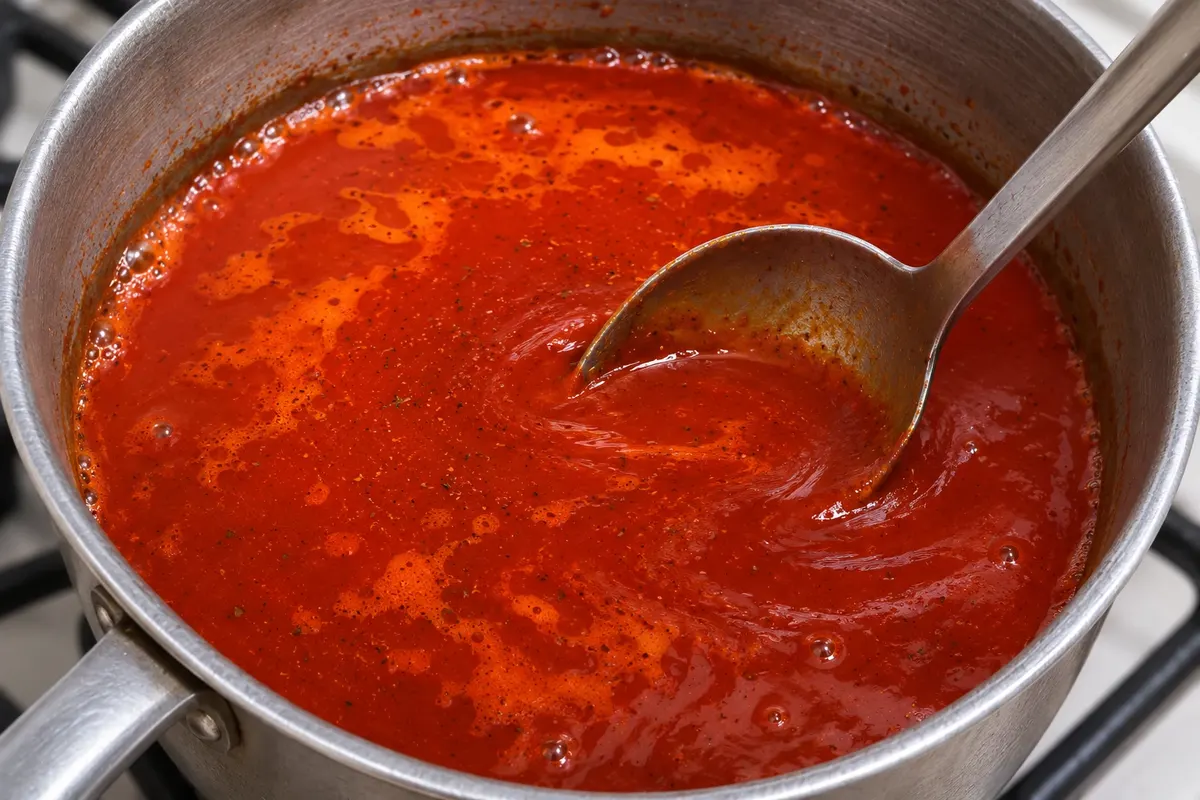
Pan de cazón is assembled like a layered cake: corn tortillas dipped in the sauce, shredded cazón and black beans, repeated two or three times, all covered with tomato sauce and served with habanero chile. The name misleads newcomers: the "pan" is the stack of tortillas itself, not wheat bread.
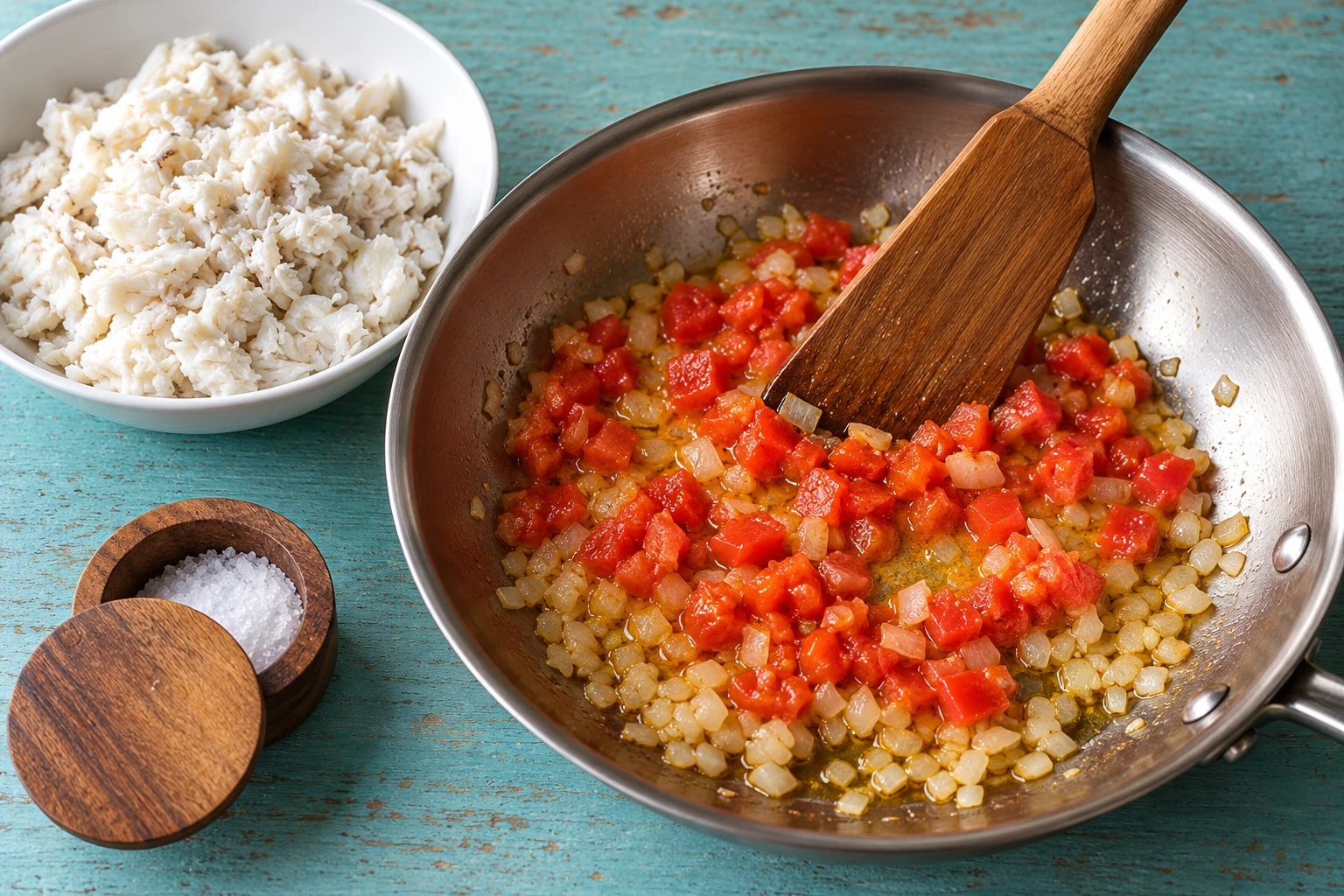
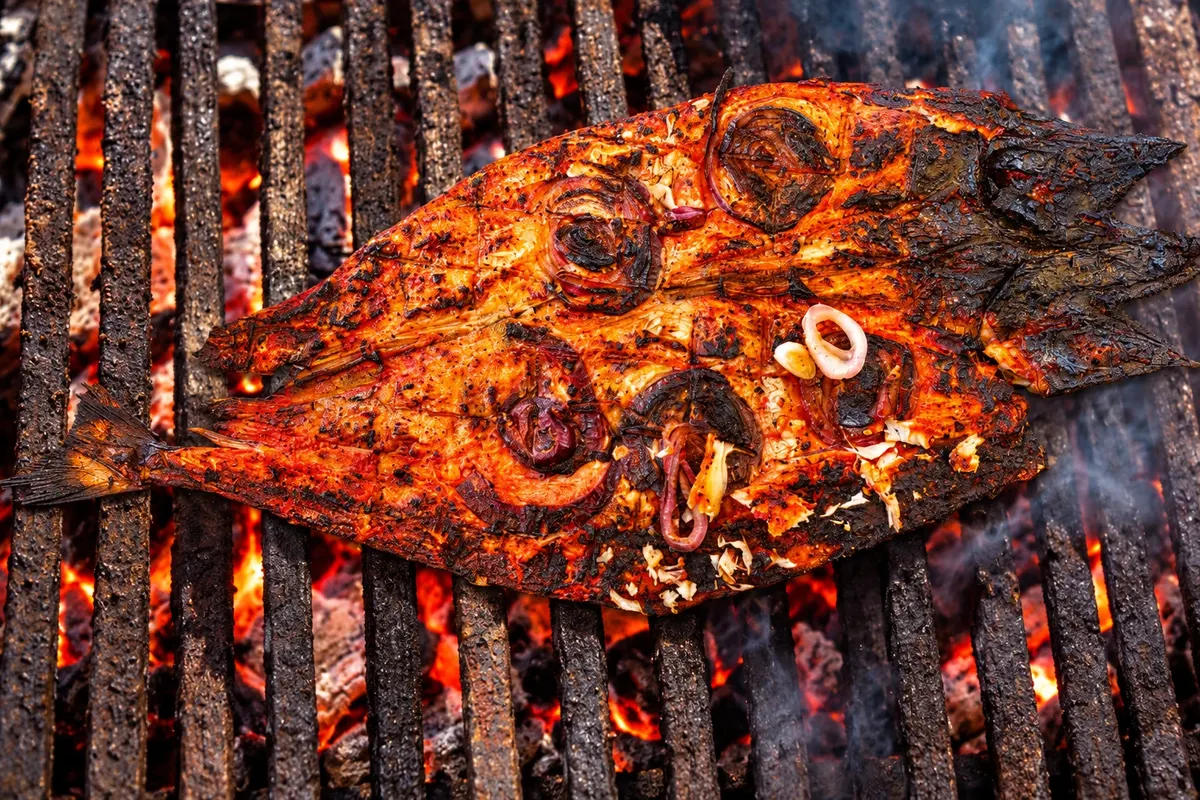
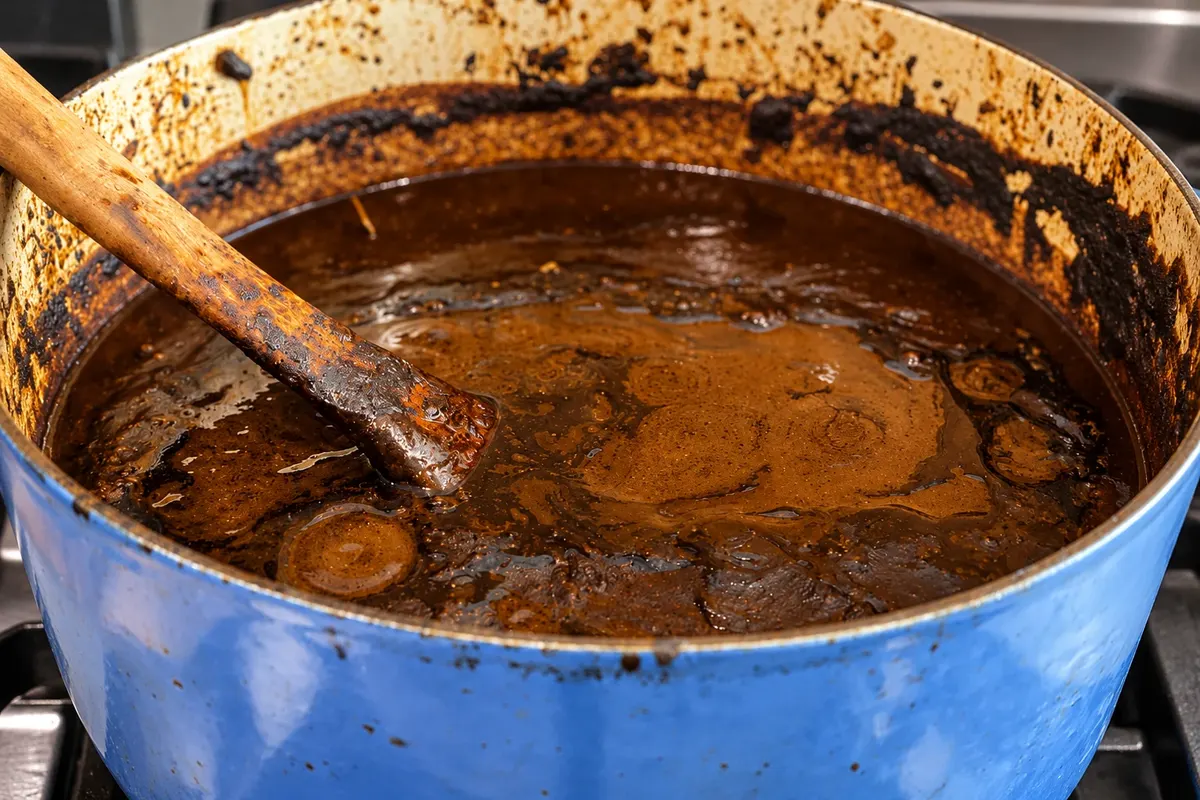
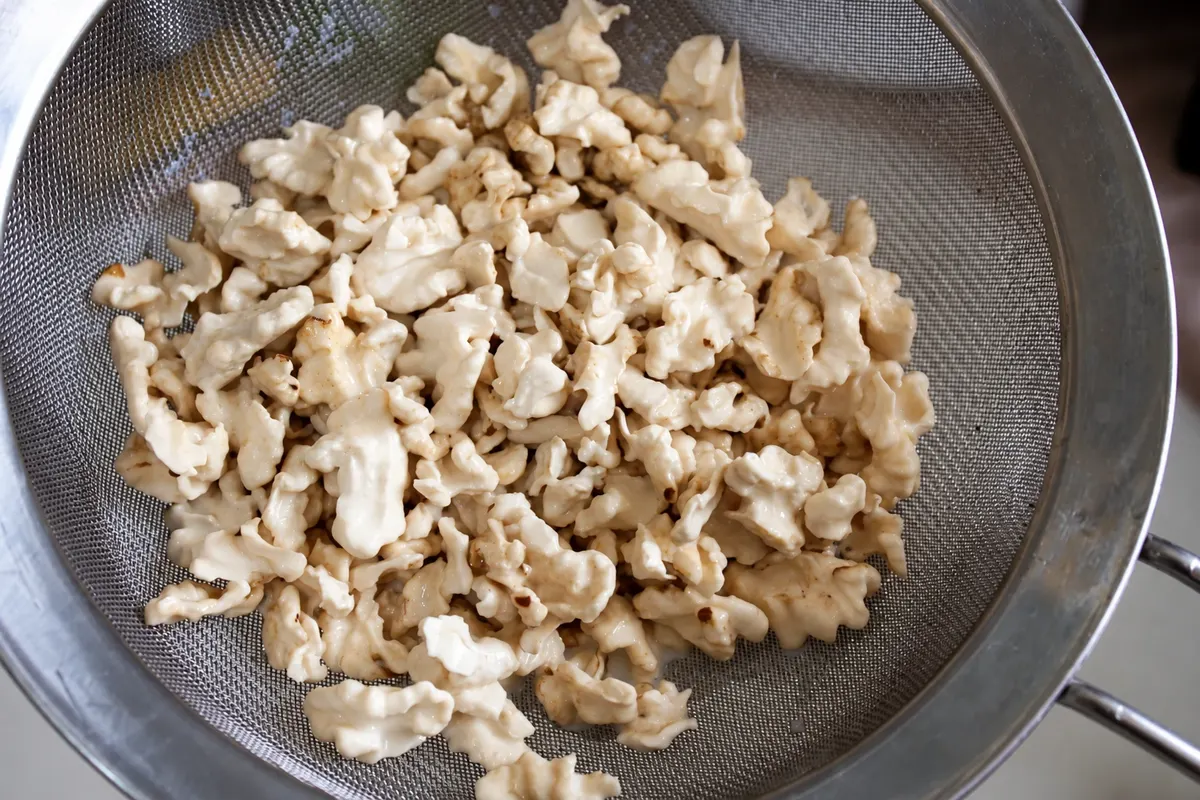
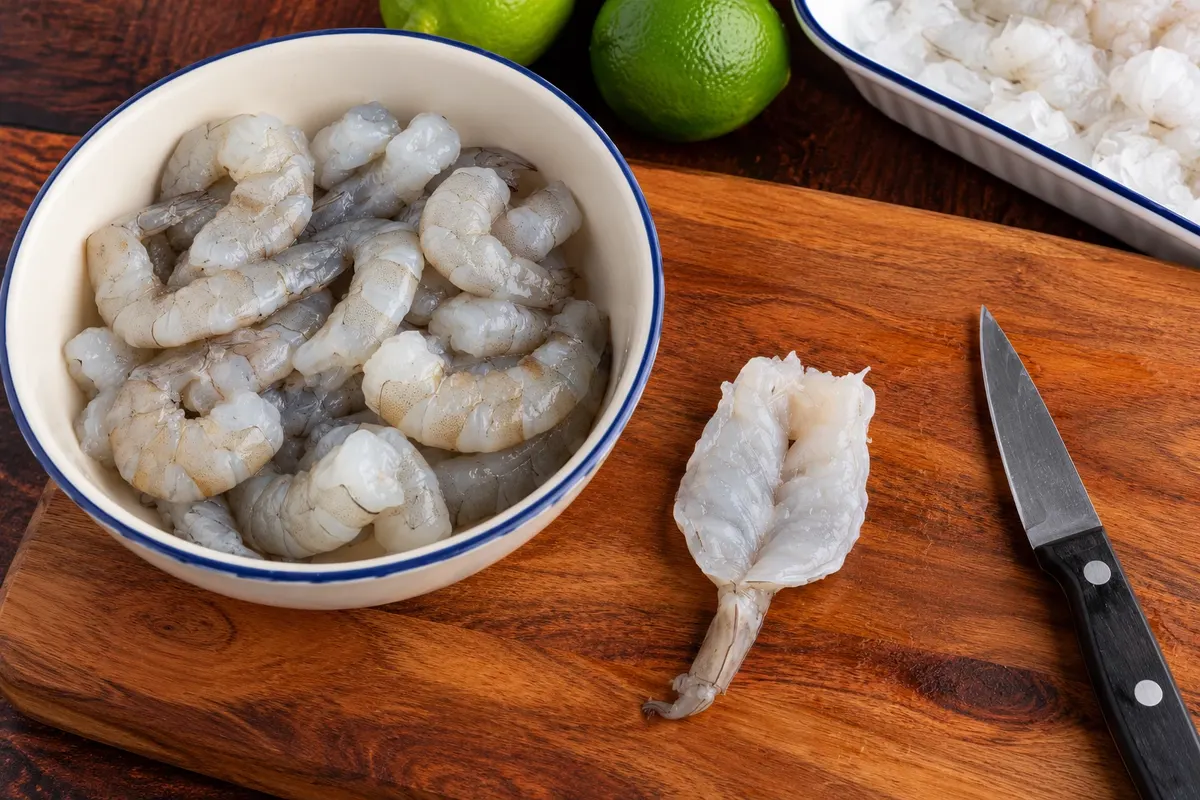
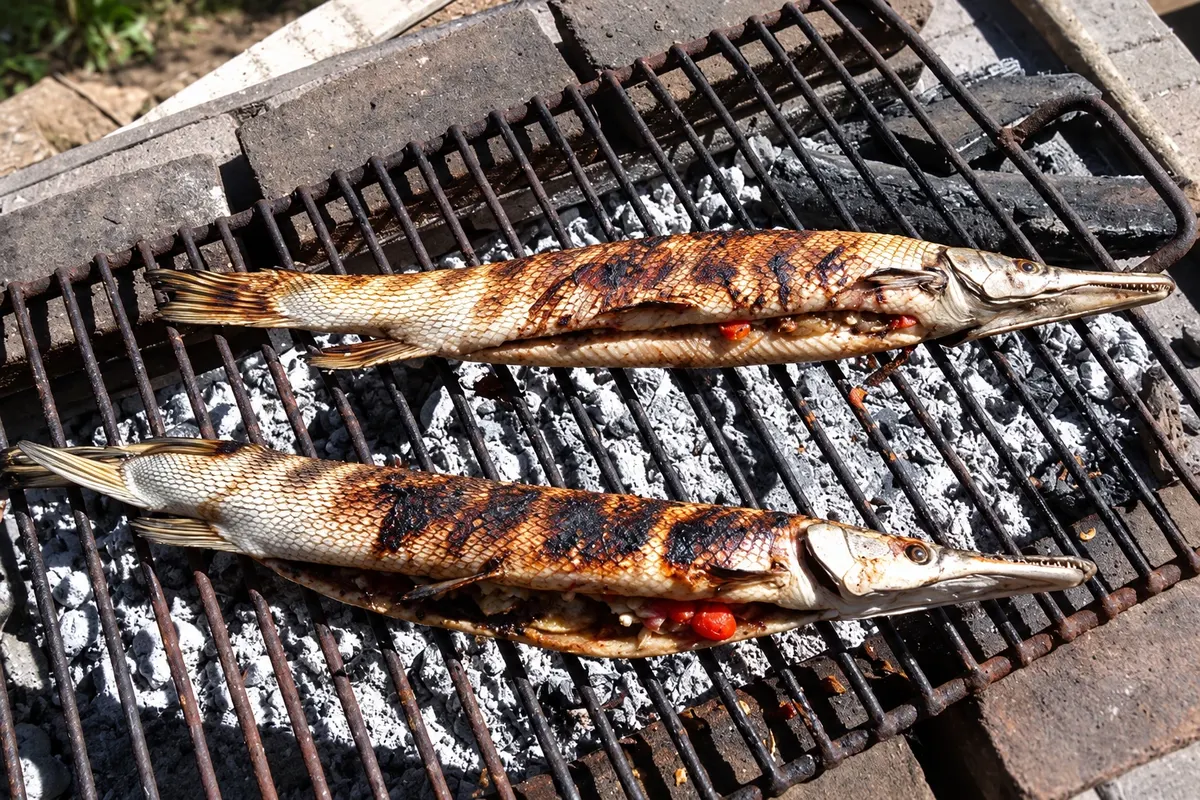
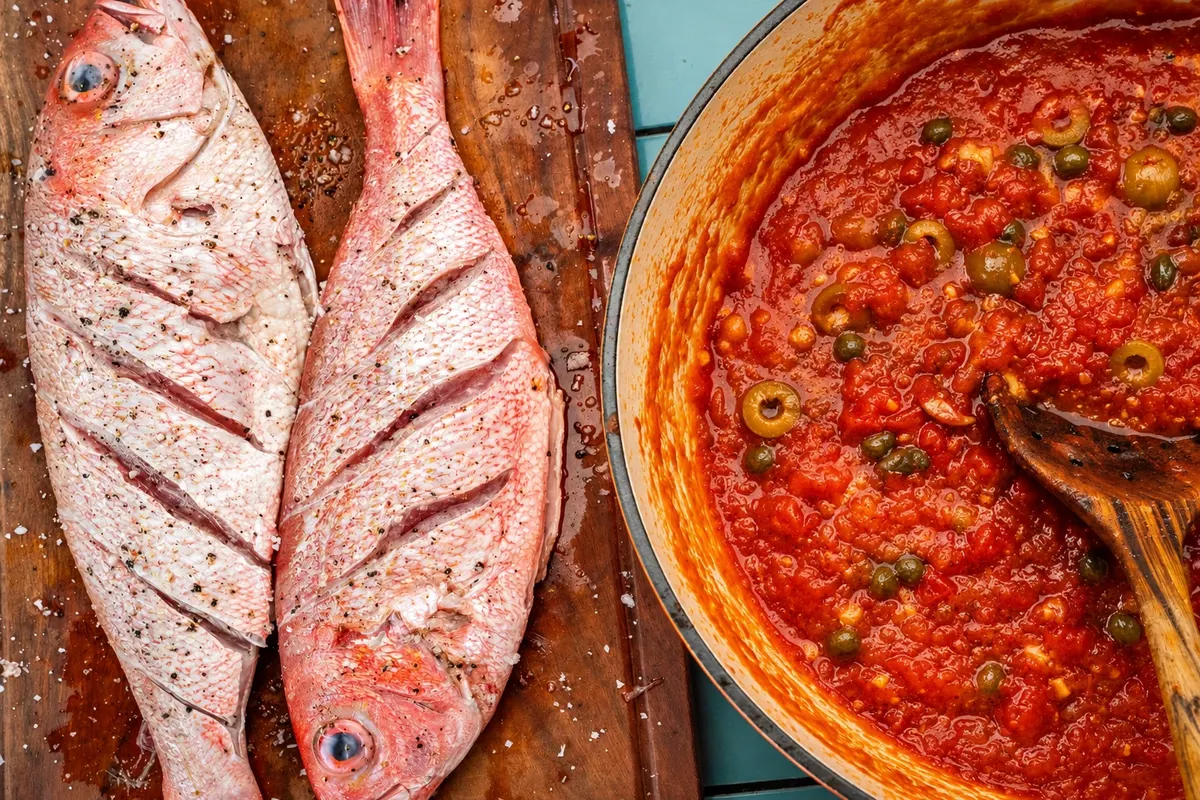
Cazón is a small shark caught off the Gulf of Mexico coast. In the traditional recipe it is cooked, shredded and sautéed with onion, epazote, tomato and salt, and the sauce is prepared the day before. The next day, the tortillas are moistened in the sauce and stacked with the cazón and the beans.
An article in the magazine Ecofronteras, from the Colegio de la Frontera Sur (ECOSUR), lists pan de cazón among the three dishes that support much of Campeche’s regional identity, alongside puchero and frijol con puerco. Ethnohistory also notes that the dish combines ingredients of pre-Hispanic origin, such as corn, beans and fish, with others brought by Europeans, like pork lard.
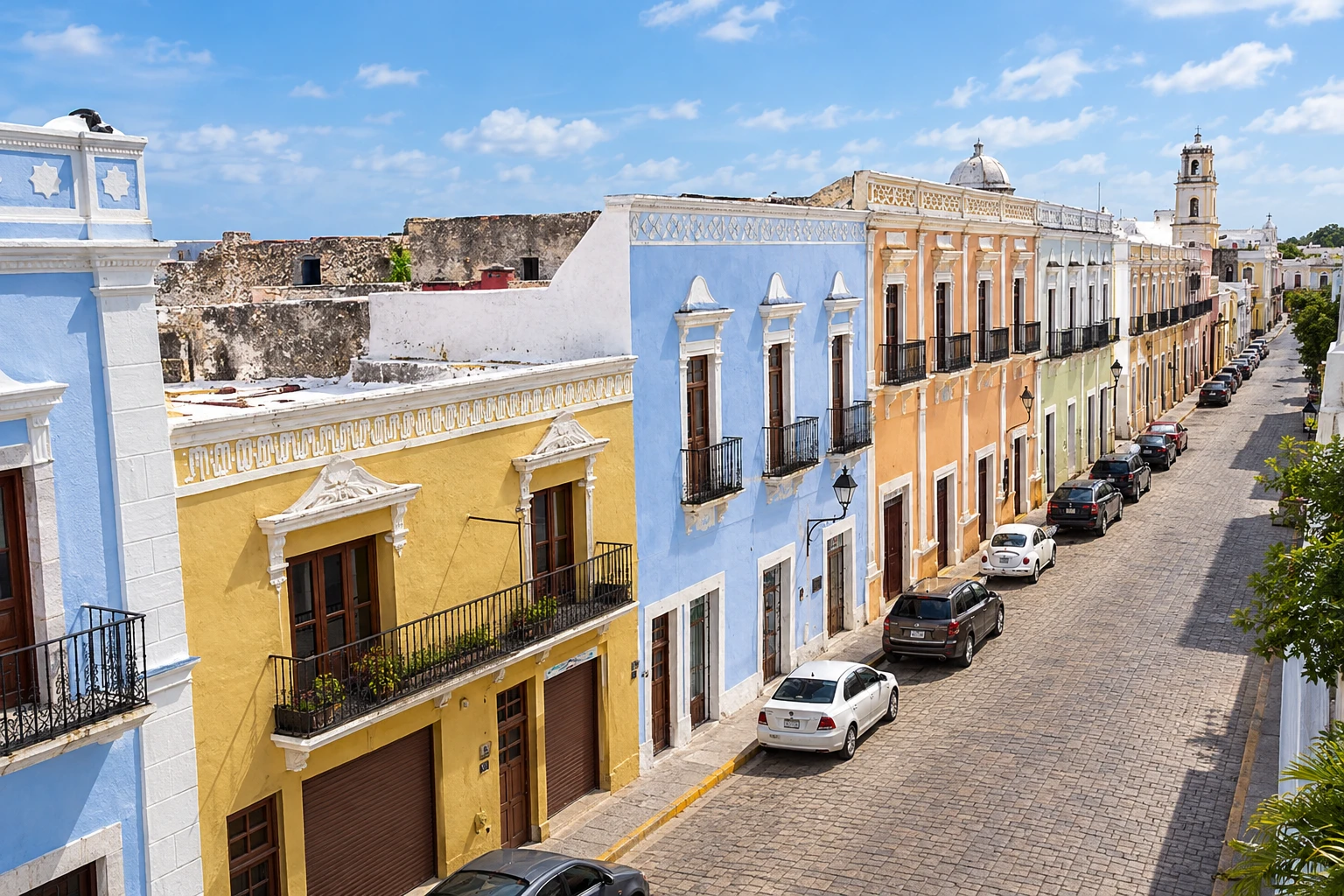
Already at the beginning of the 20th century, cookbooks from the peninsula recorded the recipe as pan de cazón campechano, linking the name to the city, according to a study published by INAH. In Campeche, the dish appears at family lunches, during year-end celebrations and in regional cuisine restaurants.


 Brazilija
 Antarktika
 Argentina
 Bolivija
 Čile
 Kolumbija
 Ekvator
 Gvajana
 Francoska Gvajana
 Falklandski otoki (Malvini)
 Paragvaj
 Peru
 Surinam
 Urugvaj
 Venezuela
 Nemčija
 Avstrija
 Belgija
 Hrvaška
 Danska
 Slovaška
 Slovenija
 Španija
 Finska
 Francija
 Grčija
 Nizozemska
 Madžarska
 Irska
 Islandija
 Italija
 Luksemburg
 Norveška
 Poljska
 Portugalska
 Združeno kraljestvo
 Češka
 Švedska
 Švica
 Turčija
 Bermudi
 Kanada
 Združene države Amerike
 Grenlandija
 Sveta Peter in Mihael
 Dominikanska republika
 Japonska
 Južnoafriška republika
 Egipt
 Avstralija
 Fidži
 Nova Zelandija
 Papua Nova Gvineja