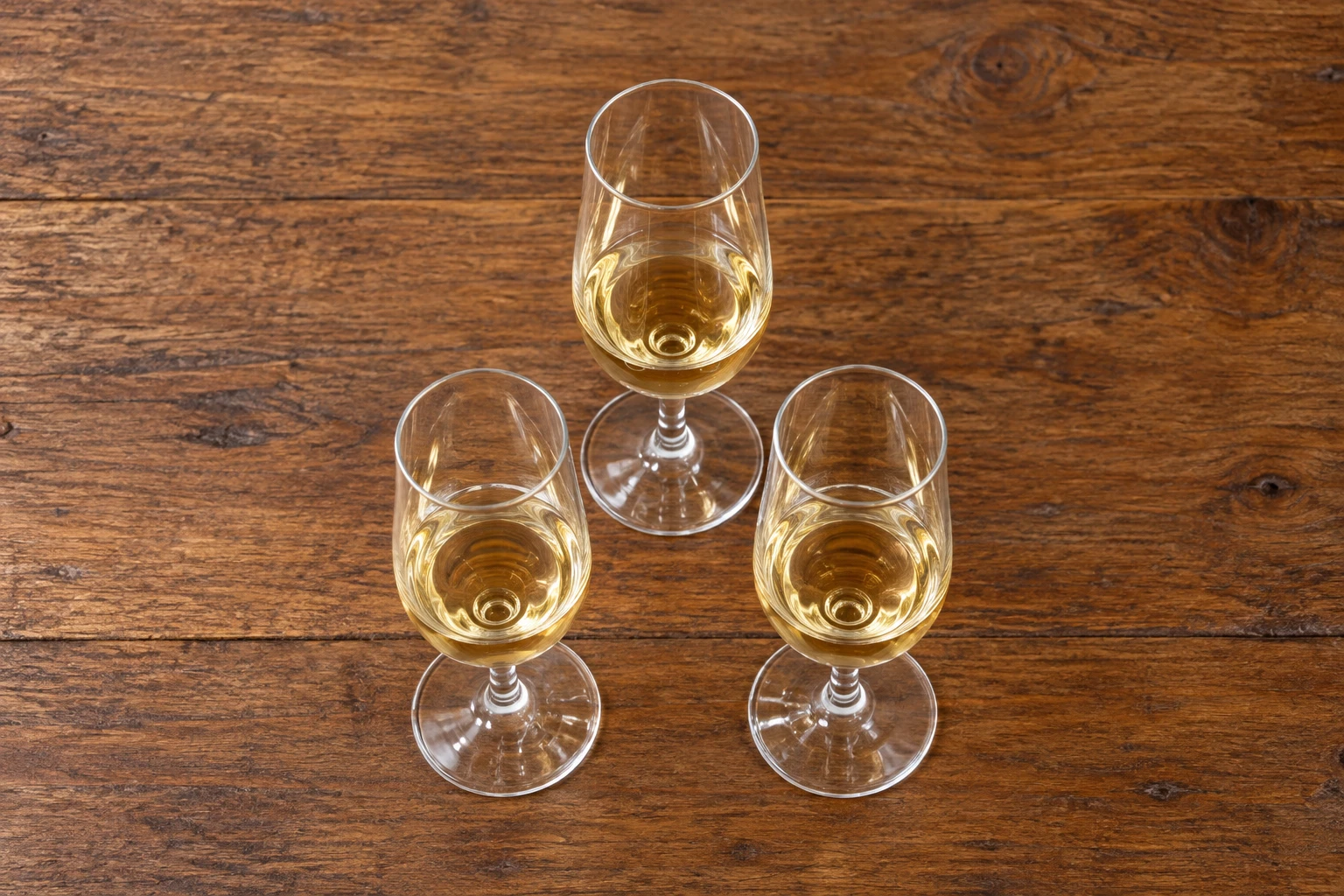
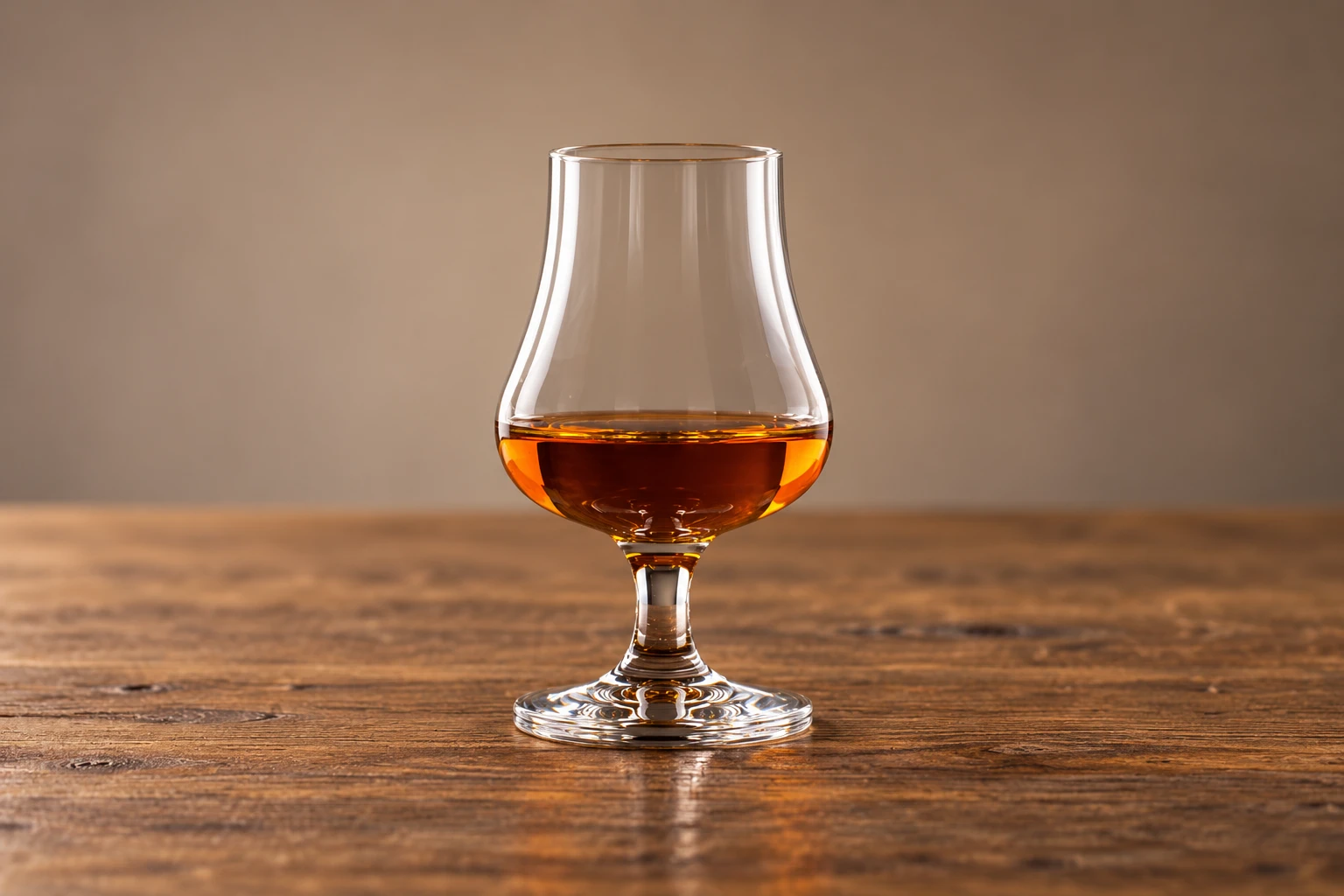
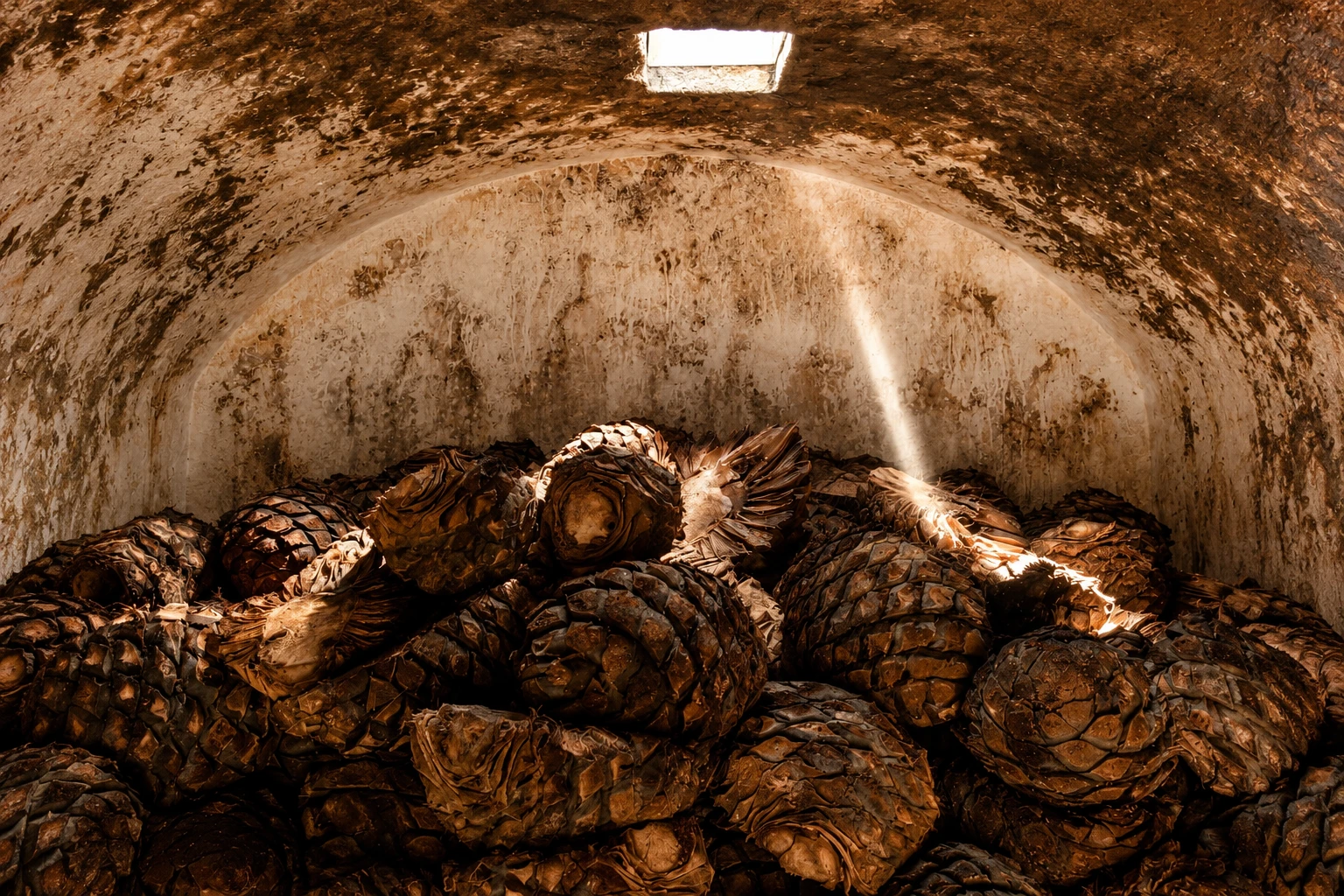
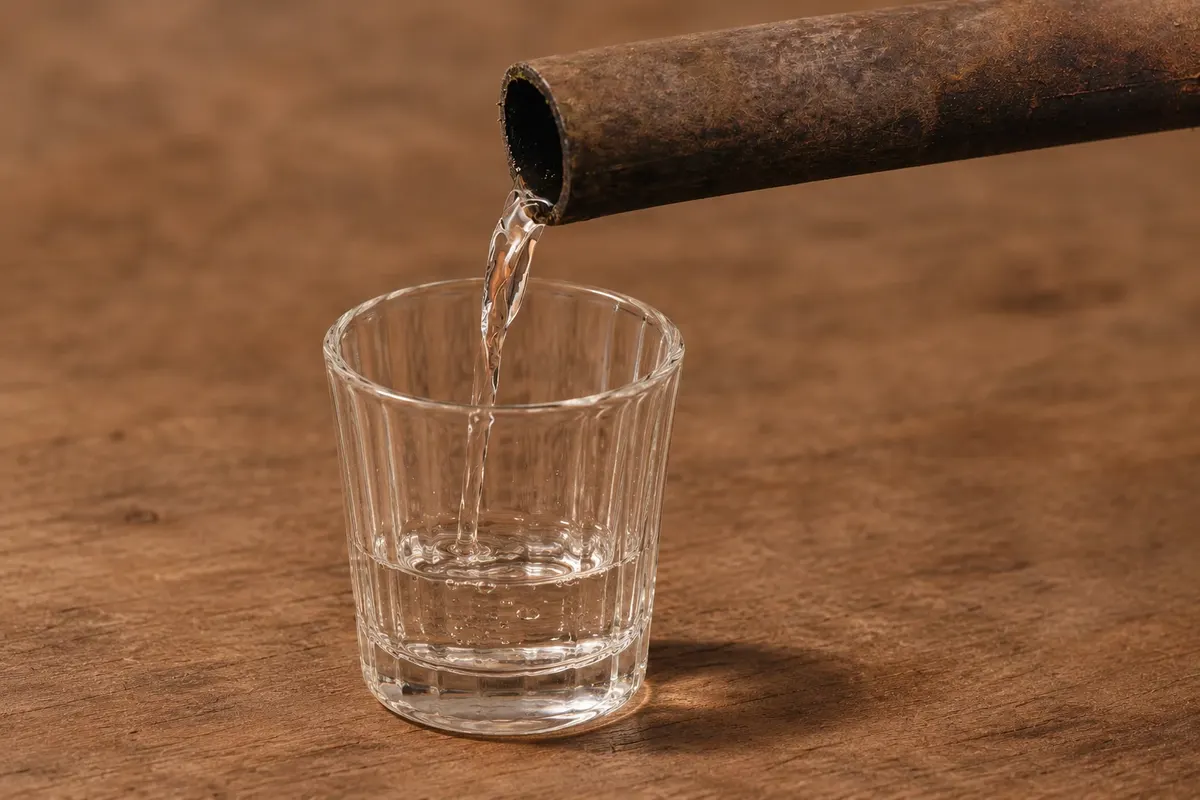
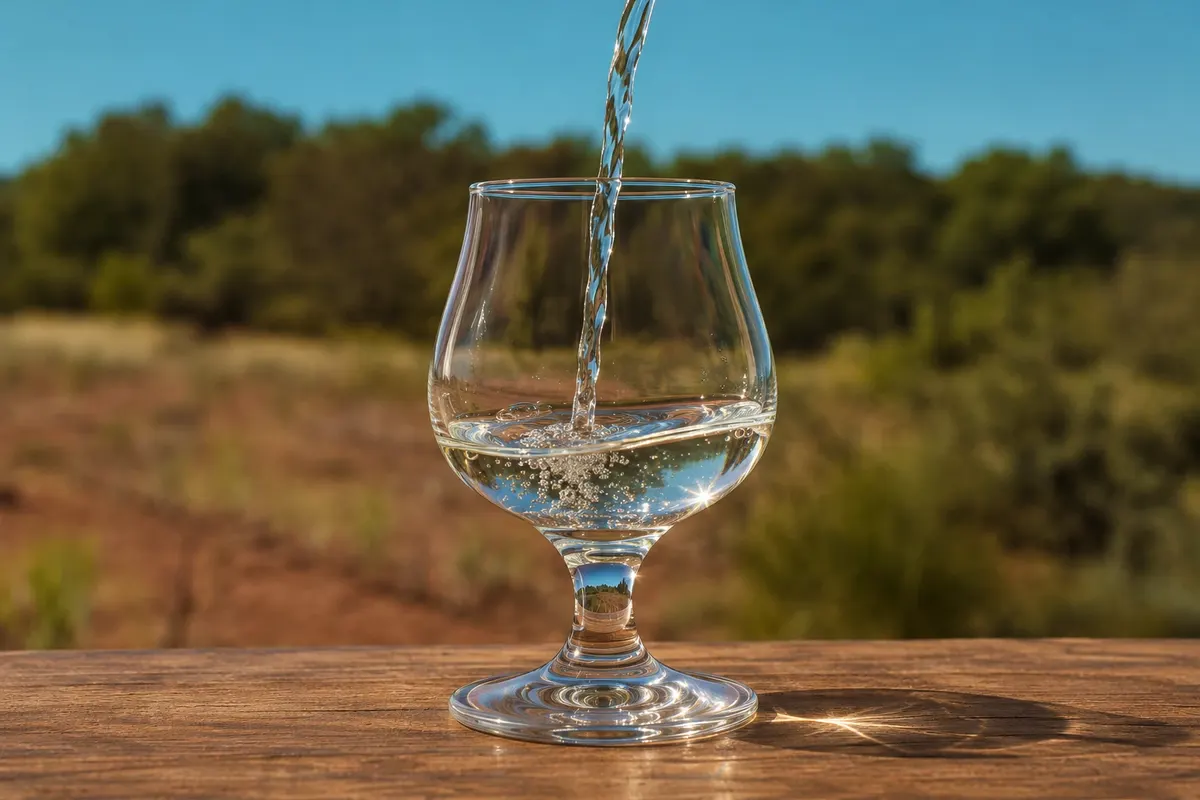
Tequila is a distilled spirit made from blue agave (Agave tequilana Weber, blue variety). The plant’s heart, the piña, is cooked to convert its sugars, then crushed, fermented and distilled. Depending on the resting time in wooden barrels, the drink is classified as blanco, reposado or añejo.
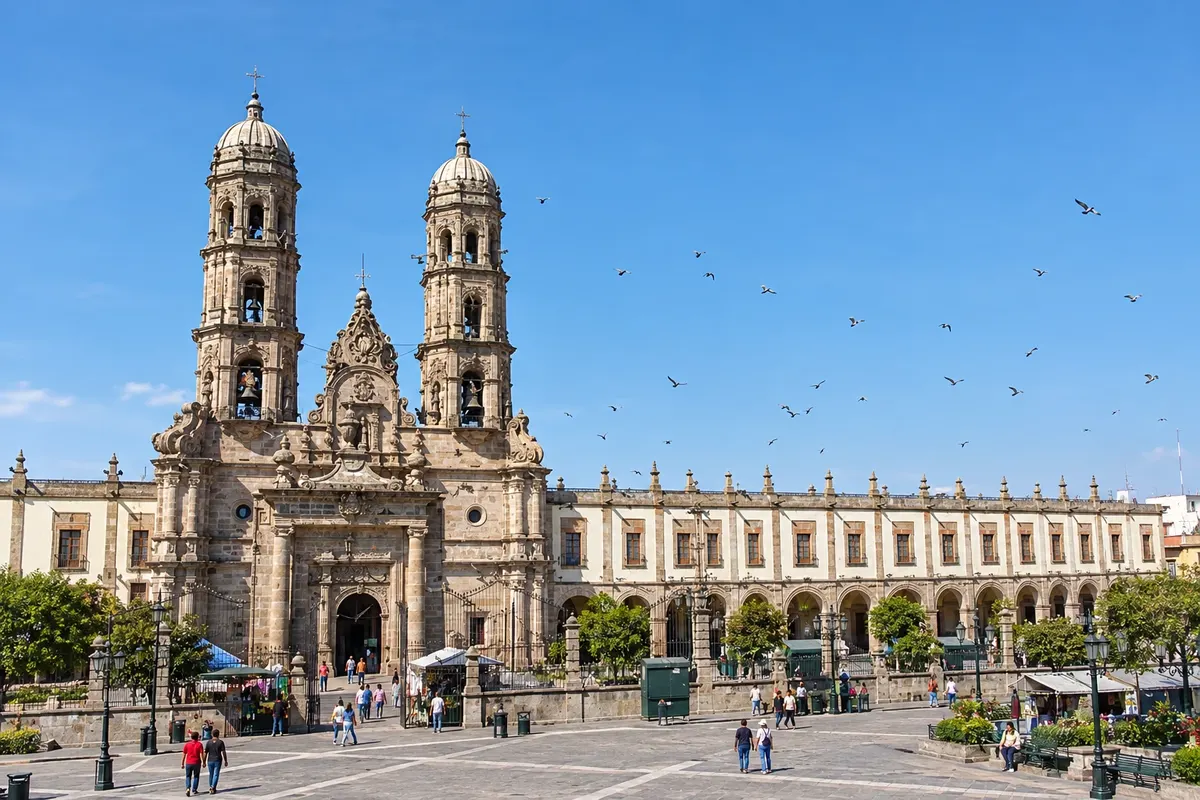
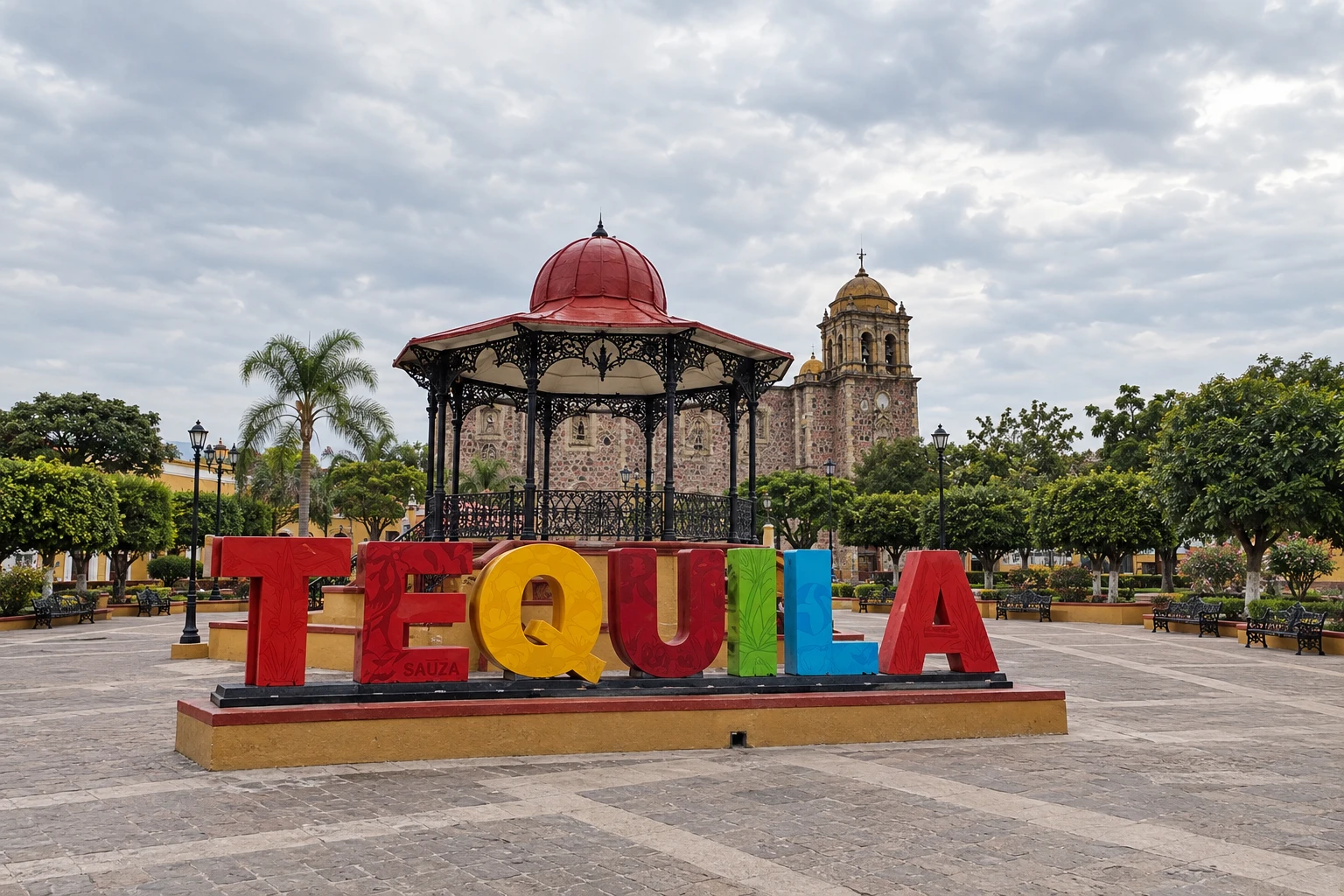
The name comes from the city of Tequila, in Jalisco, between the slopes of the Tequila volcano and the valley of the Grande de Santiago River. According to UNESCO, the plant has been used there for at least two thousand years for fermented beverages and textiles, and since the 16th century to produce the distilled spirit. In 2006, the agave landscape and the old industrial facilities of Tequila, including the towns of Tequila, El Arenal and Amatitán, were inscribed as a World Heritage Site.
On December 9, 1974, the Official Gazette of the Federation published the protection declaration for the Tequila designation of origin, the first in Mexico. The protected territory covers the entire state of Jalisco and municipalities in Guanajuato, Michoacán, Nayarit and Tamaulipas. Only the beverage produced in that area and according to the official standard may carry the name.
In the city of Tequila, the bluish agave fields reach up to the houses, and distilleries welcome visitors to show the process, from cooking the piñas to the barrels. It is a beverage of local culture, to learn about and taste in moderation.


 Brazilija
 Antarktika
 Argentina
 Bolivija
 Čile
 Kolumbija
 Ekvator
 Gvajana
 Francoska Gvajana
 Falklandski otoki (Malvini)
 Paragvaj
 Peru
 Surinam
 Urugvaj
 Venezuela
 Nemčija
 Avstrija
 Belgija
 Hrvaška
 Danska
 Slovaška
 Slovenija
 Španija
 Finska
 Francija
 Grčija
 Nizozemska
 Madžarska
 Irska
 Islandija
 Italija
 Luksemburg
 Norveška
 Poljska
 Portugalska
 Združeno kraljestvo
 Češka
 Švedska
 Švica
 Turčija
 Bermudi
 Kanada
 Združene države Amerike
 Grenlandija
 Sveta Peter in Mihael
 Dominikanska republika
 Japonska
 Južnoafriška republika
 Egipt
 Avstralija
 Fidži
 Nova Zelandija
 Papua Nova Gvineja