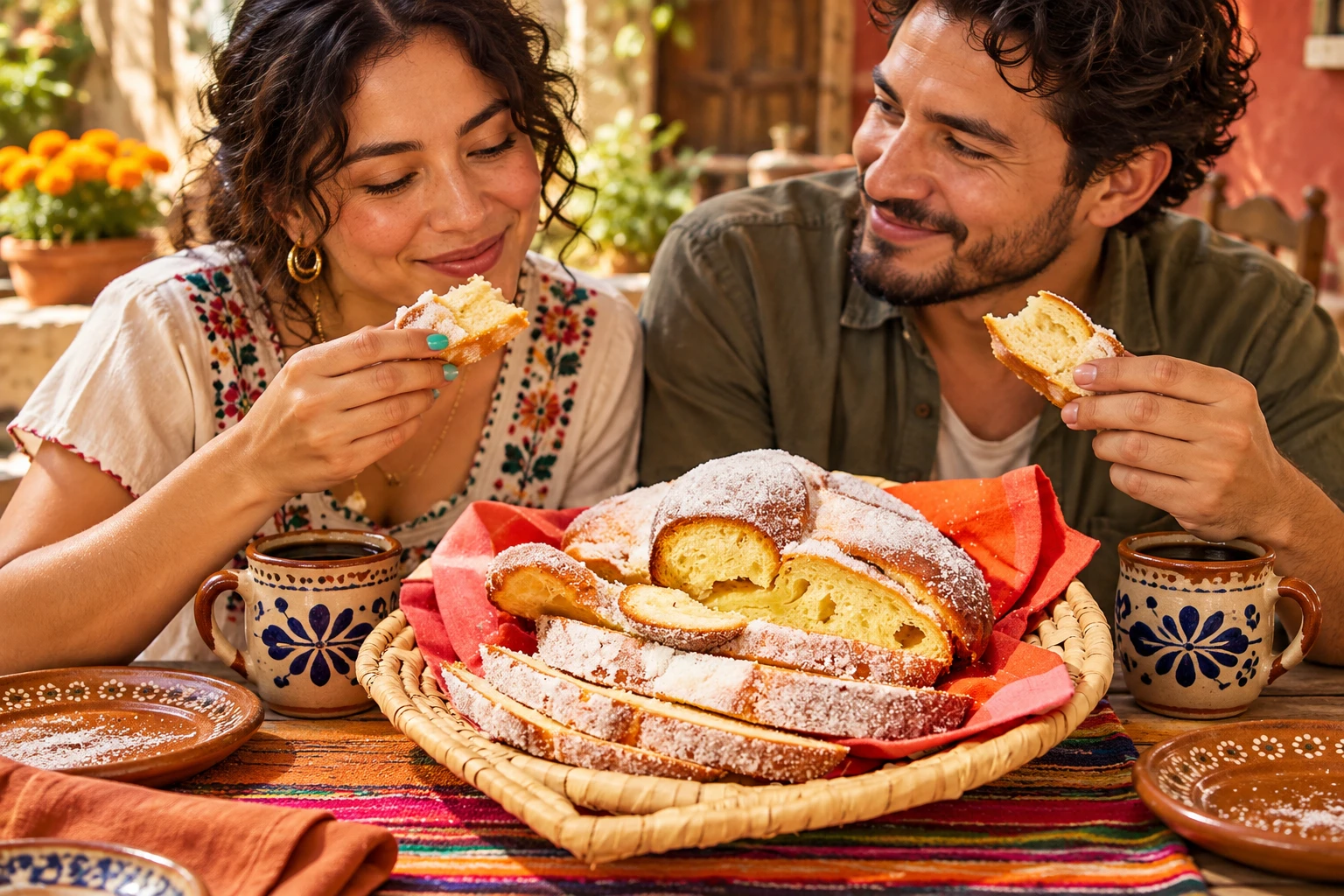
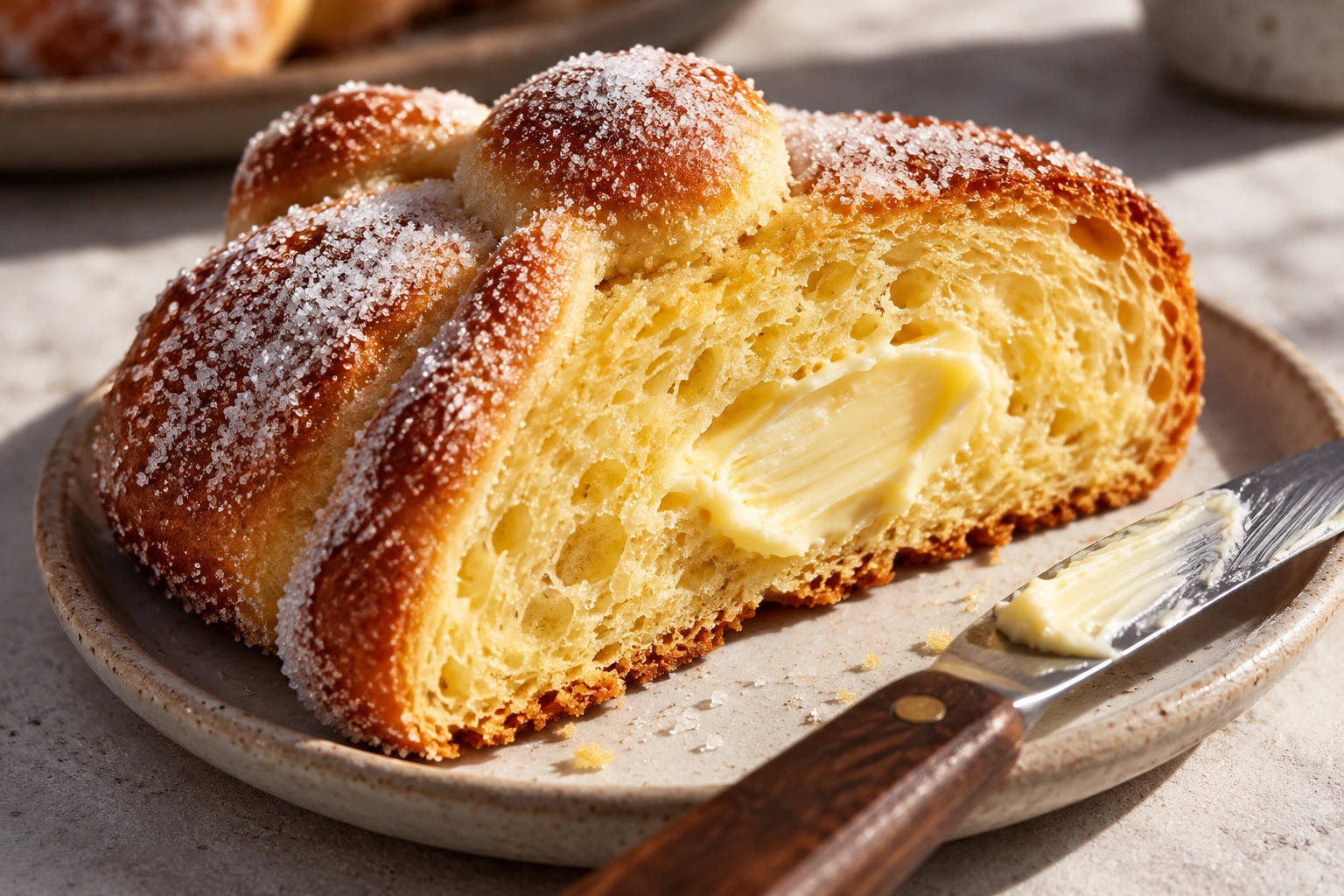
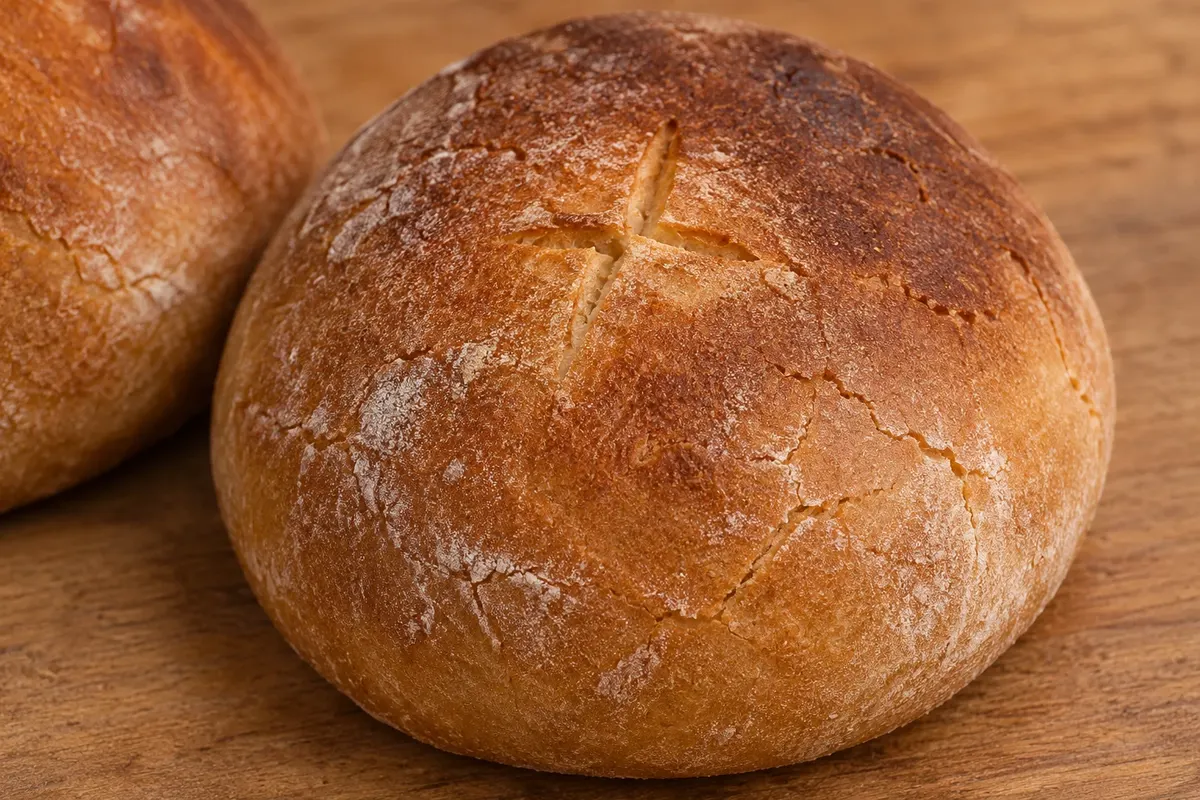
Pan de muerto is the bread of Día de Muertos, the celebration when Mexican families welcome the visit of the souls of deceased relatives. In 2008, UNESCO inscribed the indigenous festival dedicated to the dead on the list of Intangible Cultural Heritage of Humanity, and the bread is part of the offerings set up in homes and taken to cemeteries in early November.
It does not belong to a single city or state: it is made across the country, and each region has its own version. According to the Mexican government, in the central region it is covered with sugar; in Michoacán there is a dark, round, shiny bread; in Oaxaca, a bread rich in eggs. The most well-known form, that of Mexico City, is only one among many.
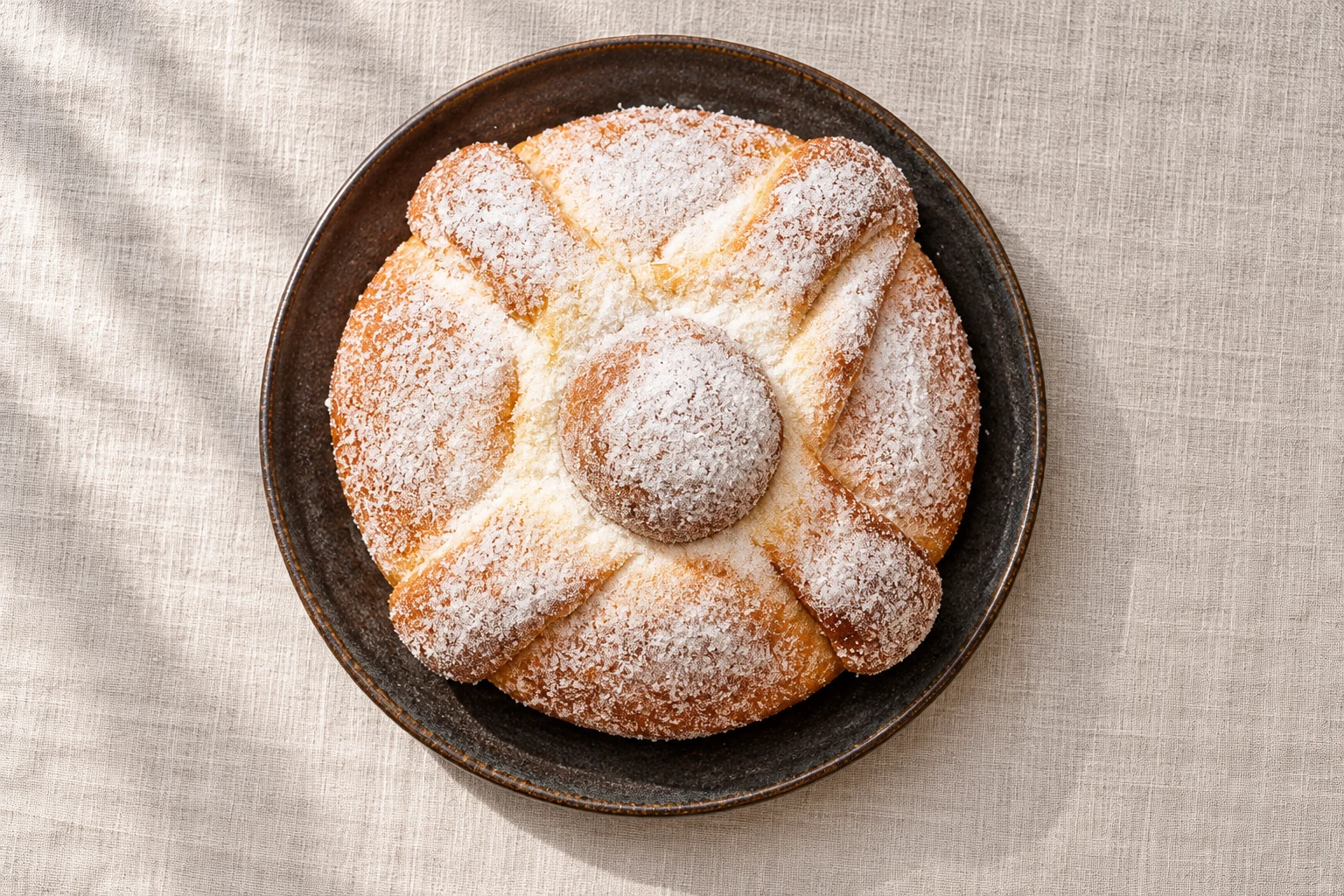
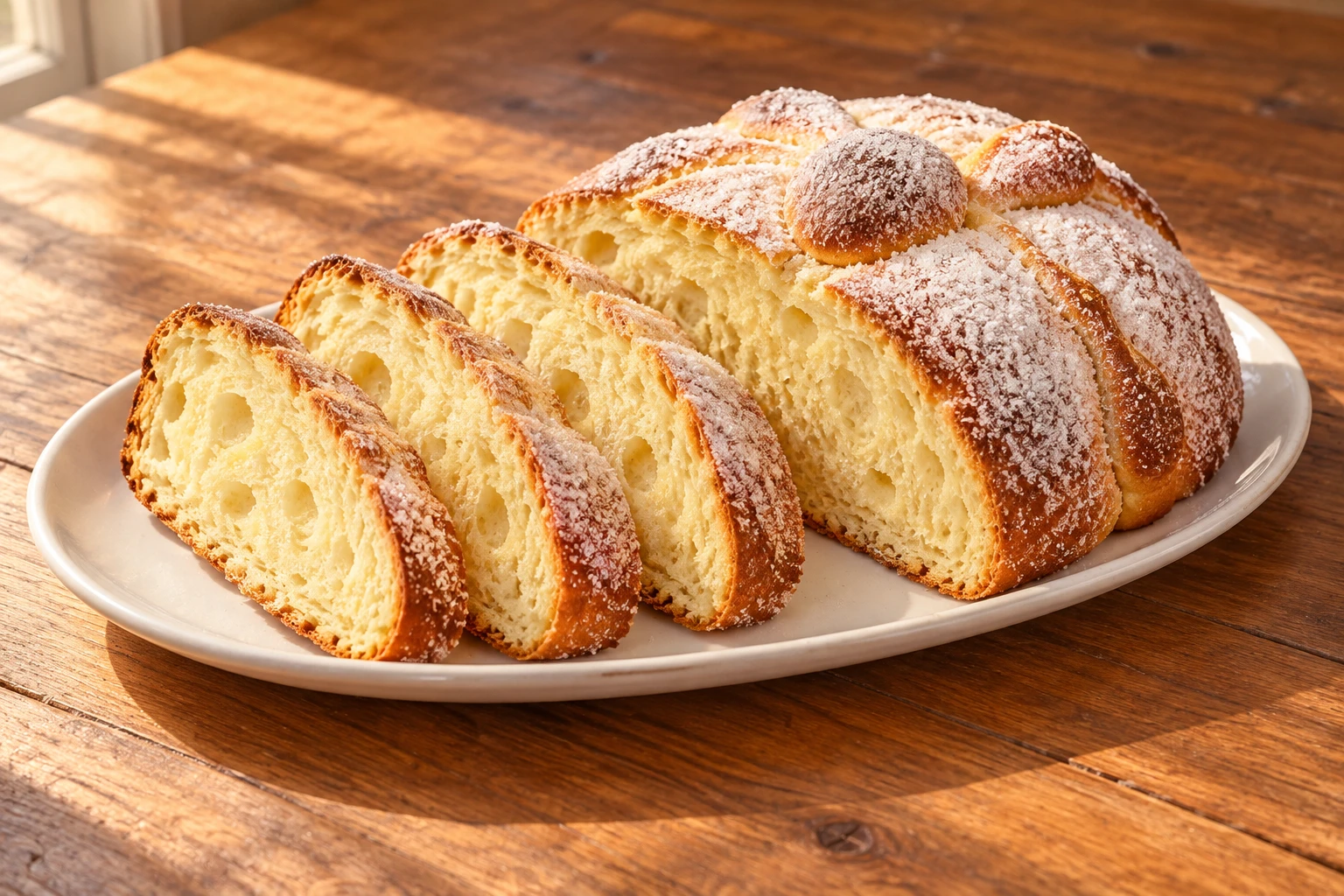
In the most widespread version, a round base is topped with a small ball of dough, representing the skull of the deceased, and four strips that recall bones, arranged in a cross. Mexico’s Secretariat of Agriculture lists the main ingredients as wheat flour, sugar and eggs, flavored with orange and anise and finished with a sugar or sesame topping.
The history is layered. The Mexican government records that historians connect the bread to pre‑conquest practices, and that it acquired its current form in the colonial period, when it began to be made with wheat and sugar, ingredients brought from Europe. Bakeries start selling it weeks before the festival, and the season ends with it.


 Brazilija
 Antarktika
 Argentina
 Bolivija
 Čile
 Kolumbija
 Ekvator
 Gvajana
 Francoska Gvajana
 Falklandski otoki (Malvini)
 Paragvaj
 Peru
 Surinam
 Urugvaj
 Venezuela
 Nemčija
 Avstrija
 Belgija
 Hrvaška
 Danska
 Slovaška
 Slovenija
 Španija
 Finska
 Francija
 Grčija
 Nizozemska
 Madžarska
 Irska
 Islandija
 Italija
 Luksemburg
 Norveška
 Poljska
 Portugalska
 Združeno kraljestvo
 Češka
 Švedska
 Švica
 Turčija
 Bermudi
 Kanada
 Združene države Amerike
 Grenlandija
 Sveta Peter in Mihael
 Dominikanska republika
 Japonska
 Južnoafriška republika
 Egipt
 Avstralija
 Fidži
 Nova Zelandija
 Papua Nova Gvineja