Kuhinja
of Mehika – značilne jedi
Mexican cuisine rests on corn, beans and chiles, with the tortilla present at almost every meal, and over the centuries it added ingredients and techniques brought from Europe, Africa, the Middle East and Asia. In 2010, UNESCO inscribed traditional Mexican cuisine on the Representative List of the Intangible Cultural Heritage of Humanity, based on a dossier that used the traditional cooks of Michoacán as an example.
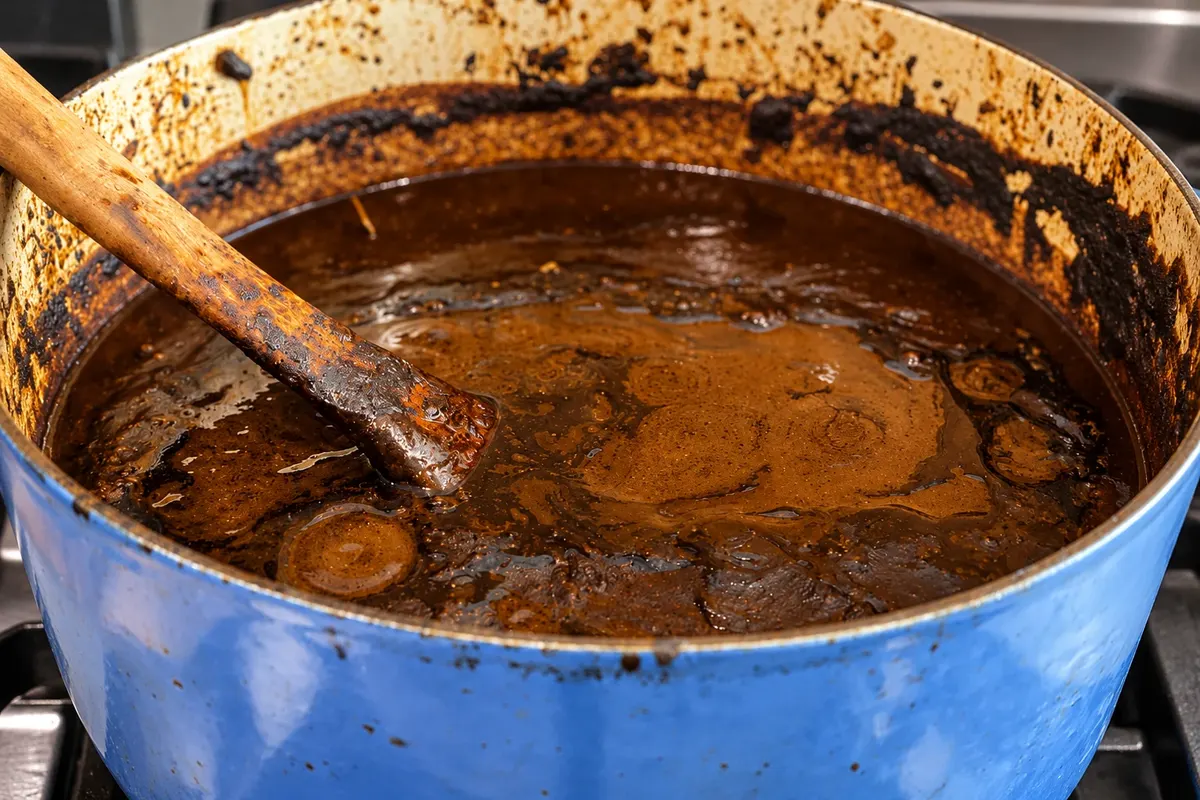
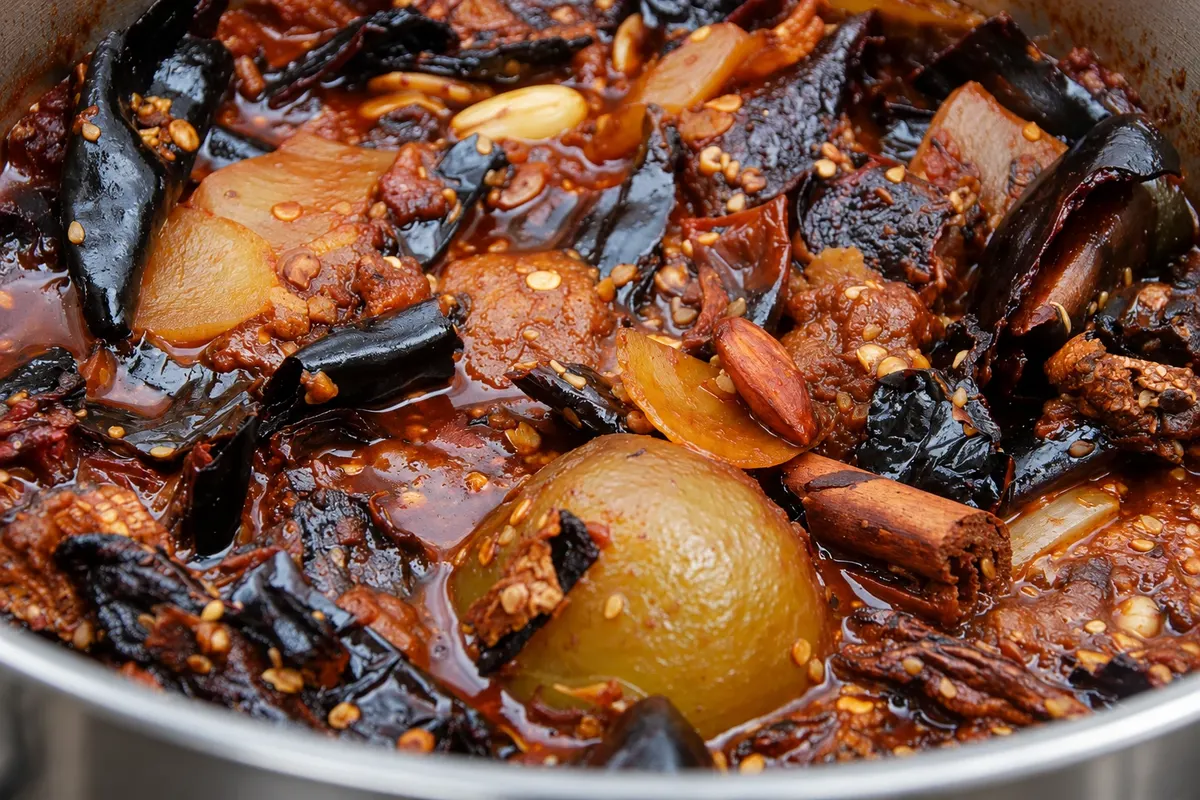
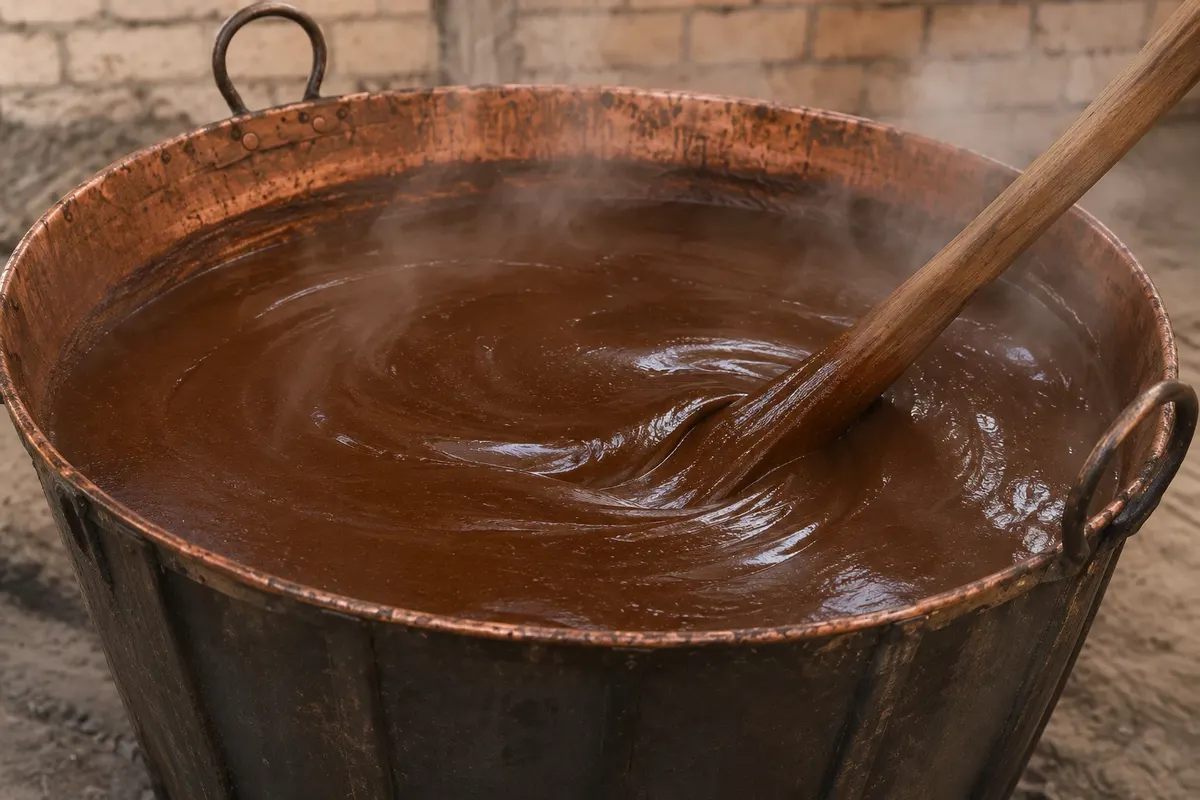
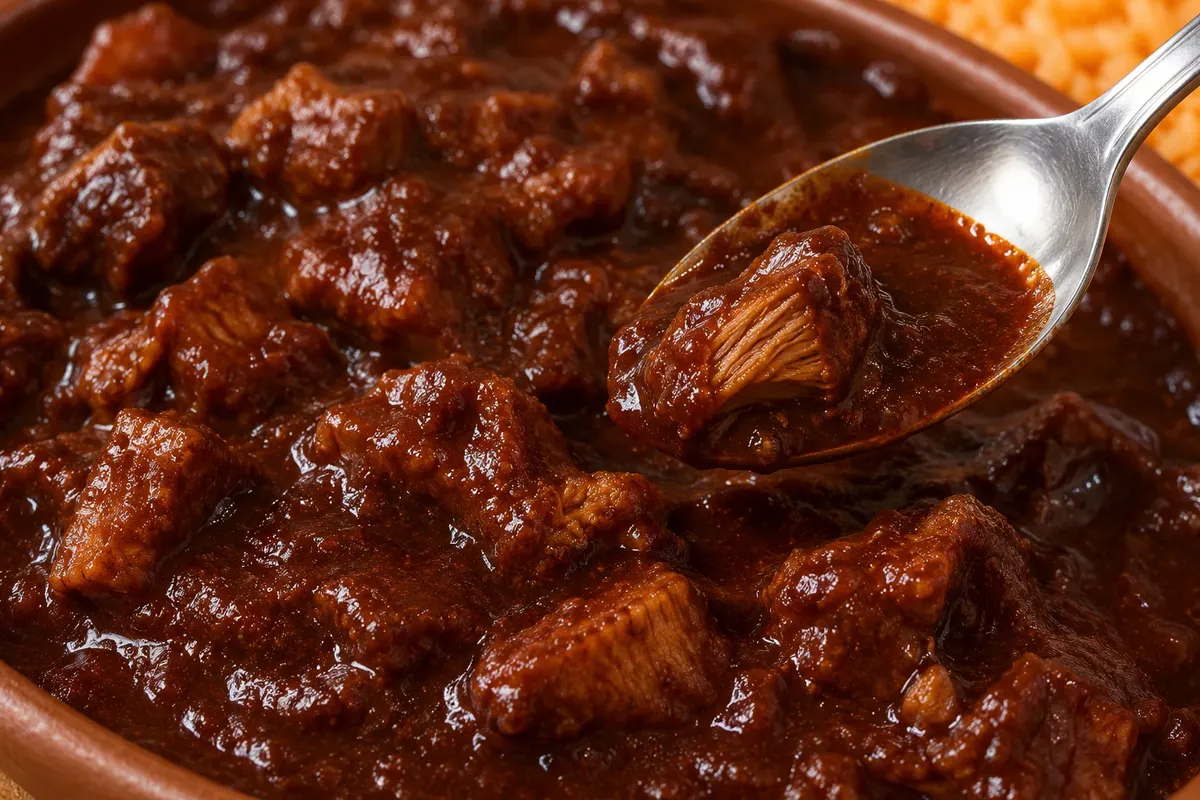
Many dishes are common across the country, but several have a place of origin. In Puebla, tradition links mole poblano and chiles en nogada to the kitchens of the city’s convents. In Mexico City, tacos al pastor were born from adapting a technique brought by immigrants from the Middle East. In Oaxaca, mole negro is the darkest of the moles that make the state famous.
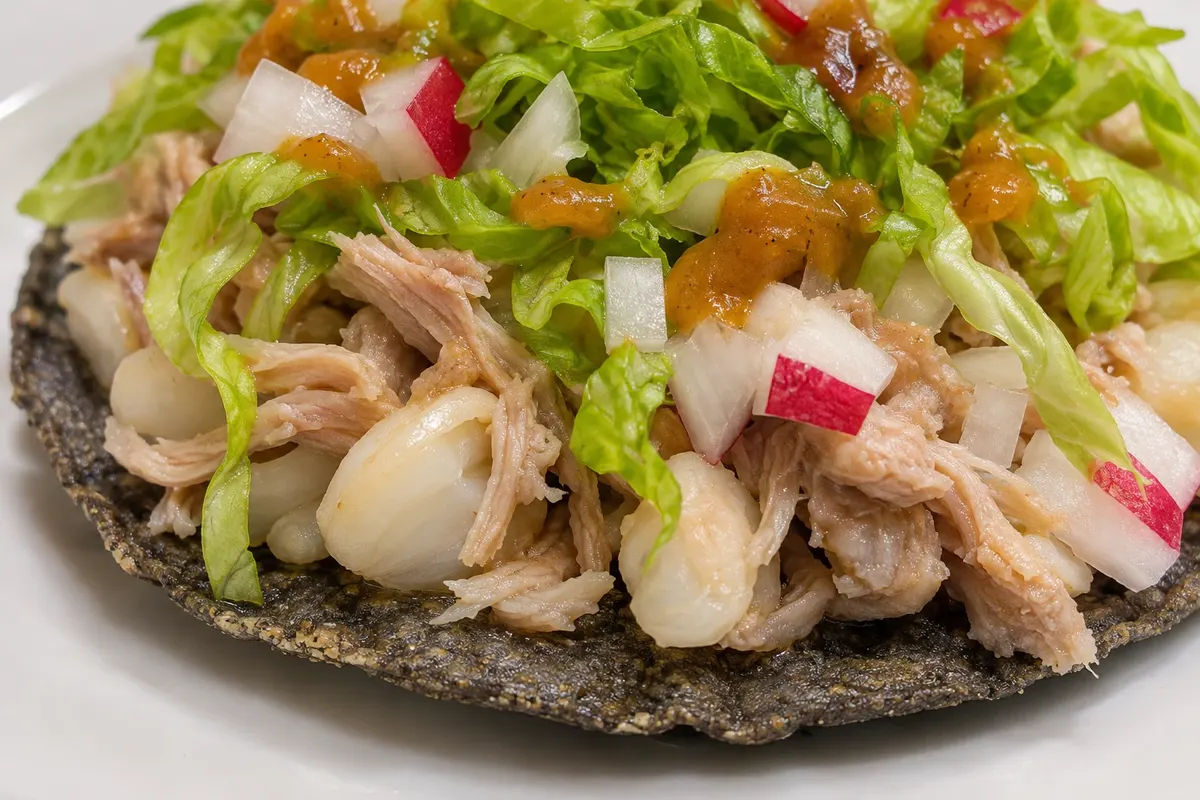
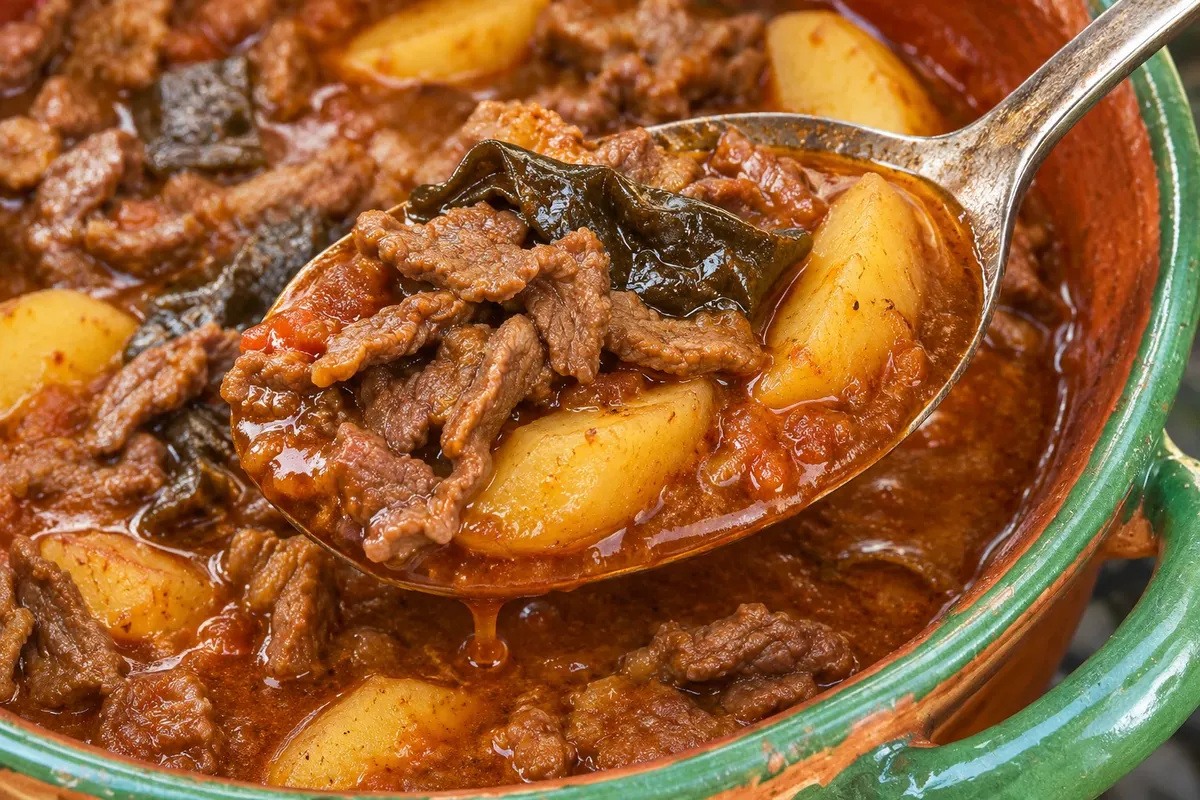
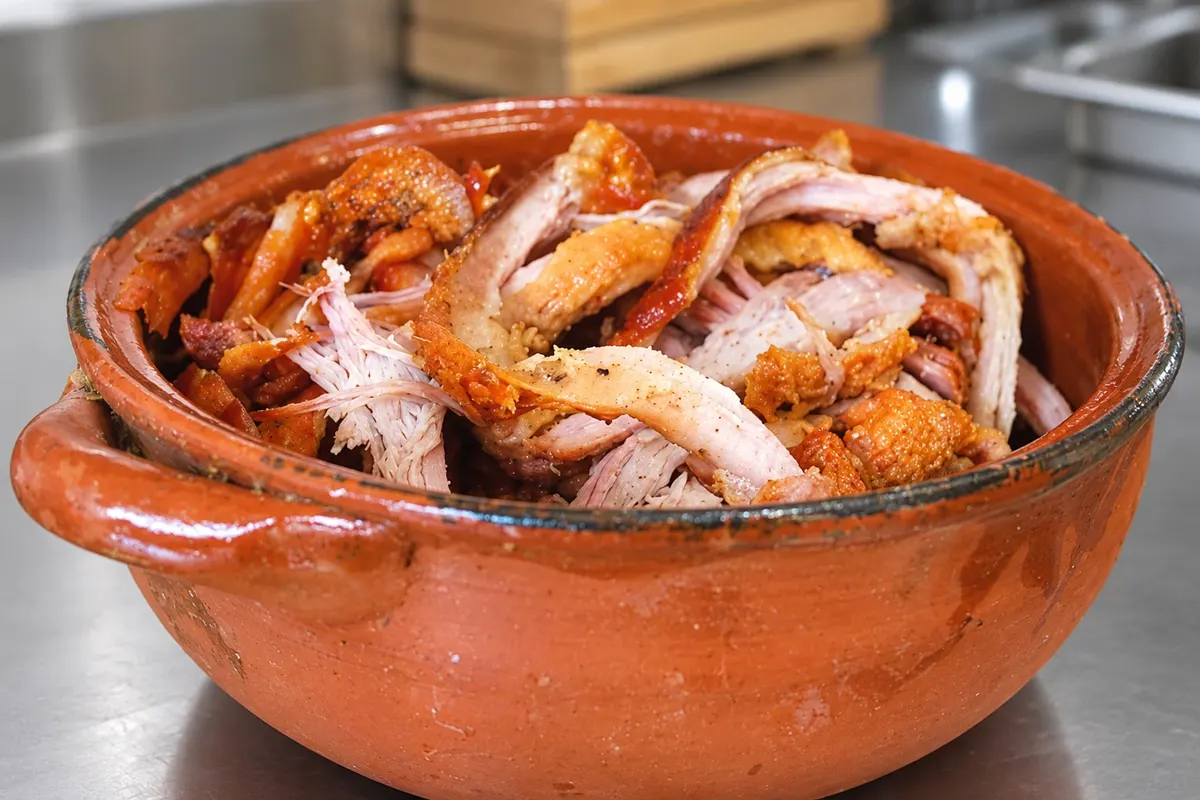
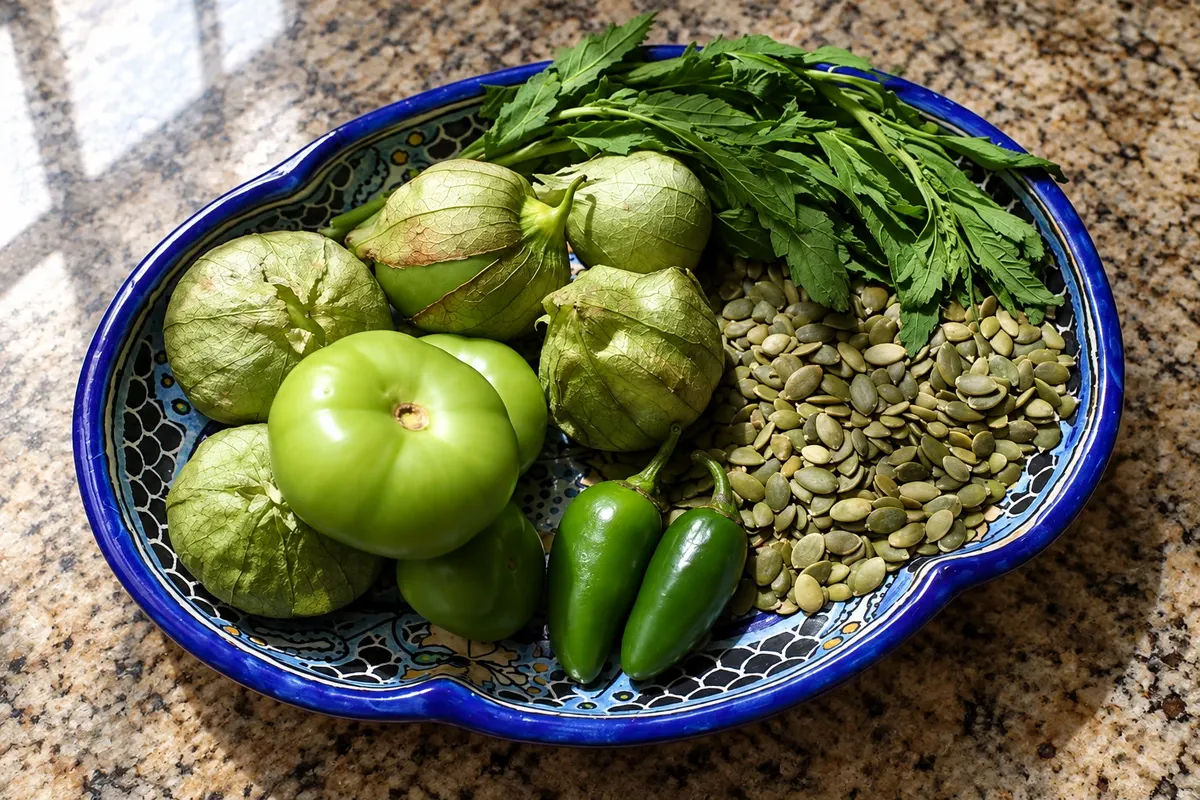
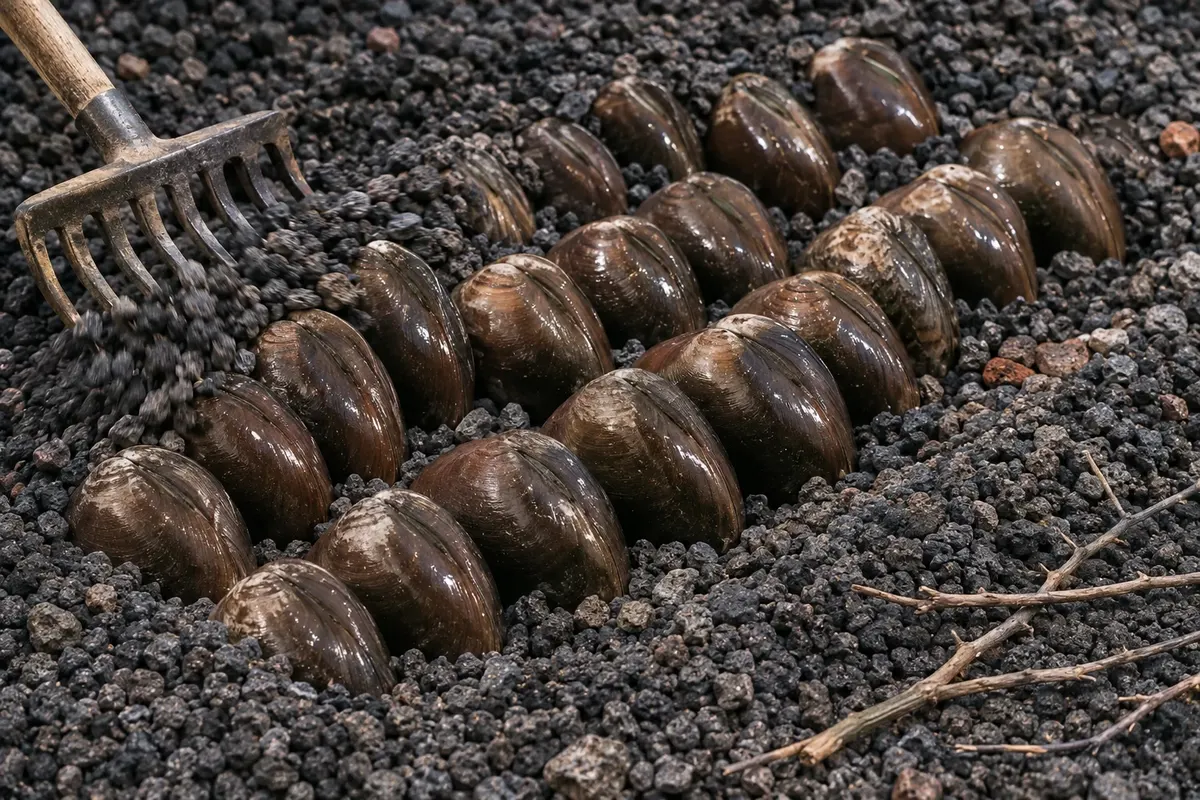
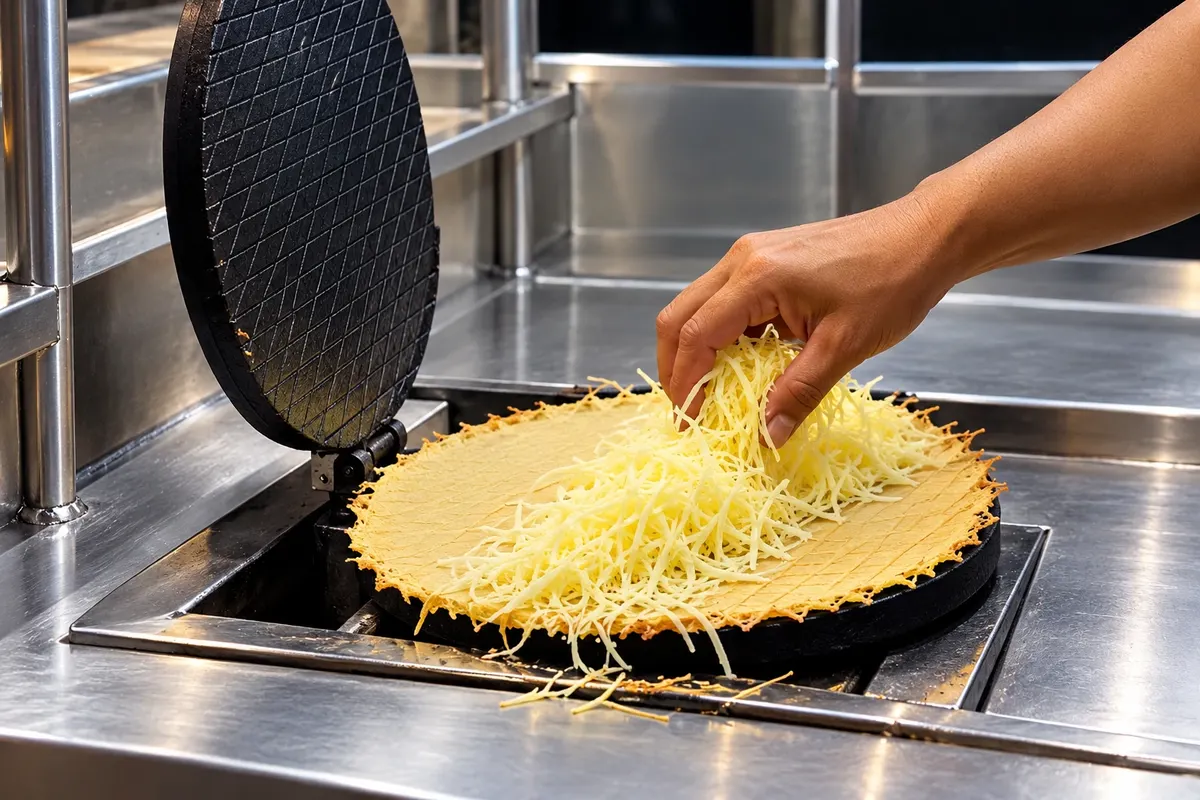
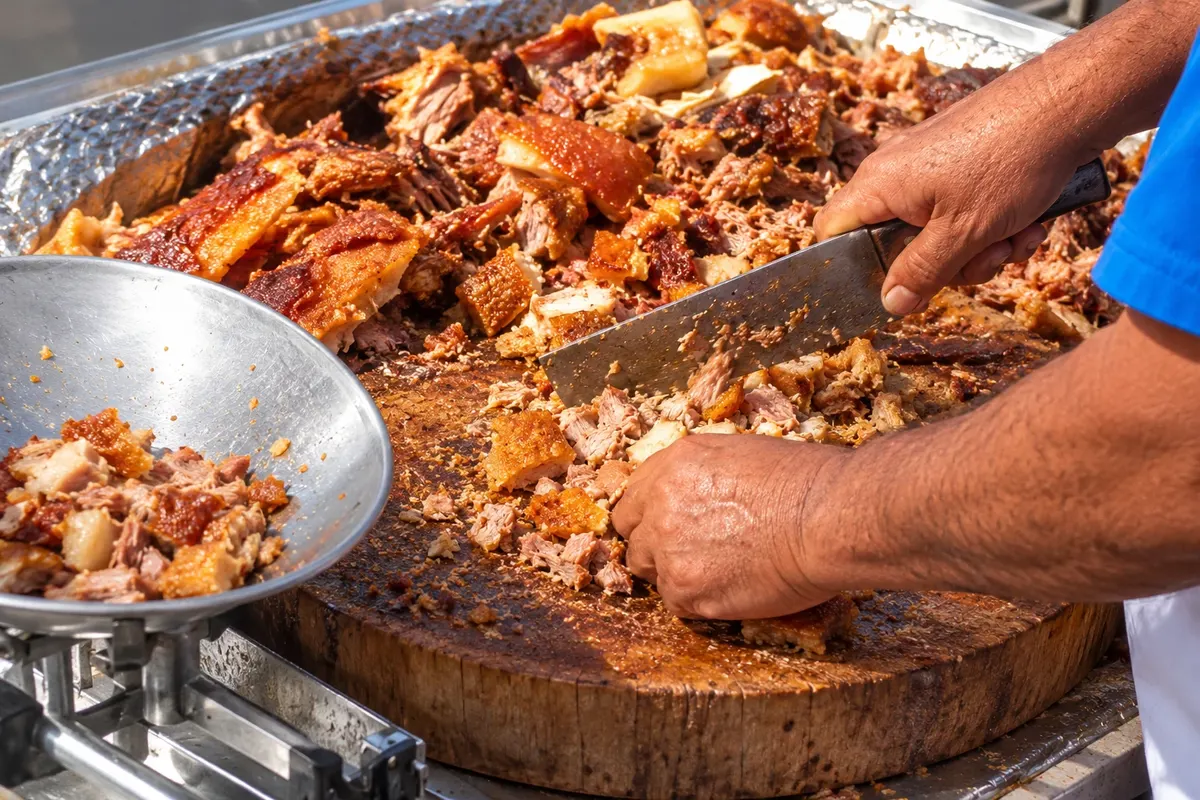
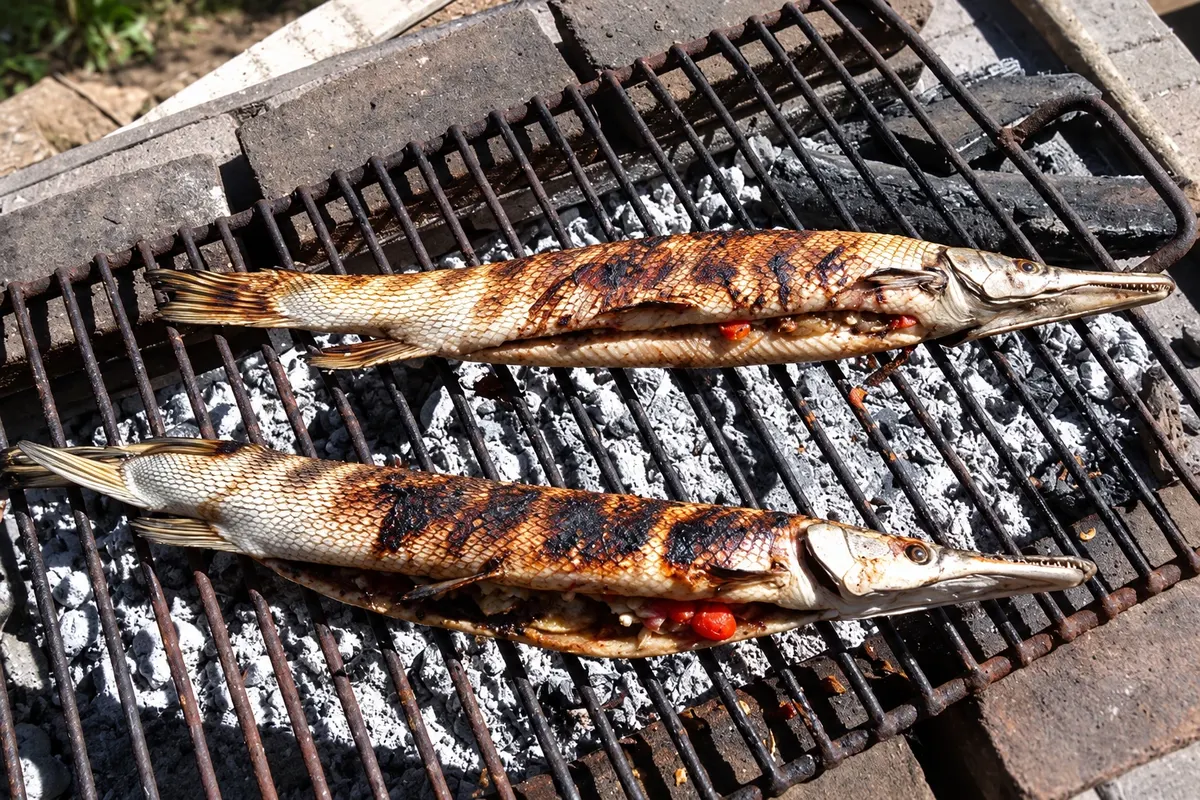
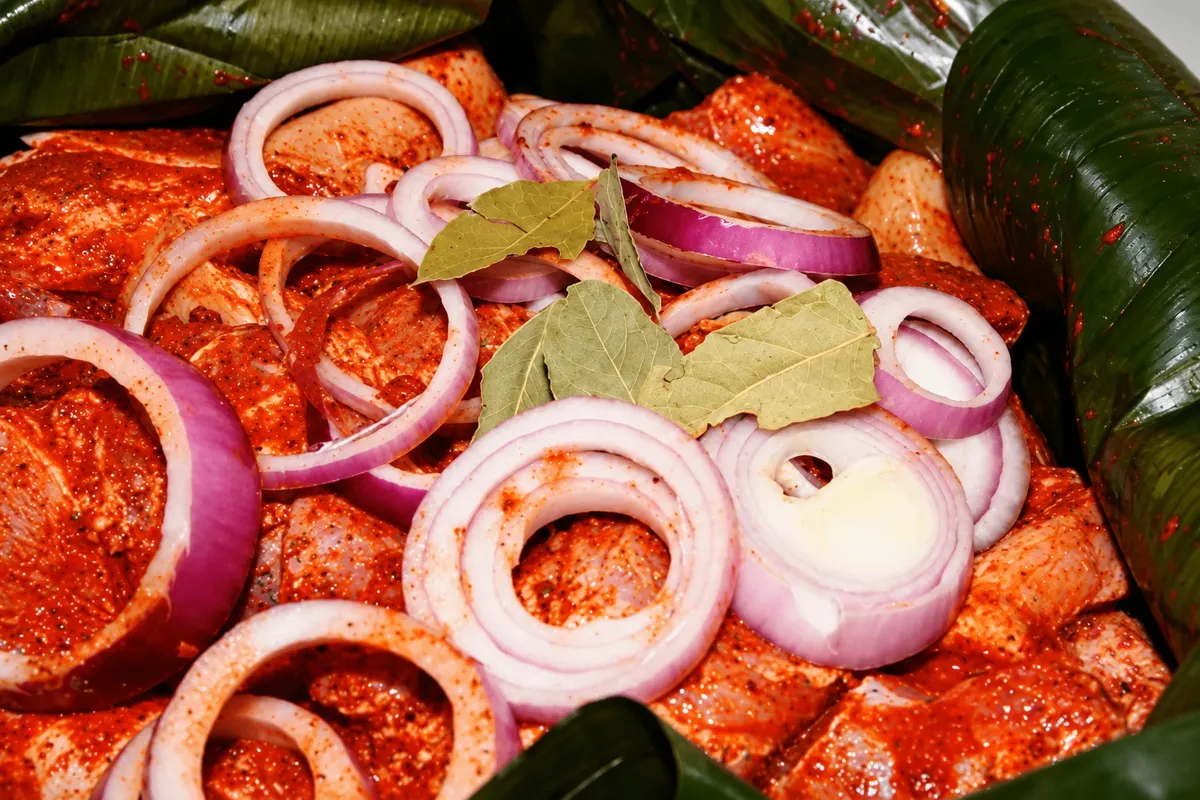
In the southeast, the Yucatán Peninsula has cochinita pibil, pork marinated in achiote and sour orange and cooked in an earth oven, and the marquesita, Mérida’s famous street sweet; Campeche has pan de cazón, and Tabasco, pejelagarto grilled over coals. In Chiapa de Corzo, pepita con tasajo is the dish of the January Fiesta Grande. In the center, Guanajuato has enchiladas mineras, and Michoacán the carnitas of Quiroga.
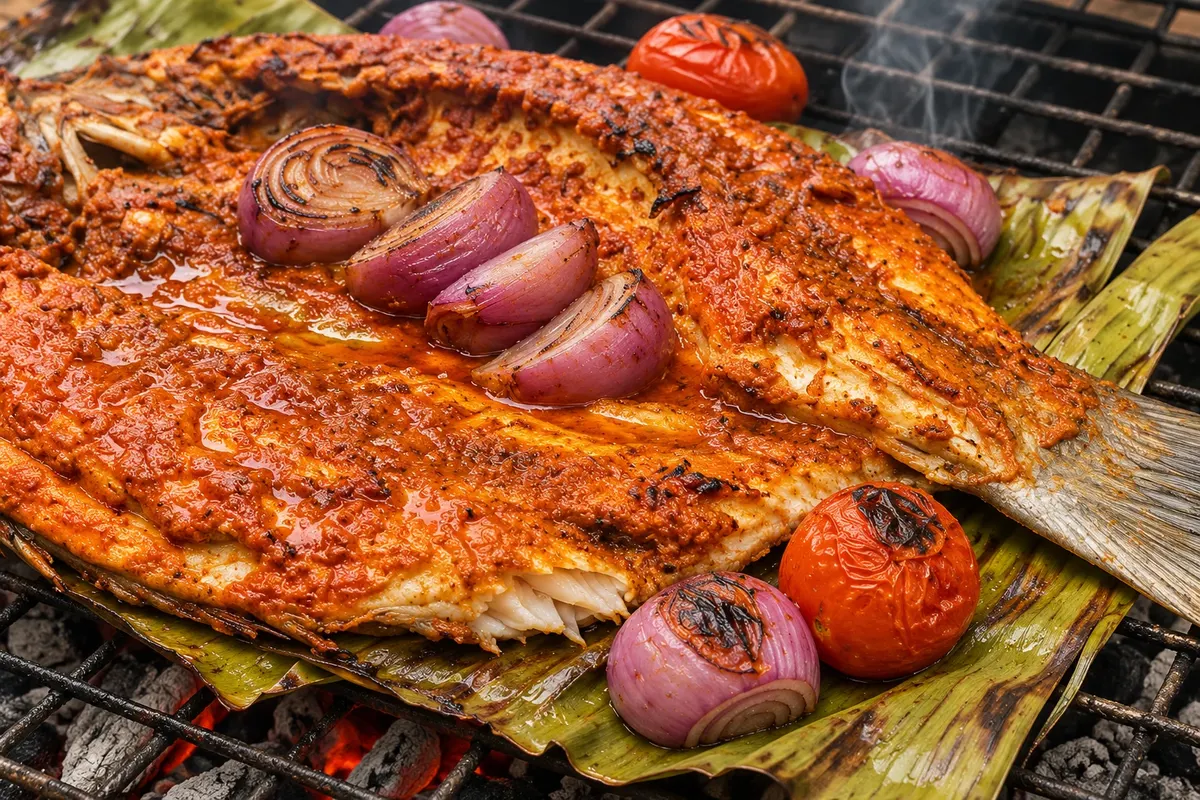
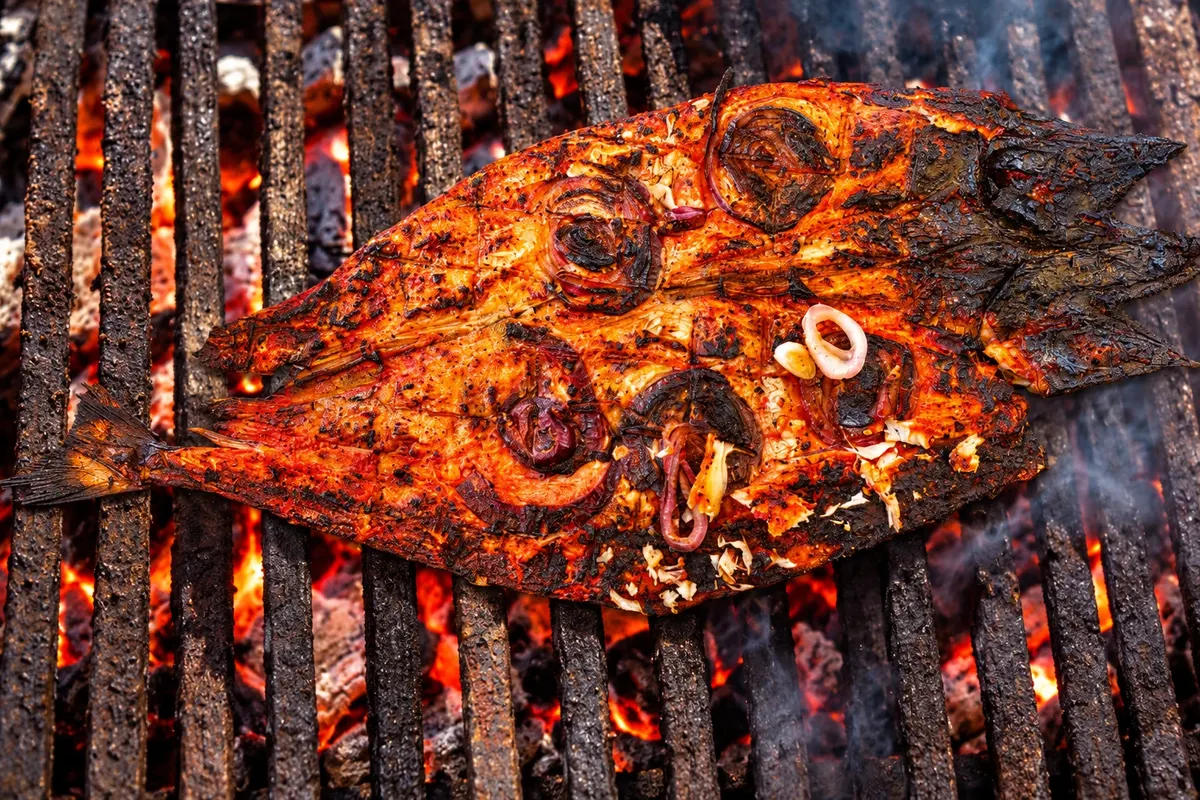
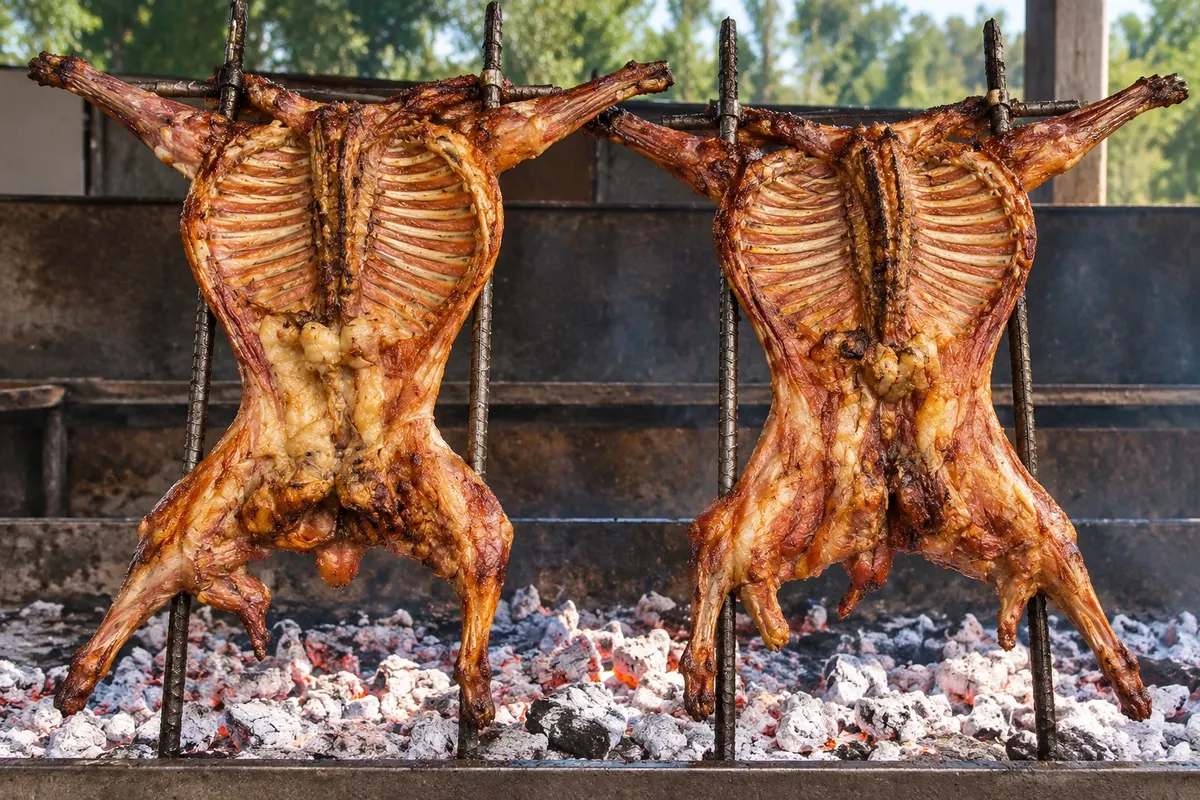
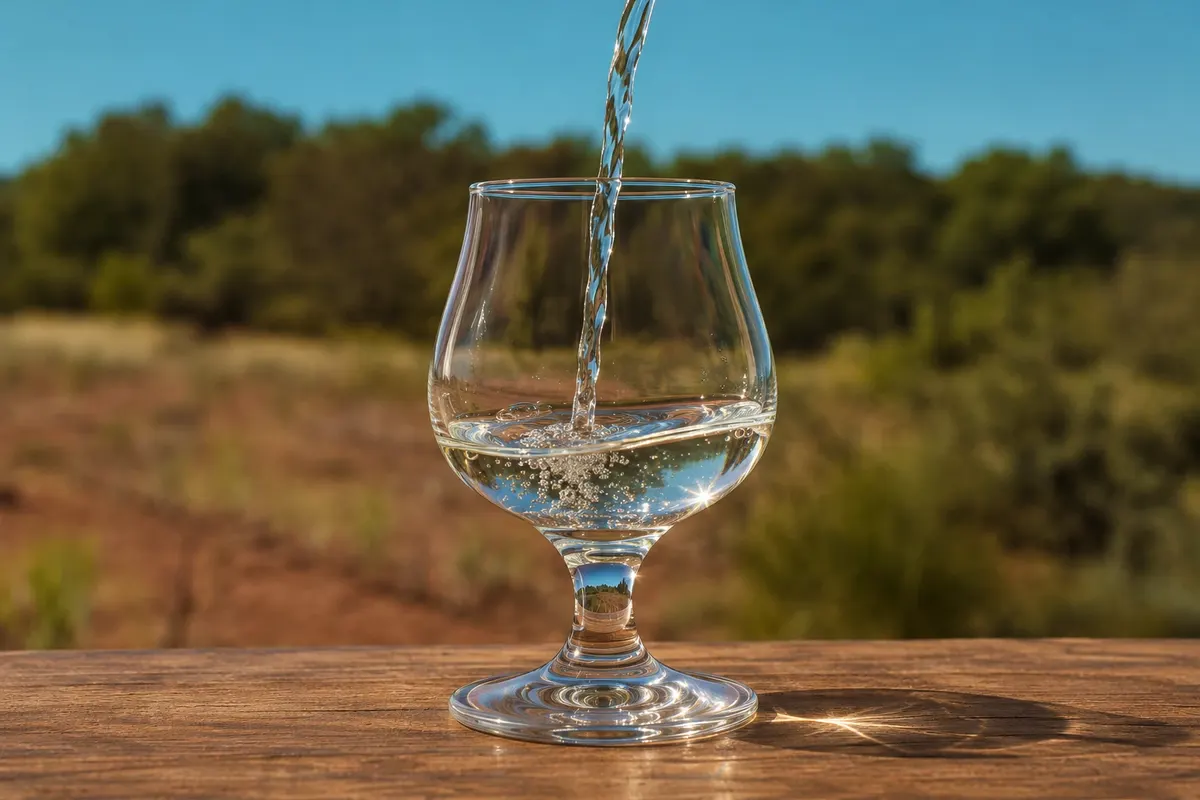
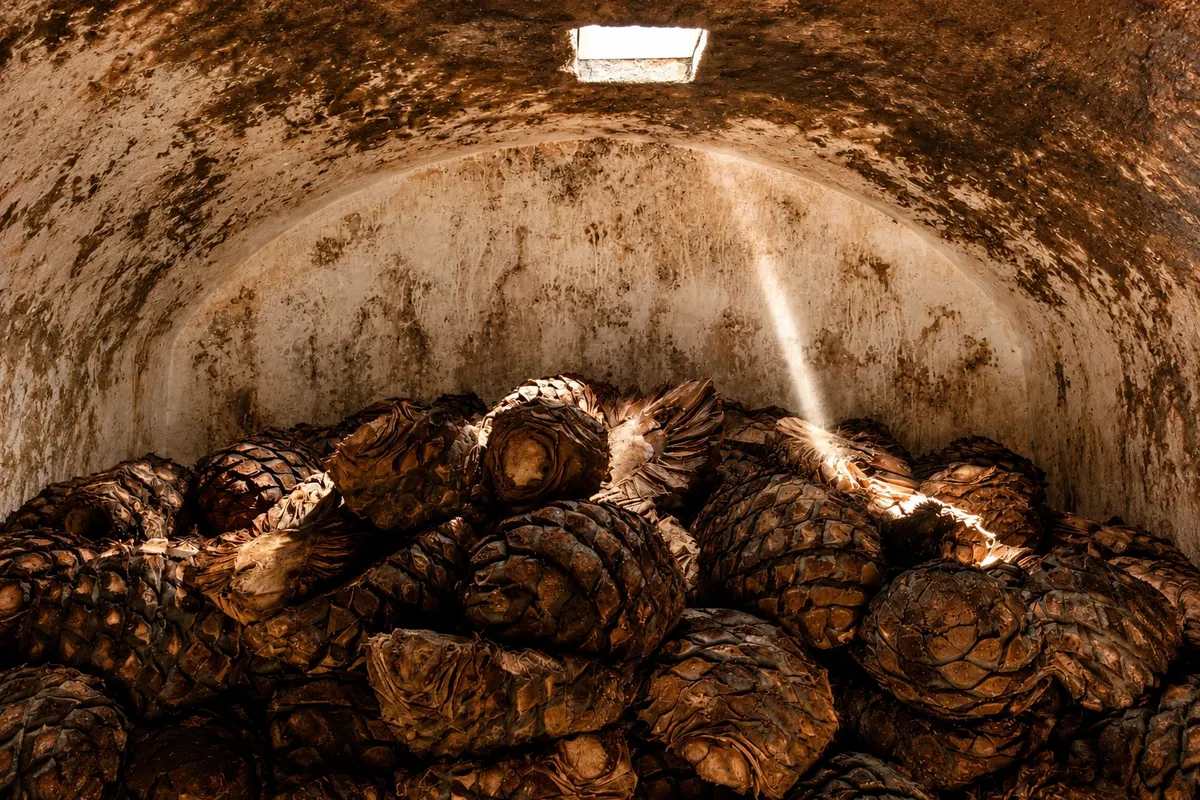
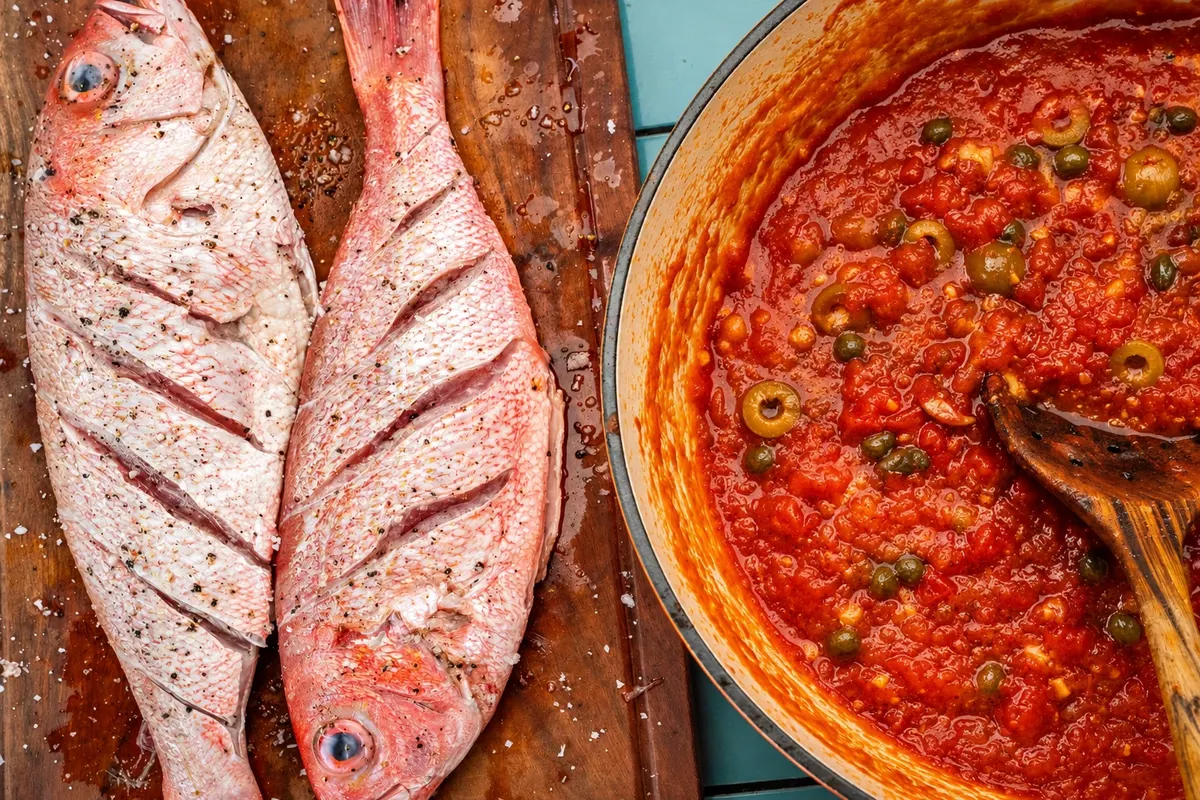
In the west and north, Guadalajara has the torta ahogada, and the city of Tequila gives its name to the agave distillate protected by designation of origin. In Baja California, Ensenada and Tijuana are associated with fish tacos and the Caesar salad. Nuevo León has cabrito al pastor, Guerrero pozole verde, Sinaloa aguachile, Veracruz huachinango a la veracruzana, and Mexcaltitán, in Nayarit, pescado zarandeado.
Each specialty here is linked to a principal place, according to the sources. That does not mean it is eaten only there: most can be found across much of the country, with family, regional and seasonal variations.


 Brazilija
 Antarktika
 Argentina
 Bolivija
 Čile
 Kolumbija
 Ekvator
 Gvajana
 Francoska Gvajana
 Falklandski otoki (Malvini)
 Paragvaj
 Peru
 Surinam
 Urugvaj
 Venezuela
 Nemčija
 Avstrija
 Belgija
 Hrvaška
 Danska
 Slovaška
 Slovenija
 Španija
 Finska
 Francija
 Grčija
 Nizozemska
 Madžarska
 Irska
 Islandija
 Italija
 Luksemburg
 Norveška
 Poljska
 Portugalska
 Združeno kraljestvo
 Češka
 Švedska
 Švica
 Turčija
 Bermudi
 Kanada
 Združene države Amerike
 Grenlandija
 Sveta Peter in Mihael
 Dominikanska republika
 Japonska
 Južnoafriška republika
 Egipt
 Avstralija
 Fidži
 Nova Zelandija
 Papua Nova Gvineja