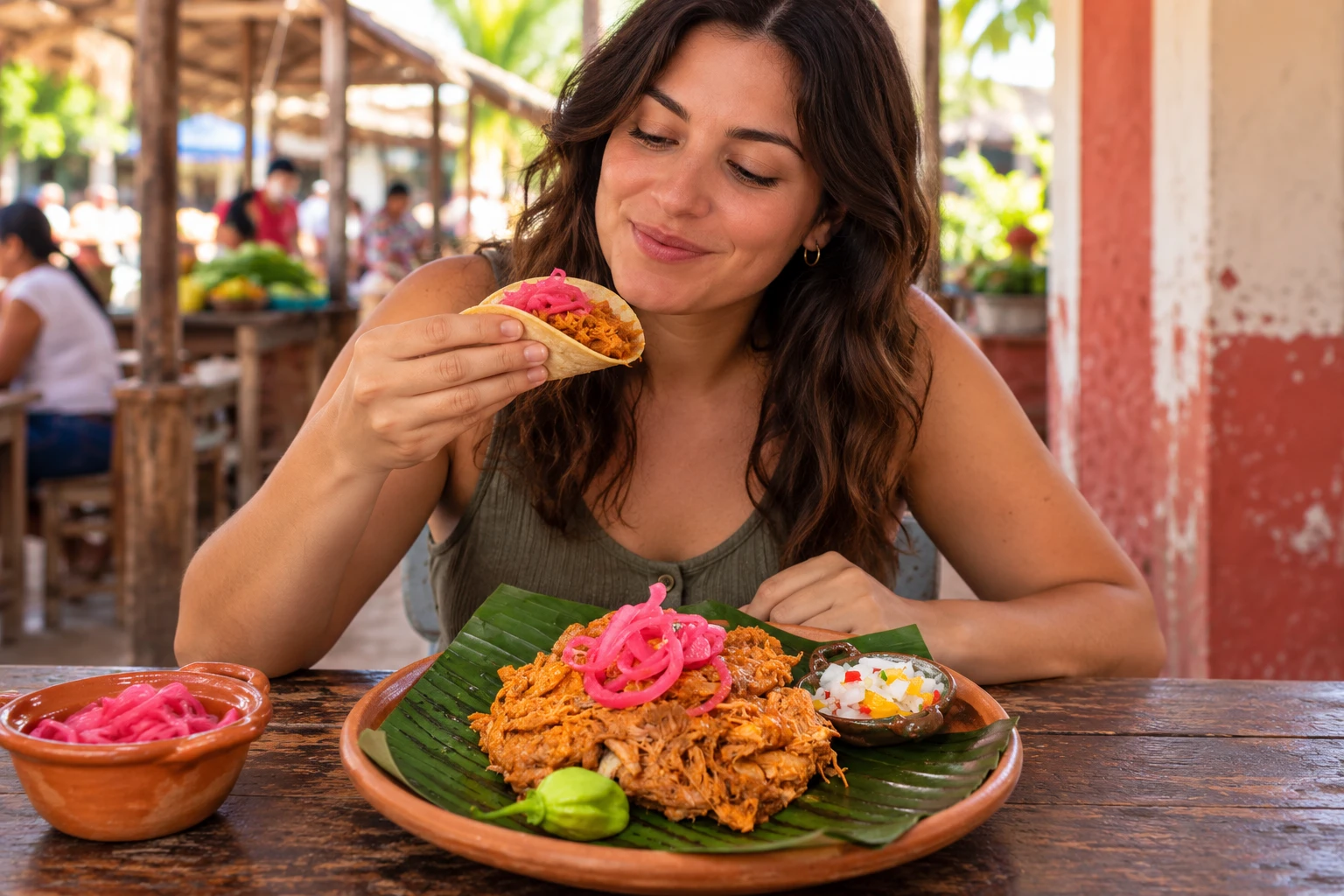
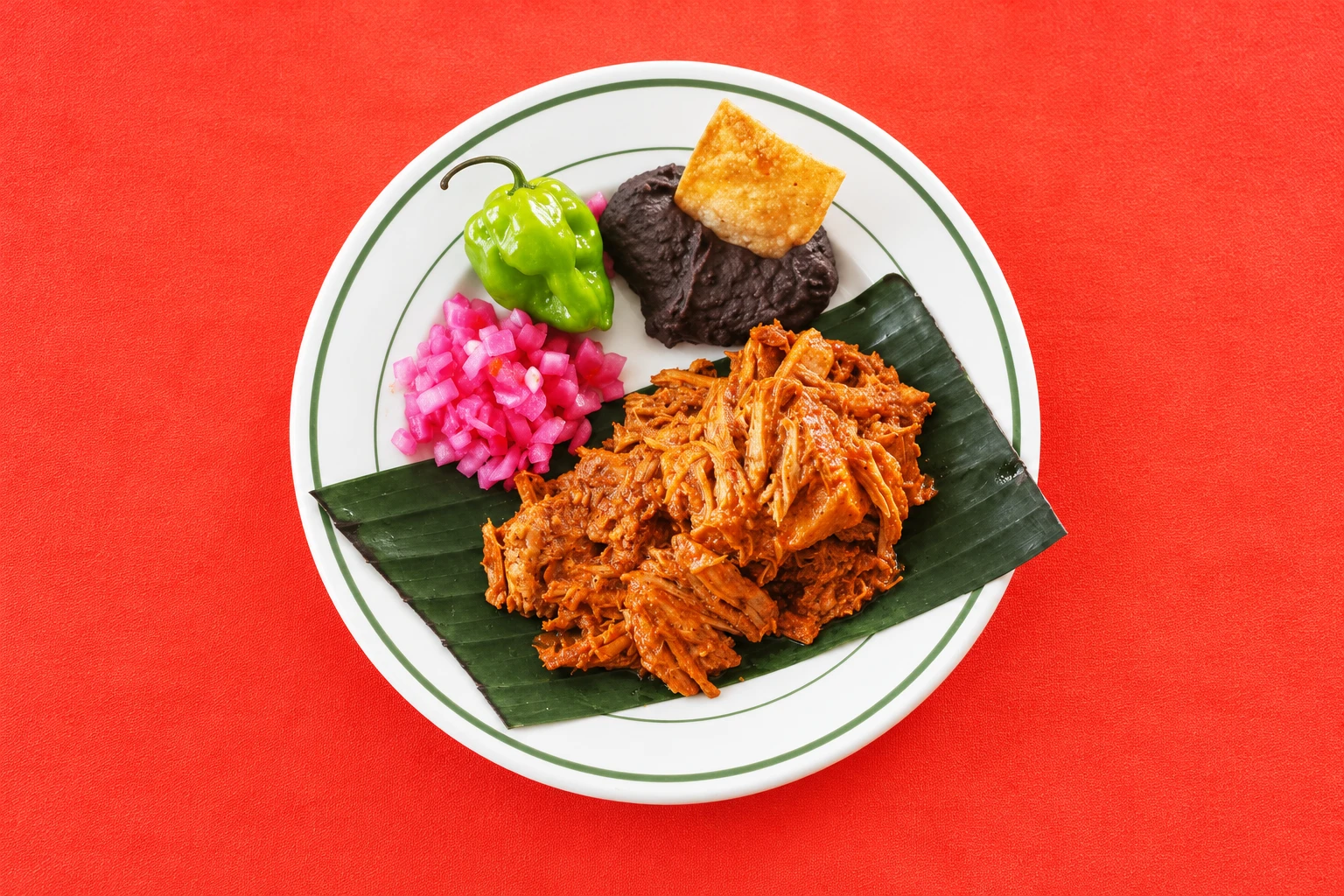
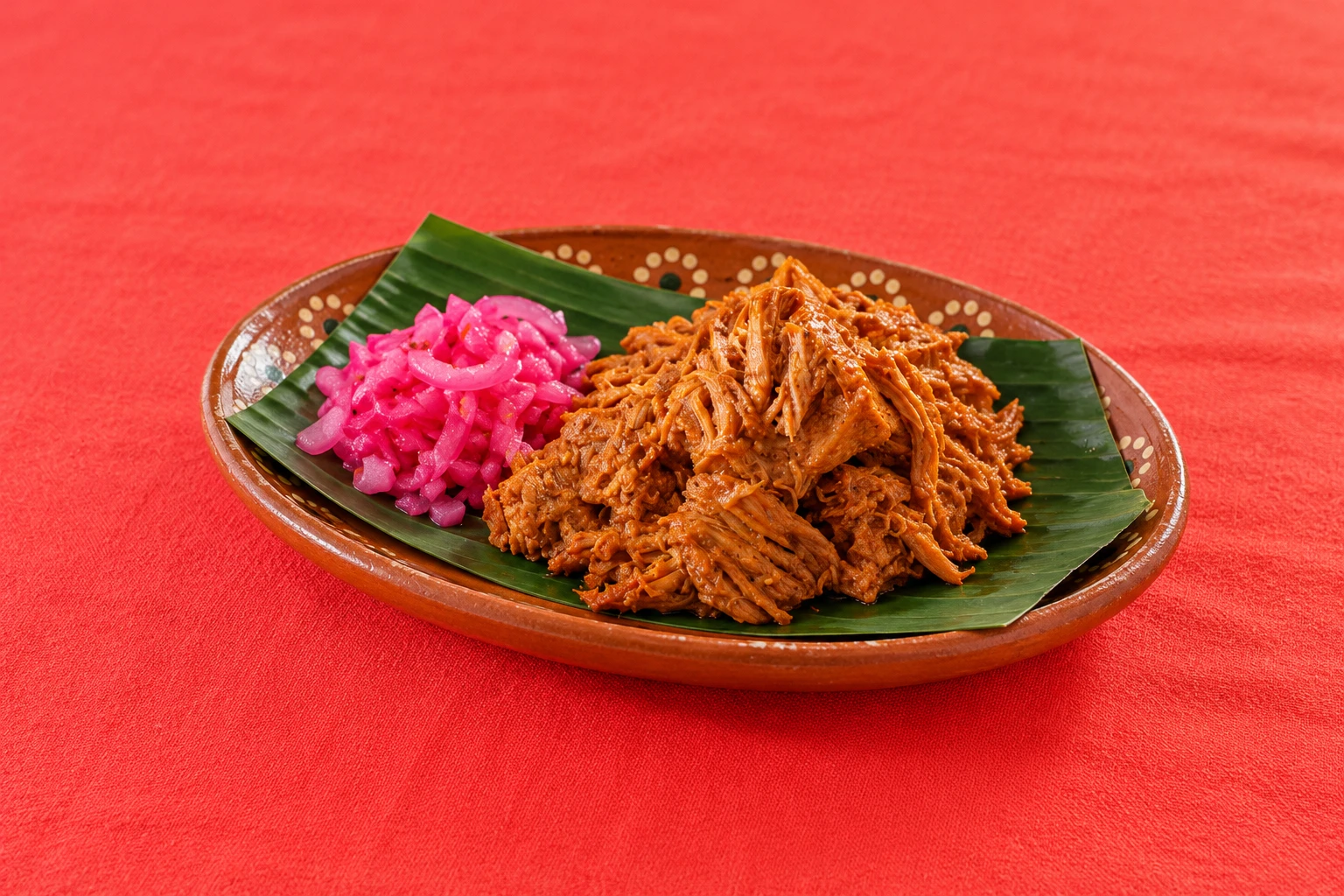
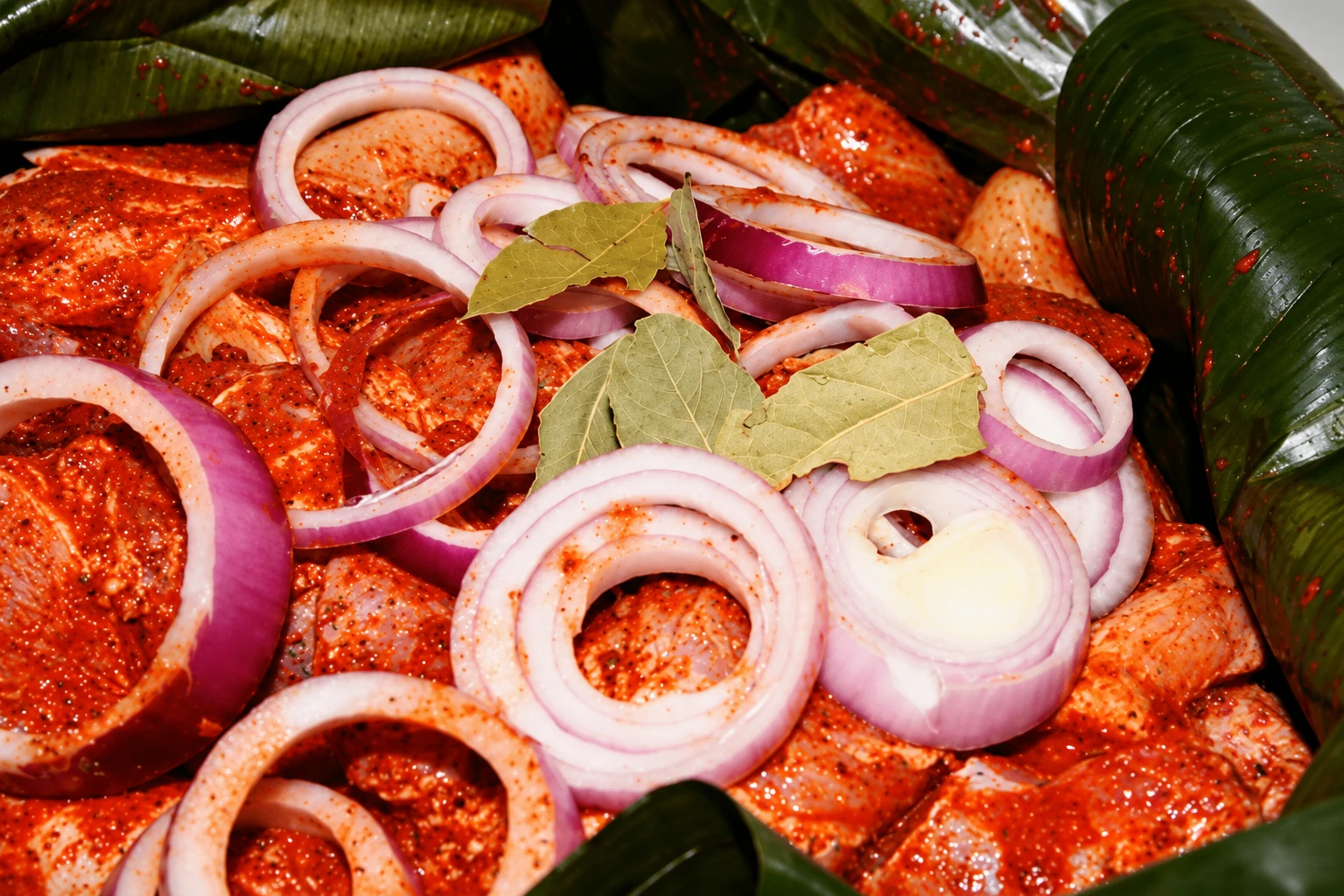
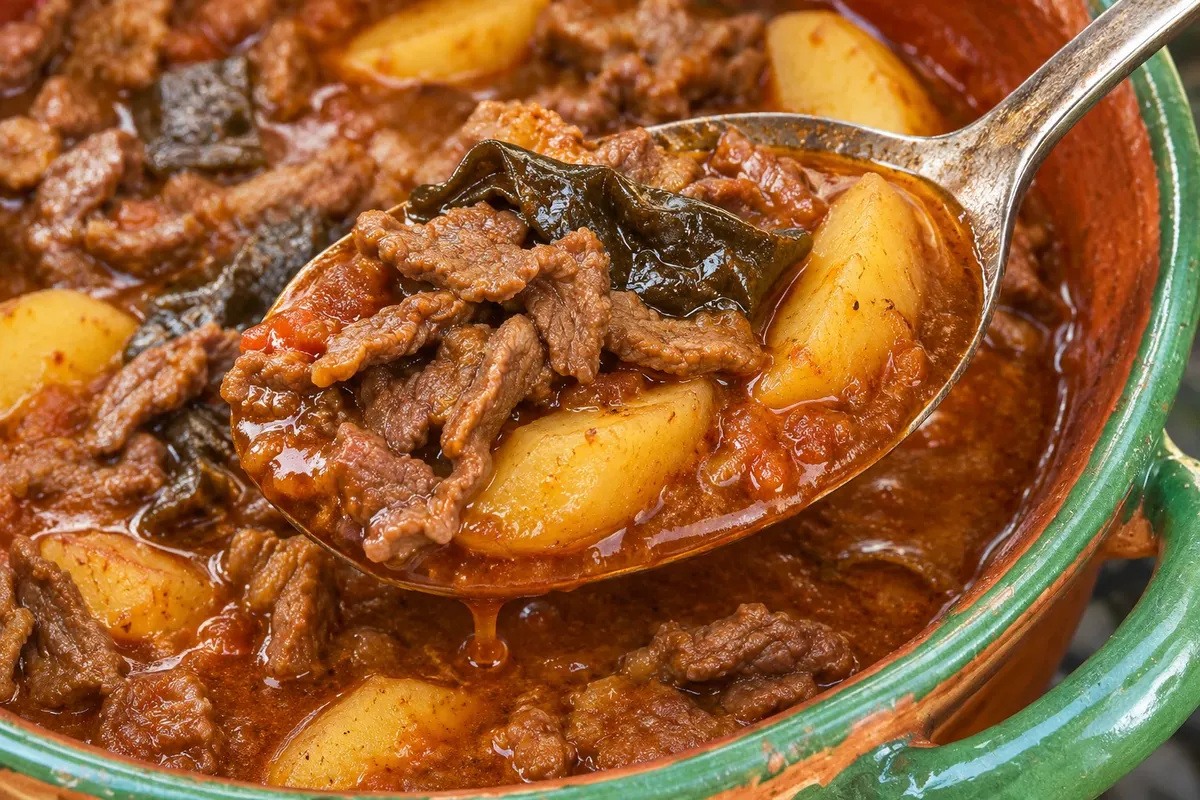
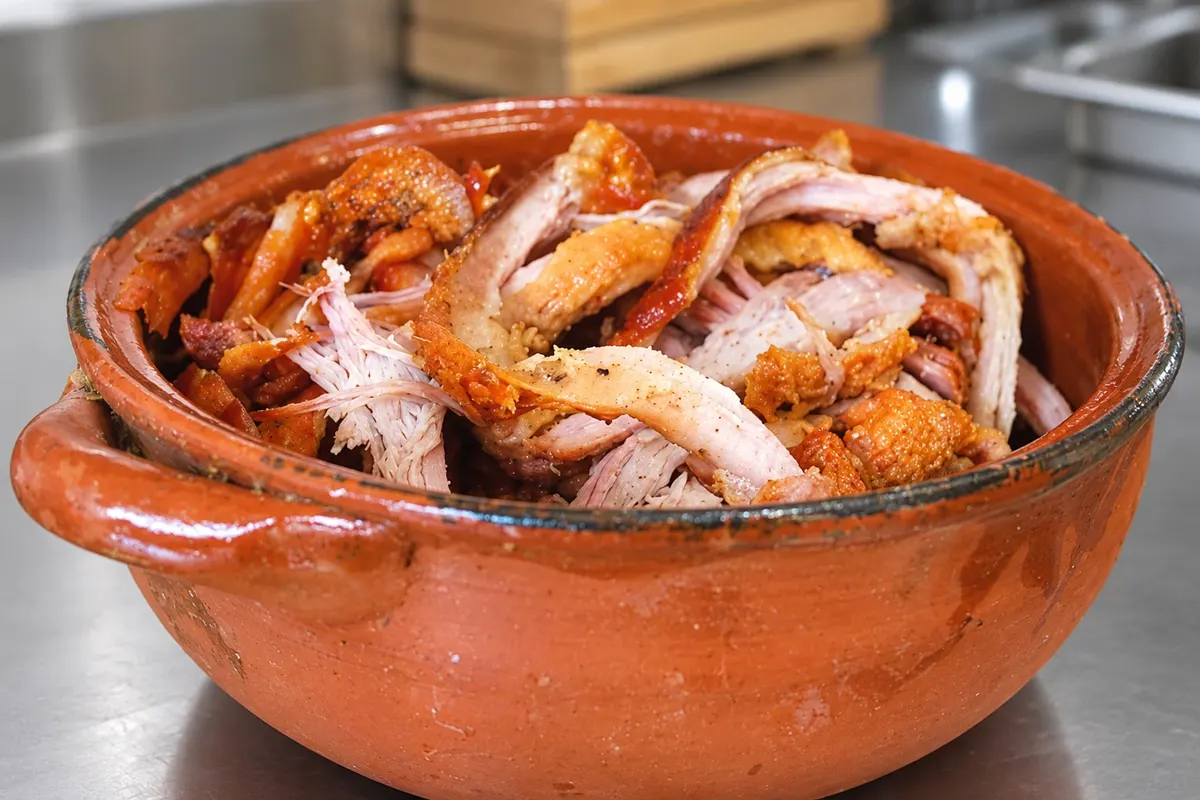
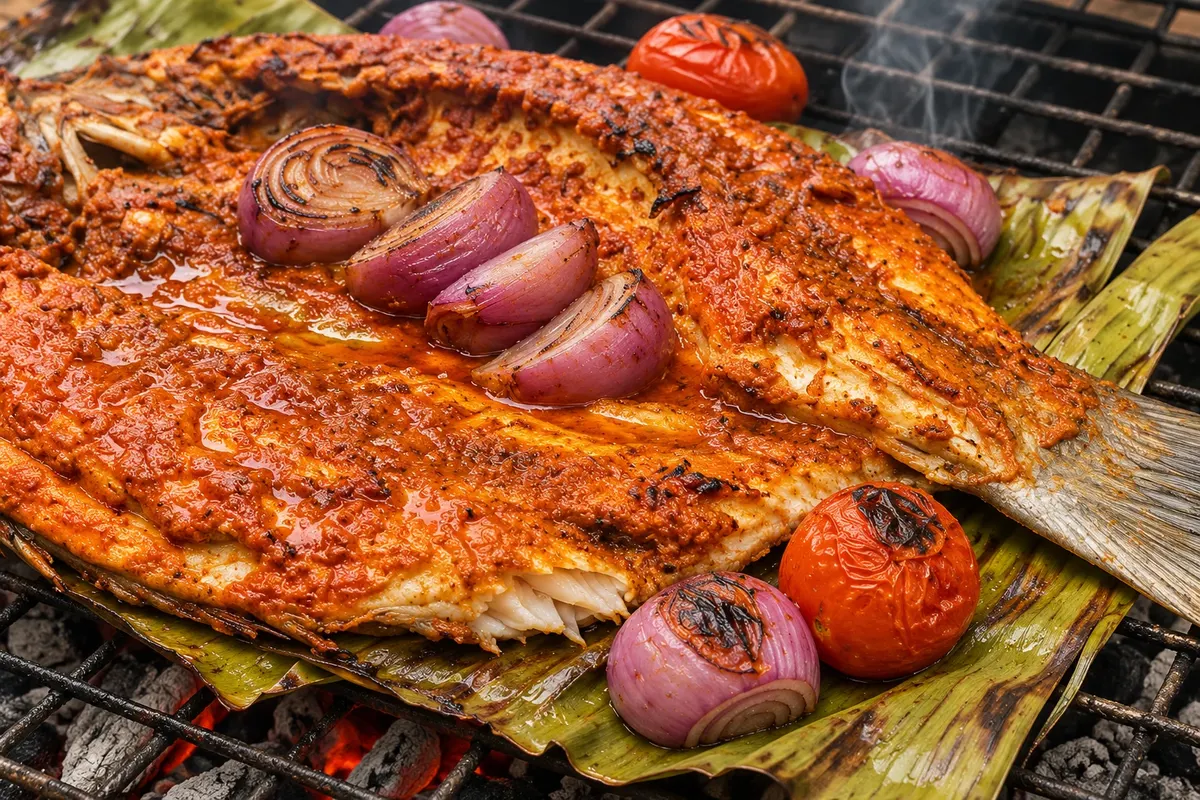
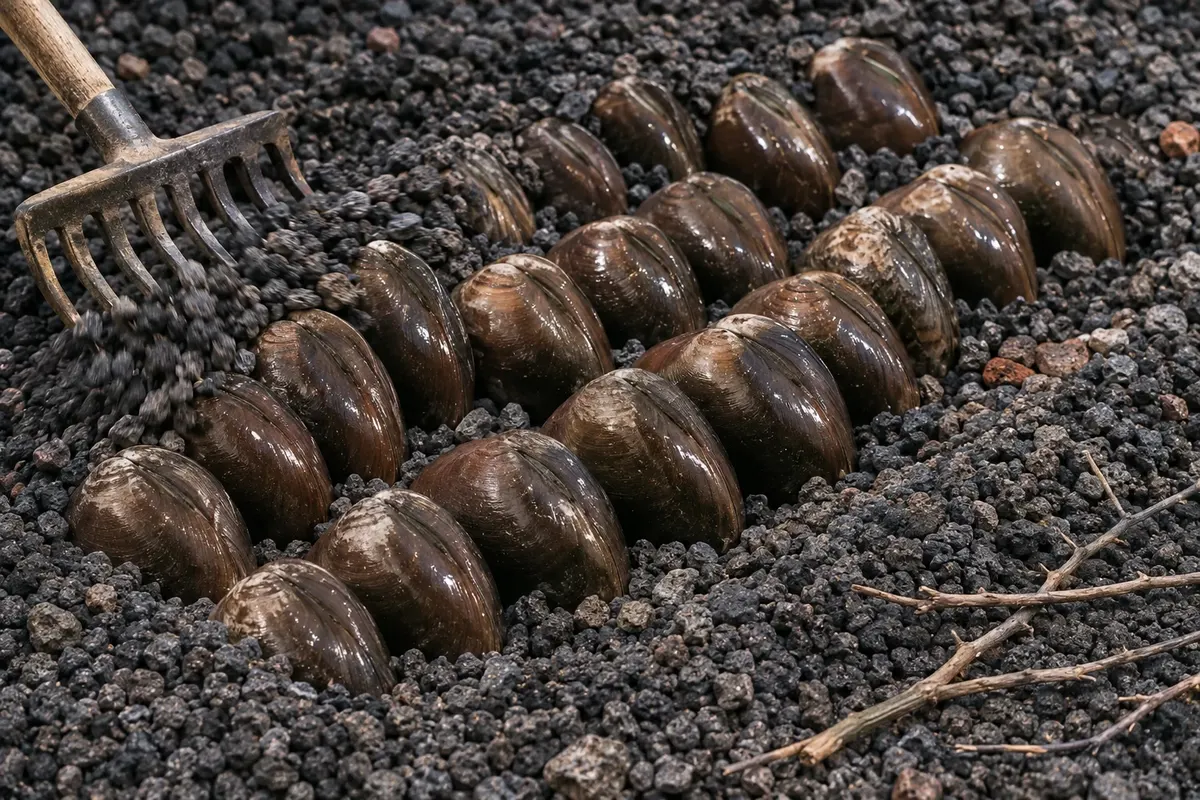
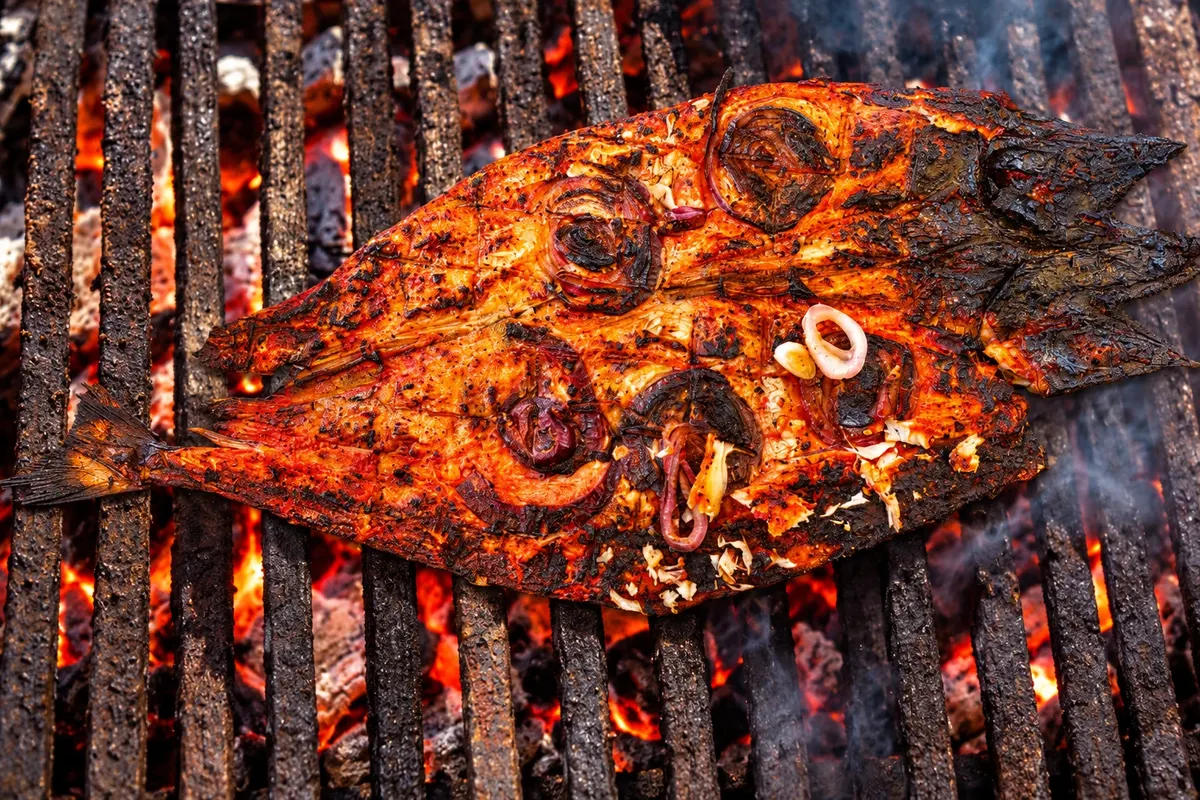
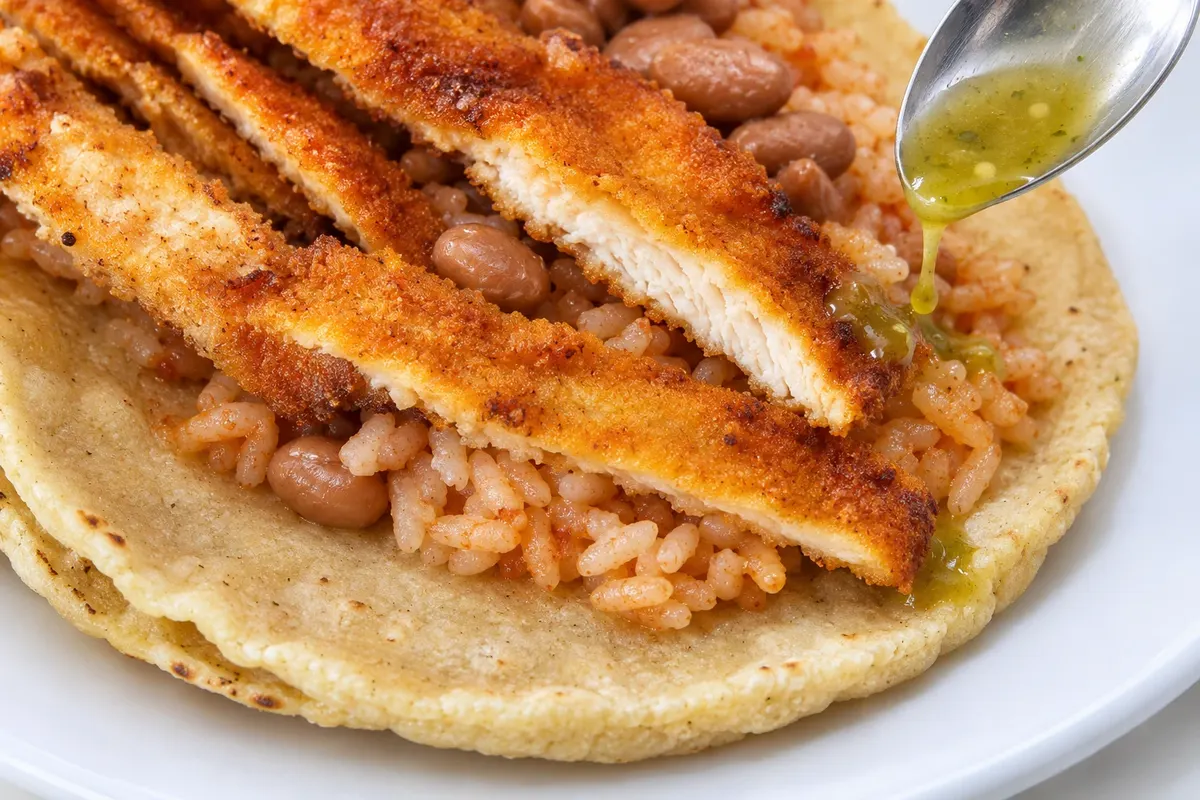
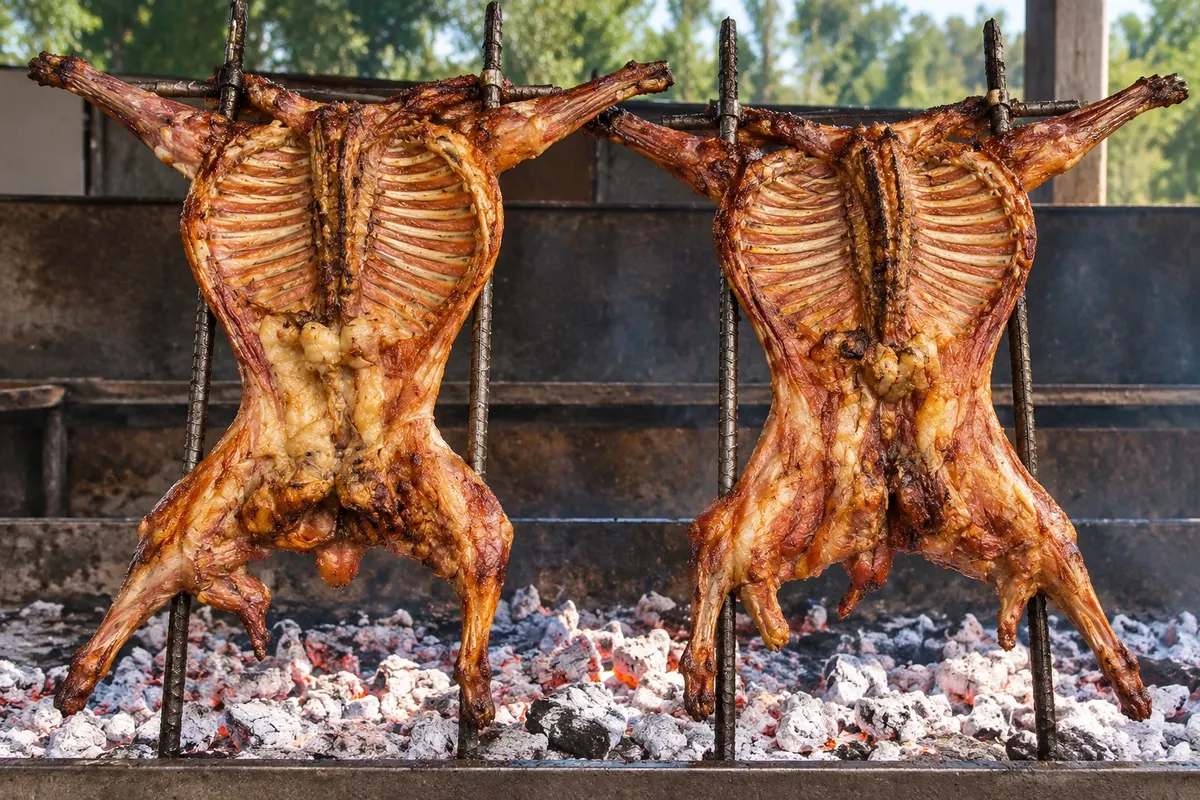
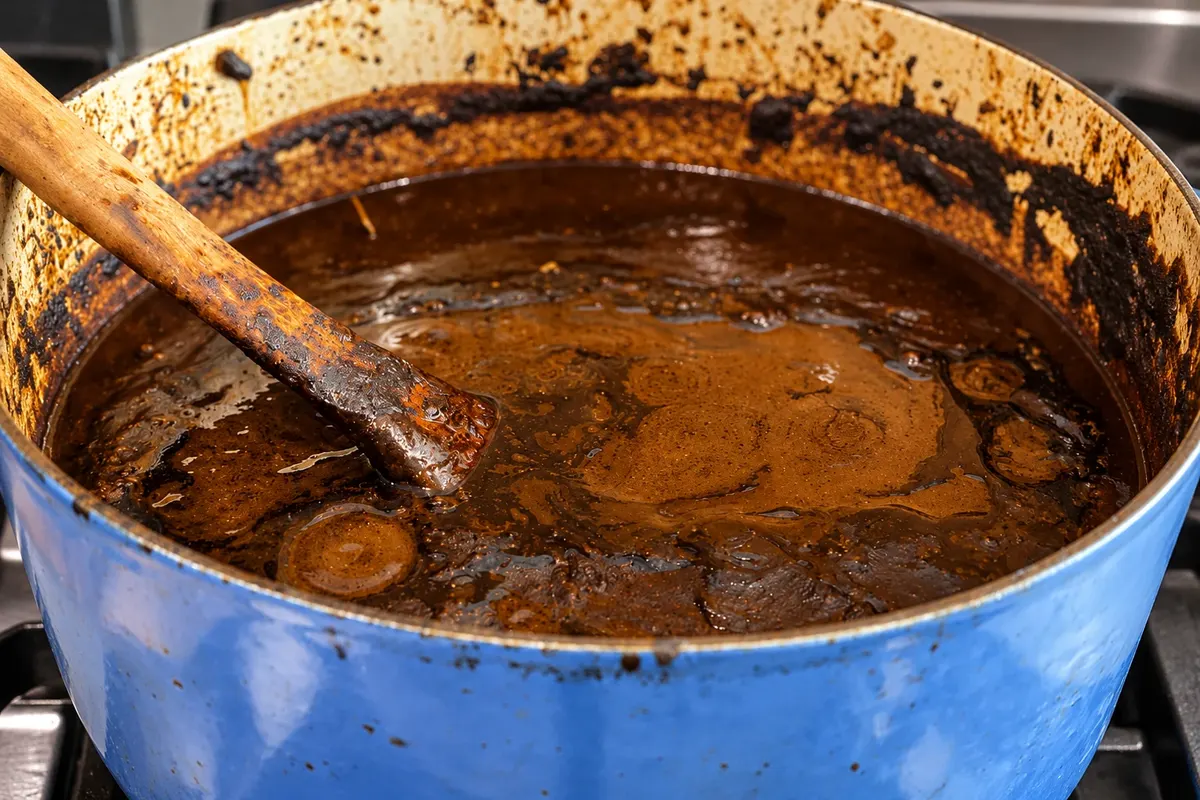
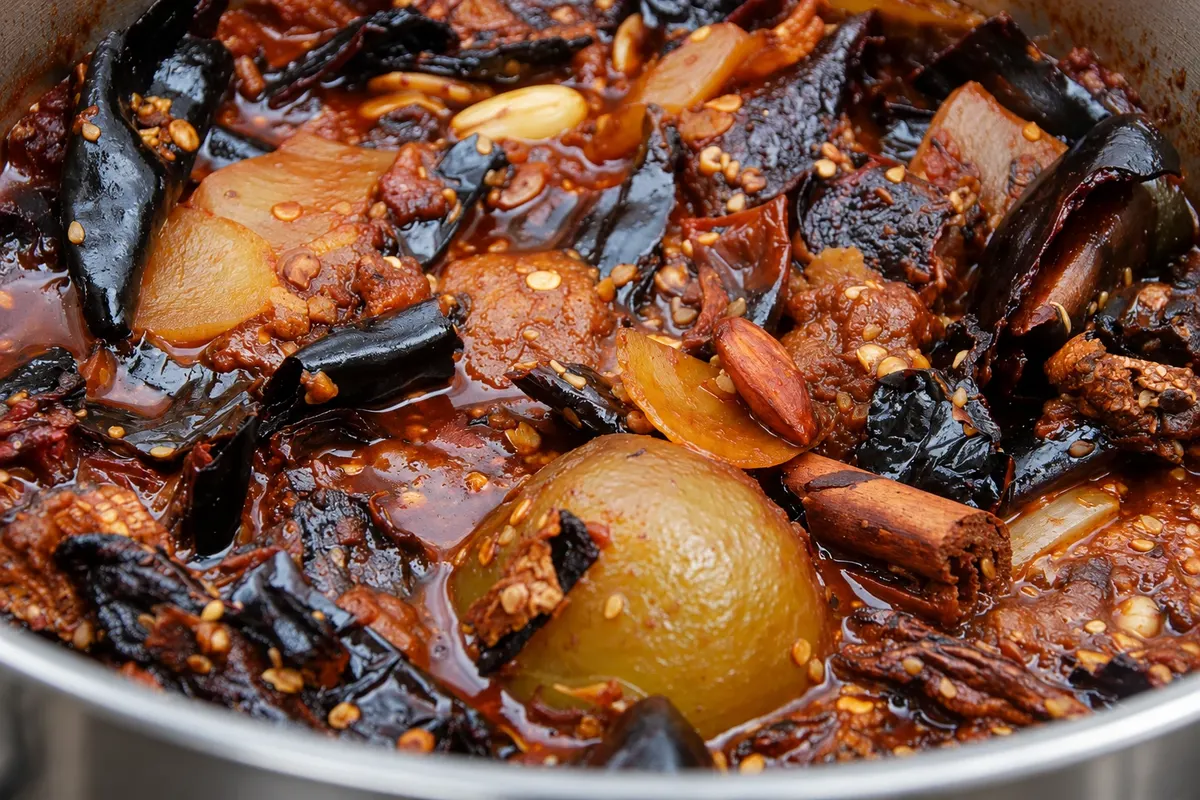
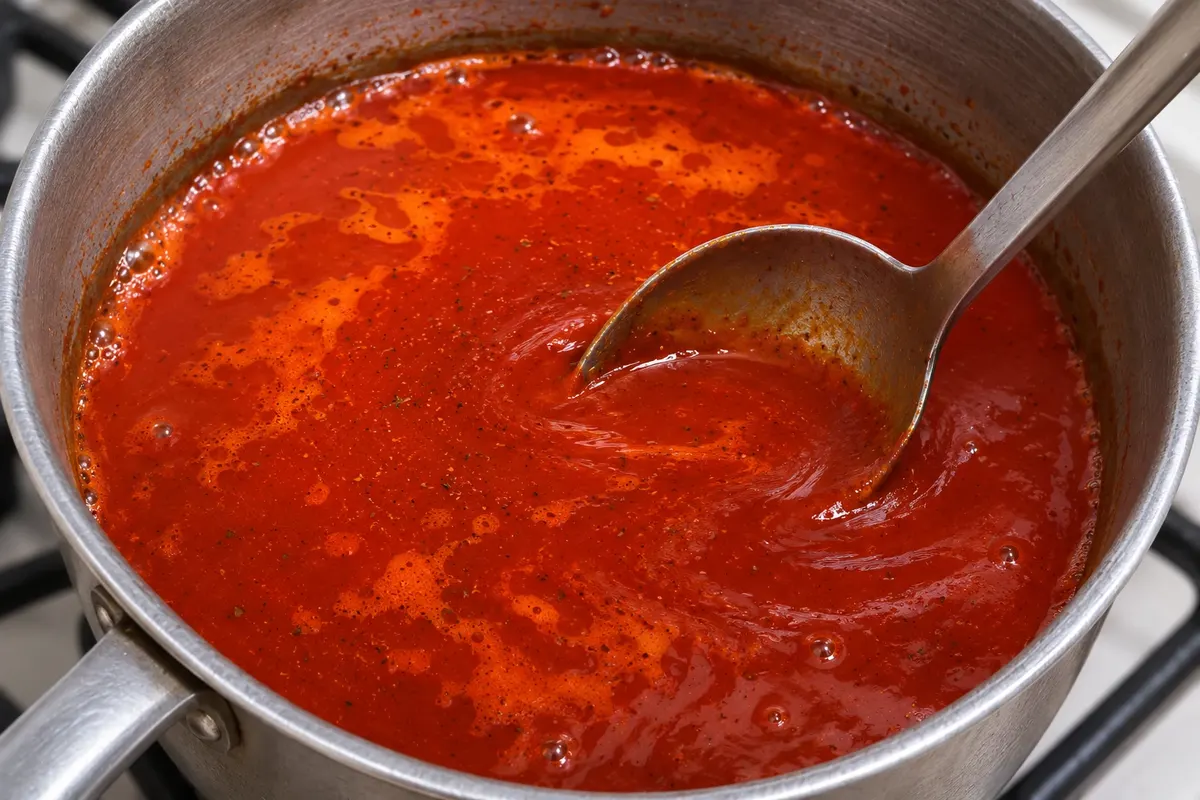
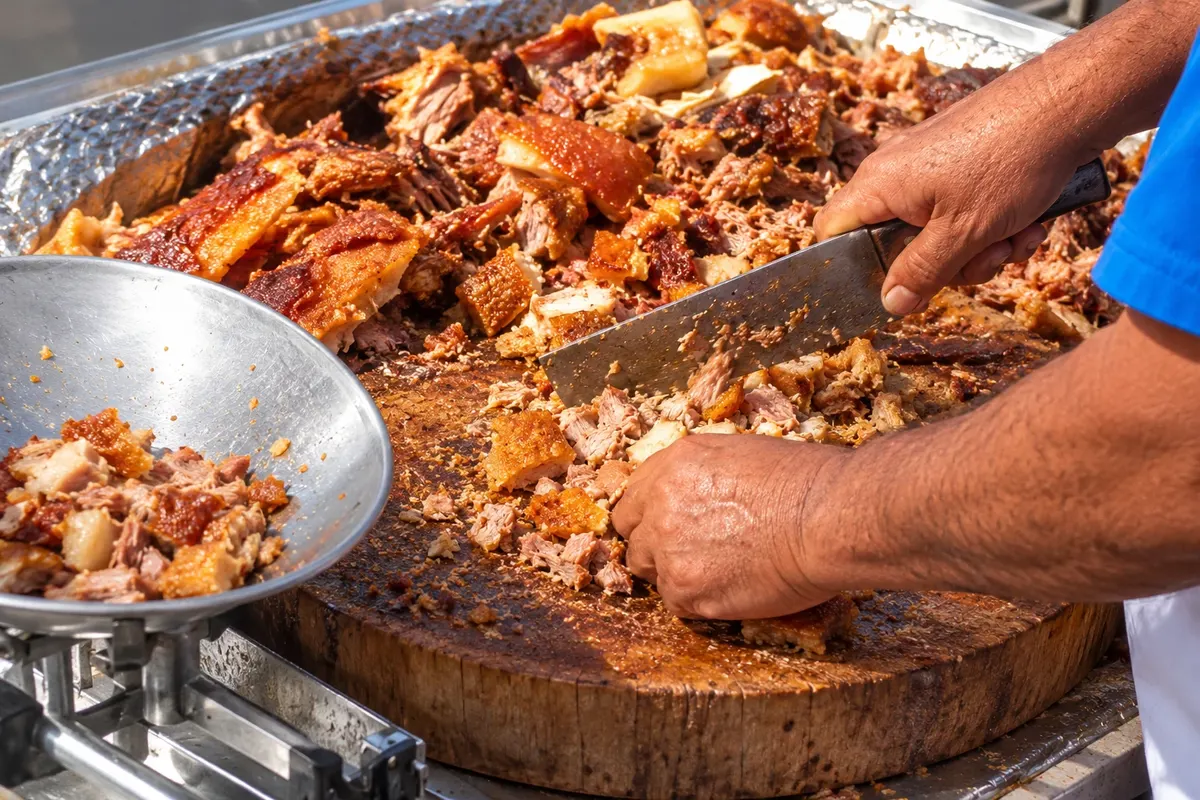
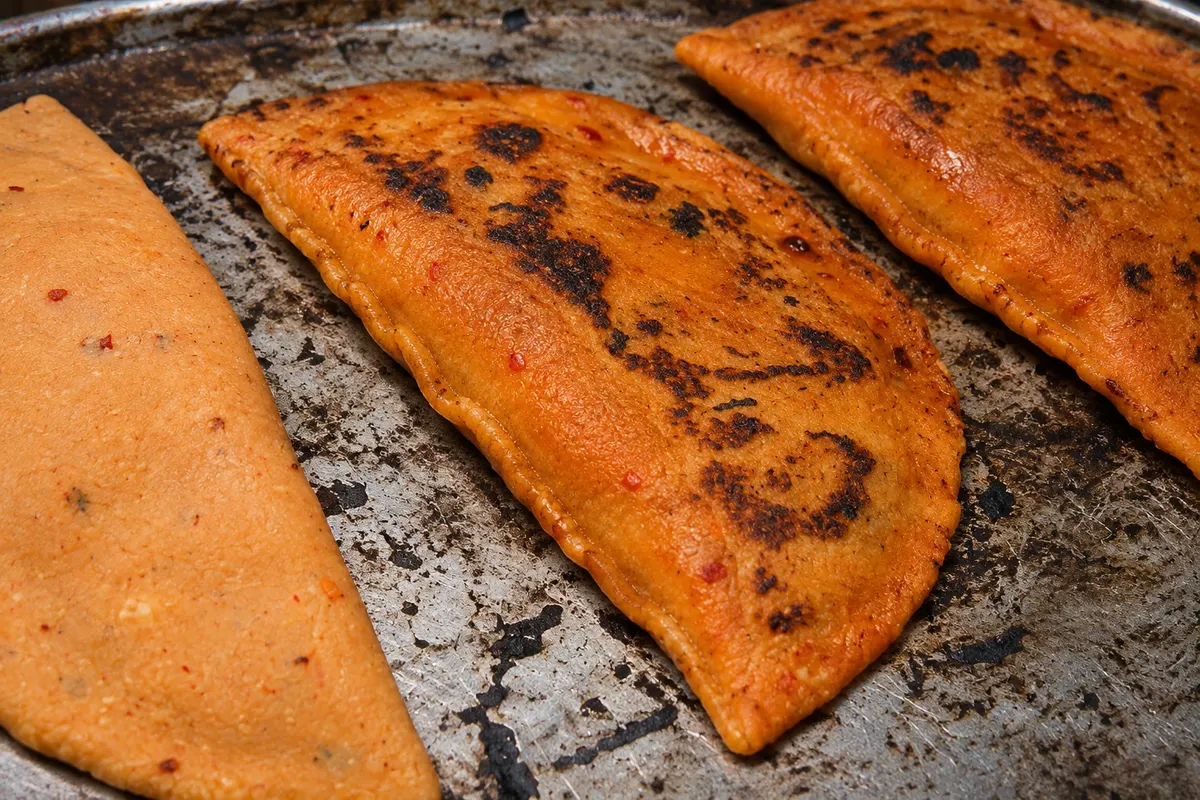
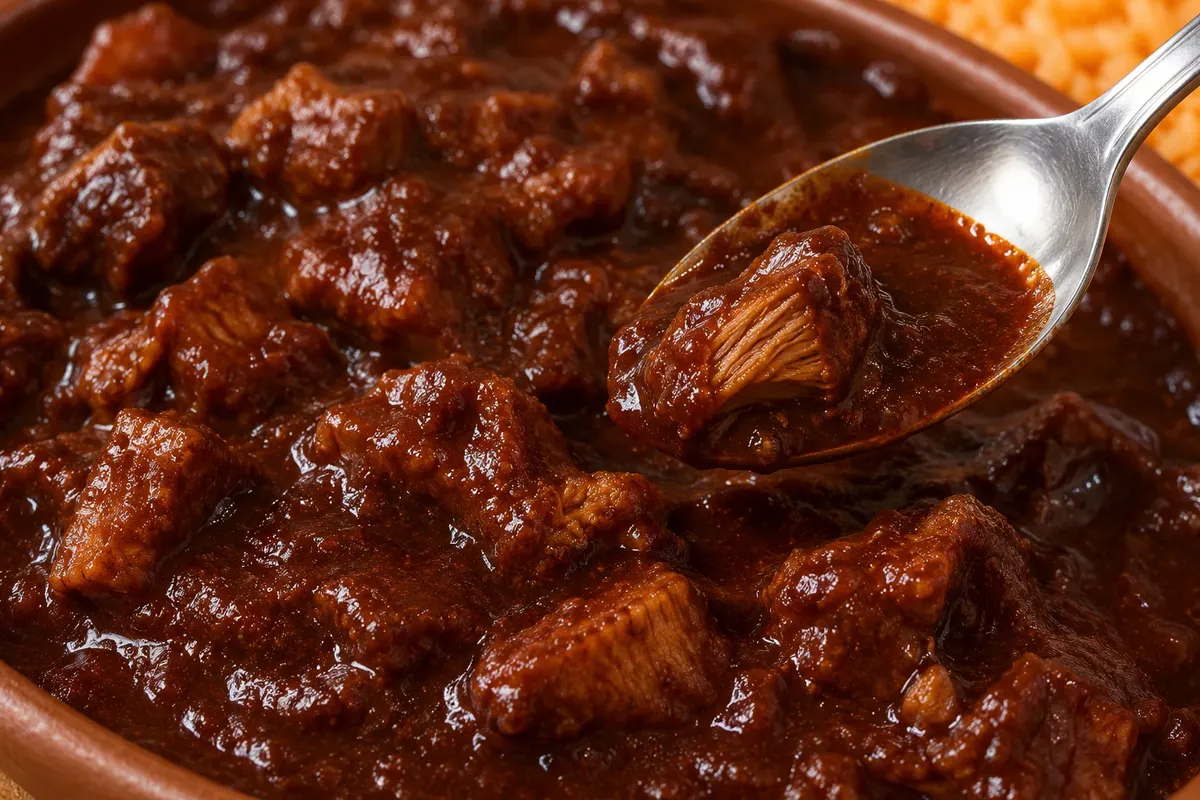
Cochinita pibil is pork marinated in an achiote paste, the recado rojo, diluted in bitter orange juice, wrapped in banana leaves and cooked for many hours in an earth oven. It comes out tender, easily shreddable, reddish-orange in color and scented by the achiote and the leaf.
The name combines two heritages. Cochinita means "little pig," and the pig arrived on the peninsula with the Spaniards. Pibil comes from pib, the Mayan oven dug into the ground, where food is buried on hot stones. That is why anthropologist Indalecio Cardeña Vázquez notes that cochinita is a colonial dish, although the buried-cooking technique predates the conquest: the Maya already roasted deer, wild turkeys and other foods that way.
In many homes and businesses the pork is still cooked in the pib, at dawn, so it’s ready in the morning; elsewhere it goes into a regular oven. Eating cochinita on Sunday, in tacos or tortas for breakfast or lunch, is a custom of Yucatán families, common in Mérida, Valladolid and the towns of the state.
Cochinita almost always comes with red onion pickled in bitter orange and with habanero chile, the most typical pepper of the peninsula, served on the side for anyone who wants it.


 Brazilija
 Antarktika
 Argentina
 Bolivija
 Čile
 Kolumbija
 Ekvator
 Gvajana
 Francoska Gvajana
 Falklandski otoki (Malvini)
 Paragvaj
 Peru
 Surinam
 Urugvaj
 Venezuela
 Nemčija
 Avstrija
 Belgija
 Hrvaška
 Danska
 Slovaška
 Slovenija
 Španija
 Finska
 Francija
 Grčija
 Nizozemska
 Madžarska
 Irska
 Islandija
 Italija
 Luksemburg
 Norveška
 Poljska
 Portugalska
 Združeno kraljestvo
 Češka
 Švedska
 Švica
 Turčija
 Bermudi
 Kanada
 Združene države Amerike
 Grenlandija
 Sveta Peter in Mihael
 Dominikanska republika
 Japonska
 Južnoafriška republika
 Egipt
 Avstralija
 Fidži
 Nova Zelandija
 Papua Nova Gvineja