Region
Get to know Otago
Otago (Ō Tākou) occupies the southeast and southern interior of the South Island, from the Southern Alps to the Pacific coast. The interior, called Central Otago, has a dry climate, hot summers and cold winters, with glacial lakes, vineyards and former 1860s gold-rush towns. Dunedin, on the coast, is the regional council seat.
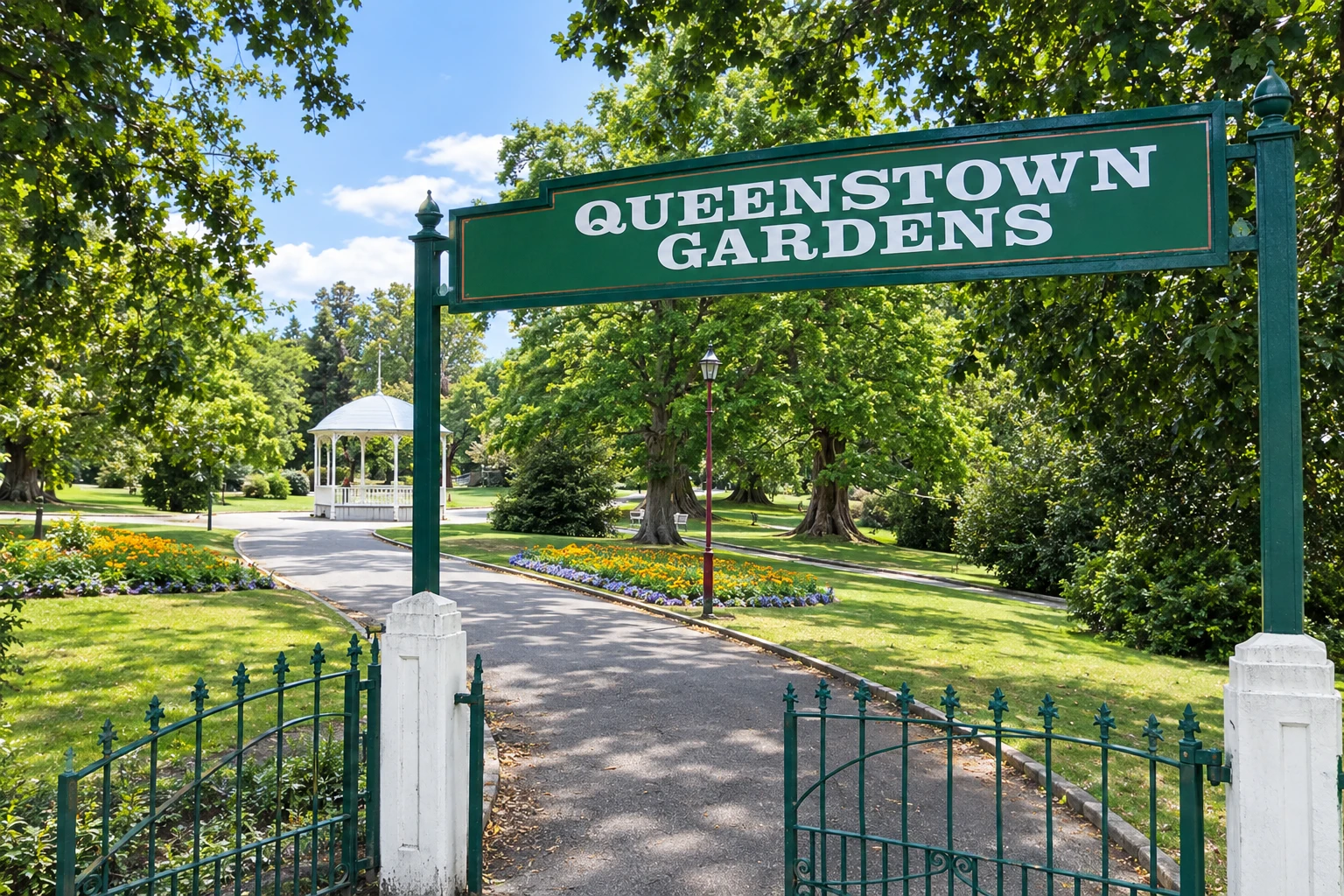
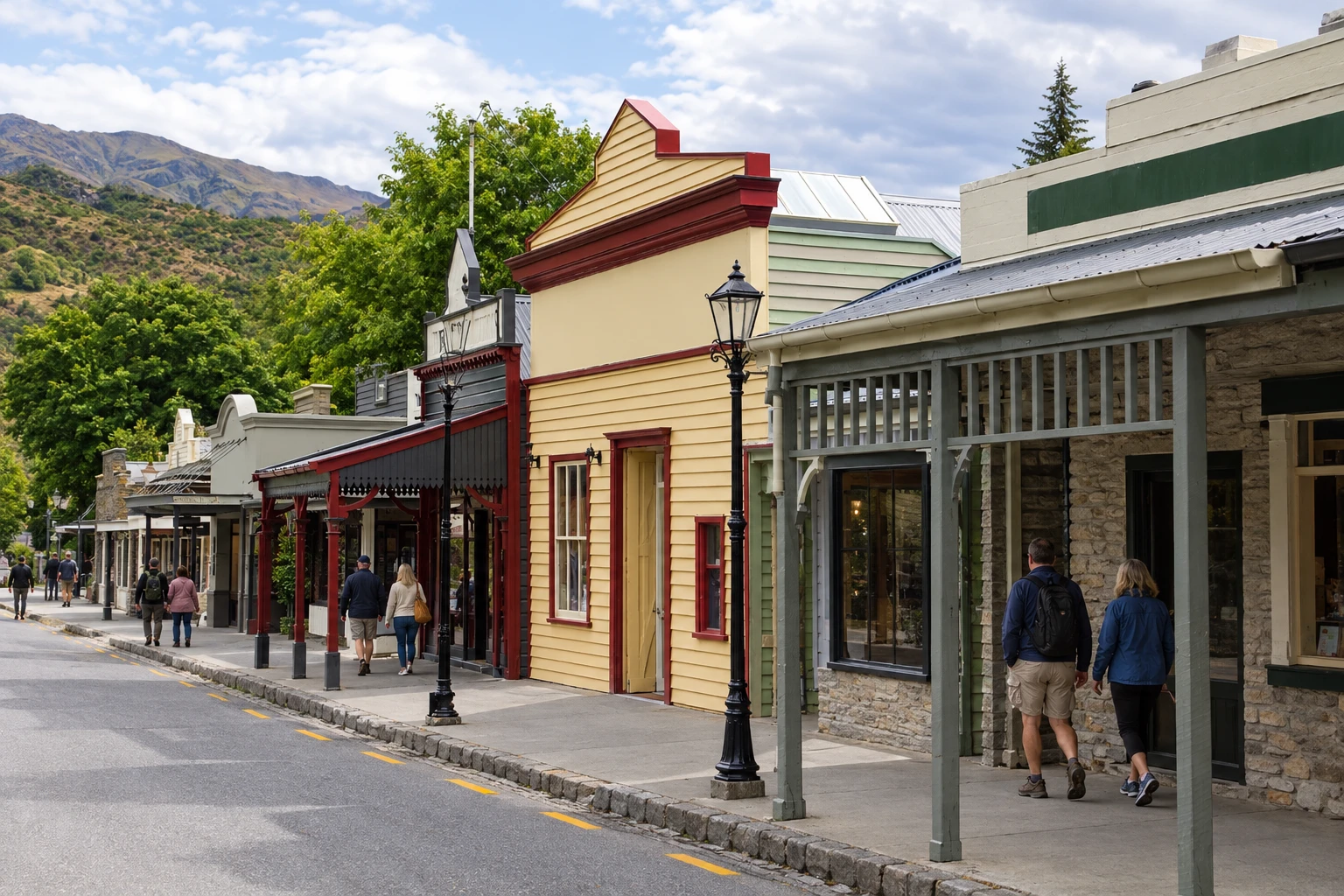
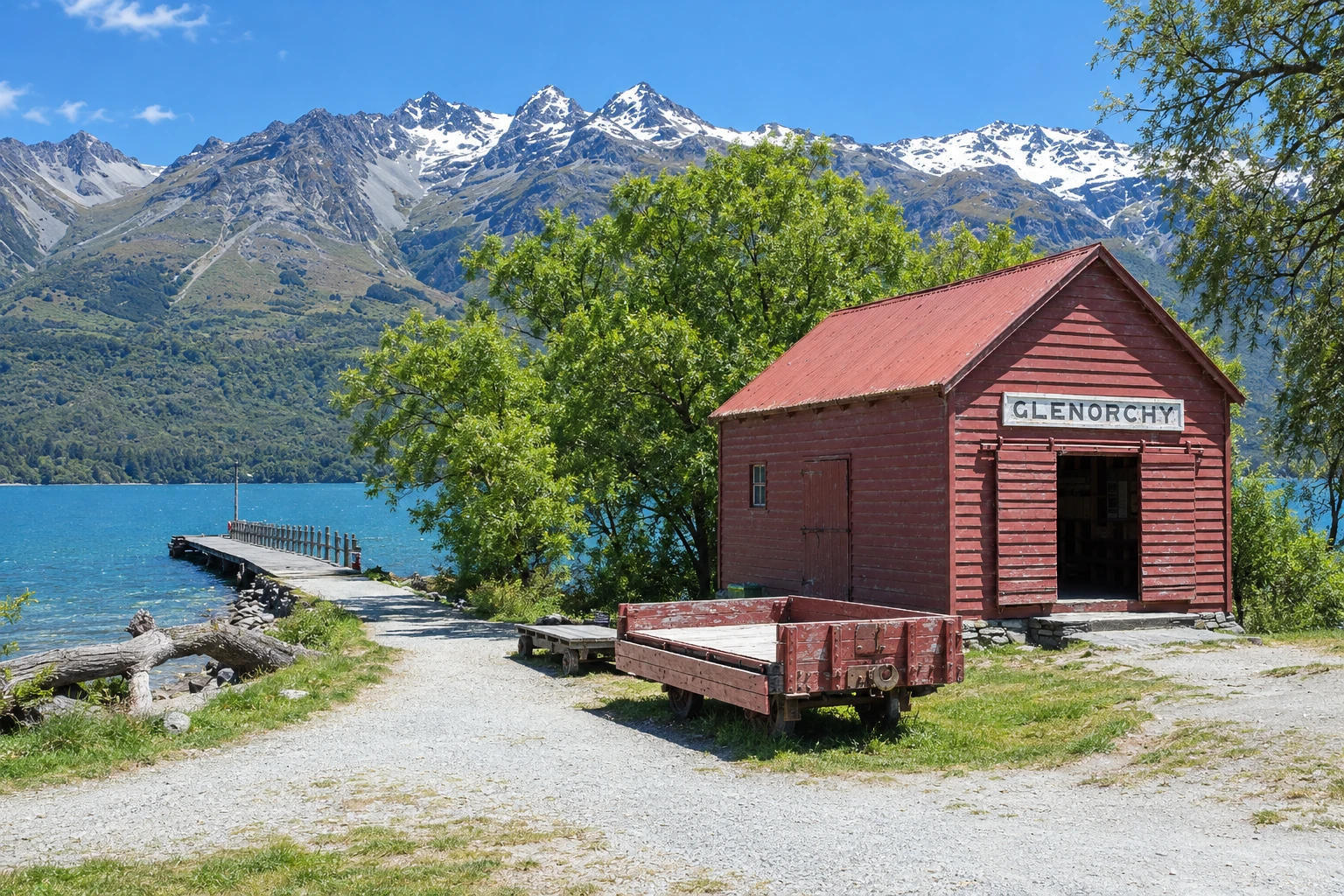
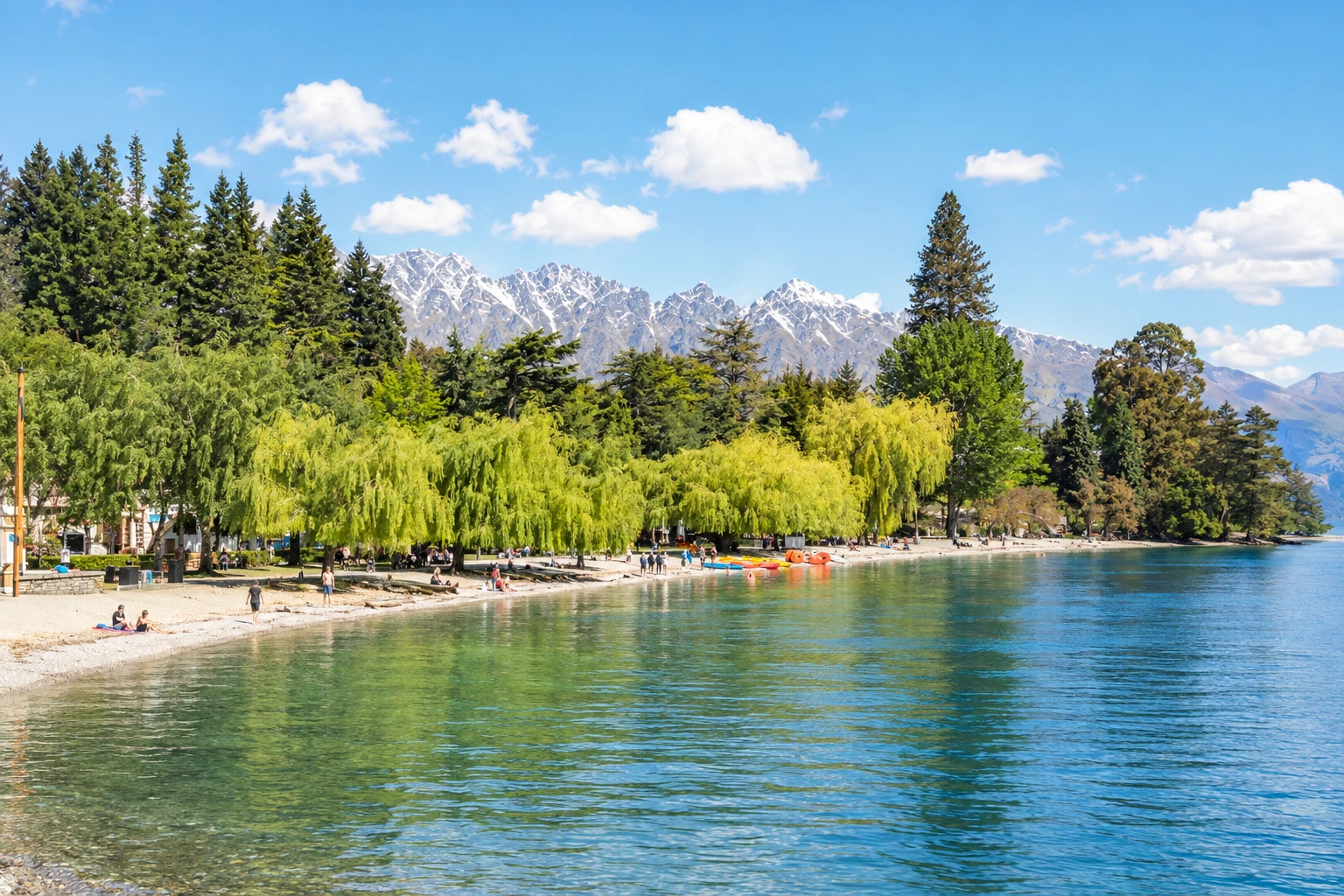
Queenstown, on the shore of Lake Wakatipu and facing The Remarkables range, is the country's main adventure-sports centre: commercial bungee jumping started there, at the Kawarau River bridge, and there are jet boats, rafting and paragliding. The gondola climbs to Bob's Peak above the town. Nearby Arrowtown preserves gold-rush buildings and Chinese miners' huts, and Glenorchy, at the northern tip of the lake, is the gateway to the Routeburn Track.
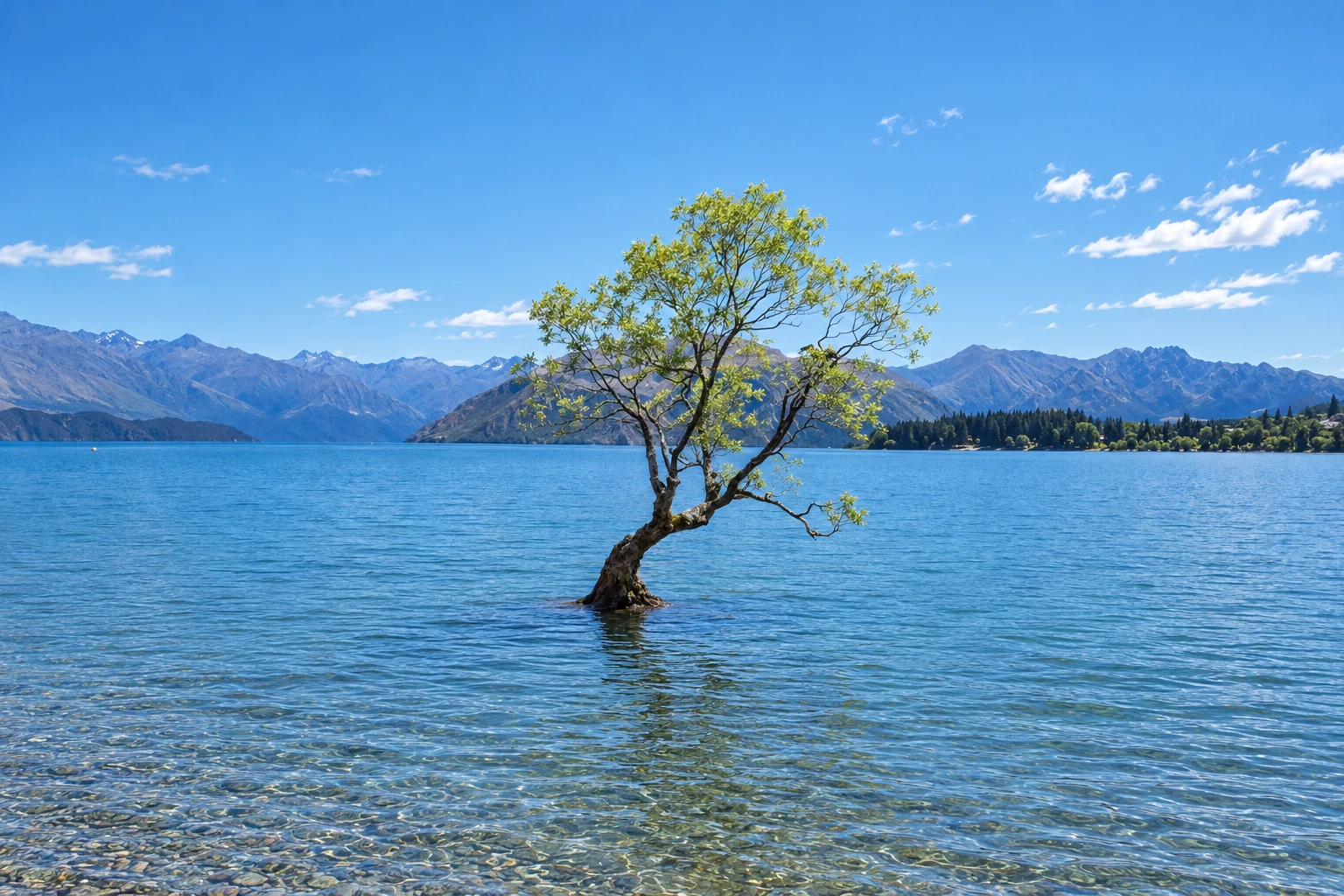
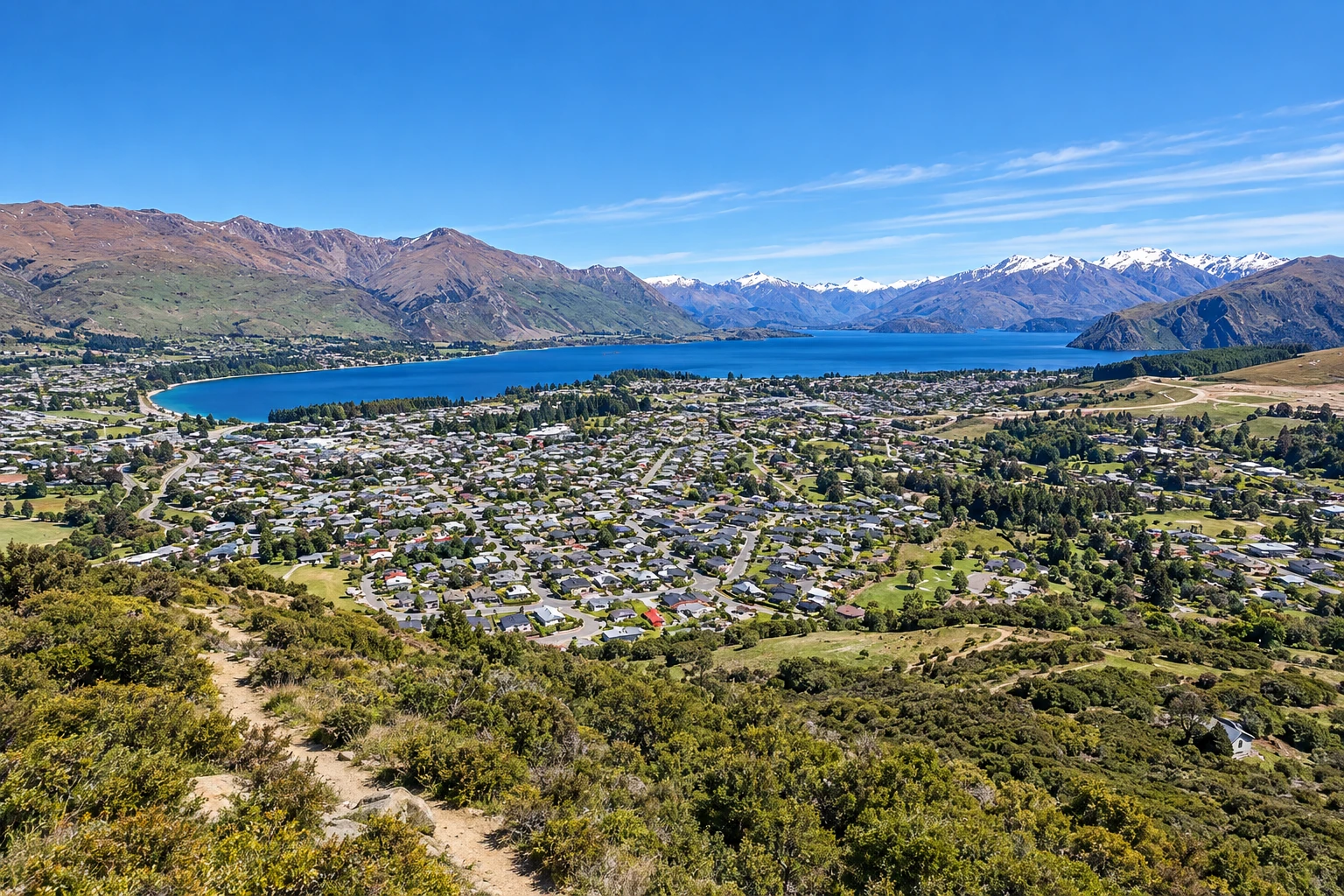
Wānaka, on the shore of the lake of the same name, is quieter and provides access to Mount Aspiring National Park; Roys Peak and the Matukituki Valley are among the most popular hikes. In winter, Coronet Peak and The Remarkables near Queenstown, and Cardrona and Treble Cone near Wānaka, host skiers.
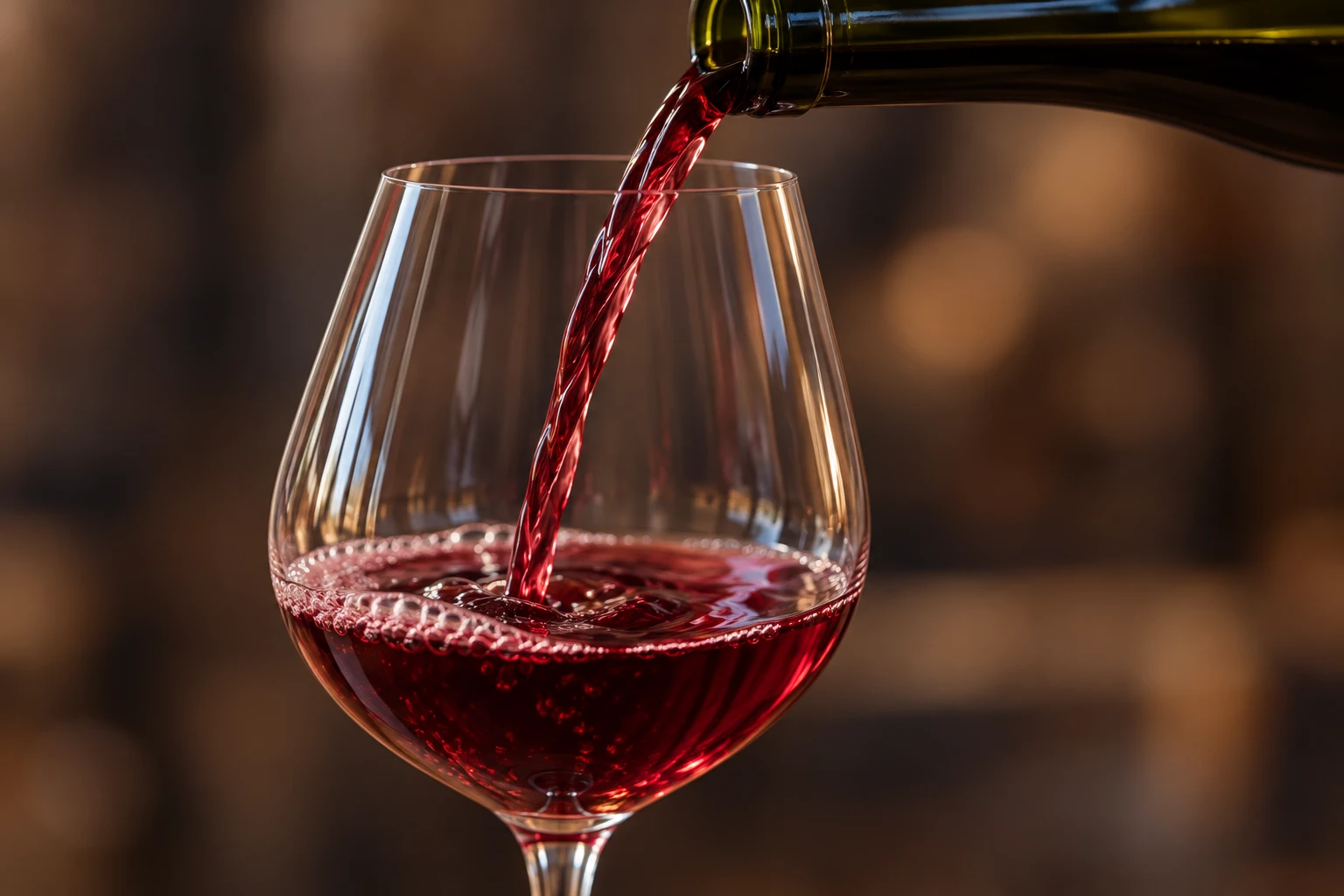
Central Otago is often cited as the southernmost wine region in the world and is known for pinot noir, with vineyards in Gibbston, Bannockburn and Cromwell. The Otago Central Rail Trail, about 150 km between Clyde and Middlemarch, was the country's first rail-trail and passes through tunnels, viaducts and old towns.
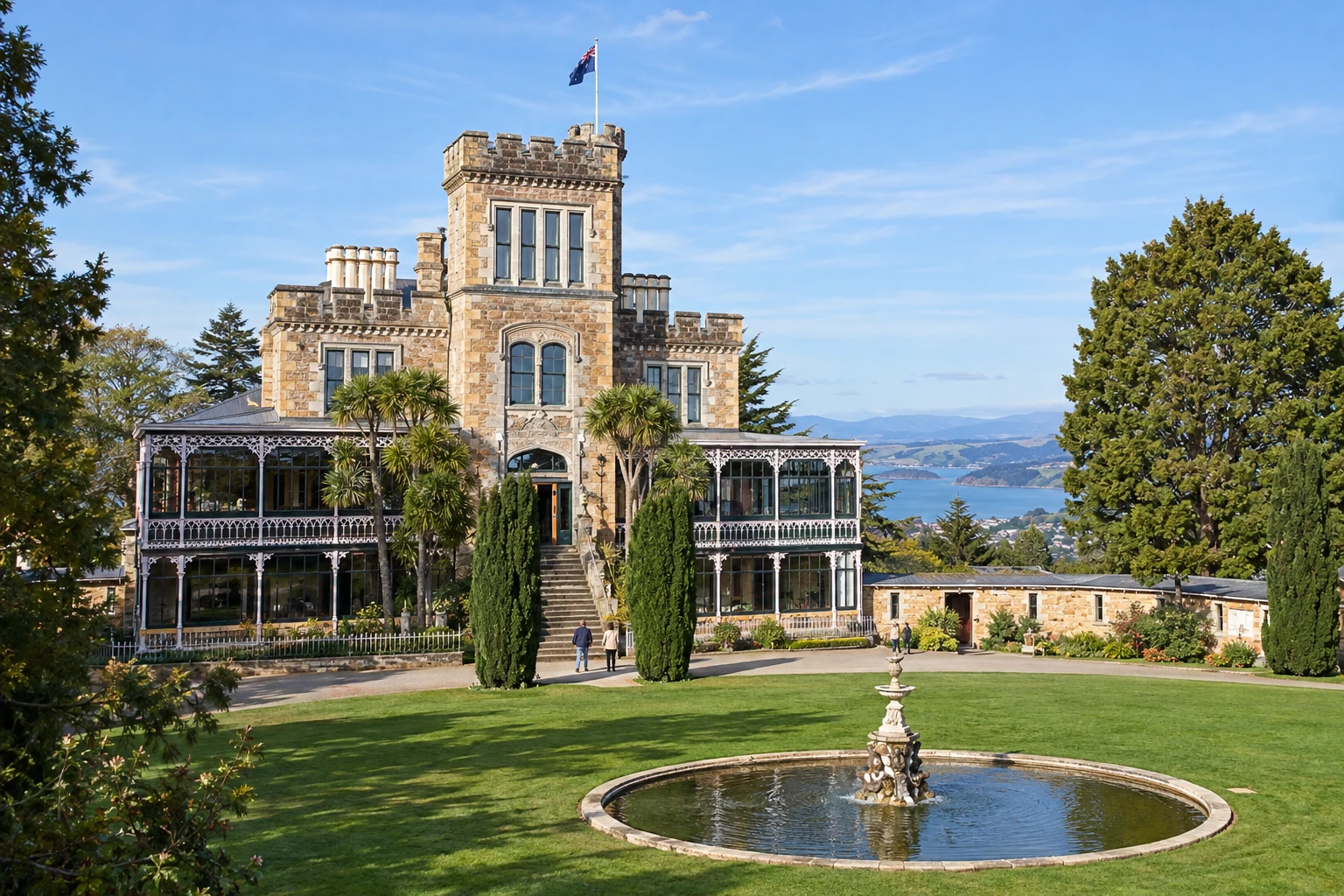
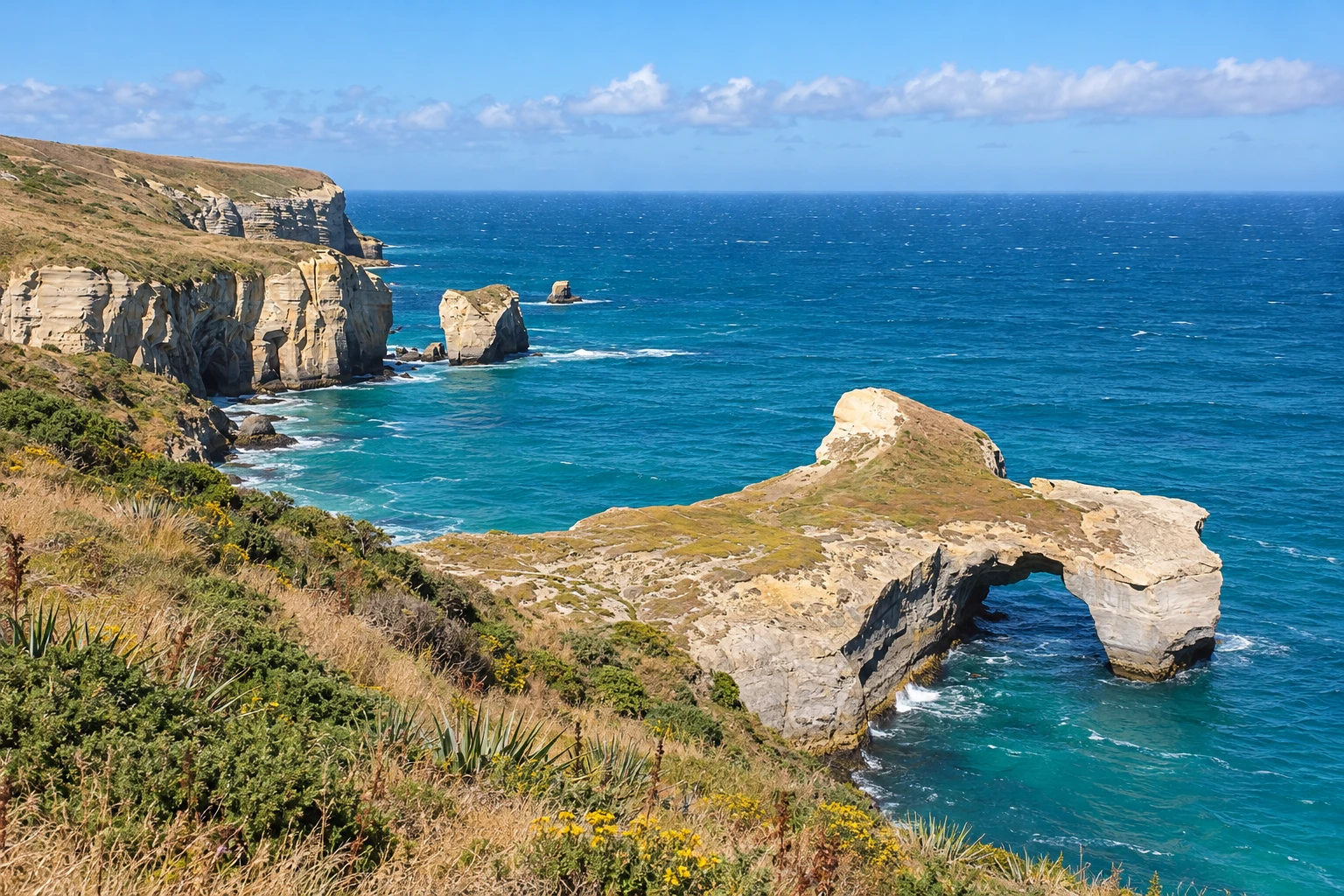
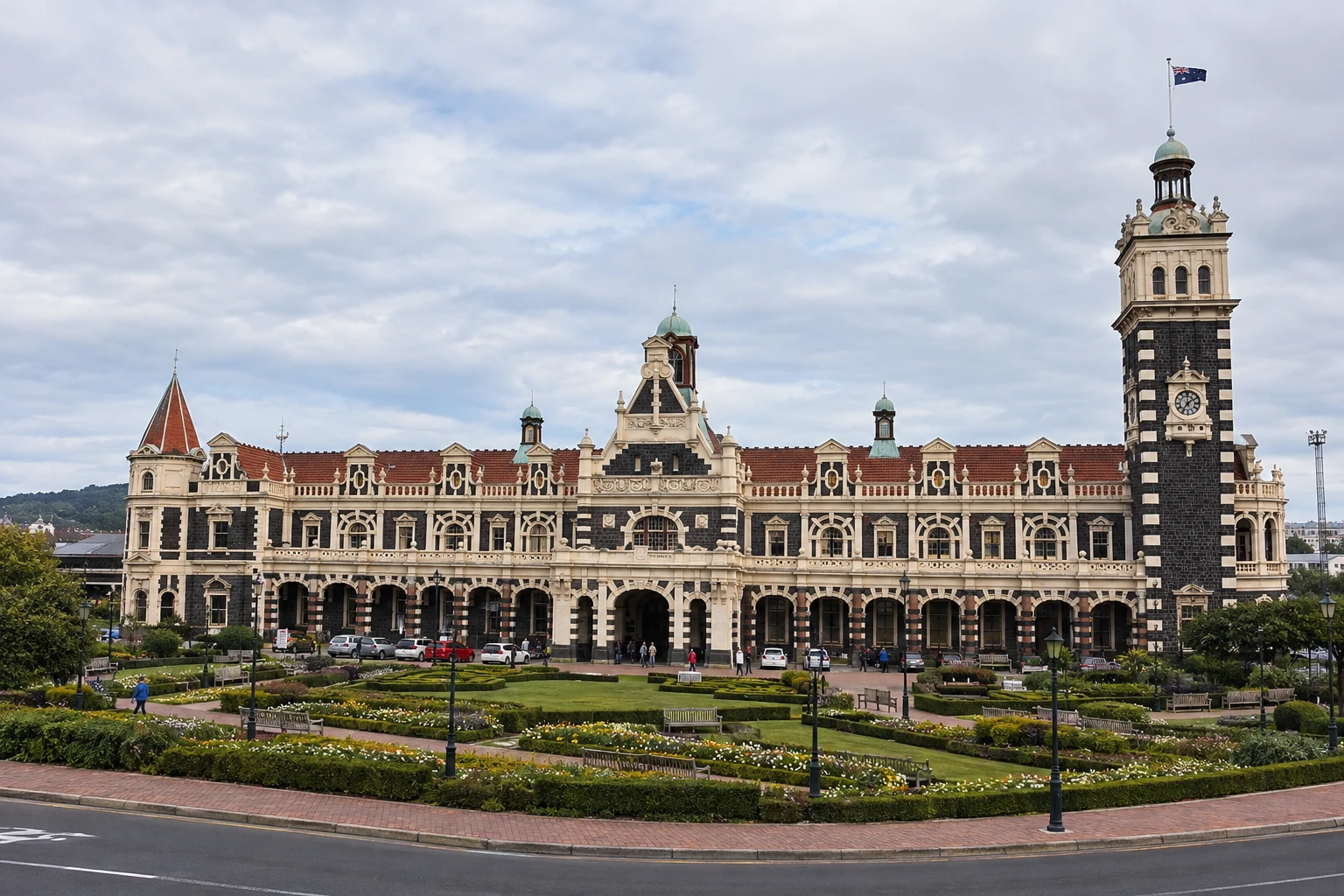
Dunedin (Ōtepoti) has Scottish heritage, a stone railway station, the country's oldest university and Baldwin Street, a road of extreme steepness. On the Otago Peninsula, Pukekura (Taiaroa Head) hosts the only mainland royal albatross colony in the world that is inhabited, and the peninsula's beaches are habitat for the yellow-eyed penguin (hoiho), fur seals and sea lions.


 Brazil
 Antarctica
 Argentina
 Bolivia
 Chile
 Colombia
 Ecuador
 Falkland Islands (Malvinas)
 French Guiana
 Guyana
 Paraguay
 Peru
 Suriname
 Uruguay
 Venezuela
 Austria
 Belgium
 Croatia
 Denmark
 Finland
 France
 Germany
 Greece
 Hungary
 Iceland
 Ireland
 Italy
 Luxembourg
 Norway
 Poland
 Portugal
 Slovakia
 Slovenia
 Spain
 Sweden
 Switzerland
 the Czech Republic
 the Netherlands
 the United Kingdom
 Turkey
 Bermuda
 Canada
 Greenland
 Mexico
 Saint Pierre and Miquelon
 the United States
 the Dominican Republic
 Japan
 Egypt
 South Africa
 Australia
 Fiji
 Papua New Guinea