Rotorua

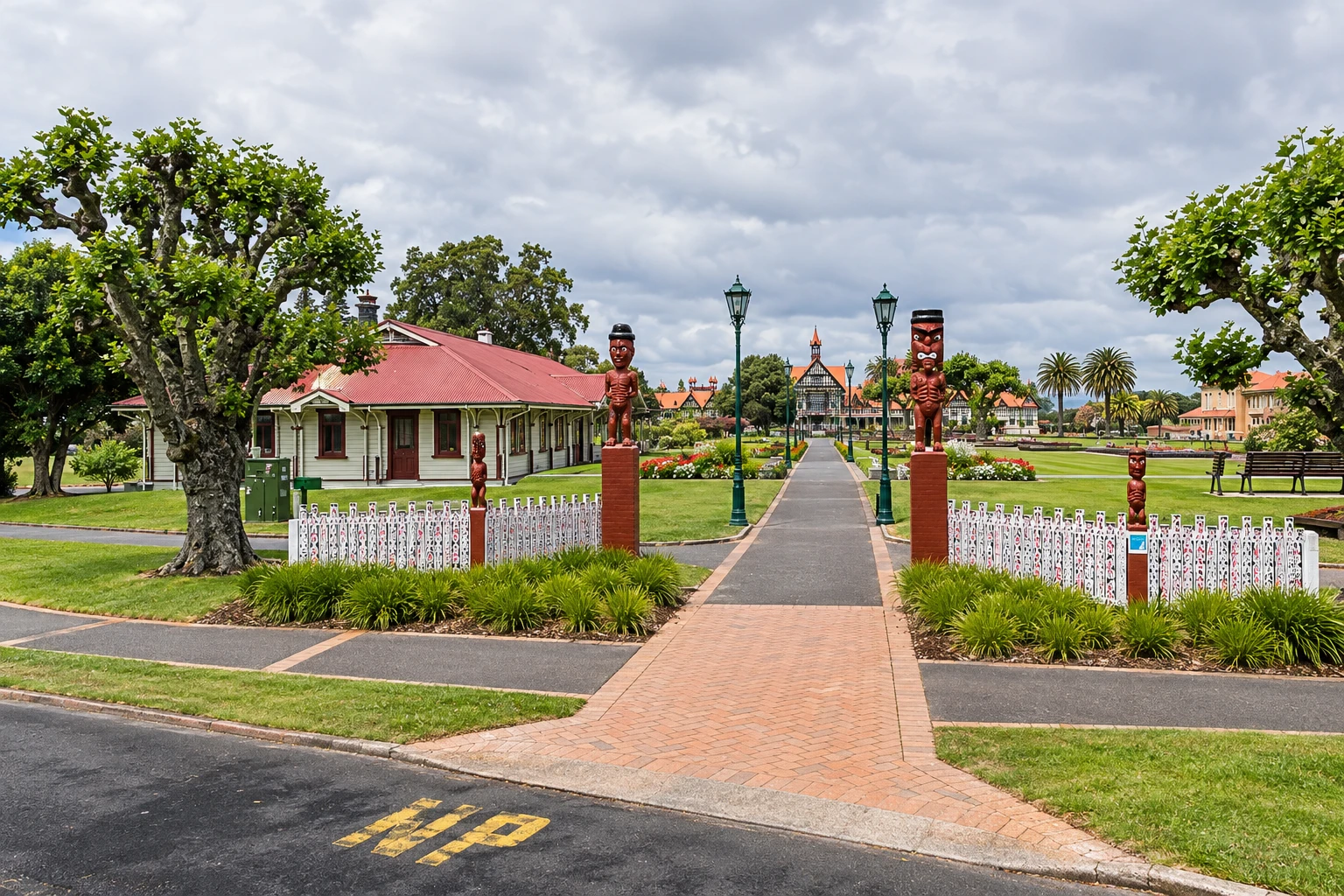
In the photo: Government Gardens

Illustrative images. The pictures in this guide are illustrations based on the real place, not photographs, and may differ from it.

Get it on Google Play

The city

What to expect from Rotorua.

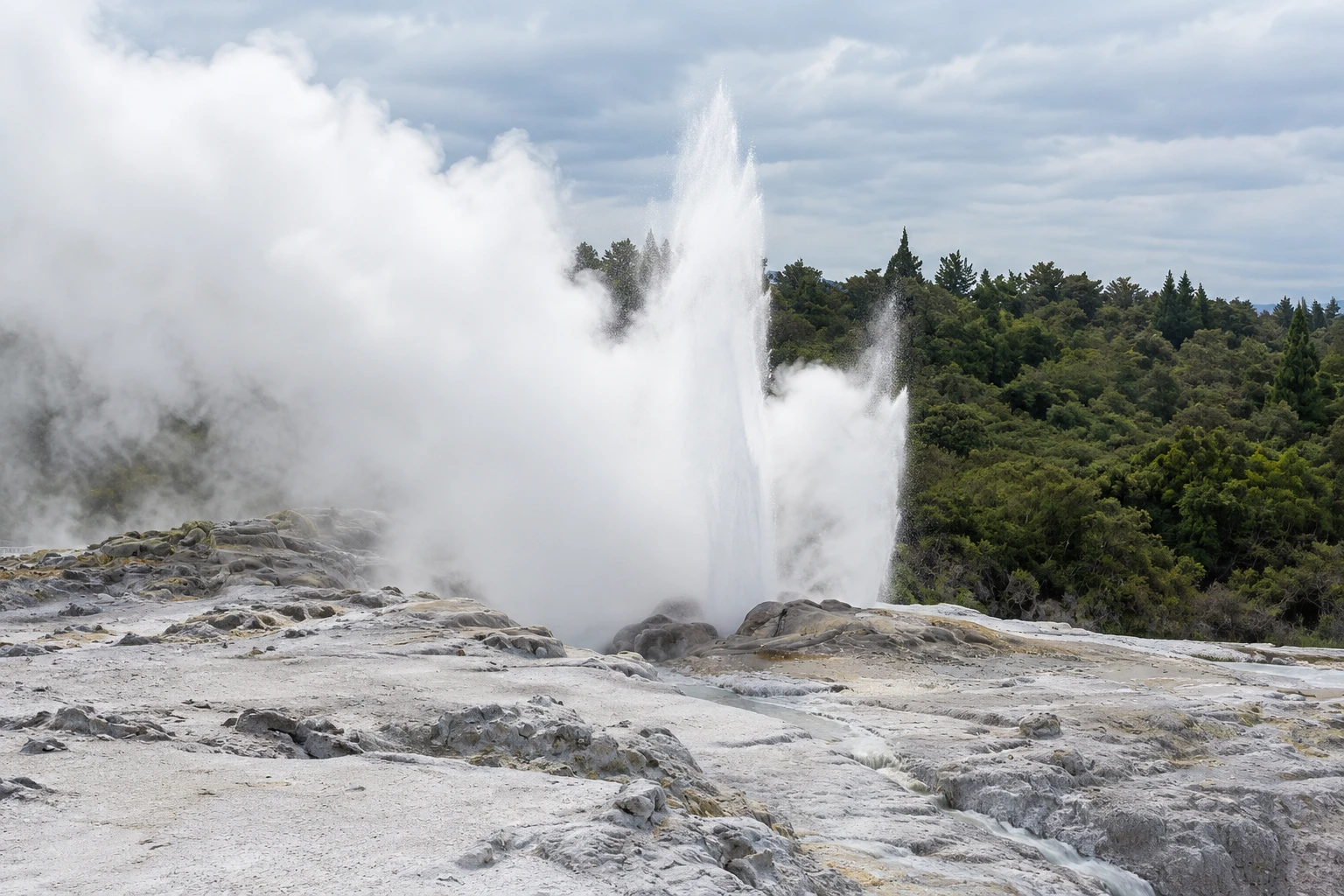
Rotorua, on the shore of the lake of the same name, sits over a geothermal field and is the cultural center of the Te Arawa people. In the Te Whakarewarewa valley are Te Puia, with the Pōhutu geyser, and the Whakarewarewa village, where food is cooked with steam. In the center, Kuirau Park and the Government Gardens have springs and thermal baths. To the south are Wai‑O‑Tapu and the Waimangu Volcanic Valley, and to the east the Whakarewarewa sequoia forest.

Share: WhatsApp

Where to stay

There's no accommodation in the guide yet in Rotorua.

Do you run a hotel, guesthouse or vacation rental here? List it

Where to eat

There are no restaurants in the guide yet in Rotorua.

Know a good one? Recommend it to us

Map of Rotorua

The city's hotels and restaurants on the map.

Your trip

how to get there · how many days · itinerary · questions

Flavors of New Zealand

To try Rotorua

Discover other flavors of New Zealand

The local experience

Things to do in Rotorua

Rotorua · New Zealand · Geothermal area

Te Puia

Park in the Te Whakarewarewa geothermal valley, with the Pōhutu geyser, boiling mud lakes, the national school of Māori carving and weaving, a kiwi house and cultural performances.

Explore Te Puia

Rotorua · New Zealand · Māori village

Whakarewarewa Village

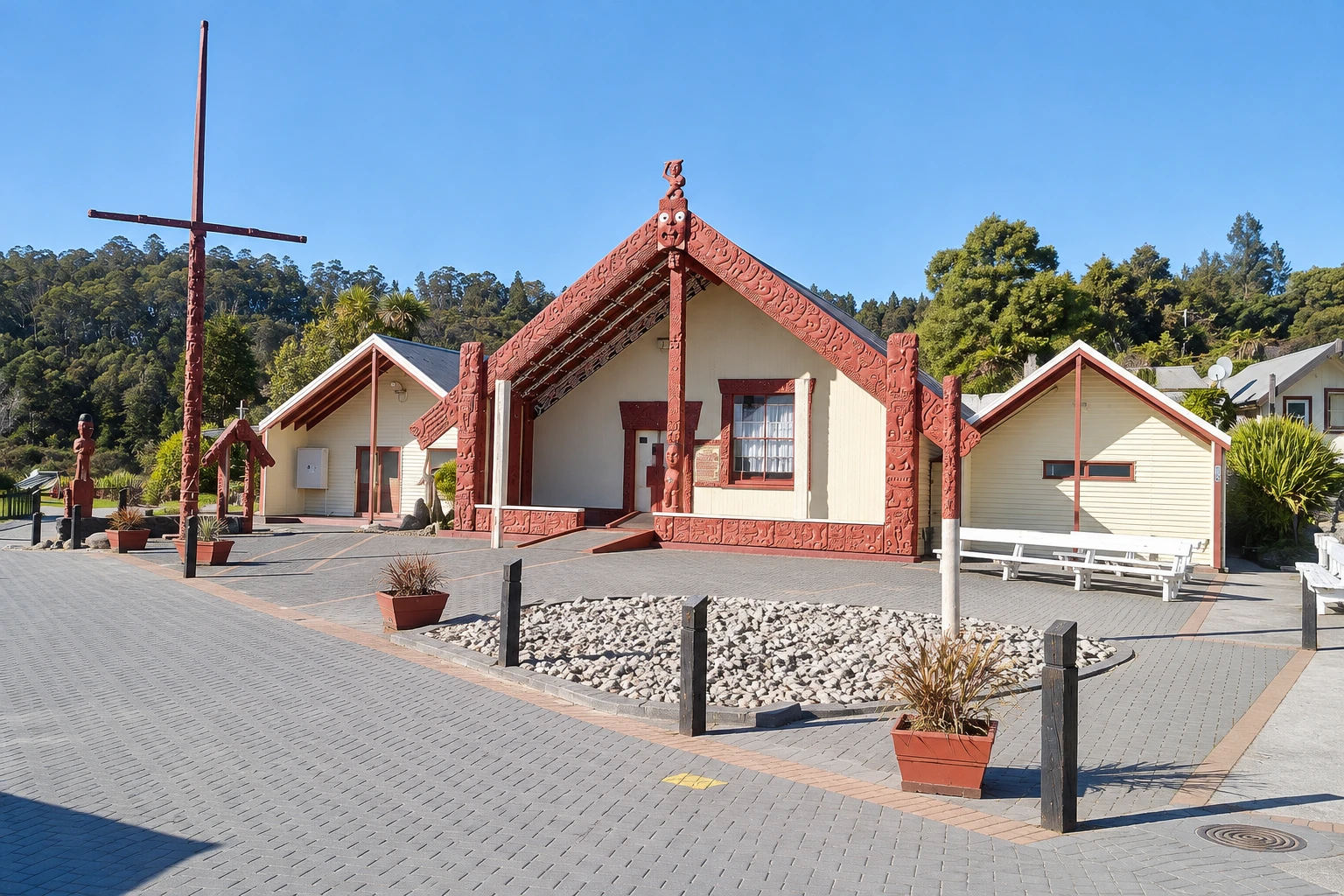
Inhabited Māori village in Rotorua’s geothermal valley, where residents cook with spring steam and guide visits through houses, thermal pools and viewpoints of the Pōhutu geyser.

Explore Whakarewarewa Village

Rotorua · New Zealand · Geothermal area

Wai-O-Tapu

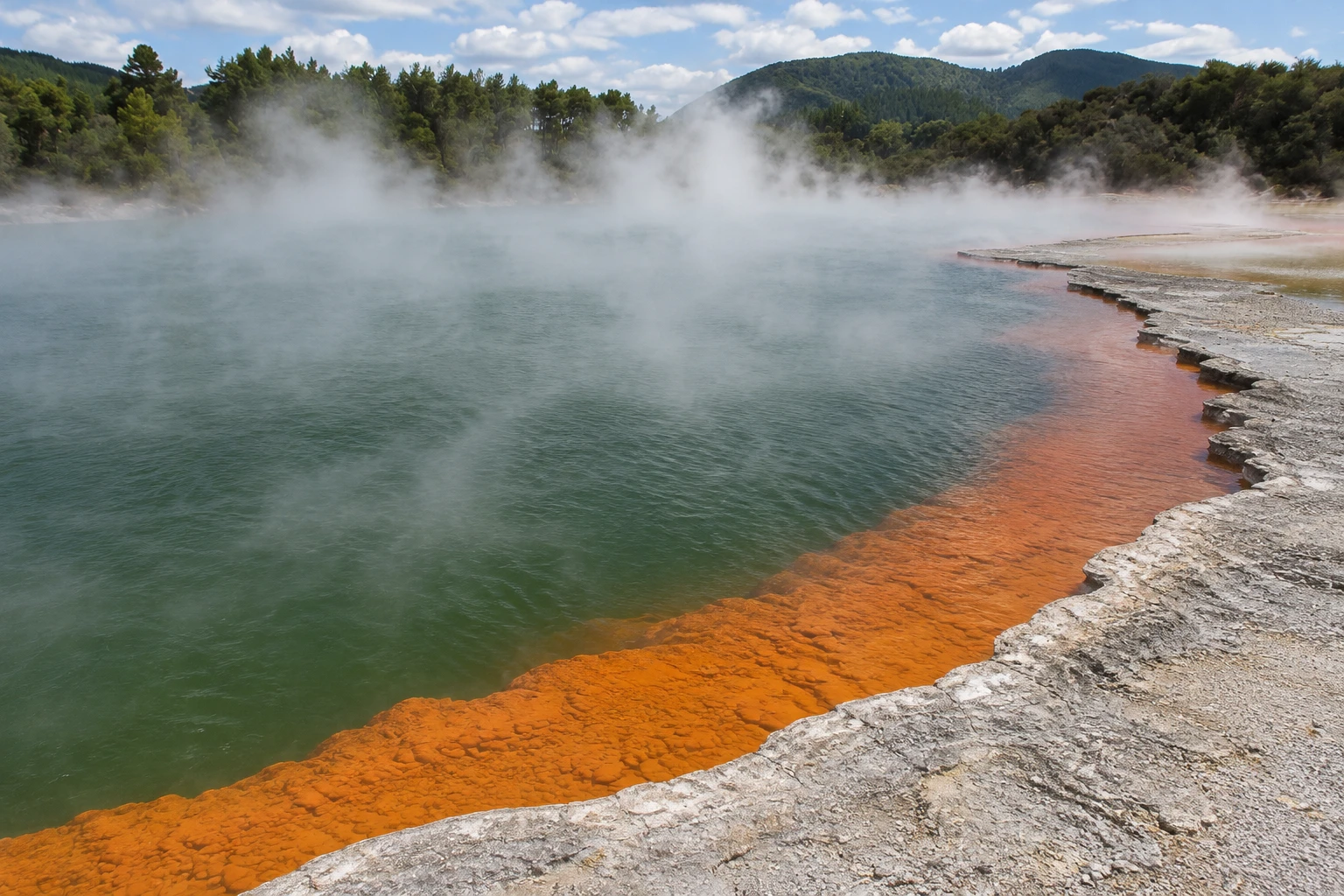
Geothermal area south of Rotorua with intensely colored pools: the Champagne Pool with an orange rim, the Artist's Palette, the green Devil's Bath and the Lady Knox geyser.

Explore Wai-O-Tapu

Rotorua · New Zealand · Geothermal area

Waimangu Volcanic Valley

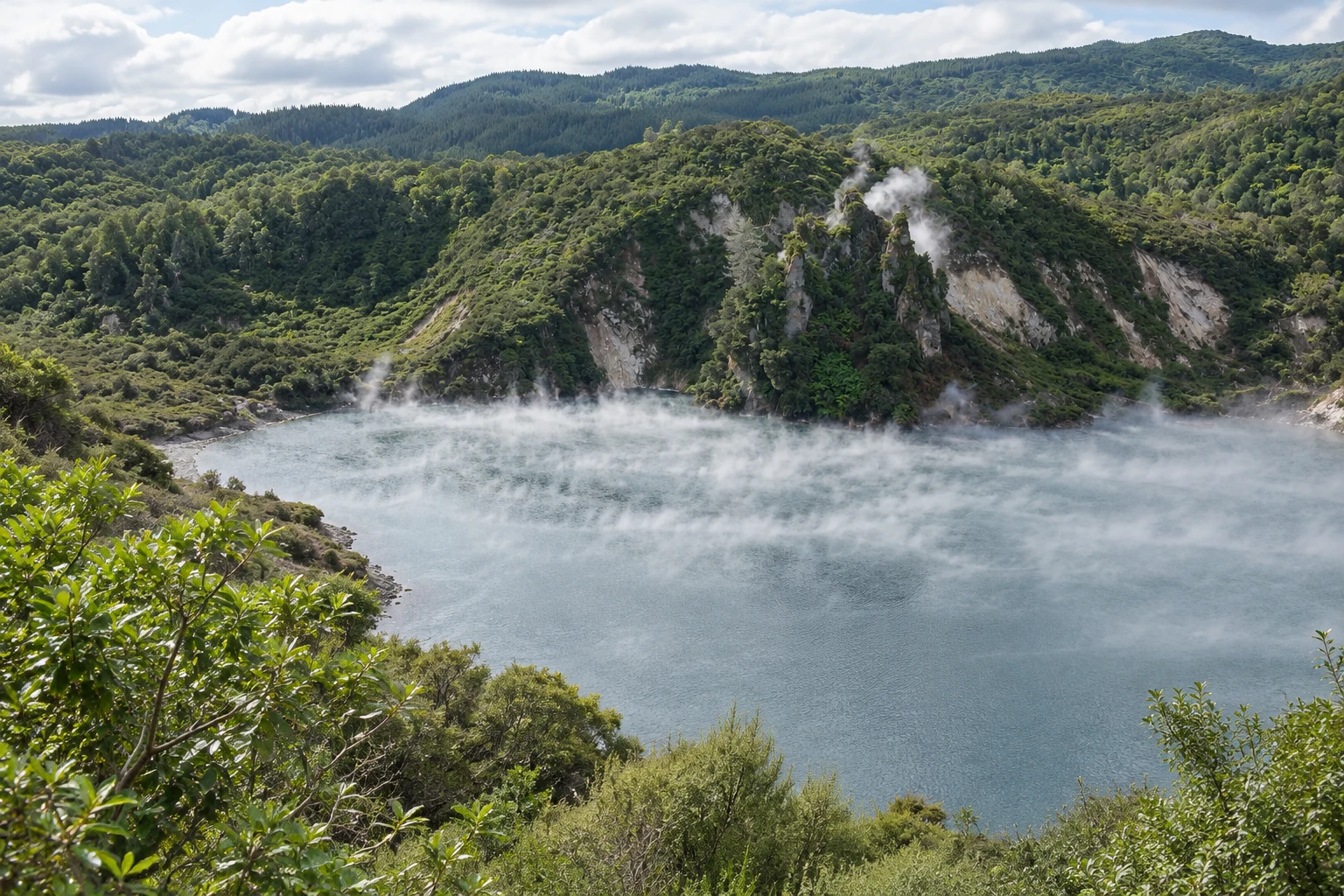
A valley formed by the 1886 eruption of Mount Tarawera, featuring Frying Pan Lake, which released steam like a frying pan, the Inferno crater of blue water and a downhill trail to Lake Rotomahana.

Explore Waimangu Volcanic Valley

See 3 more places in Rotorua

Before you go

Your trip to Rotorua

Rotorua – New Zealand

How to get there

  • Aeroporto de Rotorua (ROT) 9 km
  • Centro de informações de Rotorua (i-SITE) 1 km

Approximate distances. Check flights and bus, train or boat schedules before you travel.

From Auckland, about 230 km by car, in 3 hours, or by scheduled bus. Rotorua Airport (ROT), about 9 km from the center, has domestic flights. Scheduled buses arrive at the tourist information center on Fenton Street.

How many days

Two days: one for Te Puia or the Whakarewarewa village and the center; another for Wai‑O‑Tapu and Waimangu, with a Māori performance and hāngī in the evening. A third day is for the sequoia forest and a hot‑pool soak.

When to go

All year round. In summer, from December to March, days are warm and long. In winter mornings are cold, geothermal steam is more visible and hot pools are more popular.

The seasons shown are the most usual ones; nature doesn't always follow the calendar.

Do you need a car?

In the center and for Te Puia, Whakarewarewa and the parks, no: there are city buses and taxis. For Wai‑O‑Tapu and Waimangu to the south, a car is most practical; organized tours are available.

Suggested itinerary

An order that works

Built with the places on this page. No rush: it's paced so you have time to see them.

One day in Rotorua
  1. manhã
    Te Puia and the Pōhutu geyser

    Start at Te Puia: the geothermal valley, the Pōhutu geyser, the carving and weaving workshops and the kiwi house.

  2. tarde
    Kuirau Park and the Government Gardens

    Return to the center and visit Kuirau Park, with foot‑soaking pools, and the Government Gardens on the lakeshore.

  3. fim de tarde
    Sequoia forest

    Head to the Whakarewarewa Forest and take a short walk among the sequoias.

  4. noite
    Māori performance and hāngī

    Book a night program with a cultural performance and hāngī dinner, or see the forest’s illuminated bridges.

2 days in Rotorua

Day 1

  1. manhã
    Whakarewarewa village

    On the first day, visit the Whakarewarewa village and have hāngī steamed lunch.

  2. tarde
    Centre and parks

    In the afternoon, Kuirau Park, the Government Gardens and a thermal bath.

Day 2

  1. manhã
    Wai‑O‑Tapu

    Leave early for Wai‑O‑Tapu: watch the Lady Knox geyser eruption and walk the circuit of colorful pools.

  2. tarde
    Waimangu

    Continue to the Waimangu Volcanic Valley, walk down the trail to Lake Rotomahana and return on the park bus.

  3. noite
    Te Puia at night

    End the day with Te Puia’s night program, including dinner and the illuminated valley.

Check before you go. Opening hours and days change, and places may close for renovations, holidays or events. This itinerary is a suggestion from Cidade Turismo, not a commitment: plan yours by checking directly with each place you intend to visit.

Before you go

Frequently asked questions

Where to stay in Rotorua?

In the center, near the lake and the Government Gardens, where there are more accommodations and restaurants. Many lodgings have their own thermal pool.

How to get from Auckland to Rotorua?

By car, about 3 hours; by scheduled bus; or by plane, with short flights to Rotorua Airport.

What is the distance between Rotorua and Taupō?

About 80 km, roughly a one‑hour drive, passing near Wai‑O‑Tapu.

What is hāngī?

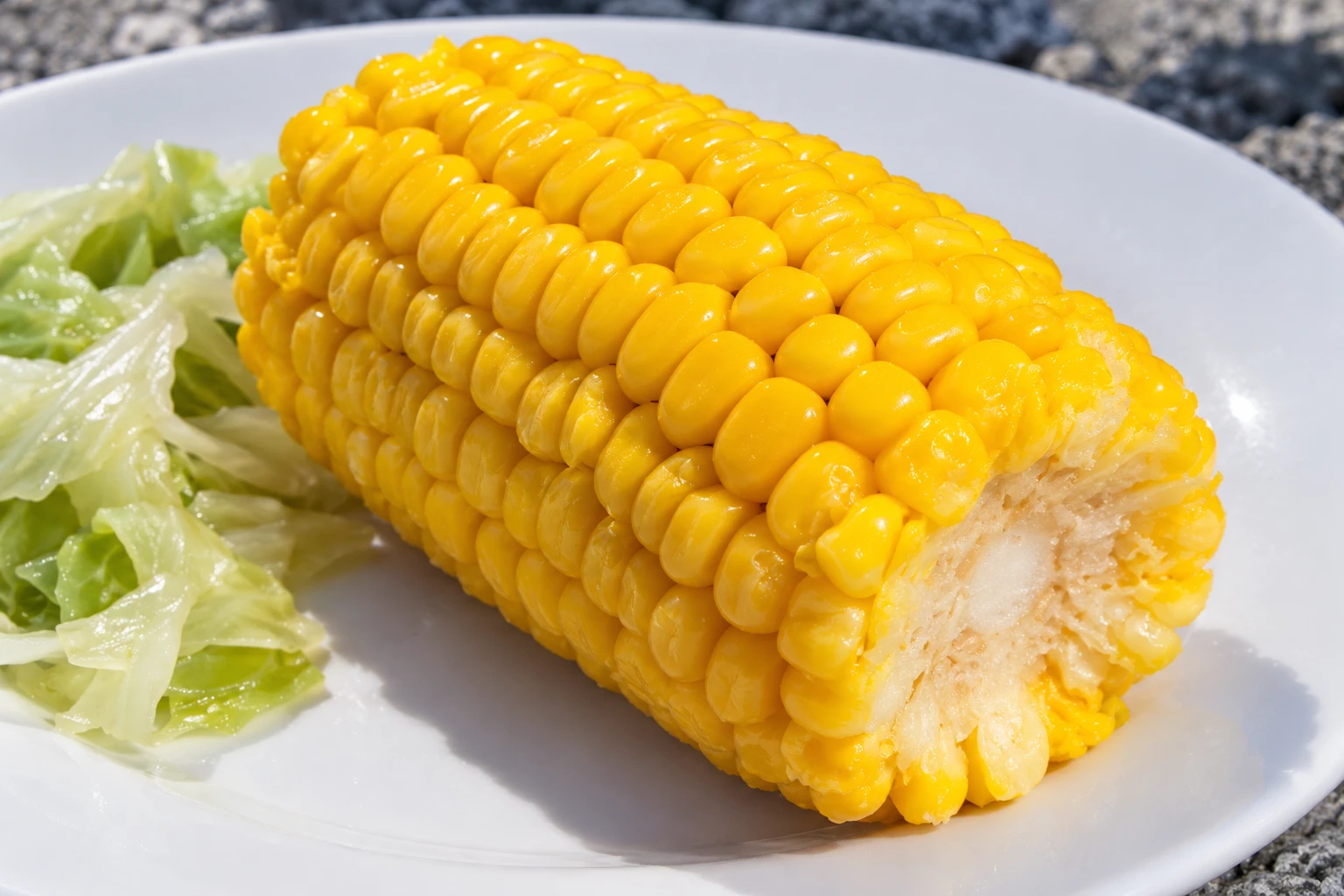
It is the traditional Māori way of cooking meats and vegetables in an earth oven using heated stones. In Rotorua the steam from thermal springs is also used.

Does Rotorua have thermal baths?

Yes. There are public and commercial thermal pools, and many accommodations have thermal-water pools.

Traveler, share your experiences through photos Up to 5 photos of each place you visited.
See the destination Rotorua Find another city