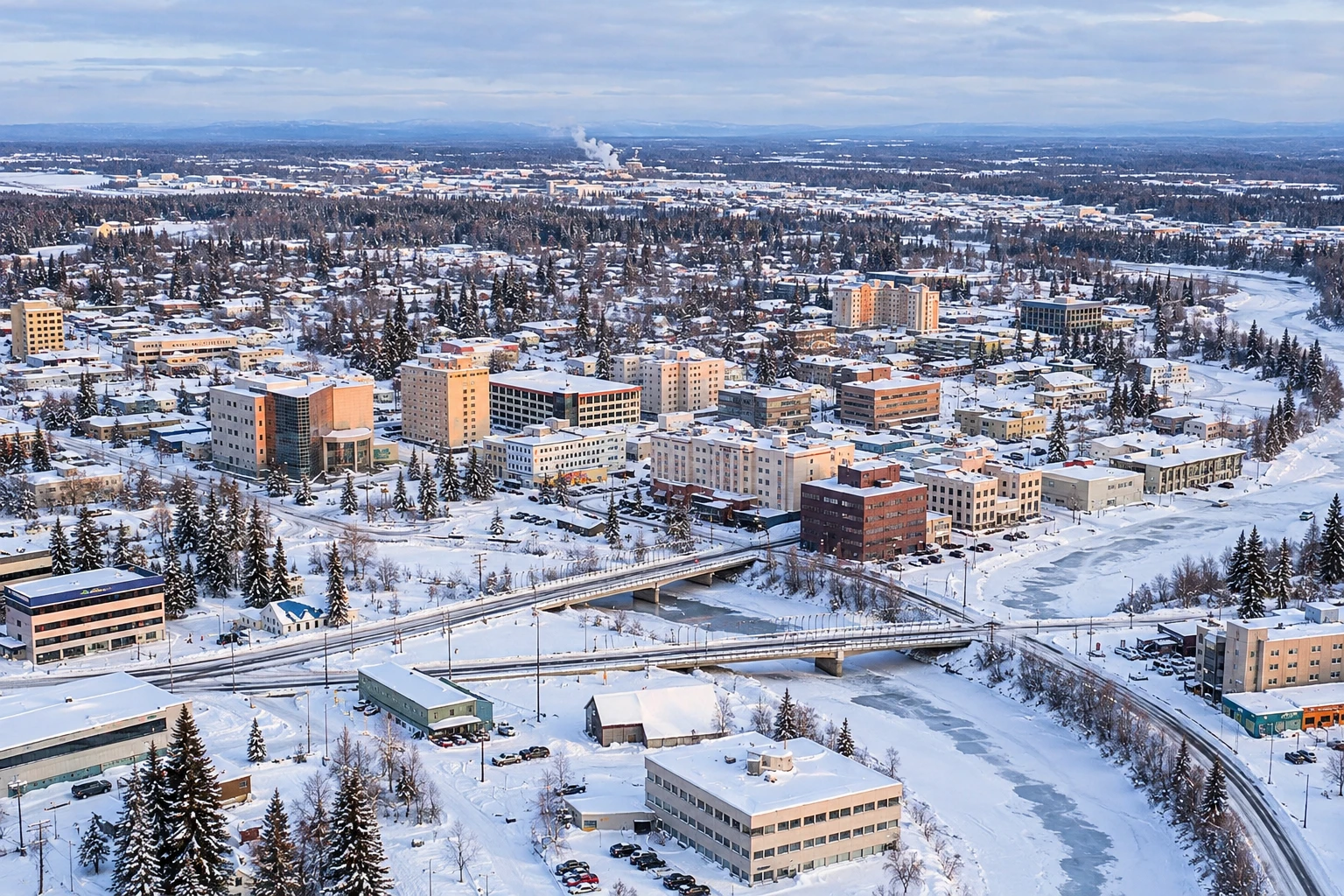
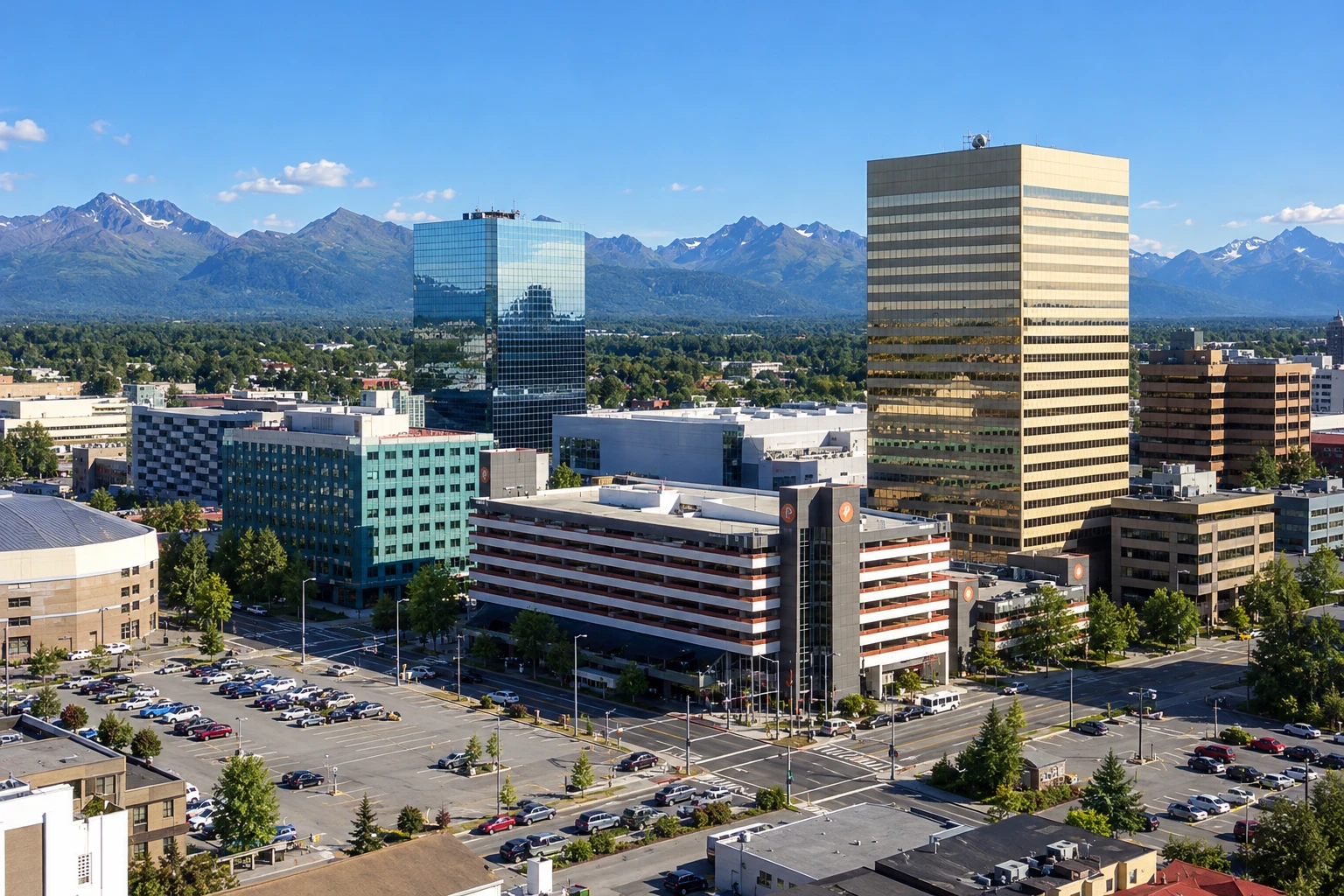
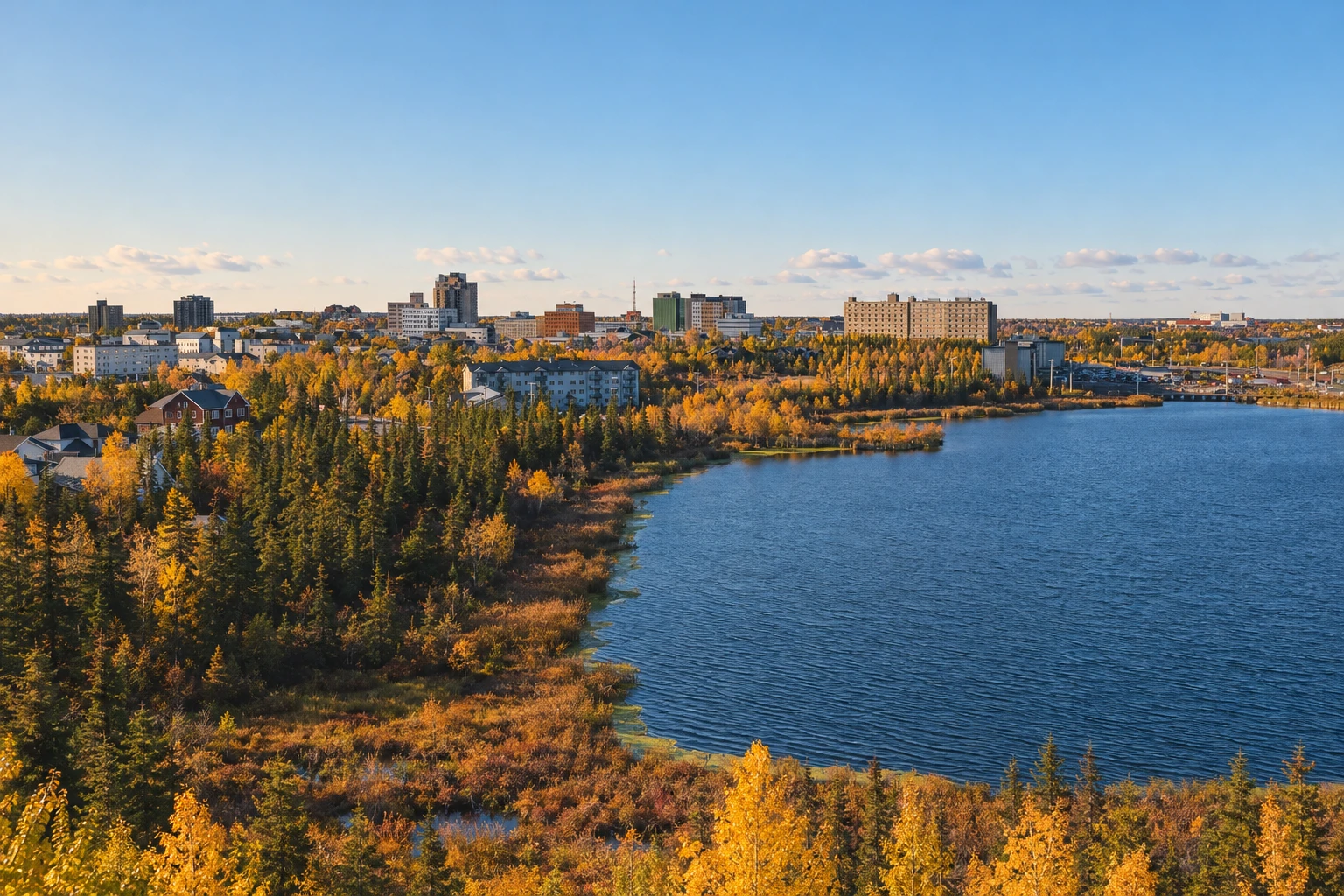
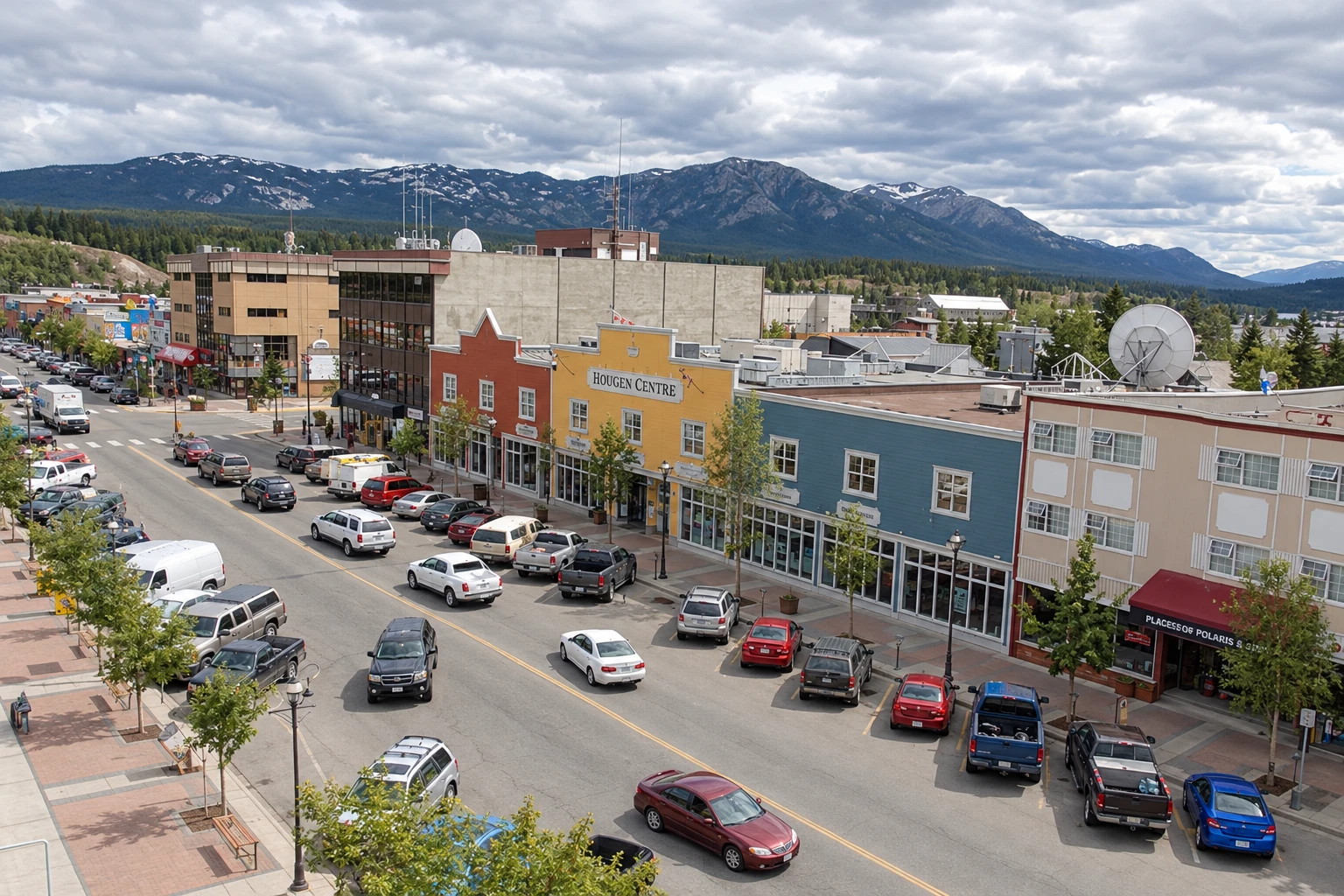
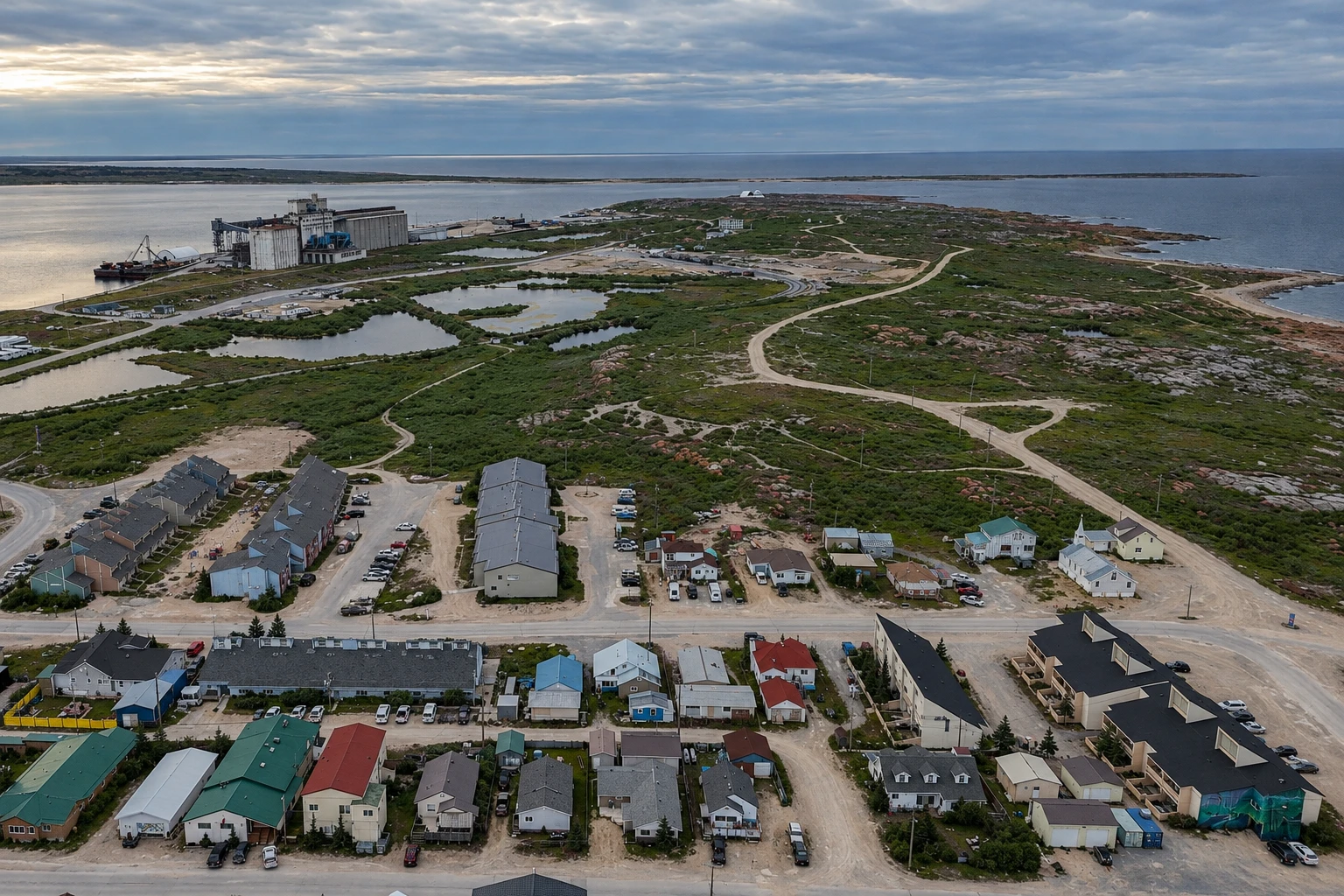
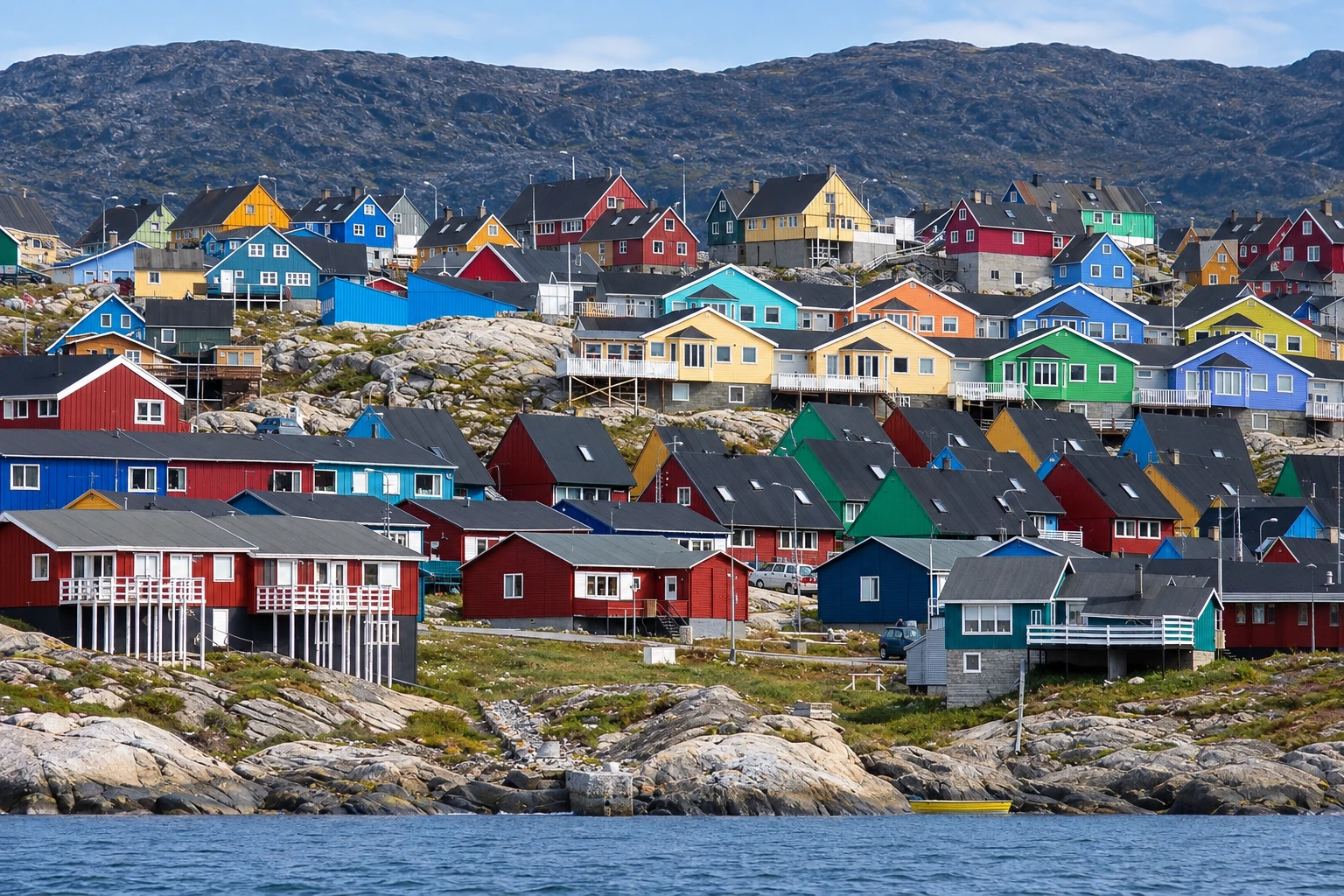
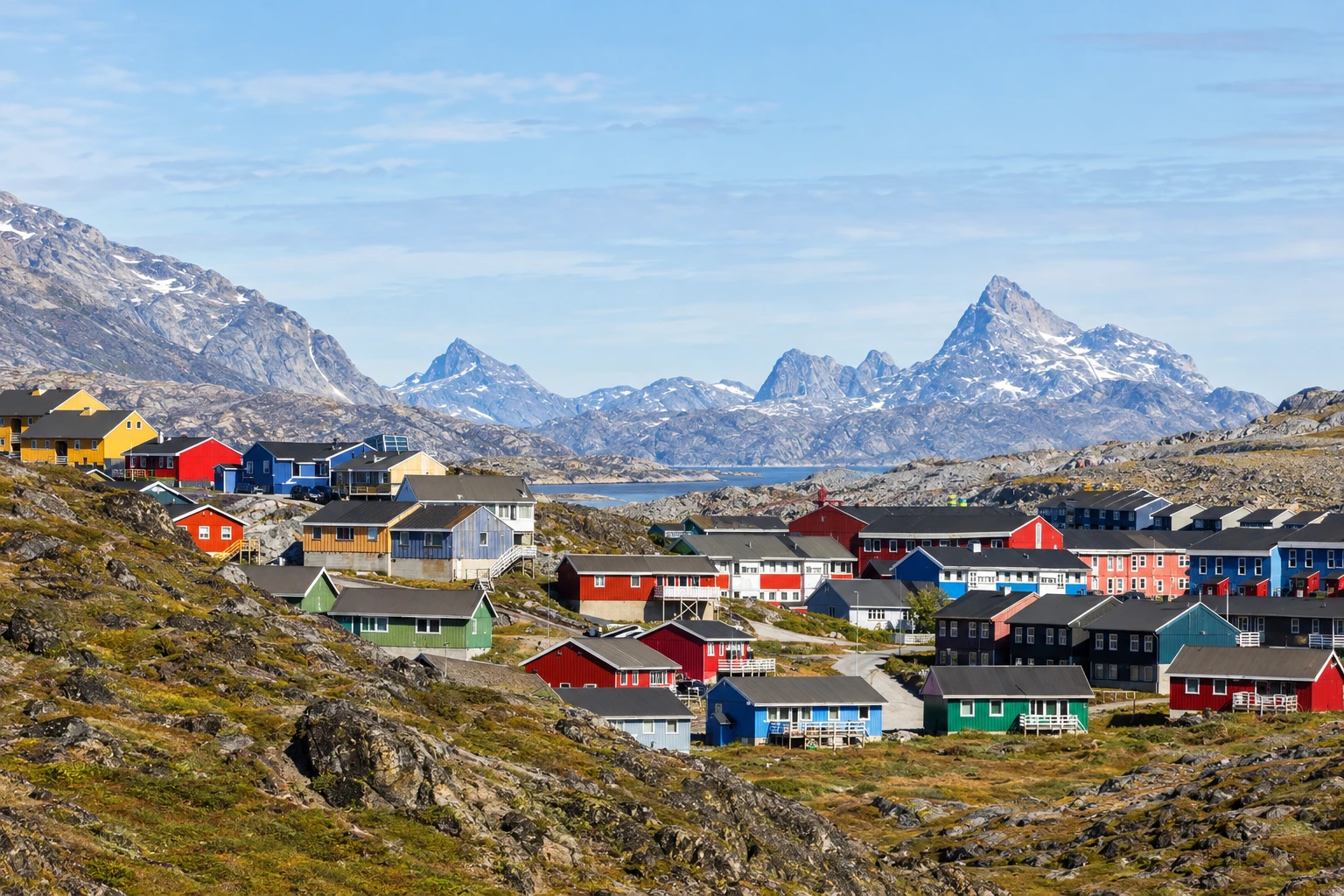
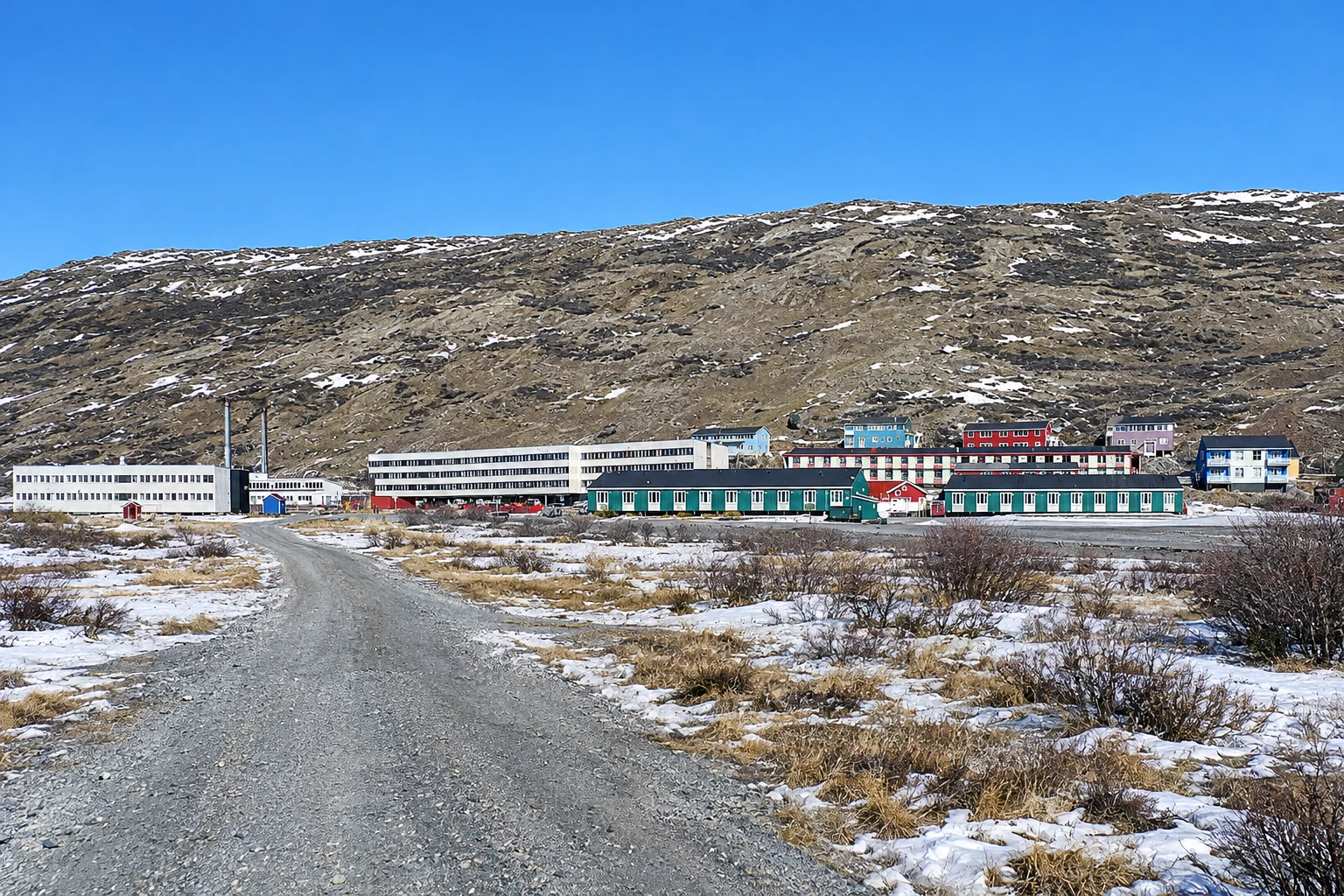
Illustrative images. The pictures in this guide are illustrations based on the real place, not photographs, and may differ from it.

Get it on Google Play

Earth and travel

Permafrost: the ground that never thaws

The ground that stays frozen year‑round, sometimes for thousands of years, beneath Alaska, Canada, Siberia, Greenland and high mountains — and what changes when it begins to melt.

Share: WhatsApp

Tap a point on the map. About a quarter of the Northern Hemisphere's land has permafrost underneath; Brazil has none.

Sources: NSIDC (US National Snow and Ice Data Center), International Permafrost Association, Melnikov Permafrost Institute and CRREL. Map: Natural Earth.

What permafrost is

Permafrost (pergelisol in Portuguese) is ground that stays at 0 °C or below for at least two consecutive years. It can be soil, sand, gravel or rock, with or without ice inside. In many places it has existed for thousands of years and reaches hundreds of meters deep.

Above it lies the active layer, which thaws in summer and refreezes in winter. That layer can be a few centimetres to a few metres thick. It’s in this layer that tundra plants grow and where meltwater pools because it cannot drain through the frozen ground beneath.
Where it’s found

Most permafrost is in the Northern Hemisphere. The region where it appears covers about 23 million km², nearly a quarter of the ice‑free land in that hemisphere. Because not all ground in that region is frozen, the area actually covered by permafrost is around 15%.

About two thirds is in Eurasia, especially Siberia, and the rest is in North America and Greenland. It ranges from northern Greenland at 84° latitude down to the mountains of the Himalaya at 26°. In the Southern Hemisphere it occurs in ice‑free parts of Antarctica, like the Dry Valleys, and at high elevations in mountain ranges such as the Andes.

Continuous, discontinuous and sporadic

Scientists classify permafrost by how much ground it covers. In continuous permafrost more than 90% of the ground is frozen; this is the case in the far north of Canada, Alaska and Siberia. In discontinuous permafrost it covers from about half to nearly all the ground, and in sporadic permafrost it appears in patches.

Further south, frozen ground exists only in the coldest spots: slopes facing the pole, peatlands and forest shadows. In mountains it depends on altitude: in the Alps, for example, permafrost occurs in the highest peaks, inside the rock.

Deep and ancient

In Siberia permafrost exceeds 1,000 meters depth in some places. Much of it formed during ice ages and preserves frozen remains of plants and animals tens of thousands of years old.

In northeast Siberia, in Yakutia, the Batagaika depression, opened in the permafrost since the 1960s, is about 1 kilometre long. Its walls reveal soil layers hundreds of thousands of years old; in 2018 the frozen carcass of a foal from an extinct horse species, about 42,000 years old, was found there.

Living and building on it

A heated house built directly on permafrost melts the ground beneath and sinks. For that reason, in Arctic towns many buildings stand on piles driven deep into frozen ground, with a gap underneath so cold air can circulate. Water and sewage pipes commonly run above ground in insulated enclosures.

The Trans‑Alaska Pipeline runs elevated for much of its length, and many supports have tubes that remove heat from the ground in winter — thermosiphons. In China the Qinghai–Tibet Railway crosses hundreds of kilometres of permafrost with similar systems to keep the ground frozen.

When permafrost thaws

With Arctic warming — which is happening faster than the global average — the active layer deepens and permafrost is beginning to thaw in many places. Where the ground contains a lot of ice it collapses: holes, new lakes and slumping slopes form, a type of landform called thermokarst.

For people living on top of it this means wavy roads, tilted houses, leaning utility poles and coastlines retreating due to marine erosion. In Alaska, Canada and Siberia some villages have had to relocate.

The carbon stored there

The soils of permafrost regions hold about 1.4 to 1.6 trillion tonnes of carbon, roughly twice the amount currently in the atmosphere. This is plant and animal matter that froze before it decomposed.

When the ground thaws, microbes resume decomposing that material and emit carbon dioxide and methane, which warm the planet and cause more permafrost to thaw. That is why scientists monitor thaw carefully: it is one of the major uncertainties in climate projections.

Where travellers can see it

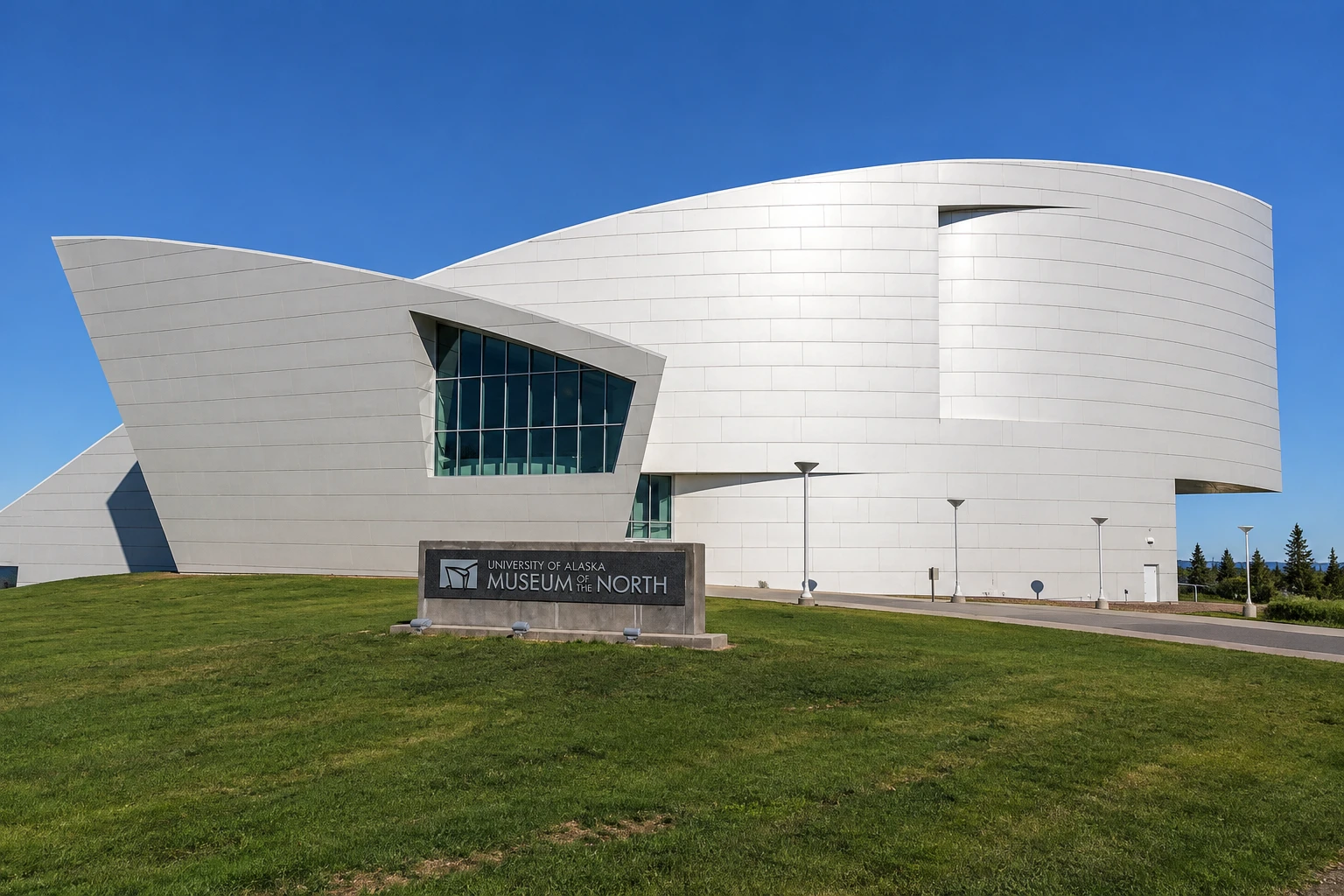
In Fairbanks, Alaska, the University of Alaska’s Museum of the North explains permafrost and the frozen animals found in the region. Near the city is the Permafrost Tunnel, dug into the frozen ground by the United States Army for research; it is rarely open to the public but offers a virtual tour. For Arctic museums and roads, check opening days and conditions in advance.

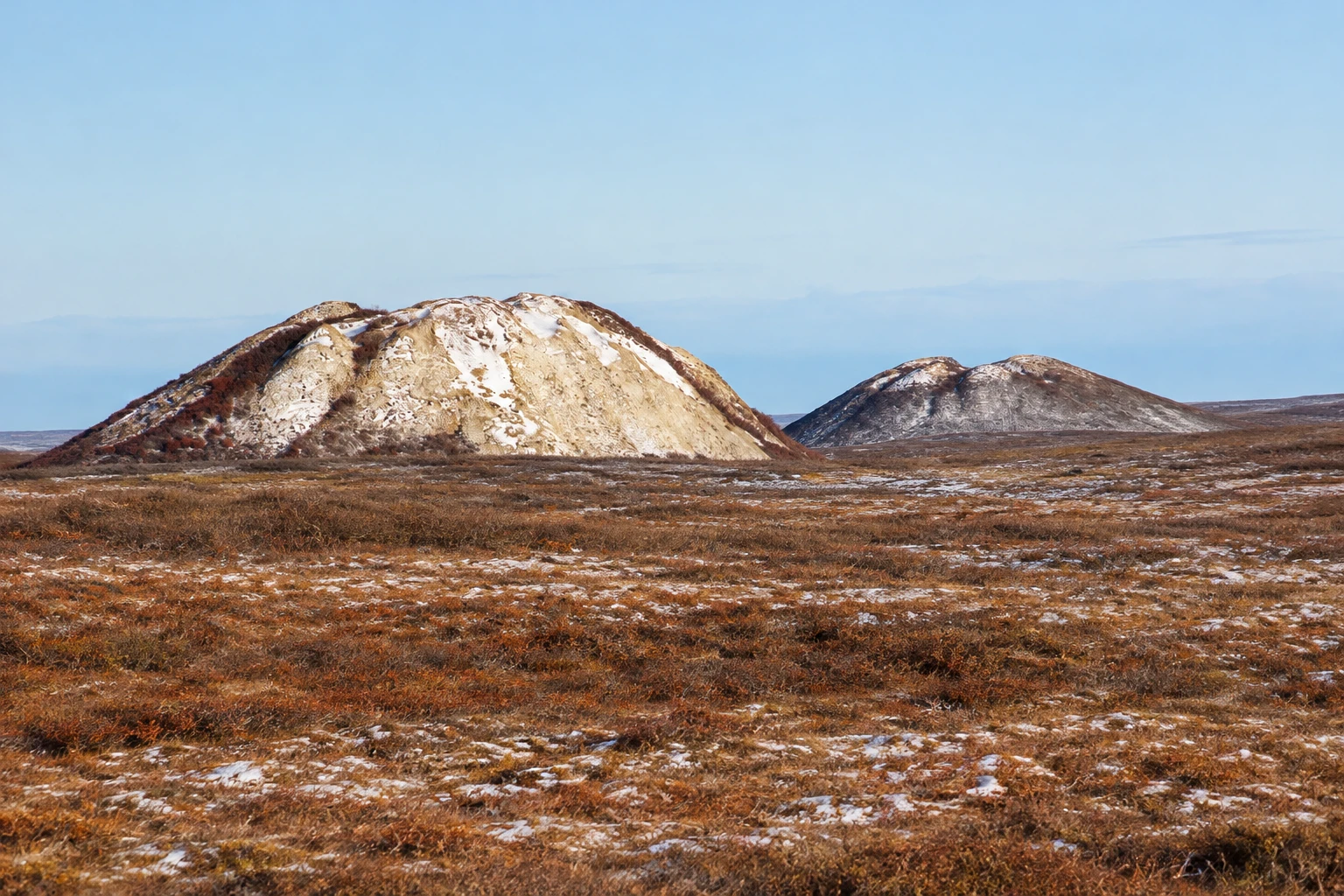
In Canada the Dempster Highway leads to Inuvik, a town built on piles, and from there another road continues to Tuktoyaktuk on the Arctic coast, where pingos — mounds of earth with an ice core — occur. In Longyearbyen, Svalbard, houses also stand on piles, and the Global Seed Vault was built inside a mountain to take advantage of permafrost cold.

In Greenland, at Ilulissat and Kangerlussuaq, and in high mountains of the Alps and the Andes, permafrost isn’t visible but lies under the landscape: summer rockfalls on some Alpine peaks are linked to thawing inside the mountain.

Frequently asked questions

What is permafrost?

It’s ground that stays at 0 °C or below for at least two consecutive years. In Portuguese it’s also called pergelissolo.

Is permafrost just ice?

No. It’s frozen soil, sand, gravel, or rock; some of it contains lots of ice in layers and wedges, and some contains very little.

Where does permafrost occur?

Mostly in the Northern Hemisphere: Siberia, northern Canada, Alaska, and Greenland, as well as high mountains like the Himalayas and the Alps. In the south, it appears in the ice-free areas of Antarctica and high in the Andes.

What is the active layer?

It’s the top layer of ground that thaws in summer and refreezes in winter. The permafrost lies just below it.

How deep is permafrost?

It ranges from a few meters to more than 1,000 meters in parts of Siberia.

Why are Arctic houses built on stilts?

So the house’s heat doesn’t melt the frozen ground. The stilts reach down into the permafrost, and cold air flows through the gap under the floor.

What happens when permafrost thaws?

Ground containing ice subsides, creating holes and lakes; roads and houses deform; and the soil releases carbon dioxide and methane that were trapped there.

Why does permafrost thaw worry the climate?

Because the region’s soils store about twice the carbon that’s in the atmosphere. When they thaw, some of that carbon becomes greenhouse gases, which warm the planet further.

Where can a tourist see permafrost?

In Fairbanks, Alaska, at the Museum of the North; in Canada, at Inuvik and the pingos of Tuktoyaktuk; and in Longyearbyen, Svalbard, with houses on stilts.

Is there permafrost in Brazil?

No. The country’s climate is too warm; the closest permafrost is high in the Andes and in Antarctica.